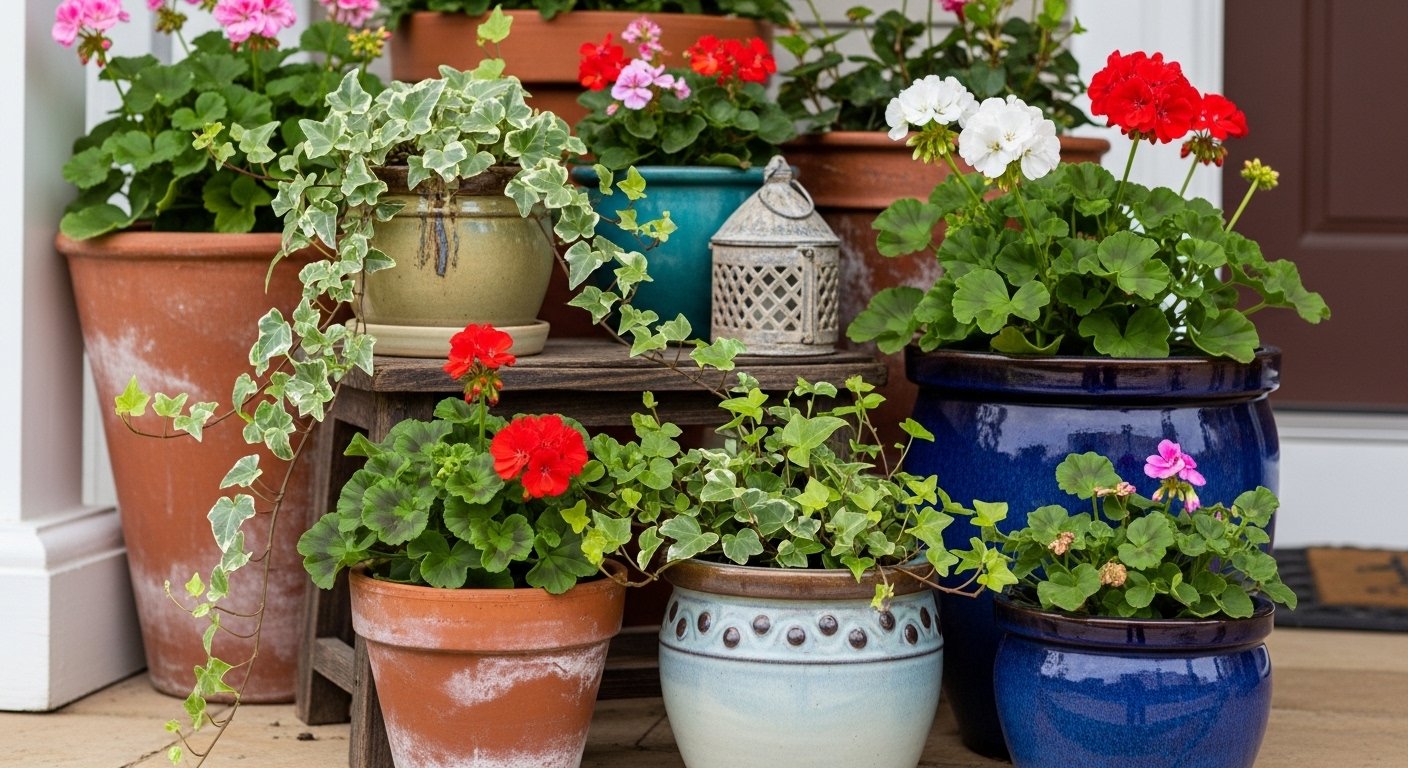
I used to cram pots in the corners and hope for the best. It took a few failures to see what a porch actually wanted—balance, texture, and plants that live well outside, not on a wishlist.
These ideas come from real pots I bought, moved, and learned from. Simple, honest, and ready to plant.
24 Stunning Outdoor Flower Pot Ideas For A Beautiful Porch
These 24 ideas are practical, tested in working gardens, and ready to copy exactly. I include what I used and links for the exact items I bought.
1. Layered Container Planting That Makes a Porch Feel Full
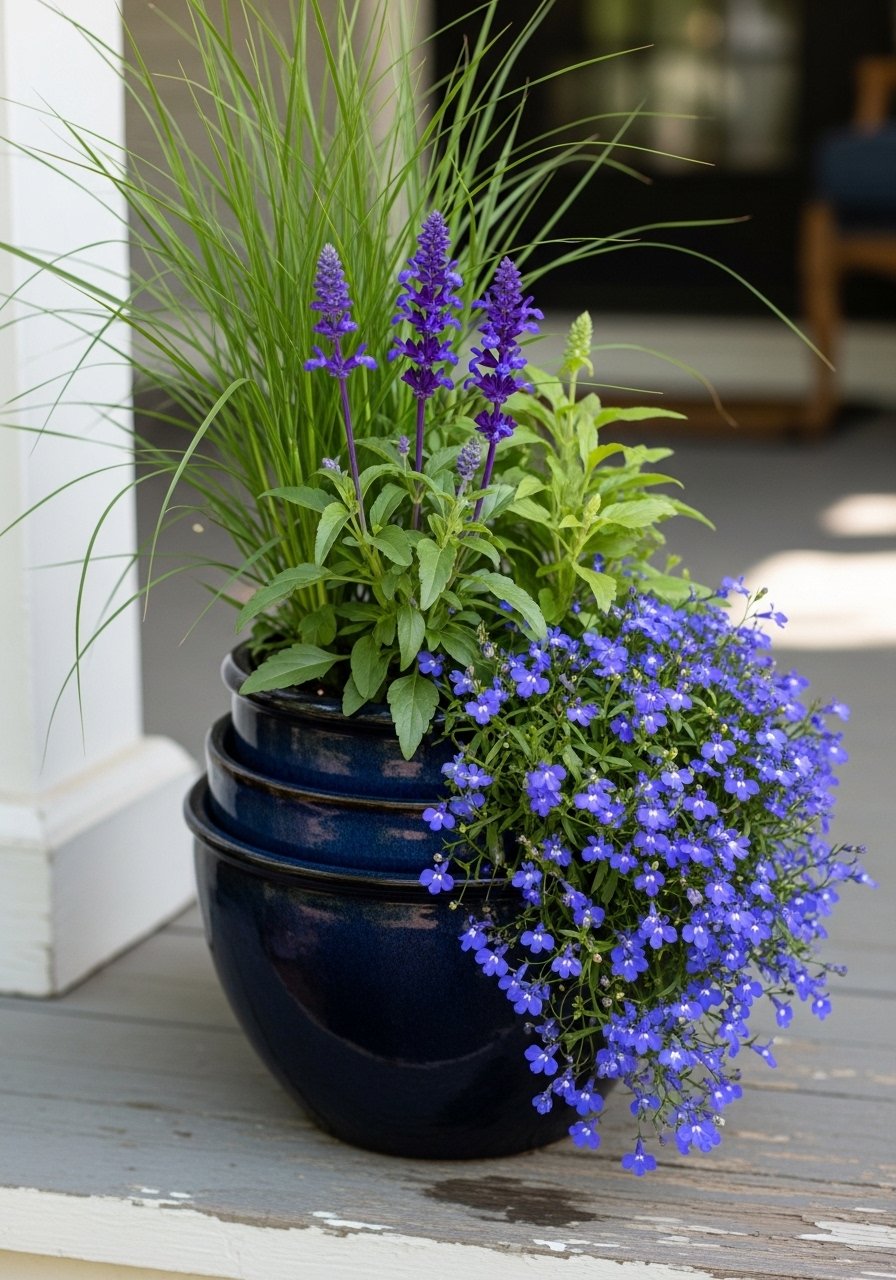
I planted a big glazed pot with “thriller, filler, spiller” thinking it was garden-speak only. It actually worked. The tall ornamental grass gives height, petunias filled the middle, and a trailing lobelia softened the edge. The porch suddenly felt finished.
I did overpot once—roots circled the first season—so I repotted into a slightly larger container and it settled.
I watch soil moisture closely now; layered mixes dry differently. The visual payoff is worth the attention.
What You’ll Need for This Look
- Glazed outdoor planter (18 inch)
- Ornamental grass (tall, container-friendly)
- Trailing lobelia (pack for spilling effect)
2. Compact Succulent Arrangement for a Sunny Spot
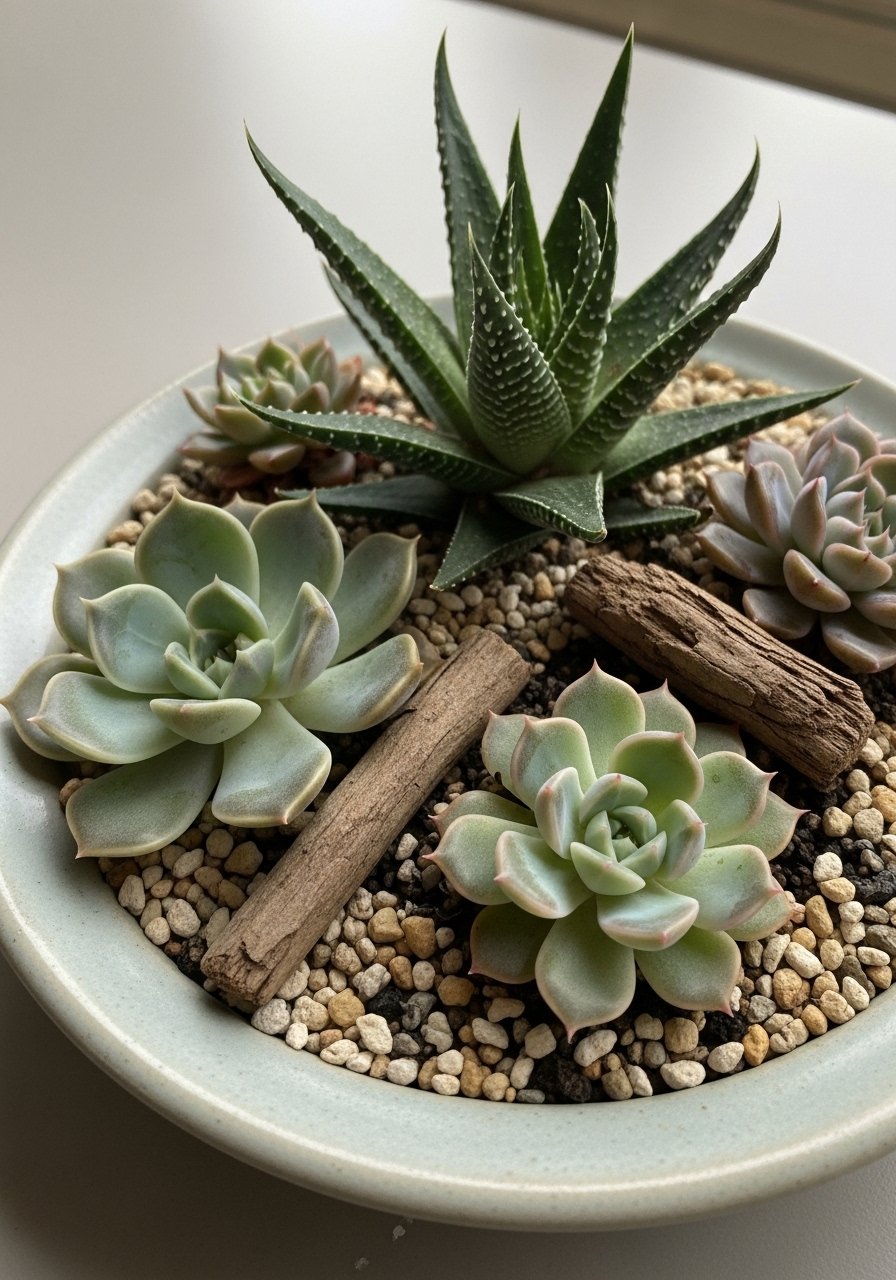
I swapped out annuals for succulents on my sunniest step and stopped babysitting them. Succulents handled heat and missed my occasional droughts. The shallow pot keeps things tidy and the gravel top hides my sloppy watering marks.
My mistake: I used garden soil once and had rot. Now I use a gritty, free-draining mix and they thrive.
This arrangement is calm and low-effort. I still move it to shade if afternoon sun gets brutal.
What You’ll Need for This Look
- Shallow ceramic succulent planter (8 inch)
- Gritty succulent soil mix (2 quart)
- Decorative gravel (topdressing, 1 lb)
3. Tall Narrow Planters to Frame Doorways
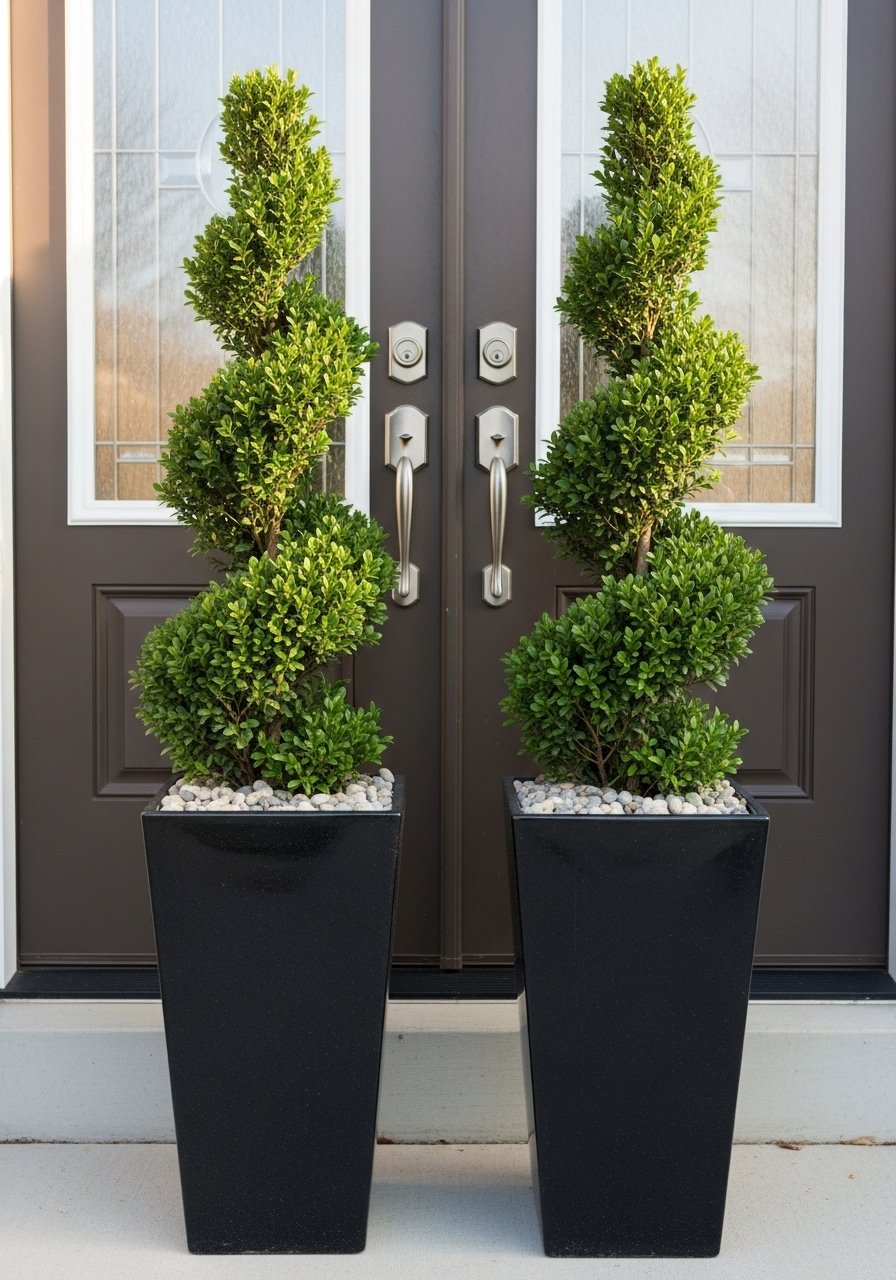
I planted narrow columns instead of big urns and it changed the entrance. Tall planters add form without crowding the porch. I used dwarf boxwood for year-round structure and swapped seasonal bulbs in the top.
One season I under-fertilized and the boxwood looked thin; regular feeding fixed it. The narrow footprint is perfect for tight porches.
I like the symmetry it gives when people arrive. It feels intentional, not staged.
What You’ll Need for This Look
4. Hanging Baskets with Trailing Flowers Over the Rail
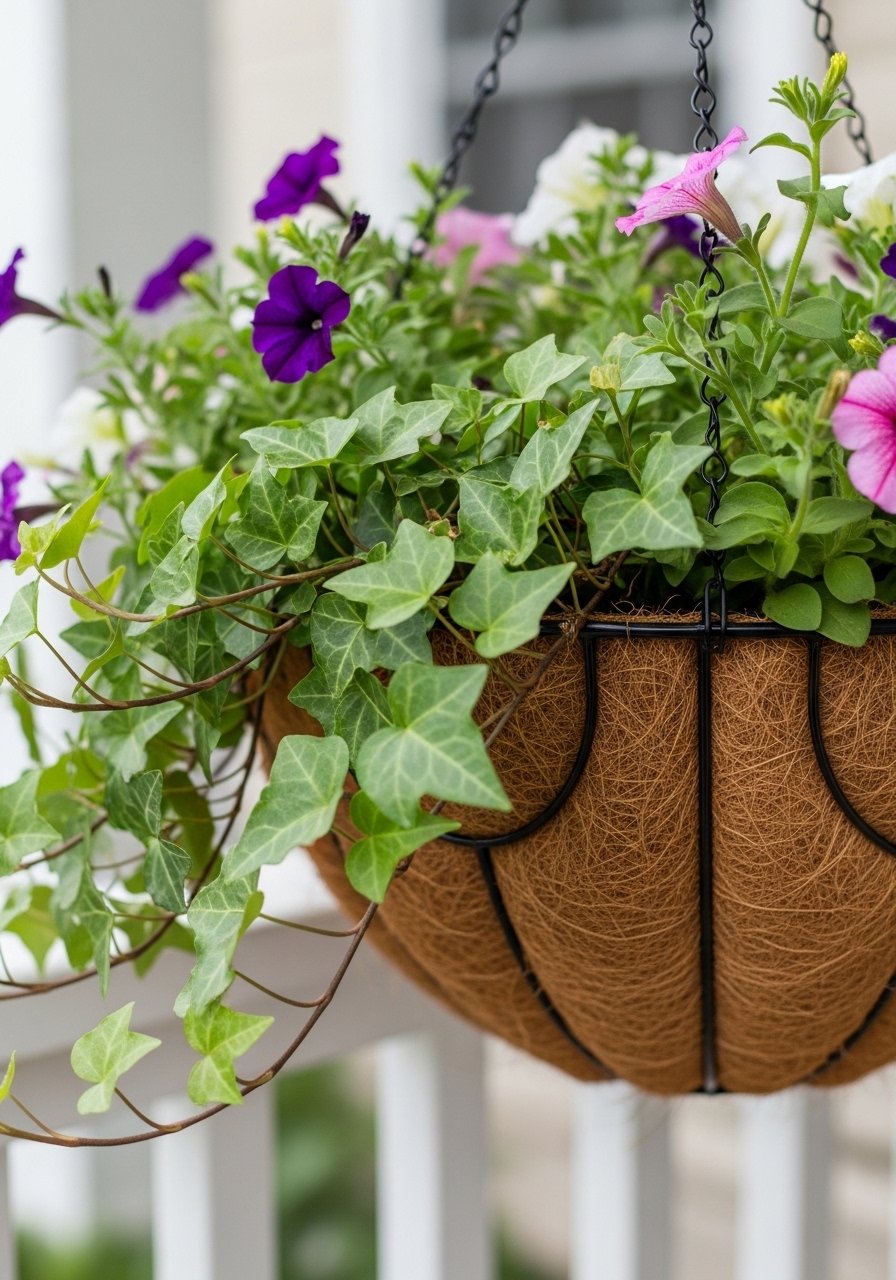
I installed hooks and hung baskets at eye level. The trailing petunias poured over the rim and softened the railing. Hanging baskets create depth—plants at different heights feel abundant without filling floor space.
I once forgot to check the coco liner for salts and had brown spots. Now I flush containers occasionally and keep a watering schedule.
Hanging baskets are about rhythm. I rotate plant colors yearly so the porch never goes flat.
What You’ll Need for This Look
- Heavy-duty hanging basket hooks (set)
- Coco liner for hanging basket (12 inch)
- Trailing petunia plants (packs)
5. Herb Window Boxes You Actually Use
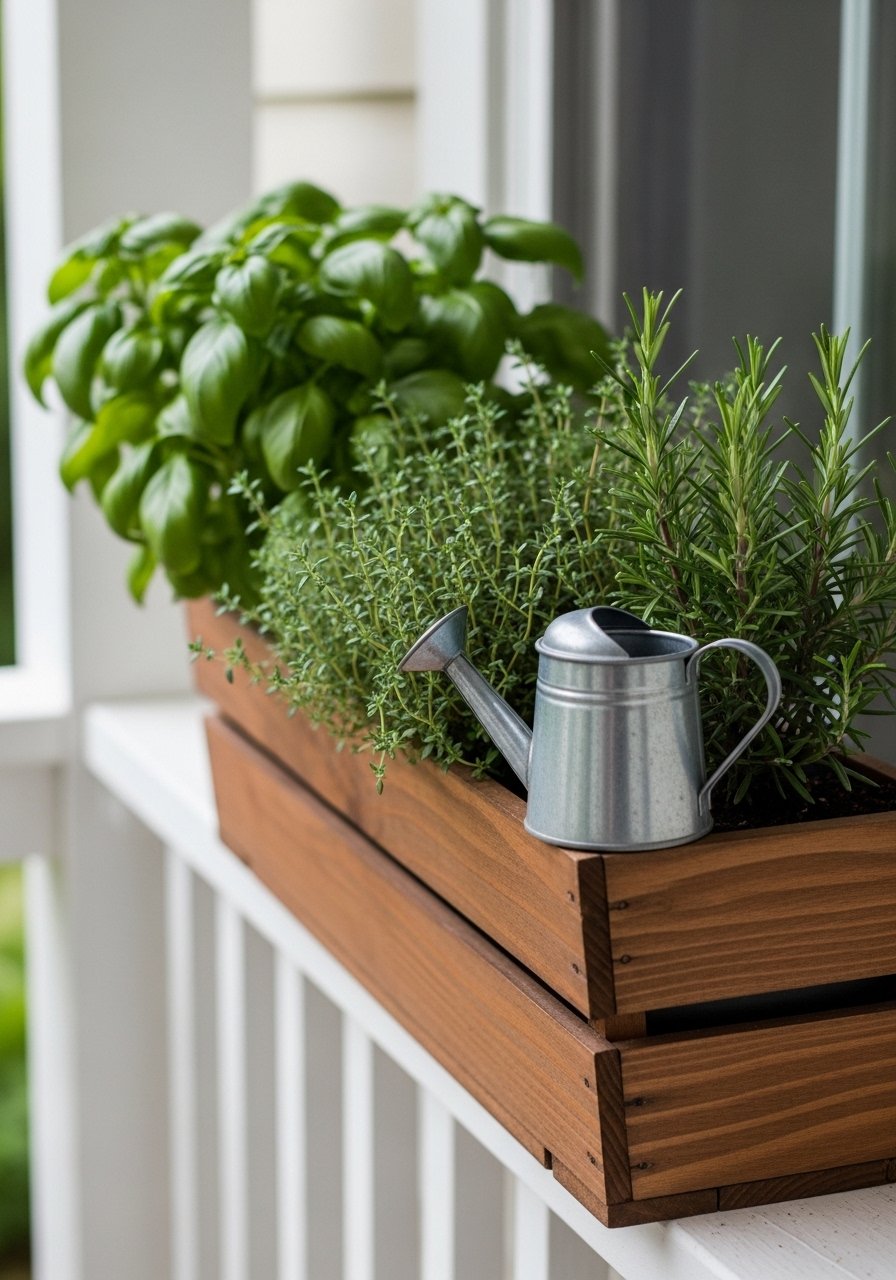
I made a box for herbs near the door and used them every night. Small basil, thyme, and rosemary fit compactly and smell delicious when I brush past. Having herbs at arm’s reach changed dinner prep.
I once planted rosemary too deep and it sulked; now I check root depth and sunlight. Herbs need regular snips to stay productive.
This is a functional, fragrant setup I reach for daily.
What You’ll Need for This Look
6. Cottage-Style Mix with Cottage Perennials and Annuals
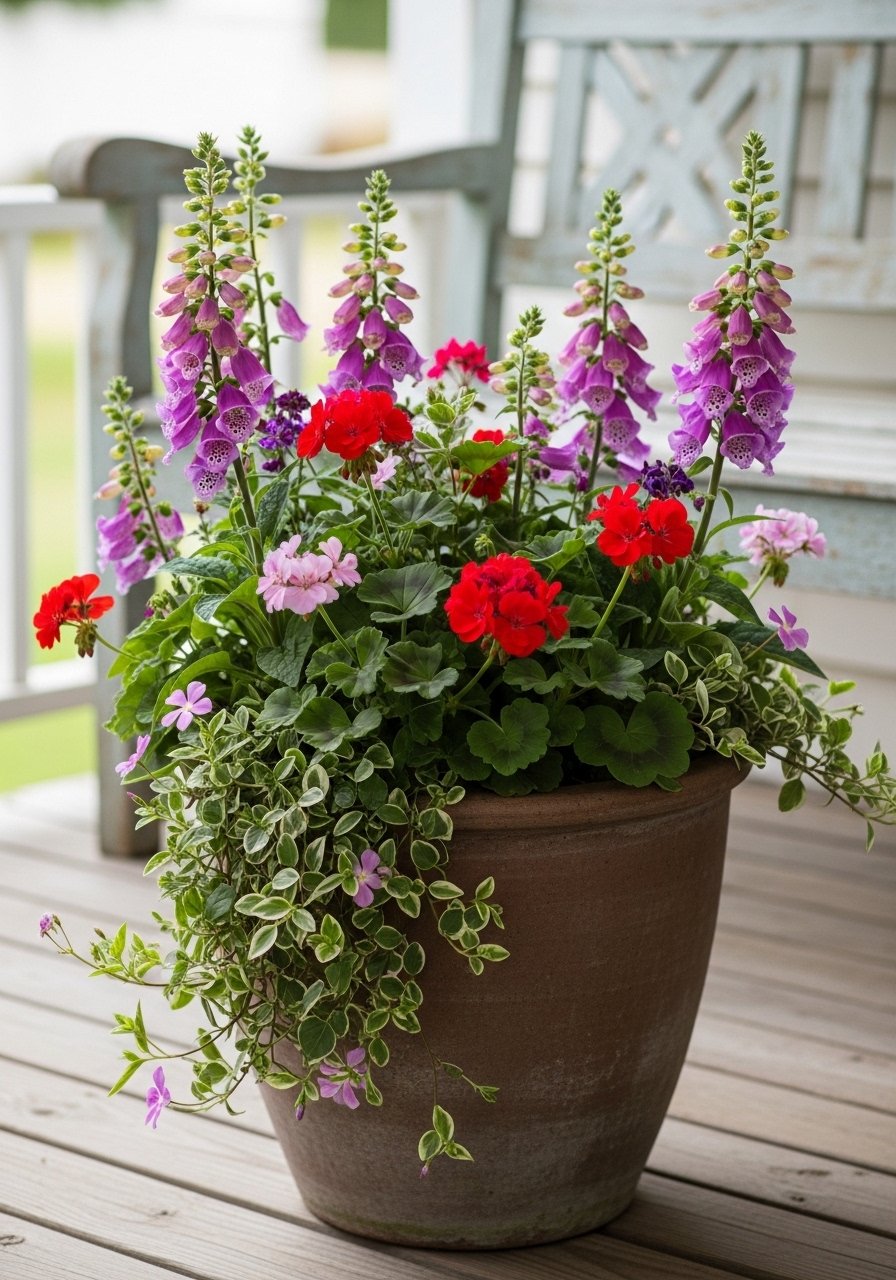
I aimed for a soft, overgrown look with foxglove, geraniums, and sweet alyssum in mismatched pots. It reads cottage without needing a big garden. The variety keeps the pot interesting across months.
My mistake: I overcrowded once and the middle plants choked out the fillers. Now I space them and thin as they grow.
This mix feels friendly and worn-in, like a borrowed sweater on a chair.
What You’ll Need for This Look
7. Monochrome Planters for a Clean, Modern Porch
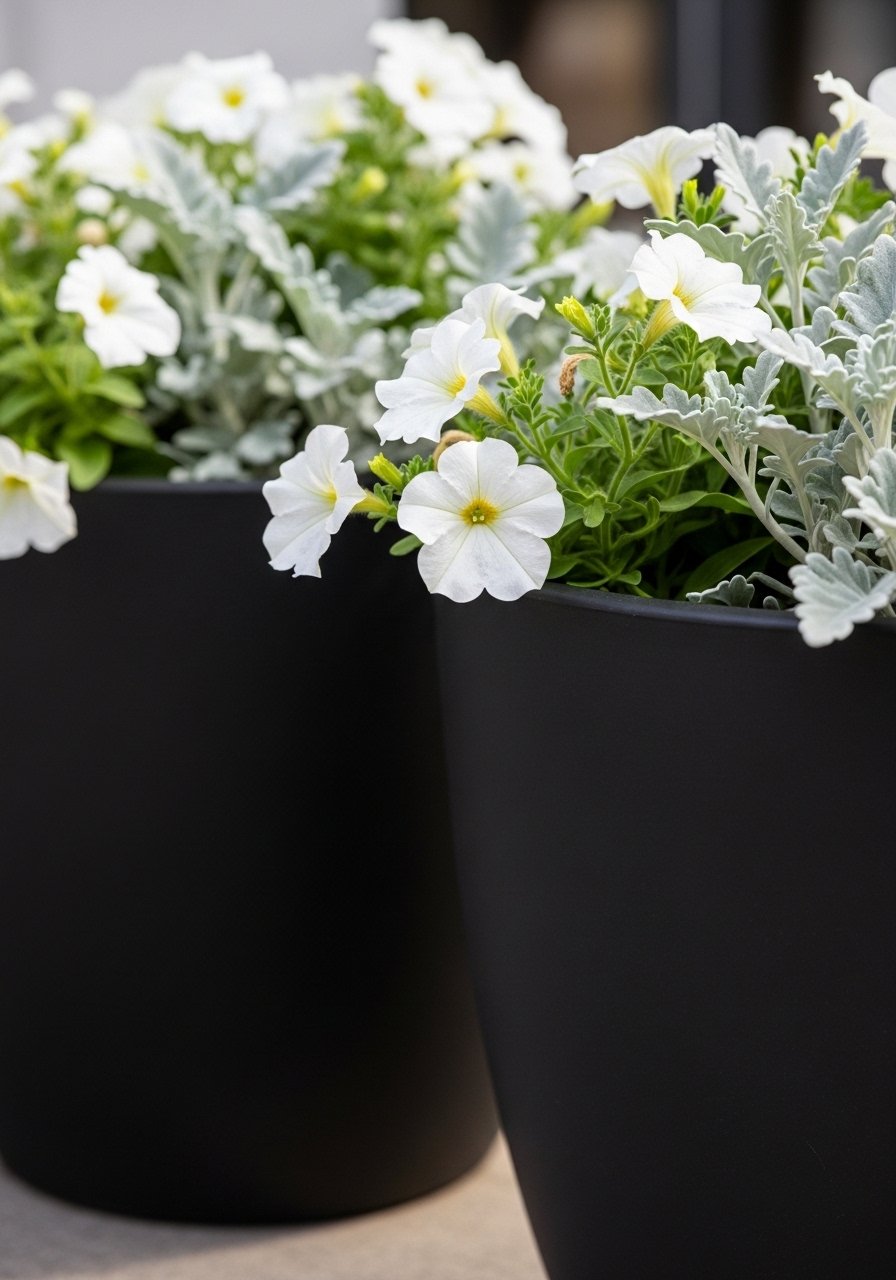
I went monochrome with matte black pots and white blooms. The contrast simplified the whole porch and felt calm after years of color experiments. White petunias and dusty miller read fresh against dark containers.
At first I thought black would overheat roots, but with light soil and regular watering they were fine. I learned shade and pot color matter together.
This look feels modern and quiet—good when I want order.
What You’ll Need for This Look
8. Night-Scented Pots for Evening Porch Sitting
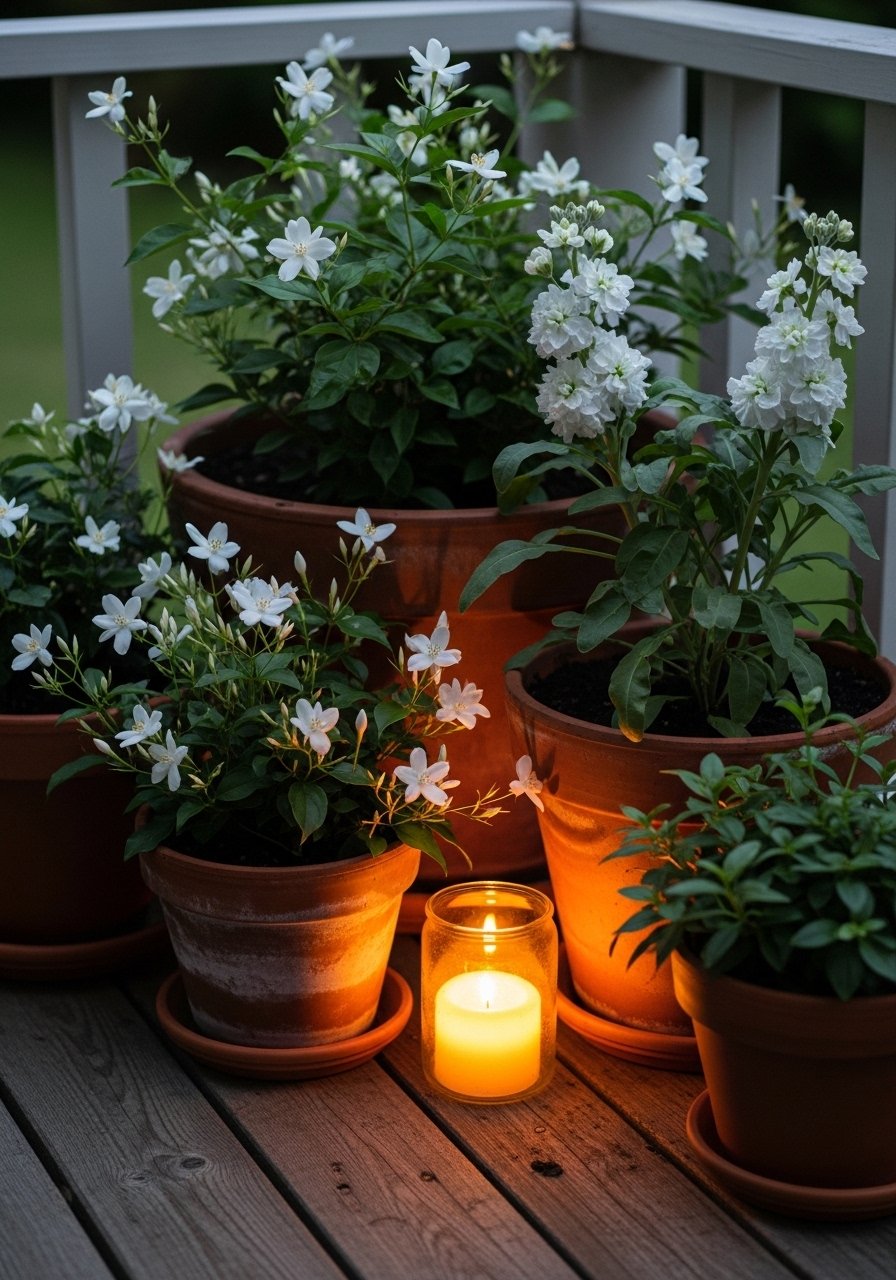
I planted jasmine and night-scented stock in pots near my seat and suddenly evenings had a scent. These plants open and perfume the air after sunset, making my porch a place to linger.
I killed a jasmine once by overwatering; it prefers drier roots. Now I let the top inch dry between drinks. The scent rewards that little trade-off.
These pots make the porch invitation feel small and personal.
What You’ll Need for This Look
- Container jasmine plant (night-scented)
- Night-scented stock plants (pack)
- Metal candle lantern (small)
9. Pollinator-Friendly Pot with Native Flowers
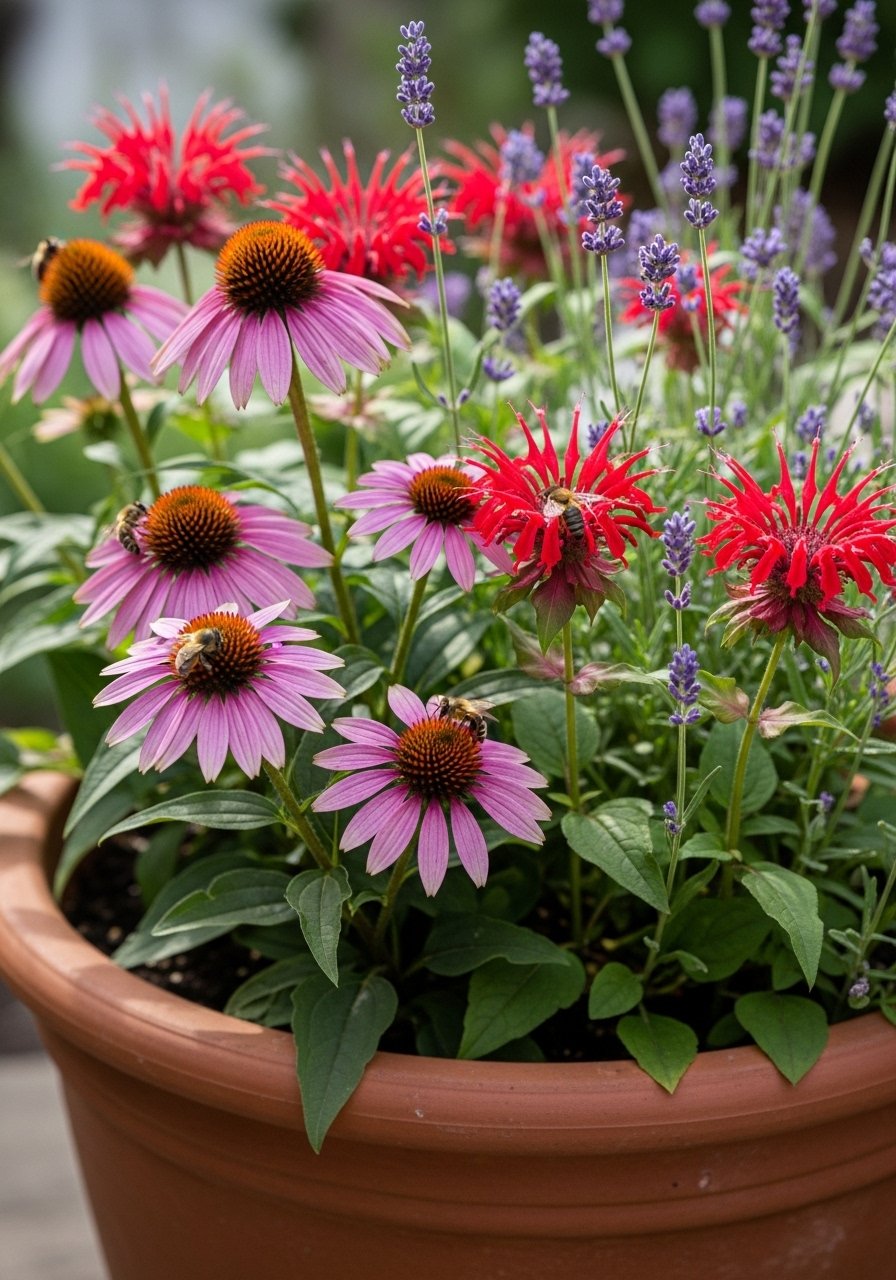
I shifted one pot to native coneflower, bee balm, and lavender and watched bees return. It’s small but feels purposeful. Pollinator pots draw life in a way plain blooms don’t.
I once used a pesticide-sprayed plant by mistake; it took weeks for pollinators to come back. Now I buy labeled pollinator-friendly starts.
This pot gives more than looks—it feeds local wildlife and livens the porch.
What You’ll Need for This Look
10. Reclaimed Containers for a Rustic Porch
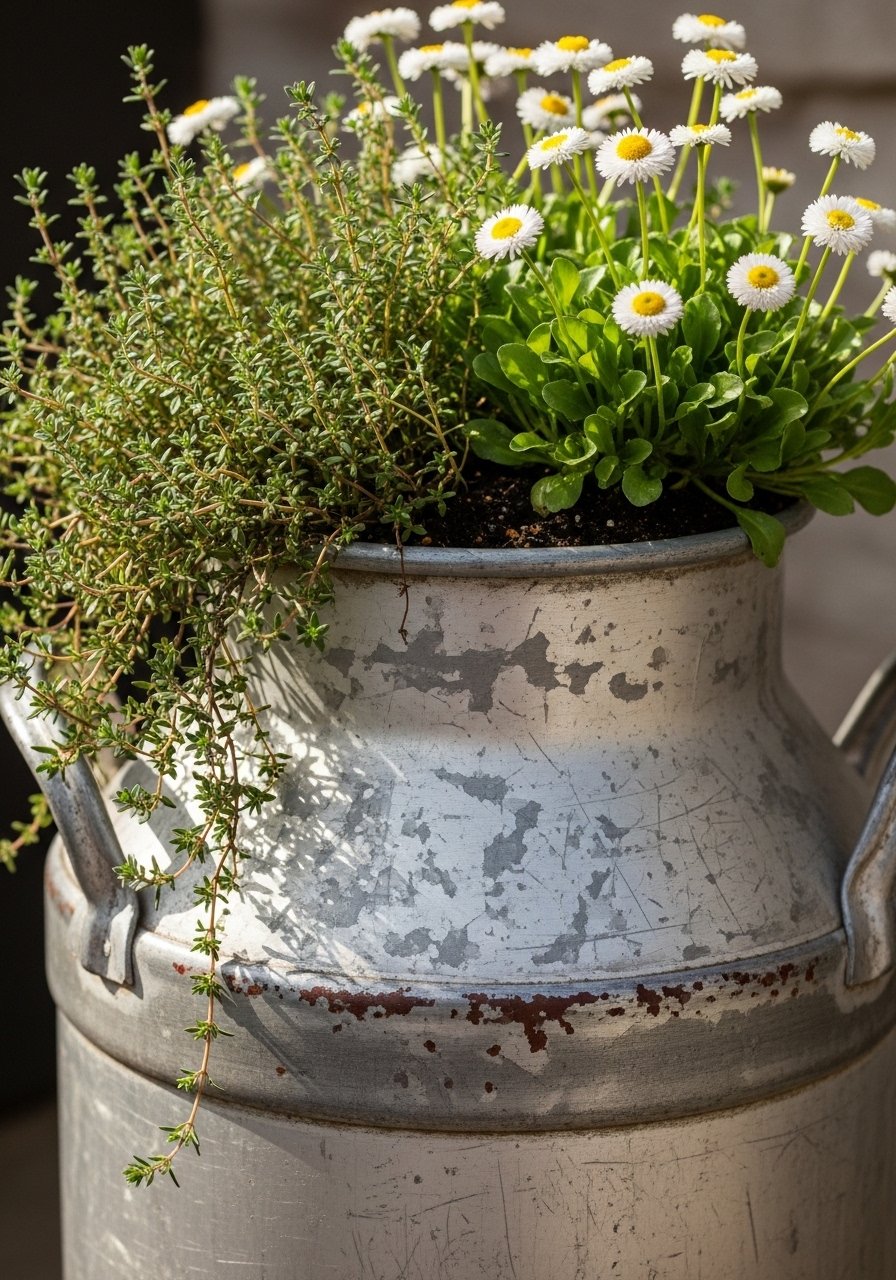
I scrounged an old metal milk can and turned it into a planter. The patina fits my porch and the plants soften the edges. Reclaimed containers add character without a high price tag.
I learned to drill drainage holes; otherwise water pooled and roots rotted. A simple drill fixes most vintage containers.
This approach is about personality more than perfection.
What You’ll Need for This Look
11. Tiered Potting with Plant Stands for Vertical Interest
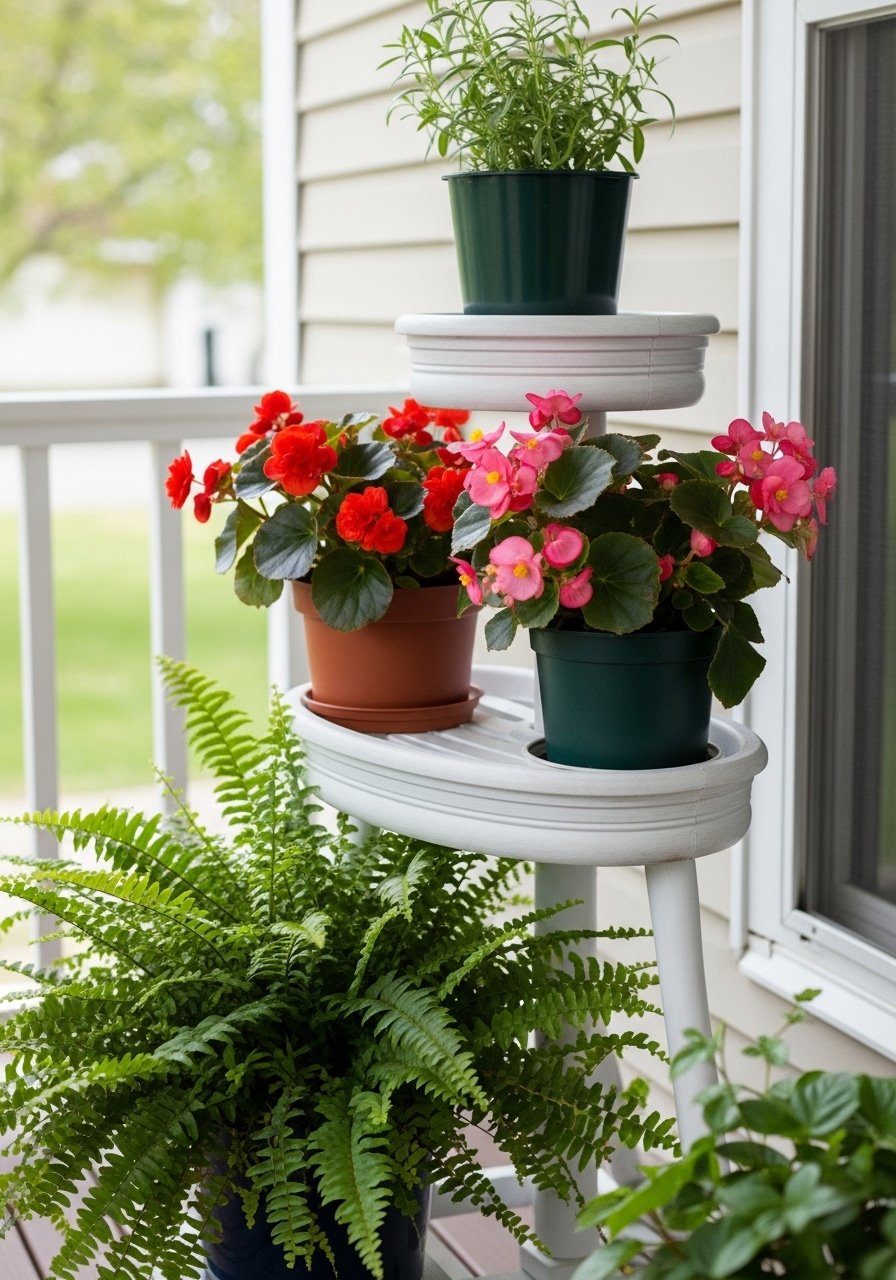
I added a tiered stand to lift small pots and it multiplied the visual impact. ferns and begonias on levels catch different light and feel intentional. It’s an easy way to add height without big planters.
I once overloaded a lower shelf and it sagged; I swapped to a sturdier stand and spread weight evenly.
Tiered displays make even small porches feel layered and thoughtful.
What You’ll Need for This Look
12. Low-Maintenance Shade Pots with Hostas and Ferns
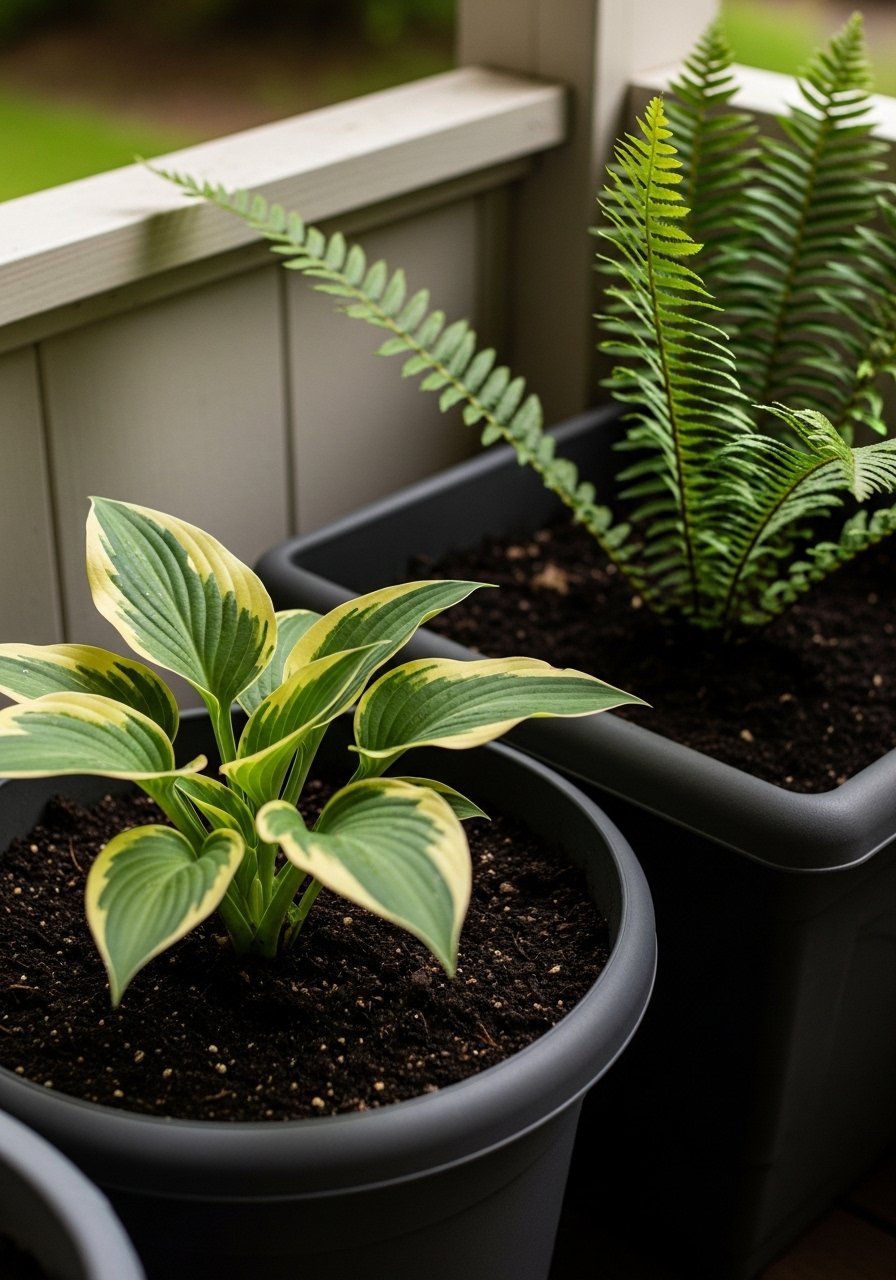
My shaded porch finally looked rich when I planted hostas, ferns, and heuchera in big plastic pots. They handle low light and forgive missed waterings better than I expected. The texture alone makes the space feel lush.
I once chose a container too small and the hosta stalled; bigger pots equal happier shade plants.
These pots are easy to keep attractive with minimal fuss.
What You’ll Need for This Look
13. Bold Focal Pot with a Single Architectural Plant
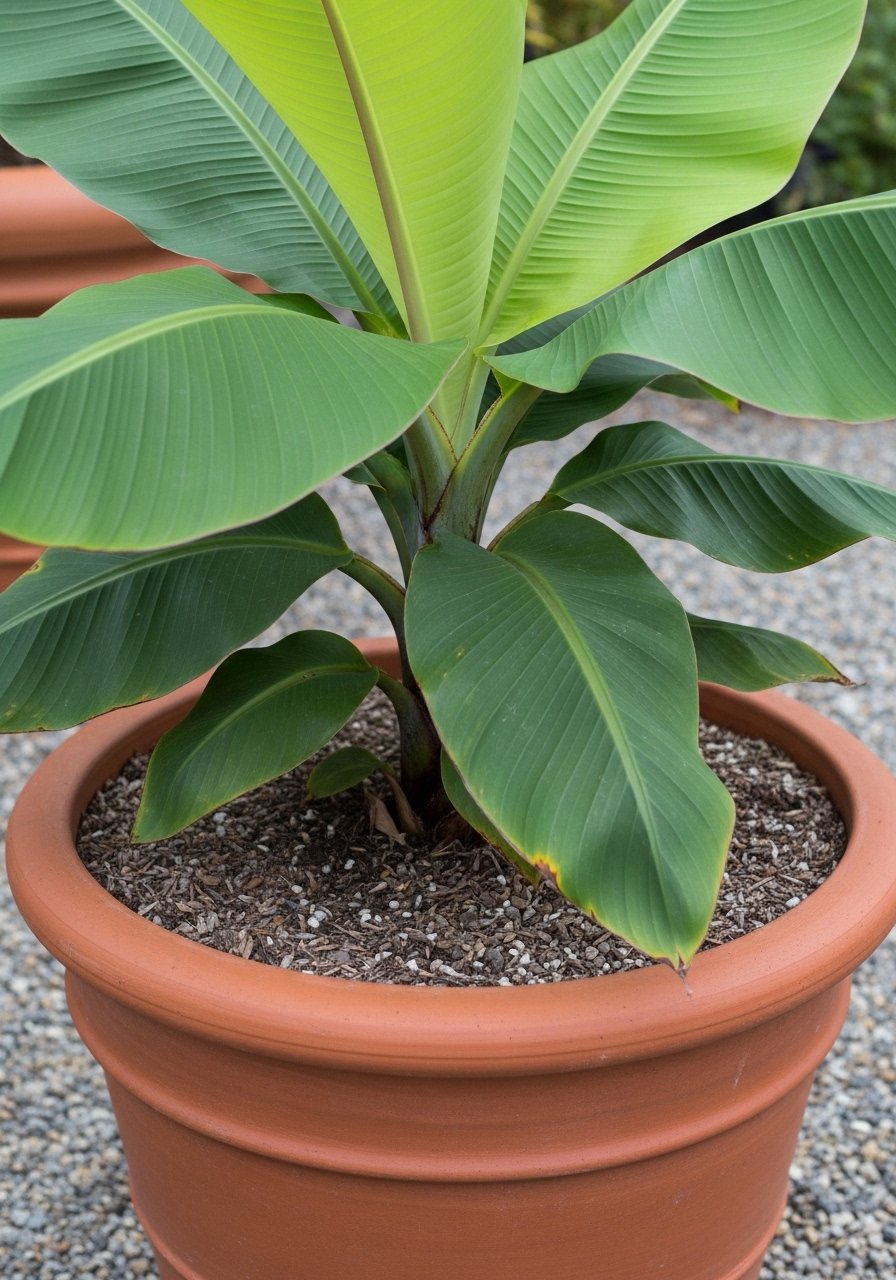
I picked one big pot for a single architectural plant—cordyline in my case. It reads like a sculpture and everything else bows out. The dramatic leaves give the porch personality without fuss.
My first cordyline was rootbound; I upgraded pot size and it unfolded. Big plants need room to breathe.
This is a confident, simple choice that anchors the whole porch.
What You’ll Need for This Look
14. Seasonal Swap Pots for Year-Round Interest
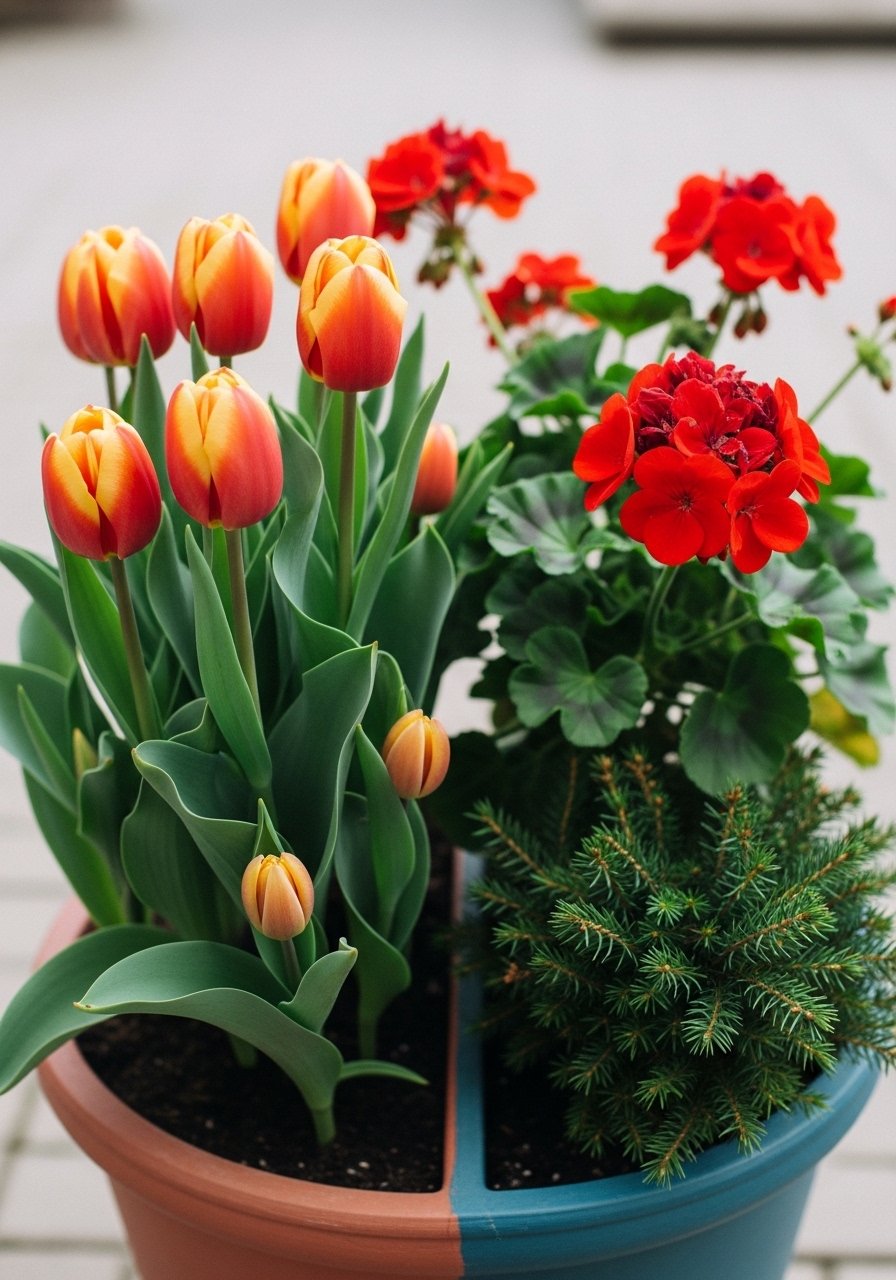
I reuse the same pots through the year—tulips in spring, geraniums in summer, a small evergreen for winter. It saves space and keeps the porch relevant every season.
My early attempts were rushed; bulbs got planted too shallow. Now I schedule swaps and keep a calendar. It’s less romantic and more practical.
This method keeps the porch lively without buying new containers all the time.
What You’ll Need for This Look
15. Bright Color Block Pots for Instant Cheer
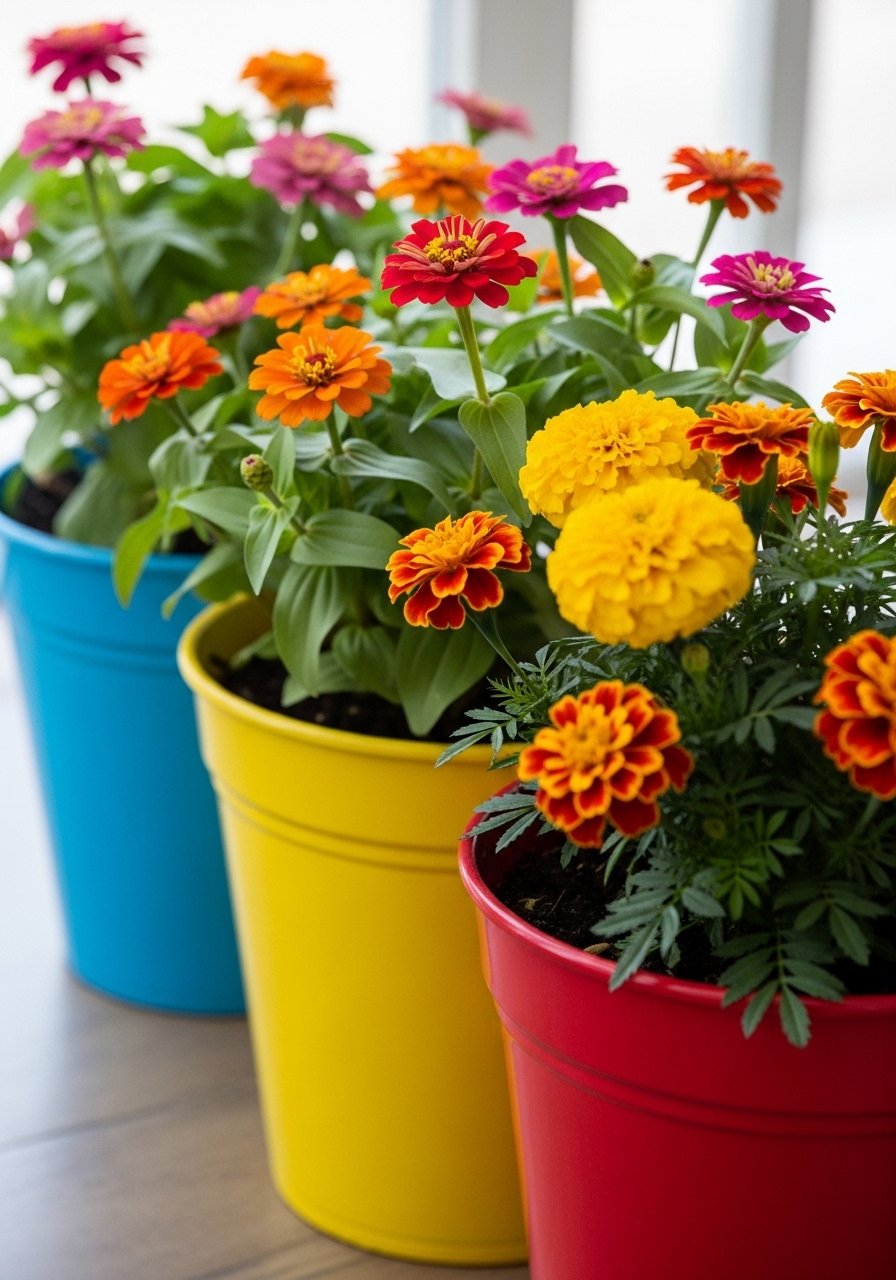
I painted old pots bright coral, teal, and yellow and planted zinnias and marigolds. The porch went from gray to cheerful in an afternoon. Color-blocking is the quickest mood fix I know.
I once used a non-weatherproof paint and it flaked; now I use outdoor-grade paint and seal it.
This is a fast, low-cost way to set a tone for the whole house.
What You’ll Need for This Look
16. Minimalist Ceramic Pots with Architectural Grasses
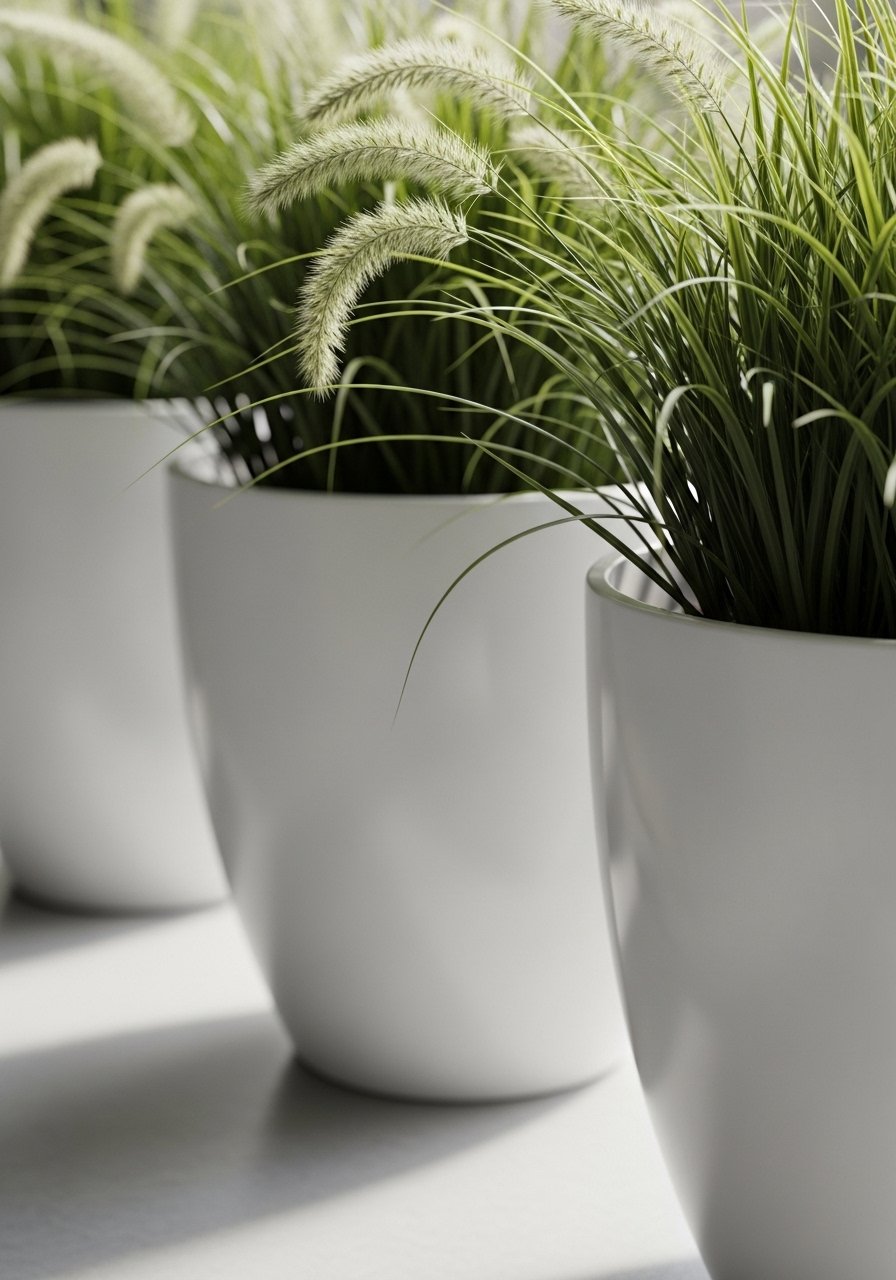
I pared back to white ceramic pots and fountain grass. The result is calm motion as grasses sway. It’s low-ornament and surprisingly cozy on an early morning porch.
I once bought a cheap ceramic that cracked in sun; investing in sturdier ceramics paid off.
This look is quiet but full of life in a small way.
What You’ll Need for This Look
17. Mixing Textures: Wood, Metal, and Terracotta
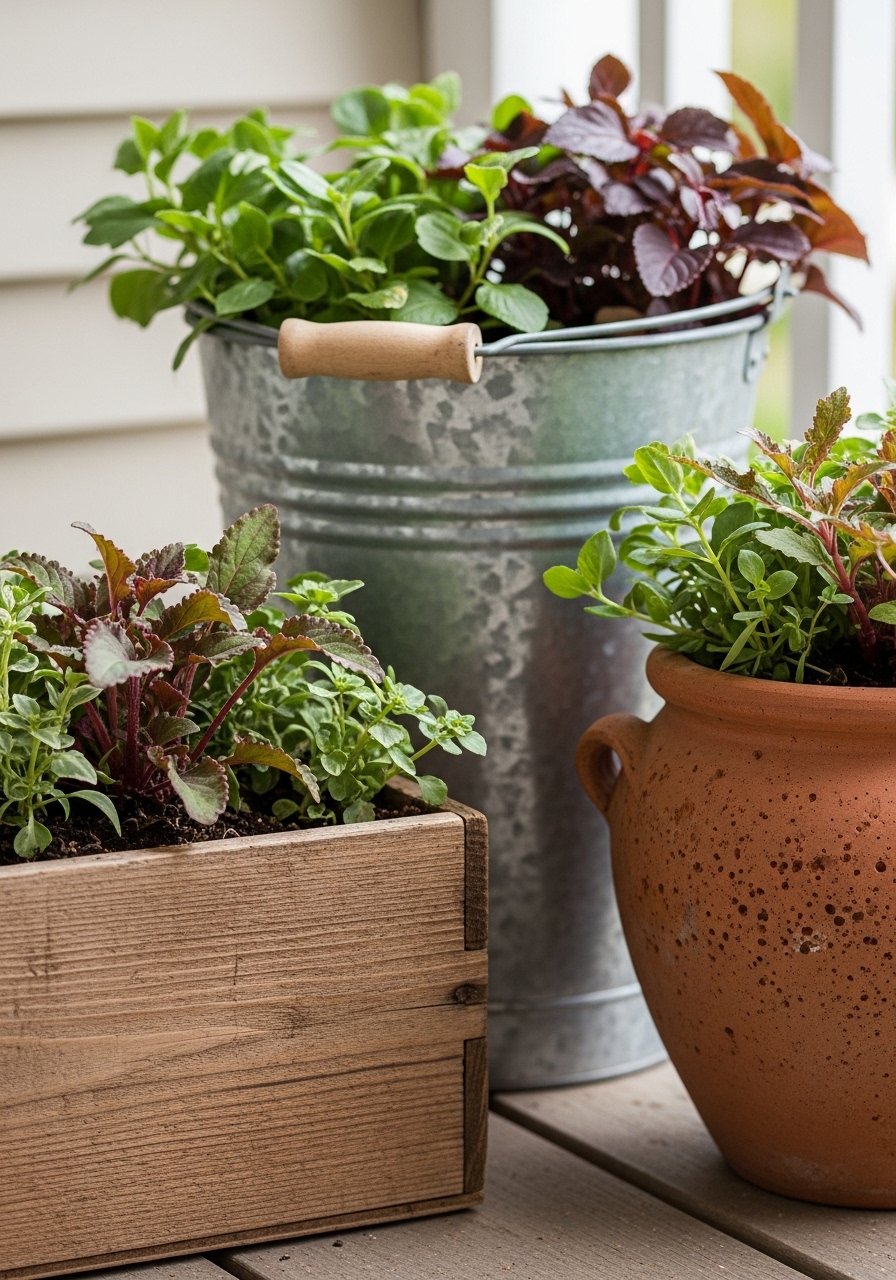
I grouped wooden boxes, a rusted metal bucket, and terracotta for tactile variety. Leaves, bark, and metal play off each other and the porch reads layered, not cluttered.
I once paired very thirsty plants with small terracotta and they needed daily water. Matching plant needs to container materials matters.
Texture mixing keeps interest high with modest plant counts.
What You’ll Need for This Look
18. Cozy Corner with Seating and a Small Table Planter
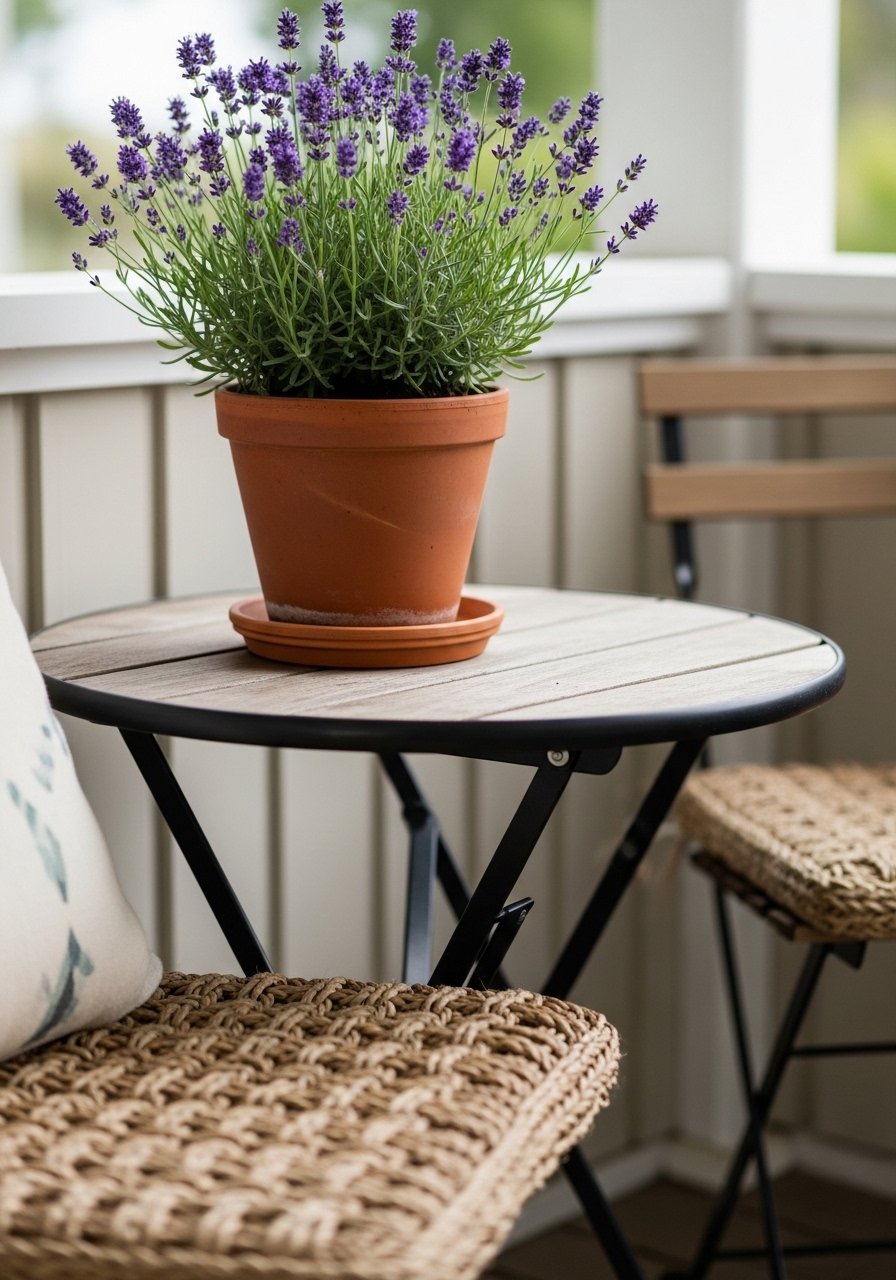
I created a sitting nook with a chair and a small table holding a shallow herb planter. Lavender and rosemary make the corner smell agreeable and the table keeps essentials at hand.
I once picked a table that tilted; sturdiness matters when pots are full of soil. The right table makes the corner usable.
This is where I slow down and actually enjoy the porch.
What You’ll Need for This Look
19. Built-In Planter Bench for Seating and Greenery
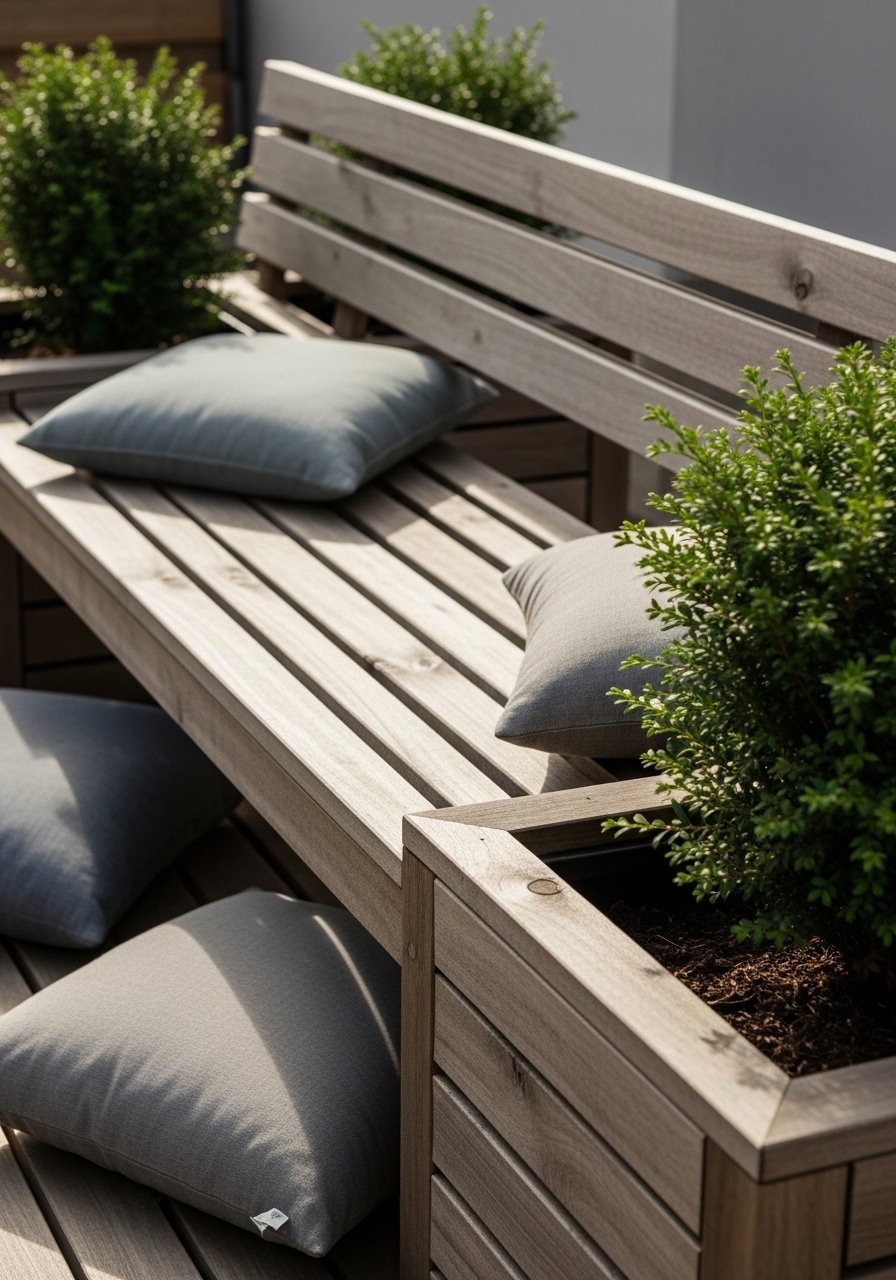
I built a bench with planters at the ends so seating and plants share the same footprint. It’s practical for narrow porches and gives structure—evergreens at the ends hold through winter.
I underestimated drainage when building it; I added liner and drainage holes to protect the wood. Small fixes make the bench last.
This setup is both seat and garden in one.
What You’ll Need for This Look
- Wooden bench planter combo (48 inch)
- Dwarf evergreen shrubs (container-ready)
- Waterproof planter liner (cuttable)
20. Patio Lighting Integrated with Pots
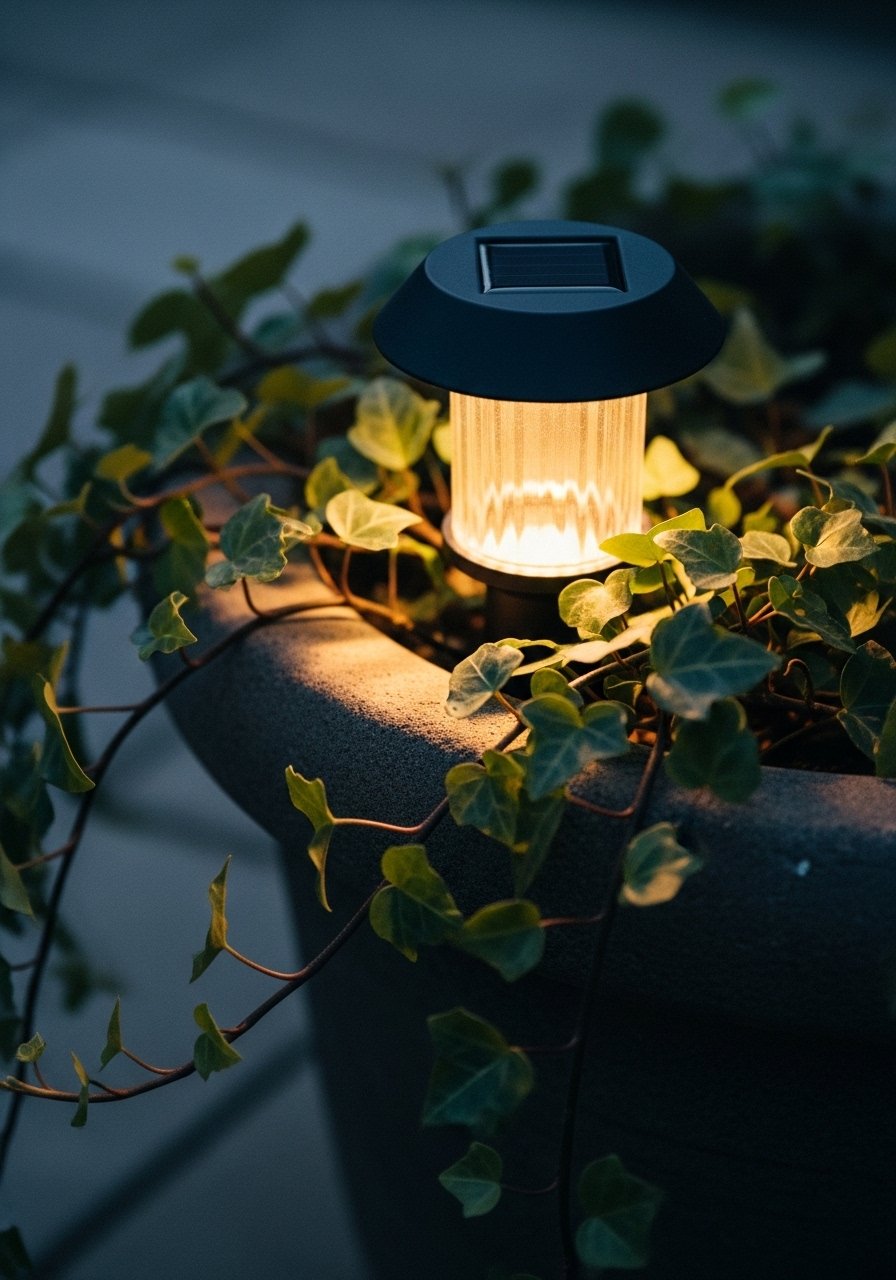
I tucked solar lanterns into big pots and the porch gained a soft glow without wiring. Light in pots highlights foliage and extends porch use into evenings.
I chose cheap solar lights first and they barely held a charge; upgrading to higher-quality panels made a difference.
Lighting in planters is one of those small details that makes evenings feel planned.
What You’ll Need for This Look
21. Edible Flower Pots That Double as Salad Bowls
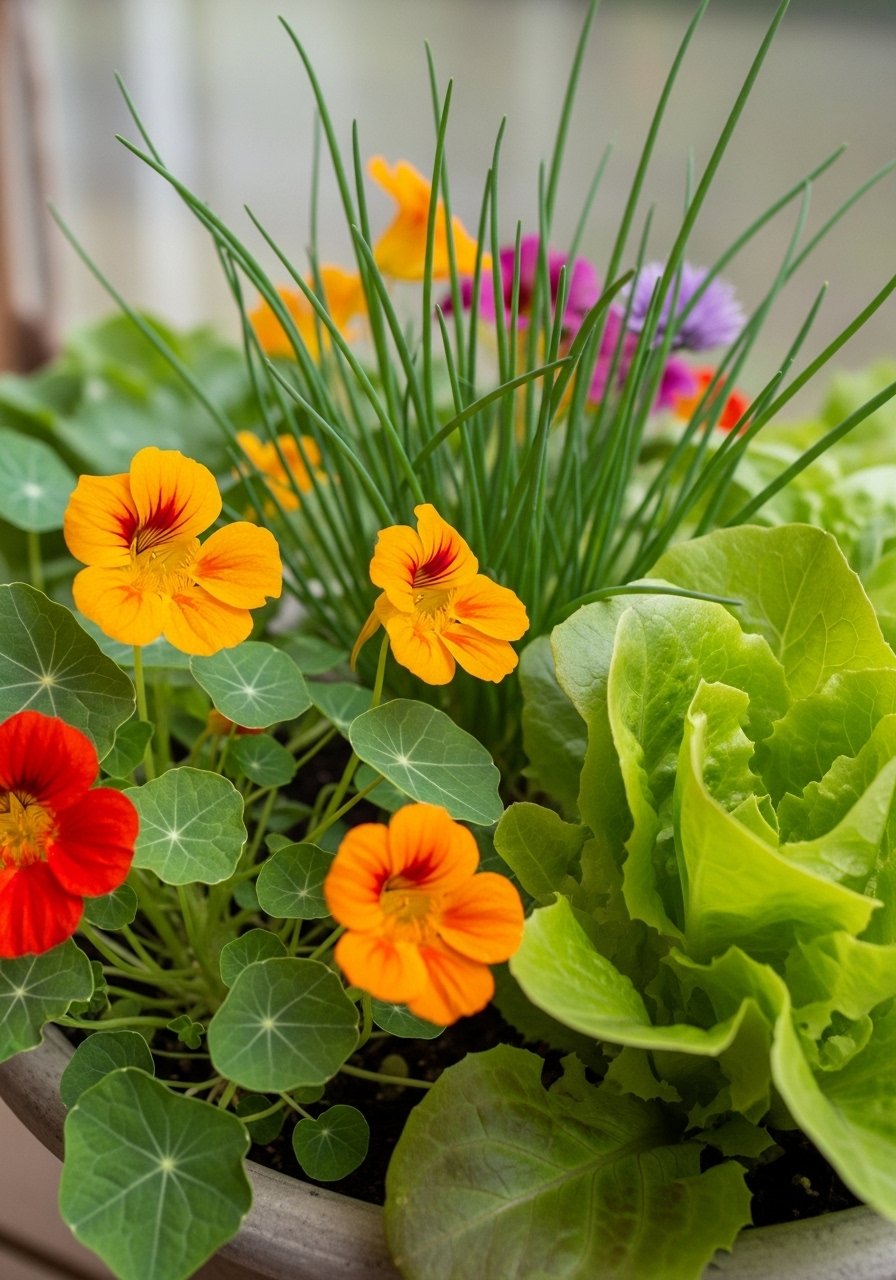
I mixed edible flowers—nasturtiums, chives, and baby lettuce—in a shallow pot and harvested directly. The flowers brighten salads and the whole pot feels productive.
I once planted too-compact greens and they bolted fast; now I choose slow-growing salad mixes and harvest more deliberately.
These pots make meals and the porch useful in a delicious way.
What You’ll Need for This Look
22. Winter Porch Pots with Evergreens and Ornaments
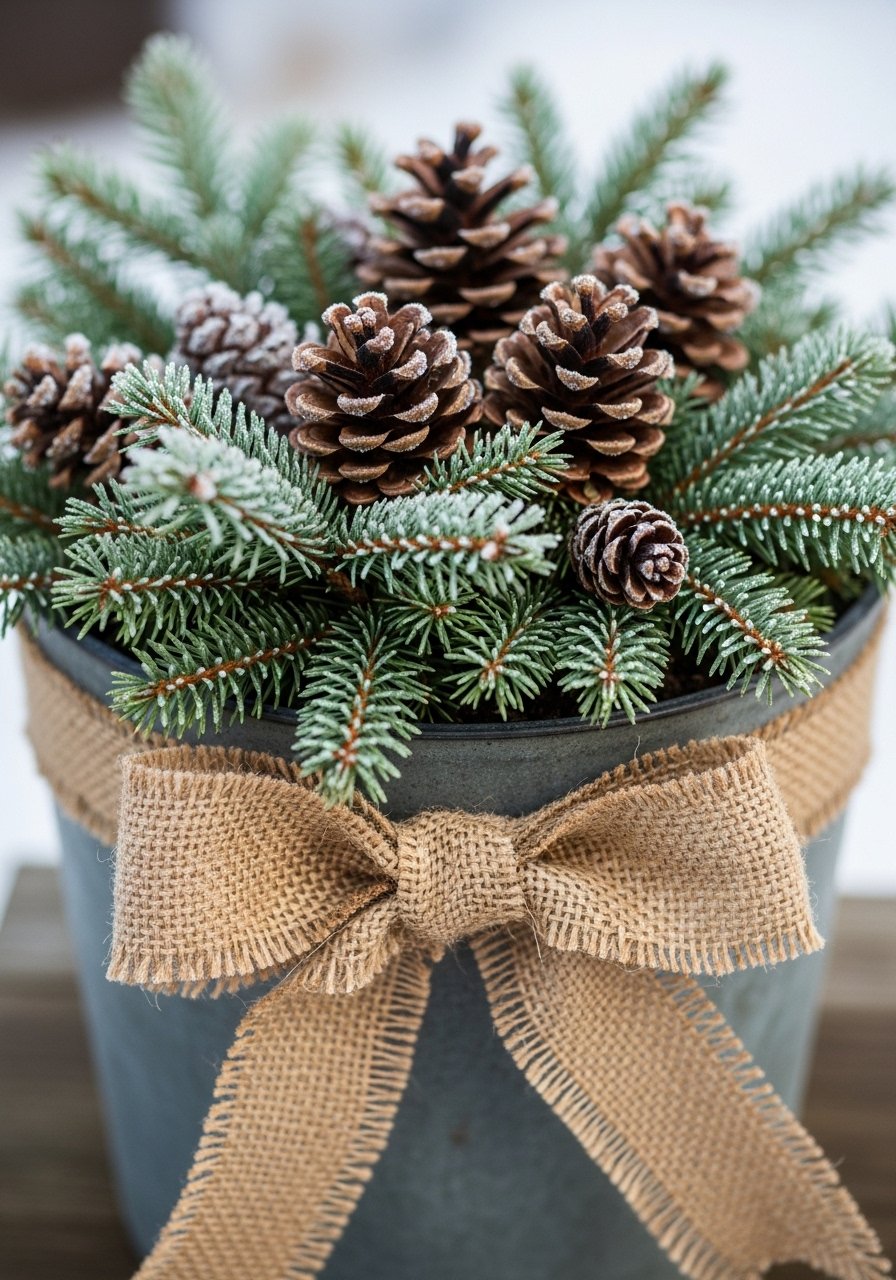
I keep one pot for winter—small spruce, boxwood, pinecones, and a ribbon. It lasts through snow and looks intentional when other plants are gone.
I once left a tender plant in that pot and it didn’t survive the freeze; now I use hardy evergreens only.
A winter pot keeps the porch from feeling empty and saves me a spring scramble.
What You’ll Need for This Look
23. Pet-Friendly Planters with Safe Plants
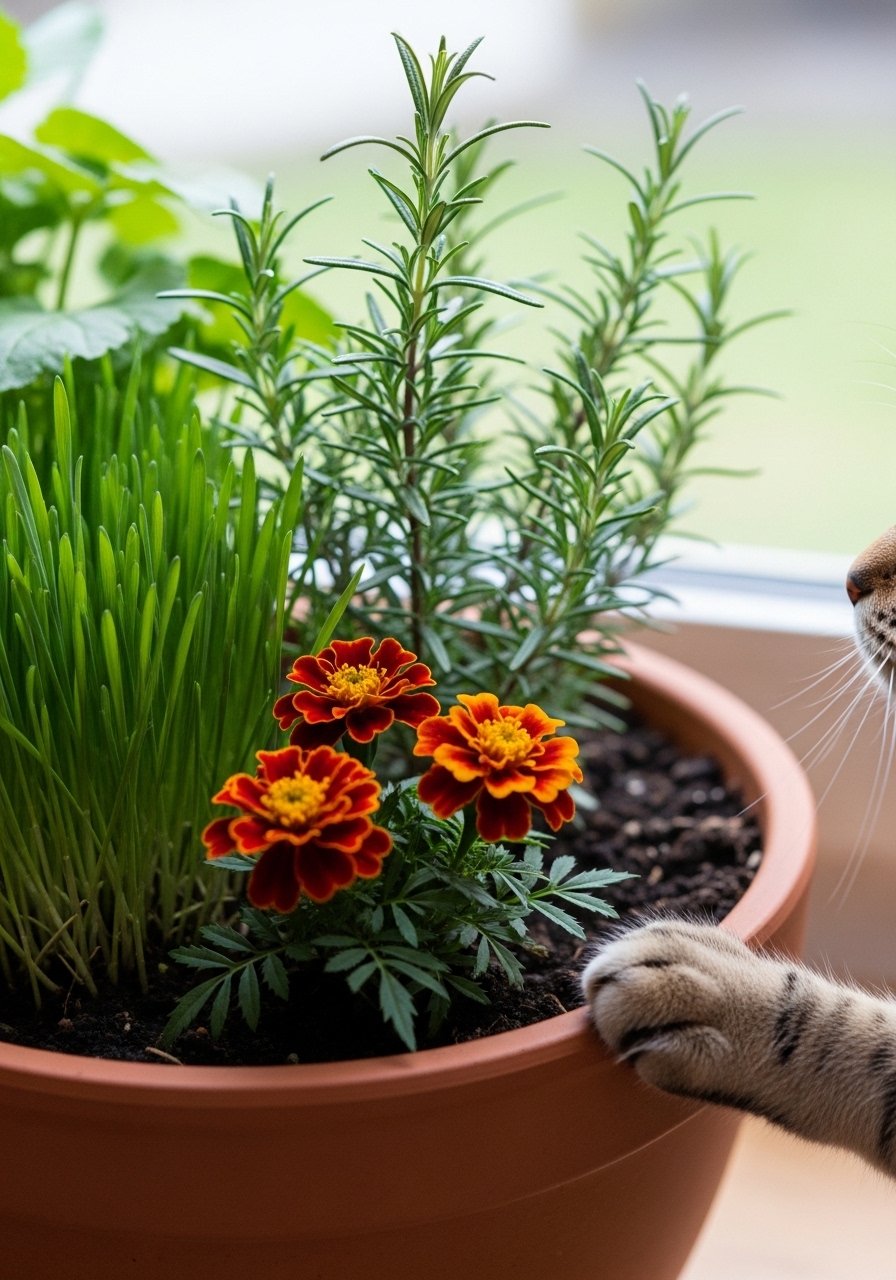
I moved toxic houseplants out of porch pots after my neighbor’s cat had a bad reaction. Now I choose cat-safe options like cat grass, rosemary, and marigolds. The porch is pet-friendly and still pretty.
I used to assume all herbs were safe; reading labels saved a lot of worry. Pet-safe planting is a habit now.
Knowing plants are safe makes the porch feel like part of the household.
What You’ll Need for This Look
24. Small Urban Porch Pots with Space-Saving Solutions
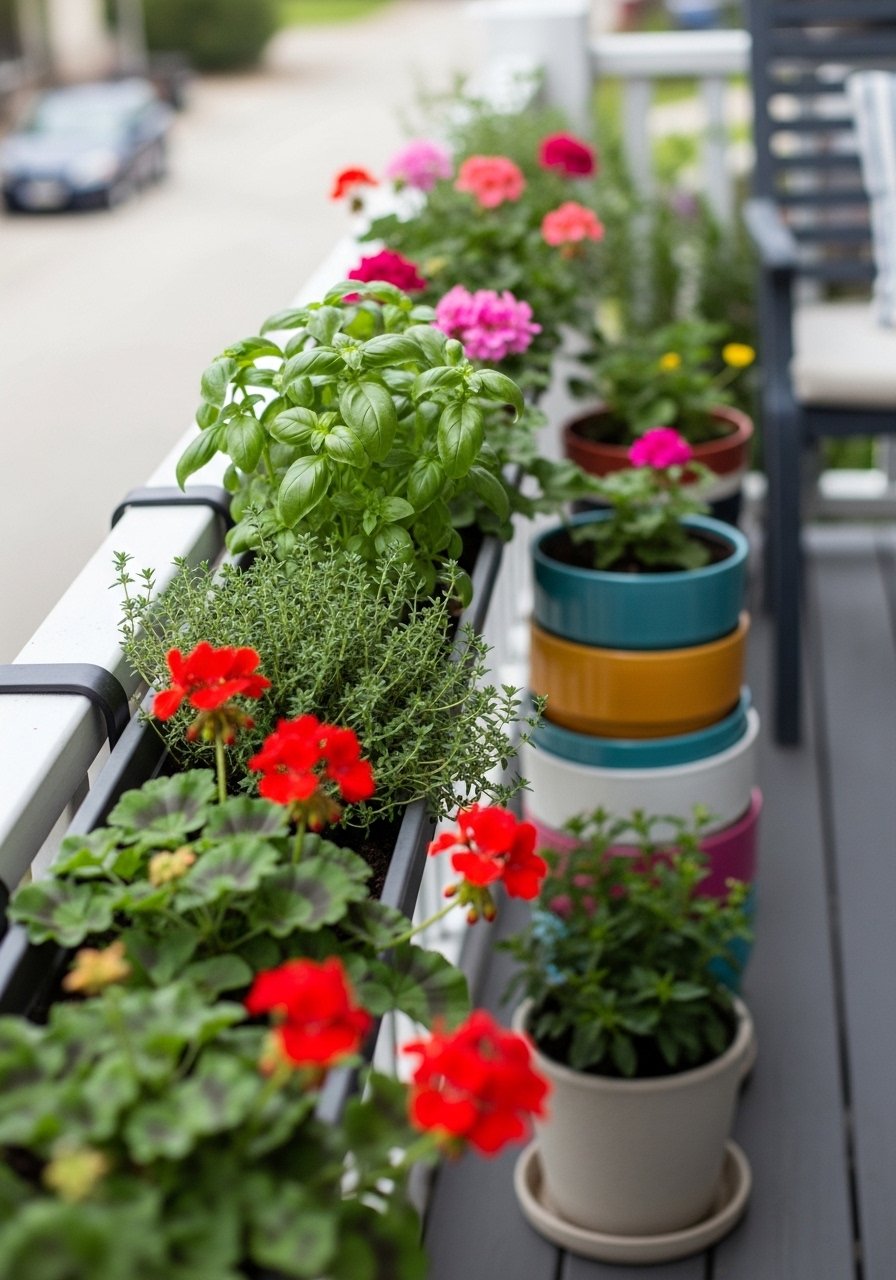
In a tiny urban porch I learned to think vertical and narrow. Railing planters, stackable pots, and slim rectangular boxes gave me a full garden in a few square feet.
I once bought a railing box that was too heavy and it bent the rail; I switched to lightweight composite and it held up.
Small-space pots taught me to prioritize plant choices and enjoy every inch.
What You’ll Need for This Look
Final Thoughts
I don’t do all of these at once. I pick one or two ideas and build from there. Small wins—one pot that looks right—make the porch feel alive.
Start with what fits the porch and the time I actually have. The rest grows from practice and a little patience.
Leave a Reply