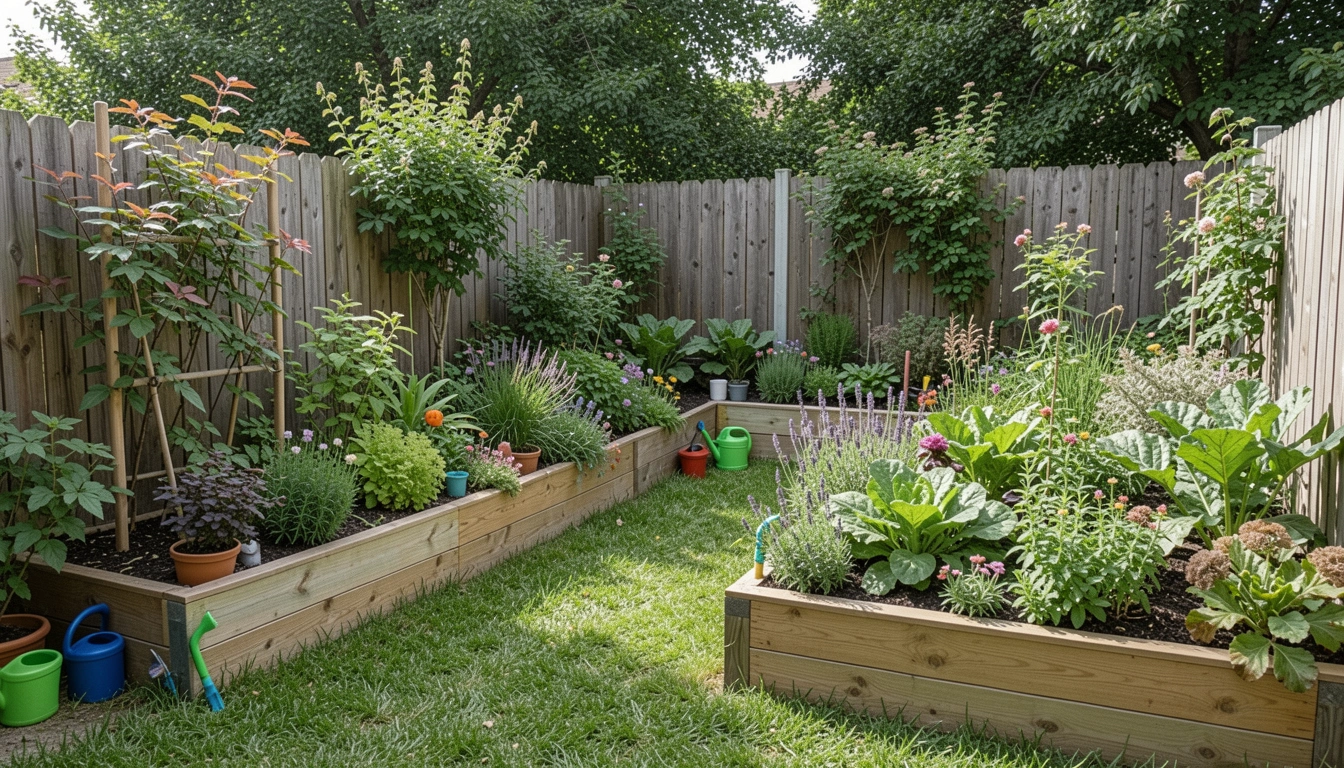
My backyard had this empty corner. Kids ran past it every day, bored. I wanted a garden they’d touch, not just look at. But my first try felt stiff. Plants too tall, paths too narrow. Kids ignored it.
I stepped back. Watched where they played. Noticed what drew them in. That’s when it clicked.
Now, their garden pulls them outside. They water, pick, dig. It’s theirs.
How To Make Backyard Garden For Kids
This shows you how I build a backyard garden kids return to. It feels right—balanced, reachable, full of color. You’ll end up with a space that fits their play.
What You’ll Need
- Colorful 5-gallon plastic kids watering can in red and blue
- Child-sized gardening gloves in bright green cotton
- Packet of fast-growing sunflower seeds for kids
- 6-pack strawberry plants in pots
- Toddler-friendly kneeling pad in foam blue
- Raised garden bed kit 4×4 feet wood
- Colorful stepping stones in animal shapes
- Bee-friendly wildflower seed mix
Step 1: Pick the Spot They Own
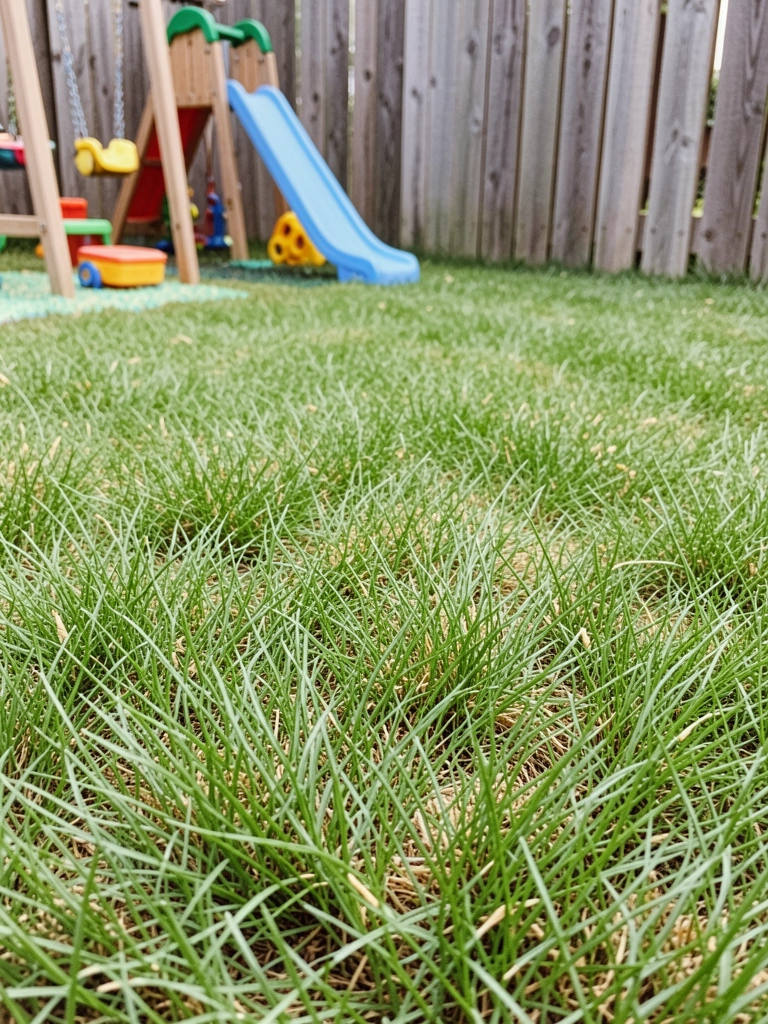
I walk the yard with kids trailing. Watch where they pause, chase, sit. That bare spot by the fence? It’s close to the house door but out of traffic. Sun hits it most of the day.
Why here? They need to reach without stretching. It changes the yard—now that corner breathes, invites small hands.
People miss how sightlines matter. Kids won’t garden if it’s hidden. Avoid shoving it in shade; plants sulk, interest fades.
Kneel down. Feel the ground. Mark it with string. It’s theirs now.
Step 2: Set the Bed Low and Wide
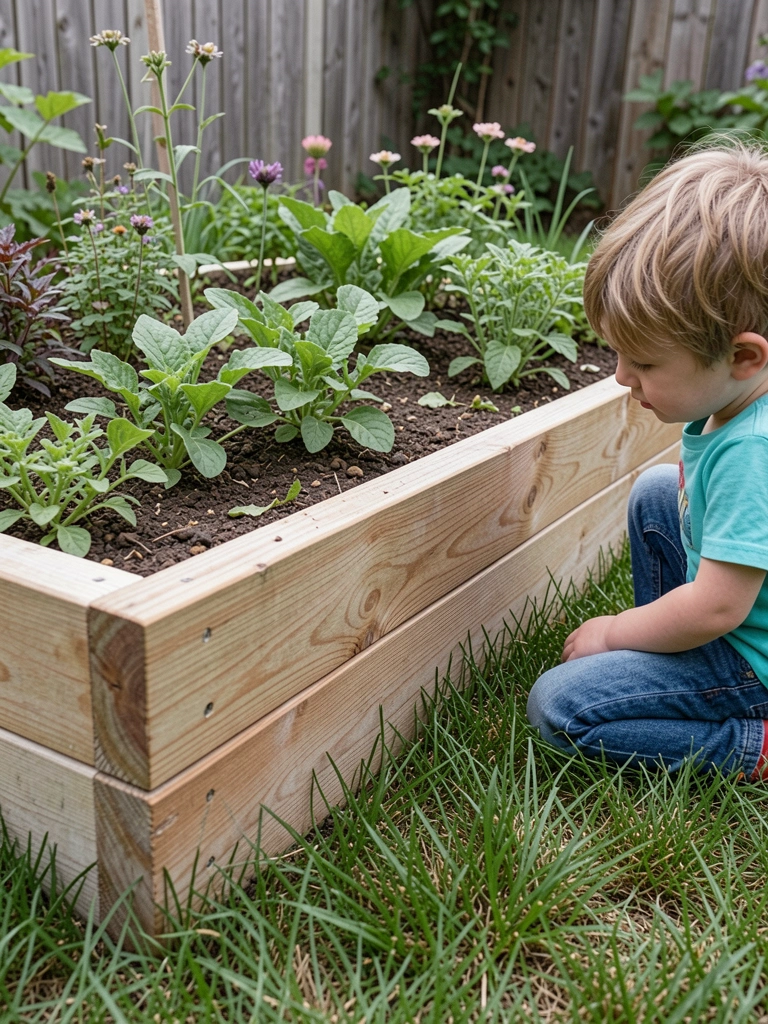
I unbox the raised bed kit. Place it flat, edges blunt—no sharp corners. Wide enough for two kids side-by-side. Fill with soil they can poke.
Visually, it grounds the spot. No more empty dirt. Edges frame play.
Insight: Height tricks everyone. Too tall, they tip it. Keep under knee-high. Mistake? Cramming too much in. Leave room to move.
I step back. It sits balanced, open. Kids crowd in already.
Step 3: Plant What Grows Fast and Tasty
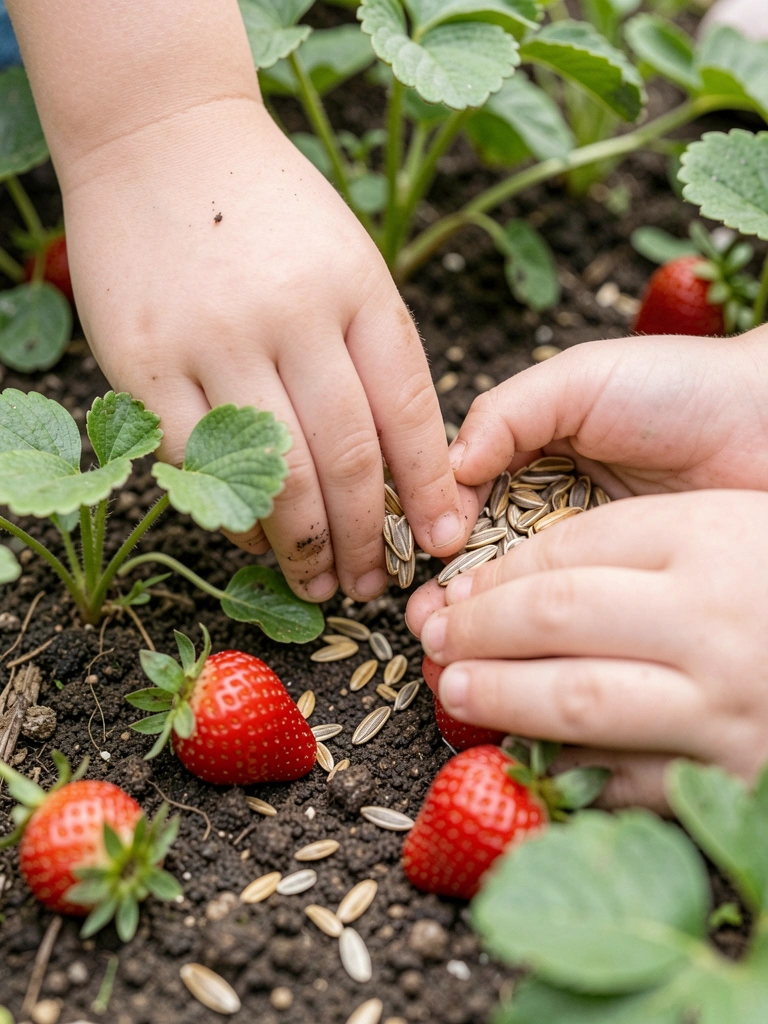
We grab sunflower seeds and strawberries. Poke holes shallow. Kids pat dirt. Sunflowers for height, berries for snacks right away.
The bed shifts—greenery pops against wood. Color draws eyes low.
Missed bit: Quick wins build habit. Slow plants? They forget. Avoid overwatering; mud kills fun.
I watch them taste a berry leaf. Garden feels alive, theirs.
Step 4: Add Paths They Walk
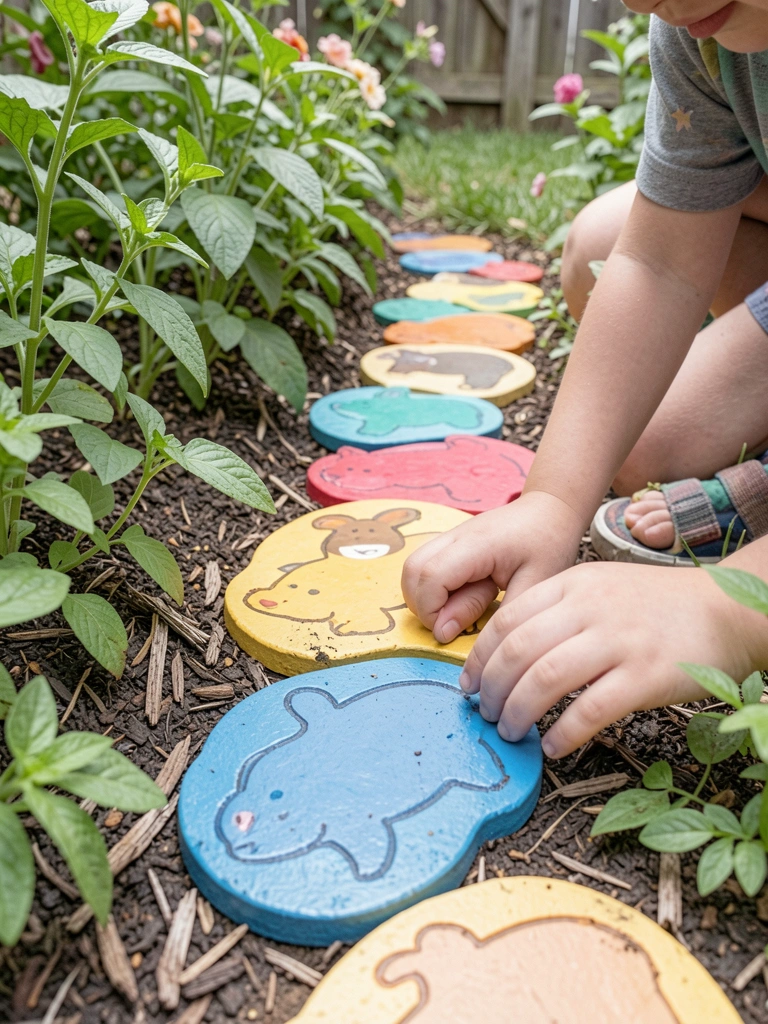
Scatter stepping stones in loops around the bed. Animal shapes underfoot. Space them kid-step apart—no giant leaps.
Now flow pulls them through. Plants frame paths, balanced.
People skip paths, crowd plants. Chaos. Mistake: Stones too far; they trample beds.
We test-walk. It circles back to water can. Play starts.
Step 5: Layer for Balance and Reach
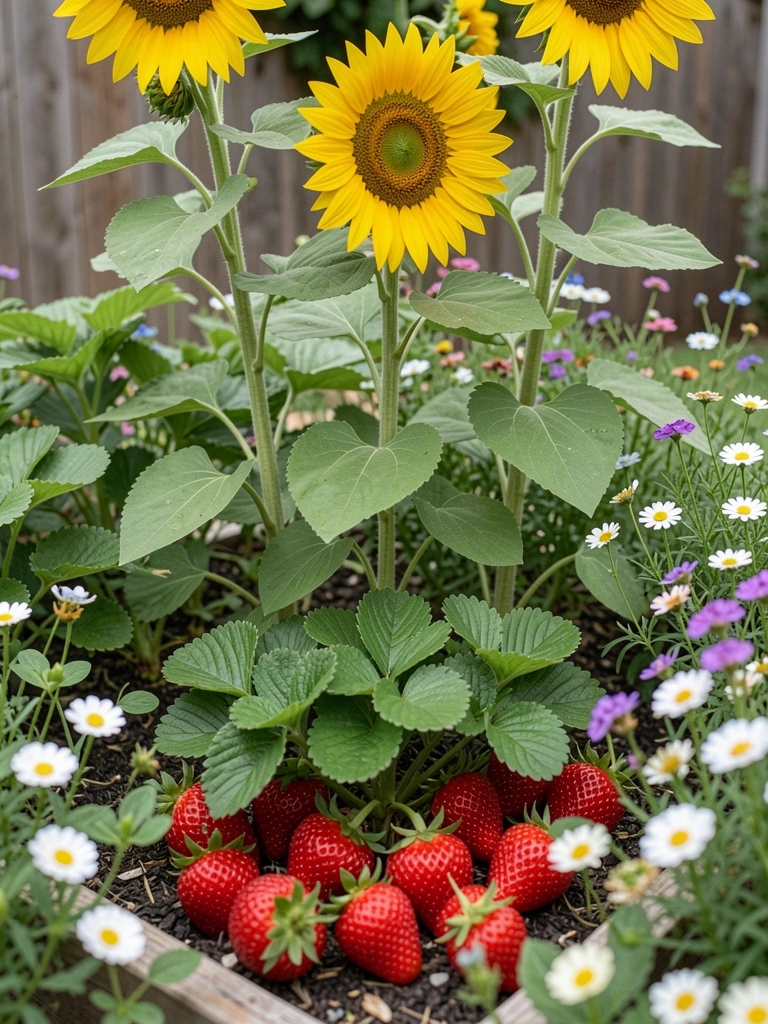
Tuck wildflowers at edges, sunflowers rear. Strawberries front—easy pick. Gloves on, we fill gaps.
Visual shift: Layers create depth. Tall softens fence, low invites touch.
Insight: Balance heights or it tips wild. Avoid bare middles; feels empty.
Stand back. It holds together, comfortable. Kids own it.
Best Plants That Pull Kids In
Sunflowers tower fast. Kids measure daily. Strawberries hide red gems. Wildflowers buzz with bees—safe watch.
I stick to these:
- Sunflowers: 60 days to bloom.
- Strawberries: Fruits week three.
- Radishes: Pull in 25 days, crisp snap.
No fussy stuff. They thrive on benign neglect.
Making It Safe and Last
Gloves protect small hands. Kneeling pad saves knees on rough ground. Paths keep feet off wet soil.
Check weekly:
- Pinch dead leaves.
- Water mornings only.
- Re-seed gaps.
It weathers play. Stays balanced.
When It Feels Off-Fix Quick
Spot tilt? Trim tall stems. Dull color? Add berry pots. Kids lose interest? Let them lead planting.
Common:
- Too packed: Thin out.
- Mud mess: Mulch light.
Adjust by watching them. It settles.
Final Thoughts
Start with one bed. Watch kids. Tweak as they grow.
You’ve got this. It’s just dirt and seeds fitting their world.
Their garden becomes backyard heart. Simple as that.
Leave a Reply