Category: Backyard

  • How To Make Backyard Garden For Kids

    How To Make Backyard Garden For Kids

    My backyard had this empty corner. Kids ran past it every day, bored. I wanted a garden they’d touch, not just look at. But my first try felt stiff. Plants too tall, paths too narrow. Kids ignored it.

    I stepped back. Watched where they played. Noticed what drew them in. That’s when it clicked.

    Now, their garden pulls them outside. They water, pick, dig. It’s theirs.

    How To Make Backyard Garden For Kids

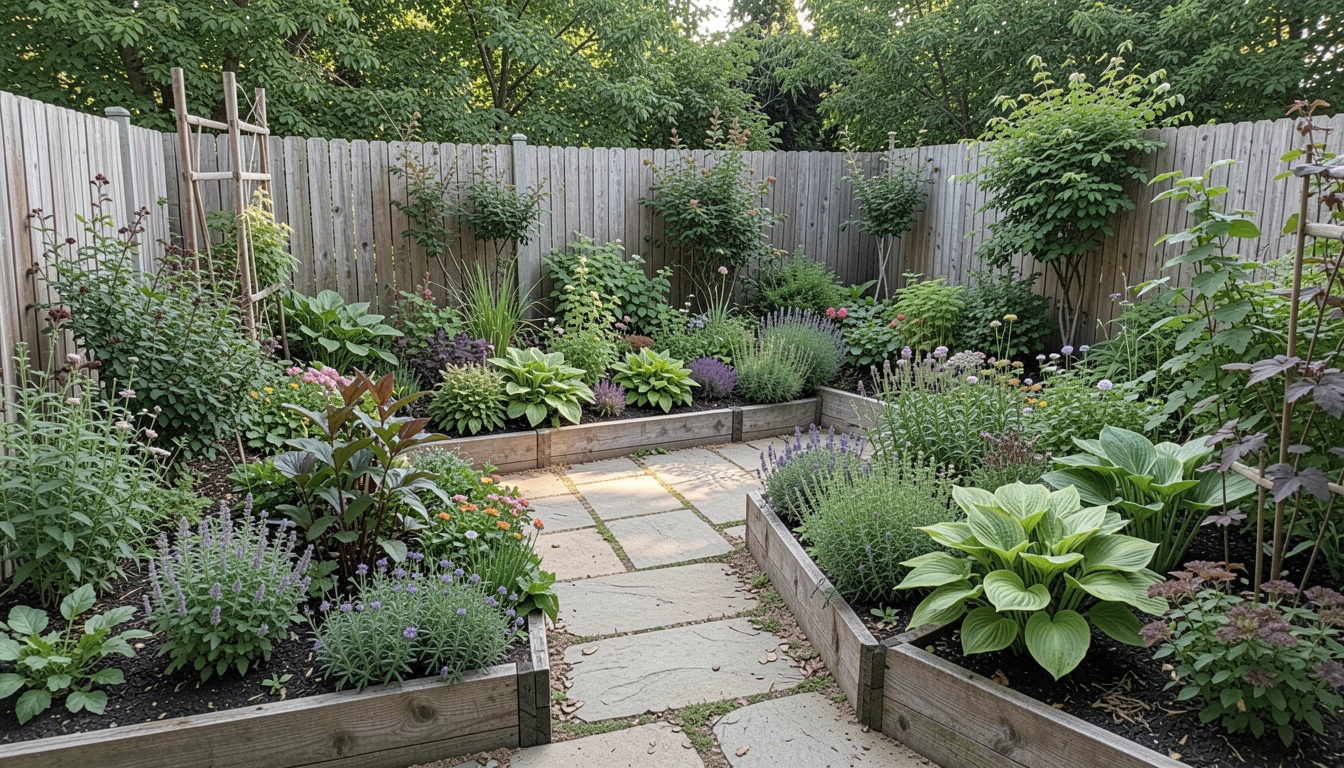
    This shows you how I build a backyard garden kids return to. It feels right—balanced, reachable, full of color. You’ll end up with a space that fits their play.

    What You’ll Need

    Step 1: Pick the Spot They Own

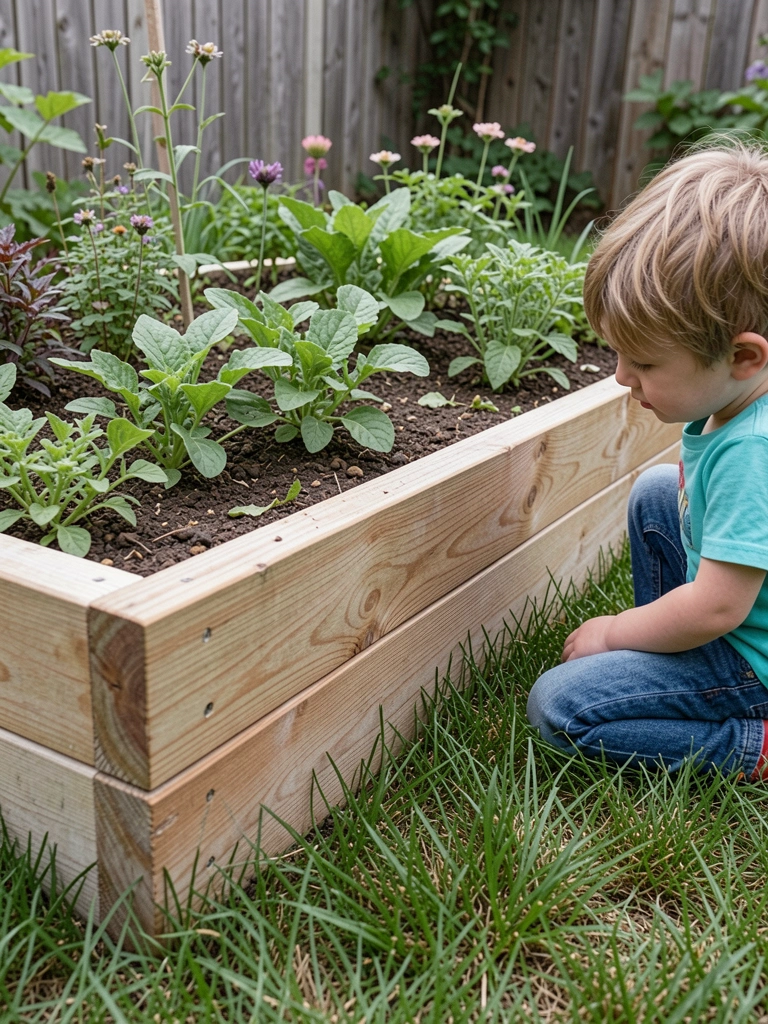
    I walk the yard with kids trailing. Watch where they pause, chase, sit. That bare spot by the fence? It’s close to the house door but out of traffic. Sun hits it most of the day.

    Why here? They need to reach without stretching. It changes the yard—now that corner breathes, invites small hands.

    People miss how sightlines matter. Kids won’t garden if it’s hidden. Avoid shoving it in shade; plants sulk, interest fades.

    Kneel down. Feel the ground. Mark it with string. It’s theirs now.

    Step 2: Set the Bed Low and Wide

    I unbox the raised bed kit. Place it flat, edges blunt—no sharp corners. Wide enough for two kids side-by-side. Fill with soil they can poke.

    Visually, it grounds the spot. No more empty dirt. Edges frame play.

    Insight: Height tricks everyone. Too tall, they tip it. Keep under knee-high. Mistake? Cramming too much in. Leave room to move.

    I step back. It sits balanced, open. Kids crowd in already.

    Step 3: Plant What Grows Fast and Tasty

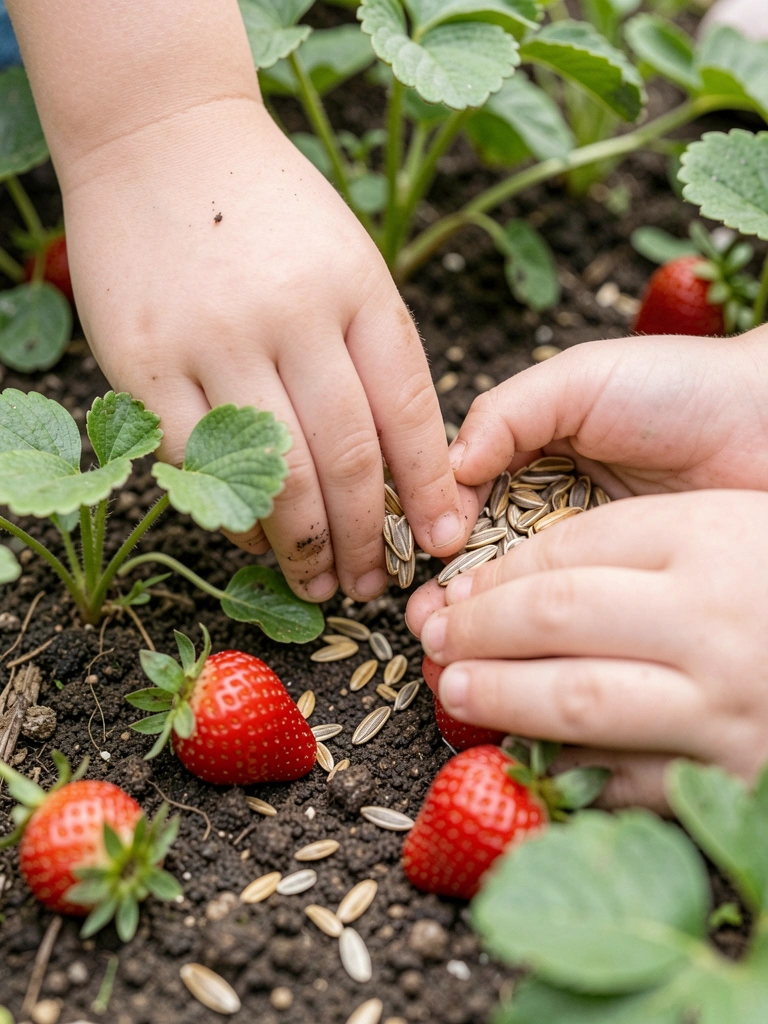
    We grab sunflower seeds and strawberries. Poke holes shallow. Kids pat dirt. Sunflowers for height, berries for snacks right away.

    The bed shifts—greenery pops against wood. Color draws eyes low.

    Missed bit: Quick wins build habit. Slow plants? They forget. Avoid overwatering; mud kills fun.

    I watch them taste a berry leaf. Garden feels alive, theirs.

    Step 4: Add Paths They Walk

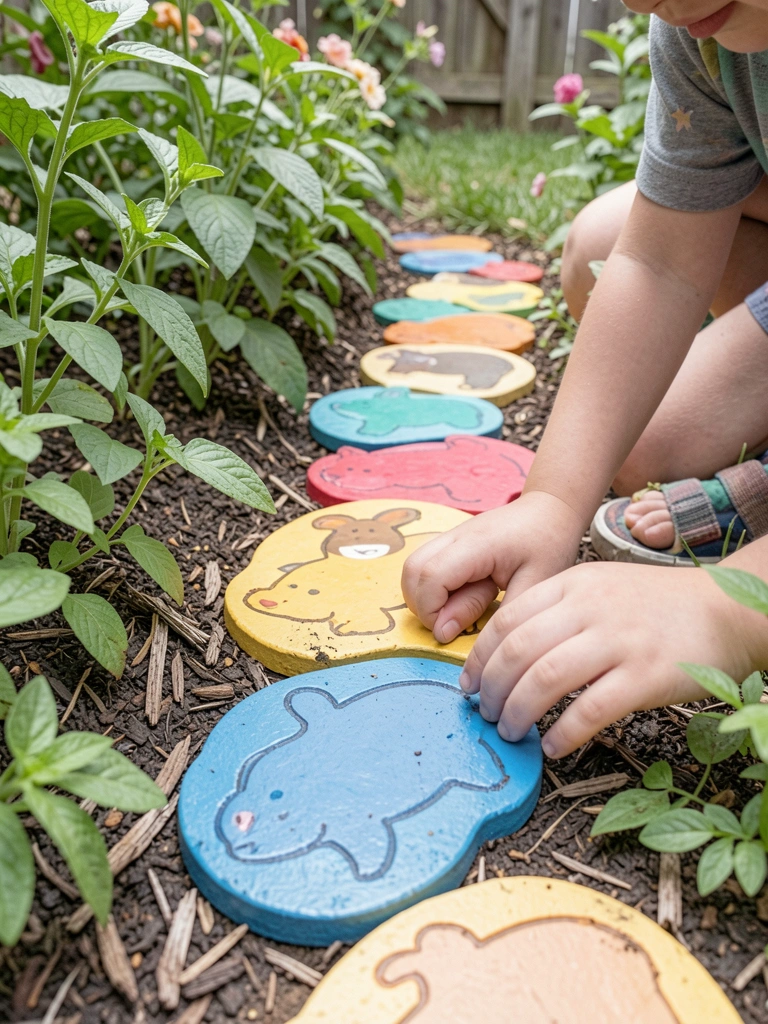
    Scatter stepping stones in loops around the bed. Animal shapes underfoot. Space them kid-step apart—no giant leaps.

    Now flow pulls them through. Plants frame paths, balanced.

    People skip paths, crowd plants. Chaos. Mistake: Stones too far; they trample beds.

    We test-walk. It circles back to water can. Play starts.

    Step 5: Layer for Balance and Reach

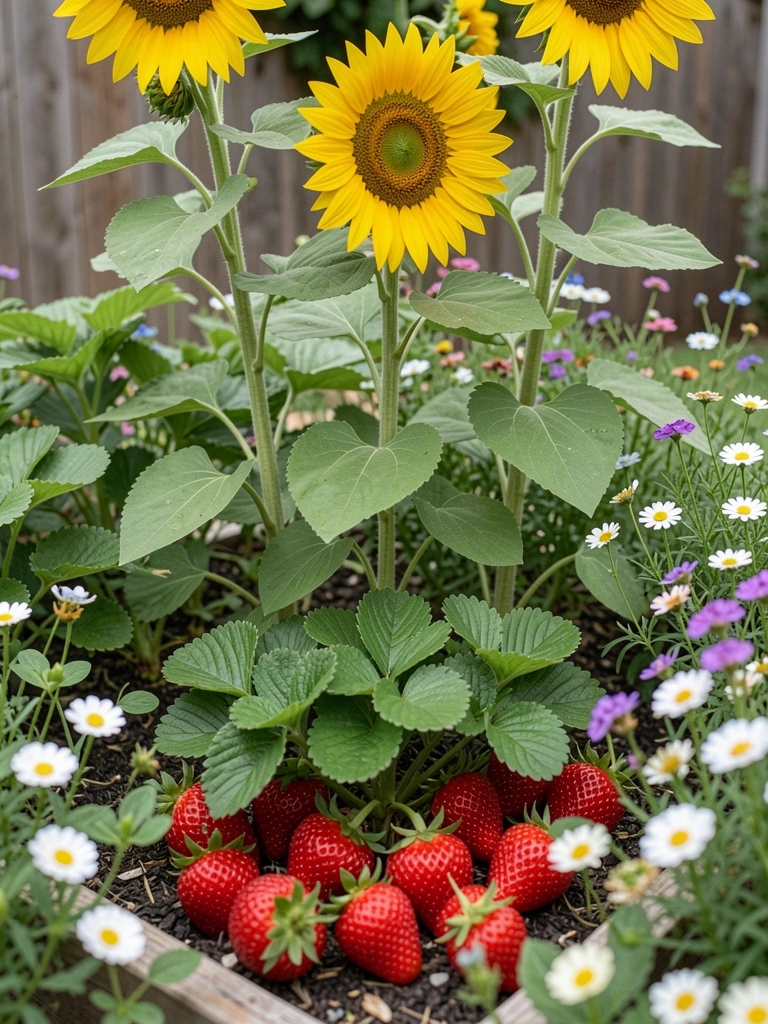
    Tuck wildflowers at edges, sunflowers rear. Strawberries front—easy pick. Gloves on, we fill gaps.

    Visual shift: Layers create depth. Tall softens fence, low invites touch.

    Insight: Balance heights or it tips wild. Avoid bare middles; feels empty.

    Stand back. It holds together, comfortable. Kids own it.

    Best Plants That Pull Kids In

    Sunflowers tower fast. Kids measure daily. Strawberries hide red gems. Wildflowers buzz with bees—safe watch.

    I stick to these:

    • Sunflowers: 60 days to bloom.
    • Strawberries: Fruits week three.
    • Radishes: Pull in 25 days, crisp snap.

    No fussy stuff. They thrive on benign neglect.

    Making It Safe and Last

    Gloves protect small hands. Kneeling pad saves knees on rough ground. Paths keep feet off wet soil.

    Check weekly:

    • Pinch dead leaves.
    • Water mornings only.
    • Re-seed gaps.

    It weathers play. Stays balanced.

    When It Feels Off-Fix Quick

    Spot tilt? Trim tall stems. Dull color? Add berry pots. Kids lose interest? Let them lead planting.

    Common:

    • Too packed: Thin out.
    • Mud mess: Mulch light.

    Adjust by watching them. It settles.

    Final Thoughts

    Start with one bed. Watch kids. Tweak as they grow.

    You’ve got this. It’s just dirt and seeds fitting their world.

    Their garden becomes backyard heart. Simple as that.

  • How To Make Borders For Backyard Garden

    How To Make Borders For Backyard Garden

    I stared at my backyard bed last spring. The grass crept in everywhere. Plants spilled over the edge. It looked messy, not held together.

    I wanted clean lines without it feeling rigid. Something that let the garden breathe but stayed put.

    Turns out, borders fix that. They ground the space. Now mine feel balanced.

    How To Make Borders For Backyard Garden

    This is the method I use every time a garden feels unfinished. You’ll end up with borders that frame your backyard beds. They look intentional and hold everything in place.

    What You’ll Need

    Step 1: Walk the Line of Your Bed

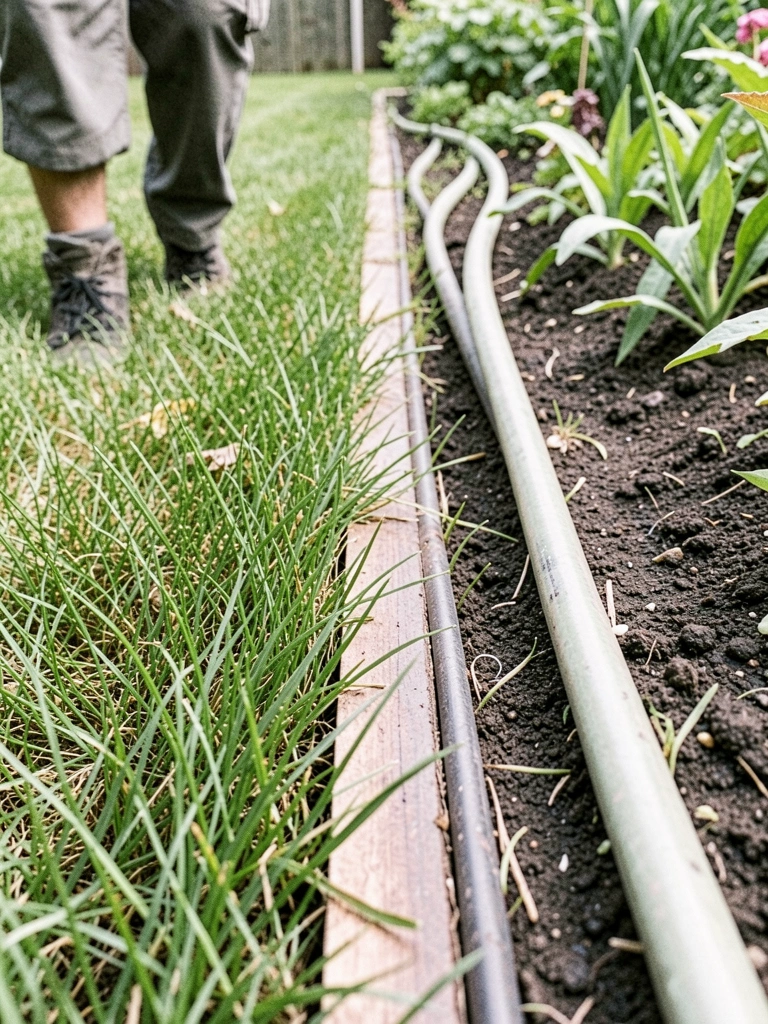
    I start by walking the bed's edge. I let my eye follow where grass meets soil. Sometimes I lay a hose down. It shows the natural curve.

    This sets the border's flow. Visually, the bed starts to take shape. It pulls away from chaos.

    People miss how a gentle curve softens the yard. Straight lines fight the space. Avoid forcing sharp turns—they make borders look added on.

    I step back often. The line feels right when it echoes the bed's shape.

    Step 2: Dig a Shallow Trench

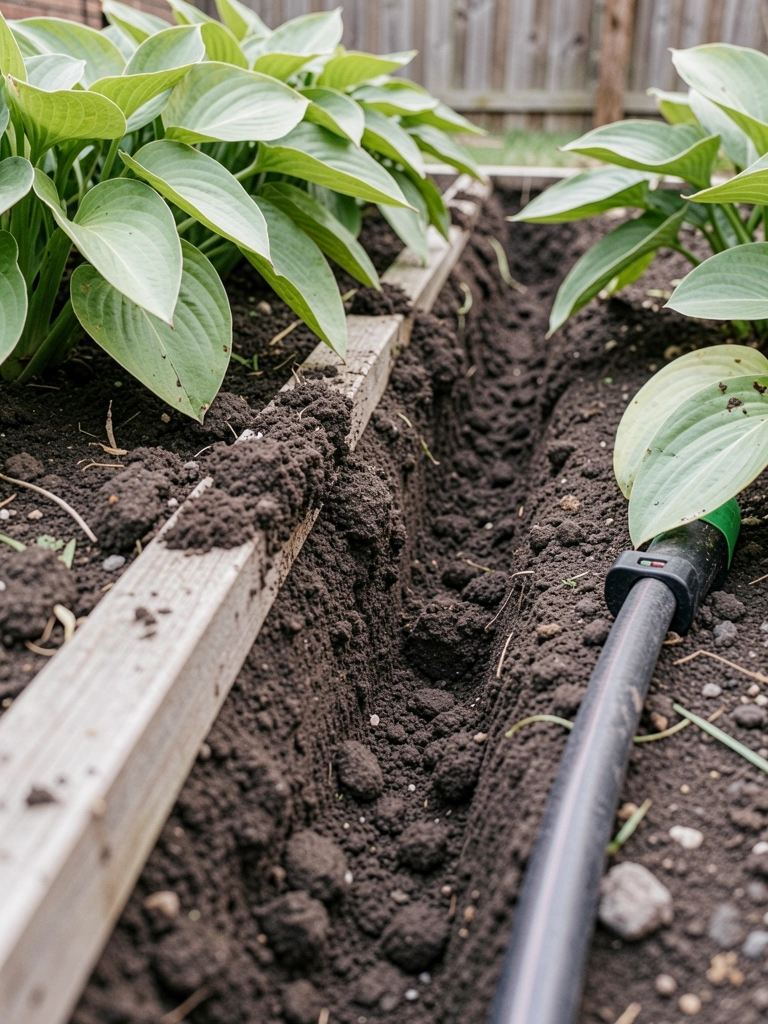
    I dig a trench just deep enough for the edging. About 4 inches wide, 6 deep. I follow that hose line.

    The ground opens up. It invites the border in. The bed looks ready to be framed.

    Most forget to slope the trench bottom. It lets water drain. Flat bottoms pool and rot roots.

    Don't dig too deep. It buries the edging wrong. Keep it shallow for clean lines.

    I check the depth with my hand. Feels secure but not buried.

    Step 3: Set the Edging in Place

    I unroll the edging into the trench. I bend it to match curves. Push soil against it from both sides.

    Now the border holds firm. The bed gains definition. Grass stops invading.

    Insight: Overlap ends slightly. It prevents gaps where weeds sneak. People butt them tight—mistake.

    Avoid kinks. Gently curve as you go. It keeps the flow natural.

    I tug it snug. Stays put through rain.

    Step 4: Backfill with Gravel and Mulch

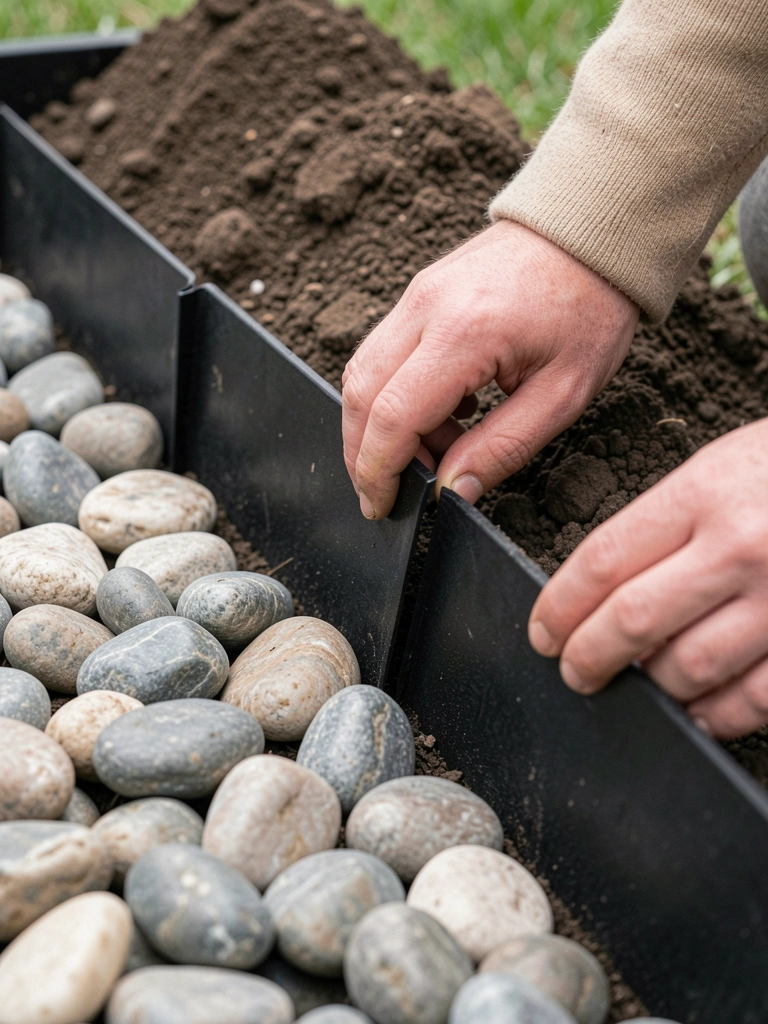
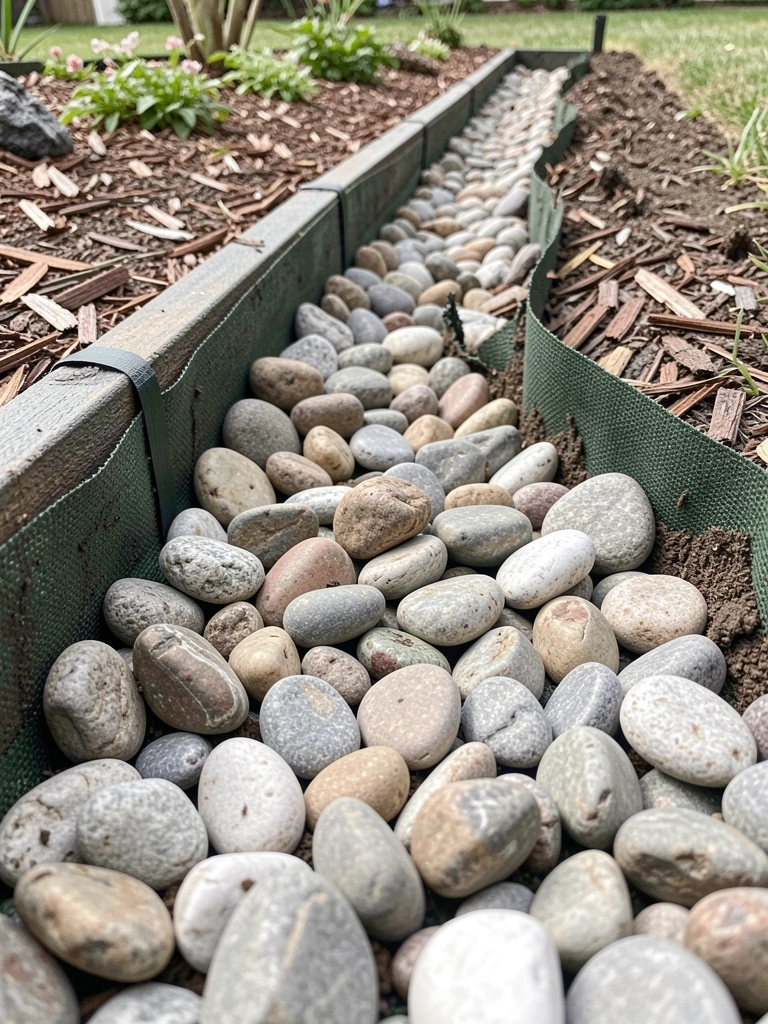
    I line the trench with weed fabric first. Add river rock for drainage. Top with mulch.

    The border blends in. Textures layer—rock peeks through mulch. Grounds the whole bed.

    Missed tip: Gravel settles weight. Without it, mulch washes out. Big error in heavy rain.

    Don't overfill mulch. A thin layer looks clean. Too much hides the edging.

    I rake it smooth. Feels balanced now.

    Step 5: Plant Along the Edge

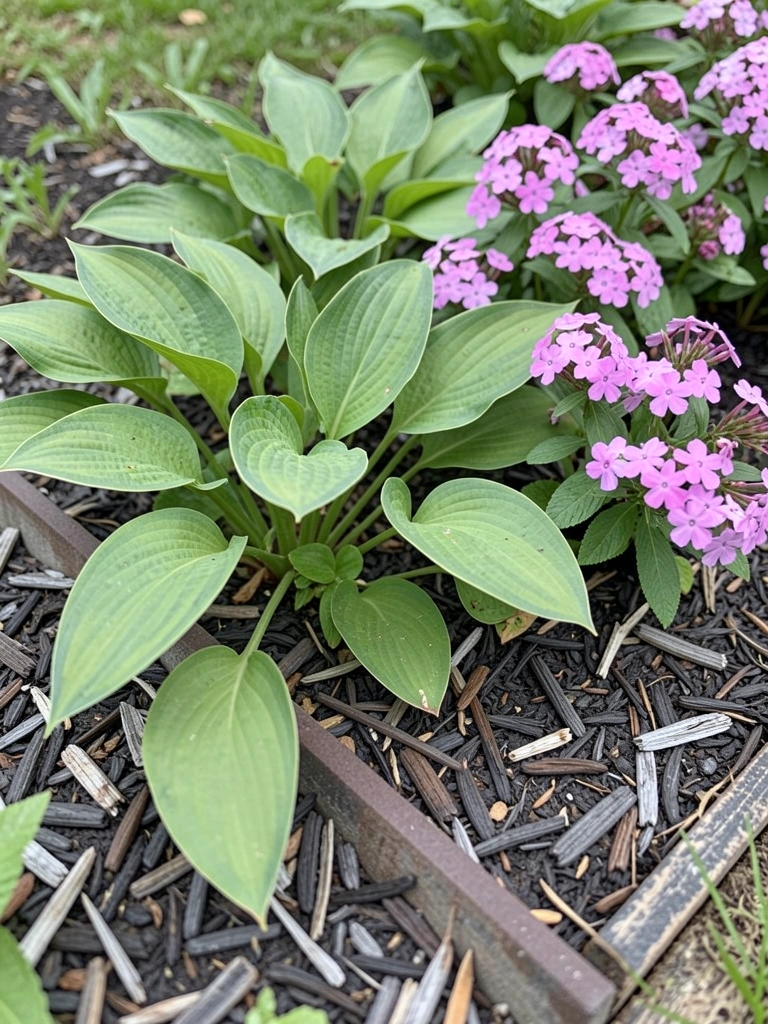
    I tuck low plants like hostas and phlox right against the border. Space them so they spill soft.

    Plants soften the line. The border disappears into growth. Bed feels alive, held together.

    People plant too far back. Edge stays bare. Plant close for flow.

    Avoid tall plants here. They flop over. Stick to dwarfs.

    I water them in. They root fast.

    Choosing Plants for Your Borders

    I pick plants that hug the ground. They keep borders tidy.

    Low growers work best. They fill without overwhelming.

    • Dwarf hostas for shade
    • Creeping phlox for sun
    • Low sedums for dry spots

    Mix heights slightly. It adds depth. But keep the front low.

    Watch your soil. Wet spots need different plants than dry.

    Keeping Borders Looking Good Year-Round

    Borders shift with seasons. I refresh mulch yearly.

    Deadhead flowers. It keeps edges crisp.

    In fall, cut back perennials. Mulch protects roots.

    • Spring: Add early bloomers
    • Summer: Trim sprawlers
    • Winter: Let seed heads stand for birds

    A quick sweep weekly. Prevents buildup.

    Fixing Common Border Issues

    Sometimes borders sink. Top up gravel.

    Weeds push through? Check fabric tears.

    • Uneven settling: Add more backfill
    • Edging shifts: Stake it deeper
    • Plants encroach: Trim monthly

    I spot issues early. A little fix keeps it right.

    Final Thoughts

    Start with one bed. See how it settles your yard.

    You'll notice the balance right away. It quiets the mess.

    Borders aren't forever. Adjust as plants grow. Yours will feel right in time.

  • 13 Clean Backyard Garden Edging Ideas For A Polished Look

    13 Clean Backyard Garden Edging Ideas For A Polished Look

    I used to walk out my back door and see the lawn creeping into my veggie beds. Fuzzy lines everywhere. Made the whole yard feel sloppy.

    One summer, I grabbed some bricks and edged it all. Changed everything. The garden snapped into focus.

    Now it looks intentional. Like I meant for it to be there.

    13 Clean Backyard Garden Edging Ideas For A Polished Look

    These 13 clean backyard garden edging ideas come straight from my yard trials. They keep things tidy without fuss. Pick one that fits your space.

    1. Straight Brick Border That Holds Back the Lawn

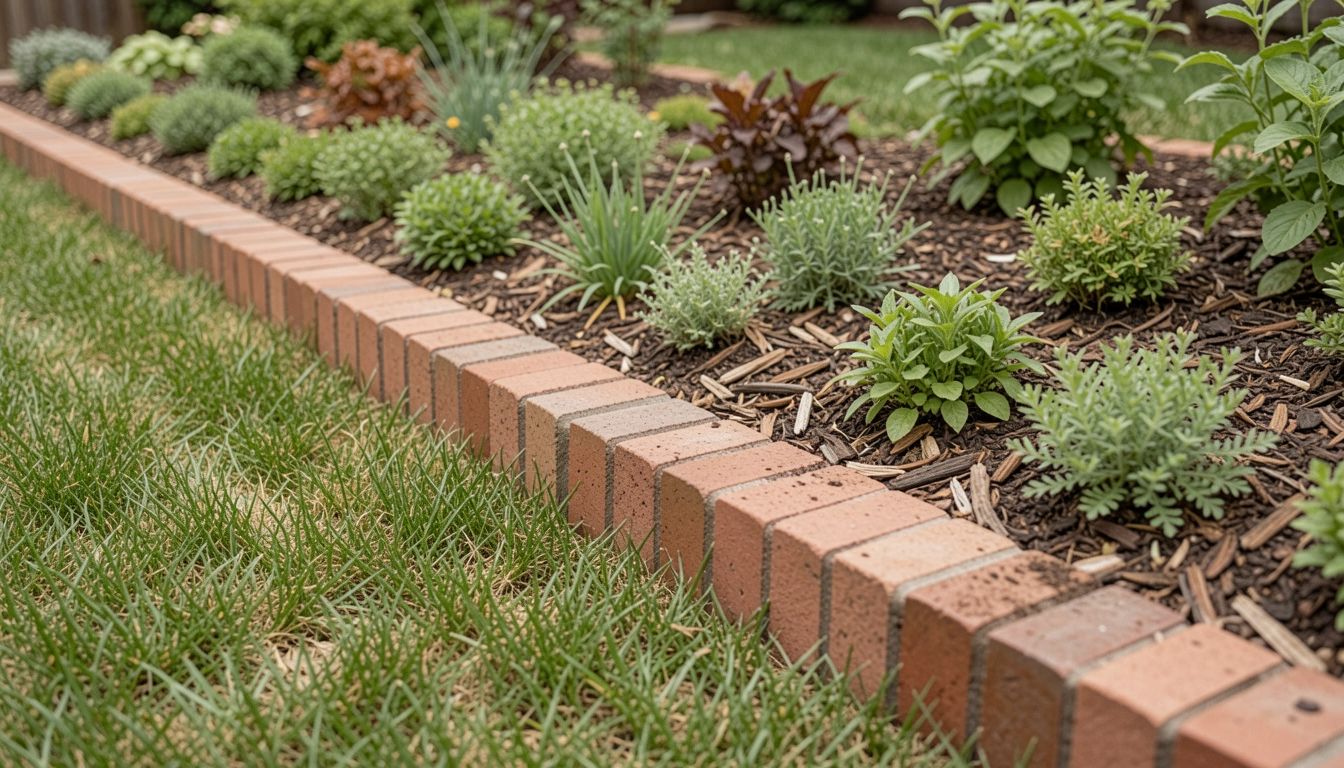
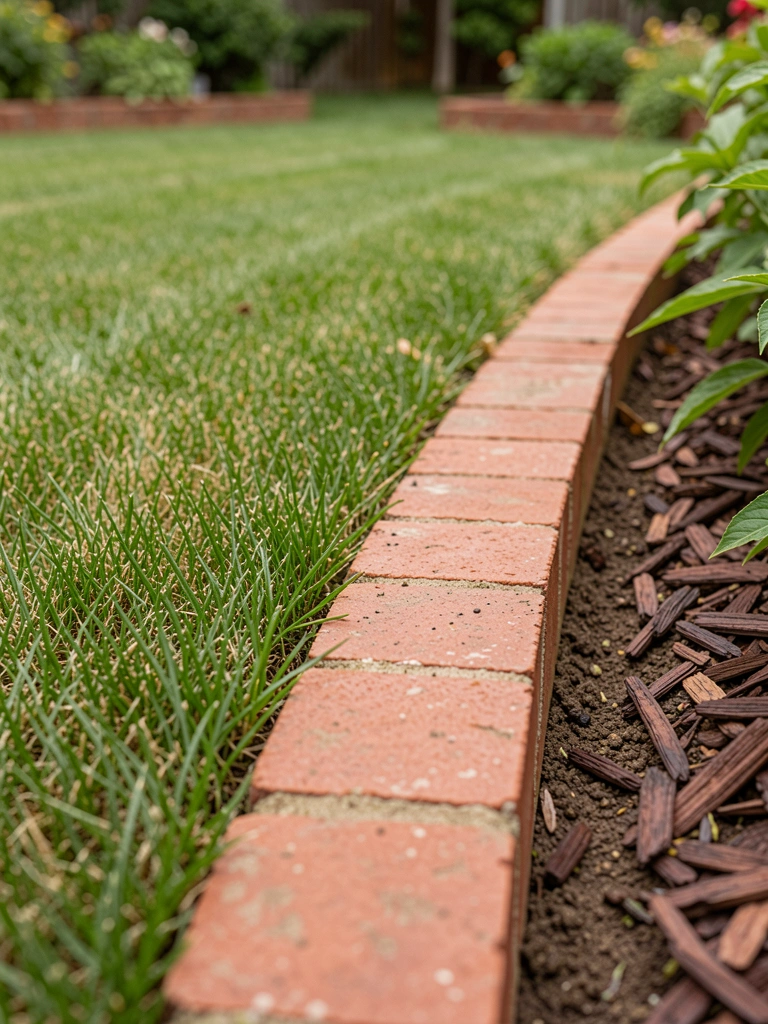
    I laid bricks end-to-end along my back lawn where it met the flower beds. Flat on the ground, half-buried. No mortar, just dug a shallow trench.

    Suddenly, the yard had bones. Grass stopped wandering. Beds stood out crisp.

    Watch the depth—too shallow and bricks shift with mowers. I learned after rain washed a few out.

    Push them firm into soil. Lasts years.

    What You’ll Need for This Look

    Red clay bricks (8×4 inch)

    Garden edging shovel

    2. Curved River Rocks for Soft Bed Outlines

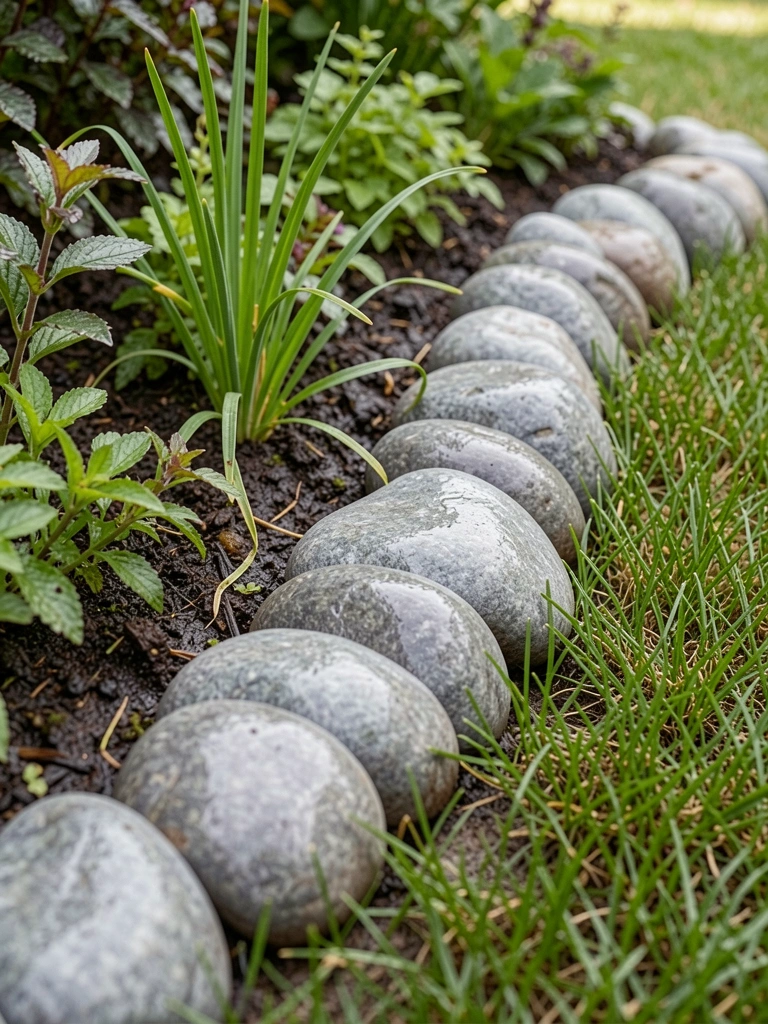
    River rocks from a local haul edged my curved herb bed. Tumbled them into a line, bigger ones at the base.

    Gave a gentle flow. No harsh lines. Weeds stayed out easy.

    I overdid the size once—too big looked clunky. Stick to fist-sized.

    Rake them back yearly. Feels cozy now.

    What You’ll Need for This Look

    River rocks bulk bag (mixed sizes)

    Landscape fabric pins

    3. Thin Steel Strips for Modern Crisp Edges

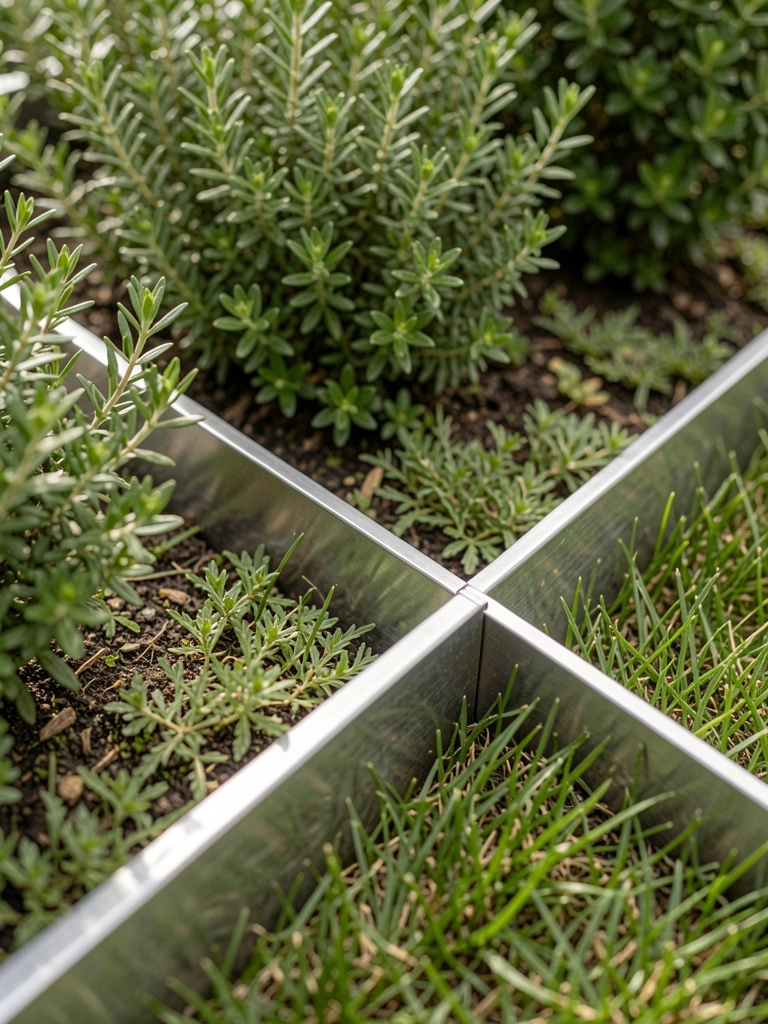
    Hammered galvanized steel strips into the soil along my patio beds. Invisible from afar, sharp up close.

    Lawn mowers glide over. Beds feel contained.

    Bent one strip wrong first time—use a rubber mallet. Cuts clean.

    Rust adds patina over time. Love that.

    What You’ll Need for This Look

    Galvanized steel lawn edging (4 inch height)

    Rubber mallet garden tool

    4. Half-Buried Logs for Woodsy Path Sides

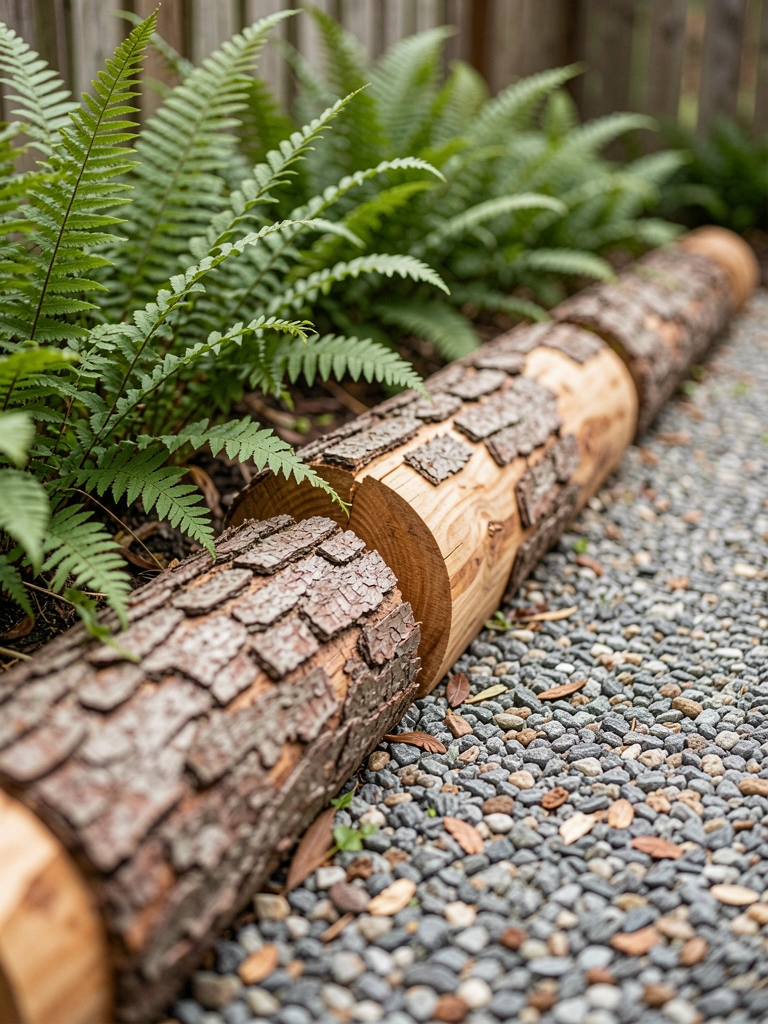
    Sliced cedar logs lengthwise, buried half along my gravel walk. Natural curve followed the path.

    Warmth hit right away. Like a forest trail in my yard.

    Logs rot slow but check for bugs. Mine lasted five years.

    Simple dig and drop. Cozy repeat.

    What You’ll Need for This Look

    Cedar landscape timbers (4×4 foot)

    Hand saw for logs

    5. Gravel Trench Lined with Timber

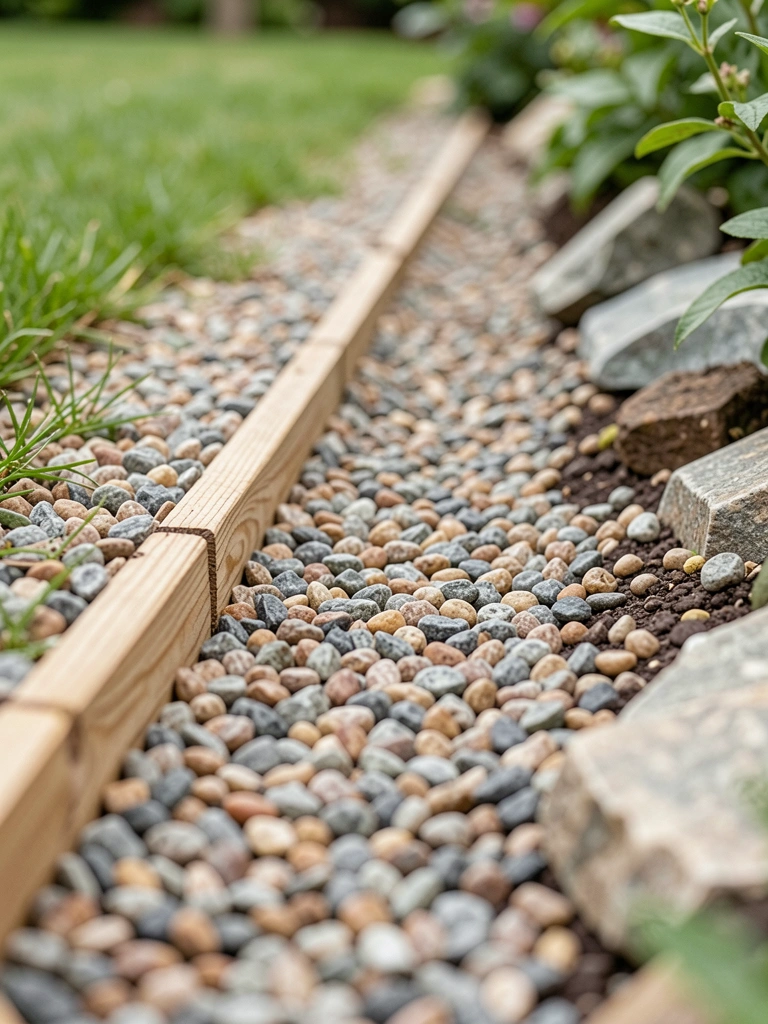
    Dug a trench, lined with scrap 2x4s, filled pea gravel. Edged my veggie patch.

    Drainage improved. No mud after rain.

    Timber warped once—treat with oil first. Fixed it.

    Low-maintenance polish.

    What You’ll Need for This Look

    Pea gravel bag (50 lb)

    Pressure-treated 2×4 lumber

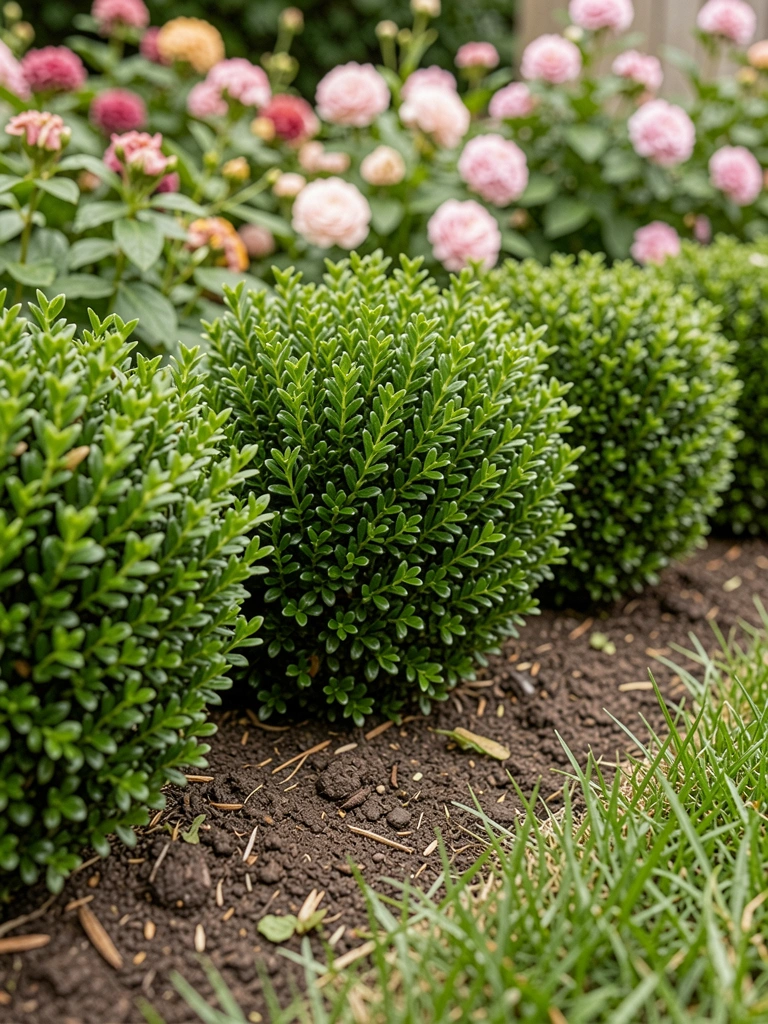
    6. Dwarf Boxwood Clipped Tight

    Planted dwarf boxwoods in a row along the lawn. Trim twice yearly.

    Living edge that greens up spring. Smells fresh.

    Planted too close once—thin them 12 inches. Grew lush now.

    Shears keep it clean.

    What You’ll Need for This Look

    Dwarf boxwood plants (1 gallon)

    Hedge shears manual

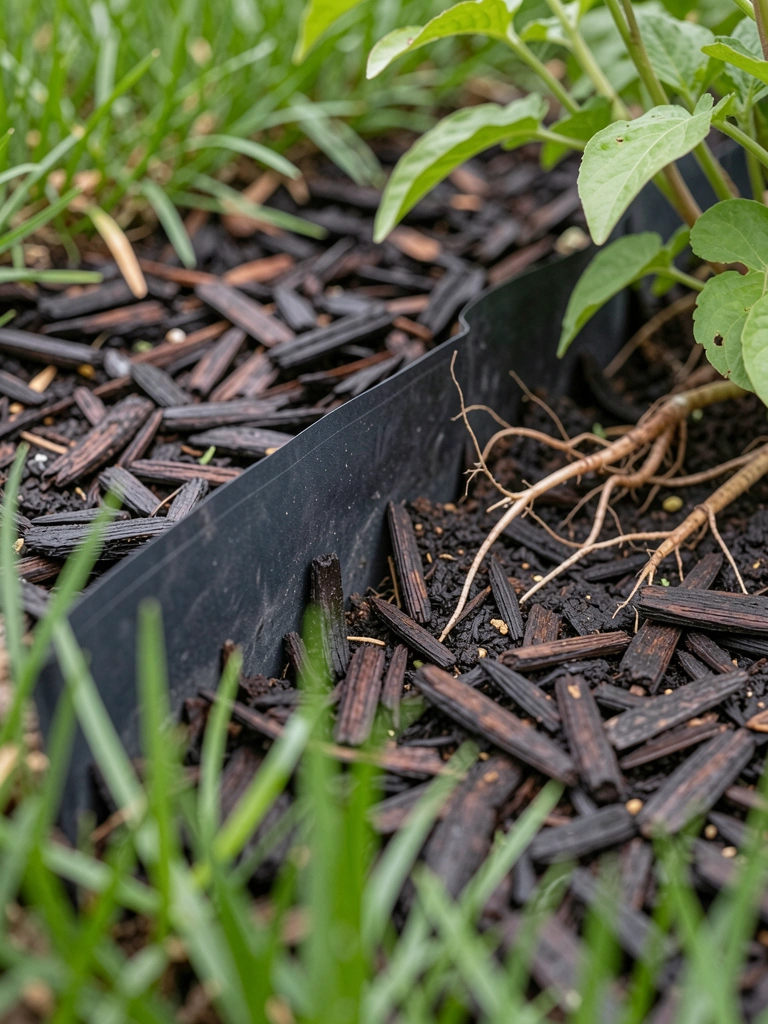
    7. Mulch Moat with Buried Plastic Barrier

    Sliced plastic edging underground, topped with mulch around beds.

    Weeds vanished. Beds popped.

    Barrier poked through once—bury deeper. Mulch hides it.

    Soft, simple hold.

    What You’ll Need for This Look

    Black plastic landscape edging (6 inch)

    Bagged hardwood mulch

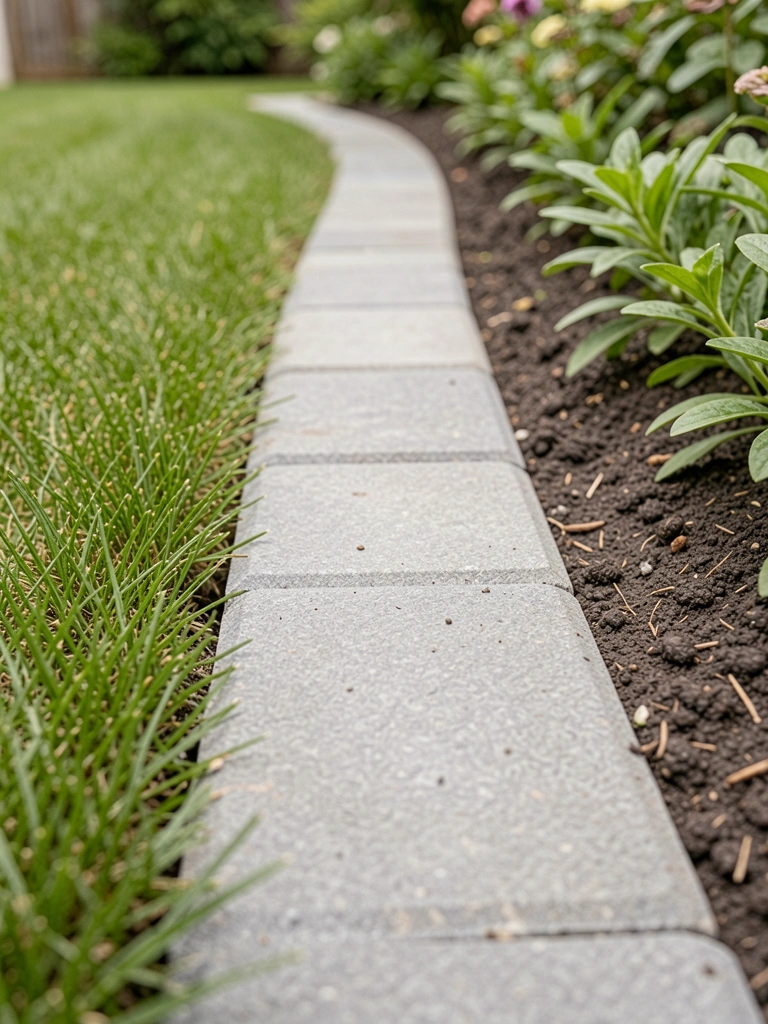
    8. Interlocking Concrete Pavers in a Line

    Set concrete pavers flat along my fence line beds. Interlocked easy.

    Durable against mowers. Clean geometry.

    Leveled wrong first—use sand base. Solid now.

    Modern edge.

    What You’ll Need for This Look

    Concrete garden pavers (12×12 inch)

    All-purpose sand bag

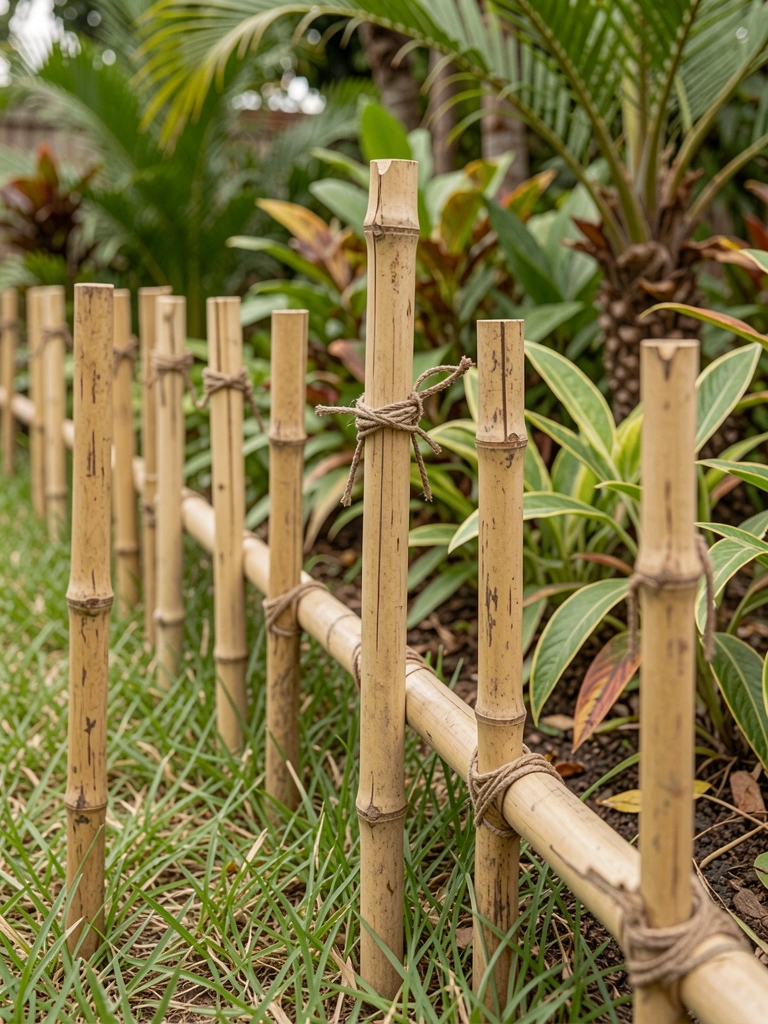
    9. Bamboo Stakes Driven Deep

    Drove bamboo stakes into soft soil, lashed tops. Edged my shade bed.

    Light and airy. Grows moss over time.

    Snapped a few in freeze—choose thick gauge. Stands tall.

    Natural repeat.

    What You’ll Need for This Look

    Bamboo garden stakes (3 foot)

    Twine natural jute

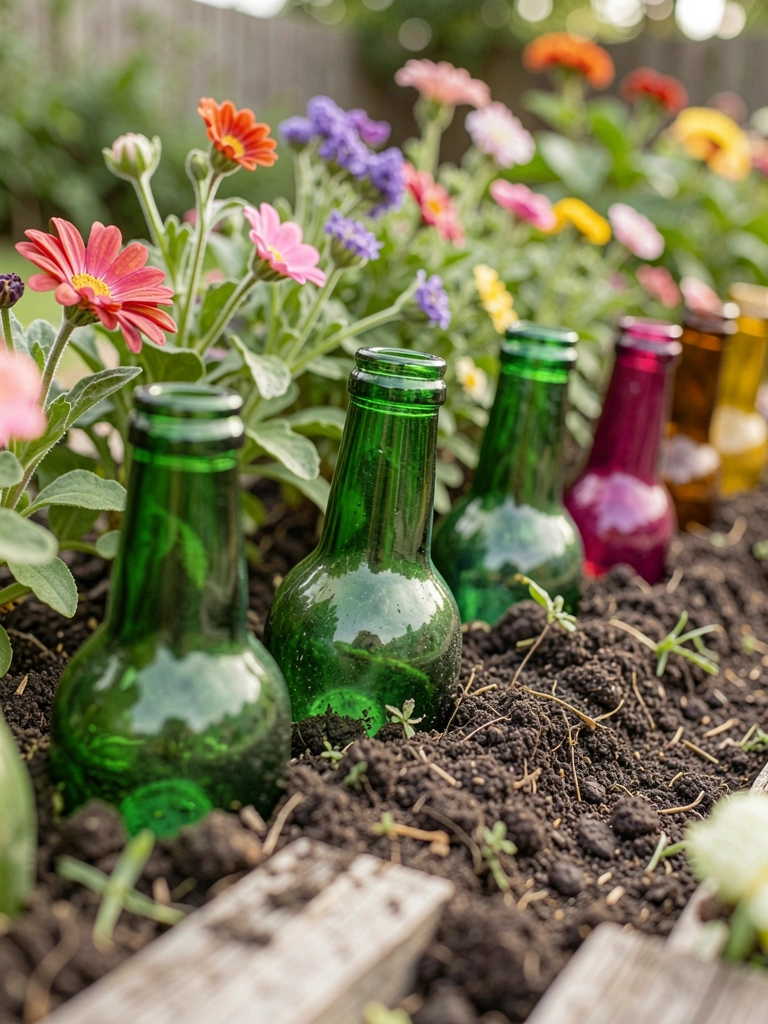
    10. Recycled Bottle Border Upside Down

    Buried old wine bottles necks-down along paths. Glass rims catch light.

    Quirky polish. Free if you save them.

    Broke one digging—wear gloves. Sparkles now.

    Personal touch.

    What You’ll Need for This Look

    Glass garden edging bottles (colored)

    Work gloves heavy duty

    11. Solar Lights Set into Stone Edge

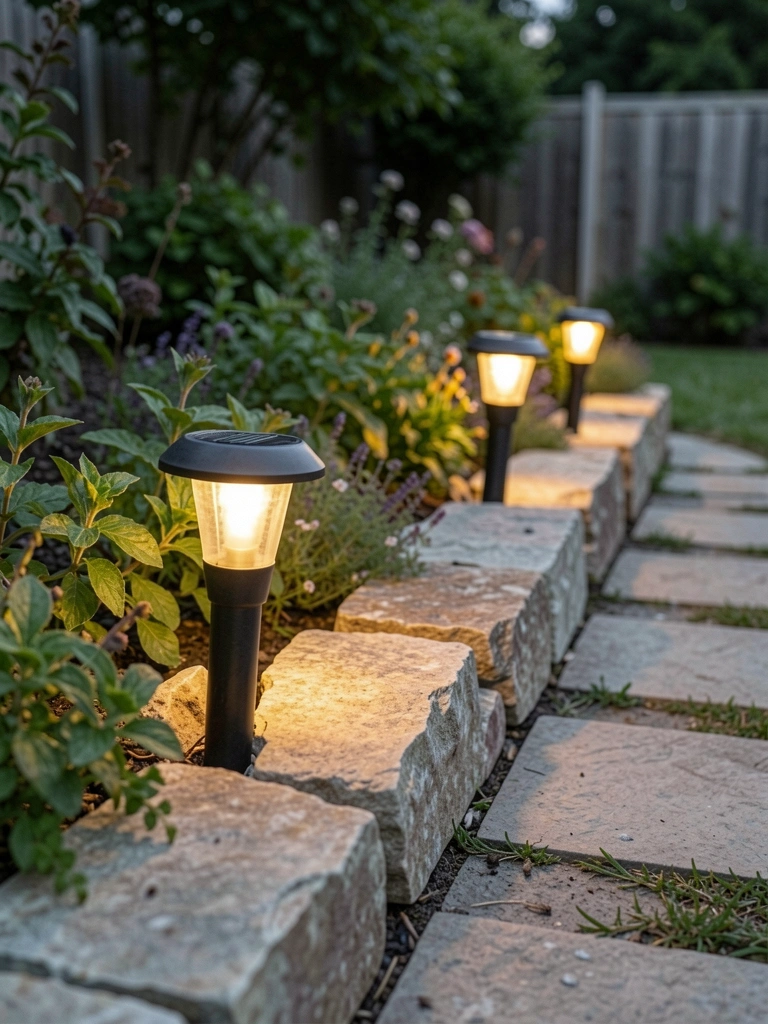
    Nestled solar stakes into rock edging around my patio.

    Night magic without wires. Days clean.

    Dim ones failed—get bright LEDs. Lights the way.

    Warm evenings.

    What You’ll Need for This Look

    Solar garden stake lights (warm white)

    Natural stone edging pieces

    12. Low Sedum Groundcover Line

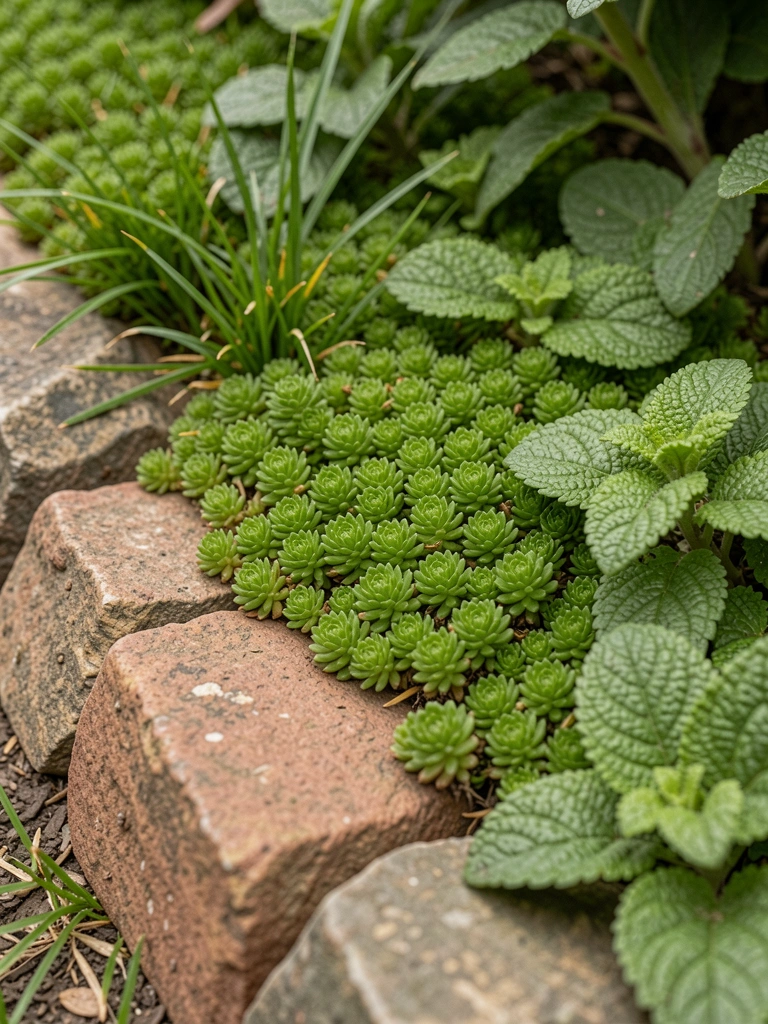
    Planted sedum 'Dragon's Blood' tight along lawn edge. Spreads slow.

    No-trim green line. Drought tough.

    Overwatered seedlings once—let dry. Thrives now.

    Living low.

    What You’ll Need for This Look

    Sedum Dragon's Blood plants (tray)

    Landscape staples U-shaped

    13. Composite Board Invisible Edge

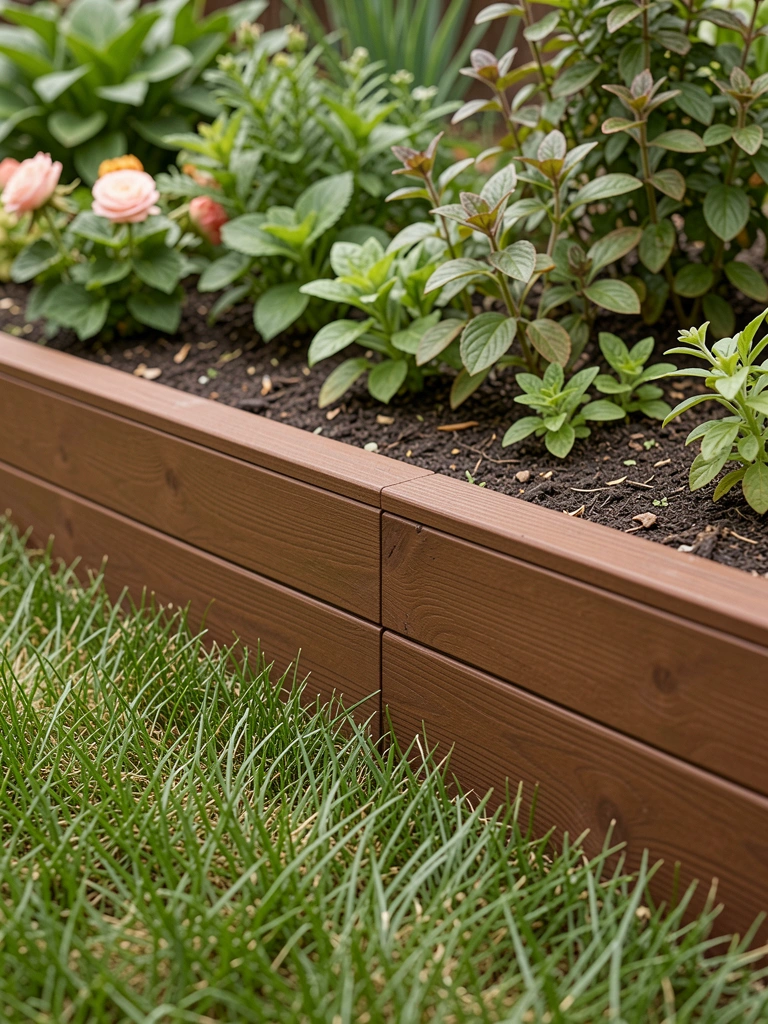
    Screwed composite boards flush underground for my play area beds.

    Zero rot. Mower-proof.

    Cut wrong angle first—measure twice. Seamless now.

    Clean forever.

    What You’ll Need for This Look

    Composite landscape edging boards (1×6 inch)

    Outdoor screws galvanized

    Final Thoughts

    Start with one idea that matches your yard's quirks. Mine did.

    No need for all 13. A single edge tidies the view.

    You'll feel the shift. Gardens reward the patient hand.

  • 15 Bright Backyard Daffodil Garden Ideas For Spring Beauty

    15 Bright Backyard Daffodil Garden Ideas For Spring Beauty

    Last spring, my backyard felt flat after winter. Then the daffodils I planted the fall before punched up through the soil. That first yellow caught the sun and warmed everything.

    I remember standing there with coffee, watching bees already at work. It shifted the whole space from dull to alive.

    No fancy design. Just bulbs that came back stronger each year. If you've got a backyard waiting for spring, this is how to make it happen.

    15 Bright Backyard Daffodil Garden Ideas For Spring Beauty

    These 15 backyard daffodil garden ideas come straight from my yard trials. Some flopped at first, but these stuck. Pick one to start. You'll have bright spots by next spring.

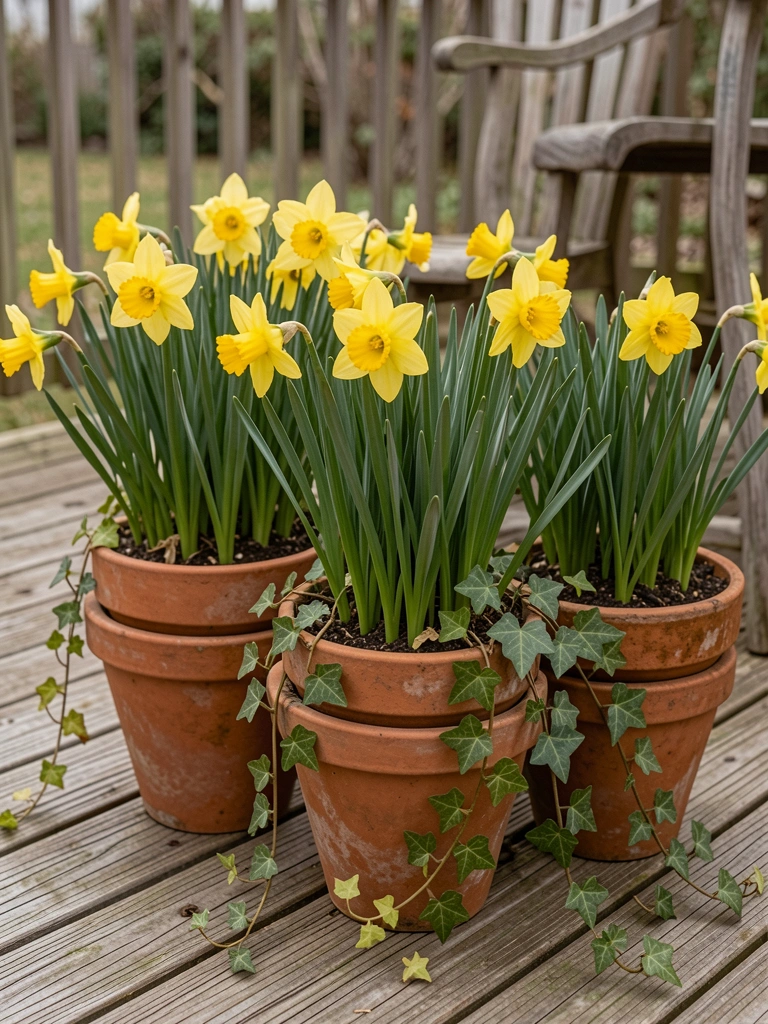
    1. Layered Container Planting Along the Patio Edge

    I lined my patio with pots last fall, staggering short and tall ones. Daffodils filled the fronts, with later tulips behind. Come spring, it looked full without crowding the seating.

    The yellow popped against the brick wall, drawing my eye right to the table. Made coffee mornings feel brighter.

    Watch spacing—too tight, and they flop over. I overplanted once and had to thin them.

    Start with three pots per section. Group them tight for impact.

    What You’ll Need for This Look

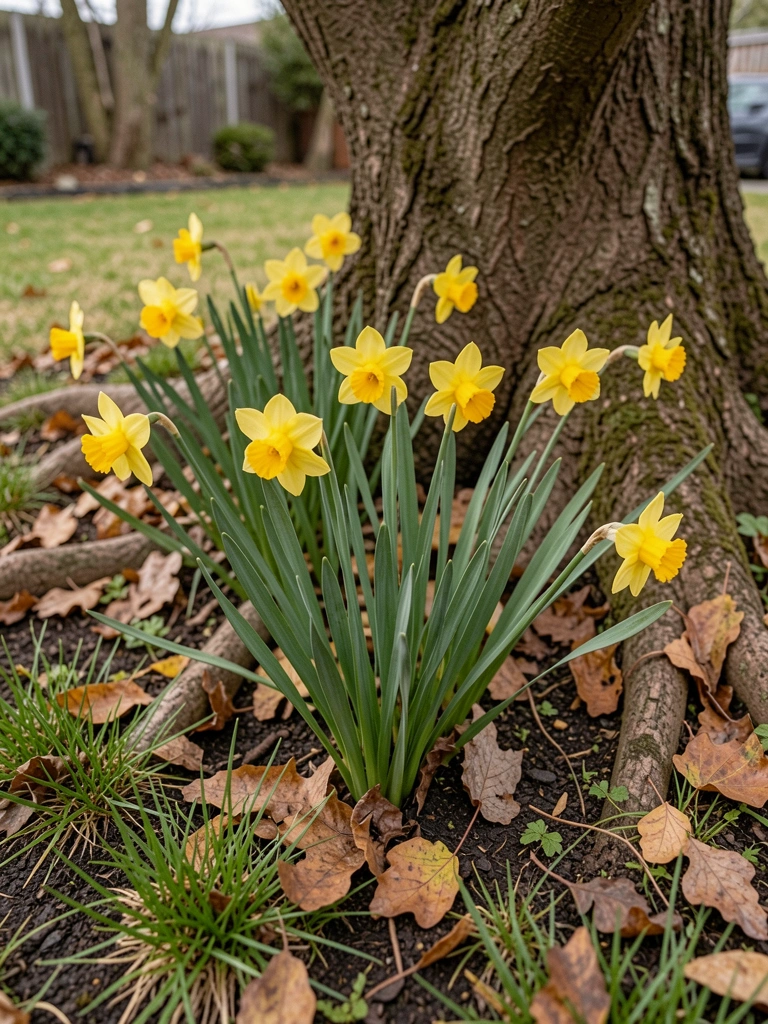
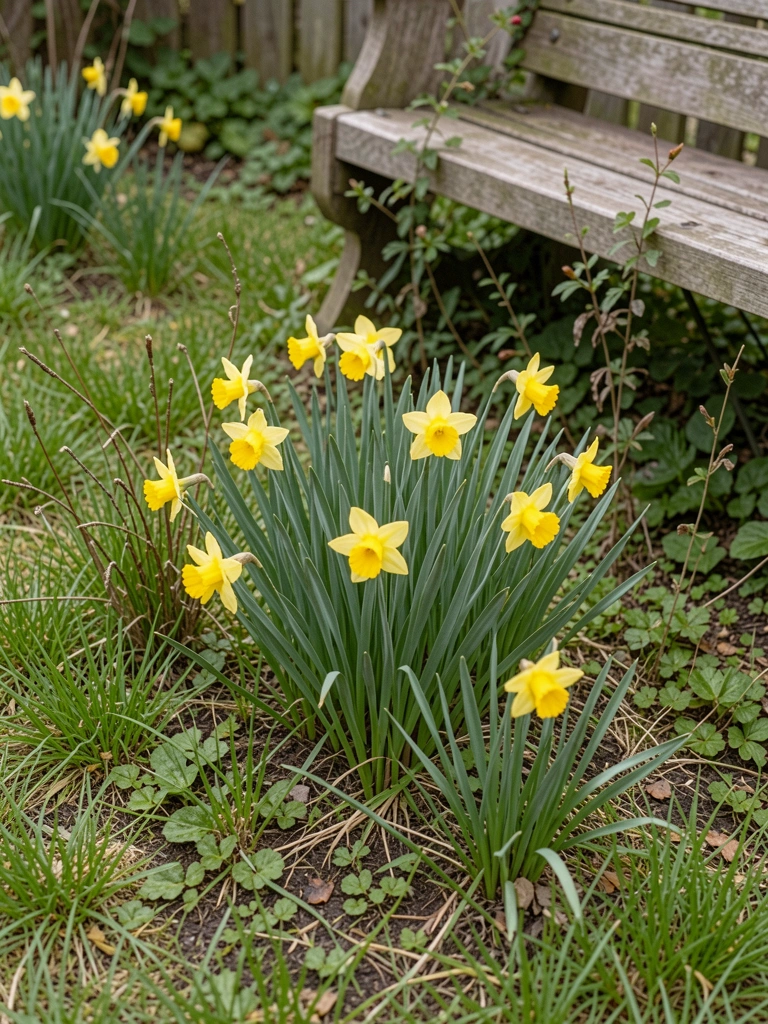
    2. Naturalized Daffodil Drift Under the Apple Tree

    My apple tree shaded half the yard, so I tossed daffodil bulbs under it years back. They spread on their own, creating a soft drift by spring.

    Blossoms nod in the breeze, petals catching light through branches. Turns a bare spot cozy.

    Don't dig neat holes—scatter and plant shallow. I tried rows first; looked stiff.

    Let leaves die back naturally for next year's food.

    What You’ll Need for This Look

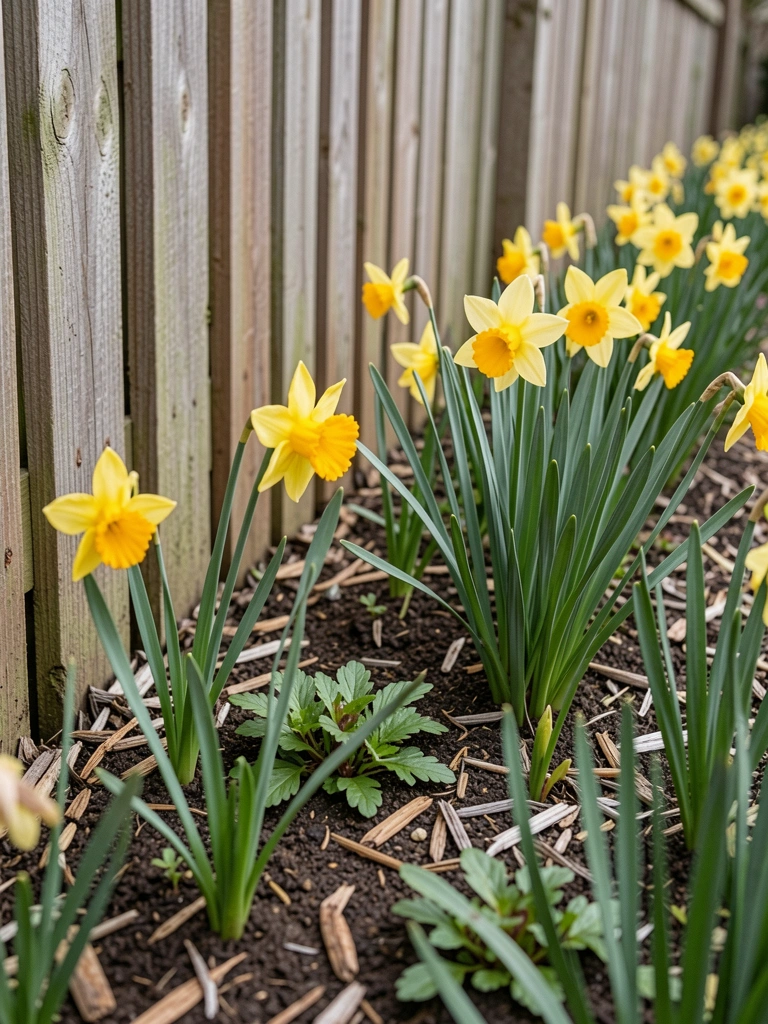
    3. Sunny Border Against the Back Fence

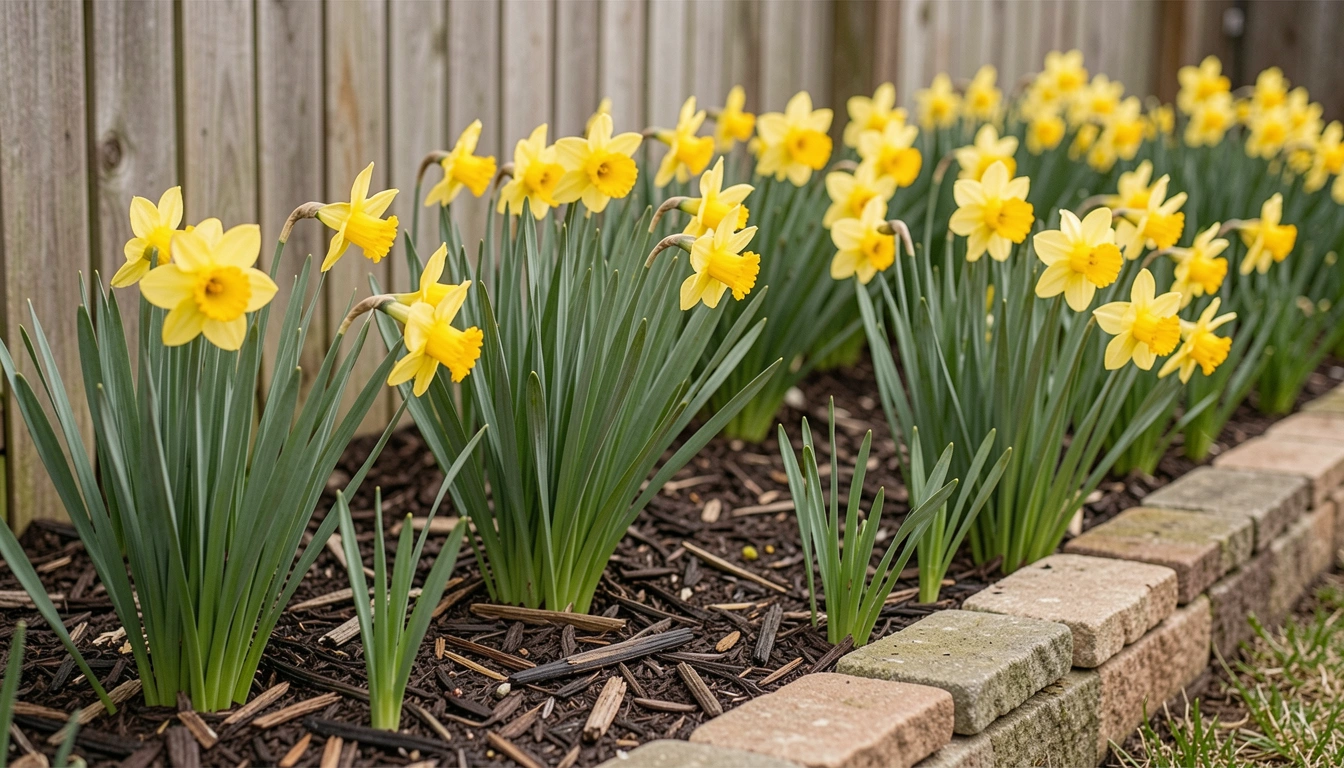
    The fence in my yard baked in sun, perfect for daffodils. I planted a 10-foot border, mixing early and late varieties.

    It frames the yard, yellow waving at eye level. Softens the fence line nicely.

    I bought too many small bulbs once—they underperformed. Go for jumbo sizes.

    Mulch lightly after planting to keep weeds down.

    What You’ll Need for This Look

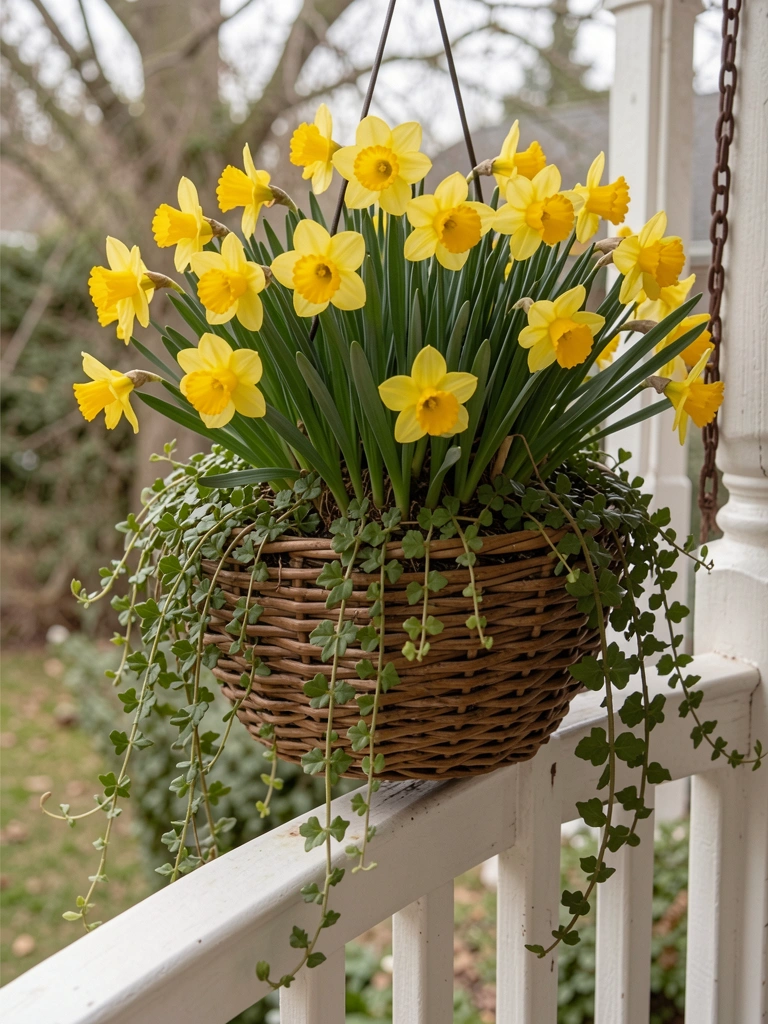
    4. Mixed Bulb Basket for Instant Spring Pops

    I hung wire baskets off the porch for quick color. Layered daffodils low, hyacinths mid, violas on top.

    They bloom together, spilling yellow over the rail. Feels full right away.

    Overwatered mine first season—roots rotted. Check soil weekly.

    Refresh with new bulbs yearly for reliability.

    What You’ll Need for This Look

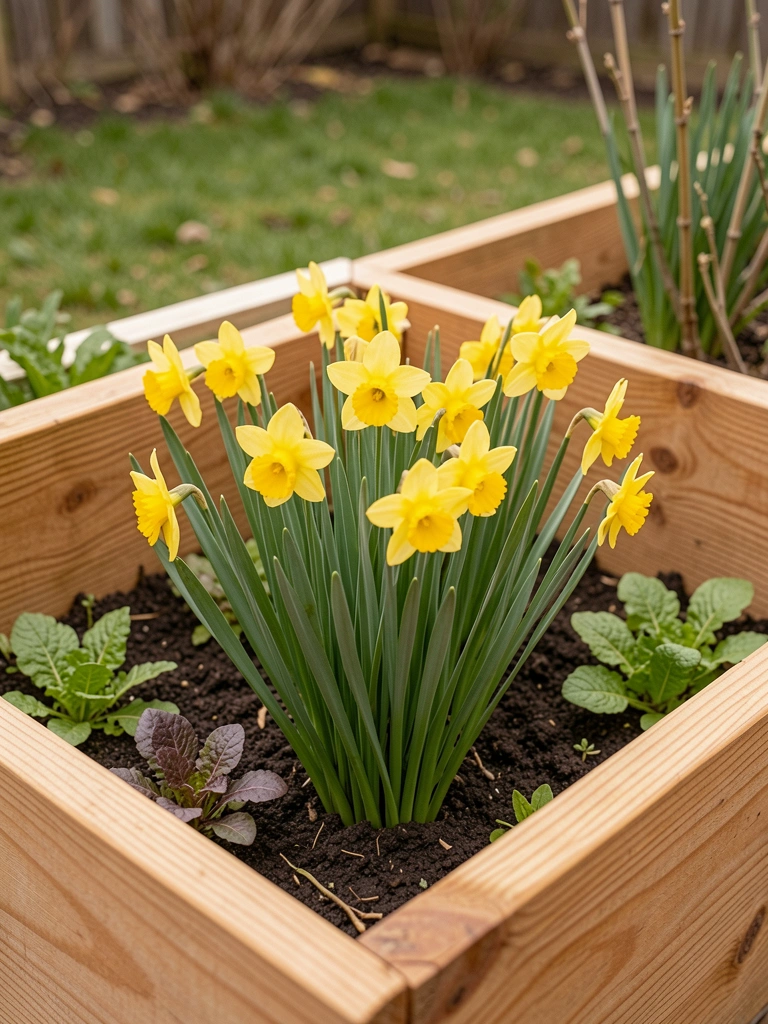
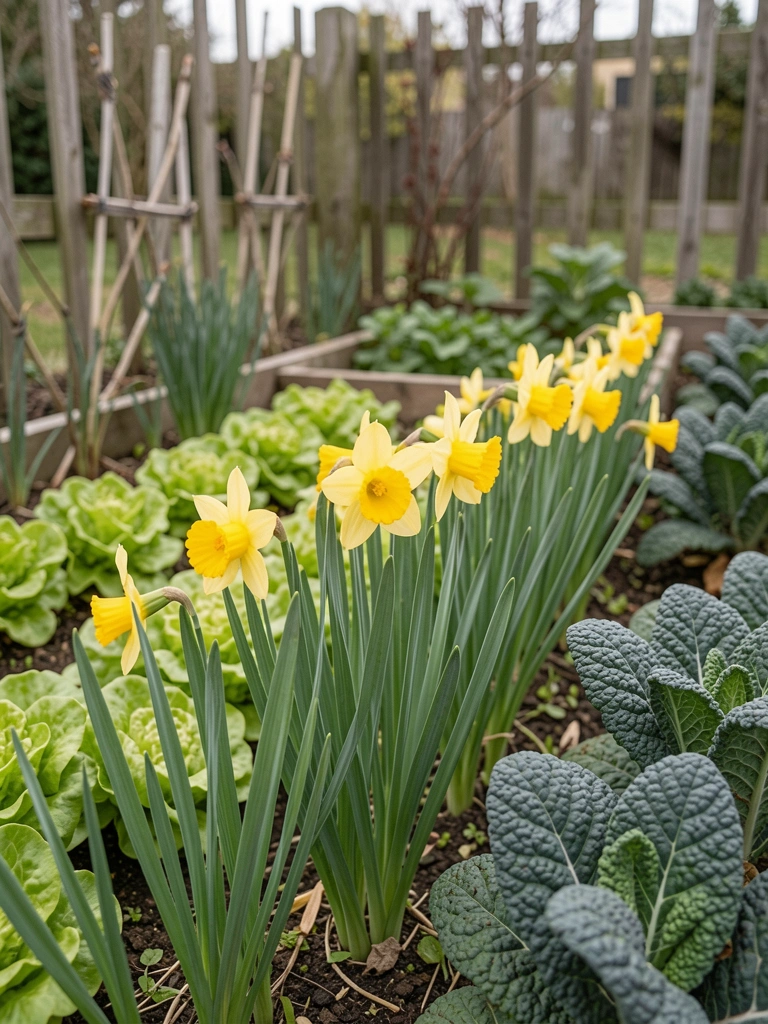
    5. Raised Bed Corners Filled with Daffodil Clusters

    Raised beds in my veggie patch had empty corners. Planted daffodil groups there—five bulbs per spot.

    Yellow edges the greens, making beds pop without taking space.

    They come up before veggies, no competition.

    I spaced too far apart once; looked sparse. Cluster tight.

    What You’ll Need for This Look

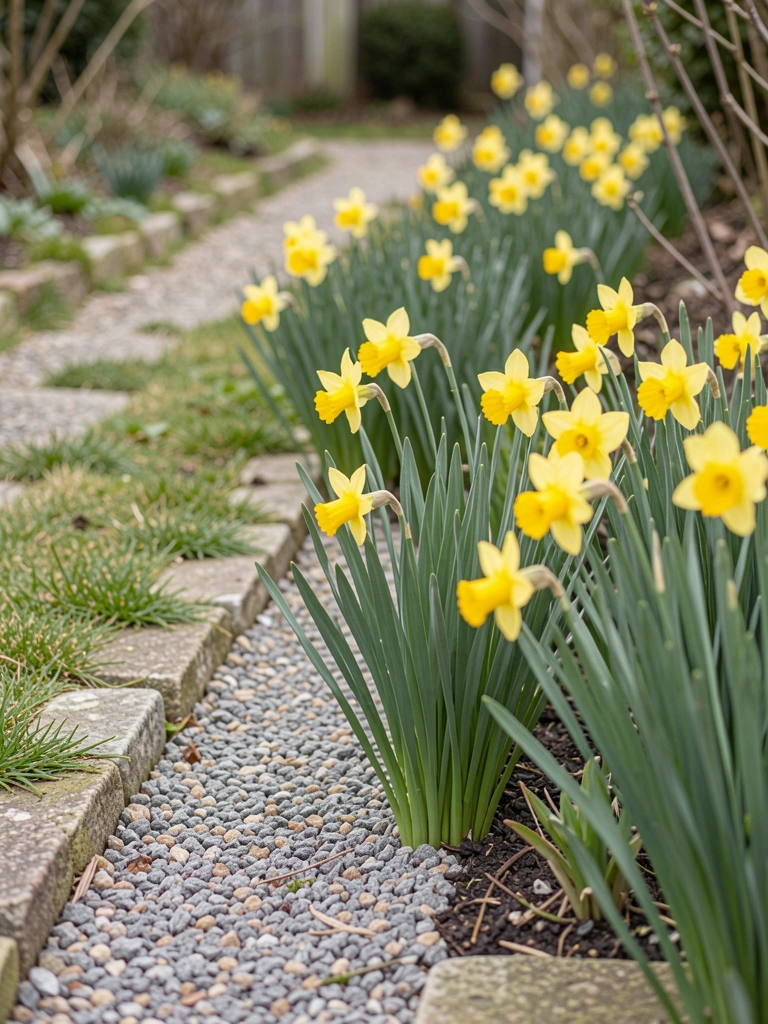
    6. Pathway Edging That Guides You Through Yellow

    Gravel path needed definition, so I edged it with daffodils every few feet. Single lines on both sides.

    Leads the eye back, yellow glowing at dusk. Makes walks inviting.

    Deer nibbled mine early on. Plant after frost.

    Use solar lights between for night glow.

    What You’ll Need for This Look

    7. Cottage-Style Meadow Patch in the Back Corner

    Back corner was weedy—scattered daffodils and let grass grow. Looks like a mini meadow now.

    Blooms mix with early greens, feels relaxed. Bees love it.

    Mowed too soon once, cut buds. Wait till June.

    Seed with natives for year-round cover.

    What You’ll Need for This Look

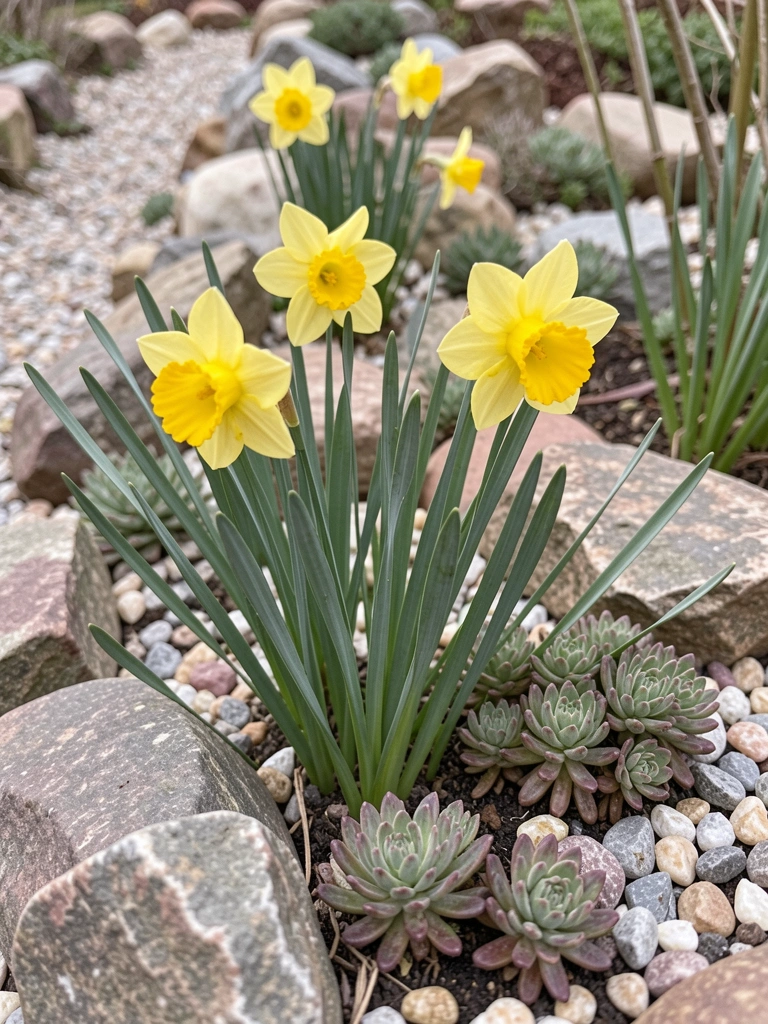
    8. Rock Garden Tucks with Daffodils Peeking Out

    Piled rocks for drainage, tucked daffodils in crevices. They push up between stones.

    Adds height and color to low plants. Dry spot heaven.

    Planted too deep first—none showed. Go shallow in rocks.

    Pair with thymes for summer.

    What You’ll Need for This Look

    9. Cutting Garden Strip for Indoor Vases

    Narrow strip near the door for picking. Rows of daffodils, spaced for arms.

    Fill vases inside, yard still looks good. Stems last a week.

    Bought split-cup varieties—too fragile. Stick to trumpets.

    Cut at soil level mornings.

    What You’ll Need for This Look

    10. Low-Maintenance Mass Planting in Lawn Areas

    Lawn had thin spots—planted 100 daffodils in a block. Mow around after bloom.

    Solid yellow sheet, no work after year one. Spreads itself.

    Over-fertilized once, too leafy. Skip extras.

    Mark with flags for mowing.

    What You’ll Need for This Look

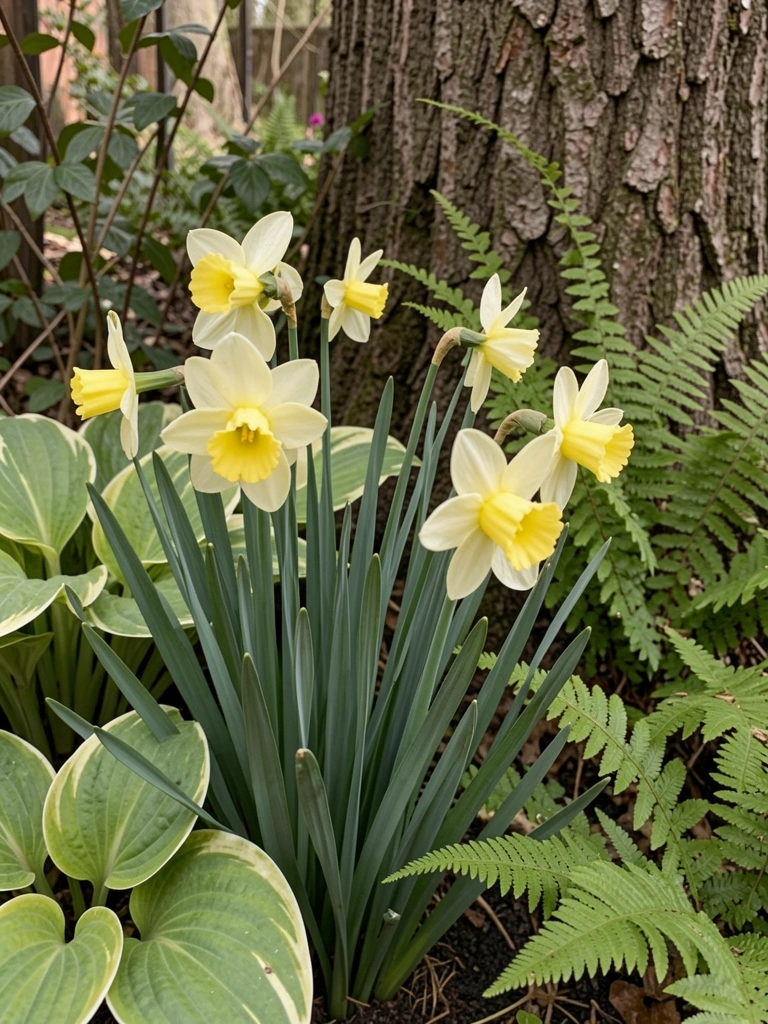
    11. Shady Woodland Edge with Late-Blooming Varieties

    Edge by the woods gets dappled light. Chose late daffodils like Poet's Wife.

    Blooms when others fade, pairs with ferns. Quiet glow.

    Early ones failed there—too shady. Match varieties.

    Mulch heavy for moisture.

    What You’ll Need for This Look

    12. Vertical Planter Towers Bursting with Blooms

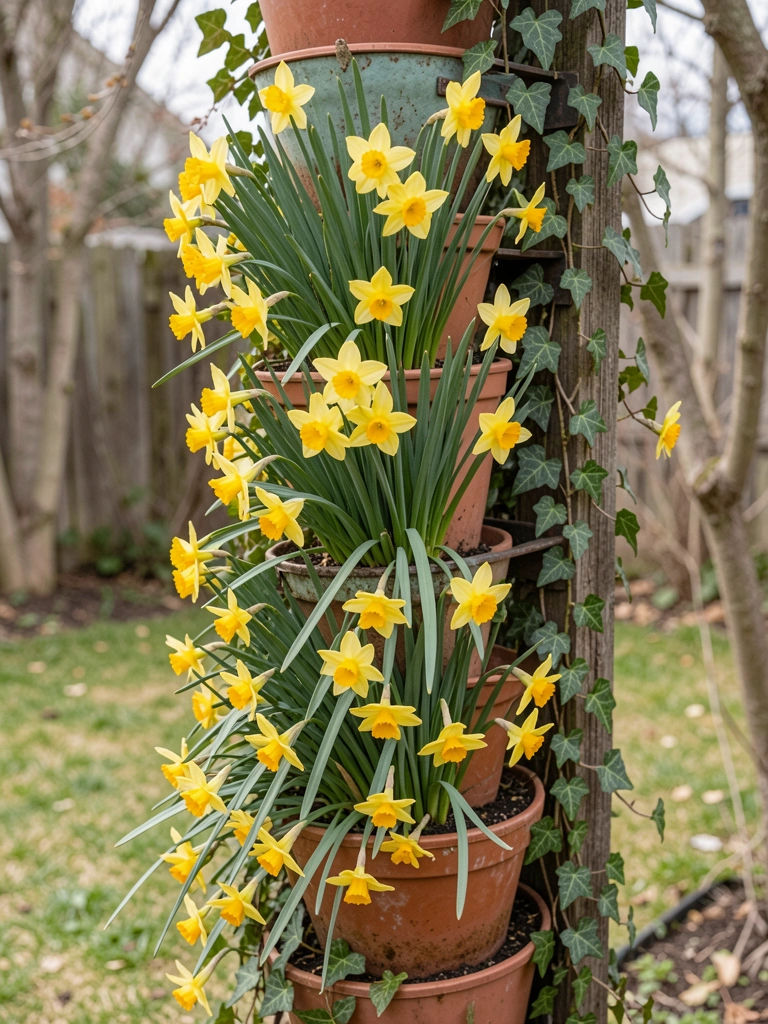
    Built a tower from stacked pots on a post. Daffodils in each pocket.

    Saves ground space, blooms face out. Wall of yellow.

    Water from top—bottom dried out once. Drip line helps.

    Anchor sturdy against wind.

    What You’ll Need for This Look

    13. Perennial Border Companions That Extend the Show

    Fronted peonies with daffodils. Bulbs fade as perennials rise.

    Seamless color shift, border stays full. Learned the hard way spacing.

    Planted too close—peonies smothered them. Leave room.

    Divide perennials every few years.

    What You’ll Need for This Look

    14. Potager Edge Blending Flowers and Veggies

    Edged my potager with daffodils. Deters pests, cheers up greens.

    Yellow frames the beds, harvest feels festive.

    Veggies shaded blooms too much once. Plant outward facing.

    Good for kids to pick.

    What You’ll Need for This Look

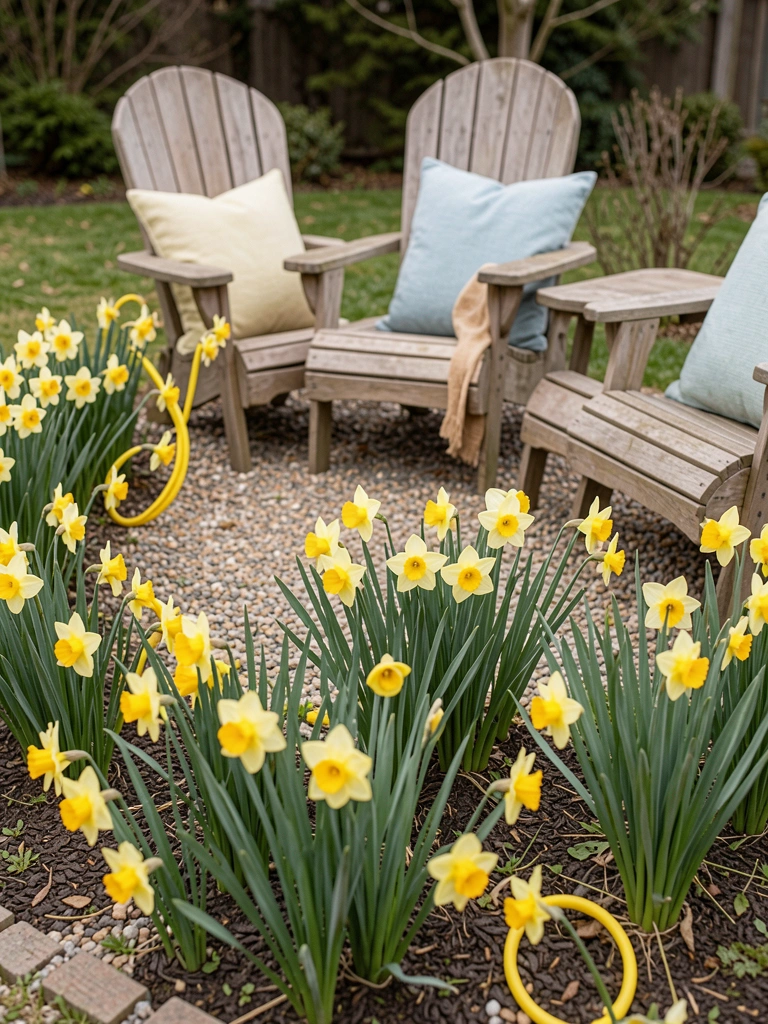
    15. Cozy Seating Nook Framed by Daffodil Circles

    Circled chairs with daffodil rings. Blooms enclose the spot.

    Sits you in yellow, perfect for reading. Windbreak too.

    Rings spread uneven—replanted straighter.

    Add pillows for comfort.

    What You’ll Need for This Look

    Final Thoughts

    Start with one idea that fits your yard. Daffodils forgive beginner slips and come back reliable.

    Mix a couple if you want. Watch them grow into place.

    By next spring, your backyard will feel brighter. You've got this.

  • 7 Modern Backyard Concrete Garden Ideas For Clean Design

    7 Modern Backyard Concrete Garden Ideas For Clean Design

    I remember staring at my backyard slab last summer. Weeds pushing through cracks, pots scattered everywhere. It felt heavy, not open. Then I started simple—cleaned the concrete, added a few pots that hugged the edges. Suddenly, it breathed. Space opened up. You can feel that shift too, without big budgets or endless work.

    No fancy tools needed. Just honest choices that last.

    7 Modern Backyard Concrete Garden Ideas For Clean Design

    Here are 7 modern backyard concrete garden ideas for clean design. They’re straightforward, from my own yard trials. Pick one to start—you’ll see the difference right away.

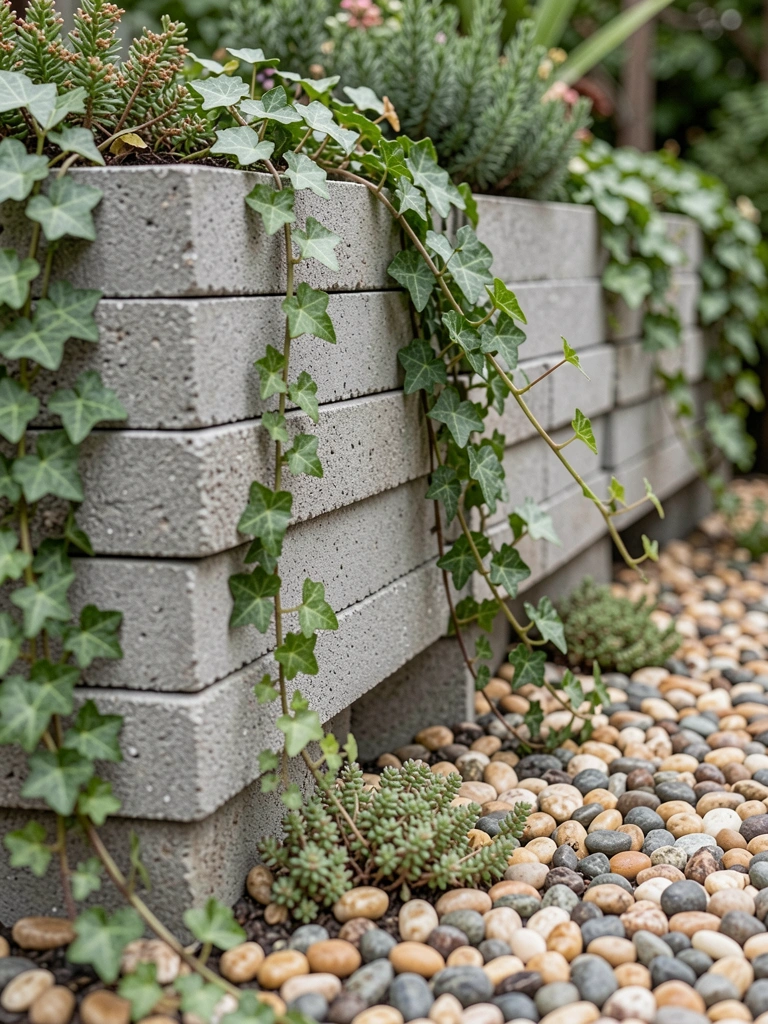
    1. Layered Concrete Planters That Frame a Patio Edge

    I stacked spare concrete blocks along my patio last spring. Filled the tops with sedum and ivy that trail down soft. It softens the hard lines without overwhelming. Before, the patio felt stark; now it pulls you in, cozy against the gray.

    The key? Low growers that don’t flop over edges. I tried taller stuff once—flopped in wind, pulled dirt onto the slab. Stick to trailers.

    Watch spacing—leave room between stacks for air. Feels intentional, not crowded. Rain hits clean, no mud mess.

    What You’ll Need for This Look

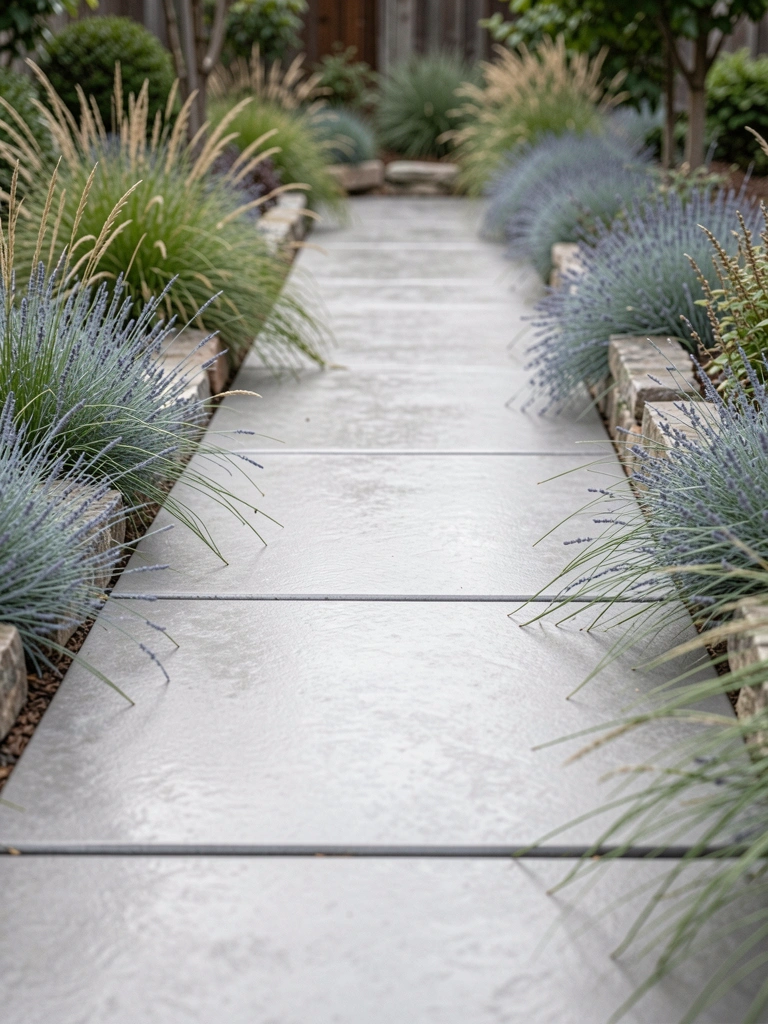
    2. Polished Slab Paths with Flanking Feather Grasses

    My back path was cracked pavers before. I ground it smooth, added blue fescue along sides. The grasses sway gentle, guiding your eye without blocking. Walks feel wider now, light bounces off the concrete.

    Grasses hide small slab imperfections too. I learned—don’t plant too close; they spread and choke the edge.

    Softens the modern edge just enough. Mow nothing; they self-contain.

    What You’ll Need for This Look

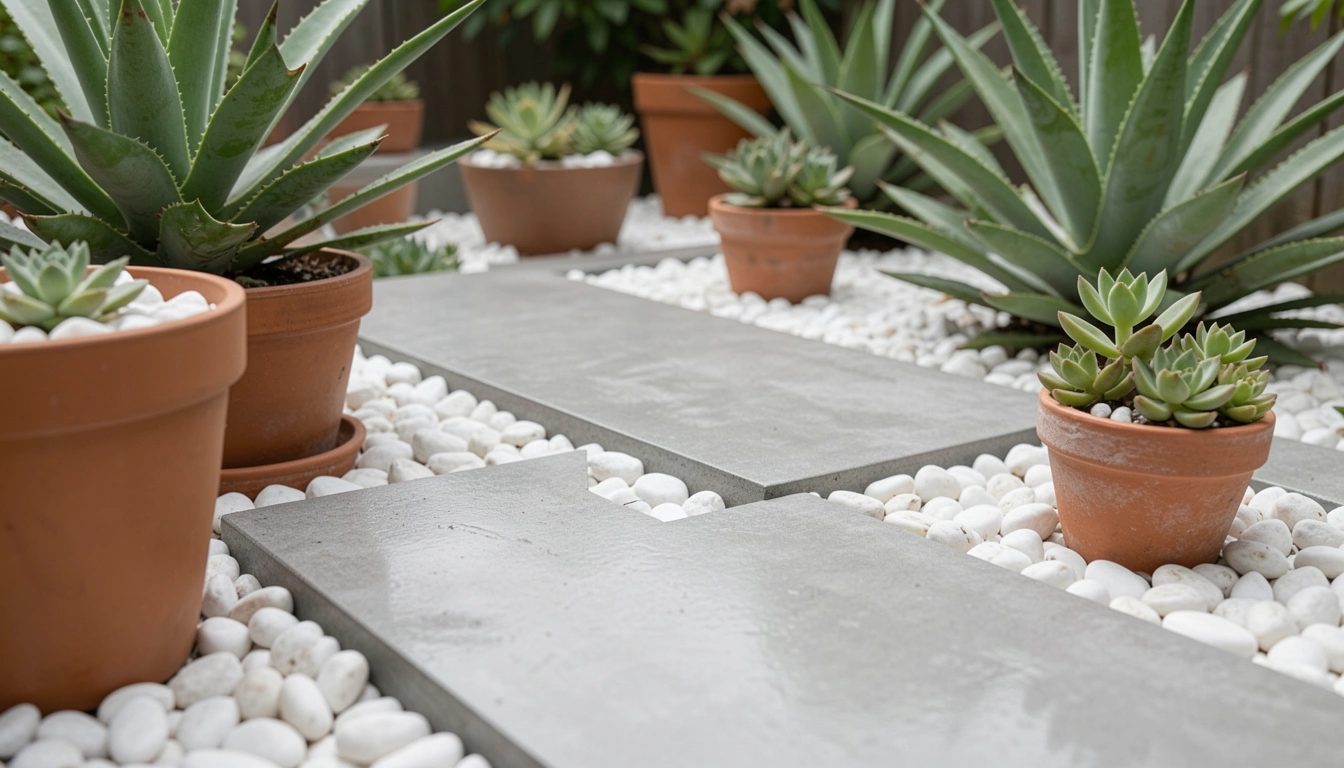
    3. Minimal Succulent Clusters on Bare Concrete

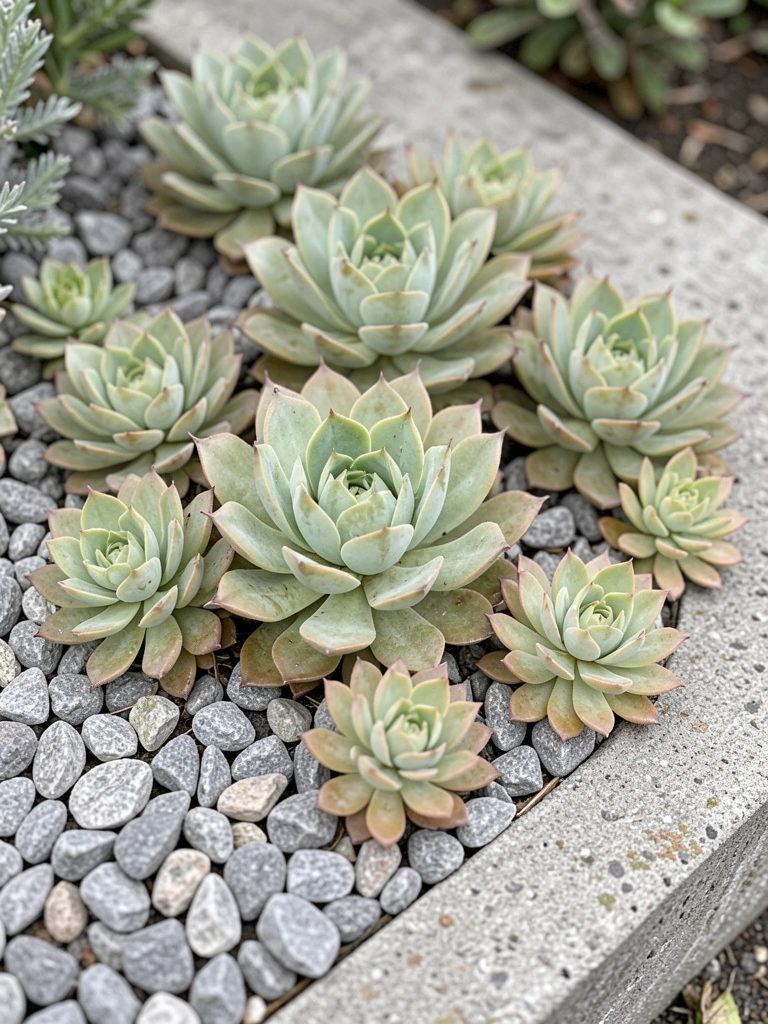
    I dotted agave and echeveria right on my cleaned slab—no soil beds. Crushed rock holds them steady. It’s stark at first, then fills with texture. My yard feels calm, like a dry creek bed.

    Mistake I made: too much water early on. They rotted. Now, I soak deep once a week.

    Colors pop against gray—blues, silvers. Low fuss forever.

    What You’ll Need for This Look

    4. Integrated Concrete Bench with Trailing Pots

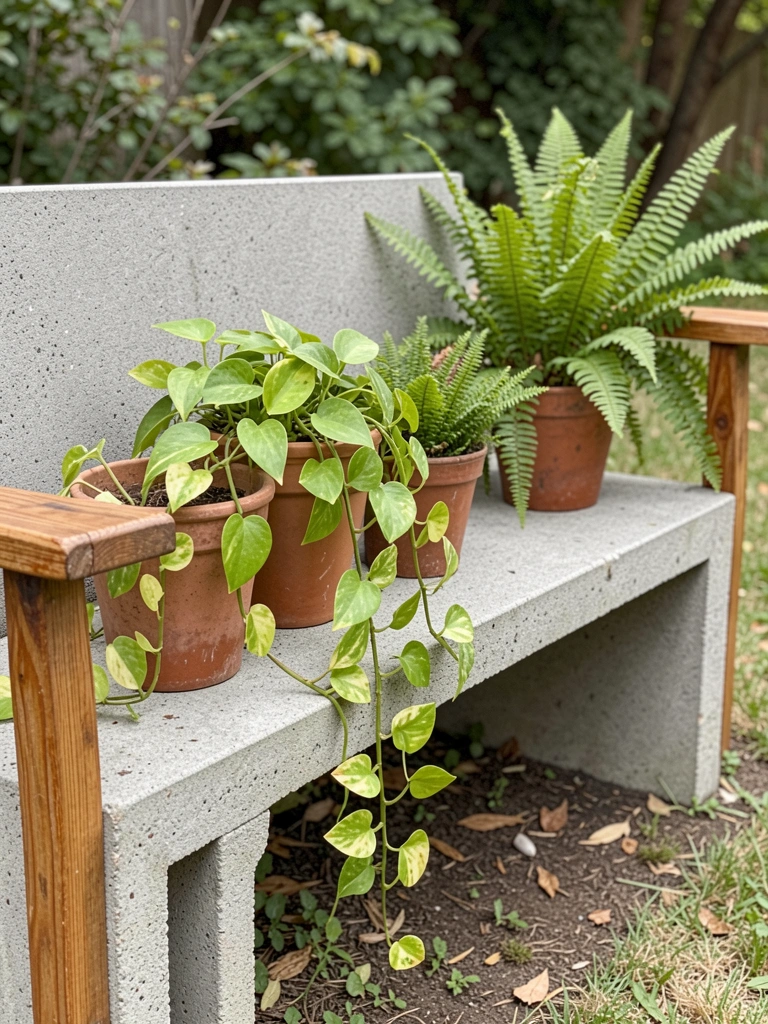
    Poured a simple bench into my slab extension. Hung pothos pots off the side—vines drape natural. Sit there now, plants brush your shoulder. Turns concrete into a spot you linger.

    I forgot drainage first time; pots overflowed. Drill holes fixed it.

    Feels modern but welcoming. Bench stays cool in heat.

    What You’ll Need for This Look

    5. Vertical Concrete Panels Greened with Air Plants

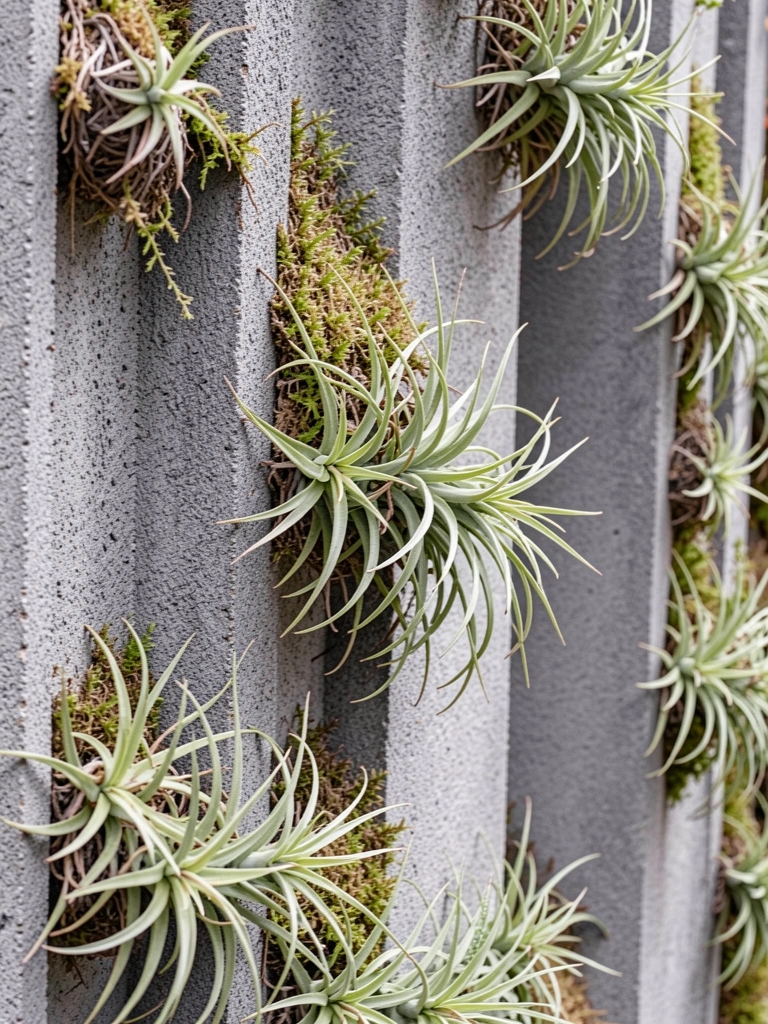
    Bolted slim concrete panels to my fence base. Tucked air plants in crevices—no dirt. They catch mist, glow silver-green. Walls feel alive, privacy without bulk.

    Tried glue once; fell off in rain. Wire works better.

    Clean lines stay sharp. Mist weekly, that’s it.

    What You’ll Need for This Look

    6. Geometric Paver Grid with Lavender Strips

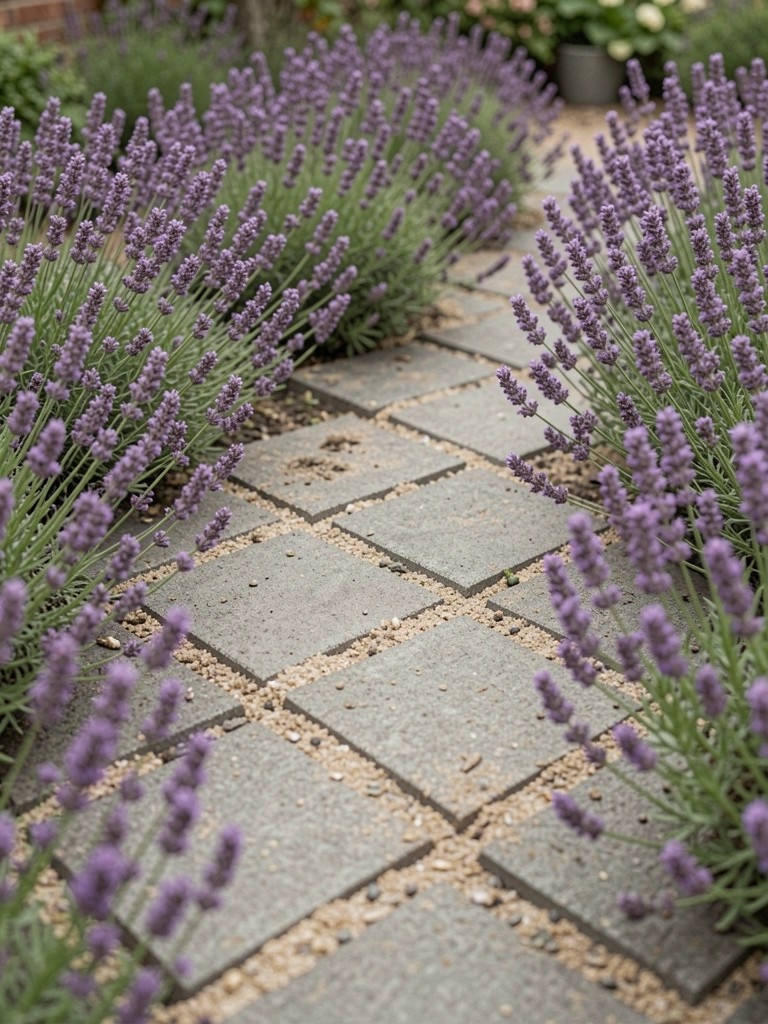
    Laid pavers in a grid, left strips for lavender. Bees hum through, scent hits at dusk. Yard feels structured, smells alive. Concrete stays spotless between.

    Overplanted first row—crowded out. Thin it to singles.

    Walks quiet, plants frame without invading.

    What You’ll Need for This Look

    7. Raised Concrete Edges with Ornamental Grasses

    Built low concrete curbs around my lawn patch. Planted miscanthus inside—sways tall, softens the border. Defines space clean, hides yard edges.

    Wind snapped young ones; wait till rooted.

    Feels open yet contained. Grasses winter fine.

    What You’ll Need for This Look

    Final Thoughts

    These ideas built my yard bit by bit. No need for all seven—just one that fits your space. Concrete holds up; plants settle in time. You’ll walk out back and feel it click. Start small. It works.

  • 21 Unique Backyard Cactus Garden Ideas For Low Care

    21 Unique Backyard Cactus Garden Ideas For Low Care

    I remember staring at my patchy backyard grass one summer, hose in hand, wondering why everything drowned. Then I planted my first cactus patch. No more daily watering. Just gravel and spines that caught the sun right. It felt alive without the work. Now, that spot pulls me outside every evening.

    Backyard cactus gardens changed how I use my space. Low fuss, real texture.

    21 Unique Backyard Cactus Garden Ideas For Low Care

    These 21 ideas come from my own trial-and-error yards. All low care, drought-tough. Pick one, start small—you'll see.

    1. Clustered Terracotta Pots on a Sunny Patio

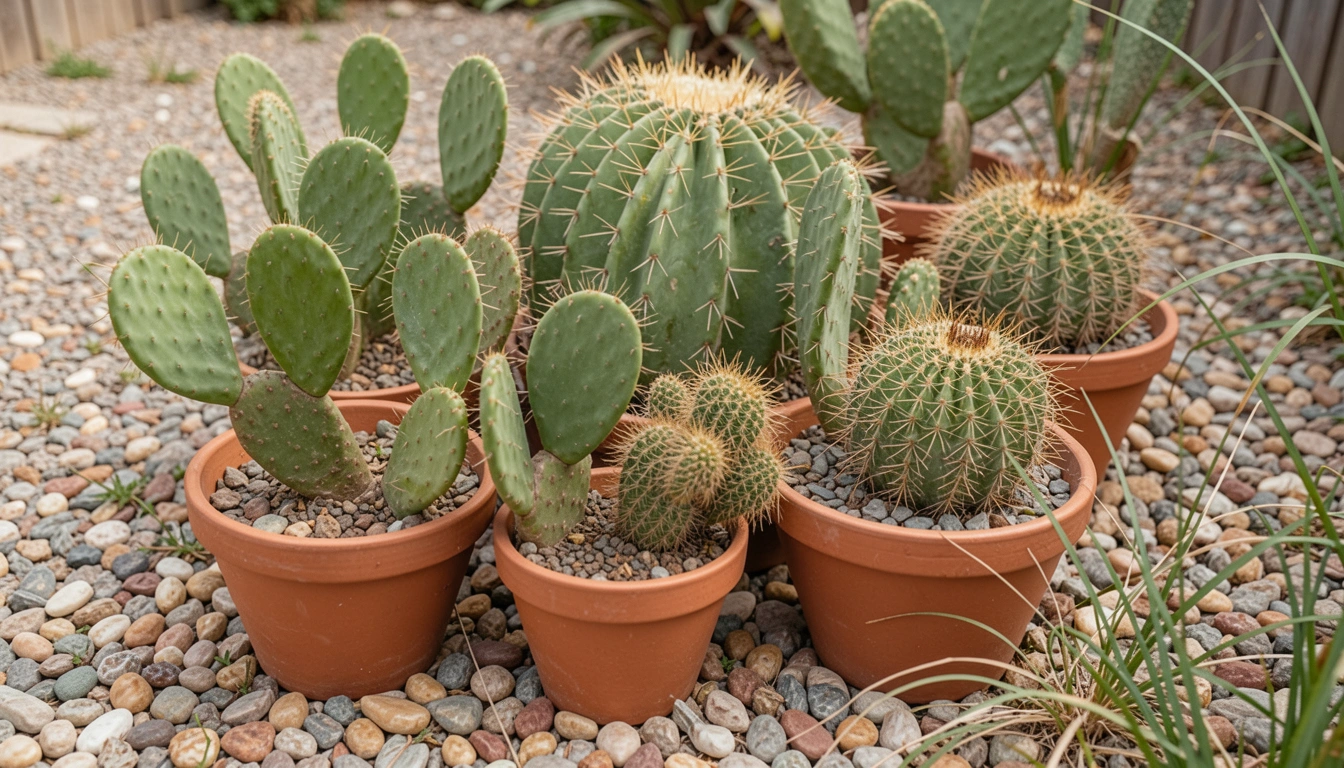
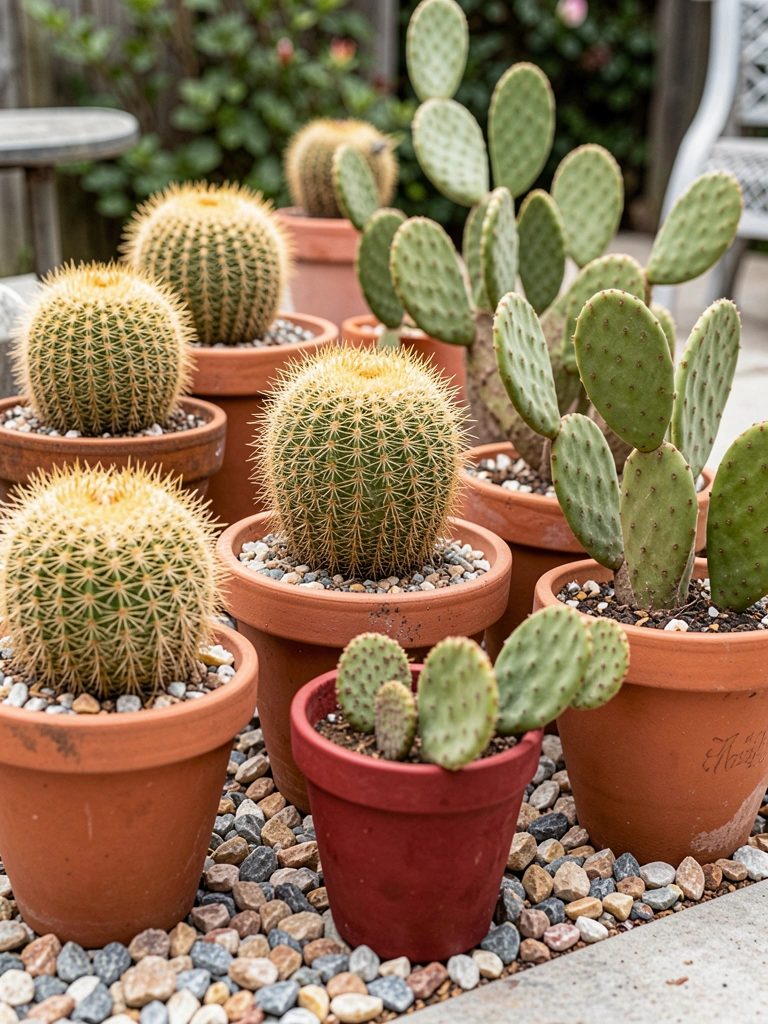
    I grouped old terracotta pots right on my back patio last spring. Started with three barrels and a prickly pear. They filled out unevenly—one leaned funny at first—but the cluster hid it. Now it feels full without crowding the seating.

    The warm clay pulls sunset colors deep orange. No soil mess, just plop and forget. Spines catch light all day.

    Watch drainage holes. I skipped saucers once; patio got stains. Tip: Tuck in a small agave for height contrast.

    What You’ll Need for This Look

    12-inch terracotta pots

    Golden barrel cactus

    Prickly pear pads

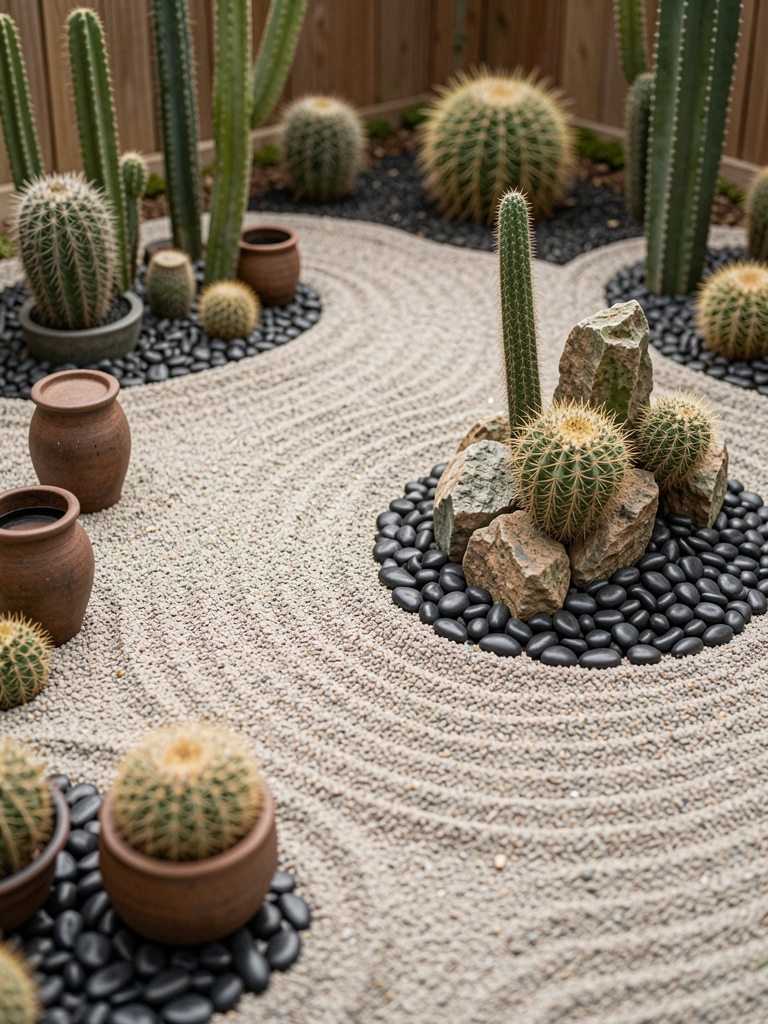
    2. Gravel Zen Corner with Barrel Cacti

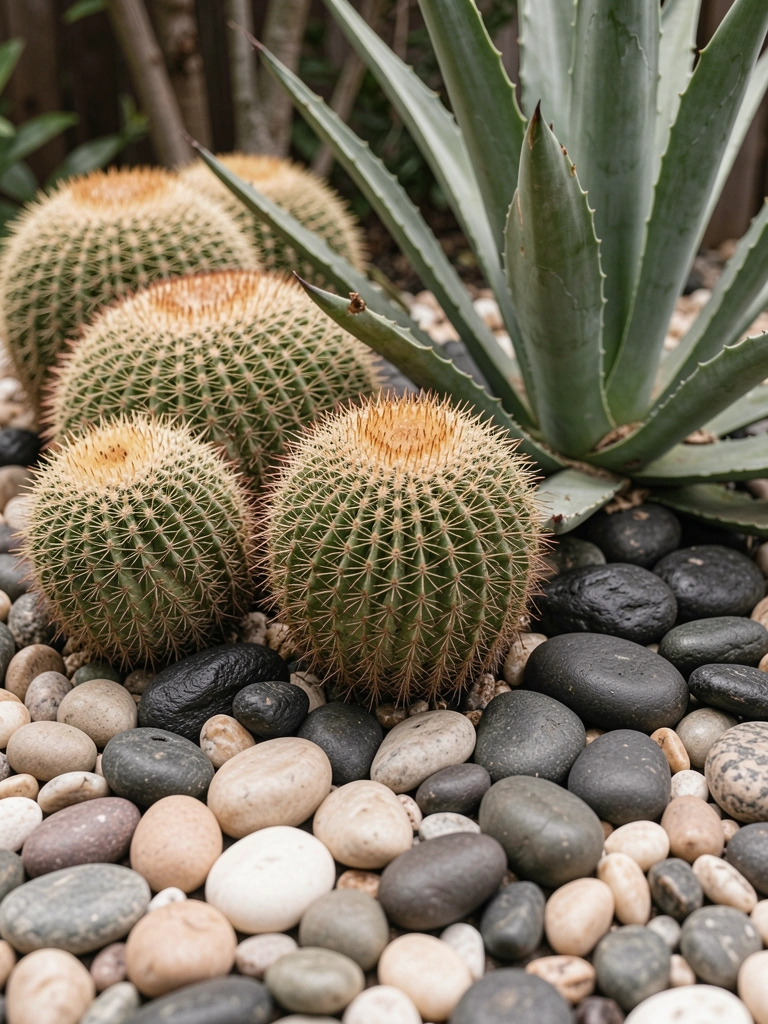
    My side yard was dead dirt. I raked in gravel and plunked three barrels. They settled slow, roots spreading wide under rocks. Now it's calm, like a mini desert pull-off.

    Gravel keeps weeds out—no mulch rot. Barrels throw round shadows that shift with sun.

    I overplanted once; one barrel yellowed. Space them 18 inches apart. Honest tip: Add a single tall agave for drama without fuss.

    What You’ll Need for This Look

    Landscape gravel bag

    4-inch barrel cactus

    Agave plant 1 gallon

    3. Vertical Wall of Mixed Succulents and Cacti

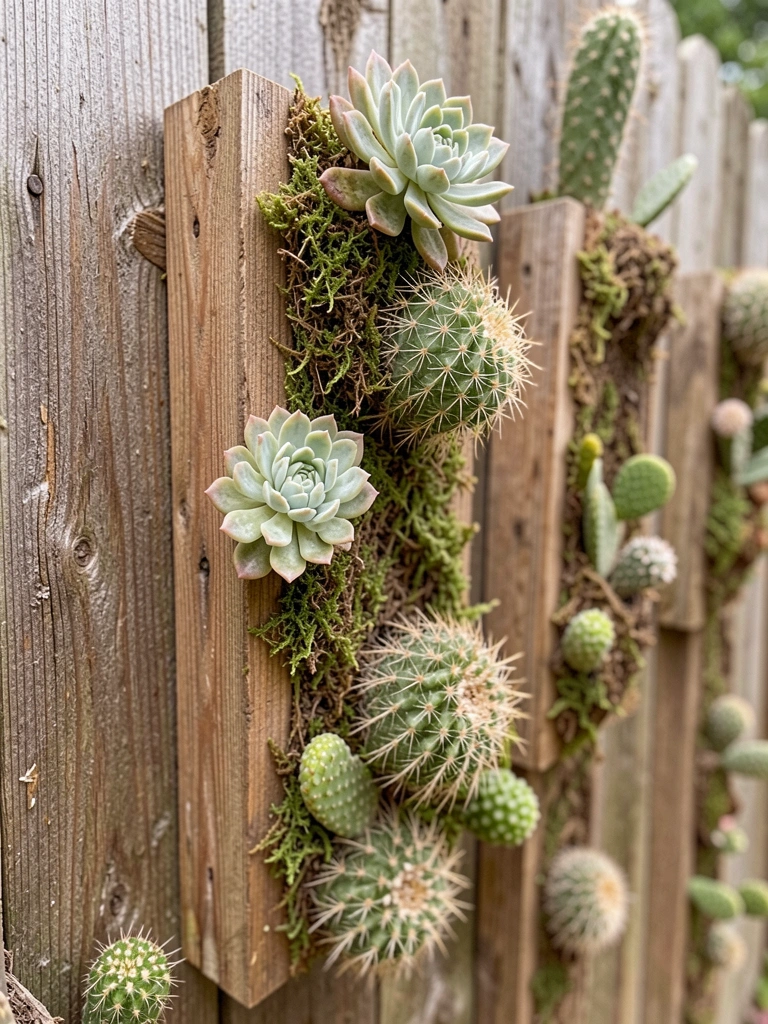
    Fence was bare eyesore. Hung shallow pockets, stuffed with tiny opuntia and echeverias. They draped soft over edges after a year. Saves floor space in tight yards.

    Pockets dry fast—no soggy roots. Textures mix: fuzzy, spiny, smooth.

    Forgot sun check; one side stretched leggy. Face south if possible. Quick fix: Wire extras in place till rooted.

    What You’ll Need for This Look

    Vertical succulent wall planter

    Opuntia cactus pads

    Echeveria succulent mix

    4. Cactus-Lined Gravel Pathway Border

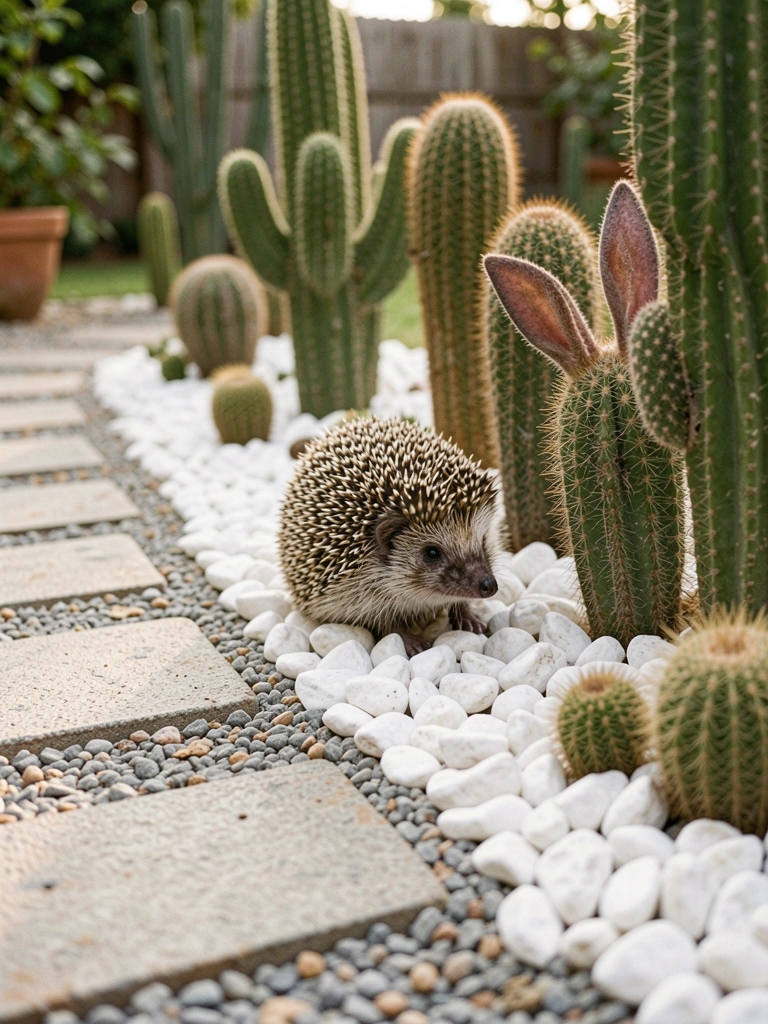
    Path to my shed was mud. Edged it with gravel and low hedgehogs. They crept out slow, softening edges without blocking walk.

    Pebbles lock in place—no shifting. Spines guide eyes down the line.

    Planted too close; fought for light. Give 12 inches start. Tip: Bunny ears add flat pads for variety.

    What You’ll Need for This Look

    White pea gravel

    Hedgehog cactus plant

    Bunny ears cactus

    5. Raised Gravel Mound for Tall Saguaros

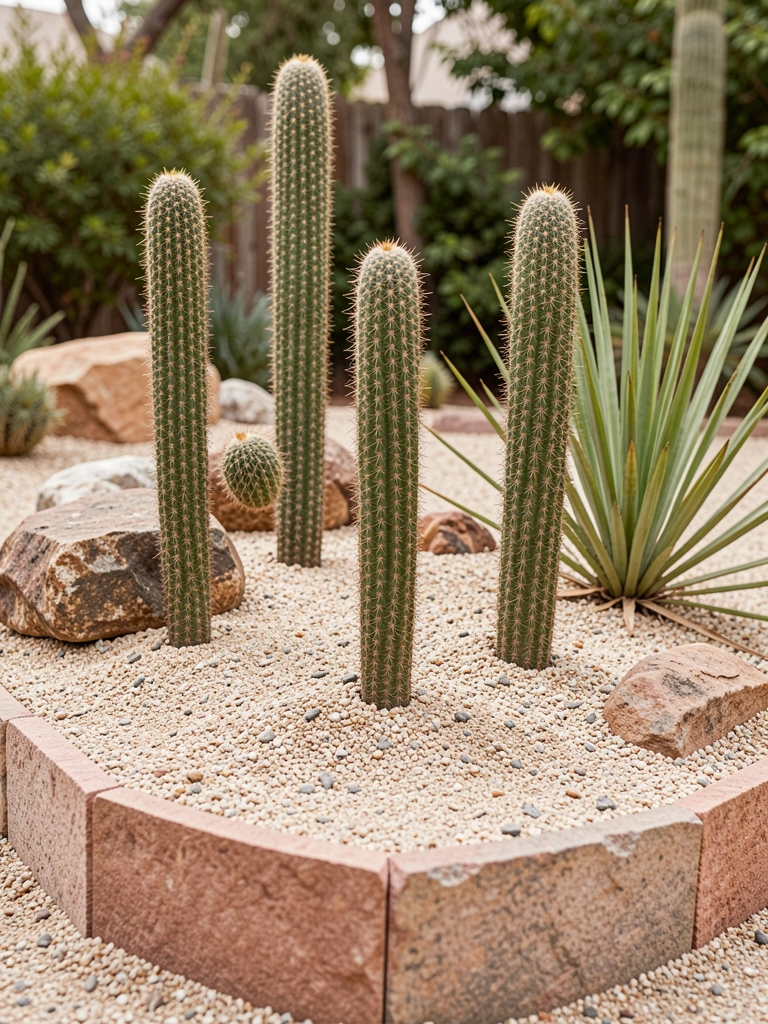
    Flat yard felt boring. Mounded gravel high, topped with young saguaros. They stretched up over time, changing the whole skyline feel.

    Mound drains perfect—no pooling. Rocks anchor against wind.

    Bought weak ones once; they tipped. Choose thick trunks. Add yucca skirts for base.

    What You’ll Need for This Look

    Raised garden bed kit gravel fill

    Mini saguaro cactus

    Yucca plant small

    6. Color-Blocked Pots in Blue and Rust Tones

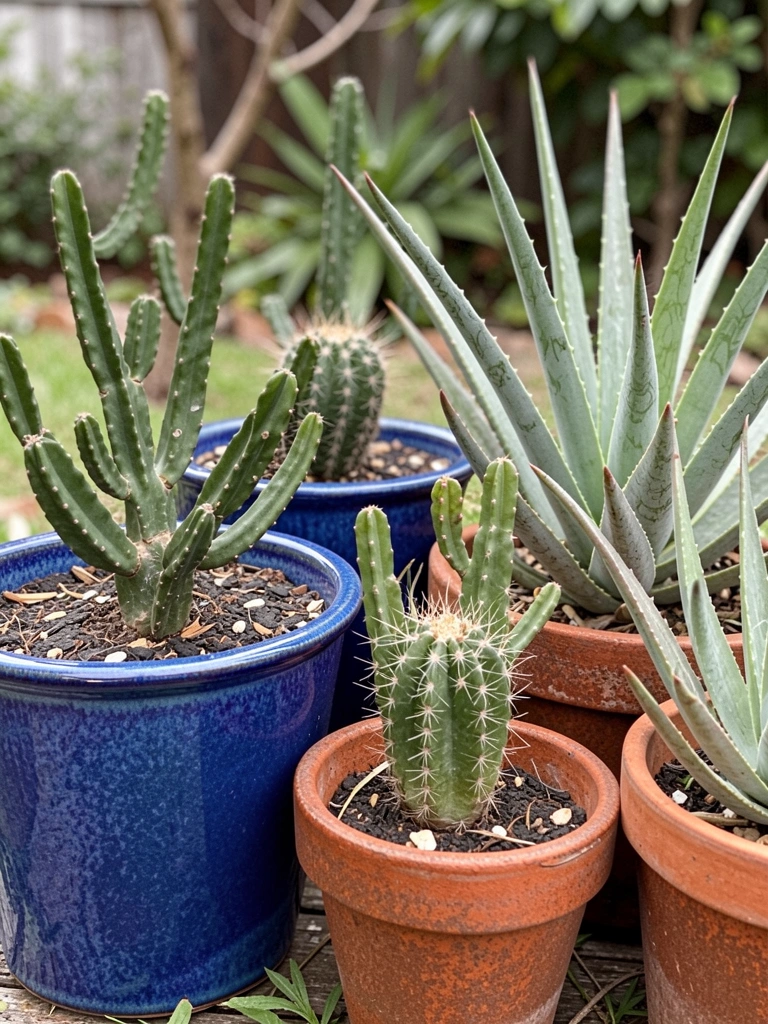
    Wanted punch without flowers. Mixed blue glaze pots with rust terracotta, fishbone cactus weaving through. Colors pop against green pads.

    Blocks draw eyes, make small space big. Low pads fill gaps.

    Glaze cracked in frost—pick frost-rated. Tip: Aloes for upright blues.

    What You’ll Need for This Look

    Blue ceramic cactus pots 10 inch

    Rust terracotta pots

    Fishbone cactus plant

    7. Solar-Lit Cactus Pathway at Night

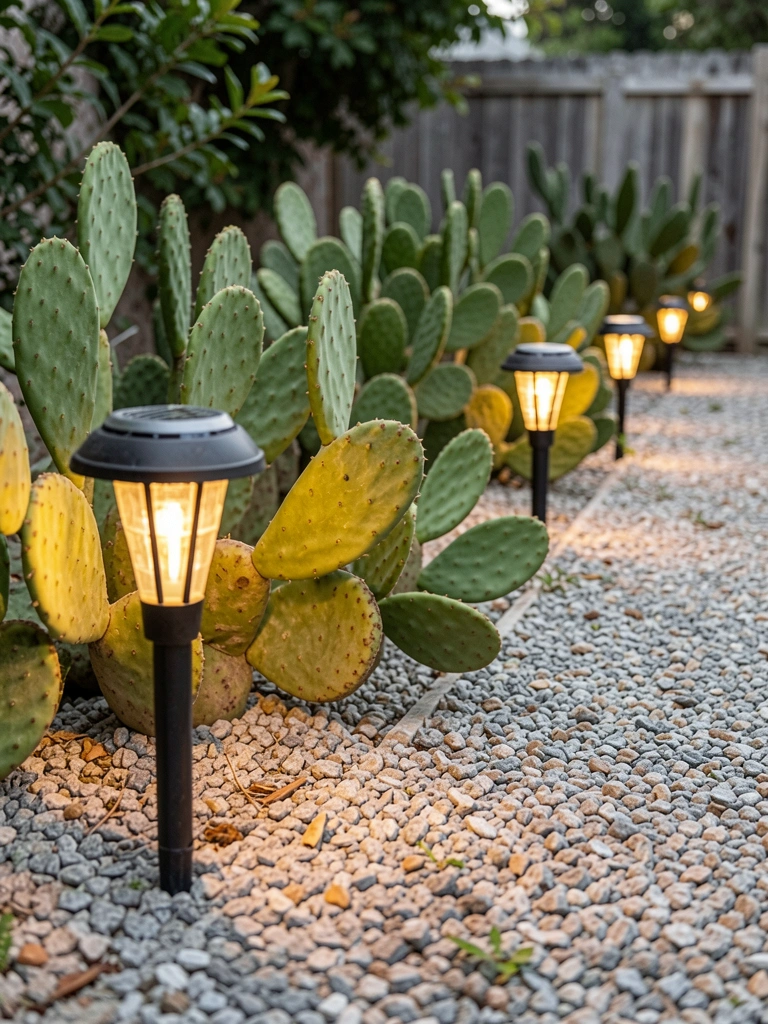
    Path dark after dusk. Stuck solar stakes by prickly pears. Lights skim pads soft, turn night walks inviting.

    No wires, no fuss. Pears silhouette perfect.

    Lights dimmed shady spot—full sun only. Recharge daily.

    What You’ll Need for This Look

    Solar pathway lights warm white

    Prickly pear cactus

    Gravel path edging stones

    8. Firepit Ringed with Spiky Low Growers

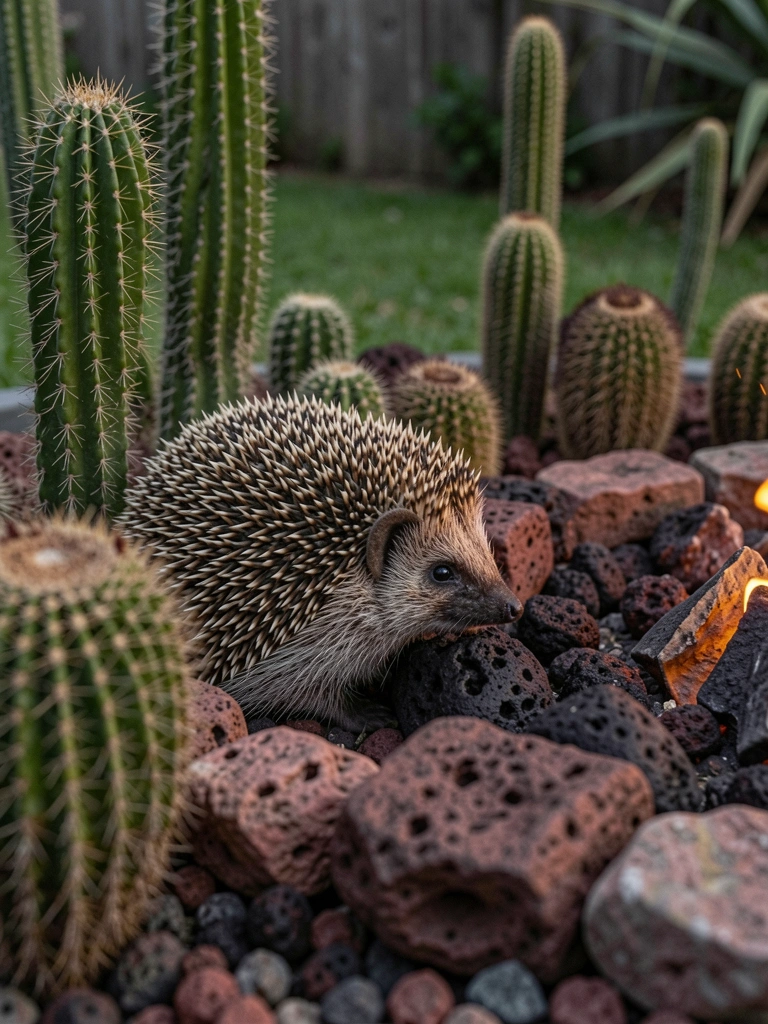
    Firepit area barren. Ringed with hedgehogs and lava rocks. Spikes frame flames cozy, safe distance.

    Rocks hold heat, match desert vibe. Clumps spread slow.

    Planted in clay; roots struggled. Amend with sand first.

    What You’ll Need for This Look

    Portable firepit kit

    Lava rock mulch bag

    Clumping hedgehog cactus

    9. Bench Nook Backed by Barrel Clusters

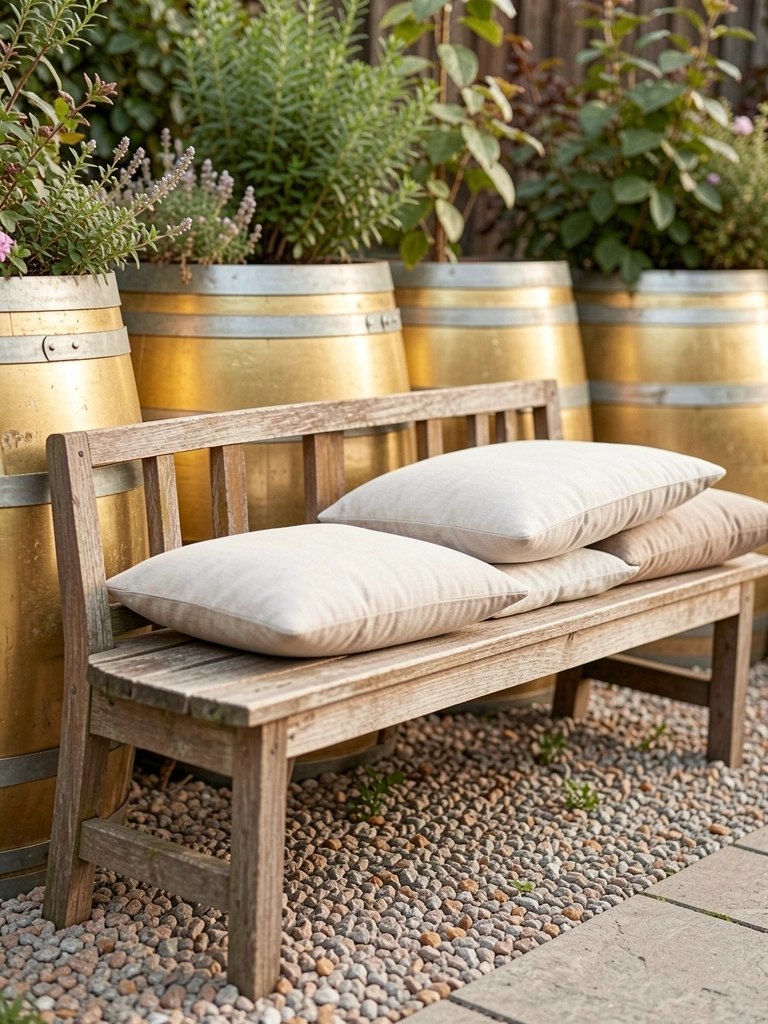
    Needed reading spot. Backed bench with barrels on gravel. They lean gentle, make nook sheltered.

    Shadows cool seat in heat. Feels tucked away.

    Barrels outgrew pots—transplant yearly. Space for growth.

    What You’ll Need for This Look

    Outdoor wooden bench low profile

    Golden barrel cactus trio

    Gravel ground cover

    10. Hanging Baskets of Trailing Opuntia

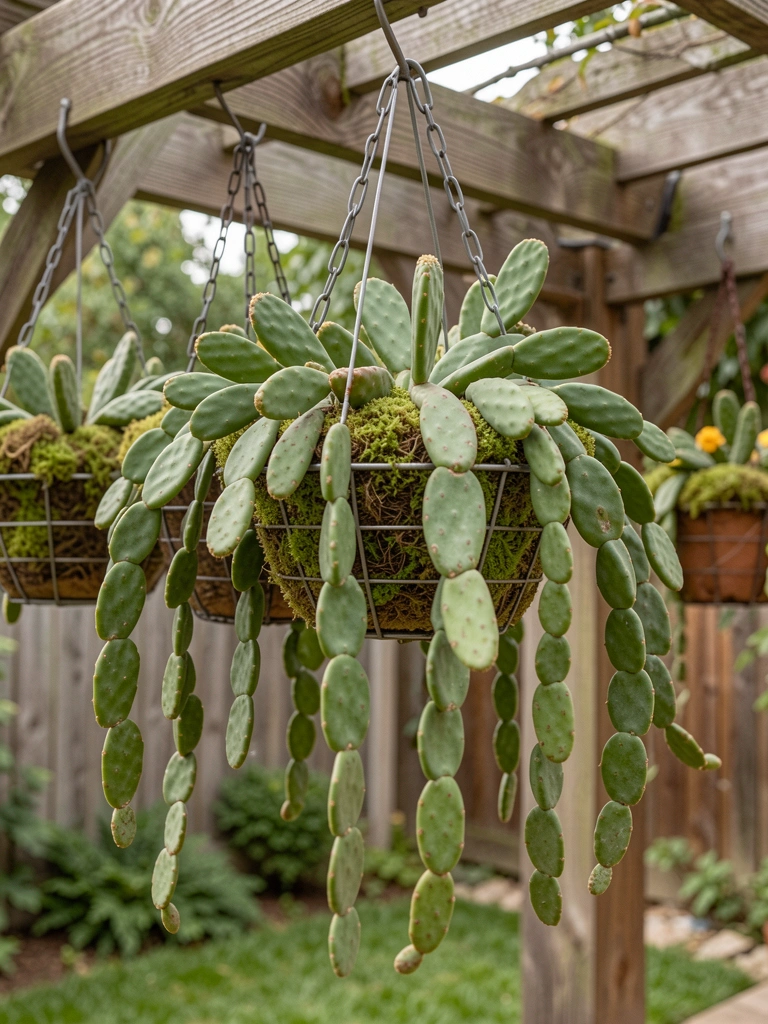
    Pergola shaded too much. Hung wire baskets with opuntia cuttings. They trail lazy, soften beams.

    Air dries fast—no rot. Pads sway in breeze.

    Cuttings dried first try—dip in hormone. Root in shade week.

    What You’ll Need for This Look

    Wire hanging baskets 12 inch

    Opuntia trailing cactus cuttings

    Chain hooks heavy duty

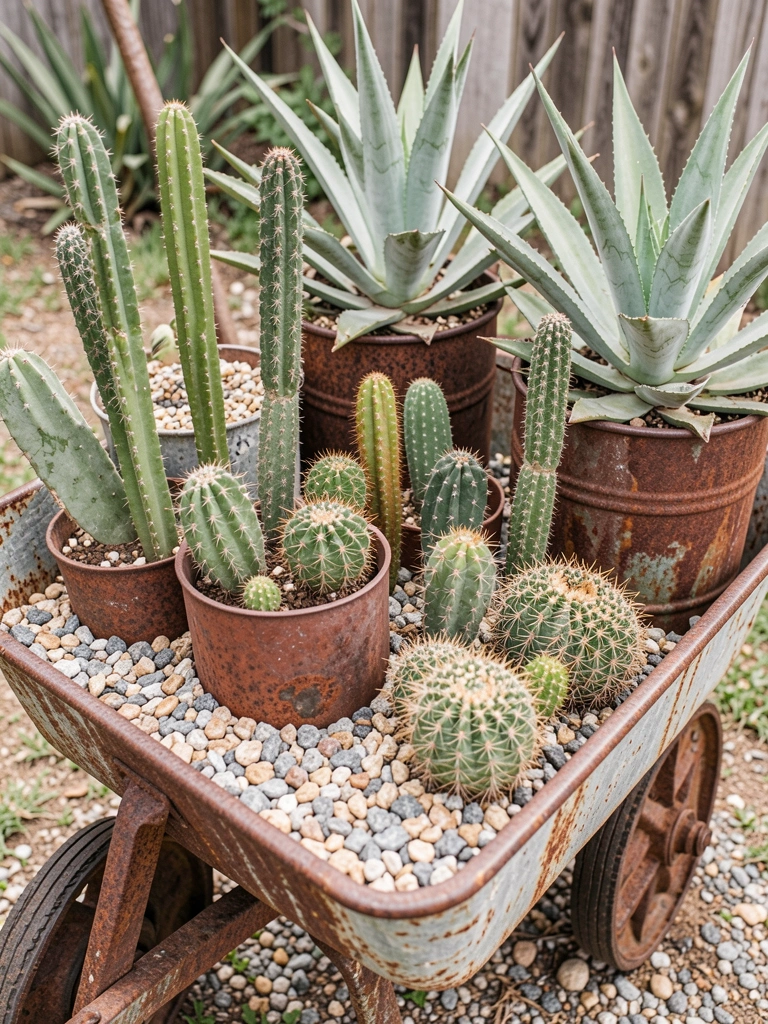
    11. Rustic Wheelbarrow Cactus Trough

    Old wheelbarrow sat useless. Drilled holes, filled gravel, added barrels. Mobile oasis—roll to sun.

    Rust weathers nice, holds water off fast.

    Overfilled; tipped once. Balance low growers front.

    What You’ll Need for This Look

    Vintage style wheelbarrow planter

    Assorted cactus 4 inch pots

    Drill bit for metal

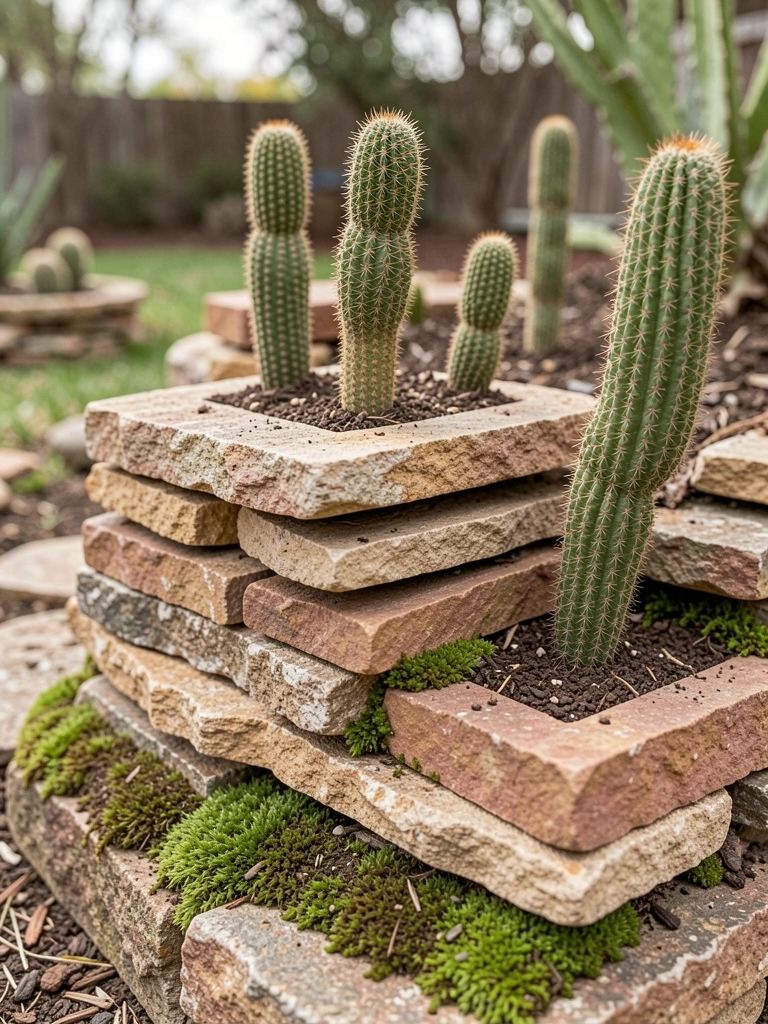
    12. Stacked Stone Planters for Mini Saguaros

    Corner needed height. Stacked flat stones, planted saguaro minis in pockets. Grows like natural outcrop.

    Stones warm roots, drain sharp. Textures rough-spine mix.

    Stack loose; one fell. Mortar base if windy.

    What You’ll Need for This Look

    Flat stacking stones kit

    Mini saguaro 6 inch

    Cactus soil mix bag

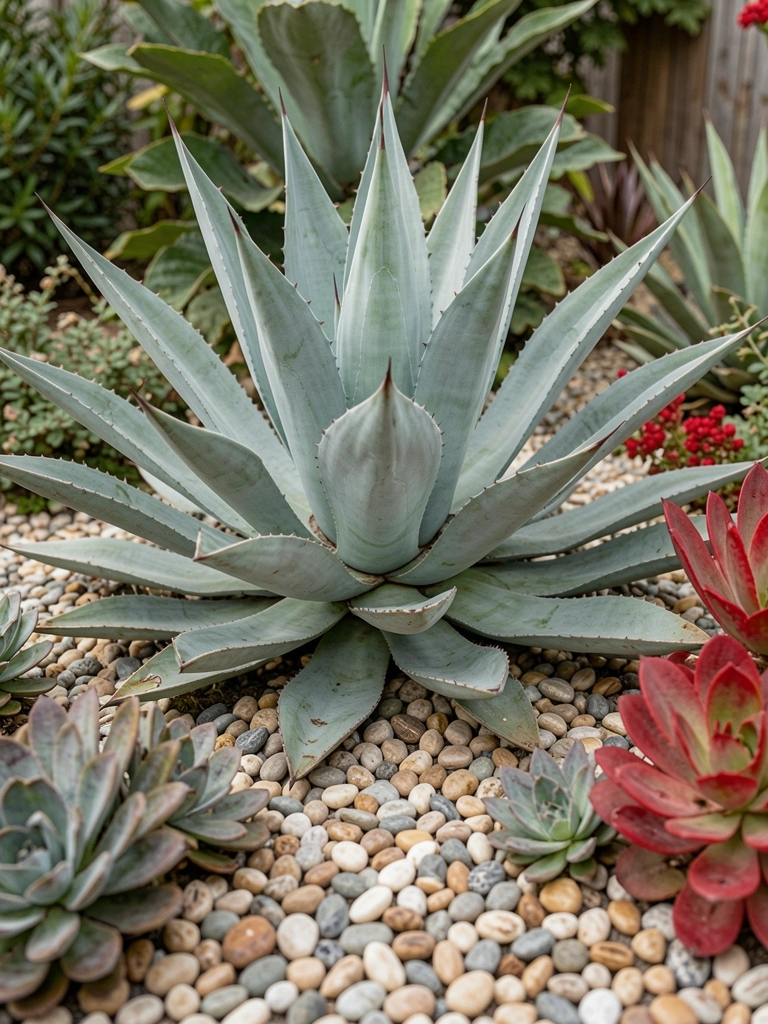
    13. Agave Focal Point on Gravel Pad

    Center yard empty. Set gravel pad, one big blue agave. Pups fill edges over years.

    Pad levels uneven ground. Agave swords frame views.

    Bought small; waited forever. Go gallon size start.

    What You’ll Need for This Look

    Blue agave 1 gallon plant

    Decorative gravel pad stones

    Red pebble accents

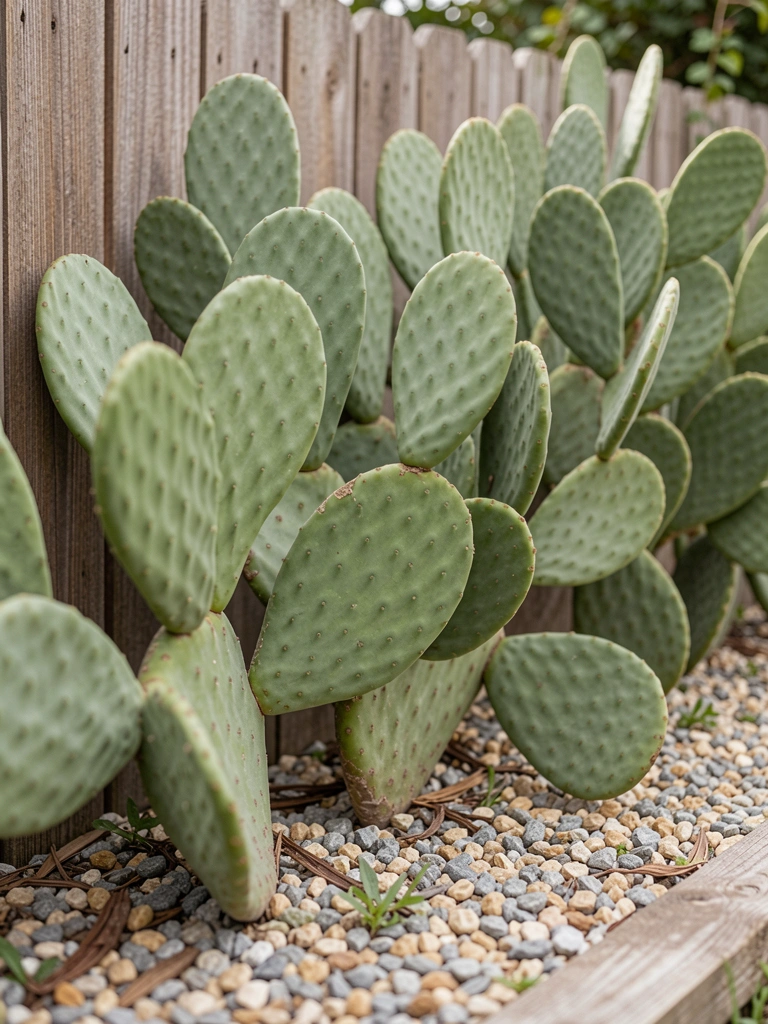
    14. Prickly Pear Hedge Along Back Fence

    Fence too visible. Planted opuntia pads along base. Thickened to screen, privacy without trim.

    Pads root easy, spread natural. Yellow blooms surprise yearly.

    Invasive in wet soil—gravel curbs. Thin yearly.

    What You’ll Need for This Look

    Opuntia prickly pear pads pack

    Fence line gravel strip

    Thick gloves for handling

    15. Barrel Cactus Cluster in Sunken Pit

    Dug shallow pit for barrels. Sunken look grounds them, wind-proof.

    Pit collects just enough rain. Cluster bonds tight.

    Pit too deep first; water sat. 6 inches max.

    What You’ll Need for This Look

    Golden barrel cactus cluster

    Landscape rock edging

    Coarse sand fill

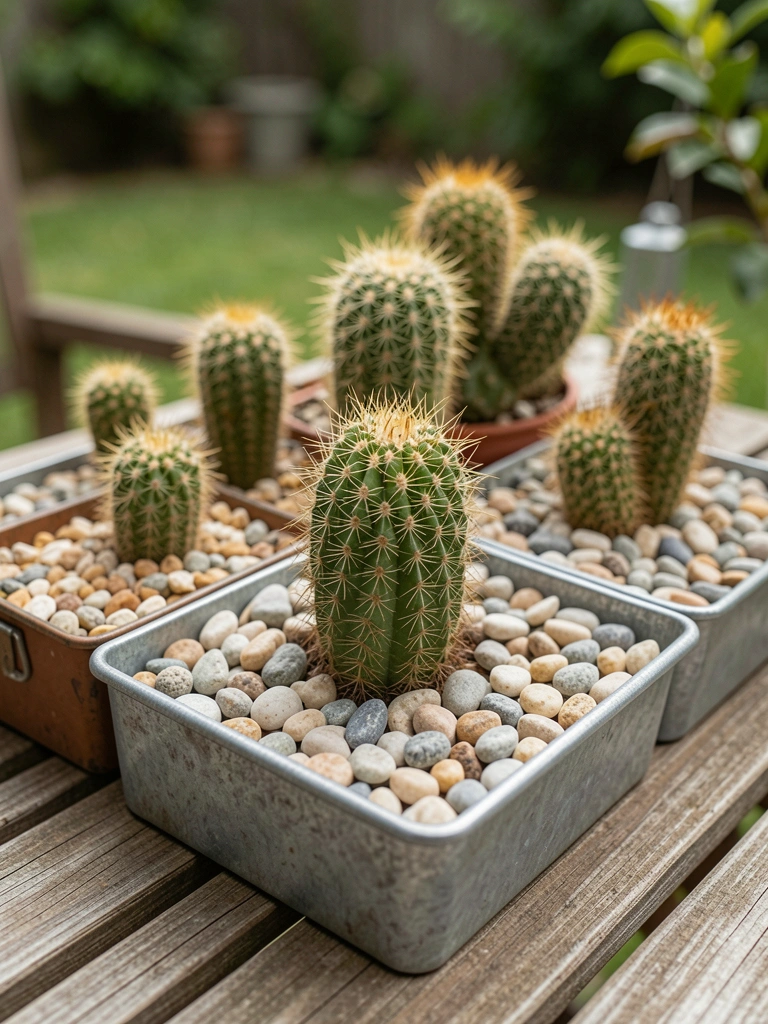
    16. Minimalist Gravel Tray Table Garden

    Table sat plain. Filled trays with gravel, tiny echos. Portable zen.

    Trays lift for clean. No spills.

    Echos legged in shade—move often.

    What You’ll Need for This Look

    Metal gravel trays 18×12

    Mini echeveria cactus mix

    Fine gravel decorative

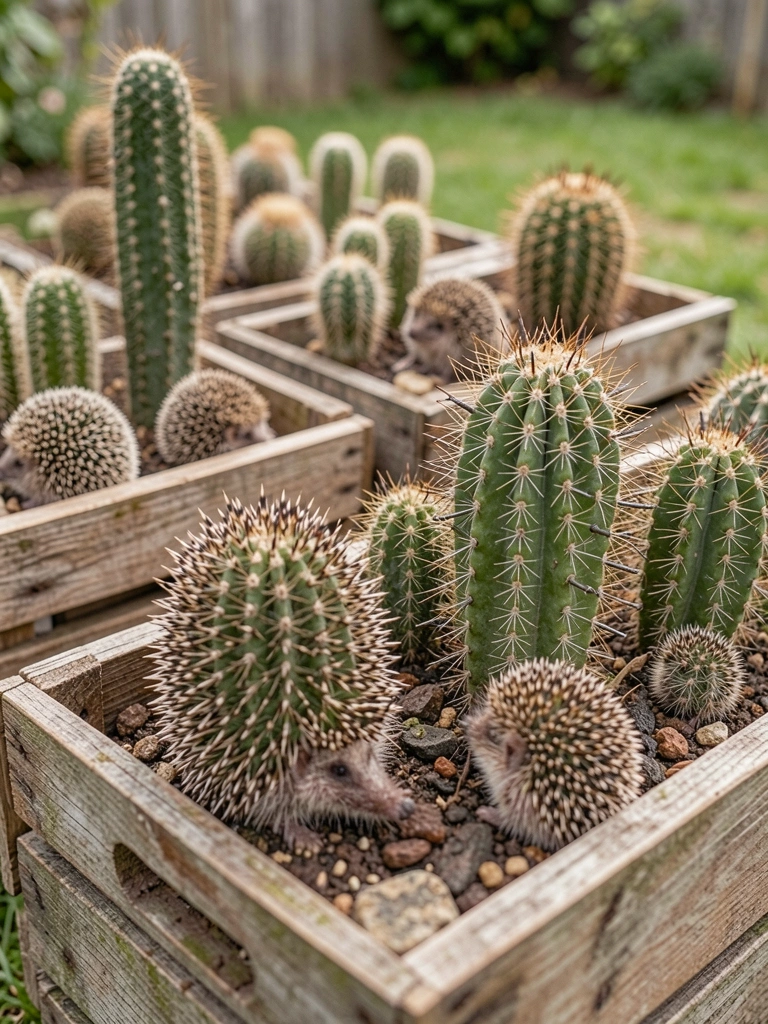
    17. Wooden Crate Frames for Cactus Rows

    Crates from store stacked rows. Hedgehogs tucked in. Rustic lines guide eyes.

    Wood ages silver, blends. Rows expand easy.

    Wood rotted wet—elevate on bricks.

    What You’ll Need for This Look

    Reclaimed wood crates garden

    Hedgehog cactus small

    Concrete bricks support

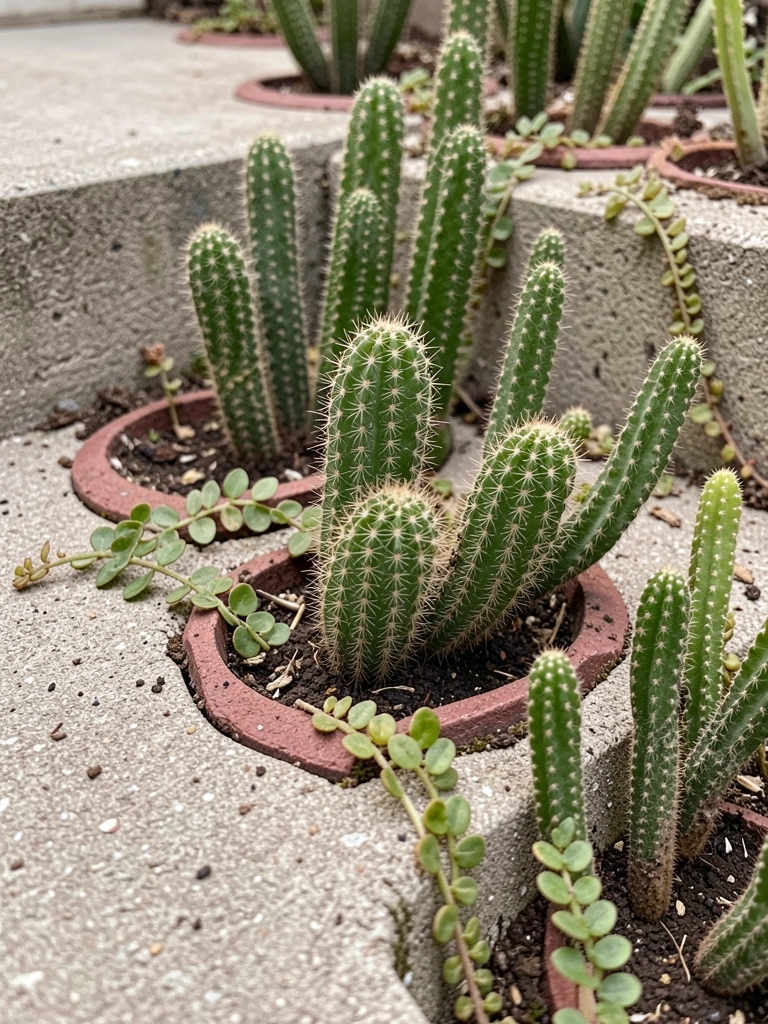
    18. Step-Lined Pockets of Bunny Ears

    Steps steep, boring. Chisled pockets, added bunny ears. Pads soften rise.

    Pockets catch runoff perfect. Pads hug stone.

    Chisel wrong; cracked step. Use mortar pockets.

    What You’ll Need for This Look

    Bunny ears cactus plants

    Concrete step repair mortar

    Chisel tool set

    19. Desert Rake Zen with Scattered Cacti

    Cleared zen spot, raked gravel daily. Scattered small barrels. Calms mind quick.

    Patterns reset easy. Cacti anchor swirls.

    Wind messed patterns—fence windbreak.

    What You’ll Need for This Look

    Zen garden rake wooden

    Black polished pebbles

    Small barrel cacti

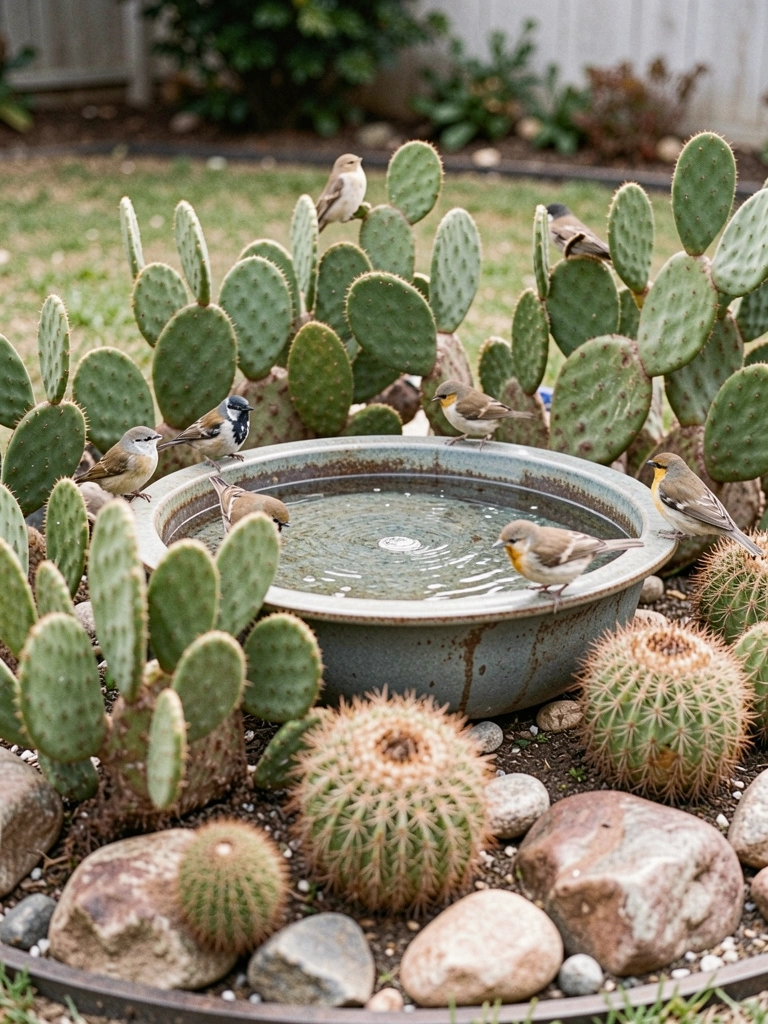
    20. Birdbath Center with Ring Cacti

    Birdbath lonely. Ringed with low opuntia. Birds perch safe, splash draws eye.

    Rocks drip water slow to roots. Life buzz.

    Bath overflowed—slope away.

    What You’ll Need for This Look

    Pedestal birdbath solar

    Clumping low opuntia

    Drip rock border

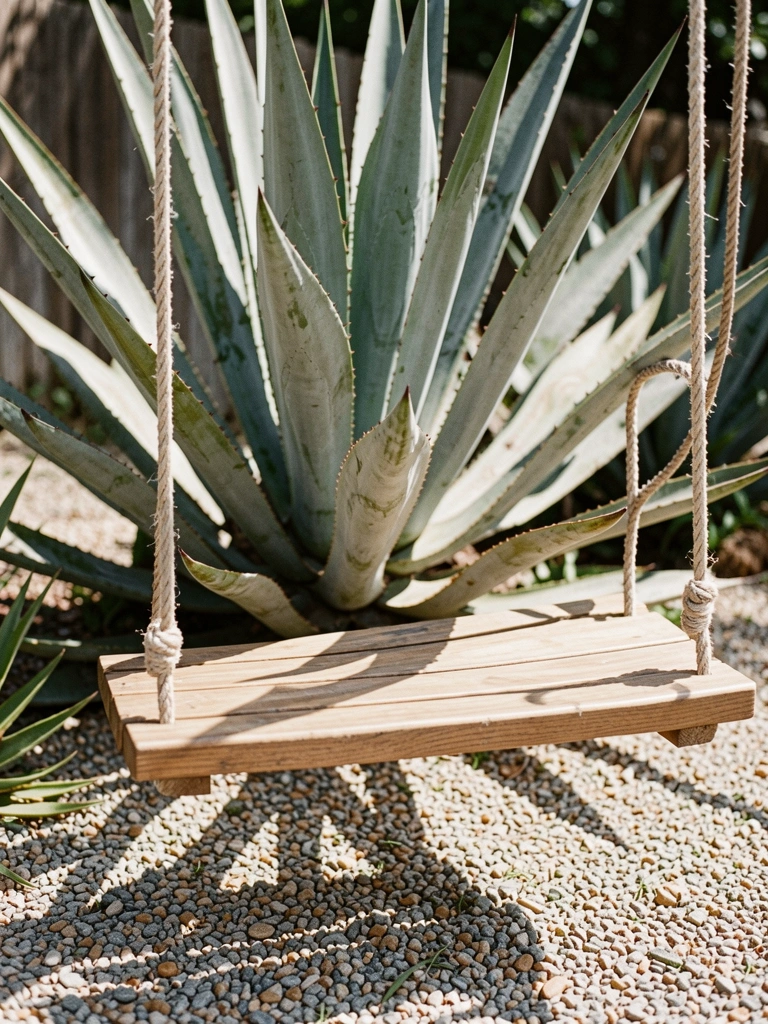
    21. Swing Backdrop of Tall Agave Spikes

    Swing view flat. Backed with agaves. Spikes frame swing gentle sway.

    Height without width. Shadows dance sitting.

    Agaves pup heavy—thin yearly.

    What You’ll Need for This Look

    Tall agave century plant

    Hammock swing porch style

    Gravel swing base

    Final Thoughts

    Start with two ideas that fit your space. My yards mix a few—no need all 21. They'll grow into something yours. Water deep once a month, stand back. You've got this.
  • 11 Functional Backyard Garden Corner Ideas You Should Try

    11 Functional Backyard Garden Corner Ideas You Should Try

    I remember staring at that empty corner behind the shed, just dirt and weeds taking over. It bugged me every time I mowed. One spring, I decided to claim it.

    What started as a simple pot ended up being my favorite spot to grab fresh basil. Corners like that wait for you to fill them right.

    These small changes make the whole yard feel put-together. No big budget, just smart tweaks from years of trial.

    11 Functional Backyard Garden Corner Ideas You Should Try

    Here are 11 functional backyard garden corner ideas I've tested in my own yard. They're straightforward, save space, and actually get used. You'll see exactly how to make each one work.

    1. Layered Container Planting That Fills an Empty Patio Spot

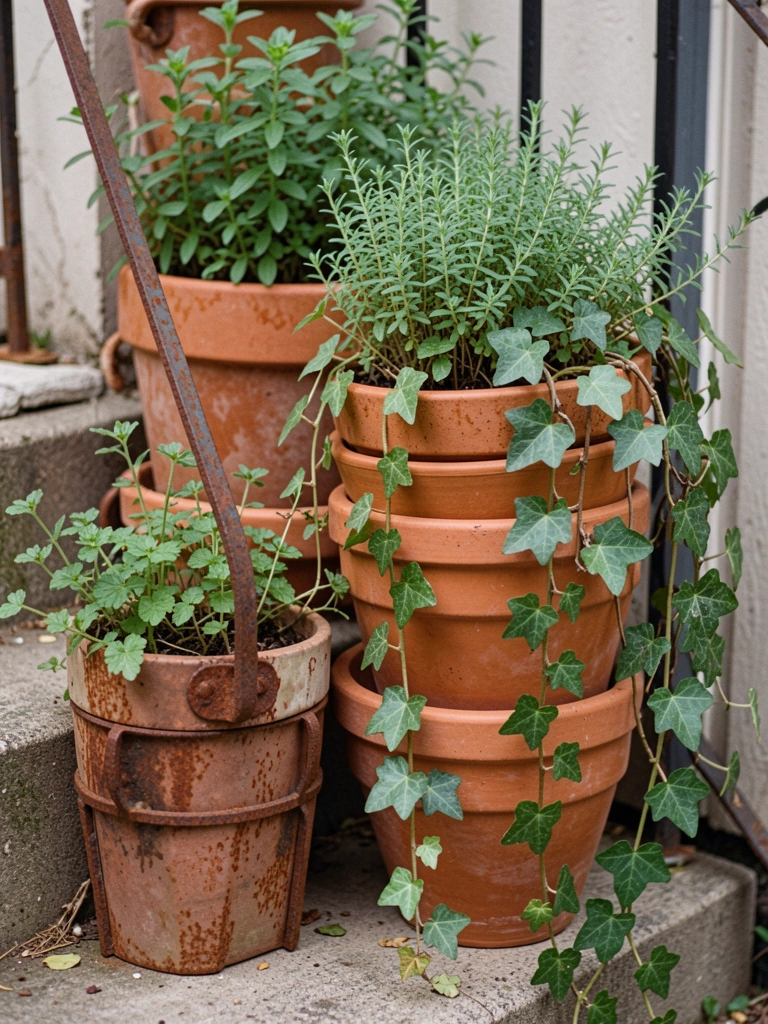
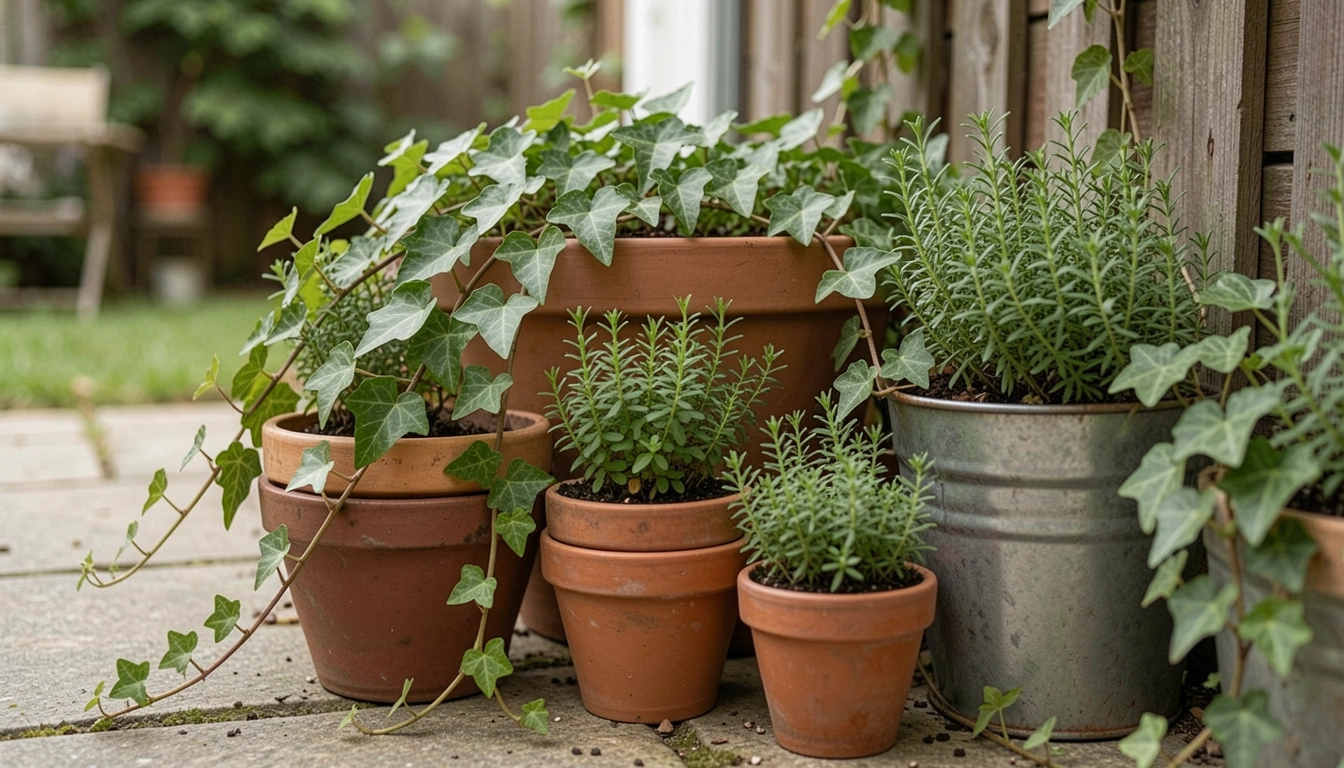
    I had this bare corner by the patio steps that made the whole area feel unfinished. Stacked some old pots I had lying around, starting with thyme at the bottom and chives up top. It grew in thick, blocking the view of the fence.

    The layers draw your eye up, making tight spaces feel deeper. Mornings there now smell like summer, and it's dead simple to water from one hose.

    Watch the sun—mine gets afternoon shade, so I skipped sun-lovers like rosemary at first. They bolted anyway. Now I stick to partial shade picks.

    One tip: tilt the top pot slightly for spills that soften the edges.

    What You’ll Need for This Look

    2. Vertical Herb Wall for Quick Kitchen Snips

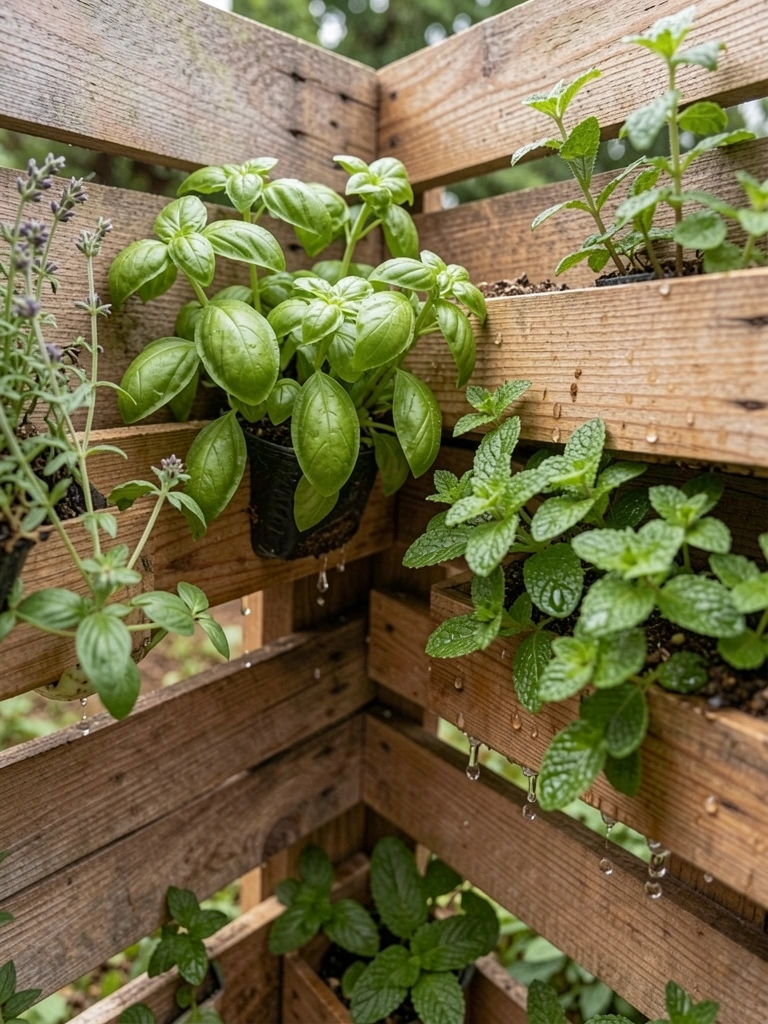
    That side yard corner collected junk until I nailed up a pallet. Filled the slats with mint and parsley—they took off fast. Now I snip handfuls without bending over.

    It freed up ground for grass, and the wall blocks wind from my tomatoes nearby. Feels tidy, like the garden's organized.

    I overplanted basil once; it shaded the lower stuff. Lesson learned—space them with oregano in between.

    Keep it damp but not soggy; a drip line from the fence tap works wonders.

    What You’ll Need for This Look

    3. Hidden Tool Storage with Trailing Greenery

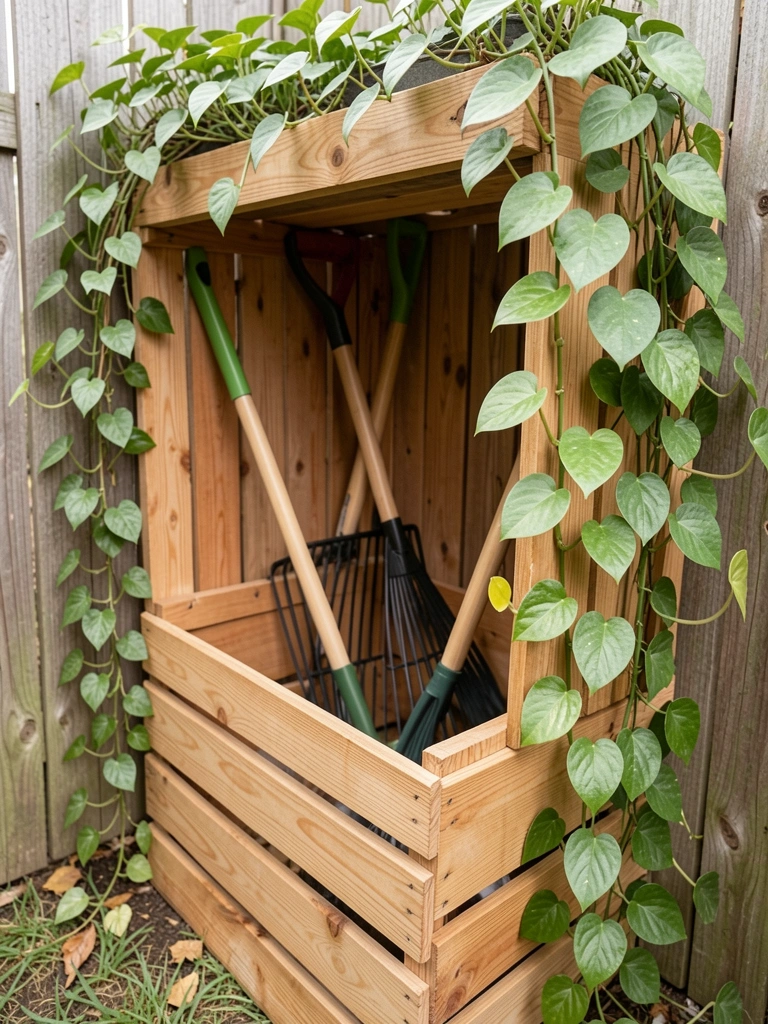
    Tools scattered everywhere drove me nuts in that fenceline corner. Built a simple crate lean-to, then let pothos climb over it. Now it's hidden but grabs stuff easy.

    The vines softened the wood fast, and it smells earthy when I open it. No more tripping over shovels.

    Forgot to seal the crates first—rain warped one. Seal yours, and drill holes for drainage.

    What You’ll Need for This Look

    4. Cozy Bench Nook with Overhanging Vines

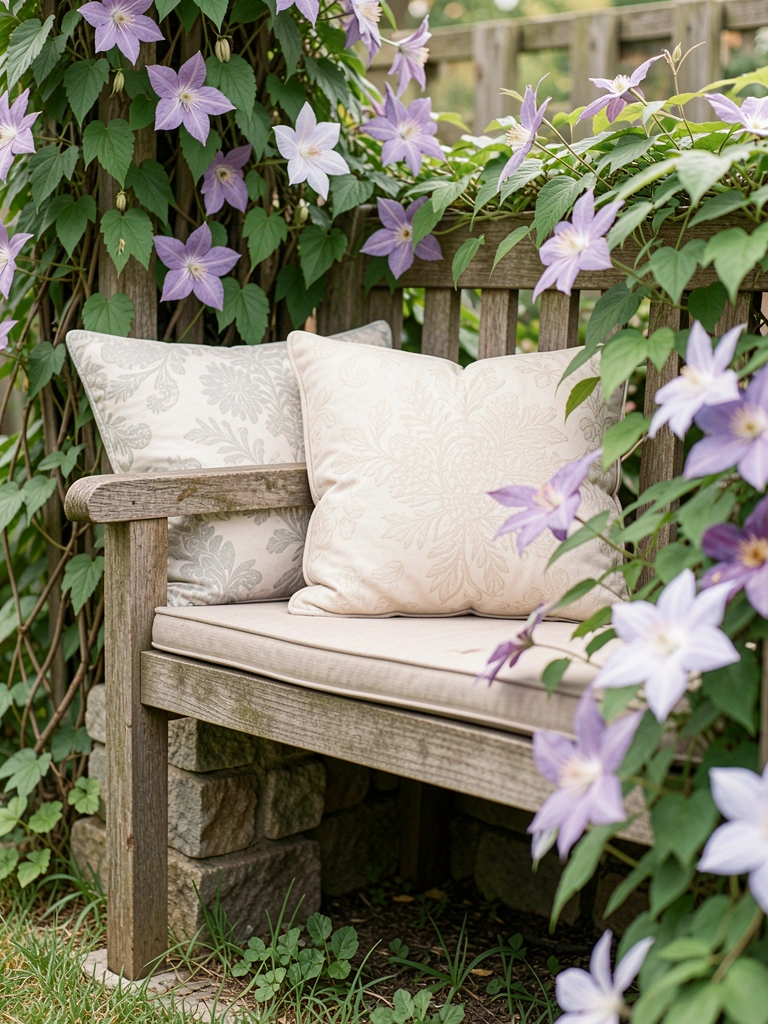
    I tucked a bench into the shady back corner after mowing around it for years. Trained clematis up the fence—it curtains the spot perfectly for coffee breaks.

    Sitting there quiets the yard noise. The vines grew wilder than I planned, but they make it cozy.

    Planted too close to the bench at first; trimmed back now. Give vines room to spread.

    Add a cushion for comfort—mine faded, but it holds up.

    What You’ll Need for This Look

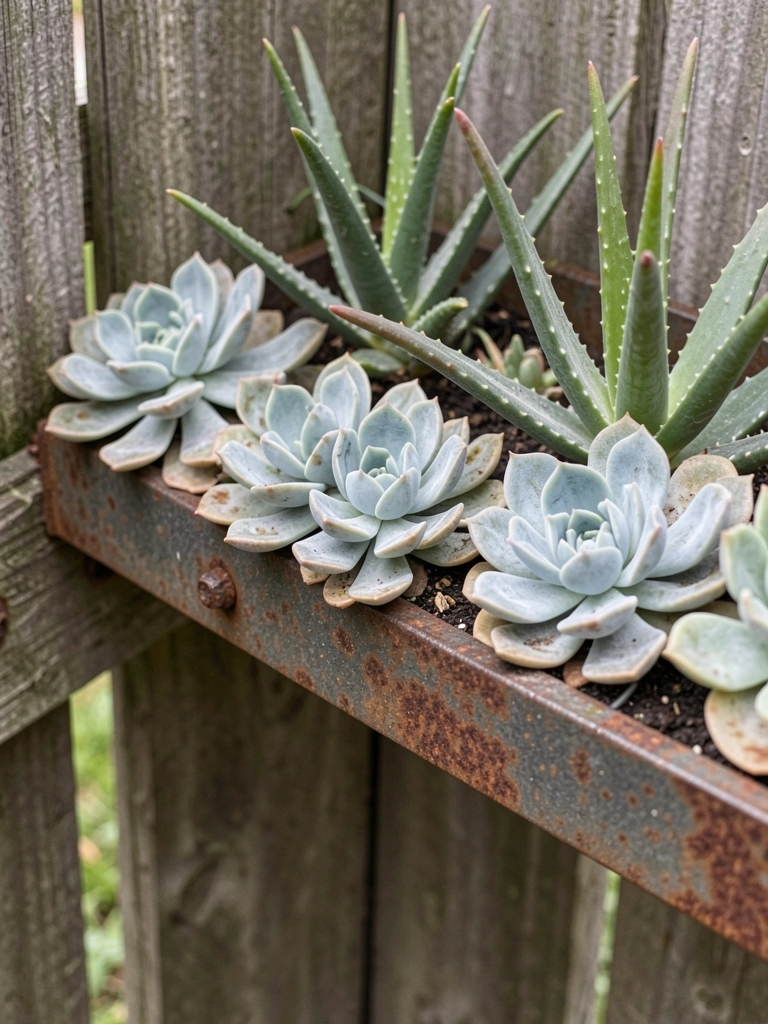
    5. Low-Maintenance Succulent Shelf on Fence Posts

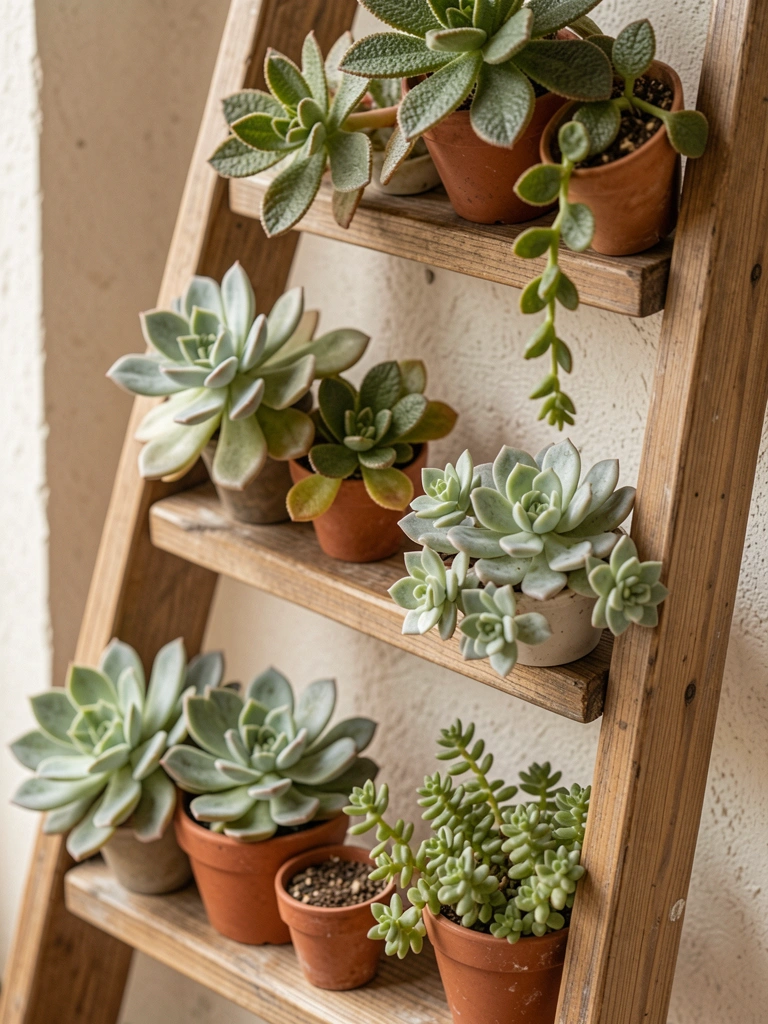
    Fence corner was dusty and forgotten. Bolted on a shelf, added succulents—they barely need water. Thrives in the hot sun there.

    Gives height without ground clutter, and they look sharp year-round. I forget them half the time, still going strong.

    Bought a finicky one once; stuck to basics now. Hens and chicks spread nice.

    What You’ll Need for This Look

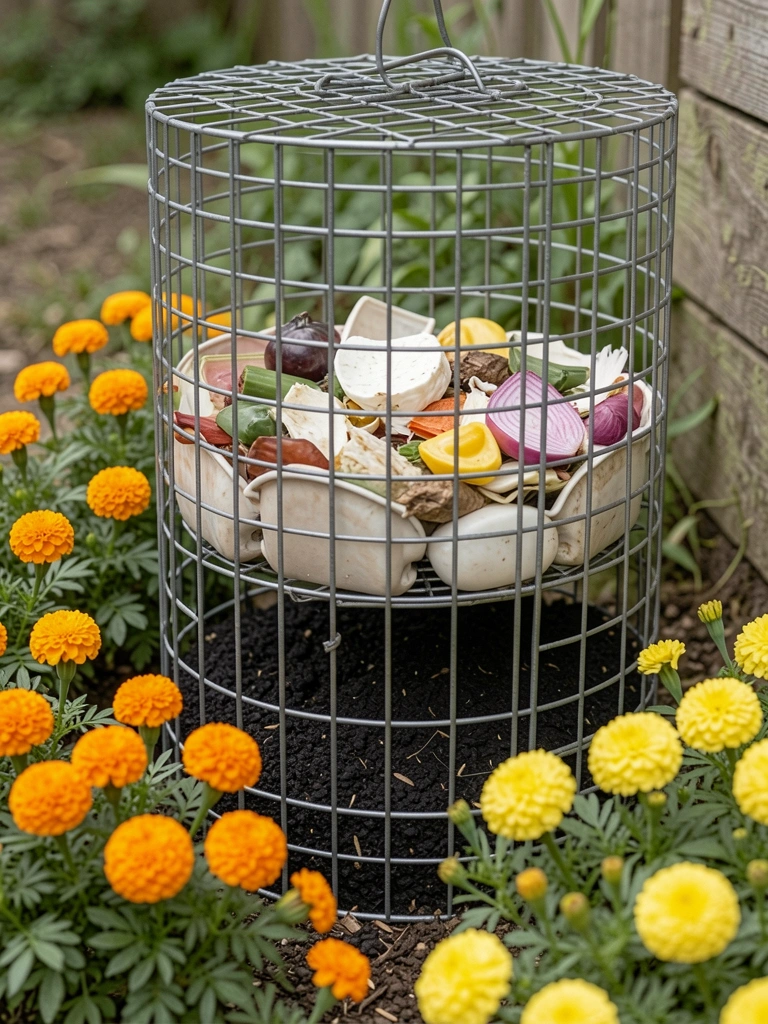
    6. Disguised Compost Bin with Flower Surround

    Compost pile stank up the corner until I switched to a tumbler and ringed it with marigolds. Turns scraps to gold quietly now.

    Keeps pests away, and flowers hide the bin. Soil from it feeds the rest of the yard.

    Overfilled it early—stir more often. Marigolds self-seed, bonus.

    What You’ll Need for This Look

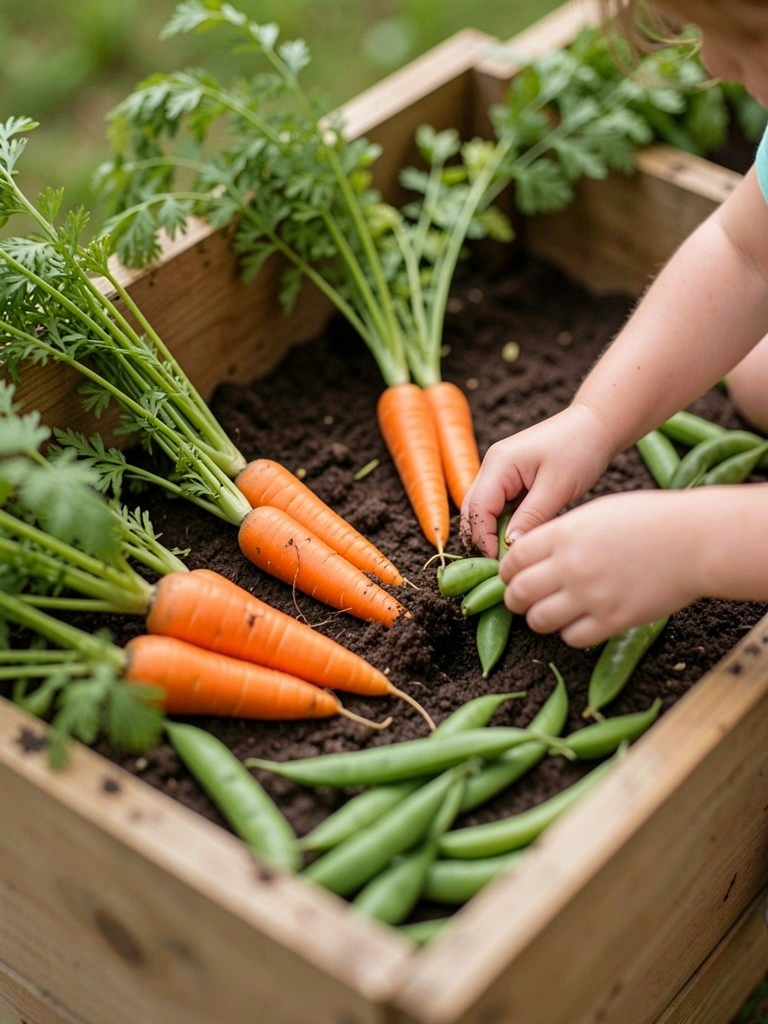
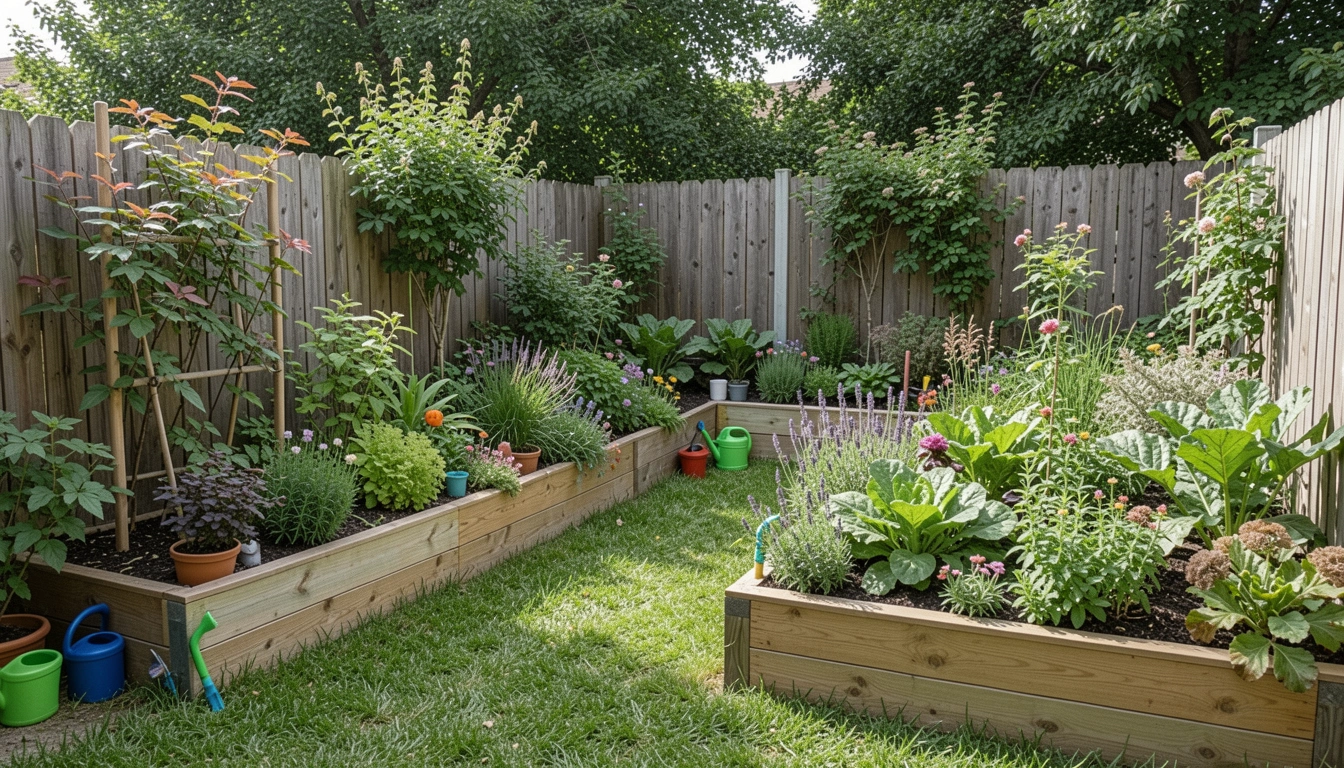
    7. Kid-Friendly Raised Veggie Bed Corner

    Kids trampled my veggies, so I built a knee-high bed in the play corner. Carrots and beans pop up easy for little hands.

    They eat straight from it now, no waste. Makes that spot useful, not just chaos.

    Planted beans too thick—thin next time. Loose soil key for roots.

    What You’ll Need for This Look

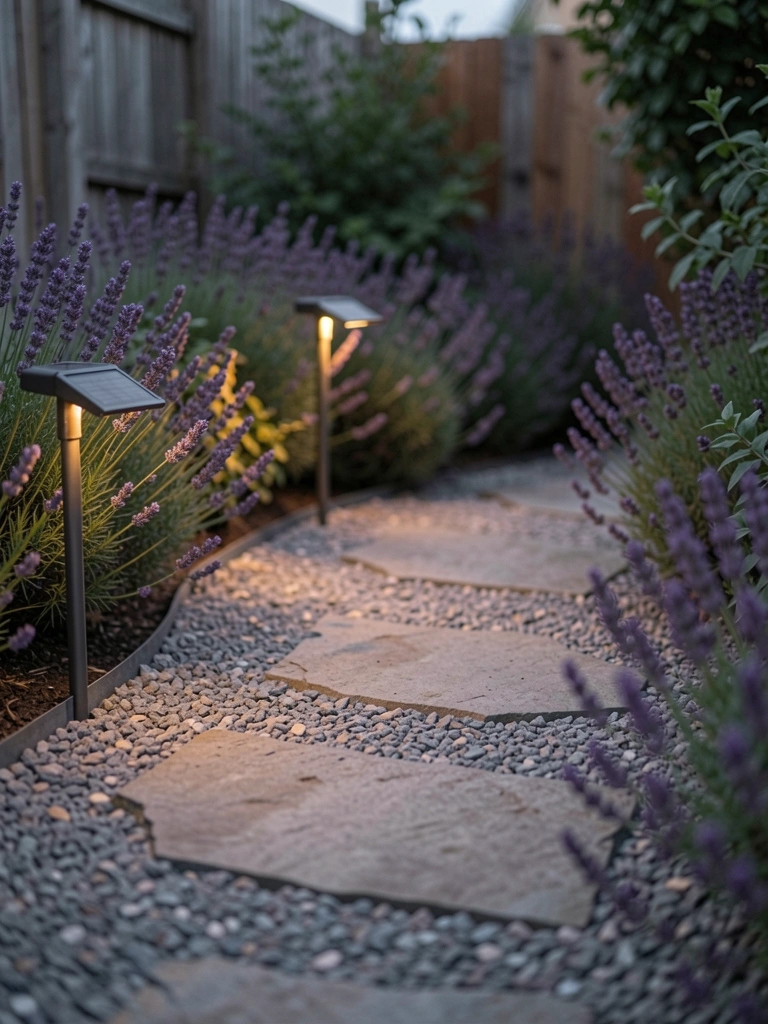
    8. Solar-Lit Gravel Pathway Nook

    Dark corner tripped me at night. Spread gravel, edged with lavender, added solar stakes. Lights the way soft.

    Lavender fills evening air, path stays tidy. No wiring hassle.

    Lights dimmed after rain once—clean panels regular.

    What You’ll Need for This Look

    9. Bird Bath Station with Native Shrubs

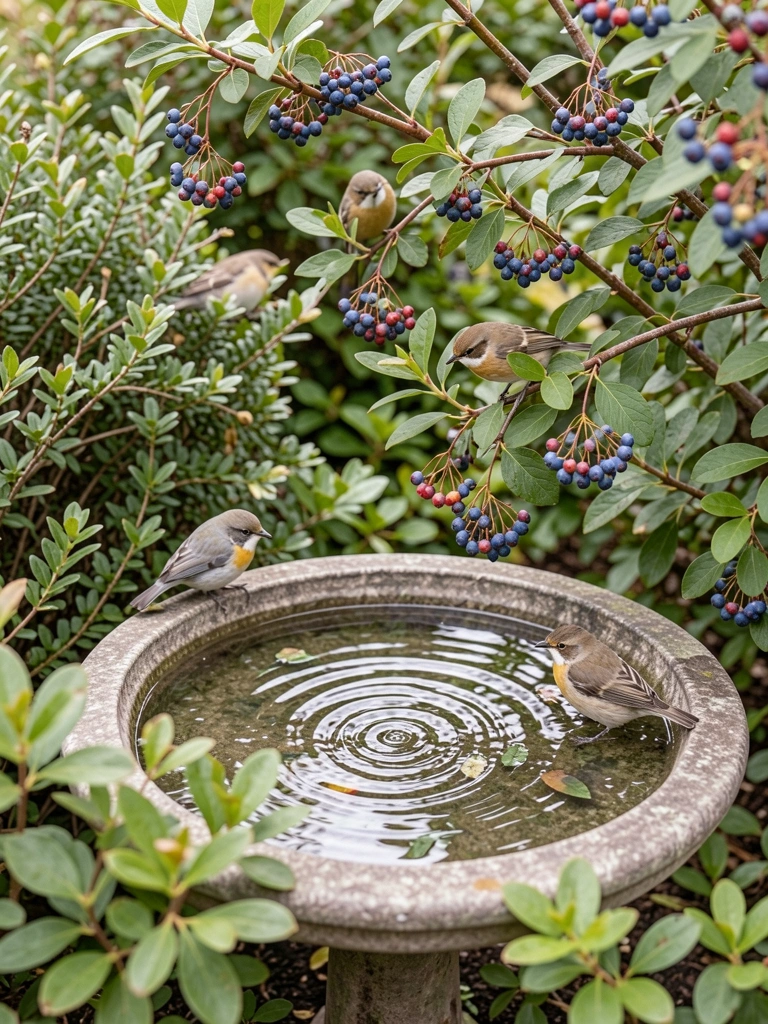
    Quiet corner got birds after a shallow bath and serviceberries. They bathe and eat, song all summer.

    Shrubs screen it nice, feels alive. Berries drop mess, but worth it.

    What You’ll Need for This Look

    10. Rain Barrel Setup with Drip-Feeding Plants

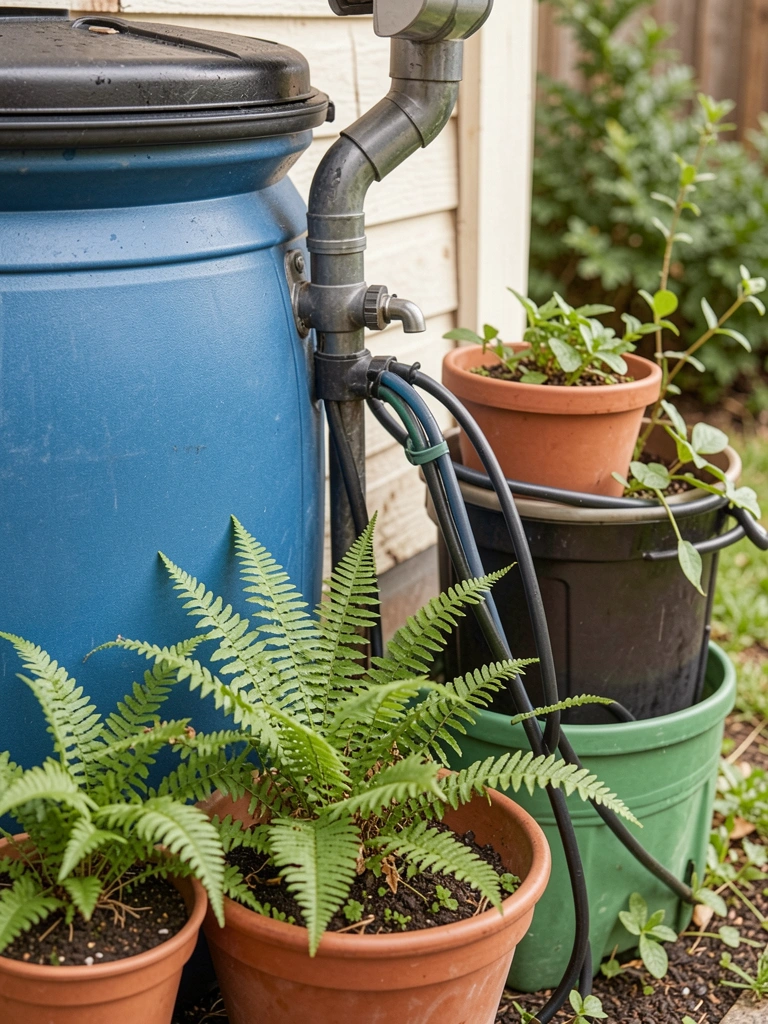
    Downspout corner wasted water. Added a barrel, ran drips to ferns below. Free watering forever.

    Ferns stay lush, no hose drag. Barrel overflows quiet.

    Leaked at first—tighten fittings.

    What You’ll Need for This Look

    11. Grill Station Bordered by Heat-Tough Herbs

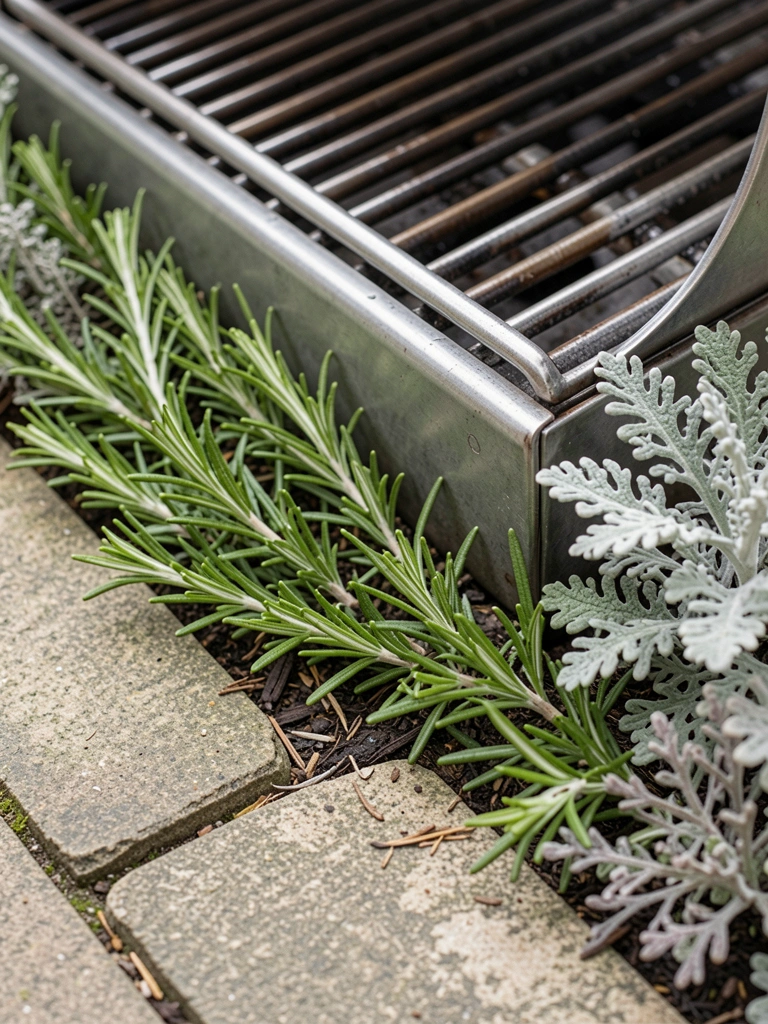
    Grill corner smoked up herbs wrong. Planted rosemary and sage—tough guys that take the heat.

    Snip for cooking right there. Border keeps ash out of grass.

    Sage sprawled too much—prune yearly.

    What You’ll Need for This Look

    Final Thoughts

    Pick one corner that bugs you most and start there. These ideas build on each other over time.

    Your yard doesn't need perfection—just spots that work for you. I've seen mine settle in, better each year. You got this.

  • 10 Organized Backyard Orchard Layout Garden Ideas For Fruit Lovers

    10 Organized Backyard Orchard Layout Garden Ideas For Fruit Lovers

    A few summers back, I walked out to my backyard and picked warm peaches right off the branch. No ladder needed. That moment hit different after years of tangled branches and bare spots. I'd overcrowded at first, lost half the trees to shade. Now my space hums with fruit, paths wide enough to wheel a barrow through.

    If you're staring at grass and dreaming of your own harvest, these layouts changed everything for me. They fit normal yards, not estates.

    10 Organized Backyard Orchard Layout Garden Ideas For Fruit Lovers

    These 10 organized backyard orchard layout garden ideas come straight from my dirt-stained notebooks. Each one fits a real backyard, handles sun and space limits, and delivers fruit without chaos.

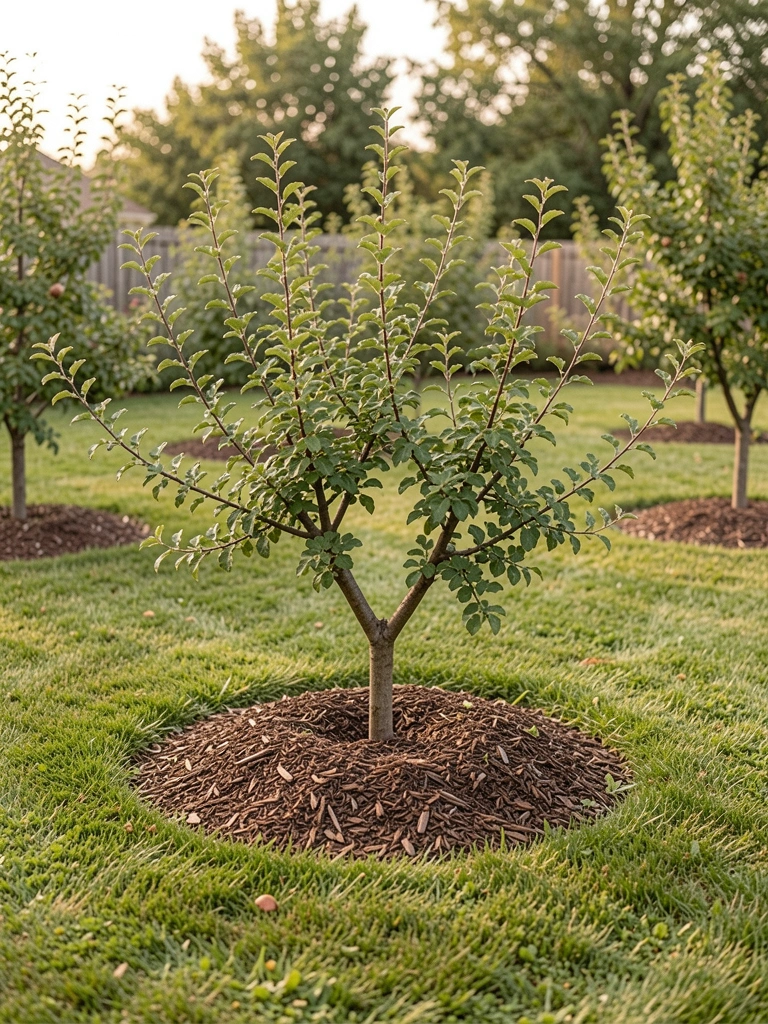
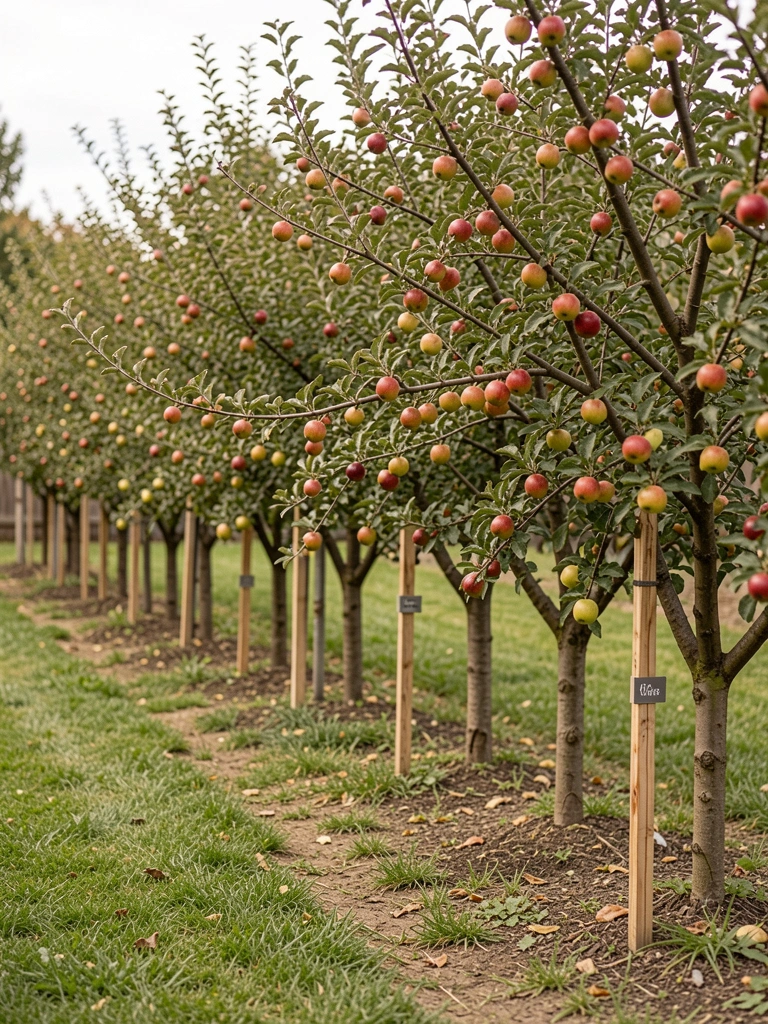
    1. Dwarf Apples in a Sunlit Central Circle

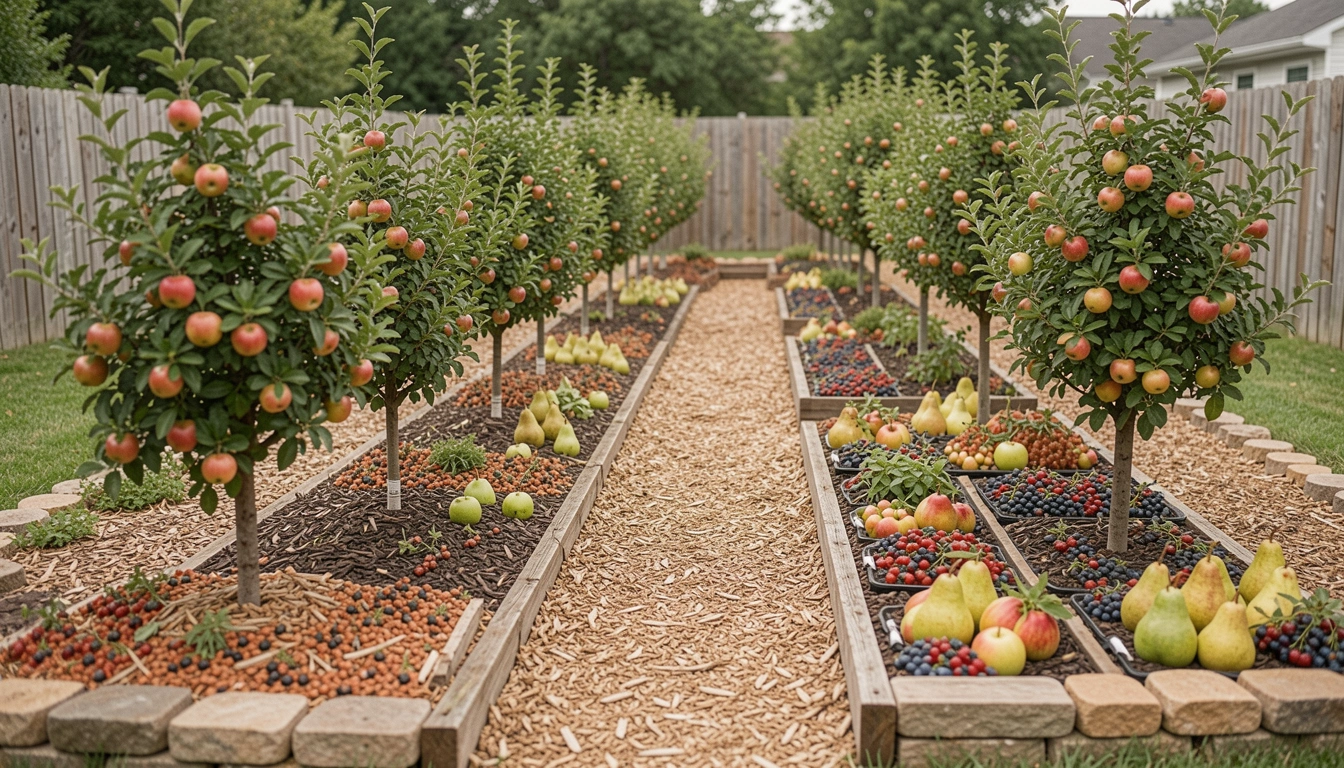
    I cleared a 15-foot circle in the middle of my yard for four dwarf apples – Gala and Honeycrisp mostly. They catch full sun from all sides, no shading fights. Paths fan out like spokes, easy to mow around and reach for picking.

    Last year, one leaned after a windstorm; I staked it early. Now branches swell with fruit, and the open middle lets clover grow for bees. Feels balanced, not crammed.

    Plant 8-10 feet apart. Watch east-west sun paths first.

    What You’ll Need for This Look

    Dwarf apple tree saplings (2-3 feet)
    Organic cedar mulch bags
    Heavy duty tree stakes kit

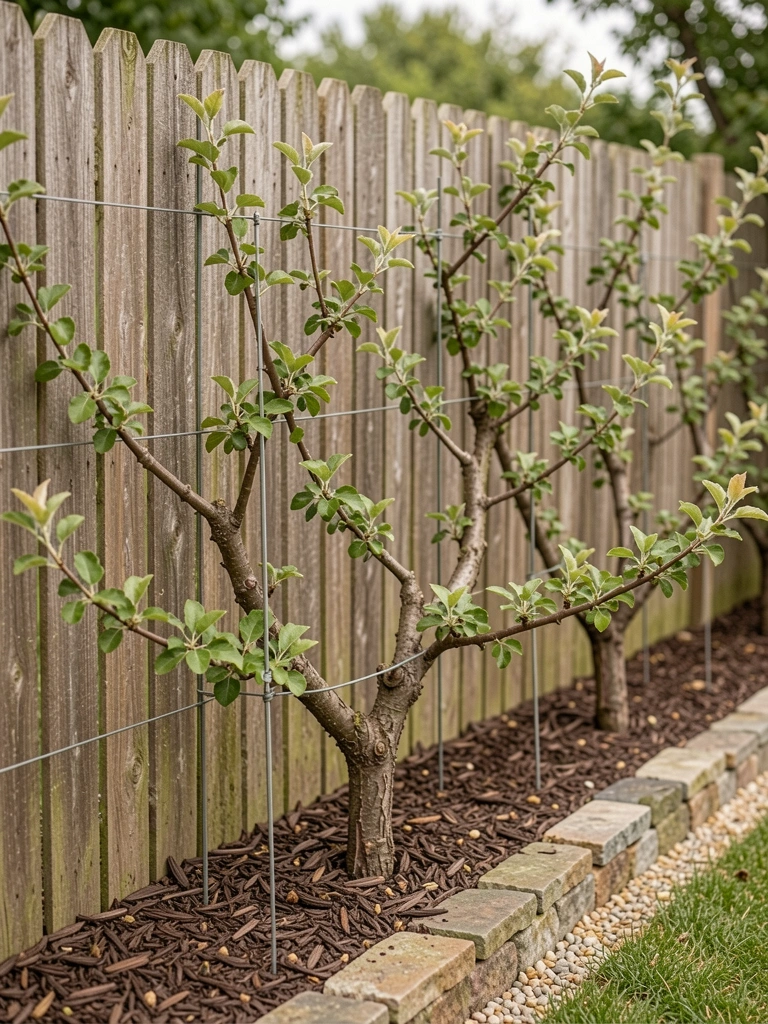
    2. Espalier Pears Flat Against the Fence Line

    My back fence faced south, wasted space. I trained three pear varieties – Bartlett and Asian – flat against it in a horizontal cordon. Saves room, fruit hangs at chest height. Wires pull tight, branches fan out neat.

    I pruned wrong first season, got stubs. Now I tip prune yearly; it fruits heavy. The fence warms roots, harvest lasts weeks. Yard feels bigger.

    Space trees 6 feet apart. Tie young shoots loose.

    What You’ll Need for This Look

    Dwarf pear tree for espalier
    Heavy gauge wire trellis kit
    Felco pruning shears

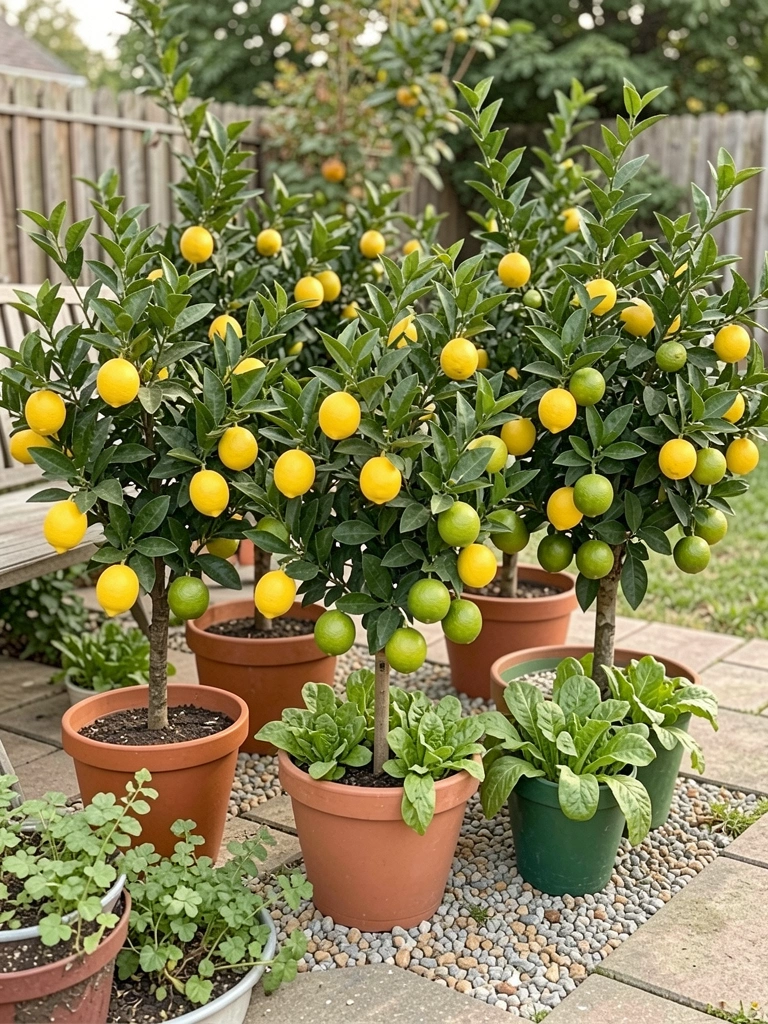
    3. Container Citrus Cluster on the Patio Edge

    Patio corner got too shady for grass, so I wheeled in five-gallon pots of dwarf lemon, lime, and satsuma. Grouped tight for wind protection, rolled inside winters. Fruit glows yellow against green leaves.

    Forgot to fertilize once; leaves yellowed. Citrus feed fixed it quick. Now juice flows summer long, patio smells fresh.

    Drain holes matter. Turn pots quarterly.

    What You’ll Need for This Look

    Dwarf lemon citrus tree
    5 gallon terracotta planters
    Citrus fertilizer spikes

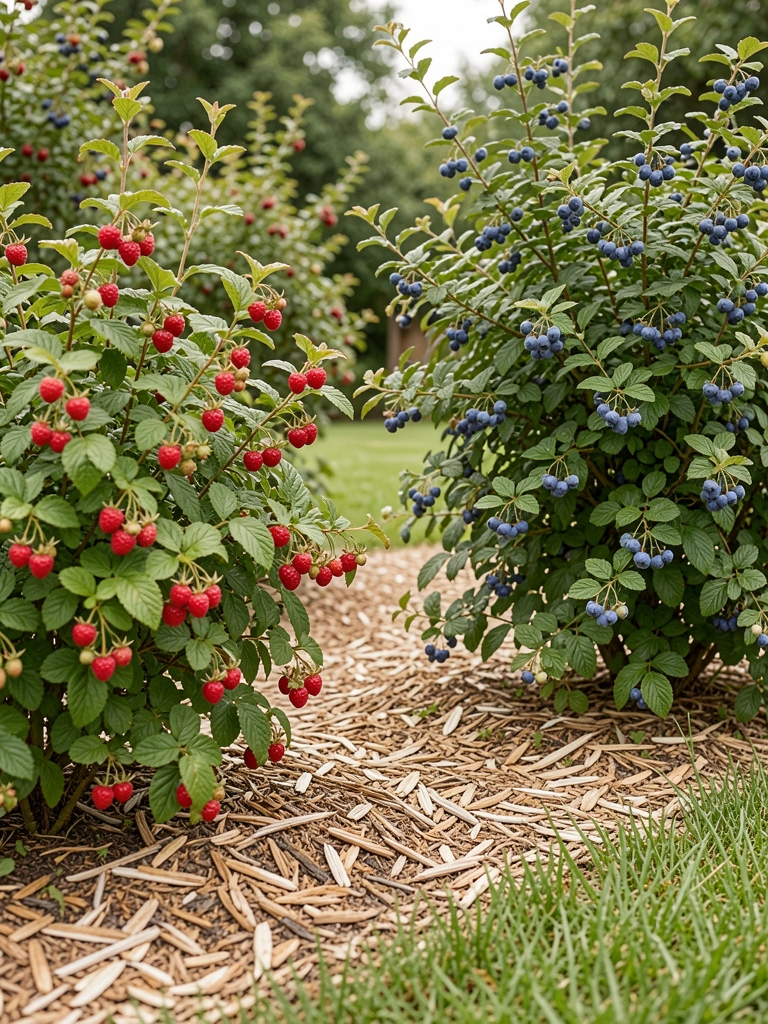
    4. Berry Bush Border Along the Lawn Edge

    Lawn met fence awkward, so I ran a 20-foot row of raspberry, blueberry, and currant bushes. Mounded soil slight, mulched heavy. Berries tumble over edges, easy pick.

    Blueberries sulked in my clay first; peat fixed pH. Now they bush out full, birds share some. Lawn stays neat.

    Net late summer. Acid soil test yearly.

    What You’ll Need for This Look

    Raspberry and blueberry bushes
    Berry netting kit 50 feet
    Soil pH test kit

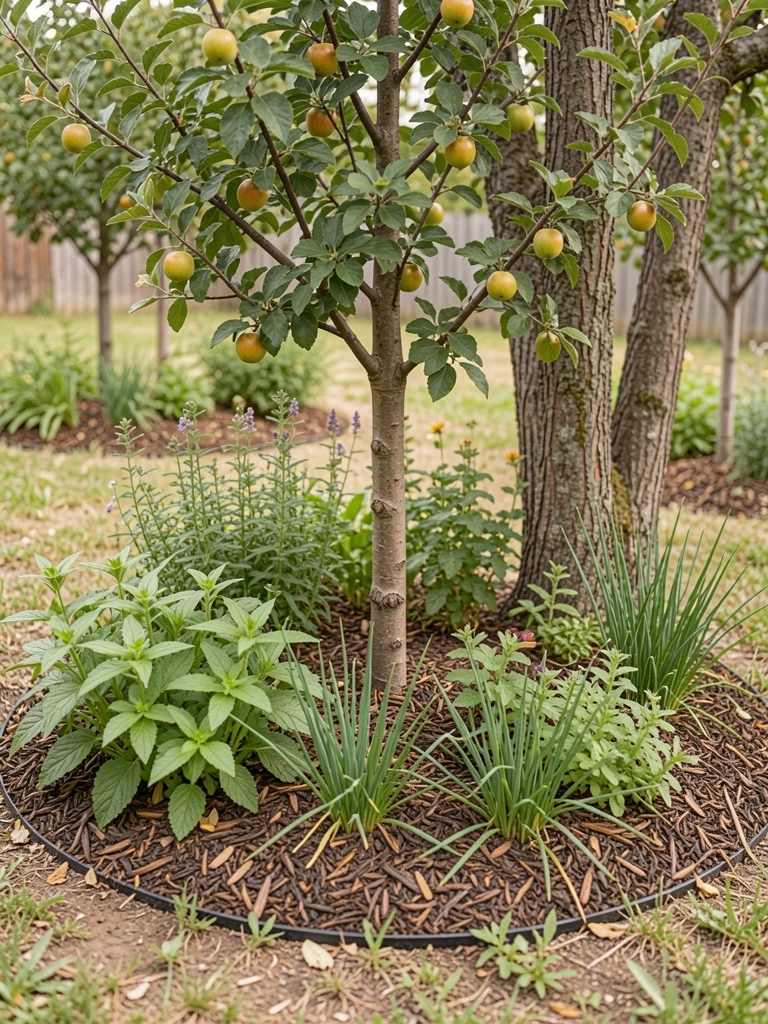
    5. Herb Guild Under Young Fruit Trees

    Planted three dwarf plums, then tucked comfrey, chives, and nasturtiums at bases. Herbs pull nutrients up, flowers draw pollinators. Ground stays soft, weeds down.

    Overdid mint once; it took over. Chives stay put. Fruit sets better now, harvest smells herby.

    Mulch thick. Divide herbs yearly.

    What You’ll Need for This Look

    Dwarf plum tree sapling
    Comfrey plant roots
    Perennial chive plants

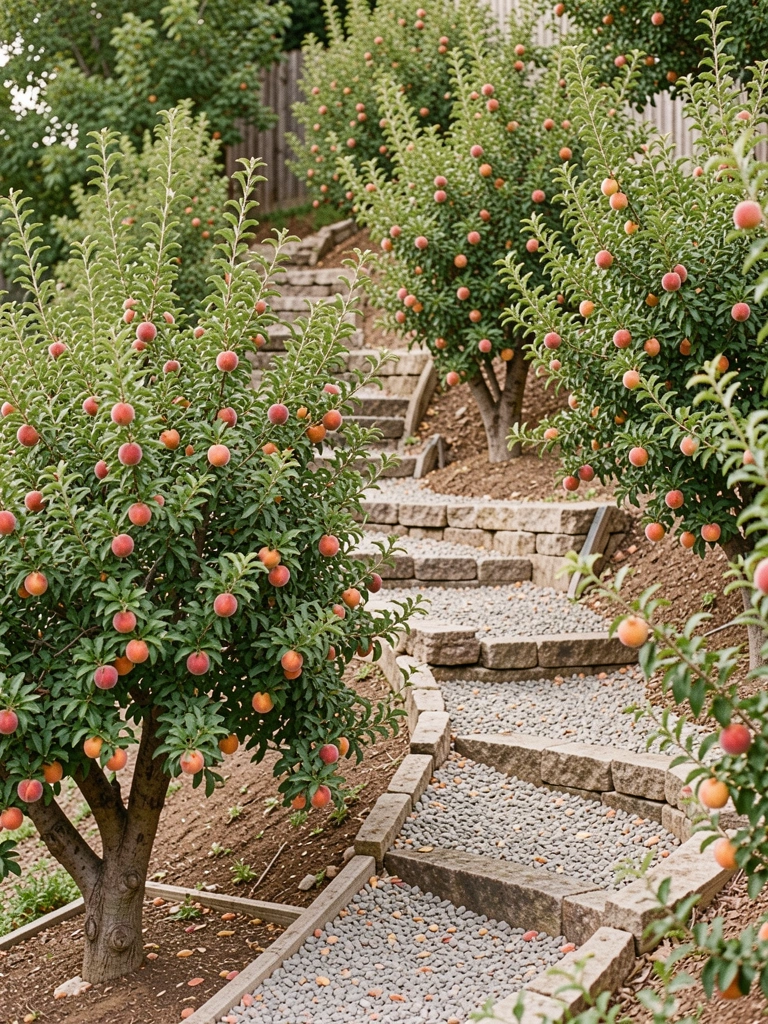
    6. Tiered Stone Fruit on Sloped Ground

    My yard slopes gentle south, so terraced peaches and nectarines with stacked blocks. Each level gets drip line, steps connect. Fruit ripens even, no low spots waterlog.

    First terrace washed out rain; geotextile held next. Peaches blush heavy now.

    Level each tier. Drip slow.

    What You’ll Need for This Look

    Dwarf peach tree
    Retaining wall blocks natural stone
    Drip irrigation kit 50 feet

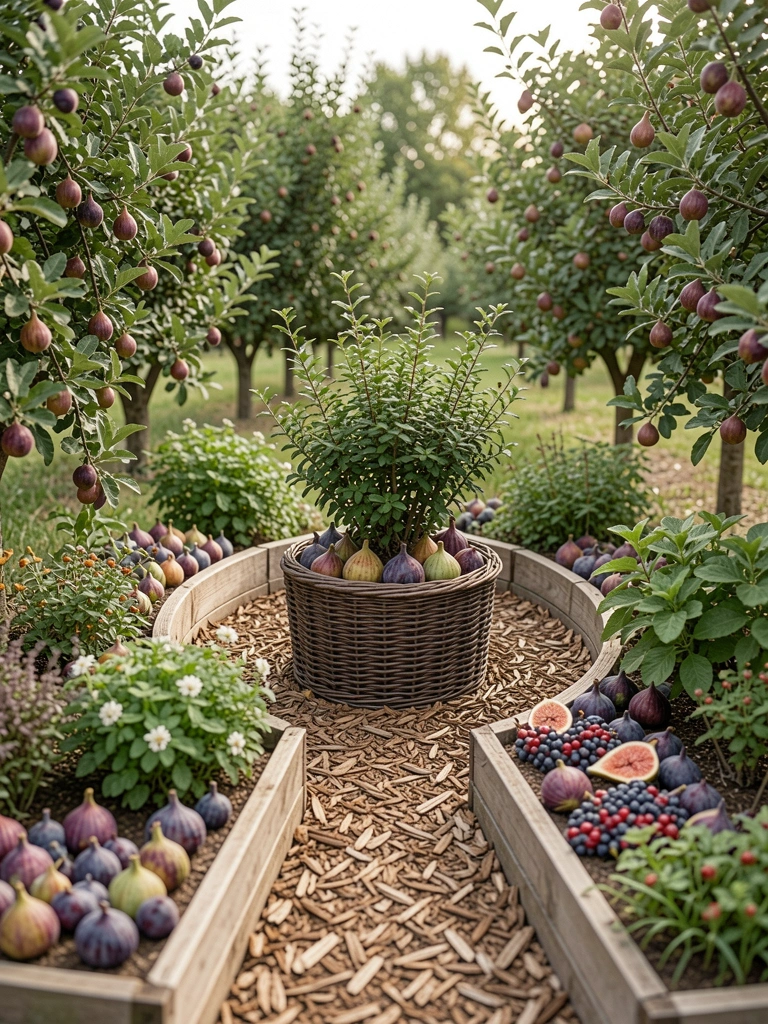
    7. Keyhole Bed for Figs and Berries

    Corner spot tight, built a keyhole bed – figs center, berries around, compost mound middle. Arm's reach harvest, paths circle easy. Heat-trapping walls ripen figs fast.

    Compost got too hot once; balanced greens. Yields doubled.

    Wheelbarrow access key. Layer waste slow.

    What You’ll Need for This Look

    Dwarf Chicago Hardy fig tree
    Raised garden bed keyhole kit
    Wood chip mulch bulk bag

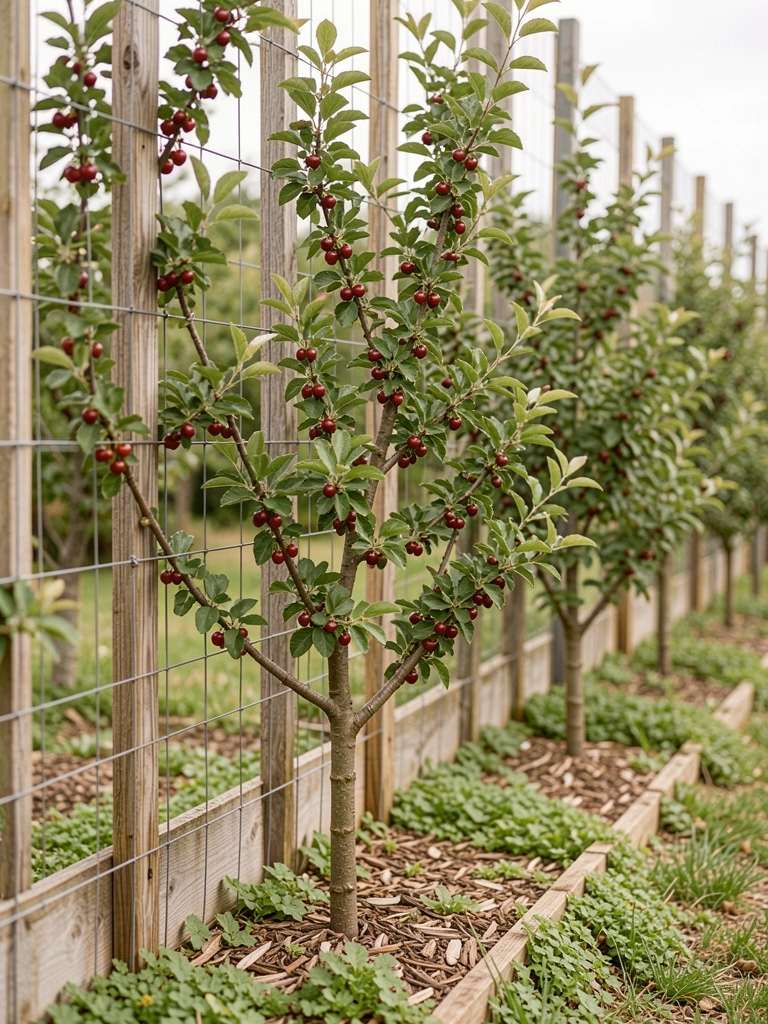
    8. Vertical Cherry Wall on Trellis

    North fence bare, fan-trained two dwarf cherries up a trellis. Branches spread wide, fruit dangles forward. Saves floor space, birds perch less.

    Tied too tight early; loosened. Cherries sweeten deep now.

    South or west face best. Thin fruit June.

    What You’ll Need for This Look

    Dwarf sweet cherry tree
    Vertical trellis panel 8×6 feet
    Natural garden twine roll

    9. Multi-Graft Fruit Trees in a Line

    Side yard narrow, lined five multi-graft trees – apple, pear, plum on one rootstock. Pollination built-in, flavors mix. Straight row, mow aisle between.

    One graft failed; others thrived. Variety saves space.

    10 feet spacing. Label grafts.

    What You’ll Need for This Look

    Multi-graft fruit tree combo
    Metal plant labels set
    Fruit tree fertilizer granules

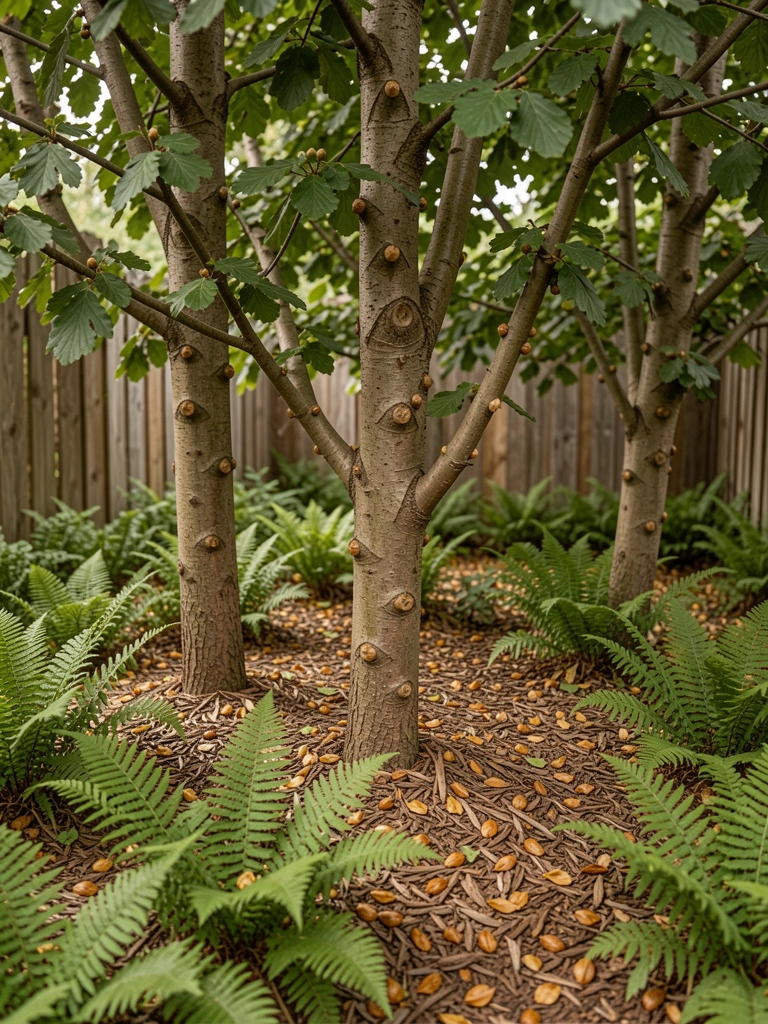
    10. Nut Tree Anchor in the Shady Corner

    Shady back corner house-blocked sun, planted filberts and hazelnuts. Multi-stem trunks bush low, nuts drop quiet. Ferns under soften it.

    Squirrels got first crop; nets now. Steady nuts fall.

    Part shade fine. Prune for air.

    What You’ll Need for This Look

    Filbert hazelnut tree
    Nut tree netting large
    Leaf mold mulch bags

    Final Thoughts

    Pick one or two ideas that match your yard's sun and slope. Mine grew slow, piece by piece.

    No need for all 10. Start where harvest feels close. You'll pick fruit next season, hands dirty and full.

  • 23 Creative Backyard Garden Ideas Against Fence For Vertical Space

    23 Creative Backyard Garden Ideas Against Fence For Vertical Space

    I remember the day I looked at my backyard fence—tall, bare wood staring back. The yard felt closed in, like a room without windows. I started small, hanging a few pots up high. Vines took hold, flowers nodded in the breeze. That fence vanished behind green. Space opened up. Privacy settled in soft. You can layer yours the same way, step by step.

    23 Creative Backyard Garden Ideas Against Fence For Vertical Space

    These 23 backyard garden ideas against the fence make the most of vertical space. Pulled from my own trials in real yards. They grow well, look full fast. Pick one that fits your spot.

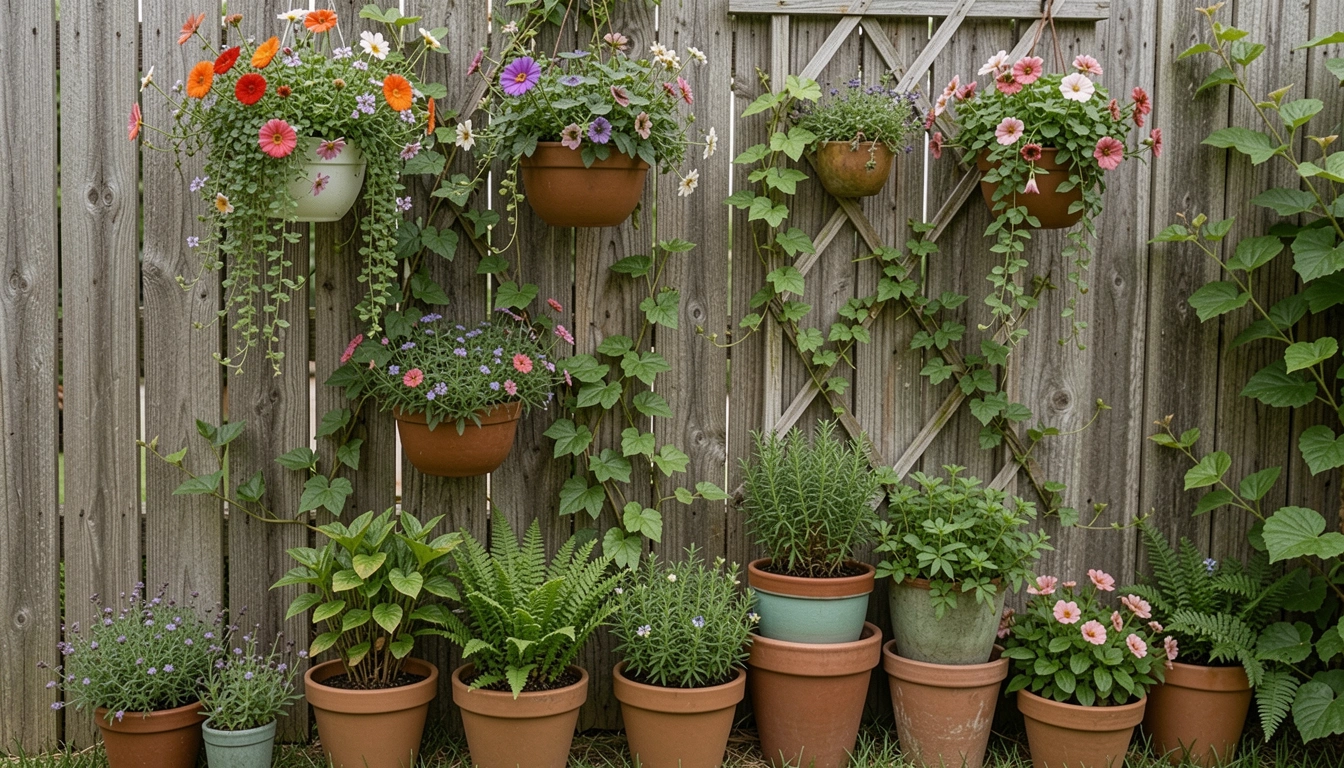
    1. Layered Hanging Baskets That Fill a Bare Fence Fast

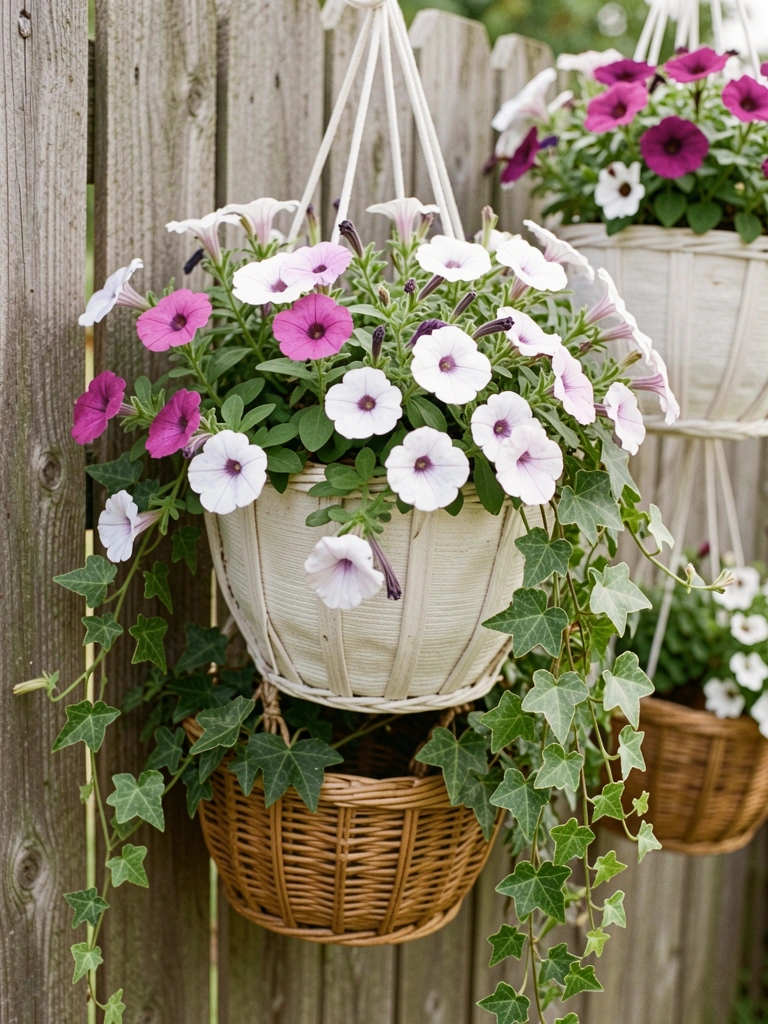
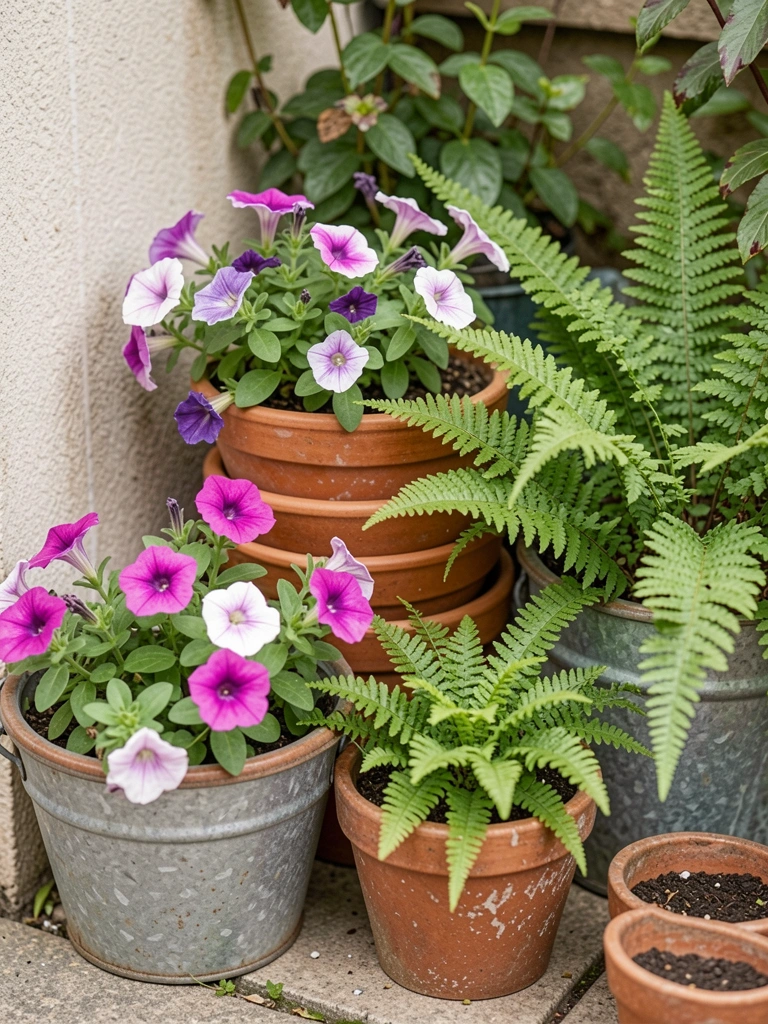
    I hung three baskets at different heights on my chain-link fence one spring. Petunias spilled pink and purple, ivy trailed down. The fence disappeared under color—my patio felt twice as deep. Wind swayed them gentle, drew hummingbirds close.

    What surprised me? Lower baskets caught more rain, stayed fuller. Up high dried faster. I water the top ones daily now.

    Start with sturdy hooks. Mix sun-lovers like petunias with trailers. In a month, it'll look lush.

    What You’ll Need for This Look

    2. Climbing Bean Trellis for Fresh Picks All Summer

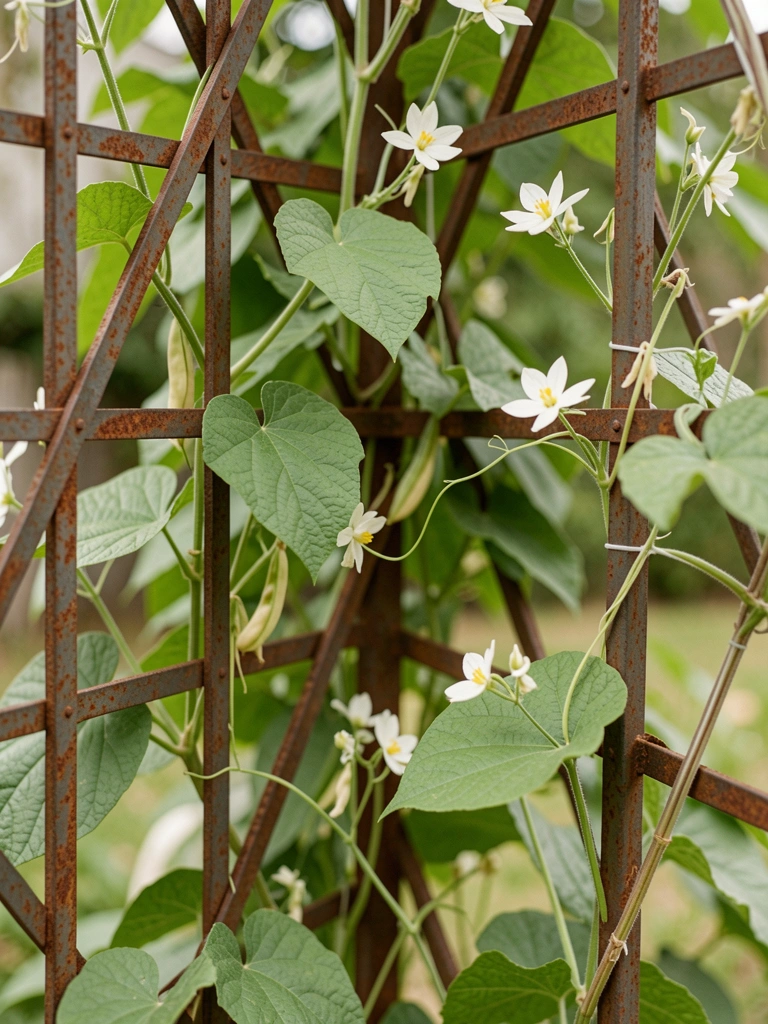
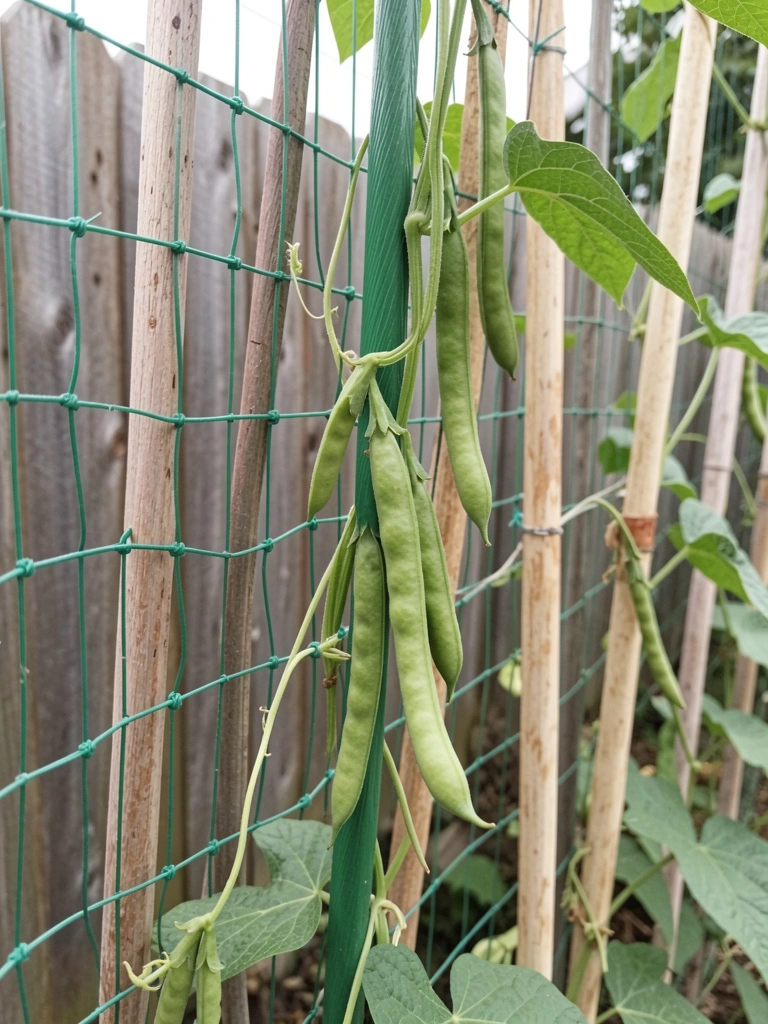
    I strung netting across my picket fence and planted scarlet runner beans at the base. Vines shot up quick, covered it green by July. Pods dangled like ornaments—I'd grab handfuls for dinner. The yard smelled earthy, bees buzzed constant.

    It softened the fence line, made dinners feel garden-fresh. Shadows played nice in the heat.

    Space them a foot apart. Full sun, they climb 10 feet. Pinch tips to bush out.

    What You’ll Need for This Look

    3. Wire Basket Herbs at Picking Height

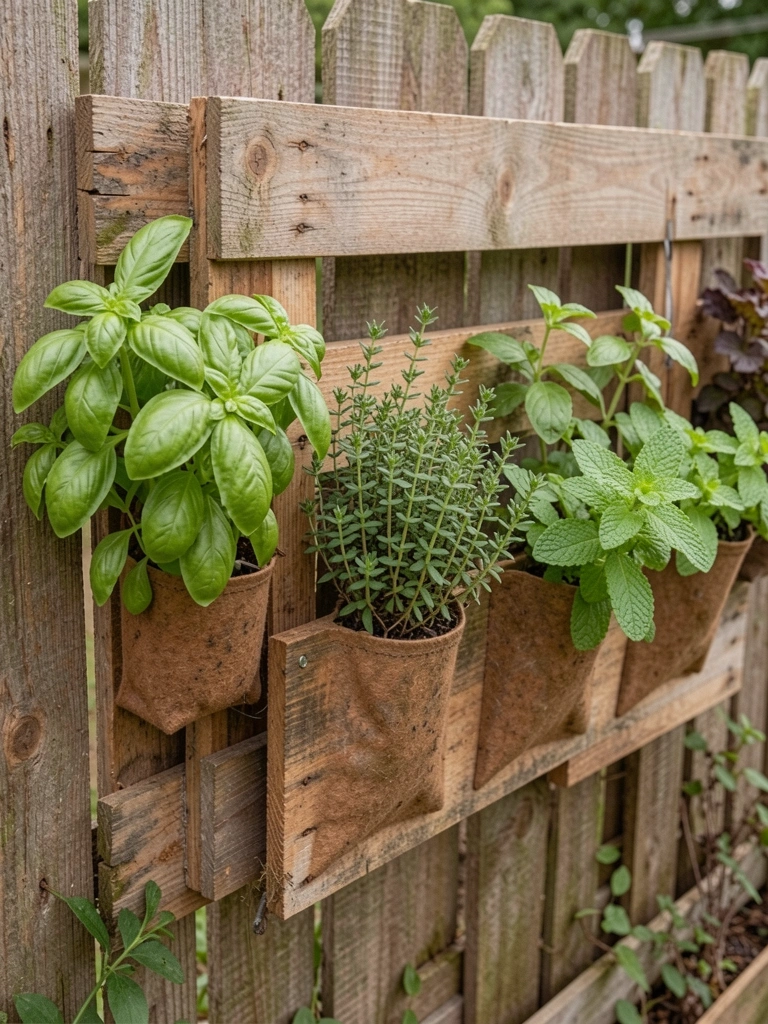
    I mounted wire baskets midway up my fence for basil and thyme. Snip fresh right at counter height—no bending. They greened the slats, filled air with that sharp herb scent after rain.

    Mistake I made first time? Mint in one—it rooted through wire, spread wild. Switched to oregano, stays put.

    Pots drain fast, roots circle happy. Morning sun best.

    What You’ll Need for This Look

    4. Leaning Ladder Shelves Packed with Pots

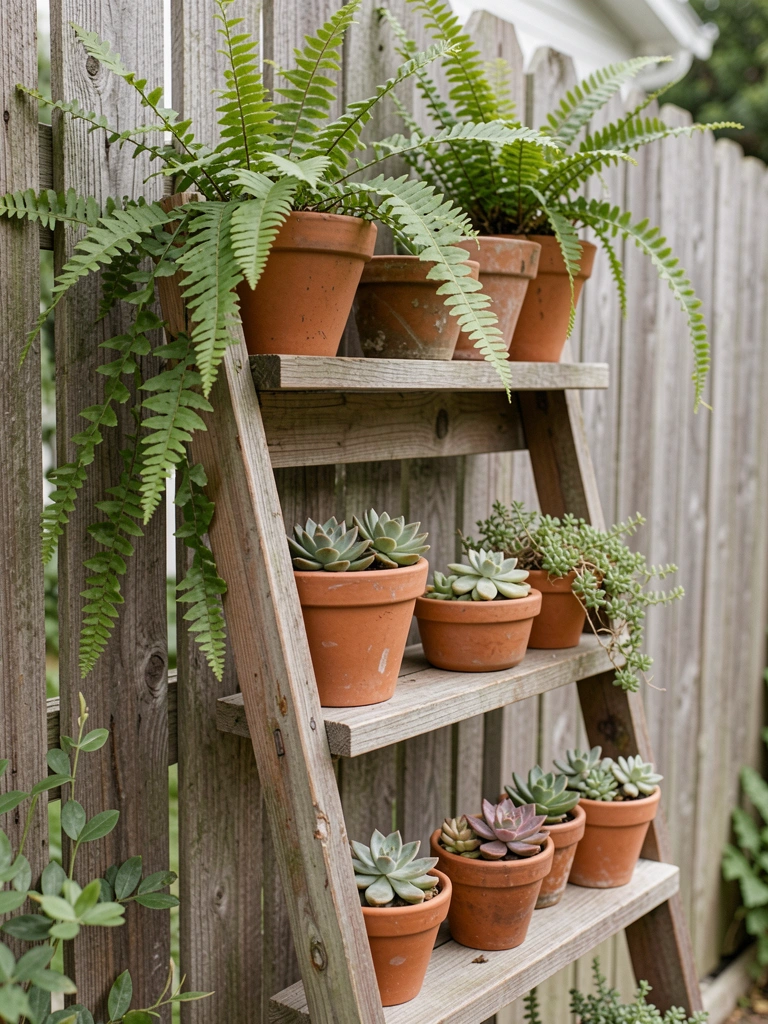
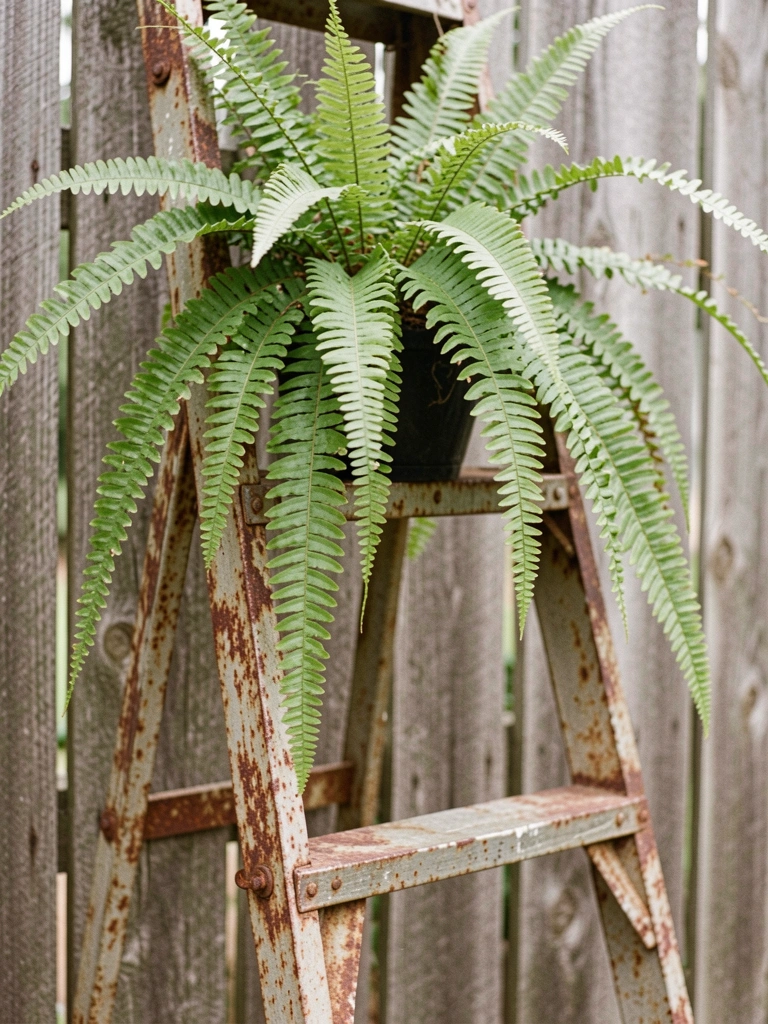
    Old ladder from the shed, leaned against the fence—potted ferns on rungs. It drew the eye up, broke up the flat wood. Moss grew on the ladder feet, felt cozy quick.

    Light filters through leaves now, cools the patio edge.

    Secure the top rung. Mix heights—tall spikes up high.

    What You’ll Need for This Look

    5. Felt Pocket Planters for Trailing Succulents

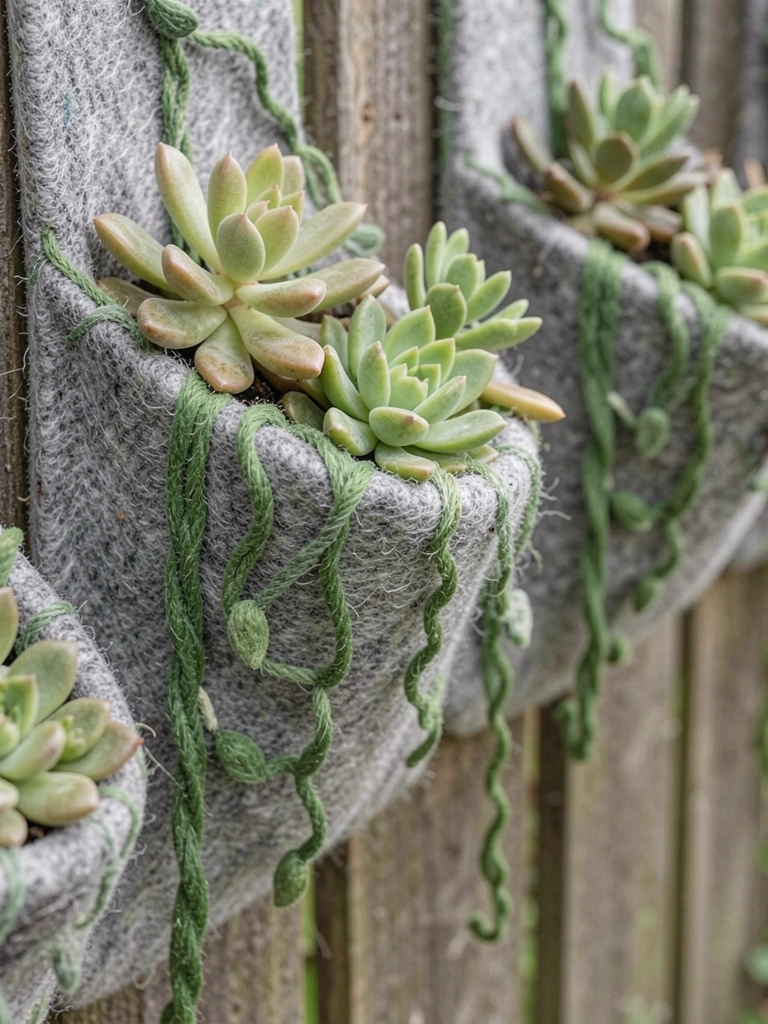
    Stapled felt pockets to my vinyl fence—stuffed with string of pearls. They trailed soft, caught dew like jewels. Fence went from stark to textured green wall.

    Light ones dry slow—perfect for forgetful waterers like me.

    Hang in sun, fill loose.

    What You’ll Need for This Look

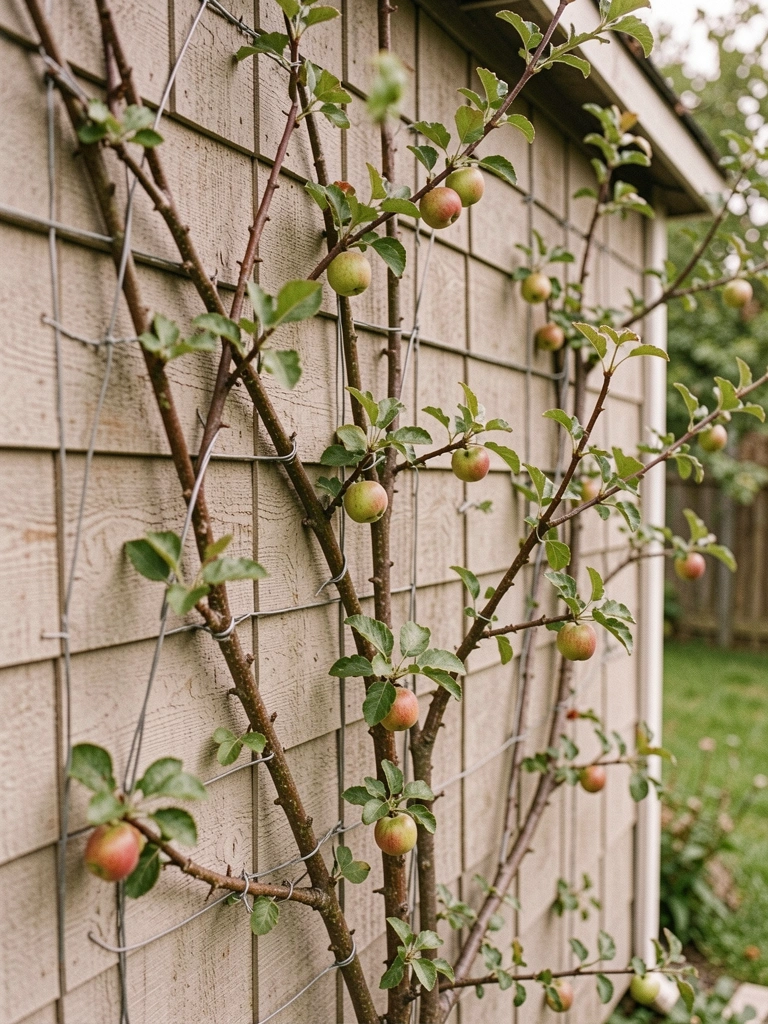
    6. Espaliered Apple Tree for Flat Fruit Wall

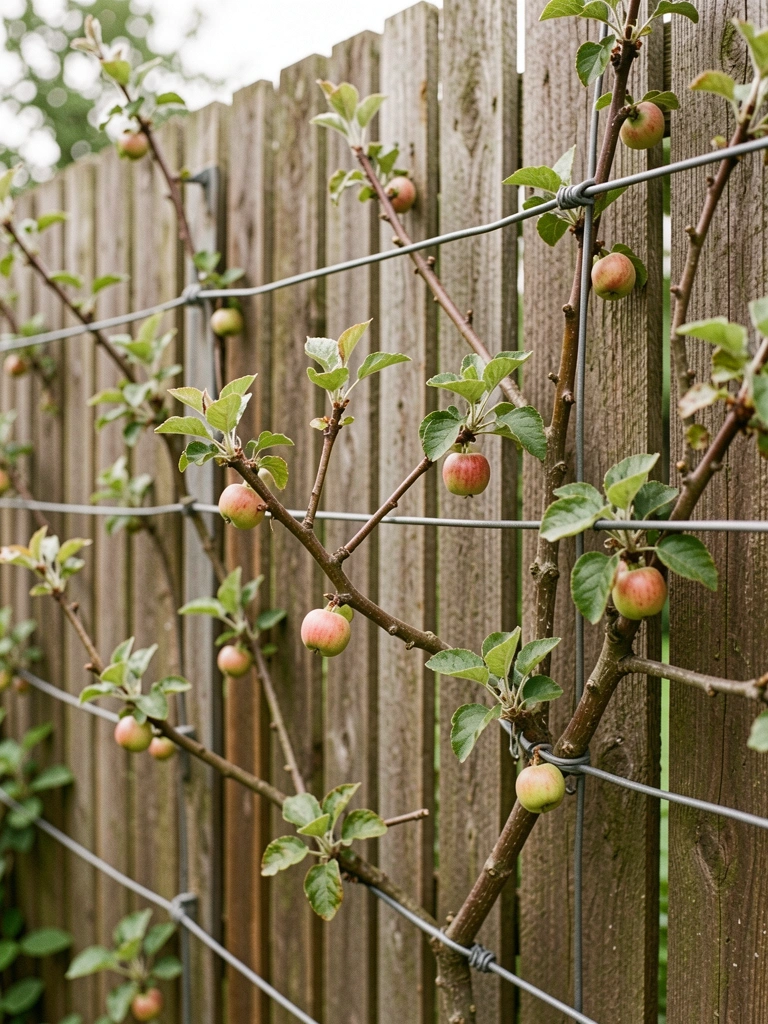
    Wired a dwarf apple against the fence—branches fan out neat. Blossoms pink in spring, apples by fall. It hugs the fence tight, no sprawl.

    Prune yearly keeps shape. Full sun, picks easy.

    What You’ll Need for This Look

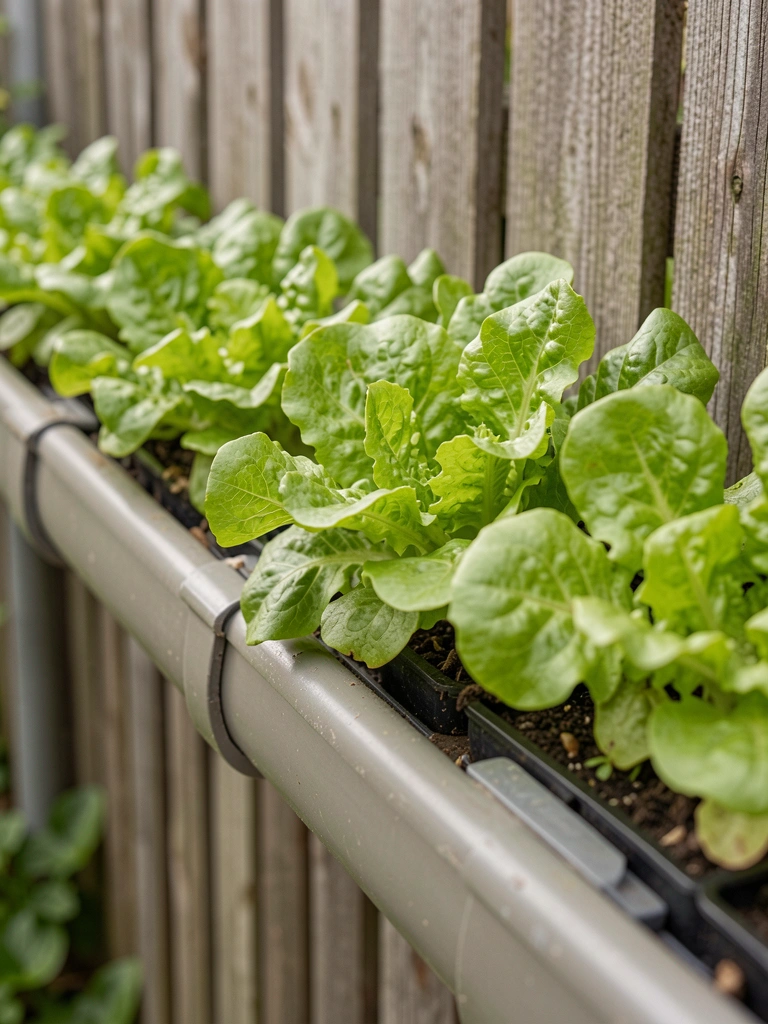
    7. Recycled Gutter Planters Dripping Strawberries

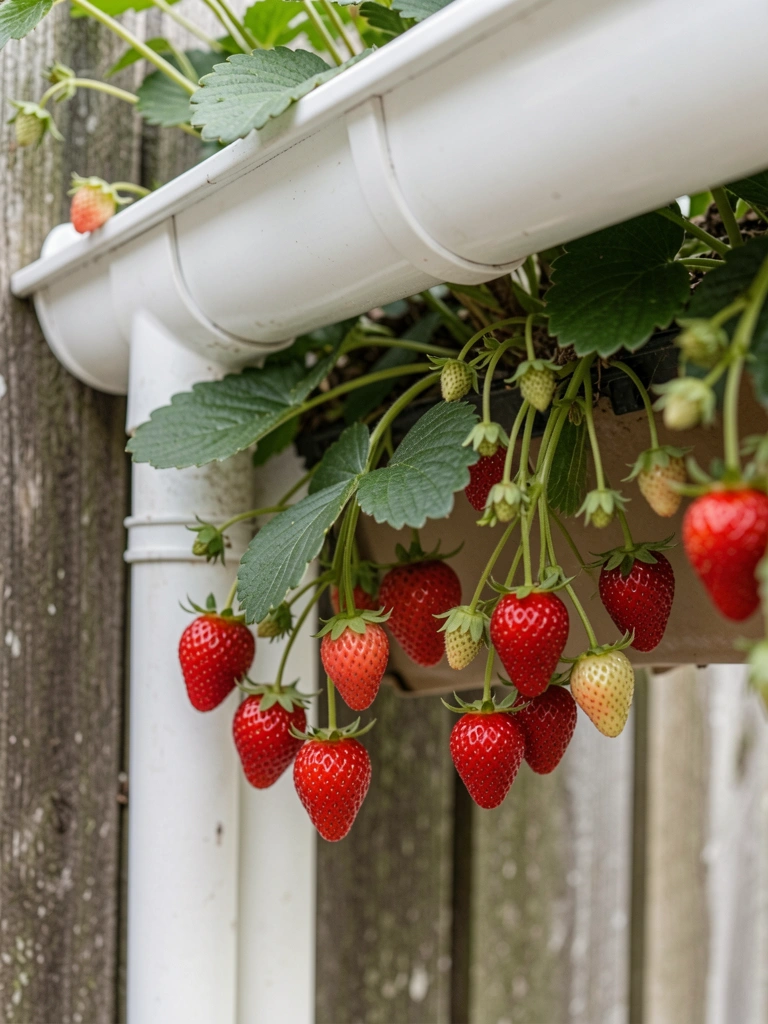
    Screwed old gutters horizontal on the fence—strawberries root in, fruits dangle out. Birds peck some, but plenty for me. Sweet juice on fingers, fence hidden under runners.

    Drain holes key—else roots rot.

    Sun south-facing.

    What You’ll Need for This Look

    8. Pallet Vertical Garden with Mixed Greens

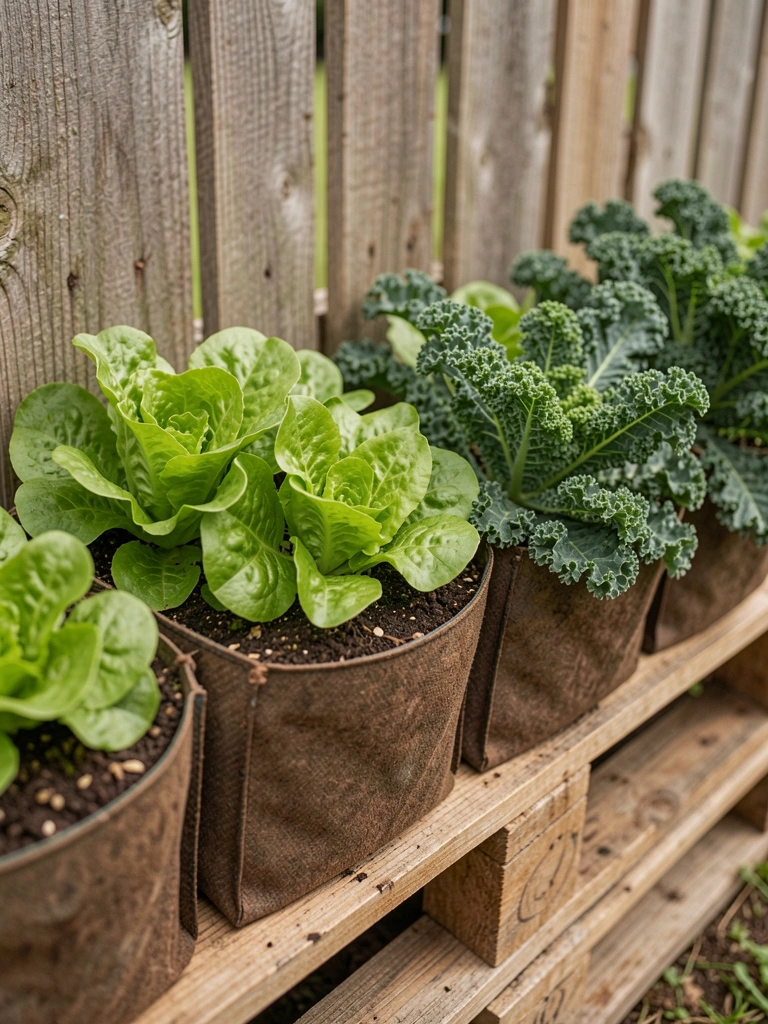
    Lined a pallet with landscape fabric, stapled to fence—filled pockets with lettuce. Harvest layers high, greens crisp. It warmed the wood, felt farm-like.

    Too heavy first try—light soil now.

    What You’ll Need for This Look

    9. Mason Jar Hangers for Basil Bouquets

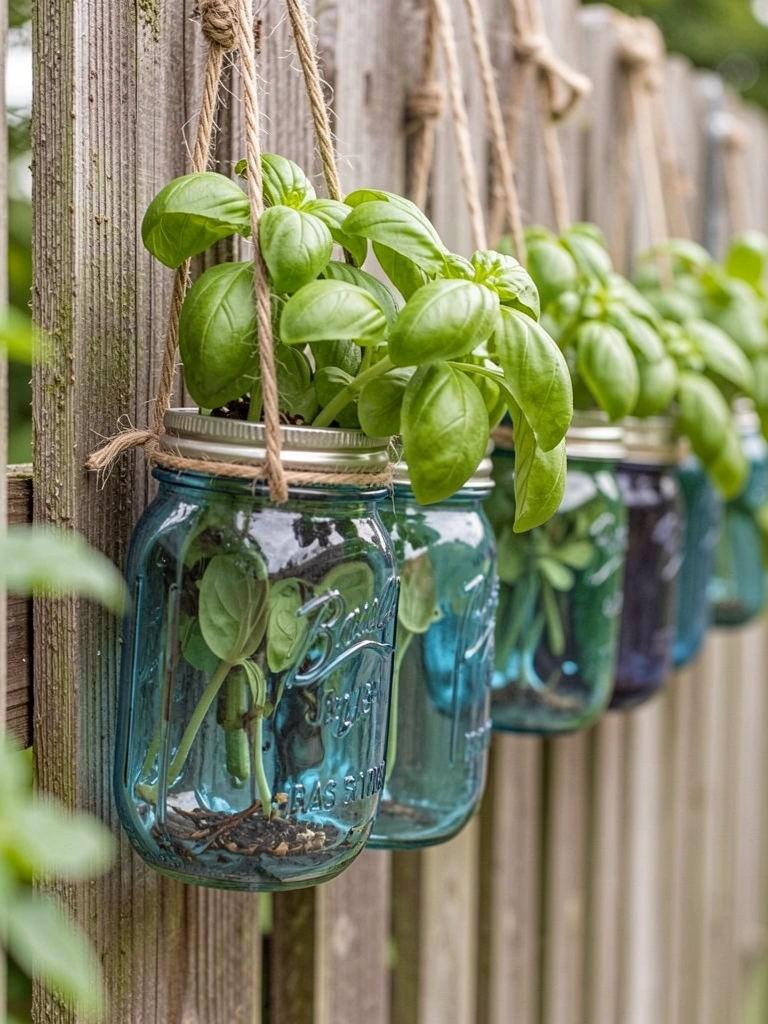
    Hung mason jars with pipe cleaners—basil grows thick inside. Pinch leaves daily, pesto flows. Jars frost the fence rustic.

    Water careful—jars hold moisture.

    What You’ll Need for This Look

    10. Bamboo Pole Teepee Loaded with Peas

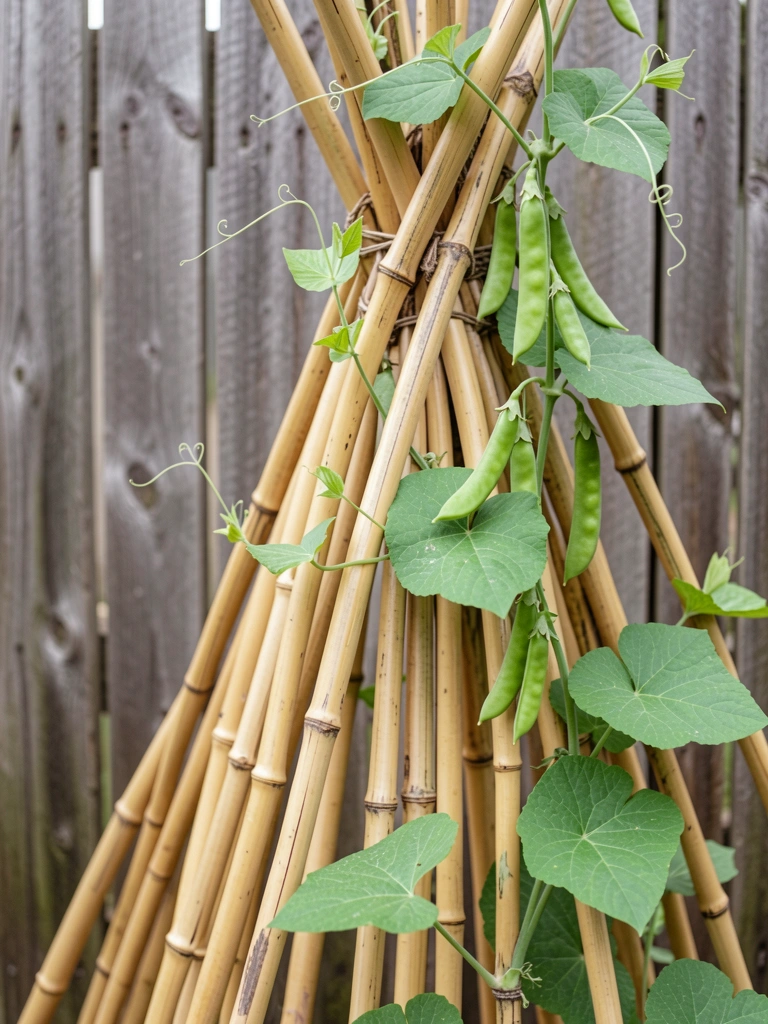
    Bundled bamboo poles teepee-style against fence—sugar snap peas climb eager. Pods snap fresh, vines shade the base. Air smells green-sweet.

    Tie loose, they sway.

    What You’ll Need for This Look

    11. Modular Pocket Panels for Annual Blooms

    Clicked plastic pockets into panels on the fence—annuals bloom nonstop. Easy swap spent ones. Color pops against gray slats.

    Sun all day.

    What You’ll Need for This Look

    12. Vintage Ladder Dripping Ferns

    Rusty ladder leaned in—Boston ferns on each rung. Fronds arch soft, cool the hot fence. Mist daily, they thrive shady.

    What You’ll Need for This Look

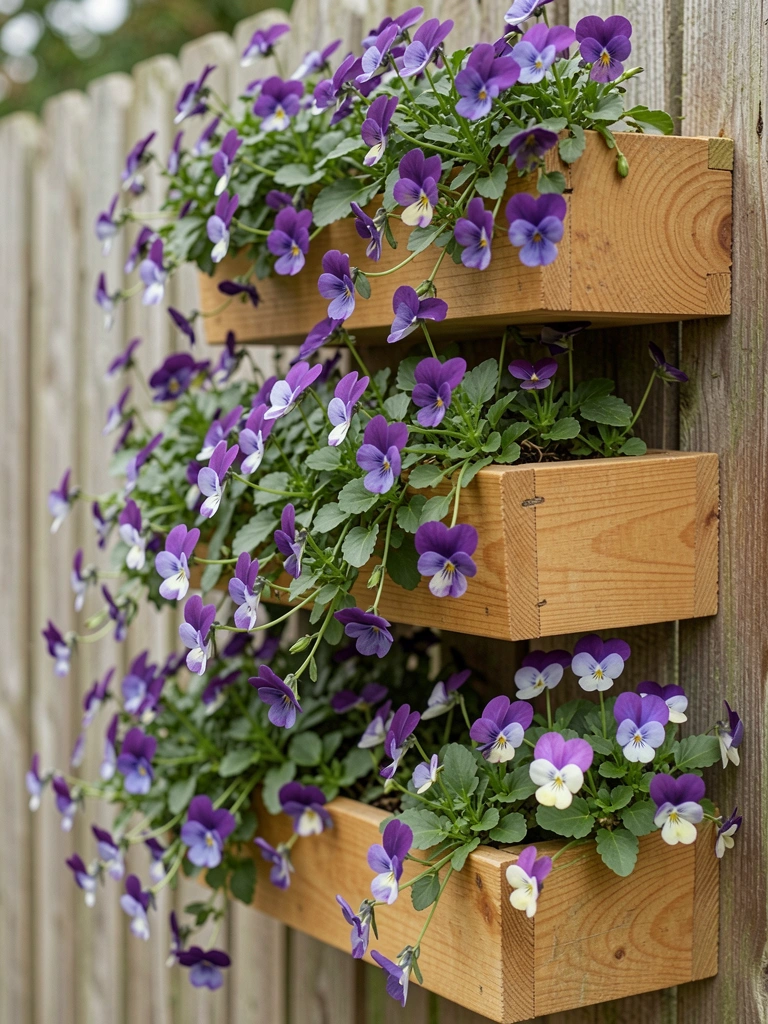
    13. Stacked Flower Boxes Climbing High

    Brackets held cedar boxes stacked—violas tumble down. Fence frames flowers now, smells fresh.

    Level each box.

    What You’ll Need for This Look

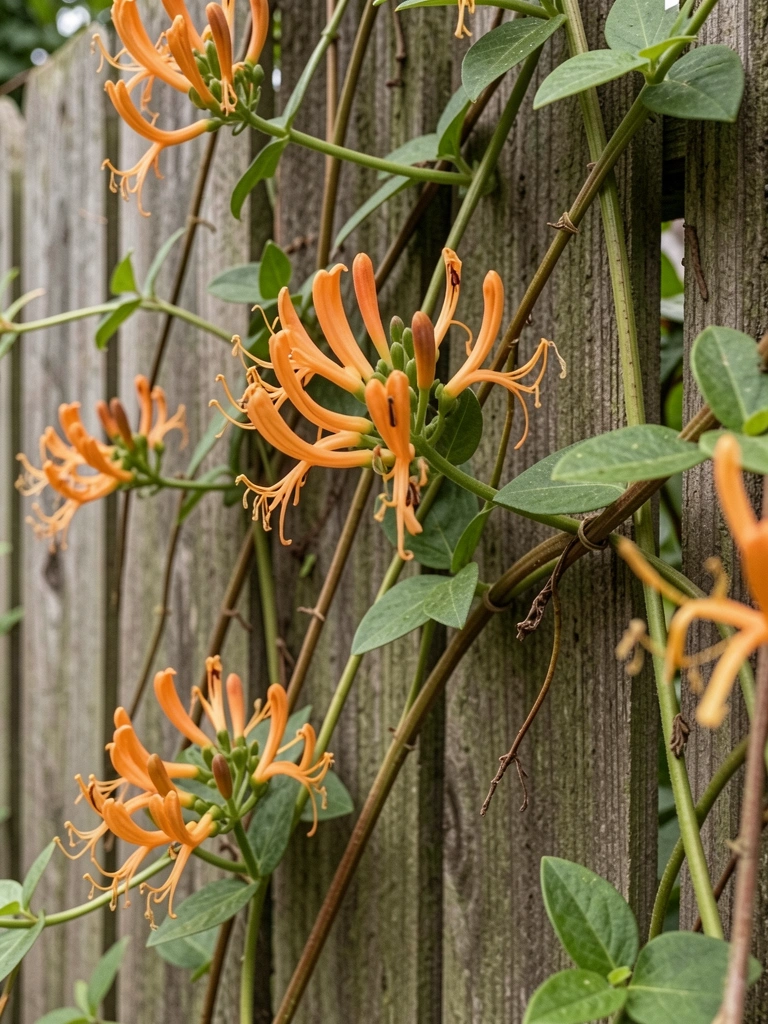
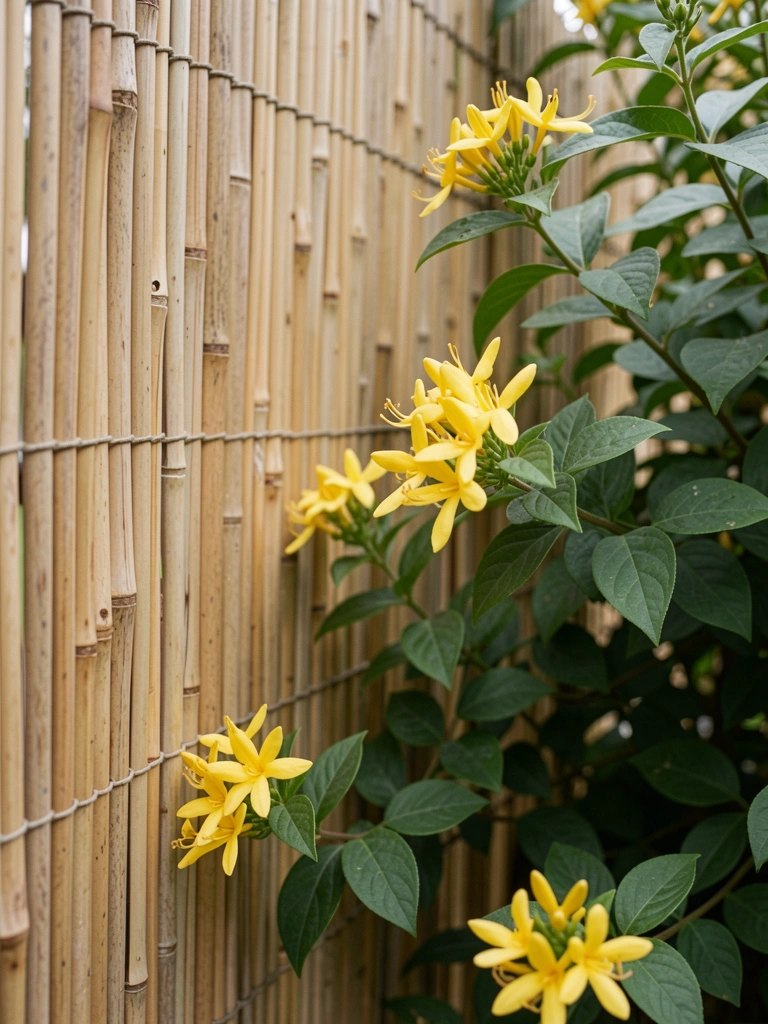
    14. Honeysuckle Vines for Evening Fragrance

    Planted honeysuckle base of fence—vines knit tight cover. Evenings hum with scent, bees sleep in.

    Train early.

    What You’ll Need for This Look

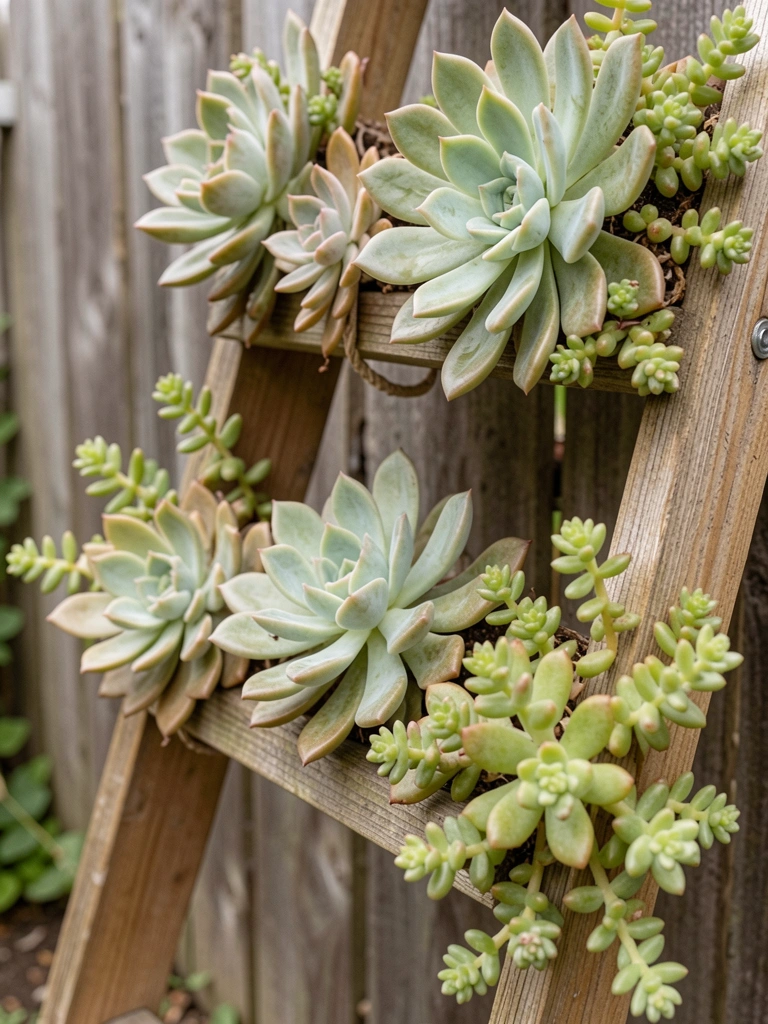
    15. Succulent Ladder in Full Sun

    Ladder shelves succulents—rosettes glow hot sun. Textures mix, dry clean.

    What You’ll Need for This Look

    I overwatered once—let dry now.

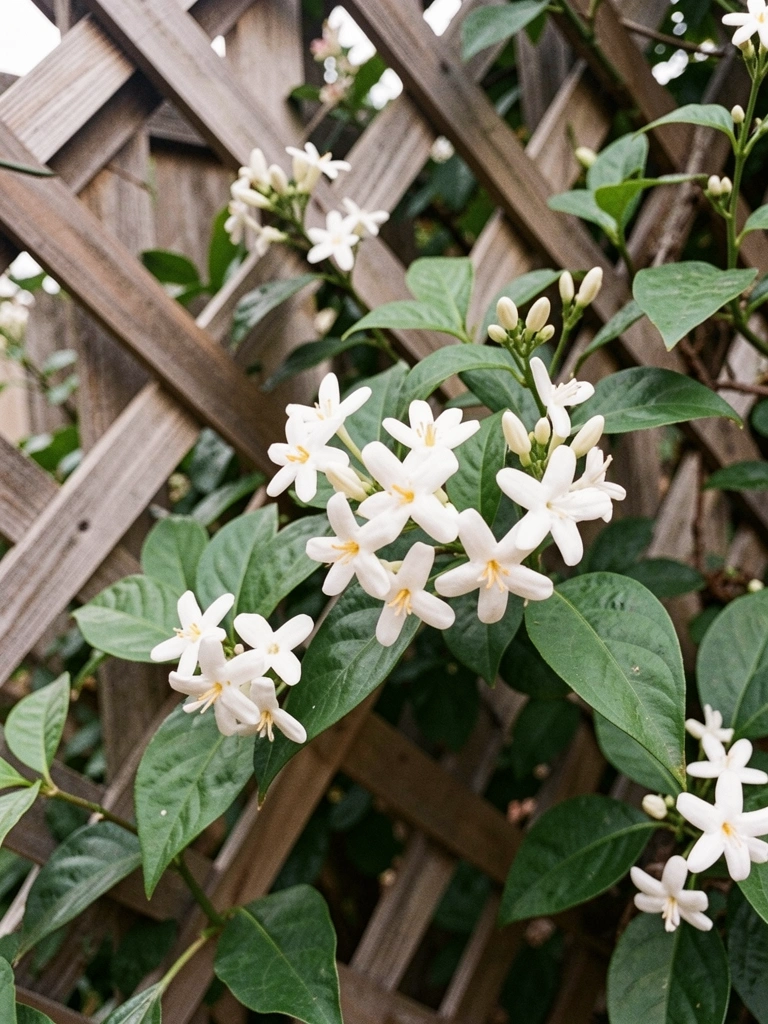
    16. Jasmine Lattice for Privacy Whisper

    Lattice screwed on, jasmine climbs—blooms perfume soft. Neighbors fade behind.

    What You’ll Need for This Look

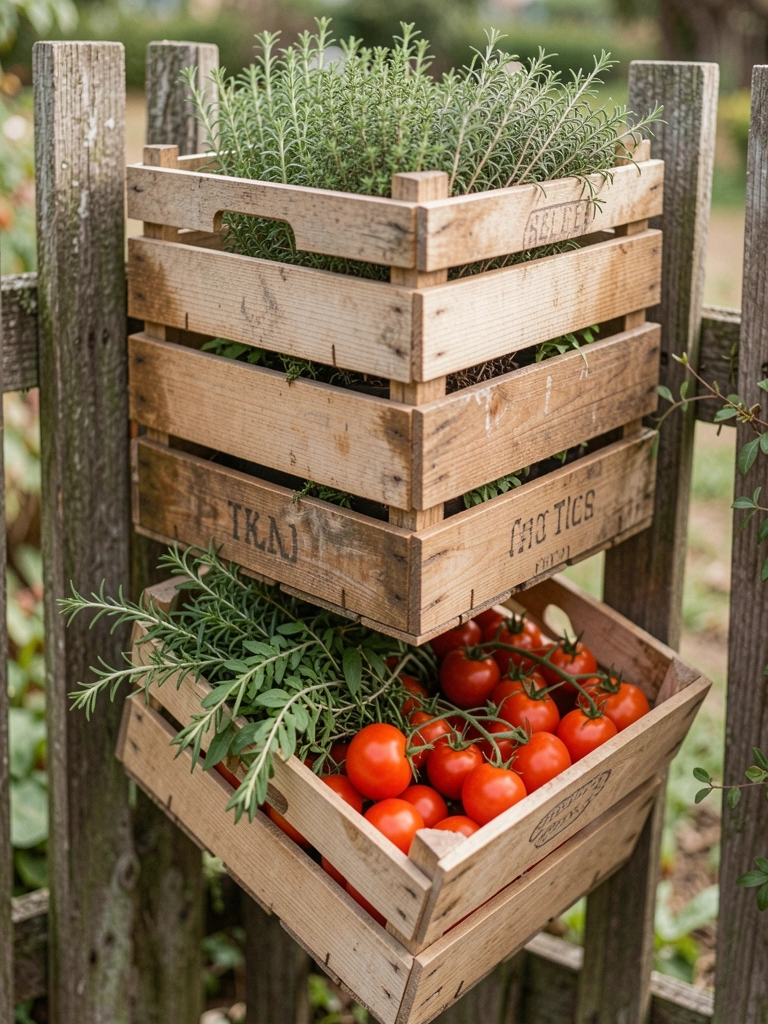
    17. Crate Stack for Kitchen Veggies

    Milk crates stacked, lined—cherry tomatoes ripen close. Pick easy.

    Line fabric.

    What You’ll Need for This Look

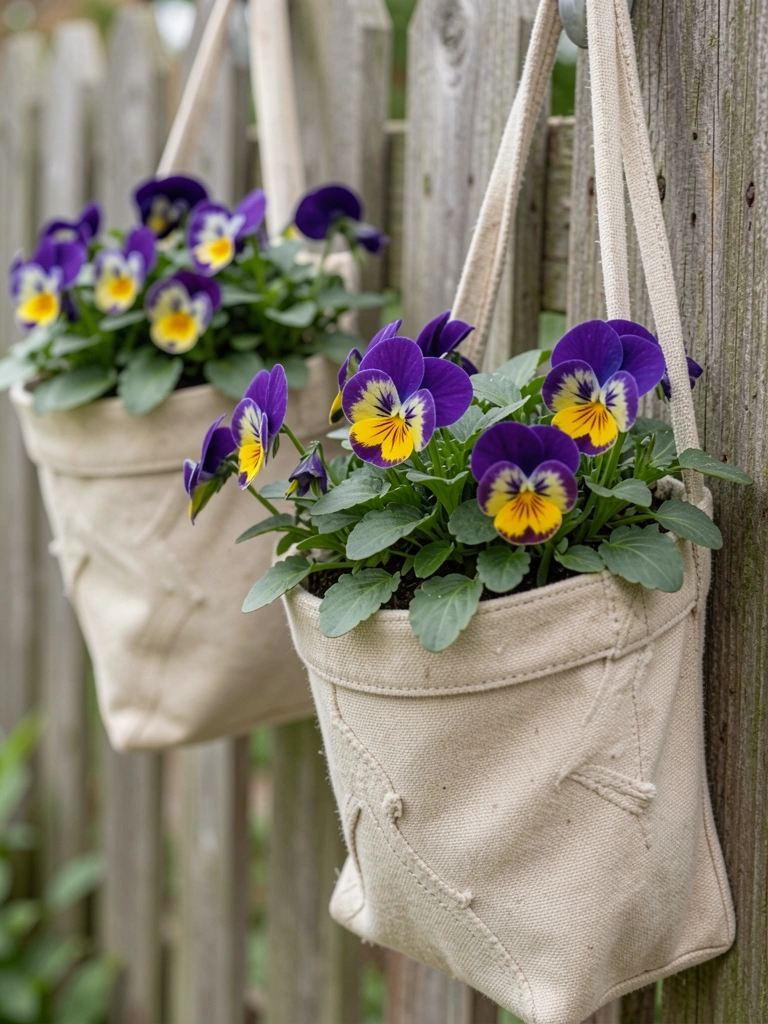
    18. Fabric Hanging Planters Full of Pansies

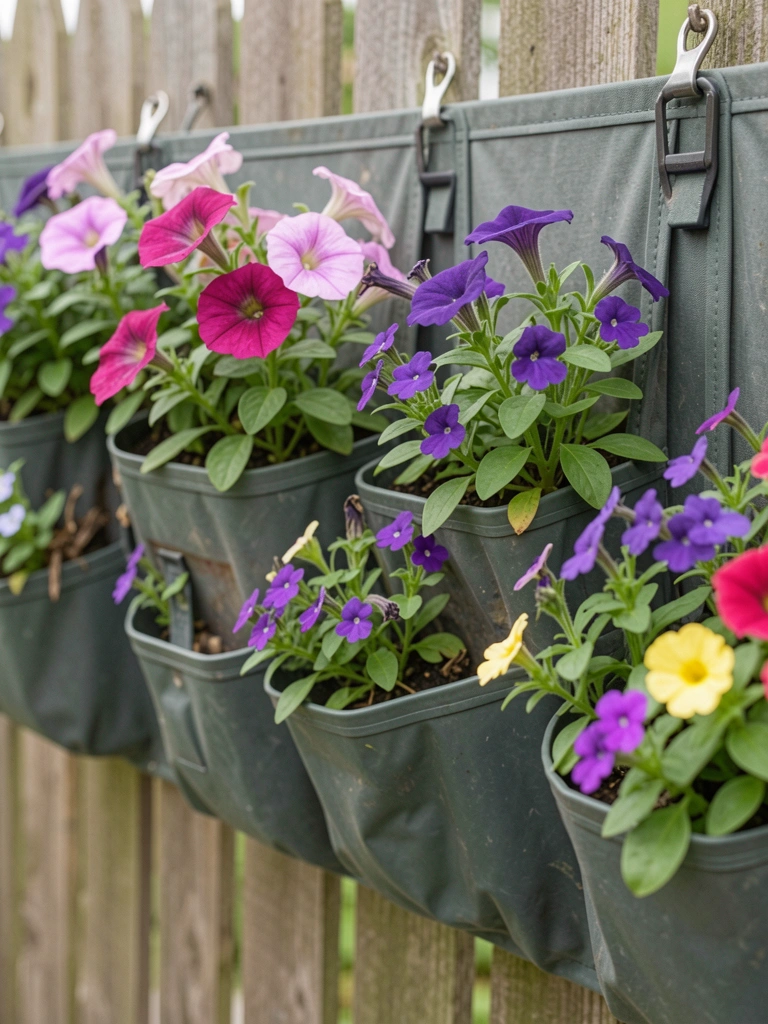
    Canvas bags hooked high—pansies face colors out. Soft sway.

    What You’ll Need for This Look

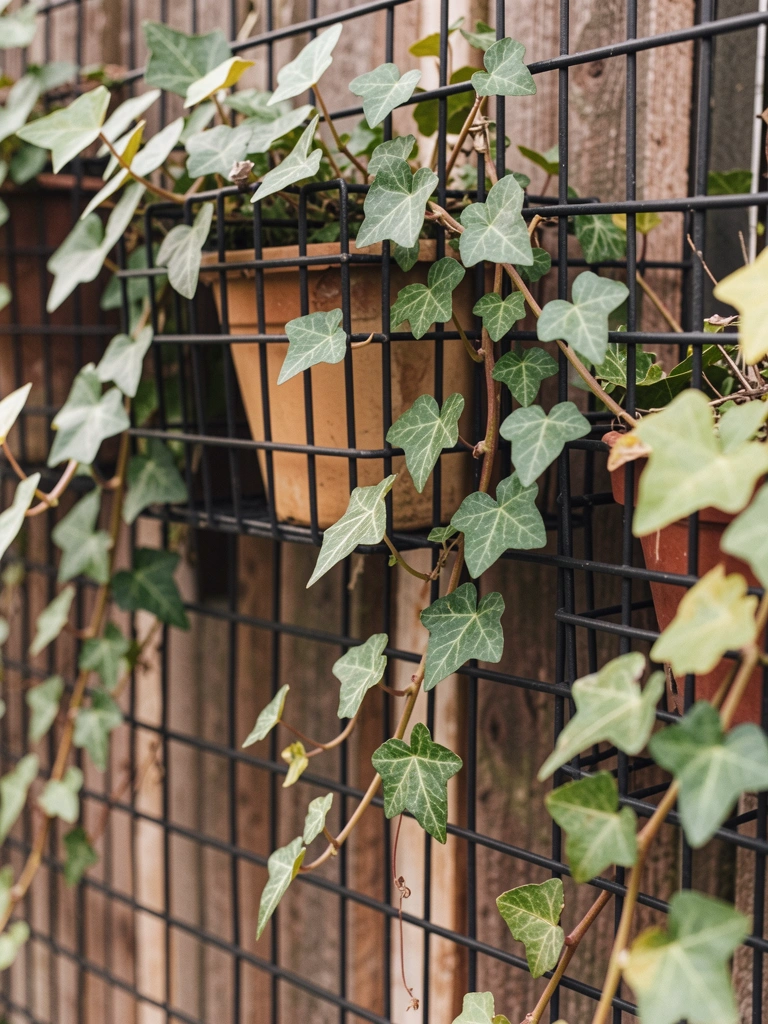
    19. Metal Grid with Trailing Ivies

    Grid bolted, pots tucked—ivy drapes full.

    What You’ll Need for This Look

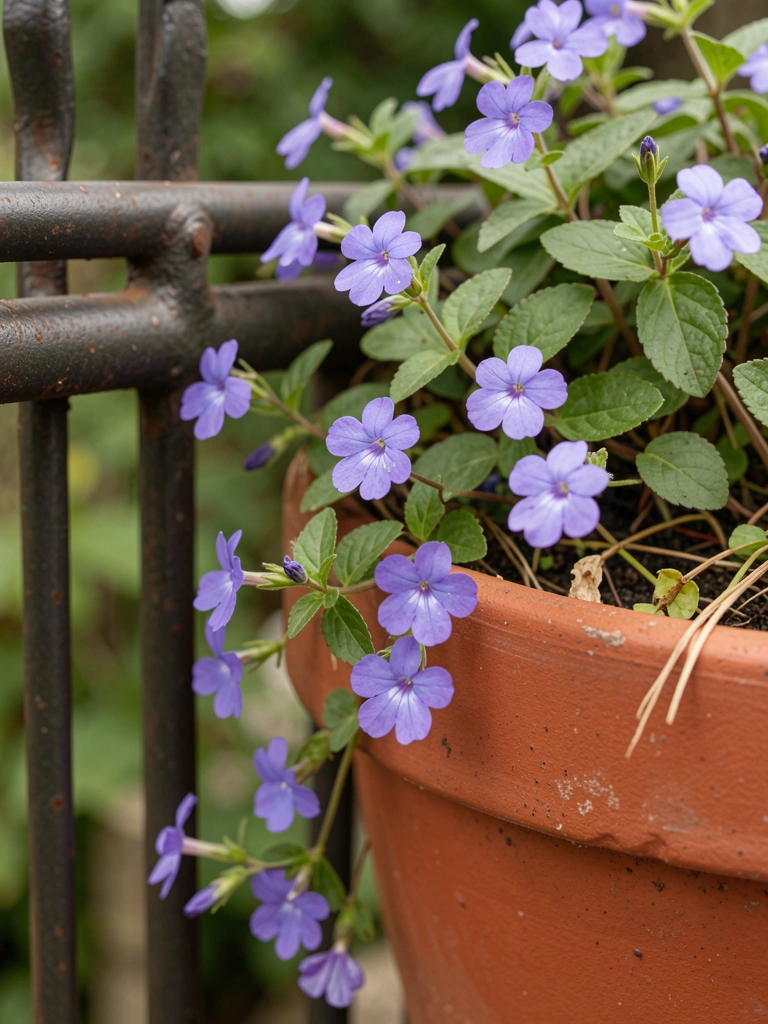
    20. Fence-Top Pot Rail Overflowing

    Rail screwed atop fence—pots hang over. Blooms spill.

    Secure tight.

    What You’ll Need for This Look

    21. Gutter Greens for Salads

    Gutters side-by-side—lettuce layers harvest.

    What You’ll Need for This Look

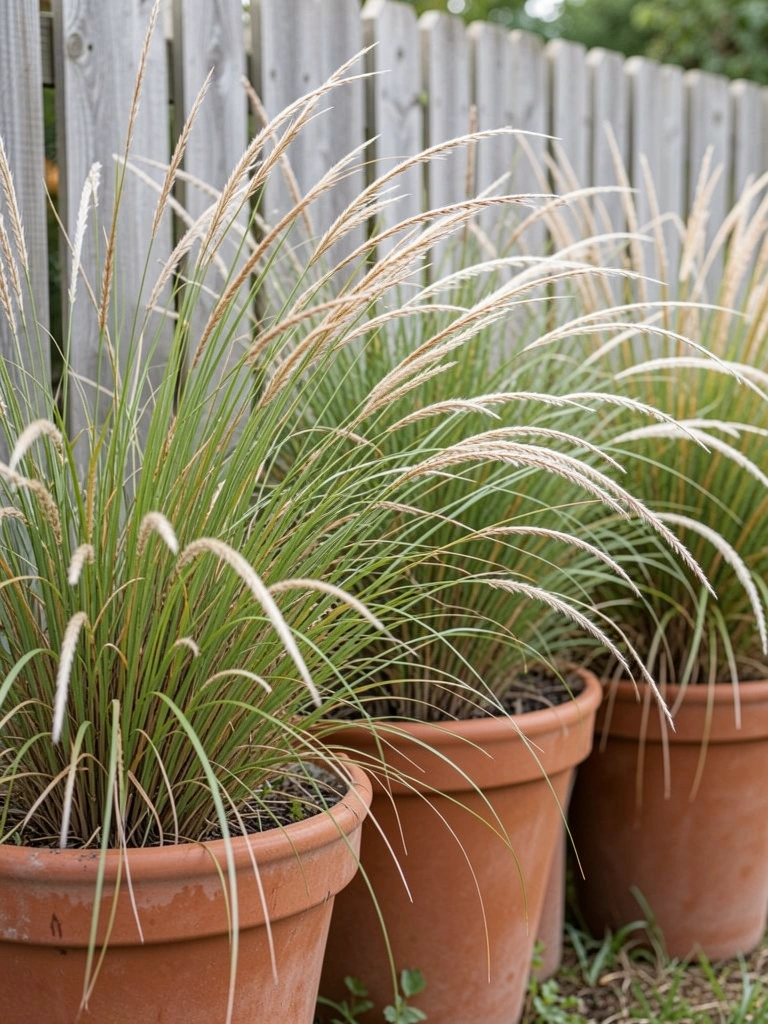
    22. Tall Grass Pots in Clusters

    Clustered tall pots—grasses rustle wind.

    Winter interest.

    What You’ll Need for This Look

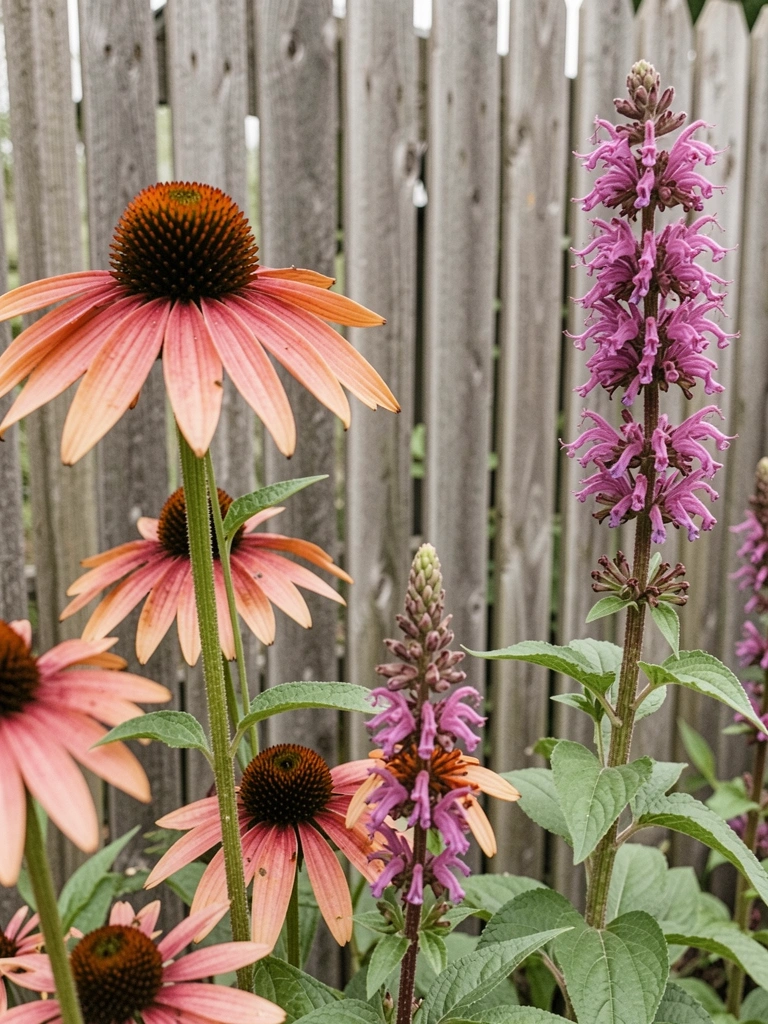
    23. Wildflower Poles for Pollinators

    Poles with cups—wildflowers draw butterflies. Meadow feel.

    What You’ll Need for This Look

    Mistake: too many seeds first—thin now.

    Final Thoughts

    Start with two or three ideas that match your light and time. My fences took years to fill right—yours will too, natural. They'll green up quiet, make the yard yours. You've got this. Plant one today.
  • 17 Smart Backyard Garden Ideas Small Spaces That Work

    17 Smart Backyard Garden Ideas Small Spaces That Work

    I squeezed my first garden into a 10×10 backyard patch. Overgrown grass fought every shovel. Then I started small—pots here, a trellis there. Years later, it feels like an extra room. You don't need acres. These ideas fit tight spots and grow with you.
    No perfection. Just plants that thrive where you are.

    17 Smart Backyard Garden Ideas Small Spaces That Work

    Here are 17 backyard garden ideas for small spaces that I've tried myself. They make tight yards feel open and alive. No big budgets or endless work.

    1. Layered Container Planting That Fills a Bare Patio Corner

    I stacked pots on my back steps once. Started with three, but they looked sparse. Added a fourth with trailing lobelia—suddenly, the corner hugged the space. Colors pop without ground clutter. It draws your eye up, making the patio twice as deep.

    Wind knocked one over early on. Chose lighter metal ones after. Now it's low fuss, blooms all summer.

    Watch soil drainage. Group by height: tall grasses back, spillers front.

    Feels cozy, like sitting in a secret grove.

    What You’ll Need for This Look

    2. Vertical Herb Wall That Saves Every Inch of Fence

    My fence was blank slate. Nailed up a pallet, stuffed pockets with herbs. Chives up top, oregano low. Fresh picks steps from the door. Smells hit you cooking outside.
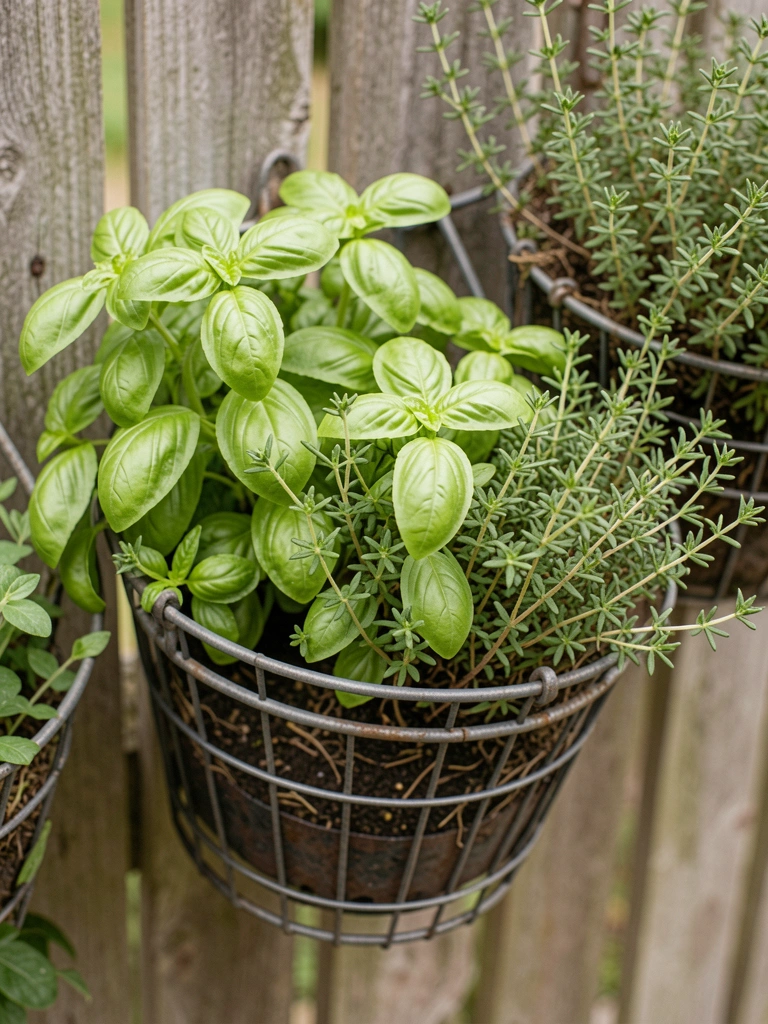
    Overwatered once—roots rotted. Now I check soil with a finger daily.

    Picks up morning sun best. Herbs fill out fast, block nosy neighbors too.

    What You’ll Need for This Look

    3. Corner Trellis Climbers That Stretch Your Yard Visually

    Tucked a trellis in my side corner. Planted pole beans—they raced up. Green curtain hides the fence, pulls sightlines back. Yard feels longer.

    Bought fancy clematis first. Died in shade. Switched to sun-lovers.

    Anchor deep. Vines shade the bench below come July.

    What You’ll Need for This Look

    4. Succulent Ladder That Turns Walls Into Gardens

    Leaned an old ladder against the shed. Wedged pots in rungs—succulents everywhere. Dry spell? They laugh it off. Adds texture without dirt piles.

    Rungs wobbled first time. Secured with zip ties.

    South-facing works best. Dust leaves monthly for shine.

    What You’ll Need for This Look

    5. Hanging Basket Cascade for Overhead Greenery

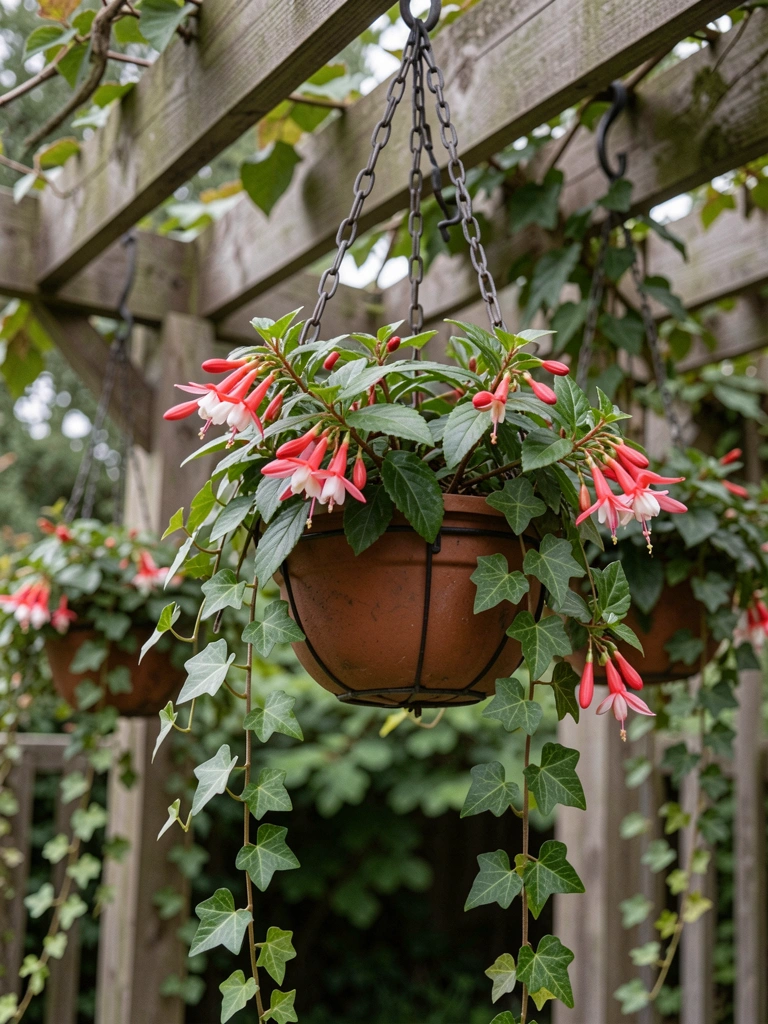
    Hung baskets from my patio cover. Fuchsias dangle like jewels. Shade cools the table below, flowers sway in breeze.

    Heavy rain dumped one. Added saucers now.

    Chain lengths vary—tallest center. Water from bottom up.

    What You’ll Need for This Look

    6. Narrow Raised Bed Hugging the Back Fence

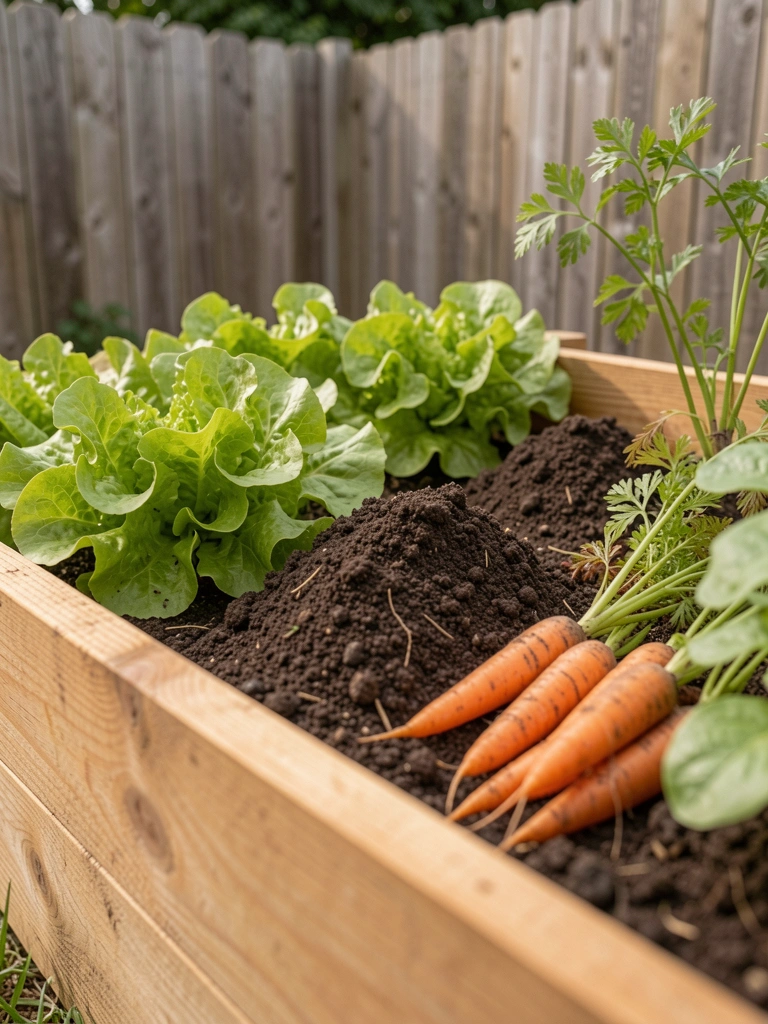
    Built a skinny bed against the fence. 18 inches wide—veggies stack neat. Carrots pull easy, no bending.

    Wood warped first year. Treated it better next.

    Full sun edge. Mulch tops keep weeds down.

    What You’ll Need for This Look

    7. Pocket Planter Fence That Grows Strawberries Year-Round

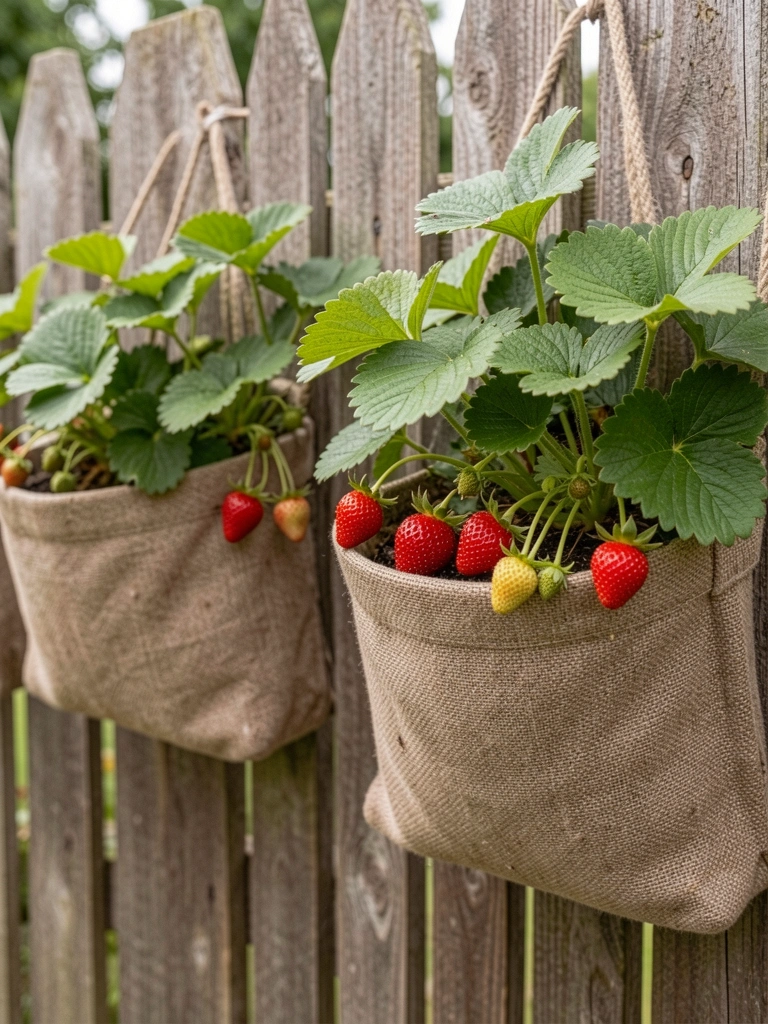
    Screwed pockets to the fence. Strawberries tumble out. Easy reach, no stepping stones.

    Birds stole first crop. Netting fixed it.

    Morning sun only. Trim runners to focus fruit.

    What You’ll Need for This Look

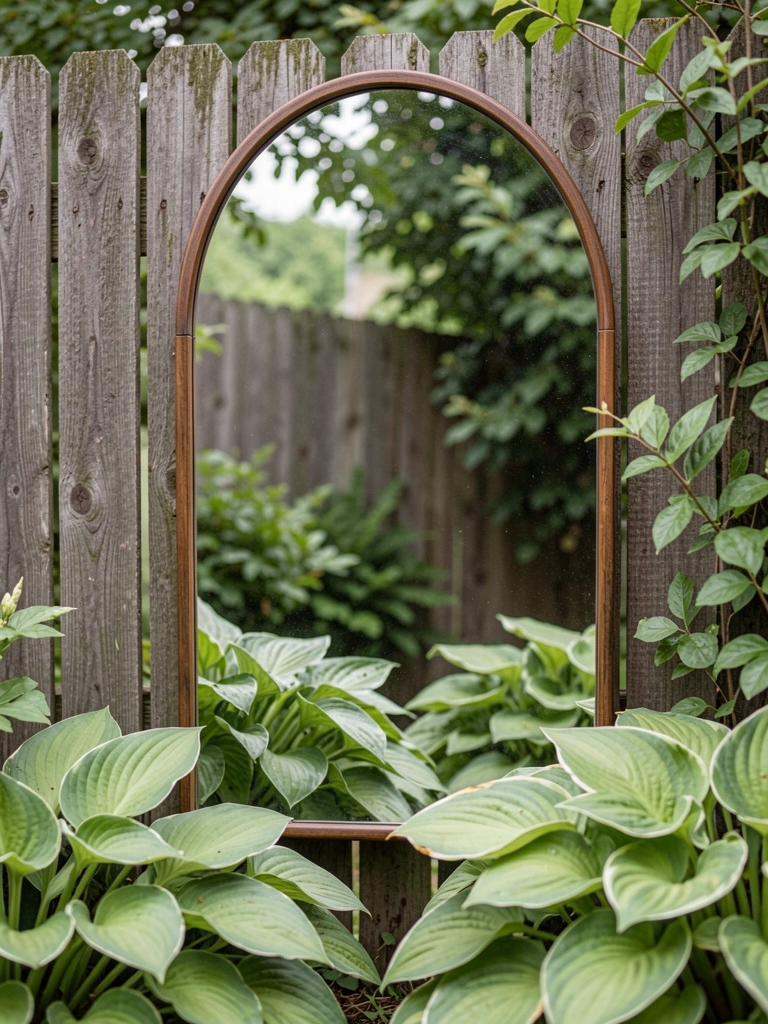
    8. Garden Mirror Trick That Doubles Your Space

    Propped a mirror on the fence. Reflects my flower bed—yard looks endless. Hostas frame it soft.

    Glare blinded at first. Angled it down.

    Hide behind plants. Wipe smudges weekly.

    What You’ll Need for This Look

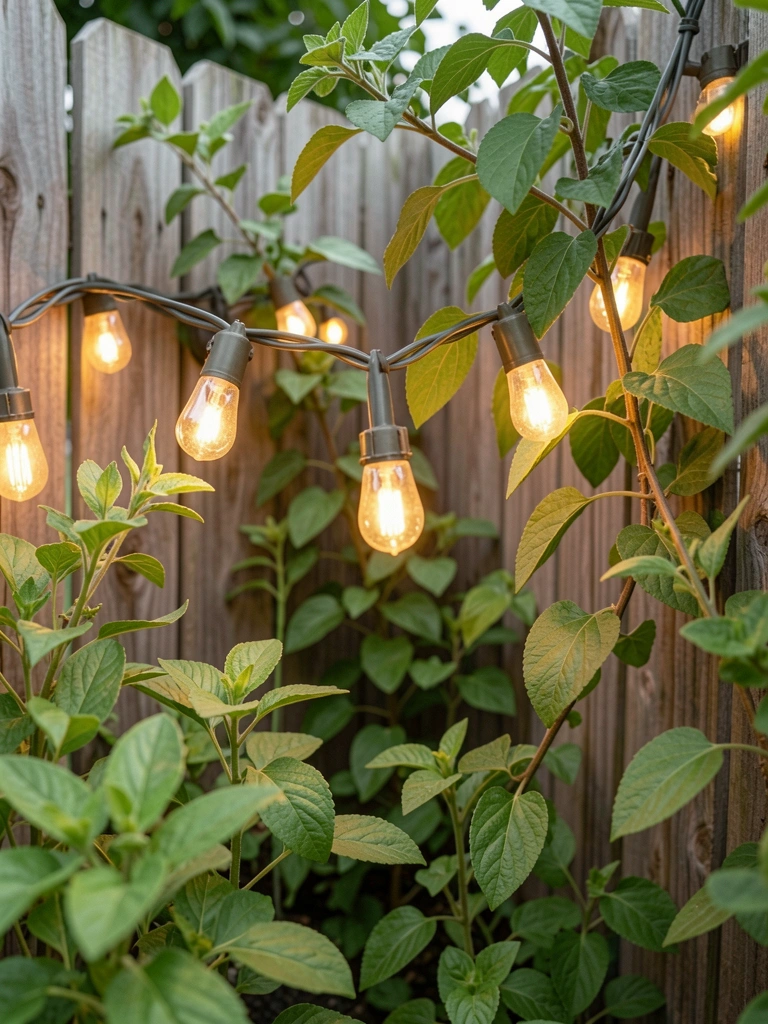
    9. Solar String Lights Draped for Nighttime Depth

    Draped lights over fences. Night garden glows, shadows play deep. Extends evening hours.

    Batteries failed cheap ones. Solar lasts seasons.

    Test paths first. Tuck in vines.

    What You’ll Need for This Look

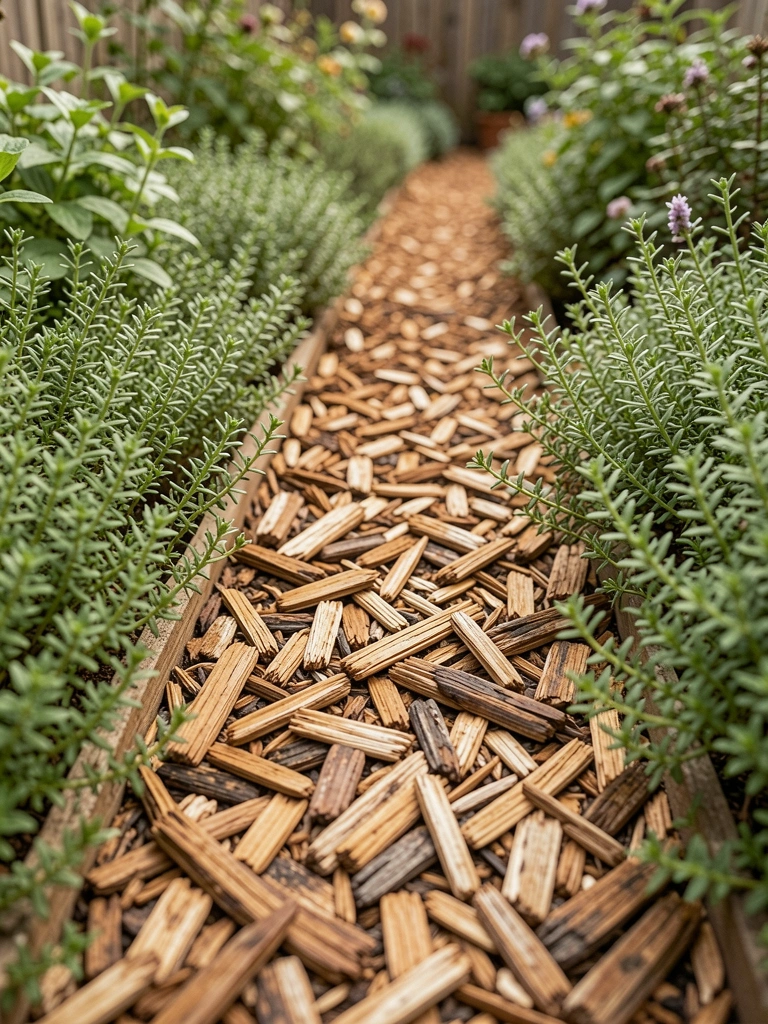
    10. Mulch Path with Edible Borders

    Laid mulch path, edged with thyme. Guides feet, smells good crushed. No mud after rain.

    Path wandered too wide once. Narrowed to two feet.

    Rake monthly. Herbs spread slow.

    What You’ll Need for This Look

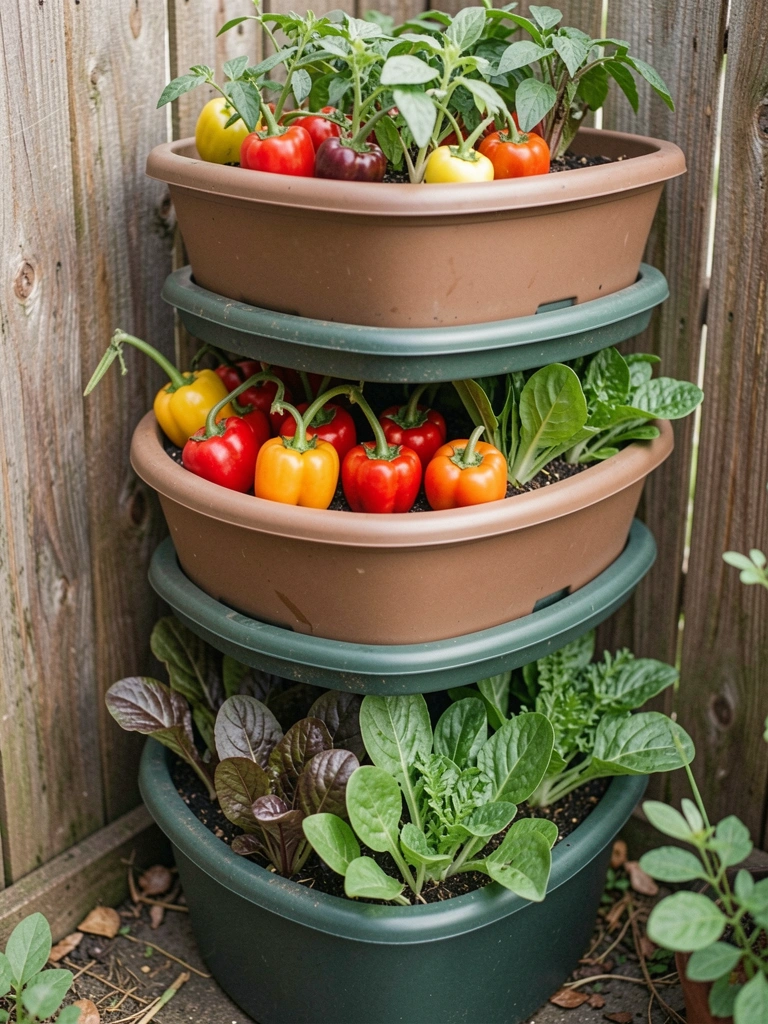
    11. Stackable Planters for Towering Veggies

    Stacked planters for peppers. Harvest at every level. Saves floor space.

    Toppled in wind. Weighted bottoms.

    Drain holes align. Rotate for sun.

    What You’ll Need for This Look

    12. Birdhouse Nook with Native Flowers

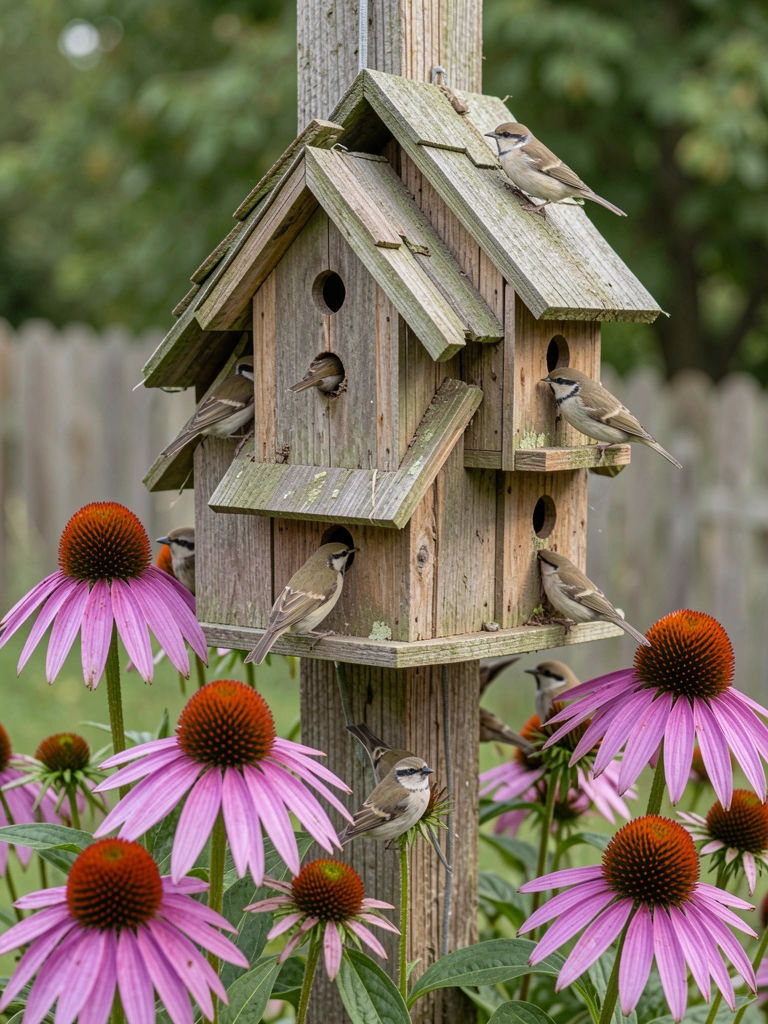
    Clustered birdhouses on a post, flowers below. Birds nest, bees buzz. Life everywhere.

    Wrong seeds first—no birds. Natives draw them.

    Quiet corner best. Clean houses yearly.

    What You’ll Need for This Look

    13. Pollinator Window Box Overflow

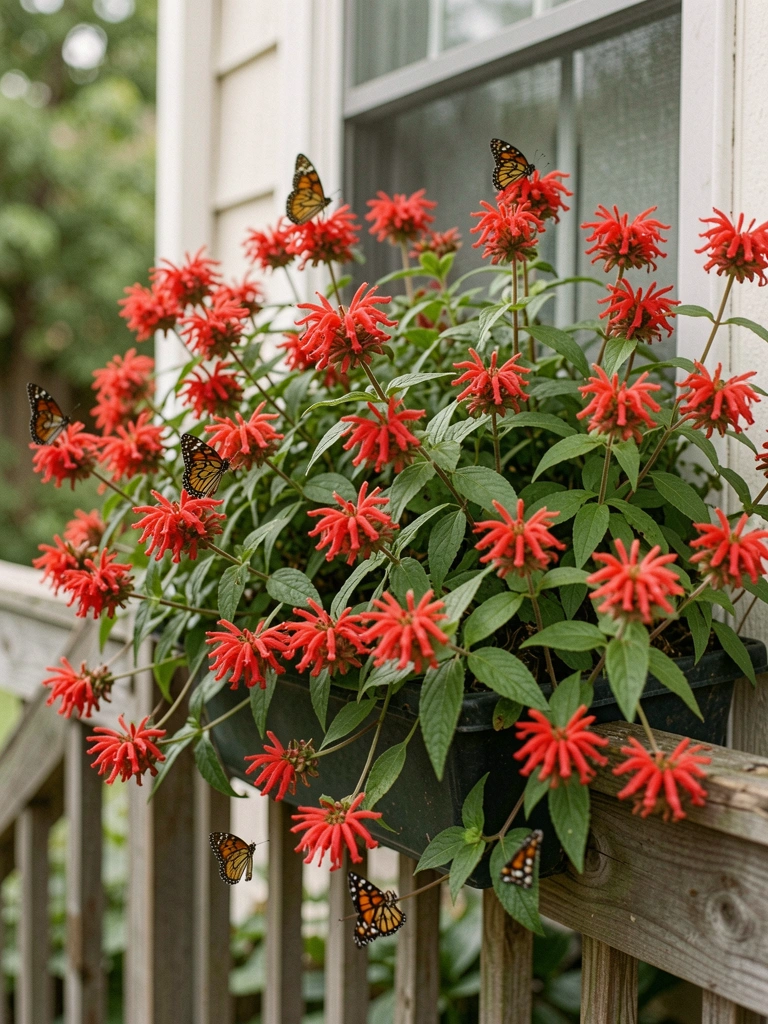
    Mounted boxes on rails. Bee balm pulls pollinators. Hummingbirds dart close.

    Bloomed late once. Deadheaded early.

    South rail sun. Overflow trailers.

    What You’ll Need for This Look

    14. Pea Gravel Patio with Buried Pots

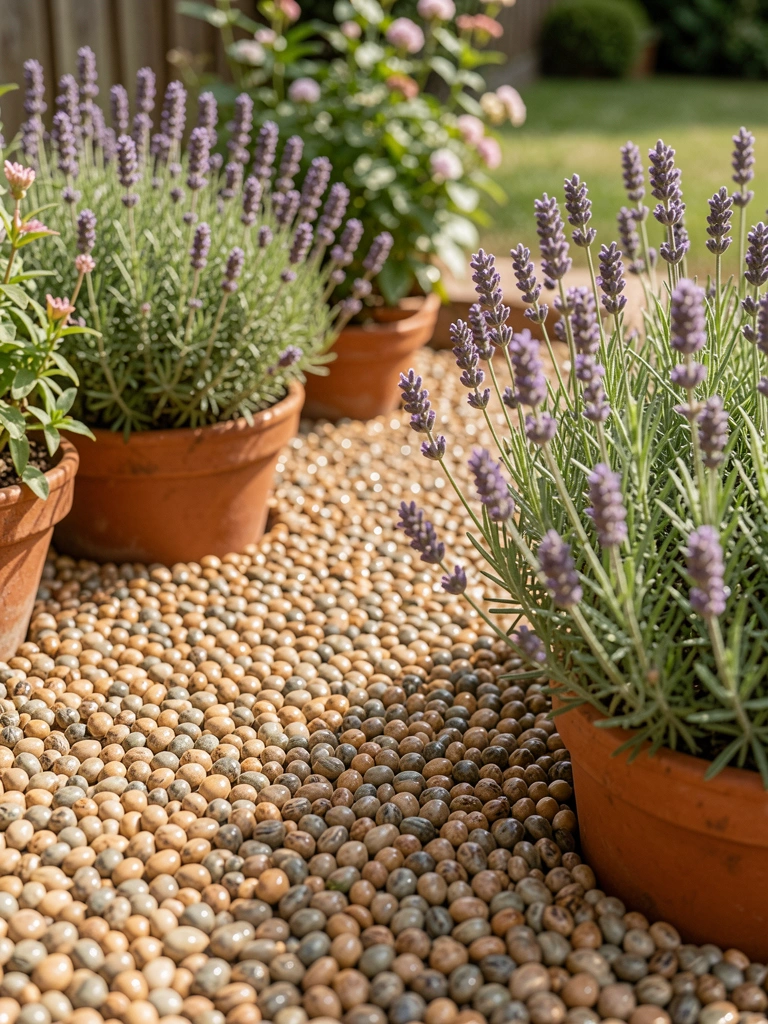
    Spread gravel, sank pots in. Lavender scents the sit-spot. Drains fast.

    Weeds snuck early. Landscape cloth under.

    Rake smooth. Pots match gravel tone.

    What You’ll Need for This Look

    15. Under-Deck Hanging Garden

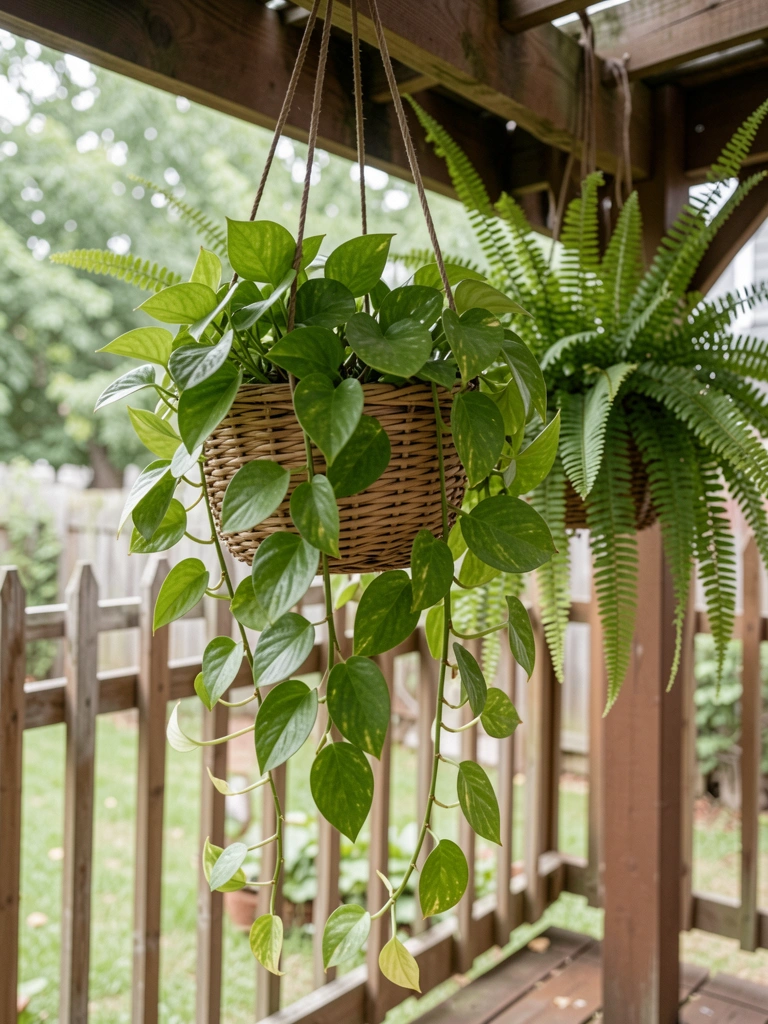
    Hung pots under deck. Pothos thrives in dappled light. Green curtain from below.

    Drip hit chairs. Higher hooks now.

    Moist soil key. Mist leaves.

    What You’ll Need for This Look

    16. Bamboo Screen with Climbing Vines

    Rolled bamboo screen up fence. Honeysuckle climbs quick. Privacy with scent.

    Vines overgrew. Prune yearly.

    Tie starters loose. Grows fast.

    What You’ll Need for This Look

    17. Espalier Fruit Tree Against the Shed

    Wired an apple into espalier on the shed. Flat, loaded fruit. Fits tight.

    Pruned wrong first—sparse. Learned fanshape.

    Wire loose. South wall sun.

    What You’ll Need for This Look

    Final Thoughts

    Pick one or two ideas that fit your light and time. My small yard bloomed slow—yours will too. Start simple. Watch what grows. You'll end up with a spot that feels like home. You've got this.