Category: Backyard

  • 13 Peaceful Backyard Garden Ideas With Pond For Relaxing

    13 Peaceful Backyard Garden Ideas With Pond For Relaxing

    I dug my first backyard pond on a whim one spring. The soil was heavy clay, and water just sat there, drawing dragonflies by afternoon.

    That quiet ripple changed everything. No more staring at blank grass.

    Now, after years of tweaking, I get why ponds pull you in. They slow time down.

    13 Peaceful Backyard Garden Ideas With Pond For Relaxing

    These 13 ideas come from my own yard trials. Each one centers a pond for calm. You'll see exactly what worked, what to grab, and how it feels in real life.

    1. Bubbling Corner Pond Tucked Against the Fence
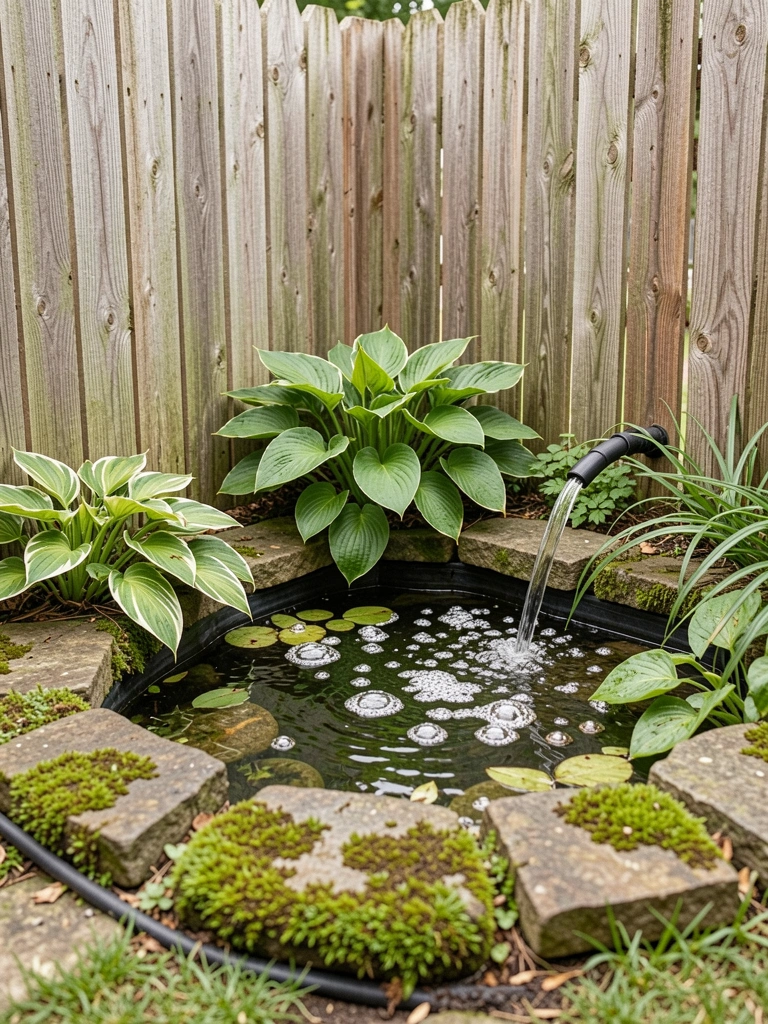
    I squeezed this small pond right up against my back fence. Started with a cheap liner, added a tiny pump. Bubbles rise slow, pulling in birds at dawn.

    The fence blocks wind, keeps it intimate. Ferns lean over, dripping after rain. Sit on an old stool there, coffee in hand—world fades.

    Watch water depth; mine went stagnant once from leaves. Skim weekly.

    Feels like a secret room now. Cozy, not fussy.

    What You’ll Need for This Look

    2. Gravel Beach Pond Edge for Bare Feet
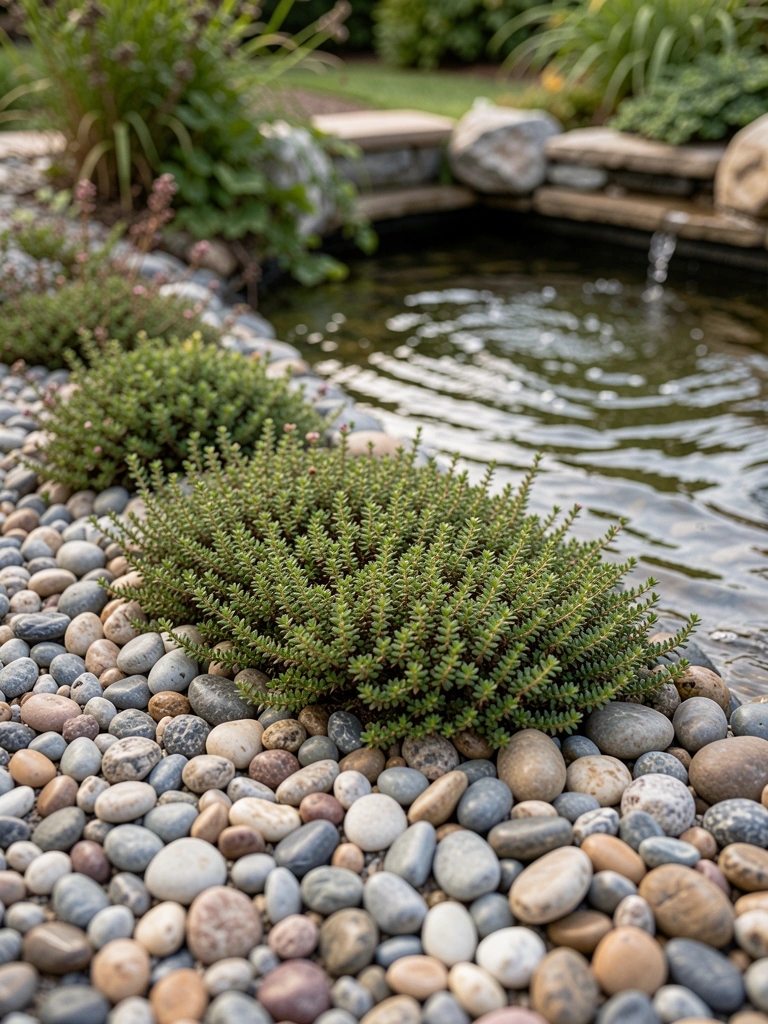
    Pushed pebbles right to the pond's lip in my side yard. No liner edge showing—looks natural. Thyme creeps between stones, releases scent when you walk.

    Bare feet sink soft, water laps cool. Frogs claim it by summer.

    I overdid big rocks first; blocked flow. Switched to pea gravel.

    Now it's my evening spot. Sink in, breathe.

    What You’ll Need for This Look

    3. Lily Pad Patch with Overhanging Willow
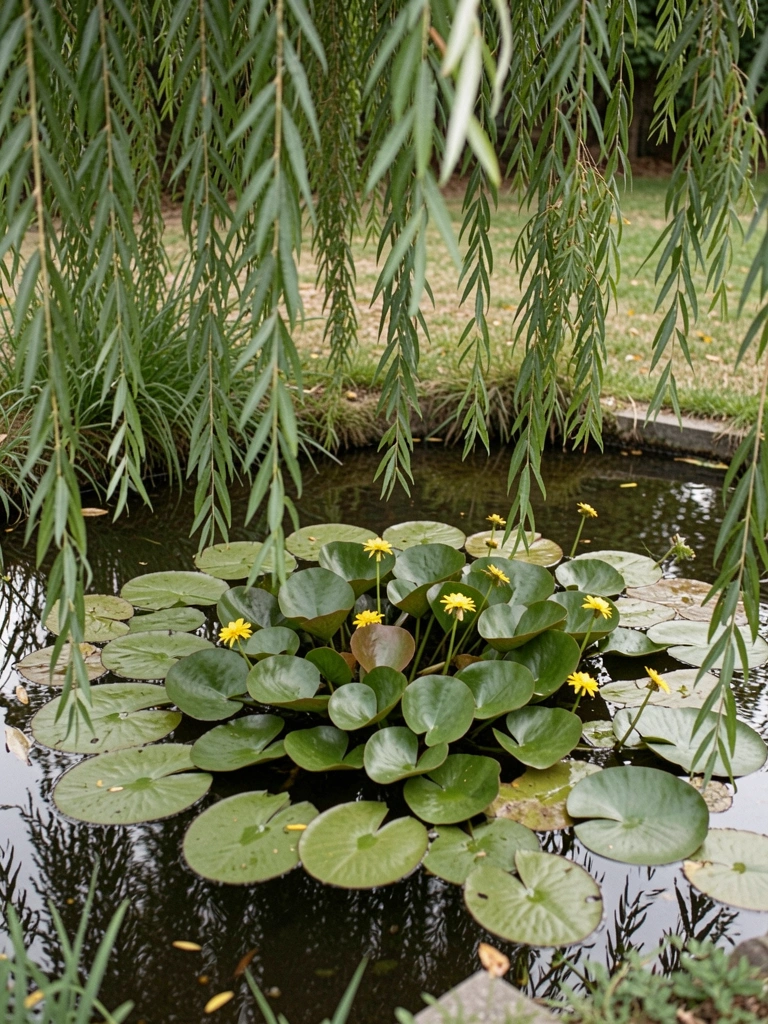
    Planted hardy water lilies in my 6-foot pond. Willow branch arcs over, shades half. Pads spread lazy, flowers pop pink mornings.

    Ducks visit, ripple surface. Bench nearby catches the view.

    Bought dwarf lilies first—too small. Go full size.

    Shifts the yard to dreamy. Sit still, watch life unfold.

    What You’ll Need for This Look

    4. Solar Fountain Pond in a Deck Nook
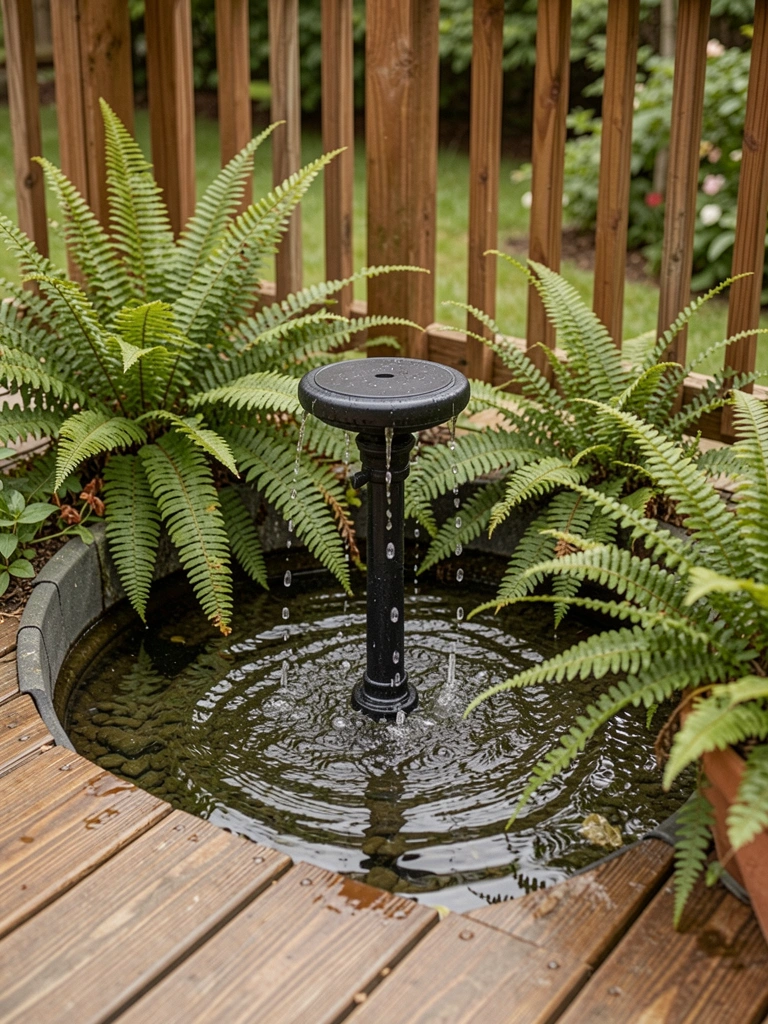
    Cut a preformed pond shell into my deck corner. Solar fountain spits steady—no cords. Astilbe nods around it, pink spikes.

    No electric hassle. Runs dusk too, soft glow.

    Overlooked drainage; added holes. Flows perfect now.

    Deck feels extended, private oasis.

    What You’ll Need for This Look

    5. Marginal Shelf Plants Framing the Pond
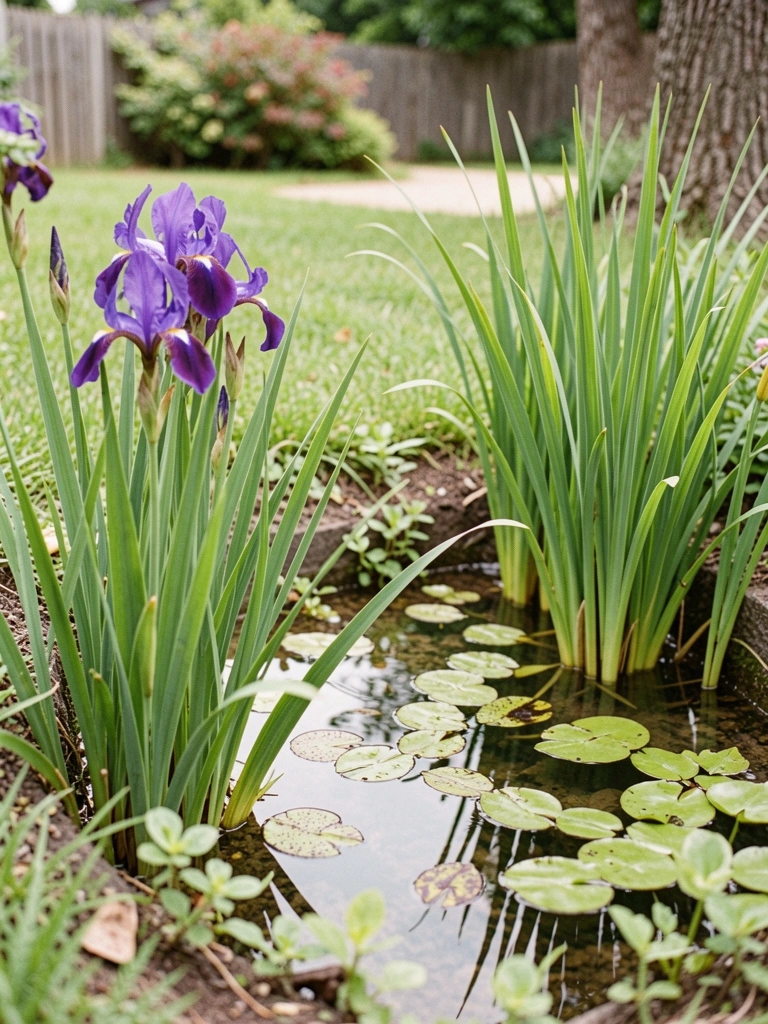
    Built a ledge in my liner pond for shallow roots. Iris blades rise tall, pickerel blue spikes summer. Cattails sway behind.

    Butterflies hover. Softens the hard edge.

    Planted too deep once—drowned. Keep shelves true.

    Pond looks wilder, deeper calm.

    What You’ll Need for This Look

    6. Rustic Log Bridge Over Narrow Pond
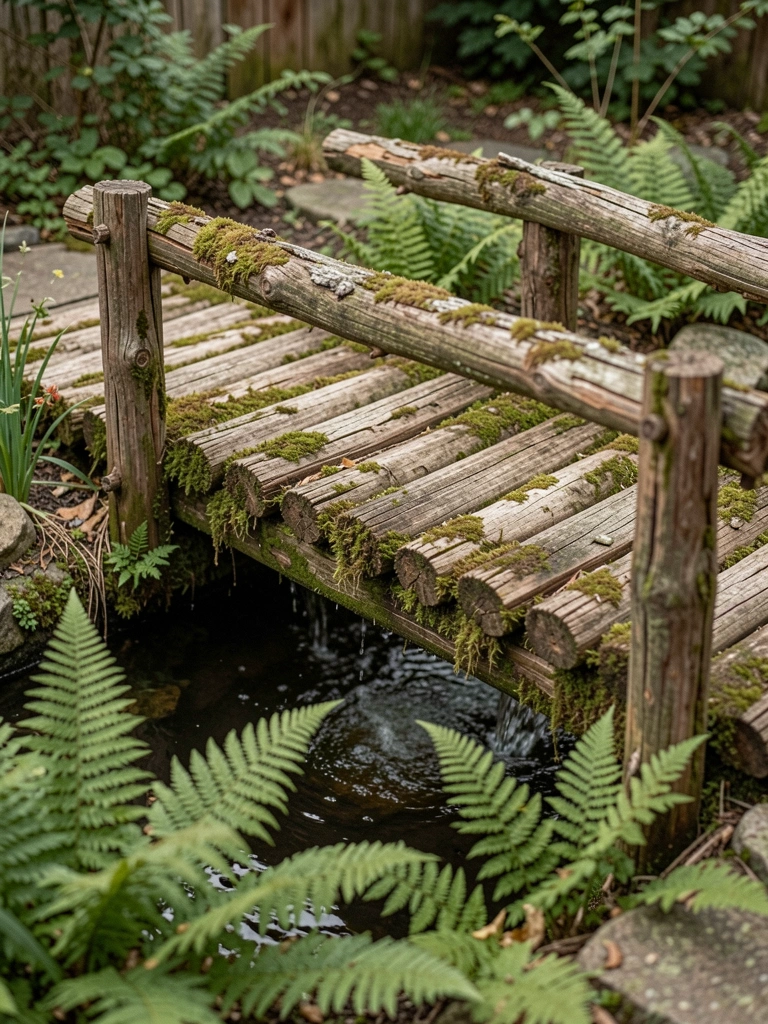
    Laid a halved log across my stream-fed pond. Ferns carpet under, moss greens the span. Step over slow, hear trickle.

    Connects yard sides without fence feel.

    Logs rot fast wet—treated mine. Lasts years.

    Feels like woods escape, right back there.

    What You’ll Need for This Look

    7. Night Glow Pond with Subtle Uplights
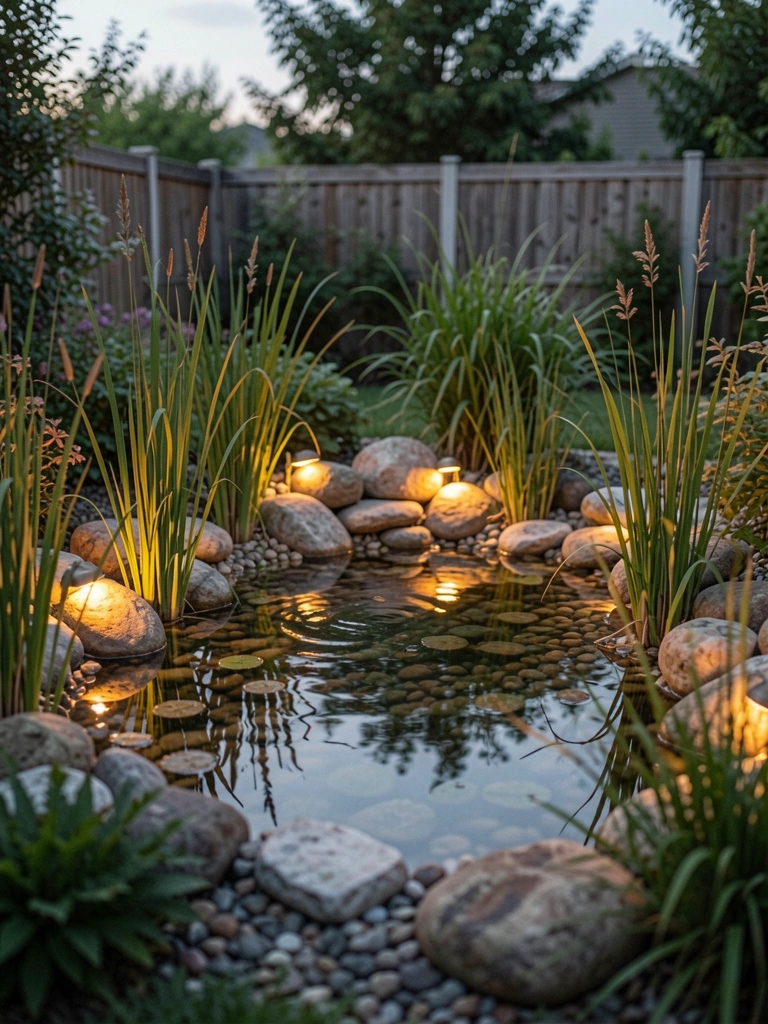
    Stuck solar stakes around my pond base. Warm glow hits reeds, dances on water. Crickets join after dark.

    No wiring mess. Charges day, lasts night.

    Bright ones washed out—warm white wins.

    Yard turns lantern soft, pulls you out late.

    What You’ll Need for This Look

    8. Container Cluster Pond on Patio
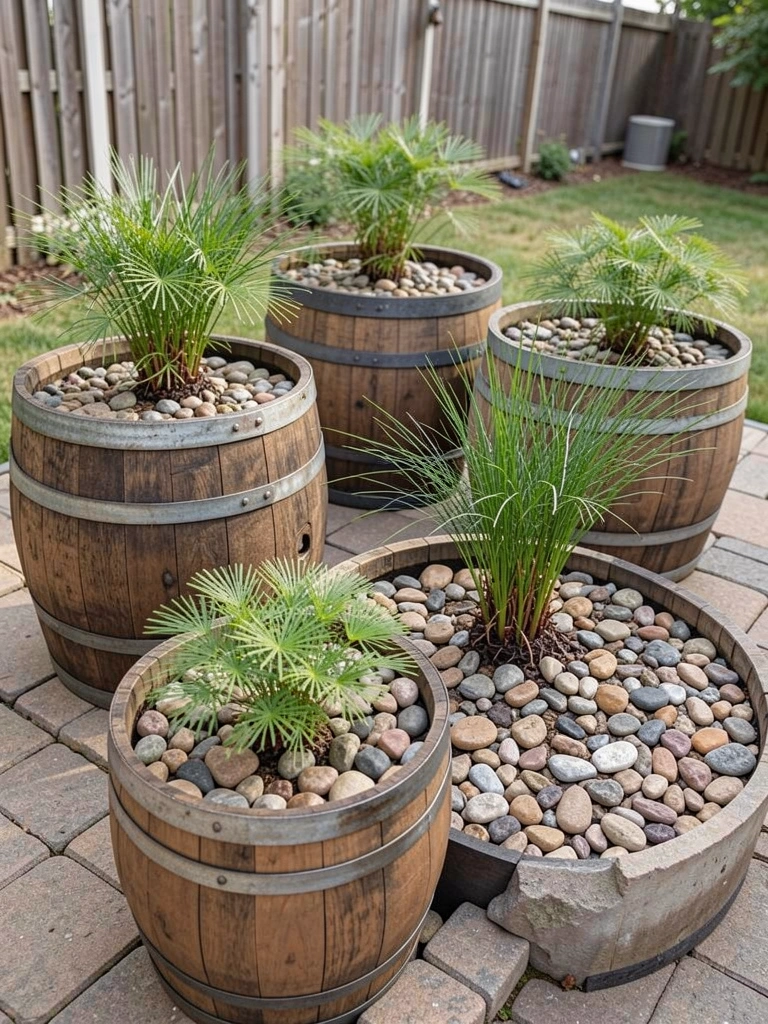
    Grouped half-barrels on my gravel patio. Dwarf papyrus waves, goldfish dart inside. Mulch ties 'em.

    Moves easy for winter. No dig.

    Barrels leaked first—sealed proper.

    Patio breathes alive, feet away from house.

    What You’ll Need for This Look

    9. Native Rush Border for Low Water Pond
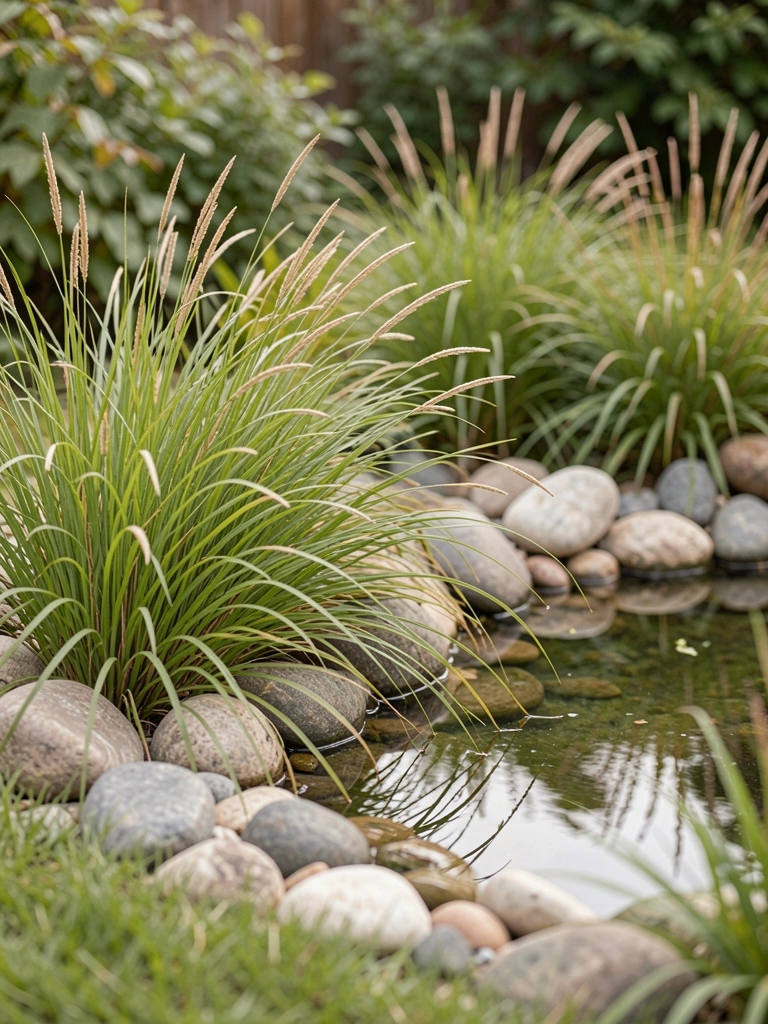
    Ringed my shallow pond with native sedge. Soft green mounds, holds soil. Birds nest in.

    Drought tough—no fuss.

    Exotics spread wild—natives stay put.

    Quiet edge, feels right.

    What You’ll Need for This Look

    10. Waterfall Trickle into Main Pond
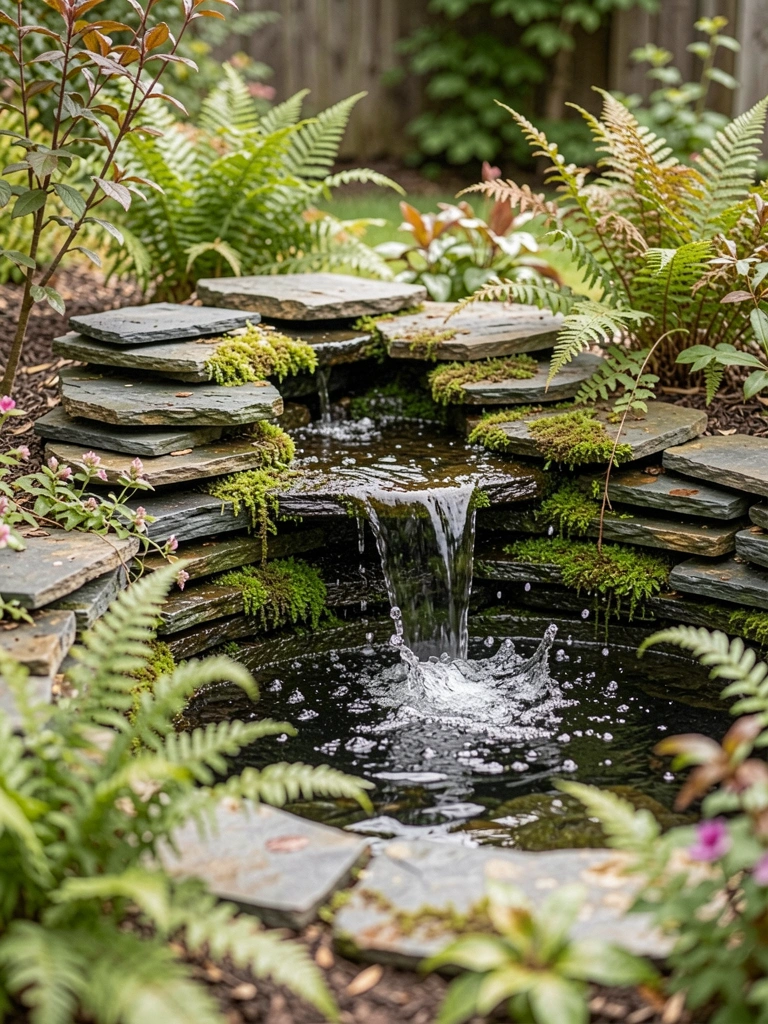
    Stacked flat slate for a 2-foot drop into pond. Pump cycles soft fall. Moss greens fast.

    Sound soothes constant. Fish rise to it.

    Pump clogged leaves—net weekly.

    Yard hums peace now.

    What You’ll Need for This Look

    11. Hammock Hang Spot by Reed Pond
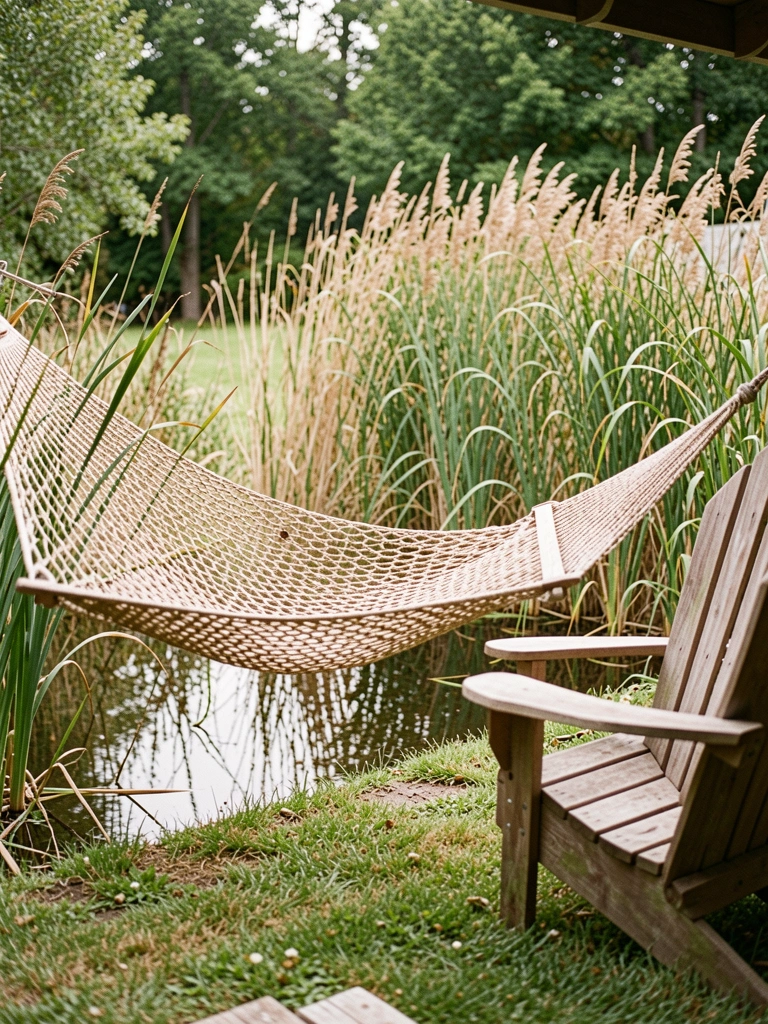
    Strung hammock between posts by reed pond. Reeds whisper wind. Lounge, toes dip edge.

    Posts firm—no sag.

    Cheap rope frayed—nylon holds.

    Sway dissolves day stress.

    What You’ll Need for This Look

    12. Stone Circle Meditation Around Pond
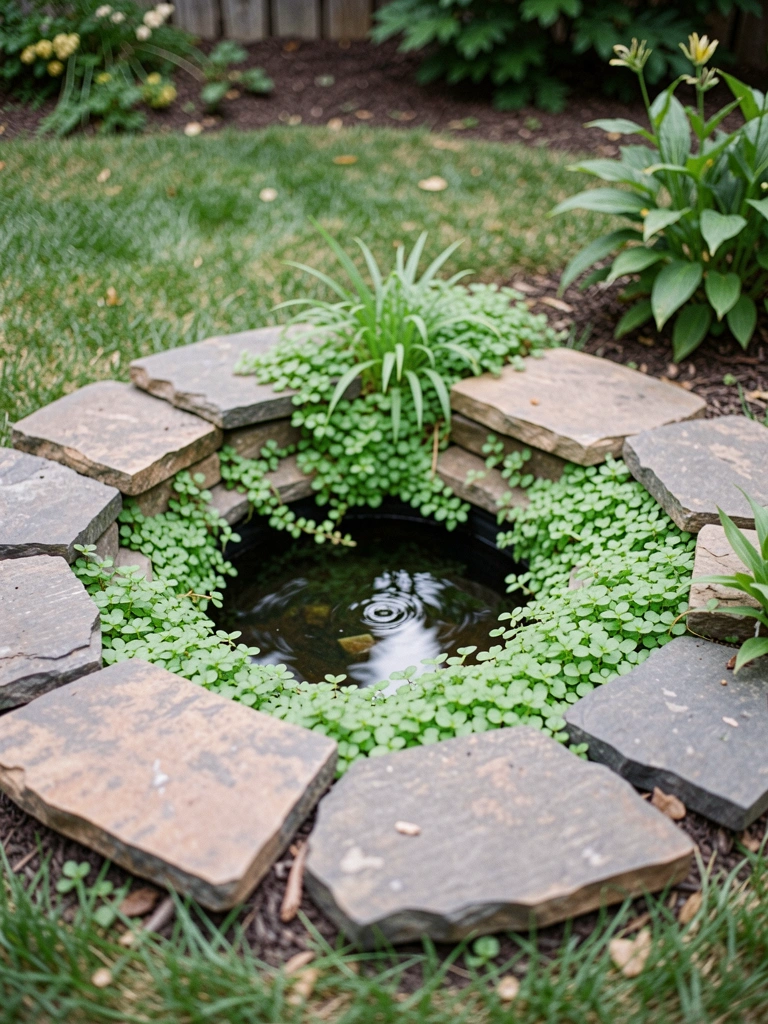
    Circled my mini pond with knee-high stones. Jenny vines between. Sit cross-legged inside.

    Balances the space. Quiet focus spot.

    Uneven stones tipped—level base.

    Mind clears there daily.

    What You’ll Need for This Look

    13. Overgrown Fern Grotto Pond Hideaway
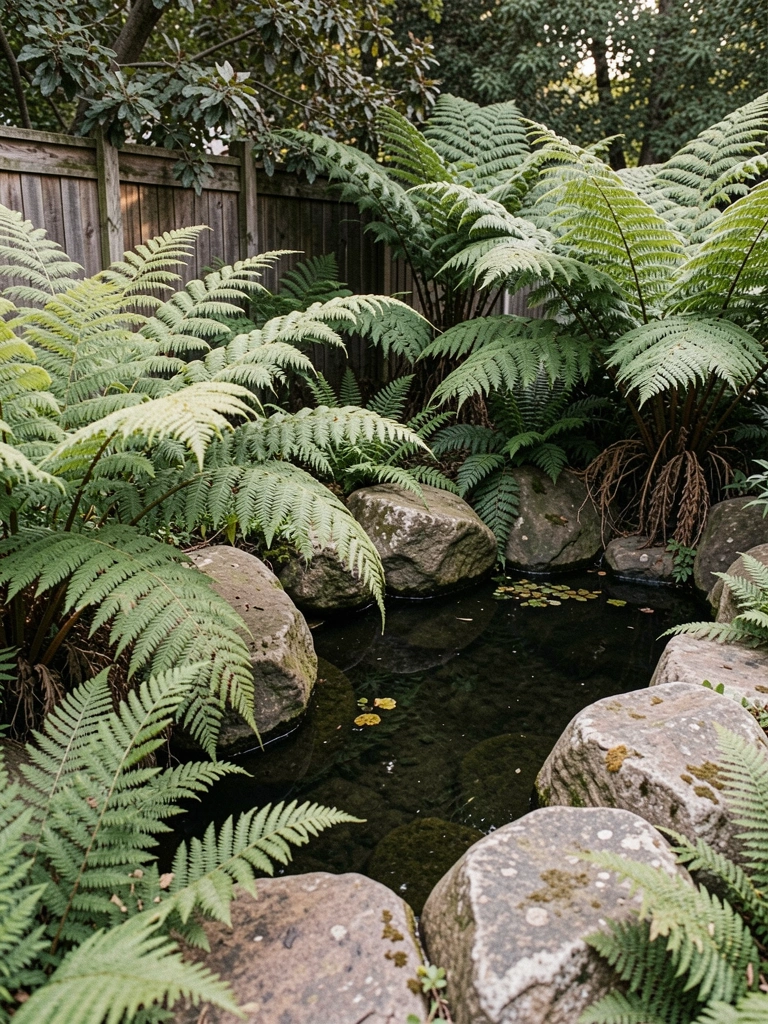
    Piled boulders, let ostrich ferns take over. Pond nestles deep, shaded cool.

    Humidity high, like forest floor.

    Ferns crowded path once—thin yearly.

    Hideaway pulls you deep, rests soul.

    What You’ll Need for This Look

    Final Thoughts

    Pick one idea that fits your dirt and light. My pond started simple—grew from there.

    No need for all 13. One corner calm shifts the whole yard.

    Yours will settle in time. Just dig in.
  • 15 Colorful Backyard Flowers Garden Ideas For Vibrant Yards

    15 Colorful Backyard Flowers Garden Ideas For Vibrant Yards

    I used to stare at my backyard fence, all plain wood and dirt. No life. Then I started dropping in flowers that actually stuck around through heat waves and forgetful watering.

    One summer, a few pots turned the corner cozy. Colors popped where nothing had before.

    Now, every spot pulls you in. You can do this too—pick what fits your dirt and sun.

    15 Colorful Backyard Flowers Garden Ideas For Vibrant Yards

    These 15 backyard flowers garden ideas come straight from my trial-and-error plots. They'll fill your yard with color that lasts. No fuss, just what works.

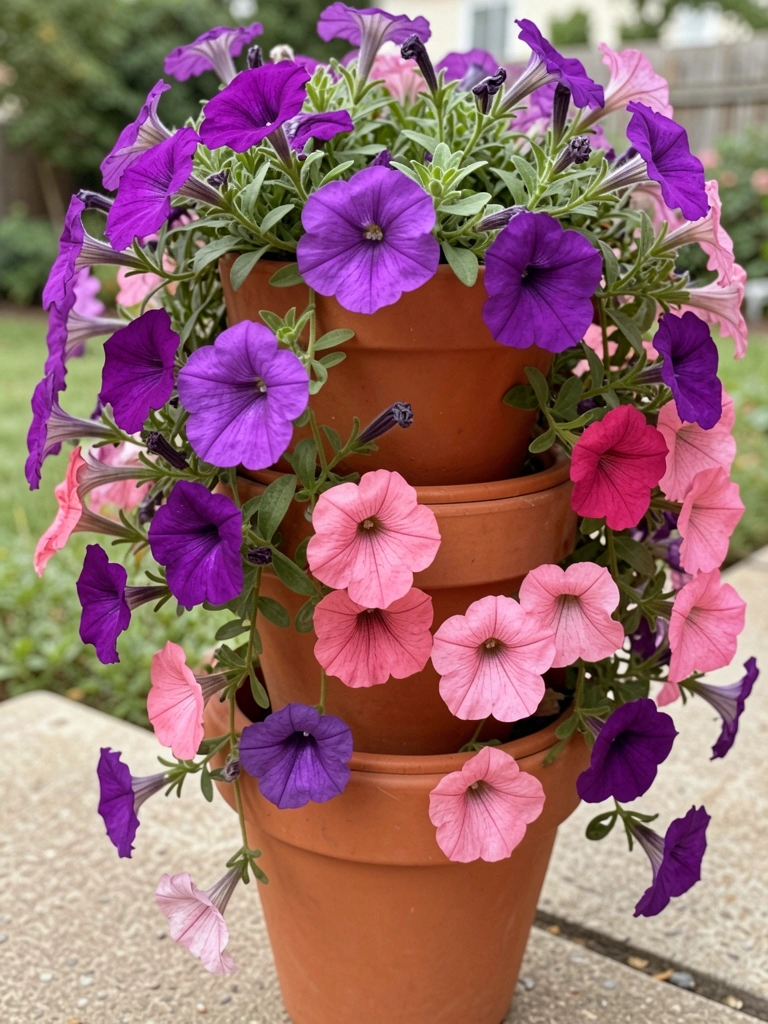
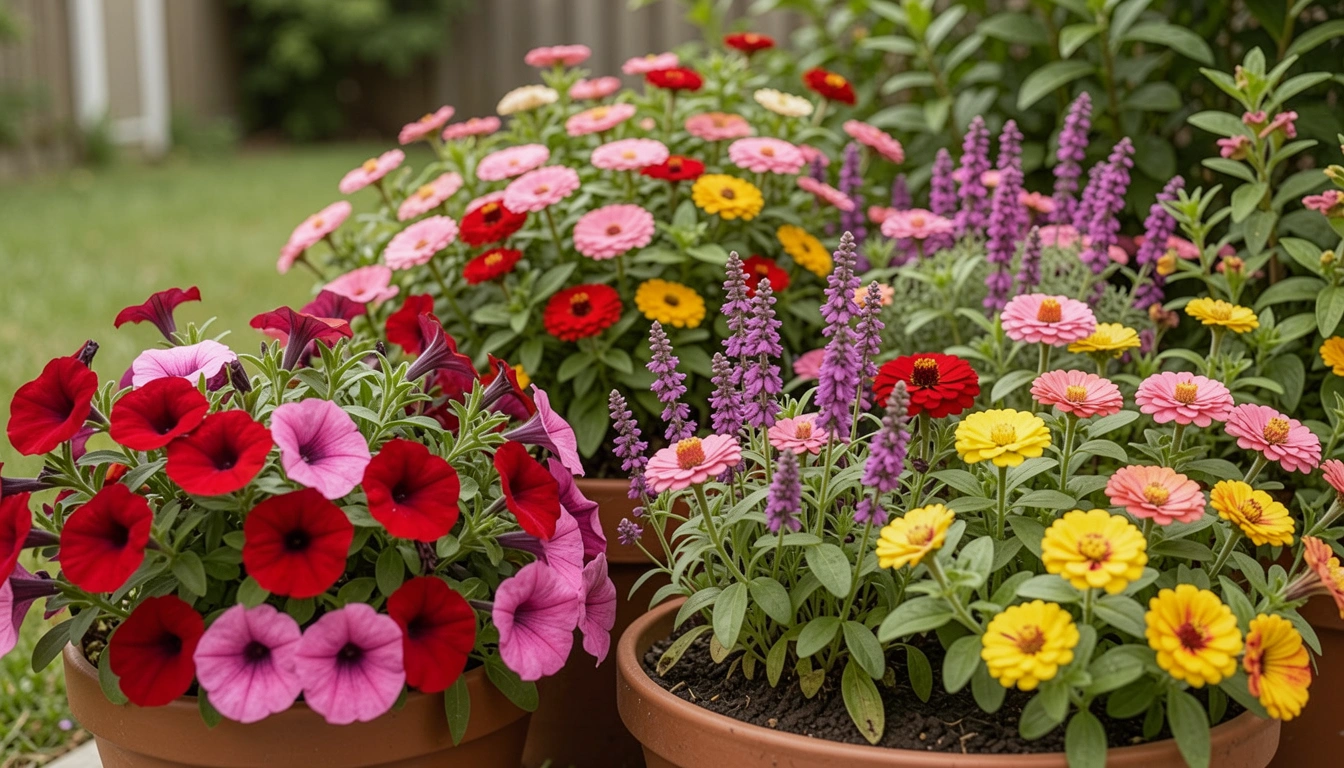
    1. Petunia Pots Stacked for Instant Patio Punch

    I grabbed a stack of pots one afternoon and crammed them with petunias. Purple ones trailed down like they owned the place. My patio went from empty concrete to full and welcoming overnight.

    The mix of heights made it feel deeper. Low ones hugged the rims, tall spikes poked up. Mornings there now feel alive, coffee in hand.

    Watch the sun—petunias fade if it's too harsh. Pinch them back weekly or they flop.

    I once bought wave petunias thinking no deadheading needed. Wrong—they still need a trim. But the color payoff? Worth it.

    What You’ll Need for This Look

    2. Zinnia Blocks That Glow in Full Sun

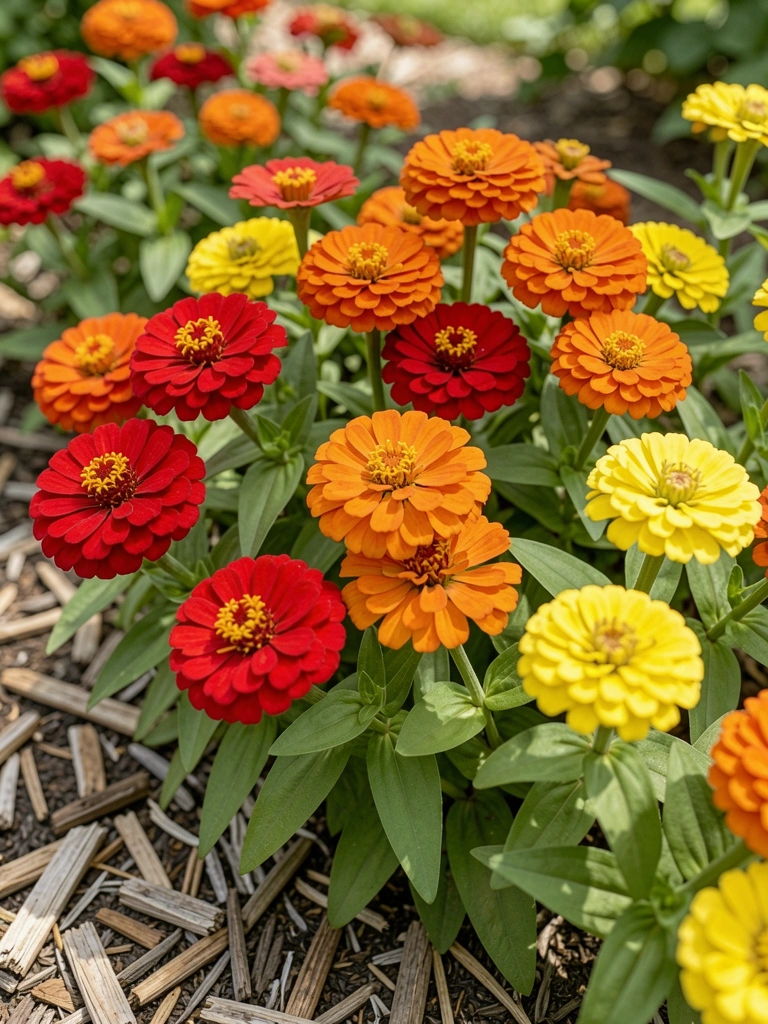
    Zinnias took over my sun-blasted strip last year. I sowed them in blocks—red here, orange there. The yard lit up like a painting.

    Bees swarmed them, but the real win was how they held color till frost. No wilting in 90-degree heat.

    Group by hue for punch. Scatter if you want wilder. Mine self-seeded, popping up greener this spring.

    Space them 12 inches apart. Too close, and they fight for air. Learned that the leggy way.

    What You’ll Need for This Look

    3. Salvia Spikes Lining a Fence Line

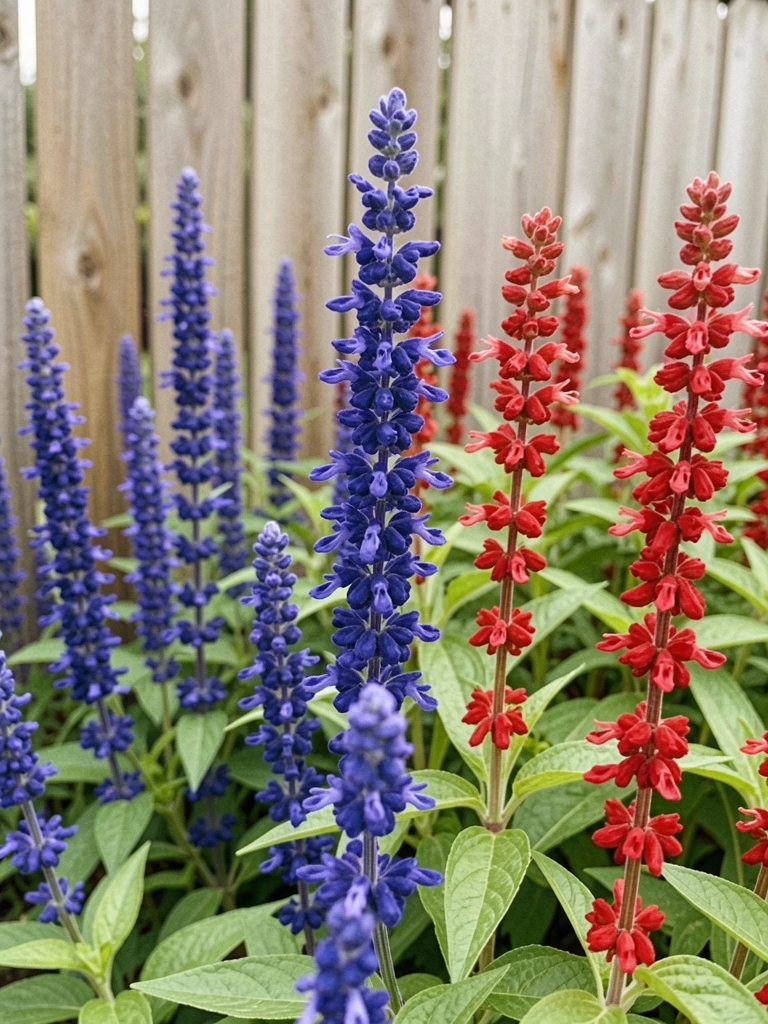
    I planted salvia along my sagging fence to hide the gaps. Red and blue spikes shot up tall, waving in the breeze. The whole back line feels framed now.

    Hummingbirds showed up daily. Color stayed bold through summer dry spells.

    Pick hot colors for distance—they pop from the deck. Trim spent blooms to keep it tidy.

    Bought dwarf salvia once; too short for the fence. Go taller next time.

    What You’ll Need for This Look

    4. Nasturtium Trails Over Rock Edges

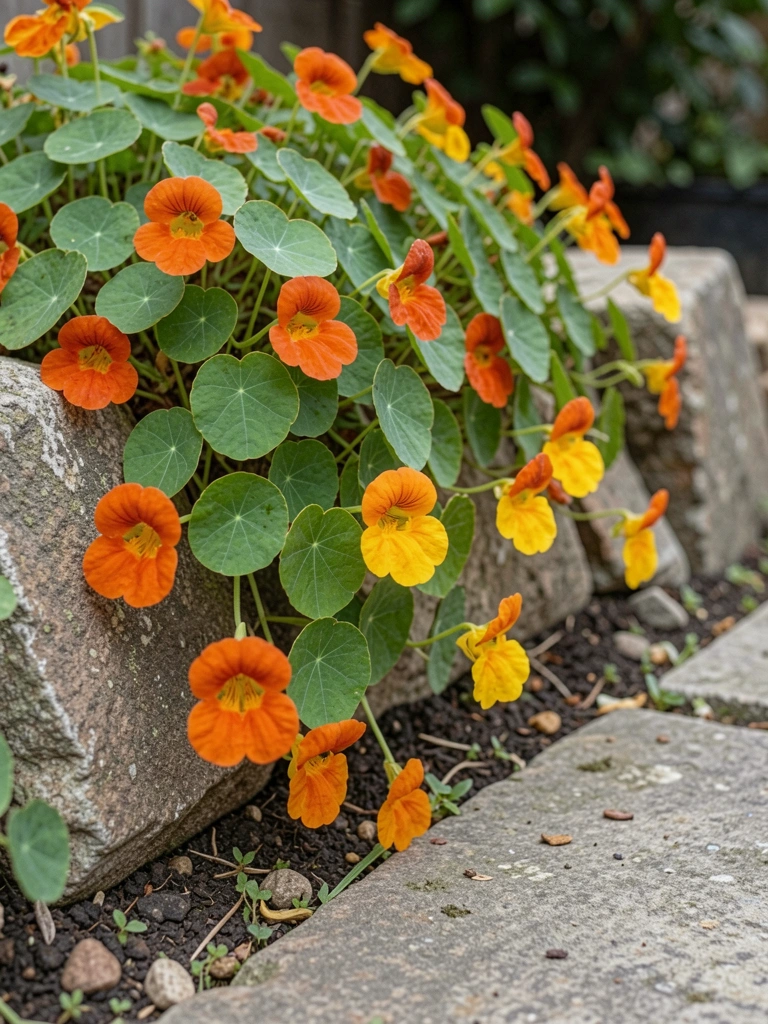
    Nasturtiums tumbled over my rock border like they were meant for it. Orange blooms glowed against the gray stones. Added peppery taste to salads too.

    They filled bare spots fast, no extra soil needed. Drought hit, and they shrugged it off.

    Plant at edges—they creep where you want. Pick flowers to eat; keeps them blooming.

    Mine bolted in heat once. Shade cloth fixed it next round.

    What You’ll Need for This Look

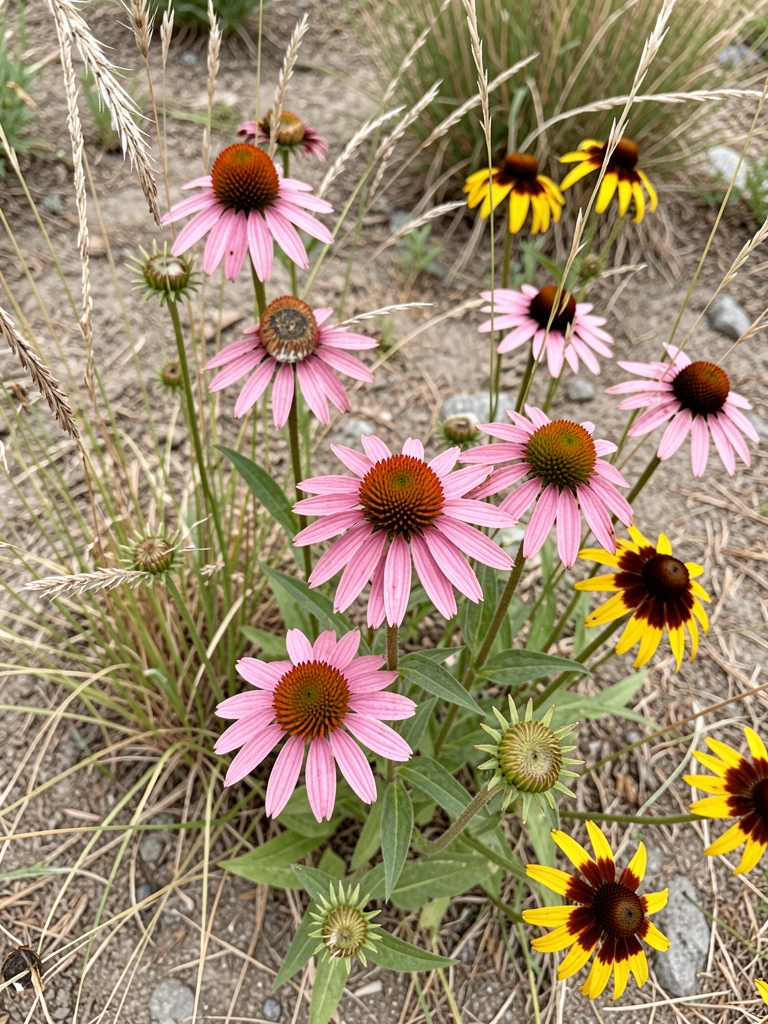
    5. Coneflower Patch for Pollinator Buzz

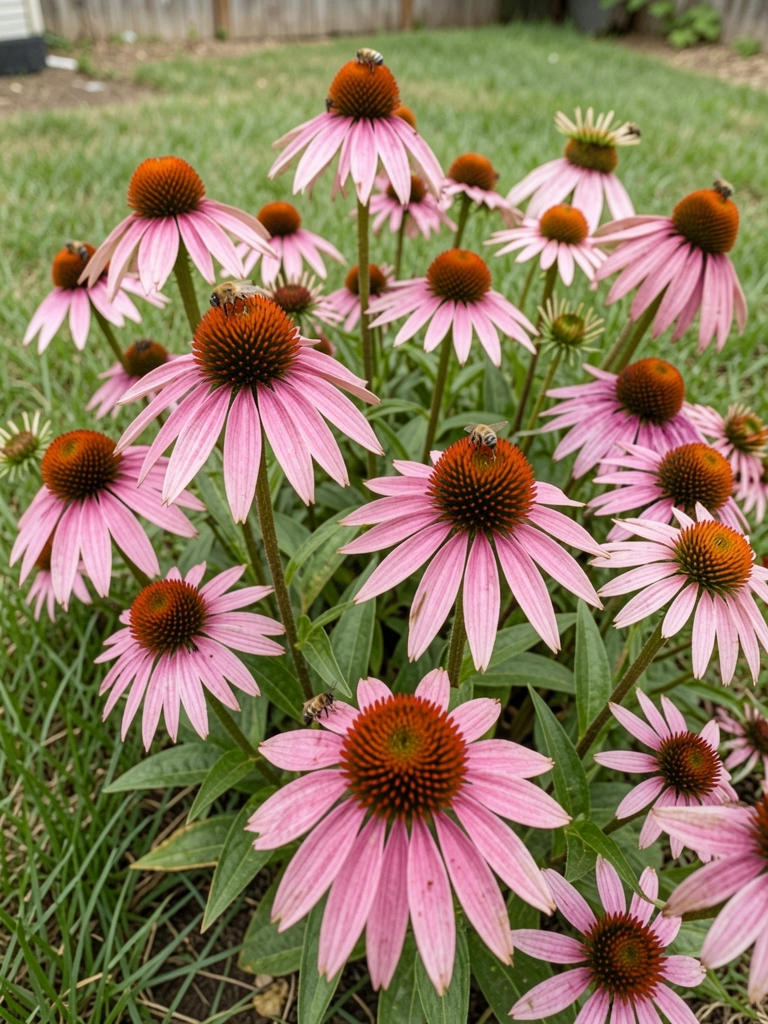
    My coneflower corner draws butterflies like crazy. Pink petals droop just right around seed heads. Feels like a wild spot in the yard.

    They come back thicker each year. Low water once rooted.

    Mix heights for depth. Deadhead or leave seeds for birds.

    Planted in clay first—roots struggled. Amended with compost changed everything.

    What You’ll Need for This Look

    6. Marigold Borders Along Walkways

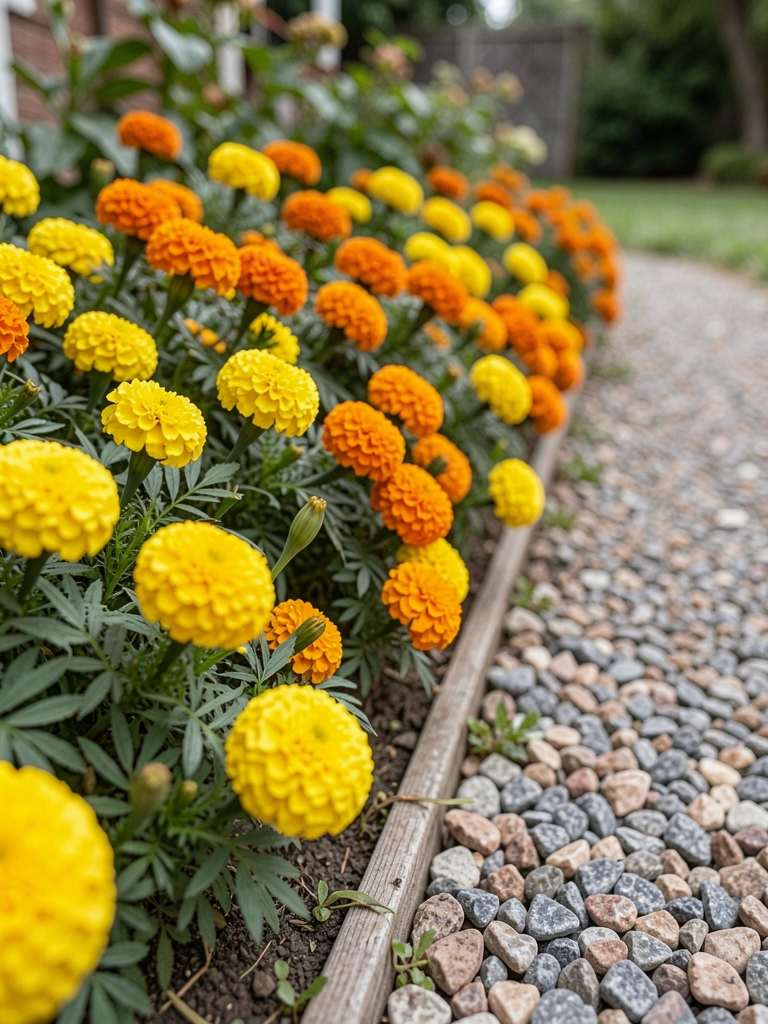
    Marigolds edged my gravel path perfectly. Bright yellows chased off nematodes too—bonus for my tomatoes nearby.

    They bloom non-stop, filling gaps between pavers. Smell hits you walking by.

    Single colors for clean lines. Mix for cottage feel.

    Overwatered mine early on; stems rotted. Let soil dry now.

    What You’ll Need for This Look

    7. Fuchsia Baskets Hanging from Branches

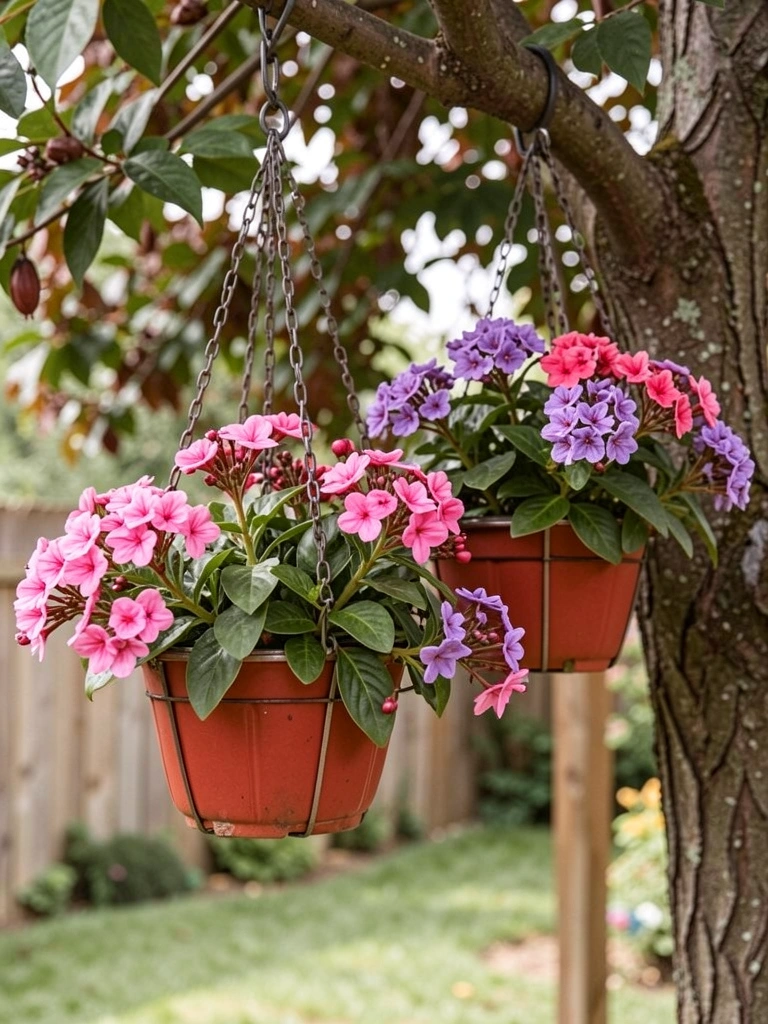
    Fuchsias swung from low branches, bells tinkling in wind. Pink drops shaded the bench below.

    Part shade is key—they melt in full sun. Blooms last till fall.

    Water evenly; dry soil drops buds.

    Tried full sun spot first. Learned quick.

    What You’ll Need for This Look

    8. Black-Eyed Susan Waves in Back Corners

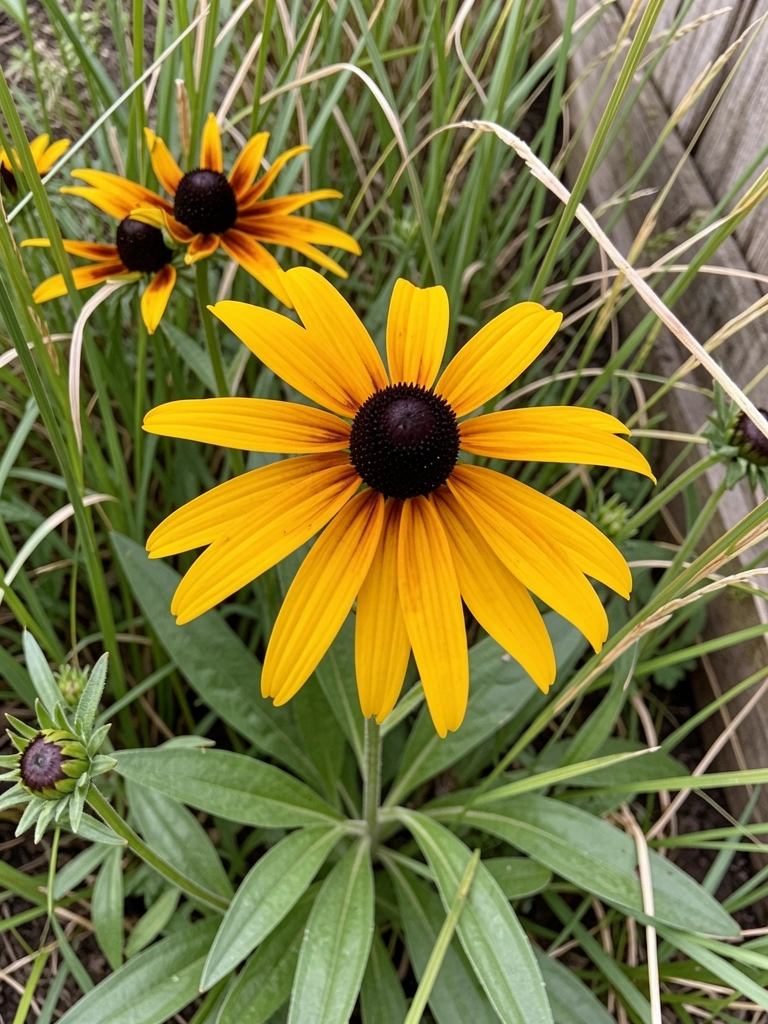
    Black-eyed Susans filled my forgotten corner. Golden waves nod together, hiding the shed.

    Self-seed gently, spreading just right. Tough in poor soil.

    Cut back in winter for neatness.

    Planted too deep once—stunted. Shallow roots now thrive.

    What You’ll Need for This Look

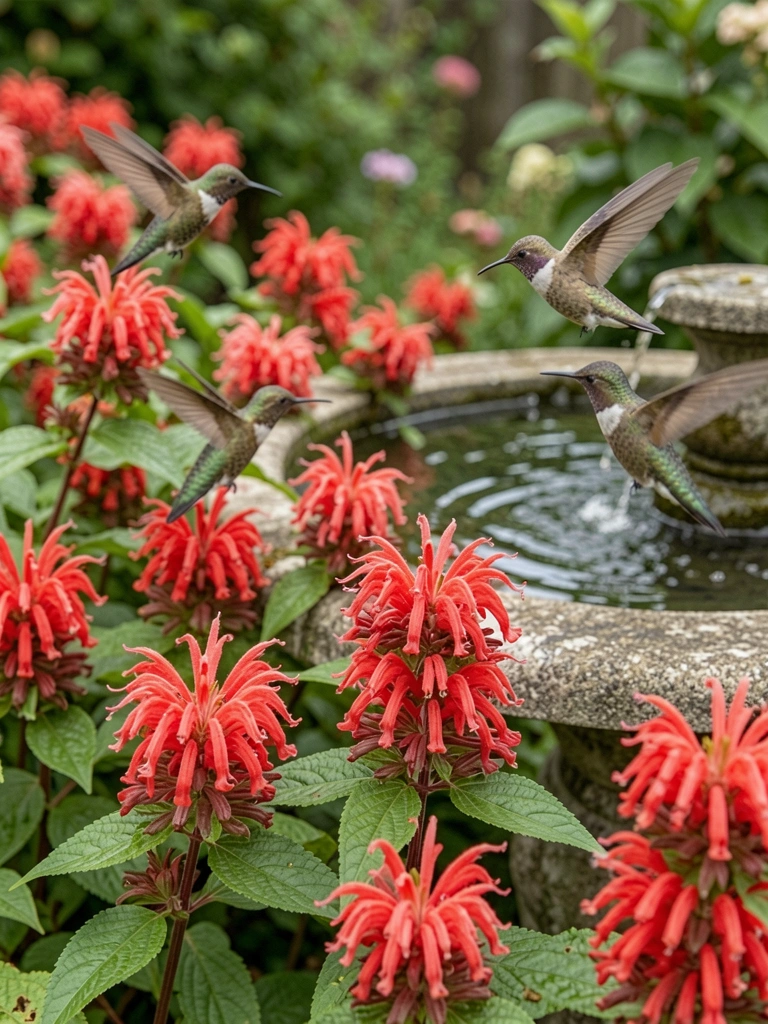
    9. Bee Balm Circles Around Birdbath

    Bee balm rings my birdbath in red puffs. Hummers dart in, yard feels busy.

    Minty scent wafts up. Spreads, but easy to pull extras.

    Sun to part shade. Divide every three years.

    Powdery mildew hit mine wet year. Better air now prevents it.

    What You’ll Need for This Look

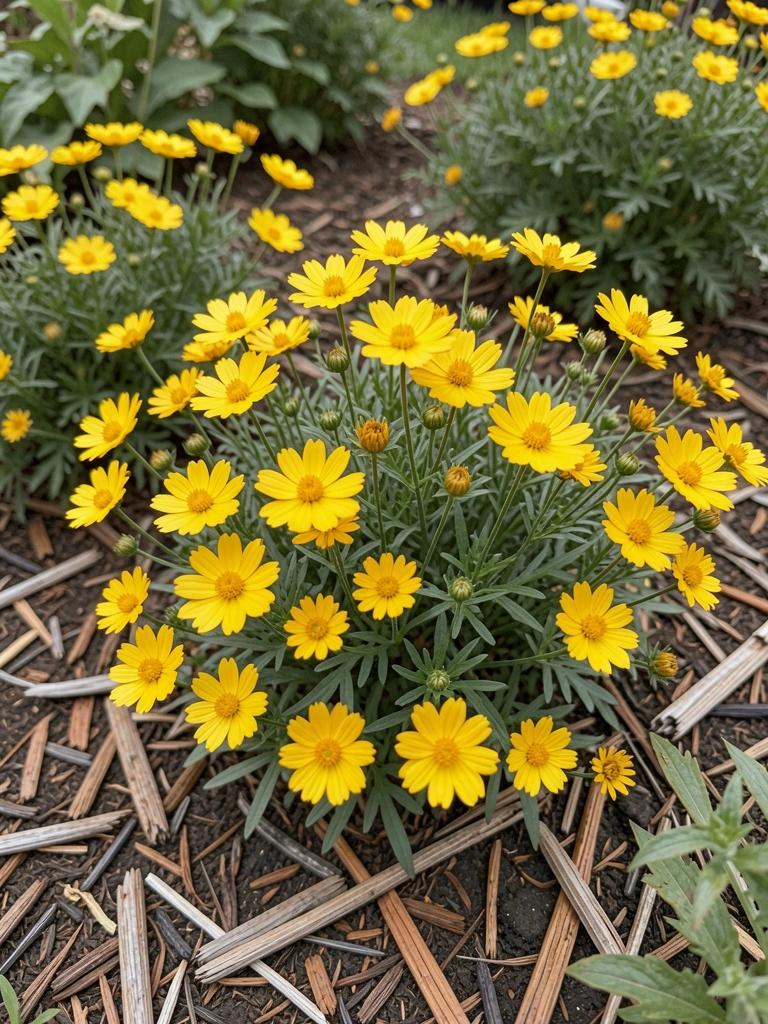
    10. Coreopsis Clouds in Lazy Beds

    Coreopsis fluff up my side bed effortless. Yellow threads dance all summer.

    Low fuss, drought-proof once going. Butterflies love it.

    Shear midseason for round two blooms.

    Deadheaded too much first year—weakened them. Light trim now.

    What You’ll Need for This Look

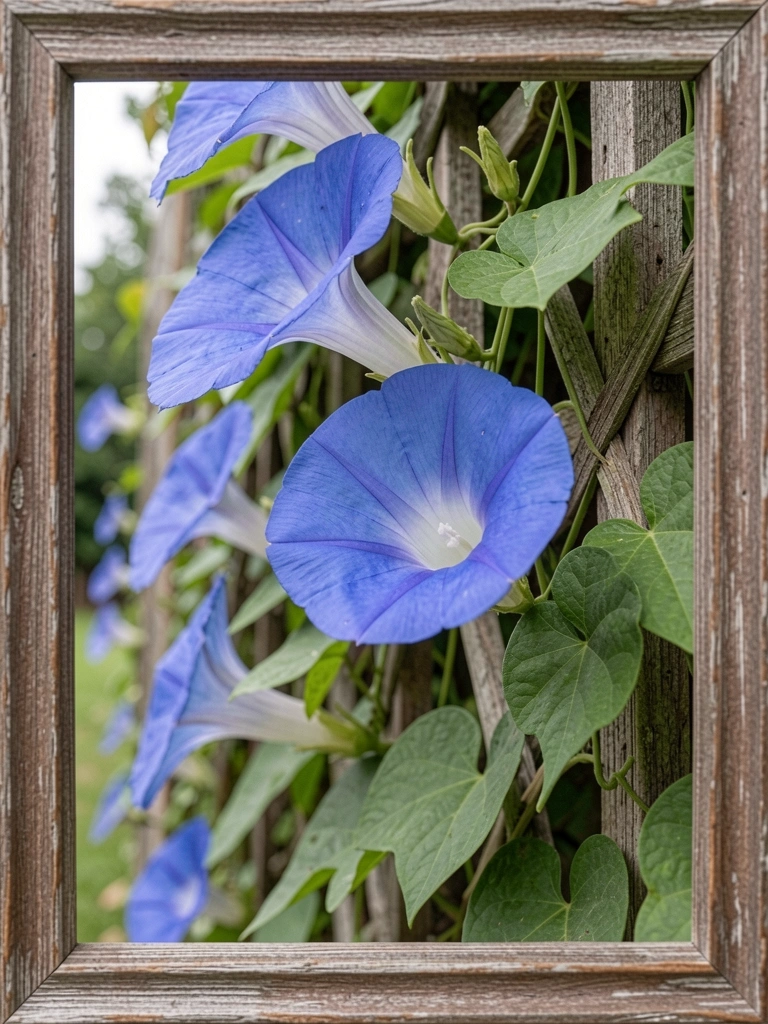
    11. Morning Glory Vines on Old Trellis

    Morning glories swallowed my trellis in blue mornings. Fades by noon, but what a start.

    Fast cover for ugly spots. Seeds easy to save.

    Full sun, quick drain. Soak seeds overnight.

    Vines tangled grill once. Netting spaced them better.

    What You’ll Need for This Look

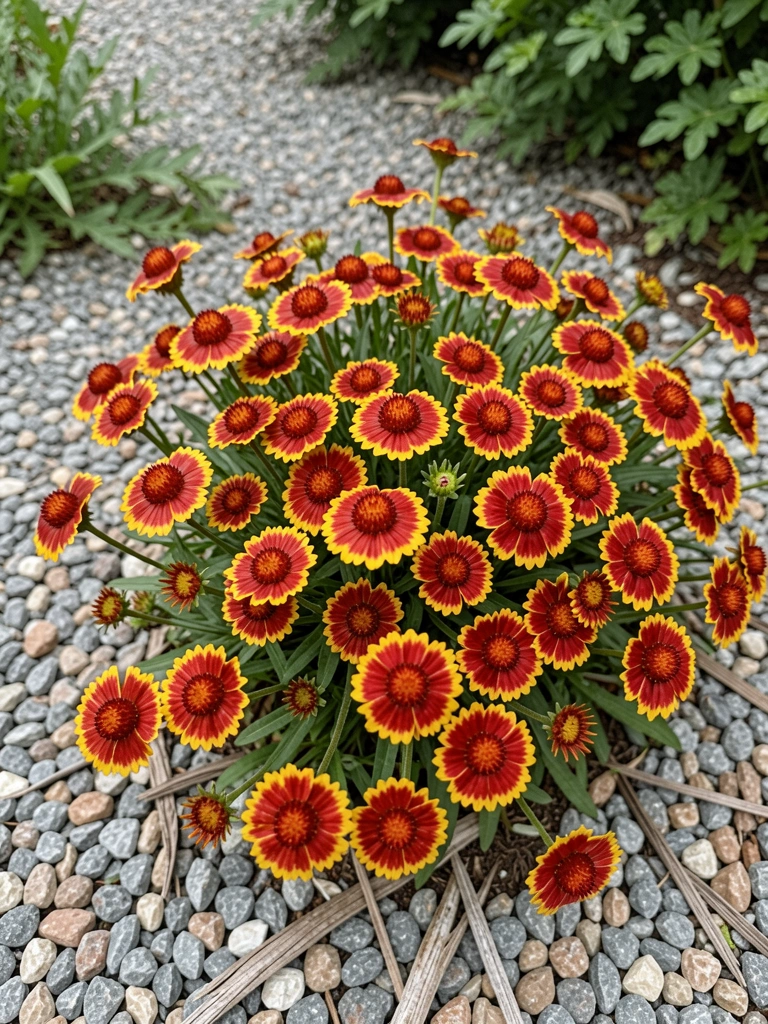
    12. Gaillardia Blankets for Fire Colors

    Gaillardia carpets my hot dry bed in fire hues. Tough as nails, blooms forever.

    Self-cleans—no deadheading. Heat lover.

    Thin crowds yearly for air.

    Over-fertilized; got floppy. Skip feeds now.

    What You’ll Need for This Look

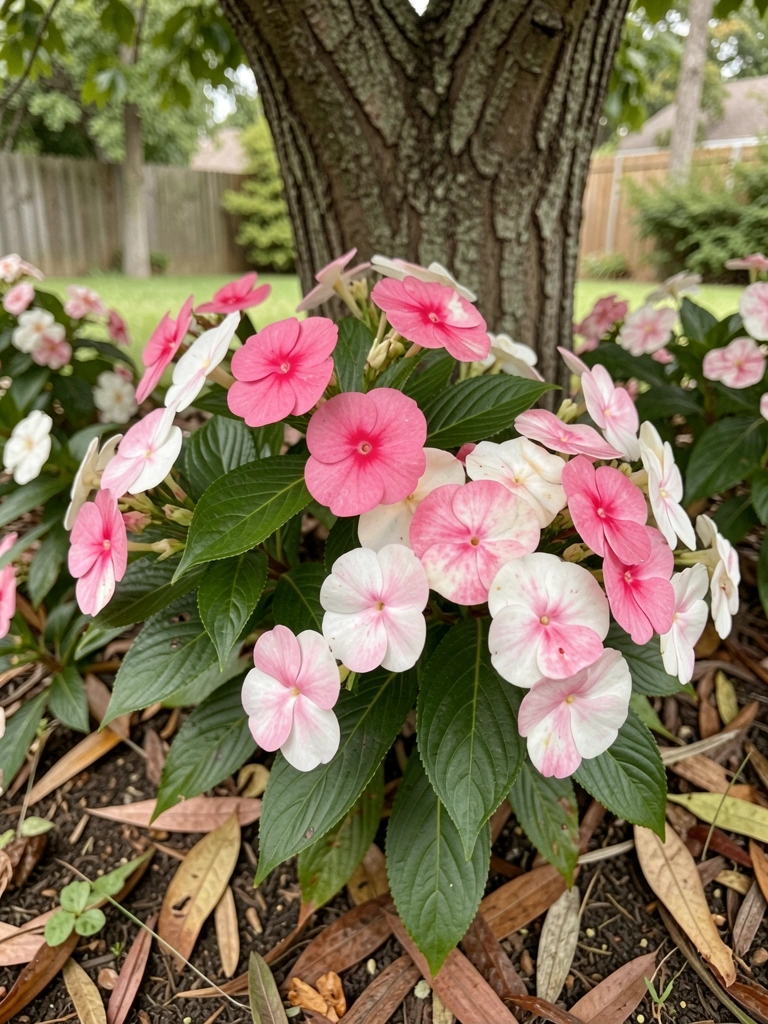
    13. Impatiens Clusters in Tree Shade

    Impatiens brightened my oak's understory. Pink pops against green without sun scorch.

    Moist soil keeps them popping. Easy fill for tough shade.

    Pinch tips for bushiness.

    Snails munched first batch. Slug bait sorted it.

    What You’ll Need for This Look

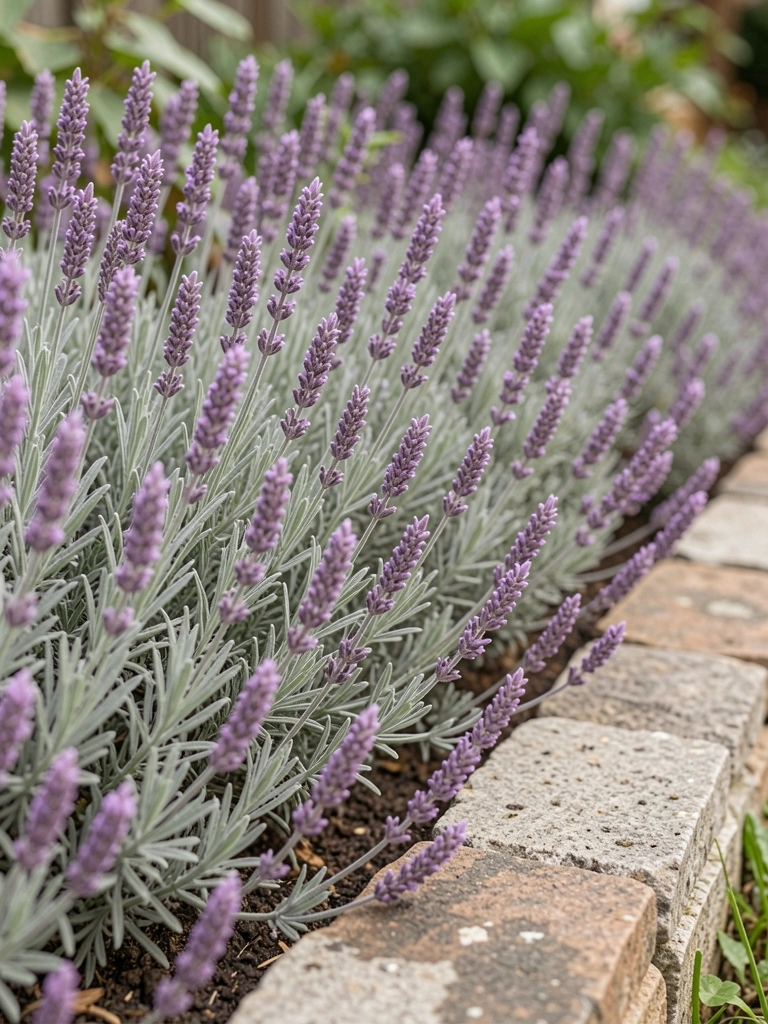
    14. Lavender Lines for Fragrant Edges

    Lavender rows scent my herb edge. Purple haze softens hard lines.

    Dry feet—no wet spots. Prune after bloom.

    Companion for roses, repels pests.

    Watered too much early—root rot. Hands-off now wins.

    What You’ll Need for This Look

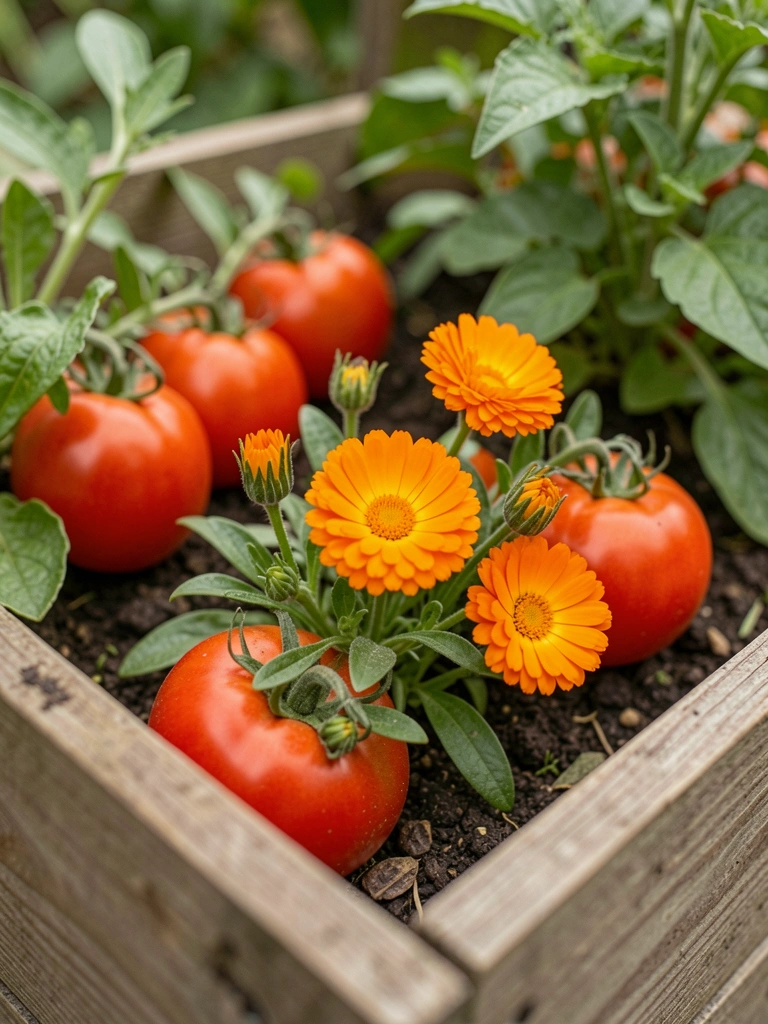
    15. Calendula Dots in Veggie Gaps

    Calendula tucked into veggie rows adds orange cheer. Edible petals for salads.

    Blooms cool weather too. Traps aphids from crops.

    Sow succession for steady color.

    Bolted fast in heat. Shade cloth helped.

    What You’ll Need for This Look

    Final Thoughts

    Start with two or three ideas that match your sun and space. They'll grow on you.

    My yard built up slow—color sticks when it's yours.

    You've got this. Dig in when ready.

  • 7 Budget Friendly Backyard Garden Ideas On A Budget

    7 Budget Friendly Backyard Garden Ideas On A Budget

    I remember staring at my empty backyard last spring, wallet thin after winter bills. Dirt patch, nothing more. I wanted green, alive space without breaking the bank. Started small, pots from garage sales. Watched them fill out unevenly, but it felt right.

    That patchy start taught me budgets build gardens that last. No fancy installs. Just real dirt, trial, growth.

    Now it welcomes us evenings, fireflies dancing. Yours can too.

    7 Budget Friendly Backyard Garden Ideas On A Budget

    Here are 7 backyard garden ideas on a budget that I've tested in my own yard. Simple setups, under $100 each. They'll make your space feel full and yours.

    1. Layered Container Planting That Fills a Bare Patio

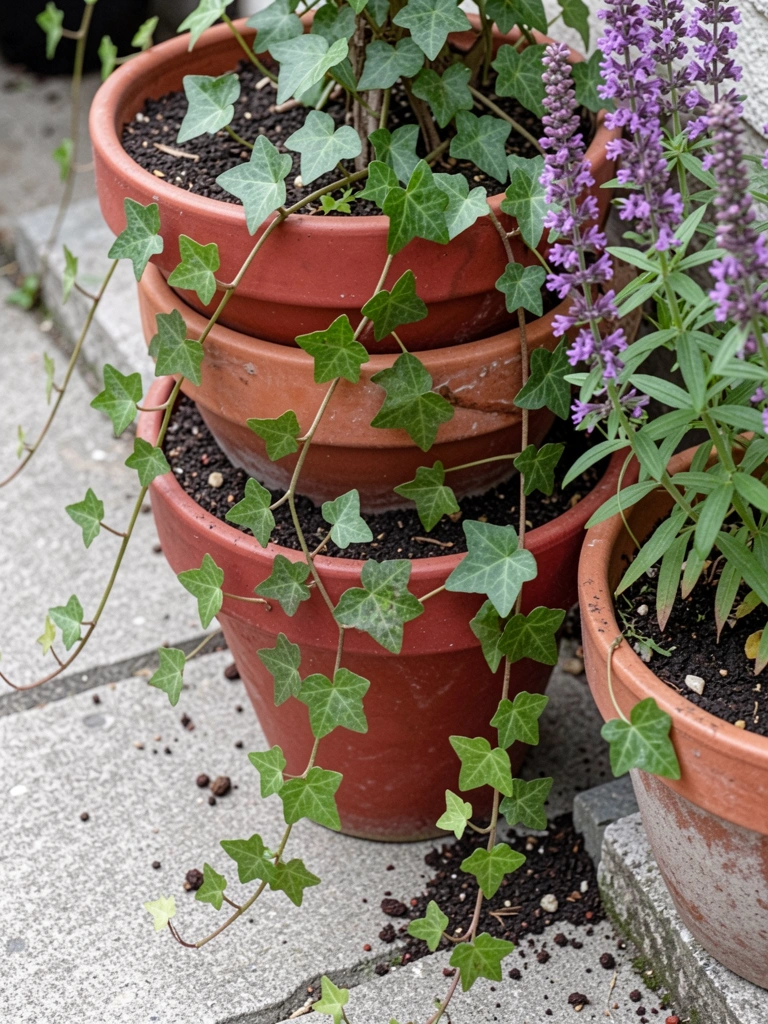
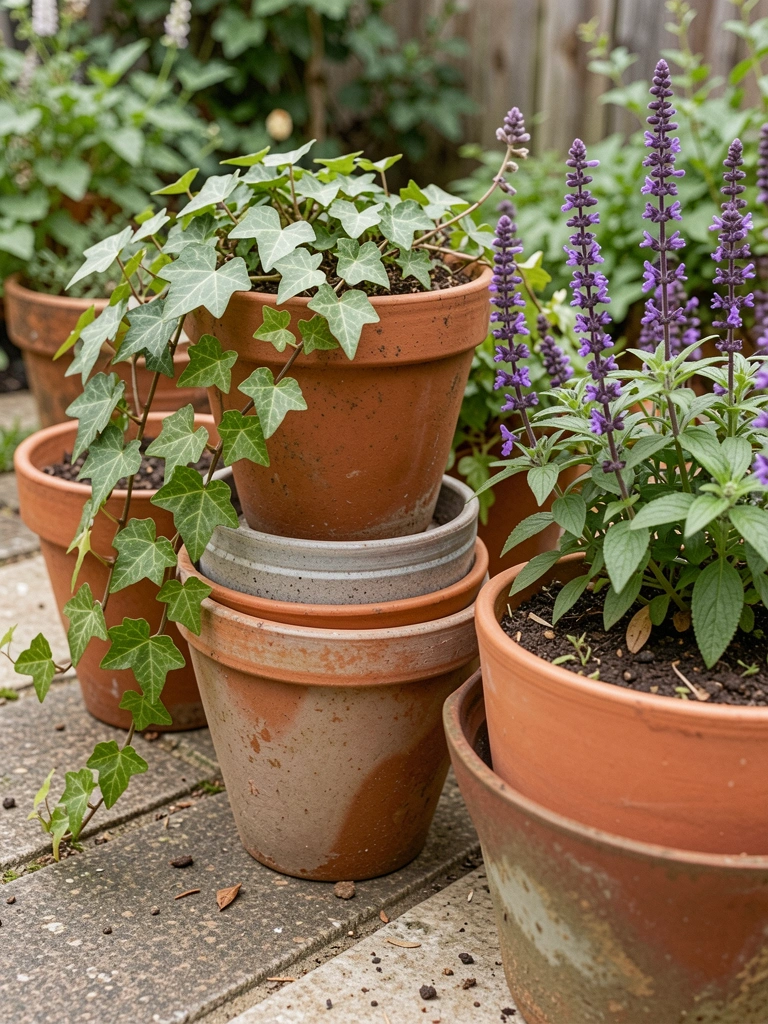
    I grabbed old pots from the shed and layered them on my back patio last year. Tall ones in back with salvia, shorter in front with ivy trailing over. It turned flat concrete into a green corner overnight.

    The height tricks the eye—makes 10 feet feel deep. Mornings, sun hits the leaves just right, coffee tastes better there.

    Watch drainage; I lost a pot to rot once from poor holes. Drill if needed.

    Group by color for calm—greens and purples here. Water together, easy.

    What You’ll Need for This Look

    2. Vertical Gutter Garden for Tight Fences

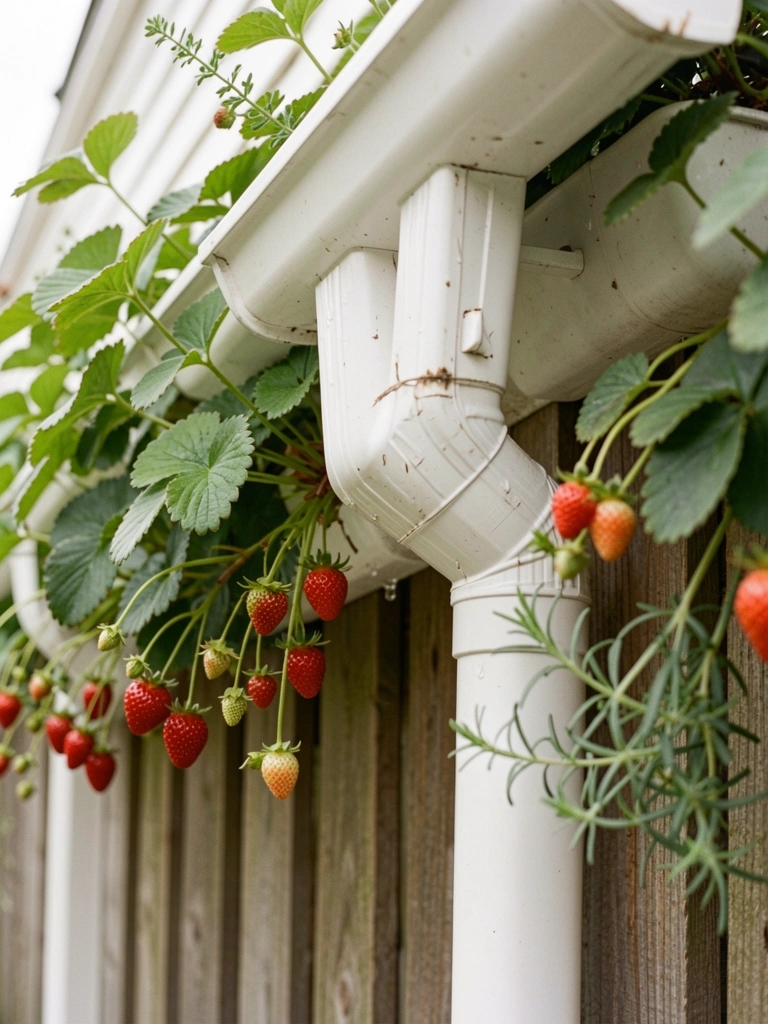
    My fence backed up to the alley, wasted space. Hung cheap gutters last summer, filled with strawberries and basil. Plants cascade now, birds peck at berries.

    It freed the ground for paths. Feels taller, airier back there. Herbs brush your arm walking by.

    I mounted too high first—hard to reach. Eye level now, perfect.

    Screw secure; wind tests them. Low water needs once rooted.

    What You’ll Need for This Look

    3. Mulch and Gravel Paths That Wind Naturally

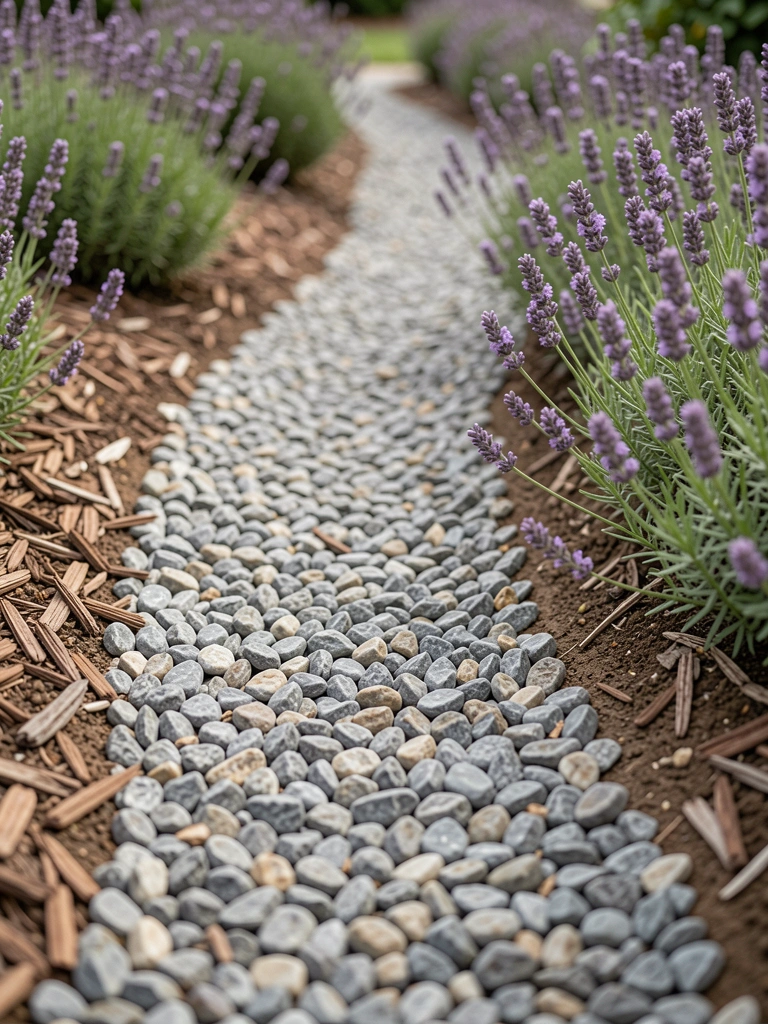
    Tired of mud after rain, I edged paths with free cardboard, topped gravel and mulch. Lavender along sides now blooms quiet purple.

    Guides your feet, defines beds without walls. Yard feels bigger, walks slower.

    Skip landscape fabric—clogs. Weeds push anyway; pull easy from gravel.

    Rake smooth yearly; settles cozy.

    What You’ll Need for This Look

    4. Pallet Raised Beds for Veggies That Actually Grow

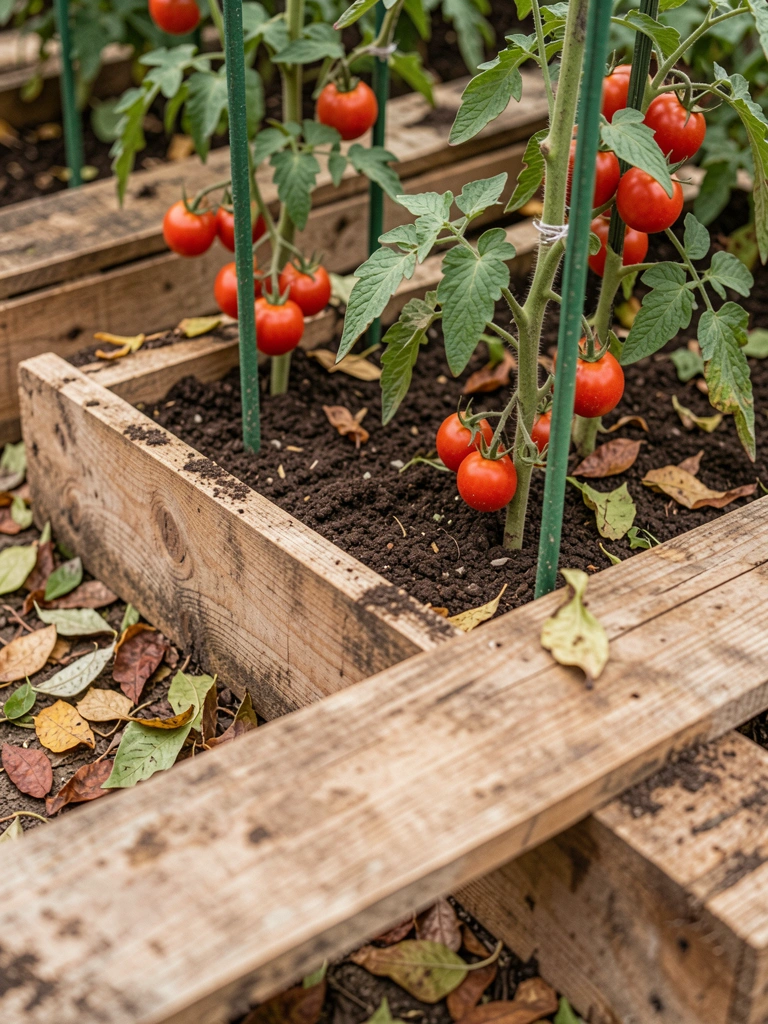
    Disassembled pallets made my first raised bed—free from a neighbor. Packed soil, tomatoes bushy now, easy reach.

    No bending sore backs. Soil warms fast, harvest weeks early.

    I forgot lining; splinters. Line with plastic next time.

    Stack two high max; stable.

    What You’ll Need for This Look

    5. Native Wildflower Meadow Patch in Full Sun

    Scattered native seeds in a sunny corner—no water bill spike. Coneflowers tower now, bees hum constant.

    Mows less, feels wild but contained. Colors shift all season.

    Overseeded first year; thin out. Patience—year two explodes.

    Blend grasses; holds shape.

    What You’ll Need for This Look

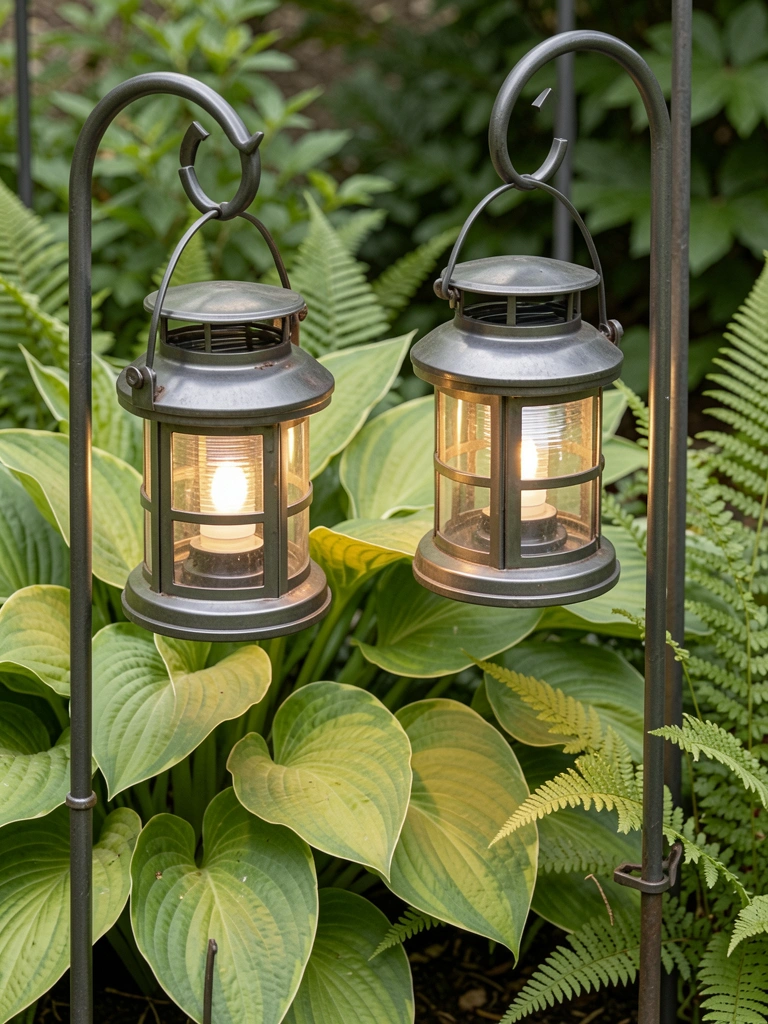
    6. Solar Lantern Clusters Along Edges

    Stuck solar lanterns on hooks around beds—dusk glows soft now. Hostas below frame them green.

    Evenings shift cozy, no cords. Kids play late safe.

    Bought cheap ones first; dim. Upgrade warm white.

    Group threes; balanced light.

    What You’ll Need for This Look

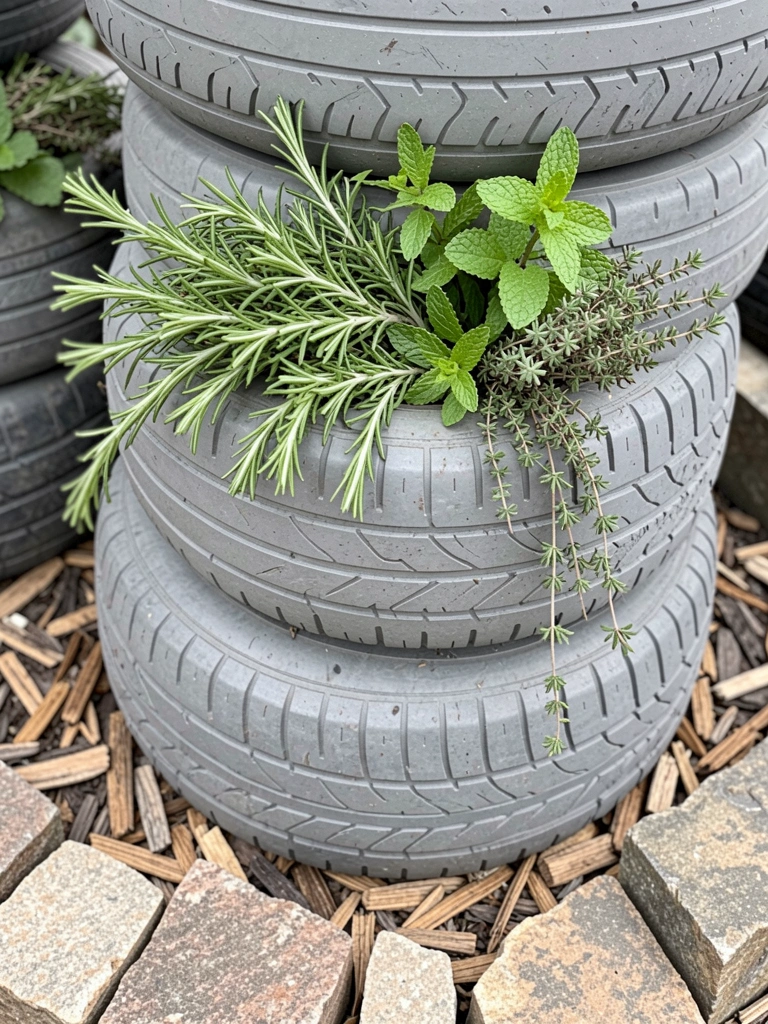
    7. Upcycled Tire Herb Wheel Near the Door

    Stacked old tires by the door, herbs in each spoke. Rosemary snips fresh for dinner.

    Doorway greets green, smells strong. Tires drain perfect, no rot.

    Painted first; faded fast. Raw now, blends.

    Drain holes key; poke big.

    What You’ll Need for This Look

    Final Thoughts

    Pick one idea, start there. My yard grew piece by piece, mistakes and all.

    It won't be perfect, but it'll be yours—green, welcoming.

    You've got this. Grab a shovel this weekend.

  • 11 Stunning Backyard Garden Ideas For Outdoor Spaces

    11 Stunning Backyard Garden Ideas For Outdoor Spaces

    I remember the first time I stepped into my backyard after a long winter. Bare dirt, a few scraggly bushes. It felt empty, like it was waiting for me to figure it out.

    Over years of trial and error—killing off too-shade-loving plants, wrestling with wonky layouts—I've shaped spaces that actually feel good to sit in.

    These ideas come from that. Real yards, real work. They'll make your backyard pull you outside.

    11 Stunning Backyard Garden Ideas For Outdoor Spaces

    Here are 11 backyard garden ideas pulled straight from my own plots. They're straightforward, forgiving for beginners, and work in everyday spaces. Let's get into them.

    1. Layered Container Planting That Fills a Bare Patio

    I started with one sad corner patio that echoed when you walked on it. Piled in pots of different heights—big ones for salvia and grasses, smaller for trailing ivy—and it instantly felt full, like the space was breathing.

    The key was grouping them tight, no gaps. Colors popped: purples against greens. Mornings there now feel calm, coffee in hand.

    Watch the sun patterns first; I once scorched petunias by ignoring afternoon shade. Mix heights for depth.

    Tuck in a simple bench, and it's your spot.

    What You’ll Need for This Look

    Terracotta planter set (12 inch)
    Trailing ivy plants
    Upright salvia plants
    Patio bistro bench wood

    2. Vertical Herb Wall for Skinny Side Yards

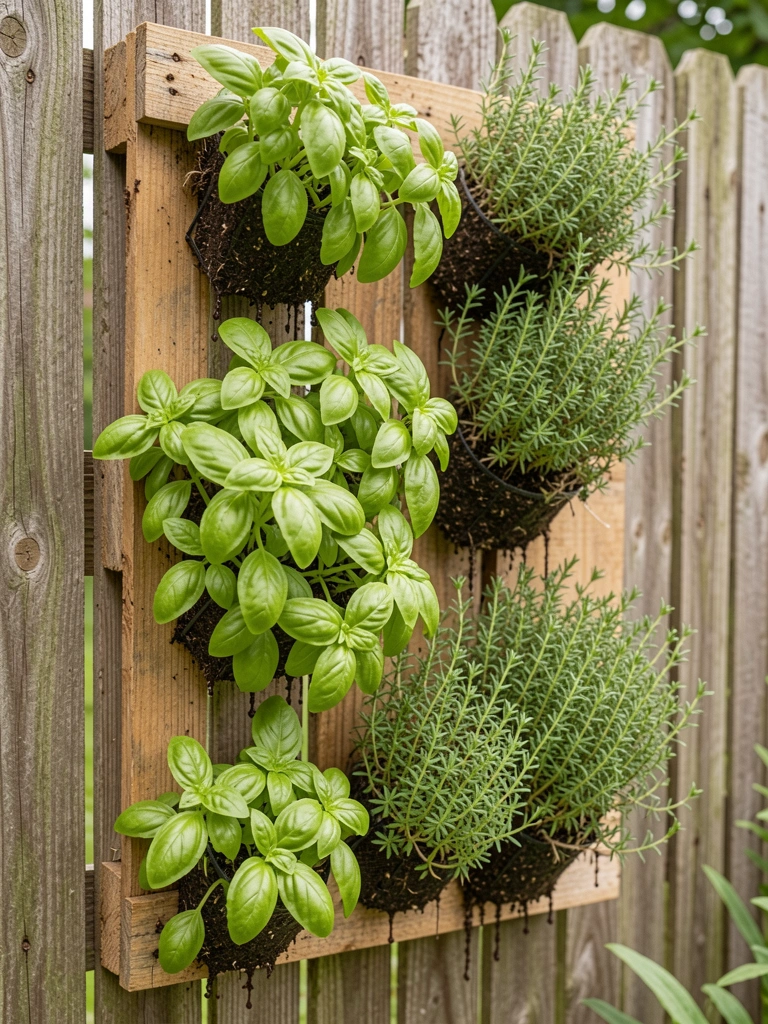
    My side yard was a narrow waste strip, weeds everywhere. Nailed up a pallet planter, stuffed pockets with basil, thyme, oregano. Fresh snips right outside the kitchen door changed everything.

    It greened up fast, scents hitting you on breezy days. No more store-bought herbs wilting in the fridge.

    I overplanted mint once; it took over. Stick to compact varieties, water from the bottom to avoid rot.

    Harvest often—it keeps them bushy.

    What You’ll Need for This Look

    Wooden pallet planter
    Basil plants (4 inch pots)
    Thyme plants
    Drip watering kit for wall planters

    3. Gravel Fire Pit Circle with Boulder Seats

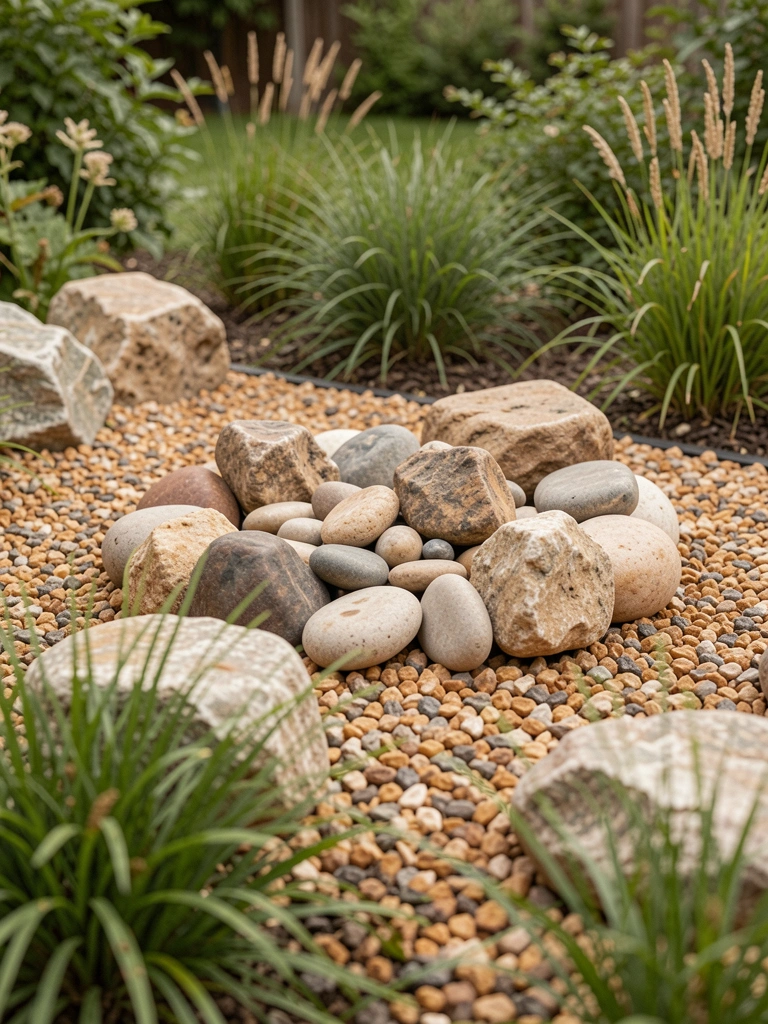
    Evenings in my yard used to end early. Dug a simple fire pit, ringed it with gravel, pulled in boulders for seats. Now it's the heart—crackling wood, faces lit up.

    The gravel drains fast, no mud after rain. Boulders stay put, feel solid under you.

    I bought fancy chairs first; they tipped. Natural stones are cheaper, last forever.

    Add low grasses around the edge for softness.

    What You’ll Need for This Look

    Metal fire pit kit (36 inch)
    Pea gravel bag (50 lb)
    Landscape boulders (18 inch)
    Low growing ornamental grasses

    4. Native Pollinator Patch That Hums Through Summer

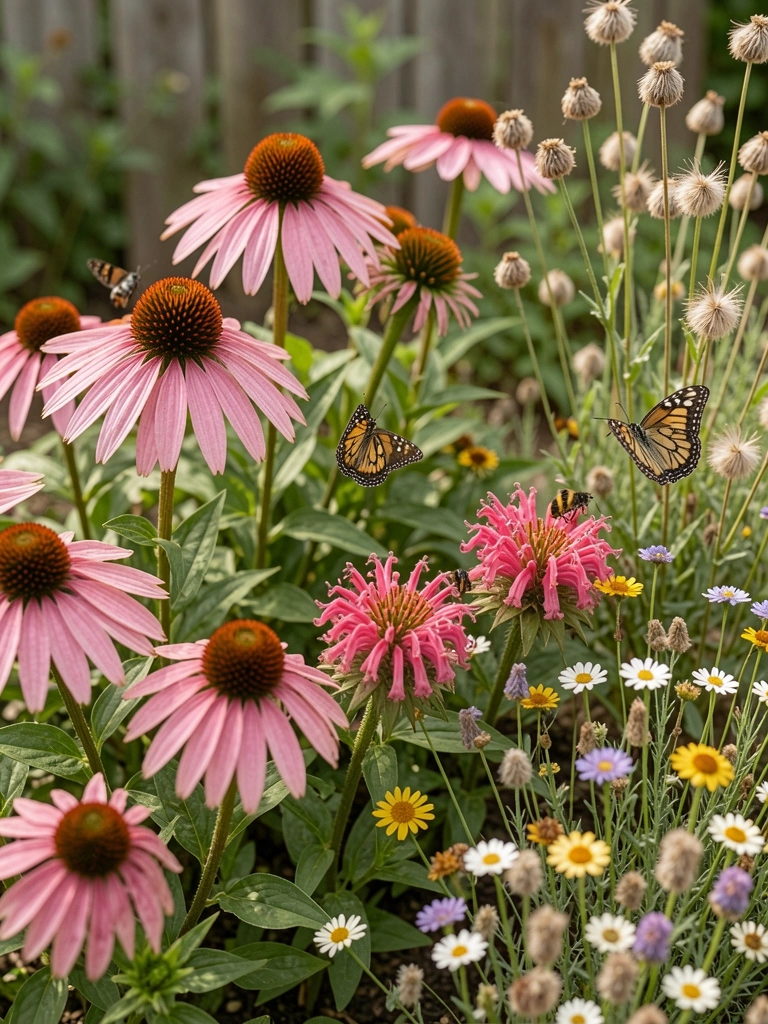
    Butterflies ignored my yard until I seeded a patch with natives—coneflowers, bee balm. Now it buzzes, colors shifting from pink to gold as seeds form.

    Feels alive, less work than fancy blooms. Bees thank you with pollination elsewhere.

    Planted too early once; frost nipped them. Wait for soil warmth.

    Let it go a bit wild—deadheads add texture.

    What You’ll Need for This Look

    Native wildflower seed mix pollinator
    Coneflower plants echinacea
    Bee balm plants monarda

    5. Rustic Raised Beds for Backyard Veggies

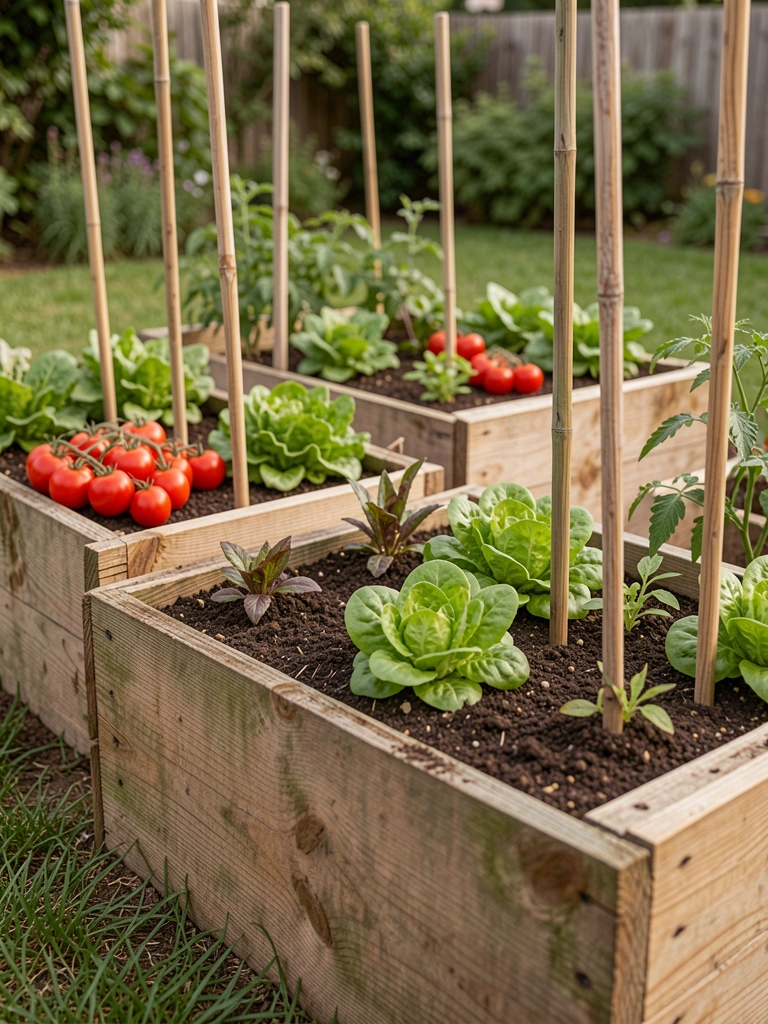
    My ground soil was clay hell for roots. Built raised beds from cedar, filled with tomatoes, lettuce. Harvests taste better, weeding's a breeze on knees.

    They warm up early, stretch the season. Greens frame the yard nicely.

    Overfilled with compost once; plants legged out. Half soil, half compost works.

    Space them for wheelbarrow access.

    What You’ll Need for This Look

    Raised garden bed kit cedar 4×8
    Tomato plants heirloom varieties
    Lettuce seed tape
    Garden stake set bamboo

    6. Winding Stepping Stone Path Through Perennials

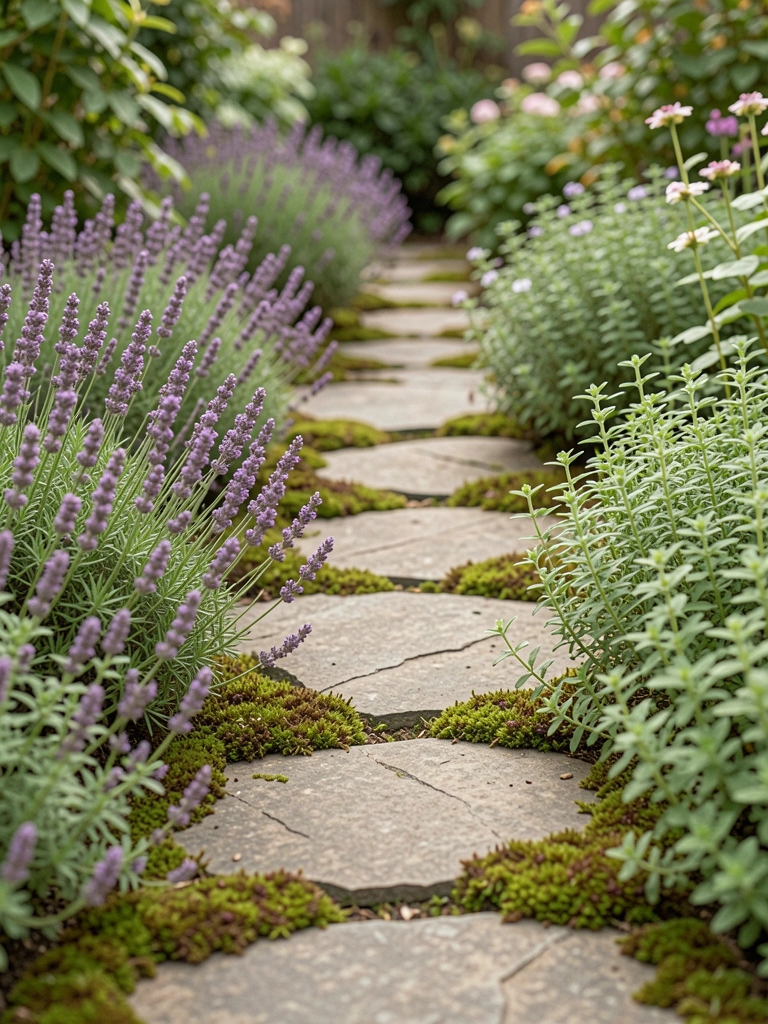
    Straight paths bored me. Curved one with flat stones through lavender and catmint—guides your eye, slows you down.

    Flowers brush your legs, scents rise. Makes the yard feel bigger.

    Laid stones too shallow first; they shifted. Dig 4 inches deep, tamp gravel base.

    Mow edges yearly for neatness.

    What You’ll Need for This Look

    Flagstone stepping stones (18 inch)
    Lavender plants english
    Catmint plants nepeta
    Landscape gravel for path base

    7. Vine-Clad Arbor for a Shady Hammock Spot

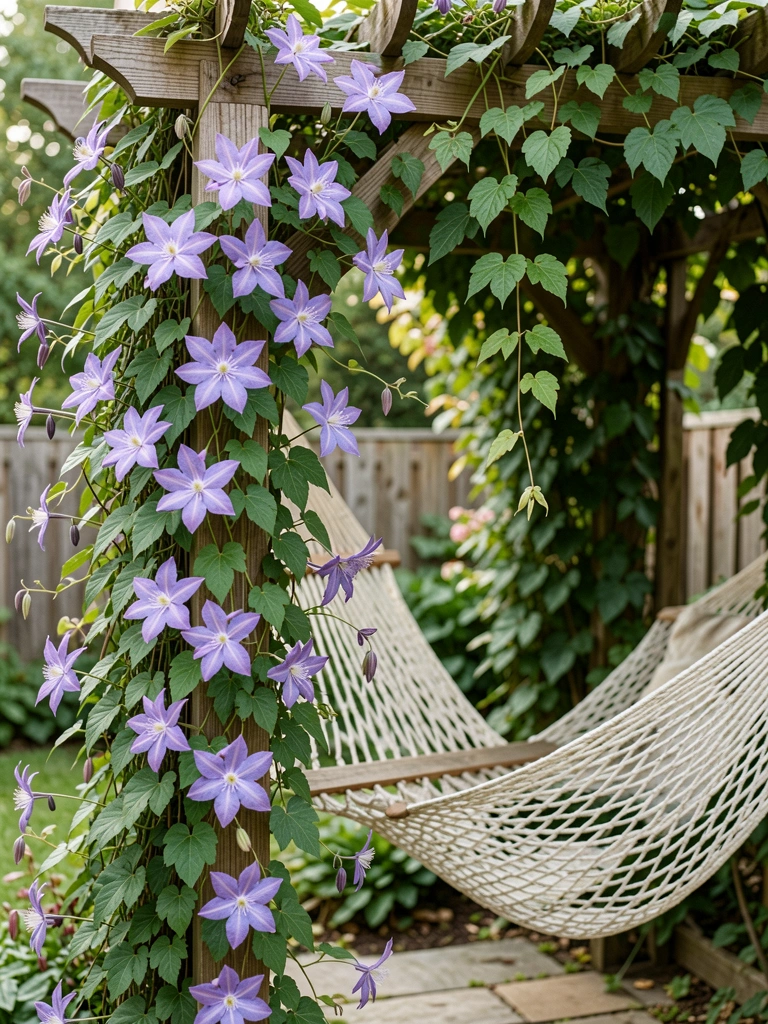
    Hot afternoons needed shade. Set up an arbor, planted clematis—now a hammock sways under green cover, cool and private.

    Vines cooled the air, blocked views. Perfect read spot.

    Chose wrong vine once; it smothered. Go slow-growers like clematis.

    Train loosely for air flow.

    What You’ll Need for This Look

    Wooden garden arbor (8 foot)
    Clematis vine plants
    Double hammock with stand

    8. Solar-Lit Gravel Lounge with Adirondack Chairs

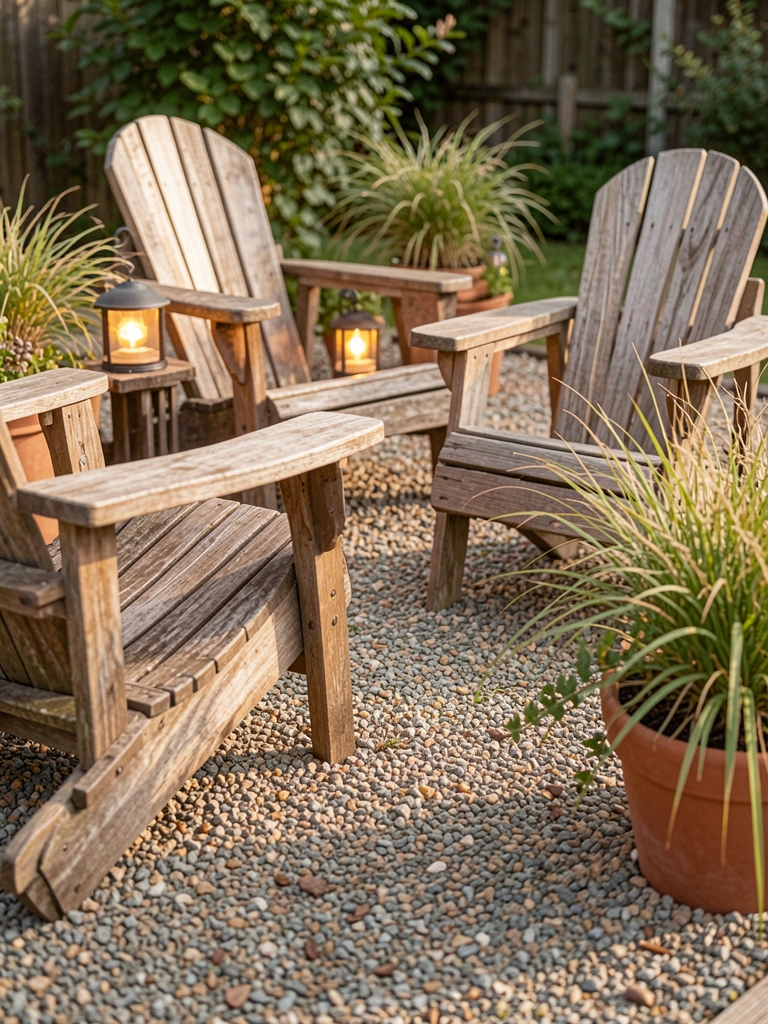
    Dark yards scared me off after dusk. Spread gravel, added chairs and solar stakes—now evenings linger, lights glowing soft.

    Gravel's easy sweep, chairs sink in comfortably. Feels intentional.

    Lights died fast cheap ones. Get waterproof, warm white.

    Scatter, don't line—more natural.

    What You’ll Need for This Look

    Adirondack chairs outdoor wood set
    Solar pathway lights warm white
    Decomposed granite gravel (50 lb)

    9. Berry Bush Border That Feeds Birds and You

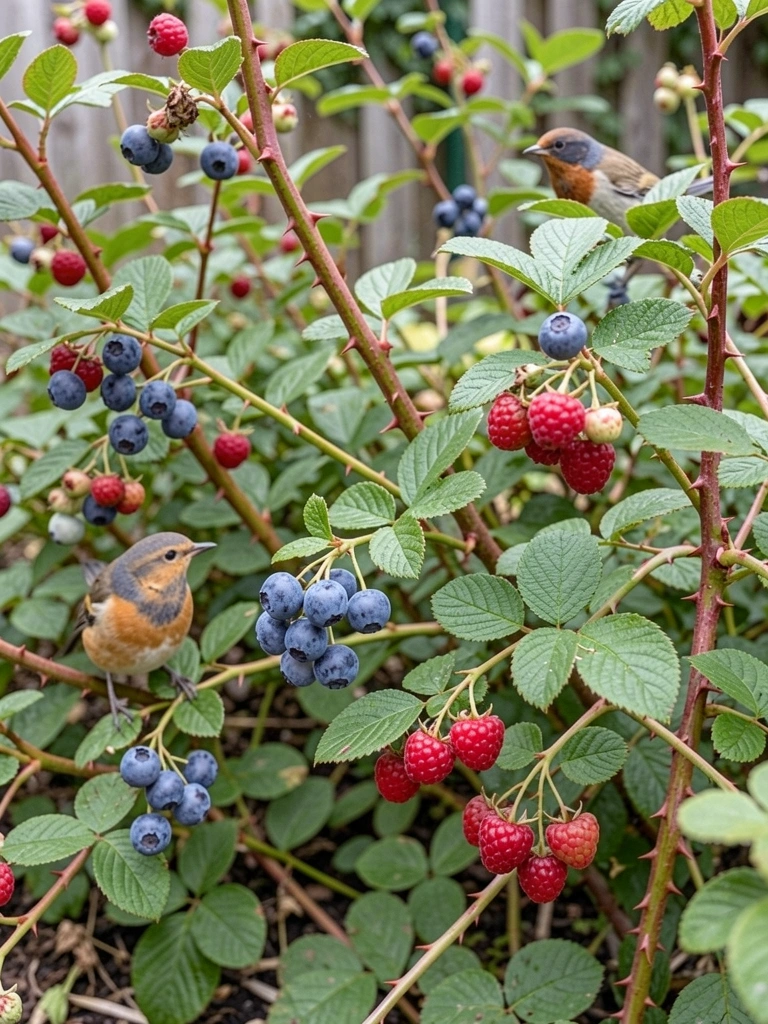
    Fence line was dull. Planted blueberries, raspberries—birds flock, we pick extras. Berries add color pops all season.

    Tart-sweet taste beats store. Branches layer for privacy.

    Birds got them all first year; net loosely later.

    Prune annually for air.

    What You’ll Need for This Look

    Blueberry bush plants (2 gallon)
    Raspberry plants everbearing
    Bird netting garden (50 ft)

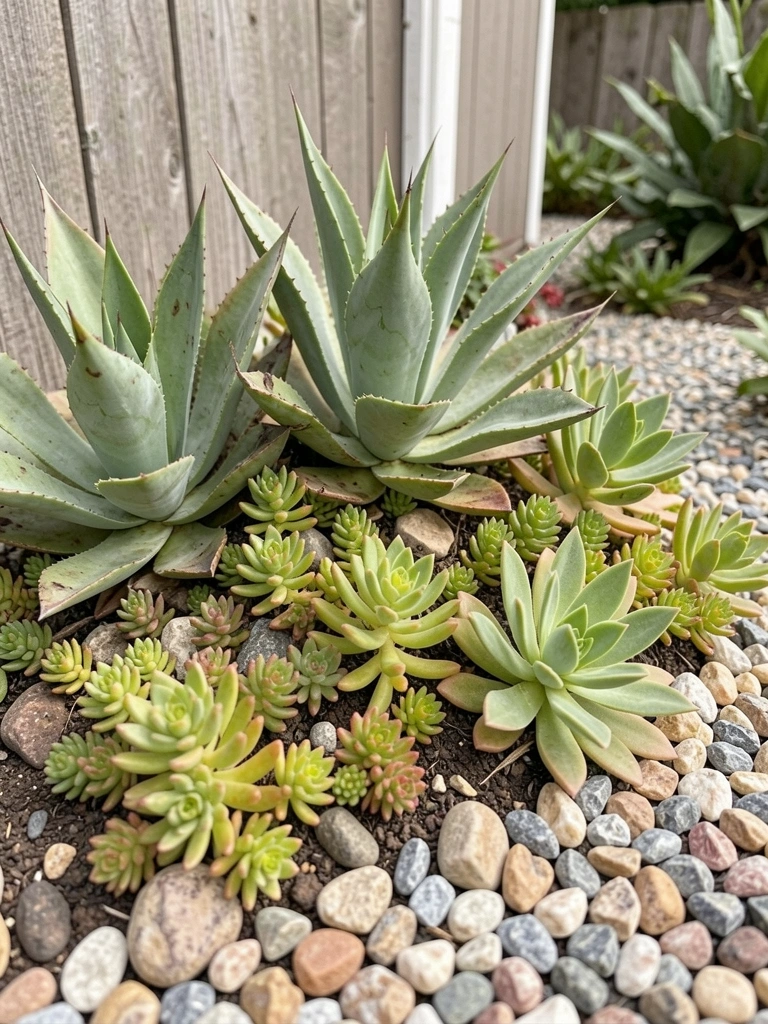
    10. Drought-Tough Succulent Mound by the Shed

    Dry corner by the shed baked plants. Mounded succulents—agave, sedum—with gravel top. Bold shapes, zero fuss.

    They sculpt the space, catch eyes. Thrives on neglect.

    Watered too much at first; rotted roots. Let dry fully between.

    Mix sizes for interest.

    What You’ll Need for This Look

    Agave succulent plants (6 inch)
    Sedum groundcover plants
    Gravel mulch white (20 lb)

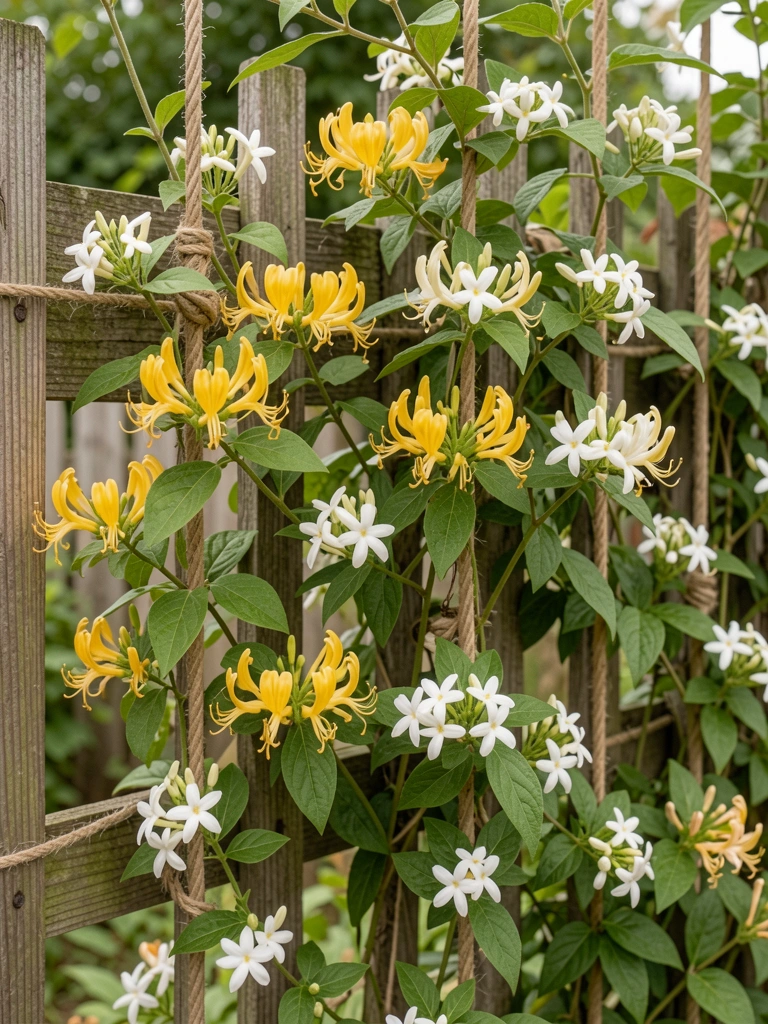
    11. Fragrant Fence Climbers for Evening Scent

    Back fence loomed blank. Trained honeysuckle, jasmine up it—nights fill with sweet scent, pulls you out.

    Blooms draw moths, soften edges. Cozy from the deck.

    Vines tangled bad once; prune hard yearly.

    Plant at base, tie loosely.

    What You’ll Need for This Look

    Honeysuckle vine plants
    Jasmine climbing plants
    Garden twine natural jute
    Pruning shears felco

    Final Thoughts

    Pick one or two ideas that fit your yard's light and your time. They build on each other over seasons.

    You've got this—start small, watch it grow into yours. It'll feel right before you know it.

  • How To Make The Herb Garden Decorative

    How To Make The Herb Garden Decorative

    I planted herbs in a straight row last spring. They grew fine, but the patch looked flat. Just green leaves, no pull to linger there.
    It sat there, useful for cooking but not part of the garden I walked through.
    I wanted it to fit, to draw the eye without trying too hard.

    How To Make The Herb Garden Decorative

    This shows you how I settle a herb garden so it feels balanced and warm. You'll end up with a spot that holds its own in the garden, comfortable to look at year-round.

    What You’ll Need

    Step 1: Pick Your Anchor Plant

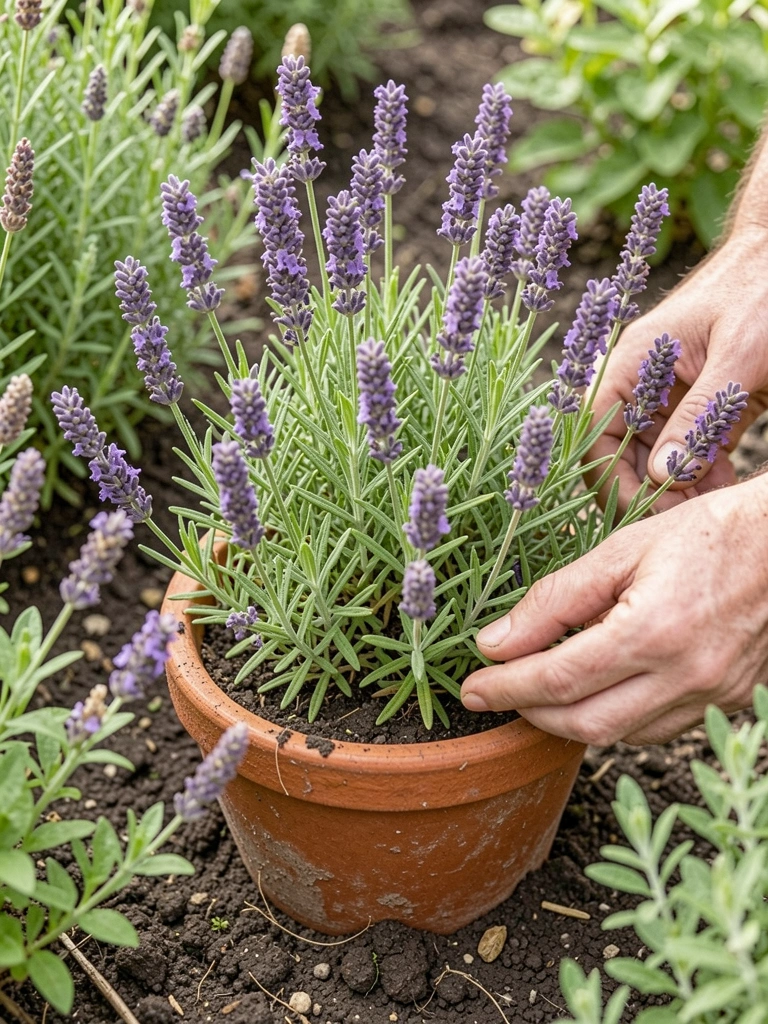
    I start with one strong plant in the center. Lavender works for me—its gray-green leaves and purple buds hold steady. I sink it deeper than the rest.
    This pulls the eye right away. The bed shifts from empty to anchored.
    People miss how one plant sets the rhythm. Without it, everything floats.
    Don't crowd it early. Give roots room, or it leans wrong later.

    I nudge soil around the base until it sits level. Now the space has weight. The purple hints promise more without shouting.

    Step 2: Layer Low and Trailing Greens

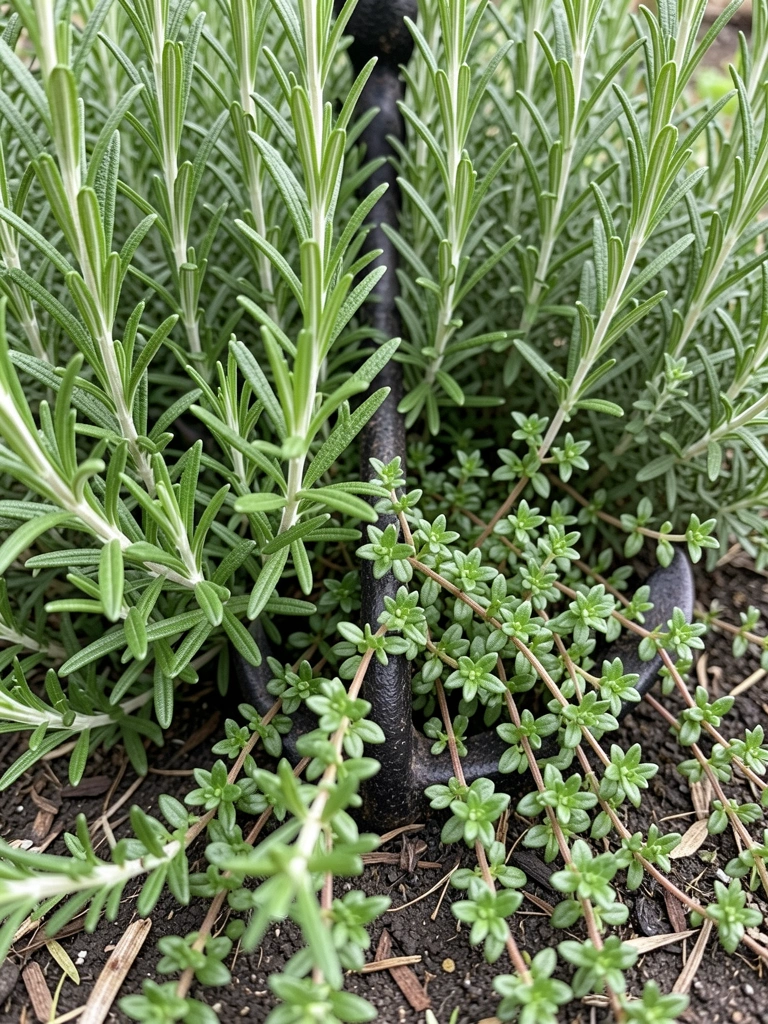
    Next, I tuck trailing rosemary along the front edge. It softens the line, spills over pots. Variegated thyme fills gaps beside it.
    The ground feels covered now, not bare. Layers build depth you notice up close.
    Most skip the spillers—they think herbs stand alone. But they connect the bed to the path.
    Avoid straight lines here. Let stems curve; it keeps the flow easy.

    I pat soil light, water once. The front breathes, draws you in without blocking the view.

    Step 3: Add Mid-Height Fills

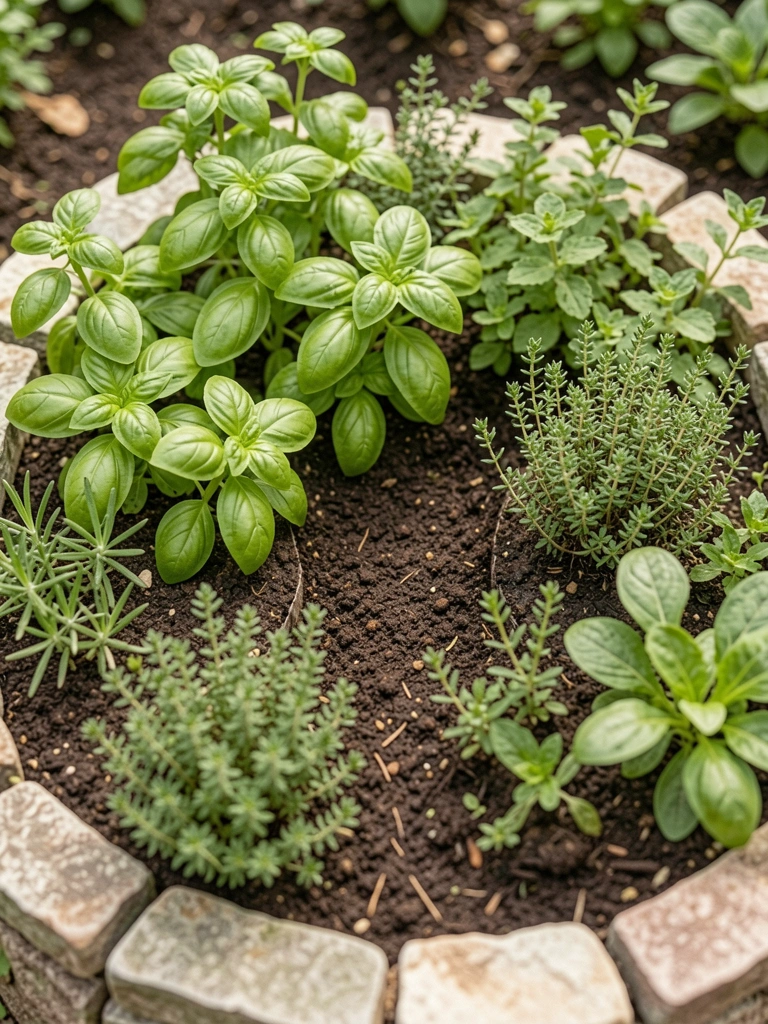
    Basil goes mid-way up, in pots sunk into the soil. I cluster three, off-center from the lavender.
    Color pops—bright green against grays. The bed gains rhythm, feels fuller.
    Folks overlook pot heights. Match them to plants so nothing dwarfs the rest.
    Don't line them even. Offset pulls the eye around naturally.

    I twist pots slightly for air. Now it reads balanced, not packed.

    Step 4: Scatter Texture Breaks

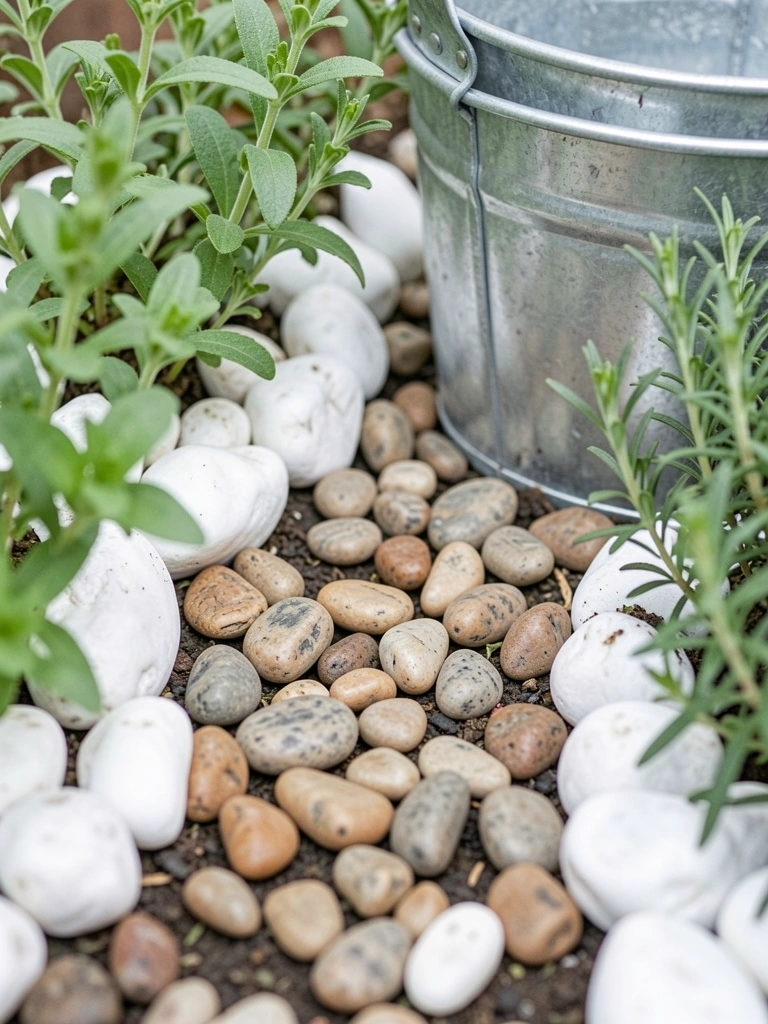
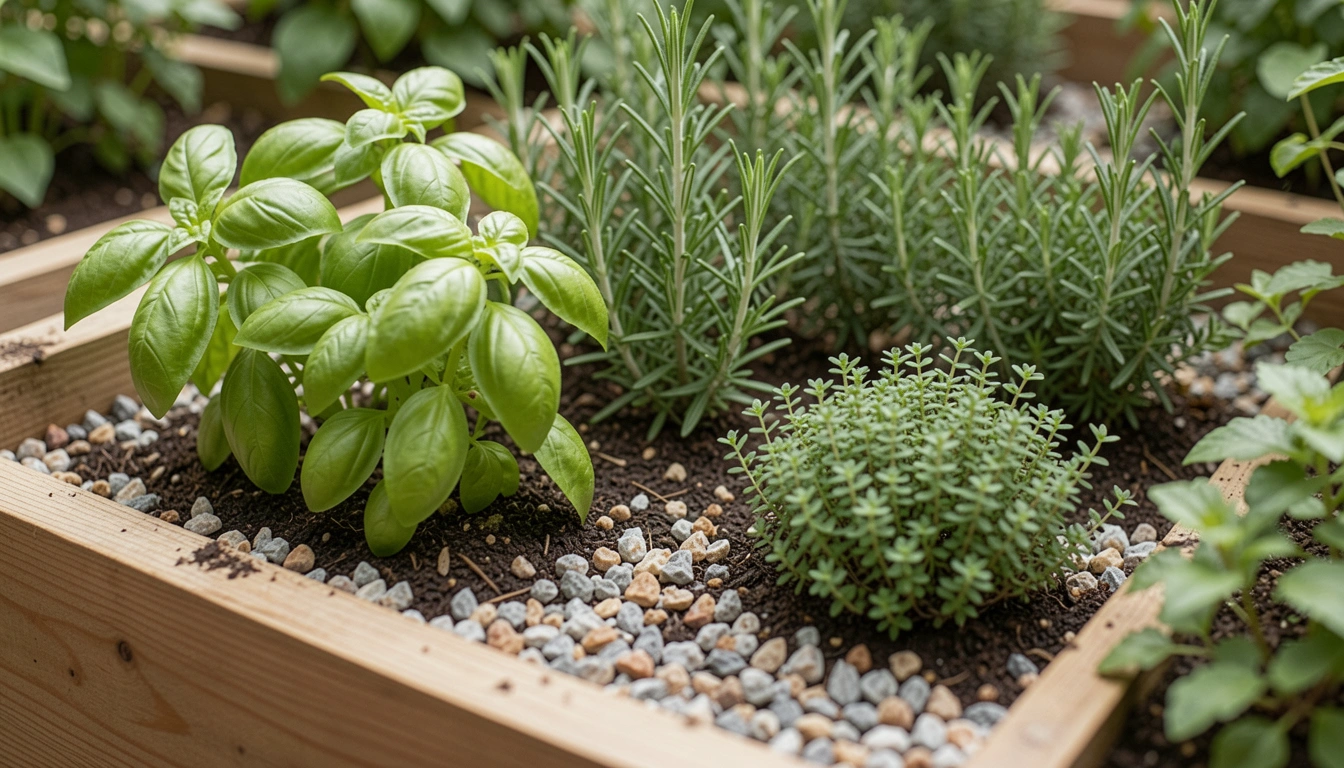
    I drop white pebbles in patches between plants. A galvanized bucket sits to one side, empty or with a spare thyme.
    Bare soil vanishes; texture ties it quiet. The garden settles, lived-in.
    People forget ground covers—they fade fast. Pebbles hold when herbs thin.
    Steer clear of too much gravel. It cools the warmth if overdone.

    I rake lightly even. Light bounces, makes the whole feel clean.

    Step 5: Set a Vertical Lift

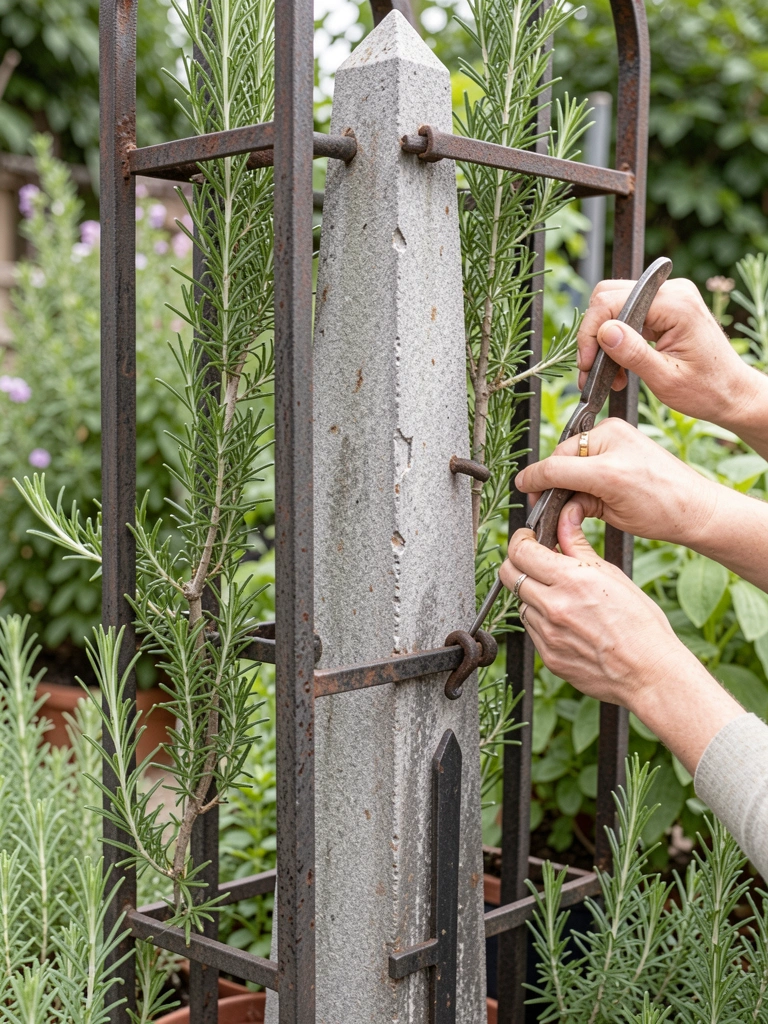
    Last, I push the obelisk into back soil. Train rosemary up one side loose.
    Height lifts without crowding. The bed flows up, holds against fences.
    Miss this, and it stays squat. Vertical echoes nearby trees.
    Don't tighten ties. Let it climb slow; force snaps stems.

    I step back. Now it fits the garden, draws without dominating.

    Choosing Herbs That Play Well Together

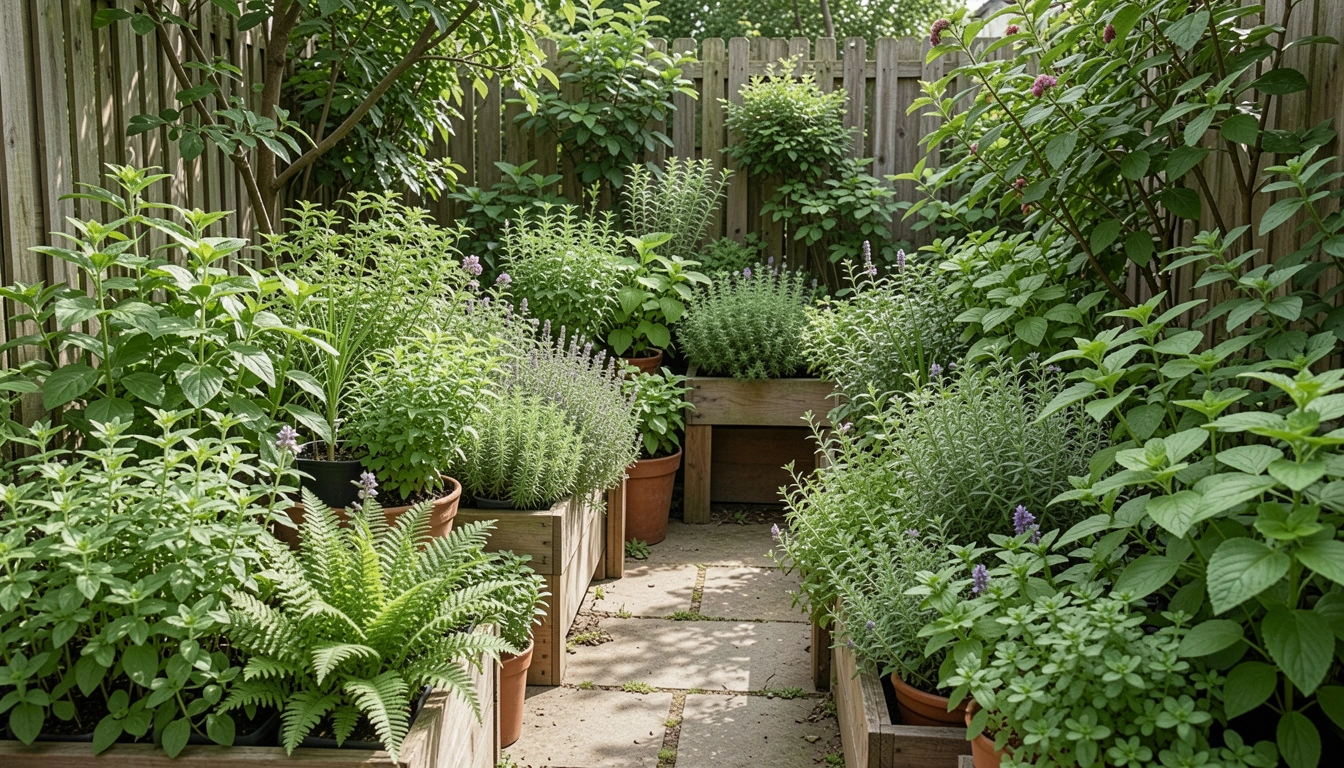
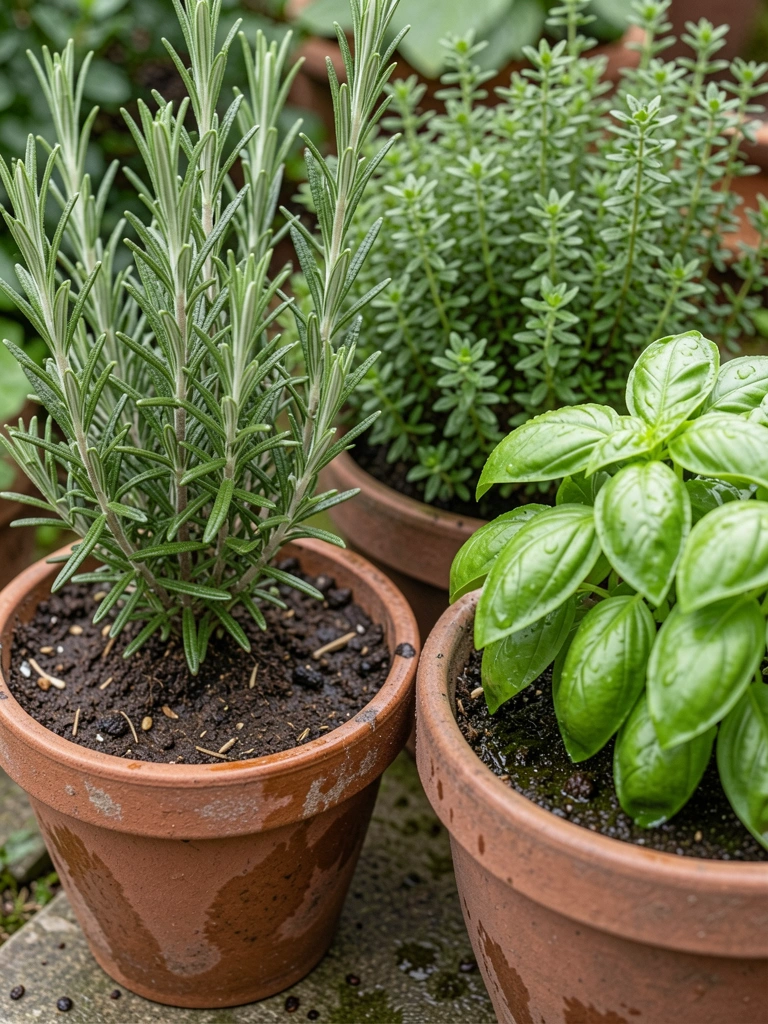
    I pick based on what grows near me. Lavender anchors, rosemary trails, basil fills. Thyme adds cream edges.

    They share sun but differ enough—purple, green, gray. No clashes.

    • Lavender for steady shape
    • Rosemary for spill
    • Basil for bright lift
    • Thyme for fine texture

    This mix stays balanced through cuts.

    Keeping the Balance as It Grows

    I trim often, but light. Snip tops even. Pull spent leaves weekly.

    Watch for one plant taking over. Thin basil if it bushes wild.

    • Check edges monthly—trim strays
    • Water base only, avoids leggy growth
    • Refresh pebbles yearly

    It stays comfortable, not wild.

    Handling Off-Seasons

    Winter quiets it. I mulch light around bases. Lavender holds color.

    Spring, new basil revives green. Add a pot if gaps show.

    • Mulch thin, two inches max
    • Swap tired plants early
    • Pebbles catch rain, no mud

    Year-round, it feels right.

    Final Thoughts

    Start with one corner if the whole bed daunts you. My first try was half-done, still better than plain.
    It works because you feel it out, adjust as you go.
    Yours will settle too. Just walk by it daily, tweak what pulls back.

  • How To Design A Herb Garden

    How To Design A Herb Garden

    I had a corner by the kitchen door that got sun but felt empty. Herbs went in there, but they crowded each other. Some bolted, others flopped over. It looked patchy, not useful.

    I stepped back one afternoon. The bed needed air, height differences, paths to reach in. That's when I saw it: herbs work when they fit the space, not fight it.

    You know that feeling. Your herbs are alive but the spot doesn't pull you in to snip a leaf.

    How To Design A Herb Garden

    This shows you how I settle a herb garden into any spot. It ends up balanced, easy to use, with plants that last. No guesswork—just steady flow.

    What You’ll Need

    Step 1: Pick Your Spot for Sun and Reach

    I walk the yard at midday. Herbs need six hours of sun, but also a path to them. I stand where I'll grab a sprig for dinner. That's the spot.

    Visually, it shifts from blank to promising. Light hits the soil right.

    People miss how reach changes everything. If you stretch too far, you neglect plants. Avoid crowding the edge—leave a foot of clear space.

    I mark it with a stick. Now it feels like part of the kitchen flow.

    Step 2: Sketch the Heights for Balance

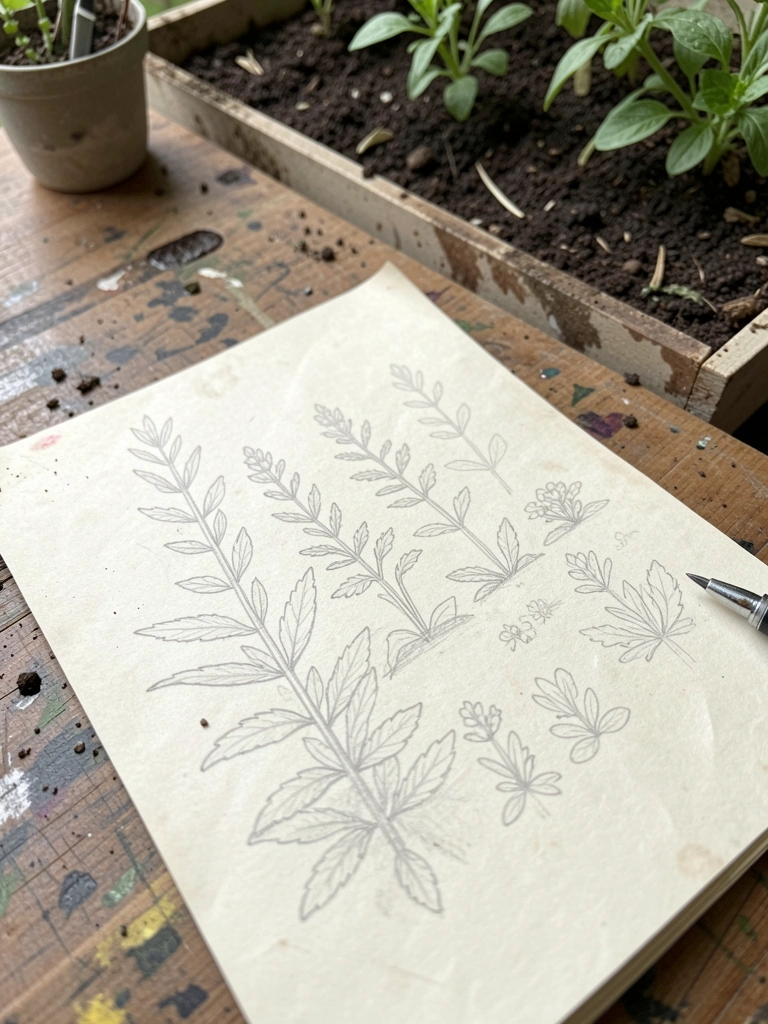
    I grab paper and note tall rosemary at back, low thyme in front. Herbs layer like shelves. This stops the flop.

    The ground looks planned, not random. Shadows play even.

    Insight: same height bunches look flat. Mix it. Mistake—planting mint anywhere; it takes over. Keep it potted.

    I step back. Balance settles in.

    Step 3: Group by Water Needs

    I set pots out. Rosemary and thyme take dry soil; basil likes damp. Groups form naturally.

    Now the bed has rhythm. Dry side stays crisp, wet side lush.

    Missed often: all herbs same water leads to rot or wilt. Avoid overplanting one type—space for air.

    I nod. It feels right.

    Step 4: Plant with Paths Between

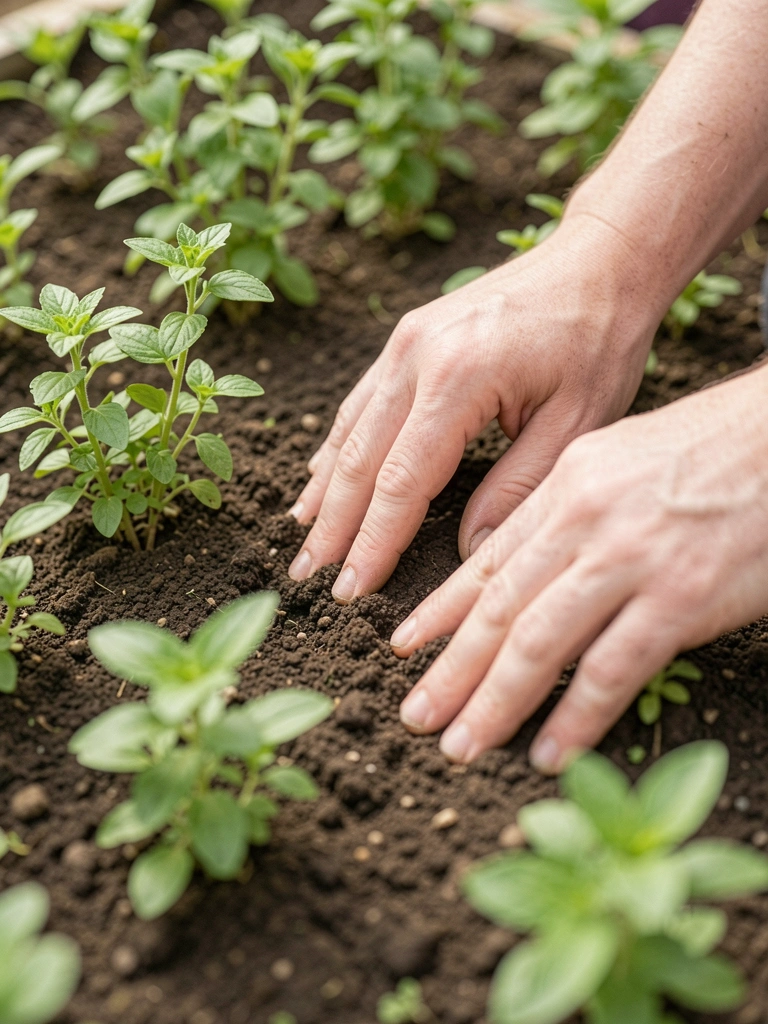
    I dig holes twice root width. Drop in, firm soil. Leave elbow room between.

    The space breathes. Plants stand without leaning.

    People forget paths wear down if too narrow. Make them wide. Avoid burying pots deep—lift for roots.

    I water lightly. It's holding shape.

    Step 5: Add Edges for Containment

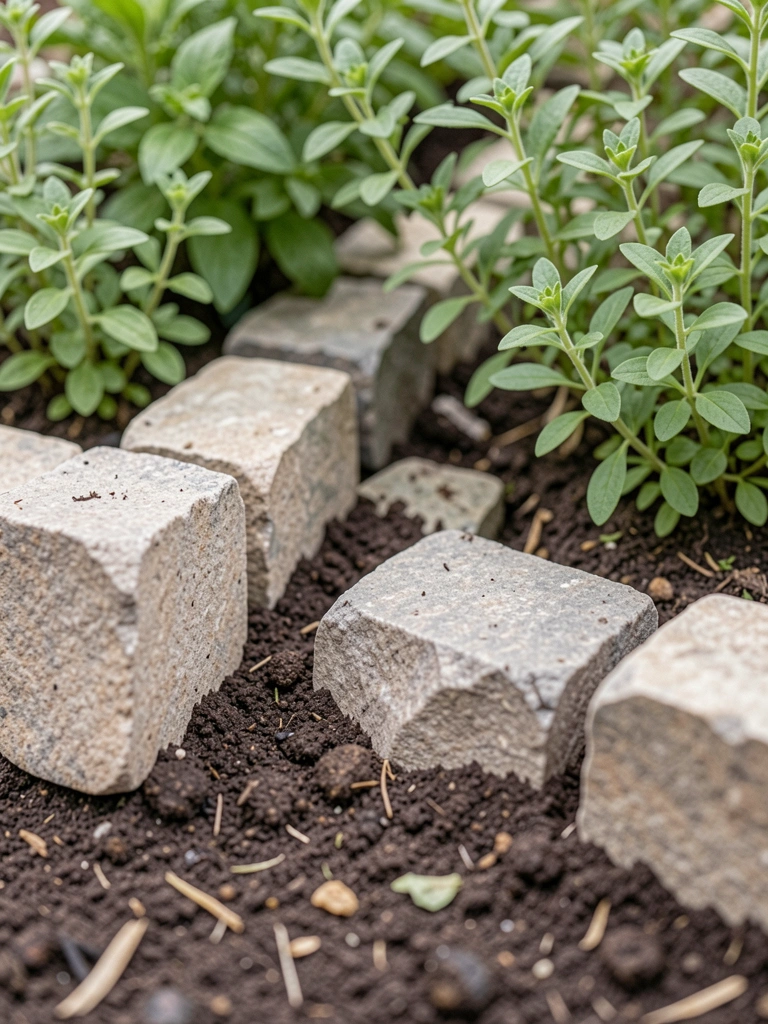
    I line with stones or troughs. Holds mint in, defines the area.

    Edges make it contained, intentional. No sprawl.

    Insight: loose edges let weeds in. Mistake—skipping them early. Plants stay put.

    Pat it down. Done.

    Choosing Herbs That Thrive Together

    I pick based on use and sun. Rosemary anchors with height. Basil fills summer gaps.

    • Rosemary: woody, dry-tolerant back row.
    • Thyme: ground cover, evergreen scent.
    • Basil: quick harvest, front for easy pick.

    This mix lasts seasons. No weak links.

    Handling Common Herb Garden Setbacks

    Yellow leaves hit sometimes. Check water first—too much drowns roots.

    Overgrowth? Snip tops weekly. Keeps bushy.

    • Mulch lightly to hold moisture.
    • Rotate pots yearly for fresh soil.

    Steady tweaks keep it balanced.

    Making Your Herb Garden Year-Round

    Winter slows it. I cover tender basil, let hardy thyme sleep.

    Spring refresh: divide clumps.

    Add oregano for off-season green. It flows without reset.

    Final Thoughts

    Start with three herbs in one trough. See how they settle.

    You'll get the feel quick. That pull to snip changes everything.

    Your spot works when it fits your hands.

  • 10 Neat Herb Garden Edging Ideas For A Clean Look

    10 Neat Herb Garden Edging Ideas For A Clean Look

    I bent down one morning and yanked mint runners creeping into the grass. My herb bed looked wild, not welcoming. That mess pushed me to edge it properly last spring.

    Bricks went in first. The line sharpened everything. Herbs stayed put, paths stayed clear.

    Now, I walk out there calm, coffee in hand. Edges matter more than you think.

    10 Neat Herb Garden Edging Ideas For A Clean Look

    These 10 herb garden edging ideas come from my own patches and neighbor yards. They'll give you crisp borders that last. Easy to source, simple to set.

    1. Brick Half-Circles for Winding Herb Beds

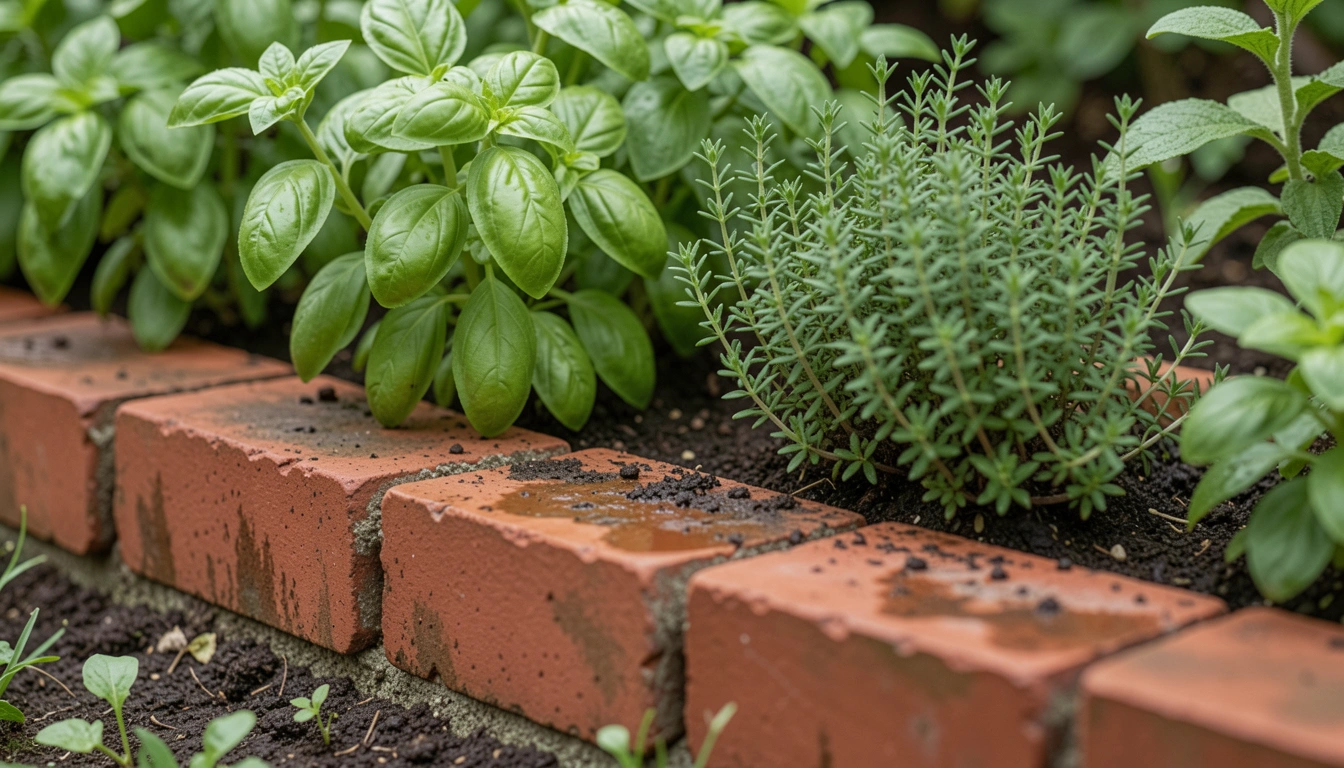
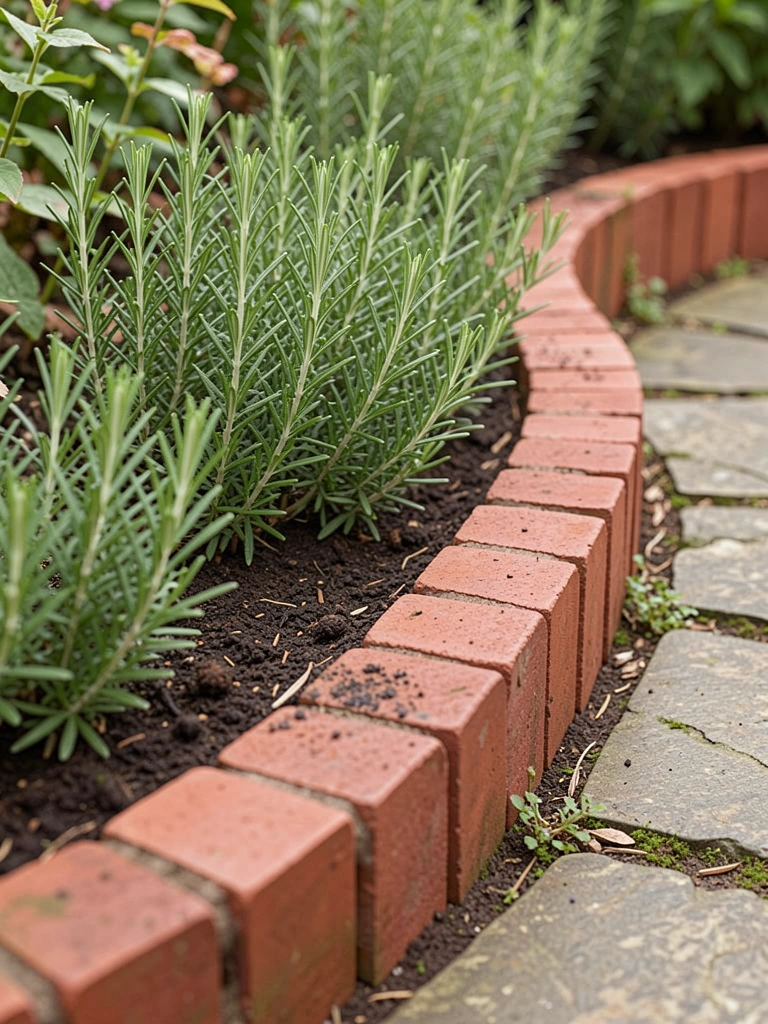
    I laid these bricks around my curved thyme bed after straight lines felt too stiff. The half-circles hug the shape, keep soil from spilling onto the gravel walk.

    Visually, it pulls your eye along the curve, makes the herbs pop green against the red. Feels softer than boxy edges.

    Watch the depth—sink bricks level with soil so mower wheels glide over. I dug too shallow once, tripped the trimmer.

    What You’ll Need for This Look

    2. Flat River Rocks for a Natural Flow

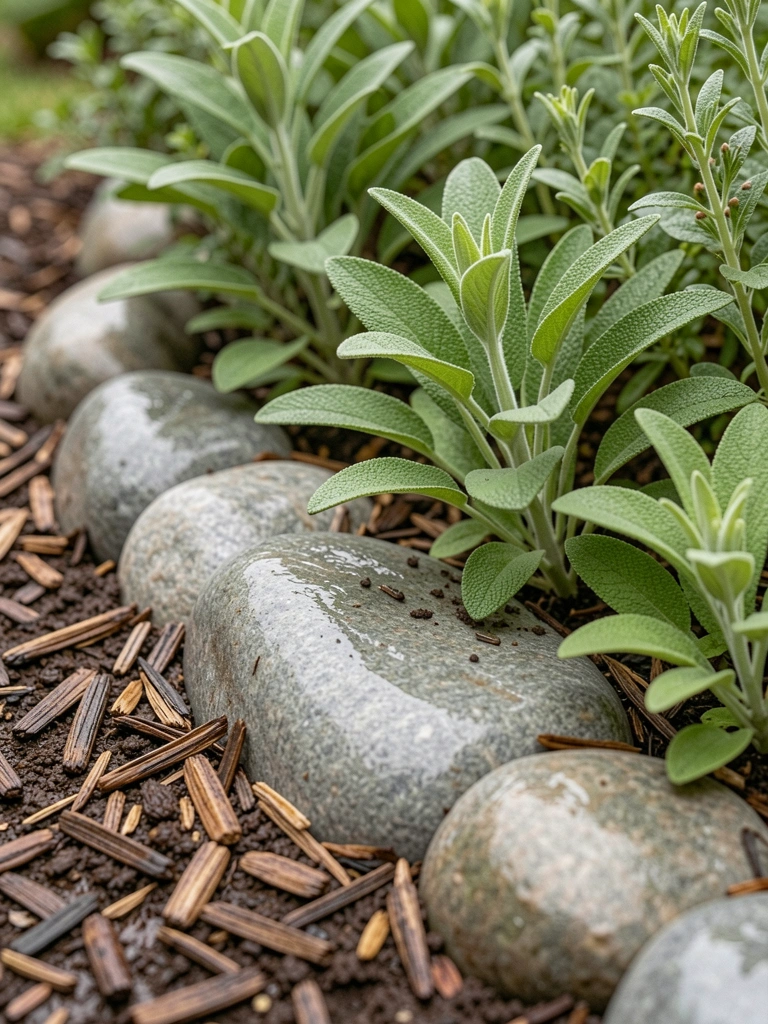
    River rocks edged my basil row after gravel washed away. I wedged them tight into the soil line, no mortar needed. They settle in over time.

    The garden feels grounded now, rocks blending with the herbs' gray-green tones. No harsh lines, just quiet containment.

    Pick smooth, flat ones—jagged hurt bare feet. Size them to your bed width, about fist-sized.

    What You’ll Need for This Look

    3. Sawn Timber Logs for Rustic Depth

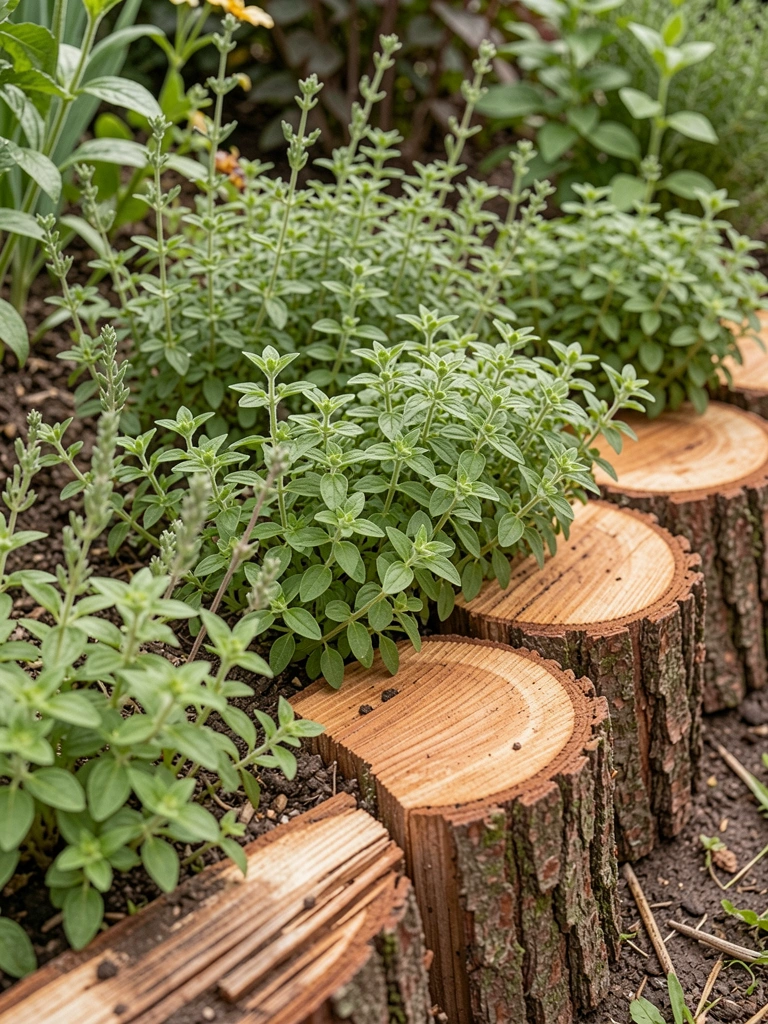
    I sliced old cedar posts for my oregano edge when plastic strips warped in heat. Logs stack two high, hold back the spreading roots.

    It adds warmth, wood aging to silver against green leaves. The bed feels deeper, more protected.

    Bury half the log to avoid rot—mine tipped once from shallow set. Pressure-treated lasts longer here.

    What You’ll Need for This Look

    4. Thin Metal Strips for Sharp Modern Lines

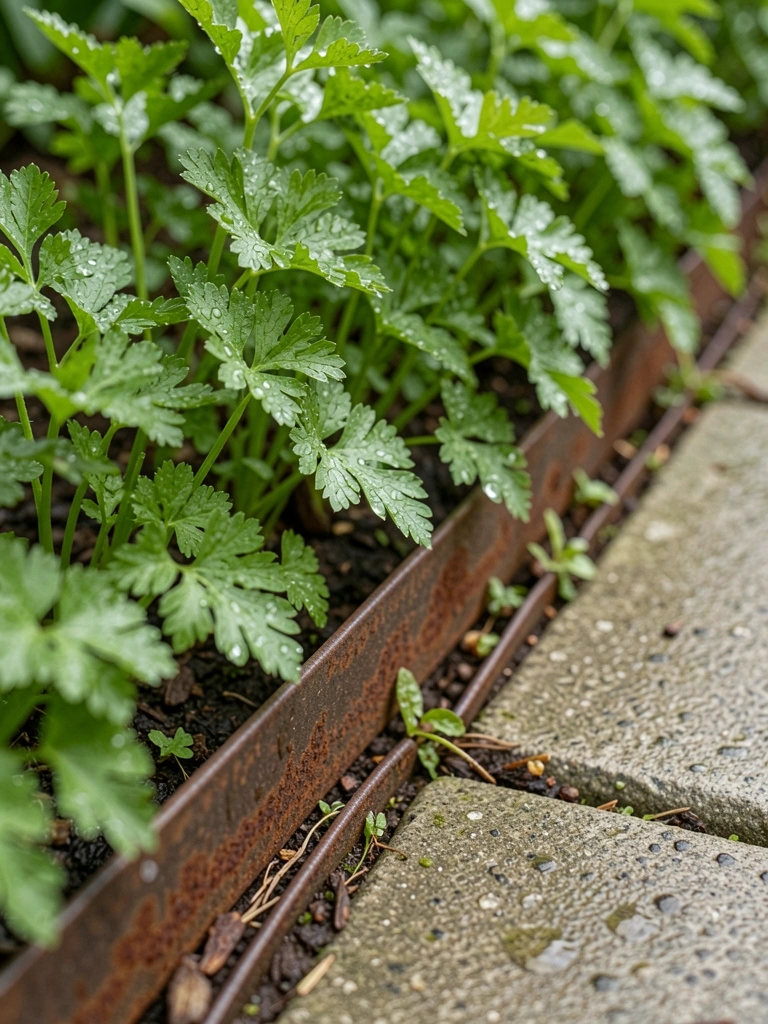
    Steel strips gave my parsley bed a clean snap after weeds snuck through gaps. Hammered them in straight, flush with topsoil.

    The line cuts crisp, makes small herbs look bigger. Modern without cold—rust warms it over months.

    Measure twice; I bent one hammering crooked. Corten steel weathers best outdoors.

    What You’ll Need for This Look

    5. Low-Growing Lavender as Living Edge

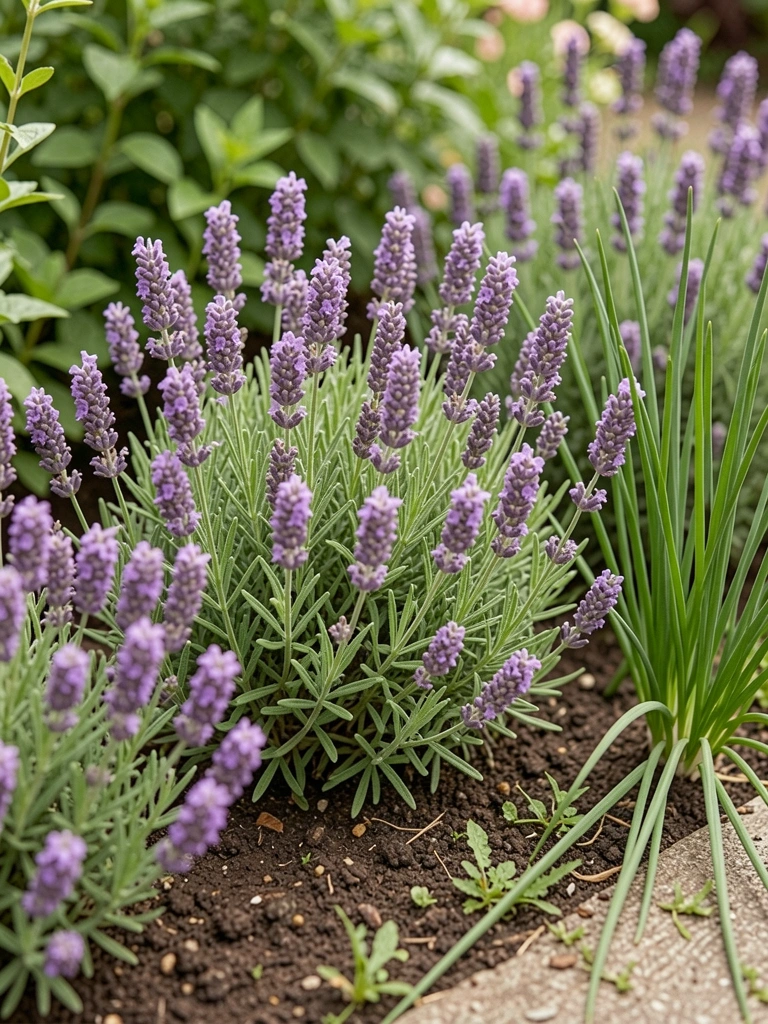
    Lavender plants border my chive patch now, planted tight after annuals died off. They fill in dense, block mint escapees.

    Softens the bed edge, adds scent when brushed. Purple tips dance with herb greens.

    Space 12 inches apart—too close, they woody up fast. Trim after bloom to stay low.

    What You’ll Need for This Look

    6. Concrete Paver Slabs in a Row

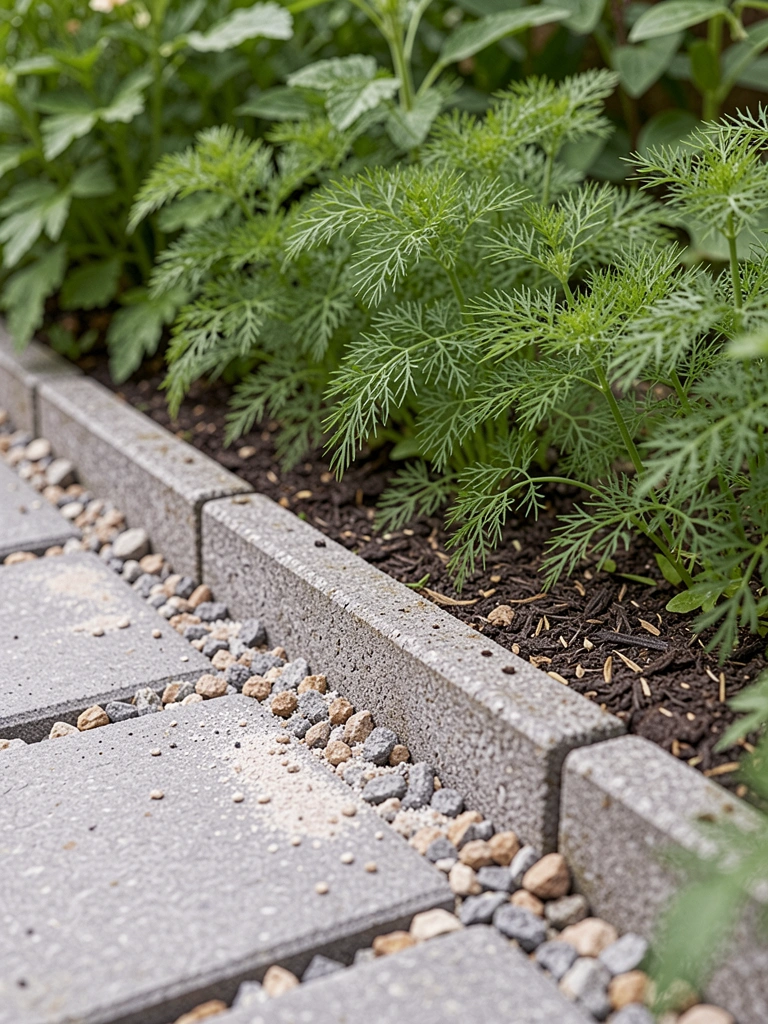
    Pavers lined my dill row when logs rotted quick. Butted them end-to-end, filled gaps with sand.

    Gives a solid, walkable barrier. Herbs frame neat against the gray, no sprawl.

    Level the base—mine shifted first rain from loose soil. Unfussy gray blends anywhere.

    What You’ll Need for This Look

    7. Recycled Wine Bottle Line

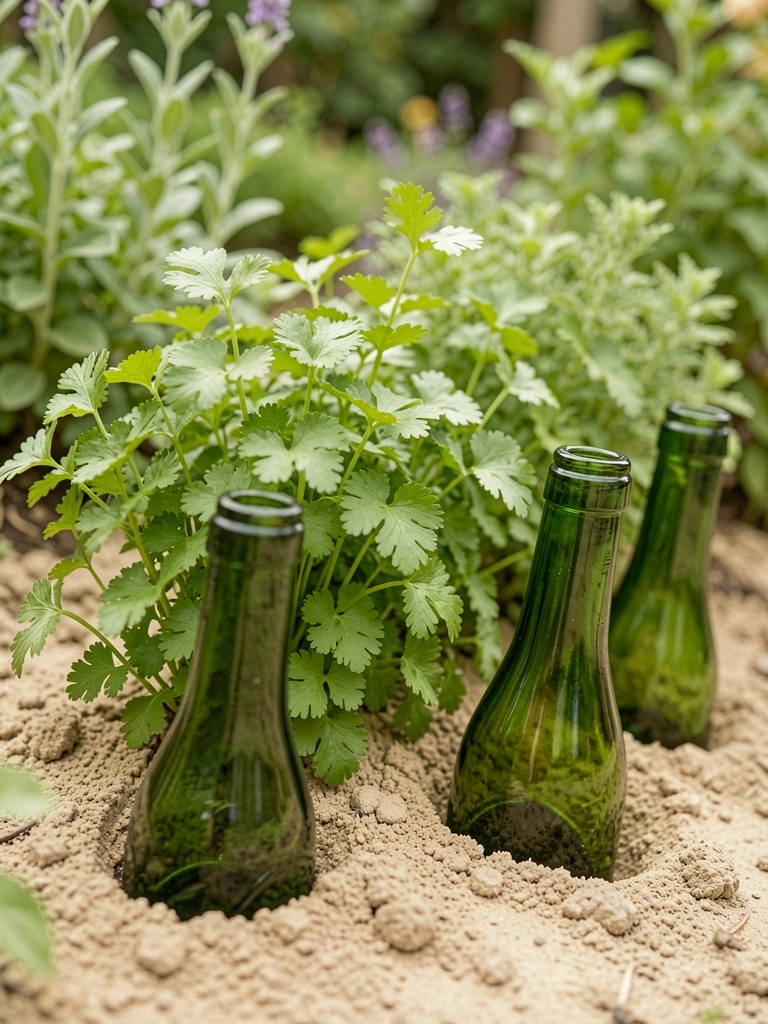
    I buried old wine bottles neck-down along cilantro after buying fancy edgers. Glass catches light, holds firm.

    Adds a cozy gleam without cost. Green tint plays off herb shades nicely.

    Clean them first—sticky labels attract bugs. Bury deep so tops don't wobble.

    What You’ll Need for This Look

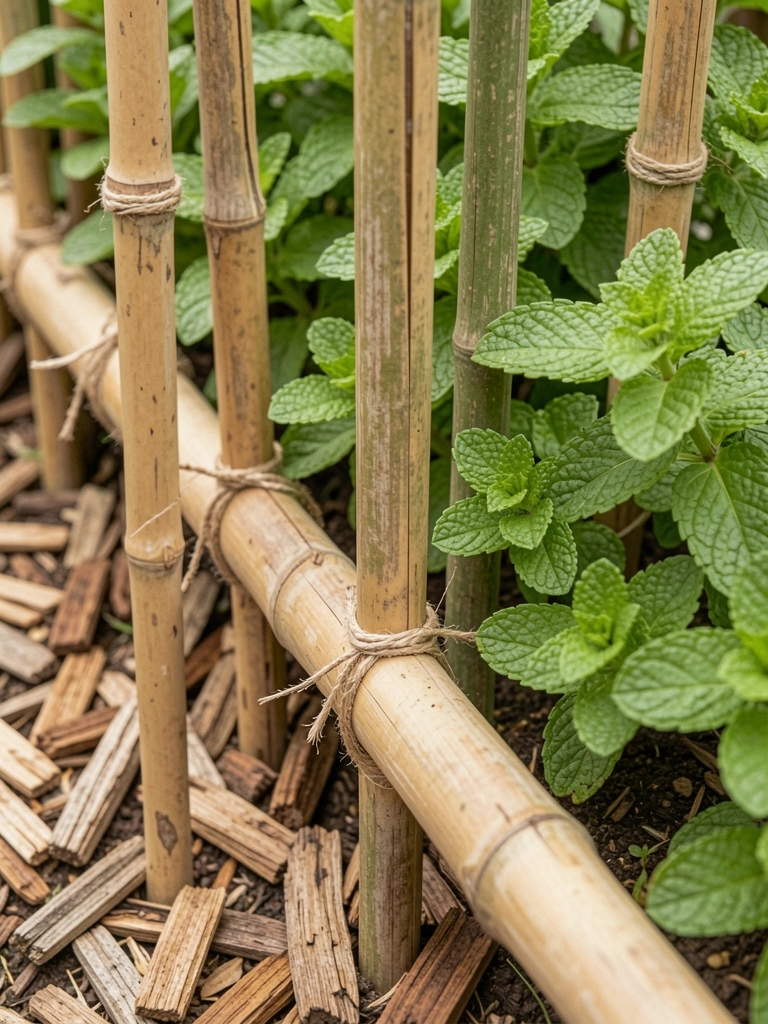
    8. Bamboo Poles Tied in Place

    Bamboo poles edged my mint after it bolted everywhere. Tied them upright, spaced tight.

    Light and vertical, lets air flow. Poles fade to gold, match herb stems.

    I skipped ties once—toppled in wind. Natural split bamboo flexes without snapping.

    What You’ll Need for This Look

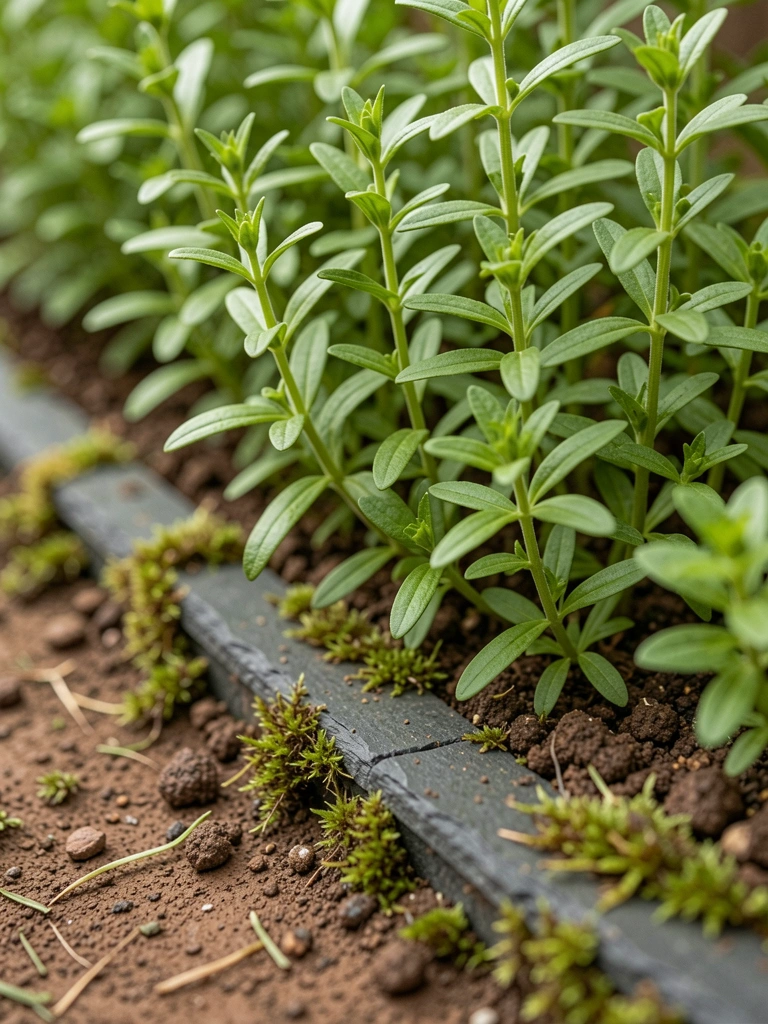
    9. Slate Tile Edges for Subtle Gray

    Slate tiles trimmed my tarragon bed when colors clashed. Thin slices stand upright, grouted light.

    Subtle gray frames without dominating. Tiles weather to soft patina, moss creeps in spots.

    Grout shallow—mine crumbled from frost heave. Thin works best for herbs.

    What You’ll Need for This Look

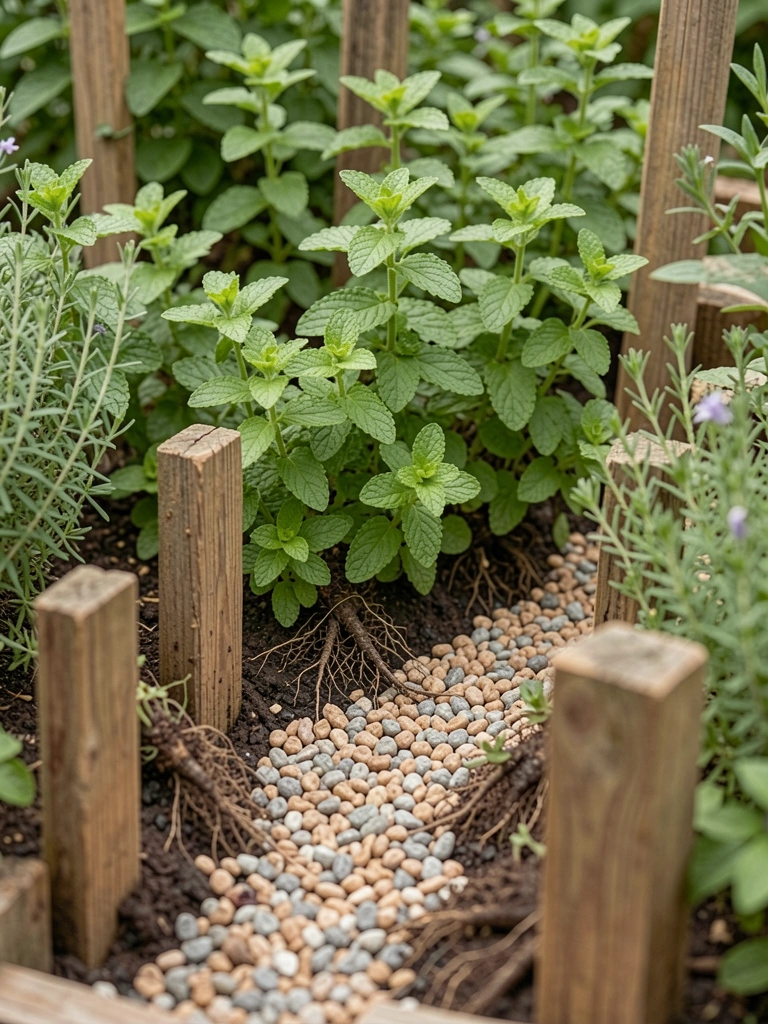
    10. Gravel Trench with Wooden Stakes

    Gravel trench with stakes holds my lemon balm after it flooded paths. Stakes every foot, gravel fills low.

    Crisp yet soft—gravel crunches underfoot, stakes add rhythm. Keeps herbs tucked.

    I used softwood first; rotted fast. Oak stakes endure wet spots.

    What You’ll Need for This Look

    Final Thoughts

    Pick one idea that fits your yard's light and soil. Start small—my first edge was just five feet.

    They all work better than no edge. Your herbs will thank you with better growth.

    You'll have that clean look by week's end. Get out there.

  • 7 Functional Garden Herb Bed Ideas For Easy Growing

    7 Functional Garden Herb Bed Ideas For Easy Growing

    I stared at my backyard one spring, weeds everywhere, no fresh herbs within reach. I'd tried pots that tipped over and rows that drowned in rain. Then I built simple beds that actually lasted. Herbs grew strong, harvests were easy. No more store-bought wilted bunches. You can shape yours the same way – start small, watch it fill your meals.

    7 Functional Garden Herb Bed Ideas For Easy Growing

    These 7 functional garden herb bed ideas come straight from my gardens. They're built for real yards, low effort, and steady picking. Each one works without fancy tools.

    1. No-Dig Raised Herb Bed Along the Fence

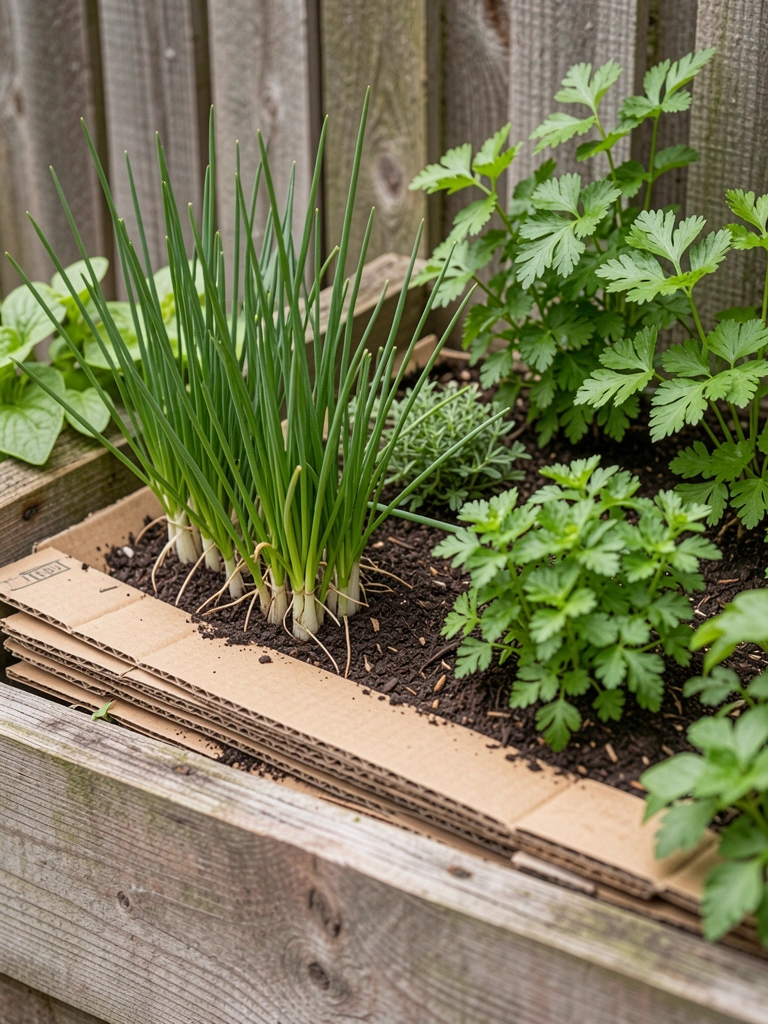
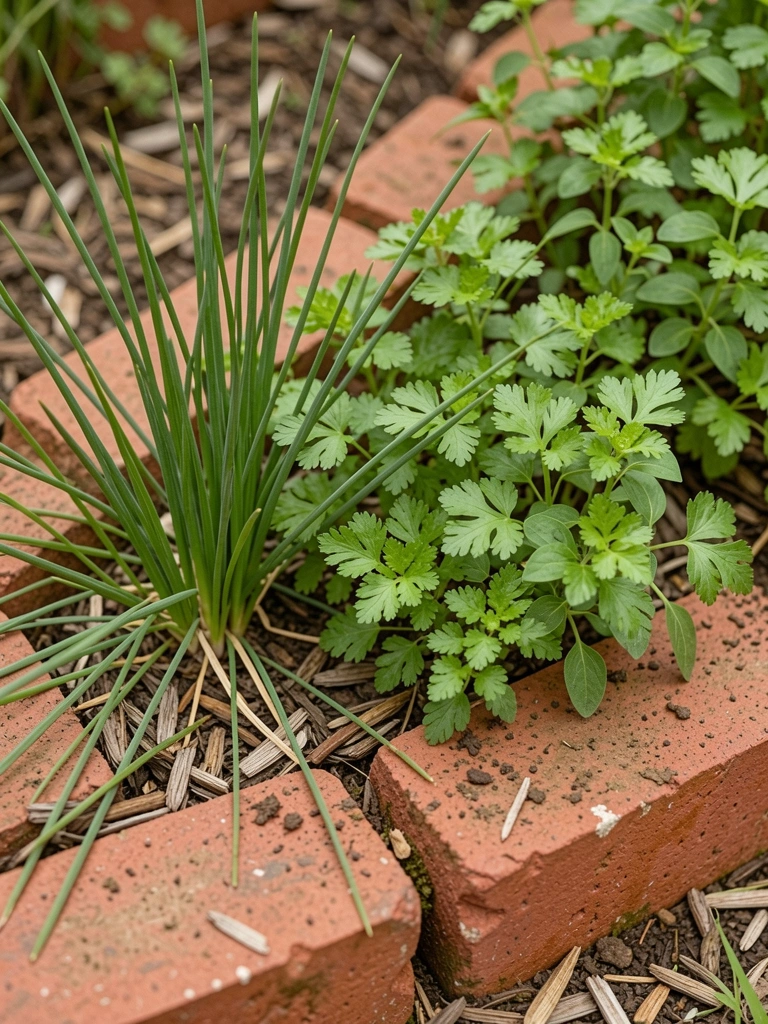
    I layered cardboard right over grass along my fence last year – no digging, weeds stayed down. Chives and parsley filled it fast, edging out the mint that used to overrun everything. The bed sits knee-high, so grabbing dinner herbs feels effortless, like reaching for salt. Soil warms quick in sun, roots spread deep without rot.

    One mistake: I skipped mulch at first, and it dried out. Now gravel keeps it moist. Your fence line turns into a green shelf, calm and full.

    What You’ll Need for This Look

    2. Keyhole Herb Bed for Central Picking

    My side yard was tight, so I shaped a keyhole bed – waist-high soil mound with a notch to step in. Basil in the center gets sun all day, thyme hugs the edges. Reach in without trampling, harvest stays tidy. It feels like a hug from the garden, herbs brushing your hands.

    I planted sage too close once; it shaded the dill. Space them now. Water sinks to the core, no soggy feet.

    What You’ll Need for This Look

    3. Vertical Pallet Herb Bed on the Shed Wall

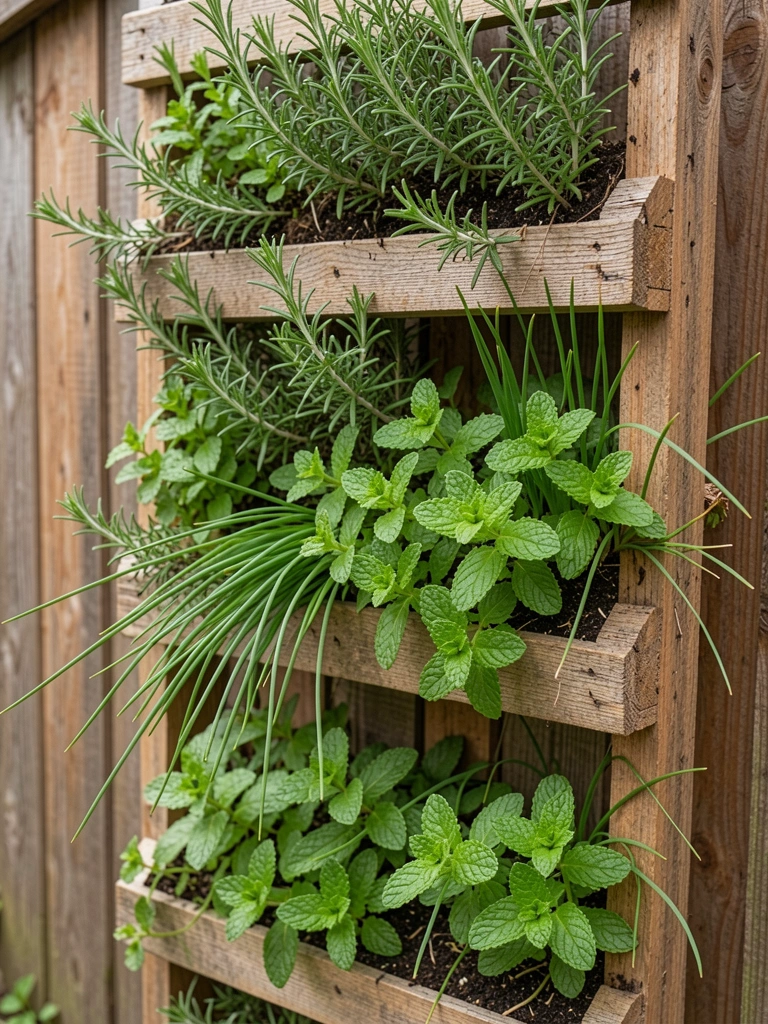
    Shed wall was bare, so I stood a pallet upright, stapled landscape fabric, filled slats with soil. Rosemary climbs top, mint stays contained below. It's narrow but holds a week's worth of herbs. Saves ground space, feels taller, more alive against the wood.

    Forgot to line one slat – soil fell out. Double fabric now. Mist once a week, they thrive in shade edges.

    What You’ll Need for This Look

    4. Gravel Mulch Trough Bed for Dry Herbs

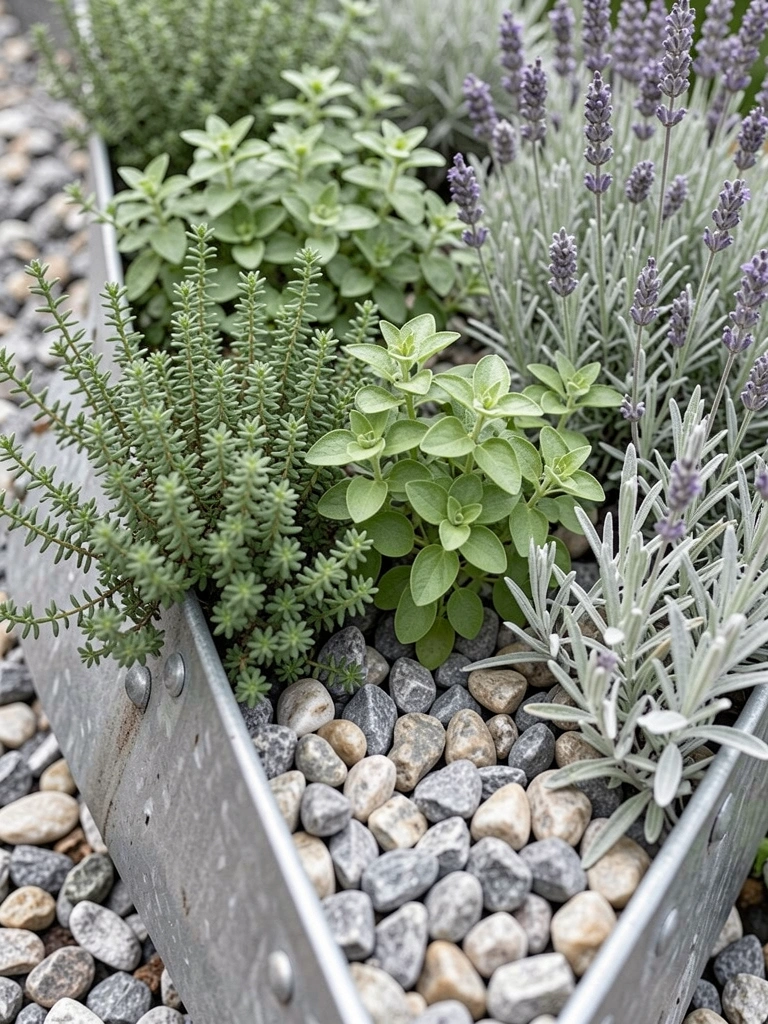
    I sunk old troughs into my dry front strip, filled with sandy soil and gravel top. Thyme and oregano spread low, no water fights. It cuts mowing, adds quiet gray-green calm. Herbs toughen up, taste sharper from the stress.

    Overwatered lavender first time – yellow leaves. Let it dry now. Perfect for hot spots.

    What You’ll Need for This Look

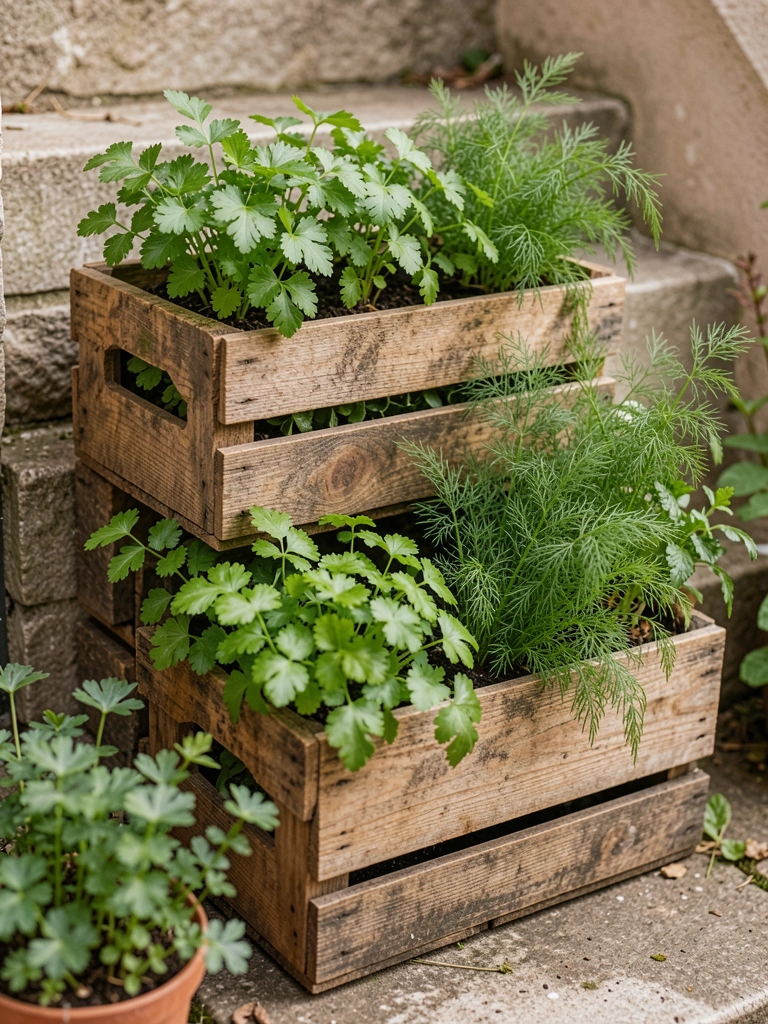
    5. Tiered Wooden Crate Herb Bed Steps

    Steps to my patio were dull, so I stacked crates, lined them, planted tiers. Parsley low for easy clip, dill high for breeze. It softens the walk, herbs scent the air each pass. Feels stacked just right, not crowded.

    Cilantro bolted fast in heat – succession plant now. Sturdy for feet too.

    What You’ll Need for This Look

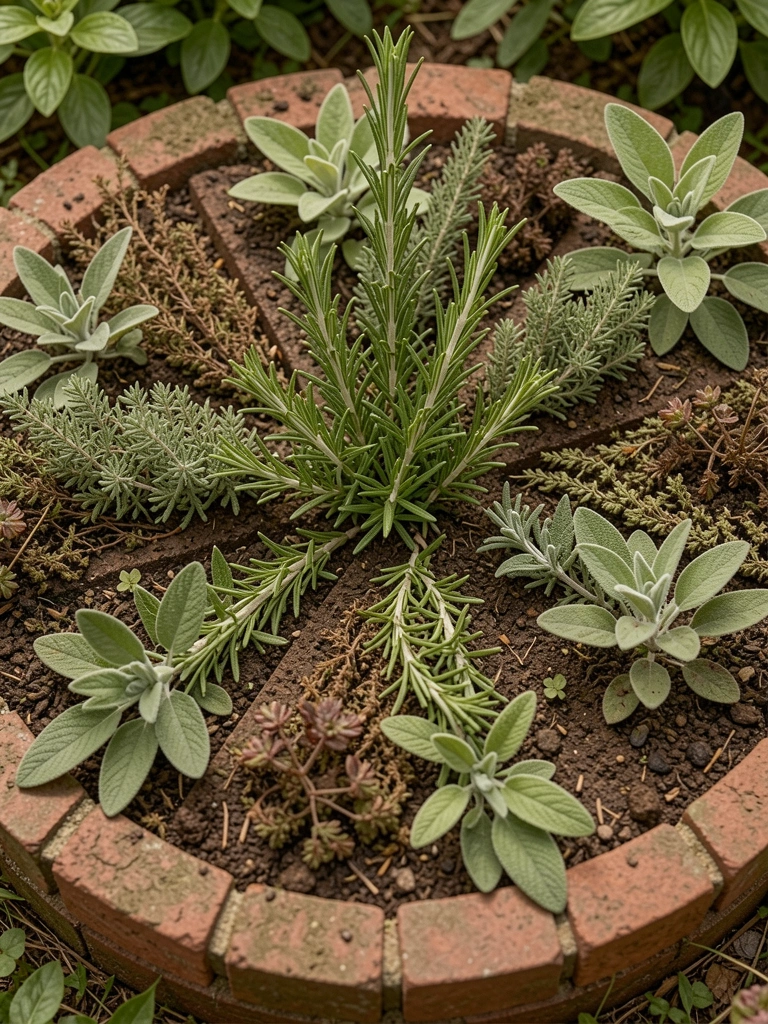
    6. Circular Wheel Herb Bed for Lazy Reach

    Back patch needed focus, so I dug a wheel bed, bricks pieced in. Rosemary hub, spokes for sage, chives. Spin to any herb, no bending far. It draws your eye, feels complete, harvests spin into hands.

    Bricks shifted first rain – level ground now. Water to middle, it spreads.

    What You’ll Need for This Look

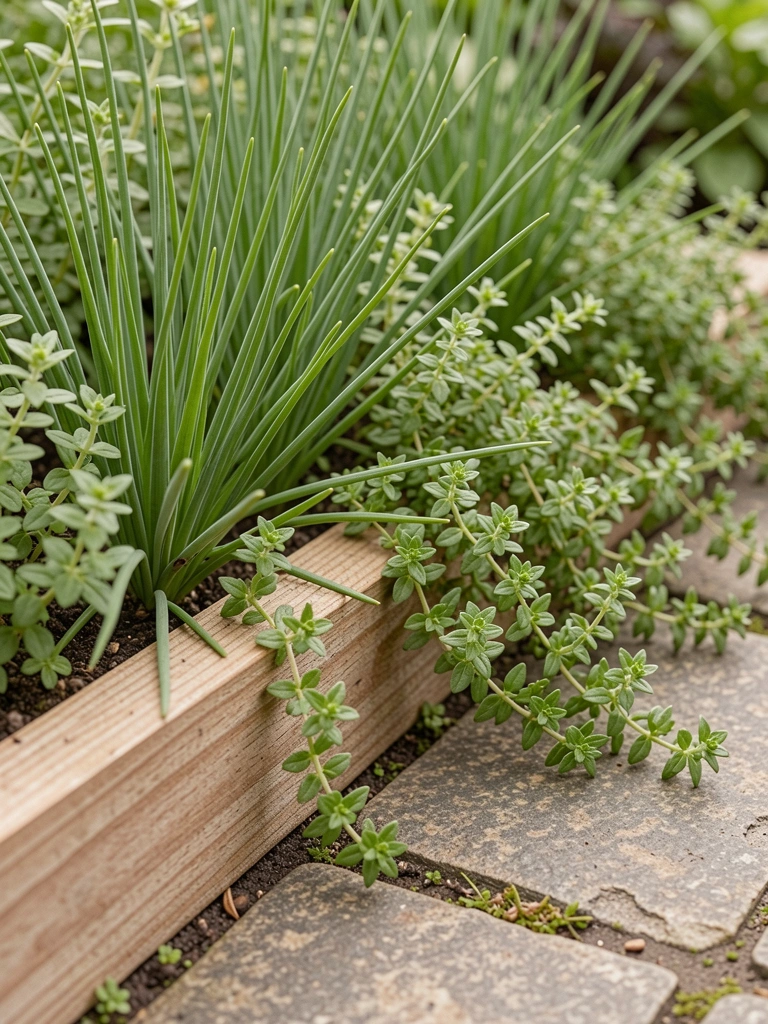
    7. Border Edge Herb Bed Along the Path

    Path edged my lawn bare, so narrow bed hugged it – low frame, chives front, marjoram back. Brushes legs walking by, fresh snips anytime. Ties yard together, simple green line. No sprawl onto grass.

    Marjoram yellowed in wet – better drainage mix. Walks smell alive now.

    What You’ll Need for This Look

    Final Thoughts

    Pick one idea that fits your spot – that's enough to start. My gardens grew from single beds, not all at once. Herbs forgive beginners, reward steady hands. Yours will feel right soon, full of real flavor. Go dig in.
  • 21 Rustic Herb Brick Garden Ideas For A Classic Look

    21 Rustic Herb Brick Garden Ideas For A Classic Look

    Last summer, I ripped out a crumbling patio edge and stacked those old bricks into my first herb spot. The smell hit me every morning—rosemary sharp, basil sweet. No more store-bought wilted bunches.

    It felt right, like the garden finally breathed. Bricks hold heat for herbs that need it, and they age into that soft red patina.

    You don't need a big yard. These setups fit anywhere, pulling you outside more.

    21 Rustic Herb Brick Garden Ideas For A Classic Look

    These 21 rustic herb brick garden ideas come from my own trial-and-error builds. They're straightforward, forgiving for beginners, and create that warm, classic vibe. Grab some bricks and start small—you'll have fresh herbs in weeks.

    1. Brick-Rimmed Herb Patch for Everyday Picking

    I cleared a sunny strip by the back door and laid bricks in a loose oval around soil for chives, parsley, and oregano. It grew thick fast, brushing my legs when I snipped dinner herbs. The bricks kept grass out and gave a tidy edge without fuss.

    One morning, I noticed the oregano creeping over—made it feel full, not stiff. Heat from bricks warmed roots on cool nights, pushing flavor.

    Watch soil depth; I skimped once and roots starved. Loosen ground 8 inches down first.

    What You’ll Need for This Look

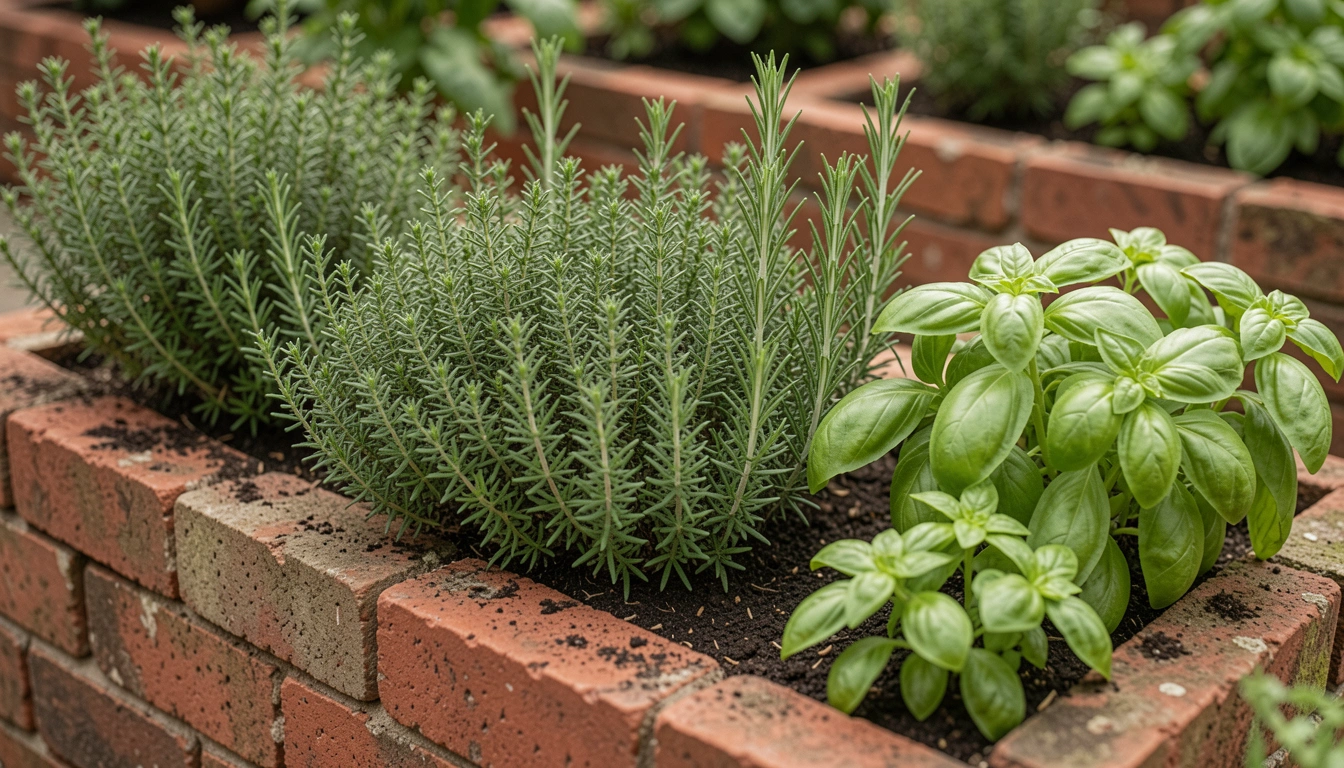
    2. Raised Brick Bed for Rosemary and Thyme Lovers

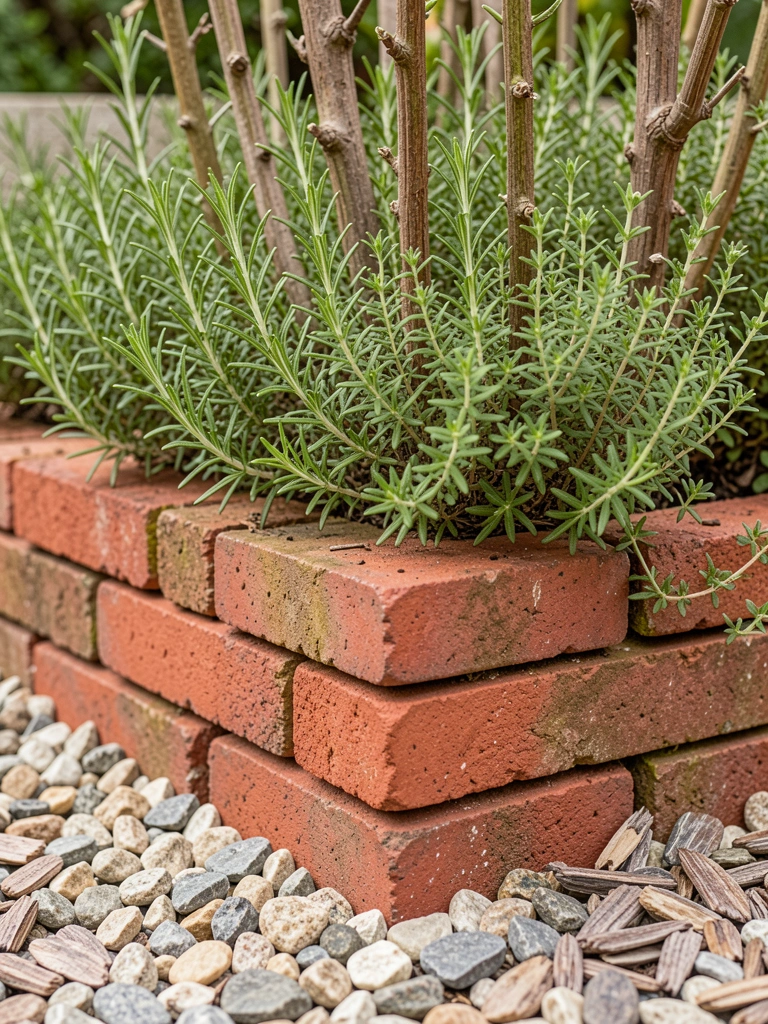
    Stacked bricks two high for a 4×4 rosemary-thyme bed after my ground soil turned sour. Roots dove deep, plants bushy by fall. Walked out barefoot, rubbed leaves—pure Mediterranean scent right here.

    Bricks drained rain perfectly; no rot like my old pots. Visual shift: low wall frames the greens cozy.

    I overplanted thyme once—crowded it out. Space 12 inches apart.

    What You’ll Need for This Look

    3. Brick Spiral Herb Tower for Small Yards

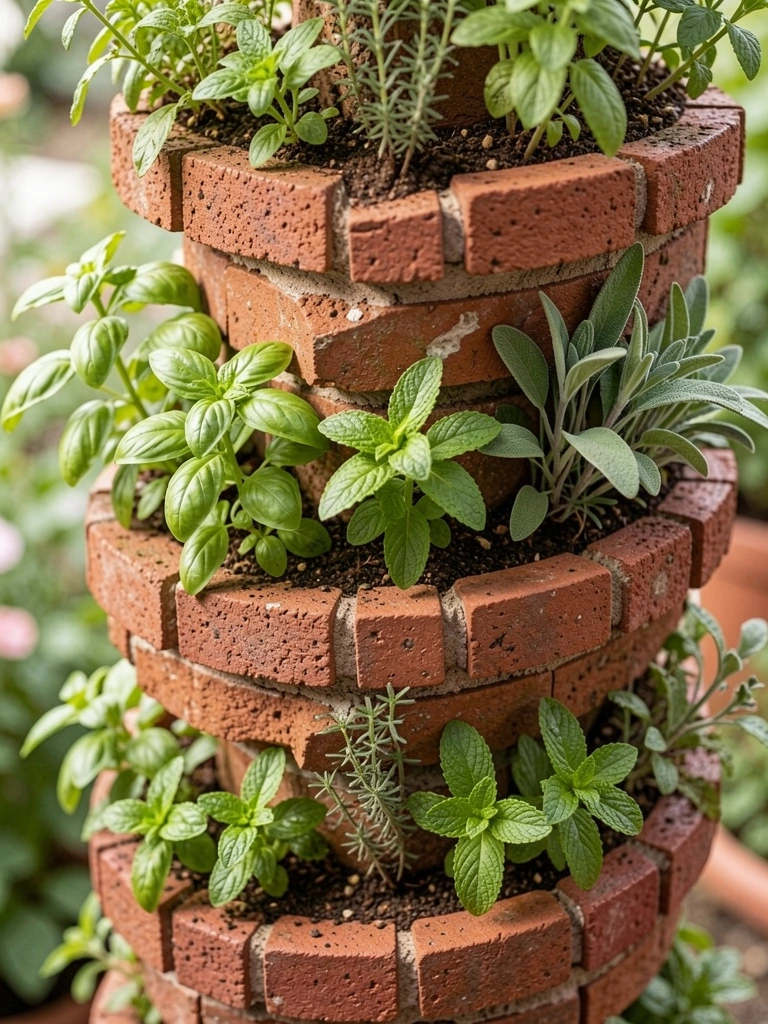
    Twisted bricks into a spiral in my tight side yard—basil bottom, mint mid, sage top. Saved space, herbs thrived at different heights. Picking felt like foraging, tower warmed quick in sun.
    Mint took over once; I replanted smarter with barriers. Now it's contained, lush.
    Drainage key—pack gravel base.

    What You’ll Need for This Look

    4. Brick Path Lined with Low-Growing Herbs

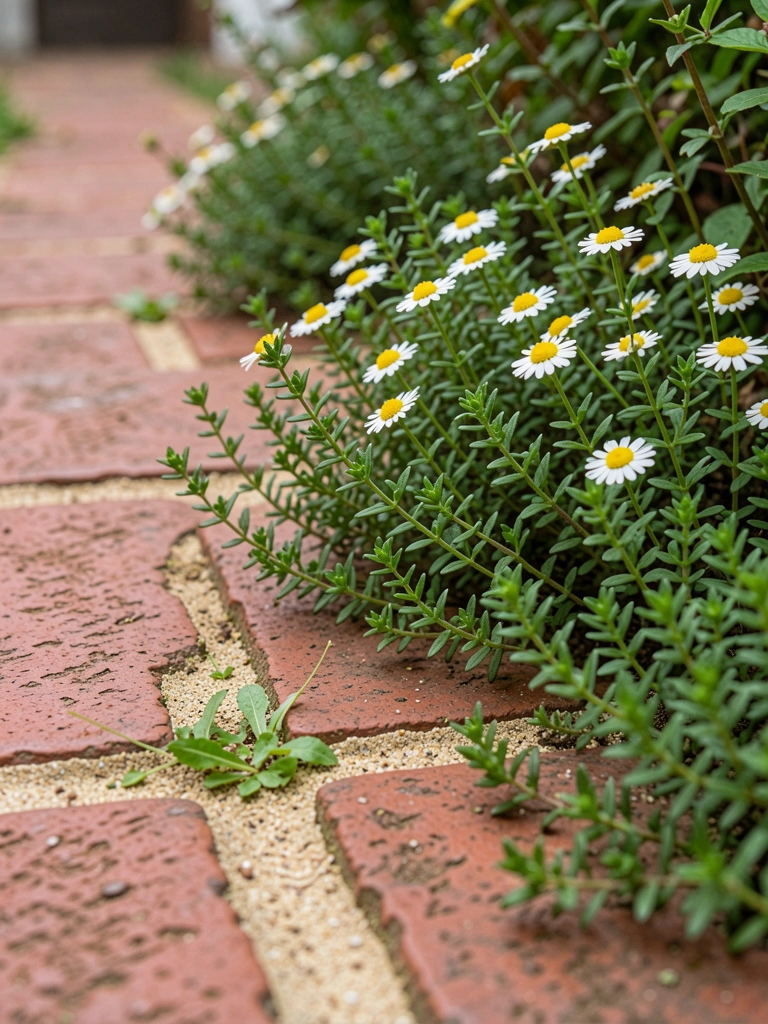
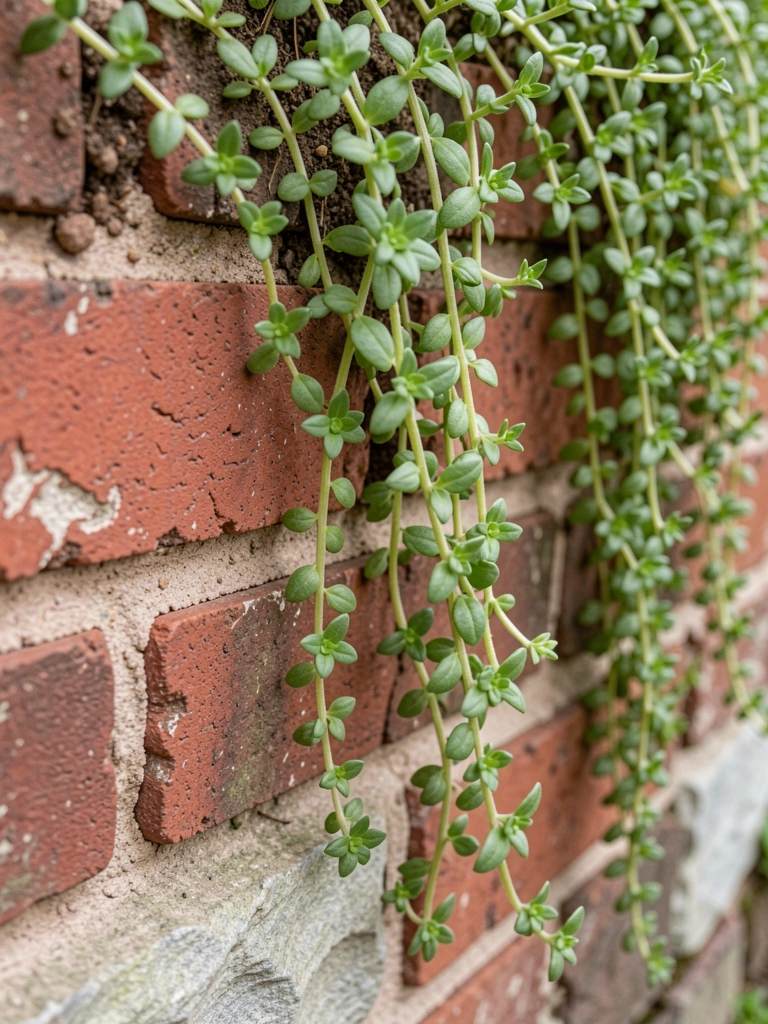
    Laid bricks in a wandering path, tucked thyme and chamomile in cracks. Feet crushed leaves daily—aroma everywhere. Path feels secret, herbs soft underfoot.

    Chamomile flowered white, pulled pollinators. Bricks settled uneven; leveled with sand.

    What You’ll Need for This Look

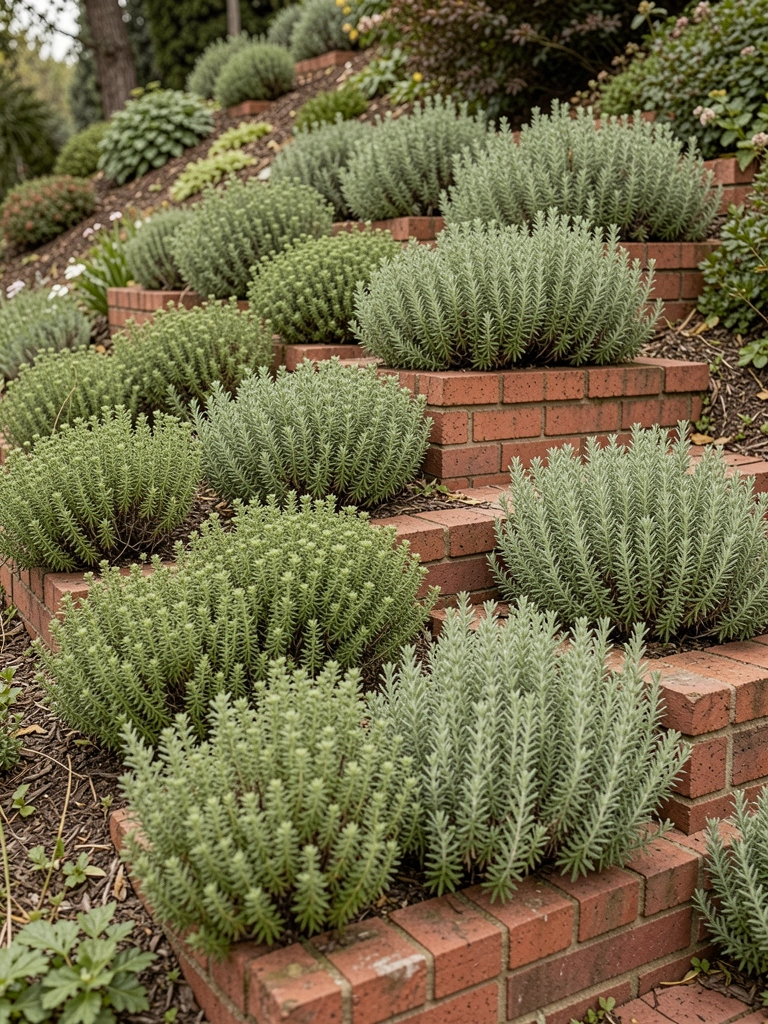
    5. Low Brick Wall with Trailing Oregano

    Built a knee-high wall from salvaged bricks, planted oregano to drape. Dinner herbs tumble ready—easy reach. Wall holds warmth, herbs hardy through frost.

    Oregano sweetened in sun; I forgot mulch first year, dried out. Added now.

    What You’ll Need for This Look

    6. Brick-Framed Container Herb Corner

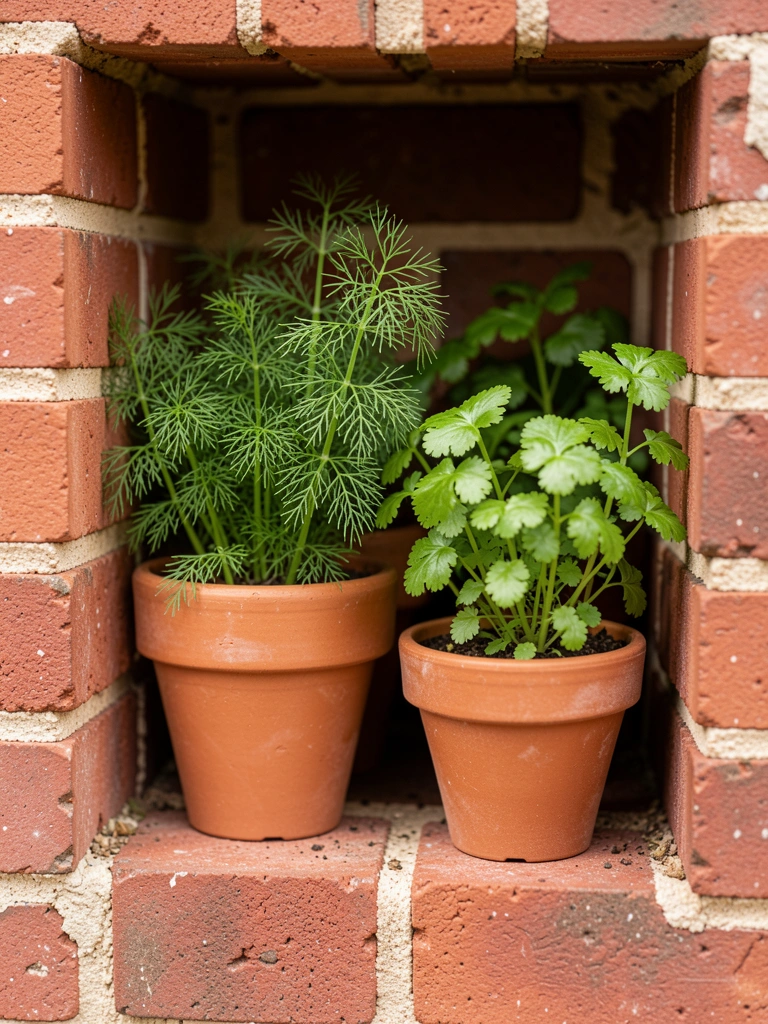
    Arranged pots in a brick semi-circle corner—dill tall, cilantro bushy. Bricks steady wind, spot feels nestled. Harvests constant, no sprawl.

    Cilantro bolted fast in heat; succession plant.

    What You’ll Need for This Look

    7. Sunken Brick Herb Well for Shade Tolerance

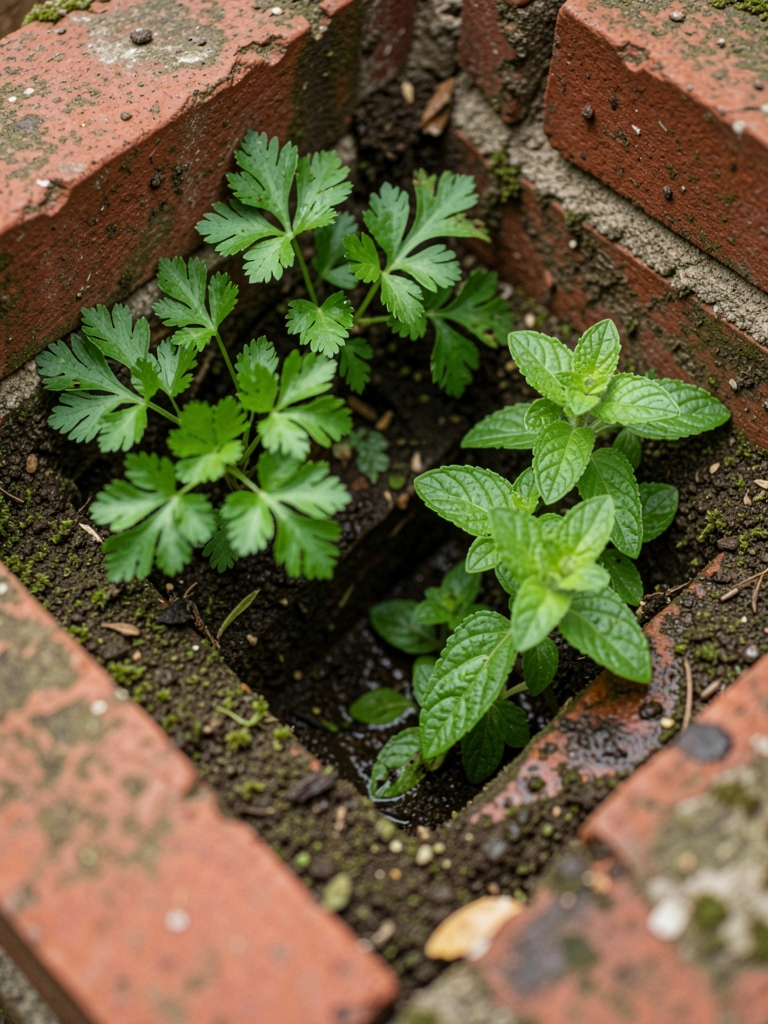
    Dug a brick-lined well under trees for parsley, lemon balm. Shade herbs loved the cool pocket—stayed tender longer.

    Parsley yellowed once from wet feet; added drainage holes.

    What You’ll Need for This Look

    8. Brick Steps with Tucked-In Chives

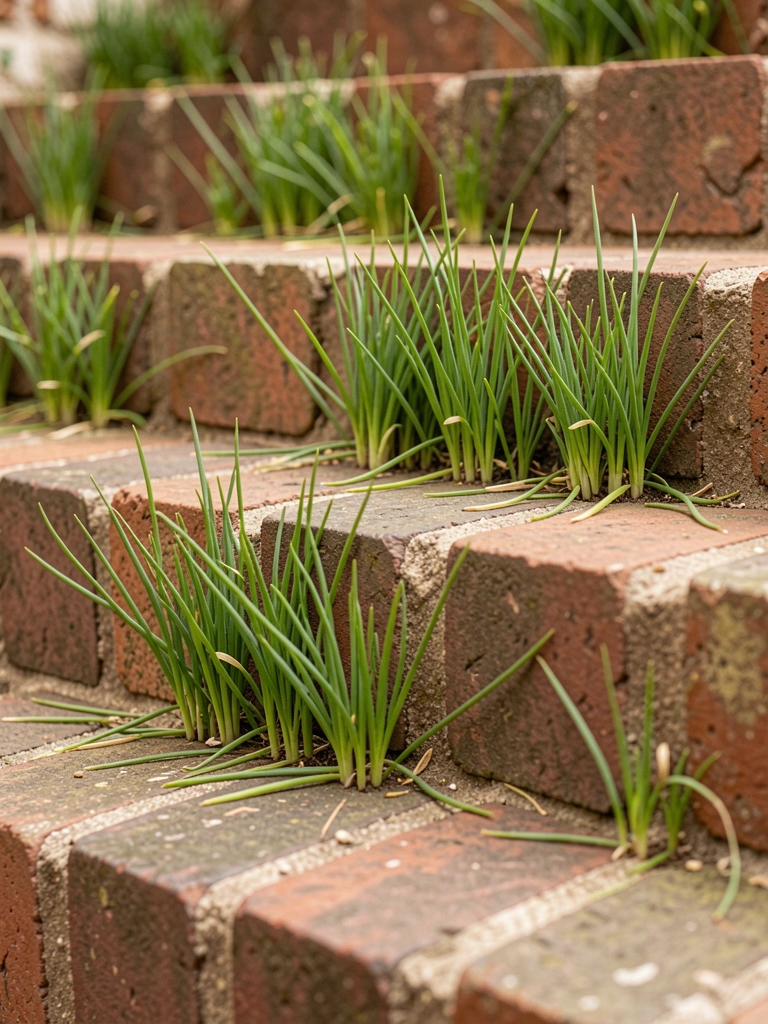
    Rebuilt steps, planted chives in crevices. Snip for eggs—steps smell alive. Bricks grip soil tight.

    Chives clumped; divide yearly.

    What You’ll Need for This Look

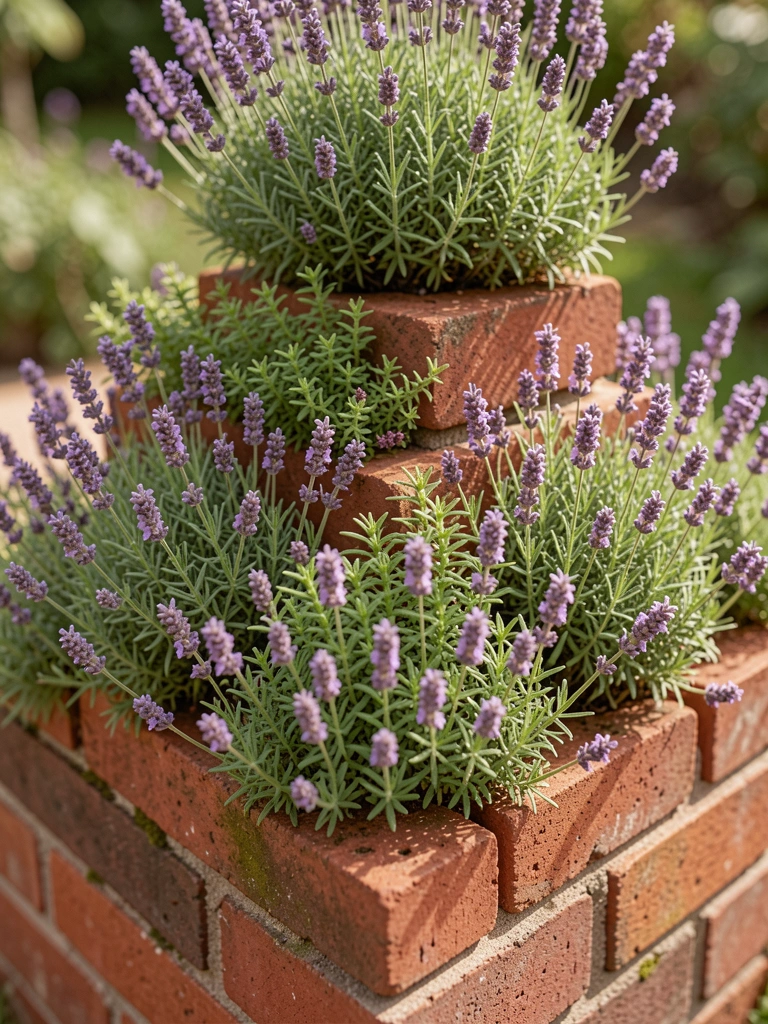
    9. Corner Brick Herb Pyramid

    Piled bricks pyramid-style in corner—lavender top, marjoram base. Corner caught sun, bloomed heavy. Bees loved it.

    Lavender leggy first try; prune hard.

    What You’ll Need for This Look

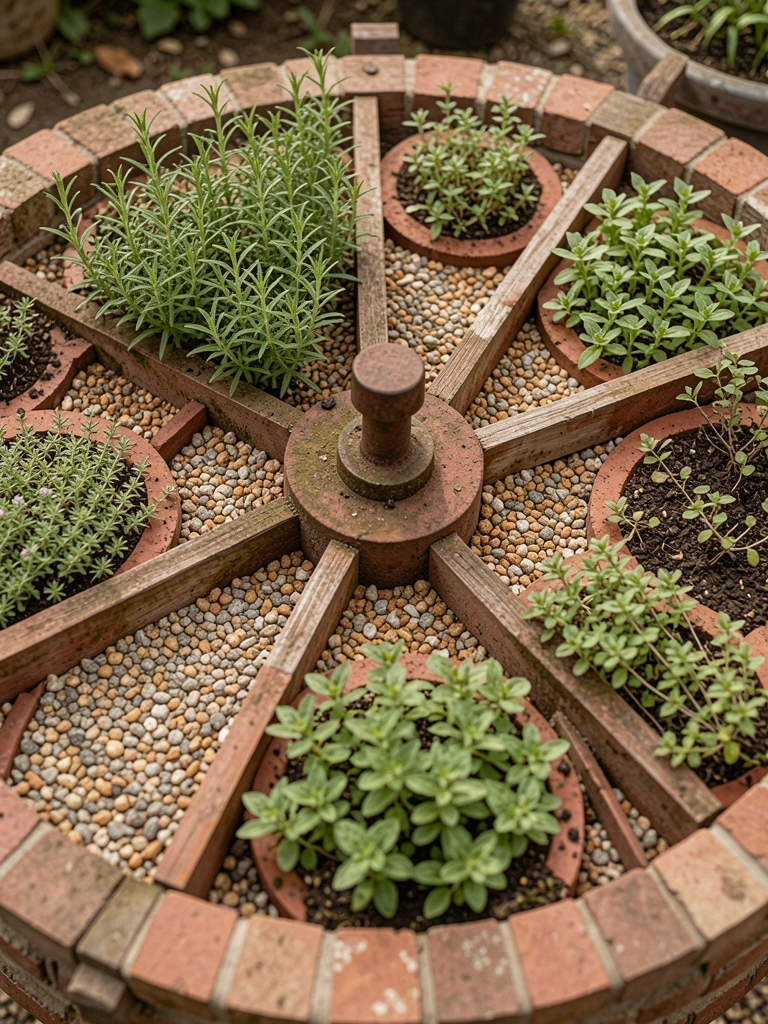
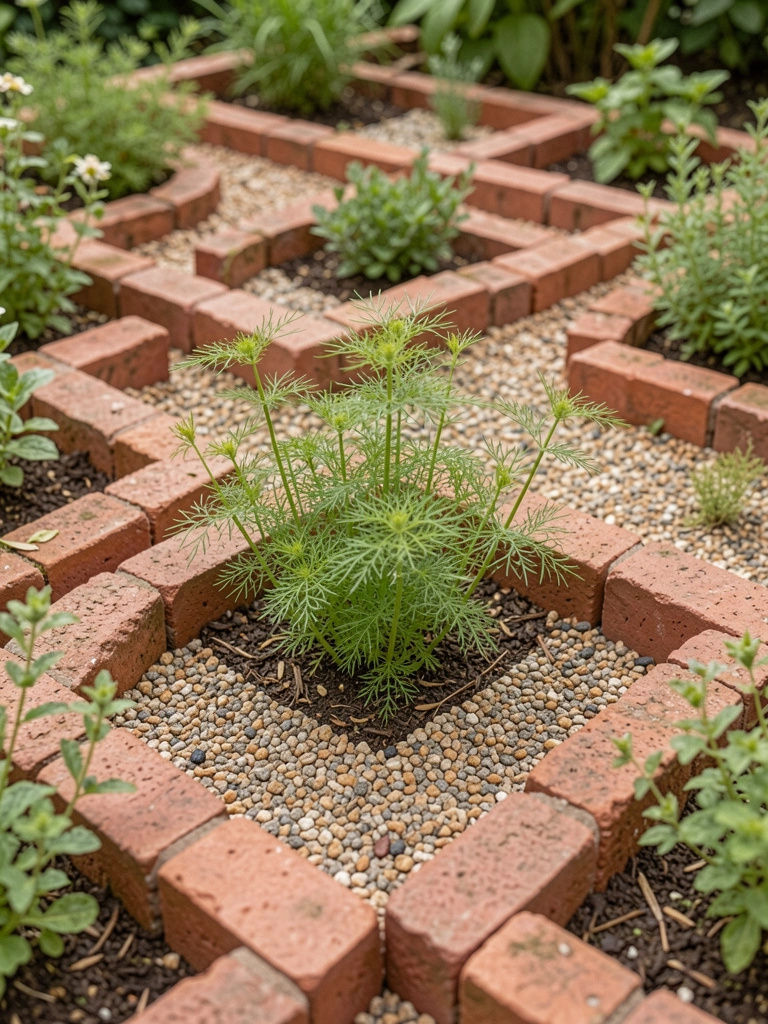
    10. Brick and Gravel Herb Wheel

    Circled bricks into wheel, gravel spokes—tarragon one wedge, savory next. Easy rotate, weeded simple. Feels like old farm plot.

    Tarragon slow start; full sun fixed.

    What You’ll Need for This Look

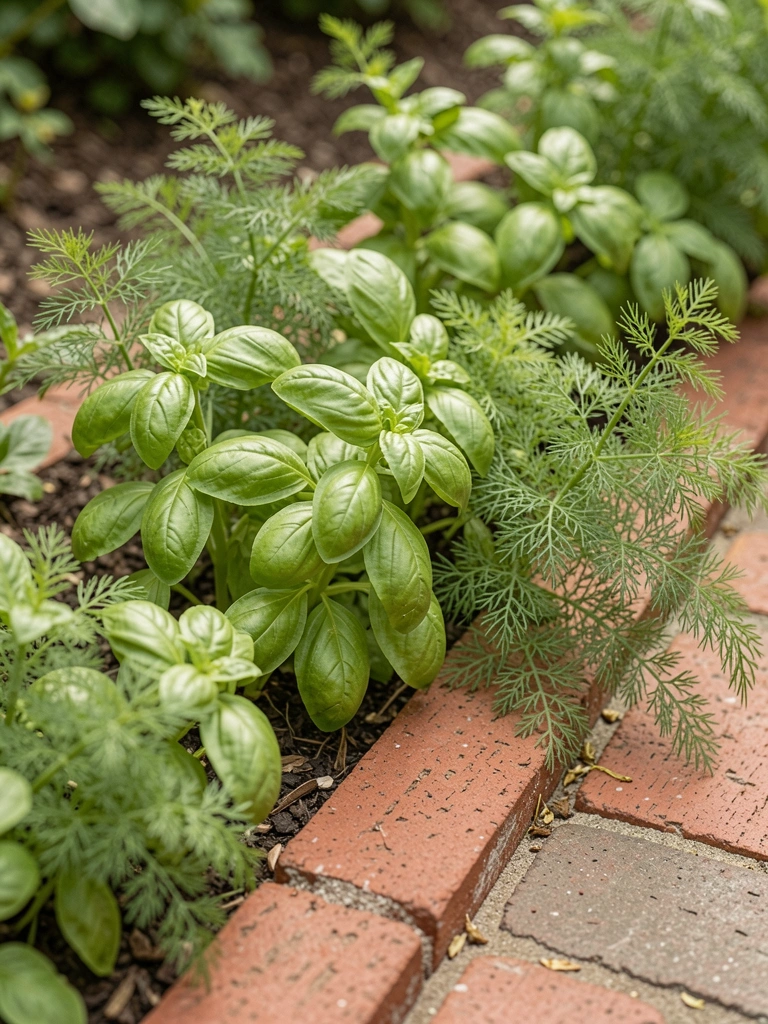
    11. Patio Brick Herb Border Edge

    Edged patio with single brick row, basil and fennel behind. Herbs screen chairs cozy. Fennel seeds self-sow gentle.

    Basil shaded out; trim neighbors.

    What You’ll Need for This Look

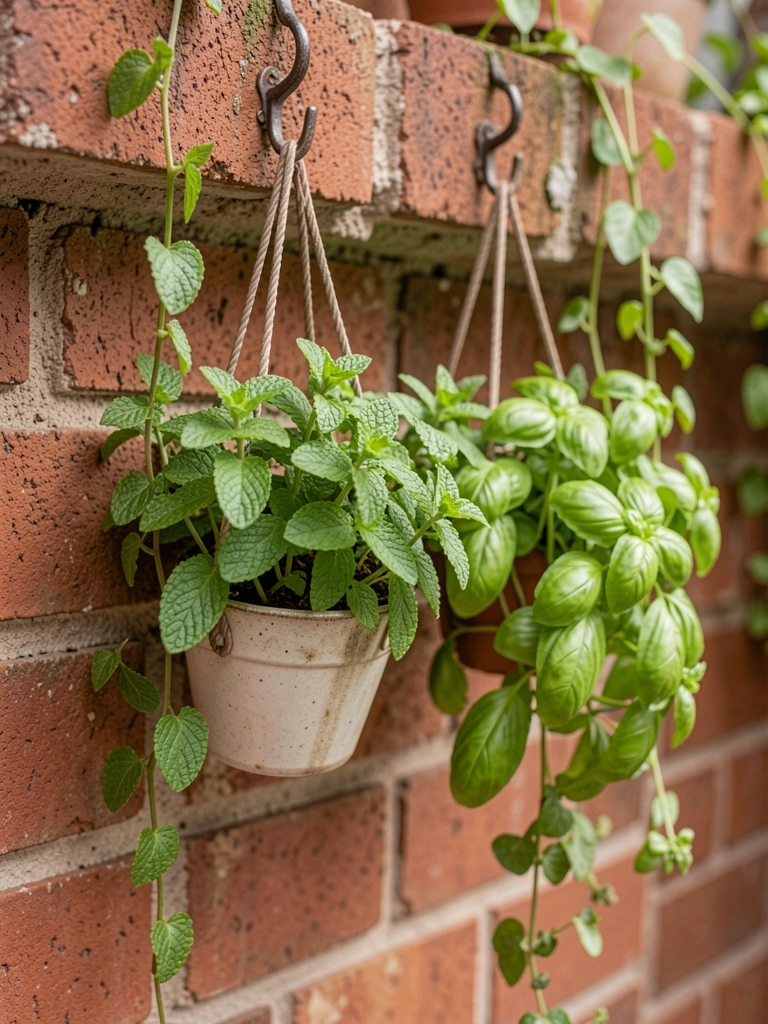
    12. Brick Ledge for Hanging Herb Pots

    Built wide brick ledge, hung pots—mint cascades free. Pots drain to ledge, no mess. Spot invites coffee breaks.

    Hooks rusted; galvanized now.

    What You’ll Need for This Look

    13. Recycled Brick Herb Mound

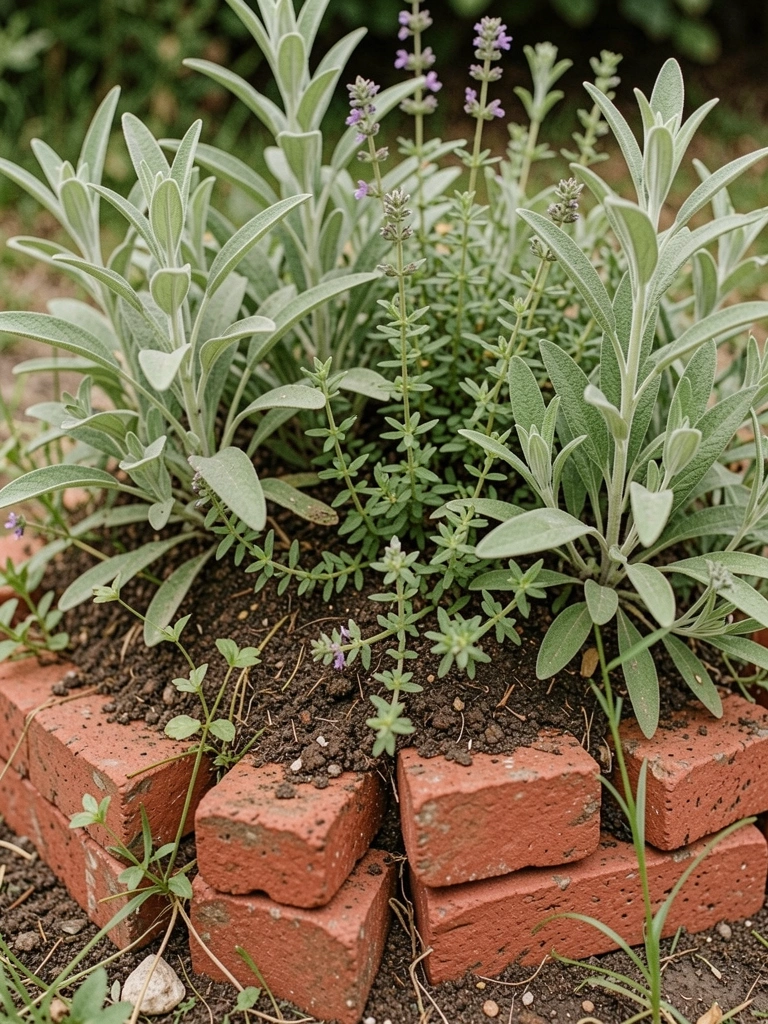
    Mounded soil, ringed uneven bricks—sage center, hyssop edges. Low water, tough herbs flourished. Looks naturally aged.

    Hyssop spread; thin yearly.

    What You’ll Need for This Look

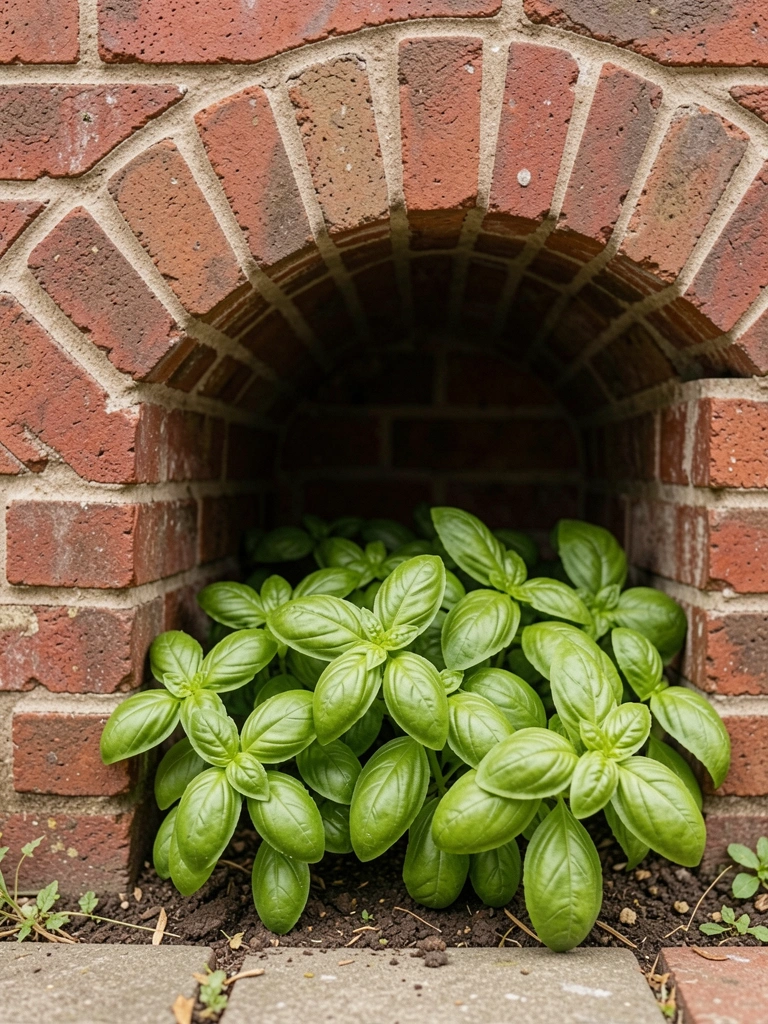
    14. Brick Archway Base with Basil Vines

    Brick bases for arch, basil planted thick. Path feels framed inviting. Basil shaded under, still produced.

    Vines tangled gate; train early.

    What You’ll Need for This Look

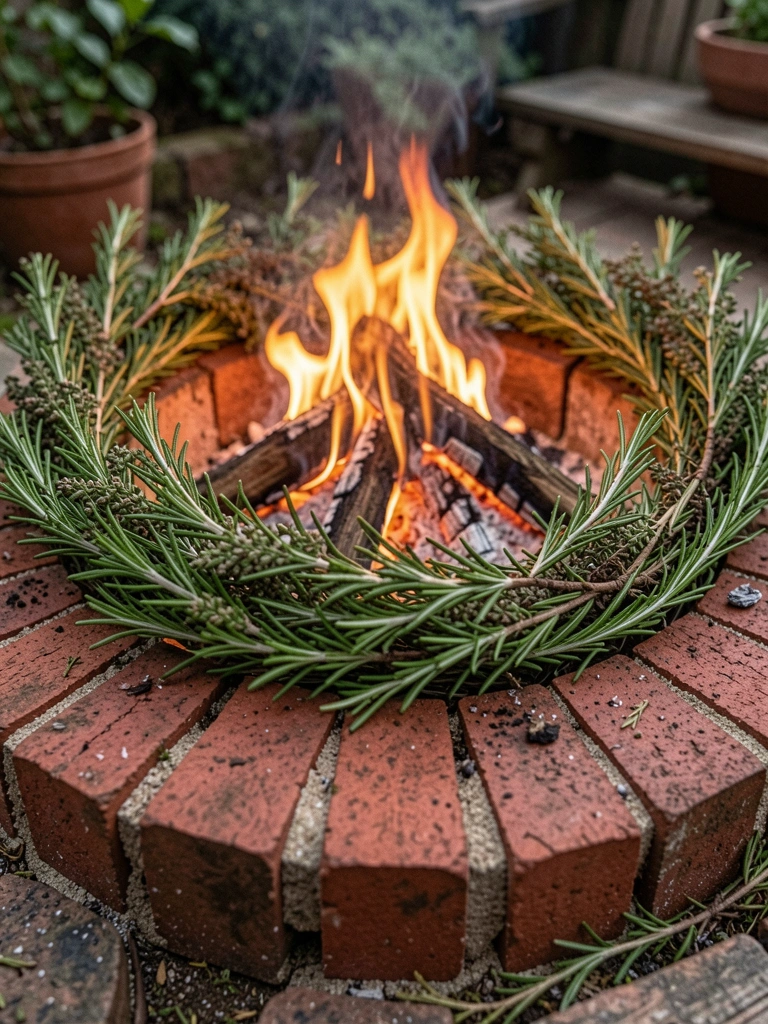
    15. Fireside Brick Herb Circle

    Circled fire pit bricks with rosemary pockets. Herbs scent smoke—perfect evenings. Bricks share heat.

    Overwatered post-rain; let dry.

    What You’ll Need for This Look

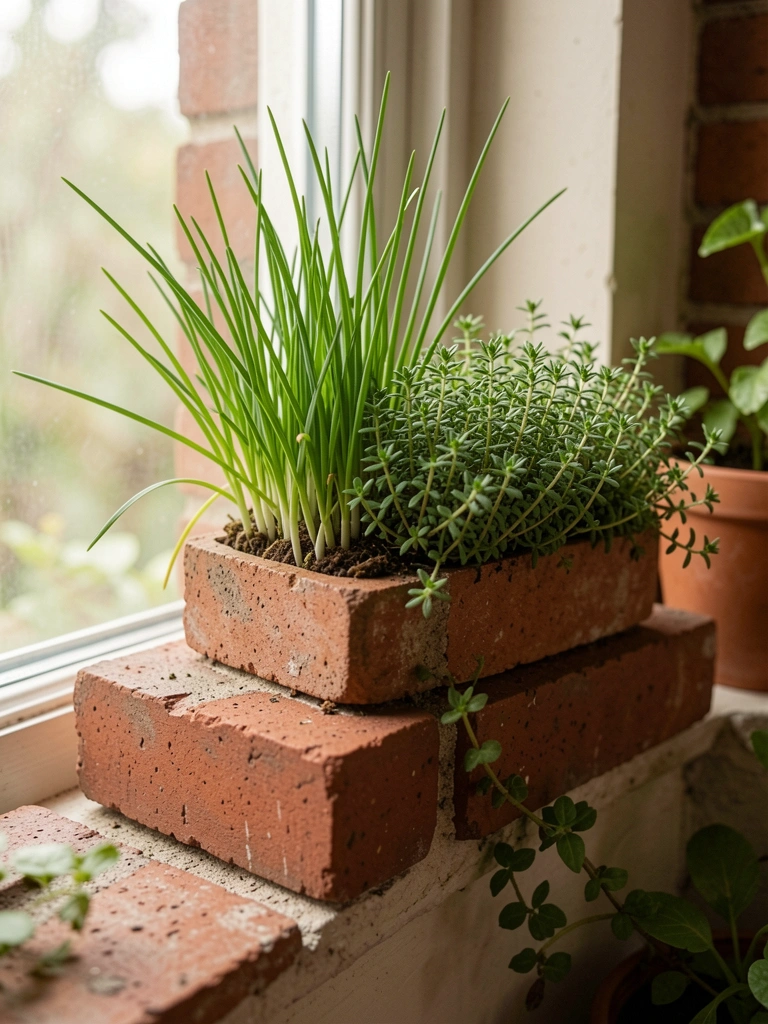
    16. Brick Window Box Herb Shelf

    Brick stand under kitchen window for boxes—chives, thyme kitchen-close. Glance out, snip fresh.

    Boxes tipped; secure brackets.

    What You’ll Need for This Look

    17. Gravel Brick Herb Maze Mini

    Mini maze with bricks, gravel paths, dill centers. Kids explore, herbs protected. Fun harvest.

    Paths weed quick; herbicide fabric under.

    What You’ll Need for This Look

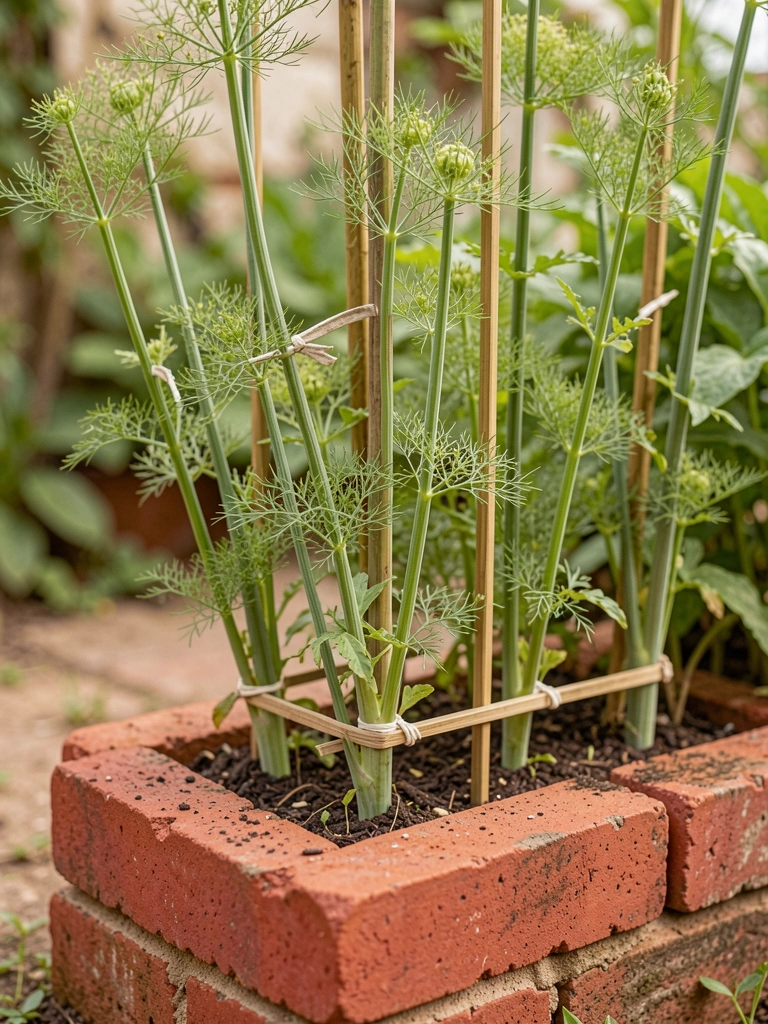
    18. Brick Base for Tall Herb Stakes

    Brick platform for staking fennel—windproof. Tall herbs stand proud.

    Stakes snapped; bamboo stronger.

    What You’ll Need for This Look

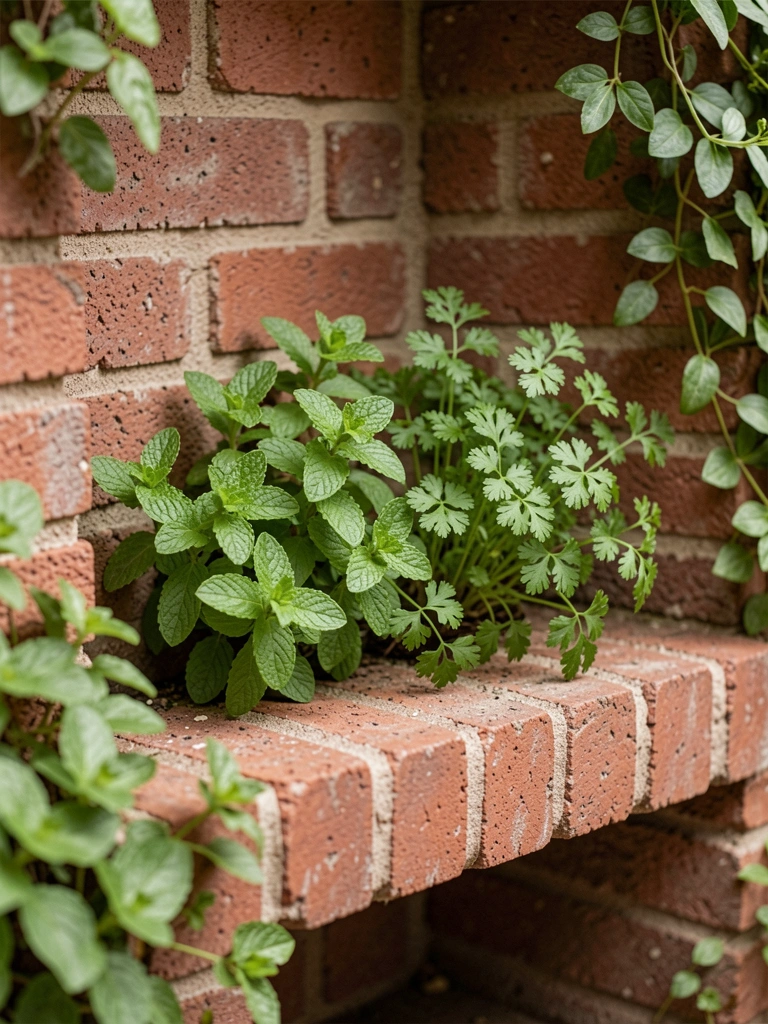
    19. Shaded Brick Herb Nook Bench

    Brick bench nook under arbor—mint, parsley shade-happy. Sit, brew tea leaves-fresh.

    Mint invaded bench; pots instead.

    What You’ll Need for This Look

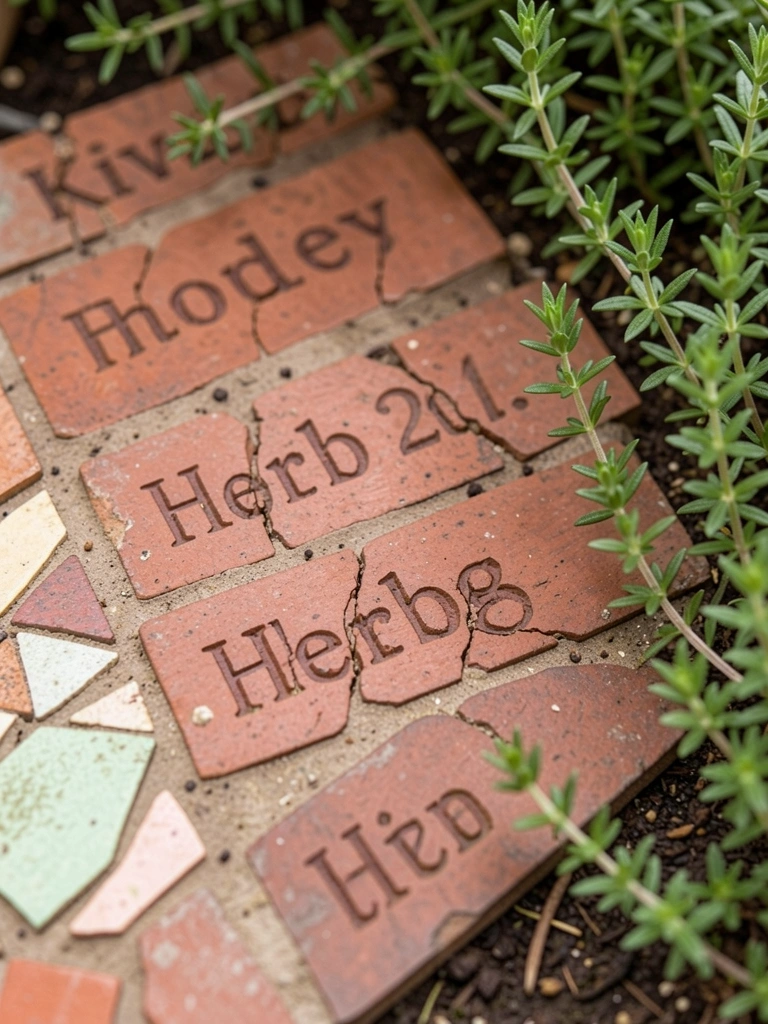
    20. Brick Mosaic Herb Labels Integrated

    Broke bricks for mosaic labels—thyme pic clear. No mix-ups harvesting.

    Grout faded; seal now.

    What You’ll Need for This Look

    21. Wide Brick Herb Terrace Slope

    Terraced hill with wide bricks—oregano lower, sage upper. Erosion stopped, herbs leveled lush.

    Soil washed first build; backfill deep.

    What You’ll Need for This Look

    Final Thoughts

    Pick one or two ideas that fit your spot—bricks last, herbs forgive starts. I've learned slow builds age best, pulling you back daily.

    Your garden will settle into its rhythm. Fresh snips wait. You've got this.

  • 10 Vintage Apothecary Herb Garden Display Ideas With Charm

    10 Vintage Apothecary Herb Garden Display Ideas With Charm

    I used to stuff my herbs in plastic pots behind the shed. They got lost in the weeds, and grabbing rosemary for dinner meant a hunt. One summer, I gathered old jars from the attic. Lined them with kitchen herbs. Suddenly, the patio felt like an old healer's corner.

    That shift hooked me. No more frantic searches. Just a quiet spot that smelled right and looked settled.

    Now, I tweak it yearly. Herbs thrive when displayed like this. You can too—start small.

    10 Vintage Apothecary Herb Garden Display Ideas With Charm

    These 10 vintage apothecary herb garden display ideas come straight from my yard trials. They're low-fuss, charming setups that make herbs easy to spot and snip. Grab what you have or these basics, and you'll have that cozy apothecary vibe by week's end.

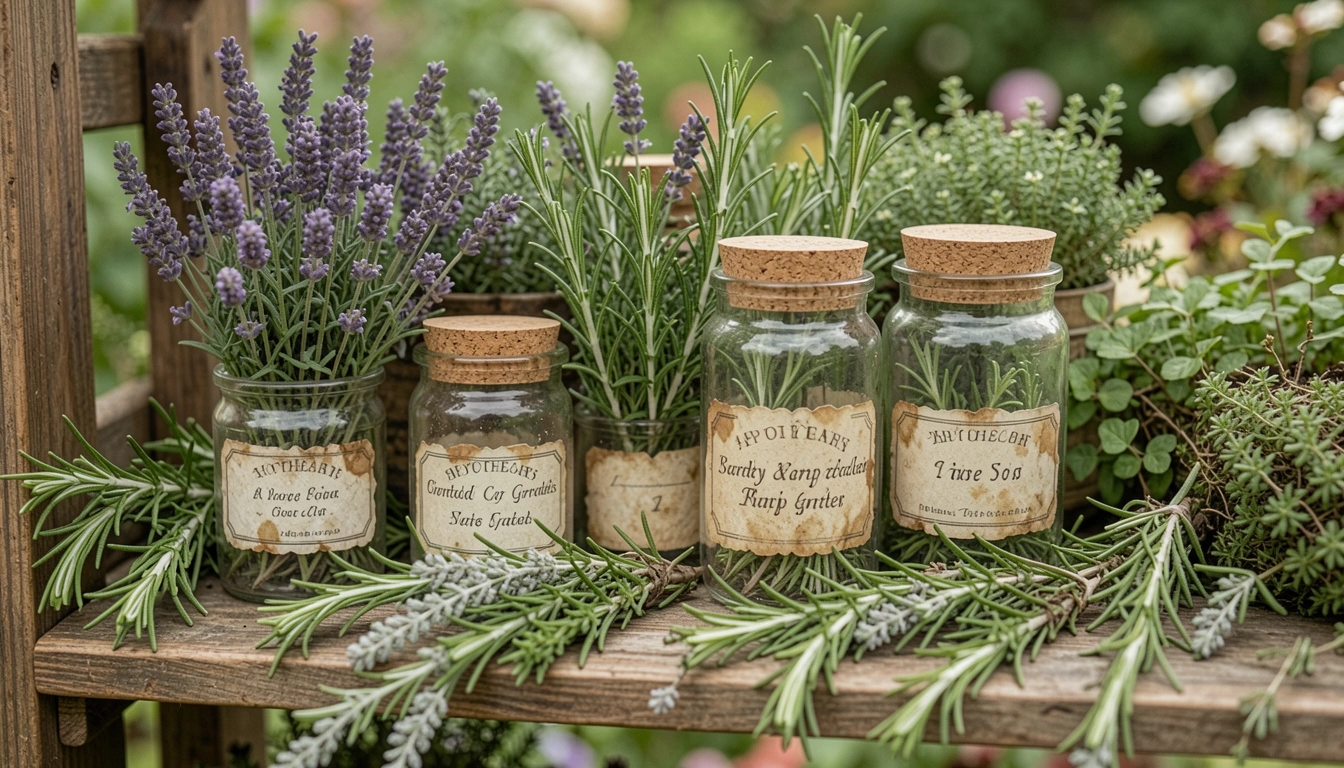
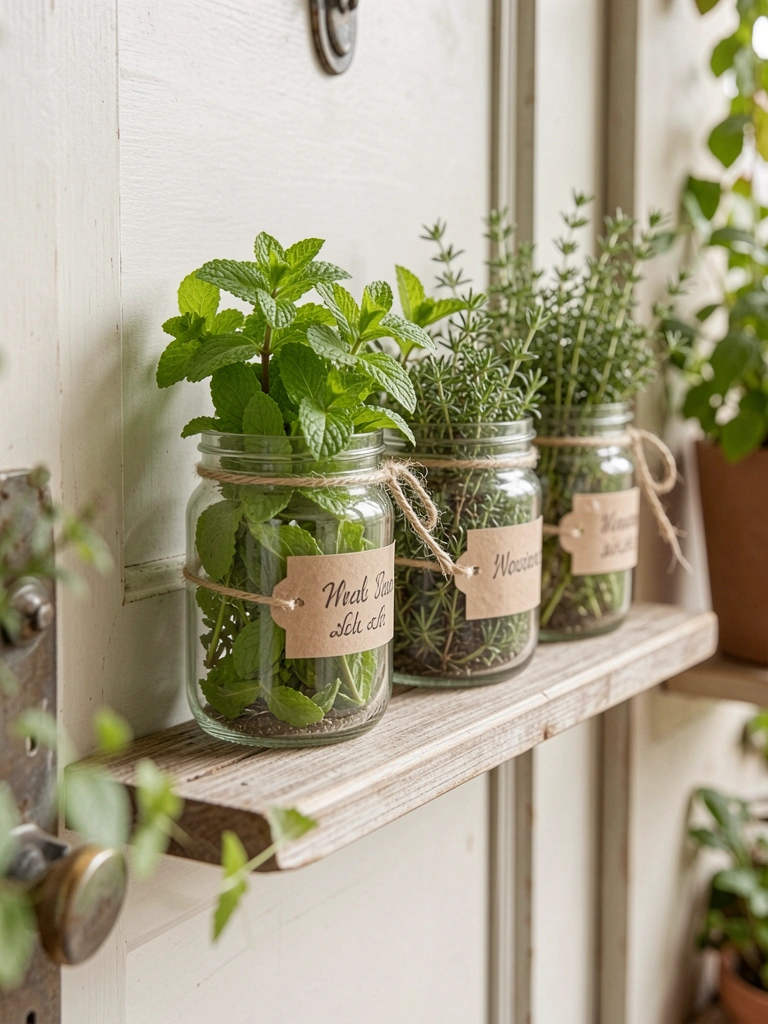
    1. Glass Jar Shelf Ledge Over the Kitchen Door

    I nailed a simple plank above my back door for jars of mint and thyme. Rain patters on the glass, but drainage holes in the lids keep roots happy. It pulls you in—herbs right there for tea. Visually, the ledge frames the door like an old shop window.

    One year, I forgot drainage. Roots rotted. Now I poke holes and line with gravel. Changed everything—plants last through wet spells.

    Pay attention to jar size; too big tips the shelf. This setup feels intentional, not crowded. Herbs brush your hair as you pass. Cozy daily ritual.

    What You’ll Need for This Look

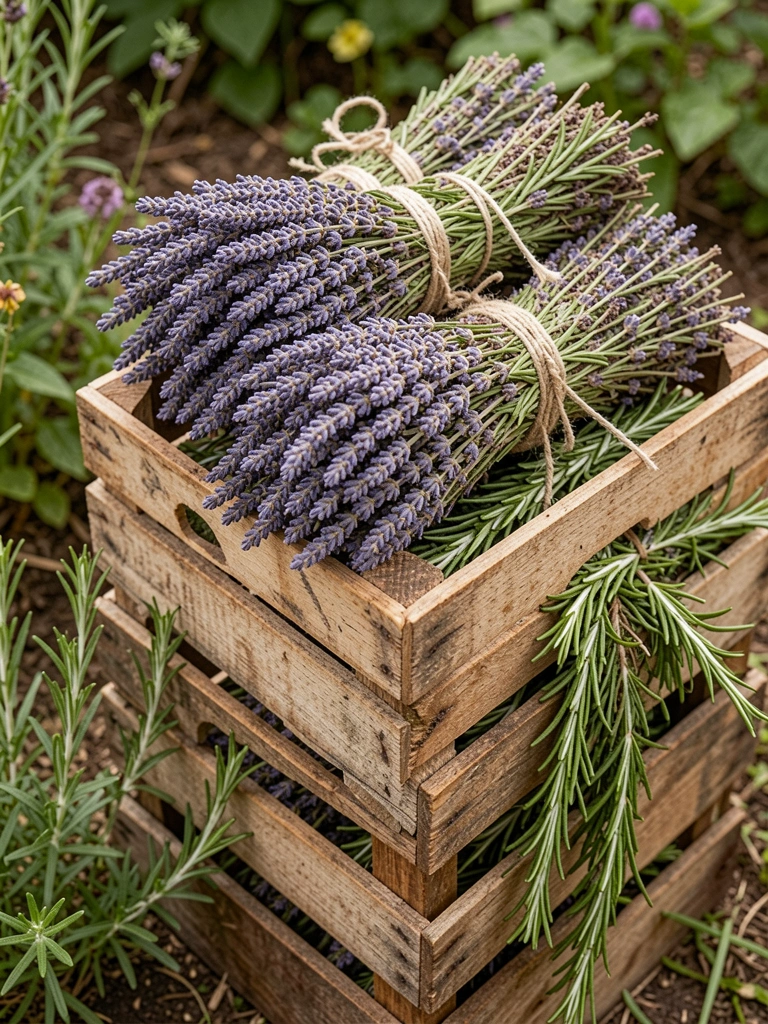
    2. Rustic Crate Stack with Drying Bundles

    Stacked old apple crates by the fence for basil and oregano bundles. Tied them with string to dry slow. The wood weathers gray, blending with soil. Walk by, and the scent hits—pure apothecary air.

    I overloaded once; bottom crate sagged. Learned to space bundles loose. Now air flows, nothing molds.

    Visually, it grounds the space. Herbs hang like remedies waiting. Feels lived-in, not staged. Snip fresh or grab dried—versatile.

    What You’ll Need for This Look

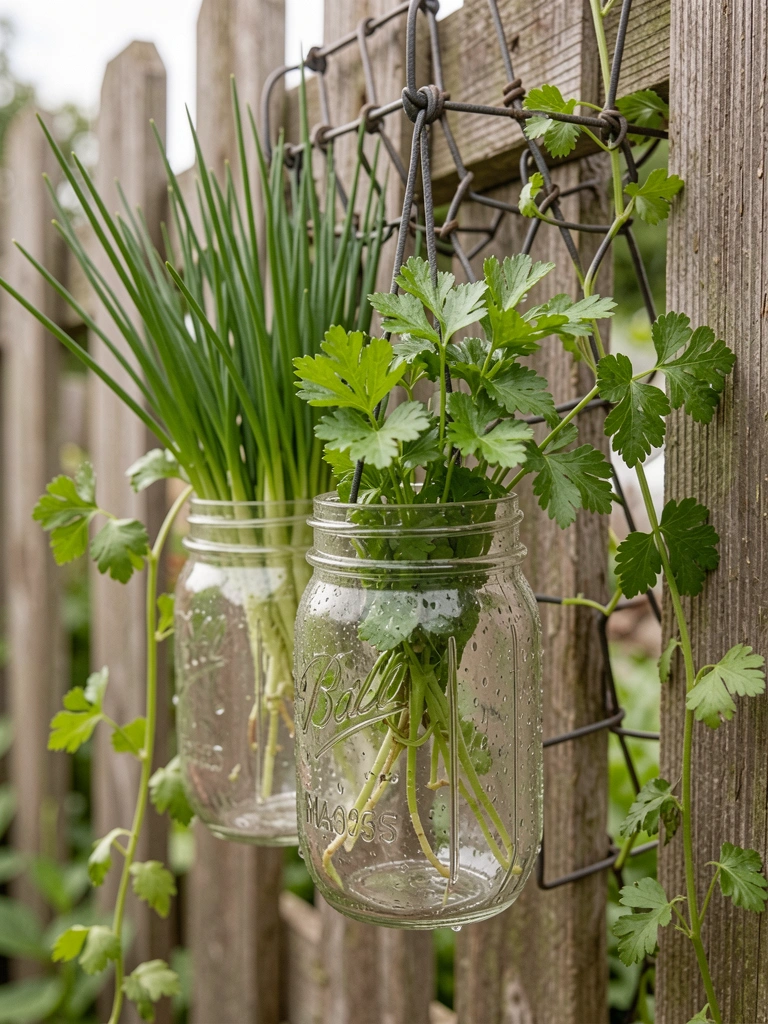
    3. Hanging Mason Jar Trellis on the Fence

    Wired mason jars to my chain-link fence for chives. Jars swing gentle in breeze, roots dangle into soil below. Light filters through glass, herbs glow soft green. Turns a plain fence cozy.
    Forgot to secure one jar—crashed in wind. Now I double-knot wire. Stays put.

    Emotionally, it's a living mobile. Herbs within arm's reach. No bending. Perfect for tight spots.

    What You’ll Need for This Look

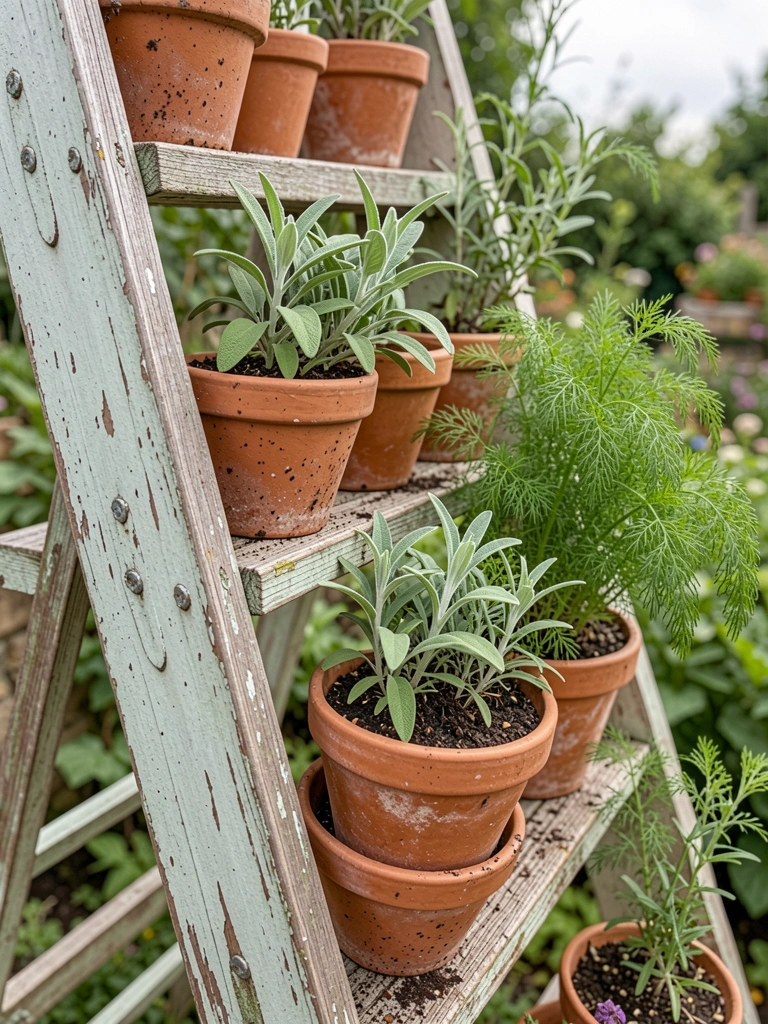
    4. Apothecary Ladder with Tiered Pots

    Propped an old ladder against the shed for terracotta pots of sage. Tiers catch sun different—top dries fast, bottom stays moist. Rustic lines make it feel like a country dispensary.

    Paint flaked off fast; I like it raw now. Herbs lean out, brushing rungs.

    This draws the eye up. Space feels taller. Easy to rotate pots for even growth.

    What You’ll Need for This Look

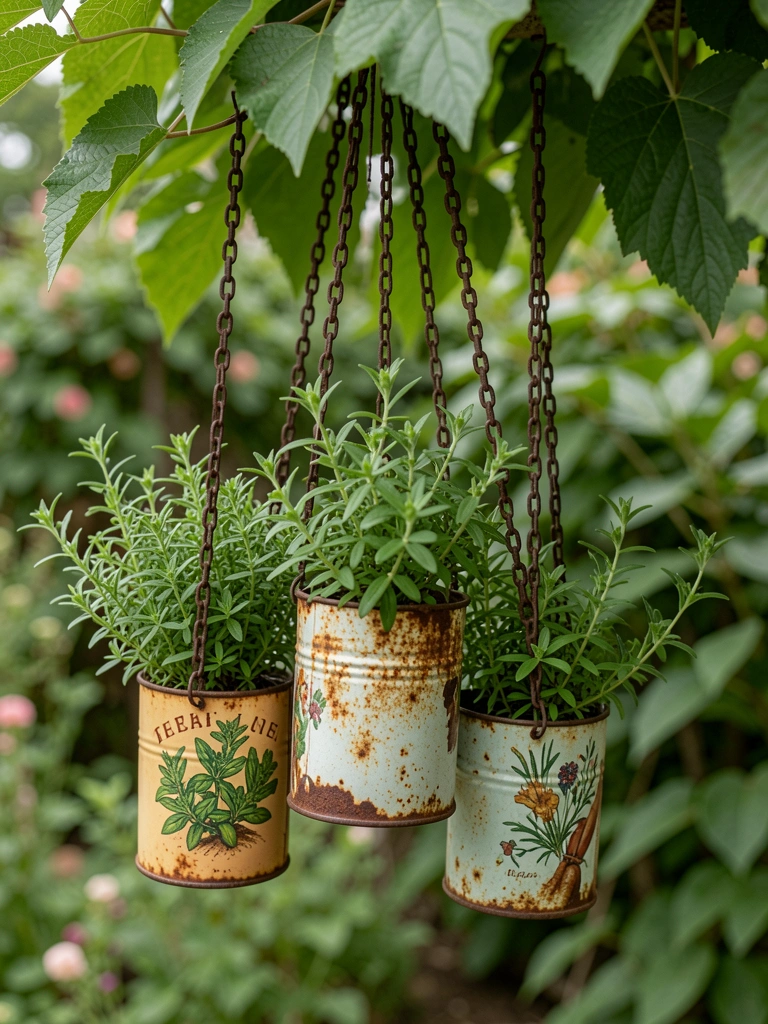
    5. Vintage Tin Can Herb Mobile

    Poked holes in old coffee tins, filled with tarragon, hung from porch beam. They clink soft, spin lazy. Tin patina warms over time—real charm.

    Overwatered once; rust inside killed roots. Line with plastic now.

    Sways catch light, herbs dangle fresh. Mobile but stable. Great for porches.

    What You’ll Need for This Look

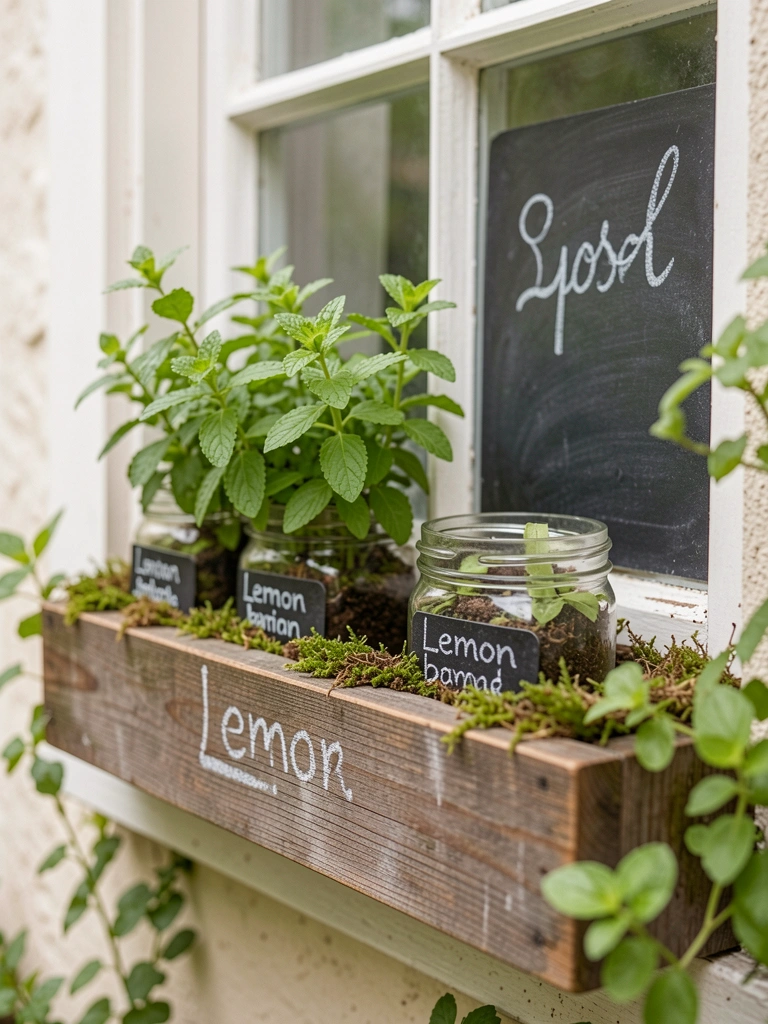
    6. Chalkboard Labeled Window Box Shelf

    Mounted a window box shelf under the eaves for lemon balm jars. Chalk labels fade sweet—"calm tea." Wood swells in rain but holds.

    Labels smeared first rain; sealed them now. Lasts.

    Feels like an herb shop peek. Herbs glow against wood. Snip easy from indoors.

    What You’ll Need for This Look

    7. Wicker Basket Herb Station on Wheels

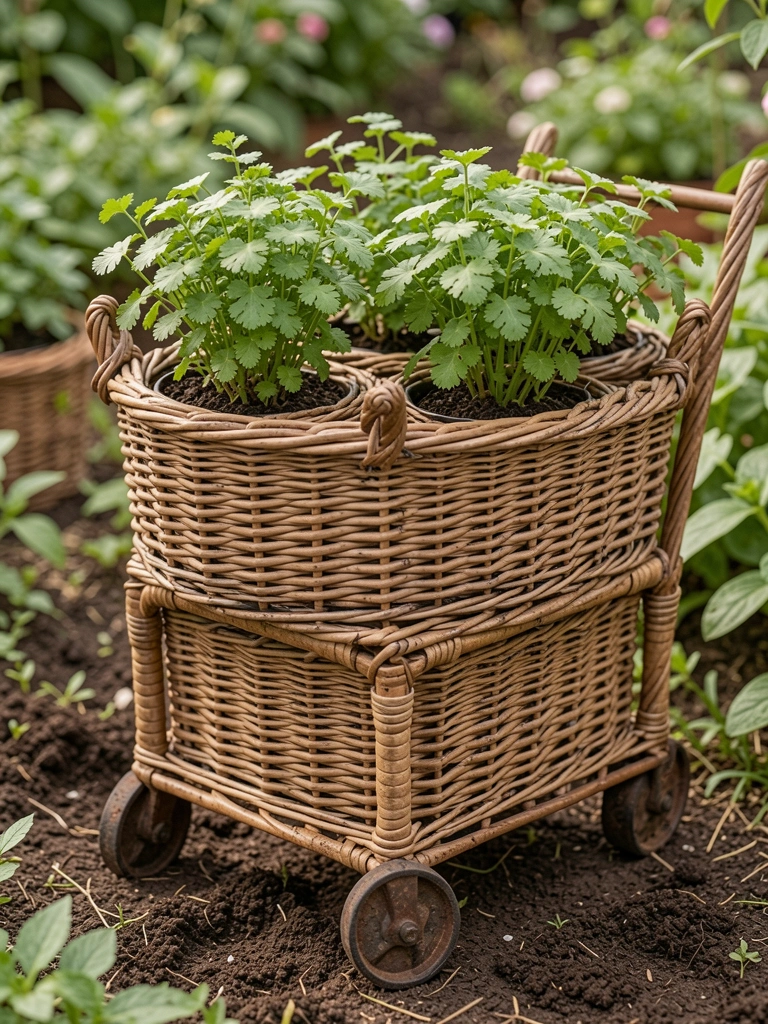
    Rolled wicker baskets on an old cart for cilantro. Move to sun or shade easy. Weave softens edges—cozy nook.

    Basket rotted wet; elevated on bricks. Dry now.

    Rolls to table for harvest. Practical charm. Herbs stay picked clean.

    What You’ll Need for This Look

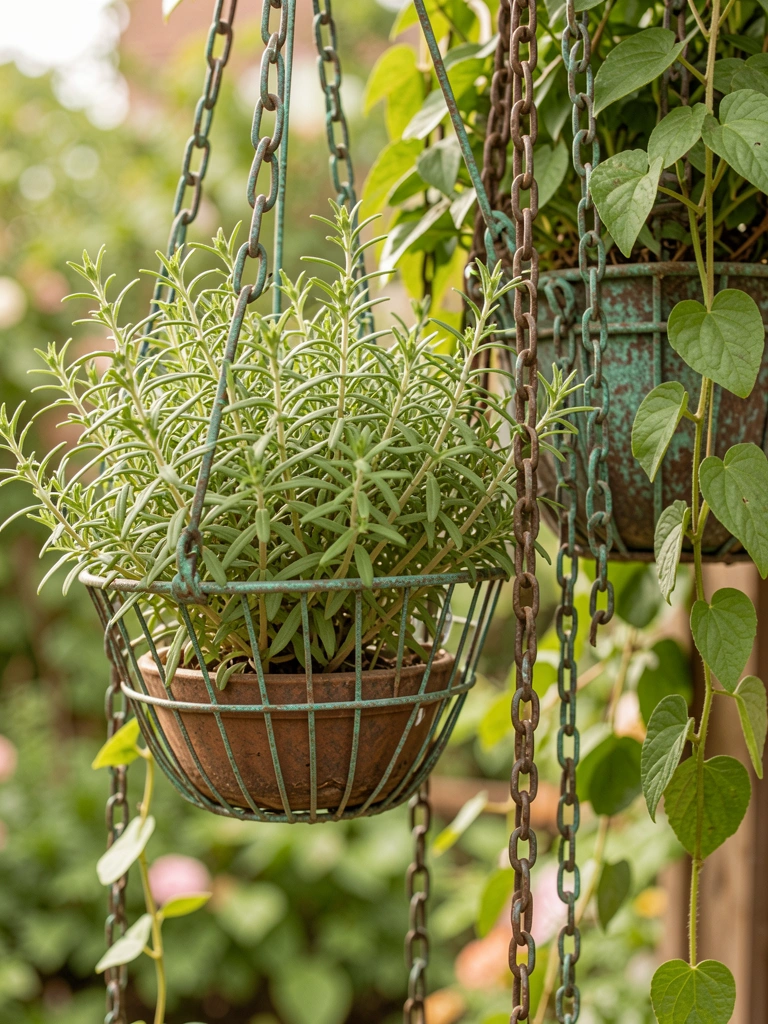
    8. Suspended Wire Basket Apothecary

    Hung wire baskets from arbor for marjoram. Drip trays below catch water. Wire greens over time, blends.

    One basket tangled; spaced chains wide. Swings free.

    Air circulates—healthy roots. Feels airy, vintage healer's swing.

    What You’ll Need for This Look

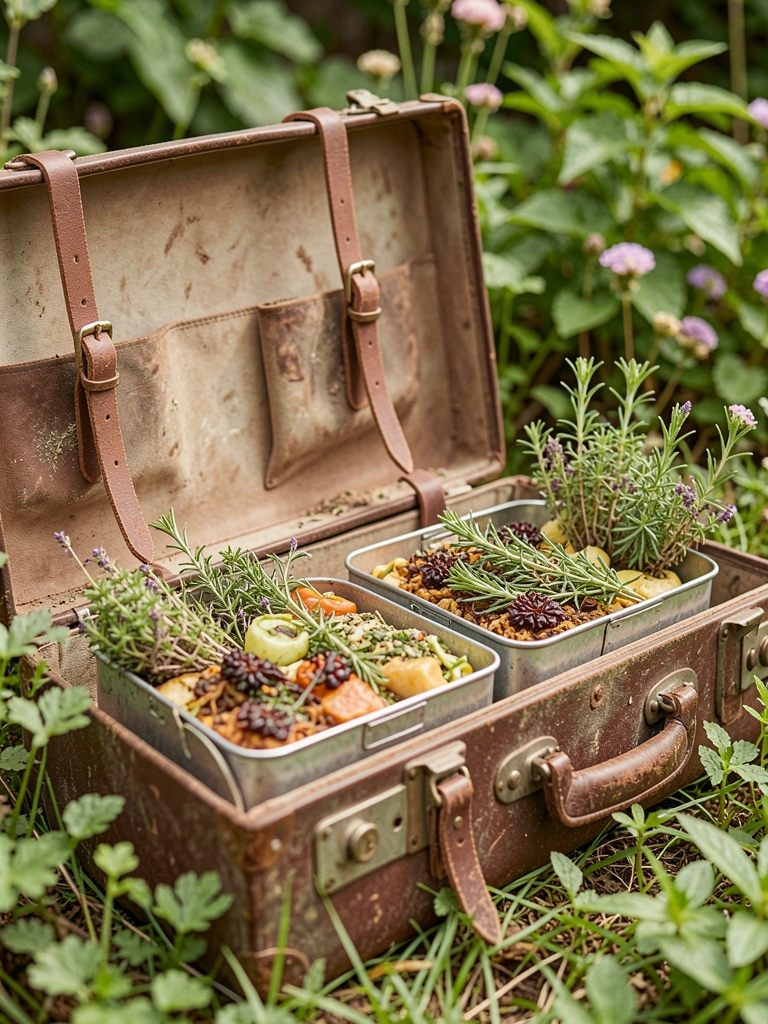
    9. Old Suitcase Herb Tray Display

    Lined an old suitcase with tin trays for savory. Props open on patio table. Leather fades gentle.

    Trays rusted through; painted liner. Protects.

    Suitcase shape invites touch. Herbs tucked neat. Portable apothecary.

    What You’ll Need for This Look

    10. Brick Wall Jar Niches

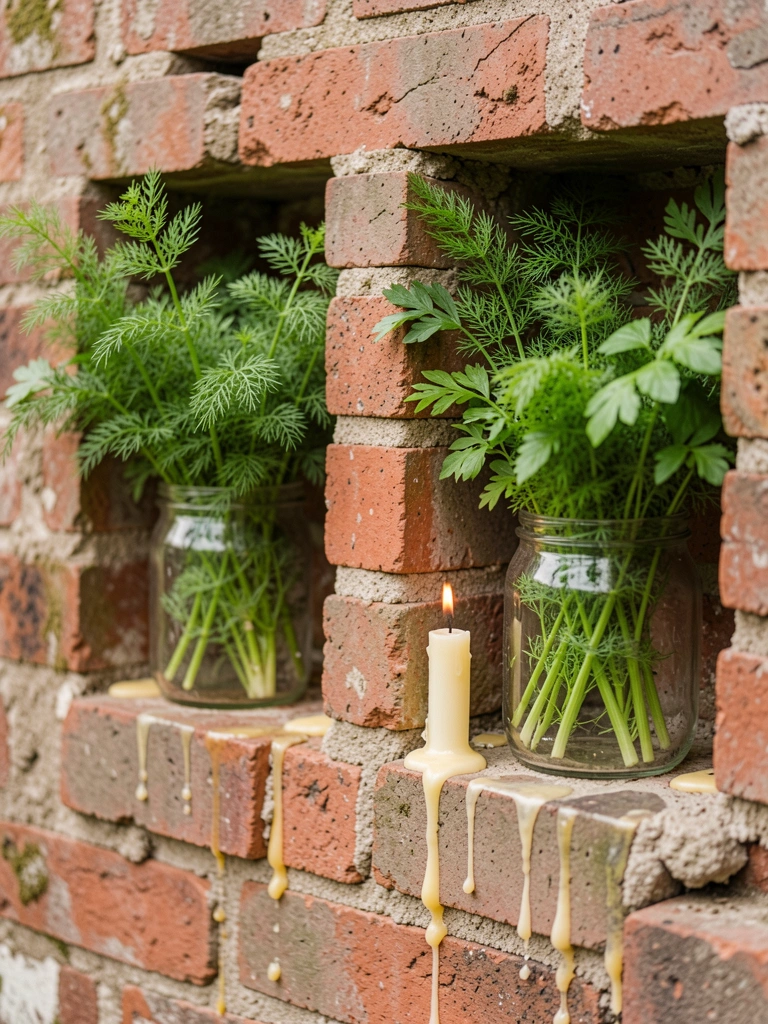
    Set jars into my brick wall niches for fennel. Mortar holds them snug. Shadows play deep—old-world feel.

    Jars slipped once; glued bottoms. Secure.

    Wall texture warms glass. Herbs crown out. Quiet, enduring spot.

    What You’ll Need for This Look

    Final Thoughts

    Pick one idea that fits your spot. Mine started with jars—grew from there. Herbs forgive starts.

    No need for all 10. One corner changed shifts the whole yard feel.

    Yours will too. Plant, watch, adjust. It's that simple.