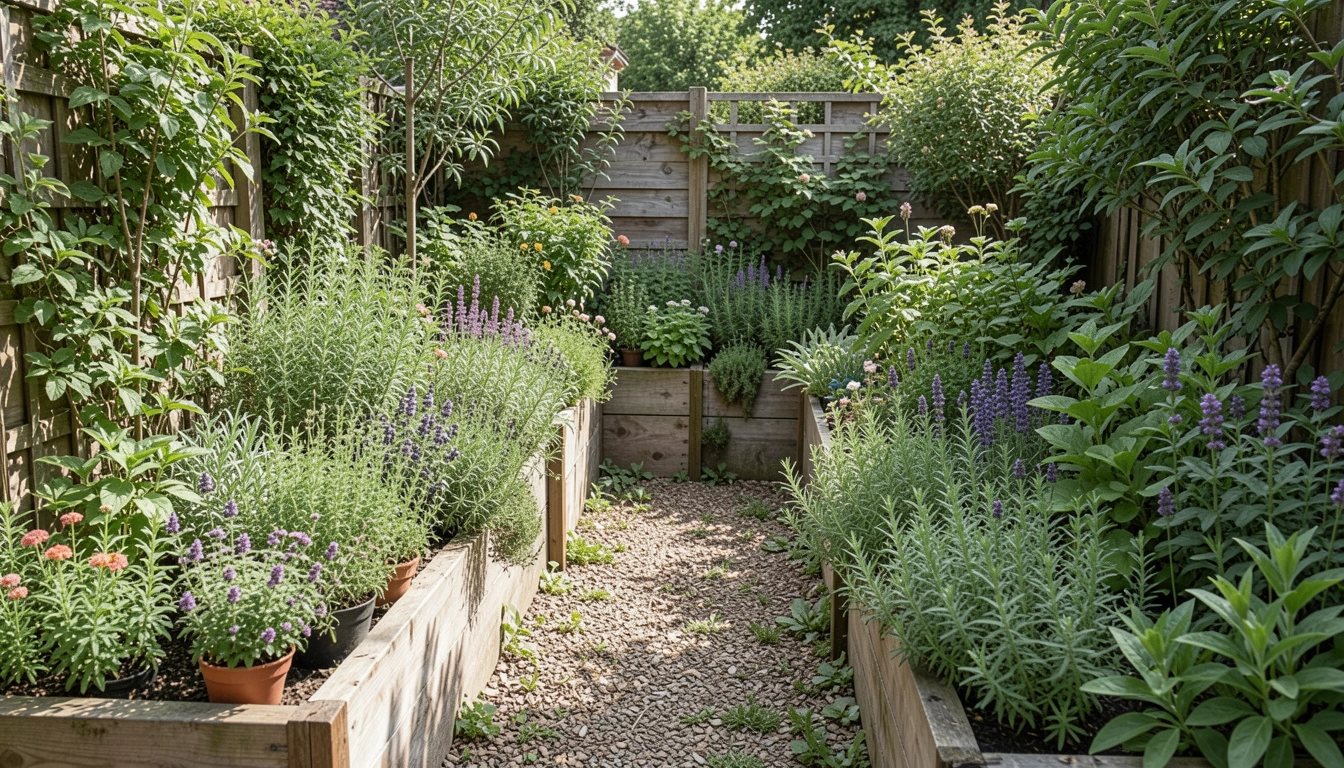
I planted herbs in a straight row last spring. They grew fine, but the patch looked flat. Just green leaves, no pull to linger there.
It sat there, useful for cooking but not part of the garden I walked through.
I wanted it to fit, to draw the eye without trying too hard.
How To Make The Herb Garden Decorative
This shows you how I settle a herb garden so it feels balanced and warm. You'll end up with a spot that holds its own in the garden, comfortable to look at year-round.
What You’ll Need
- 6-inch terracotta herb pots
- Lavender plants in 4-inch pots
- Trailing rosemary starters
- Variegated thyme plugs
- 12-inch galvanized metal bucket
- White garden pebbles 5-pound bag
- Curved wrought iron plant obelisk
- Basil genovese seedlings
Step 1: Pick Your Anchor Plant
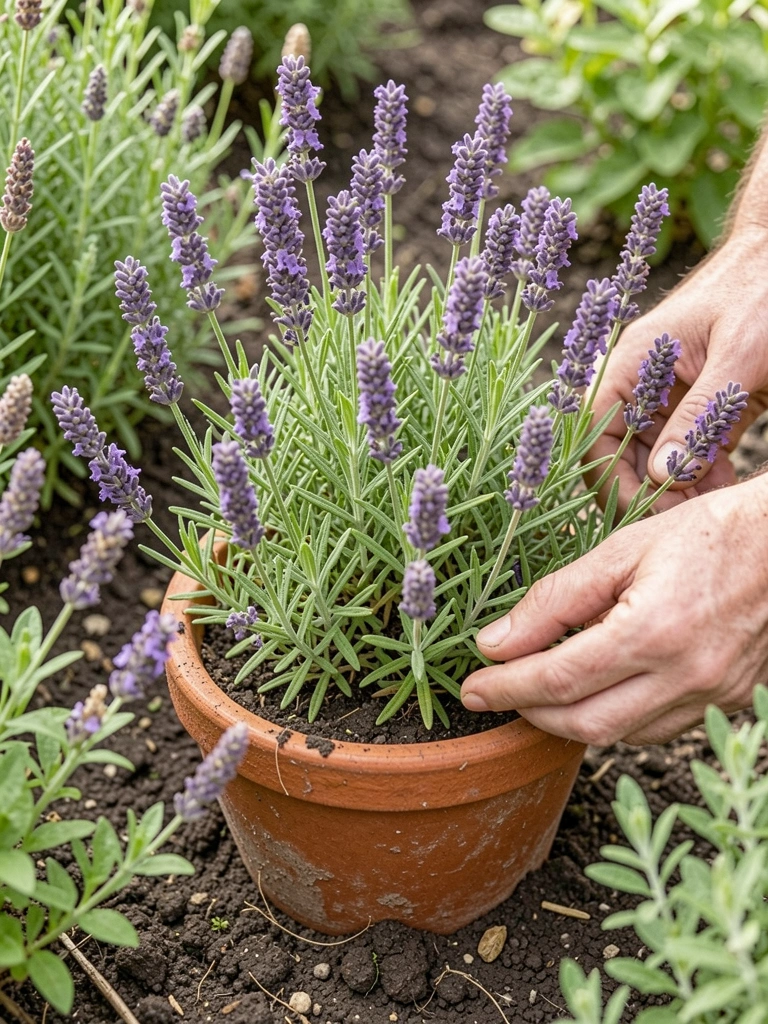
I start with one strong plant in the center. Lavender works for me—its gray-green leaves and purple buds hold steady. I sink it deeper than the rest.
This pulls the eye right away. The bed shifts from empty to anchored.
People miss how one plant sets the rhythm. Without it, everything floats.
Don't crowd it early. Give roots room, or it leans wrong later.
I nudge soil around the base until it sits level. Now the space has weight. The purple hints promise more without shouting.
Step 2: Layer Low and Trailing Greens
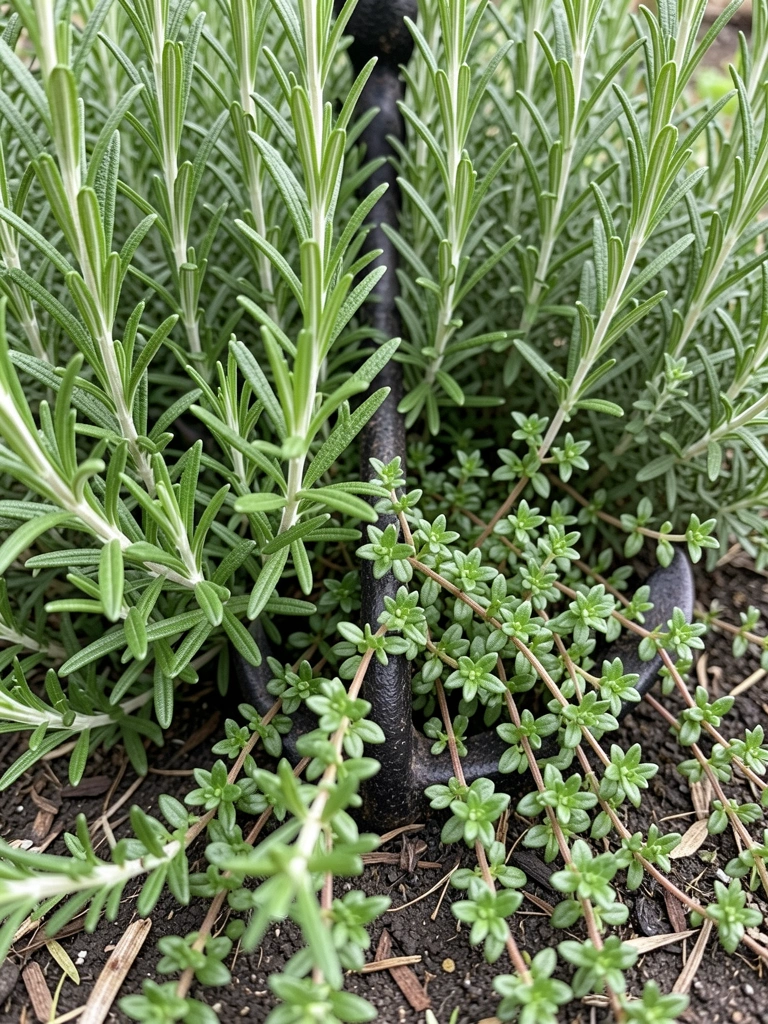
Next, I tuck trailing rosemary along the front edge. It softens the line, spills over pots. Variegated thyme fills gaps beside it.
The ground feels covered now, not bare. Layers build depth you notice up close.
Most skip the spillers—they think herbs stand alone. But they connect the bed to the path.
Avoid straight lines here. Let stems curve; it keeps the flow easy.
I pat soil light, water once. The front breathes, draws you in without blocking the view.
Step 3: Add Mid-Height Fills
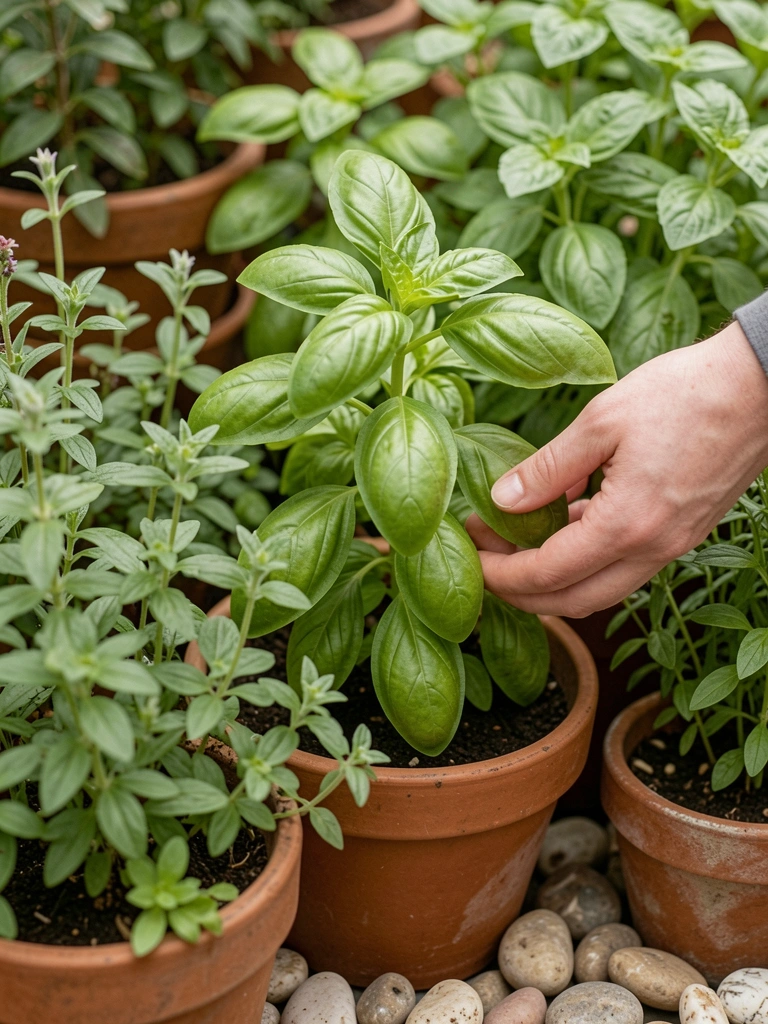
Basil goes mid-way up, in pots sunk into the soil. I cluster three, off-center from the lavender.
Color pops—bright green against grays. The bed gains rhythm, feels fuller.
Folks overlook pot heights. Match them to plants so nothing dwarfs the rest.
Don't line them even. Offset pulls the eye around naturally.
I twist pots slightly for air. Now it reads balanced, not packed.
Step 4: Scatter Texture Breaks
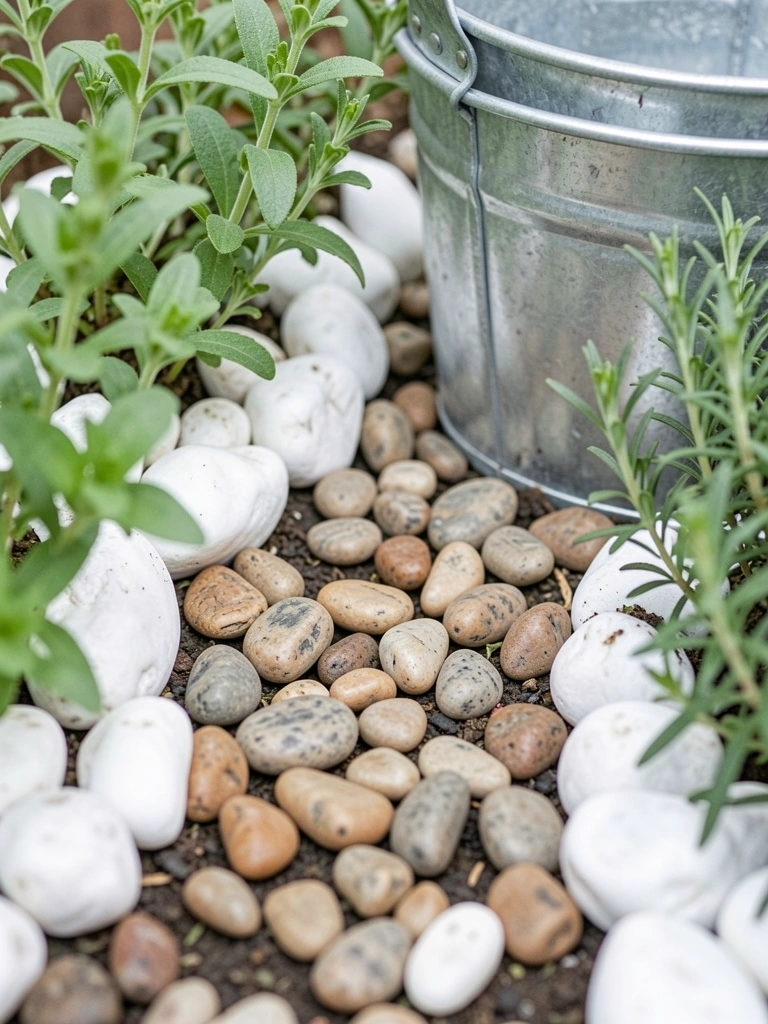
I drop white pebbles in patches between plants. A galvanized bucket sits to one side, empty or with a spare thyme.
Bare soil vanishes; texture ties it quiet. The garden settles, lived-in.
People forget ground covers—they fade fast. Pebbles hold when herbs thin.
Steer clear of too much gravel. It cools the warmth if overdone.
I rake lightly even. Light bounces, makes the whole feel clean.
Step 5: Set a Vertical Lift
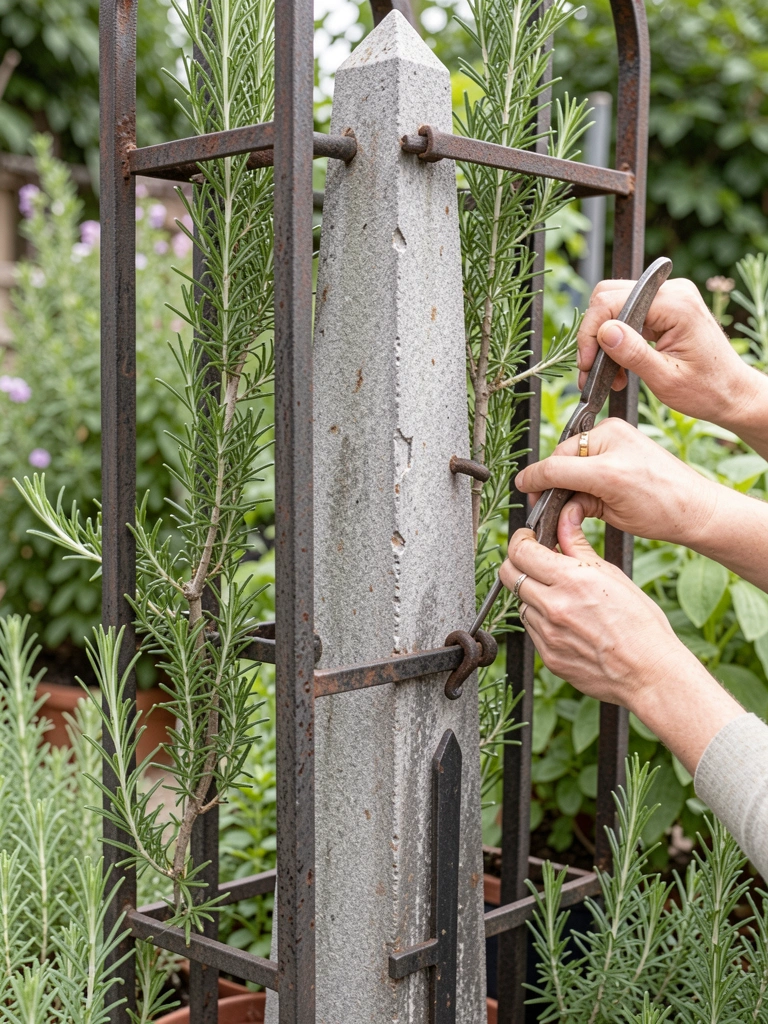
Last, I push the obelisk into back soil. Train rosemary up one side loose.
Height lifts without crowding. The bed flows up, holds against fences.
Miss this, and it stays squat. Vertical echoes nearby trees.
Don't tighten ties. Let it climb slow; force snaps stems.
I step back. Now it fits the garden, draws without dominating.
Choosing Herbs That Play Well Together
I pick based on what grows near me. Lavender anchors, rosemary trails, basil fills. Thyme adds cream edges.
They share sun but differ enough—purple, green, gray. No clashes.
- Lavender for steady shape
- Rosemary for spill
- Basil for bright lift
- Thyme for fine texture
This mix stays balanced through cuts.
Keeping the Balance as It Grows
I trim often, but light. Snip tops even. Pull spent leaves weekly.
Watch for one plant taking over. Thin basil if it bushes wild.
- Check edges monthly—trim strays
- Water base only, avoids leggy growth
- Refresh pebbles yearly
It stays comfortable, not wild.
Handling Off-Seasons
Winter quiets it. I mulch light around bases. Lavender holds color.
Spring, new basil revives green. Add a pot if gaps show.
- Mulch thin, two inches max
- Swap tired plants early
- Pebbles catch rain, no mud
Year-round, it feels right.
Final Thoughts
Start with one corner if the whole bed daunts you. My first try was half-done, still better than plain.
It works because you feel it out, adjust as you go.
Yours will settle too. Just walk by it daily, tweak what pulls back.
Leave a Reply