Category: Flowers

  • 24 Stunning Outdoor Flower Pot Ideas For A Beautiful Porch

    24 Stunning Outdoor Flower Pot Ideas For A Beautiful Porch

    I used to cram pots in the corners and hope for the best. It took a few failures to see what a porch actually wanted—balance, texture, and plants that live well outside, not on a wishlist.

    These ideas come from real pots I bought, moved, and learned from. Simple, honest, and ready to plant.

    24 Stunning Outdoor Flower Pot Ideas For A Beautiful Porch

    These 24 ideas are practical, tested in working gardens, and ready to copy exactly. I include what I used and links for the exact items I bought.

    1. Layered Container Planting That Makes a Porch Feel Full

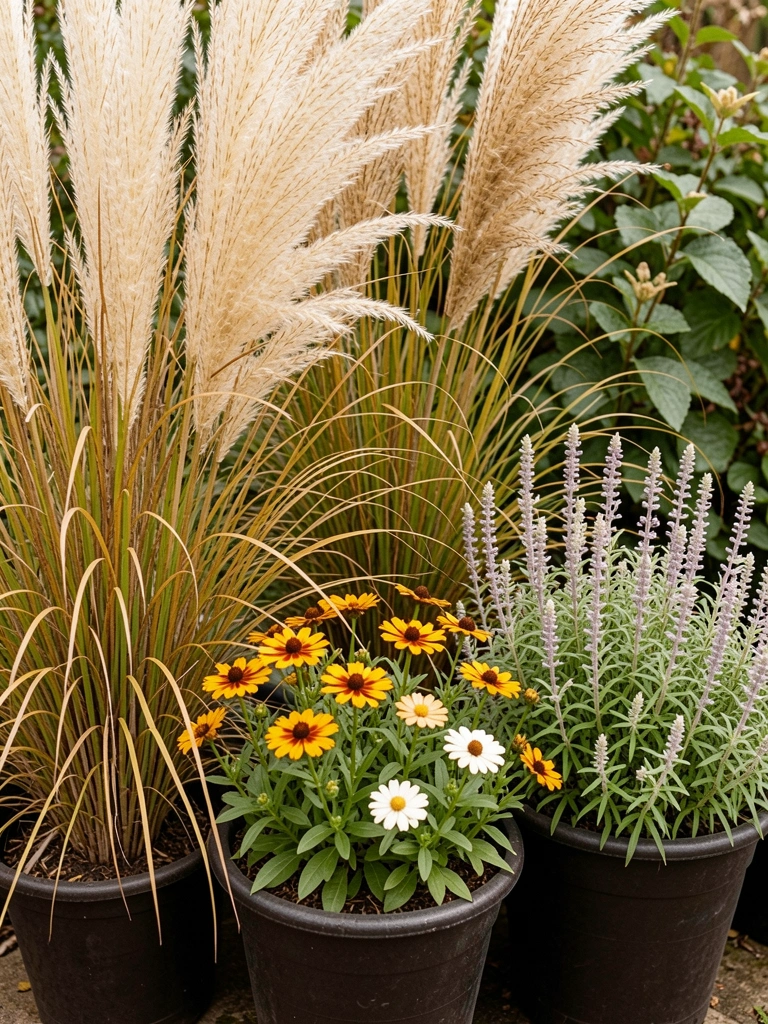
    I planted a big glazed pot with “thriller, filler, spiller” thinking it was garden-speak only. It actually worked. The tall ornamental grass gives height, petunias filled the middle, and a trailing lobelia softened the edge. The porch suddenly felt finished.

    I did overpot once—roots circled the first season—so I repotted into a slightly larger container and it settled.

    I watch soil moisture closely now; layered mixes dry differently. The visual payoff is worth the attention.

    What You’ll Need for This Look

    2. Compact Succulent Arrangement for a Sunny Spot

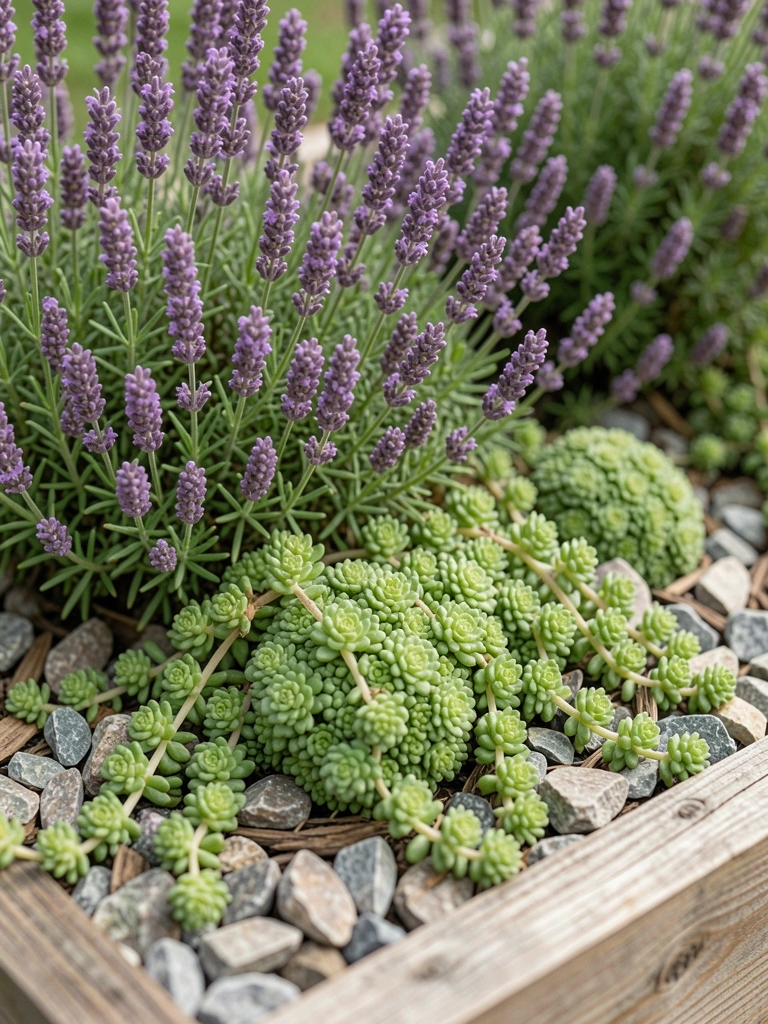
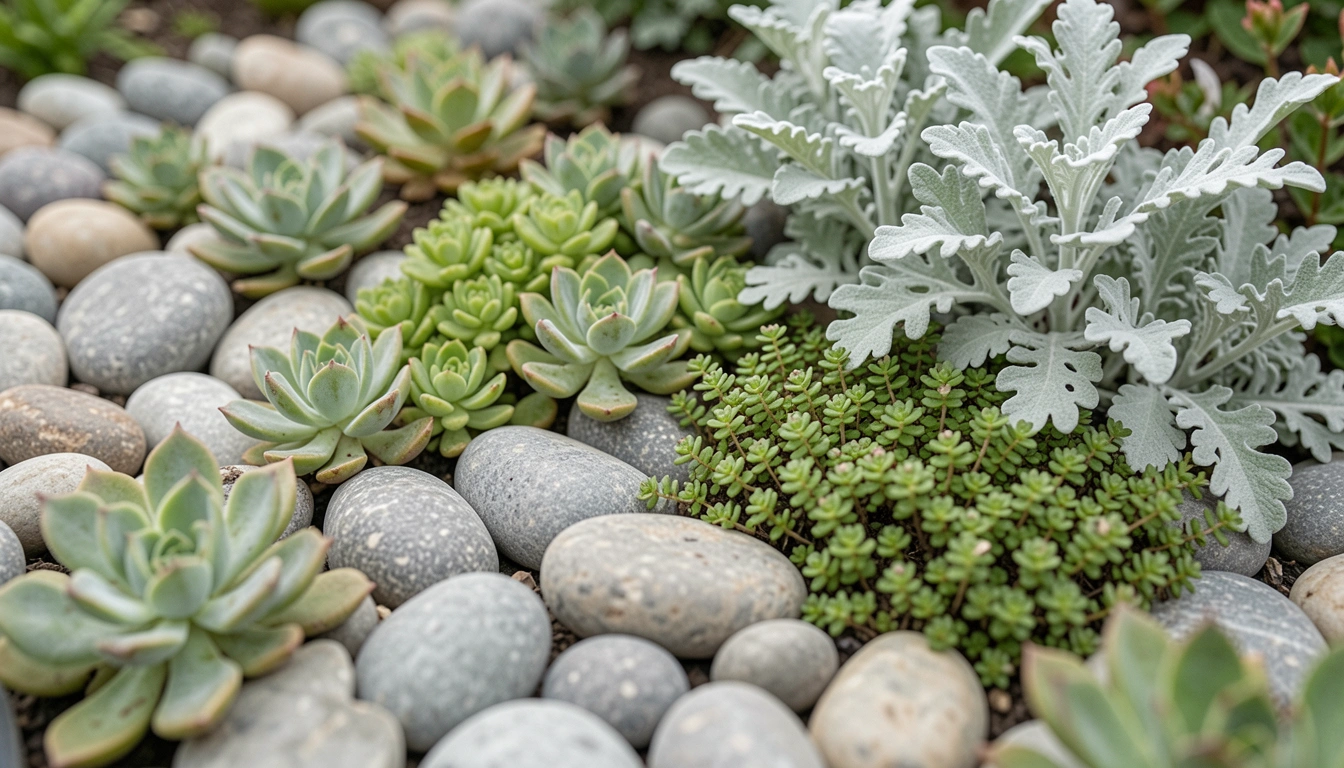
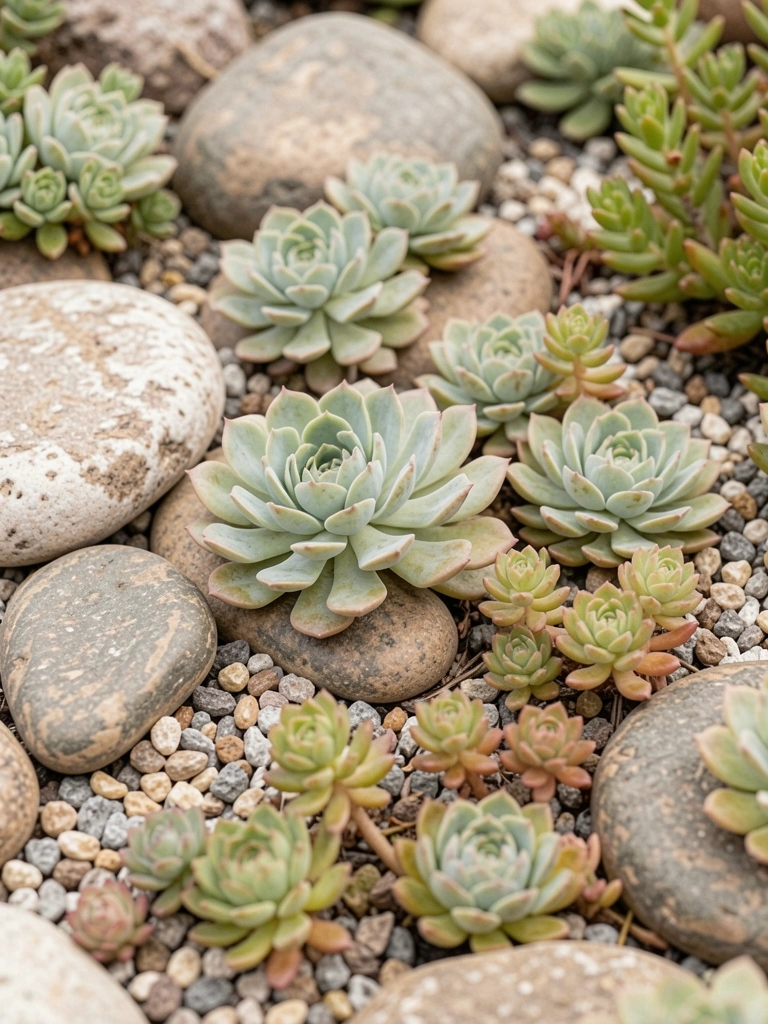
    I swapped out annuals for succulents on my sunniest step and stopped babysitting them. Succulents handled heat and missed my occasional droughts. The shallow pot keeps things tidy and the gravel top hides my sloppy watering marks.

    My mistake: I used garden soil once and had rot. Now I use a gritty, free-draining mix and they thrive.

    This arrangement is calm and low-effort. I still move it to shade if afternoon sun gets brutal.

    What You’ll Need for This Look

    3. Tall Narrow Planters to Frame Doorways

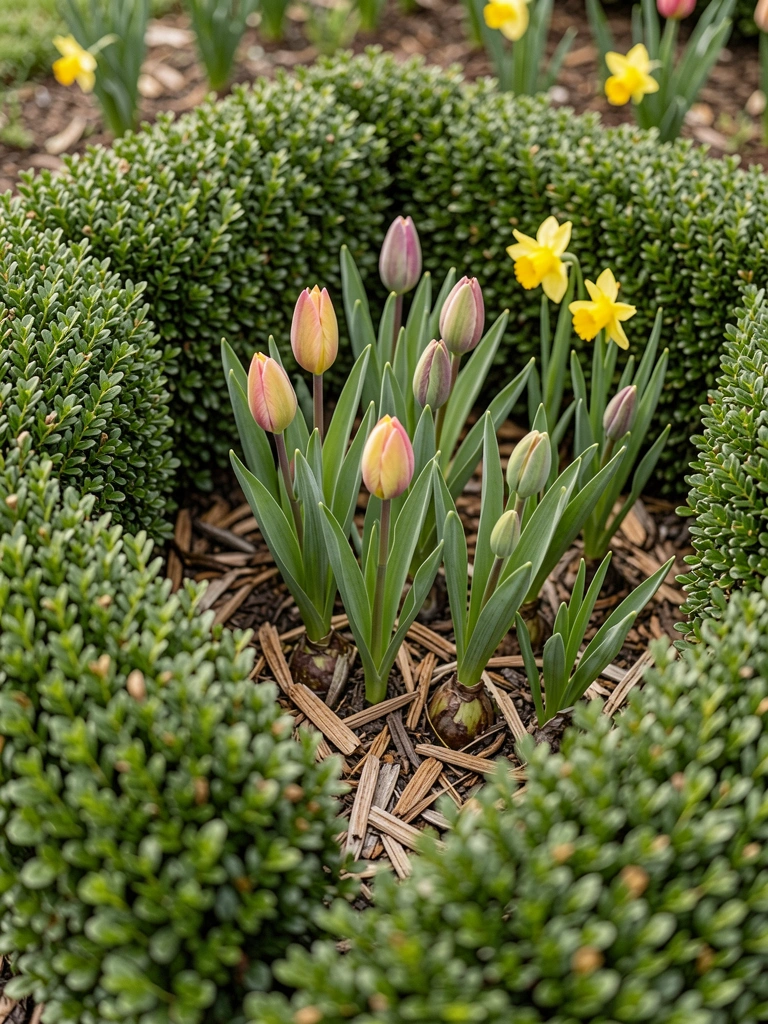
    I planted narrow columns instead of big urns and it changed the entrance. Tall planters add form without crowding the porch. I used dwarf boxwood for year-round structure and swapped seasonal bulbs in the top.

    One season I under-fertilized and the boxwood looked thin; regular feeding fixed it. The narrow footprint is perfect for tight porches.

    I like the symmetry it gives when people arrive. It feels intentional, not staged.

    What You’ll Need for This Look

    4. Hanging Baskets with Trailing Flowers Over the Rail

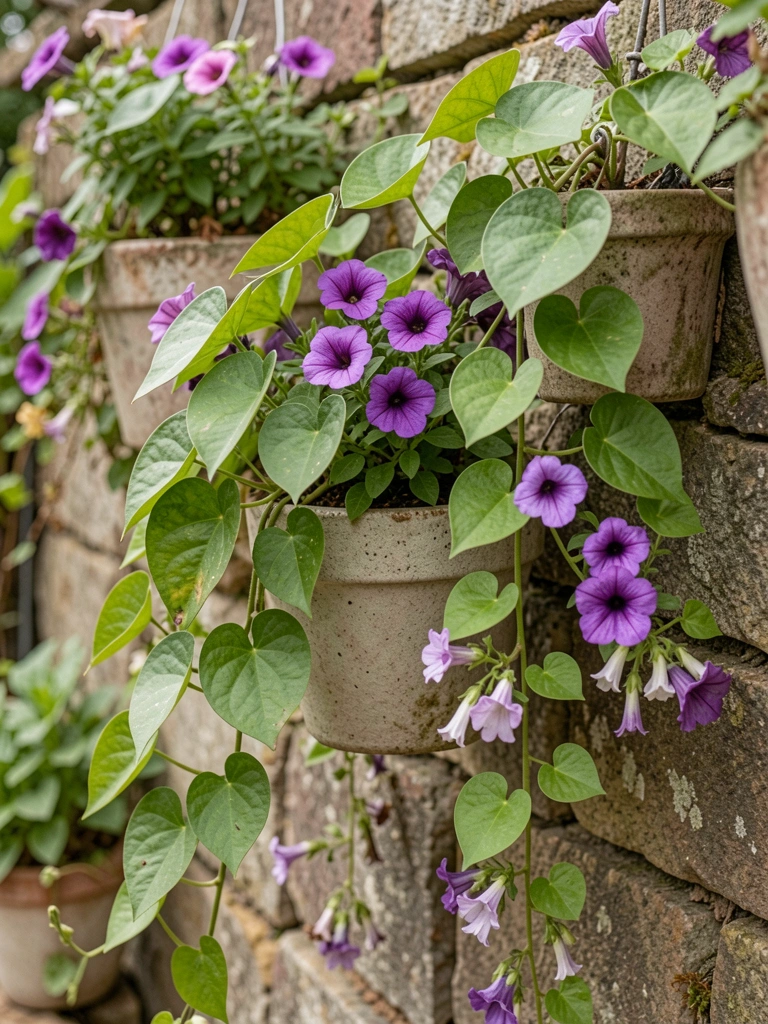
    I installed hooks and hung baskets at eye level. The trailing petunias poured over the rim and softened the railing. Hanging baskets create depth—plants at different heights feel abundant without filling floor space.

    I once forgot to check the coco liner for salts and had brown spots. Now I flush containers occasionally and keep a watering schedule.

    Hanging baskets are about rhythm. I rotate plant colors yearly so the porch never goes flat.

    What You’ll Need for This Look

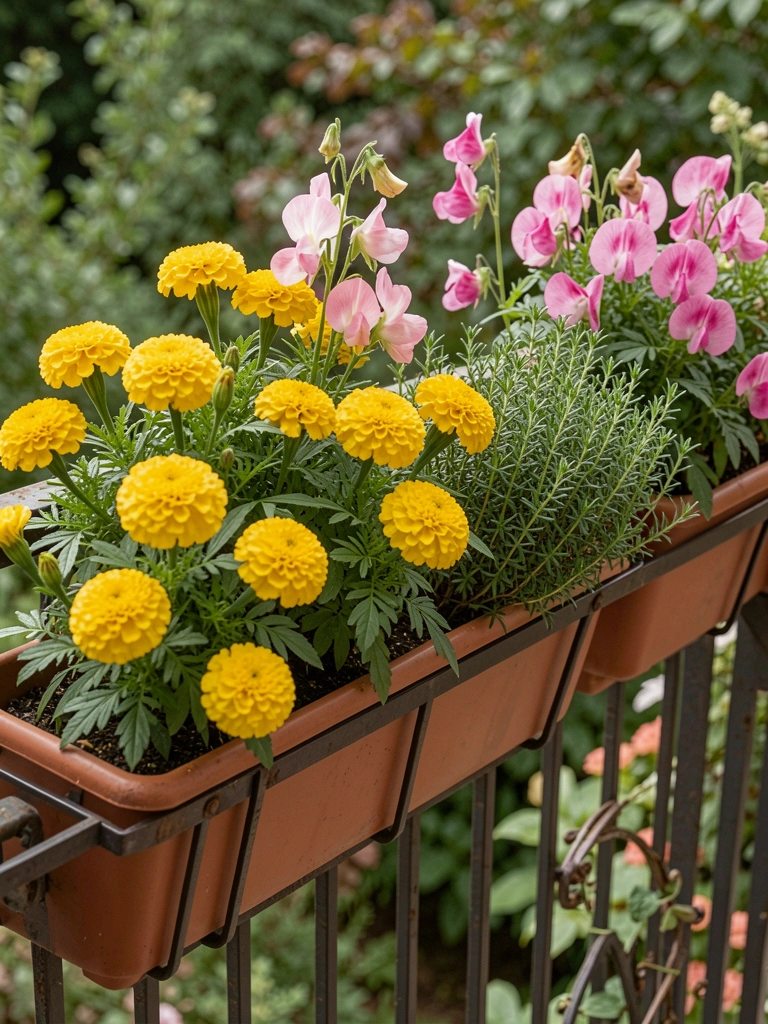
    5. Herb Window Boxes You Actually Use

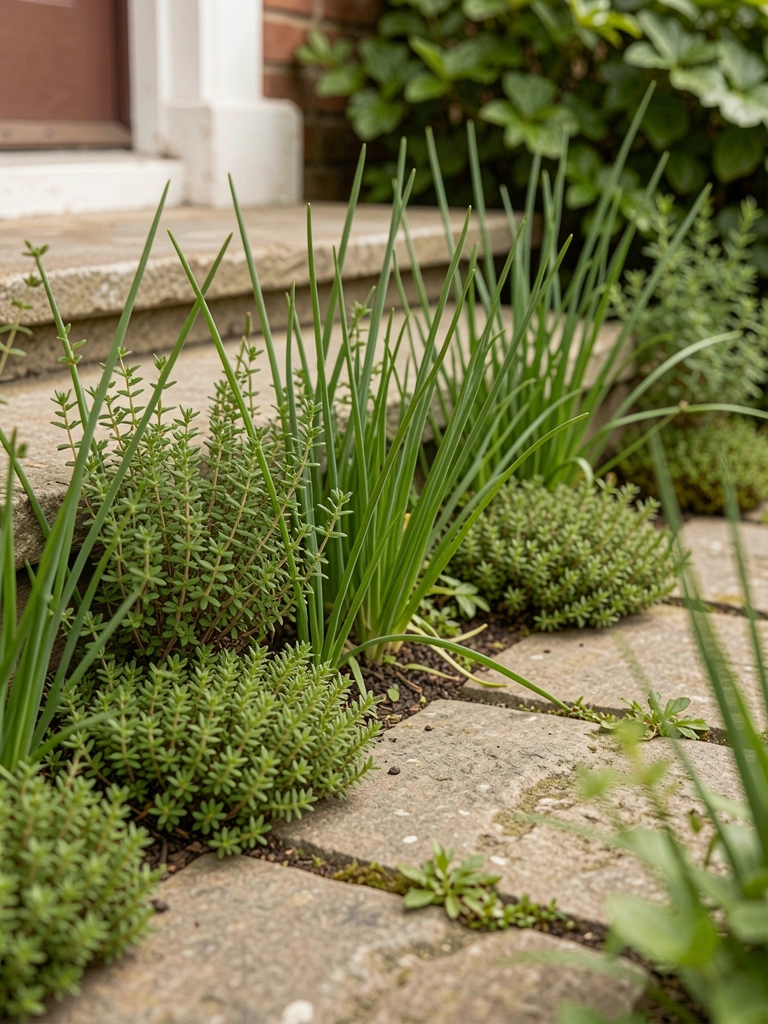
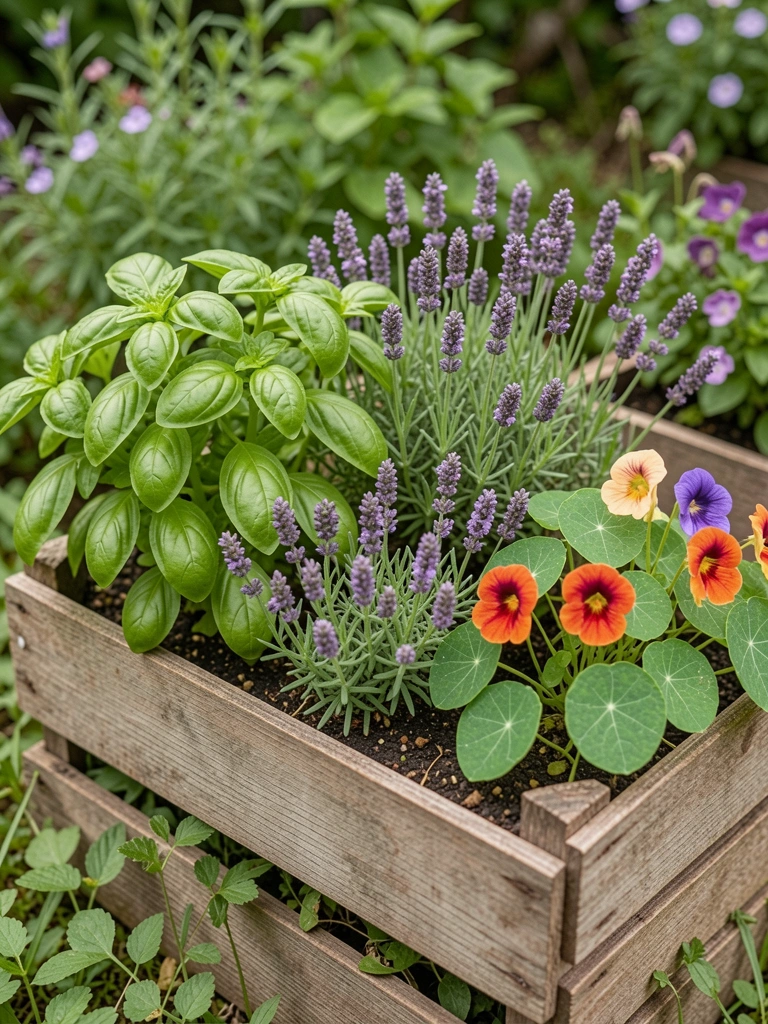
    I made a box for herbs near the door and used them every night. Small basil, thyme, and rosemary fit compactly and smell delicious when I brush past. Having herbs at arm’s reach changed dinner prep.

    I once planted rosemary too deep and it sulked; now I check root depth and sunlight. Herbs need regular snips to stay productive.

    This is a functional, fragrant setup I reach for daily.

    What You’ll Need for This Look

    6. Cottage-Style Mix with Cottage Perennials and Annuals

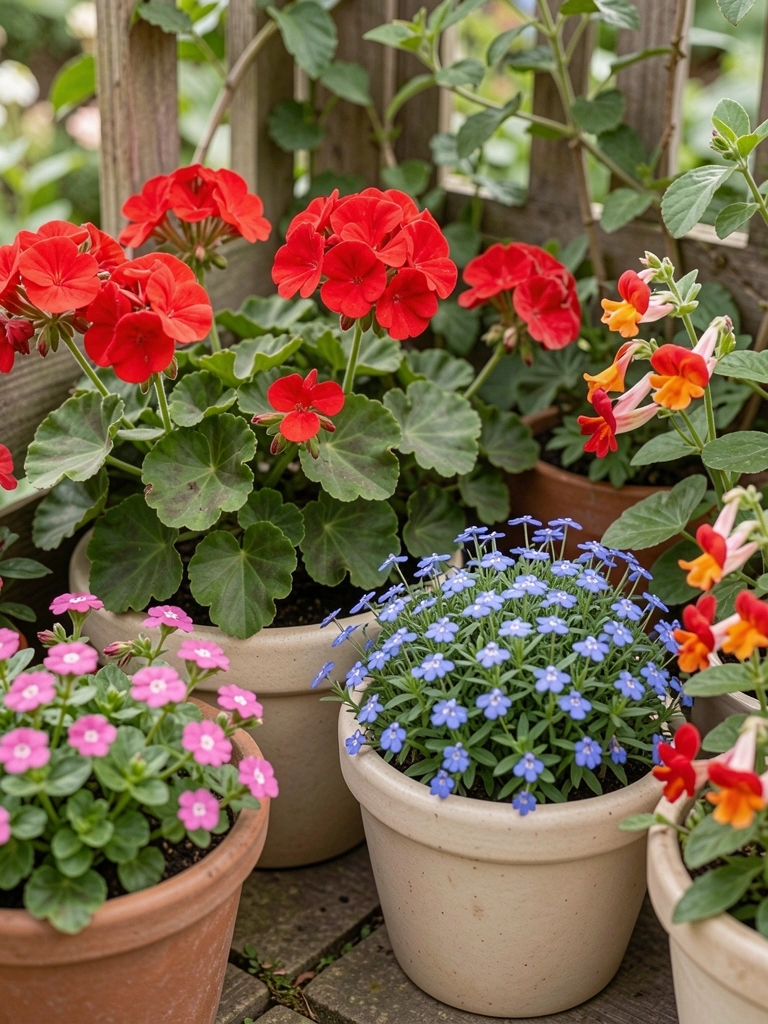
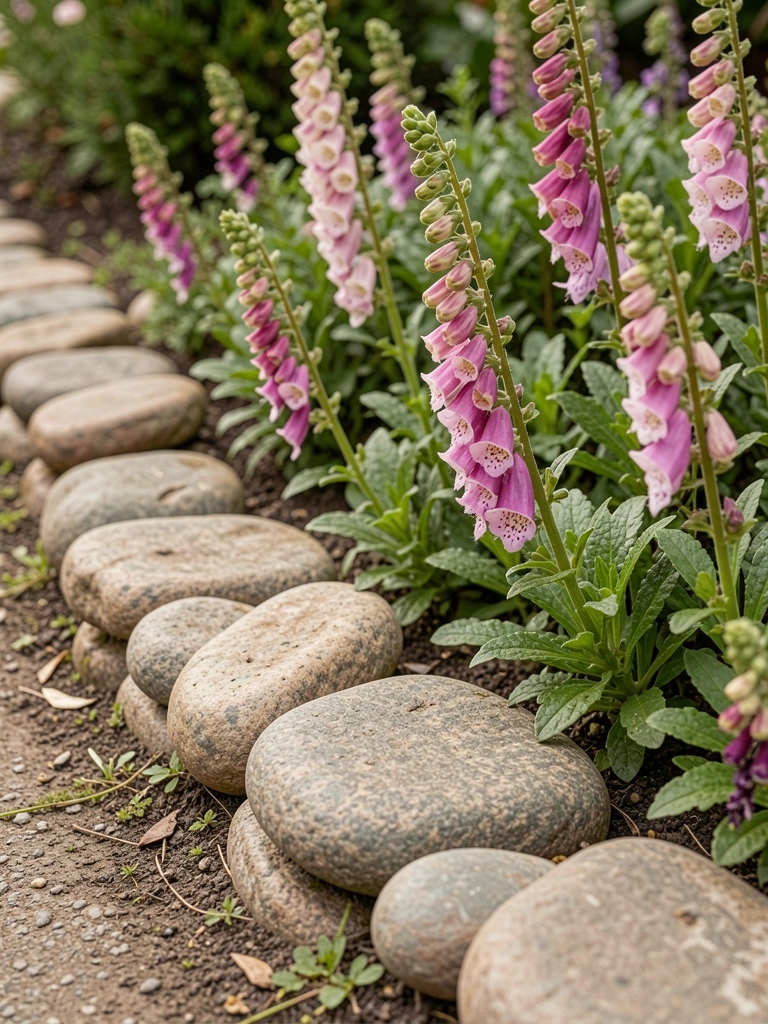
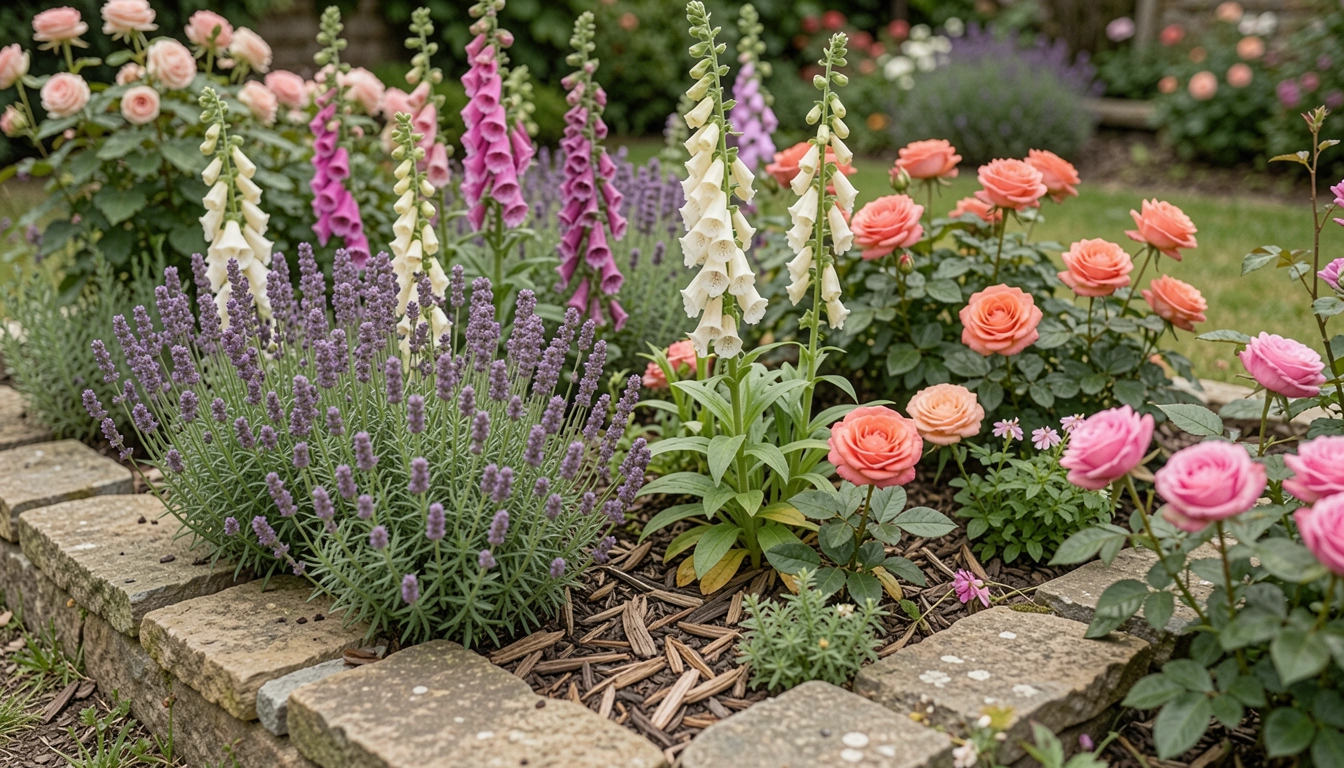
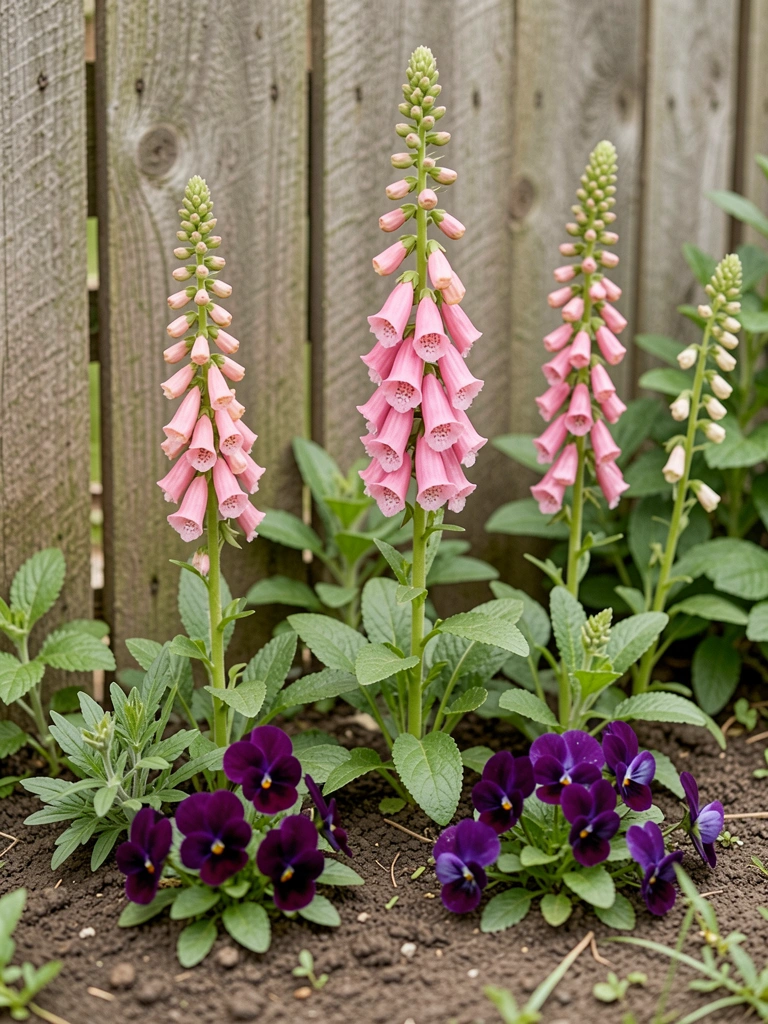
    I aimed for a soft, overgrown look with foxglove, geraniums, and sweet alyssum in mismatched pots. It reads cottage without needing a big garden. The variety keeps the pot interesting across months.

    My mistake: I overcrowded once and the middle plants choked out the fillers. Now I space them and thin as they grow.

    This mix feels friendly and worn-in, like a borrowed sweater on a chair.

    What You’ll Need for This Look

    7. Monochrome Planters for a Clean, Modern Porch

    I went monochrome with matte black pots and white blooms. The contrast simplified the whole porch and felt calm after years of color experiments. White petunias and dusty miller read fresh against dark containers.

    At first I thought black would overheat roots, but with light soil and regular watering they were fine. I learned shade and pot color matter together.

    This look feels modern and quiet—good when I want order.

    What You’ll Need for This Look

    8. Night-Scented Pots for Evening Porch Sitting

    I planted jasmine and night-scented stock in pots near my seat and suddenly evenings had a scent. These plants open and perfume the air after sunset, making my porch a place to linger.

    I killed a jasmine once by overwatering; it prefers drier roots. Now I let the top inch dry between drinks. The scent rewards that little trade-off.

    These pots make the porch invitation feel small and personal.

    What You’ll Need for This Look

    9. Pollinator-Friendly Pot with Native Flowers

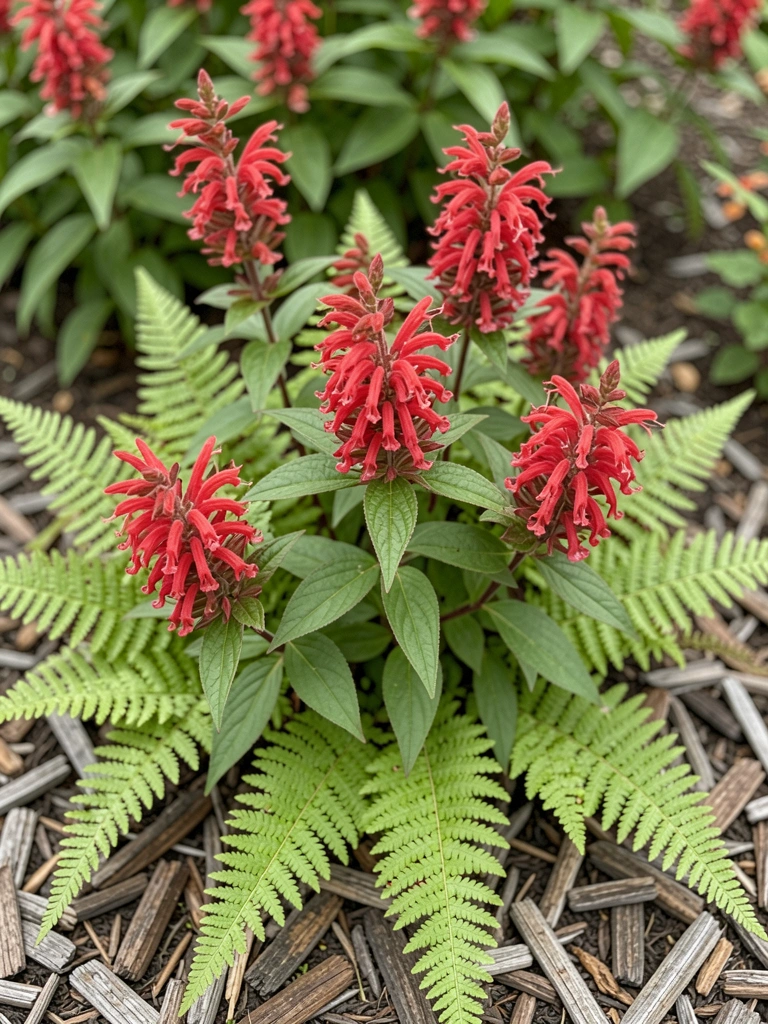
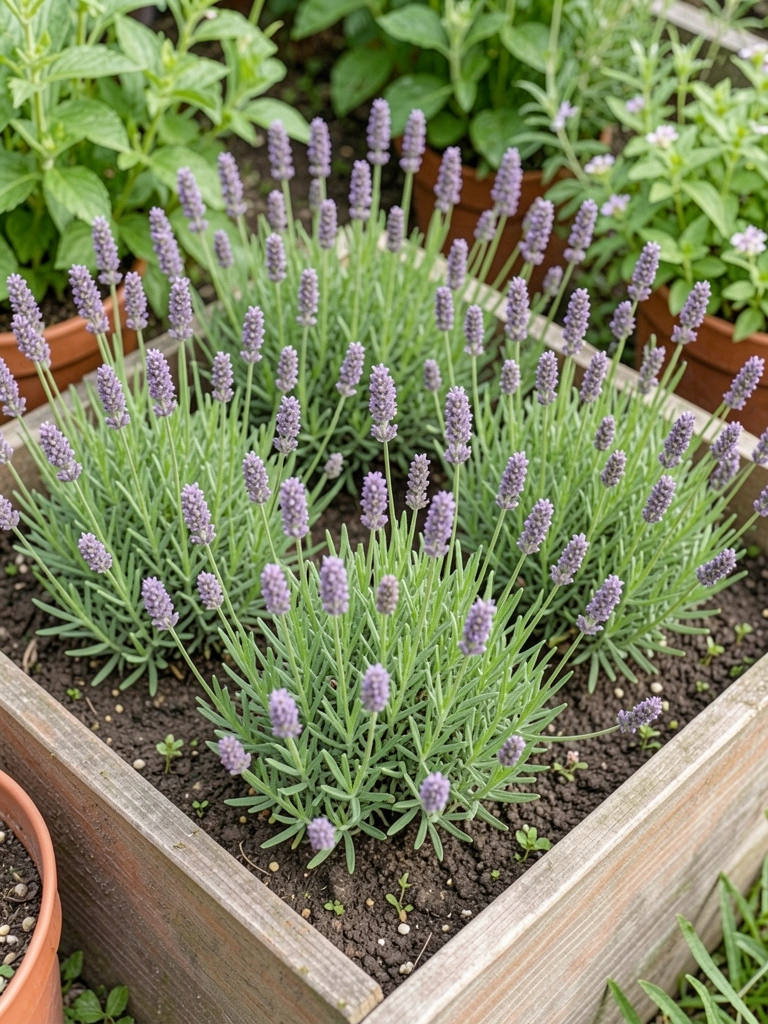
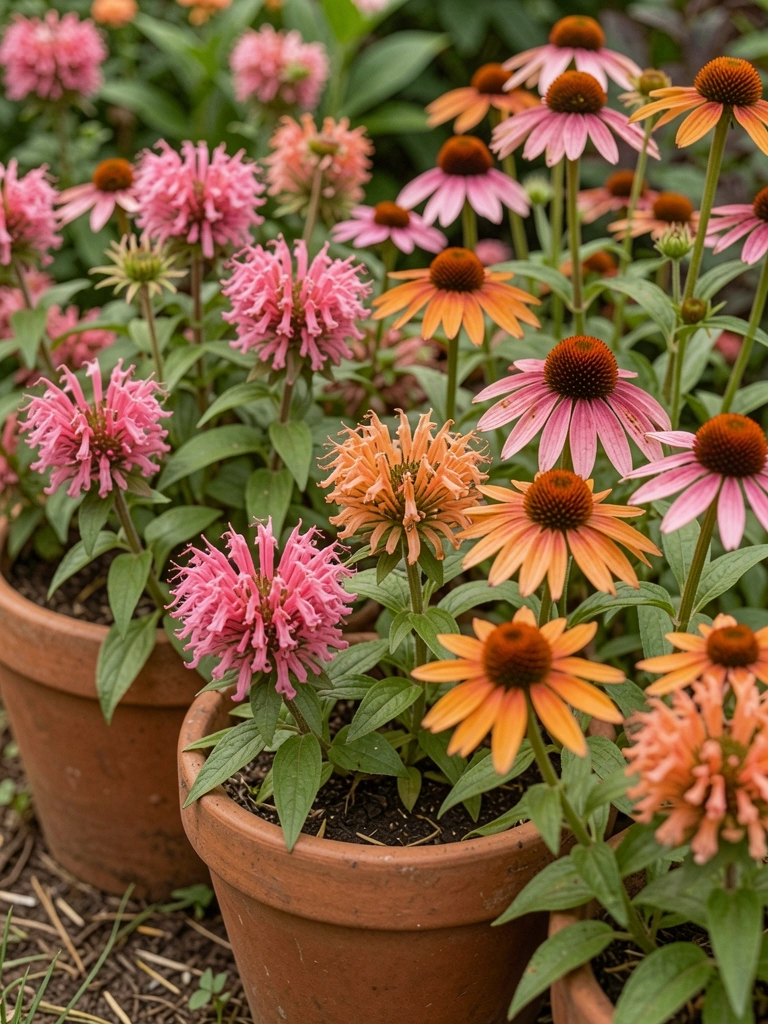
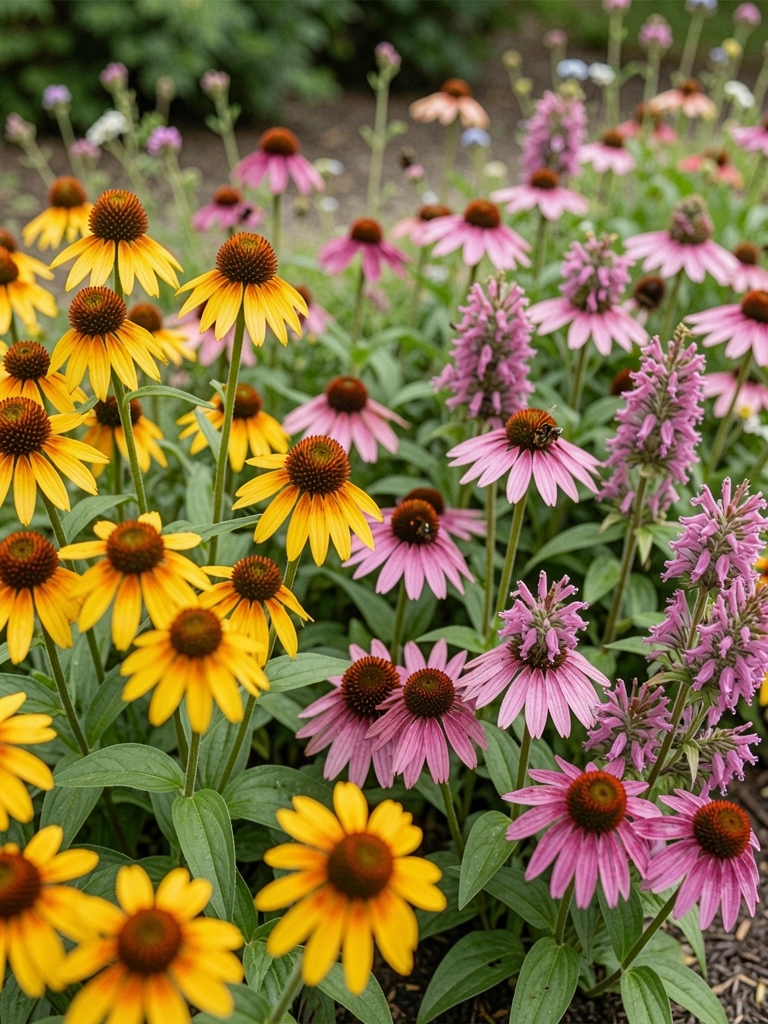
    I shifted one pot to native coneflower, bee balm, and lavender and watched bees return. It’s small but feels purposeful. Pollinator pots draw life in a way plain blooms don’t.

    I once used a pesticide-sprayed plant by mistake; it took weeks for pollinators to come back. Now I buy labeled pollinator-friendly starts.

    This pot gives more than looks—it feeds local wildlife and livens the porch.

    What You’ll Need for This Look

    10. Reclaimed Containers for a Rustic Porch

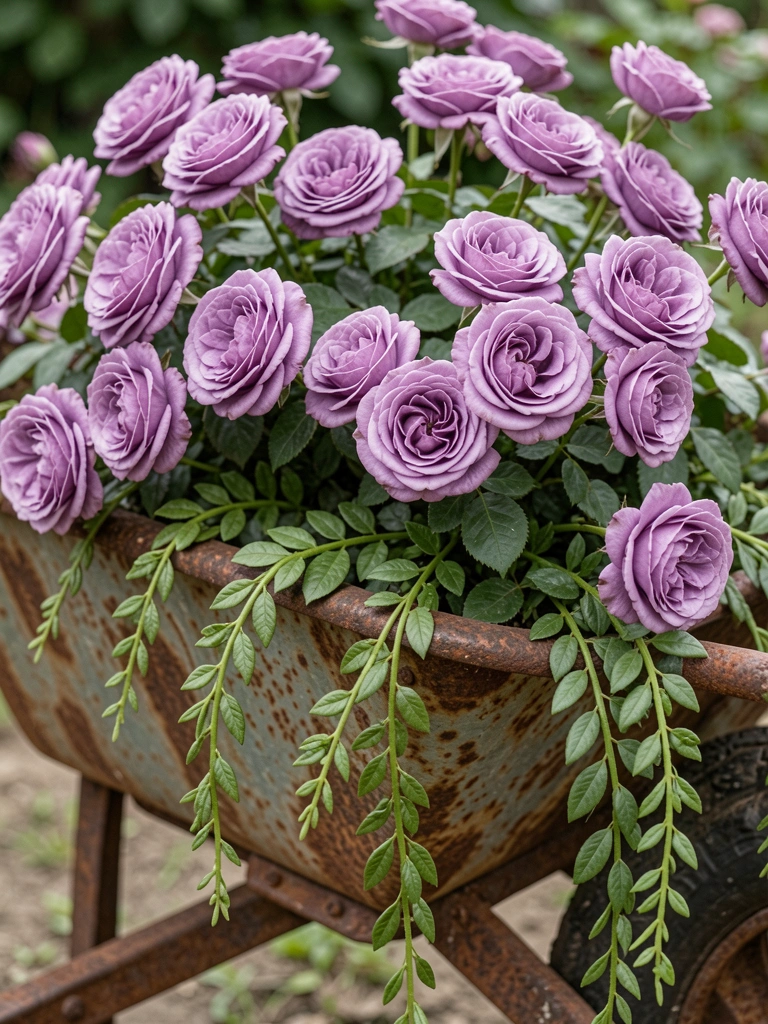
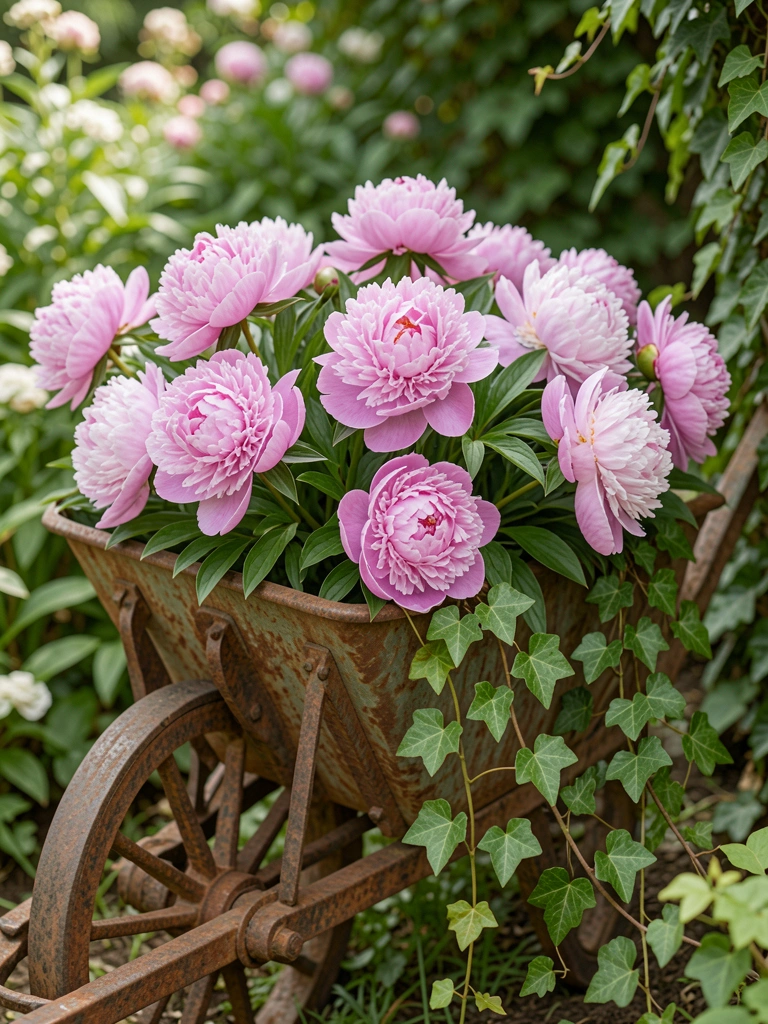
    I scrounged an old metal milk can and turned it into a planter. The patina fits my porch and the plants soften the edges. Reclaimed containers add character without a high price tag.

    I learned to drill drainage holes; otherwise water pooled and roots rotted. A simple drill fixes most vintage containers.

    This approach is about personality more than perfection.

    What You’ll Need for This Look

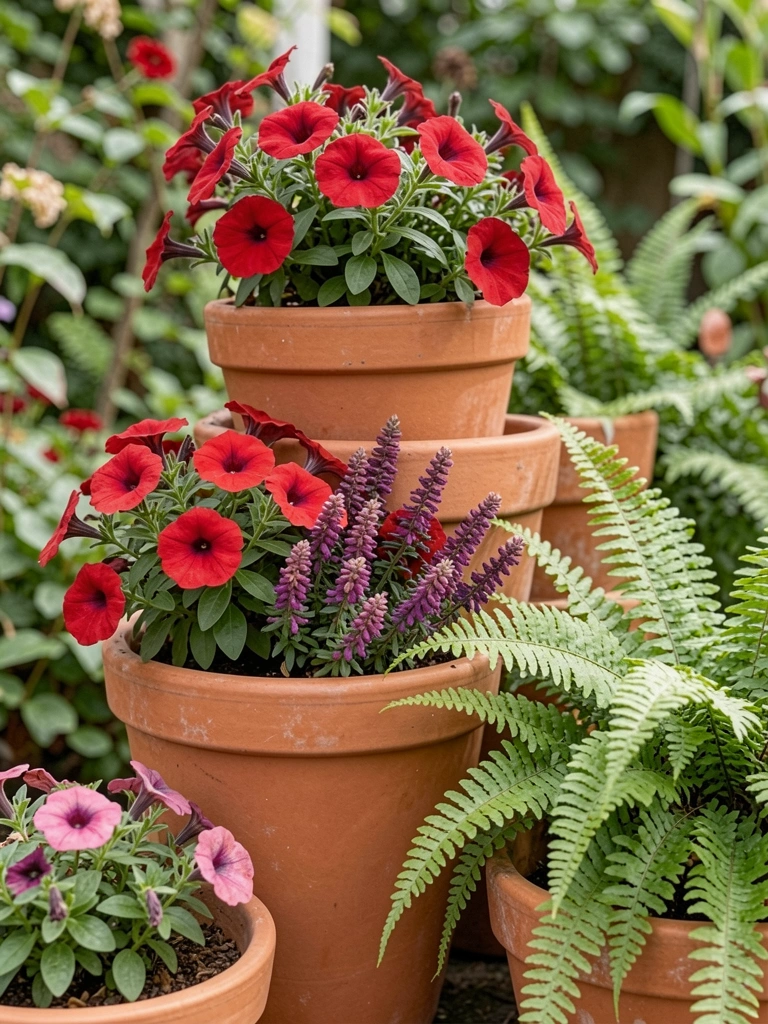
    11. Tiered Potting with Plant Stands for Vertical Interest

    I added a tiered stand to lift small pots and it multiplied the visual impact. ferns and begonias on levels catch different light and feel intentional. It’s an easy way to add height without big planters.

    I once overloaded a lower shelf and it sagged; I swapped to a sturdier stand and spread weight evenly.

    Tiered displays make even small porches feel layered and thoughtful.

    What You’ll Need for This Look

    12. Low-Maintenance Shade Pots with Hostas and Ferns

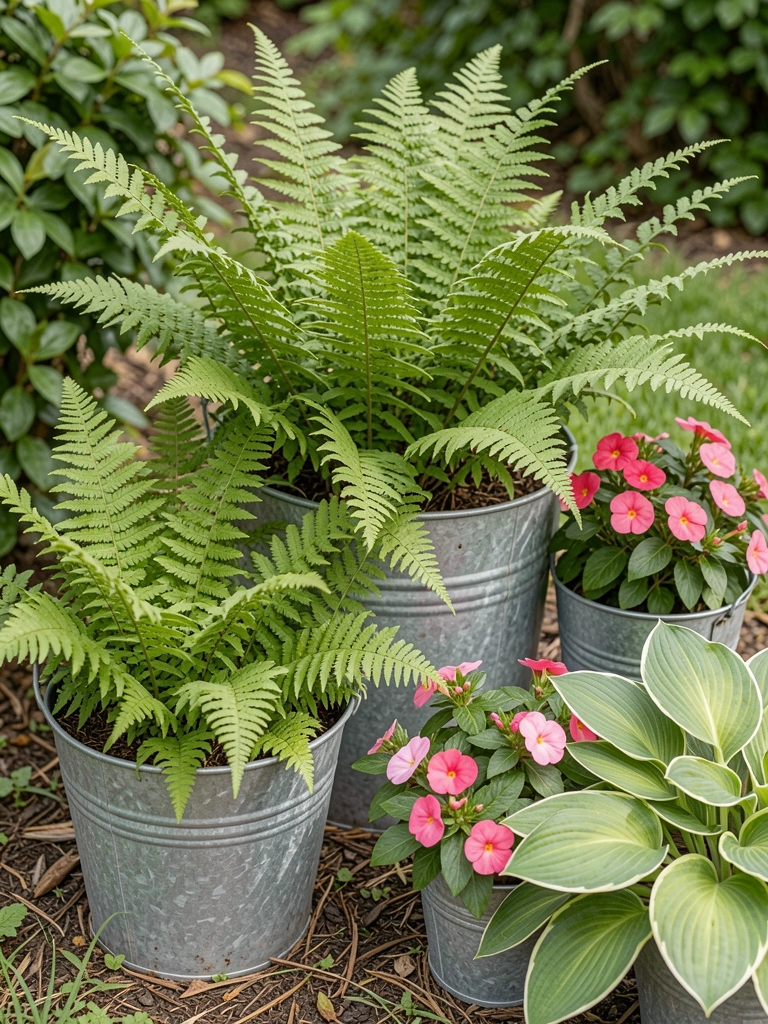
    My shaded porch finally looked rich when I planted hostas, ferns, and heuchera in big plastic pots. They handle low light and forgive missed waterings better than I expected. The texture alone makes the space feel lush.

    I once chose a container too small and the hosta stalled; bigger pots equal happier shade plants.

    These pots are easy to keep attractive with minimal fuss.

    What You’ll Need for This Look

    13. Bold Focal Pot with a Single Architectural Plant

    I picked one big pot for a single architectural plant—cordyline in my case. It reads like a sculpture and everything else bows out. The dramatic leaves give the porch personality without fuss.

    My first cordyline was rootbound; I upgraded pot size and it unfolded. Big plants need room to breathe.

    This is a confident, simple choice that anchors the whole porch.

    What You’ll Need for This Look

    14. Seasonal Swap Pots for Year-Round Interest

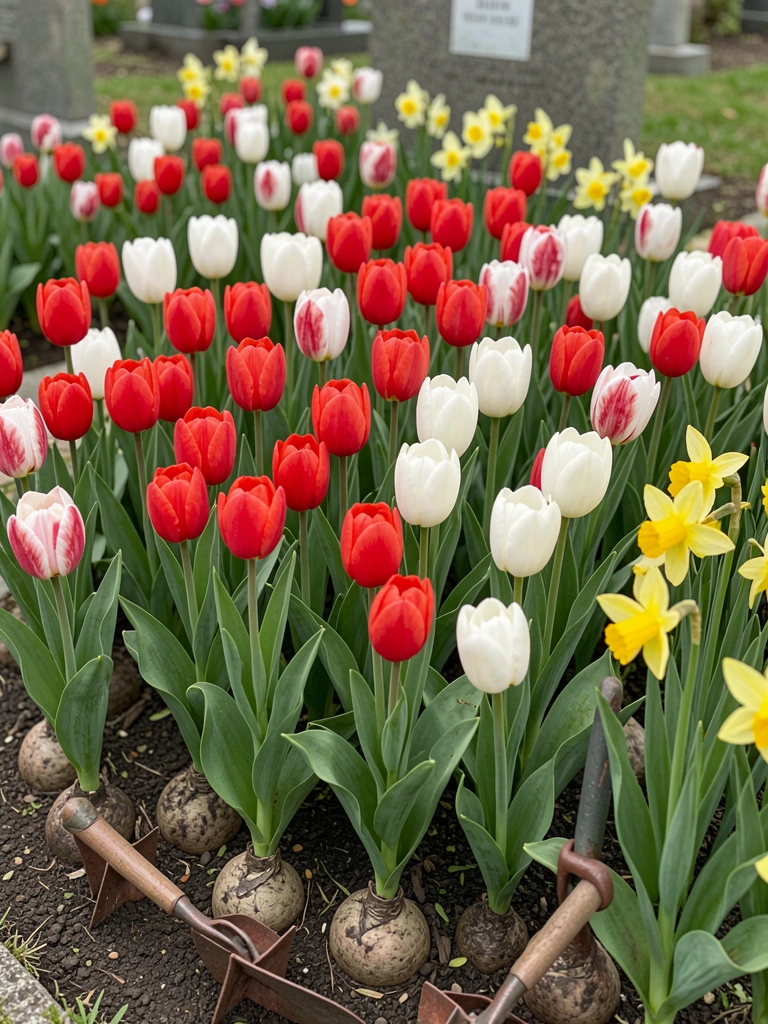
    I reuse the same pots through the year—tulips in spring, geraniums in summer, a small evergreen for winter. It saves space and keeps the porch relevant every season.

    My early attempts were rushed; bulbs got planted too shallow. Now I schedule swaps and keep a calendar. It’s less romantic and more practical.

    This method keeps the porch lively without buying new containers all the time.

    What You’ll Need for This Look

    15. Bright Color Block Pots for Instant Cheer

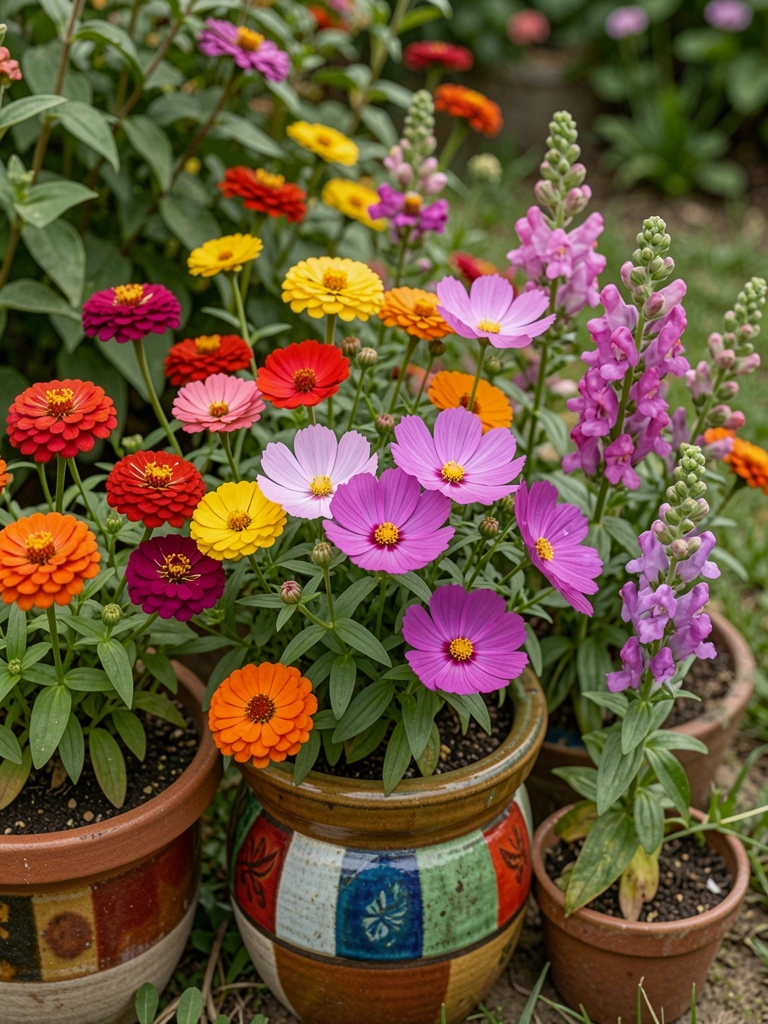
    I painted old pots bright coral, teal, and yellow and planted zinnias and marigolds. The porch went from gray to cheerful in an afternoon. Color-blocking is the quickest mood fix I know.

    I once used a non-weatherproof paint and it flaked; now I use outdoor-grade paint and seal it.

    This is a fast, low-cost way to set a tone for the whole house.

    What You’ll Need for This Look

    16. Minimalist Ceramic Pots with Architectural Grasses

    I pared back to white ceramic pots and fountain grass. The result is calm motion as grasses sway. It’s low-ornament and surprisingly cozy on an early morning porch.

    I once bought a cheap ceramic that cracked in sun; investing in sturdier ceramics paid off.

    This look is quiet but full of life in a small way.

    What You’ll Need for This Look

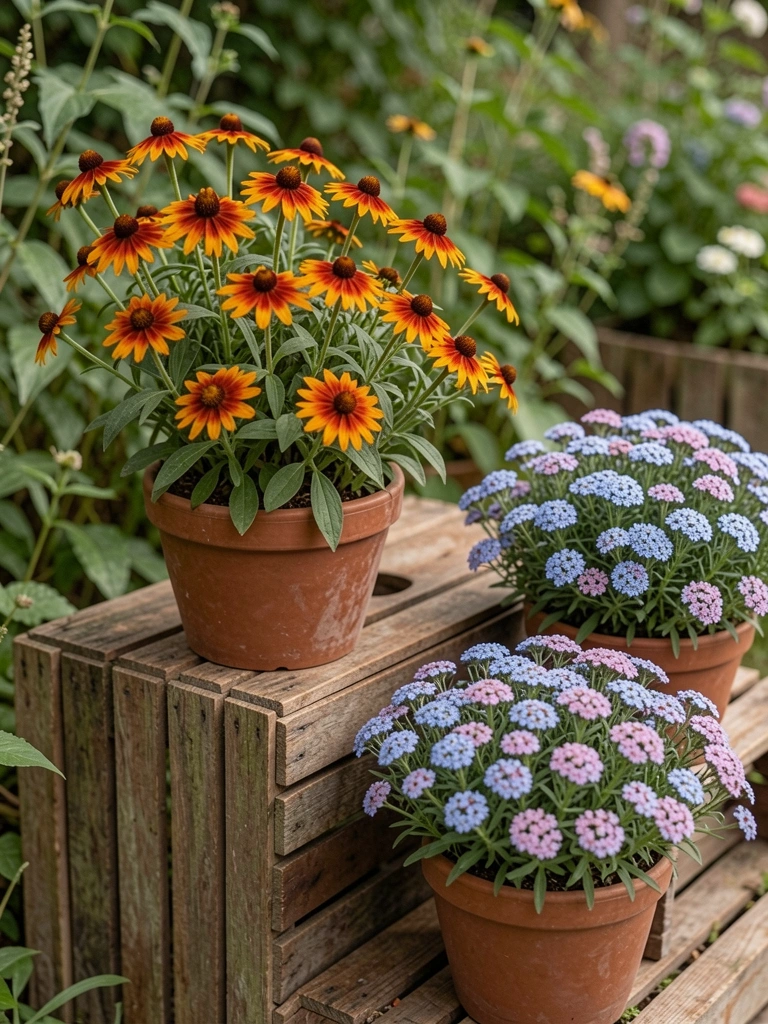
    17. Mixing Textures: Wood, Metal, and Terracotta

    I grouped wooden boxes, a rusted metal bucket, and terracotta for tactile variety. Leaves, bark, and metal play off each other and the porch reads layered, not cluttered.

    I once paired very thirsty plants with small terracotta and they needed daily water. Matching plant needs to container materials matters.

    Texture mixing keeps interest high with modest plant counts.

    What You’ll Need for This Look

    18. Cozy Corner with Seating and a Small Table Planter

    I created a sitting nook with a chair and a small table holding a shallow herb planter. Lavender and rosemary make the corner smell agreeable and the table keeps essentials at hand.

    I once picked a table that tilted; sturdiness matters when pots are full of soil. The right table makes the corner usable.

    This is where I slow down and actually enjoy the porch.

    What You’ll Need for This Look

    19. Built-In Planter Bench for Seating and Greenery

    I built a bench with planters at the ends so seating and plants share the same footprint. It’s practical for narrow porches and gives structure—evergreens at the ends hold through winter.

    I underestimated drainage when building it; I added liner and drainage holes to protect the wood. Small fixes make the bench last.

    This setup is both seat and garden in one.

    What You’ll Need for This Look

    20. Patio Lighting Integrated with Pots

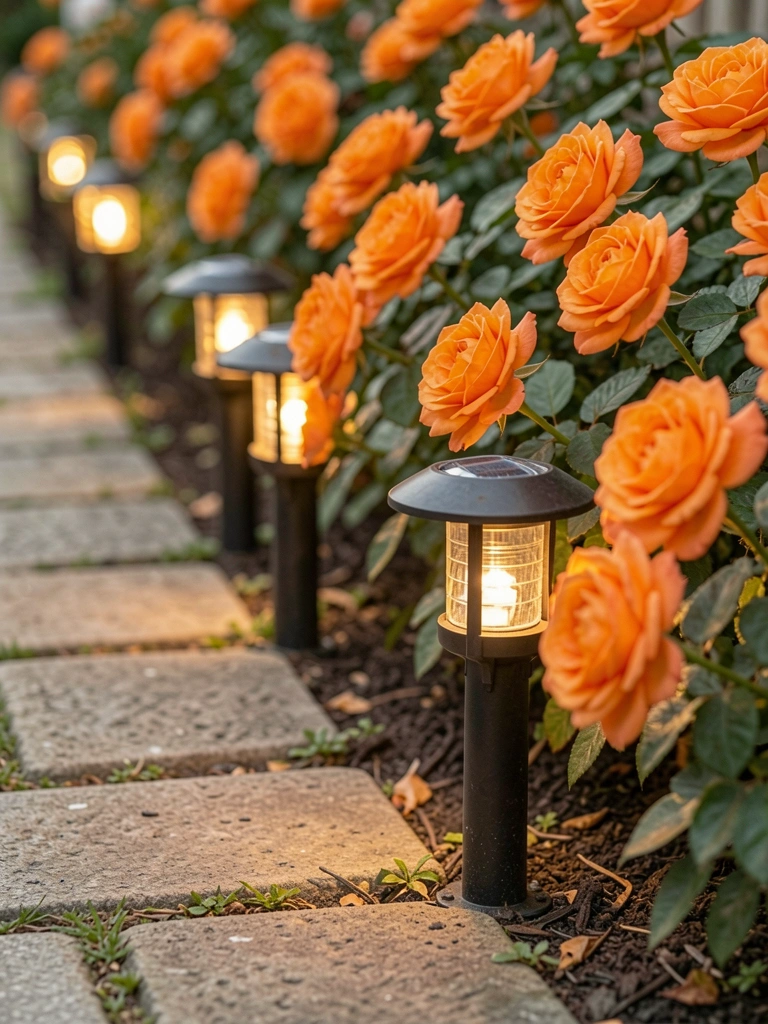
    I tucked solar lanterns into big pots and the porch gained a soft glow without wiring. Light in pots highlights foliage and extends porch use into evenings.

    I chose cheap solar lights first and they barely held a charge; upgrading to higher-quality panels made a difference.

    Lighting in planters is one of those small details that makes evenings feel planned.

    What You’ll Need for This Look

    21. Edible Flower Pots That Double as Salad Bowls

    I mixed edible flowers—nasturtiums, chives, and baby lettuce—in a shallow pot and harvested directly. The flowers brighten salads and the whole pot feels productive.

    I once planted too-compact greens and they bolted fast; now I choose slow-growing salad mixes and harvest more deliberately.

    These pots make meals and the porch useful in a delicious way.

    What You’ll Need for This Look

    22. Winter Porch Pots with Evergreens and Ornaments

    I keep one pot for winter—small spruce, boxwood, pinecones, and a ribbon. It lasts through snow and looks intentional when other plants are gone.

    I once left a tender plant in that pot and it didn’t survive the freeze; now I use hardy evergreens only.

    A winter pot keeps the porch from feeling empty and saves me a spring scramble.

    What You’ll Need for This Look

    23. Pet-Friendly Planters with Safe Plants

    I moved toxic houseplants out of porch pots after my neighbor’s cat had a bad reaction. Now I choose cat-safe options like cat grass, rosemary, and marigolds. The porch is pet-friendly and still pretty.

    I used to assume all herbs were safe; reading labels saved a lot of worry. Pet-safe planting is a habit now.

    Knowing plants are safe makes the porch feel like part of the household.

    What You’ll Need for This Look

    24. Small Urban Porch Pots with Space-Saving Solutions

    In a tiny urban porch I learned to think vertical and narrow. Railing planters, stackable pots, and slim rectangular boxes gave me a full garden in a few square feet.

    I once bought a railing box that was too heavy and it bent the rail; I switched to lightweight composite and it held up.

    Small-space pots taught me to prioritize plant choices and enjoy every inch.

    What You’ll Need for This Look

    Final Thoughts

    I don’t do all of these at once. I pick one or two ideas and build from there. Small wins—one pot that looks right—make the porch feel alive.

    Start with what fits the porch and the time I actually have. The rest grows from practice and a little patience.

  • 21 Cozy Front Porch Flower Pots For Instant Curb Appeal

    21 Cozy Front Porch Flower Pots For Instant Curb Appeal

    I used to cram all my plants into one big pot and wonder why the porch looked flat. Over time I learned spacing, height, and texture matter more than fancy choices.

    These ideas are from wet summers, dry spells, mistakes and small wins. You can copy any look and make it yours.

    21 Cozy Front Porch Flower Pots For Instant Curb Appeal

    These 21 realistic, easy-to-copy ideas will give your porch curb appeal without fuss. I include simple setups, low-maintenance options, and a few honest mistakes I made along the way.

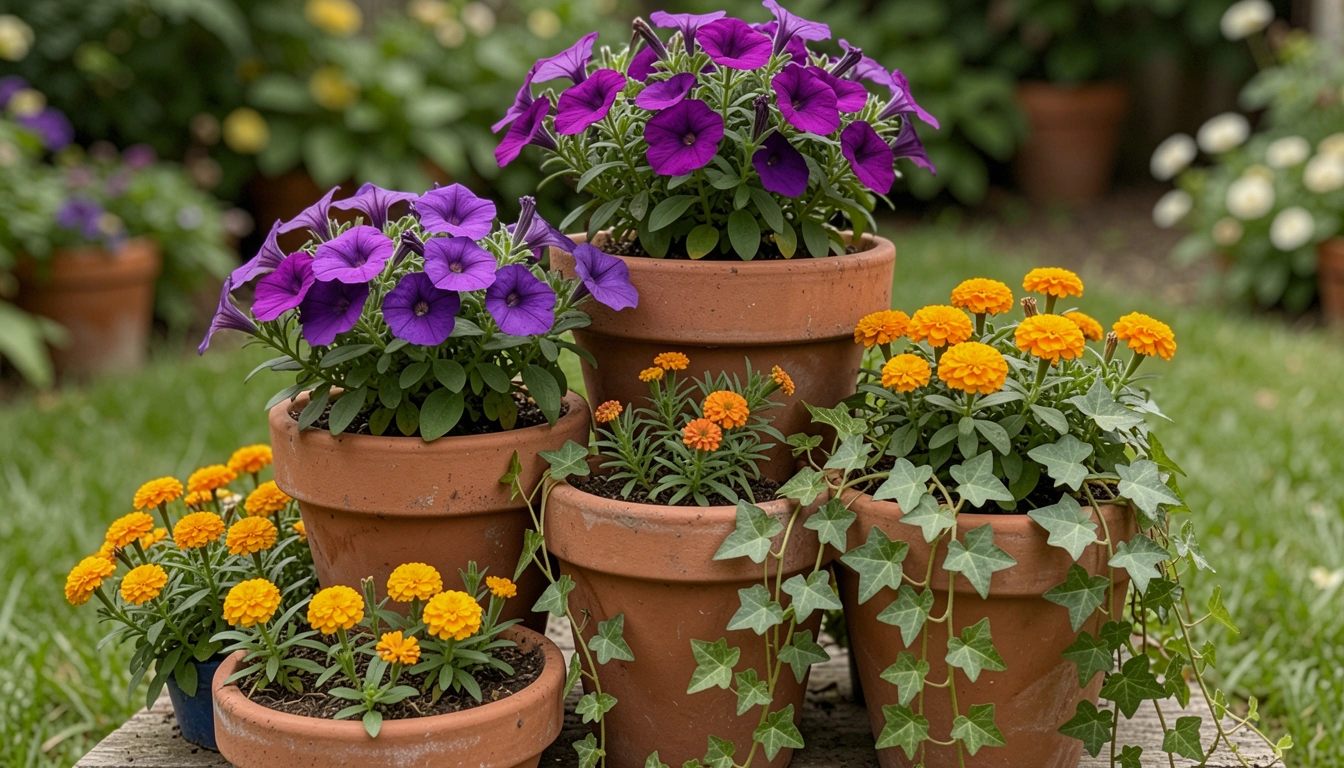
    1. Classic Terracotta Cluster for Warmth

    I started with three mismatched terracotta pots and finally understood scale. The warm clay ties the whole entry together even when blooms aren’t spectacular. I once planted only one big pot and it looked lonely; groupings feel intentional.

    I mix tall, medium and trailing plants so the arrangement reads as a small vignette. In late season, dried seedheads still look good.

    What to watch: avoid wet soil sitting in shallow terracotta—use saucers or lift pots slightly.

    What You’ll Need for This Look

    2. Tall Modern Black Planters for a Clean Entrance

    I bought cheap skinny planters once and regretted the wobble. Upgrading to sturdy tall black planters made the entry feel framed and modern. I use narrow shapes to avoid blocking the door but still add height.

    Plant with ornamental grass and a contrasting lower groundcover. It looks crisp with minimal fuss, and guests notice the balance more than the individual plants.

    Tip: heavier planters need drainage holes and a liner to keep soil from washing away.

    What You’ll Need for This Look

    3. Layered Container Planting That Makes a Porch Feel Full

    I learned layering by accident when a single coleus outgrew a pot—adding lower plants instantly filled the void. I plant a thriller (tall), filler (bushy blooms), and spiller (trailing) in every large pot. It reads like a tiny garden.

    This approach hides bare soil and looks deliberate even if you’re using annuals. I rotate the middle plants seasonally to keep it fresh.

    Avoid tiny pots for layering; you need room for roots to avoid overcrowding.

    What You’ll Need for This Look

    4. Hanging Baskets Over the Rail for Vertical Interest

    I used to dread watering hanging baskets, but a good liner and lightweight mix made them manageable. Hanging baskets draw the eye up and make a small porch feel layered and cozy.

    Place a mix of trailing flowers and a center filler. I learned to check the hooks yearly—one snapped after heavy snow.

    Use chains that allow you to lower the basket for watering. It saves back pain and forgotten plants.

    What You’ll Need for This Look

    5. Rustic Wooden Box with Herbs for Smells and Use

    I built a shallow wooden box years ago and kept herbs by the door. The scent when you brush past is immediate curb appeal. I overplanted at first and the thyme choked out the basil—so space herbs properly.

    This is practical: snip for dinner, and the box looks alive. Choose a rot-resistant wood or a lined box for longer life.

    Keep an eye on summer water—herbs in shallow soil dry fast.

    What You’ll Need for This Look

    6. Evergreen Winter Pots That Stay Cozy Year-Round

    I thought pots needed flowers year-round until winter taught me otherwise. A pair of evergreens gives structure and curb appeal when everything else is brown. I once wrapped them too tightly with burlap and they steamed in warm spells—looser wraps are better.

    Mix evergreen heights and tuck in seasonal touches like pinecones or a ribbon. They need less watering but more attention to wind exposure.

    Use heavier pots so they don’t tip in storms.

    What You’ll Need for This Look

    7. Step-By-Step Pots That Lead the Eye Upward

    I started lining steps with identical pots and it looked repetitive. Staggering sizes and alternating colors made each step pop. I planted marigolds and low spillers so the eye naturally moves up toward the door.

    This layout helps with narrow porches where you can’t place wide planters. I once blocked half the step—measure before you place pots.

    Keep heavier pots on lower steps for safety.

    What You’ll Need for This Look

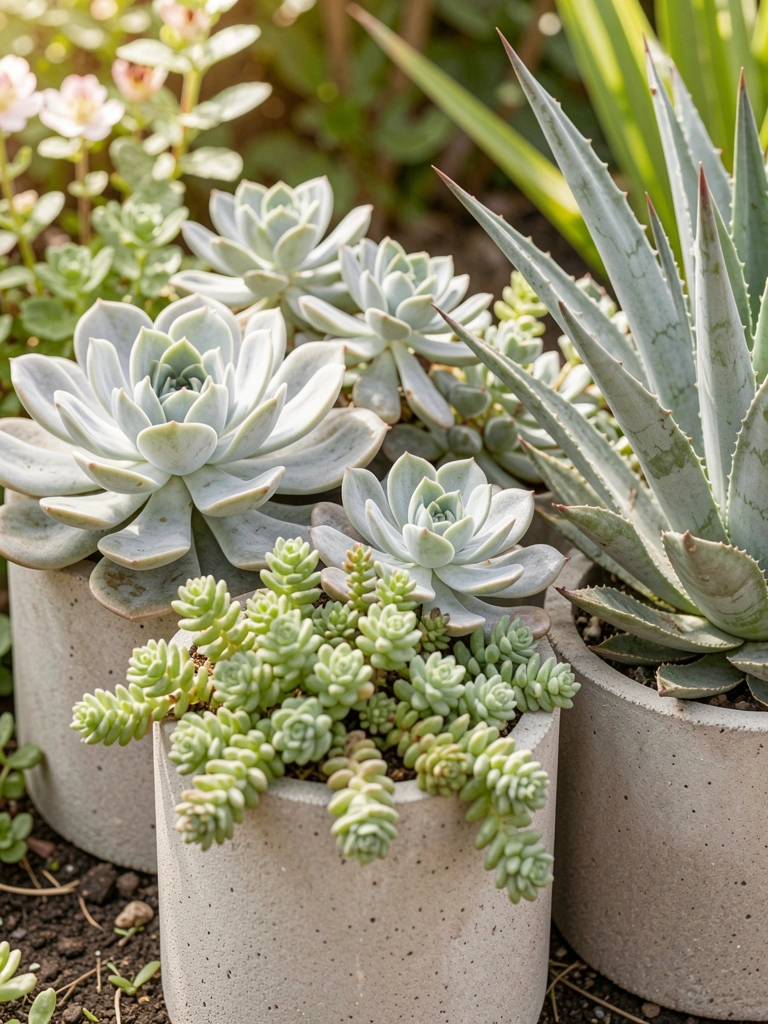
    8. Low-Maintenance Succulent Bowl for Sunny Porches

    I tried a succulent bowl once with a deep pot and constant rot followed. Switching to a shallow, well-draining bowl fixed it. Succulents create a neat, modern look and survive my inconsistent watering.

    I mix textures—rosettes, spiky, and trailing sedum—for interest. Keep them in morning sun and sheltered afternoons if you have a hot climate.

    If one rots, remove it fast to protect the others.

    What You’ll Need for This Look

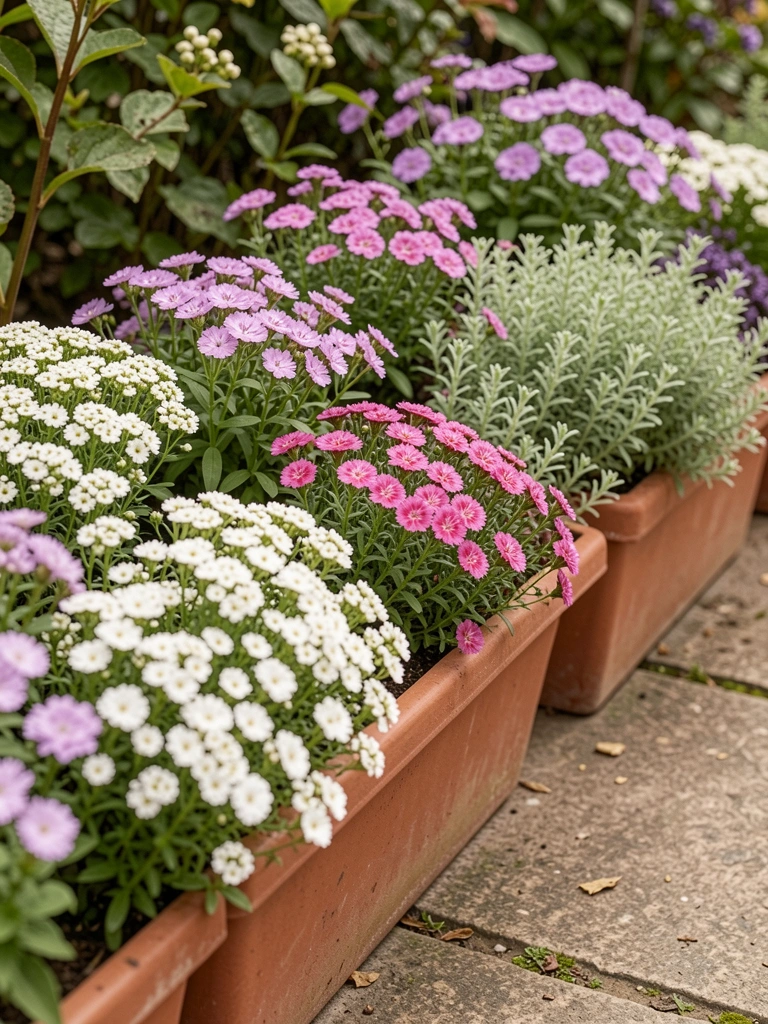
    9. Cottage-Style White Pots with Mixed Perennials

    I painted some old pots white and was surprised how much lighter the porch felt. White containers allow plant colors to pop without clashing. I favor hardy perennials so the pots feel established year after year.

    I let lamb’s ear spill over the edge for a soft look. One mistake: I used thin ceramic that cracked in a freeze—thicker or frost-proof pots last.

    Space plants for growth; perennials need room to fill without crowding.

    What You’ll Need for This Look

    10. Pollinator Pot with Bee-Friendly Flowers

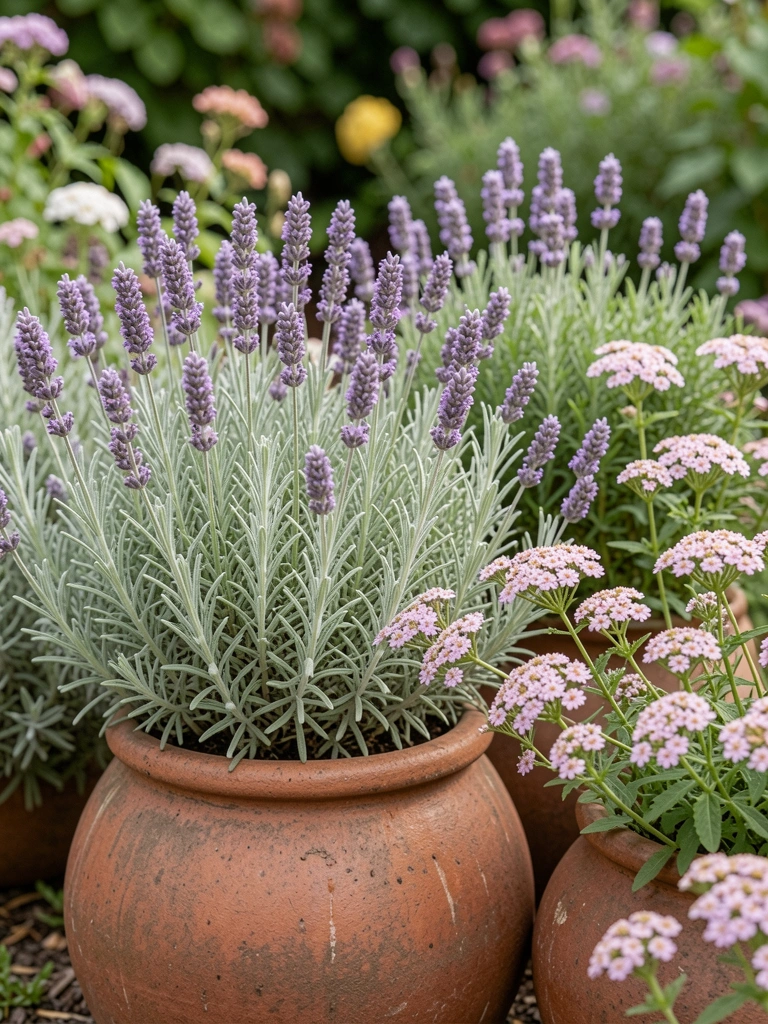
    I planted a pollinator pot and got constant visitors—bees, butterflies, and hummingbirds. Coneflowers, lavender, and salvias are dependable and look full through summer. I once planted a crowded mix and the butterflies avoided it; better spacing invites visits.

    This pot makes the porch feel alive in a tactile way. Be mindful of where kids and pets pass to avoid too many prickly stems.

    Deadhead sparingly; many pollinators prefer seedheads later in season.

    What You’ll Need for This Look

    11. Mismatched Vintage Pots for a Collected Look

    I picked up mismatched pots at flea markets and stacked them by the door. The collected look feels warm and personal. I learned to seal rusty inside edges so soil didn’t stain the porch.

    Varied textures—metal, enamel, clay—create charm without trying too hard. Plant bright, forgiving annuals for a casual, budget-friendly statement.

    Group at least three so the display reads intentional, not accidental.

    What You’ll Need for This Look

    12. Bold Foliage Pots That Work Without Flowers

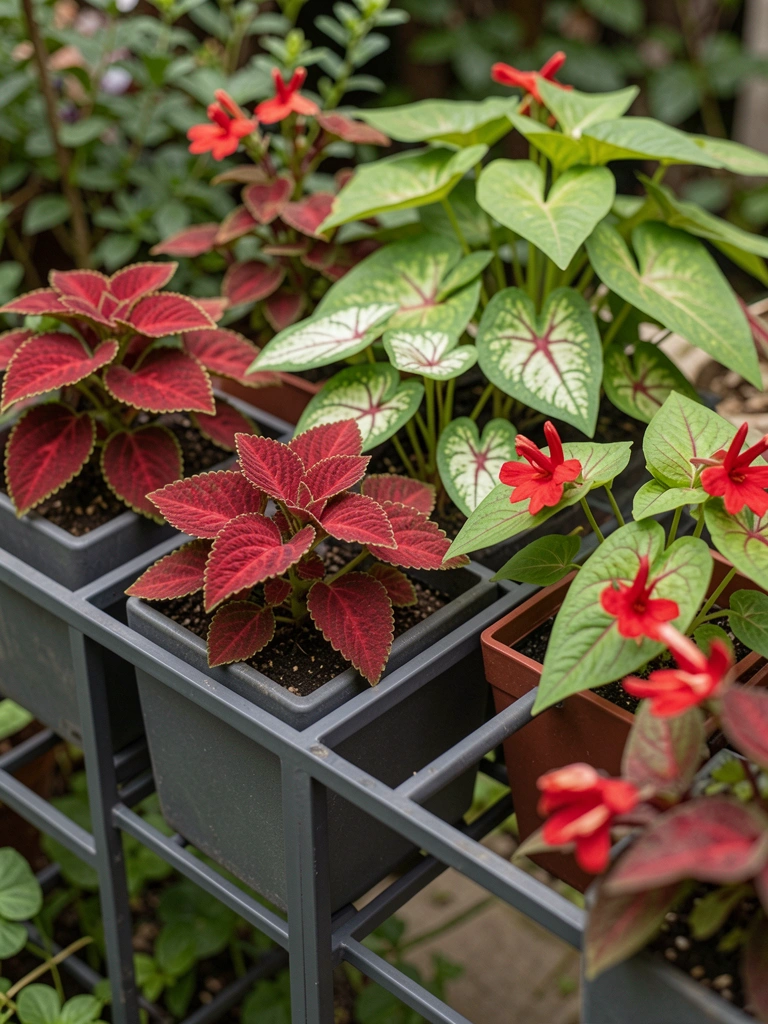
    I stopped chasing blooms and embraced foliage. Bold leaves provide drama and keep the porch interesting even in off-season. Coleus and caladiums pop in shady entries where flowers often fail.

    Foliage pots are forgiving; they hide tired blooms from other areas. One slip I made was over-fertilizing coleus—leaves got leggy. Feed sparingly and pinch to keep compact.

    They’re great for contrast next to flowering pots.

    What You’ll Need for This Look

    13. Lantern-Lit Pots for Evening Curb Appeal

    I started adding small solar lanterns in pots after dark felt neglected. Warm light from lanterns makes the porch inviting and shows off foliage textures at night. I used cheap stake lights once and they failed—invest in a small solar lantern.

    Position lights low and tuck them toward the pot’s edge to avoid glare. It’s an easy way to add personality without rewiring.

    Charge them in full sun for best results.

    What You’ll Need for This Look

    14. Shade-Loving Ferns for a Lush, Cool Porch

    I moved a pot of ferns under the overhang and it became the porch’s soft corner. Ferns tolerate low light and make entrances feel shaded and calm. I once left a fern in bright sun—its fronds burned badly.

    They need humidity and regular misting if your porch is dry. Pair with a ceramic pot that holds moisture.

    Ferns reward attention with lush texture and longevity.

    What You’ll Need for This Look

    15. Compact Conifer Trio for Structured, Year-Round Appeal

    I planted a trio of compact conifers once and they grew into a tidy, year-round anchor. The structure gives a formal, grounded look without fuss. Early on I planted one too close to the wall and had trimming to do—space matters.

    Use conifers with different textures to avoid monotony. They’re slow-growing and forgiving of neglect once established.

    Water well the first two seasons to encourage roots.

    What You’ll Need for This Look

    16. Small Bench with Planters for a Friendly Entrance

    I added a bench and flanking planters and suddenly the porch read as a place to sit, not just pass. The bench anchors the display and makes the pots feel intentional. I once left seating without shade and the paint faded quickly—add a cushion or cover.

    Choose low pots so people can still sit comfortably. It’s an easy way to create a welcoming moment.

    Secure planters so they don’t tip when someone sits down.

    What You’ll Need for This Look

    17. Window-Box Pansies for Front Window Charm

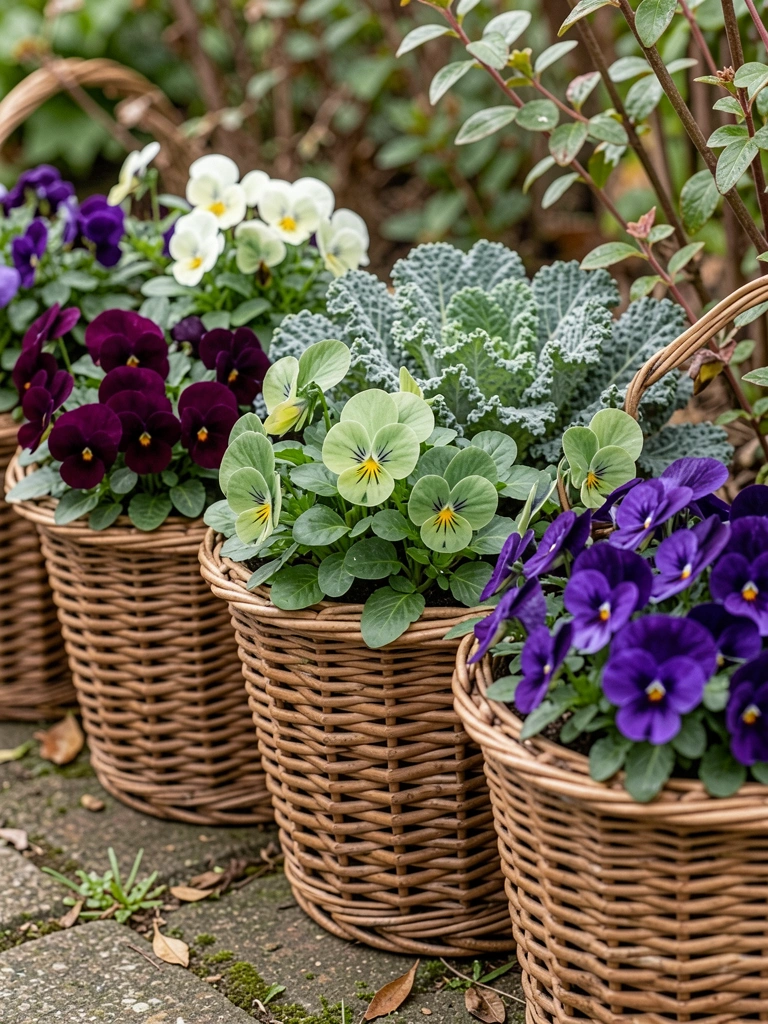
    I added a window box and watched the house gain instant friendliness. Pansies work well in cool weather and give a classic cottage vibe. I overwatered once and lost a few—use a well-draining mix in window boxes.

    Window boxes are visible from street and make small porches look polished. Secure brackets and consider drip irrigation if you travel.

    Trim spent flowers to keep the display tidy.

    What You’ll Need for This Look

    18. Bold Color-Blocked Pots for Graphic Impact

    I painted a few old pots in bold, solid colors and grouped them for a graphic look. Using one plant type per pot keeps it modern and tidy. I once paired too many contrasting patterns—stick to two or three colors.

    This works great when the house palette is neutral. Choose durable outdoor paint and seal to prevent chipping.

    It’s a small DIY that yields a big visual payoff.

    What You’ll Need for This Look

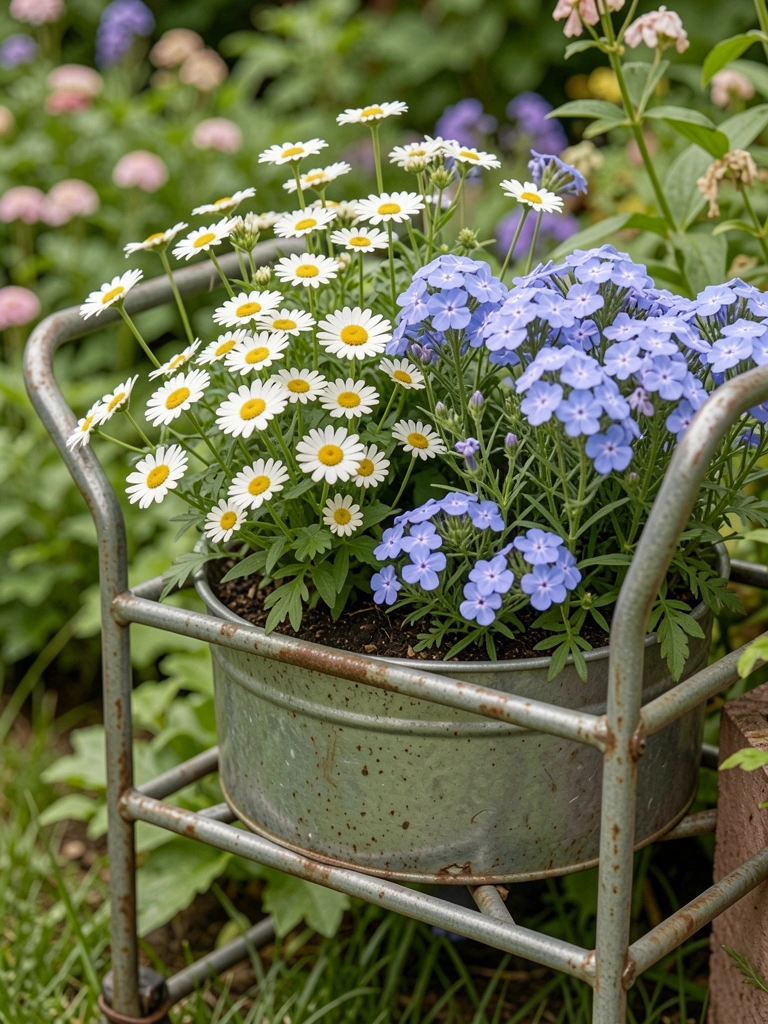
    19. Recycled Metal Buckets for Rustic Appeal

    I loved the thrifted look of metal buckets and converted a few into planters. They weather nicely and feel lived-in. I did forget to add drainage once and learned to drill holes before planting.

    Use hardy, forgiving annuals like daisies or chamomile. Line the bottom with gravel for extra drainage if you worry about rust.

    Buckets are light on the budget and heavy on character.

    What You’ll Need for This Look

    20. Trailing Ivy Columns Along a Railing

    I planted trailing ivy in small pots clipped to the railing and watched the porch gain a soft, green curtain. Ivy bridges gaps and makes a porch feel private. I once let it grow unchecked and it began to cling where I didn’t want it—trim regularly.

    This is low-effort but needs monitoring. Use small trellis clips to guide growth and reduce root crowding.

    Ivy looks especially good in simple, neutral pots.

    What You’ll Need for This Look

    21. Twilight Pots with Subtle LED Strips for Soft Glow

    I wired a few low-voltage LED strips under the lip of large pots and the porch gained a gentle, architectural glow. It’s subtle and highlights textures without glaring. I had one strip rated for indoors that failed after rain—use waterproof outdoor-rated strips.

    Position lights to shine down into plants, not at visitors’ eyes. It’s practical and cozy for evening arrivals.

    Keep wiring neat and secure away from water sources.

    What You’ll Need for This Look

    Final Thoughts

    You don’t need all 21 looks—pick one or two that match your porch and routine. I’ve used these in small houses and big entries; the same basic choices work everywhere.

    Start small, accept a few mistakes, and build a porch that feels like part of your home.

  • 27 Elegant Large Outdoor Flower Pots For A Luxe Entryway

    27 Elegant Large Outdoor Flower Pots For A Luxe Entryway

    I used to cram tiny pots by the door and wonder why the entry felt flat.

    Once I planted a pair of big pots, everything changed. The scale finally matched the house.

    These 27 ideas are real setups I’ve built and rebuilt. Each one is practical, visual, and something you can copy.

    27 Elegant Large Outdoor Flower Pots For A Luxe Entryway

    These 27 ideas show real pots, plant combos, and placement tricks I’ve used on working gardens to create a luxe entryway. Practical notes and exact items included.

    1. Symmetrical Twin Urns for a Formal Front Door

    I put two heavy urns on either side of my door and it finally felt balanced. The clipped boxwood gives structure while seasonal flowers soften the edge. I learned the hard way that identical pots must be identical height—mis-matched bases looked sloppy.

    The visual weight of matching containers makes any doorway read as purposeful. Watering is easier when you use the same soil and schedule.

    What You’ll Need for This Look

    2. Tall Narrow Pots to Frame a Slim Porch

    My porch is narrow, so I switched to tall, narrow pots. They lift the eye without taking floor space. I planted bamboo once and regretted it—it got too dramatic and needed more trimming than I expected.

    Now I use upright grasses and trained bamboo in containers. The vertical rhythm makes the entry feel taller and more modern.

    What You’ll Need for This Look

    3. Layered Container Planting That Makes a Porch Feel Full

    I learned layering the hard way—my first pot was all petunias and looked flat. Once I added a “thriller” in the center, mid-height fillers, and spillers on the rim, the pot finally read like a little garden.

    This method fills scale and gives depth. Pay attention to bloom times so you don’t end up with a big green lump in mid-summer.

    What You’ll Need for This Look

    4. Monochrome Pots for a Clean, Modern Entry

    I painted mismatched pots the same matte black and it instantly looked intentional. Monochrome pots hide wear and give a modern, cohesive backdrop to colorful blooms.

    I once overdid black and lost contrast—so keep one pale element like white flowers or silver leaves to read the arrangement.

    What You’ll Need for This Look

    5. Concrete Planters for a Minimal, Luxe Feel

    I used a heavy concrete planter when I wanted permanence. It reads expensive and stays put in wind. Concrete can dry out roots quickly—so add a moisture-retentive soil mix.

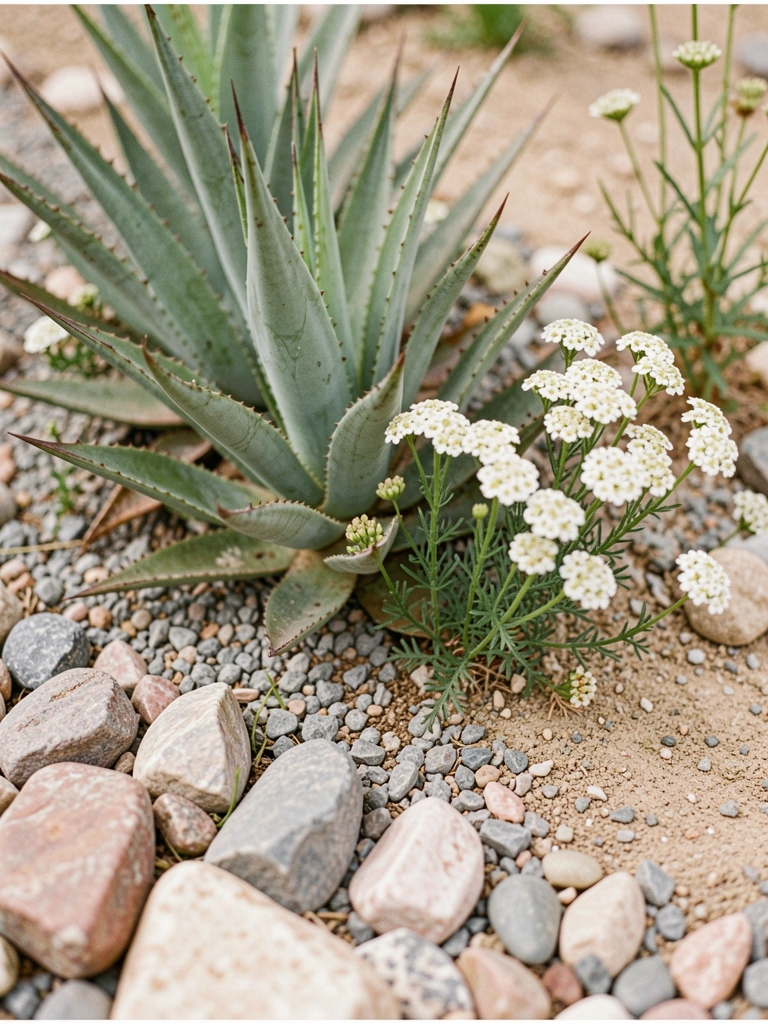
    A single architectural plant like agave or large succulent pops against concrete for a calm, modern entry.

    What You’ll Need for This Look

    6. Matching Pairs with Different Textures

    I paired two same-size pots with different textures: glazed ceramic versus weathered clay. The contrast made the entrance feel layered instead of copied. At first I worried it would look mismatched, but it read as curated.

    Mixing finishes keeps repetition from feeling boring while maintaining symmetry.

    What You’ll Need for This Look

    7. Statement Urn with Clipped Boxwood and Seasonal Front

    An urn with a clipped boxwood ball anchors the entry year-round. I used to swap seasonal plants into the urn’s base and it’s an easy refresh. The mistake I made: planting deep-rooted bulbs that disrupted the topiary—keep bulbs shallow.

    This combo reads classic and very intentional without daily fuss.

    What You’ll Need for This Look

    8. Rustic Wooden Planters for a Cozy Cottage Entry

    I built a wooden box planter from reclaimed boards and it warmed our stone steps. Wood softens modern houses and looks lived-in. I neglected to seal mine at first—rot started at the bottom, so use weatherproof seal.

    Plant rosemary and small herbs at the front for scent when the door opens.

    What You’ll Need for This Look

    9. Lantern-Lit Pots for Evening Charm

    I added small solar lantern stakes into potting soil and suddenly the entry had a soft glow in the evenings. The light highlights texture and keeps the path visible. Mine stopped charging where shade was too heavy—place panels toward light.

    Use lavender and silver foliage so the pots still feel cohesive at night.

    What You’ll Need for This Look

    10. Bold Color Block Pots for a Playful Entrance

    I painted old pots a saturated blue and planted marigolds for contrast. The bold color made a cheerful statement without needing many plants. My warning: very bright pots will fade in sun, so choose UV-friendly paint.

    This is low-effort, high-impact if you want personality at the door.

    What You’ll Need for This Look

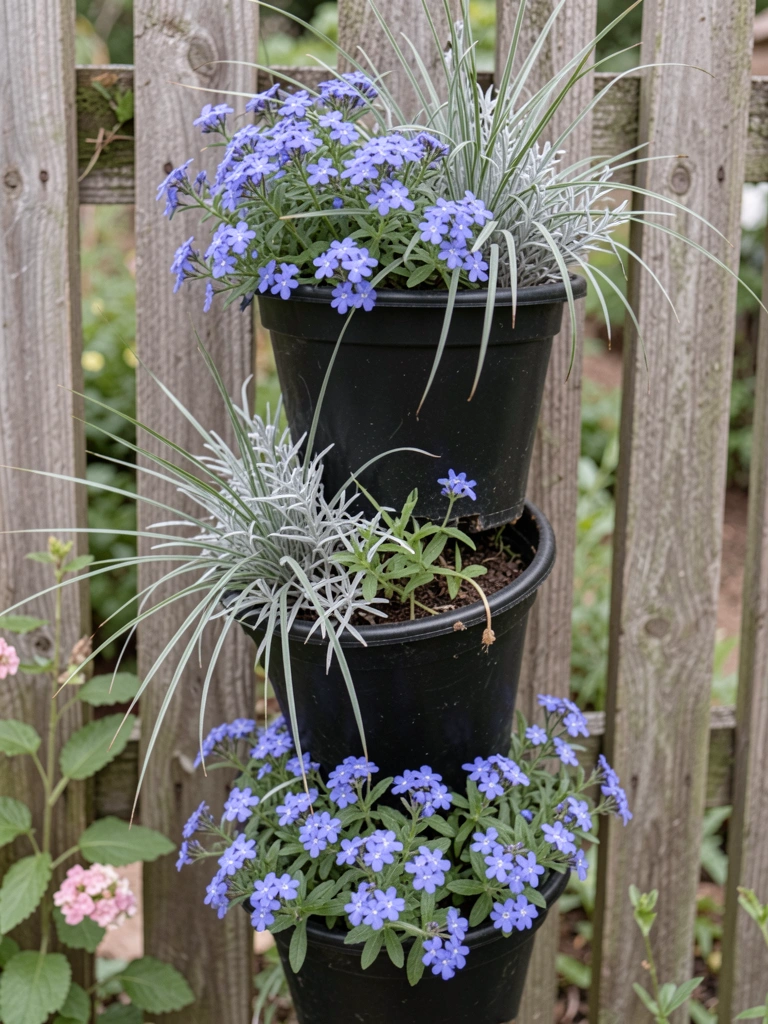
    11. Minimalist Concrete Columns of Pots

    I stacked column planters to create height without clutter. Succulents in the top catch light and a gravel top keeps the look crisp. The mistake I made was using the same soil for all levels—upper pots dried out faster; separate mixes help.

    This vertical idea keeps footprint small and reads architectural.

    What You’ll Need for This Look

    12. Tropical Statement with Giant Leaf Plants

    I planted elephant ears in a big glazed pot for summer drama. The leaves make a strong focal point and are surprisingly easy to grow in containers. I once over-watered and got root rot—tough lesson to check drainage.

    Add a few bright annuals at the base for color around the big leaves.

    What You’ll Need for This Look

    13. Self-Watering Planters for Busy Homeowners

    I switched to a self-watering pot when summer schedules got busy. It kept plants healthy through a weekend away. My early model leaked a bit—choose one with a proven reservoir seal.

    These planters give you a buffer and reduce daily fuss without compromising style.

    What You’ll Need for This Look

    14. Evergreen Sculptural Pots for Winter Interest

    I planted evergreen spirals and small hollies in pots for winter structure. The entry stayed attractive even in cold months. Early on I chose non-hardy plants and lost them—pick hardier varieties for your zone.

    A dusting of pinecones or seasonal ribbon keeps the look intentional through winter.

    What You’ll Need for This Look

    15. Low-Maintenance Mediterranean Pots

    An olive tree in a large pot makes an instant Mediterranean mood. I paired it with lavender and rosemary for scent and drought tolerance. I learned trees in pots need root pruning every few years to avoid becoming root-bound.

    These containers are forgiving and smell wonderful when you come home.

    What You’ll Need for This Look

    16. Mixed Materials: Metal and Clay Together

    I paired a weathered metal planter with a clay pot for contrast. Metals patina and clay warms the palette. My mistake was placing metal directly on wood—staining occurred. Use a coaster to protect surfaces.

    Combining textures makes an entry look collected, not matched-from-a-set.

    What You’ll Need for This Look

    17. Cottage Mix with Roses and Lavender

    I planted a small shrub rose and lavender in the same pot for that cottage scent. At first the rose shaded the lavender too much—I moved the rose to the back and that fixed it. Choose compact rose varieties for containers.

    The scent when the sun hits the lavender is worth the small pruning effort.

    What You’ll Need for This Look

    18. Succulent Bowl for a Low-Water Entry

    I use a shallow bowl for a succulent garden near the door. It drains quickly and needs almost no water. My first bowl cracked from frost—winter protection matters, or choose frost-hardy succulents.

    This is low-maintenance and elegant, especially in hot, dry summers.

    What You’ll Need for This Look

    19. Edible Pot with Culinary Herbs

    I planted a large pot with mixed culinary herbs near the entry so I could snip on the way in. Fresh basil and chives are handy and smell great. I once mixed thyme with taller basil and it got shaded—arrange by height.
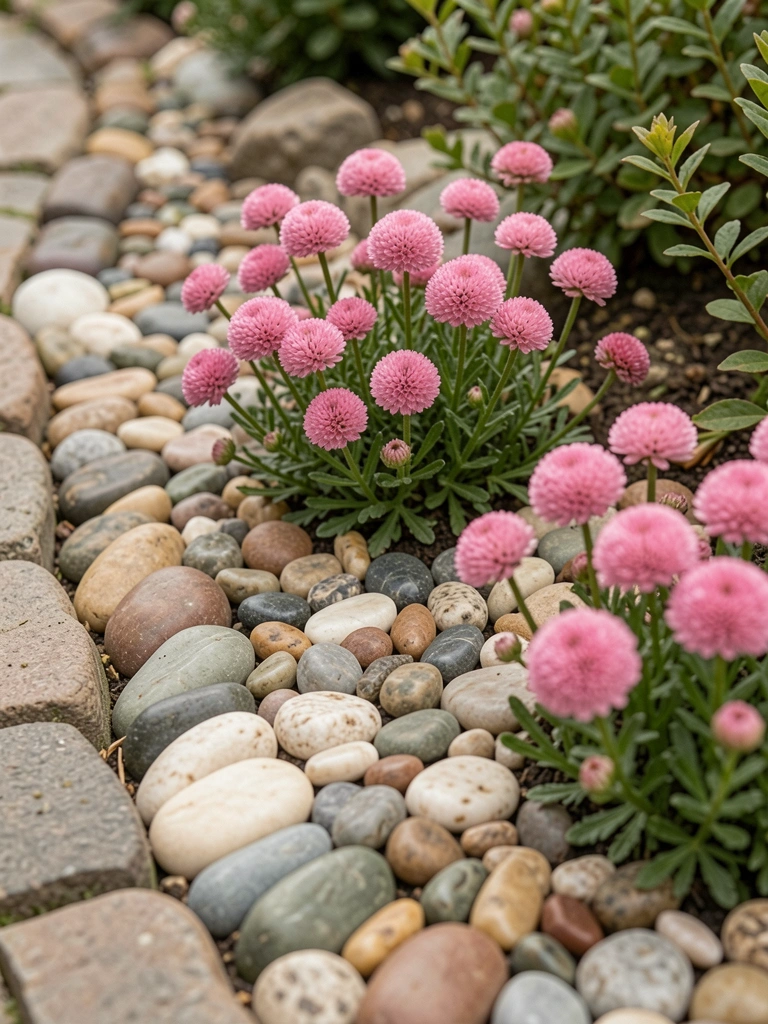
    Add a small lemon or dwarf citrus for fragrance and year-round interest if your climate allows.

    What You’ll Need for This Look

    20. Formal Granite Planters for Historic Homes

    I used granite planters for a period house and the stone matched the facade. They’re heavy and weatherproof. I underestimated the weight when moving—rent a dolly or place before planting.

    Clipped yews or boxwood match the formality and require only occasional shaping.

    What You’ll Need for This Look

    21. Container Water Feature Pot

    I converted a large pot into a bubbling water feature and it became a calming entry focal point. I learned to install a small pump with a prefilter to reduce algae. Watch mosquitoes—add movement and fish where allowed.

    This adds sound as well as look, which elevates the approach quietly.

    What You’ll Need for This Look

    22. Recycled Potting Mix and Upcycled Pots

    I upcycled a wine barrel half into a dramatic planter. It saved money and looked right at home. I once used old soil without refreshing nutrients and things sulked—always add fresh compost or slow-release fertilizer.

    This is satisfying if you like a thrifted, lived-in look.

    What You’ll Need for This Look

    23. Layered Evergreen and Annuals for Year-Round Interest

    I layered a small evergreen with perennials and trailing annuals for changing interest. In spring, bulbs appear; in summer, fillers shine. I mistakenly planted a fast-growing vine that smothered the evergreen—choose companions that won’t compete aggressively.

    This mix keeps the pot looking intentional across seasons.

    What You’ll Need for This Look

    24. Patterned Glazed Pots for Mediterranean Color

    I collected patterned glazed pots and grouped them with similar plants. The tiles and colors read cohesive and cheerful. Early on I clashed too many patterns—limit to two motifs for a balanced look.

    This feels curated without fuss and suits warmer, colorful homes.

    What You’ll Need for This Look

    25. Wheelchair-Accessible Raised Pot Design

    A neighbor needed reachable planters, so I built tall pots at table height. They were easy to tend from a chair and still looked elegant. I mistakenly made the base too narrow and it tipped—make the footprint stable.

    Accessibility can be beautiful and simple with the right scale.

    What You’ll Need for This Look

    26. Dramatic Entrance with Large Ornamental Grasses

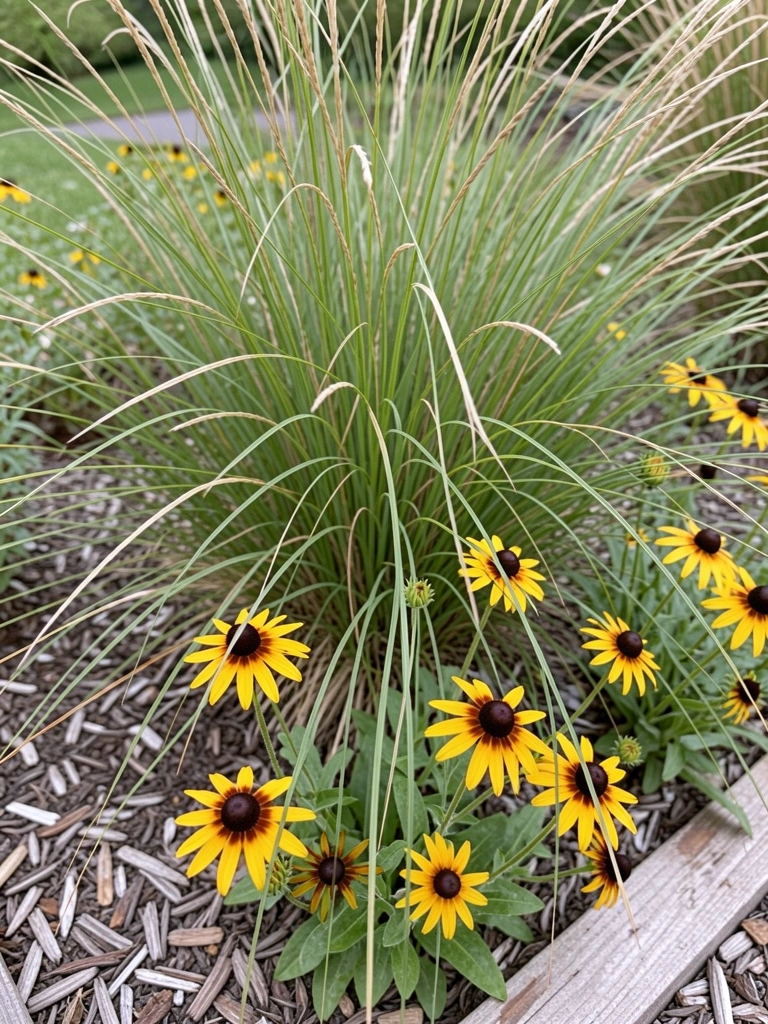
    I planted ornamental grasses in big pots for movement and sound. They sway and catch light, making the approach feel alive. I seeded one pot with smaller grass and it looked thin—use substantial clumps for instant impact.

    Grasses add motion and shade textures without heavy maintenance.

    What You’ll Need for This Look

    27. Entryway Gallery: Mixed Pots of Different Heights

    I grouped three pots of varying heights to make a mini gallery. The height differences make the cluster read intentional and rich. My first layout had scattered spacing—tighten the group so it reads like a single vignette.

    Clustered pots are flexible: swap a pot and the whole vignette updates.

    What You’ll Need for This Look

    Final Thoughts

    You don’t need every idea here. Pick one or two that fit your doorway and climate.

    Start with scale, then refine plants and texture. Small adjustments make a big difference—and you’ll learn as you go.

  • 22 Budget-Friendly Budget Outdoor Flower Pots For Stylish Spaces

    22 Budget-Friendly Budget Outdoor Flower Pots For Stylish Spaces

    I used to buy the fanciest pots I could find and then panic when they sat empty. Over time I learned that good design doesn’t need high spend—just the right pots in the right place.

    These ideas are ones I’ve used, failed with, and fixed. They’re simple, affordable, and realistic.

    22 Budget-Friendly Budget Outdoor Flower Pots For Stylish Spaces

    These 22 ideas are practical, low-cost ways to dress an outdoor space with pots you can actually live with. I include what to buy and what I learned along the way.

    1. Terracotta Trio for a Sunny Corner

    I started with cheap terracotta and it changed a scrappy corner into something calm. The clay breathes. The colors warm up faded brick and worn wood.

    I used three heights to give depth. That made the corner feel intentional, not cluttered.

    Watch out: terracotta dries fast. I learned that the hard way last summer. Add a saucer and check moisture more often.

    What You’ll Need for This Look

    2. Painted Dollar-Store Pots With Patterned Trim

    I painted cheap plastic pots to match my cushions. It cost almost nothing and felt like a new investment.

    I used spray primer first. That stopped paint from peeling. Then I stenciled a simple pattern on each pot for cohesion.

    Use exterior spray paint. The colors last through a season if you seal them. This is perfect if you want color on a budget.

    What You’ll Need for This Look

    3. Grouped Mismatched Pots That Read Intentional

    I inherited a handful of pots with no plan. I grouped them by color and height and it read like design, not accident.

    I’d place them close so plants feel connected. That filled the sightline and hid a cracked pot I kept using.

    Mistake: I once put thirsty plants in small pots and they suffered. Now I match plant needs to pot volume before styling.

    What You’ll Need for This Look

    4. Hanging Basket Duo Over the Porch

    I hung two matching baskets instead of one. Symmetry calmed the entry and drew the eye up.

    Trailing plants make the baskets feel generous. I keep them high enough to water without spilling on guests.

    Tip: use a lightweight mix for hanging baskets to avoid sagging. They dry faster too, so watch water in hot spells.

    What You’ll Need for This Look

    5. Window Box That Reads Cottage, Not Busy

    I fitted a long wooden window box under the kitchen window. It made the house feel friendlier without much effort.

    I planted a mix of spillers and anchor plants. The spillers soften the edges and the anchors give height.

    Note: I lined mine with plastic to protect the wood. That added a season of life before I replaced the box.

    What You’ll Need for This Look

    6. Vertical Pallet Pot Wall for a Narrow Path

    I built a pallet wall for a skinny walkway. It turned wasted vertical space into a blooming screen.

    I drilled holes and fit small pots into the slats. It created a layered, living texture that softened the fence.

    Keep it light. Heavy pots can pull the pallet. I use small annuals and herbs so the structure stays steady.

    What You’ll Need for This Look

    7. Galvanized Buckets as Rustic Statement Pots

    I bought cheap galvanized buckets and drilled drainage holes. They felt bold and rustic on my deck.

    I used buckets of different sizes. The metal catches light and anchors a seating area.

    Mistake: I left one without drainage and lost a plant. Now I always drill at least three holes and add a layer of gravel first.

    What You’ll Need for This Look

    8. Whiskey Barrel Half for a Low-Maintenance Focal Point

    A barrel half gave me instant scale. It feels planted-in, even when contained.

    I used coarse soil and drought-tolerant plants. It needed little fuss. It also handles root space well for shrubs.

    Tip: line the inside with landscape fabric. It holds soil but lets water escape, and the barrel lasts longer.

    What You’ll Need for This Look

    9. Concrete DIY Planters with a Modern Edge

    I mixed a small batch of concrete and used molds. The result felt heavy and modern without spending much.

    I liked how the gray played with greens. The weight keeps them from tipping in wind.

    Concrete can be rough on roots. I added a layer of potting mix in the center and monitored watering more closely for fragile plants.

    What You’ll Need for This Look

    10. Self-Watering Containers for Busy Summers

    I started using self-watering pots when I was away a lot. They keep moisture steady and rescued a summer of tomatoes.

    They’re not magic, but they cut down daily watering. I also noticed fewer brown edges on leaves.

    Tip: refill water in the morning. Also flush the reservoir occasionally to avoid buildup.

    What You’ll Need for This Look

    11. Strawberry Troughs for Sweet, Low-Key Color

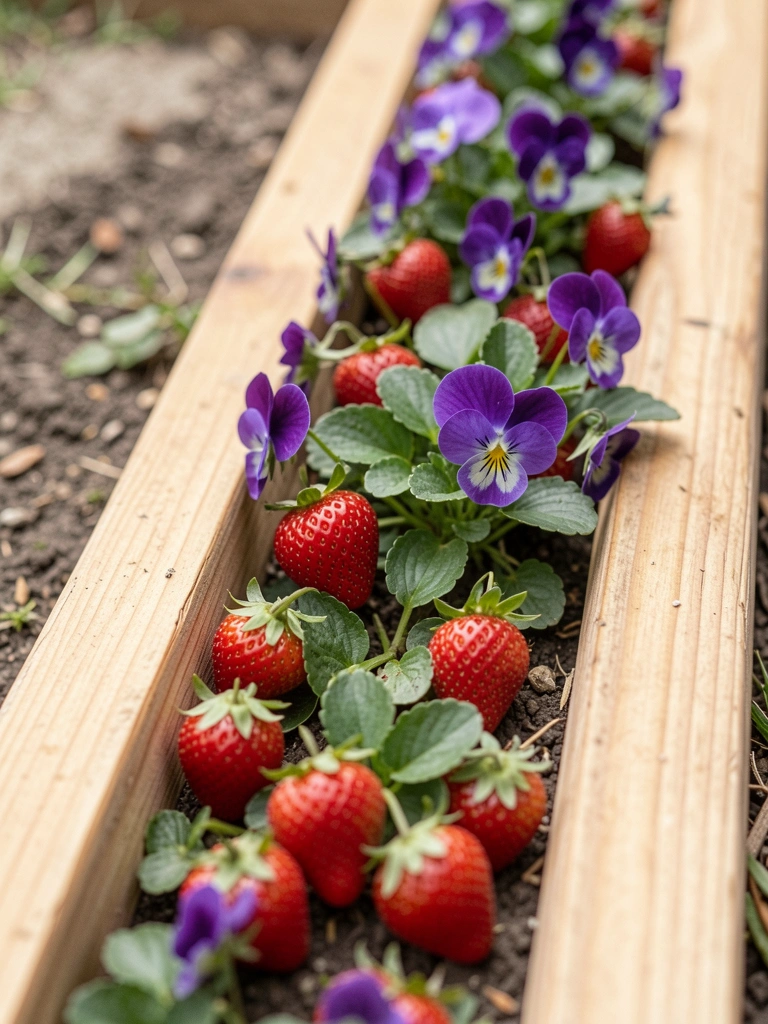
    I planted a shallow trough with strawberries and a few trailing flowers. It kept the plants accessible and tidy.

    It’s practical and pretty on a deck railing. You get flowers and fruit in the same pot.

    Keep the soil fresh. I replace half the mix each year. Strawberries like regular feeding and neat drainage.

    What You’ll Need for This Look

    12. Succulent Rock Garden Pots with a Mediterranean Vibe

    I created small rock garden pots to survive hot, dry spots. Succulents love shallow, gritty pots.

    I used varied textures: stones, sand, and low soil. That made a miniature landscape that needed almost no care.

    Mistake: I once used heavy soil and lost plants to rot. Now I mix grit and cactus mix for drainage.

    What You’ll Need for This Look

    13. Herb Pot Cluster for the Kitchen Door

    I grouped herbs in matching pots beside the kitchen door. It makes cooking feel connected to the garden.

    I keep thyme and rosemary in larger pots and basil in a medium pot. That keeps the herbs healthy and easy to harvest.

    Tip: trim regularly. They look better and produce more. I learned pruning beats passivity every season.

    What You’ll Need for This Look

    14. Bulb Bowls for Early Spring Interest

    I plant bulbs in shallow bowls for early spring color on the patio. It’s a small project with big payoff.

    I pack bulbs close and cover them with moss. They push up through the gaps and give a dense, cottage look.

    Store the bowls in a cool spot if you force bulbs. It took me two tries to get timing right for my porch.

    What You’ll Need for This Look

    15. Rope-Wrapped Pots for a Coastal Touch

    I wrapped a few cheap pots with rope for a coastal feel. The texture softens the look and hides worn edges.

    It’s simple to fix with hot glue. The rope weathers nicely, giving a relaxed, lived-in look.

    Use synthetic rope for outdoor durability. Natural rope frayed faster in my first attempt.

    What You’ll Need for This Look

    16. Repurposed Colanders as Airy Hanging Pots

    I hung old colanders as airy planters for trailing plants. The holes make drainage perfect and they’re light to hang.

    They feel homey and odd in a good way. I painted a couple to match the trim. People comment on them every time.

    Make sure you line them with coco coir or a small pot so soil doesn’t escape when watering.

    What You’ll Need for This Look

    17. Stackable Planters for Vertical Color

    I switched to stackable planters when space ran out. They give vertical color with minimal footprint.

    I plant different things in each tier for layered interest. It looks fuller than separate pots and saves steps when watering.

    Stability is key. I anchor the stack to a railing. That kept it from rocking in strong wind.

    What You’ll Need for This Look

    18. Painted Chalkboard Pots for Labels and Charm

    I painted a few pots with chalkboard paint to label herbs and annuals. It’s practical and looks tidy.

    I write the plant and watering notes. It helped me remember which pot needed daily care.

    Mistake: I used glossy paint first and the chalkboard top didn’t adhere well. After sanding it worked fine. Sanding matters.

    What You’ll Need for This Look

    19. Painted Rope-Coated Cement Pots for Weight and Warmth

    I painted inexpensive cement pots and wrapped their rims with rope. The pots feel sturdy and the rope warms the look.

    They work well on windy patios. The weight holds everything in place and the rope hides cracks.

    Be cautious: cement can leach lime. I pre-soaked mine and rinsed before planting to avoid pH surprises.

    What You’ll Need for This Look

    20. Low Raised Planter on Wheels for Flexibility

    I built a low raised planter on wheels for my sunniest spot. I can move it for shade or better view.

    It’s great for seasonal rearranging. I roll it into sun for summer and tuck it near shelter in storms.

    Pick heavy-duty casters and lock them. I learned that the hard way when it rolled during a windy night.

    What You’ll Need for This Look

    21. Mix-and-Match Concrete and Clay for a Modern Rustic Row

    I put concrete and clay pots in a row along the fence for a clean, modern-rustic rhythm.

    Alternating materials created interest without fuss. It reads intentional and looks cohesive from the path.

    Keep plant sizes in mind so the line reads balanced. I swapped one too-small pot once and it threw the rhythm off.

    What You’ll Need for This Look

    22. Cozy Porch Pot Group with Lighting and Seating Accent

    I gathered a few pots, a lantern, and a small seat for a cozy porch vignette. It invites sitting even for five minutes.

    Lighting changed the mood. A small solar lantern at dusk makes the pots read as a scene, not just plants.

    Keep the seating small and moveable. I like being able to shift the chair when guests arrive.

    What You’ll Need for This Look

    Final Thoughts

    You don’t need to do all of these. Pick one corner and one pot style. Start small and tweak.

    I’ve bought mistakes and fixed them. That’s how my garden learned to look like mine.

  • How To Arrange Outdoor Flower Pots For A Balanced Front Porch Look

    How To Arrange Outdoor Flower Pots For A Balanced Front Porch Look

    I filled my porch with identical pots for years and still felt something was off. They matched, but the entry didn’t feel like part of the house.

    I’d stand there, moving a pot and stopping, unsure what balanced even meant. I learned a simple look that makes porches read intentional and comfortable.

    How To Arrange Outdoor Flower Pots For A Balanced Front Porch Look

    You’ll learn how to place and group pots for visual balance, mix heights and textures, and end up with a porch that feels calm and lived-in.
    What You’ll Need

    Step 1: Pick an anchor pot and set the tone

    I always start with one anchor pot near the door. It’s the visual weight that tells me where the eye should land. Placing a large, simple pot sets the scale for everything else and makes the porch read intentional.

    You’ll see the porch immediately feel grounded when that pot is in the right spot. People often miss scale—too-small pots beside a big door disappear. Avoid the mistake of matching everything exactly; contrast in size is the point.

    Step 2: Create pairs and small groups, not a line

    I group pots in odds—two plus one or three close together—rather than lining them up. This makes small arrangements read like a single vignette. I place the largest of the group slightly behind or to one side for depth.

    The visual change is immediate: clumping makes the setup feel curated. Many people try to mirror both sides perfectly; that often feels staged. Don’t space everything evenly; a small overlap creates cohesion.
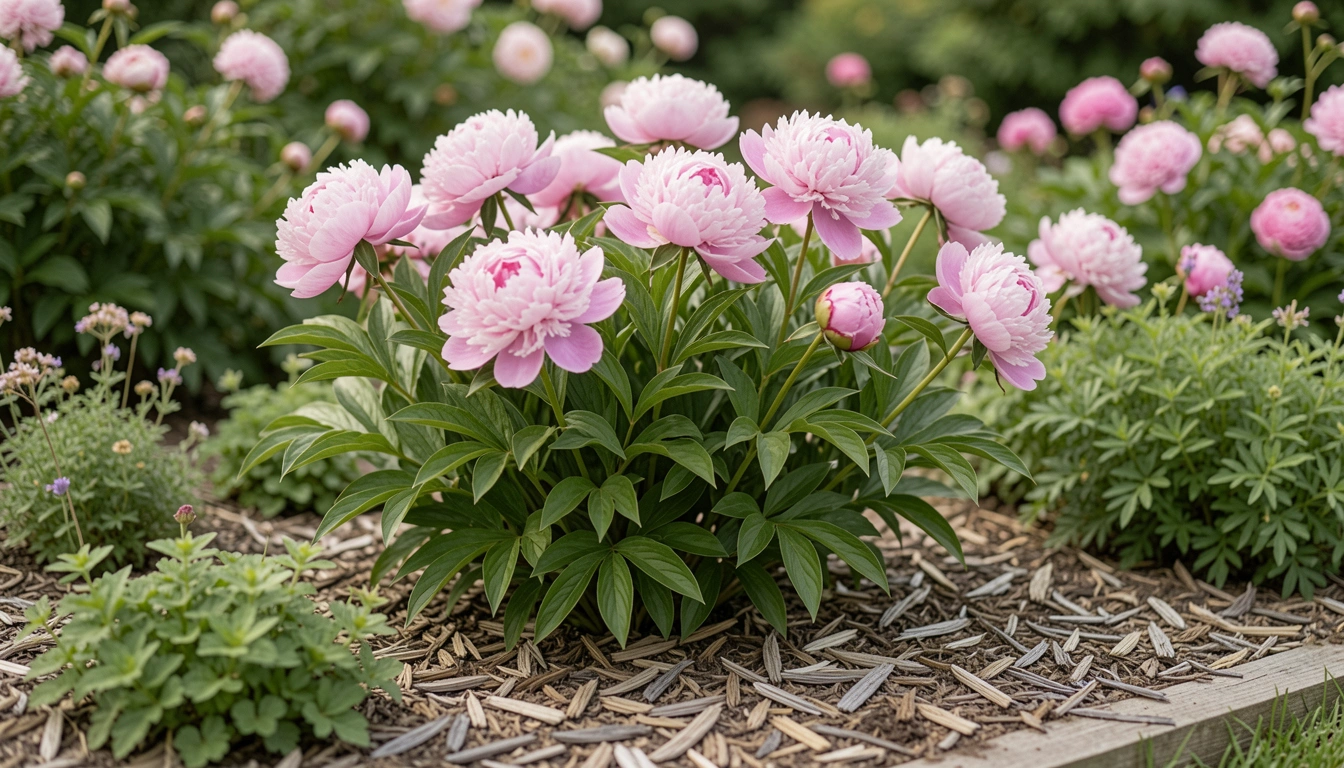
    Step 3: Layer heights and textures for movement

    I think in layers—tall at the back, medium in the middle, low or trailing at the front. Height gives rhythm and a sense of movement across the porch. Textures (terracotta, glazed, fibreglass) keep it from looking flat.
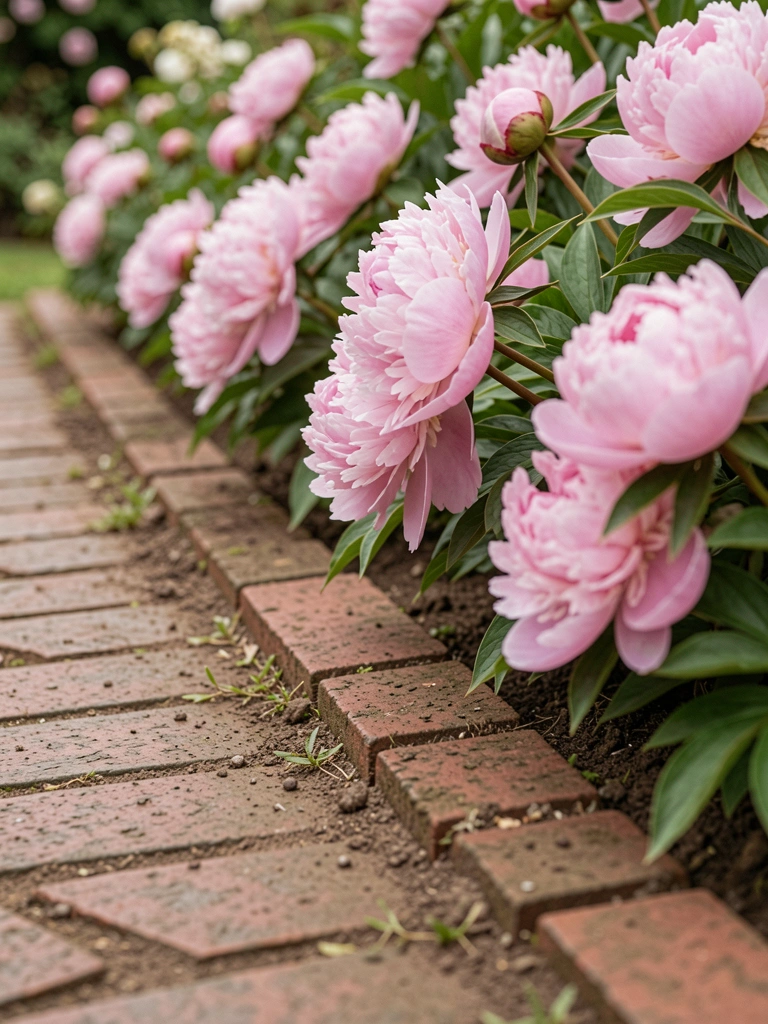
    You’ll notice the eye moves naturally when things step down. Many people pick plants that are all the same texture; that’s what makes porches feel dull. Avoid making every pot the same height; it kills interest.

    Step 4: Introduce trailing plants to soften edges

    I use trailing plants to link groups and soften hard edges. A vine spilling over a pot visually connects nearby containers and makes the whole porch feel planted, not a collection of solo pieces.

    The porch suddenly reads coherent when edges are softened. People often forget to plan for spill—so plants look tight and artificial. Don’t overcrowd a pot with too many trailers; let one spill speak for the group.

    Step 5: Walk around, tweak sightlines, and live with it

    I step back from the street and from the porch threshold to check sightlines. A pot that reads right from one angle can feel off from another. I move things a few inches until the flow feels comfortable.

    This tuning changes the porch from staged to lived-in. People often set pots, snap a photo, and stop. Don’t lock everything in place on the first try—small nudges matter more than big redesigns.
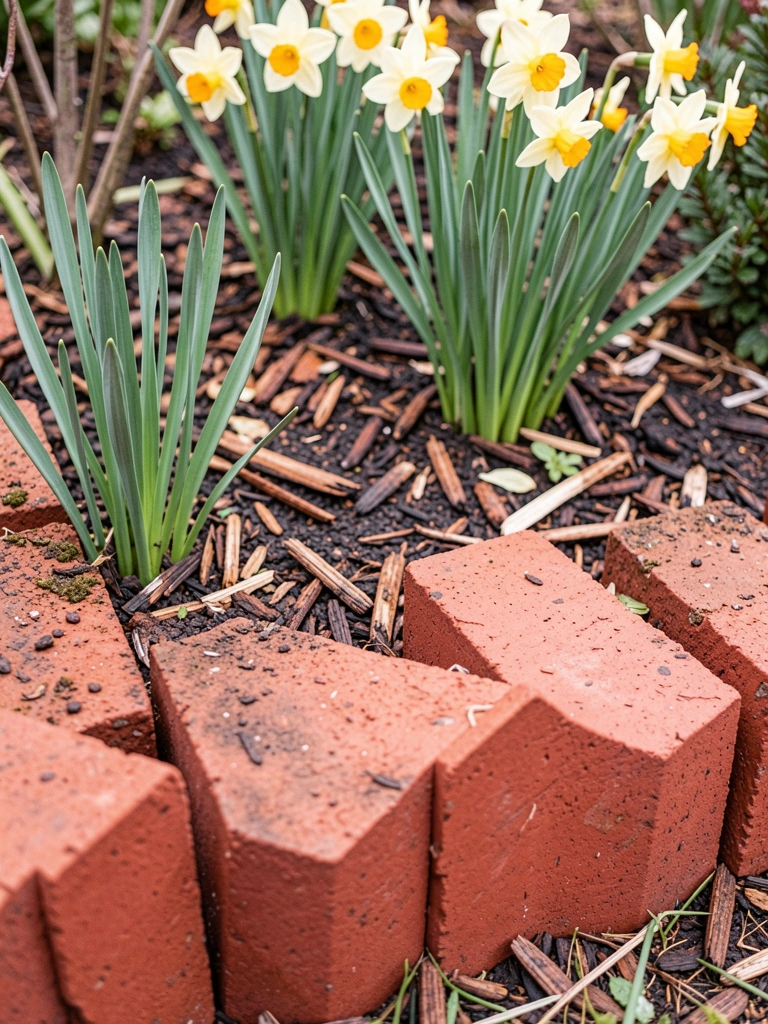
    Choosing Plants for Porch Pots

    Pick a mix of structural plants, fillers, and trailers. Structural plants give the arrangement backbone. Fillers add seasonal color. Trailers soften the group and tie pots together.

    Think in shapes: upright, mounded, and spilling. That trio keeps things balanced. For shade porches favor leafy contrast; for sun porches pick a few sun lovers and a strong foliage specimen to anchor the group.

    Grouping Principles That Actually Work

    Aim for odd numbers and staggered heights. One tall, one medium, one low creates an easy rhythm. Let colors repeat across pots to pull the eye.

    Quick checklist:

    • Use an anchor pot near the door
    • Group in 2s or 3s, not lines
    • Repeat one color or foliage type to unify

    Seasonal Refresh and Small Upgrades

    I swap a few plants with the seasons, not every pot. A single annual color change can make the whole porch feel new. Keep one or two pots with long-lived structure so the scheme survives changes.

    Small upgrades—a new saucer, a simple hook for a hanging basket, or trimmed foliage—do more than big purchases. I prefer adjusting what I have before buying more.

    Final Thoughts

    I often start with one pot and work out from there. It takes a few minutes and an honest look.

    Don’t overthink it. Move pots until the porch feels like part of the house.

    You can always swap a plant later. Begin small and enjoy the fix.

    It will make the entry calm and welcoming.

  • How To Paint Outdoor Flower Pots For A Fresh Custom Look

    How To Paint Outdoor Flower Pots For A Fresh Custom Look

    I’d been staring at the same chipped pots for years. They planted well, but the colors read cold against my warm shrubs. I didn’t want perfect craft. I wanted pots that read like they belong.

    This guide shows how I paint and place pots so they feel purposeful. It’s simple, doable, and makes the whole bed read cleaner.

    How To Paint Outdoor Flower Pots For A Fresh Custom Look

    This is the method I use when pots look like afterthoughts. You’ll learn how to choose a color story, make the finish sit with foliage, and arrange painted pots so the garden reads balanced and intentional.

    What You’ll Need

    Step 1: Choose a color story that ties to the garden

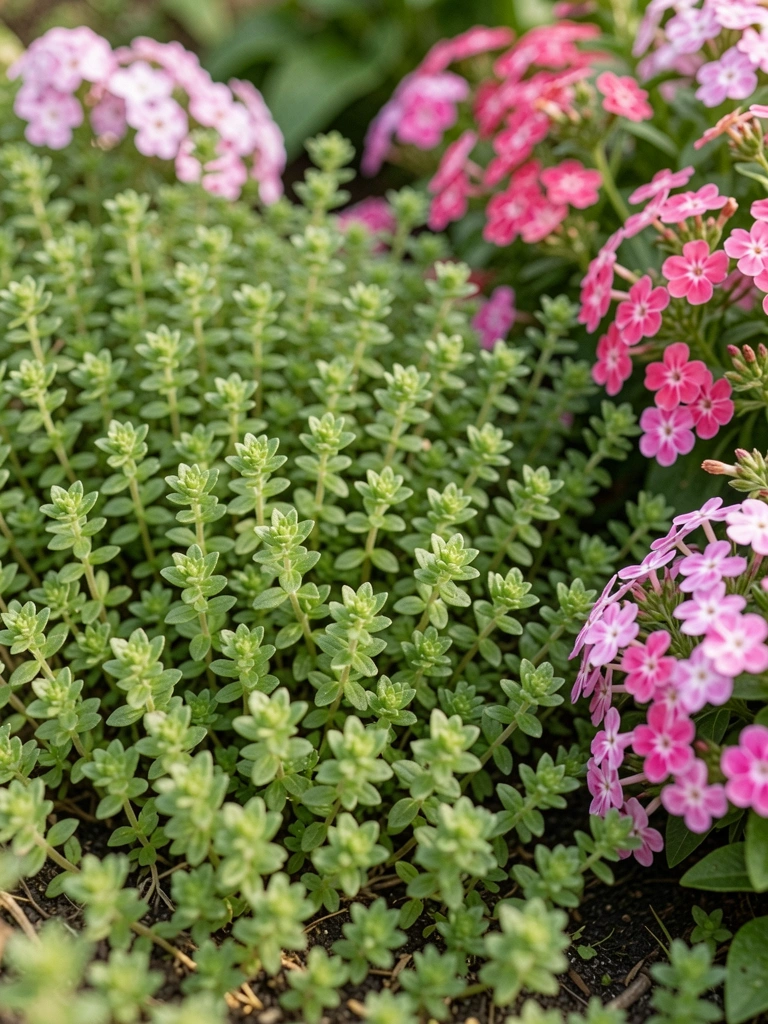
    I start by looking at the plants first. I pick one dominant plant color and one neutral. That gives me a base and a highlight. Choosing colors from the bed keeps pots feeling like part of the scene, not a separate decoration.
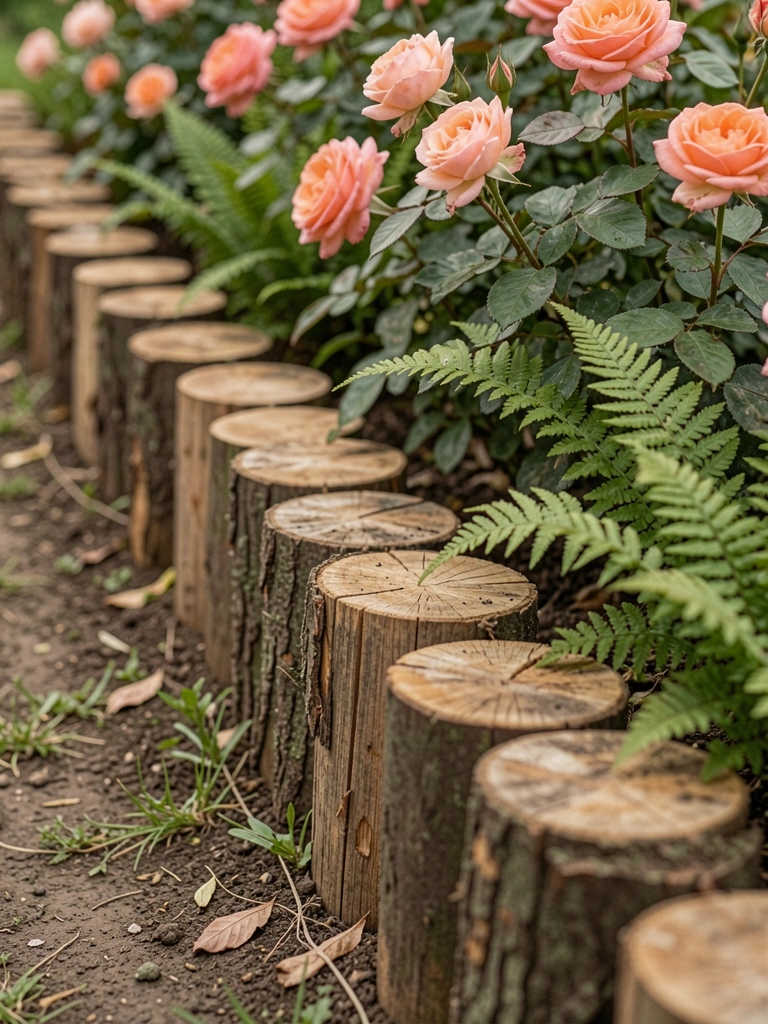
    People often pick every color they like. That creates visual noise. Avoid using more than two active colors on a small patio unless you want a busy look.
    Step 2: Match finish and scale to the bed

    I think about finish—matte sits behind foliage, glossy pops. For large pots I use a subtler base so plants stay the star. Small pots can take a brighter accent or a rim color.

    The insight many miss is posture: scale changes how bold a finish reads. One mistake is making every pot glossy; it fights with natural textures and reads less homey.

    Step 3: Paint with intent so the surface feels lived-in

    When I paint, I imagine the pot in its final spot. I let brush marks read a little handmade. It keeps things comfortable. Choosing where to leave texture helps the pot feel like part of the plot instead of a showroom piece.

    People overthink patterns. A too-precise motif can look staged. Avoid painting overly complex designs on every pot—too much detail competes with the plants.

    Step 4: Use small accents to create cohesion

    I add small accents: rims, a single stripe, or a painted base. Those tiny touches echo color across a group and pull the eye. They’re what make scattered pots feel like a set.

    The insight most skip is restraint. One thin stripe repeated on three pots reads cohesive. A common mistake is varying accent styles on every pot—it fragments the composition.

    Step 5: Edit placement for balance and flow

    I always step back and view from the house and path. I move taller pots to anchor corners and low pots to soften edges. Grouping in odd numbers usually helps the eye rest.

    People tend to cluster everything together. That can look cluttered. Don’t crowd—leave breathing space so each painted surface can read against the plants.

    Color Choices That Work

    I favor muted, warm bases like dusty terracotta, soft olive, or warm gray. They sit quietly with most foliage. Then I add one pop: a rim or a stripe in a saturated tone.

    If your garden has strong flower colors, pick a base from the leaf tones instead. That keeps pots as a frame, not a competitor. Small palettes read more intentional than many separate hues.

    Placement & Grouping Tips

    Place a statement pot at a sightline—by the door or at the end of a path. Use two small pots to flank a step or one taller pot to anchor an empty corner. Odd-number groupings feel calm.

    Try mixing heights and textures. Pair a smooth painted pot with a textured clay one. The contrast makes the painted finish feel deliberate and lived-in.

    Maintenance & Longevity

    I seal painted pots with a matte sealer for weather resistance. That keeps colors steady without adding shine. I touch up scuffed rims in spring after the heavy weather.

    If a pot chips, I repaint the section and let it weather a season—an imperfect fix often looks natural. Avoid redoing the whole set every year; small edits keep the collection feeling familiar.

    Final Thoughts

    Start with one pot if you’re unsure. Paint it to match a plant or a doorway. Live with it for a month.

    You’ll learn how colors sit in your light. Small changes make the bed read more intentional.

    Go slowly. Editing matters more than perfect painting.