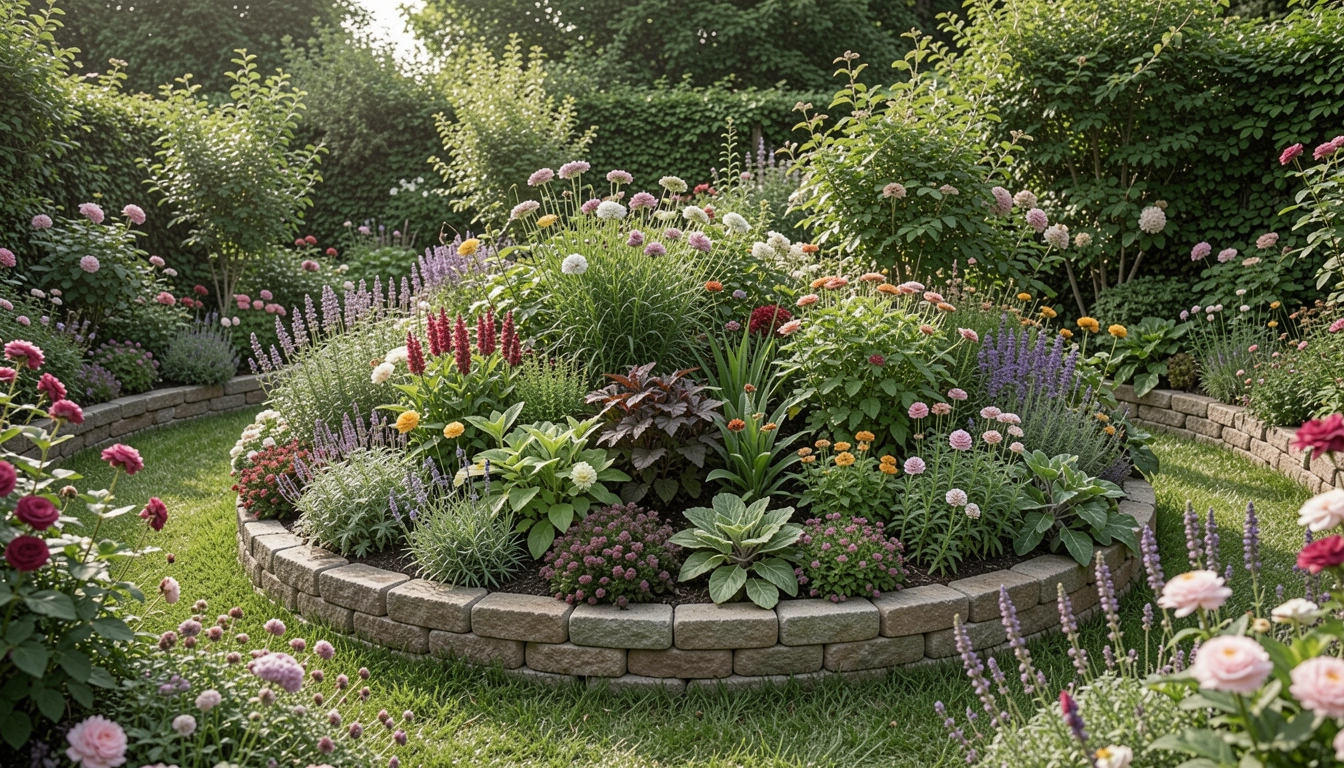
I stared at that empty patch in my flower garden. It was roundish, but nothing fit. Plants looked crowded or lost. The whole bed felt off-balance, pulling the eye away.
I'd tried straight lines before. They worked fine elsewhere. But here, curves called for something different.
One afternoon, I stepped back and saw it. A circle could hold the space together. Steady the flow.
How To Design Circular Bed In Flower Garden
This is the method I use every time a circular spot needs purpose. You'll end up with a bed that draws the eye in, feels balanced, and settles into the garden naturally.
What You’ll Need
- [24-inch galvanized steel garden edging](https://www.amazon.com/s?k=24-inch+galvanized+steel+landscape+edging&tag={{flowpinsystem-20}}
- [10-pack 18-inch bamboo garden stakes](https://www.amazon.com/s?k=10-pack+18-inch+bamboo+garden+stakes&tag={{flowpinsystem-20}}
- [2 cubic feet organic compost](https://www.amazon.com/s?k=2+cubic+feet+organic+compost&tag={{flowpinsystem-20}}
- [50-pound bag fine pine bark mulch](https://www.amazon.com/s?k=50-pound+fine+pine+bark+mulch&tag={{flowpinsystem-20}}
- [Coreopsis grandiflora perennial plants (pack of 5)](https://www.amazon.com/s?k=Coreopsis+grandiflora+perennial+plants+pack+of+5&tag={{flowpinsystem-20}}
- [Lavender angustifolia shrubs (3-pack)](https://www.amazon.com/s?k=Lavender+angustifolia+shrubs+3-pack&tag={{flowpinsystem-20}}
- [Dianthus barbatus annuals (6-pack)](https://www.amazon.com/s?k=Dianthus+barbatus+annuals+6-pack&tag={{flowpinsystem-20}}
- [1-inch thick rubber garden hose](https://www.amazon.com/s?k=1-inch+thick+rubber+garden+hose&tag={{flowpinsystem-20}}
Step 1: Mark the Circle's True Center
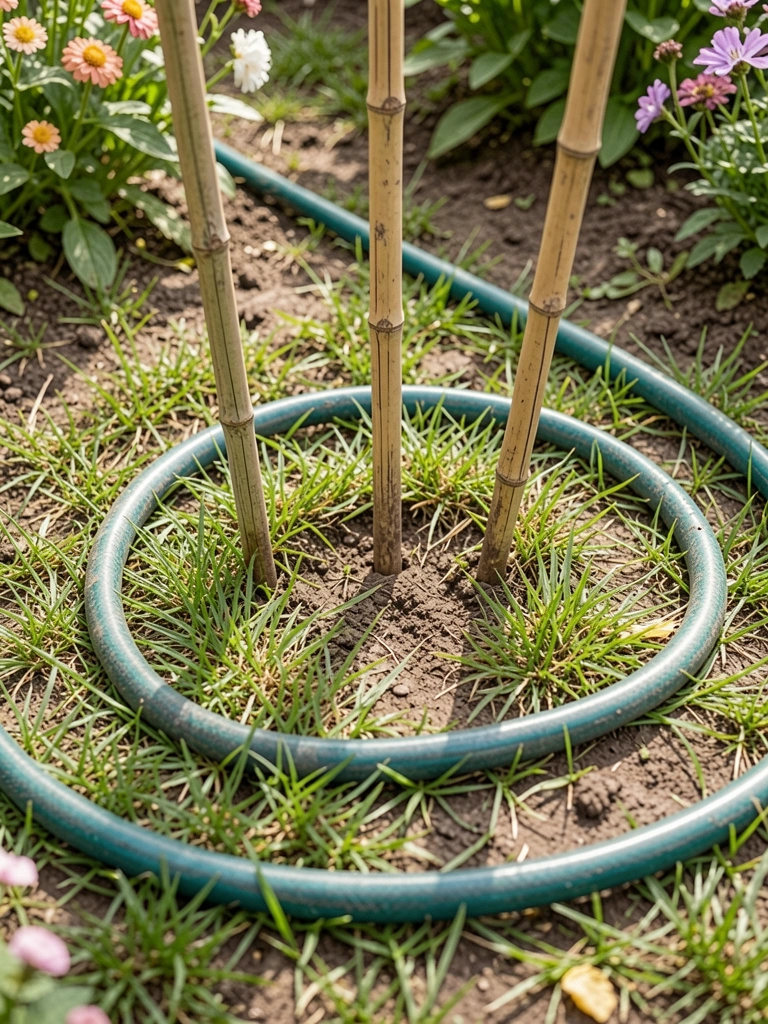
I start by laying the hose on the ground. Curve it into a loose circle that fits the spot. Eyeball the size—about four feet across works in most beds. Push in two stakes at opposite points. Stretch the hose taut between them. Walk it around. Adjust until it feels even.
This centers everything. The visual shift is immediate—the space pulls inward, no longer spilling out. Most miss how a wobbly outline makes plants fight for room later.
Skip measuring tape. It stiffens the feel. Let your eye guide; that's the insight.
Step 2: Layer Heights from Edge Inward
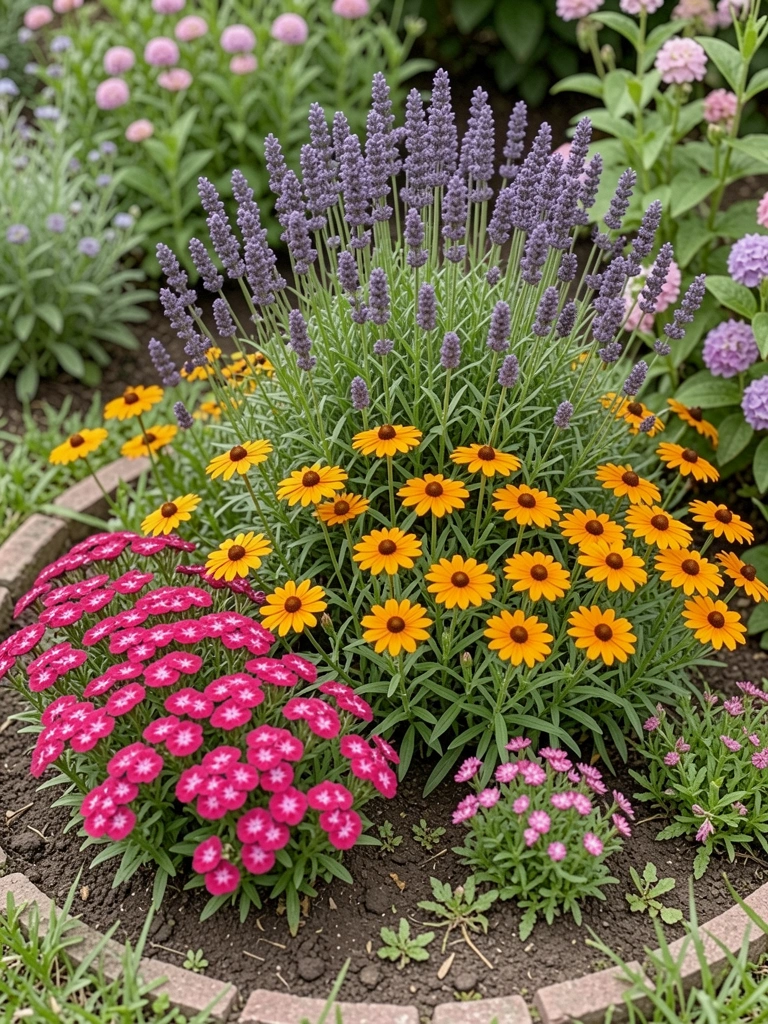
I plant low growers like dianthus along the outer curve first. They hug the edge without crowding. Then mid-height coreopsis fills the middle ring. Tall lavender anchors the heart.
The bed gains depth now. It breathes, layers drawing your gaze around the circle. People overlook how equal heights flatten the view—makes it static.
Don't cram the center early. Plant outward from tall ones. Avoids gaps that show later.
Step 3: Edge for Clean Containment
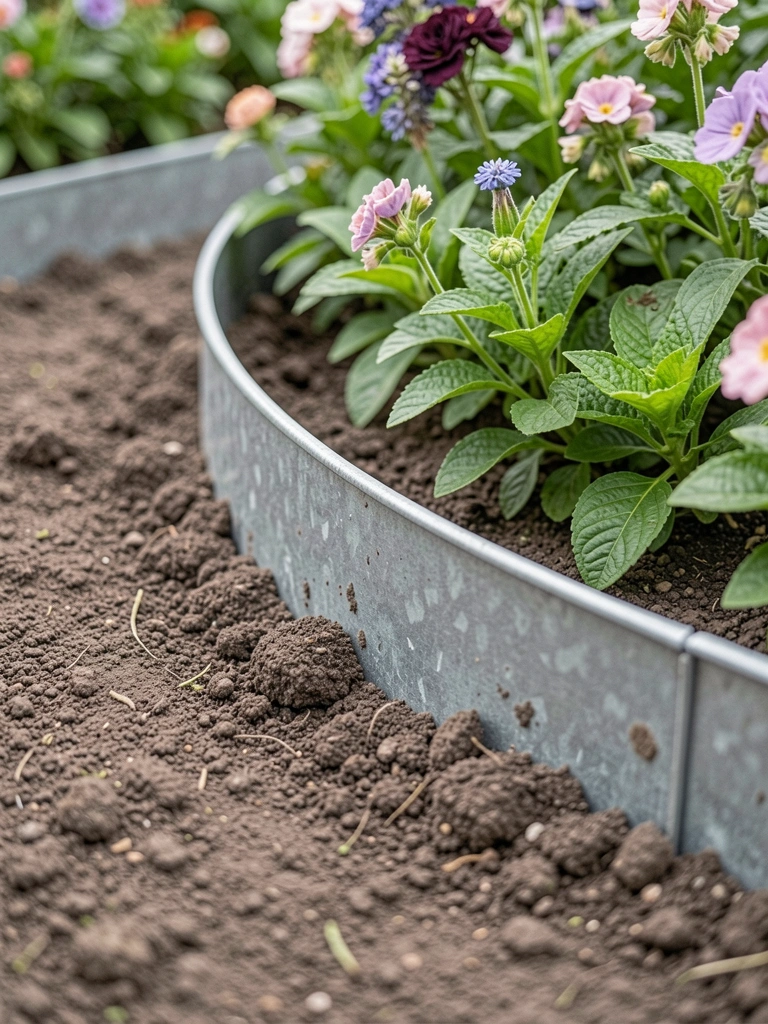
I unroll the steel edging inside the hose line. Bend it gently with my hands. Hammer it halfway into the soil. It holds the circle firm, keeps mulch from wandering.
Suddenly, the bed stands alone. Balanced against the lawn. The miss here: no edge lets grass invade, blurring the shape.
Push edging deeper than you think. Avoids heaving in winter.
Step 4: Mix Soil and Settle Plants
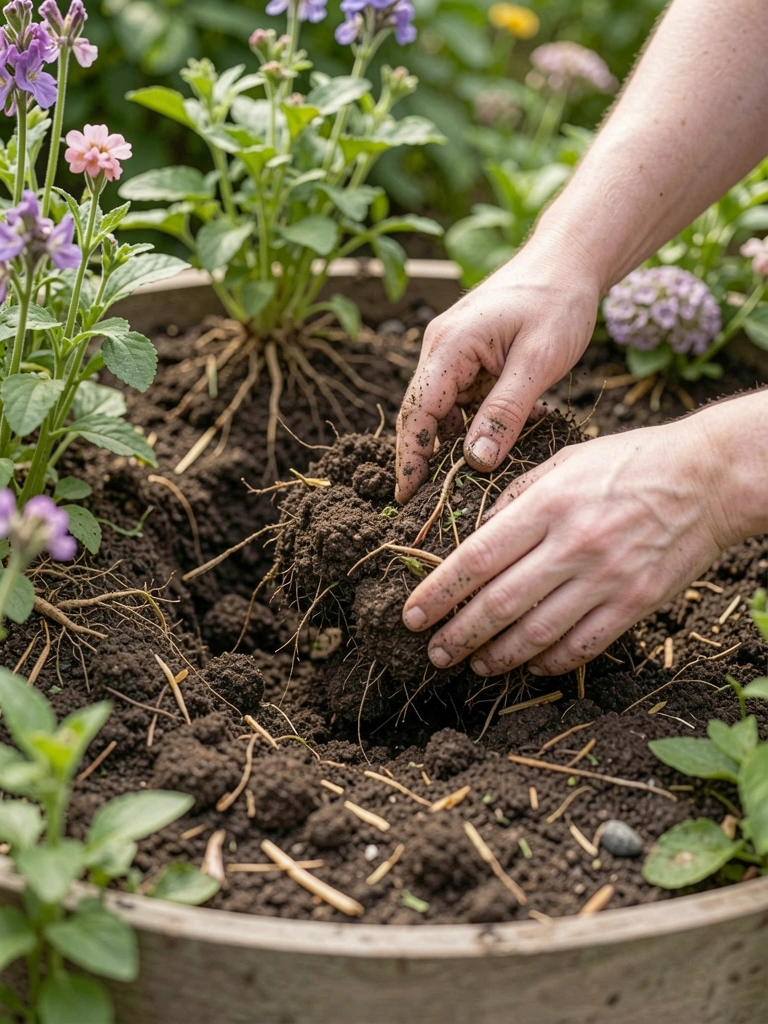
I spread compost over the bed. Work it in with my hands around each root. Water deeply. Plants slump a bit, then root.
Colors pop against fresh soil. The flow feels steady. Folks forget settling time—rushed plants lean out of circle.
Water slow. Avoids washouts at edges.
Step 5: Mulch and Check Balance
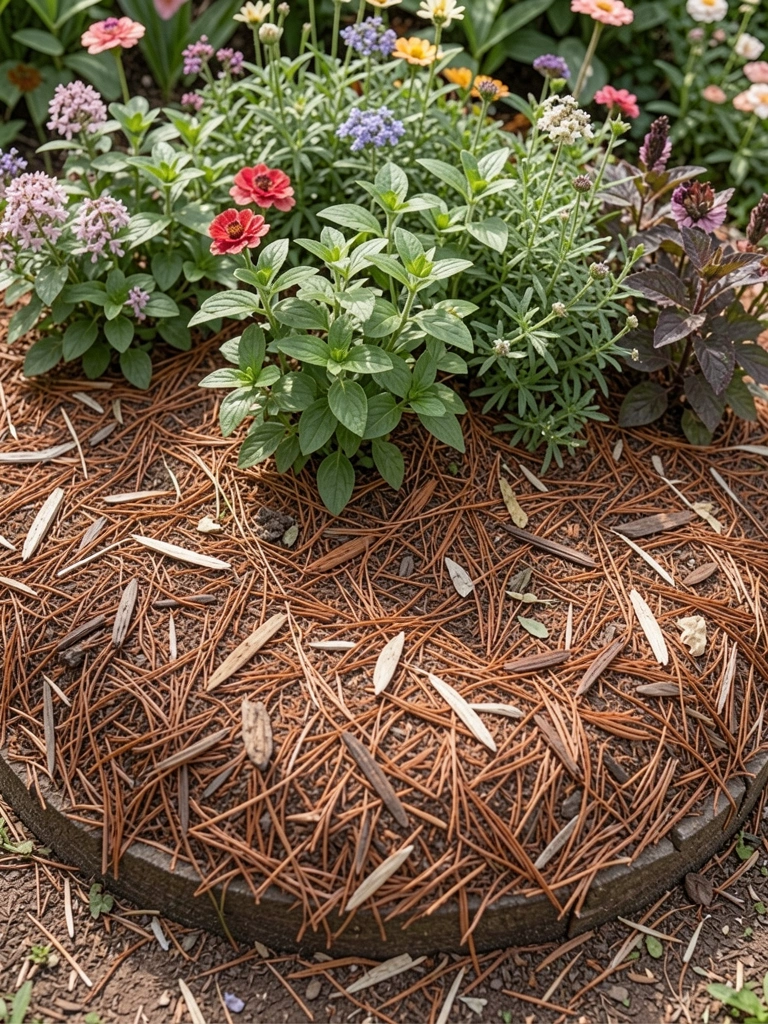
I scatter mulch two inches thick. No bare spots. Step back ten feet. Tweak any plant leaning wrong.
The circle glows full, intentional. The key miss: over-mulching hides texture. One inch max near stems.
Walk the path around it. Ensures even pull from all sides.
Choosing Plants That Last
I pick plants by what grows easy in my soil. Coreopsis for sunny yellows that repeat. Lavender for scent and height. Dianthus adds pink edges.
These hold color through summer. They self-seed a bit, filling thin spots.
- Sun lovers for full light circles.
- Drought-tolerant once rooted.
- Mix bloom times for steady interest.
No fussy types. They fade fast.
Keeping the Circle Balanced Year-Round
Winter shows the bones. Bare lavender sticks up fine. Spring dianthus returns quick.
Trim dead bits in fall. Mulch refreshes.
- Check leaners after storms.
- Divide crowded centers every three years.
- Add spring bulbs under edges.
It stays lived-in, not empty.
Fixing Common Circle Pitfalls
Straight planting lines kill curves. I stagger always.
Too big a circle overwhelms small yards. Test with hose first.
- Watch for shade creep—move tall plants.
- Grass under edge? Dig deeper.
- Dry center? Water inward.
Simple tweaks keep it right.
Final Thoughts
Start with one circle. Watch it settle over weeks.
You'll see the garden shift. More connected.
Mine pulls the whole flower bed together now. Yours will too. Just walk it daily at first.
Leave a Reply