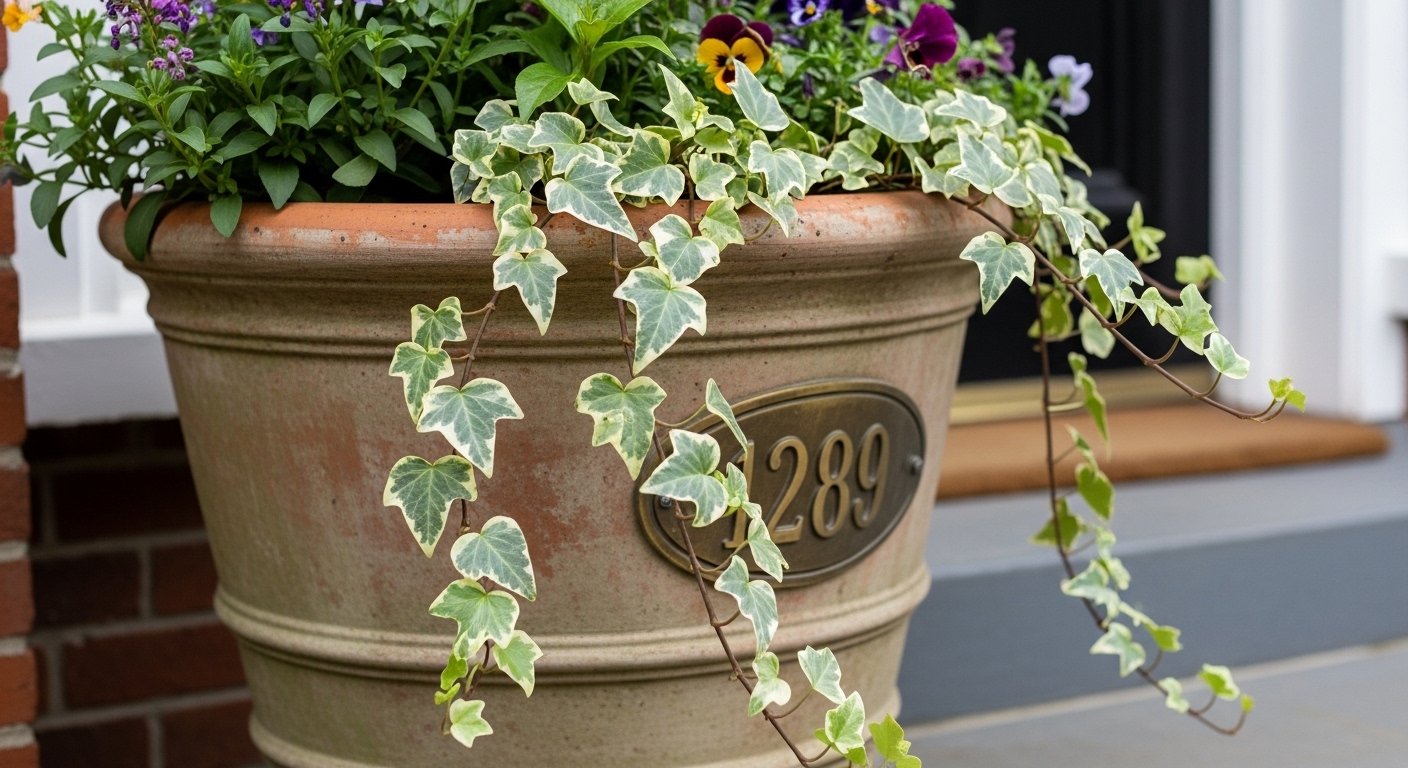
I used to cram tiny pots by the door and wonder why the entry felt flat.
Once I planted a pair of big pots, everything changed. The scale finally matched the house.
These 27 ideas are real setups I’ve built and rebuilt. Each one is practical, visual, and something you can copy.
27 Elegant Large Outdoor Flower Pots For A Luxe Entryway
These 27 ideas show real pots, plant combos, and placement tricks I’ve used on working gardens to create a luxe entryway. Practical notes and exact items included.
1. Symmetrical Twin Urns for a Formal Front Door
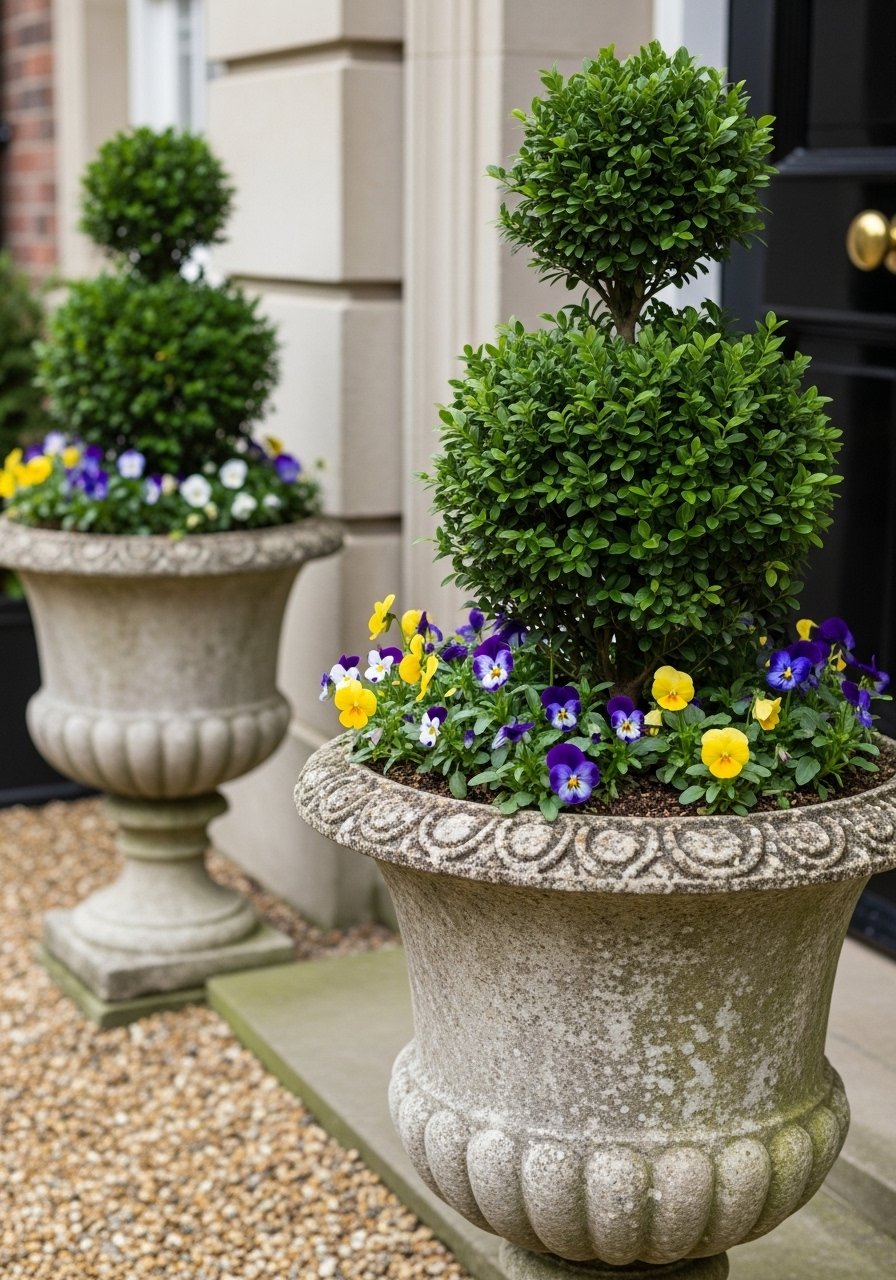
I put two heavy urns on either side of my door and it finally felt balanced. The clipped boxwood gives structure while seasonal flowers soften the edge. I learned the hard way that identical pots must be identical height—mis-matched bases looked sloppy.
The visual weight of matching containers makes any doorway read as purposeful. Watering is easier when you use the same soil and schedule.
What You’ll Need for This Look
2. Tall Narrow Pots to Frame a Slim Porch
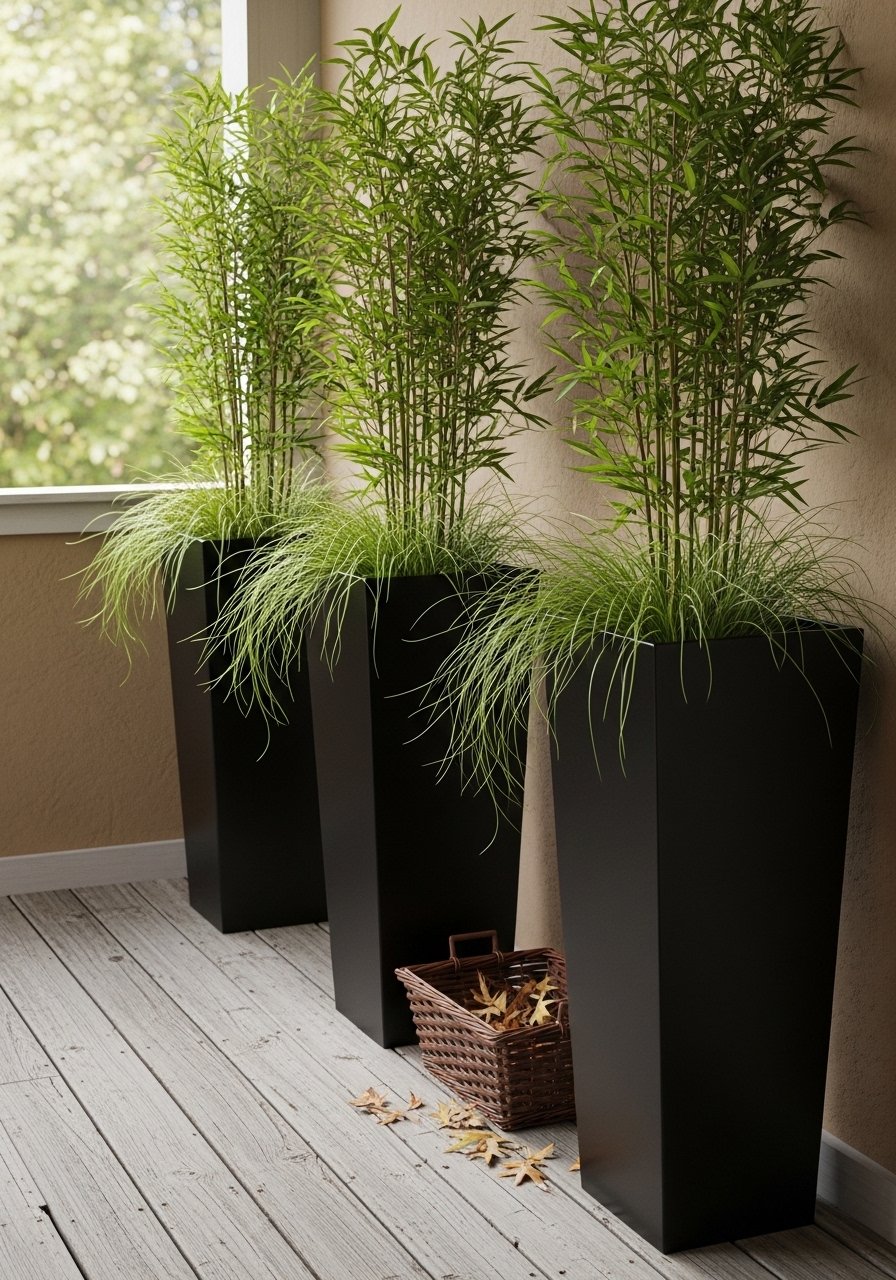
My porch is narrow, so I switched to tall, narrow pots. They lift the eye without taking floor space. I planted bamboo once and regretted it—it got too dramatic and needed more trimming than I expected.
Now I use upright grasses and trained bamboo in containers. The vertical rhythm makes the entry feel taller and more modern.
What You’ll Need for This Look
3. Layered Container Planting That Makes a Porch Feel Full
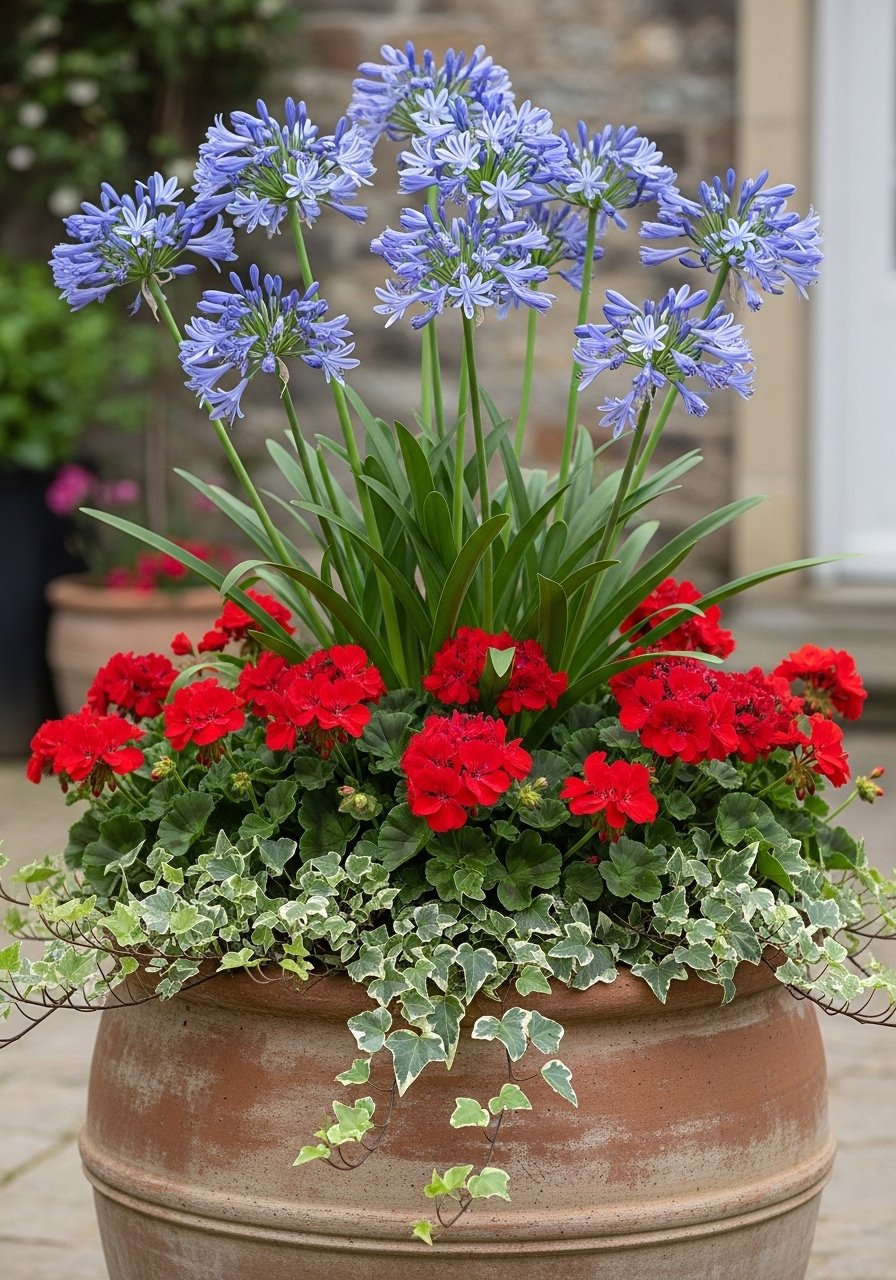
I learned layering the hard way—my first pot was all petunias and looked flat. Once I added a “thriller” in the center, mid-height fillers, and spillers on the rim, the pot finally read like a little garden.
This method fills scale and gives depth. Pay attention to bloom times so you don’t end up with a big green lump in mid-summer.
What You’ll Need for This Look
4. Monochrome Pots for a Clean, Modern Entry
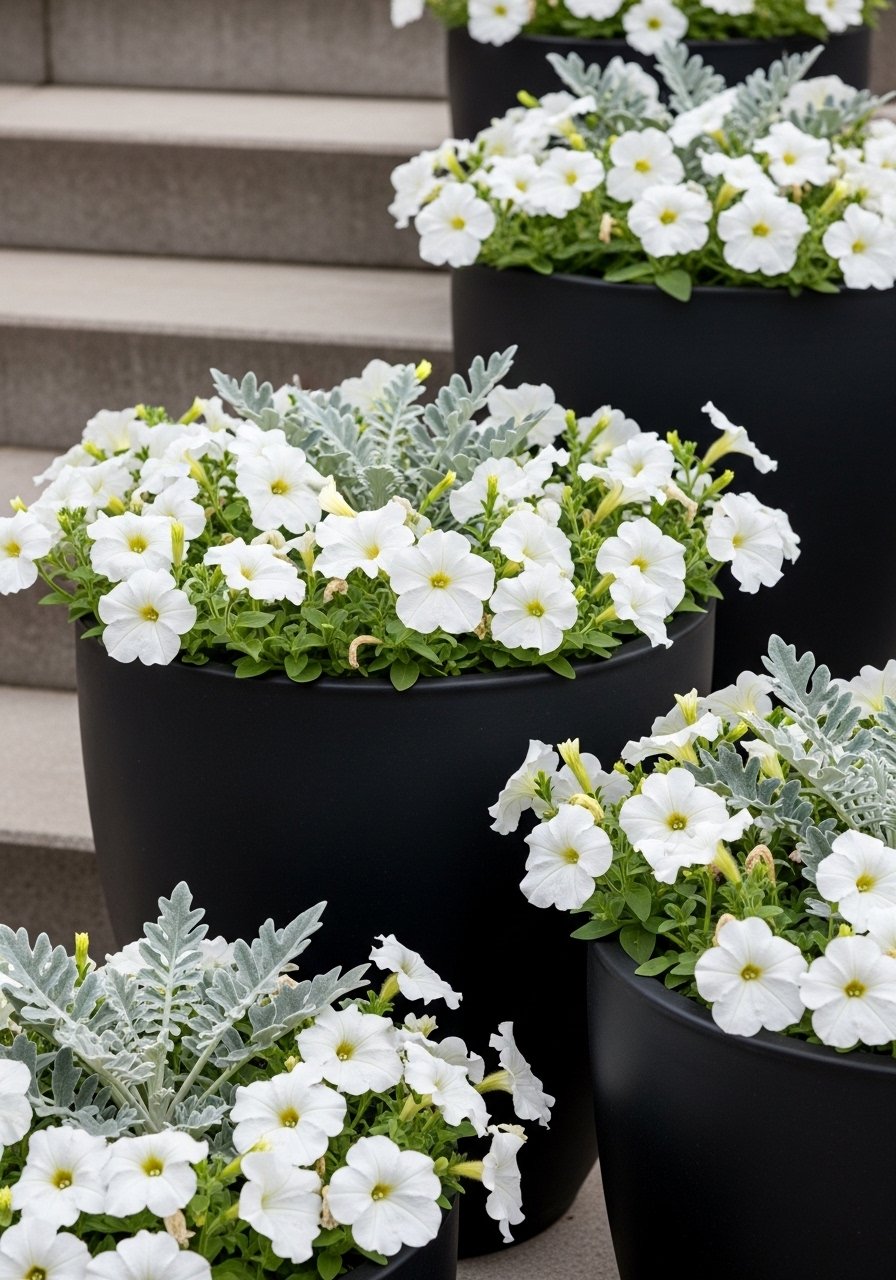
I painted mismatched pots the same matte black and it instantly looked intentional. Monochrome pots hide wear and give a modern, cohesive backdrop to colorful blooms.
I once overdid black and lost contrast—so keep one pale element like white flowers or silver leaves to read the arrangement.
What You’ll Need for This Look
5. Concrete Planters for a Minimal, Luxe Feel
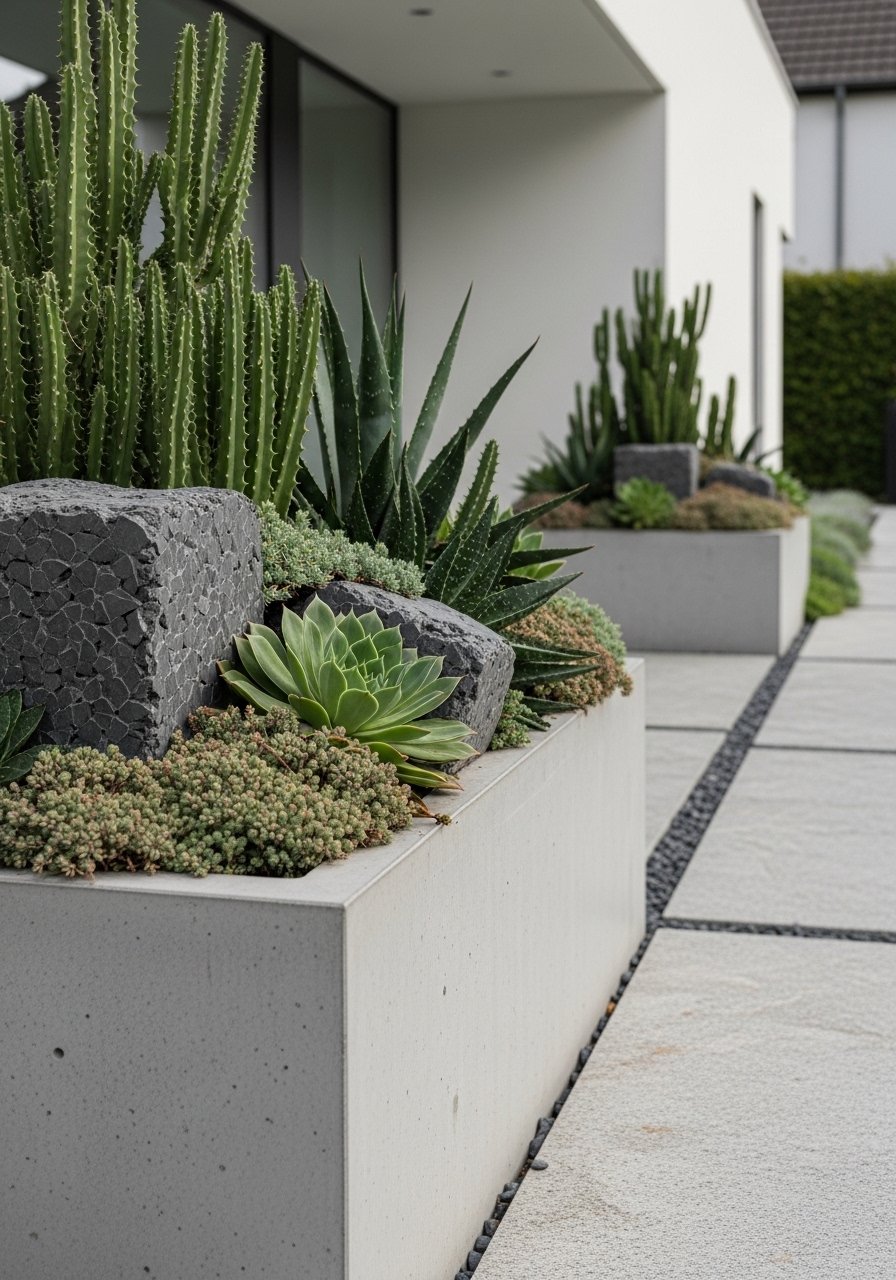
I used a heavy concrete planter when I wanted permanence. It reads expensive and stays put in wind. Concrete can dry out roots quickly—so add a moisture-retentive soil mix.
A single architectural plant like agave or large succulent pops against concrete for a calm, modern entry.
What You’ll Need for This Look
6. Matching Pairs with Different Textures
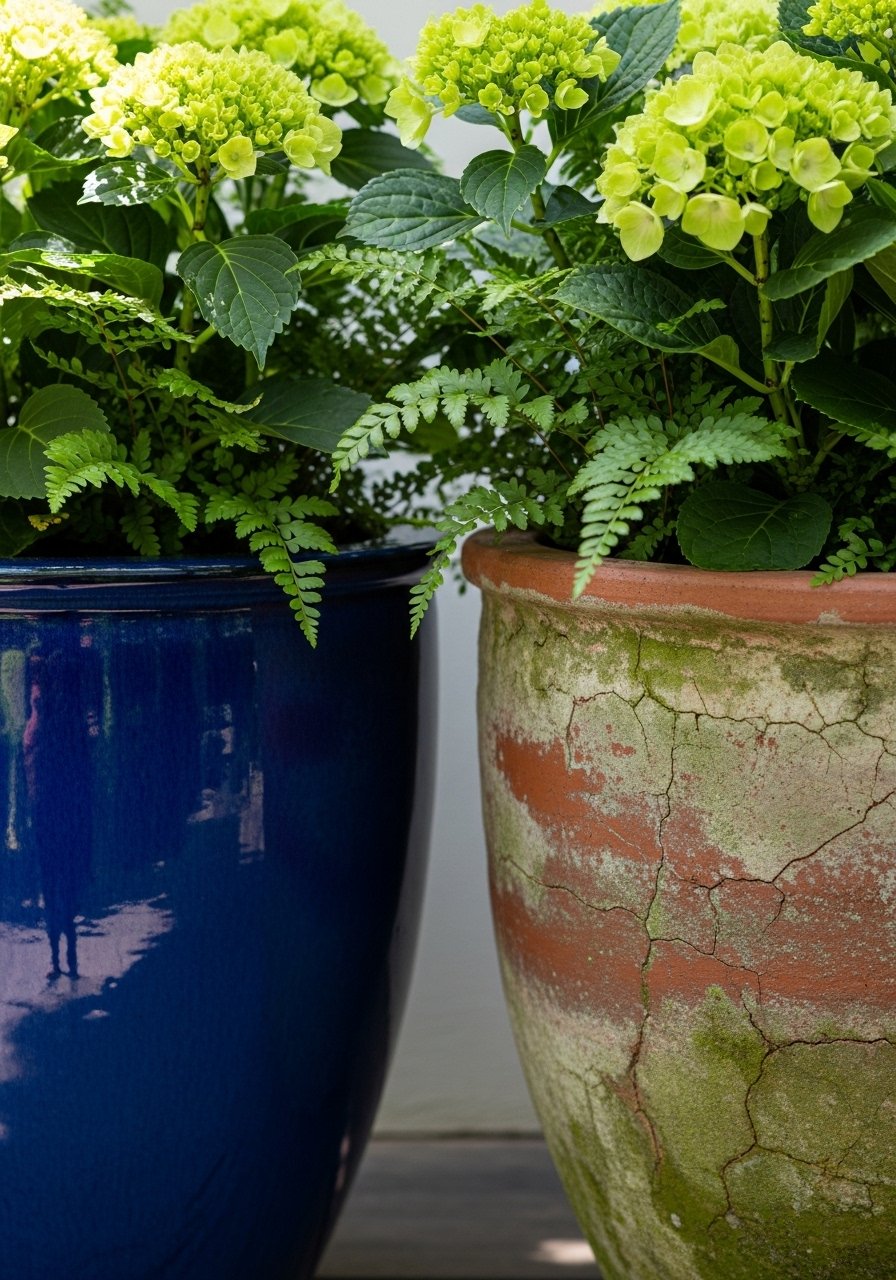
I paired two same-size pots with different textures: glazed ceramic versus weathered clay. The contrast made the entrance feel layered instead of copied. At first I worried it would look mismatched, but it read as curated.
Mixing finishes keeps repetition from feeling boring while maintaining symmetry.
What You’ll Need for This Look
7. Statement Urn with Clipped Boxwood and Seasonal Front
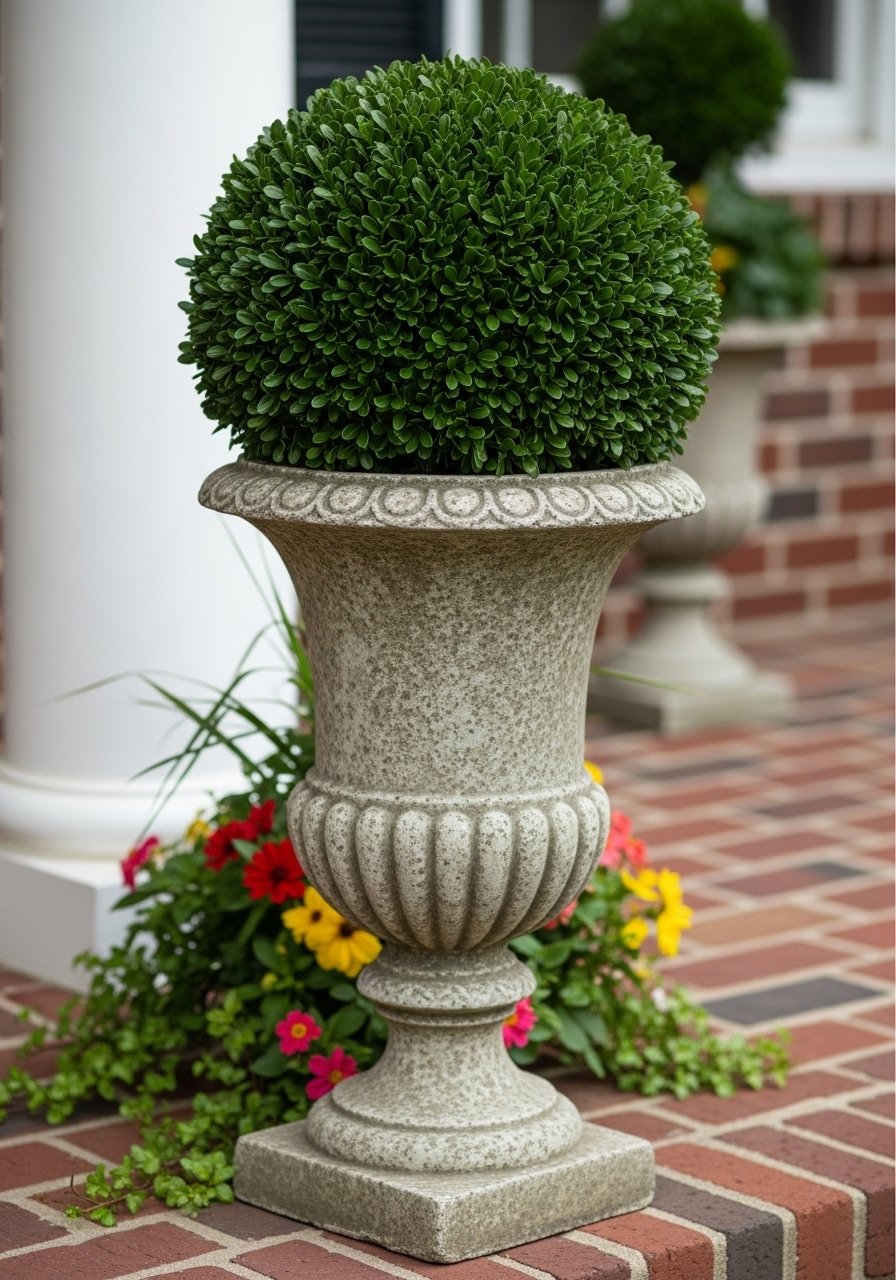
An urn with a clipped boxwood ball anchors the entry year-round. I used to swap seasonal plants into the urn’s base and it’s an easy refresh. The mistake I made: planting deep-rooted bulbs that disrupted the topiary—keep bulbs shallow.
This combo reads classic and very intentional without daily fuss.
What You’ll Need for This Look
8. Rustic Wooden Planters for a Cozy Cottage Entry
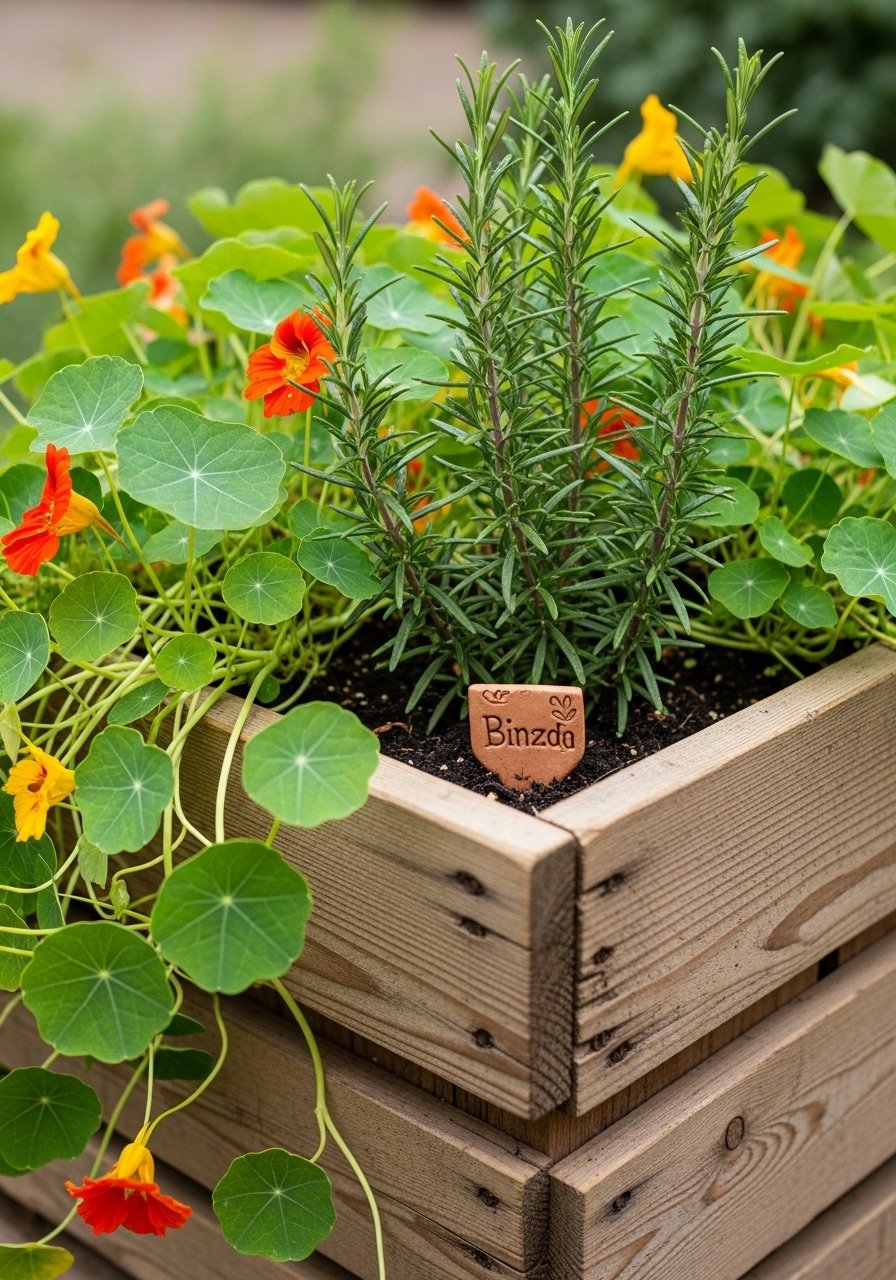
I built a wooden box planter from reclaimed boards and it warmed our stone steps. Wood softens modern houses and looks lived-in. I neglected to seal mine at first—rot started at the bottom, so use weatherproof seal.
Plant rosemary and small herbs at the front for scent when the door opens.
What You’ll Need for This Look
9. Lantern-Lit Pots for Evening Charm
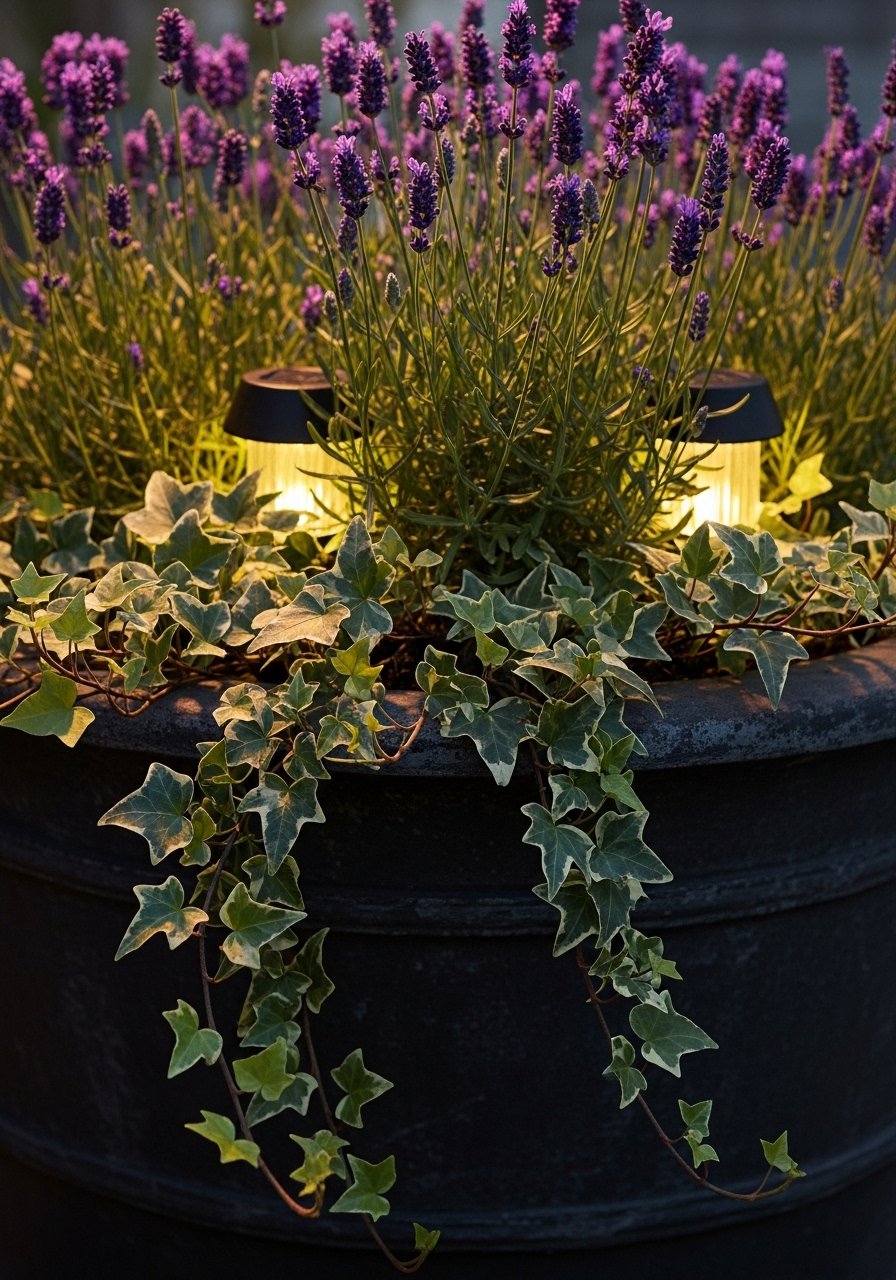
I added small solar lantern stakes into potting soil and suddenly the entry had a soft glow in the evenings. The light highlights texture and keeps the path visible. Mine stopped charging where shade was too heavy—place panels toward light.
Use lavender and silver foliage so the pots still feel cohesive at night.
What You’ll Need for This Look
10. Bold Color Block Pots for a Playful Entrance
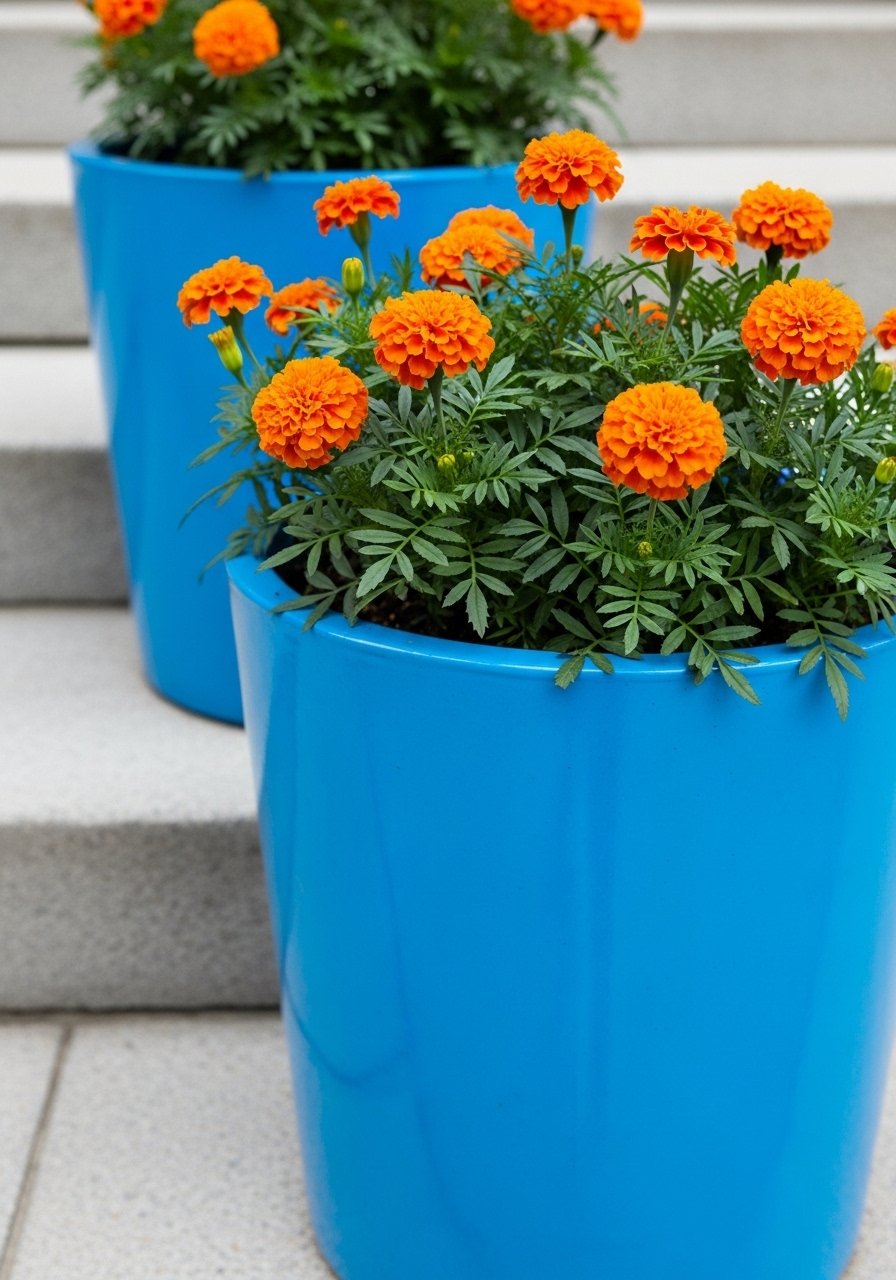
I painted old pots a saturated blue and planted marigolds for contrast. The bold color made a cheerful statement without needing many plants. My warning: very bright pots will fade in sun, so choose UV-friendly paint.
This is low-effort, high-impact if you want personality at the door.
What You’ll Need for This Look
11. Minimalist Concrete Columns of Pots
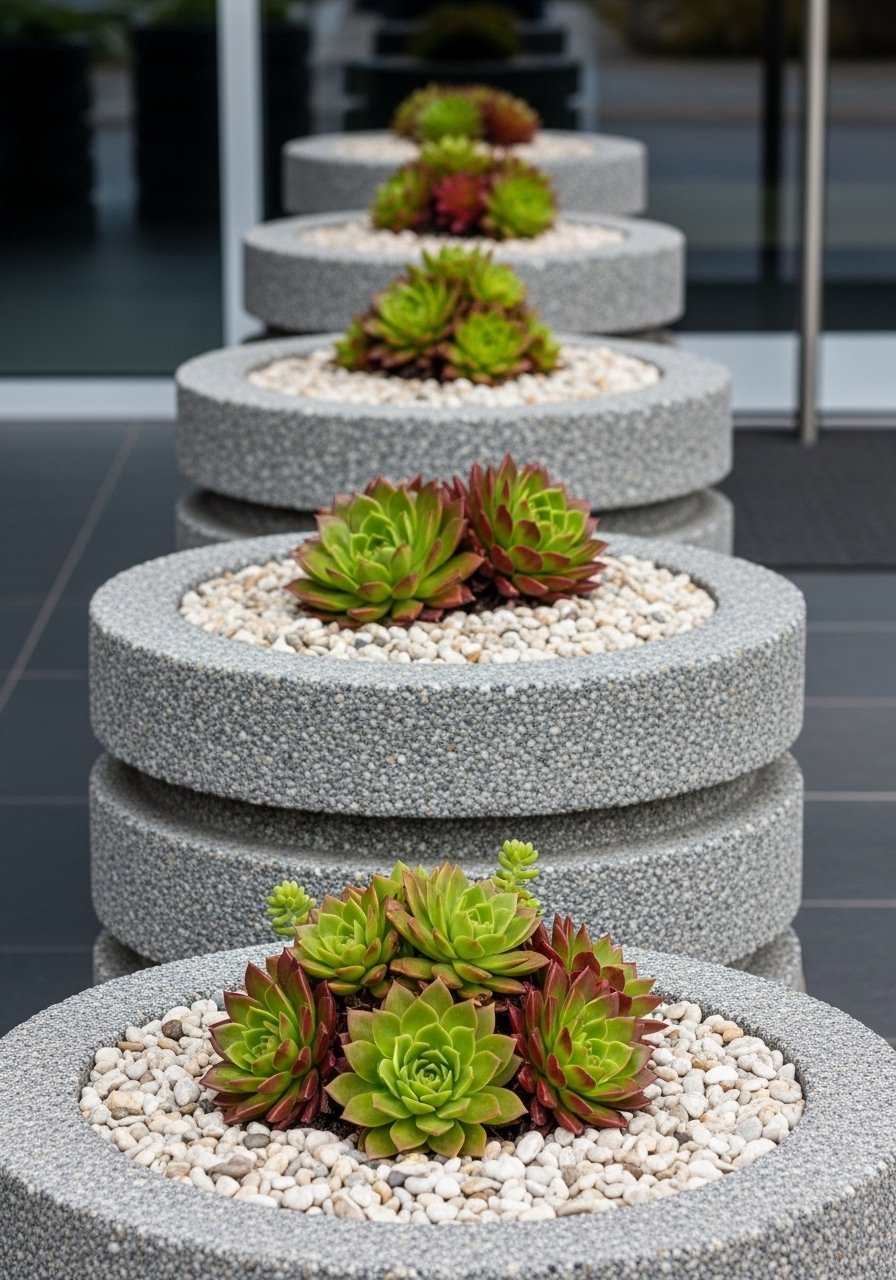
I stacked column planters to create height without clutter. Succulents in the top catch light and a gravel top keeps the look crisp. The mistake I made was using the same soil for all levels—upper pots dried out faster; separate mixes help.
This vertical idea keeps footprint small and reads architectural.
What You’ll Need for This Look
12. Tropical Statement with Giant Leaf Plants
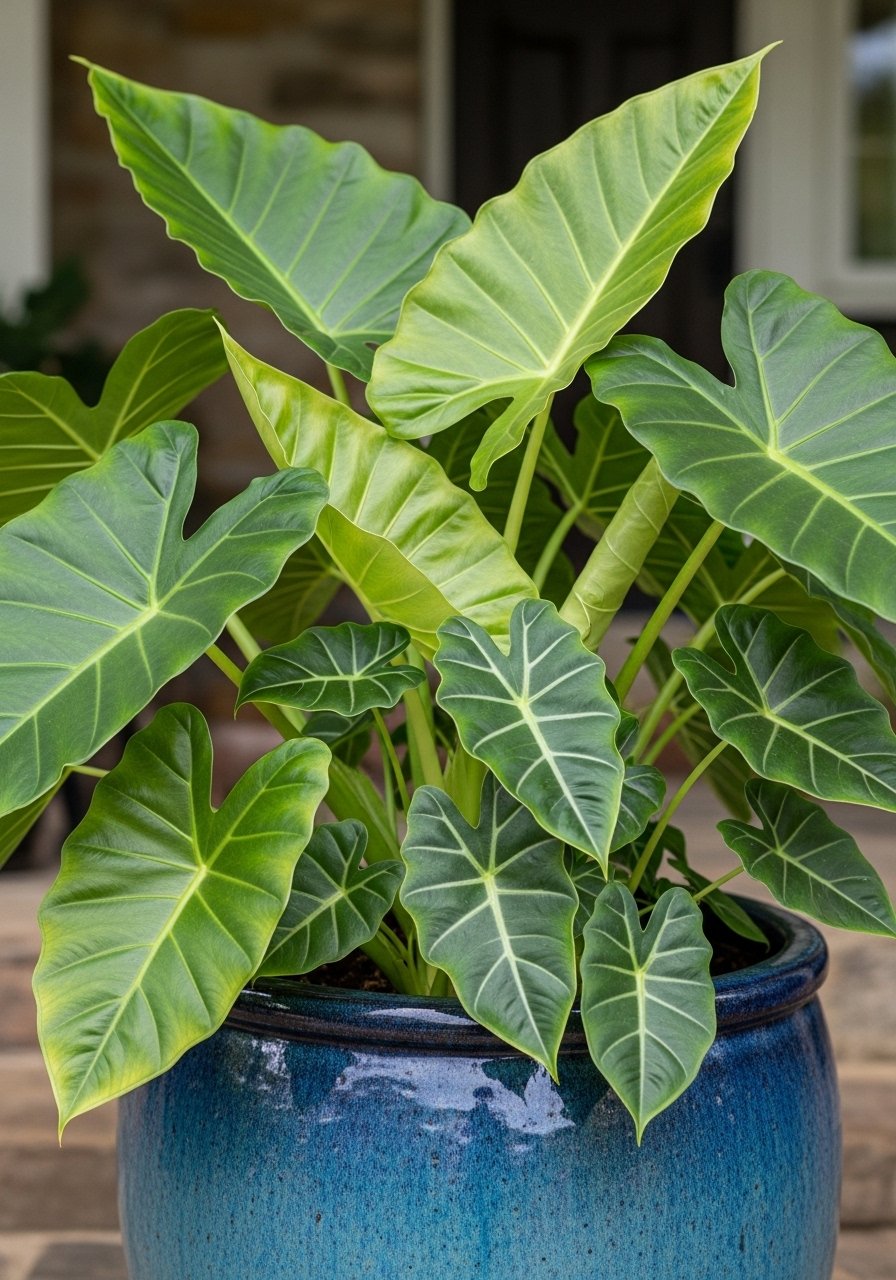
I planted elephant ears in a big glazed pot for summer drama. The leaves make a strong focal point and are surprisingly easy to grow in containers. I once over-watered and got root rot—tough lesson to check drainage.
Add a few bright annuals at the base for color around the big leaves.
What You’ll Need for This Look
13. Self-Watering Planters for Busy Homeowners
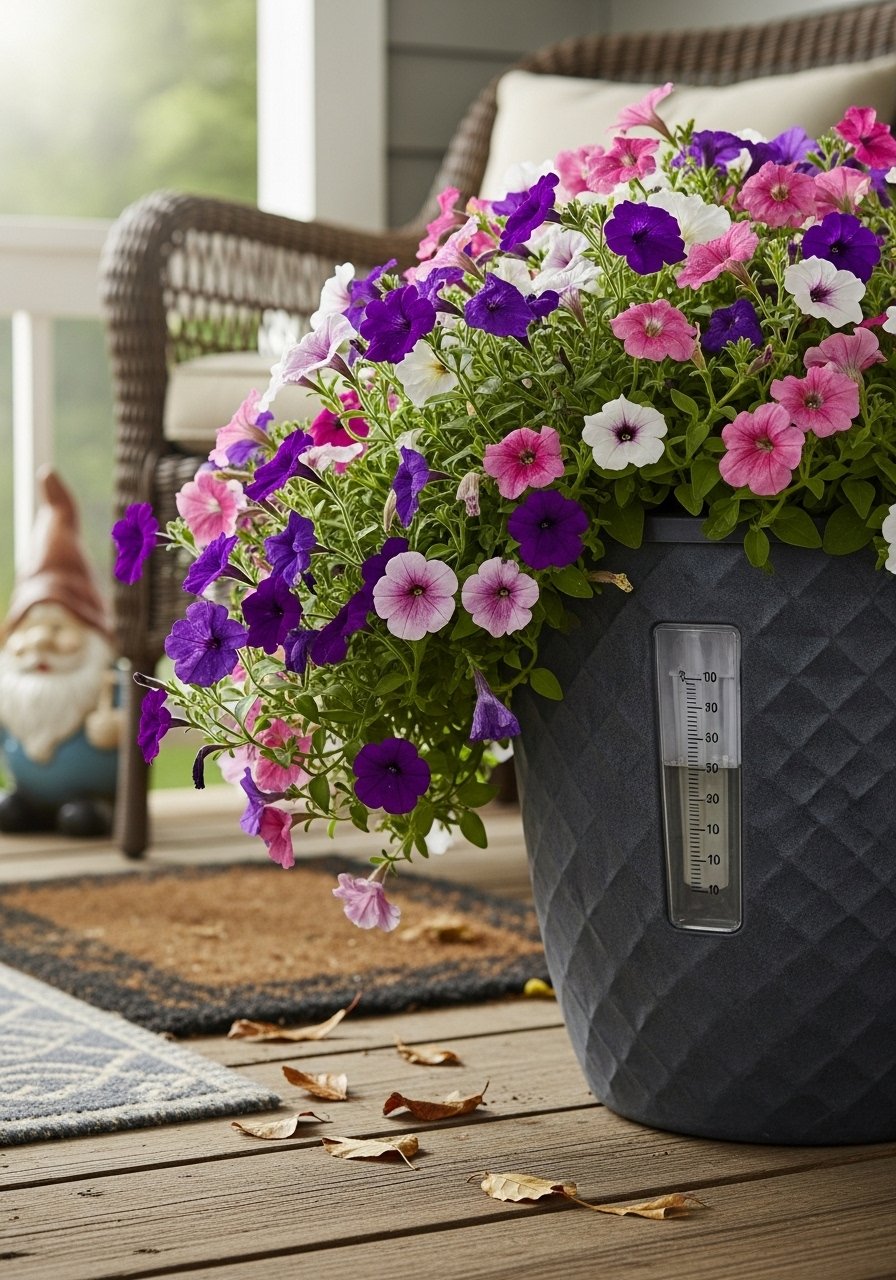
I switched to a self-watering pot when summer schedules got busy. It kept plants healthy through a weekend away. My early model leaked a bit—choose one with a proven reservoir seal.
These planters give you a buffer and reduce daily fuss without compromising style.
What You’ll Need for This Look
14. Evergreen Sculptural Pots for Winter Interest
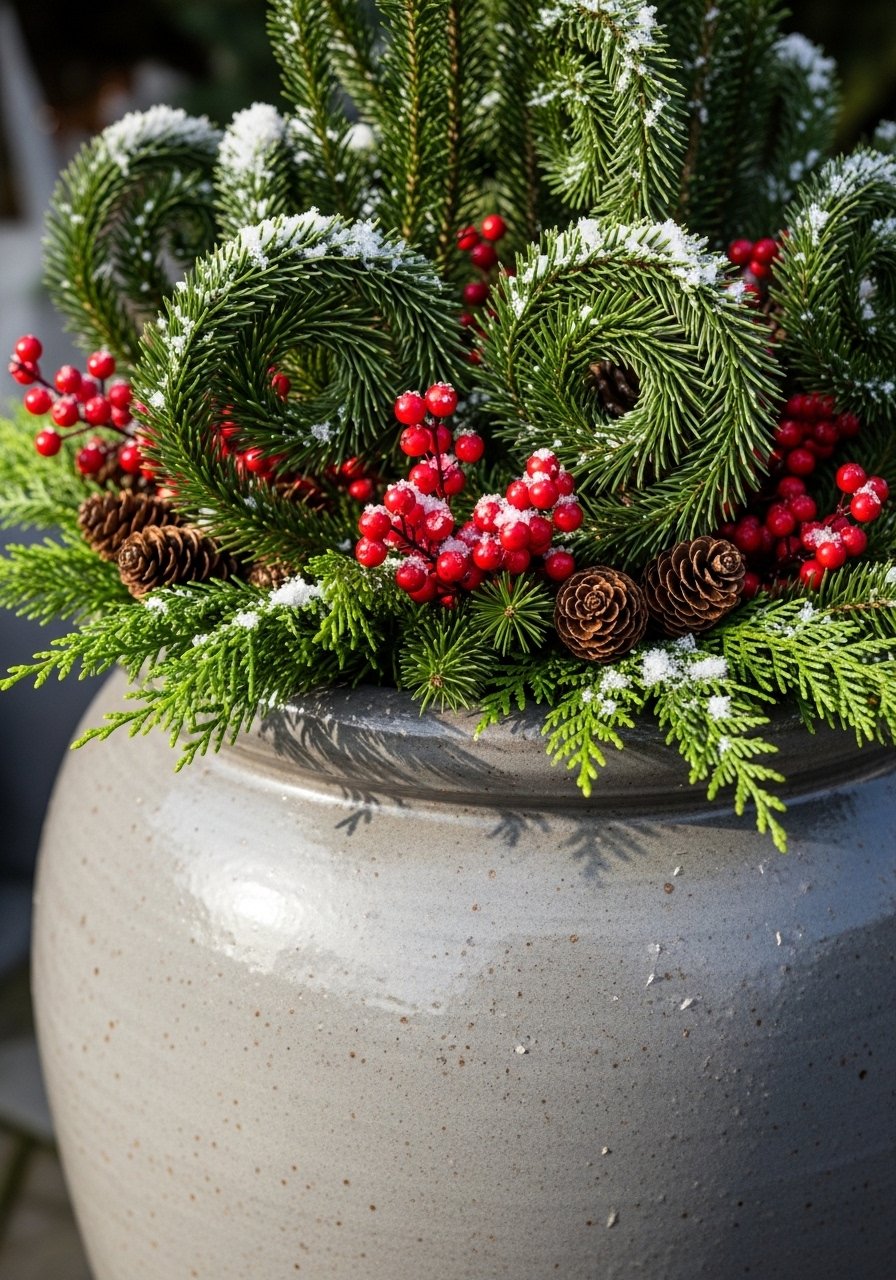
I planted evergreen spirals and small hollies in pots for winter structure. The entry stayed attractive even in cold months. Early on I chose non-hardy plants and lost them—pick hardier varieties for your zone.
A dusting of pinecones or seasonal ribbon keeps the look intentional through winter.
What You’ll Need for This Look
15. Low-Maintenance Mediterranean Pots
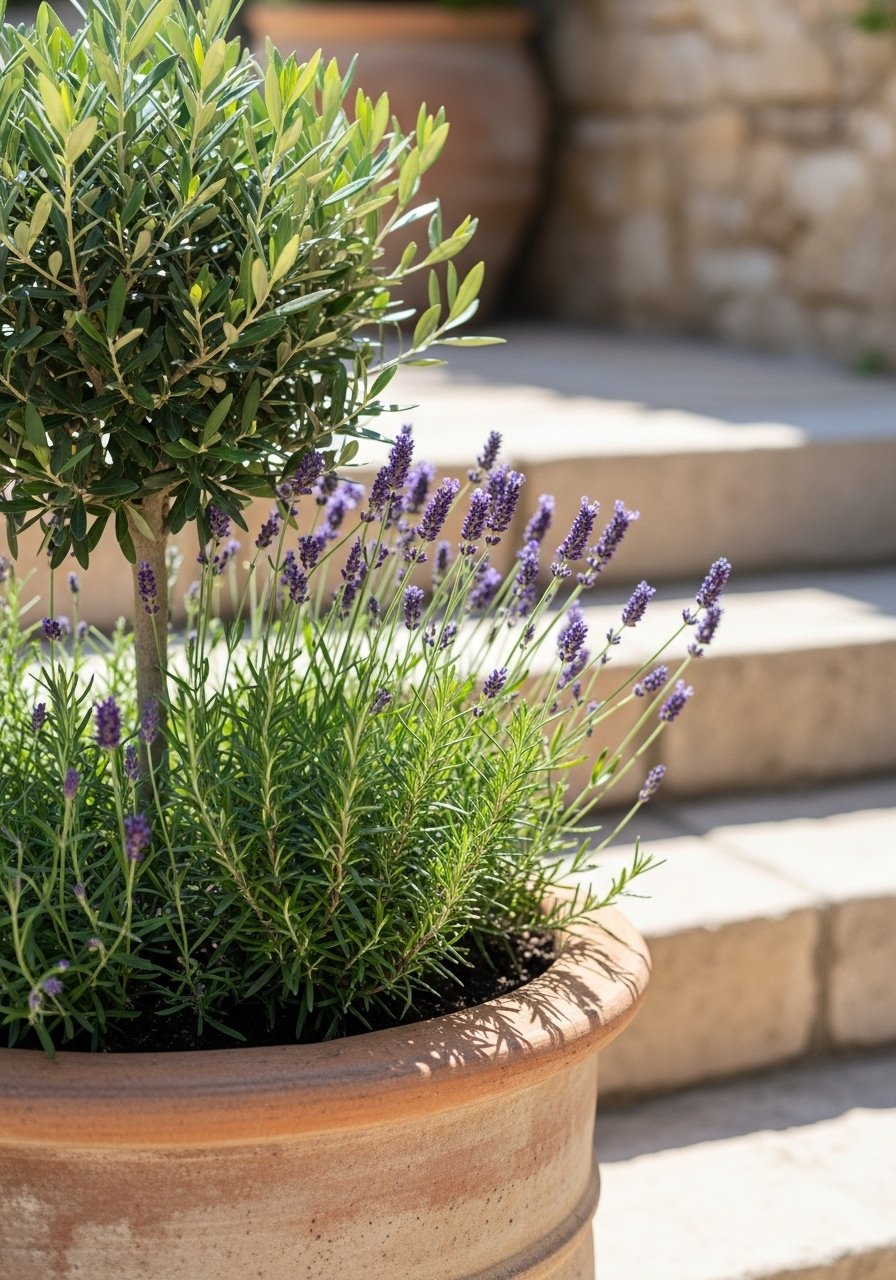
An olive tree in a large pot makes an instant Mediterranean mood. I paired it with lavender and rosemary for scent and drought tolerance. I learned trees in pots need root pruning every few years to avoid becoming root-bound.
These containers are forgiving and smell wonderful when you come home.
What You’ll Need for This Look
16. Mixed Materials: Metal and Clay Together
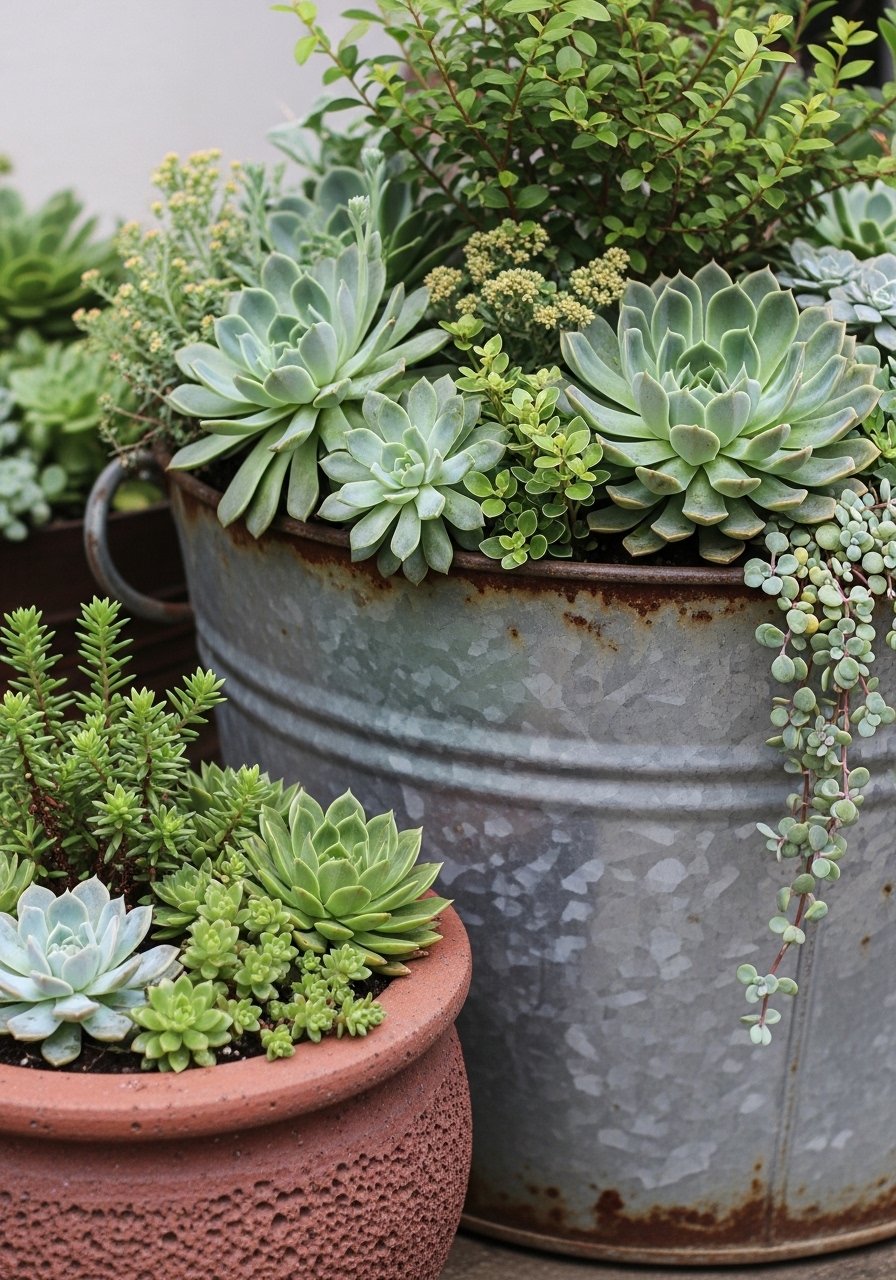
I paired a weathered metal planter with a clay pot for contrast. Metals patina and clay warms the palette. My mistake was placing metal directly on wood—staining occurred. Use a coaster to protect surfaces.
Combining textures makes an entry look collected, not matched-from-a-set.
What You’ll Need for This Look
17. Cottage Mix with Roses and Lavender
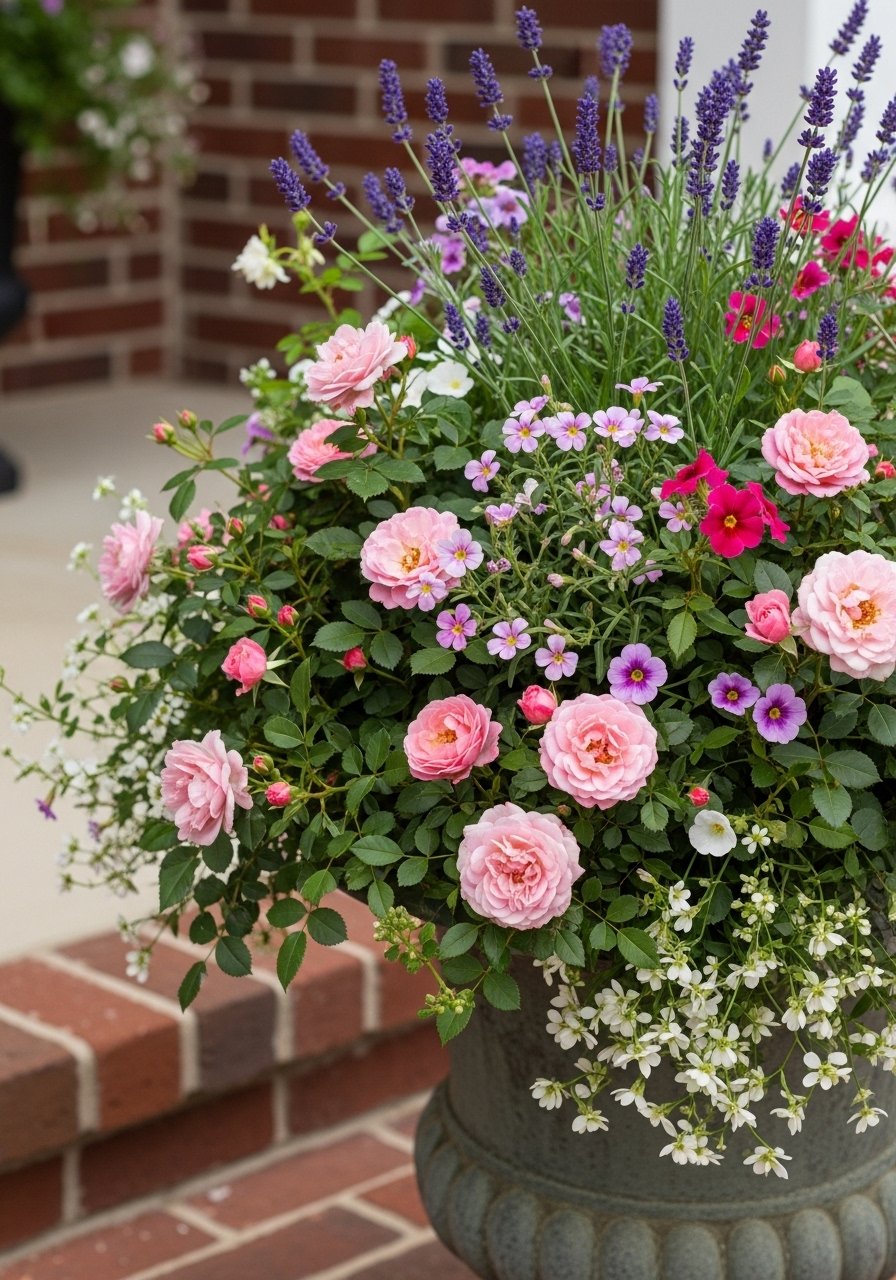
I planted a small shrub rose and lavender in the same pot for that cottage scent. At first the rose shaded the lavender too much—I moved the rose to the back and that fixed it. Choose compact rose varieties for containers.
The scent when the sun hits the lavender is worth the small pruning effort.
What You’ll Need for This Look
18. Succulent Bowl for a Low-Water Entry
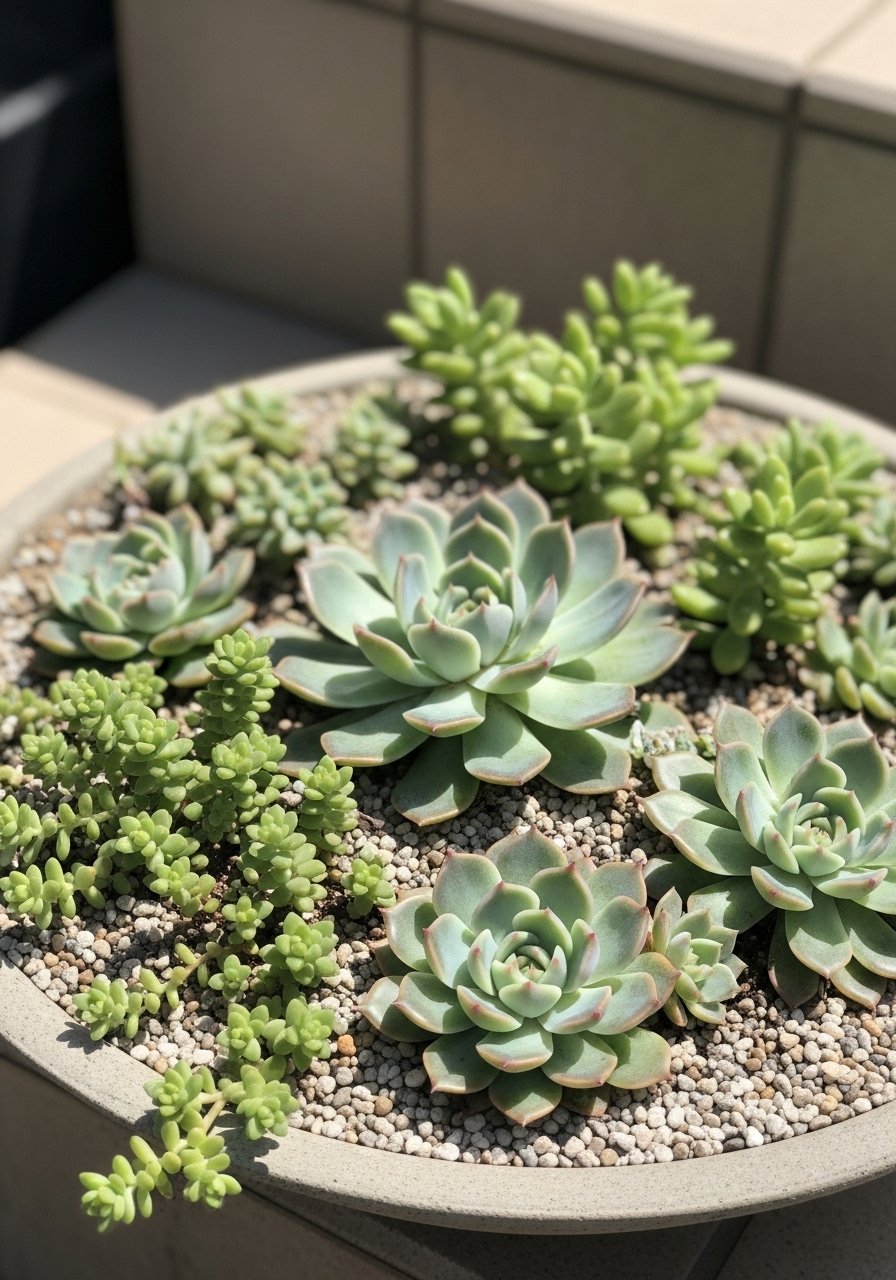
I use a shallow bowl for a succulent garden near the door. It drains quickly and needs almost no water. My first bowl cracked from frost—winter protection matters, or choose frost-hardy succulents.
This is low-maintenance and elegant, especially in hot, dry summers.
What You’ll Need for This Look
19. Edible Pot with Culinary Herbs
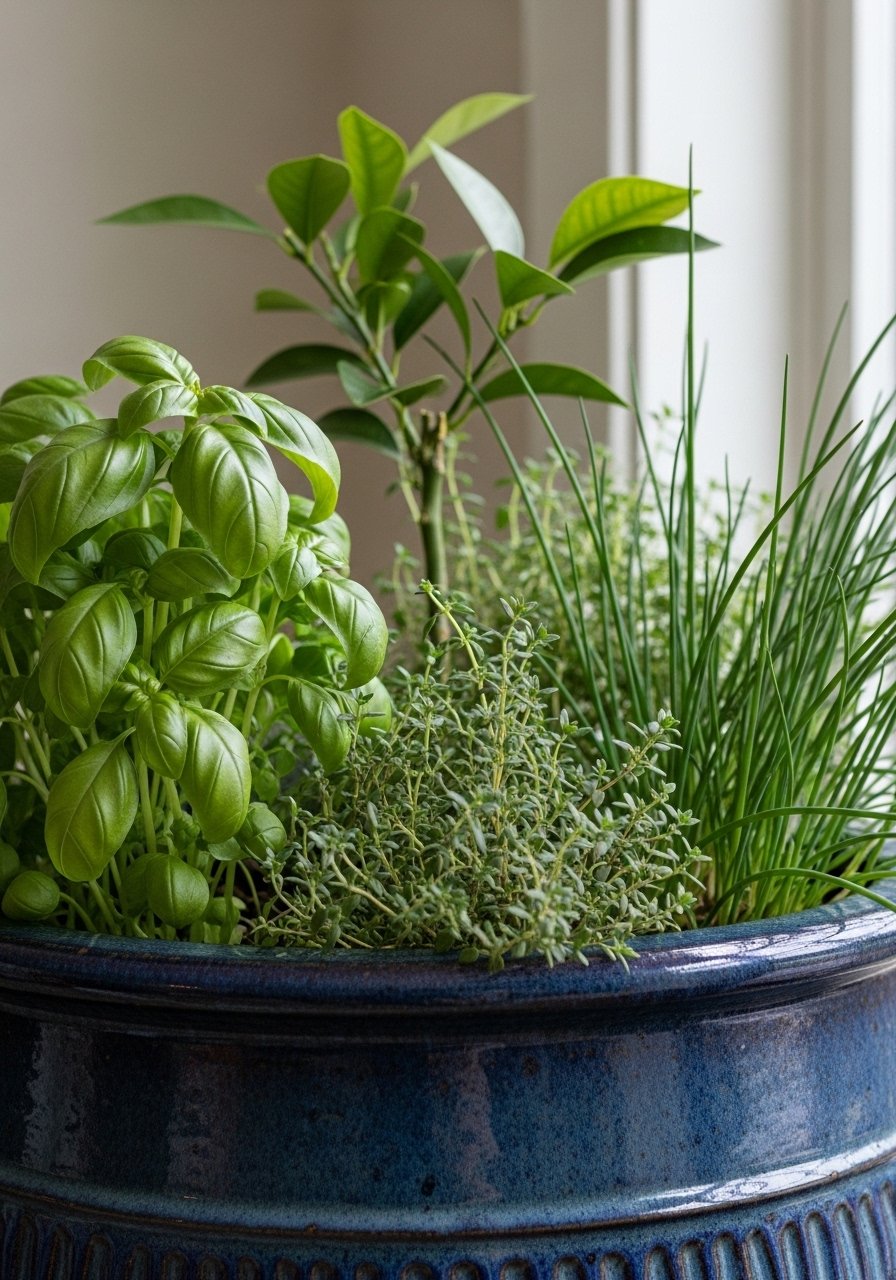
I planted a large pot with mixed culinary herbs near the entry so I could snip on the way in. Fresh basil and chives are handy and smell great. I once mixed thyme with taller basil and it got shaded—arrange by height.
Add a small lemon or dwarf citrus for fragrance and year-round interest if your climate allows.
What You’ll Need for This Look
20. Formal Granite Planters for Historic Homes
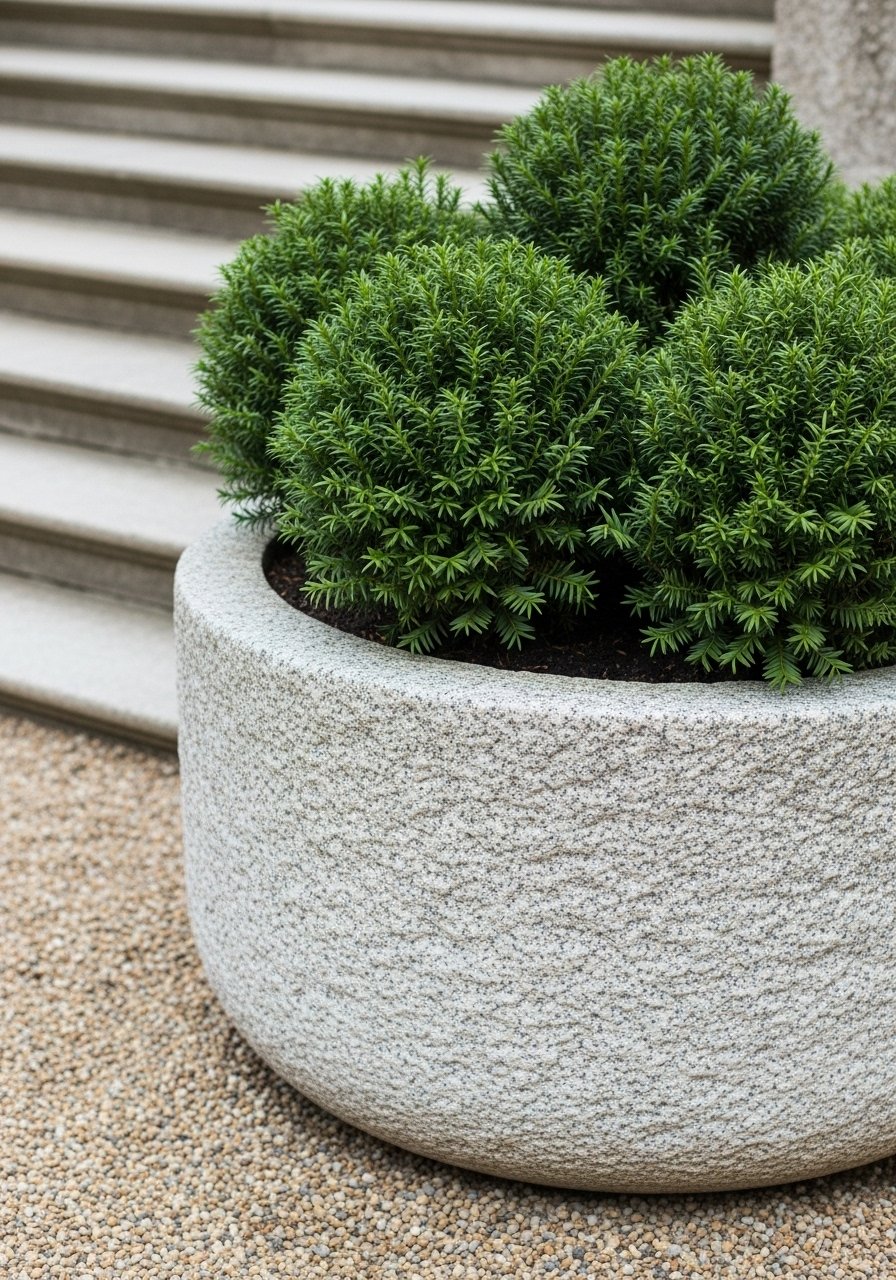
I used granite planters for a period house and the stone matched the facade. They’re heavy and weatherproof. I underestimated the weight when moving—rent a dolly or place before planting.
Clipped yews or boxwood match the formality and require only occasional shaping.
What You’ll Need for This Look
21. Container Water Feature Pot
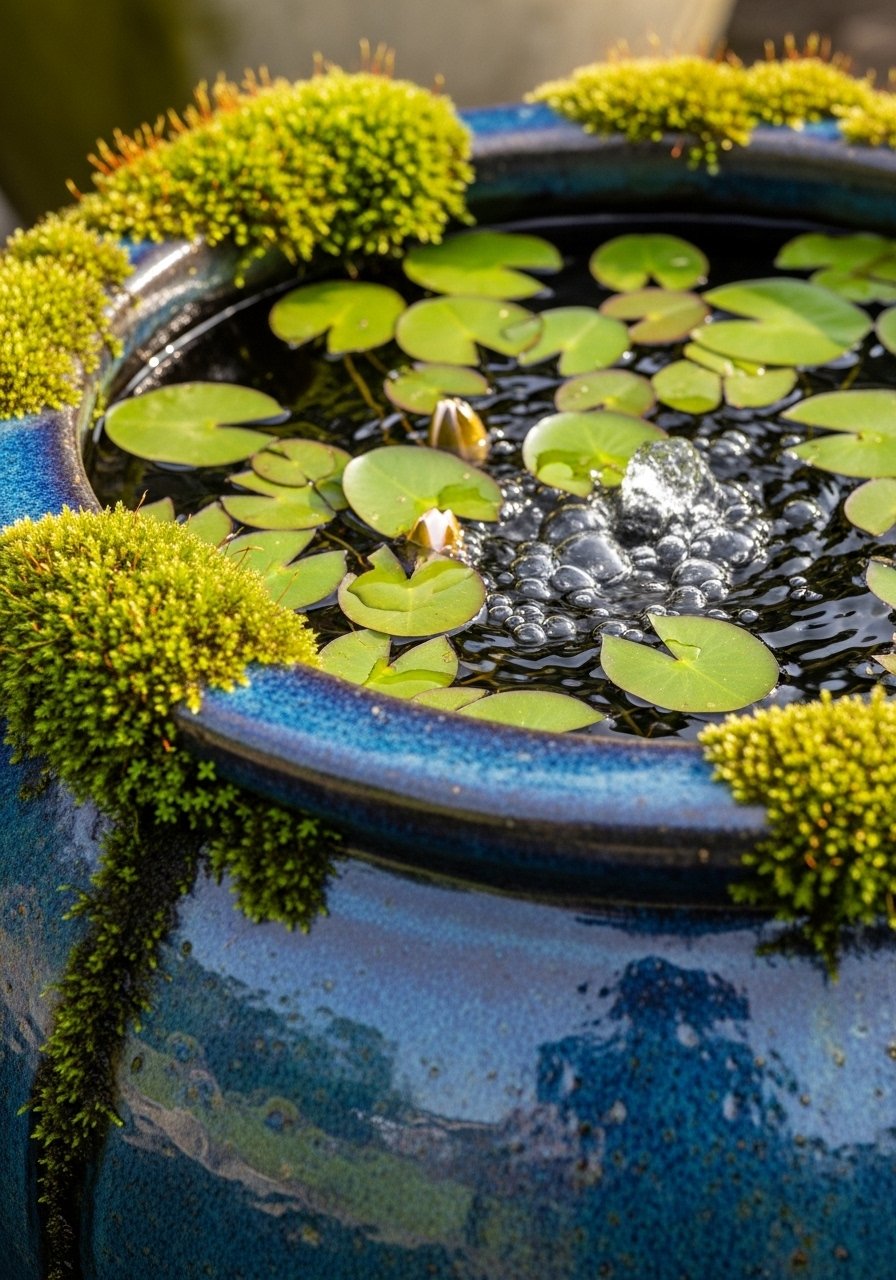
I converted a large pot into a bubbling water feature and it became a calming entry focal point. I learned to install a small pump with a prefilter to reduce algae. Watch mosquitoes—add movement and fish where allowed.
This adds sound as well as look, which elevates the approach quietly.
What You’ll Need for This Look
22. Recycled Potting Mix and Upcycled Pots
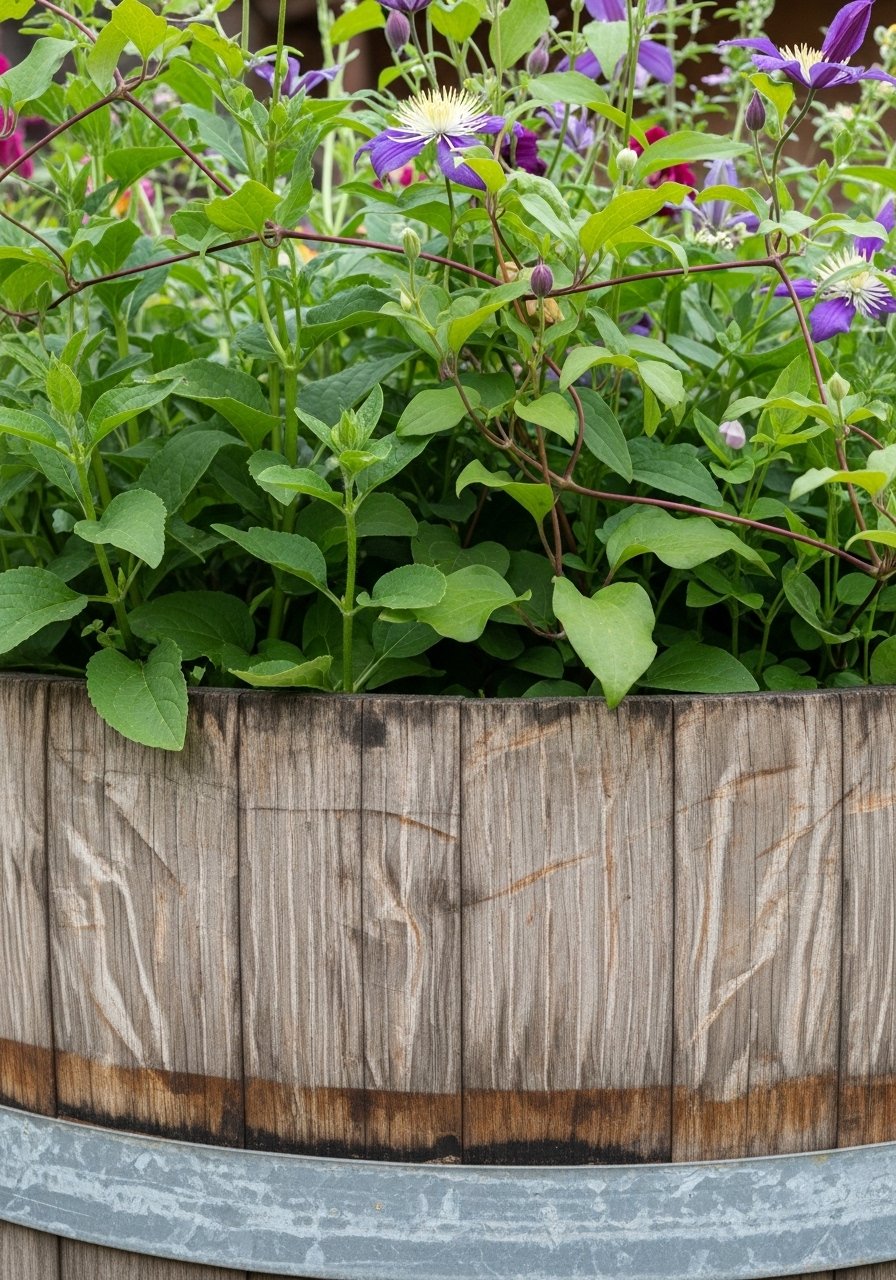
I upcycled a wine barrel half into a dramatic planter. It saved money and looked right at home. I once used old soil without refreshing nutrients and things sulked—always add fresh compost or slow-release fertilizer.
This is satisfying if you like a thrifted, lived-in look.
What You’ll Need for This Look
23. Layered Evergreen and Annuals for Year-Round Interest
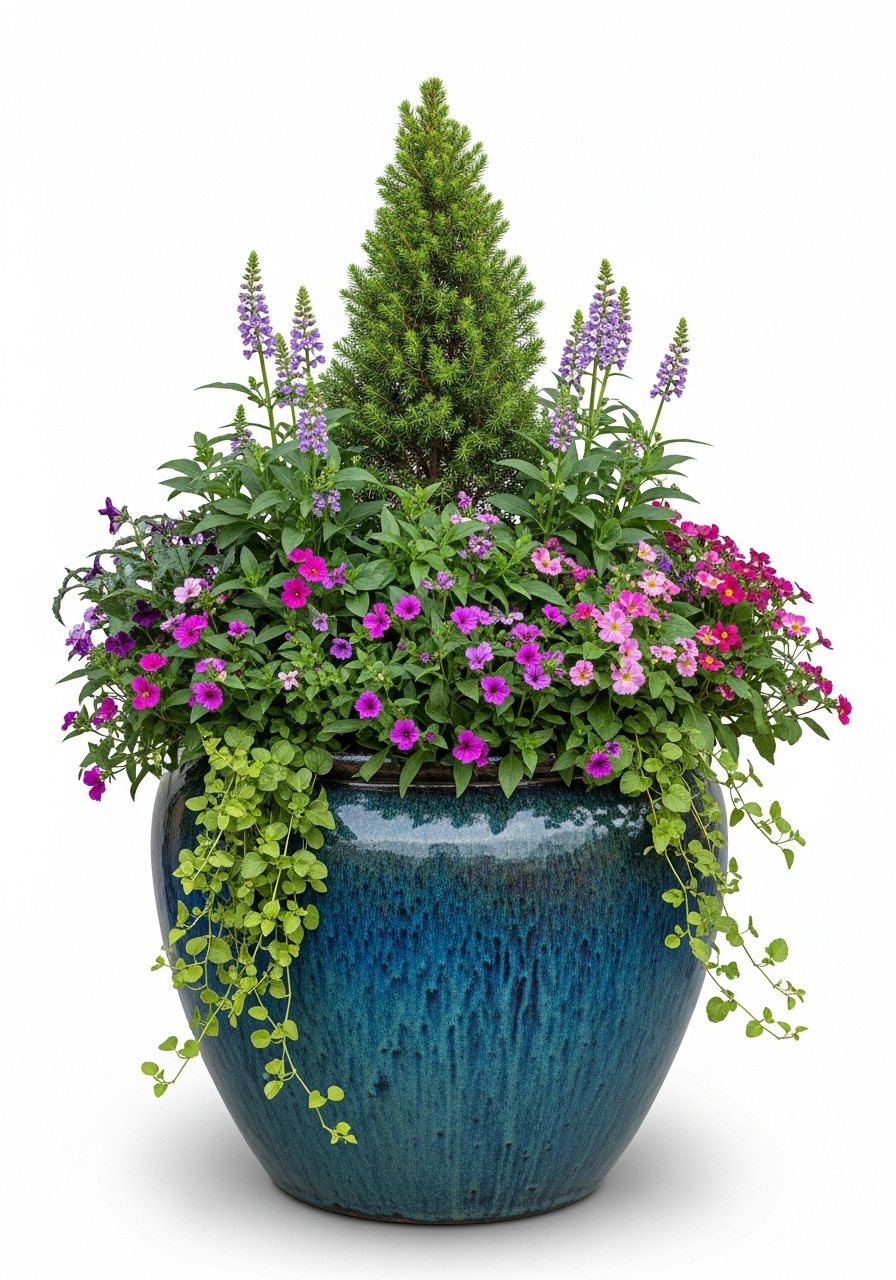
I layered a small evergreen with perennials and trailing annuals for changing interest. In spring, bulbs appear; in summer, fillers shine. I mistakenly planted a fast-growing vine that smothered the evergreen—choose companions that won’t compete aggressively.
This mix keeps the pot looking intentional across seasons.
What You’ll Need for This Look
24. Patterned Glazed Pots for Mediterranean Color
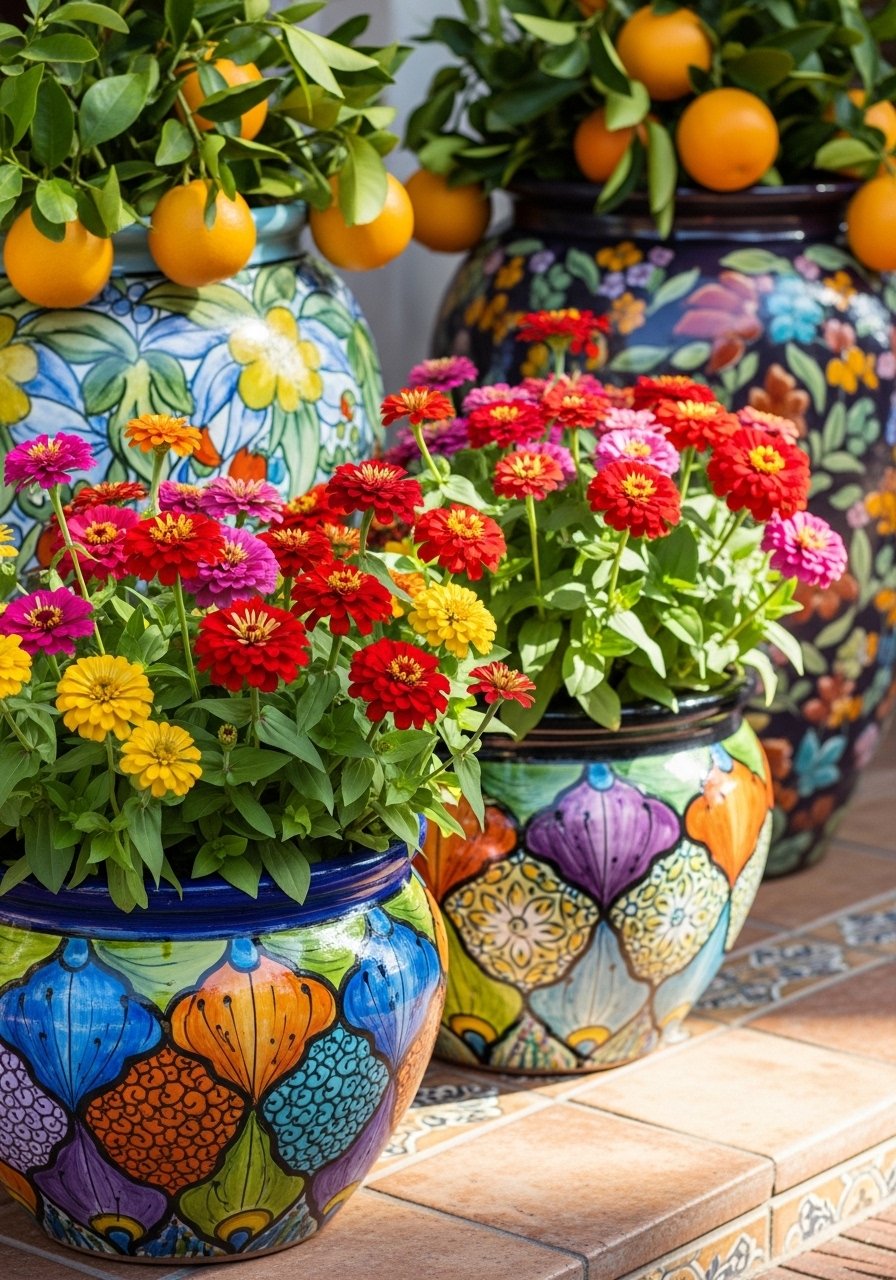
I collected patterned glazed pots and grouped them with similar plants. The tiles and colors read cohesive and cheerful. Early on I clashed too many patterns—limit to two motifs for a balanced look.
This feels curated without fuss and suits warmer, colorful homes.
What You’ll Need for This Look
25. Wheelchair-Accessible Raised Pot Design
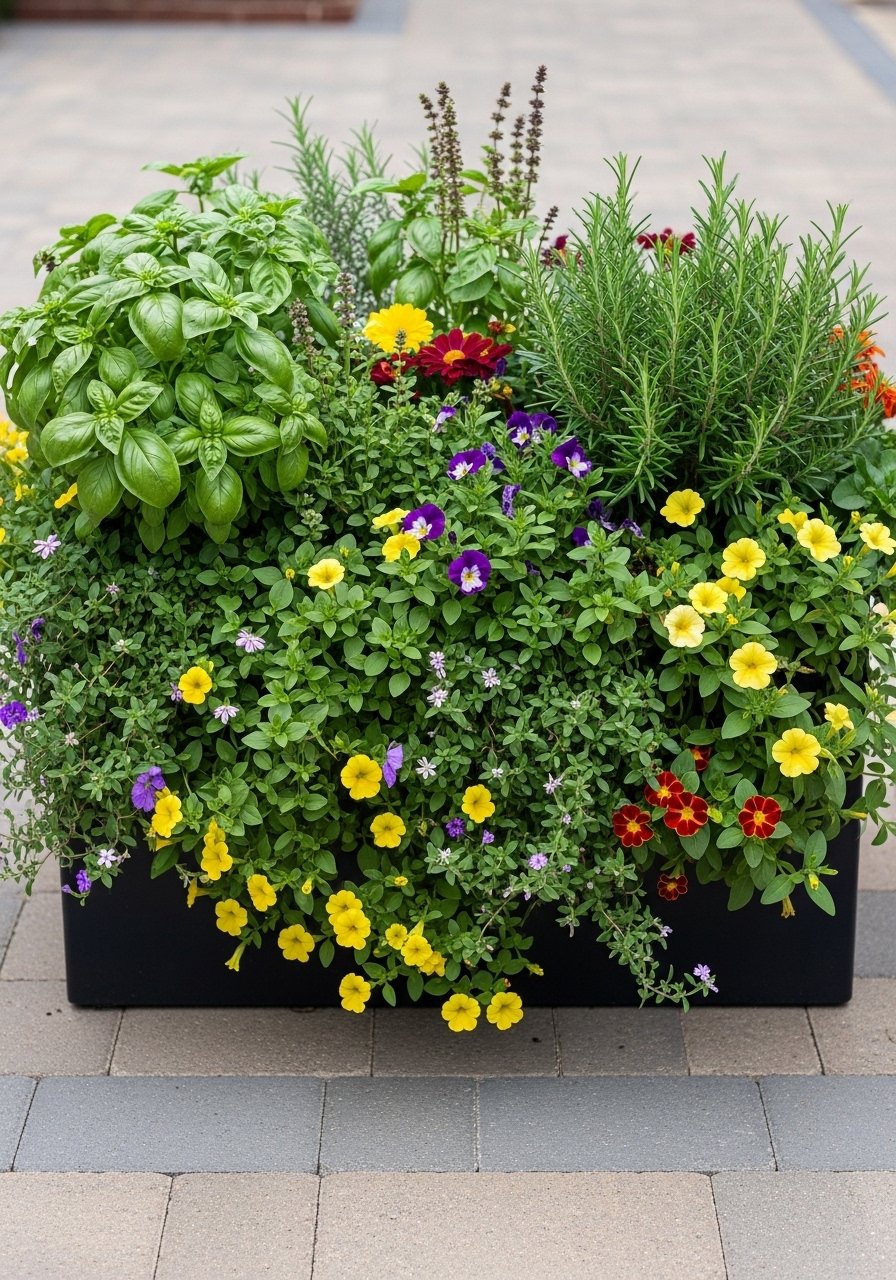
A neighbor needed reachable planters, so I built tall pots at table height. They were easy to tend from a chair and still looked elegant. I mistakenly made the base too narrow and it tipped—make the footprint stable.
Accessibility can be beautiful and simple with the right scale.
What You’ll Need for This Look
26. Dramatic Entrance with Large Ornamental Grasses
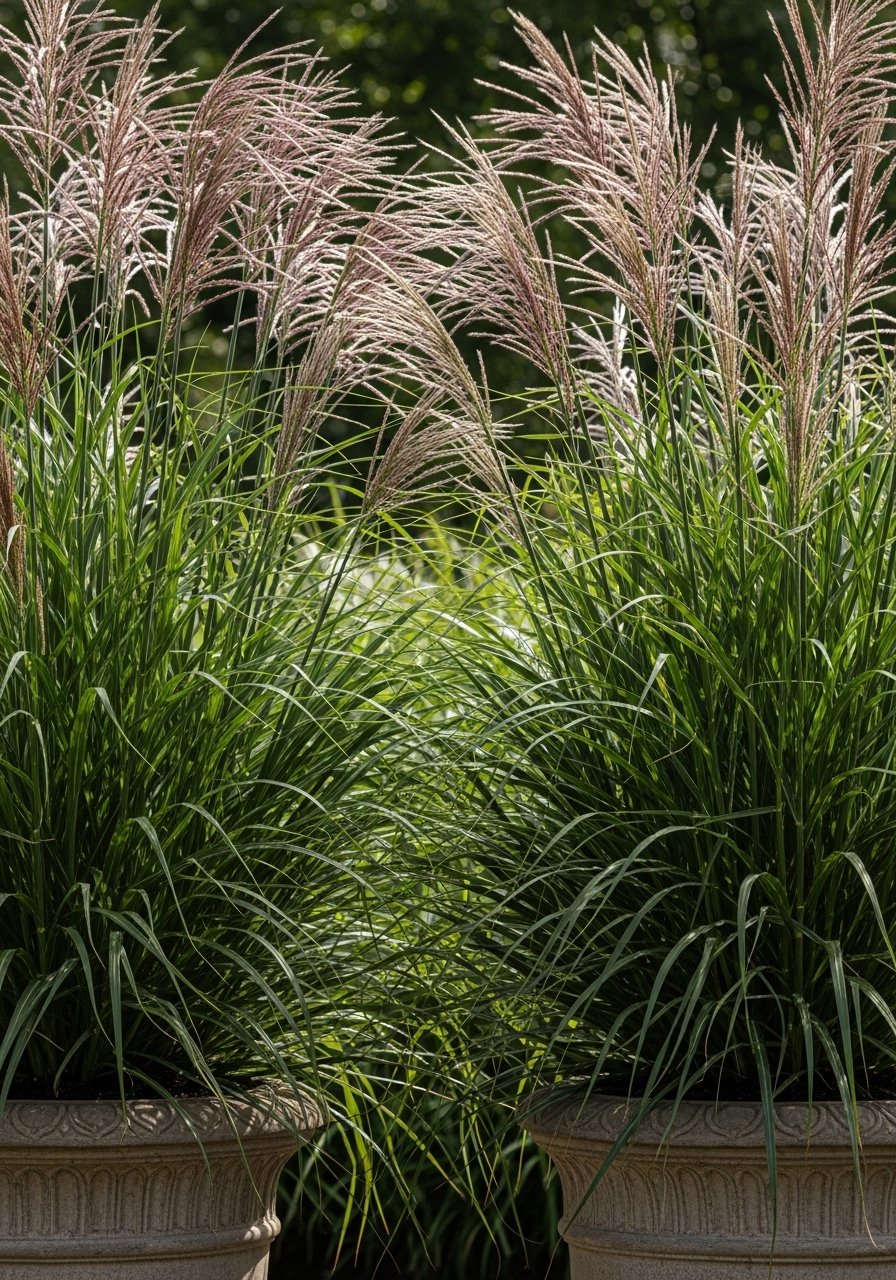
I planted ornamental grasses in big pots for movement and sound. They sway and catch light, making the approach feel alive. I seeded one pot with smaller grass and it looked thin—use substantial clumps for instant impact.
Grasses add motion and shade textures without heavy maintenance.
What You’ll Need for This Look
27. Entryway Gallery: Mixed Pots of Different Heights
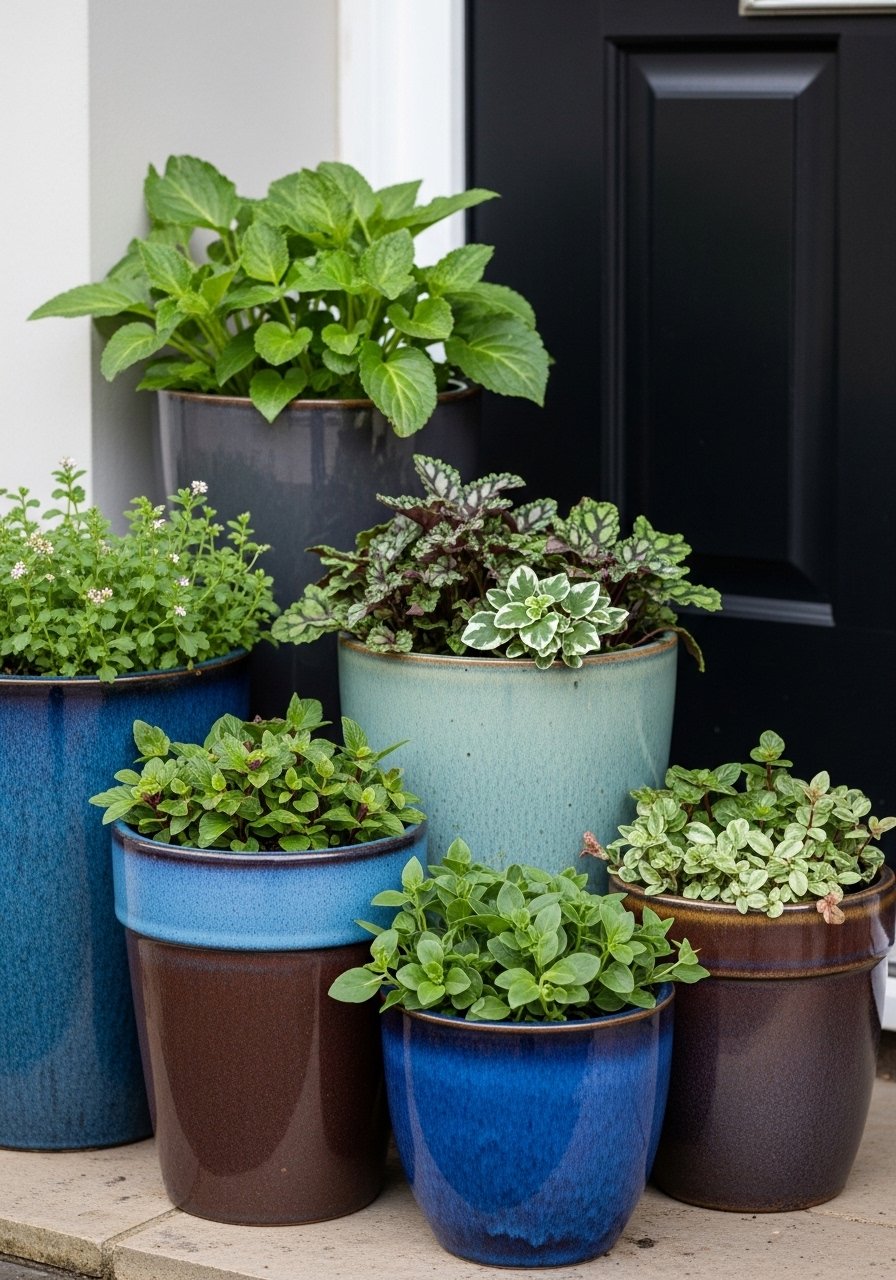
I grouped three pots of varying heights to make a mini gallery. The height differences make the cluster read intentional and rich. My first layout had scattered spacing—tighten the group so it reads like a single vignette.
Clustered pots are flexible: swap a pot and the whole vignette updates.
What You’ll Need for This Look
Final Thoughts
You don’t need every idea here. Pick one or two that fit your doorway and climate.
Start with scale, then refine plants and texture. Small adjustments make a big difference—and you’ll learn as you go.
Leave a Reply