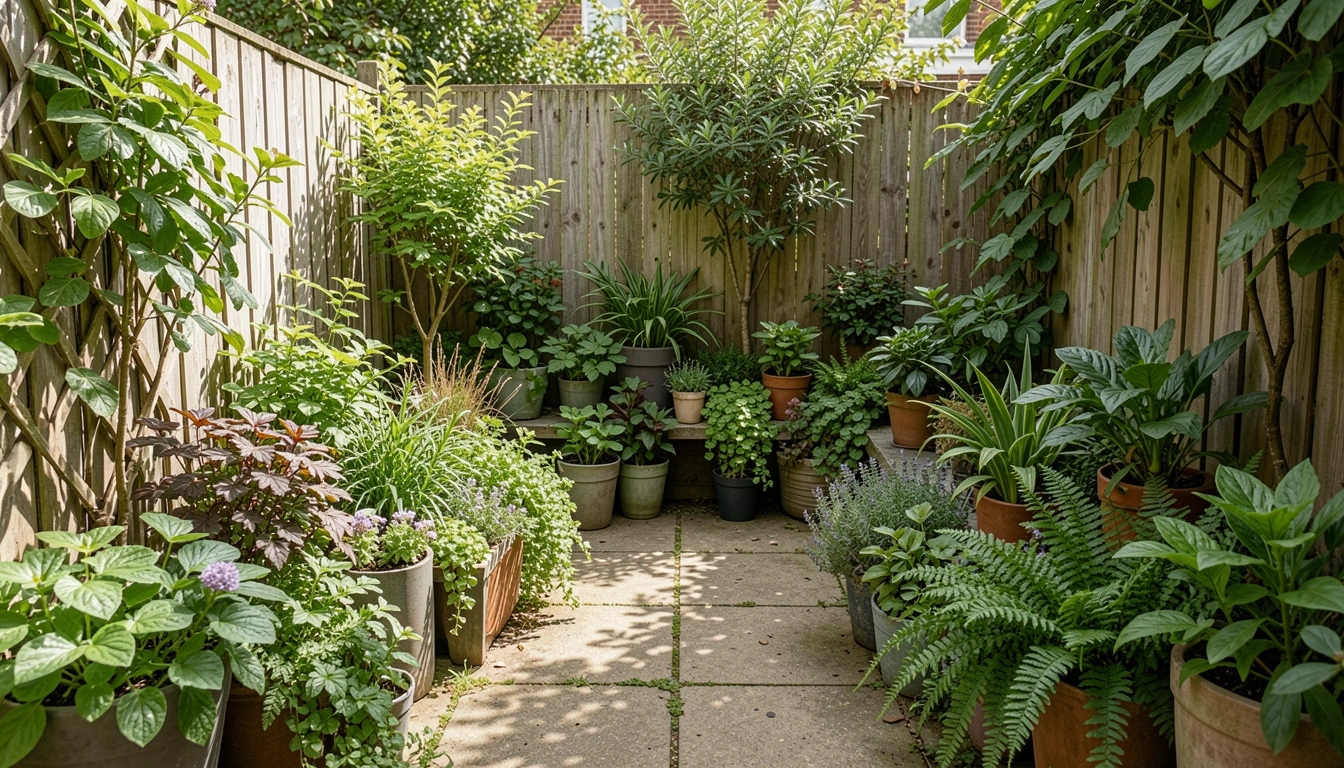
I stared at my tiny patio last spring. It had a few mismatched pots and a chair that stuck out. The whole space felt crowded, not calm. I wanted to sit there with coffee, but it pulled my eye in wrong directions.
I'd tried adding more plants before. They just made it busier. Then I stepped back. What if I focused on how things sat together?
That's when it clicked. A small patio works when it breathes.
How To Make Small Patio Garden Beautifully
This is the method I use every time a patio feels off. You'll end up with a balanced spot that pulls you in comfortably. It's simple to do in an afternoon.
What You’ll Need
- 6-inch terracotta pots in earthy tones
- Trailing ivy in 4-inch pots
- Dwarf ferns for shaded corners
- Compact lavender plants
- Woven seagrass baskets
- Gray outdoor cushions 18×18 inch
- Small pebble gravel bag 20 lbs
Step 1: Clear and Measure the Flow
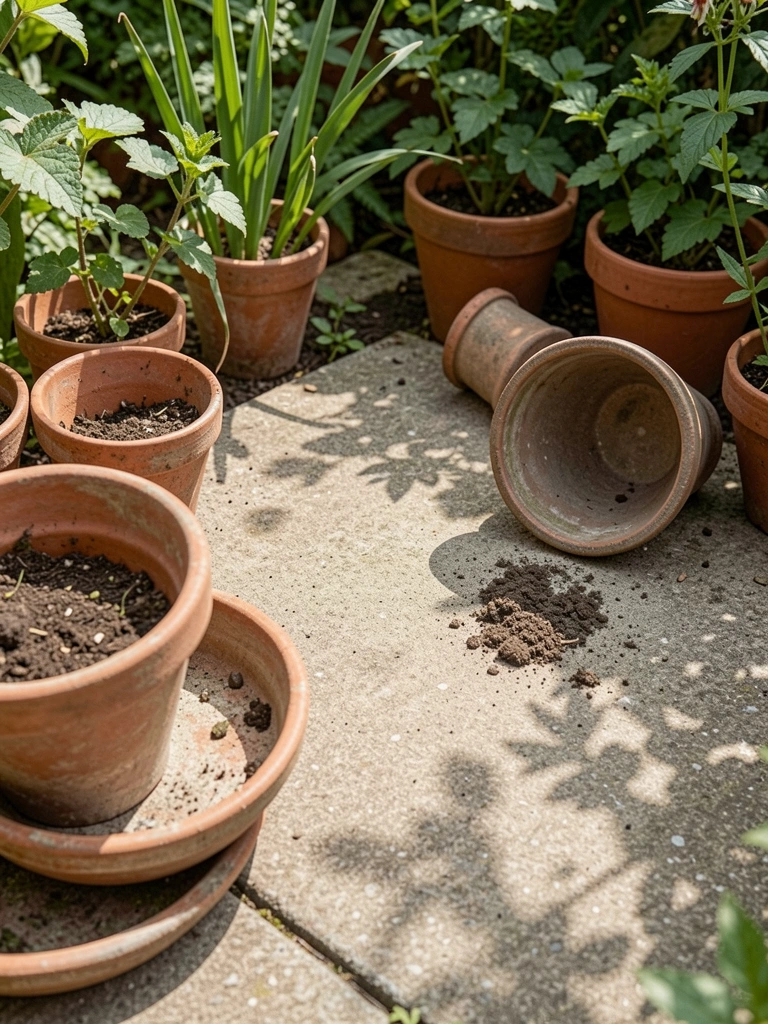
I start by taking everything off the patio. Chairs, pots, rugs—all gone. I walk through the empty space. Does my foot hit anything awkward? This shows the bones.
Now it breathes. The walls and floor stand out. I notice the sunny corner and shady edge. People miss how light hits here. It changes where plants go.
Don't cram back old stuff yet. That kills the calm. Measure twice with your steps. Eye the main path to your chair.
Step 2: Set One Focal Point
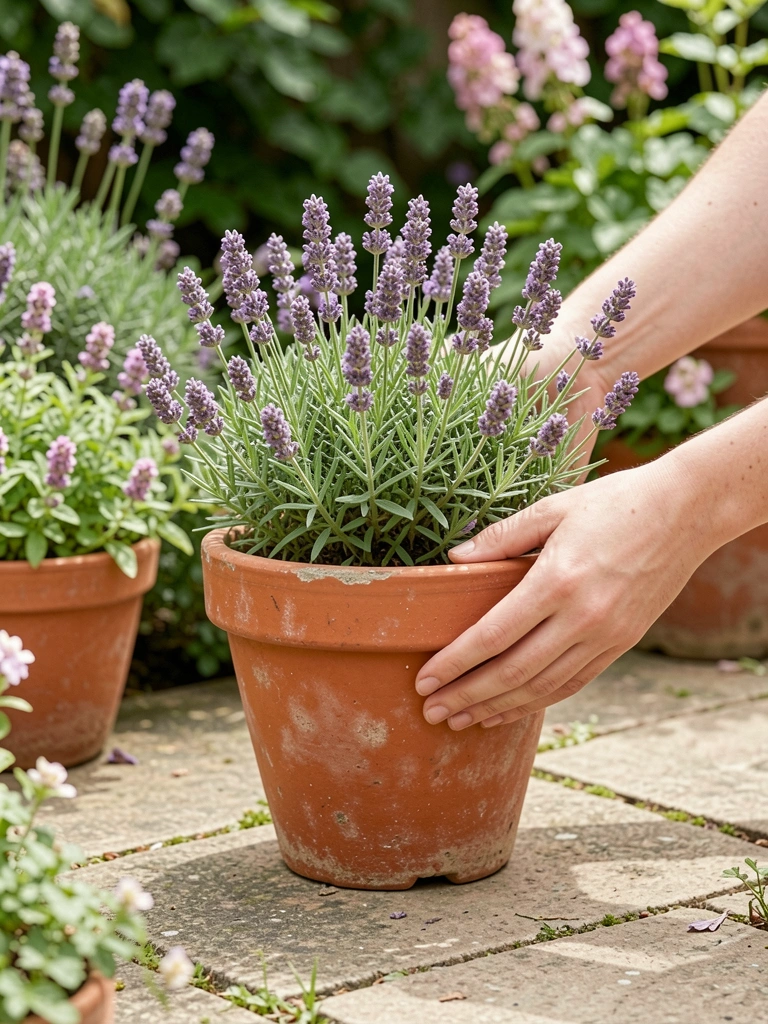
I pick the tallest pot for the center-back. Mine's a compact lavender plant in terracotta. It draws the eye without blocking.
The space settles around it. Walls feel framed. Insight: one strong piece anchors everything. Skip this, and pots scatter like thoughts.
Avoid centering on the door. It blocks flow. Step back often. Feel the pull.
Step 3: Layer Heights Around the Anchor
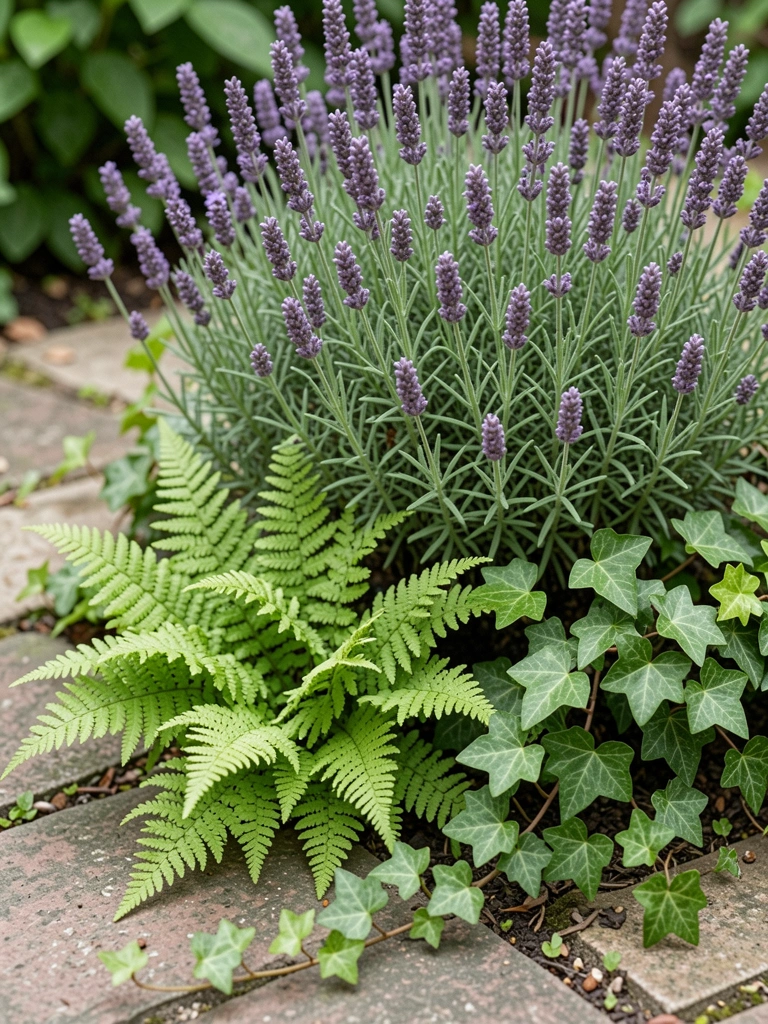
I add mid-height dwarf ferns flanking the lavender. Then low trailing ivy in front.
Depth appears. The patio reads taller, less flat. Most miss trailing plants—they soften hard edges.
Don't stack same heights. It flattens. Tuck ivy to spill over edges. Walk the path. Does it invite?
Step 4: Ground with Texture
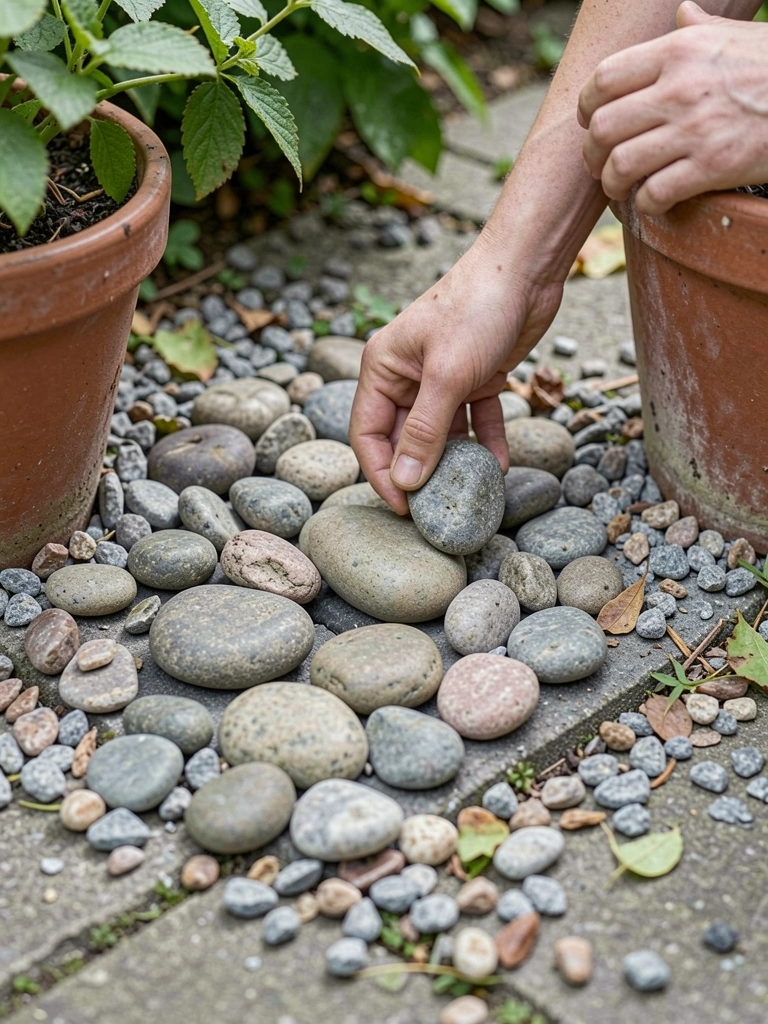
I scatter small pebble gravel under pots. Not everywhere—just paths and bases.
Floor warms up. Plants lift off it. People overlook ground cover. Bare concrete yells.
Skip thick layers—they trip you. Light touch connects it all. Sit now. Legs relax.
Step 5: Soften Edges with Baskets and Cushions
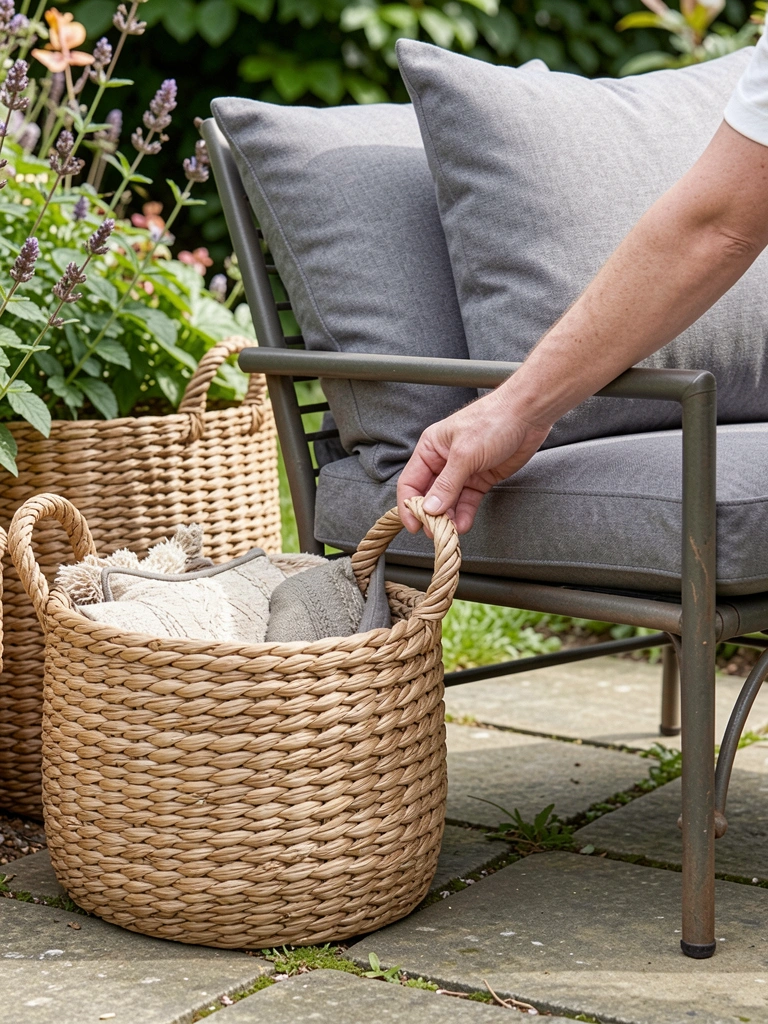
I tuck woven seagrass baskets along walls. Add gray cushions to the chair.
Corners cozy up. Space holds you. Miss this, edges feel sharp.
Don't overload. One per side. Lean back. It fits your body.
Plant Choices That Last
I stick to tough plants for patios. They handle wind and dry spells.
- Lavender for scent and pollinators.
- Ferns in shade—they fill without fuss.
- Ivy trails year-round.
Watch your sun. Swap if leaves scorch. Mine thrive with weekly water.
Keeping Balance Through Seasons
Patios shift with weather. I prune in fall.
Trim dead ivy bits. Refresh gravel.
Add a winter evergreen pot. It holds the frame when bare.
Check monthly. Tweak what drifts.
Quick Fixes for Common Off Spots
That one bare wall? Hang a basket high.
Chair wobbles? Steady gravel base.
Too much green? One colorful pot.
Test by sitting. Eye rests where it should.
Final Thoughts
Start with just the focal pot. See how it sits.
You'll build from there. No rush.
Your patio will feel right—like it waited for this. Pour that coffee.
Leave a Reply