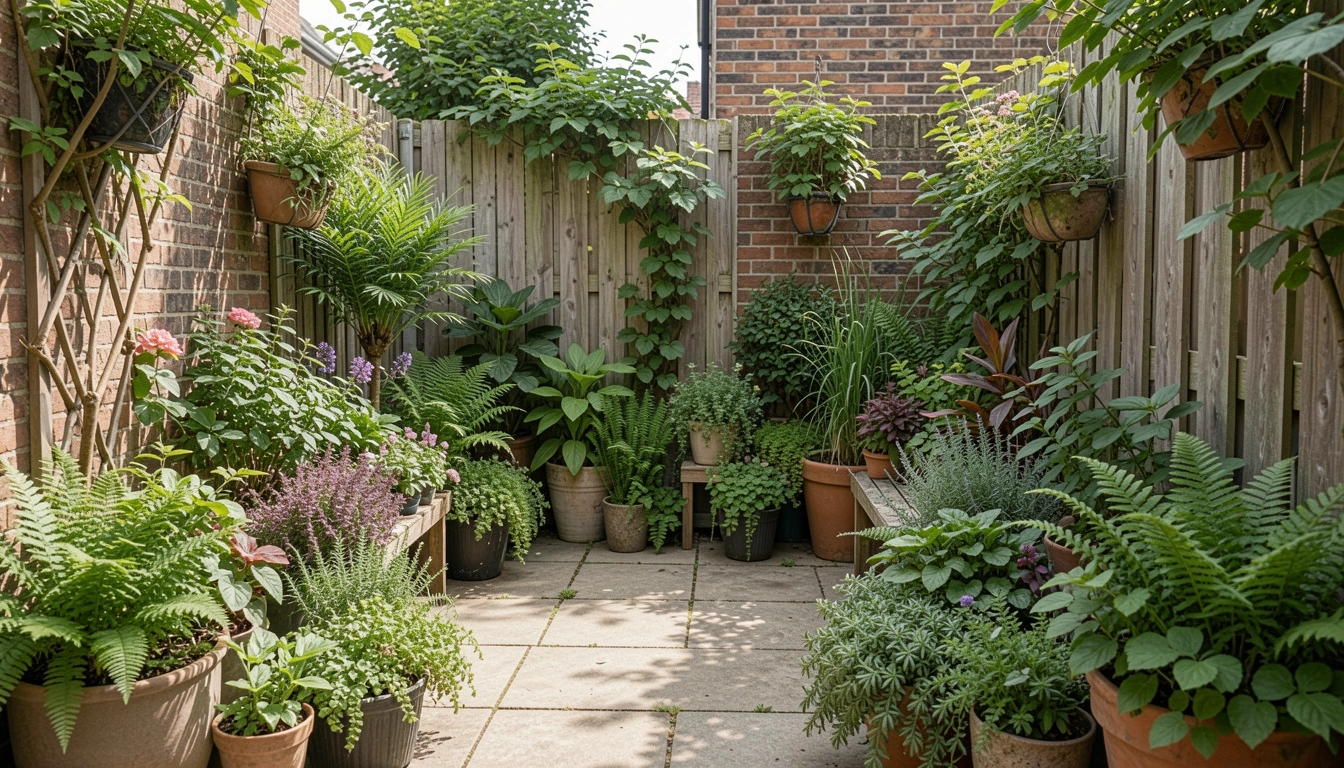
My small patio stared back empty. Chairs shoved in corners, pots scattered. It felt tight, not welcoming. I’d tried filling every inch, but it just looked messy.
One afternoon, I stepped out with a notebook. The sun hit the blank walls. I saw the problem: no path for the eye, no breathing room.
You know that feeling. Your patio could hold a meal or a quiet read, but right now, it pushes back.
How To Design Layout Of A Small Patio Garden
This is the way I lay out any small patio. You’ll get a space that seats two comfortably, plants tucked without crowding. It flows from door to edge, calm and open.
What You’ll Need
- 12-inch terracotta planter in natural clay
- Trailing ivy in 6-inch pot
- Fountain grass in 1-gallon size
- Low sedum groundcover plants
- Pea gravel bag, 0.5 cubic feet
- Slim metal trellis panel, 24×36 inches
- Compact lavender perennial in 4-inch pot
- Two Adirondack chairs in weathered wood
Step 1: Walk the Edges and Clear the Floor
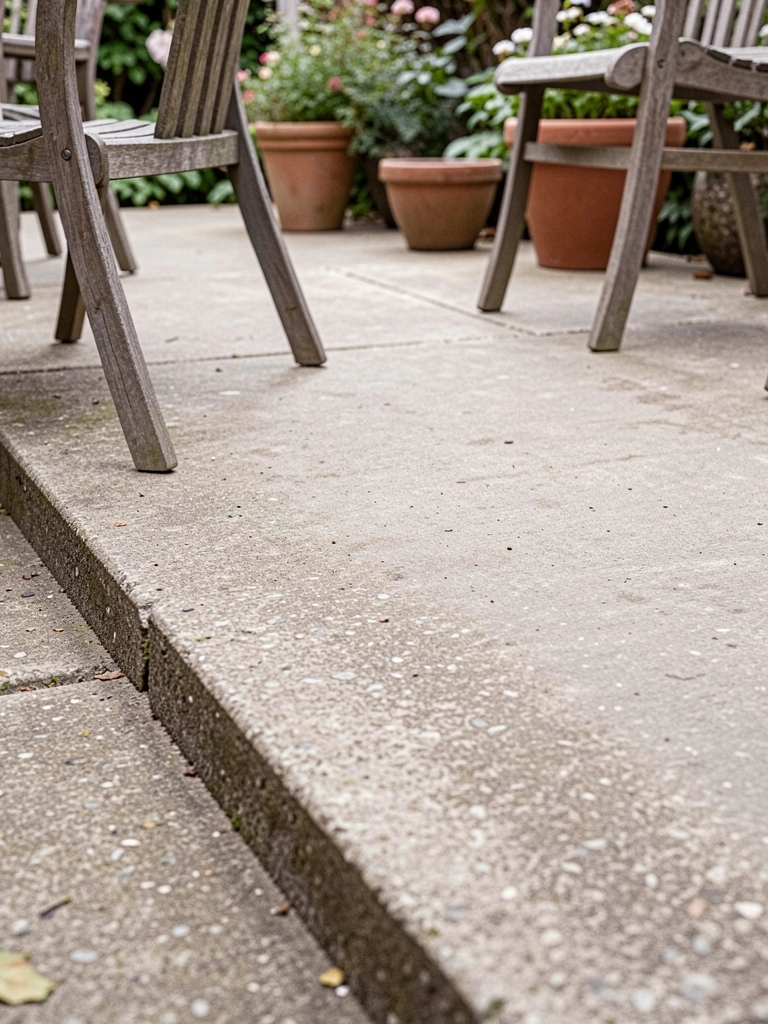
I start by walking the patio’s edges, slow. Feel where it feels tight—against the house, the fence. Clear everything off the floor. Chairs aside, pots gone. Why? The eye needs a path first.
Now it breathes. Blank slate shows the shape. People miss how walls close in without space. Don’t cram pots back yet; that hides the bones.
One mistake: ignoring the door swing. Mark that arc empty. Your feet thank you later.
Step 2: Anchor with Tall Points Against Walls
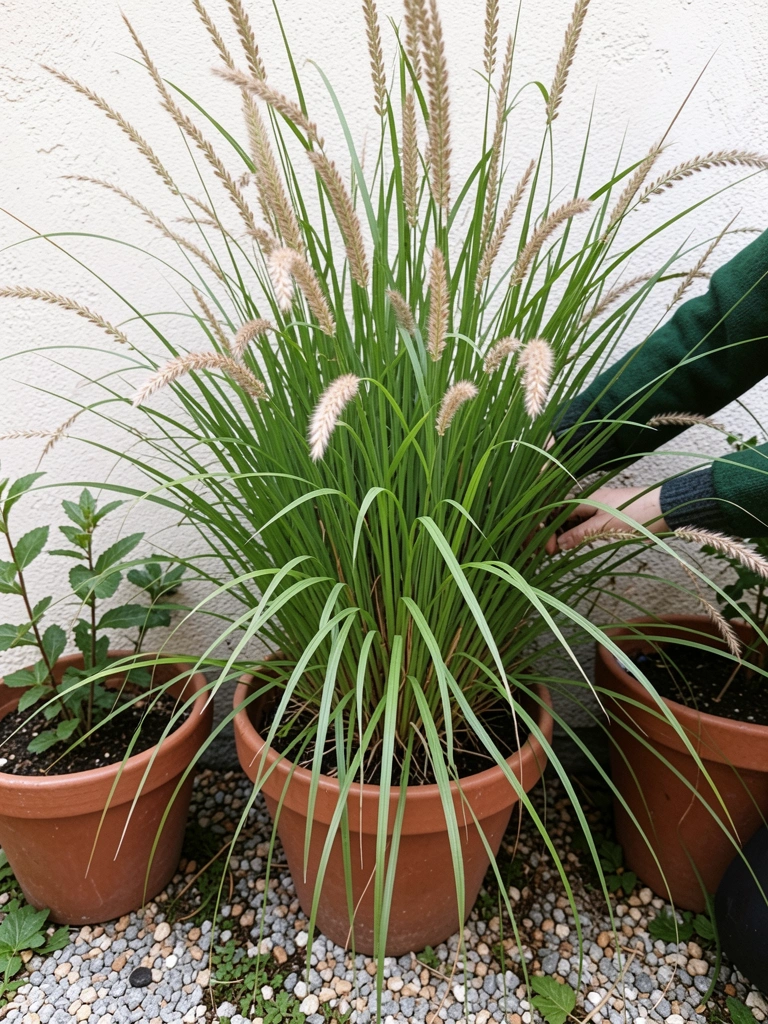
Next, I place the tallest pieces—fountain grass—against the back wall. One or two, spaced wide. They pull the eye up, break the flat line.
Visually, walls recede. Space feels taller. Insight folks skip: height draws gaze past the small floor. Balance one side heavier if the fence angles.
Avoid shoving them corner-tight. Step back six feet. Eye them from your chair spot.
Step 3: Set Your Seating Zone First
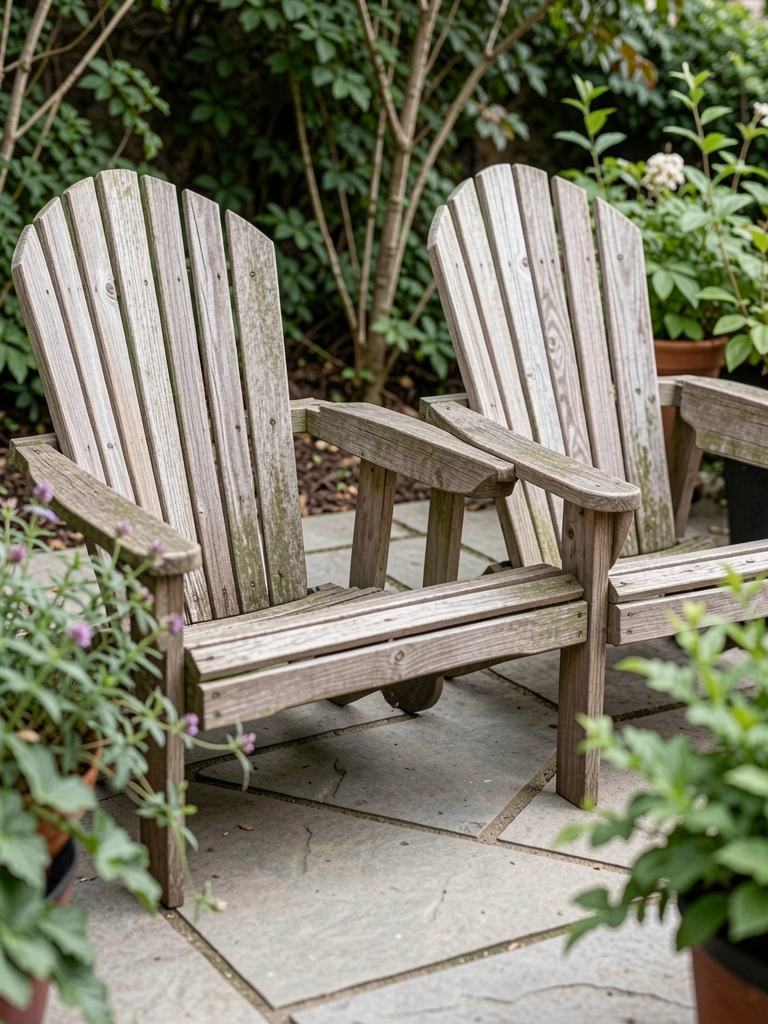
I drop chairs in next, facing the best light or view. Not centered—offset toward one side. Knees apart, table room between.
The patio centers on you now. Flow starts here. Most miss how chairs dictate everything else. Plants frame, don’t fight.
Don’t face them wall-ward. Turn out. Mistake fixed: now talks happen easy.
Step 4: Layer Mid-Height Around Edges
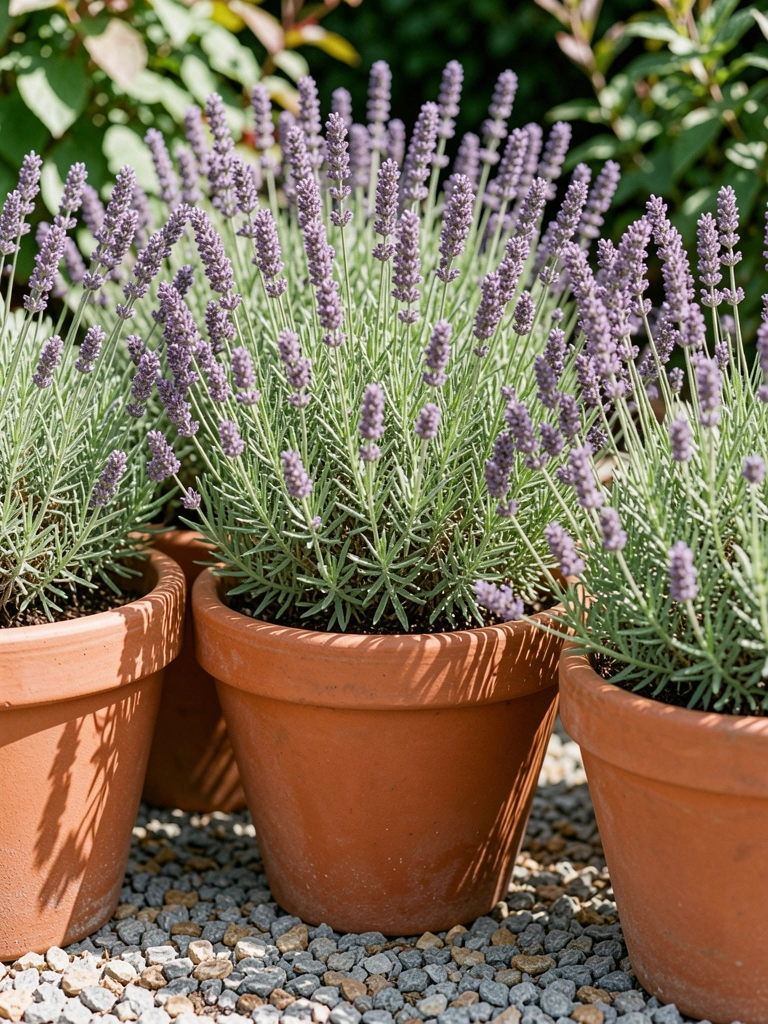
Mid-layers go in—lavender in terracotta pots—along edges, not front. Cluster two or three, uneven. They soften hard lines.
Layers build now. Depth appears. Key insight: mid-heights hide pot rims, blend wall to floor. Skip symmetry; nature doesn’t.
Watch this: too even feels stiff. Nudge one forward. Feels right.
Step 5: Trail and Ground for Flow
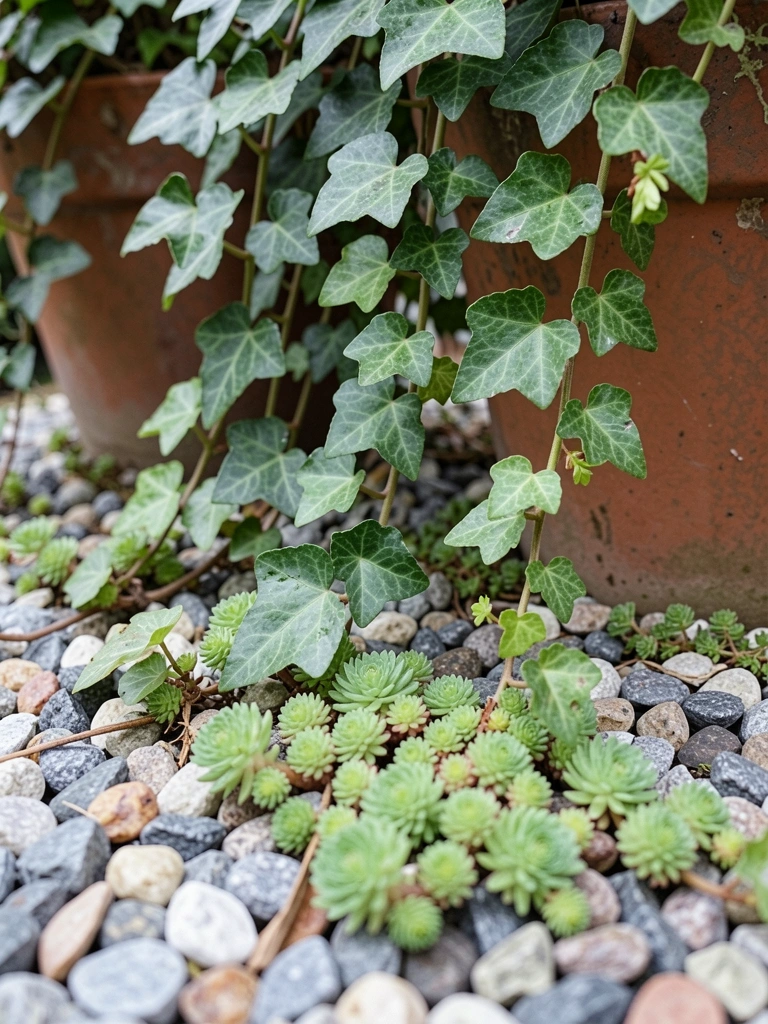
Last, trail ivy from trellis or pots, ground with sedum and pea gravel. Spill low, connect high to floor.
Whole space ties. Eye glides smooth. People forget trailers knit it. No gaps.
Don’t overfill gravel. Light layer only. Avoid mud after rain.
Step 6: Step Back and Nudge
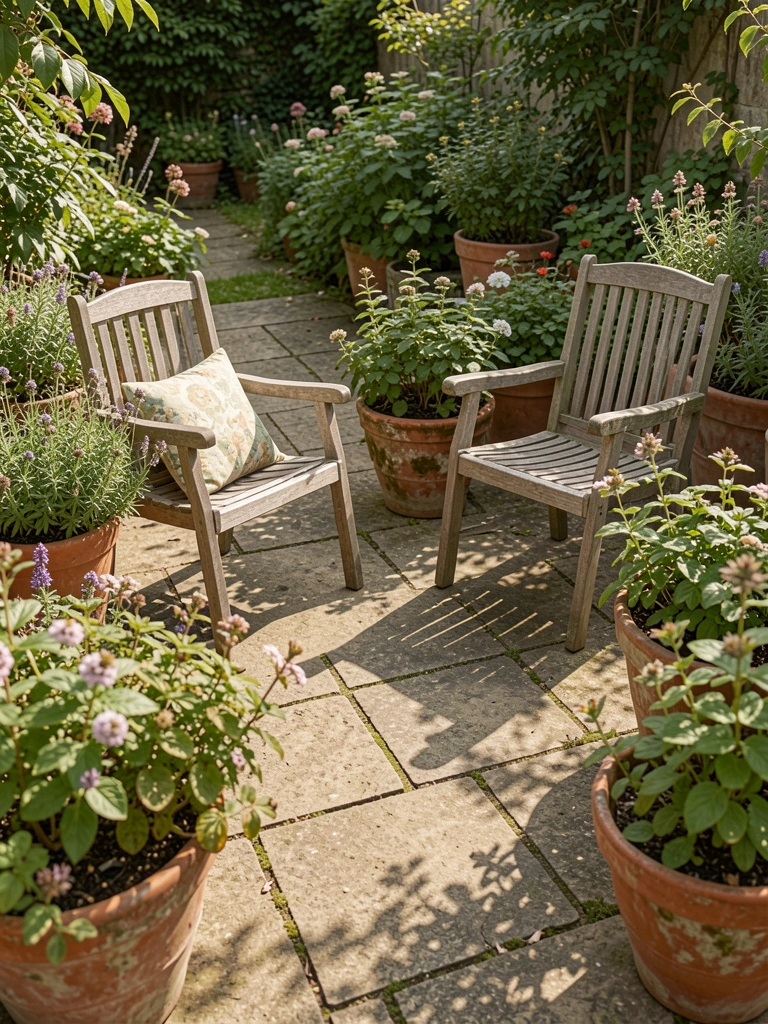
I sit in the chair, coffee down. Walk the path. Nudge what blocks—pot too far, vine too wild.
Balance settles. Feels lived-in. Missed bit: final view from seat rules. Adjust twice.
No rushing. One tweak per sit.
Plant Choices for Tight Patios
I pick plants that don’t bully small space. Slow growers, fine textures.
Fountain grass sways without sprawling. Lavender scents without overwhelming.
- Ivy trails soft, covers gaps.
- Sedum hugs ground, evergreen base.
- Skip big bushes; they eat air.
These hold year-round, low fuss.
Keeping Balance Through Seasons
Patios shift with weather. I prune lightly spring.
Summer, grasses fill out. Fall, seed heads add texture.
- Water pots deep, weekly.
- Gravel rinses clean.
- Chairs stay put; plants rotate if leggy.
Winter bare? Stems stand tall.
Fixes for Common Patio Squeezes
Tight spots happen. Wall too close? Trellis lifts eyes up.
Chairs feel jammed? Gravel path widens feel.
- Off-center tall plant fools eye bigger.
- One bold pot draws, rest recede.
- Test at dusk; shadows change flow.
Small tweaks, big breath.
Final Thoughts
Start with just chairs and one tall grass. See how it sits.
You’ll feel the shift. Patios reward patience.
Now yours holds a chair, a book, quiet. That’s enough.
Leave a Reply