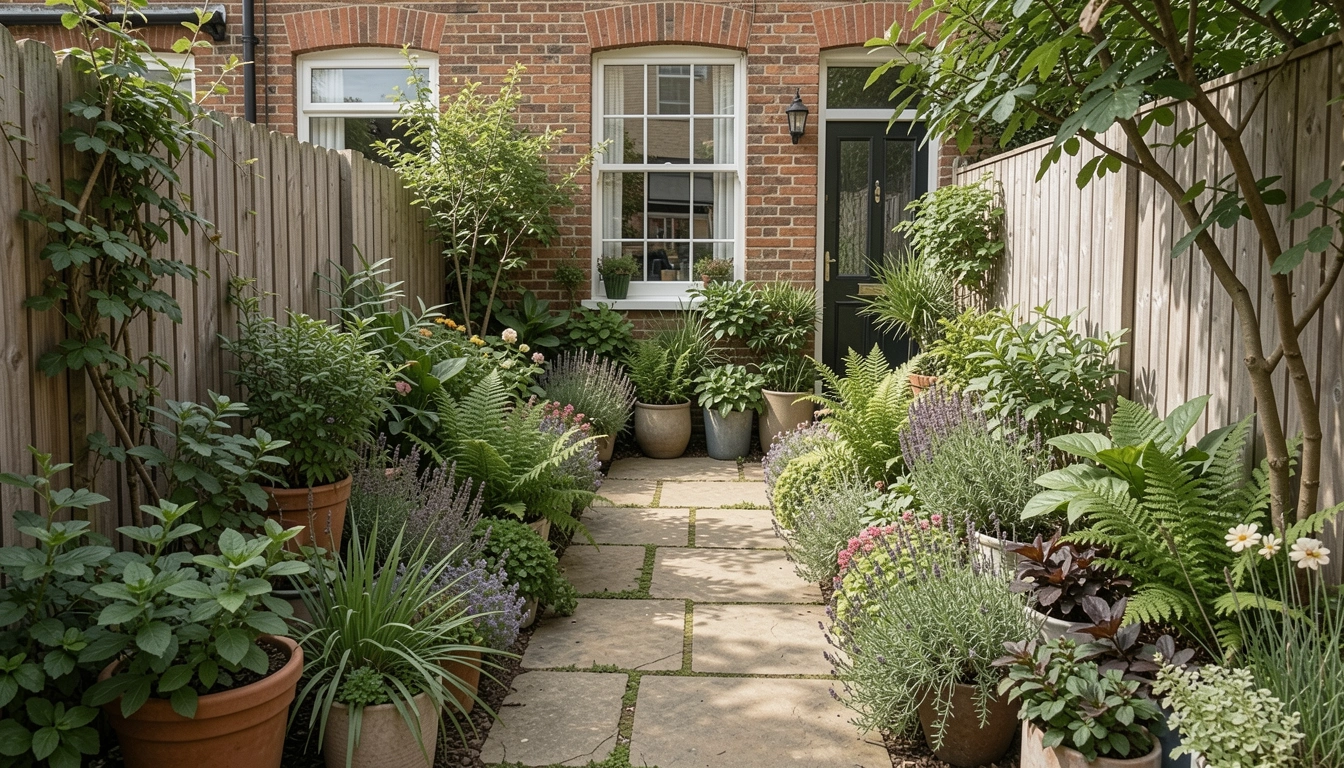
I stood in my front yard last spring. The patch by the door was bare dirt and a few scraggly weeds. It felt flat. Cars drove by without a glance.
I wanted it to pull people in. Not big or showy. Just right for the house.
Small spaces like this trip me up every time. Until I found a way to settle them.
How To Design Small Front Garden
This is the way I shape any tight front garden. You’ll end up with a balanced spot that welcomes without crowding. It feels right from the path.
What You’ll Need
- 3-Gallon Dwarf Boxwood Shrubs
- Heuchera Coral Bells Perennials
- Hosta Plant Collection
- 20-Inch Ceramic Garden Pots
- Natural Stone Edging Kit
- Organic Mulch 2-Cubic Foot Bag
- Creeping Thyme Ground Cover
Step 1: Walk the Space and Feel Its Edges
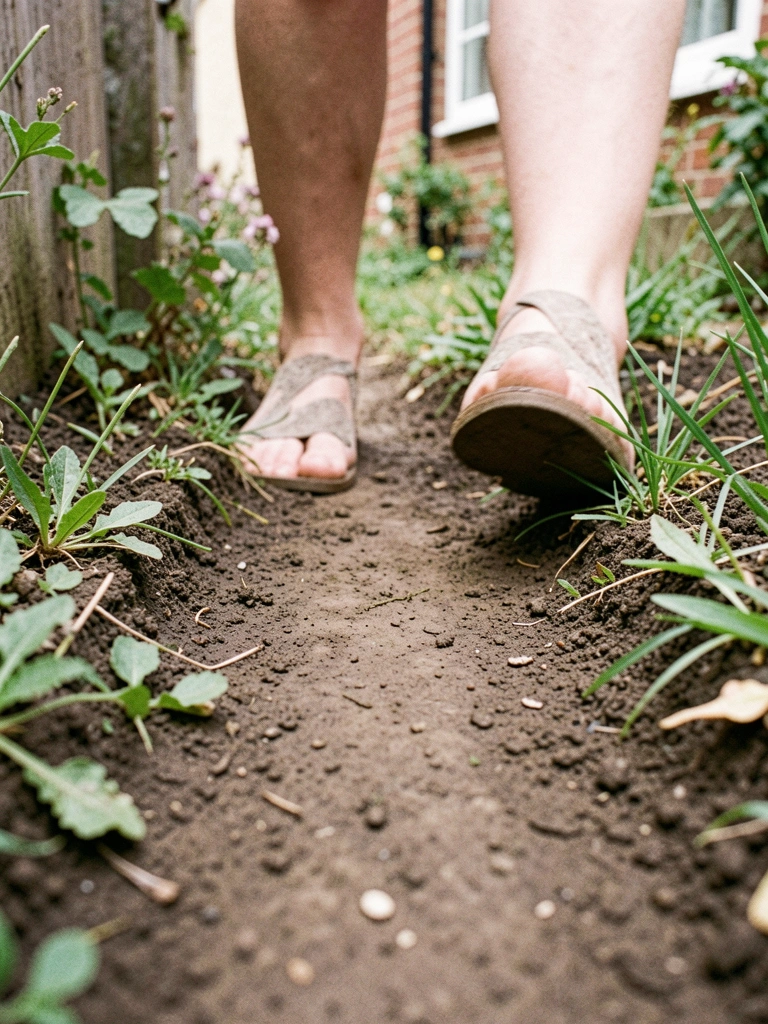
I start by pacing the front bed. Feel where the path meets the house. Notice tight spots near the door or windows.
This sets the frame. The space breathes now. Before, it squeezed in.
People miss how light hits here mornings. Test it—stand back. Avoid cramming plants against the wall; it darkens everything.
I keep 18 inches clear. Lets air flow. The bed opens up.
Step 2: Pick One Anchor Plant for Pull
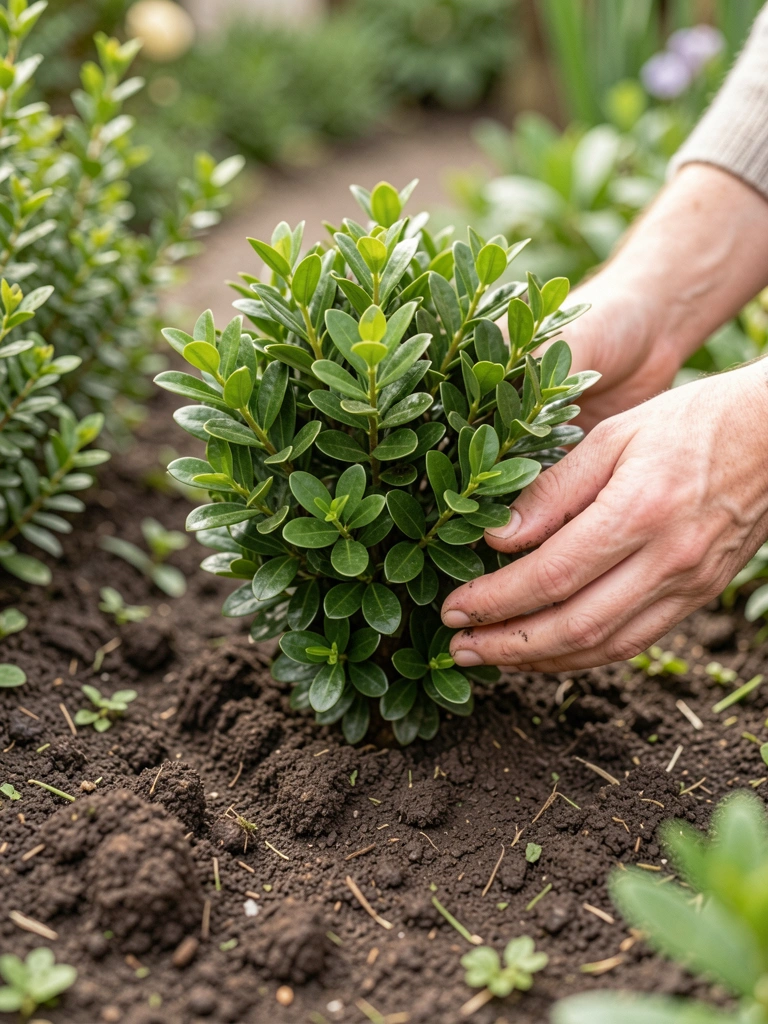
I drop in a low boxwood right at eye level from the path. It anchors without blocking.
Visually, it grounds the whole area. Pulls your eye gently.
Most skip this— they scatter plants even. One focal holds it together. Don’t pick too tall; dwarfs stay balanced.
I nudge it till it sits steady. Feels welcoming already.
Step 3: Layer Low Plants Around the Base
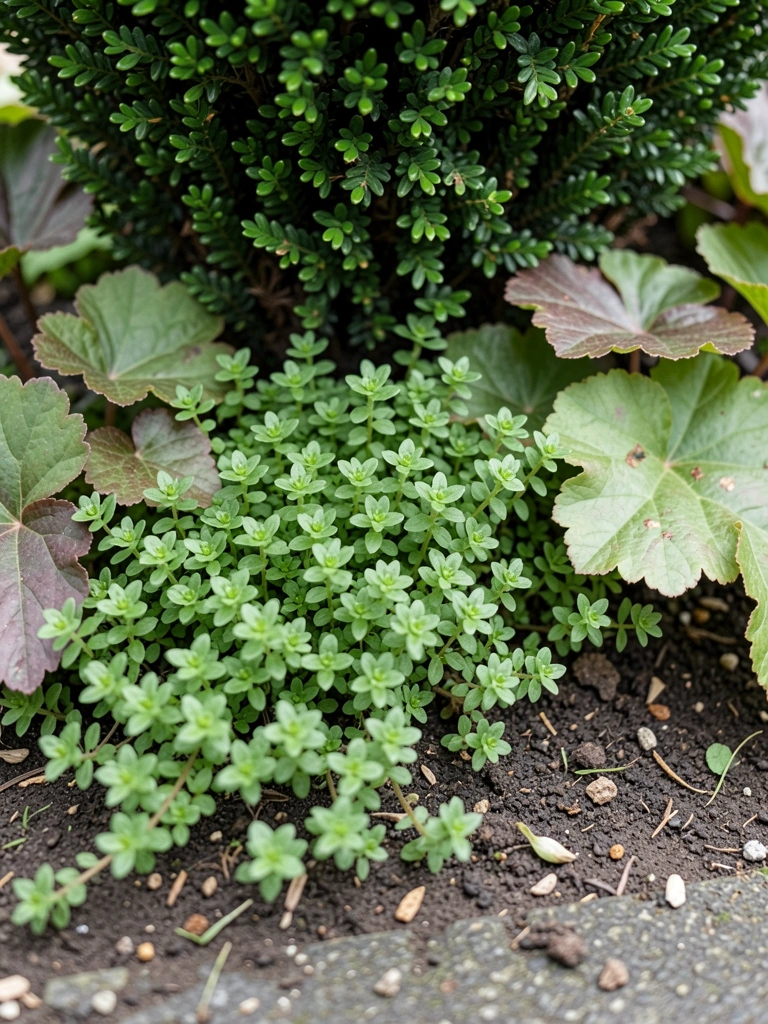
Next, I tuck creeping thyme and heucheras at the anchor’s feet. Low greens hug the ground.
Depth appears. No bare soil staring back.
Folks overlook soil line—cover it fully or weeds rush in. Skip big gaps; overlap slightly.
I pat them in place. The bed softens, flows to the path.
Step 4: Add Mid-Height Foliage for Lift
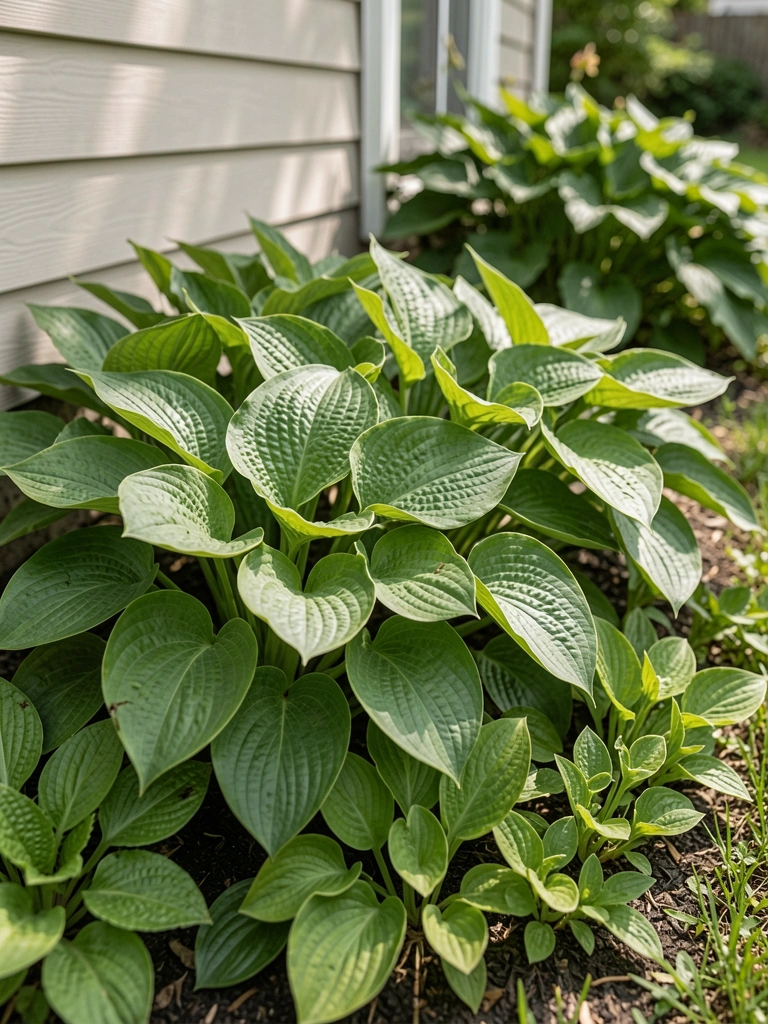
Hostas go mid-bed, taller but soft. They lift without towering.
Balance shifts—front low, back higher. Feels full, not flat.
Common miss: all same height smothers light. Vary it. Avoid crowding the path edge; step back often.
I adjust till shadows play nice. Space holds together.
Step 5: Edge and Mulch for Clean Frame
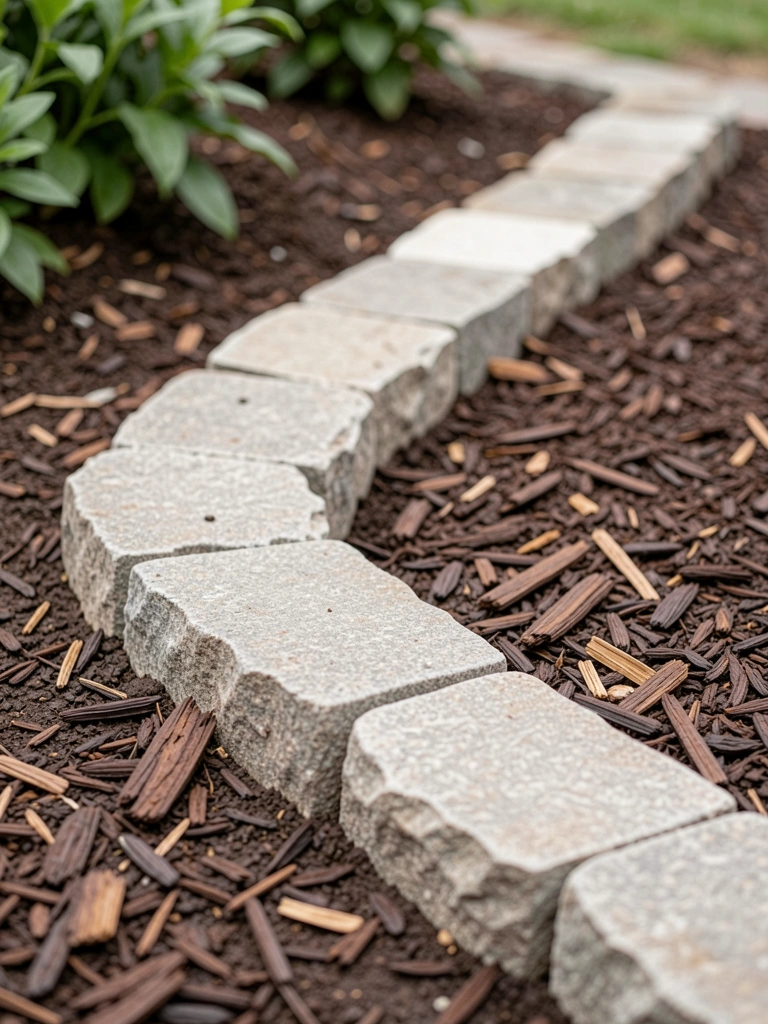
Stone edging lines the path side. Mulch tops the soil even.
It frames everything clean. No mess spills over.
People forget mulch settles—add extra. Don’t bury stems deep; keep them proud.
I rake it smooth. The garden sits finished, intentional.
Choosing Plants That Fit Tight Spaces
I stick to dwarfs and ground huggers. They fill without fighting.
Boxwoods stay neat. Hostas shade roots below.
- Pick evergreens for winter bones.
- Mix leaf colors—green, bronze—for quiet interest.
- Test pots first if unsure.
This keeps it simple year-round.
Creating Year-Round Balance
Front gardens need steady feel. I layer textures over seasons.
Evergreens hold winter. Perennials soften summer.
- Trim once spring.
- Mulch yearly for moisture.
- Watch for bare spots after rain.
It stays comfortable, not neglected.
Handling Common Front Yard Challenges
Slopes or shade test me. I level edges first.
Narrow beds? Vertical layers save room.
- Avoid overplanting—half empty starts best.
- Check neighbor views.
- Water deep, not daily.
Yours will settle in time.
Final Thoughts
Start with just the anchor. Watch it a week.
You’ll see what fits. Small changes build confidence.
Your front garden will feel like home. Balanced. Yours.
Leave a Reply