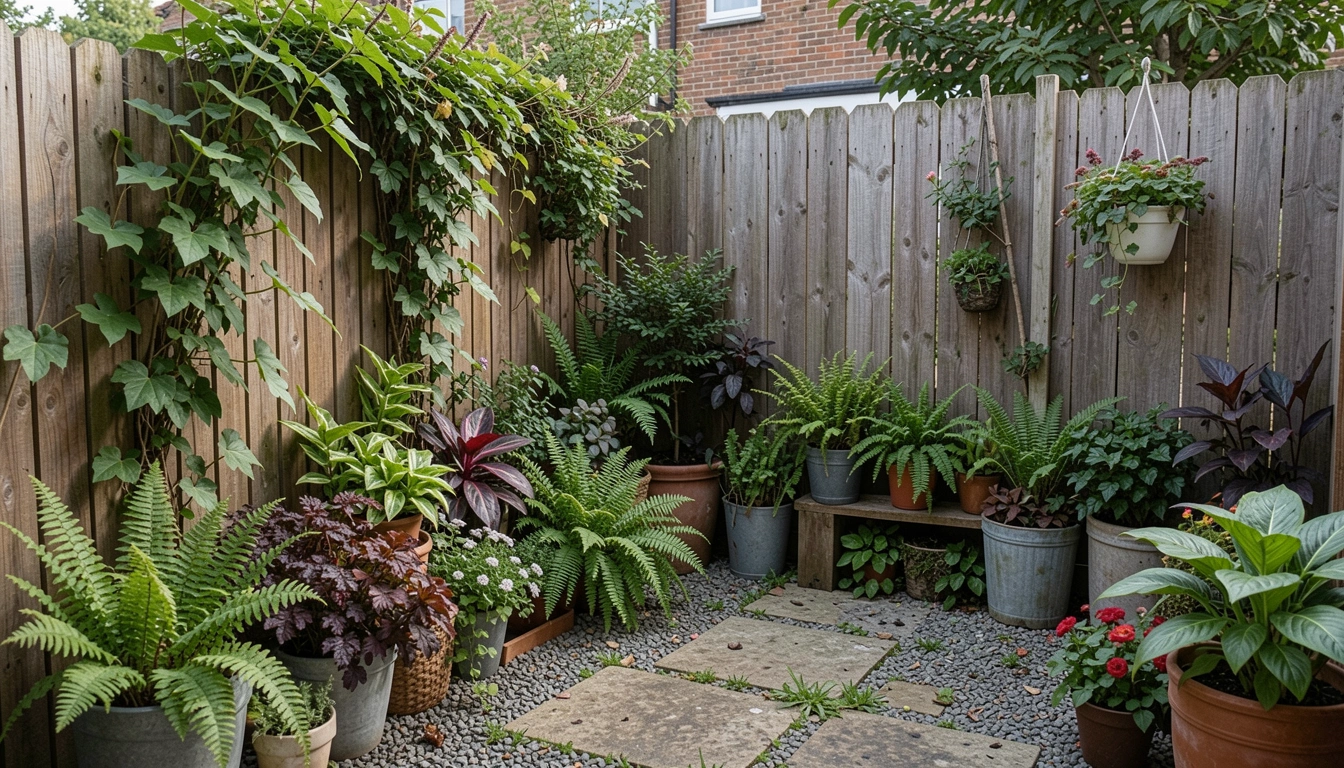
That empty corner in my small front garden stared back at me every morning. It made the whole bed feel lopsided. I’d walk by and think, why does it look so bare there?
I tried filling it with random pots once. They just cluttered things up. The space needed something settled, not forced.
Now I know how to make it feel right. It pulls the garden together without crowding.
How To Decor The Corner In Small Front Garden
This is the method I use every time a corner feels off. You’ll end up with a balanced spot that draws the eye gently. It works in tight spaces and looks comfortable right away.
What You’ll Need
- 18-inch terracotta planter
- Trailing ivy plant in 6-inch pot
- Tall ornamental grass like pampas in 1-gallon size
- Solar lantern with warm light, metal finish
- Pea gravel bag, 0.5 cubic feet
- Low-growing sedum in 4-inch pot
- Weathered stone birdbath, 12-inch diameter
- Compact hosta plant, green variegated
Step 1: Clear the Corner and Feel the Space
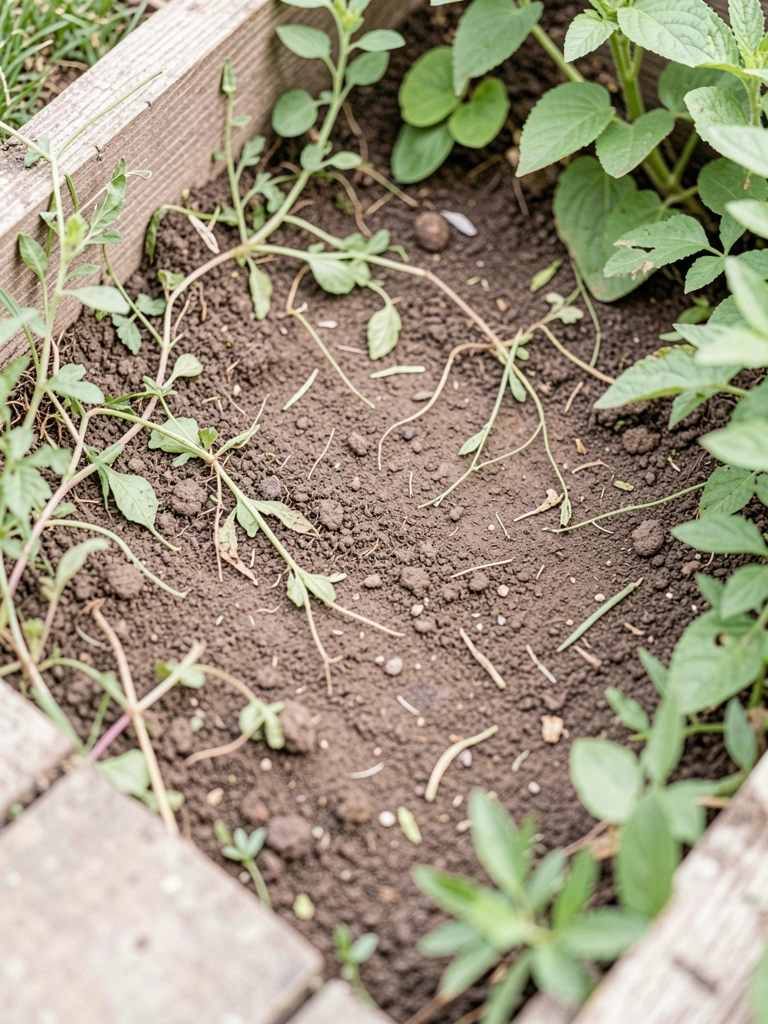
I start by pulling out weeds and junk. It lets me see the corner’s shape. Why? Bare ground shows where things naturally fit.
Visually, it opens up. The bed breathes now. People miss how much space feels bigger without clutter.
Don’t over-dig. You’ll disturb roots nearby. Just skim the top.
I stand back. Does it lean left or right? That guides the next piece.
Step 2: Anchor with Height in the Back
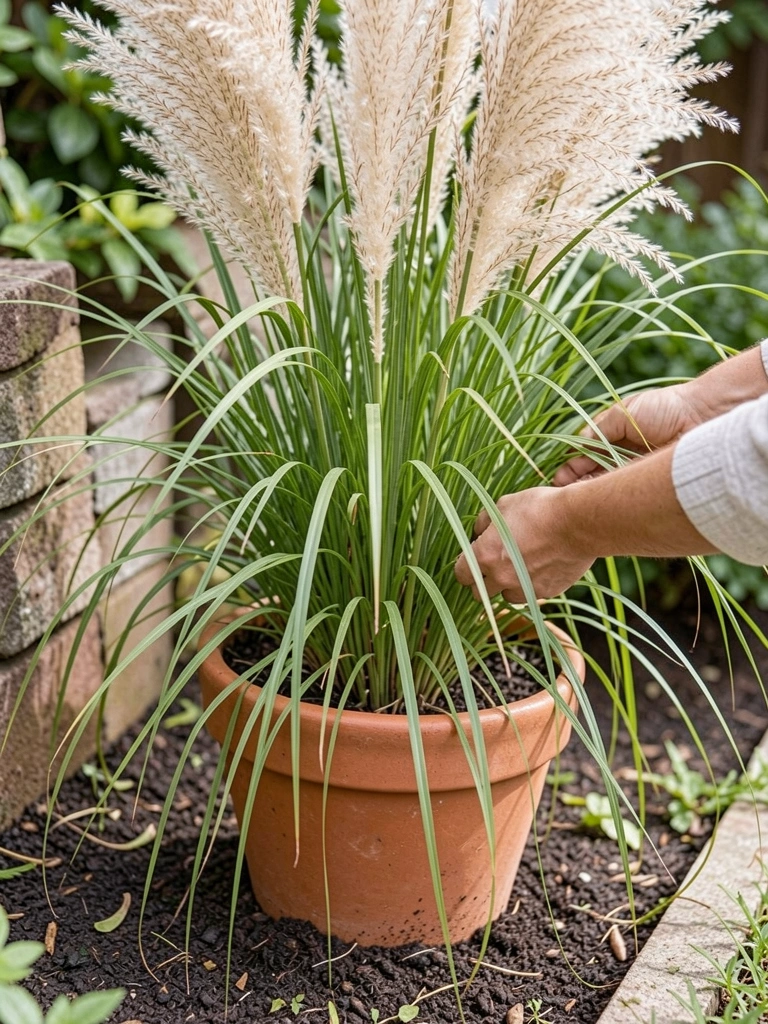
I drop the tall ornamental grass into the terracotta planter. Push it to the back corner. It gives weight where the eye expects it.
The corner lifts. It frames the bed without blocking the path. Most folks plant too far forward and cramp the flow.
Skip super-skinny spikes. They look lonely. Go for soft, feathery ones.
I water it in. Now it settles, like it’s always been there.
Step 3: Layer Mid-Height for Depth
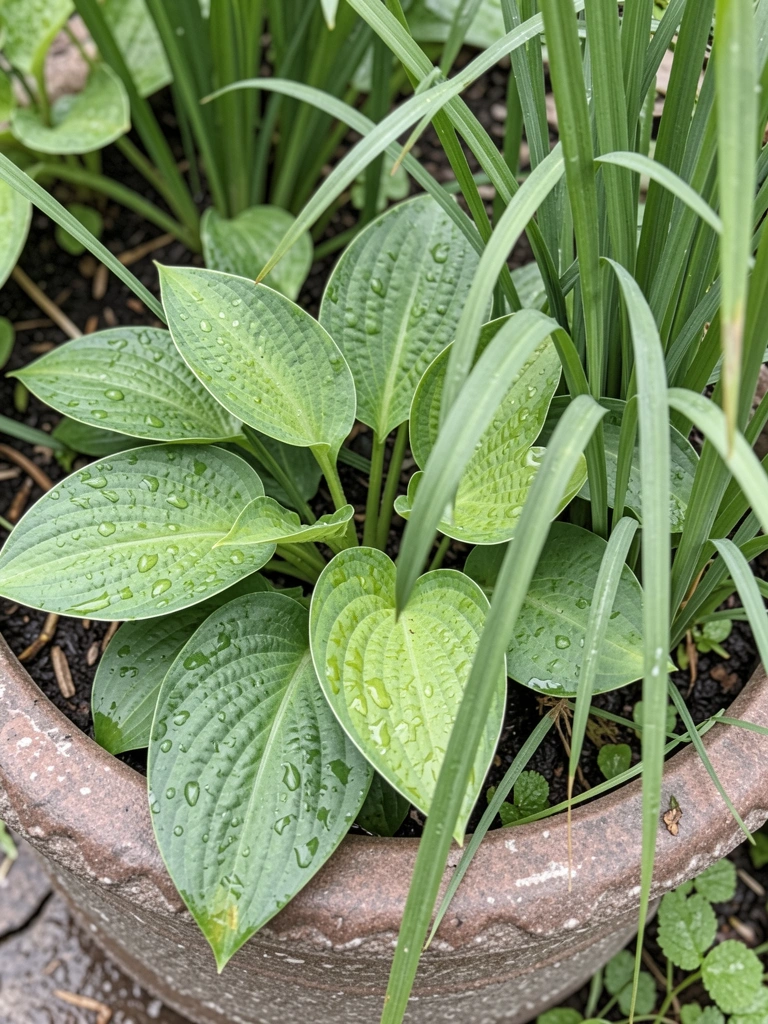
Next, I tuck the compact hosta in front of the grass. Off to one side, not dead center. It builds layers.
Shadows play between leaves. The spot gains depth, pulling you in. Insight: even heights fool the eye into seeing more room.
Avoid matching leaf shapes. Mix broad and narrow for interest.
I nudge it until it feels snug, not squeezed.
Step 4: Trail and Ground It Softly
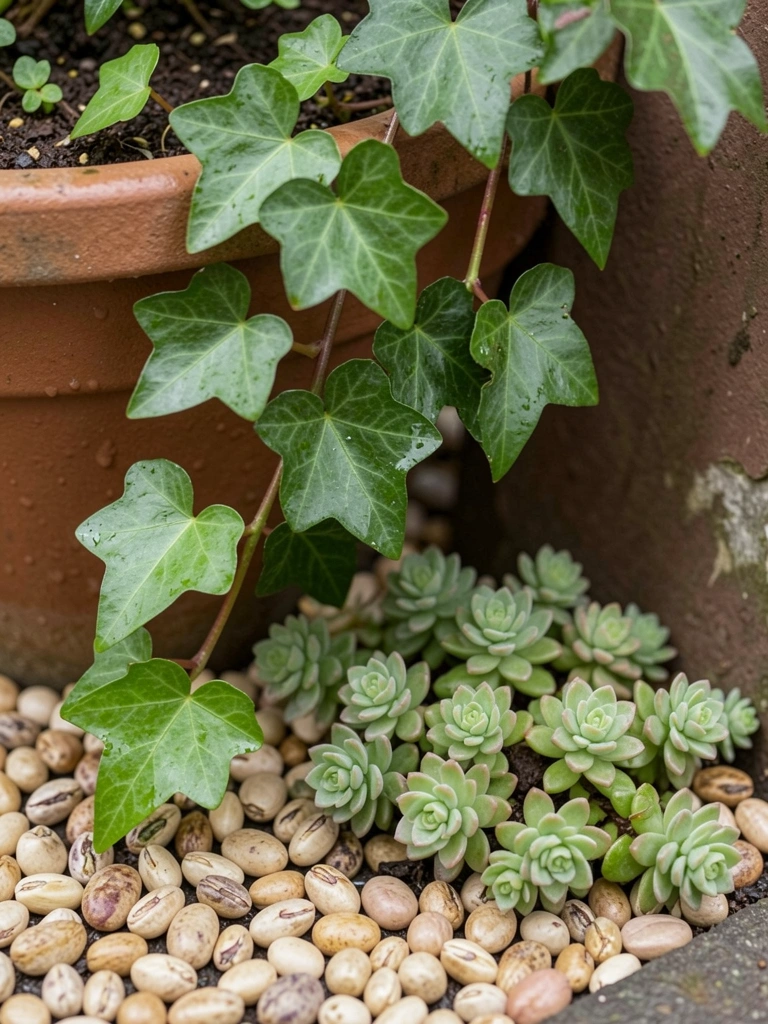
I set the trailing ivy to drape one side. Add low sedum at the front with pea gravel around. It softens the edges.
Now it flows to the path. Gravel mutes bare dirt. People forget trailers connect everything.
Don’t let gravel bury plants. Keep it thin.
The corner hugs the ground comfortably.
Step 5: Add One Quiet Accent
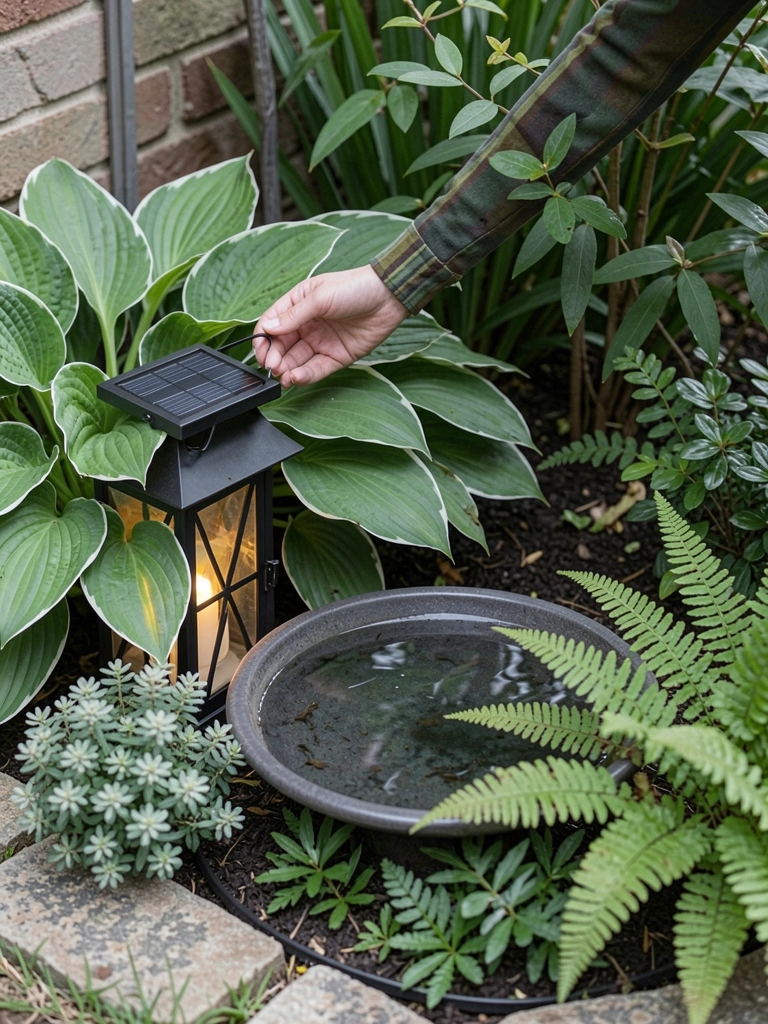
I place the solar lantern low beside the hosta. Add the stone birdbath in front. Just one or two pieces.
Light catches at dusk. It feels lived-in, not empty. Miss this, and it stays flat.
Don’t crowd with multiples. One accent lets plants shine.
Step back ten feet. Tweak until balanced.
Step 6: Walk Away and Check Again
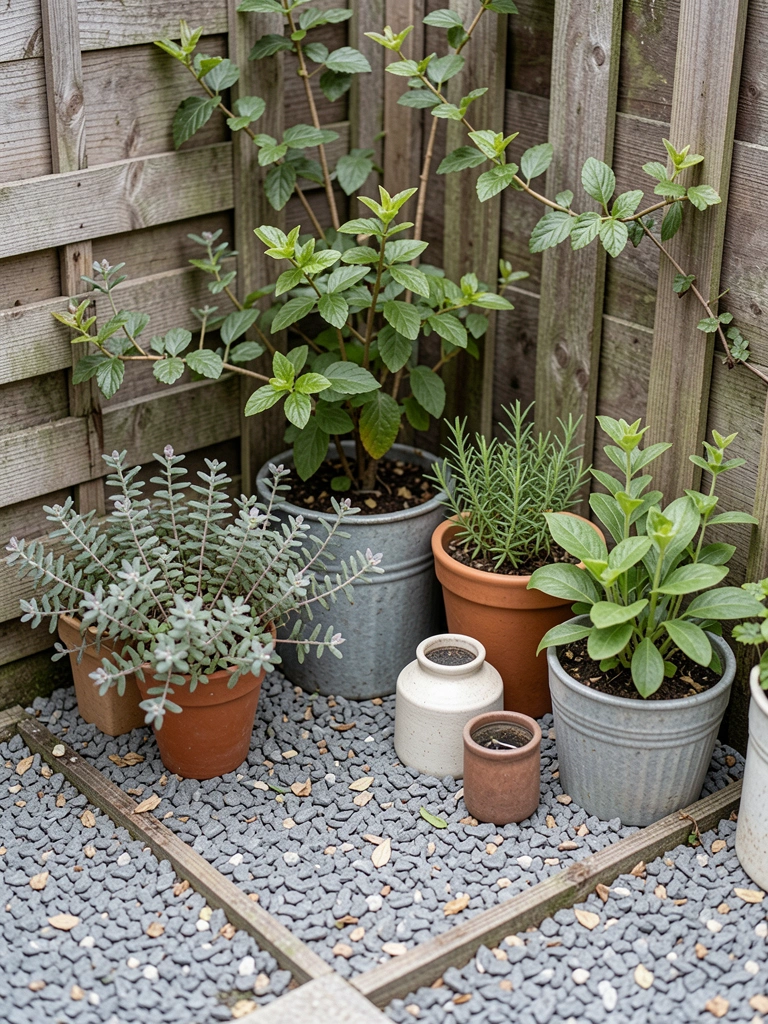
I water everything lightly. Then I walk to the street. View from the path.
It blends now. No awkward gaps. Common miss: not checking angles.
Avoid fixing too much. Let it bed in a week.
Feels right from every spot.
Choosing Plants That Last
I pick plants that handle front exposure. Sun half the day, shade after.
Low water needs fit my routine. They stay green without fuss.
- Trailing ivy climbs fences quietly.
- Hosta loves the shade line.
- Sedum shrugs off dry spells.
Over years, they fill without overwhelming.
Keeping It Balanced Year-Round
Winter hits these corners hard. Bare branches show gaps.
I swap in evergreens if needed. Bulbs under sedum pop in spring.
- Mulch hides soil yearly.
- Trim ivy lightly.
- Lantern works all seasons.
It stays comfortable, not stark.
Simple Fixes for Tricky Spots
Sloped corners slide gravel away. I dig a shallow lip.
Too shady? Hosta thrives there.
- Test light first.
- Group pots if soil’s poor.
- One tweak at a time.
These keep it feeling easy.
Final Thoughts
Start with just the anchor plant. See how it sits.
You’ll get the feel quick. Corners like this pull a garden together.
Mine’s held up three years now. Yours will too. Just keep it simple.
Leave a Reply