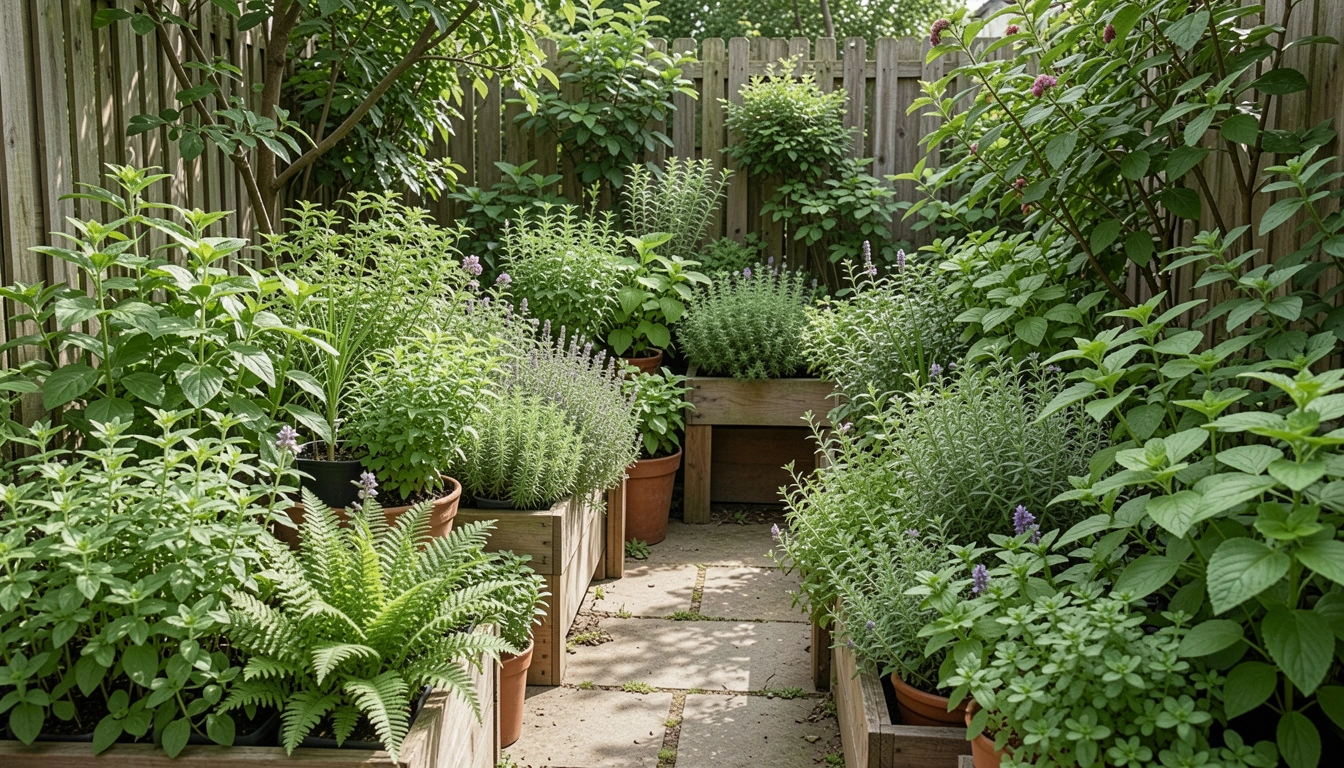
I had a corner by the kitchen door that got sun but felt empty. Herbs went in there, but they crowded each other. Some bolted, others flopped over. It looked patchy, not useful.
I stepped back one afternoon. The bed needed air, height differences, paths to reach in. That's when I saw it: herbs work when they fit the space, not fight it.
You know that feeling. Your herbs are alive but the spot doesn't pull you in to snip a leaf.
How To Design A Herb Garden
This shows you how I settle a herb garden into any spot. It ends up balanced, easy to use, with plants that last. No guesswork—just steady flow.
What You’ll Need
- 6-inch terracotta herb pots in natural clay
- Rosemary plant in 4-inch pot
- Basil plant with compact leaves
- Thyme creeping variety starter
- Mint in 1-gallon pot
- Well-draining herb soil mix 8-quart bag
- Galvanized metal trough planter 24-inch
- Wooden garden stakes 12-inch set of 6
Step 1: Pick Your Spot for Sun and Reach
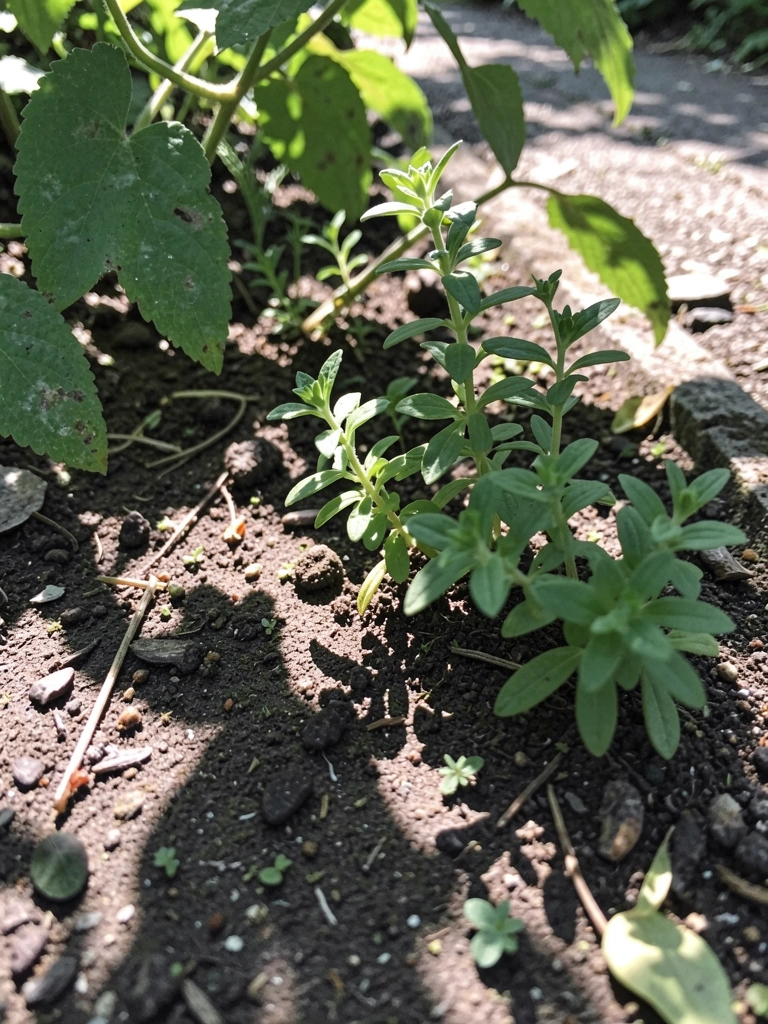
I walk the yard at midday. Herbs need six hours of sun, but also a path to them. I stand where I'll grab a sprig for dinner. That's the spot.
Visually, it shifts from blank to promising. Light hits the soil right.
People miss how reach changes everything. If you stretch too far, you neglect plants. Avoid crowding the edge—leave a foot of clear space.
I mark it with a stick. Now it feels like part of the kitchen flow.
Step 2: Sketch the Heights for Balance
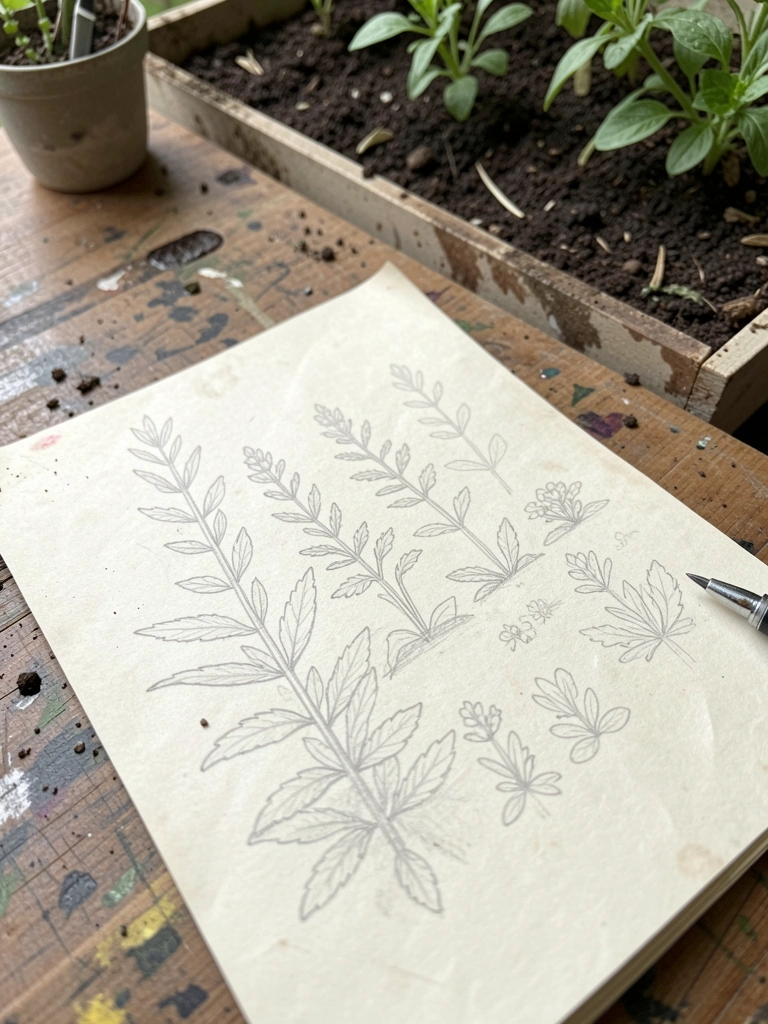
I grab paper and note tall rosemary at back, low thyme in front. Herbs layer like shelves. This stops the flop.
The ground looks planned, not random. Shadows play even.
Insight: same height bunches look flat. Mix it. Mistake—planting mint anywhere; it takes over. Keep it potted.
I step back. Balance settles in.
Step 3: Group by Water Needs
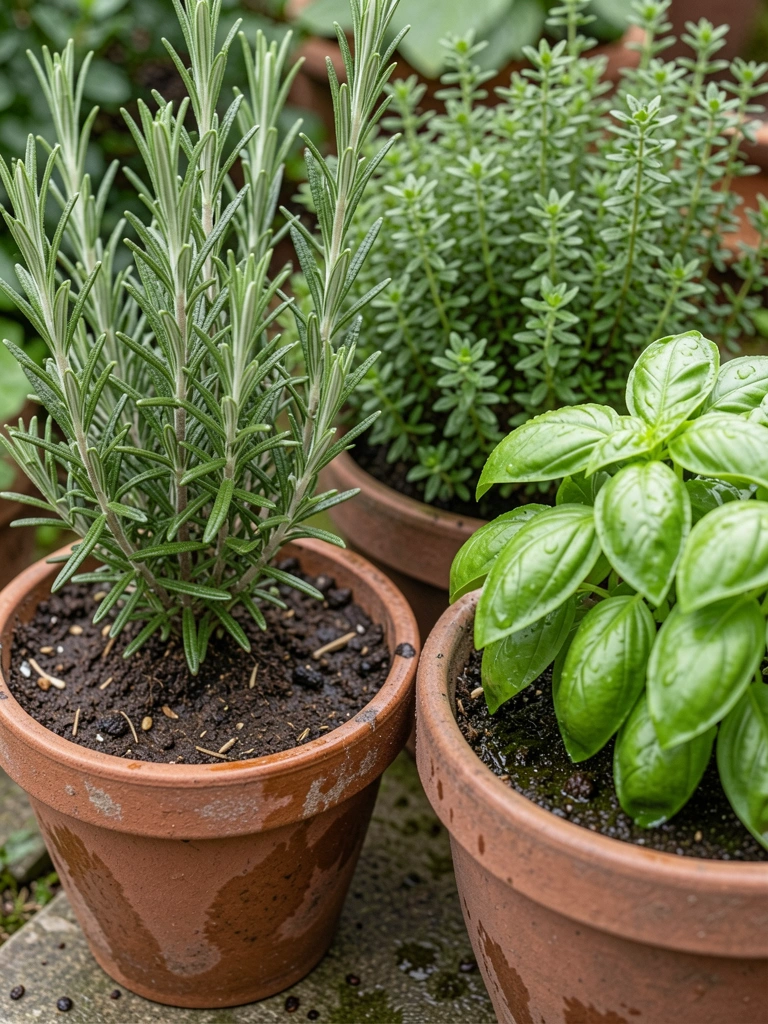
I set pots out. Rosemary and thyme take dry soil; basil likes damp. Groups form naturally.
Now the bed has rhythm. Dry side stays crisp, wet side lush.
Missed often: all herbs same water leads to rot or wilt. Avoid overplanting one type—space for air.
I nod. It feels right.
Step 4: Plant with Paths Between
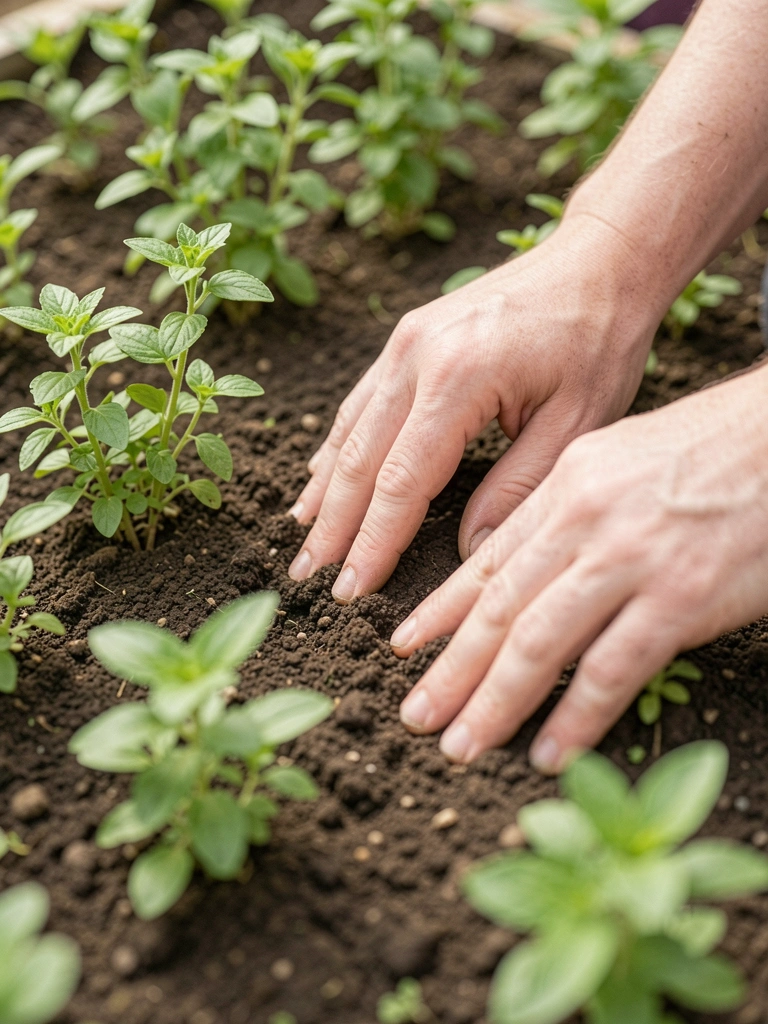
I dig holes twice root width. Drop in, firm soil. Leave elbow room between.
The space breathes. Plants stand without leaning.
People forget paths wear down if too narrow. Make them wide. Avoid burying pots deep—lift for roots.
I water lightly. It's holding shape.
Step 5: Add Edges for Containment
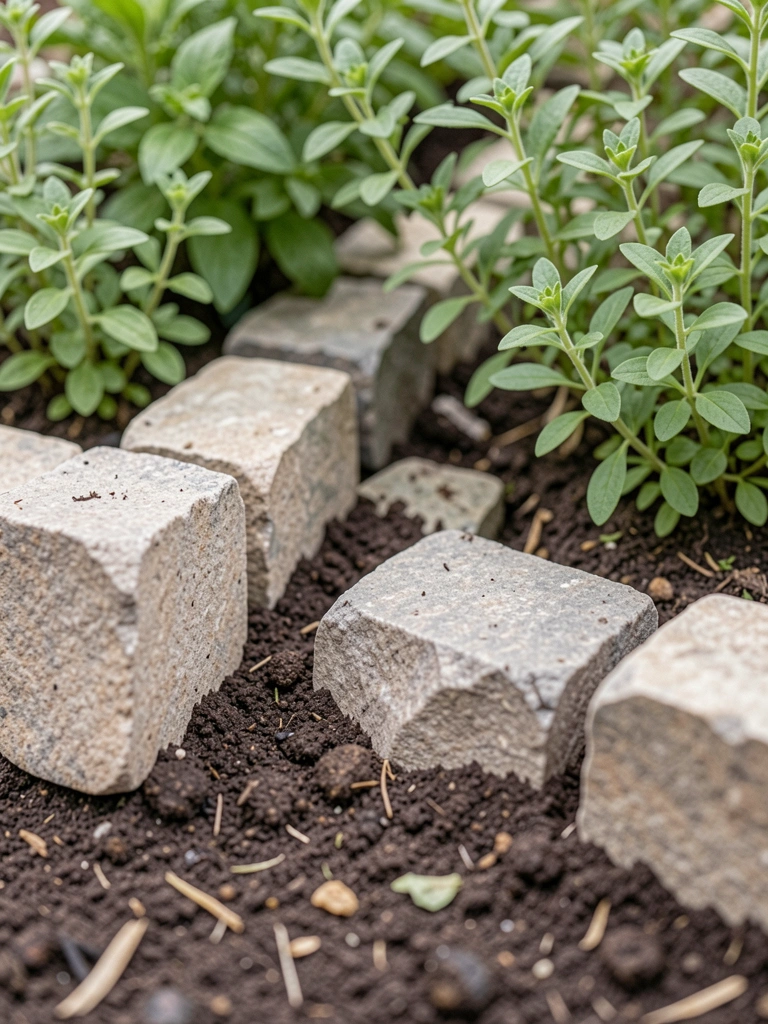
I line with stones or troughs. Holds mint in, defines the area.
Edges make it contained, intentional. No sprawl.
Insight: loose edges let weeds in. Mistake—skipping them early. Plants stay put.
Pat it down. Done.
Choosing Herbs That Thrive Together
I pick based on use and sun. Rosemary anchors with height. Basil fills summer gaps.
- Rosemary: woody, dry-tolerant back row.
- Thyme: ground cover, evergreen scent.
- Basil: quick harvest, front for easy pick.
This mix lasts seasons. No weak links.
Handling Common Herb Garden Setbacks
Yellow leaves hit sometimes. Check water first—too much drowns roots.
Overgrowth? Snip tops weekly. Keeps bushy.
- Mulch lightly to hold moisture.
- Rotate pots yearly for fresh soil.
Steady tweaks keep it balanced.
Making Your Herb Garden Year-Round
Winter slows it. I cover tender basil, let hardy thyme sleep.
Spring refresh: divide clumps.
Add oregano for off-season green. It flows without reset.
Final Thoughts
Start with three herbs in one trough. See how they settle.
You'll get the feel quick. That pull to snip changes everything.
Your spot works when it fits your hands.
Leave a Reply