Author: Megan Moore

  • 10 Cozy Small Front Garden With Bench Ideas For Relaxing

    10 Cozy Small Front Garden With Bench Ideas For Relaxing

    I remember stepping out my front door one evening, the world rushing by, and sinking into that little bench I'd wedged into the tiniest garden strip. The air smelled like damp earth and lavender. No big yard needed—just a spot to breathe.

    That bench changed everything. It pulled me outside more than any fancy patio ever could.

    Small front gardens like mine aren't about show. They're for real life: quick sits after work, coffee in the sun. I've messed up plenty—plants that flopped, benches that wobbled—but these spots? They work.

    10 Cozy Small Front Garden With Bench Ideas For Relaxing

    These 10 ideas come straight from my own front strip and neighbors' yards. All fit tight spaces under 10 feet wide. You'll see exactly what to plant and how it sits with a bench. No fuss, just relaxing nooks you can build this weekend.

    1. Gravel Path Bench with Fern Borders
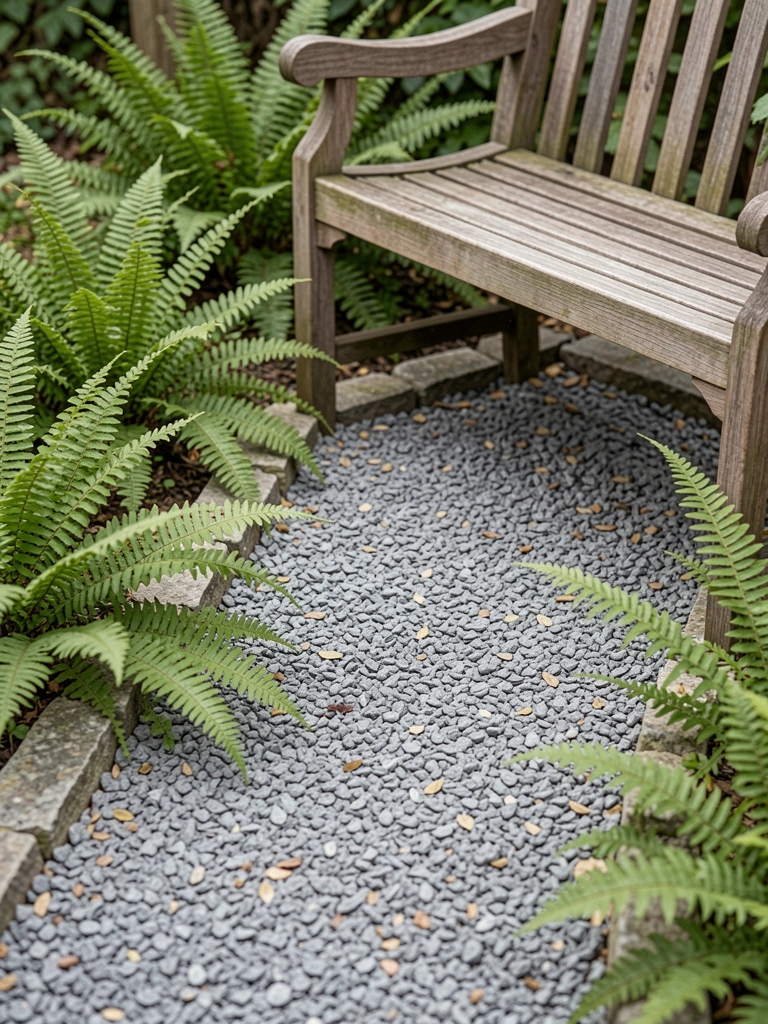
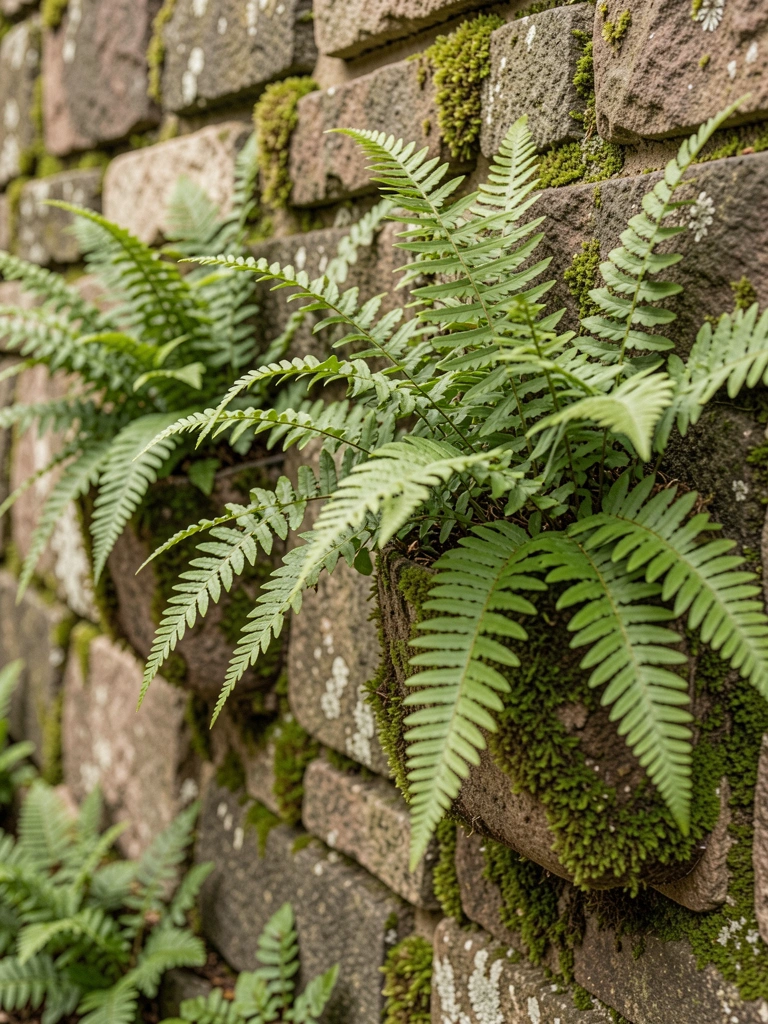
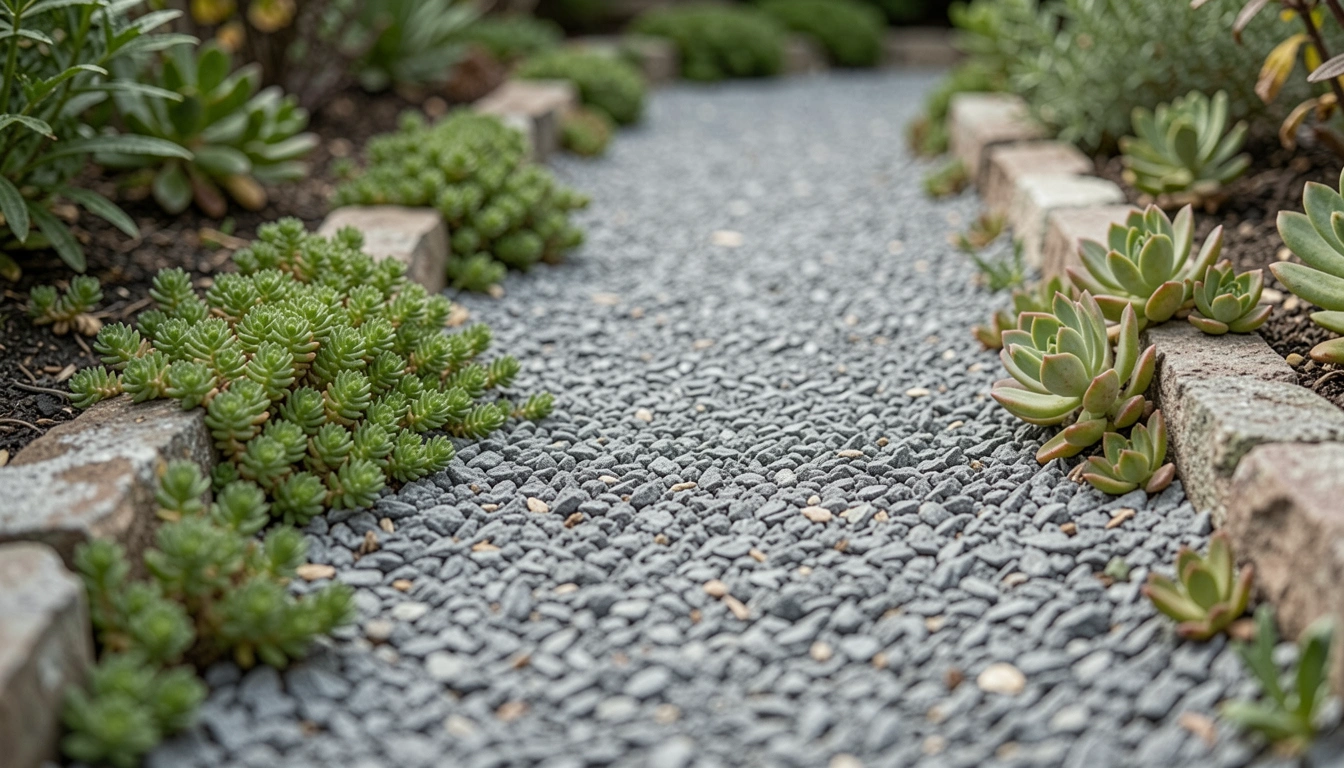
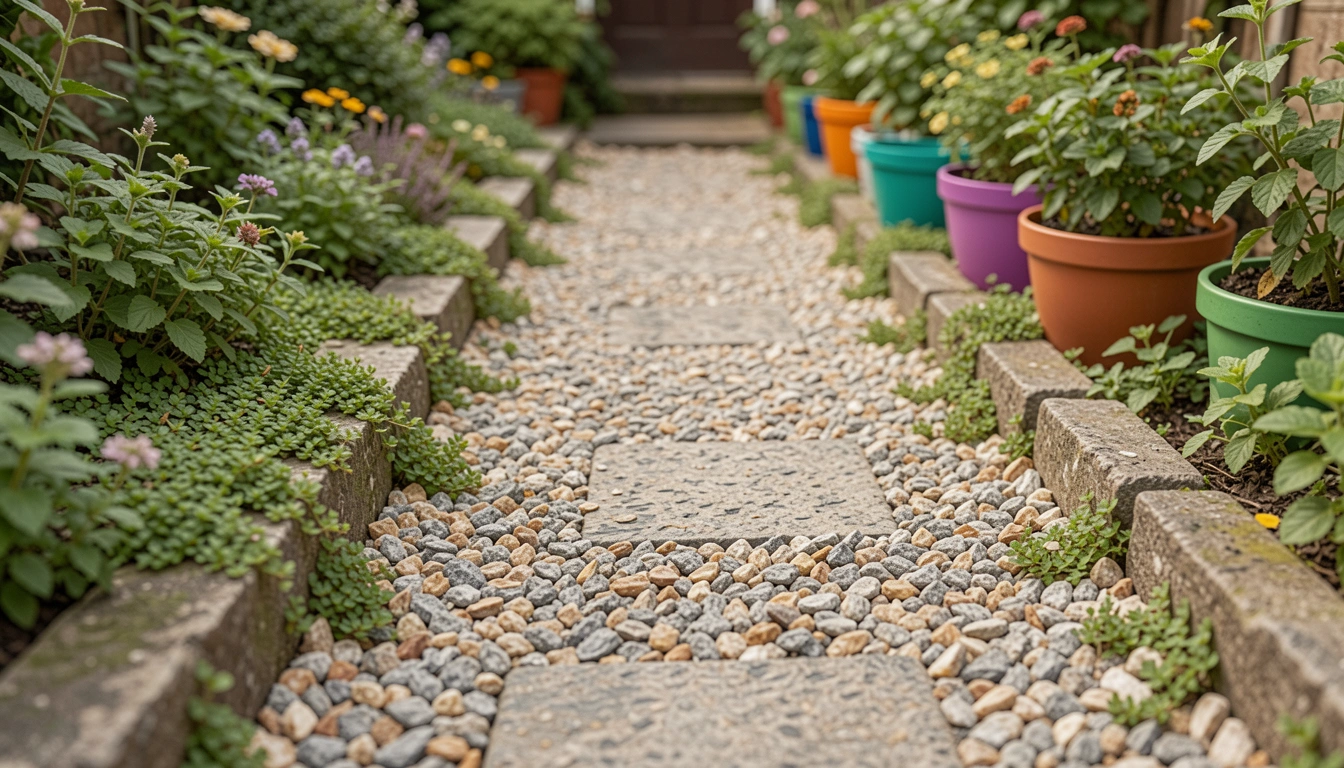
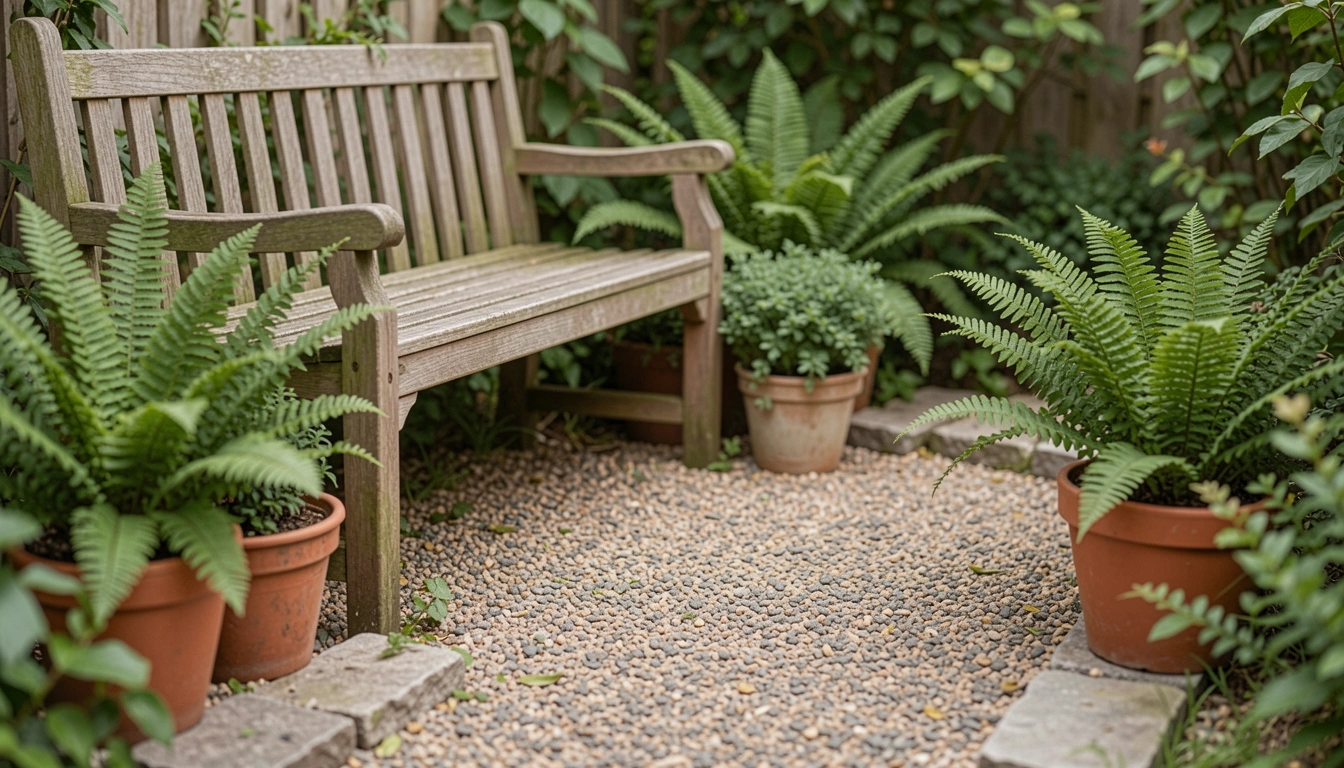
    I carved a simple gravel path right up to my old teak bench last spring. Framed it with native ferns that spill soft and low—no mowing, just rustle in the breeze. The crunch underfoot draws you in, makes the space feel longer.

    Before, the strip looked bare; now it's a quiet walk to sit. Ferns hide the bench legs, softening everything. I love how they catch morning dew.

    Watch the drainage—gravel shifts if water pools. I added a slight slope, and it stays dry.

    One tip: Tuck in a small mirror at the fence end. Doubles the depth without extra plants.

    What You’ll Need for This Look

    2. Potted Lavender Wall Around Wrought Iron Bench
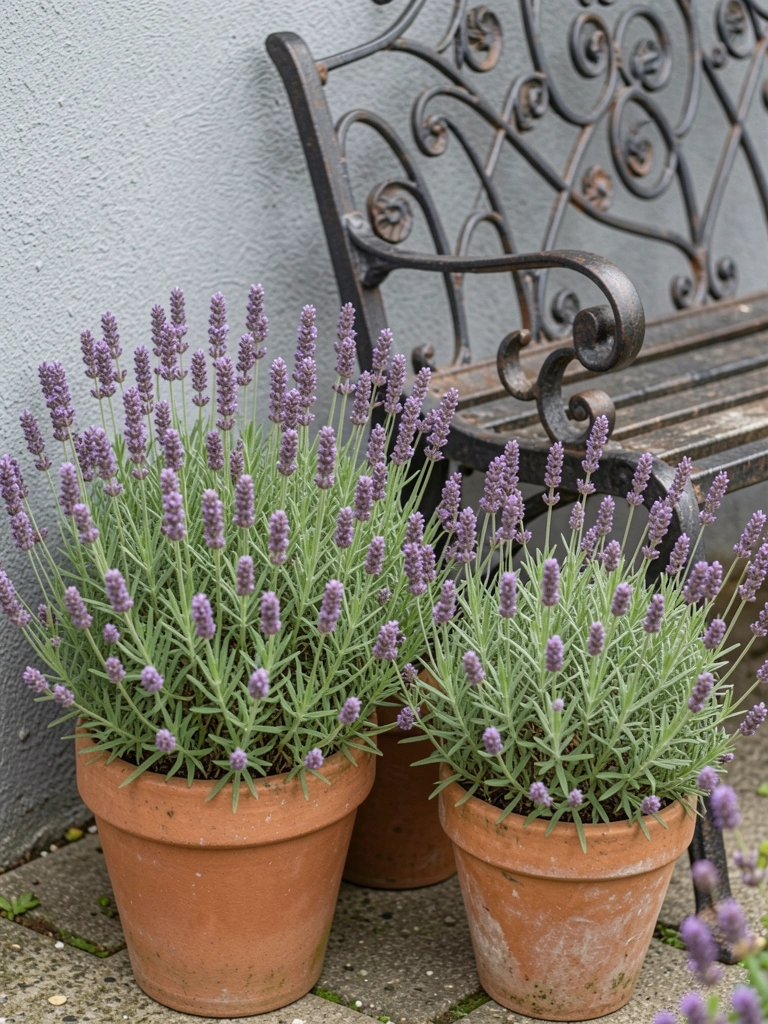
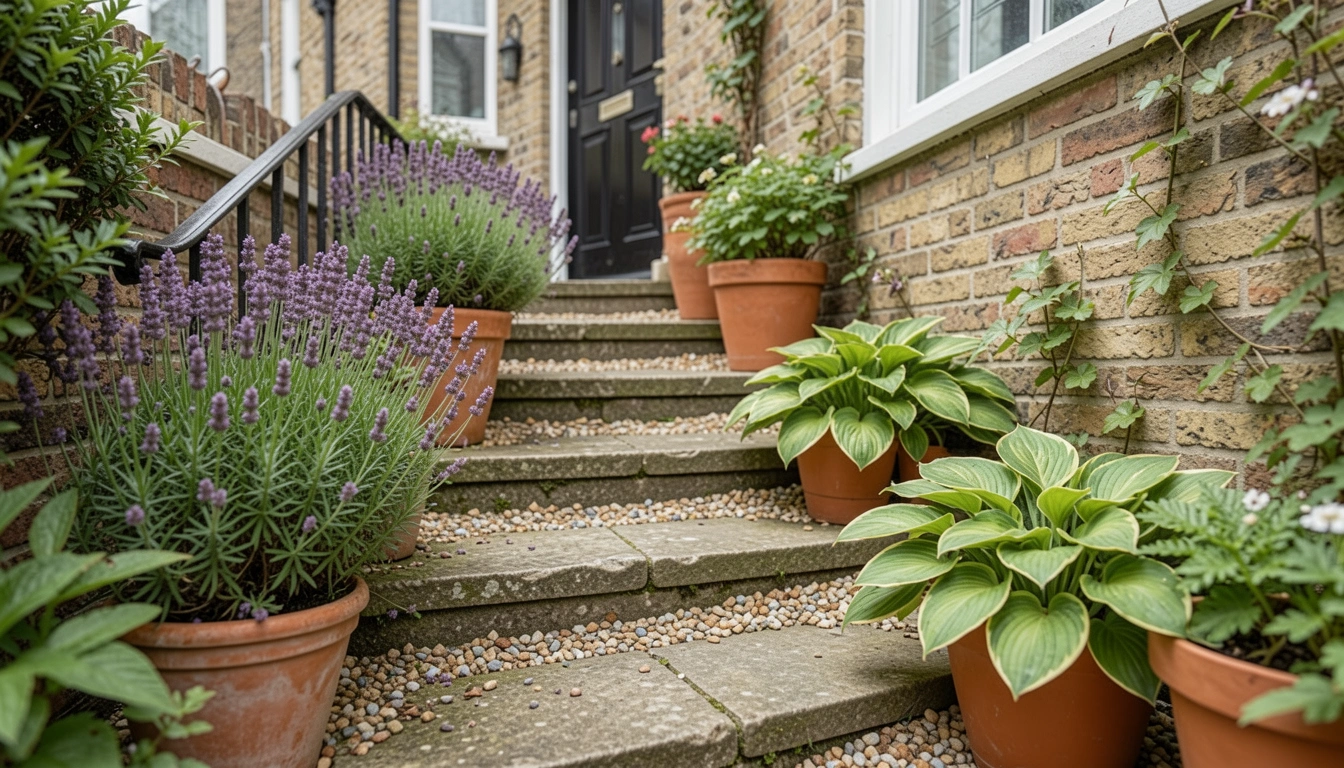
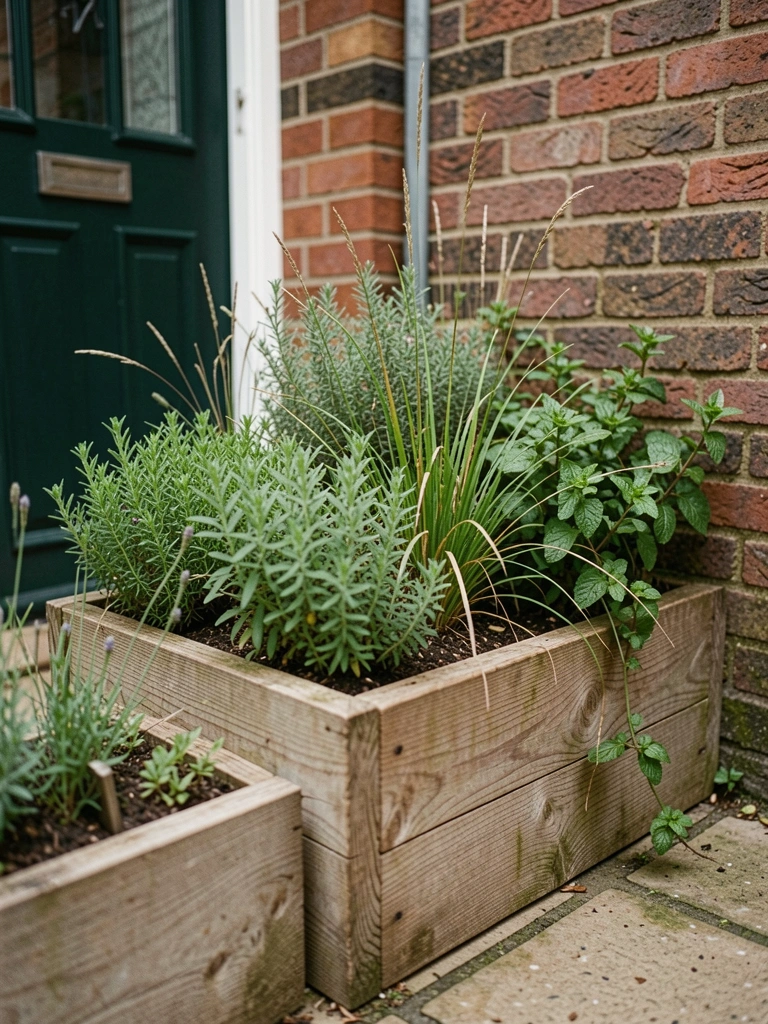
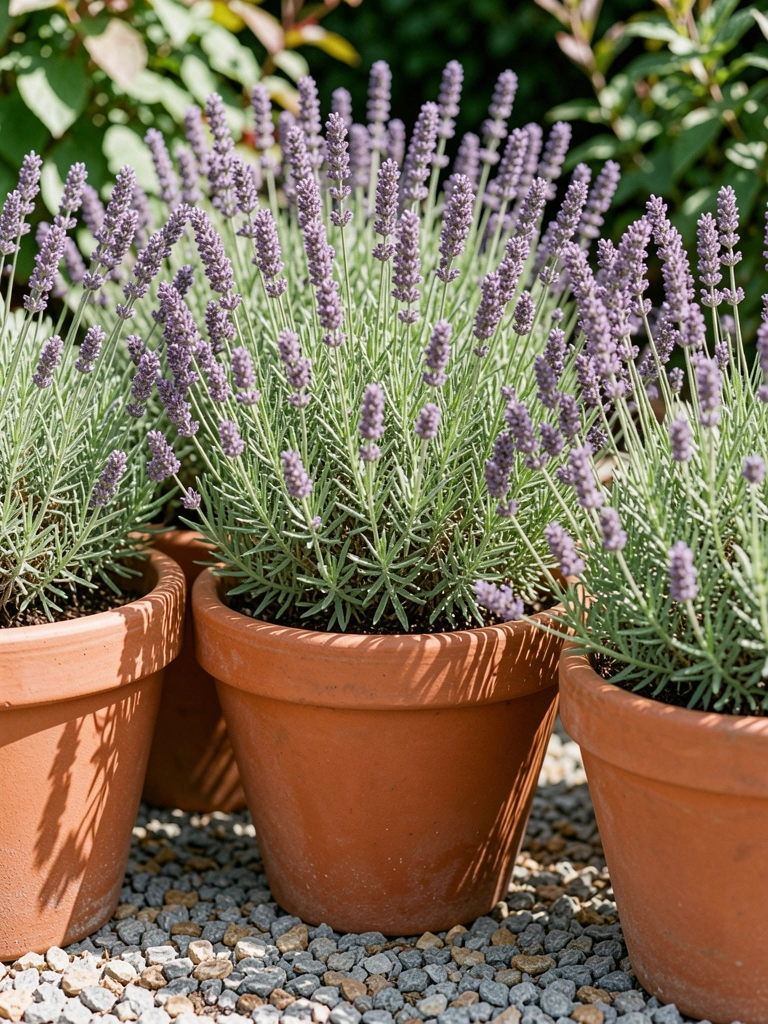
    Lavender pots lined my side wall, hugging a slim wrought iron bench. The scent hits when you sit—calms me after long days. Pots stack high and low, filling the vertical without crowding the path.

    I bought cheap ones first; they cracked in frost. Switched to thicker clay, and they've lasted three years.

    Visually, purples pop against the bench's black curves. Bees hum by, but never bother.

    Plant in gritty soil—lavender hates wet feet. Mine thrived once I mixed in sand.

    What You’ll Need for This Look

    3. Vertical Trough Planters Framing Wooden Slat Bench
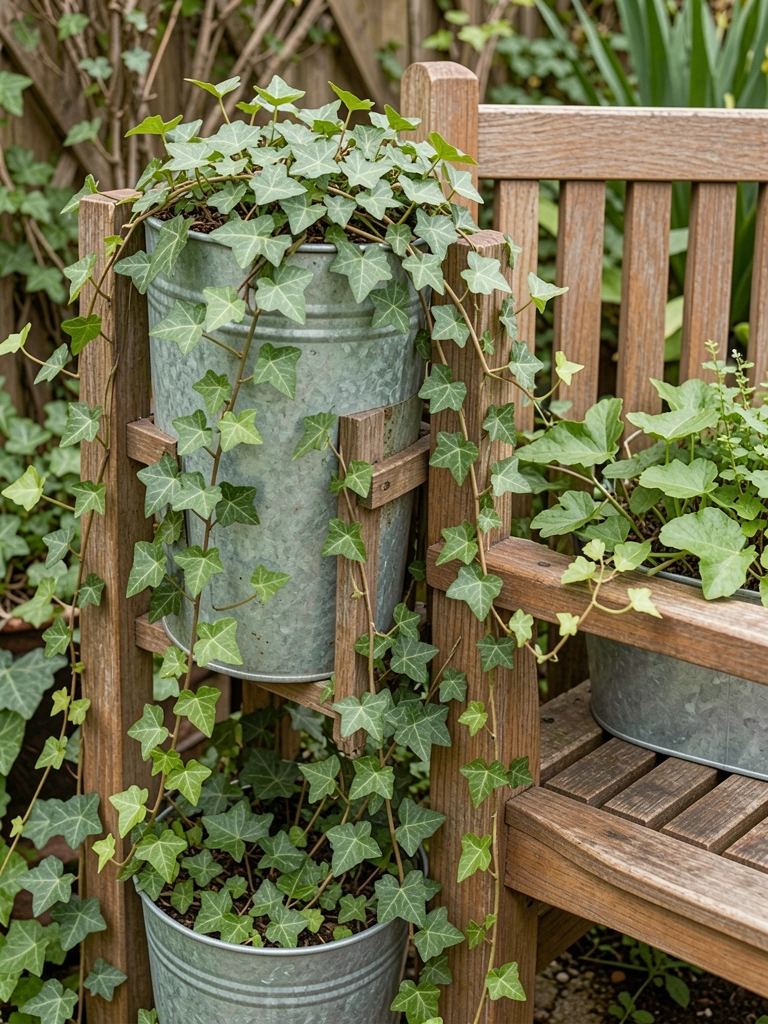
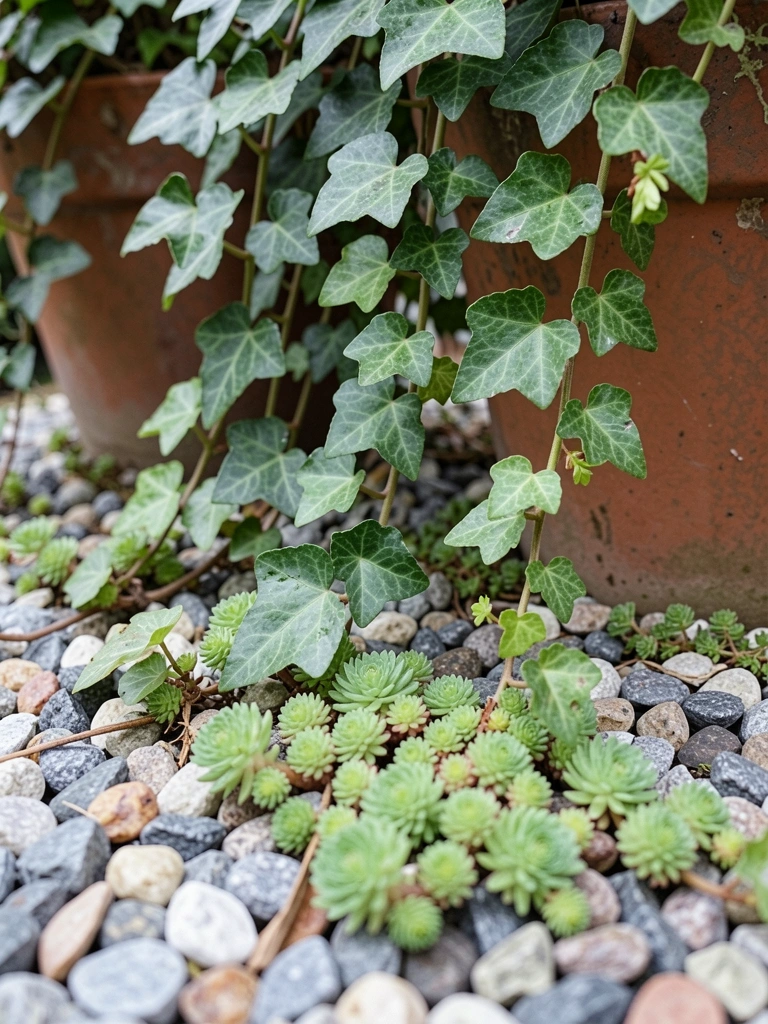
    Wall troughs overflow with ivy next to my wooden slat bench. Greens drape soft, making the corner feel tucked away. Sit there, and it's like a green curtain—private from the street.

    I tried vinca first; it got leggy. Ivy clings better, stays dense.

    The slats let air through; bench doesn't heat up in sun. Changed how I use the spot daily.

    Bolt troughs secure—mine wobbled until I did.

    What You’ll Need for This Look

    4. Low Stone Wall Bench with Heuchera Mats
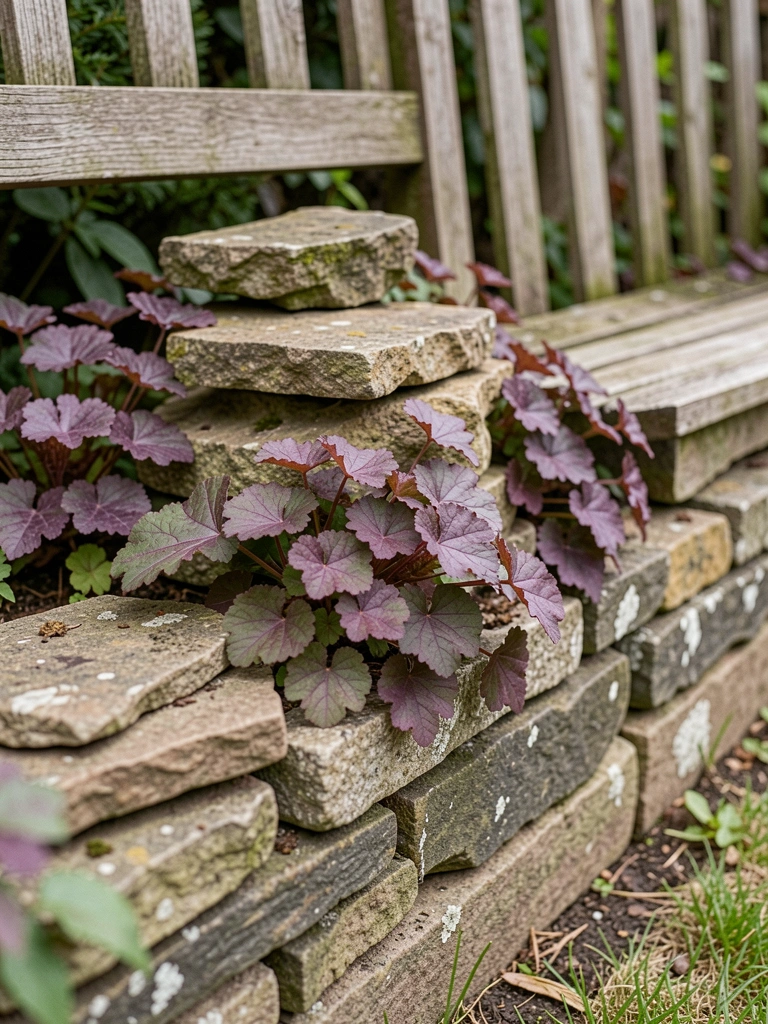
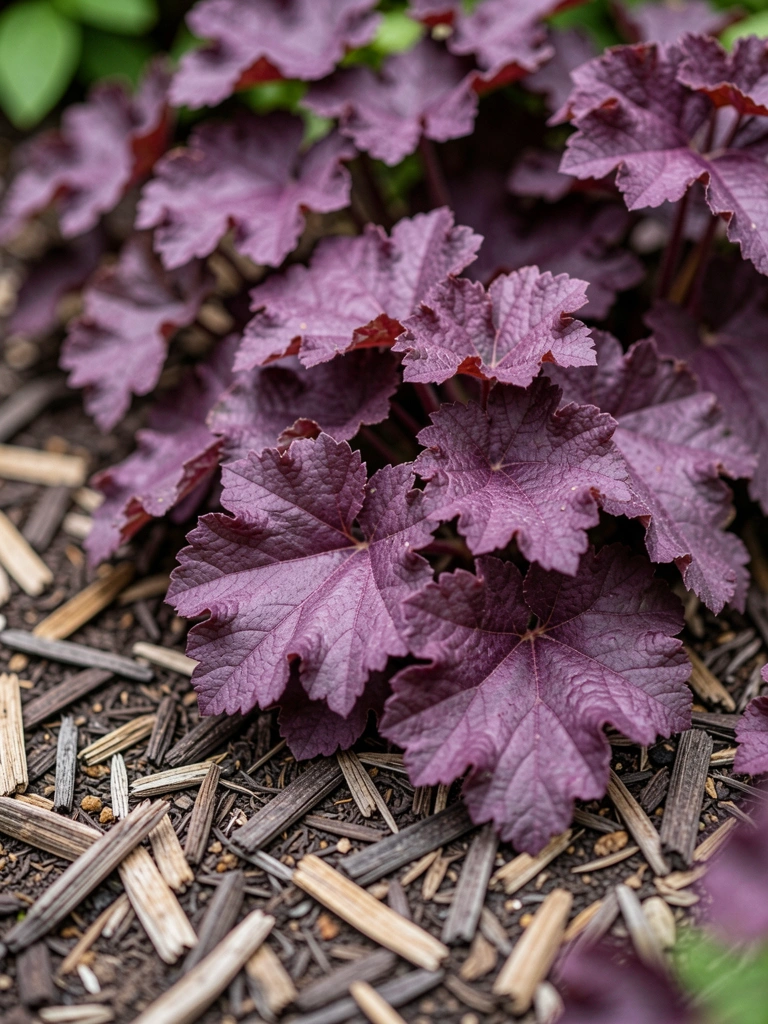
    Stacked a low stone wall under my bench—now it feels sturdy, like part of the earth. Heuchera mats the top, their leaves in burgundy and lime, soft to brush against.

    Space opened up; no leggy shrubs blocking. Colors shift with light, always cozy.

    I overplanted once—crowded the bench. Thin to one per foot.

    Rake leaves off heuchera in fall; keeps it tidy.

    What You’ll Need for This Look

    5. Solar Lantern Path to Curved Metal Bench
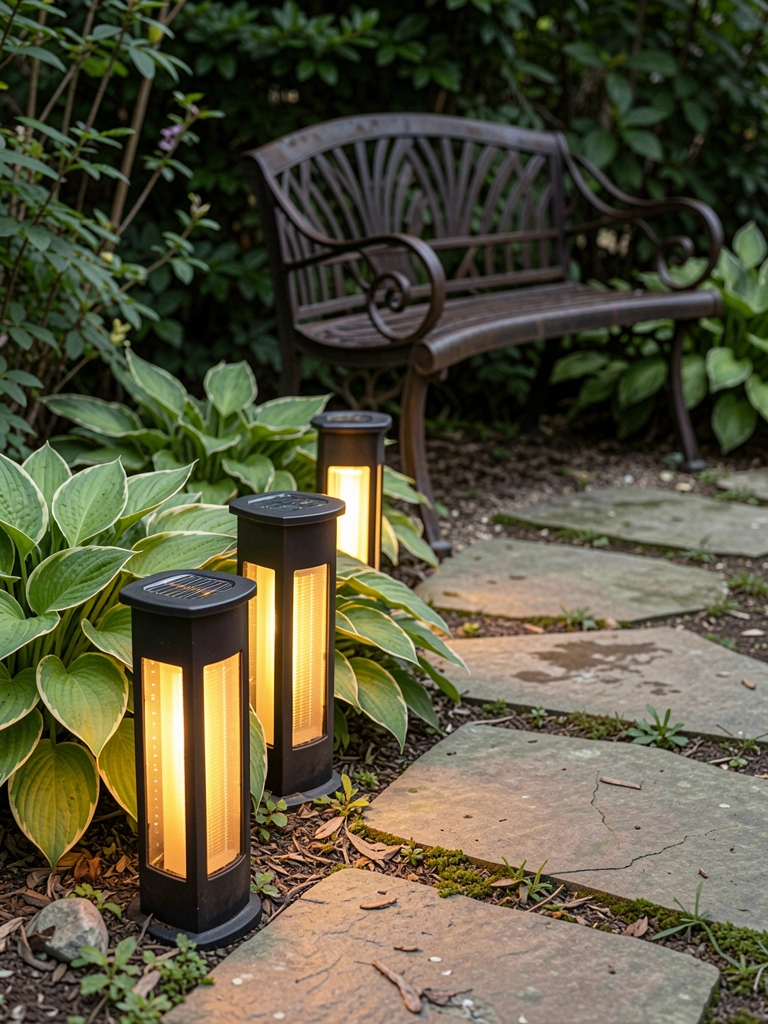
    A winding stone path strung with solar lanterns leads to my curved metal bench. Hostas edge it, broad leaves glowing at dusk. Evenings there feel lit just right—warm, not glaring.

    Lanterns charge all day; no wiring hassle. Bench curves to hug you.

    Path stones settled uneven first—level with sand base now.

    Snip hosta blooms to keep leaves lush.

    What You’ll Need for This Look

    6. Boxwood Hedge Pocket for Teak Loveseat Bench
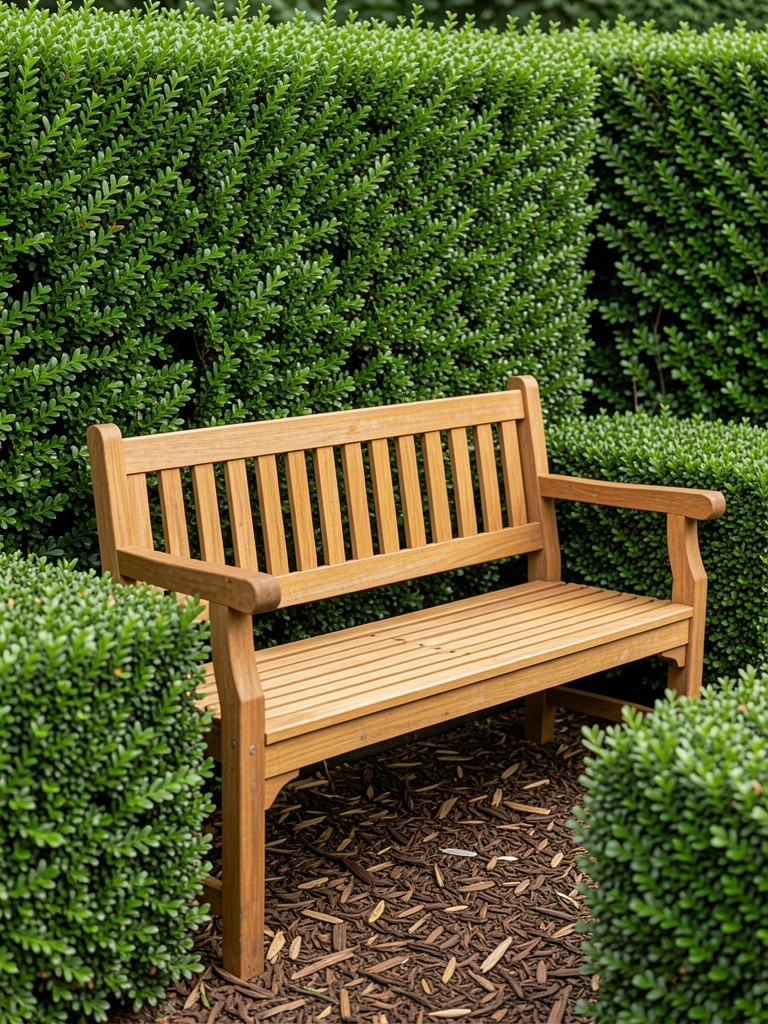
    Clipped boxwood into a U around my teak loveseat bench. Creates a green pocket—sit and the street fades. Year-round screen, low enough not to block light.

    I sheared too hard once; browned tips. Light trim now keeps it full.

    Bench fits two, unexpected in tight space. Mulch quiets footsteps.

    What You’ll Need for This Look

    7. Recycled Brick Patio Bench with Sedum Clusters
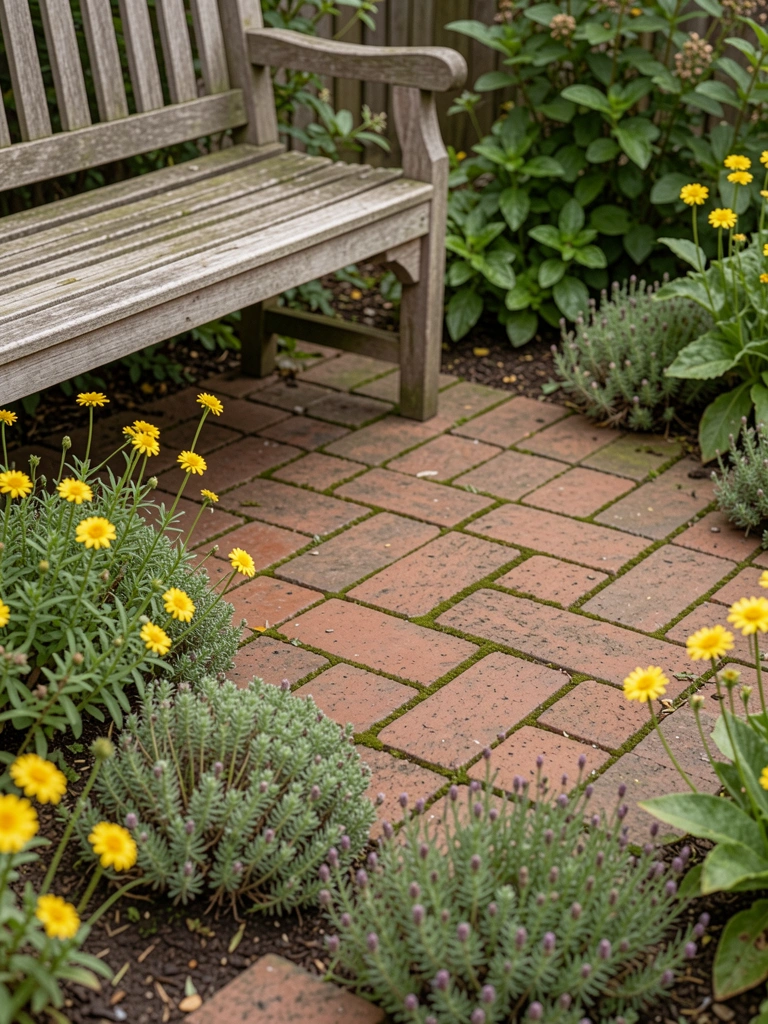
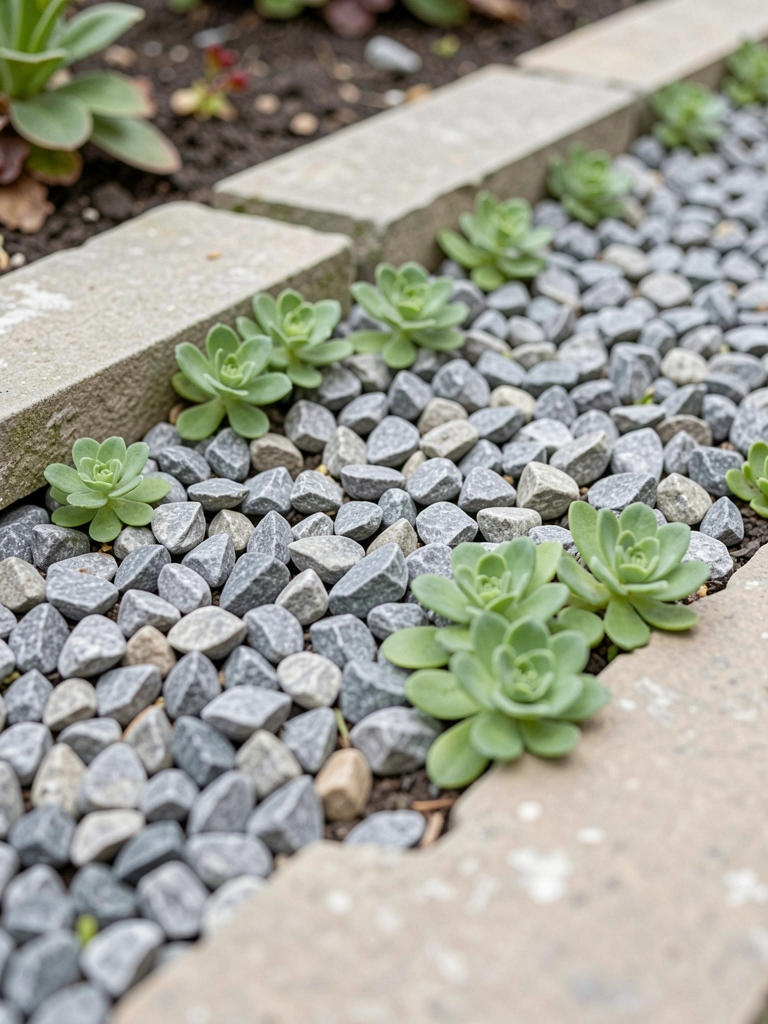
    Laid recycled bricks into a mini patio for my bench. Sedum clusters dot the edges—tough, buttery blooms in fall. Feet feel solid; no mud after rain.

    Bricks were uneven; mortar joints fixed it. Now it's my go-to spot.

    Sedum spreads slow—good for small spots. Drought-proof too.

    What You’ll Need for This Look

    8. Trellis Climber Arch Over Iron Bench
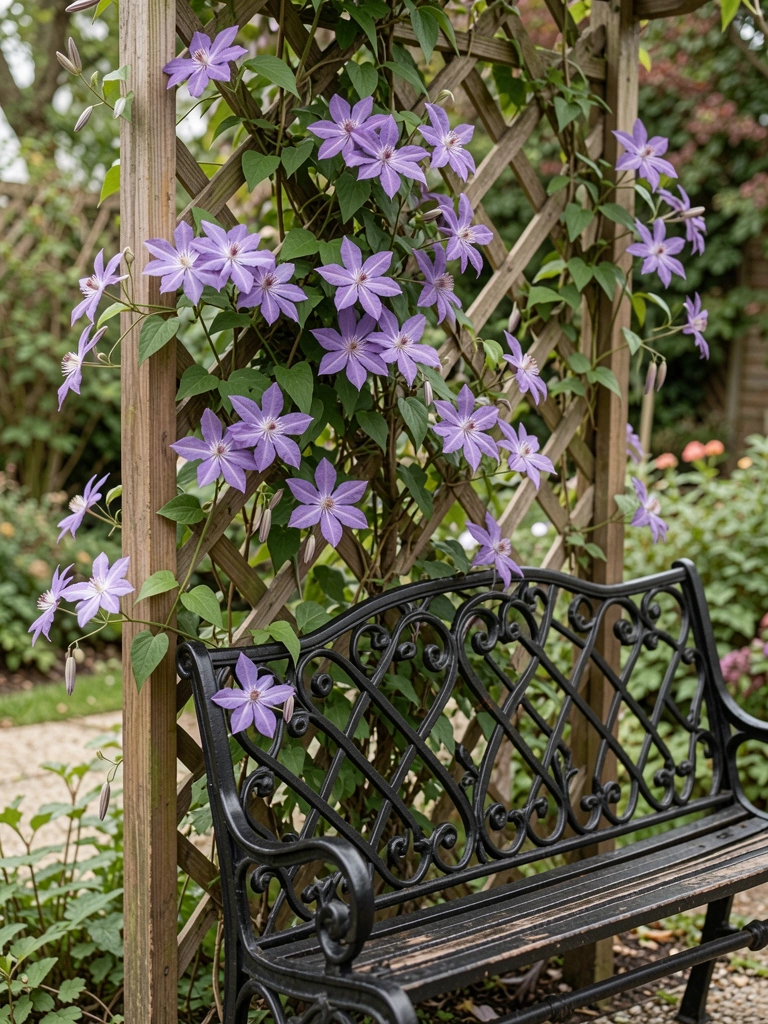
    A slim trellis arches over my iron bench, clematis climbing lazy. Flowers nod down when you sit—shade and scent in one. Feels like a secret arbor.

    Clematis wilted young; deeper roots now thrive. Prune after bloom.

    Arch adds height without width. Breeze moves the vines gentle.

    What You’ll Need for This Look

    9. Mulch Bed Bench with Ajuga Groundcover
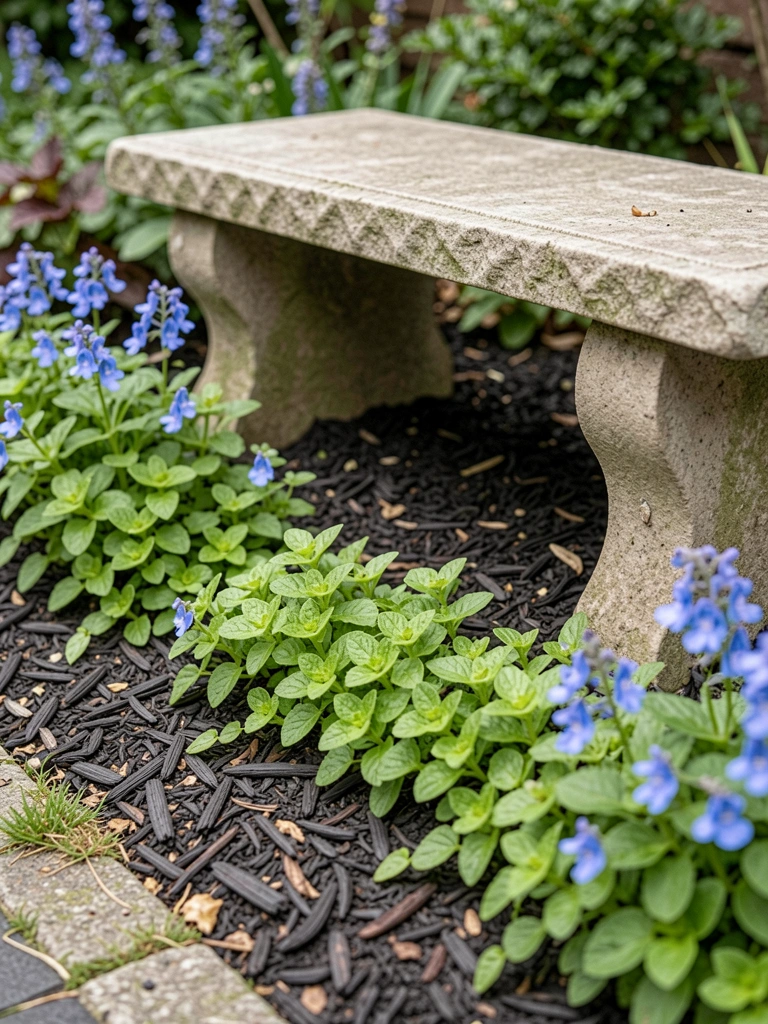
    Deep mulch bed under my stone bench, ajuga carpeting it blue in spring. Suppresses weeds; soft to step on. Bench sits level, wrapped in green.

    Ajuga crept too far once—easy to yank back. Low work now.

    Mulch smells good wet; keeps soil cool for roots.

    What You’ll Need for This Look

    10. Succulent Tiered Stand Beside Bamboo Bench
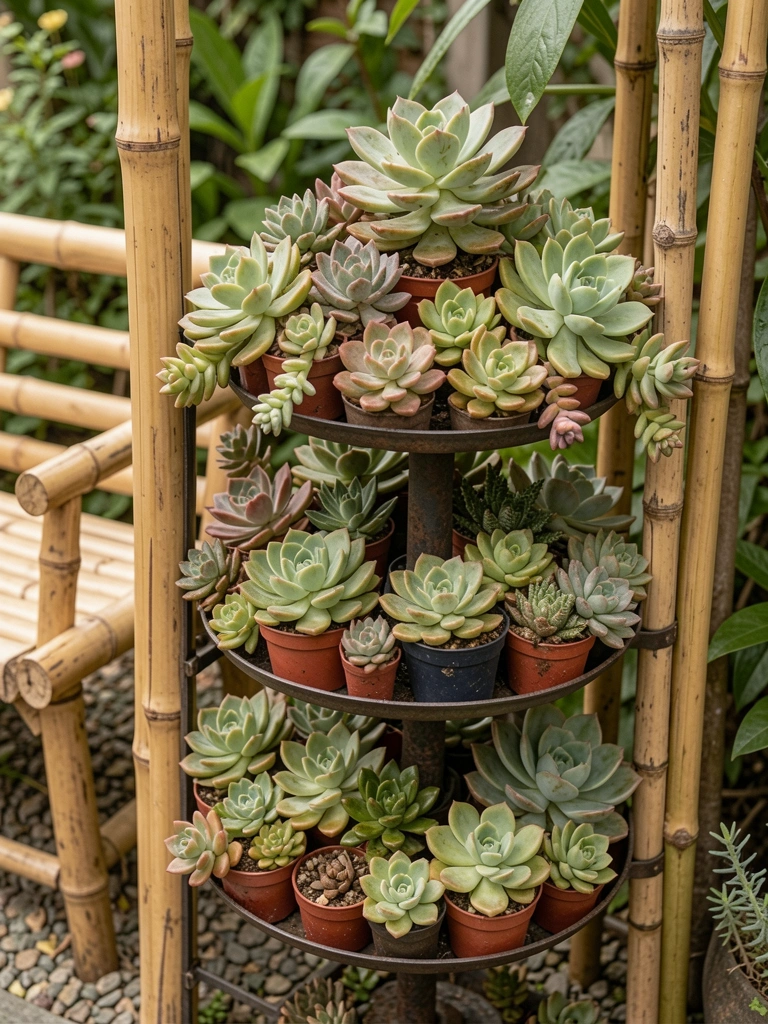
    Tiered stand bursts with succulents beside my bamboo bench. Textures mix—spiky, rosette—in tight space. Dry-tolerant; I forget to water sometimes.

    Overcrowded tiers first—space them loose. Now air flows, no rot.

    Bamboo weathers soft gray; blends right in.

    What You’ll Need for This Look

    Final Thoughts

    Pick one idea that fits your strip—no need for all 10. Start small; tweak as plants settle.

    I've got benches in three spots now, each for different moods. Yours will pull you outside too.

    Breathe easy. You've got this.
  • 23 Creative Small Front Garden Borders Ideas For A Defined Look

    23 Creative Small Front Garden Borders Ideas For A Defined Look

    I used to walk up to my house and feel like the front garden was just a mess of grass spilling onto the path. No clear lines, no welcome. Then I started adding simple borders. It changed everything—made the space feel ours, intentional.

    One rainy afternoon, I edged my path with stones I had lying around. Suddenly, plants had room to breathe, and weeds stayed put.

    Now, every time I pull up, it pulls me in. You can do this too, even in a tiny front yard.

    23 Creative Small Front Garden Borders Ideas For A Defined Look

    These 23 ideas come from my own front gardens over the years. They're simple to pull off in small spaces. Each one gives your yard that clean, defined edge without overwhelming work.

    1. Low Stone Edging with Gravel Infill

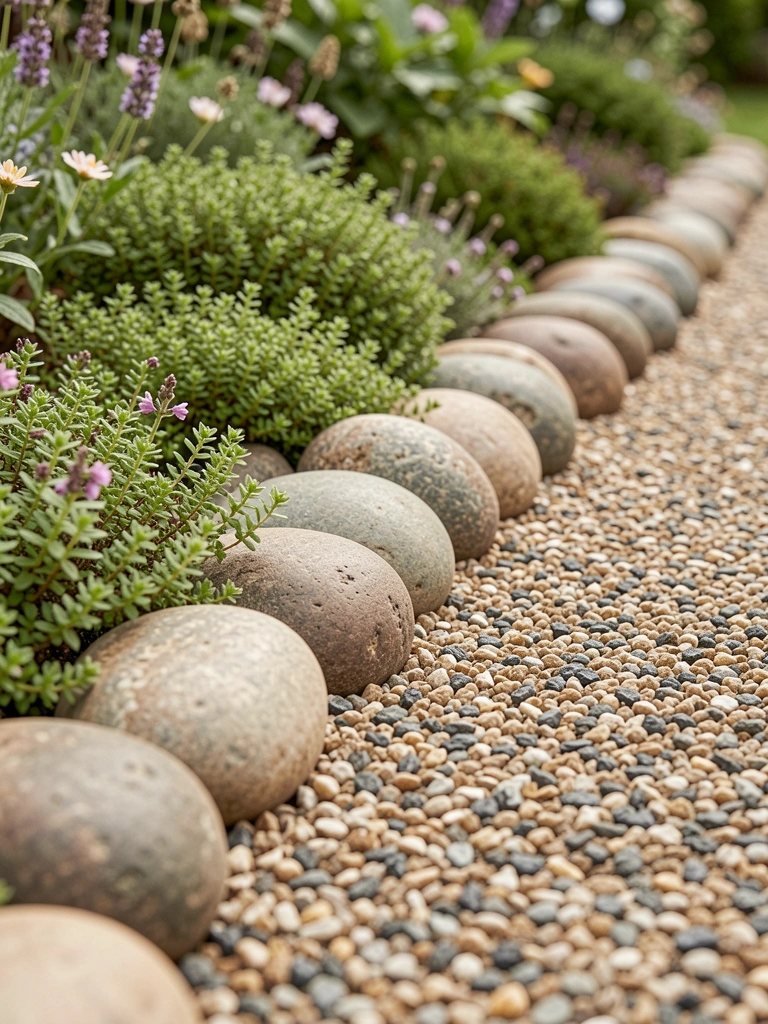
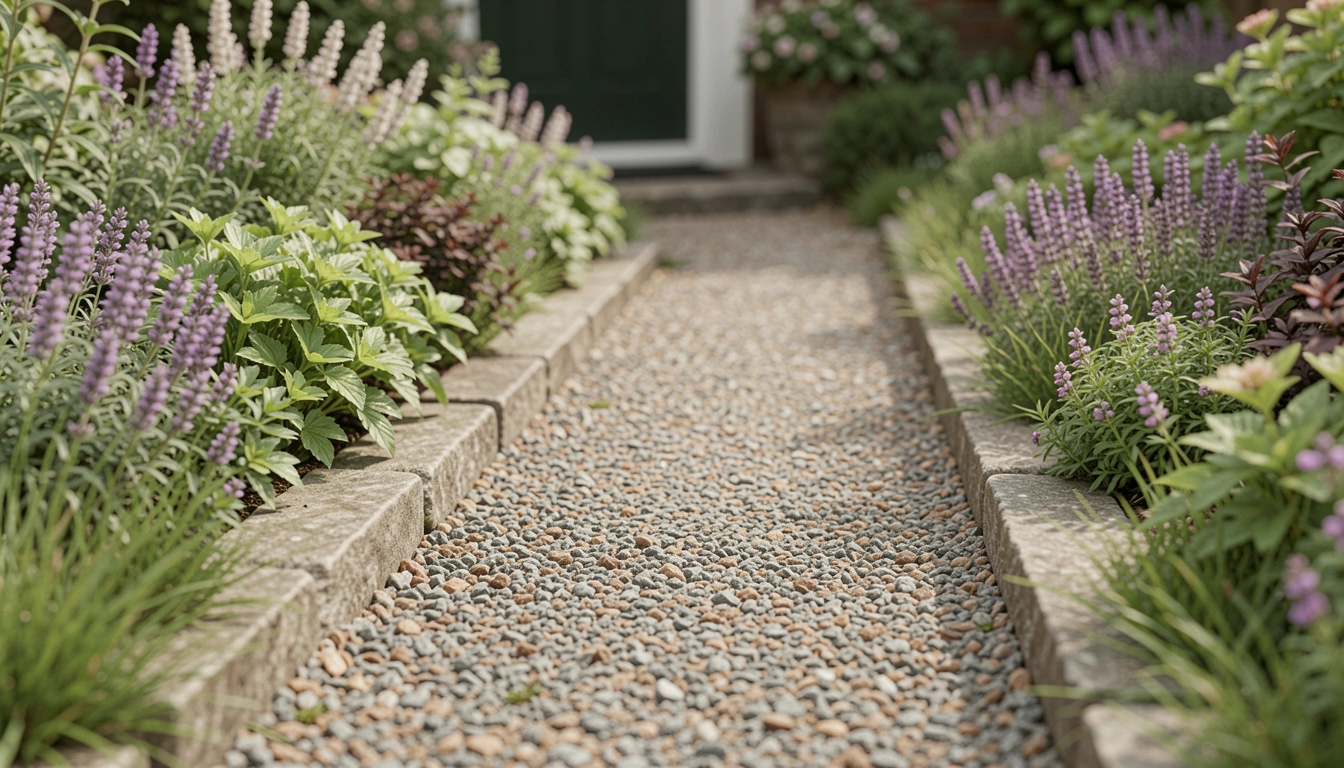
    I dug a shallow trench along my front walk and dropped in flat river stones. Filled the gaps with gravel—it drains fast and keeps mud off shoes. The stones settled unevenly at first, which I liked; it feels natural, not fussy.

    Weeds can't climb over, and it frames the path like it was always there. Rain hits it just right, no puddles.

    Pay attention to stone size—too big overwhelms a small yard. I sourced locals, but these work fine.

    In my second try, I added creeping thyme between stones. It softens the look, smells great when you brush past.

    What You’ll Need for This Look

    [a href="https://www.amazon.com/s?k=natural+river+rocks+for+gardens+medium+size&tag={{flowpinsystem-20}}">Natural river rocks (medium size)
    [a href="https://www.amazon.com/s?k=pea+gravel+bag+50+lb&tag={{flowpinsystem-20}}">Pea gravel (50 lb bag)
    [a href="https://www.amazon.com/s?k=creeping+thyme+plants+bare+root&tag={{flowpinsystem-20}}">Creeping thyme plants (bare root pack)

    2. Brick Paver Line with Dwarf Lavender

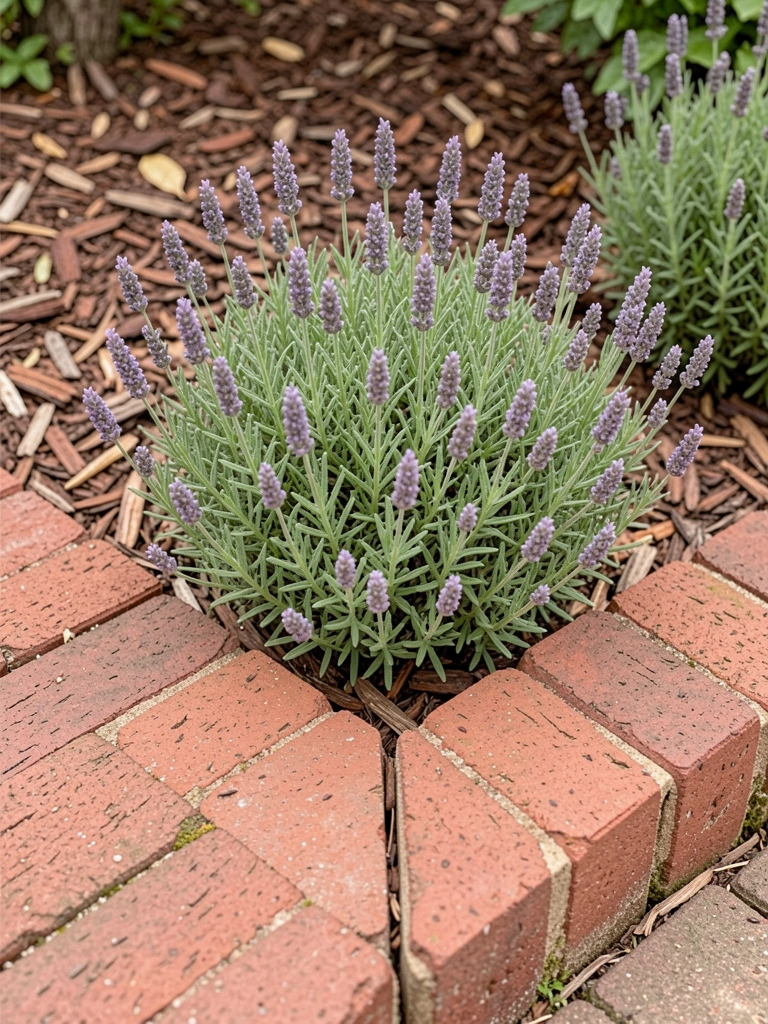
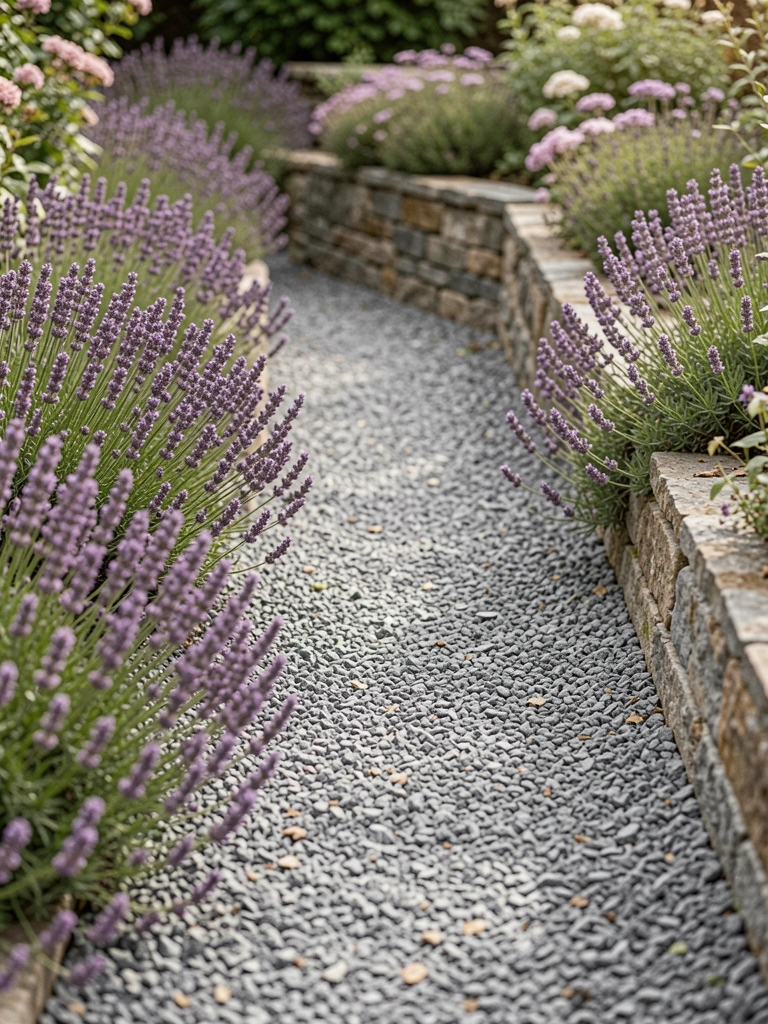
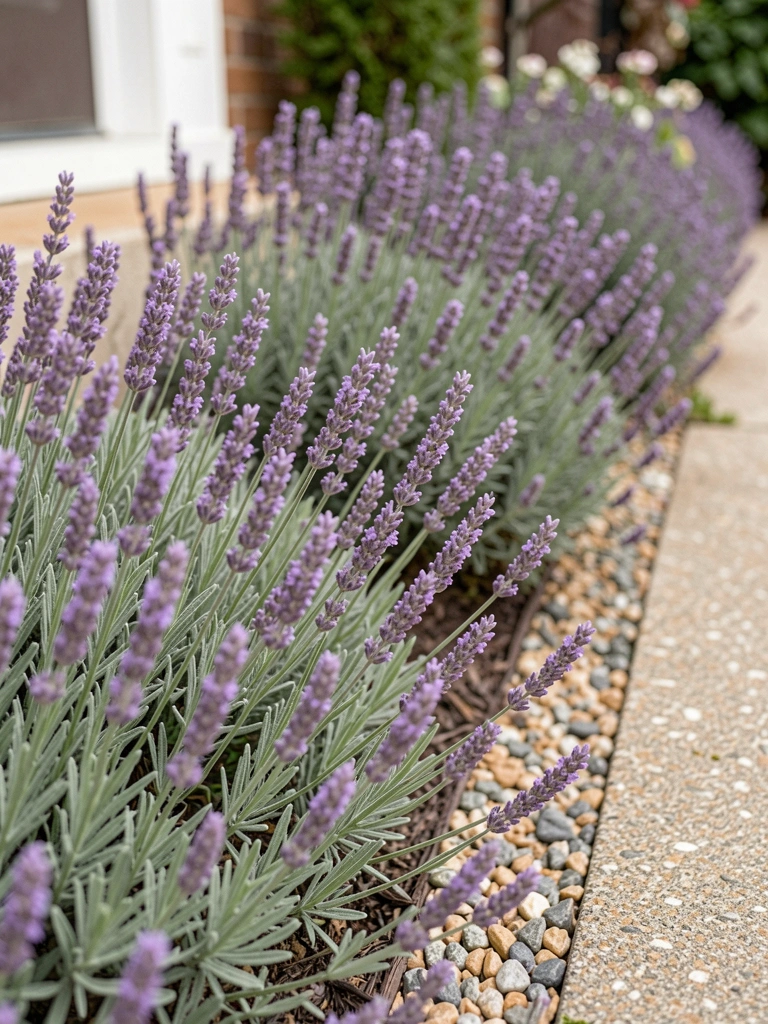
    Bricks from an old pallet edged my front bed perfectly. I laid them flat, half-buried, with dwarf lavender tucked in front. The purple blooms pop against the red, and it smells amazing on hot days.

    It defines the bed without stealing space. Before, grass invaded everything; now it's crisp.

    I learned to space bricks tight—gaps let weeds in. Water the lavender weekly at first; it roots deep.

    This setup lasted three seasons in my clay soil. Bees love it too.

    What You’ll Need for This Look

    [a href="https://www.amazon.com/s?k=reclaimed+brick+pavers+for+gardens&tag={{flowpinsystem-20}}">Reclaimed brick pavers (pack of 50)
    [a href="https://www.amazon.com/s?k=dwarf+lavender+plants+4+inch+pots&tag={{flowpinsystem-20}}">Dwarf lavender plants (4-inch pots)
    [a href="https://www.amazon.com/s?k=organic+mulch+bark+2+cu+ft&tag={{flowpinsystem-20}}">Organic bark mulch (2 cu ft bag)

    3. Recycled Railroad Tie Mini Border

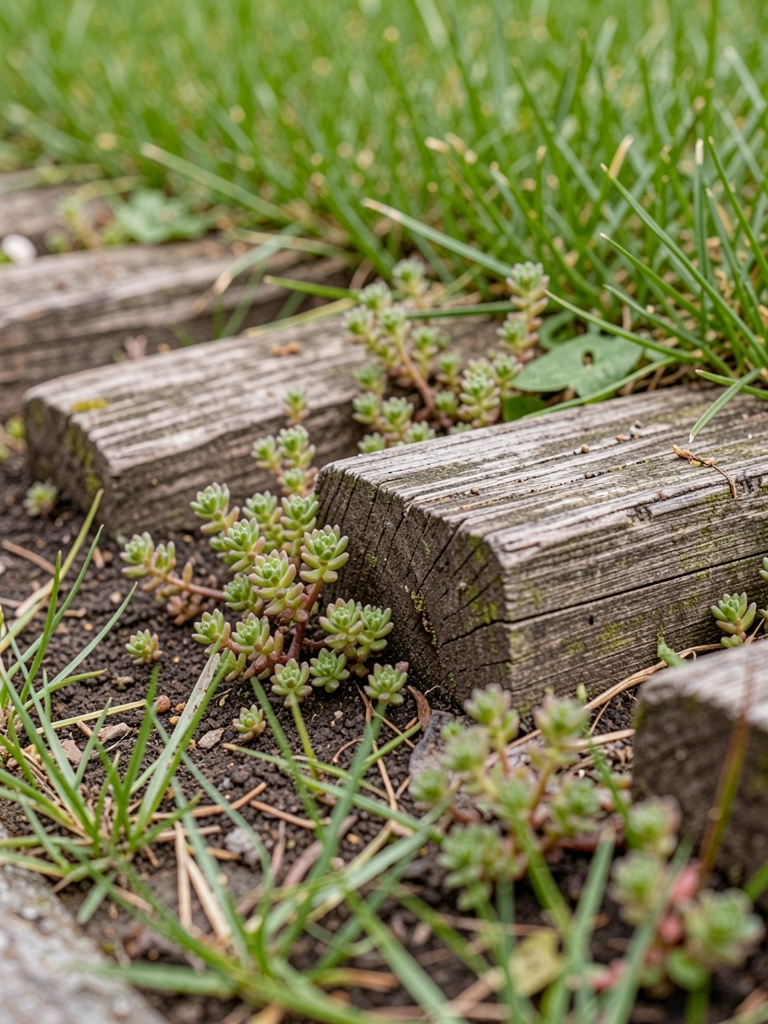
    I cut old railroad ties into 2-foot lengths for my narrow front border. Buried them halfway—holds soil back, gives a rustic feel. Added low sedum that spills over softly.

    It makes the lawn feel bigger, like the border draws the eye in. No more mower jams.

    They warp a bit over time, which adds character. I sealed mine lightly to slow rot.

    Great for sloped fronts; stakes them in place.

    What You’ll Need for This Look

    Mini railroad ties (8 ft, cuttable)
    Low sedum groundcover (tray of 32)
    Outdoor wood sealer (quart)

    4. Container Cluster Edge with Trailing Ivy

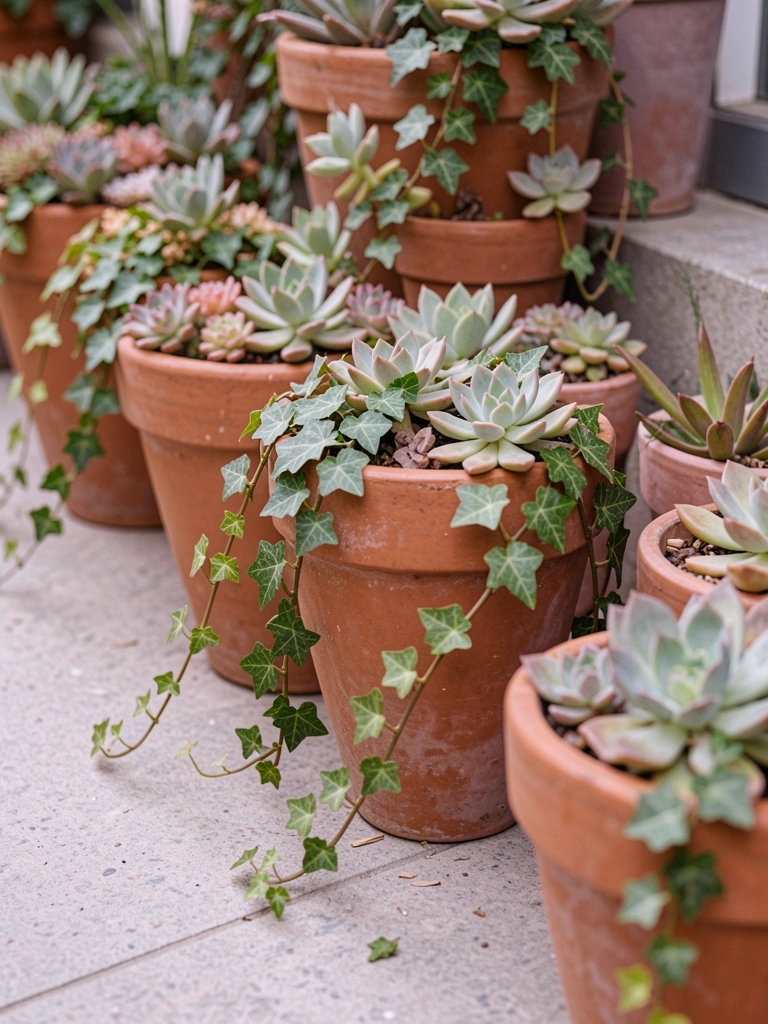
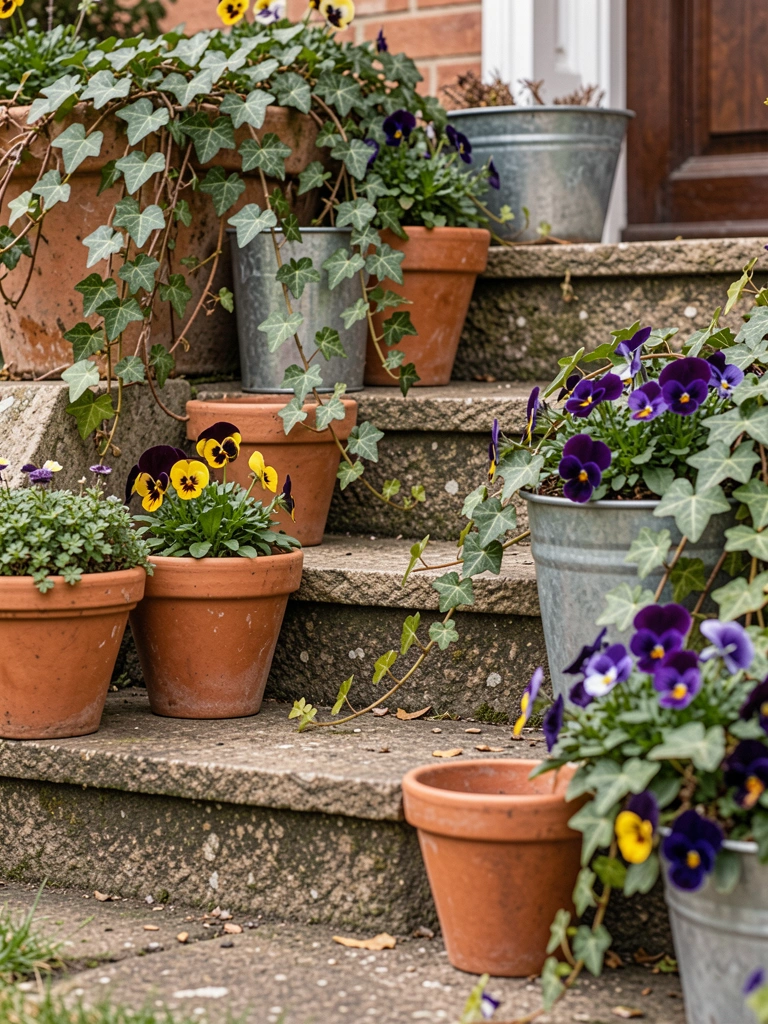
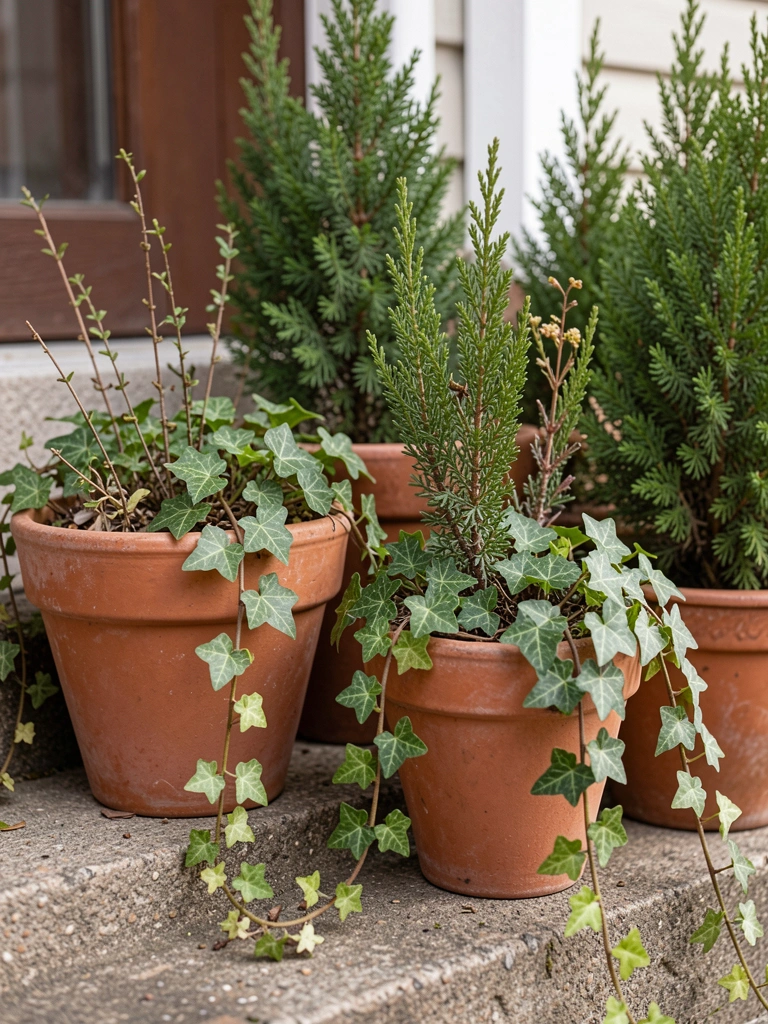
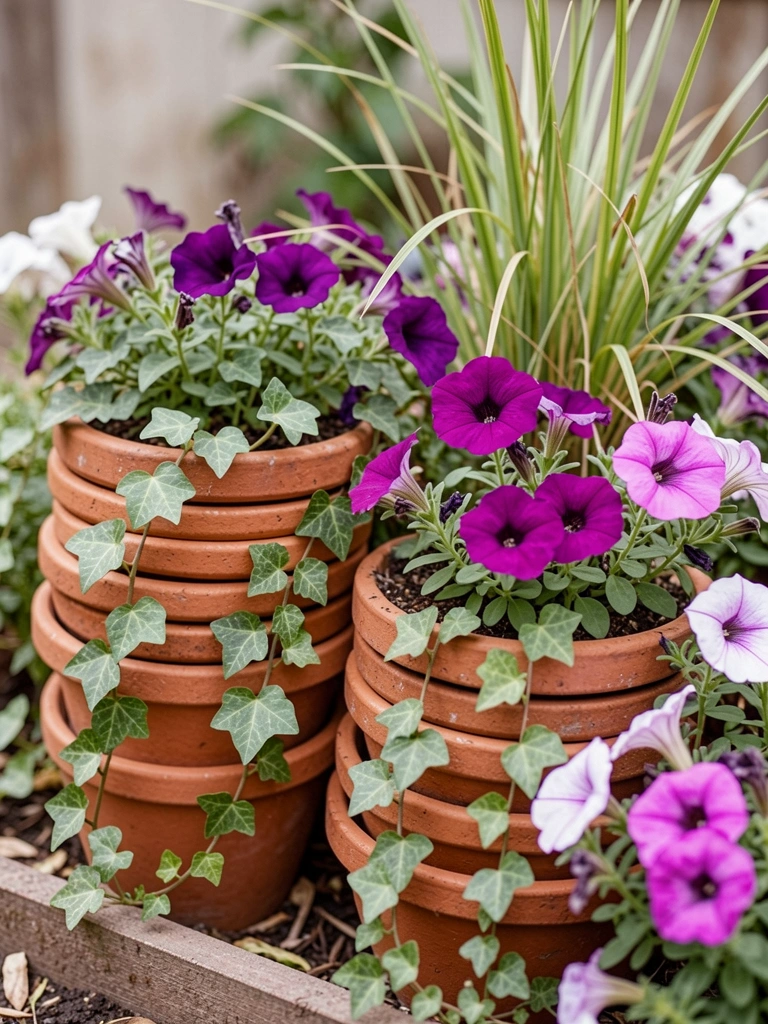
    I lined my steps with mismatched terracotta pots, planted trailing ivy and succulents. They hug the edge, soften concrete. Easy to move if needed.

    It adds height without digging. Feels cozy, like a little village.

    I overwatered once—ivy yellowed. Now I check soil first.

    Winter, tuck in pansies for color.

    What You’ll Need for This Look

    Terracotta pots (6-inch set of 6)
    Trailing ivy (4-inch pots)
    Mixed succulents (6-pack)

    5. Solar Light-Embedded Pebble Path Border

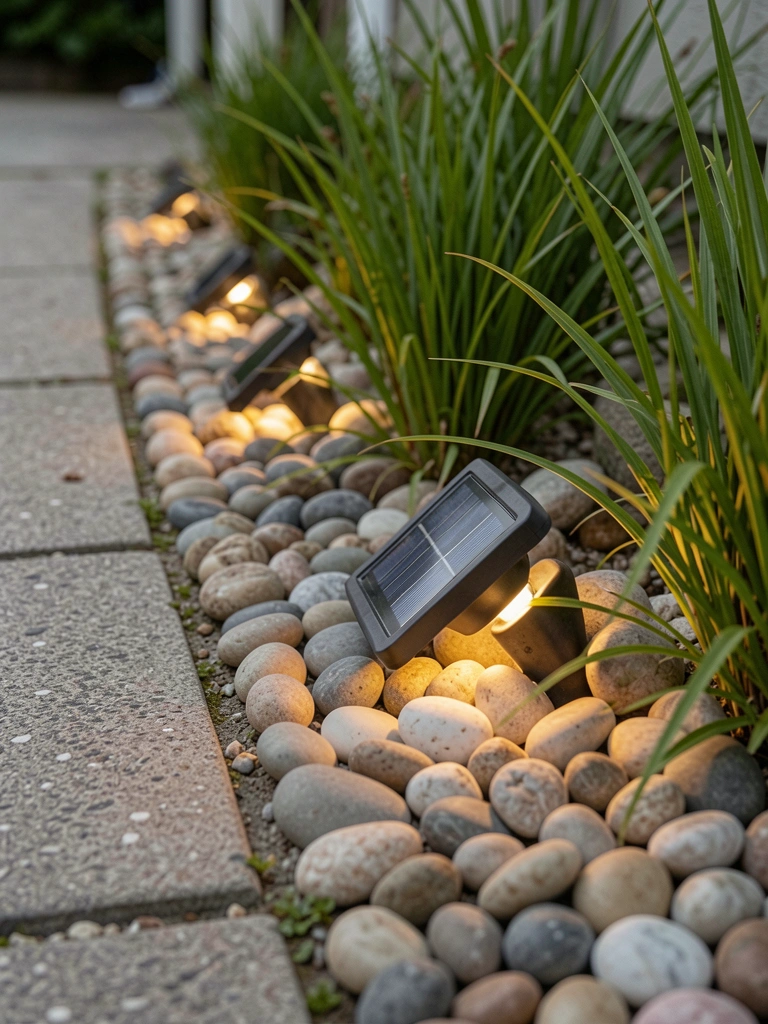
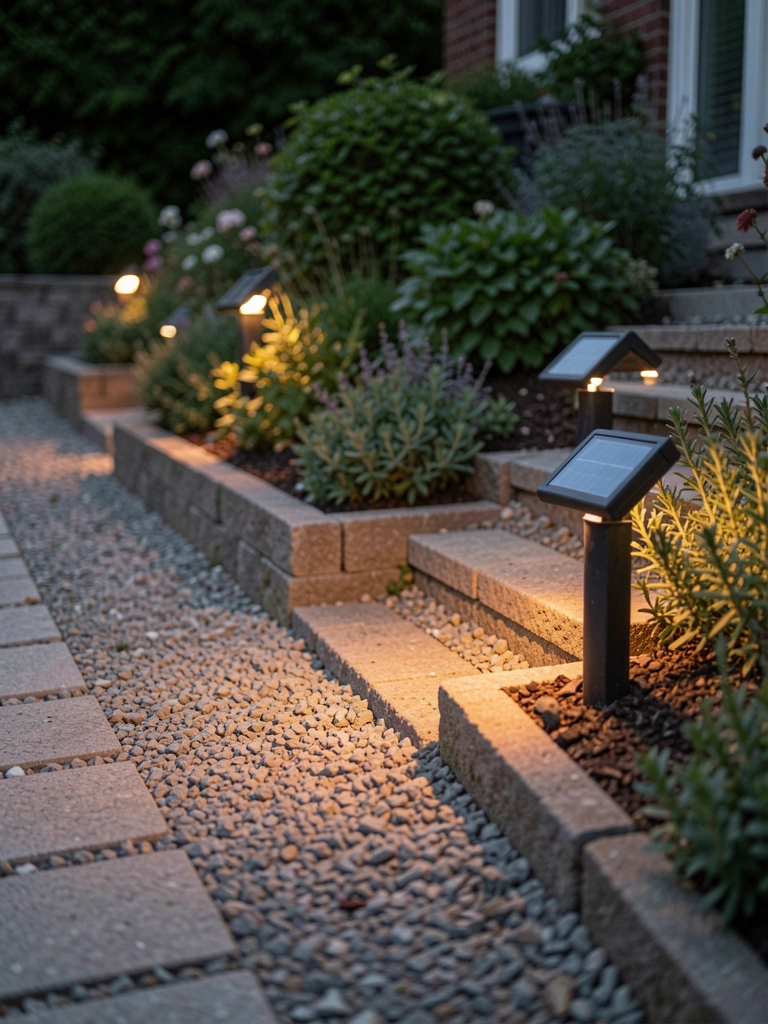
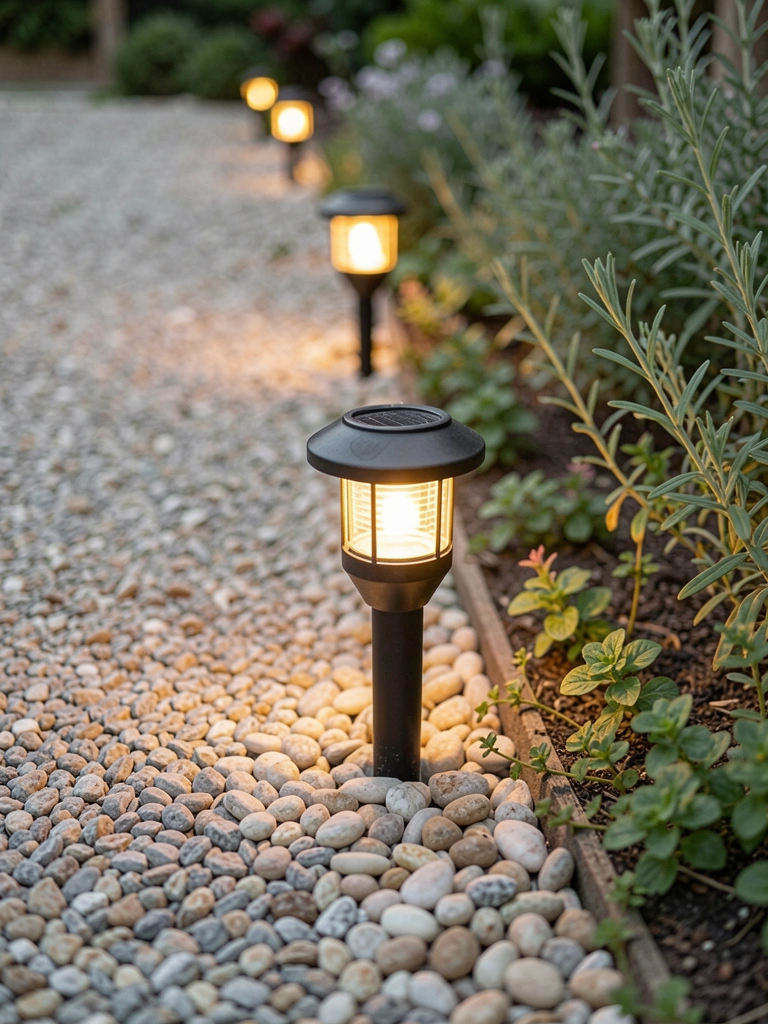
    Pebble line with solar stakes pushed in lights up my path at night. Defines the walk, safe for kids. Pebbles shift less than gravel.

    Soft glow welcomes you home. Daytime, it's subtle texture.

    Bury lights shallow; they charge better. Mine lasted two years.

    What You’ll Need for This Look

    Smooth river pebbles (20 lb bag)
    Solar pathway lights (warm white, 8-pack)

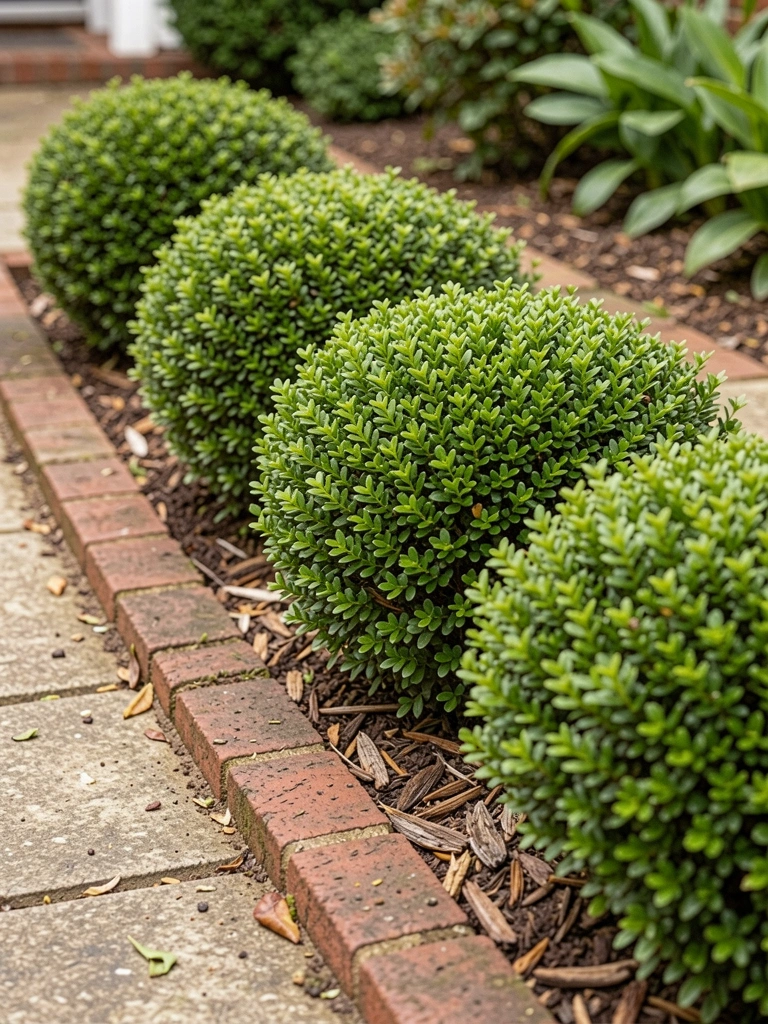
    6. Boxwood Mini Hedge Border

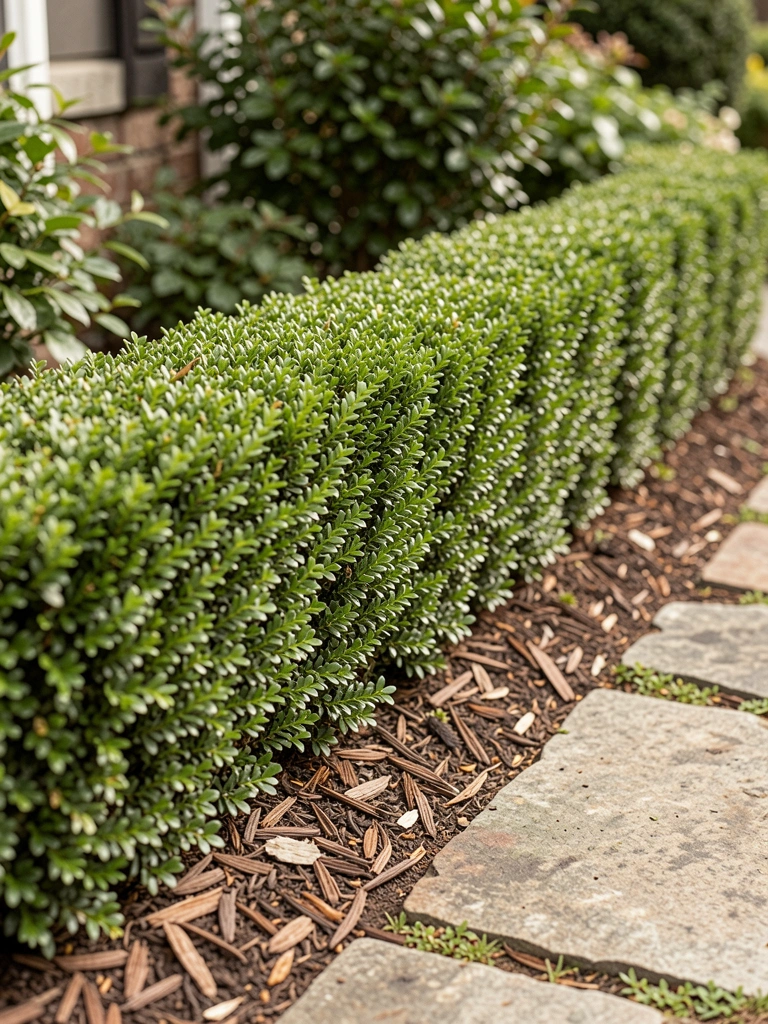
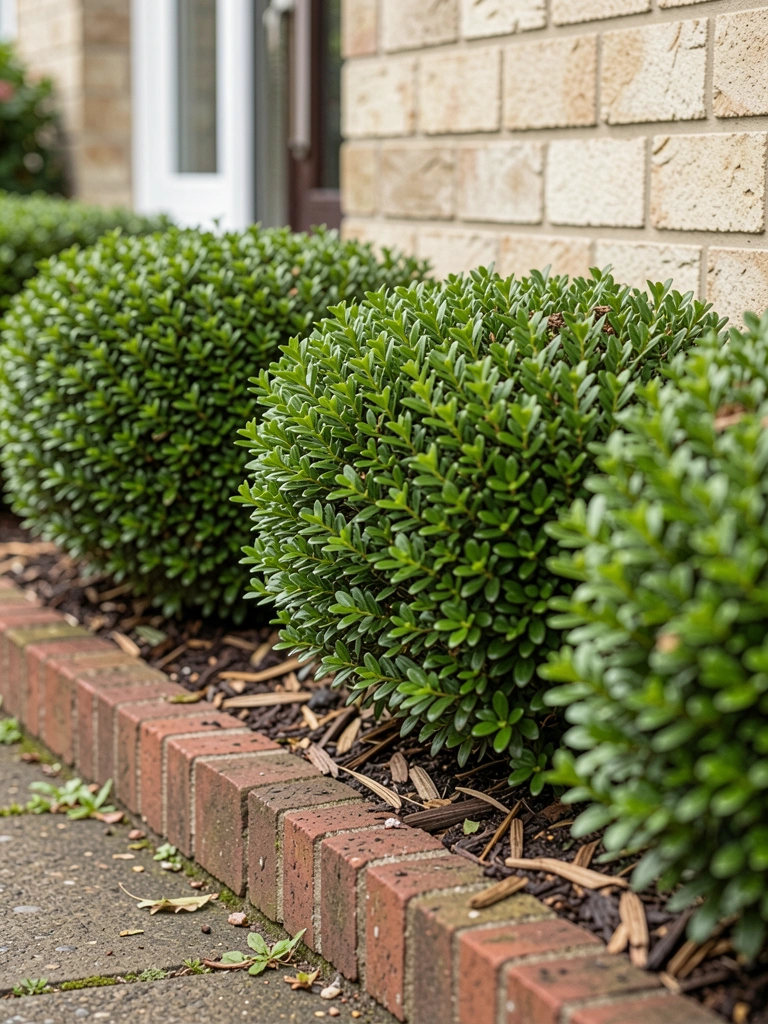
    Planted dwarf boxwood along my bed edge—clips to 12 inches. Neat green line year-round. Frames flowers behind.

    Shears keep it tidy; 10 minutes monthly. Feels classic, grounded.

    I planted too close once—thinned them out. Space 10 inches apart.

    What You’ll Need for This Look

    Dwarf boxwood (1-gallon pots)
    Manual hedge shears

    7. Painted Rock Divider Line

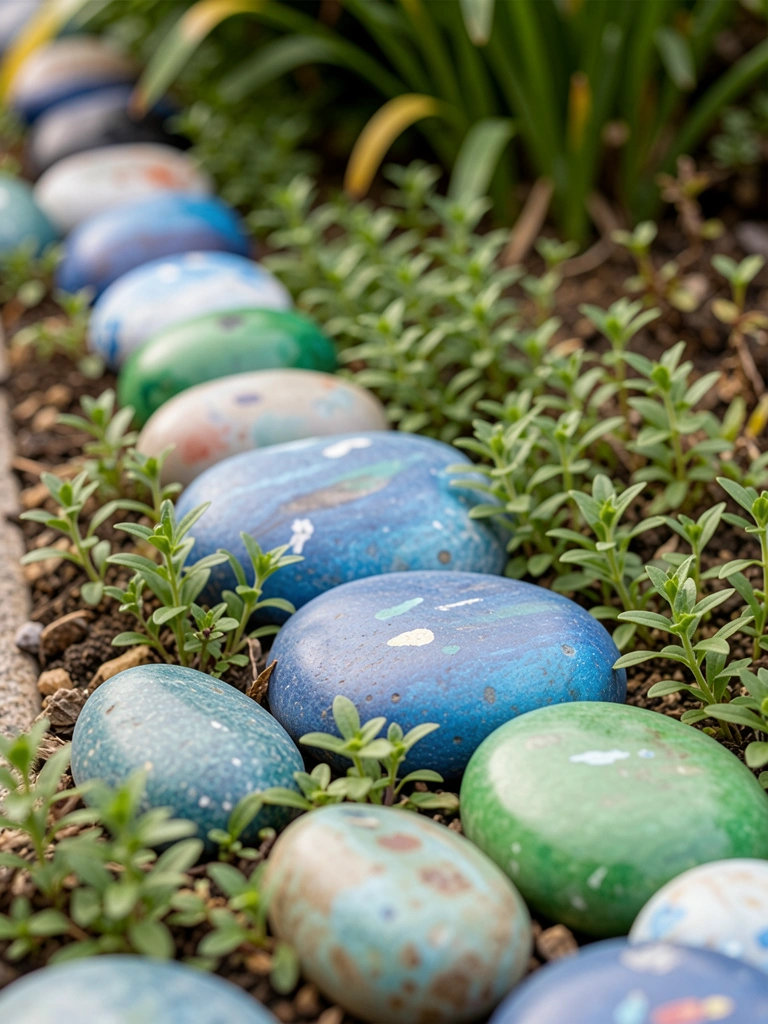
    Painted flat rocks in soft colors, laid them curb-side. Herbs peek between—fun, kid-proof.

    Adds personality without plants everywhere. Rain fades paint slow.

    Use outdoor acrylic; seals well. Mine held two winters.

    What You’ll Need for This Look

    Flat river rocks for painting (10 lb)
    Outdoor acrylic paint set
    Low-growing herb mix

    8. Metal Edging Strips with Catmint

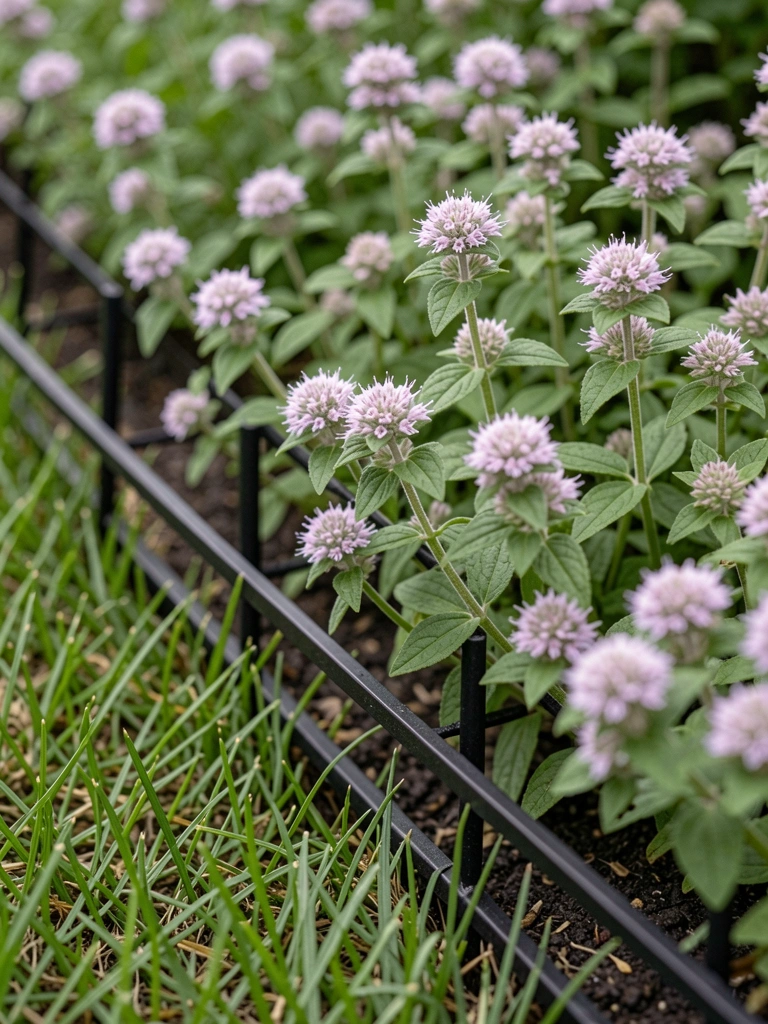
    Hammered in corrugated metal strips—clean, modern line. Planted catmint along; purple haze in summer.

    No bending over time like plastic. Cats rub on it happily.

    Stake ends deep. Rust adds patina.

    What You’ll Need for This Look

    Steel lawn edging strips (10 ft)
    Catmint plants (Nepeta, 1-gallon)

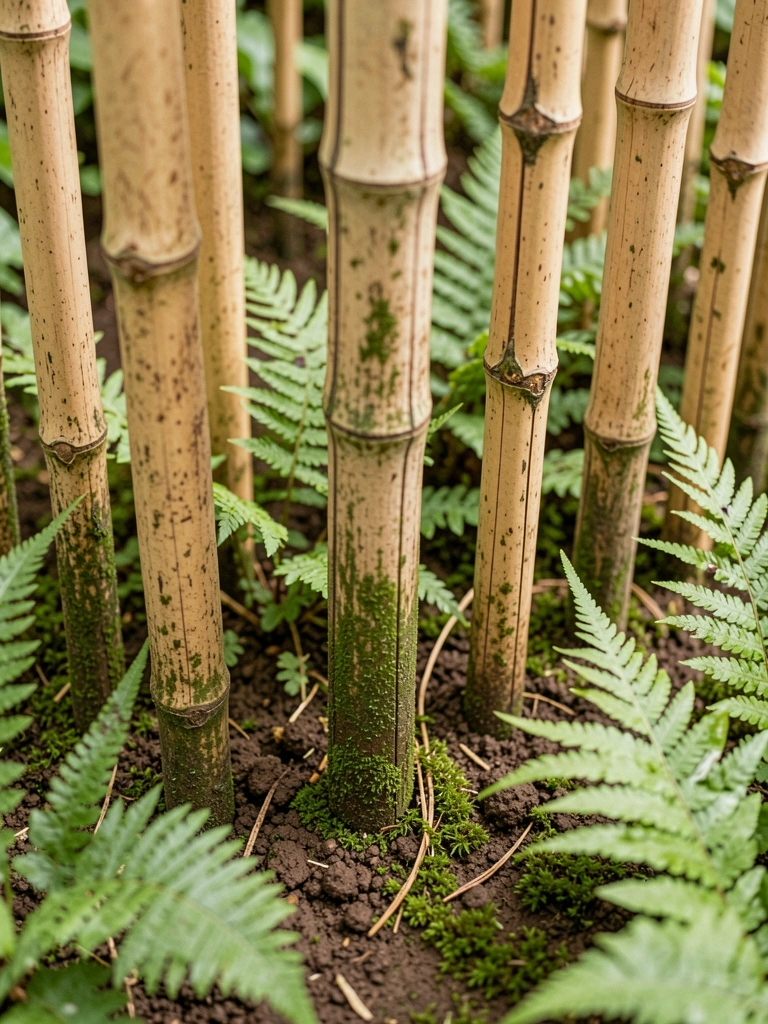
    9. Bamboo Pole Vertical Border

    Drove bamboo poles every foot along my shady edge. Ferns at base fill in soft.

    Tall but slim—screens without crowding. Feels tropical lite.

    Poles split once; choose thicker gauge now.

    What You’ll Need for This Look

    Bamboo poles (6 ft, 1-inch diameter)
    Shade ferns (pack of 6)

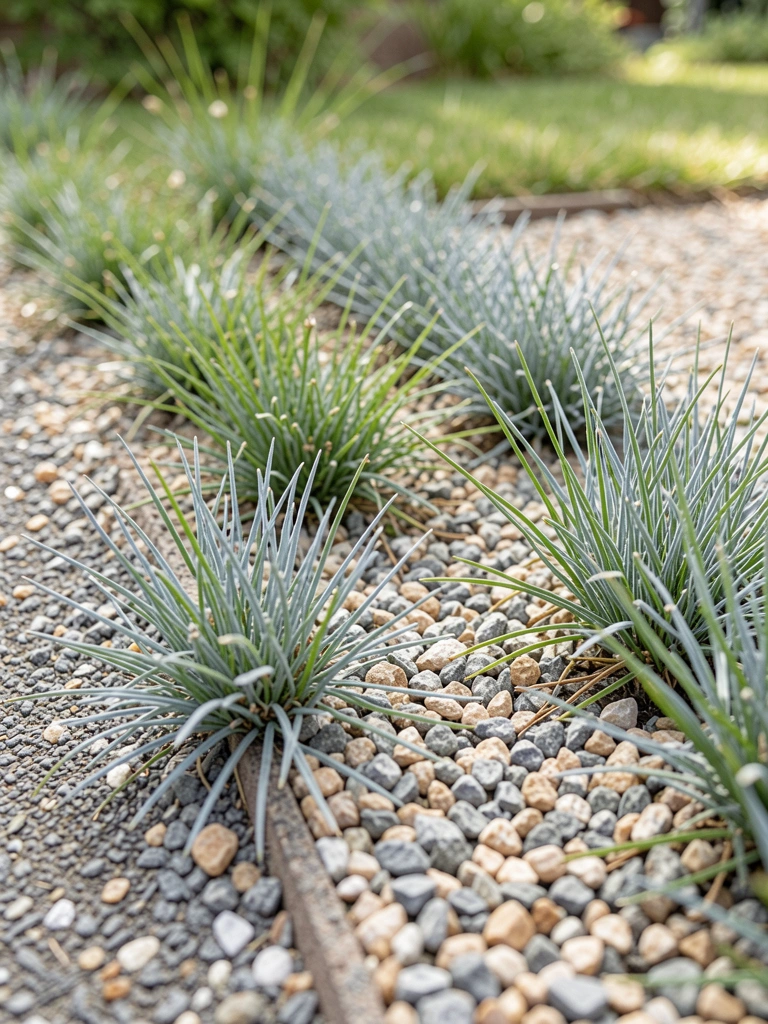
    10. Gravel Trench with Ornamental Grass Tufts

    Dug a 6-inch gravel trench, dotted with blue fescue. Low movement catches eye.

    Defines without height. Drought-proof once set.

    Grasses spread slow—trim yearly.

    What You’ll Need for This Look

    Decomposed granite gravel
    Blue fescue (9-cell tray)

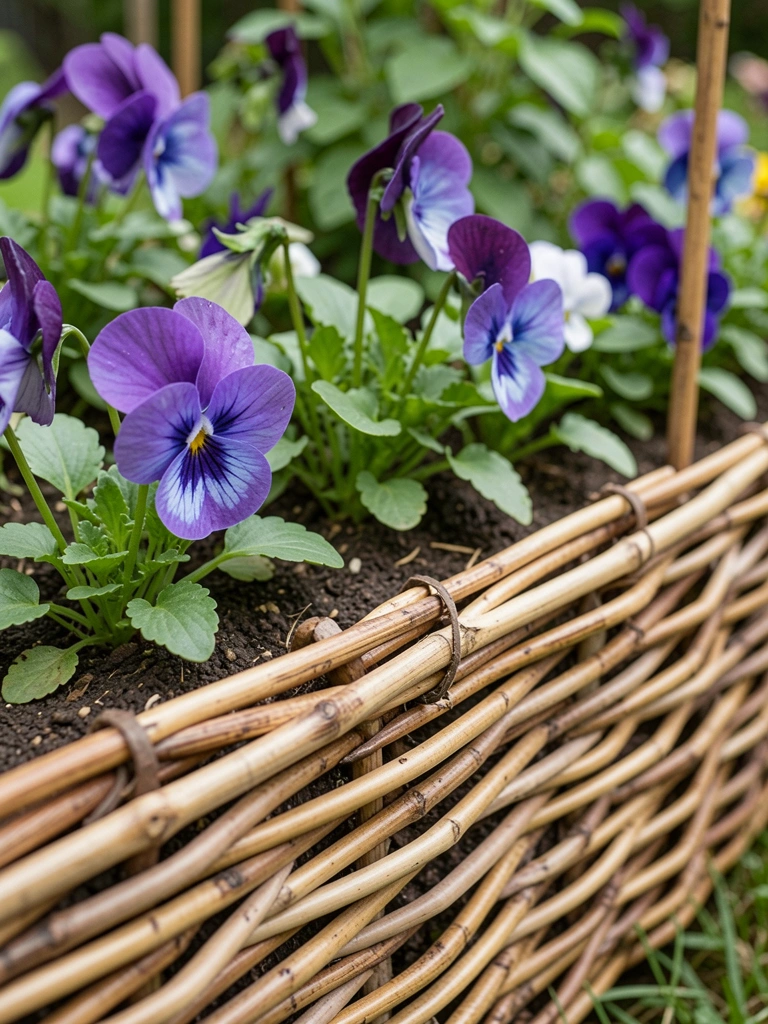
    11. Woven Willow Hurdle Edge

    Wove willow hurdles into a low fence. Violas spill over—cottage feel.

    Breathable, lets air flow. Ages to silver-gray nicely.

    Tie posts firm; mine loosened once.

    What You’ll Need for This Look

    Woven willow hurdle (3 ft panels)
    Viola pansy mix

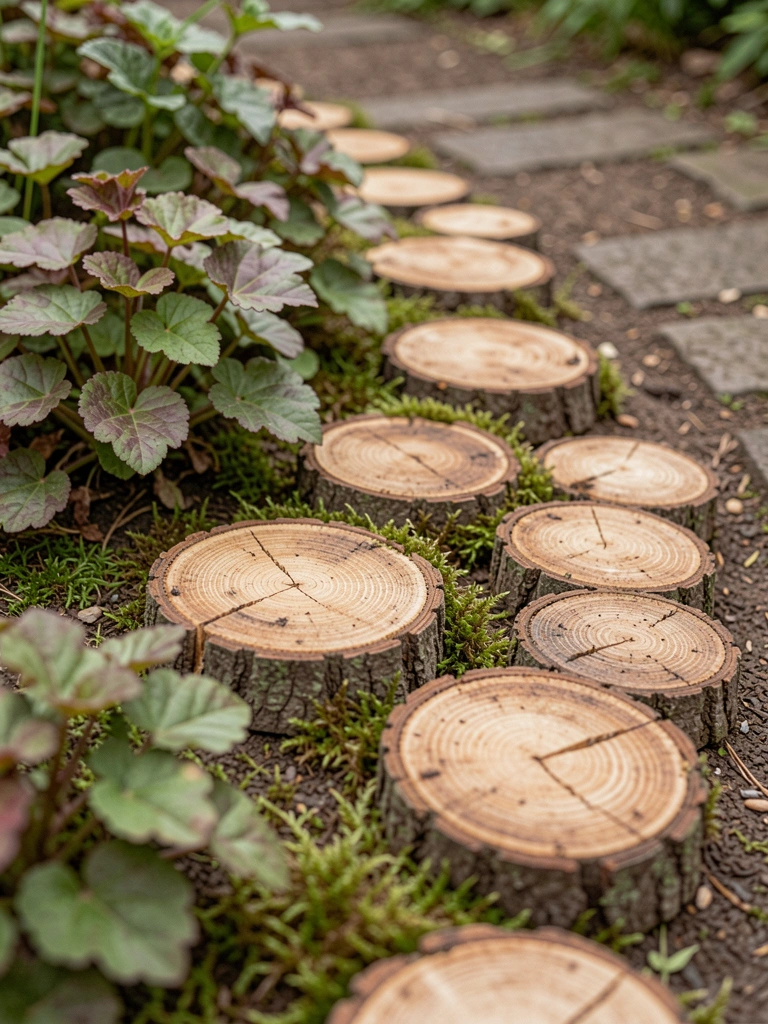
    12. Log Slice Pathway Border

    Sliced old logs into rounds, laid flat. Heuchera colors pop against wood.

    Organic shape feels woodland. Rot-resistant if treated.

    Sink level with path.

    What You’ll Need for This Look

    Wood log slices (12-inch diameter)
    Heuchera plants

    13. Shell Border with Sea Thrift

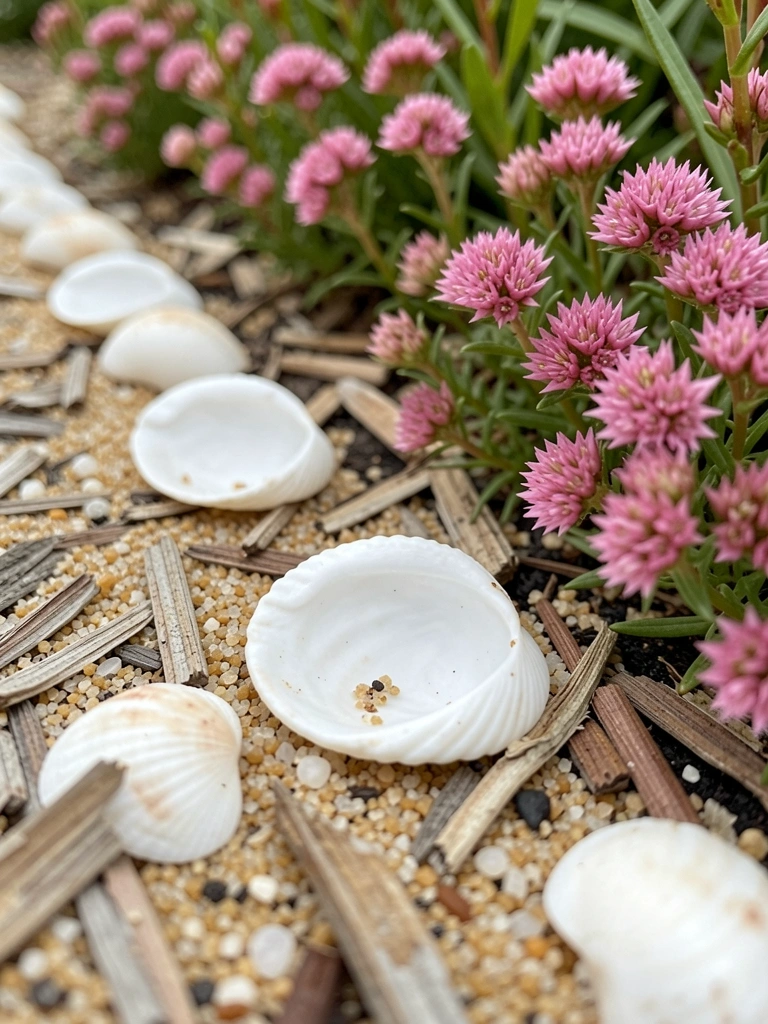
    Mixed crushed shells along my sunny edge. Sea thrift adds pink puffs.

    Beach vibe inland. Drains like crazy.

    Shells scatter in wind—rake occasional.

    What You’ll Need for This Look

    Crushed seashells (20 lb)
    Sea thrift plants

    14. Plastic-Free Rope and Stake Line

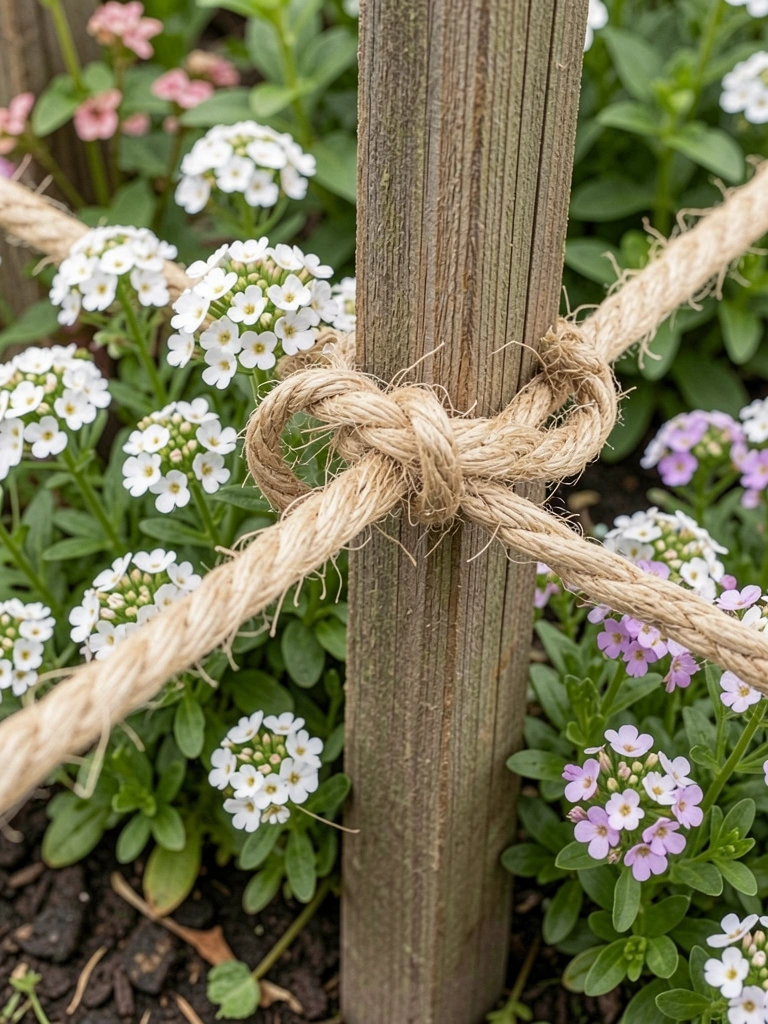
    Staked wood posts, looped jute rope low. Alyssum trails under—sweet scent.

    Temporary feel, easy swap. Blends in.

    Rope frays yearly; natural cycle.

    What You’ll Need for This Look

    Jute rope (50 ft)
    Wooden stakes (18-inch pack)
    Sweet alyssum seeds

    15. Cobble and Creeping Jenny Border

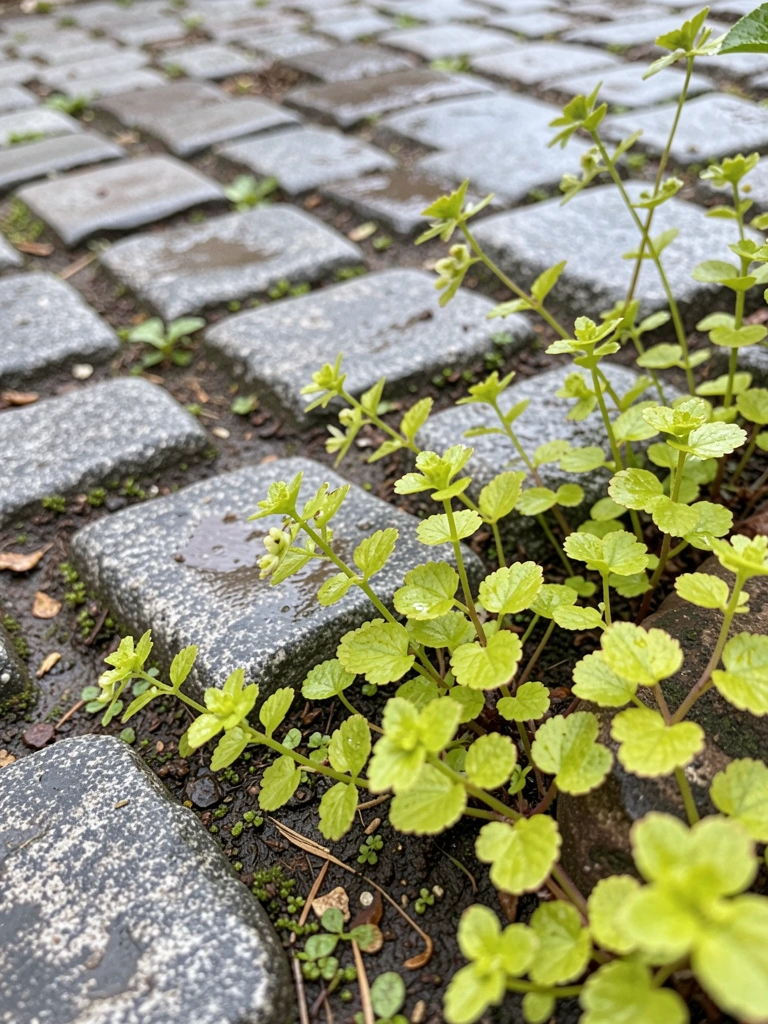
    I once bought fancy cobbles that sank in wet soil—lesson learned, use sand base. Now my creeping Jenny weaves through stable ones.

    Green carpet effect, glows in shade. Suppresses weeds.

    Jenny spreads fast—pull extras.

    What You’ll Need for This Look

    Cobblestone edging kit
    Creeping Jenny (4-pack)
    All-purpose sand (50 lb)

    16. Herb Wheel Border

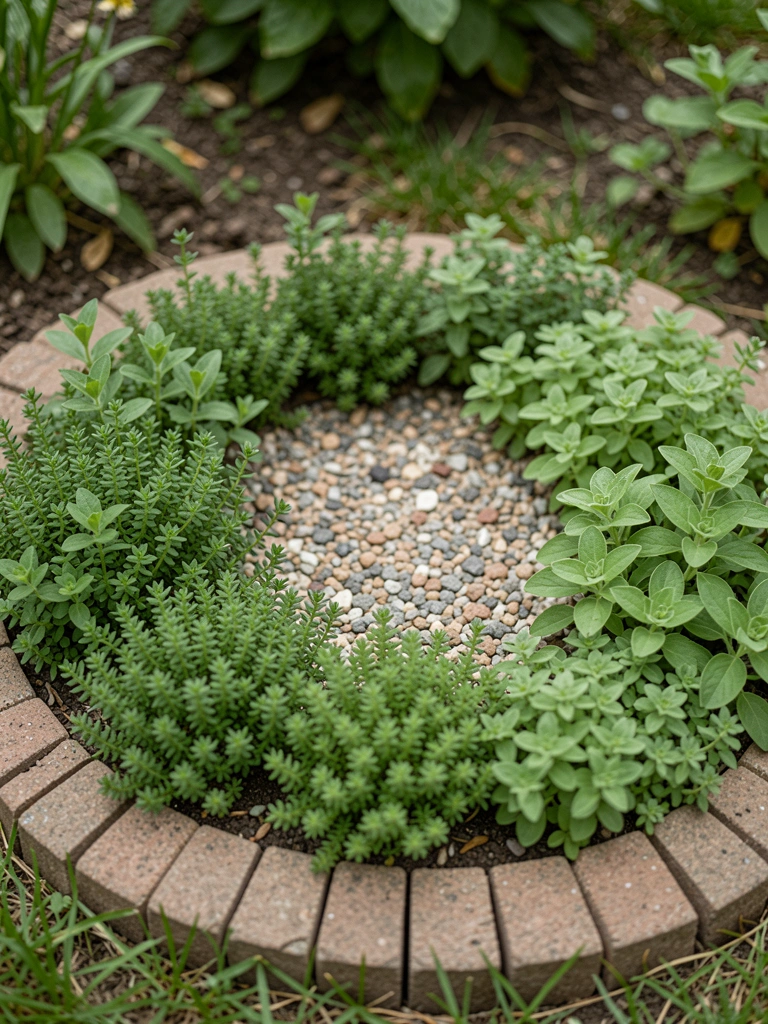
    Curved low herbs into wheel along path. Thyme edges, oregano inside—pick as you pass.

    Functional beauty. Drought tolerant.

    Space for air; mine crowded first year.

    What You’ll Need for This Look

    Culinary herb collection

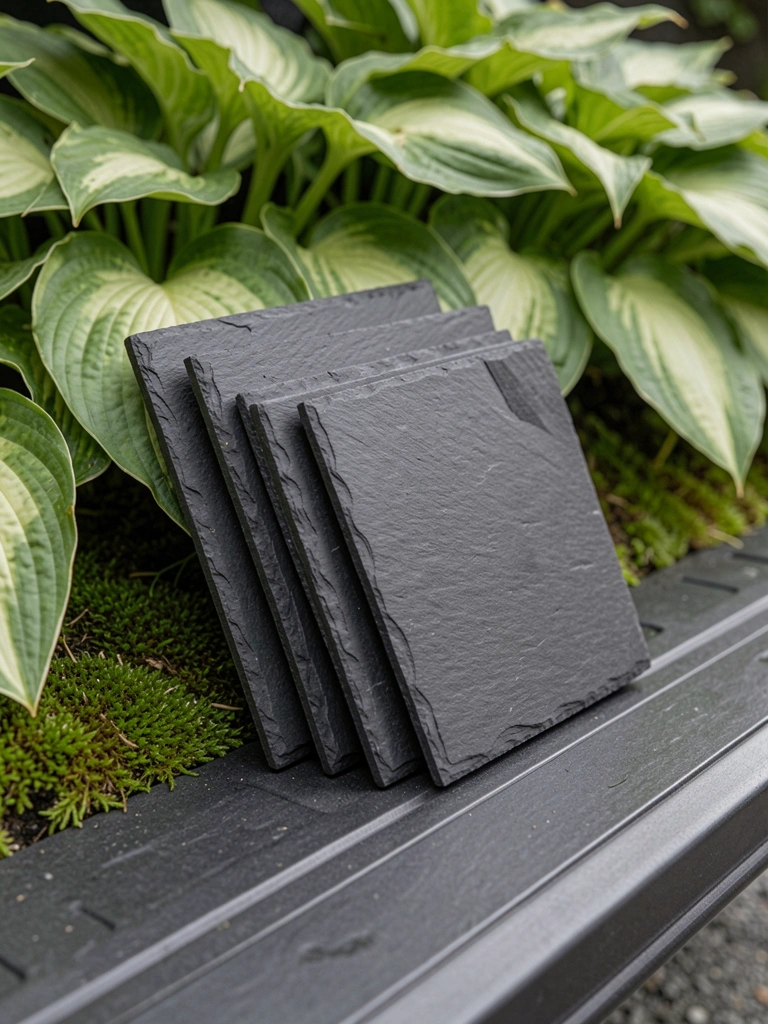
    17. Slate Tile Lean-In Edge

    Leaned slate tiles—no digging. Hostas peek over; shady cool.

    Removable for bulbs. Slate weathers dark.

    Prop firm.

    What You’ll Need for This Look

    Slate tiles (12×12)
    Hosta plants

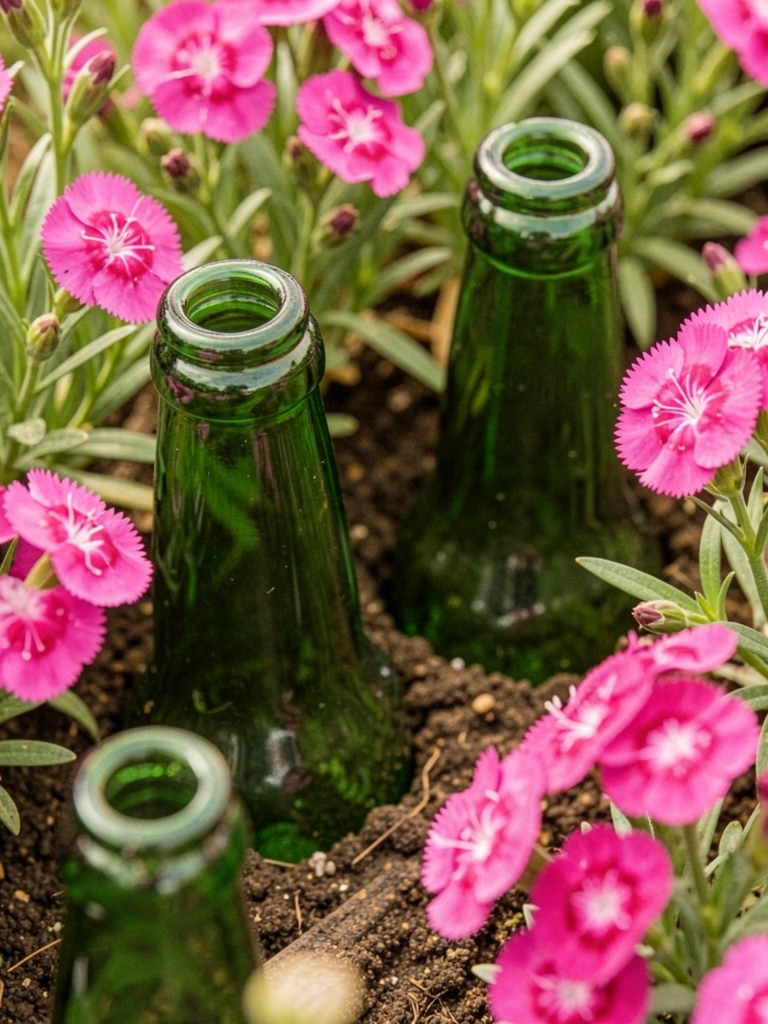
    18. Bottle Neck Fence Border

    Buried old bottle necks neck-down. Dianthus fills gaps—sparkly catchlight.

    Upcycled charm. Clean bottles first.

    Shards rare if packed tight.

    What You’ll Need for This Look

    Recycled glass bottles
    Dianthus pinks

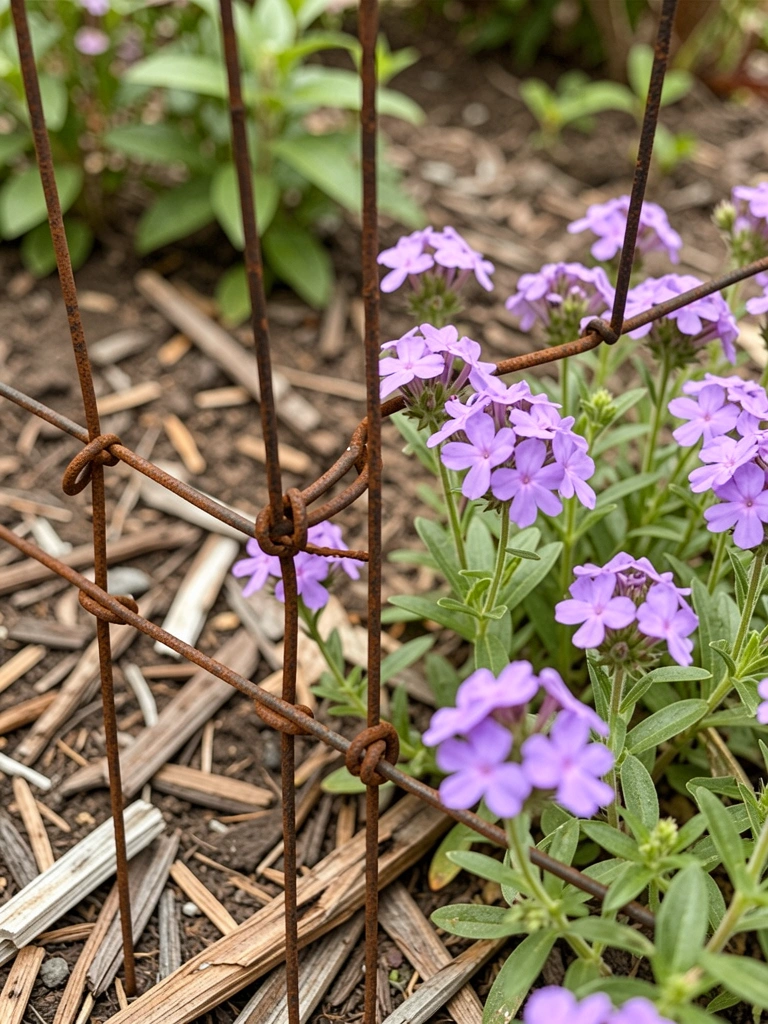
    19. Low Wire and Verbena Edge

    Bent garden wire into low hoop. Verbena drapes—butterfly magnet.

    Invisible almost. Wire patinas nice.

    Stretch taut.

    What You’ll Need for This Look

    Galvanized garden wire
    Trailing verbena

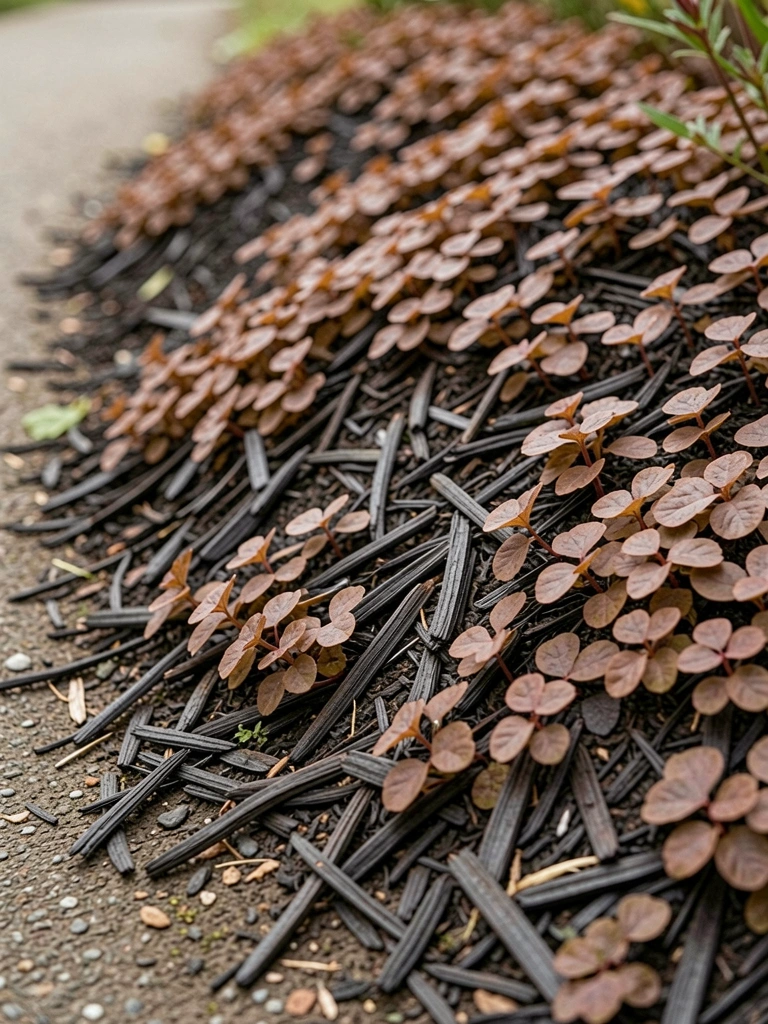
    20. Mulch Mound with Ajuga

    Mounded cedar mulch, planted ajuga. Bronze sheen defines soft.

    No edging needed. Mulch freshens yearly.

    Ajuga invades grass—watch sides.

    What You’ll Need for This Look

    Cedar mulch (2 cu ft)
    Ajuga plants

    21. Pallet Wood Scrap Border

    I nailed pallet slats end-up—cheap, but they rotted fast in rain. Now I treat them.

    Frames my veggie edge. Wood grays cozy.

    Short lengths fit small yards.

    What You’ll Need for This Look

    Heat-treated pallet wood
    Natural wood preservative

    22. Fern-Fringed Log Roll

    Rolled half-logs along shady front. Ferns fringe—lush screen.

    Holds moisture. Logs settle deep.

    Choose rot-resistant.

    What You’ll Need for This Look

    Half-log edging
    Ostrich ferns

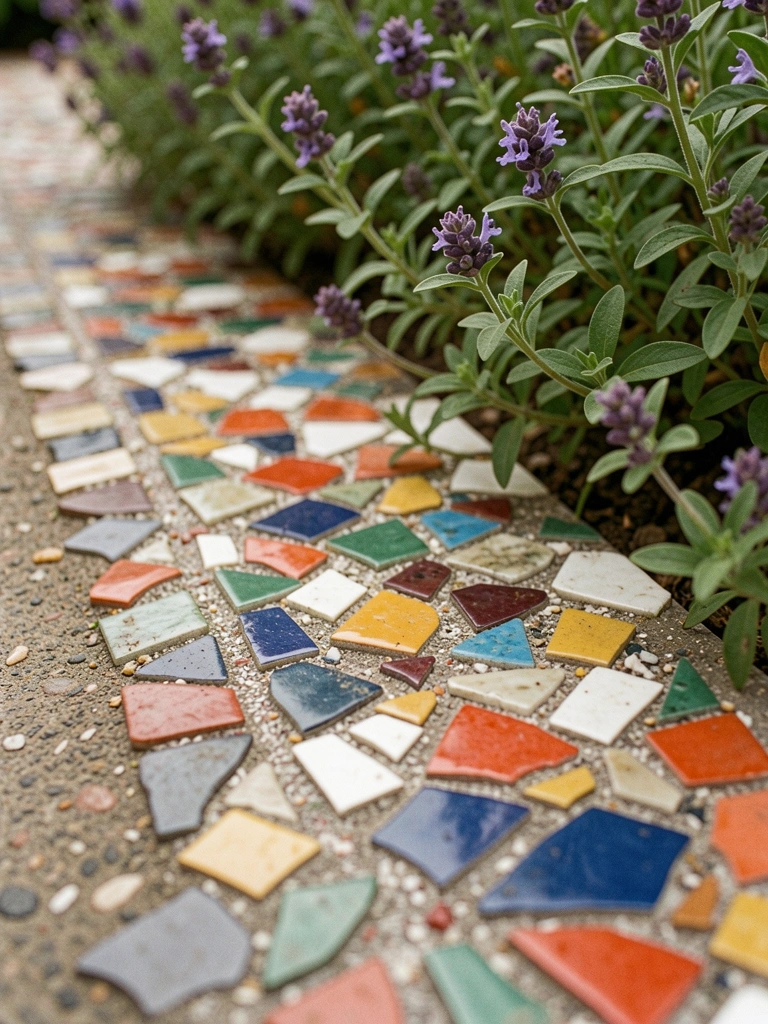
    23. Recycled Tile Mosaic Line

    Grouted old tile shards into line. Salvia spikes up—artful hold.

    Unique pattern. Grout seals.

    Break tiles safe.

    What You’ll Need for This Look

    Ceramic tiles for mosaic
    Outdoor grout
    Salvia plants

    Final Thoughts

    Pick one idea that fits your front yard's light and soil. Start small—I've redone mine plenty. It won't be perfect first go, but it'll feel right soon.

    Your garden will welcome you home better. You've got this. Just dig in.
  • 17 Budget Friendly Small Front Garden Ideas On A Budget

    17 Budget Friendly Small Front Garden Ideas On A Budget

    I remember staring at my scrappy front patch, barely 10 feet wide, choked with weeds after a long winter. It felt embarrassing, like the house was hiding.

    One spring, I grabbed what I had around—old pots, clippings from neighbors—and just started. No big plans.

    That mess turned cozy quick. These days, it welcomes me home. You can do the same, even tighter on cash.

    17 Budget Friendly Small Front Garden Ideas On A Budget

    Here are 17 small front garden ideas on a budget that I've tested in my own yard. Each cost me under $75, uses everyday spots, and builds curb appeal without fuss. Let's get into them.

    1. Thrifted Pot Cluster on Steps

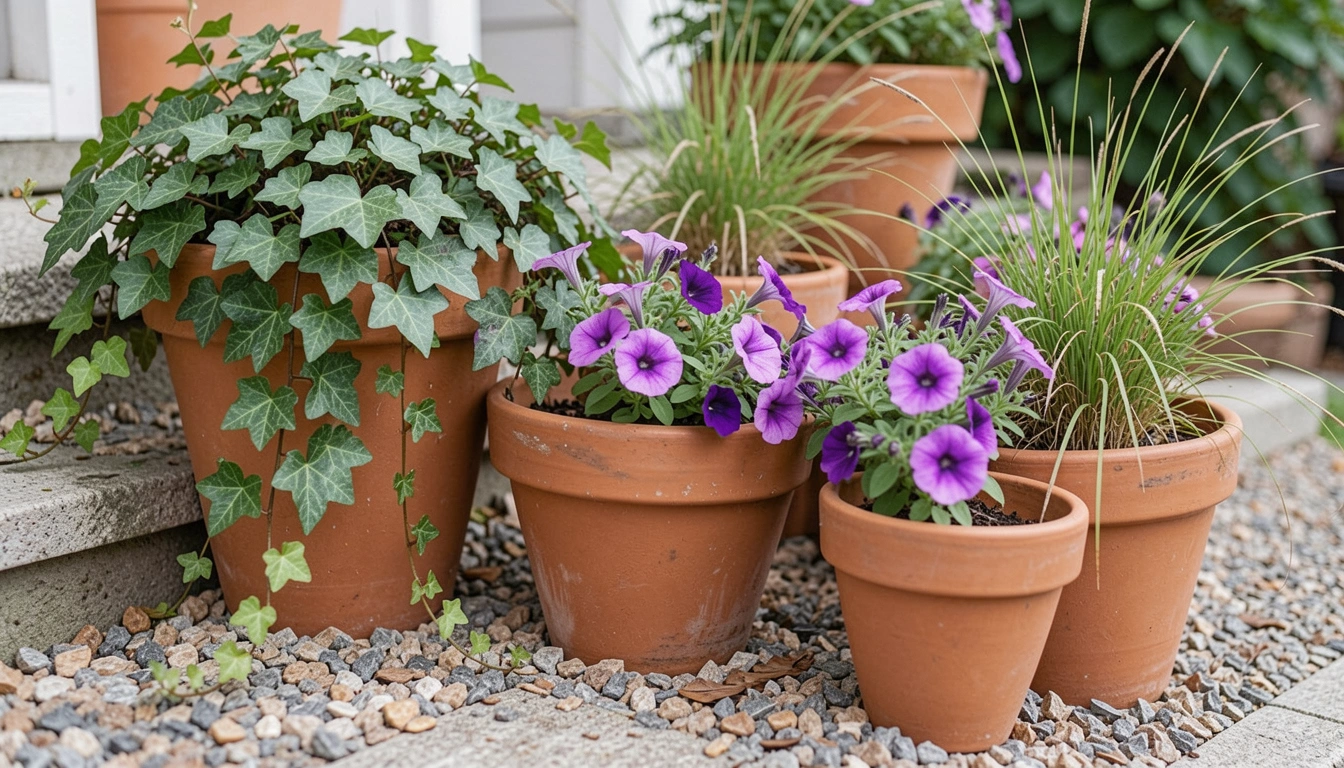
    I hauled home five mismatched pots from a yard sale for $10 total. Plunked them on my front steps, crammed in petunias and trailing ivy from cuttings. It hid the boring concrete and made the entry feel full right away.

    The colors popped—purples against rusty pots—and neighbors slowed down to look. No bare soil showing.

    Watch the weight; too many on top steps can tip. I wedged smaller ones behind bigger for balance.

    What You’ll Need for This Look

    2. Gravel Path with Bottle Edging

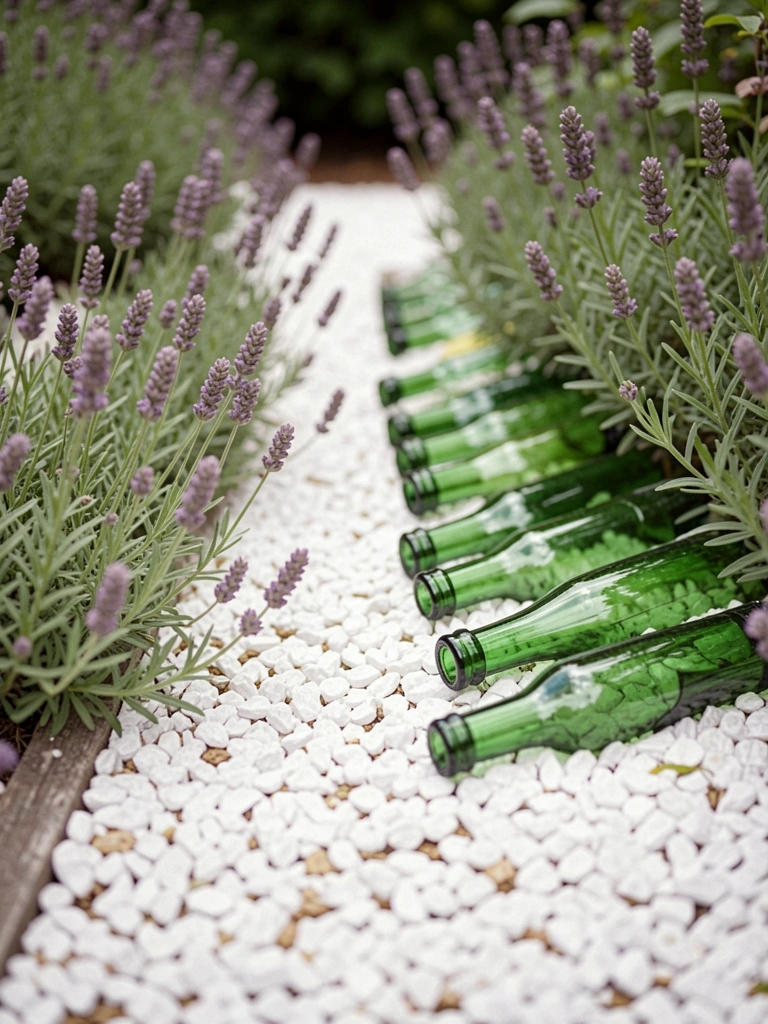
    My walkway was muddy ruts. I spread pea gravel over cardboard—$20 bag—and buried old blue bottles along the edges for free sparkle. Added dwarf lavender starts.

    It crunched underfoot, guided visitors right to the door, and that shimmer caught the sun just right.

    Don't skip the cardboard; weeds punched through once before I doubled it.

    What You’ll Need for This Look

    3. Vertical Wall Pocket Planters

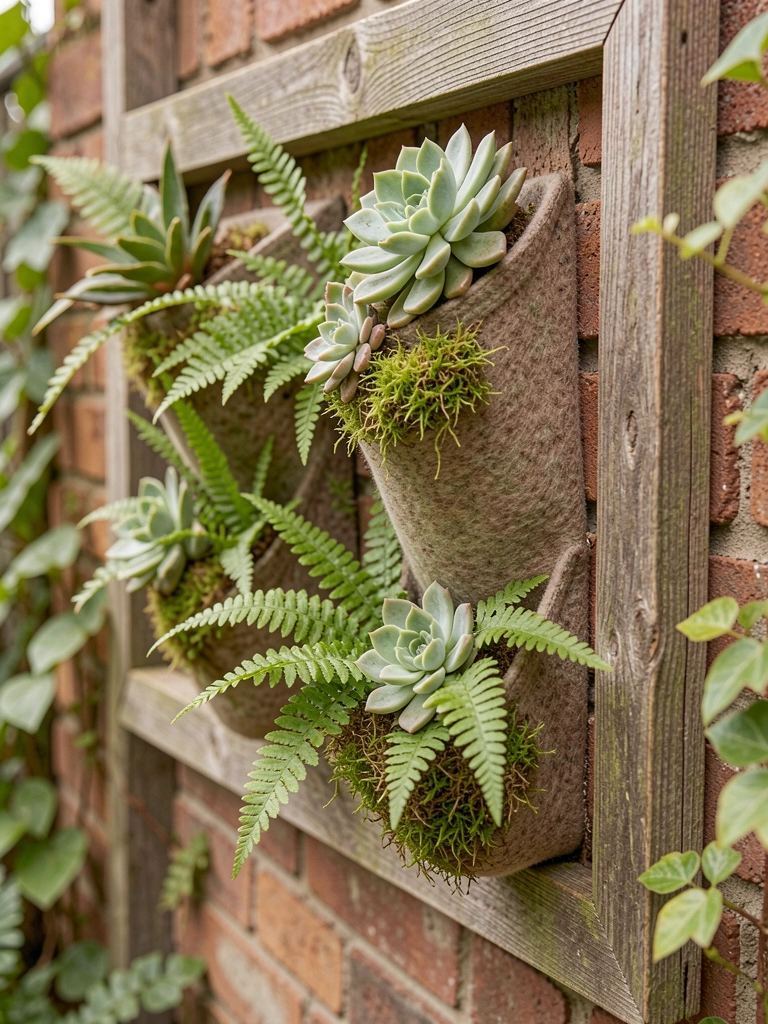
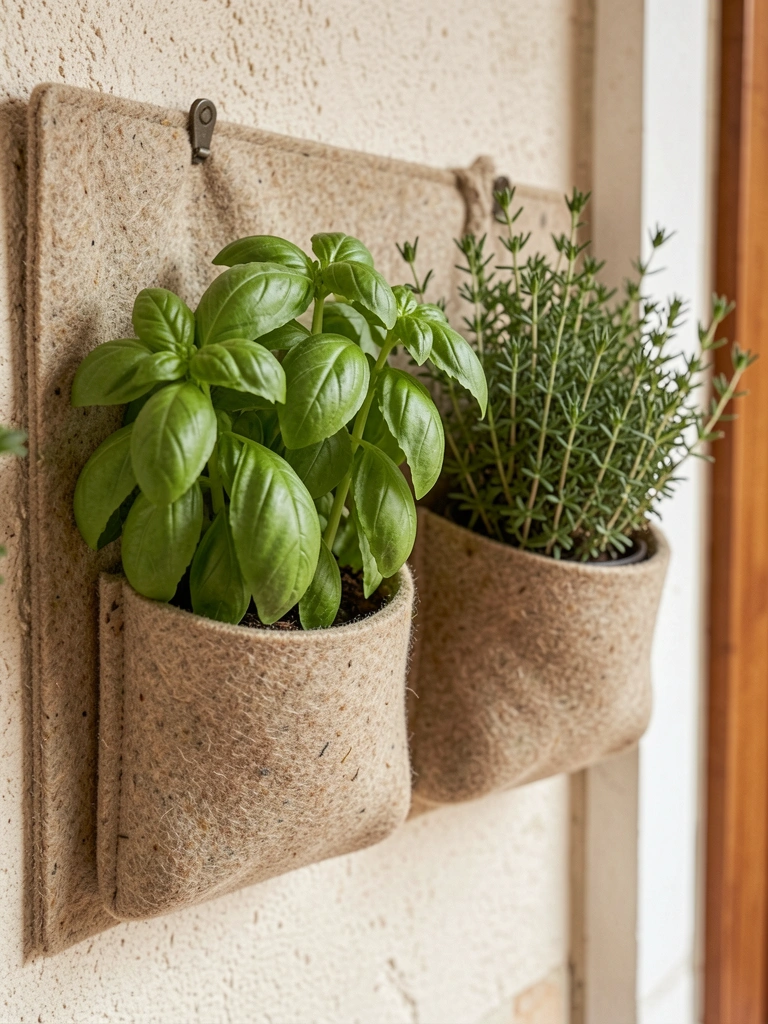
    No room for beds? I screwed felt pockets to the fence—saved space, added green height. Stuffed with hens-and-chicks and baby ferns from division.

    It softened the blank wall, drew eyes up, made the yard feel deeper.

    Overwatered once; now I check soil with a finger first.

    What You’ll Need for This Look

    4. Solar Lights Lining the Drive

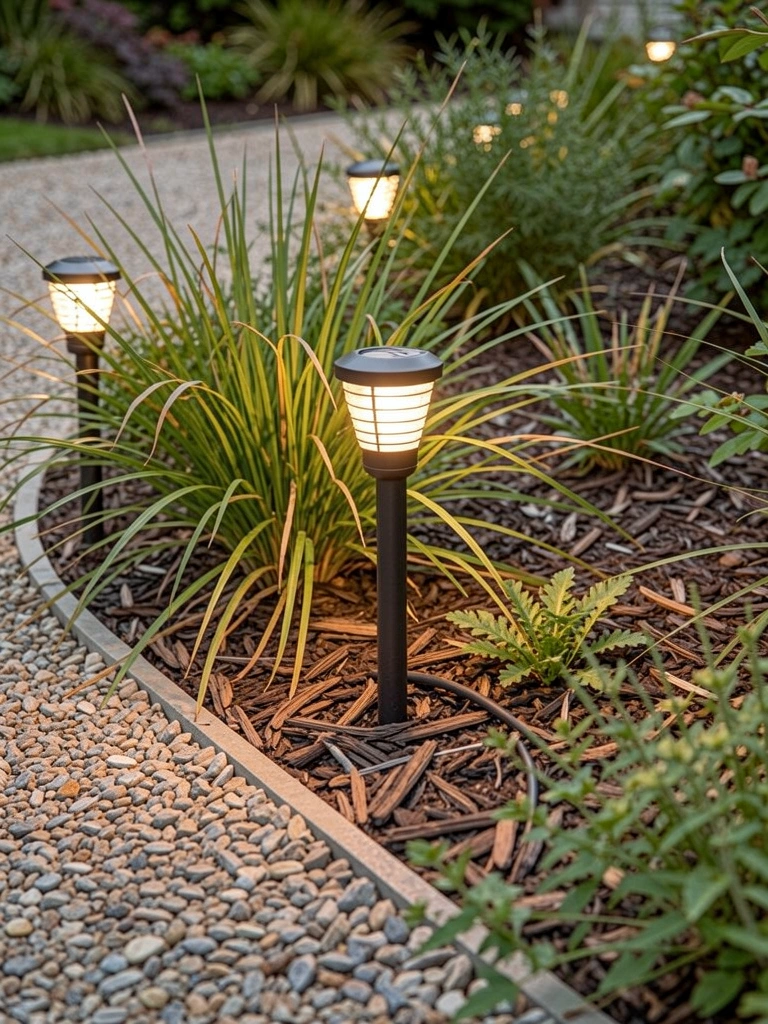
    Dark front? I poked solar stakes into mulch beds—glowed at dusk, no wiring hassle. Framed the drive with soft light.

    Guests said it felt welcoming, safer too. Lasted two seasons.

    Position south-facing; mine dimmed in shade first winter.

    What You’ll Need for This Look

    5. Climbing Vines on DIY Strings

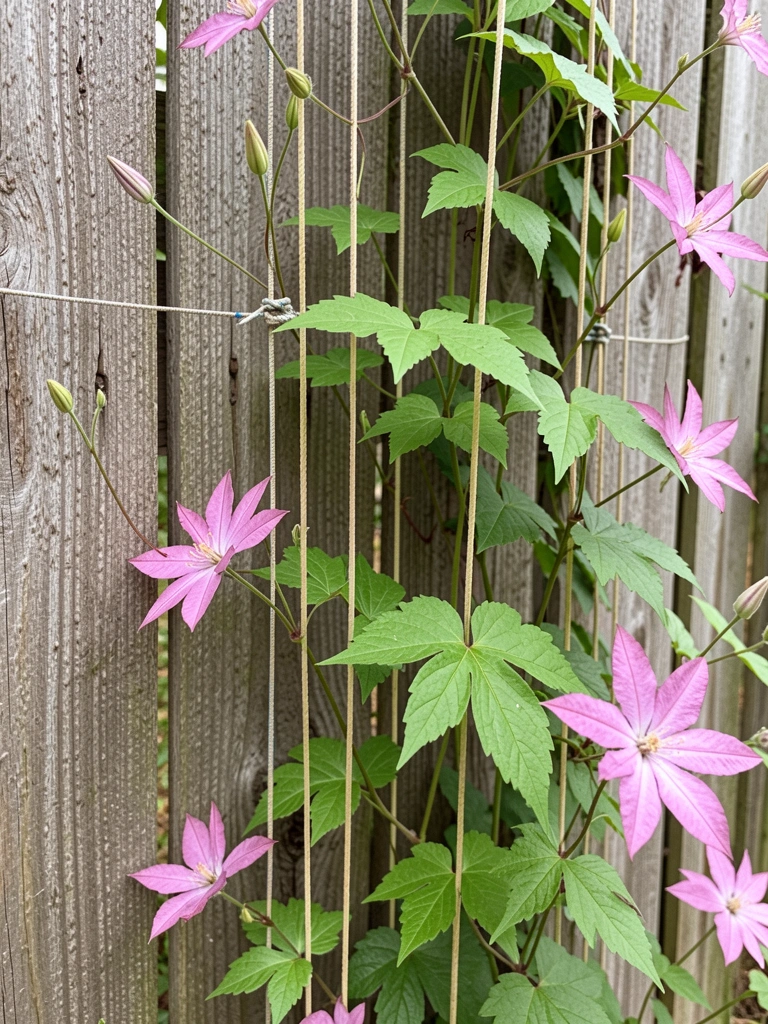
    Blank fence bugged me. Stretched twine between nails, planted clematis at base—$12 vine took off.

    Blooms framed the view, softened edges, felt private.

    Chose sun-lover; morning glory flopped in my partial shade try.

    What You’ll Need for This Look

    6. Succulent Rock Garden Patch

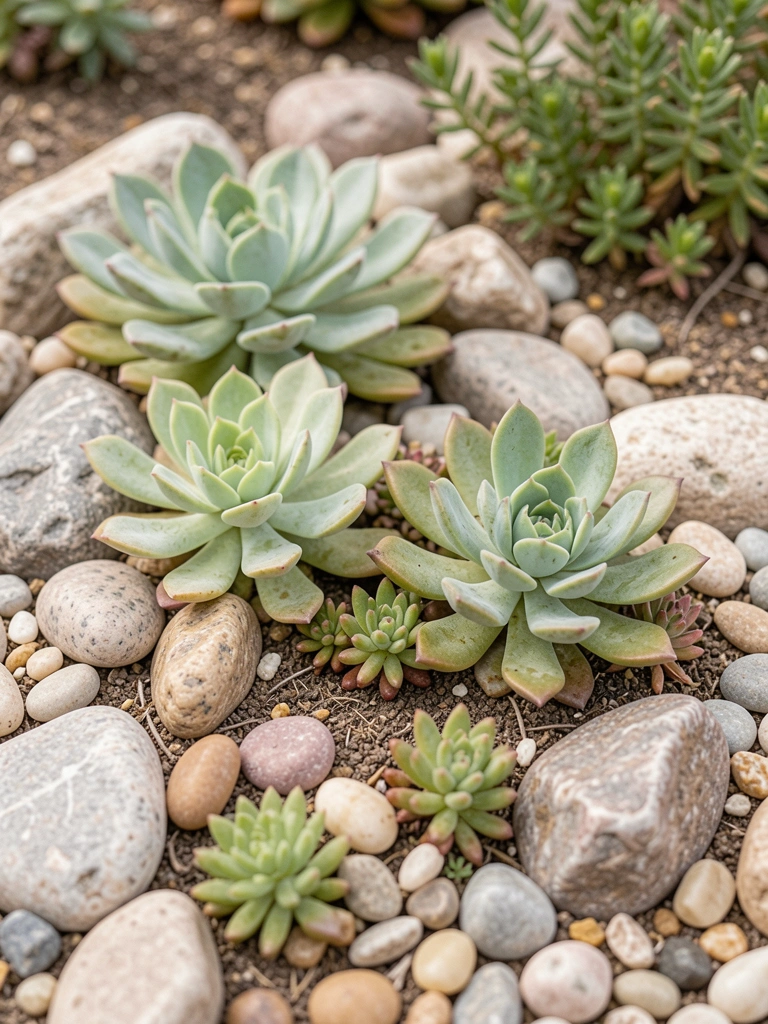
    Sunny corner barren? Dug shallow, added rocks and sedums—zero water needs.

    It hugged the house foundation, added texture without mess.

    Planted too deep once; lift crowns level with soil.

    What You’ll Need for This Look

    7. Herb Strip Along the Path

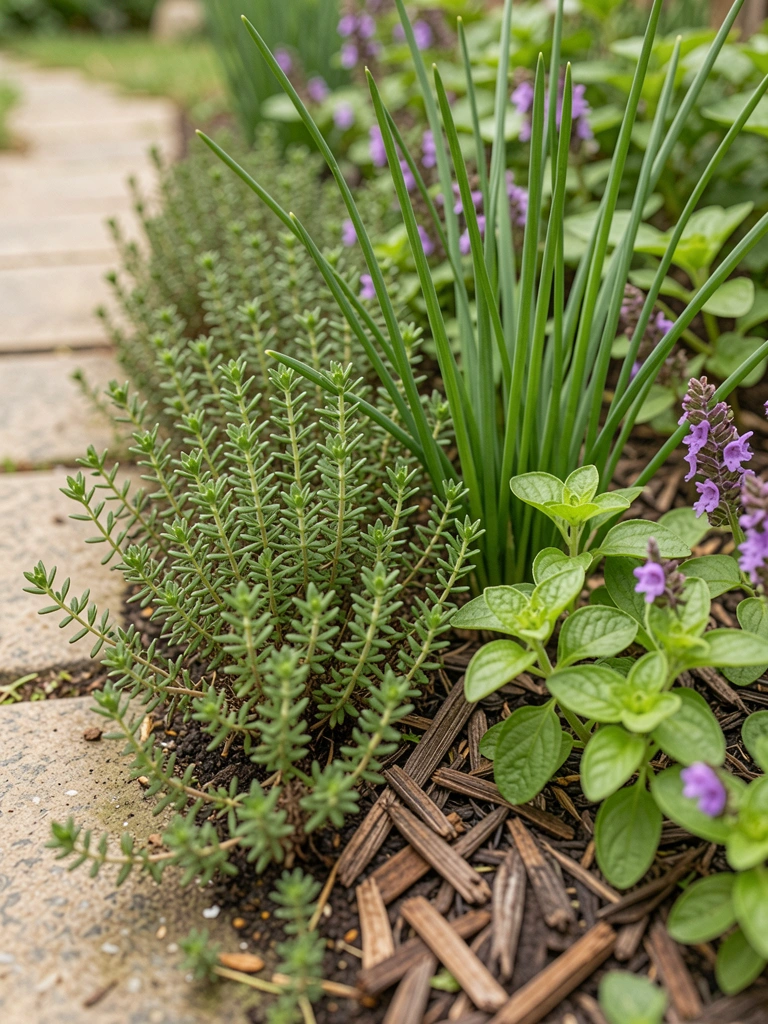
    Wanted fresh snips? Planted thyme and chives in a narrow mulch strip—easy reach.

    Scent hits you walking up, practical too.

    Mint invaded once; stick to pots for spreaders.

    What You’ll Need for This Look

    8. Recycled Pallet Leaner Planter

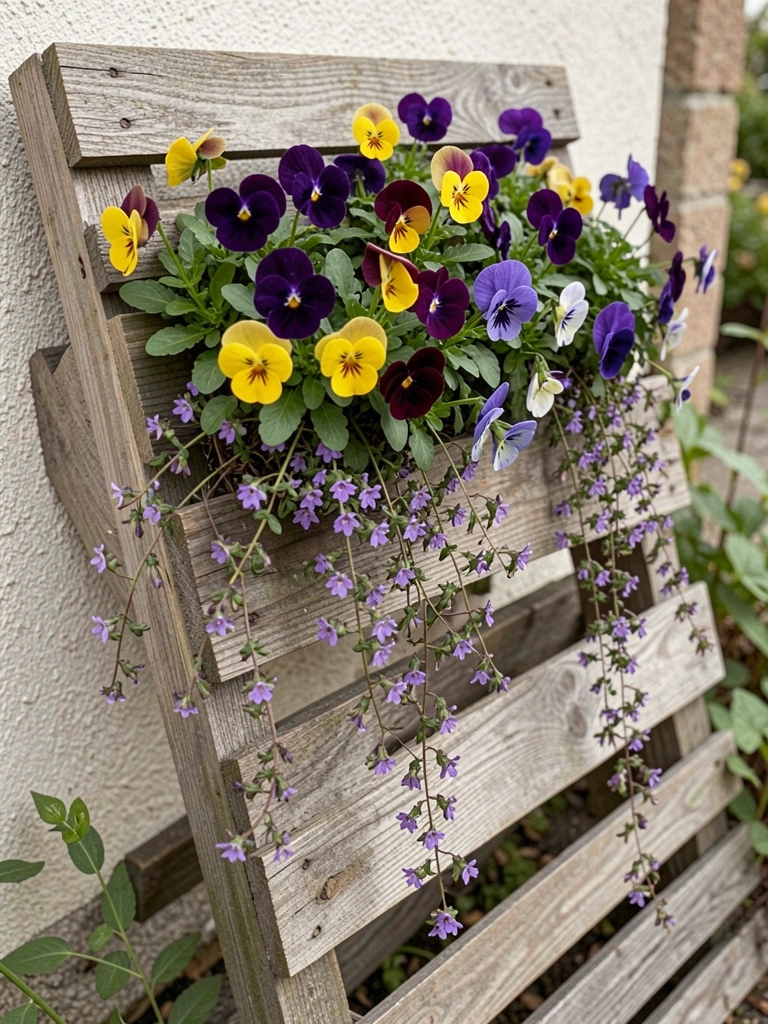
    Side wall empty? Propped a free pallet, stapled landscape fabric, filled slats with violas.

    Instant shelves of color, no ground space used.

    Staples rusted; use galvanized next time.

    What You’ll Need for This Look

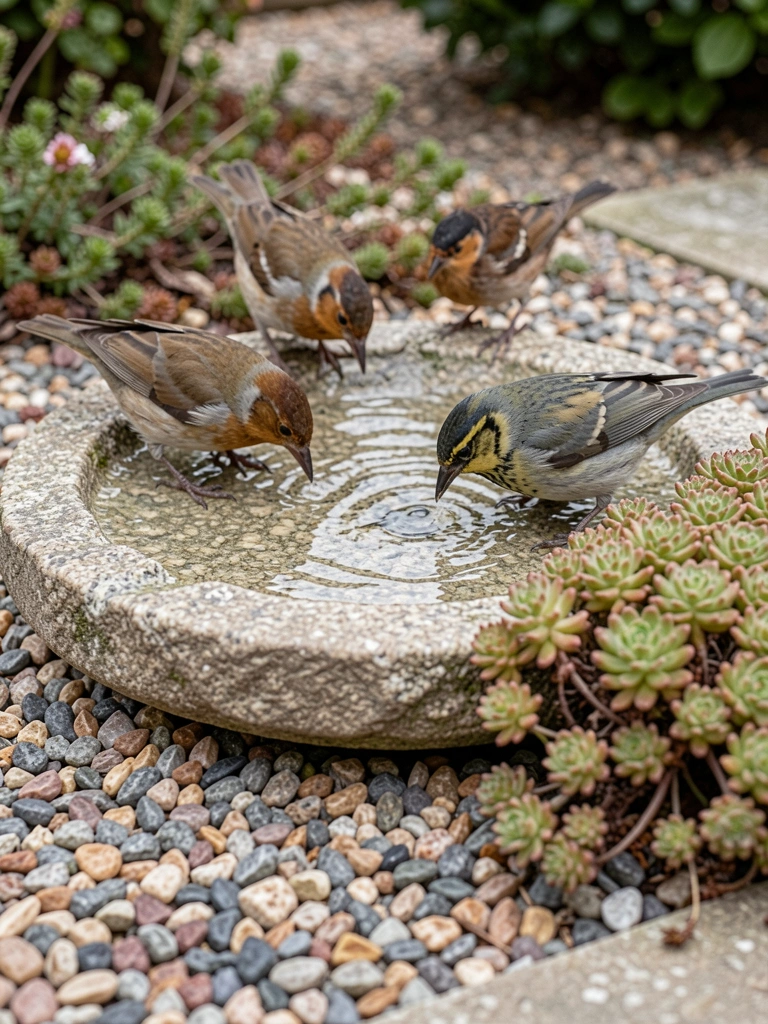
    9. Bird Bath with Surrounding Ferns

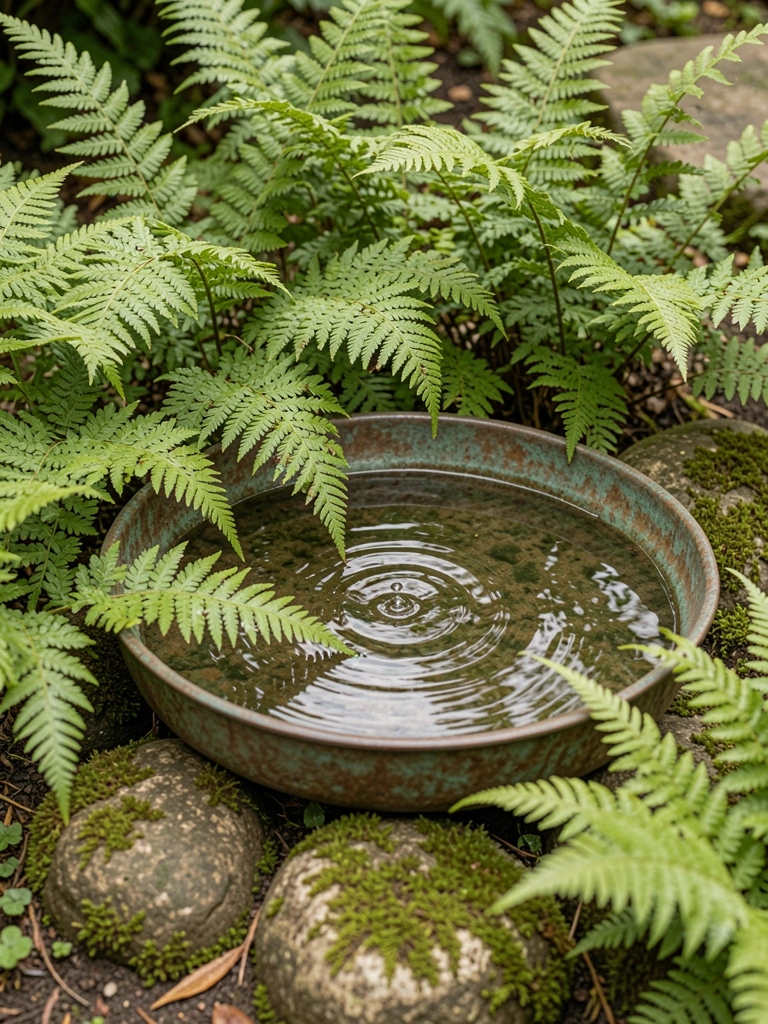
    Quiet corner? Set a cheap basin, planted ferns around—birds came daily.

    Gentle trickle sound, life in motion.

    Clean weekly; algae bloomed when I forgot.

    What You’ll Need for This Look

    10. Pebble Mosaic Entry Marker

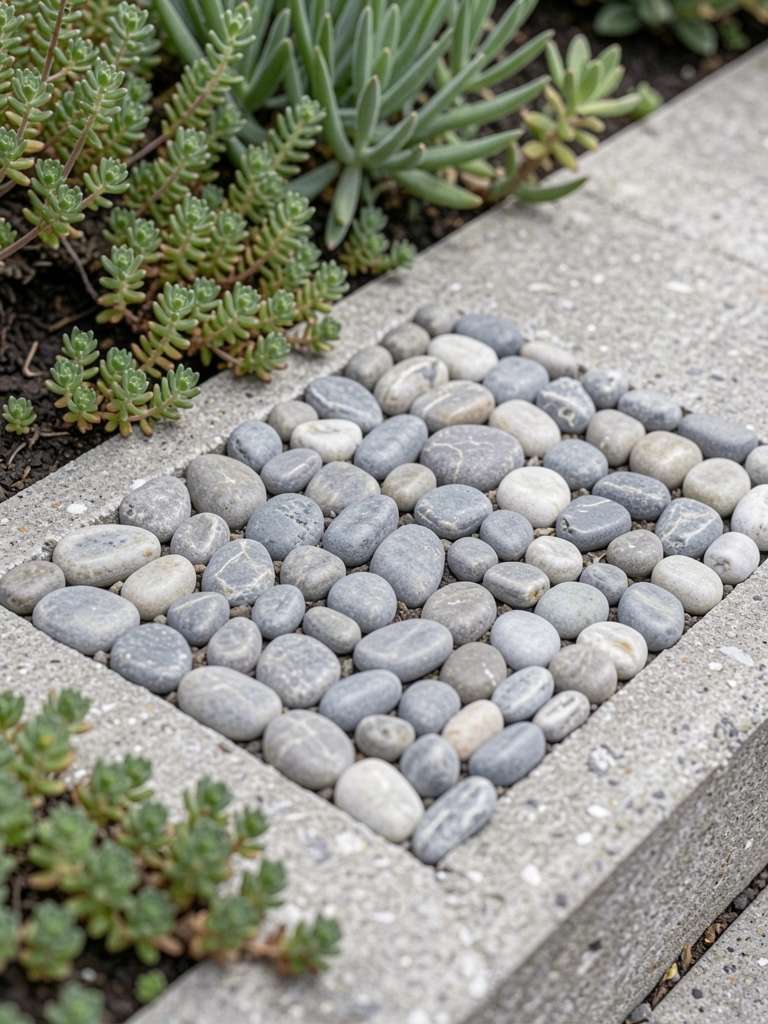
    House number lost? Mortared pebbles into wet concrete patch—personal touch.

    Guides mail carriers, adds craft feel.

    Pebbles shifted; mix mortar thicker.

    What You’ll Need for This Look

    11. Low Boxwood Border Line

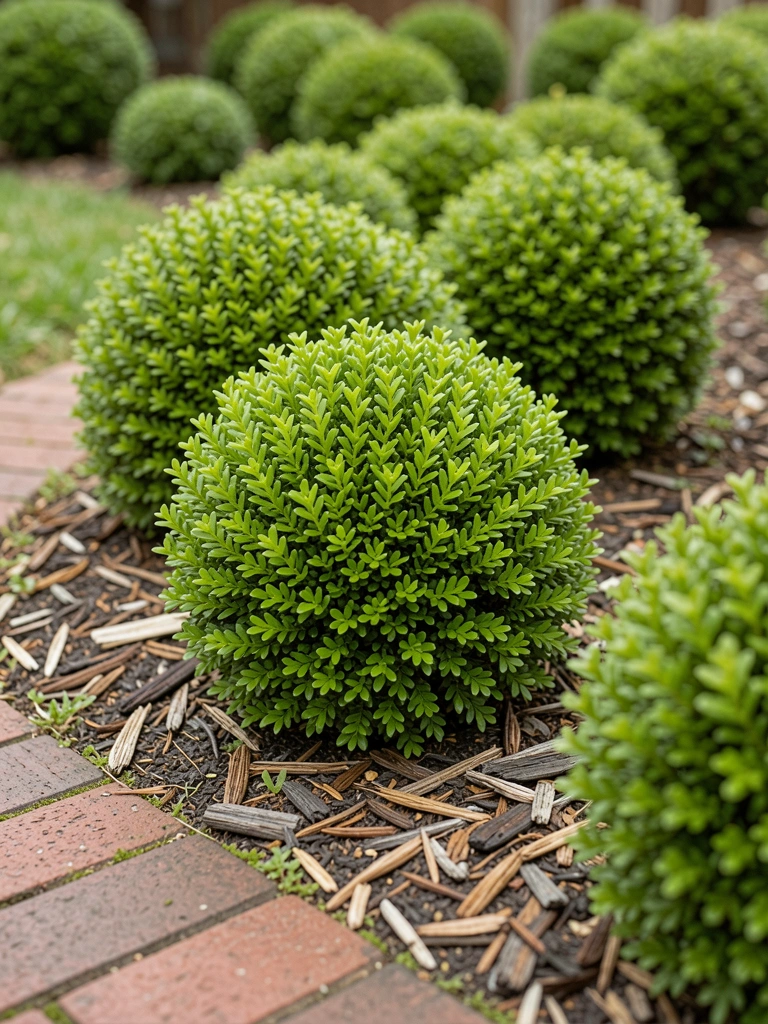
    Messy edges? Planted tiny boxwoods—formal frame on the cheap.

    Neat year-round, fills in slow but sure.

    Trim spring; mine got leggy waiting.

    What You’ll Need for This Look

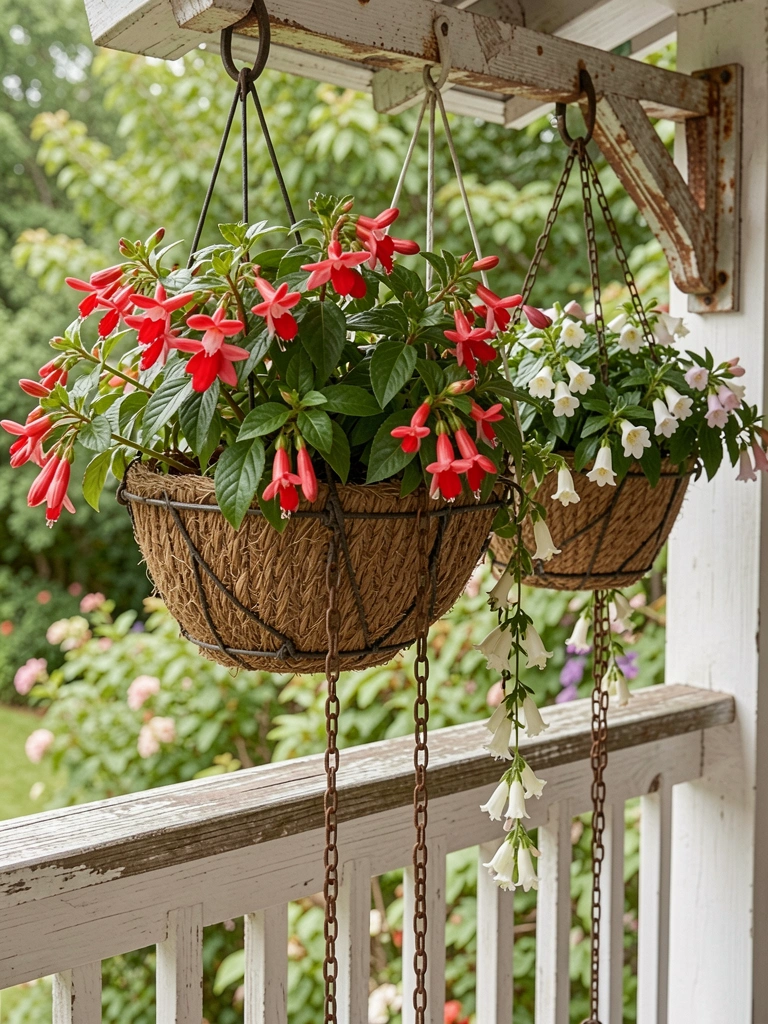
    12. Hanging Basket Trio from Porch Rail

    Porch bare? Hung baskets with million bells—swaying color burst.

    Pulled focus from chipped paint below.

    Wind whipped one; hook stronger.

    What You’ll Need for This Look

    13. Mirror Illusion Behind Shrubs

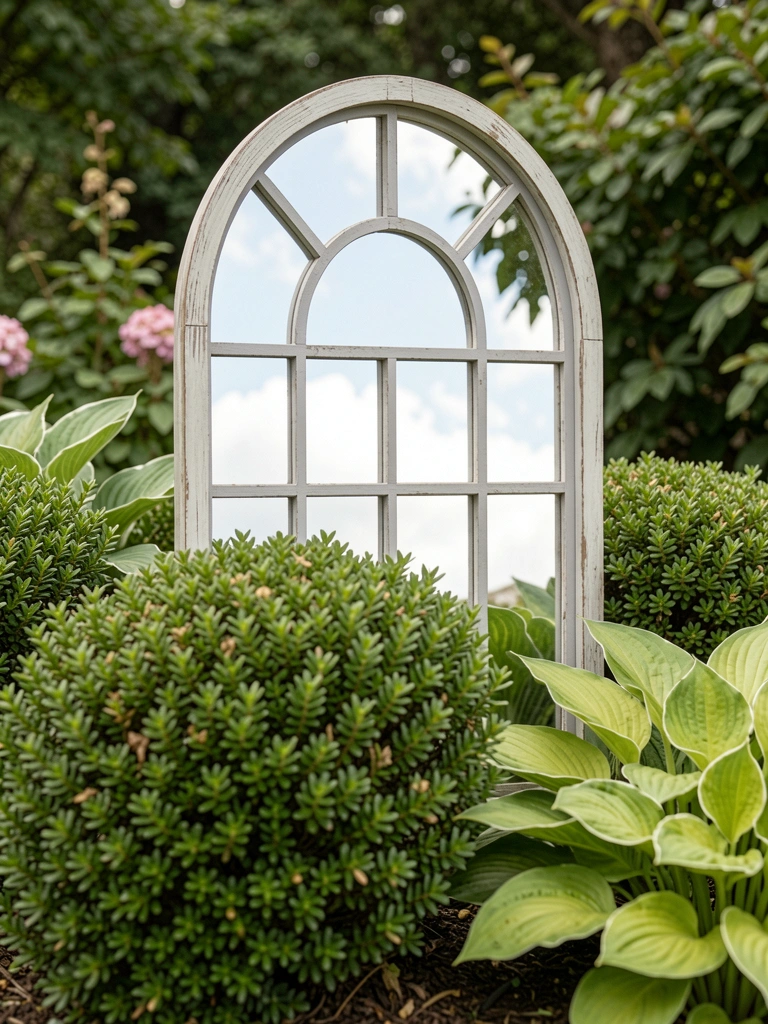
    Tight space? Leaned a thrift mirror behind hostas—doubled the green.

    Feels bigger, brighter entry.

    Bird strikes; angle slightly down.

    What You’ll Need for This Look

    14. Native Wildflower Meadow Strip

    Lazy curb appeal? Seeded natives—buzzing bees, low care.

    Blooms wave hello, tough as nails.

    Thin seedlings; mine crowded out stars.

    What You’ll Need for This Look

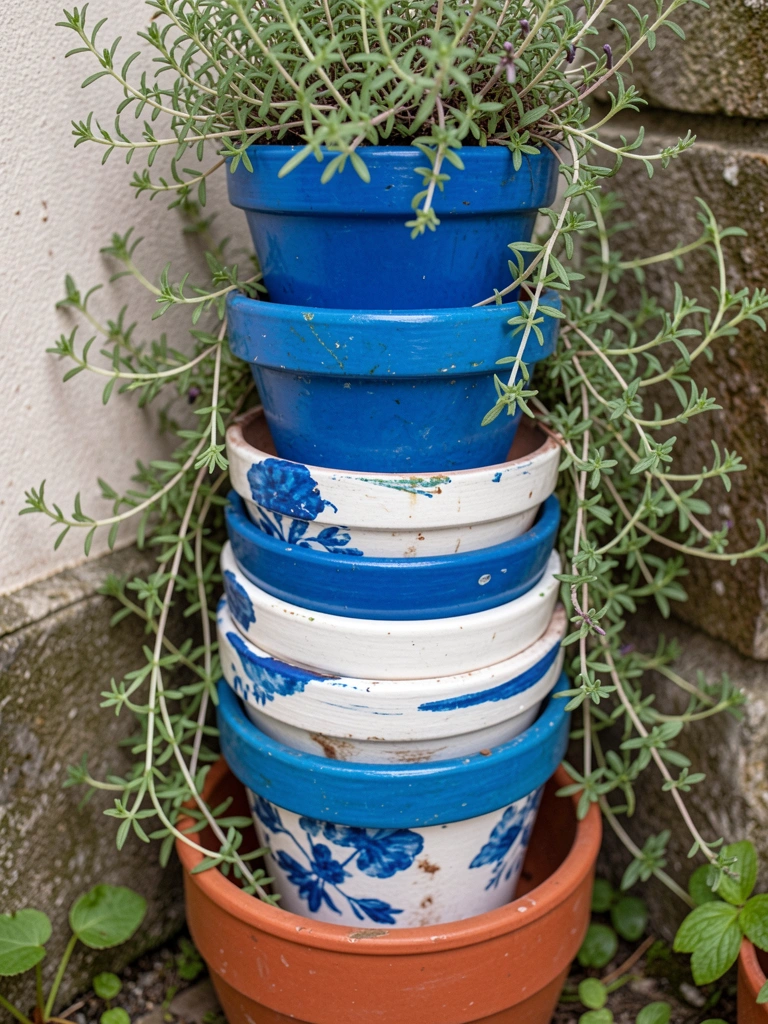
    15. Painted Pot Stack Tower

    Corner dead? Stacked pots, painted leftovers—basil tower.

    Vertical herbs, fun pop.

    Seal paint; rain chipped mine.

    What You’ll Need for This Look

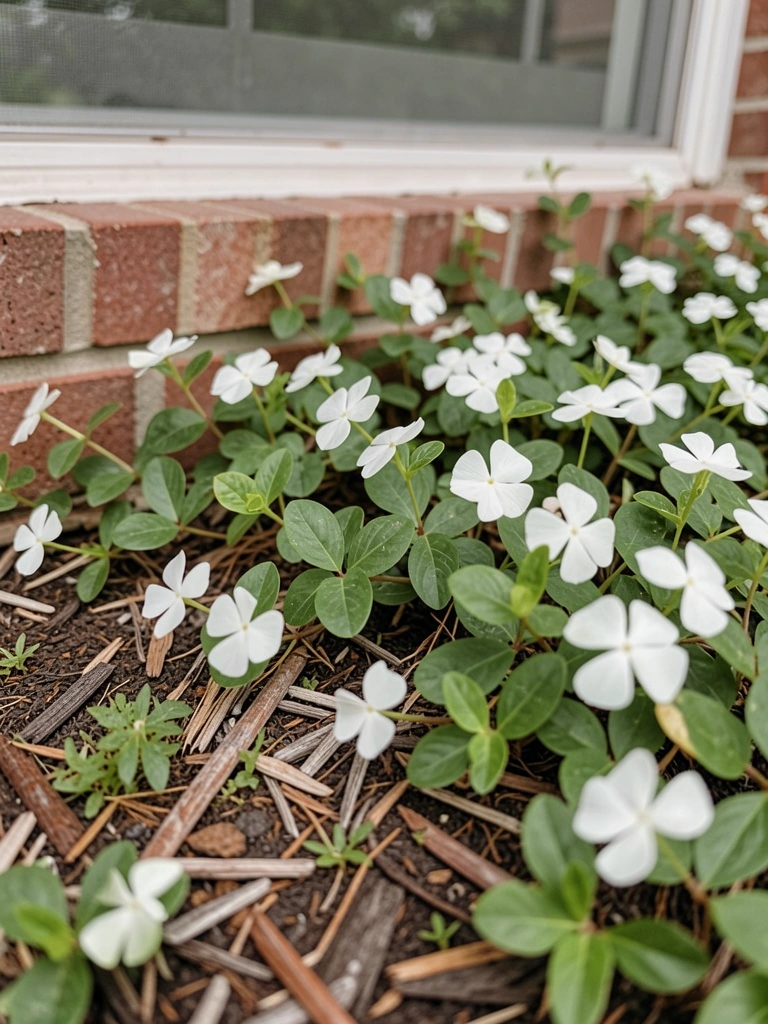
    16. Ground Cover Carpet Under Window

    Weedy window base? Planted vinca—chokes weeds, evergreen mat.

    Clean look, no mowing.

    Partial shade winner; grass died there before.

    What You’ll Need for This Look

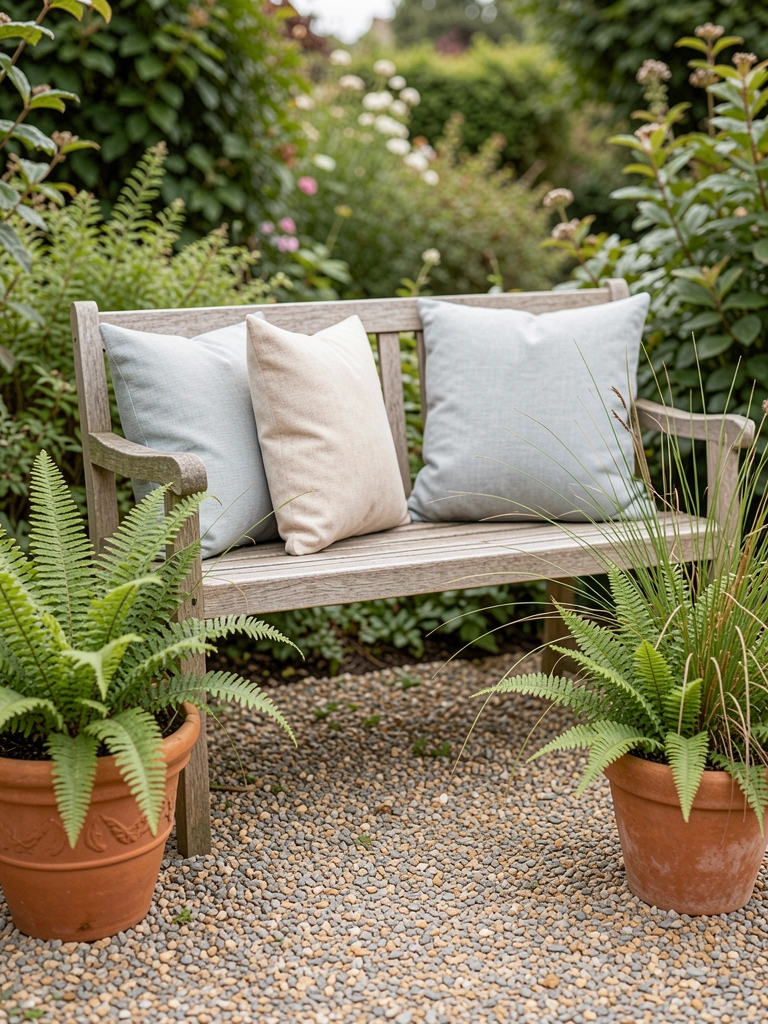
    17. Compact Bench with Pot Flankers

    Sit spot missing? Added mini bench, pots each side—restful nook.

    Pause-before-entering vibe.

    Drain holes key; soggy roots rotted once.

    What You’ll Need for This Look

    Final Thoughts

    Start with two ideas that fit your light and space. Mine evolved over years, not overnight.

    You'll mess up a plant or two—normal. The cozy comes from tweaking what works.

    Your front will feel like home soon. Grab a trowel and go.

  • 13 Romantic Small Roses Front Garden Ideas You’ll Love

    13 Romantic Small Roses Front Garden Ideas You’ll Love

    I planted my first small roses right against the house foundation. They struggled in the shade. Then I moved them to the sunny walkway edge. That simple shift brought romance without work.

    Now my front garden feels like a quiet welcome home. Soft pinks catch the evening light.

    You can do this too. Small roses forgive beginner slips.

    13 Romantic Small Roses Front Garden Ideas You’ll Love

    These 13 romantic small roses front garden ideas come from my own yard trials. They fit tight front spaces. Each brings warmth and easy charm.

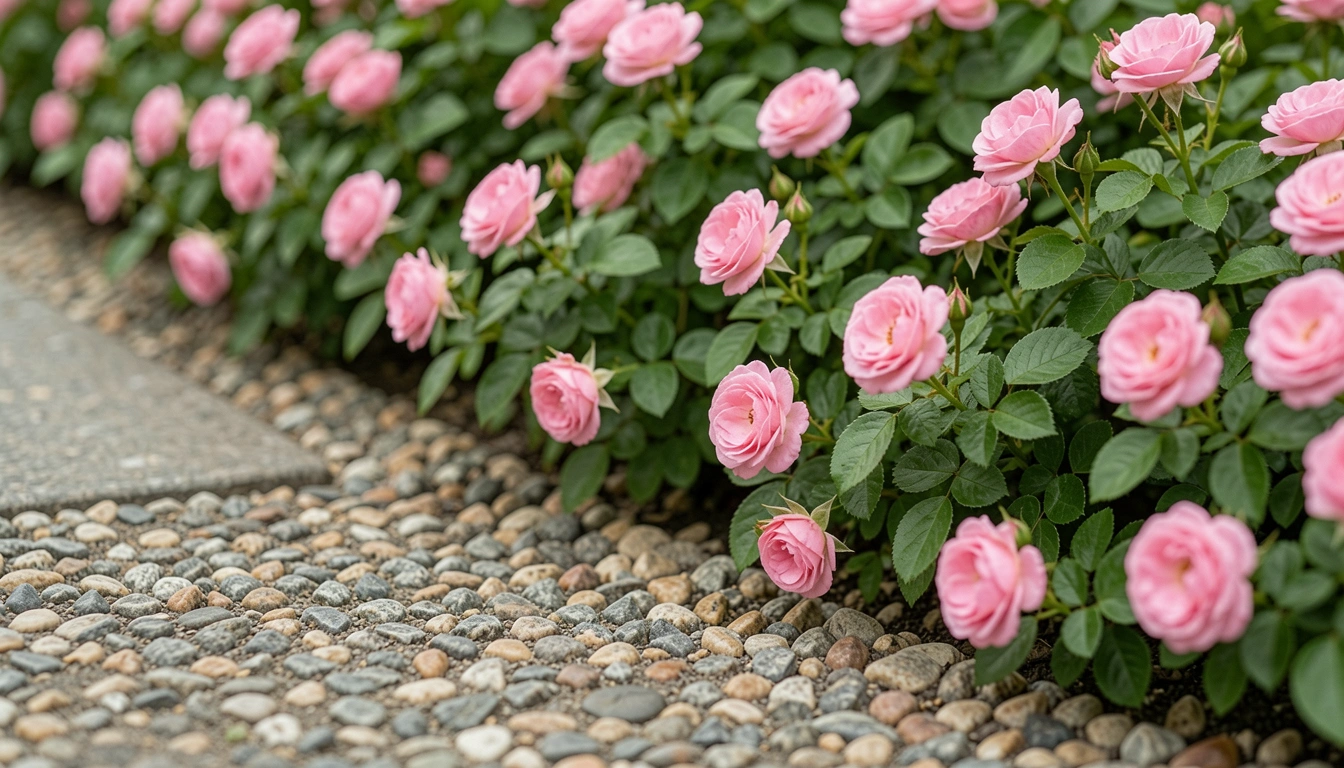
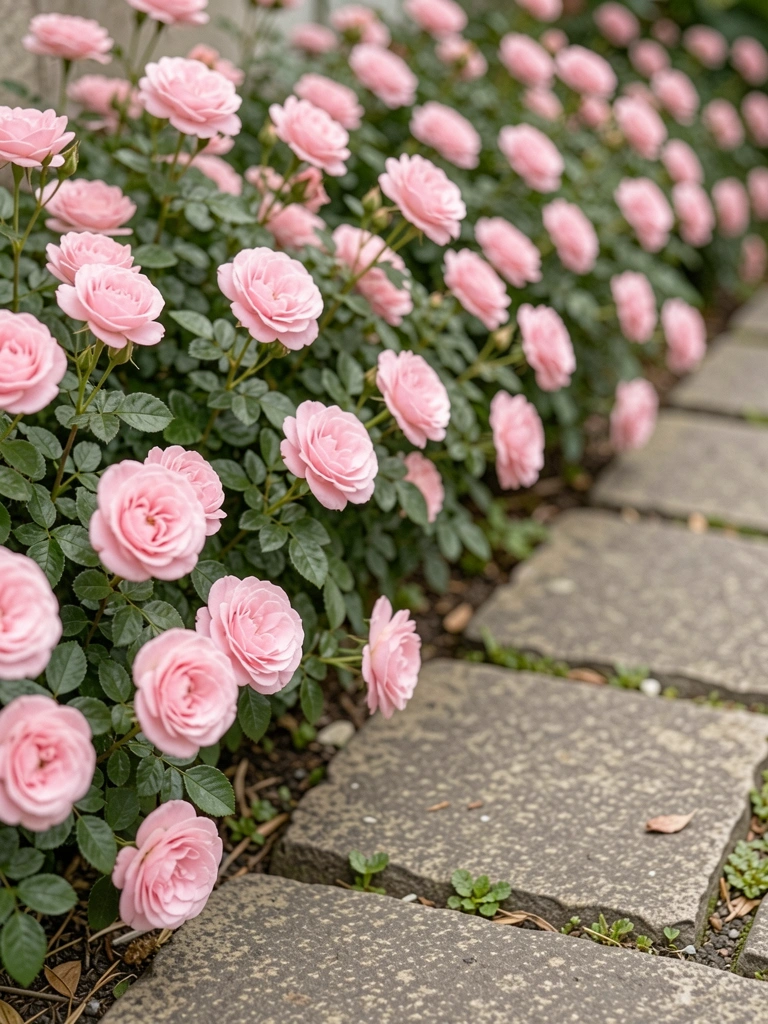
    1. Pink Mini Roses Edging the Walkway

    I tucked pink mini roses along my concrete walkway. They spill just enough to soften the hard lines. In spring, the buds pop first, then full blooms hug the path.

    One year, I planted too close. They tangled. Now I space them 18 inches apart. It lets air flow, cuts disease.

    The pink glows at dusk. Neighbors slow down to look. Feels intimate, like a private lane.

    Watch sun hours. Six or more keeps them bushy.

    What You’ll Need for This Look

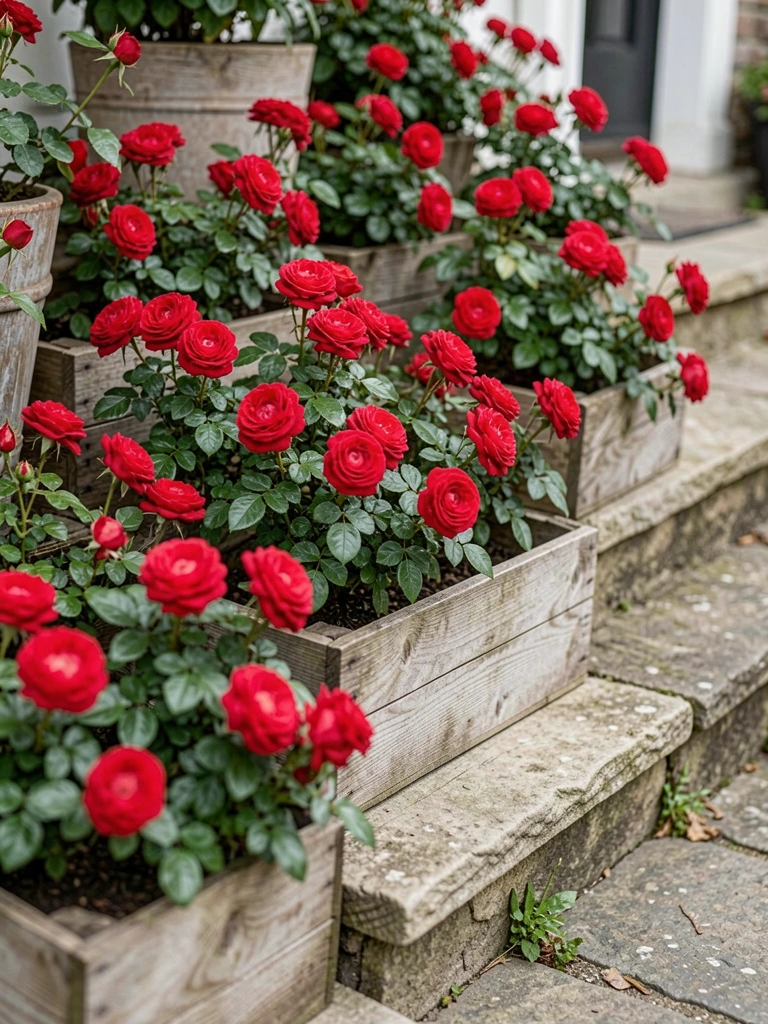
    2. Patio Roses in Rustic Crates by the Steps

    I stacked old crates on my porch steps for patio roses. The reds repeat the door color. They stay under two feet, no pruning mess.

    I bought cheap soil once. Roots rotted. Switched to potting mix with drainage. Blooms lasted all summer.

    Now it feels cozy coming home. Roses nod in the breeze.

    Group three crates for fullness. Water from the bottom.

    What You’ll Need for This Look

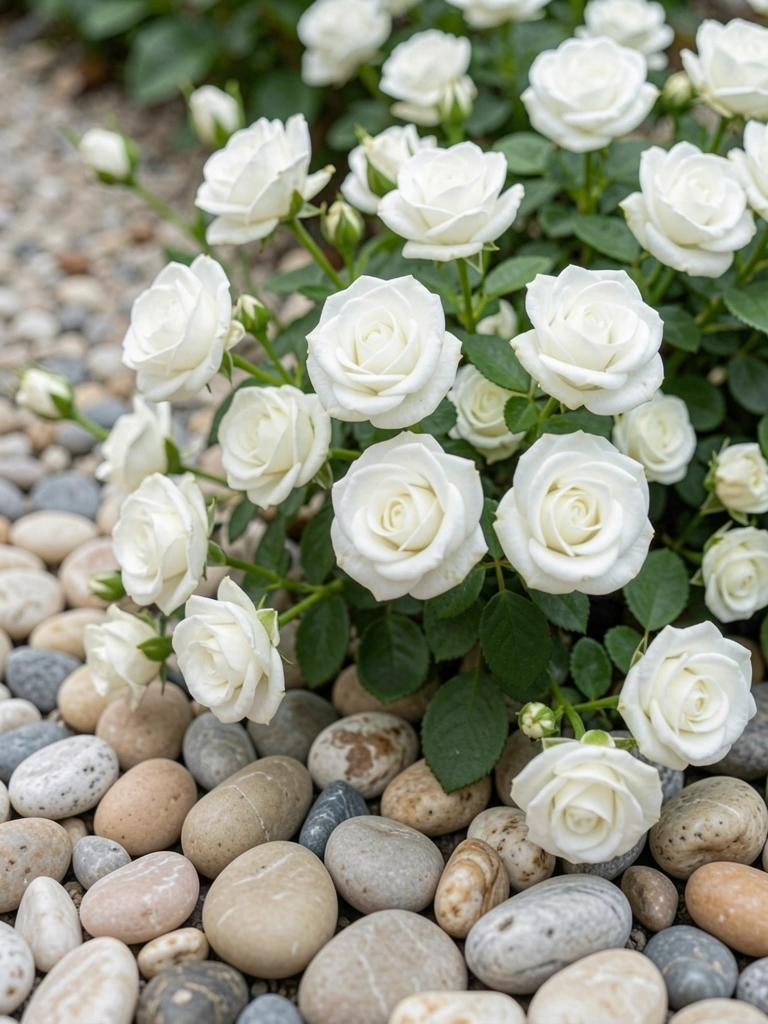
    3. White Mini Roses with Gravel River Border

    White mini roses curve along a gravel strip by my driveway. The stones keep weeds down. Whites glow against the gray.

    I overplanted at first. They yellowed. Thinned to one per foot. Healthier now.

    Moonlight makes it romantic. Like a soft welcome.

    Use pea gravel. It drains fast, stays tidy.

    What You’ll Need for This Look

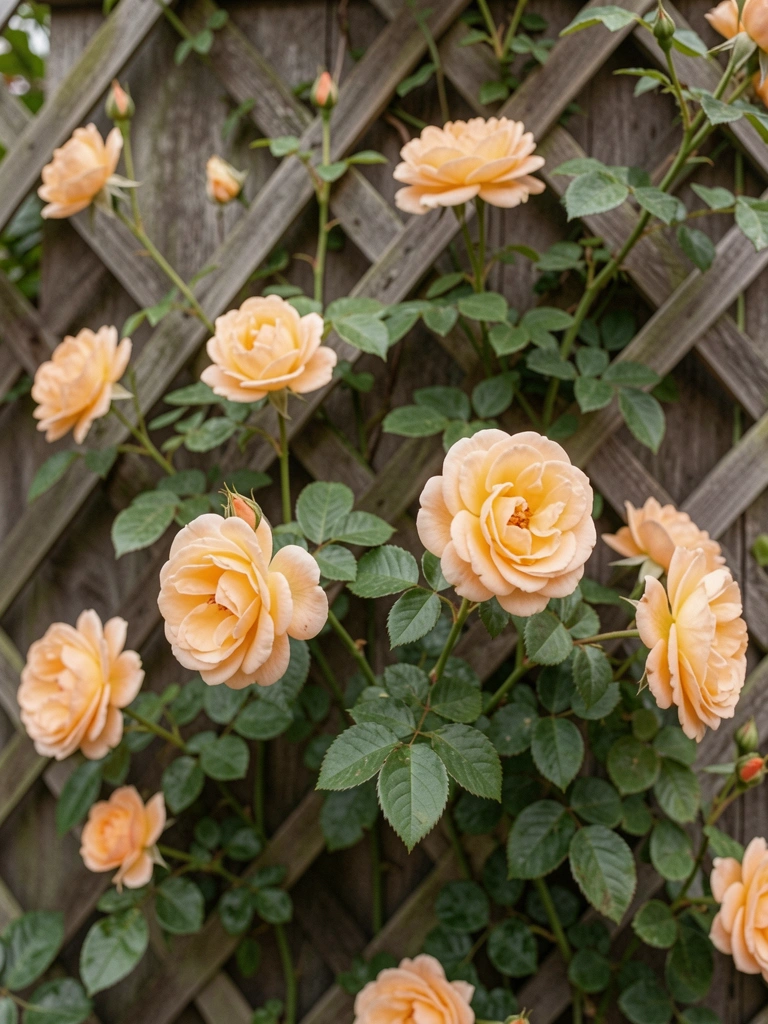
    4. Peach Roses Climbing a Short Trellis Fence

    Peach patio roses ramble up a three-foot trellis on my fence. They frame the gate softly. Blooms fade to cream, adding depth.

    Tied loosely at first. Vines sprawled. Now I train them flat. Fuller coverage.

    Sunset hits the peaches perfect. Feels like a hug.

    Pick disease-resistant ones. South-facing spot.

    What You’ll Need for This Look

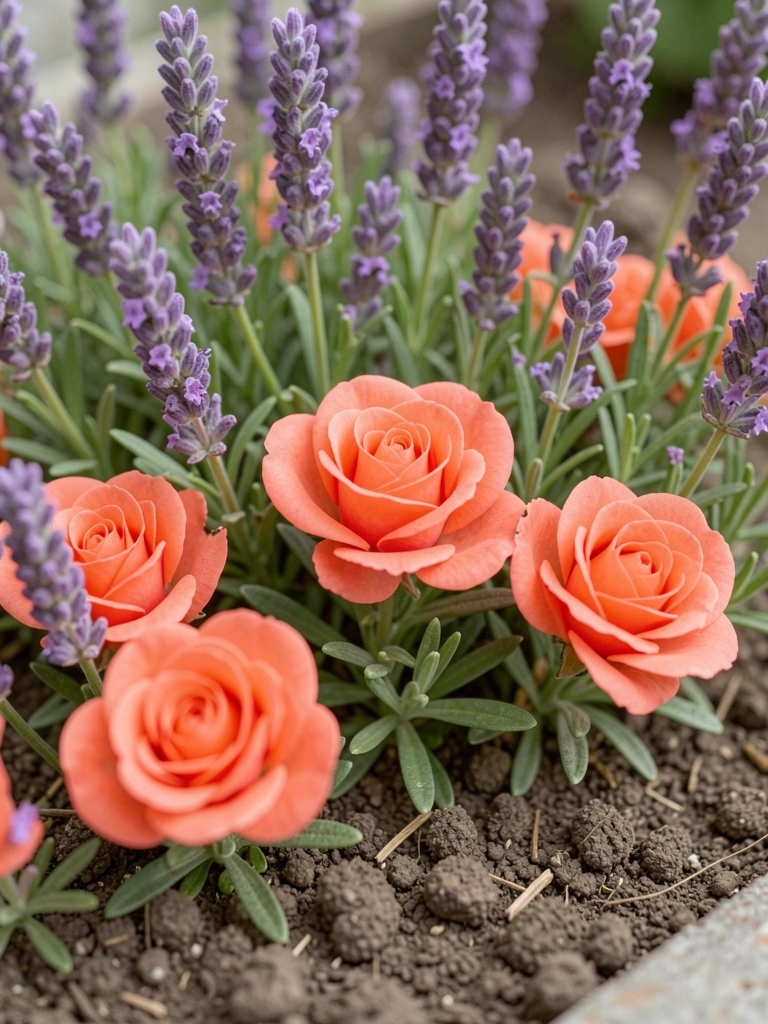
    5. Coral Mini Roses Paired with Lavender Tufts

    Coral minis mix with lavender mounds in my front bed. Scent hits you first walking up. Corals pop against the purple.

    Lavender spread too wide once. Crowded roses. Now I trim it yearly.

    Bees love it. Quiet romance all season.

    Plant roses forward, lavender back. Full sun.

    What You’ll Need for This Look

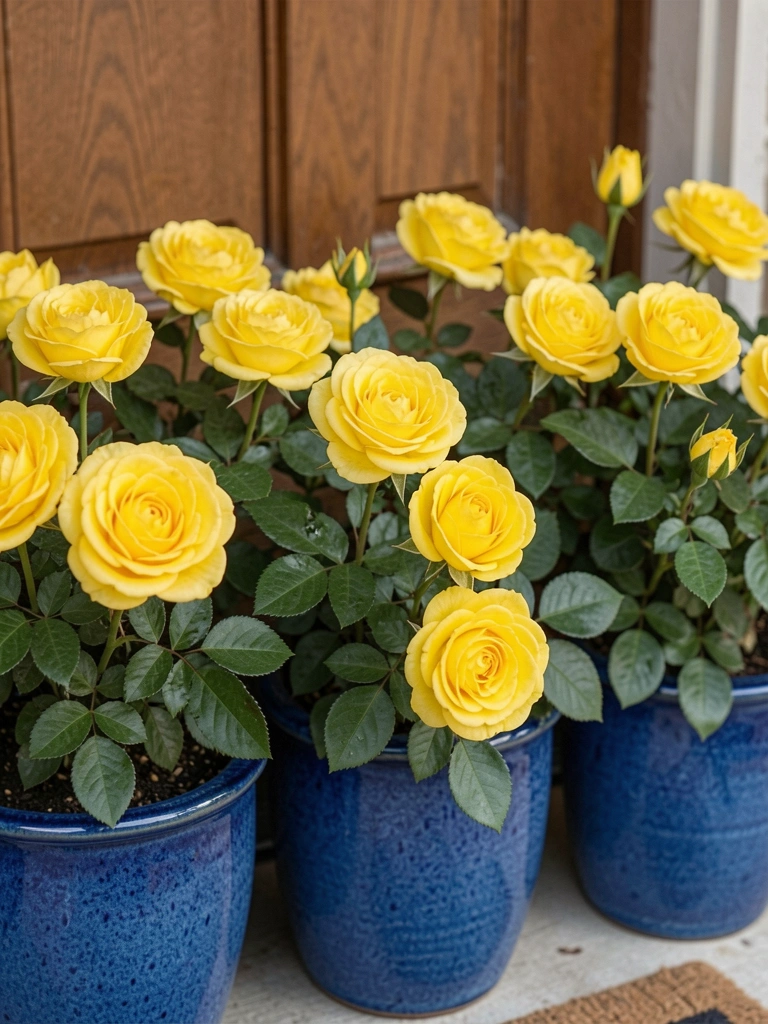
    6. Yellow Roses in Blue Glazed Pots by Door

    Yellow patio roses sit in blue pots flanking my door. Blues cool the sunny yellows. Stays cheerful without overwhelming.

    Pots cracked in freeze. Chose frost-safe now. No losses.

    Light bounces off them mornings. Welcoming vibe.

    Elevate on bricks for drainage.

    What You’ll Need for This Look

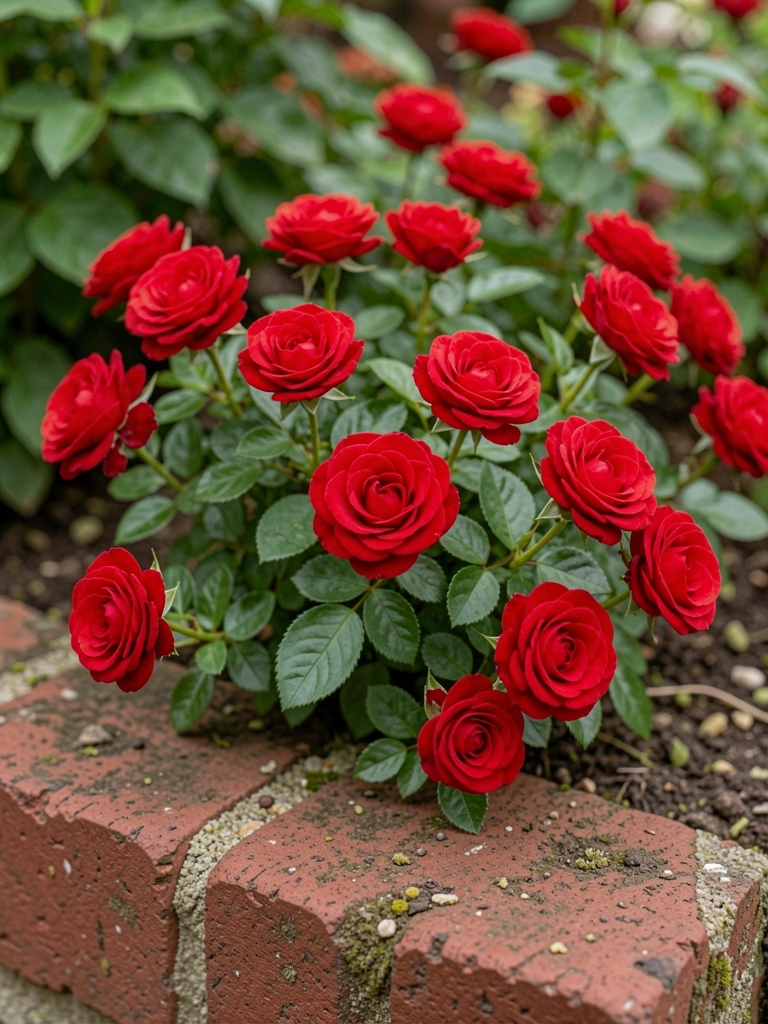
    7. Red Mini Roses Along Brick Wall Base

    Red minis hug my brick wall edge. Reds echo the bricks. Compact size fits the narrow strip.

    Planted in heavy clay first. They sulked. Added compost. Thriving now.

    Evenings, they hold color longest. Cozy glow.

    Mulch thick. Shields roots.

    What You’ll Need for This Look

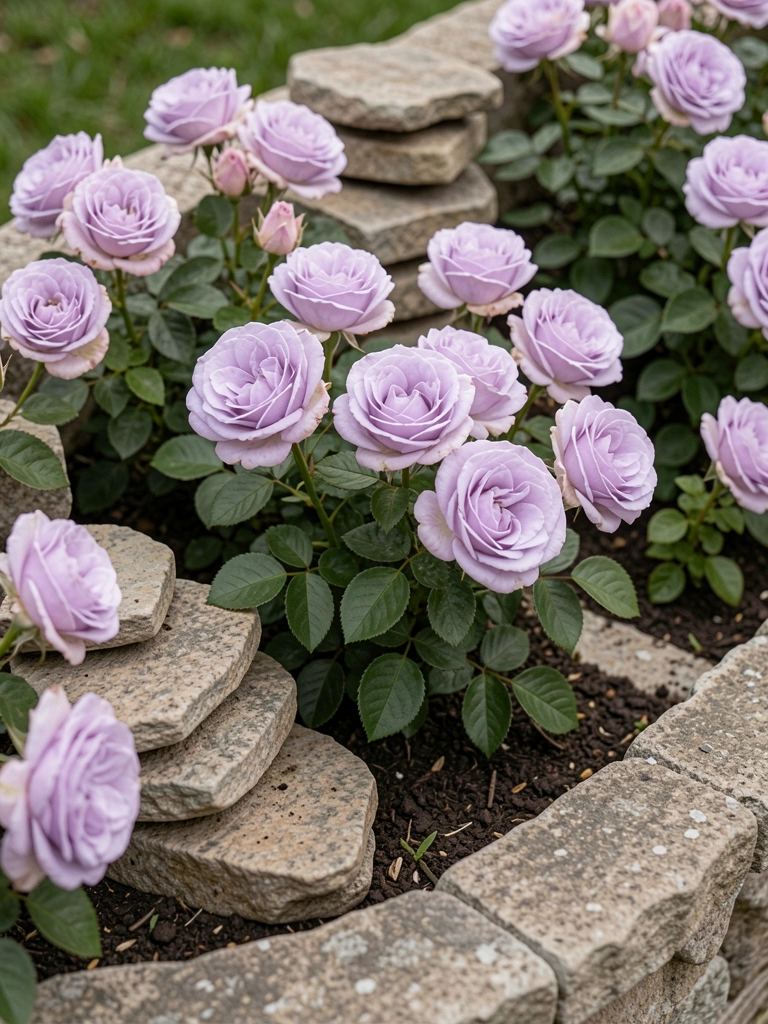
    8. Lavender-Pink Roses in Raised Stone Bed

    Lavender-pink minis fill a low stone raised bed. Stones warm the soil. Roses mound gently over edges.

    Overwatered early on. Learned to check soil dry. Blooms doubled.

    Feels like a little secret garden upfront.

    Corner spot works best.

    What You’ll Need for This Look

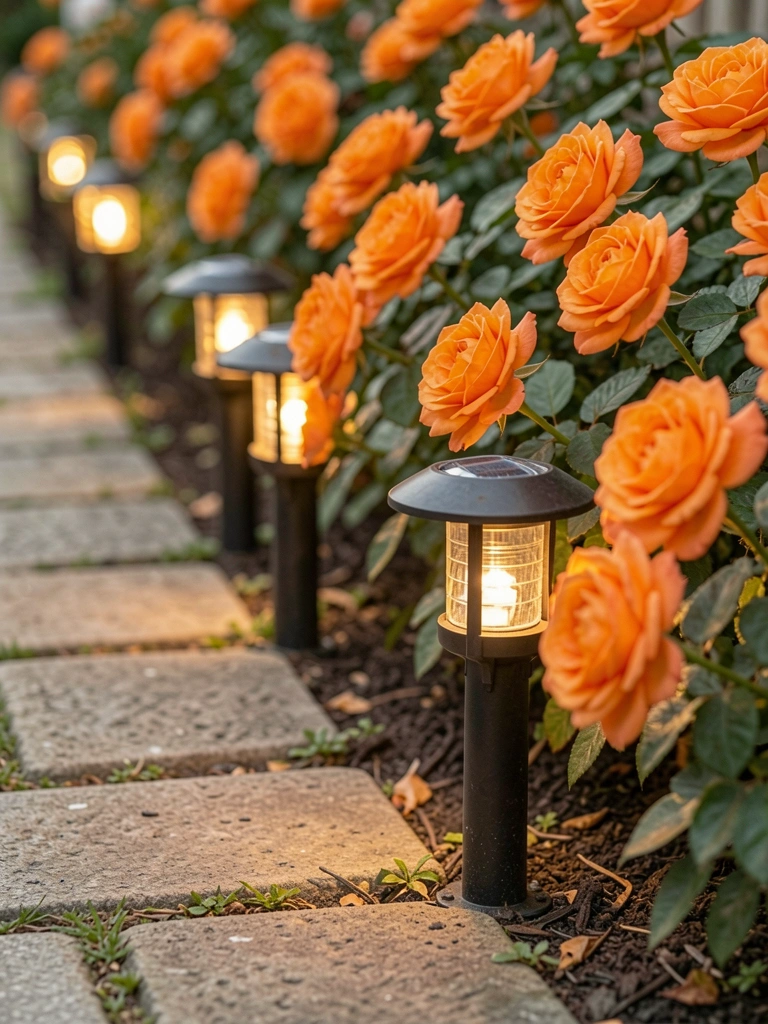
    9. Soft Orange Roses with Solar Path Lights

    Orange minis line my path with solar stakes. Lights flicker on at night. Oranges warm the glow.

    Lights died fast cheap ones. Upgraded waterproof. Last two years.

    Romantic after dark. Path feels safe, pretty.

    Space lights every two feet.

    What You’ll Need for This Look

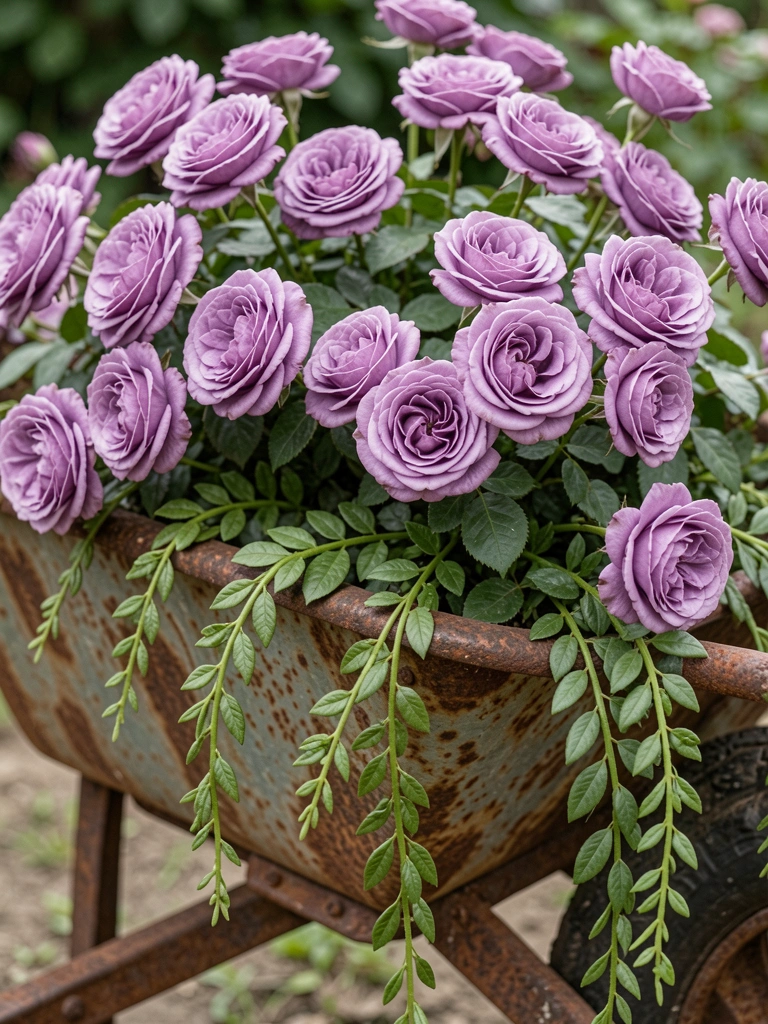
    10. Purple-Tinged Roses in Wheelbarrow Planter

    Purple-tinged minis tumble from an old wheelbarrow by the garage. Rust adds character. Blooms deepen in heat.

    Forgot to drain holes. Soggy roots. Drilled now. Healthy.

    Charming focal point. Moves easy.

    Tilt for best sun.

    What You’ll Need for This Look

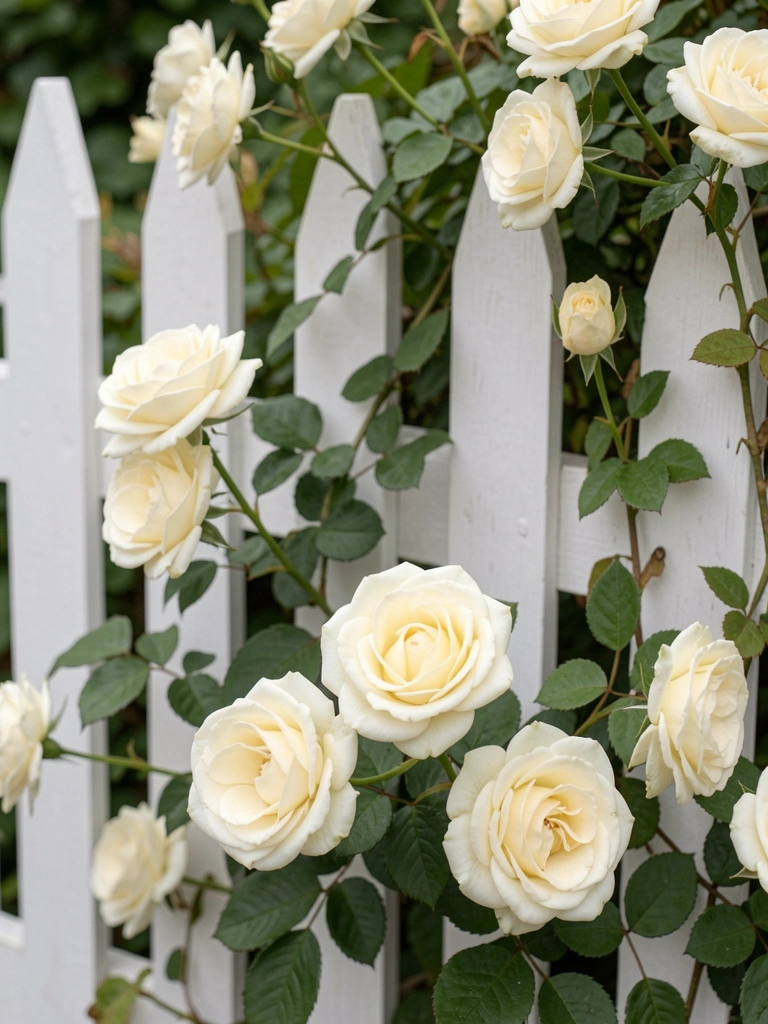
    11. Cream Roses Peeking Over Pickets

    Cream minis drape my low picket fence. They peek through gaps. Subtle romance.

    Grew leggy in shade. Relocated sunny side. Bushier.

    Softens the fence line. Inviting.

    Clip deadheads weekly.

    What You’ll Need for This Look

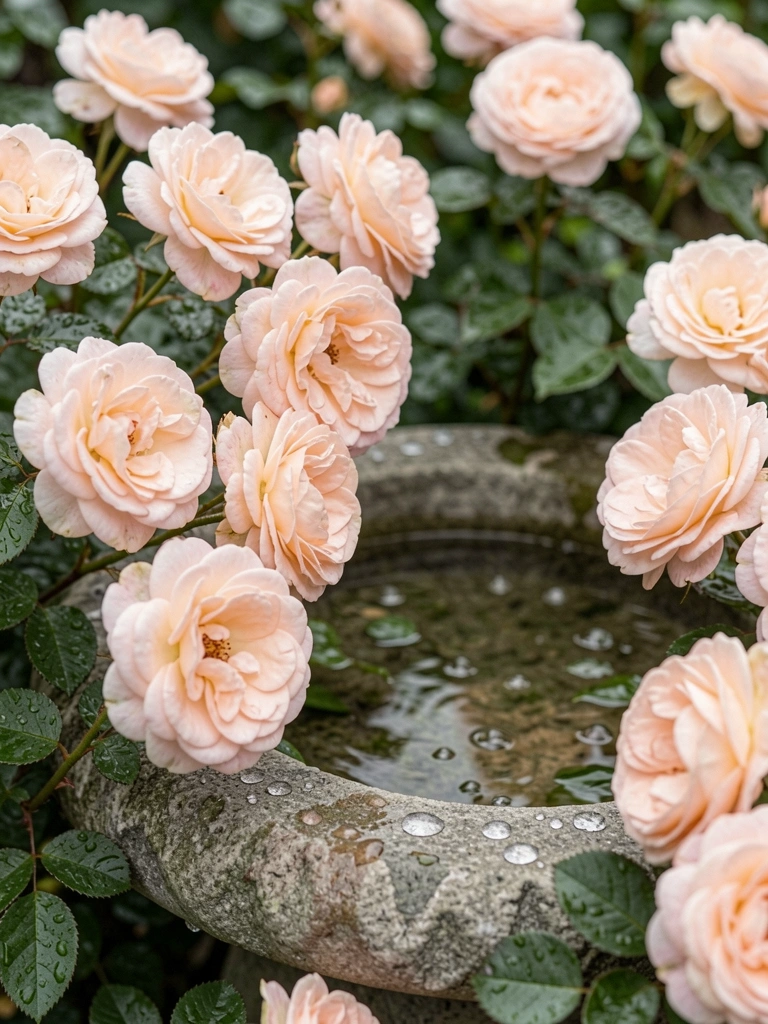
    12. Blush Roses with Birdbath Centerpiece

    Blush minis circle a birdbath in my front corner. Birds splash, roses sway nearby.

    Birdbath tipped on uneven ground. Leveled base. Stable now.

    Peaceful spot. Draws eyes gently.

    Refresh water daily.

    What You’ll Need for This Look

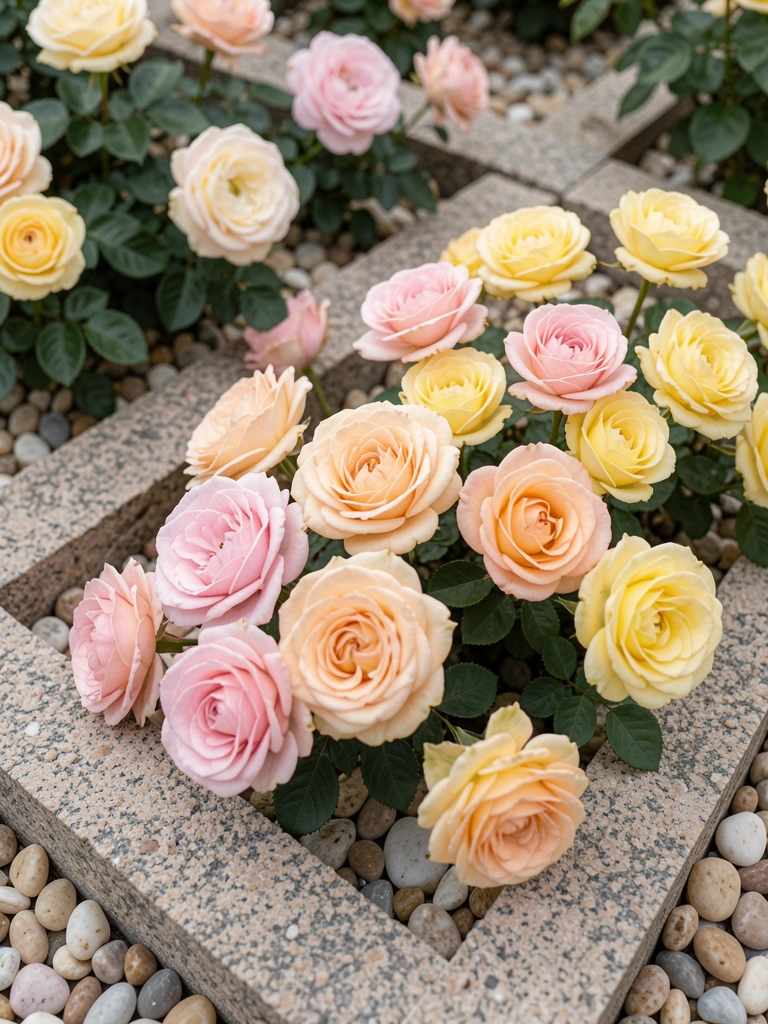
    13. Mixed Pastel Roses in Gravel Pocket Garden

    Pastel minis dot gravel pockets between pavers. Mix of pink, peach, yellow. Low water look.

    Pockets eroded rain. Added edging. Holds shape.

    Feels curated but easy. Color shifts with sun.

    Rake gravel smooth yearly.

    What You’ll Need for This Look

    Final Thoughts

    Pick one or two ideas that match your front yard light and space. Small roses grow where bigger ones fail.

    They reward simple care. Your garden will settle in over time.

    You've got this. Plant, watch, enjoy the quiet beauty.
  • 15 Stylish Small Australian Front Garden Ideas For Modern Homes

    15 Stylish Small Australian Front Garden Ideas For Modern Homes

    I stood in my narrow front yard one dry Sydney morning, hands dirty from digging out yet another failed exotic that couldn't handle the heat. That's when I got it—small Aussie gardens thrive on natives that hug the ground and ask for little. No fuss, just quiet style that fits modern homes. I've shaped a dozen like mine since, turning tight spaces into welcoming entries. You can too.

    15 Stylish Small Australian Front Garden Ideas For Modern Homes

    These 15 ideas come straight from my own front yard fixes and client patches across Aussie suburbs. They're low-water, native-heavy, and sized for tiny plots. Simple steps, real results—pick one and start small.

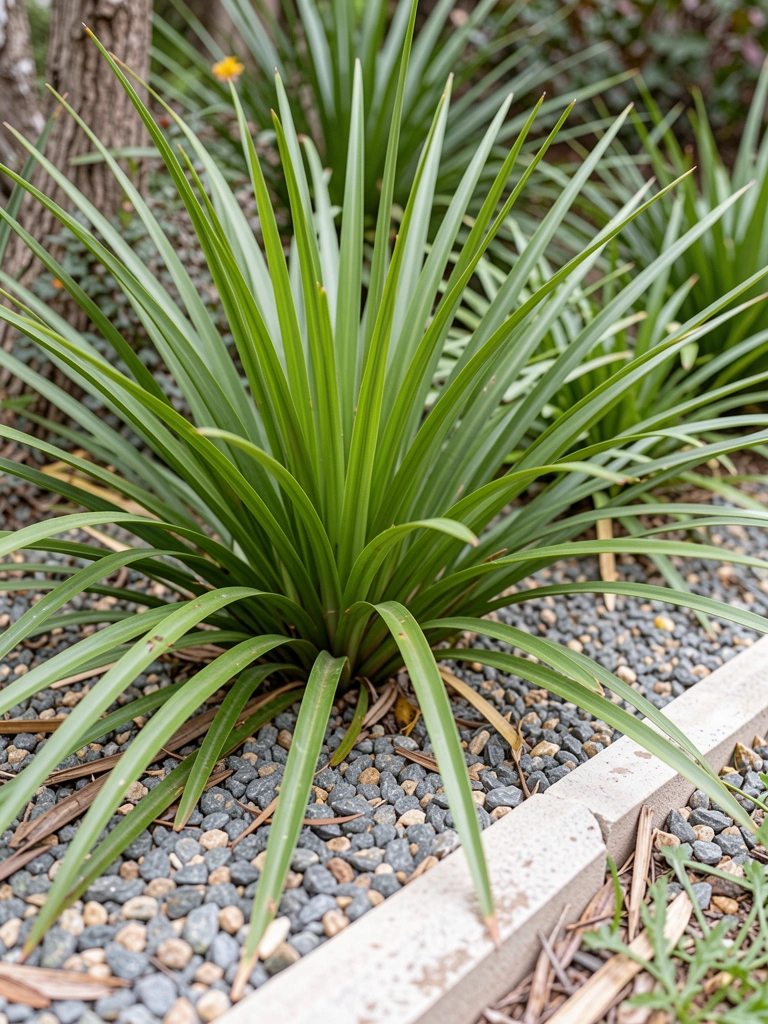
    1. Layered Lomandra for a Soft Modern Border

    I planted lomandra 'Tanika' along my front path three years back, staggering heights from low to knee-high. It filled in slow at first, but now it sways gently, softening the brick without crowding the door. The layered look gives that modern depth—clean lines with movement. Visually, it pulls your eye forward, making the space feel twice as deep.

    One mistake? I overwatered early on; these want dry feet. Let soil dry out between drinks.

    Watch spacing—30cm apart max for small spots. Trim spent tips in spring for tidy regrowth.

    What You’ll Need for This Look

    2. Black Pots Packed with Kangaroo Paw Pops

    My mate's Melbourne entry got a lift with tall black pots clustered by the steps—kangaroo paw 'Bush Gems' inside for that fiery contrast. I copied it; the red spikes rise above the fence line, drawing eyes without bulk. Feels bold yet contained, perfect for modern minimalism.

    They flower reliably here, but I learned to stake loosely after wind snapped one stem.

    Group three pots tight for impact—rotate yearly for even sun.

    What You’ll Need for This Look

    3. Gravel River Bed with Dianella Drifts

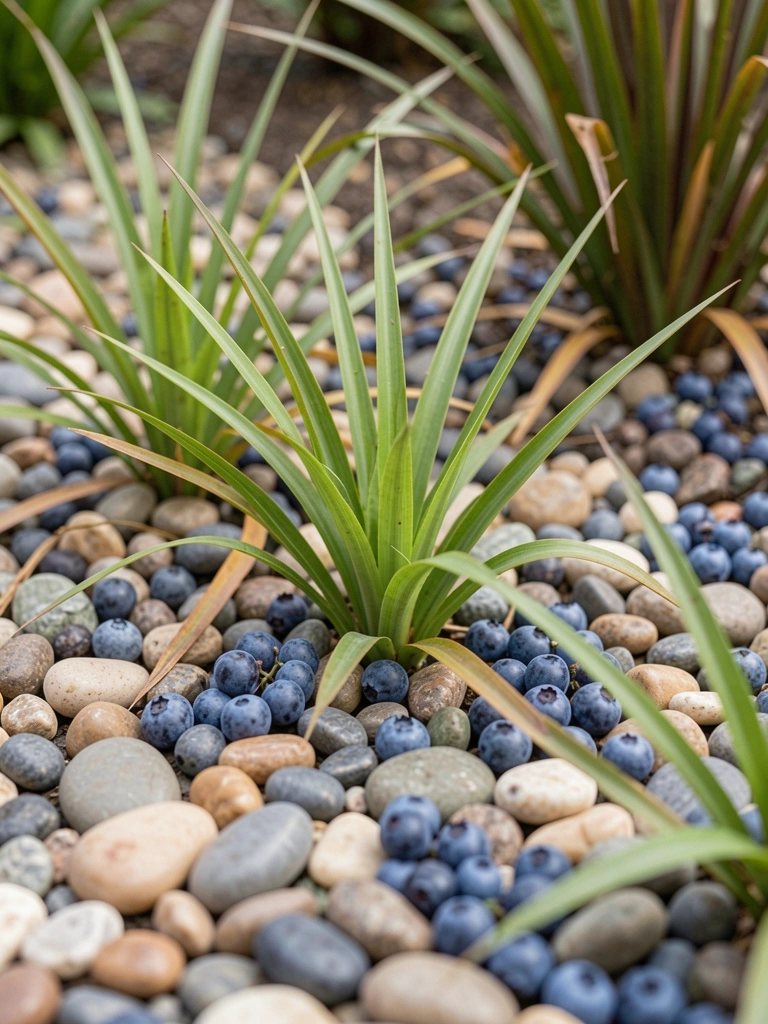
    I dug a shallow gravel 'river' curving from my gate to door, edging it with dianella 'Little Jess'. It mimics a dry creek, guiding feet naturally while berries add winter blue. The space breathes now—less lawn, more calm modern flow.

    Skip pebbles first time; gravel packs better, stays put.

    Plant drifts in odd numbers for that lived-in wave.

    What You’ll Need for This Look

    4. Vertical Westringia Wall for Narrow Sides

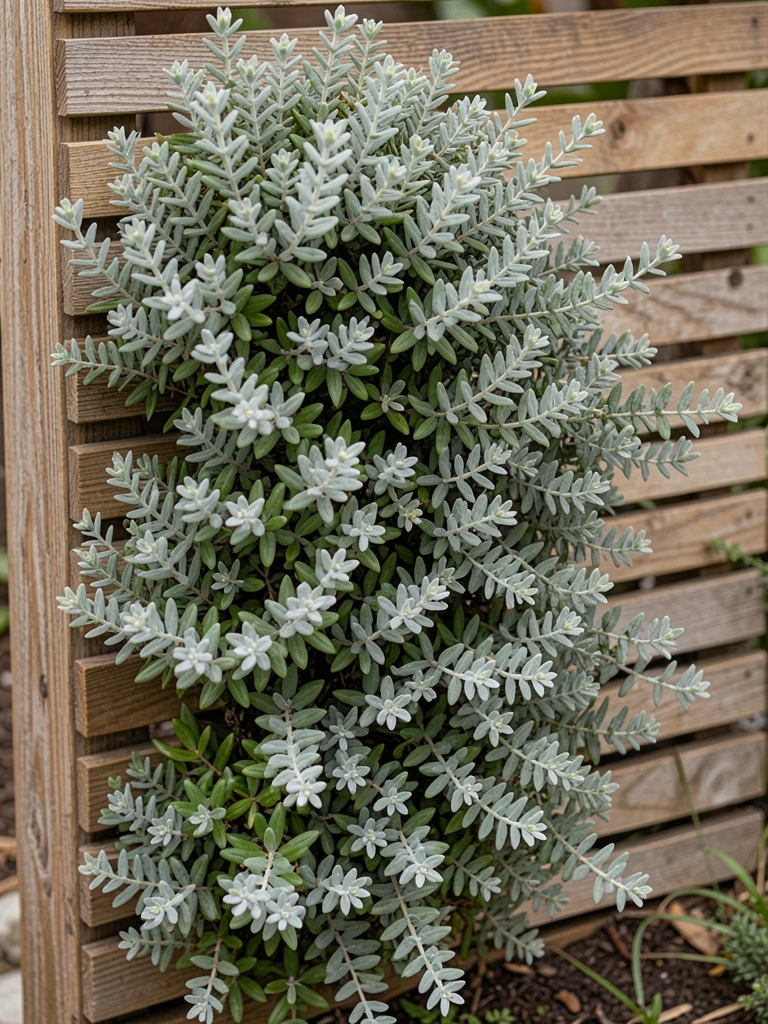
    Squeezed westringia 'Naringa' into wall pockets along my side fence—grows upright, screens the bin without width. Lilac flowers nod in summer; it's tough on coastal winds. Turns dead space into a green backdrop that frames the front clean.

    I overcrowded at first; thin to 40cm now.

    Clip lightly post-bloom for bushiness.

    What You’ll Need for This Look

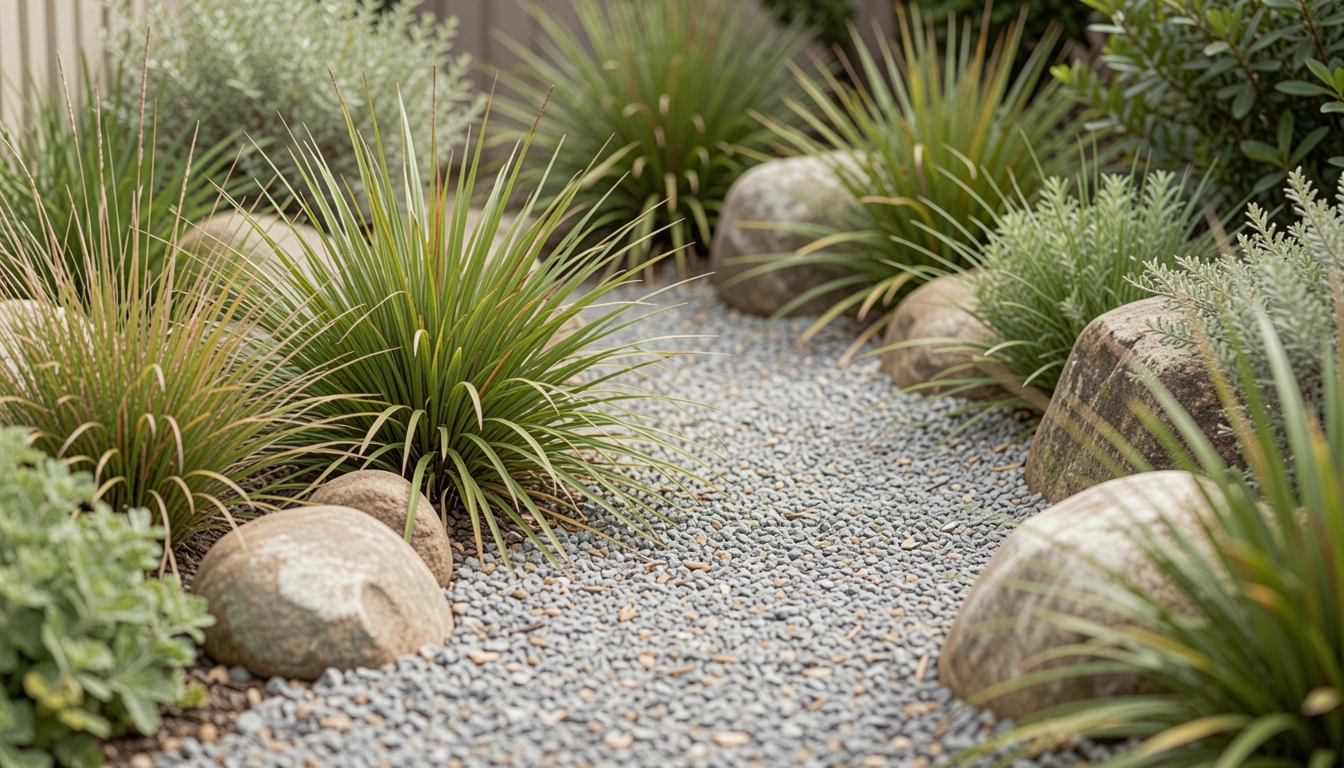
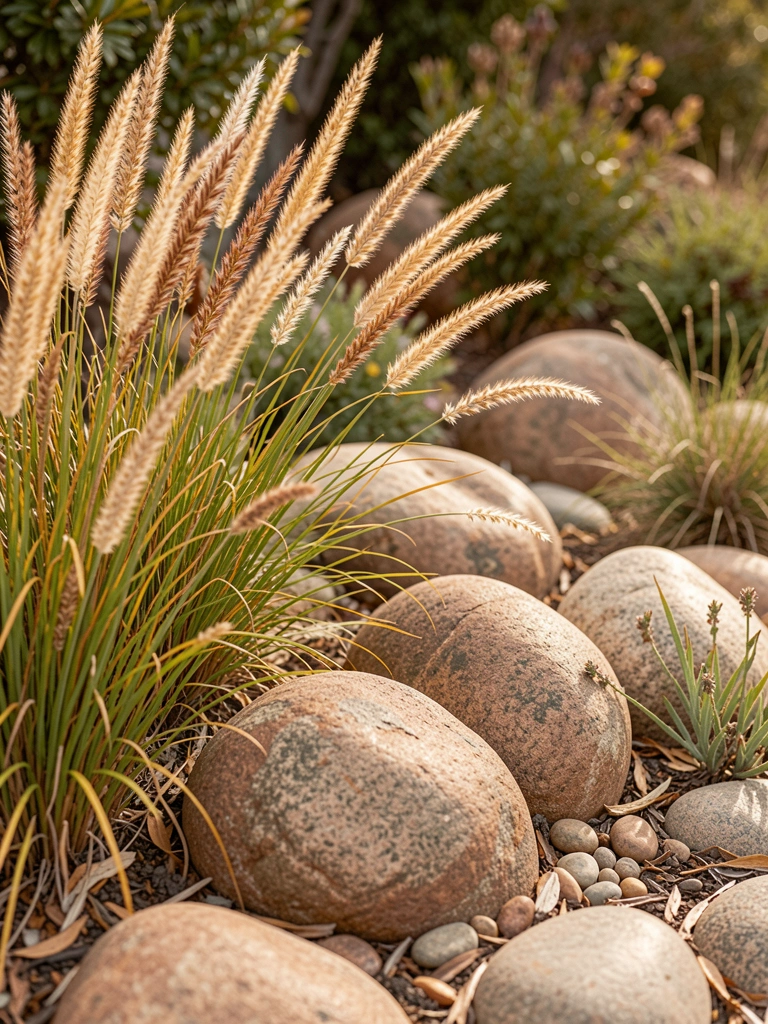
    5. Boulders Ringed by Feather-Topped Miscanthus

    Dropped three boulders in my front corner, miscanthus 'Adagio' tufts between. The grasses feather out soft against hard stone—modern texture play that hides the fence base. Feels grounded, like it's always been there.

    Wind flattened young plants once; choose dwarf varieties.

    Mulch around rocks to cut weeds.

    What You’ll Need for This Look

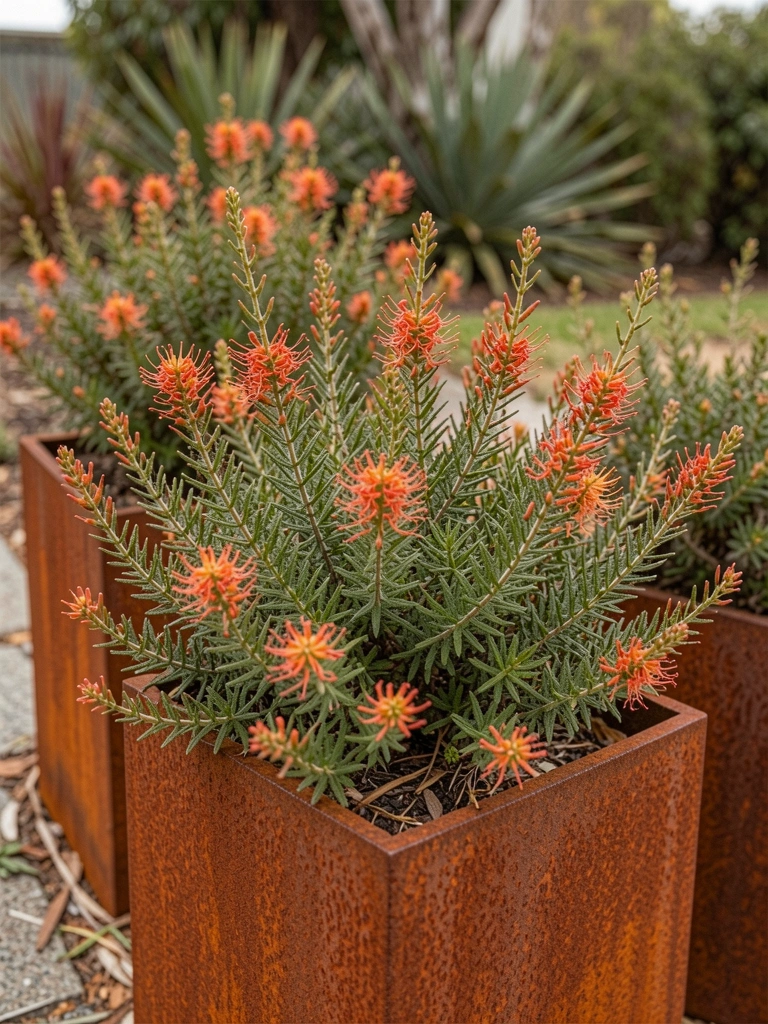
    6. Corten Planters with Grevillea Spikes

    Corten steel pots flank my steps with grevillea 'Moonlight'—spikes of cream flowers hum with bees. Rust ages warm, matching brick tones for sleek modern edge. Pots keep roots cool in heatwaves.

    Planted too deep first go; sit high in pots.

    Feed native slow-release yearly.

    What You’ll Need for This Look

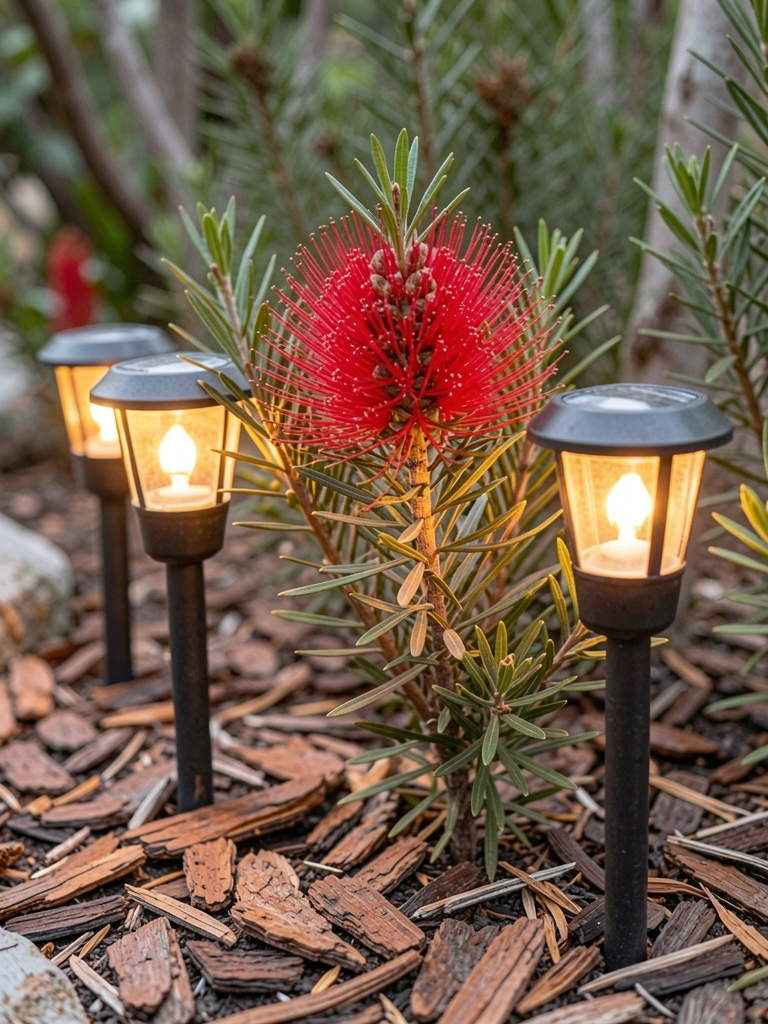
    7. Solar Path Lights Edging Callistemon

    Callistemon 'Little John' dwarfs along my path, solar stakes tucked in base. Nighttime glow picks out red brushes—safe, welcoming without wires. Daytime, it's a tidy bottlebrush hedge.

    Batteries faded fast; upgrade to lithium ones.

    Space lights 50cm for even light.

    What You’ll Need for This Look

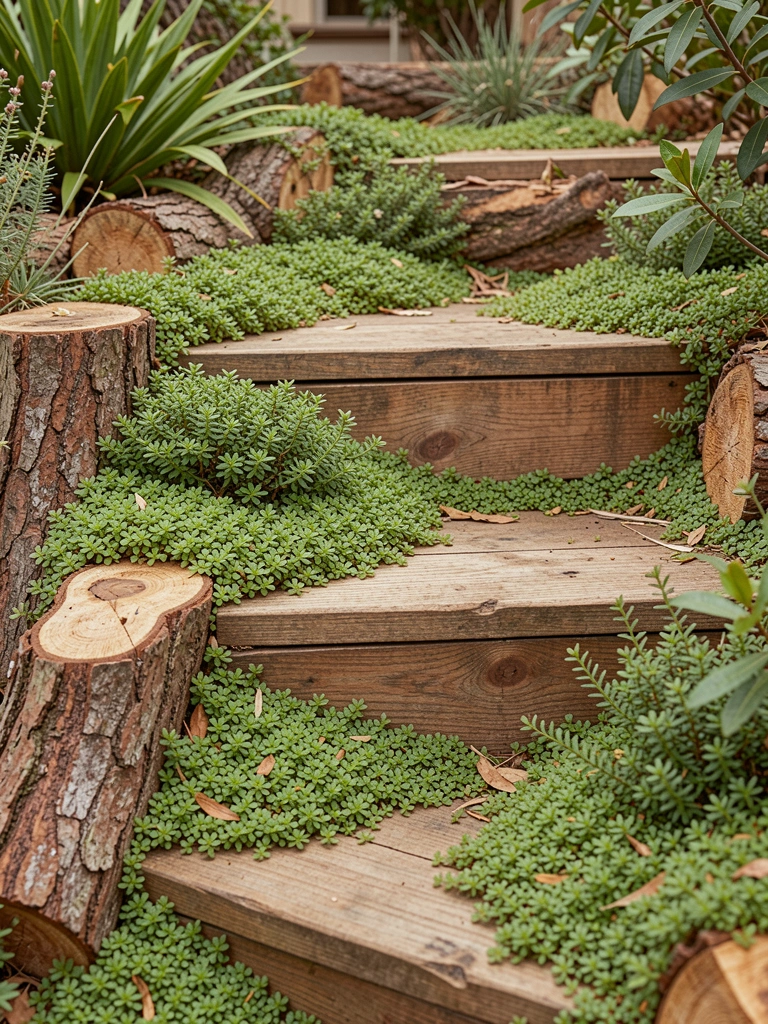
    8. Timber Sleeper Steps with Groundcover Carpet

    Sawn sleepers make short steps in my sloping yard, myoporum parvifolium between treads. It carpets soft underfoot, spills naturally—no mowing needed. Modern rhythm without stairs feeling stark.

    Settled uneven once; level with sand base.

    Water new plants weekly first month.

    What You’ll Need for This Look

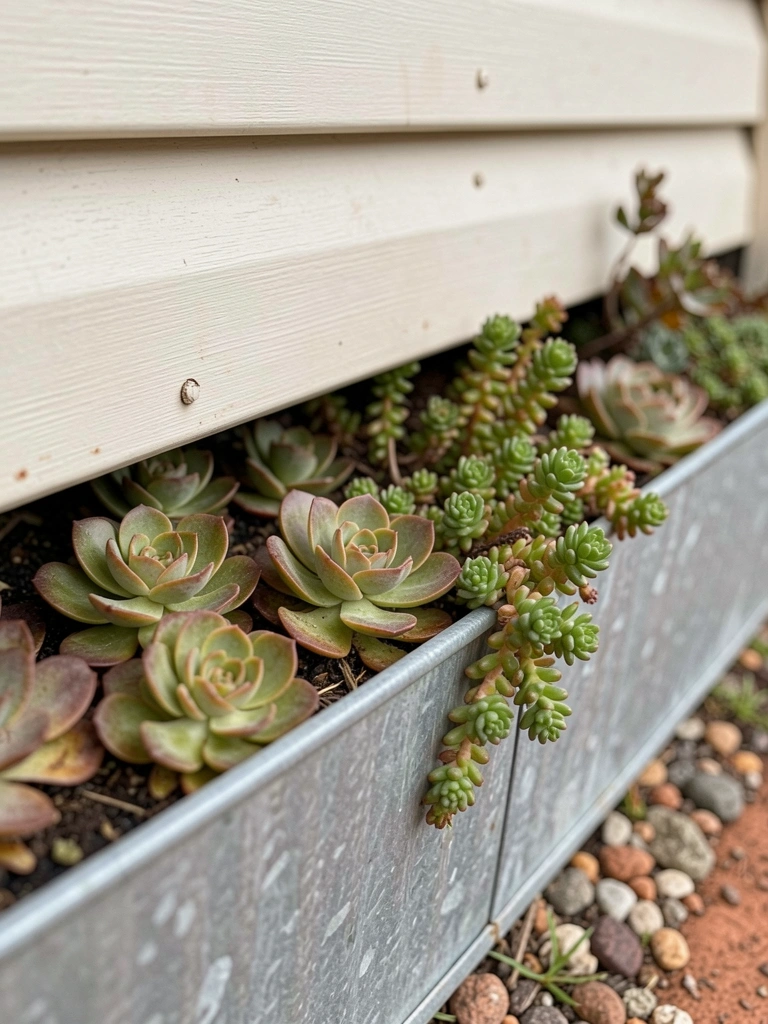
    9. Succulent Trough Along the Facia

    Long galvanised trough under my verandah eaves holds pigface and sedums—drought-proof colour bursts. Carpets in pink flowers summer, hangs low for modern line. No soil splash on walls.

    Overdid sun-lovers; mix shade types too.

    Tip out water after rain.

    What You’ll Need for This Look

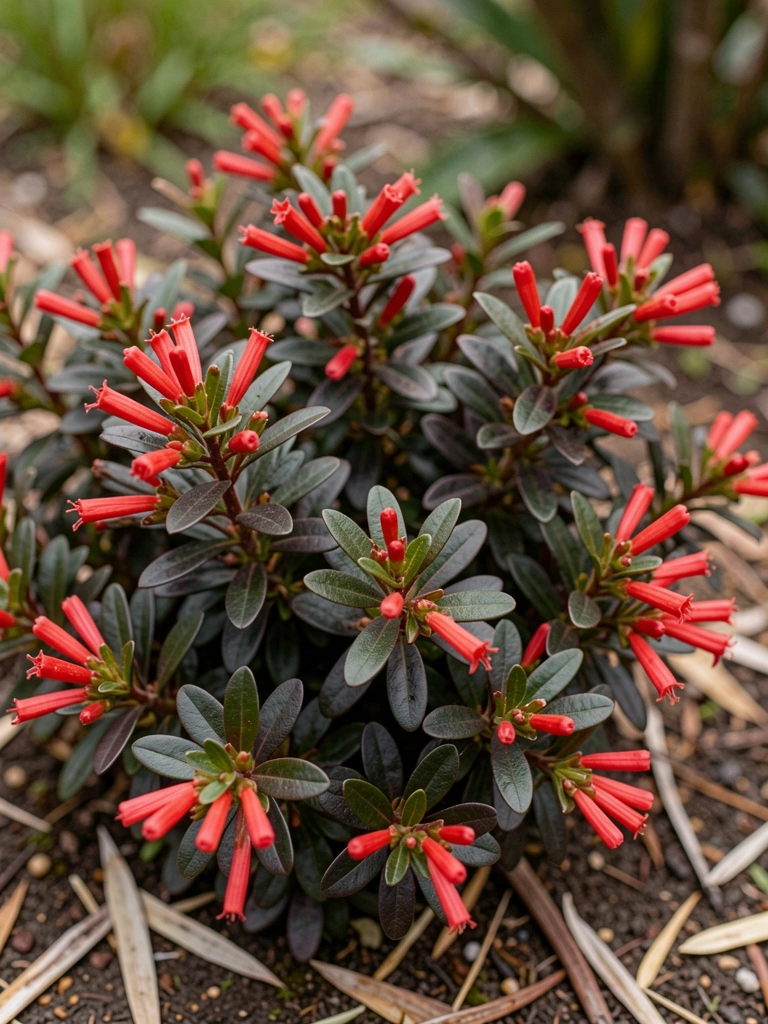
    10. Correa Clusters for Hummingbird Draw

    Correa 'Dusky Bells' in pots by my door—honeyeaters visit daily, bells dangling red. Fills air with life, softens concrete without sprawl. Modern native charm up close.

    Frost nipped tips once; site warmer spots.

    Deadhead for more blooms.

    What You’ll Need for This Look

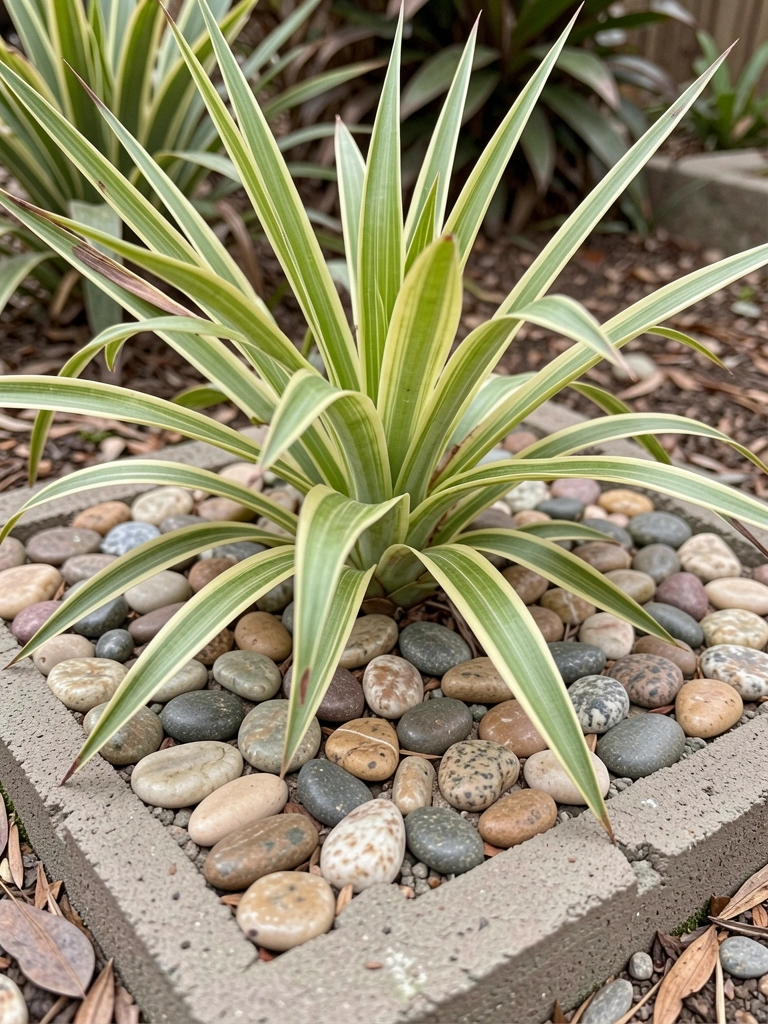
    11. Pebble Mosaic with Flax Lily Accents

    Pebble mosaic sets off dianella 'NZ Blue' in my entry bed—whites and greys pop under blue flax. Durable, no weeds, adds subtle pattern for modern feet.

    Grout too thin first try; mix thicker.

    Plant after mosaic cures.

    What You’ll Need for This Look

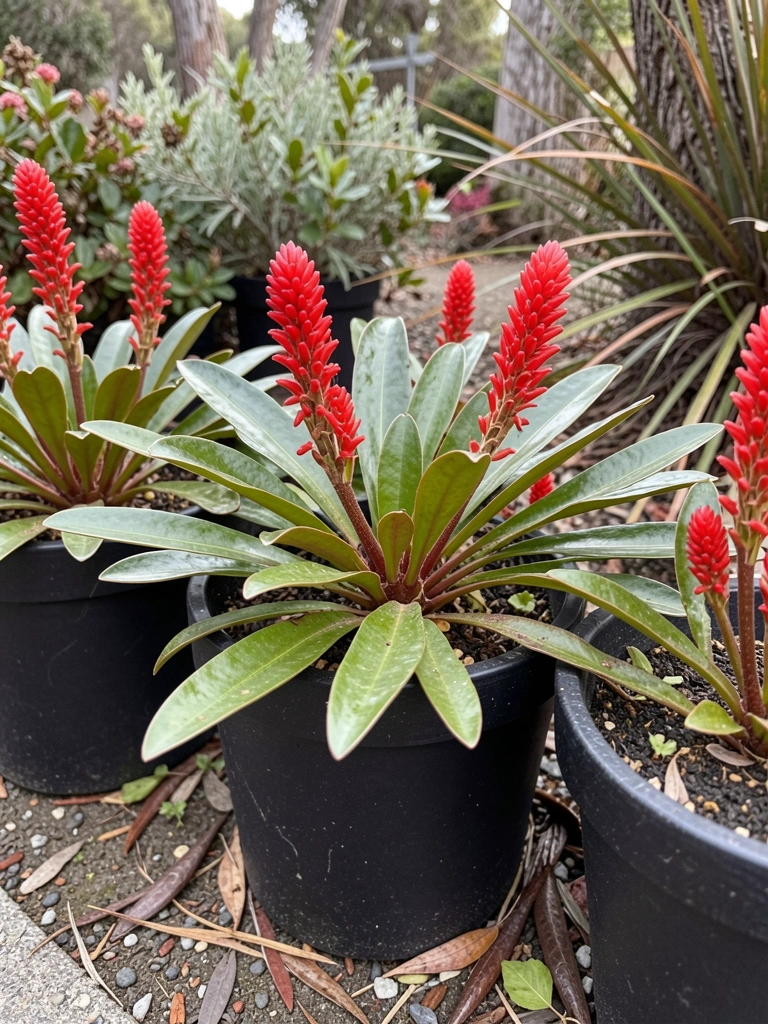
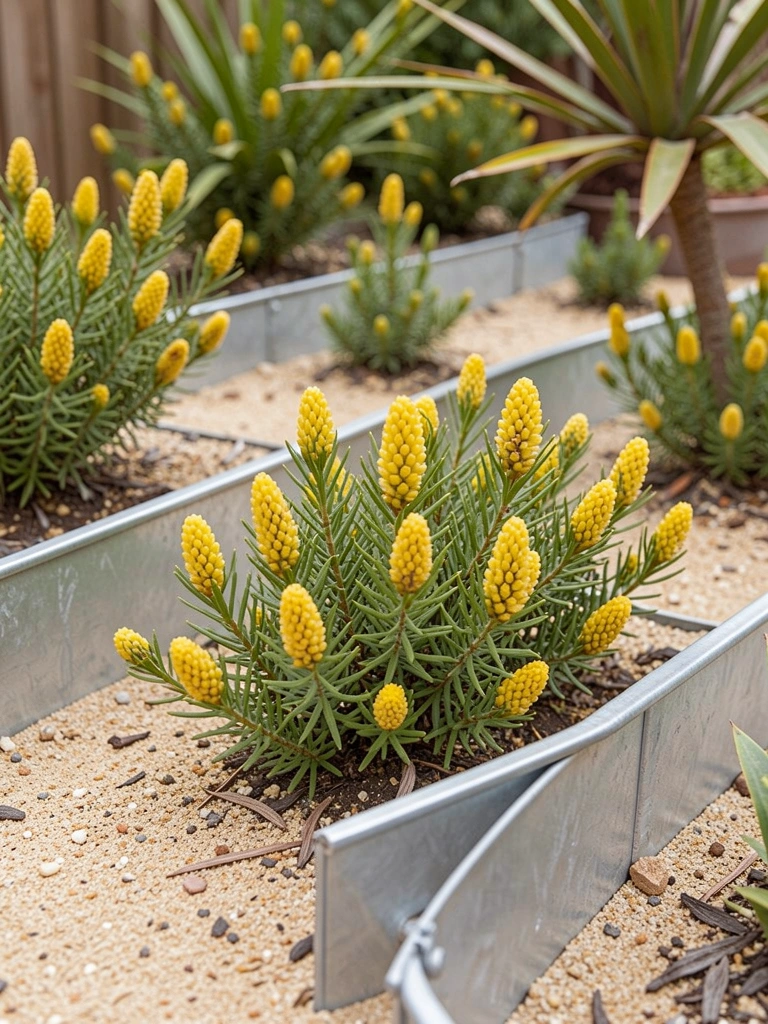
    12. Raised Zinc Beds with Banksia Blooms

    Zinc-edged raised beds hold banksia 'Birthday Candles'—compact, candle-like flowers tower neat. Easy reach for pruning, drains fast in rains. Clean modern box against house.

    Too much fertiliser burned leaves; go native mix.

    Sunset west for best blooms.

    What You’ll Need for This Look

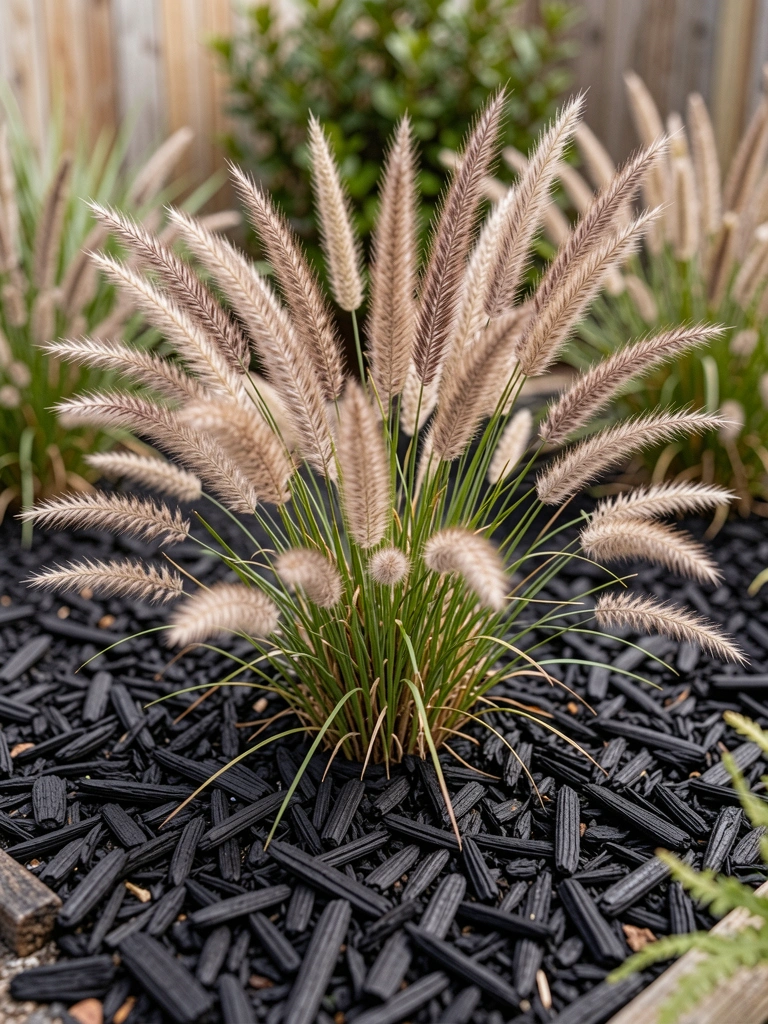
    13. Feather Grass Waves in Black Mulch

    Miscanthus 'Morning Light' waves over black mulch in my narrow strip—variegated stripes catch light. Suppresses weeds, contrasts sharp for modern poise.

    Divided clumps yearly; they spread quick.

    Cut back winter for fresh start.

    What You’ll Need for This Look

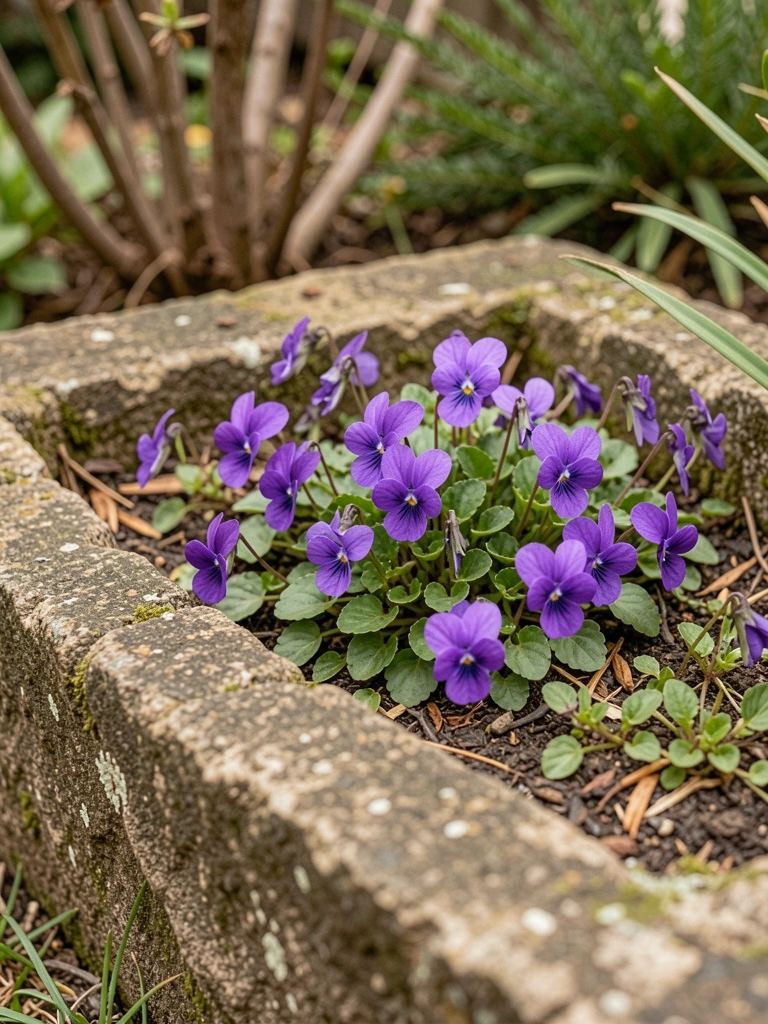
    14. Native Violet Underplant with Stone Trough

    Stone trough sits heavy, viola hederacea spilling violet underneath—shade lover carpets cool. Softens hard edges, butterflies love it. Pocket modern with wild touch.

    Dried out in pots; ground plant better.

    Moist shade key.

    What You’ll Need for This Look

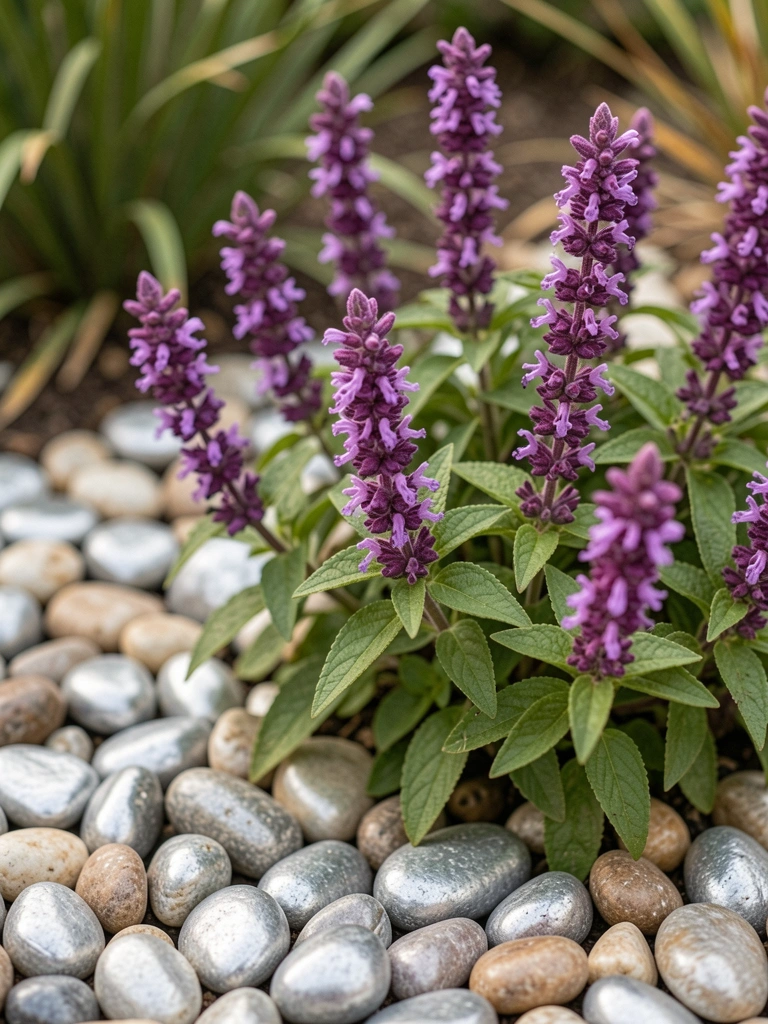
    15. Agastache Line with Reflective Pebbles

    Agastache 'Blue Boa' lines my path edge, white pebbles reflecting heat away. Humming scent, long purple spikes—pollinators flock. Modern scent garden, low fuss.

    Self-seeded everywhere once; pull extras.

    Pebbles cool roots in sun.

    What You’ll Need for This Look

    Final Thoughts

    Start with one idea that matches your sun and soil—mine began with lomandra, snowballed from there. These fit real Aussie fronts, not magazines. They'll grow into place over time. You've got this; dirt under nails beats blank concrete any day.

  • 7 Practical Terraced House Small Front Garden Ideas That Work

    7 Practical Terraced House Small Front Garden Ideas That Work

    I squeezed my first terraced front garden into shape after moving into a row of old brick houses. The space was narrow, shady from neighbors, and the soil turned to mud after rain. I wasted money on fussy perennials that flopped.

    But over years of trial, I found simple setups that fill the eye without daily work. They make the path to the door feel welcoming, like slipping into a quiet yard.

    Now, that patch greets me every evening with greens and a bit of bloom.

    7 Practical Terraced House Small Front Garden Ideas That Work

    Here are 7 ideas I've tested in my own terraced front gardens. They're small-scale, forgiving, and built for real life. No big budgets or endless weeding—just what works.

    1. Mismatched Pots Clustered on Steps

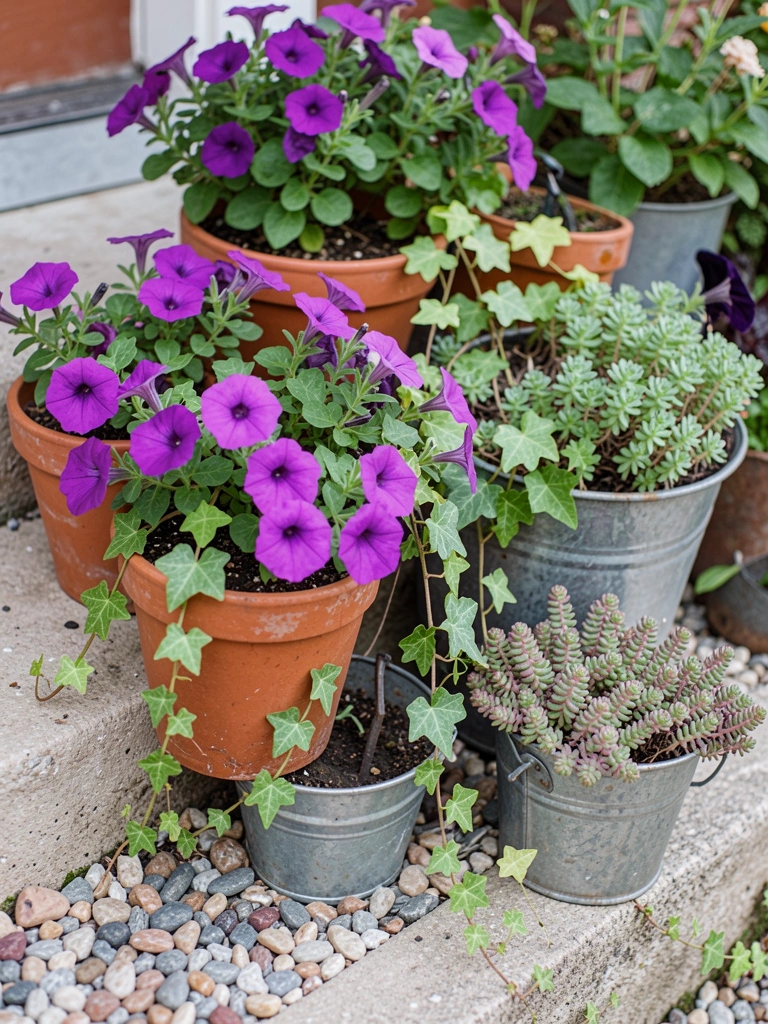
    I started with empty steps leading to my door—bare and uninviting. Then I gathered pots I'd collected over years, some chipped, and grouped them tight. Petunias and ivy spilled over, softening the stone.

    The mix hides the steps' edges and draws your eye up. It feels full without taking floor space. In shade, I swapped sun-lovers for hostas; they thrived where others failed.

    Watch the weight—too many big pots tip on narrow treads. Group by height: tall in back, low trailers front. One winter, a cheap plastic pot cracked; clay holds better.

    What You’ll Need for This Look

    Terracotta pots (12 inch)

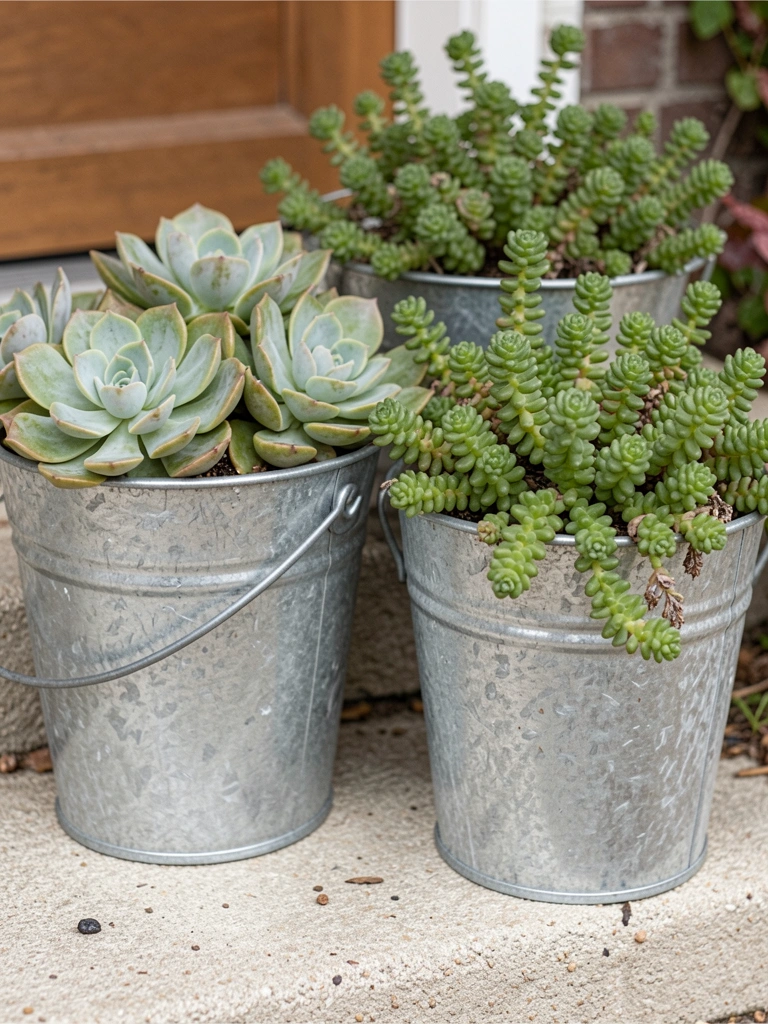
    Metal planter buckets (galvanized, 10 inch)

    Trailing ivy plants (4 inch pots)

    Hostas (bare root)

    2. Lavender-Lined Gravel Path

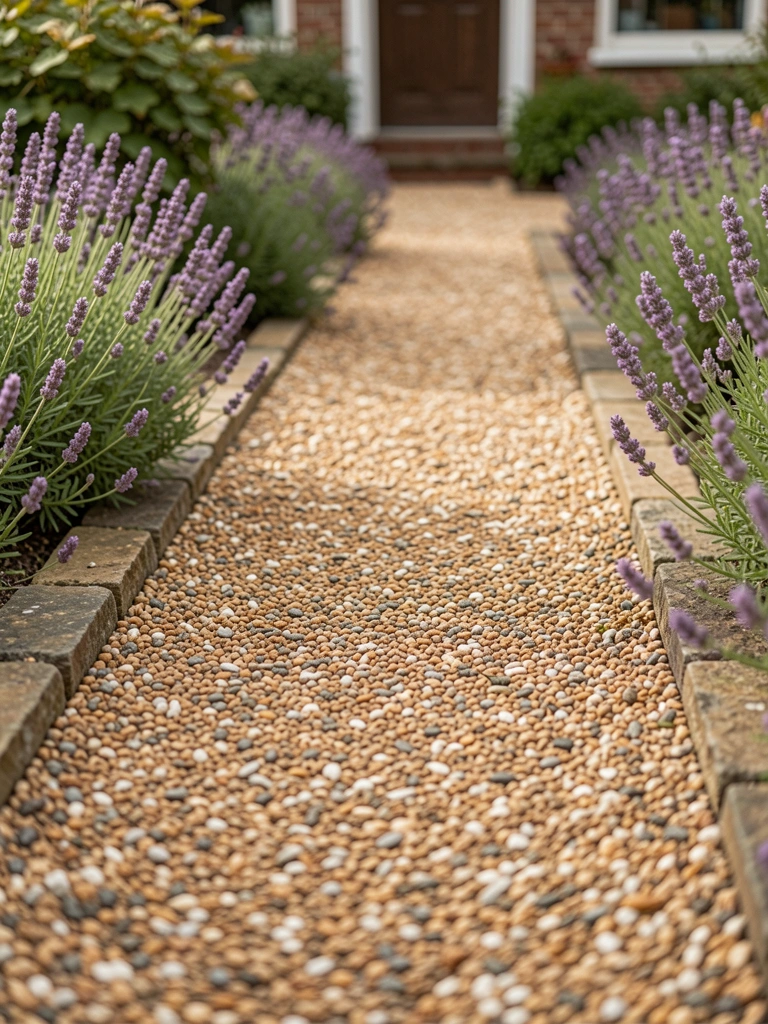
    My path was weedy dirt until I laid gravel and edged it with lavender. The crunch underfoot pulls you in, and the scent hits on warm days. Bees love it too.

    It cuts mud and weeds—no more tracking soil inside. Lavender bushes the edges just right, filling gaps without crowding the walk.

    I planted too close once; they sprawled. Space 18 inches apart. Trim lightly after bloom to keep neat. Gravel washes clean with a hose.

    What You’ll Need for This Look

    Pea gravel (50 lb bag)

    Lavender plants (English variety, 1 gallon)

    Landscape edging stones (12 inch)

    Garden rake for gravel

    3. Vertical Trellis with Climbing Clematis

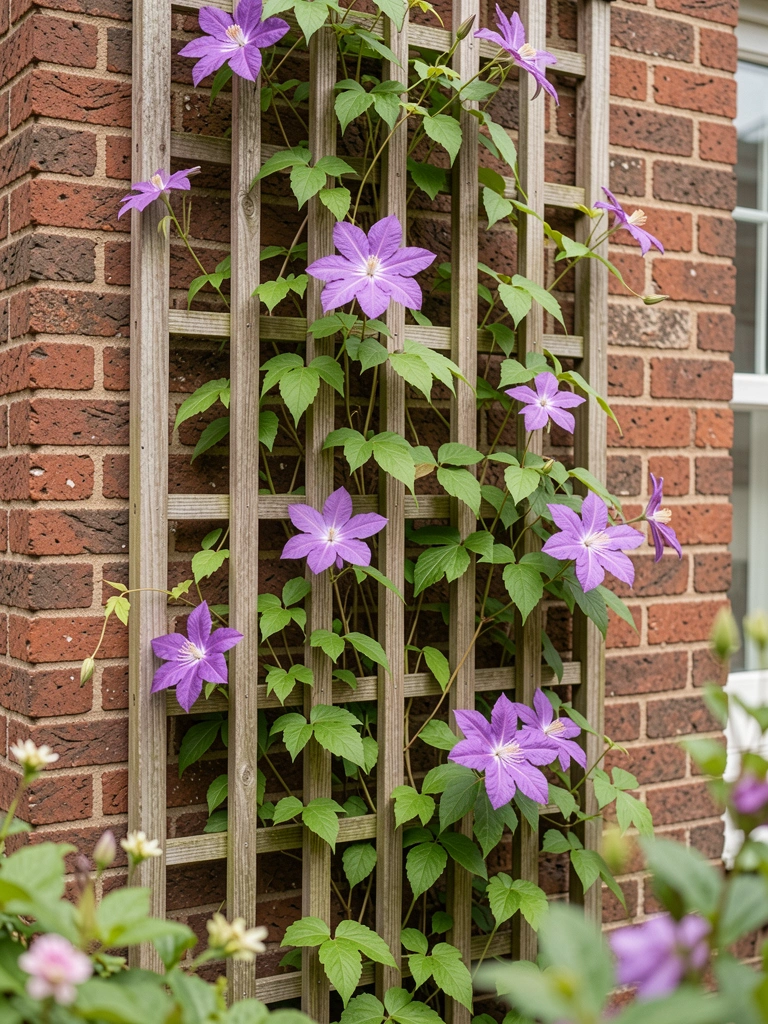
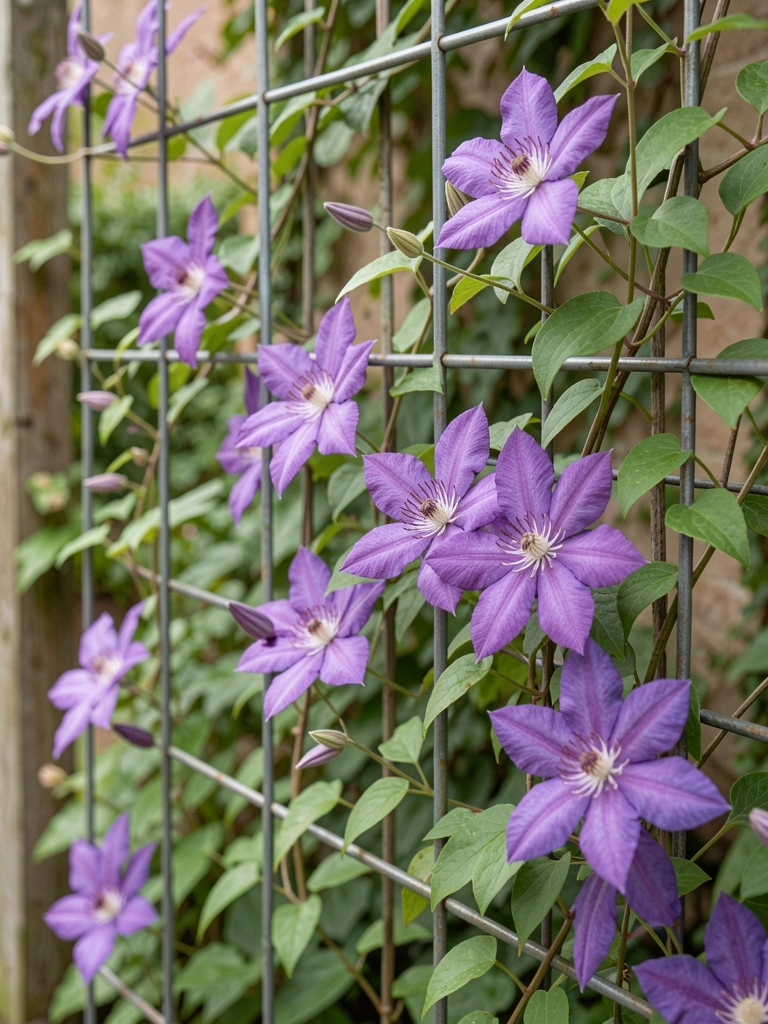
    The blank brick wall stared back until I fixed a trellis low across it. Clematis climbed fast, veiling the fence without eating path space. Flowers pop against red brick.

    It softens the hard lines, makes the front feel deeper. Shade-tolerant ones hug the base.

    I picked a vigorous variety that overtook; choose compact now. Tie stems loose—they find their way. Prune hard in winter for more blooms next year.

    What You’ll Need for This Look

    Garden trellis (wooden, 4 ft tall)

    Clematis plants (compact variety)

    Garden twine (natural fiber)

    Wall anchors for trellis

    4. Low Boxwood Border Along the House

    I wanted structure without height, so boxwoods went in a low line by the house wall. They frame the door neatly, evergreen year-round.

    The tidy green lifts the whole front, blocks some wind. Fills in slow but steady.

    Overwatered mine once—roots rotted. Plant in spring, water deep but rare. Trim once a year into gentle curves.

    What You’ll Need for This Look

    Boxwood shrubs (1 gallon pots)

    Mulch (organic bark, 2 cu ft)

    Hand pruner for boxwood

    5. Solar Lights Tracing the Path Edges

    Dark evenings made my front feel closed off. Solar stakes along the path edges light it soft, guiding to the door without wires.

    The glow picks out plants at night, cozy not glaring. Stays lit hours after sun down.

    Cheap ones faded fast; get metal ones. Position south-facing for charge. Clean lenses monthly.

    What You’ll Need for This Look

    Solar path lights (stainless steel, warm white)

    Solar stake lights (set of 8)

    6. Raised Trough Planters by the Door

    Steps to the door felt stark, so wooden troughs raised plants right there. Thyme and grasses tuck in, easy to snip for cooking.

    Lifts color to eye level, no bending. Drains fast, no soggy roots.

    I used untreated wood first—it rotted. Line with plastic now. Fill half compost for roots.

    What You’ll Need for This Look

    Raised garden trough (cedar, 24 inch long)

    Thyme herb plants (4 inch pots)

    Ornamental grasses (festuca variety)

    Landscape fabric liner

    7. Fern-Filled Wall Pockets

    Side wall was wasted space till felt pockets held ferns. They cascade soft, loving the damp shade.

    Adds lush without ground clutter. Feels wild yet contained.

    Packed too full once—dried out. Water from top, mist leaves. Refresh soil yearly.

    What You’ll Need for This Look

    Wall planter pockets (felt, set of 3)

    Fern plants (native shade variety)

    Spray bottle for misting

    Final Thoughts

    Pick one or two ideas that fit your light and time. My front took shape slow, layer by layer.

    You'll mess up a plant or two—it's how you learn. These hold up in tight terraced spots.

    Your garden will settle in, feeling right at home.

  • 21 Low Maintenance Small Front Garden Ideas For Easy Care

    21 Low Maintenance Small Front Garden Ideas For Easy Care

    I remember staring at my tiny front yard, weeds everywhere, no time to fuss. One summer, I ripped it all out and started small. What hit me was how a few tough plants could make it feel welcoming without daily work.

    Now, years later, neighbors stop by to ask about my setup. It's not fancy—just plants that thrive on neglect.

    You can have that too. A front garden that looks good, feels right, and barely needs you.

    21 Low Maintenance Small Front Garden Ideas For Easy Care

    These 21 low maintenance small front garden ideas come from my own front yards over the years. They're simple to pull off, forgiving if you forget to water, and perfect for tight spaces. Let's get into them.

    1. Gravel Patch Framed by Tough Sedum

    I laid gravel in my narrow front strip where grass always died. Added sedum around the edges—they spread without effort, filling gaps. It went from bare dirt to a clean, crisp look in one afternoon.

    The gray pebbles reflect light, making the space feel bigger. Sedum turns rusty red in fall, adding warmth without color overload. No mowing, just occasional weeding.

    Watch the drainage—gravel sheds water fast, so sedum loves it. I once overplanted and it got crowded; thin it yearly.

    Feels intentional, like you meant it that way.

    What You’ll Need for This Look

    2. Dwarf Evergreen Boxes in a Row

    Planted three dwarf boxwoods along my walkway—they stay under 2 feet, no pruning needed after the first year. Gave structure without blocking the door.

    Green all year, they frame the entrance softly. In winter, a light snow cap makes it cozy.

    I bought ones too big once; pick slow-growers. Space them 18 inches apart.

    Mulch keeps soil moist. Barely touch them now.

    What You’ll Need for This Look

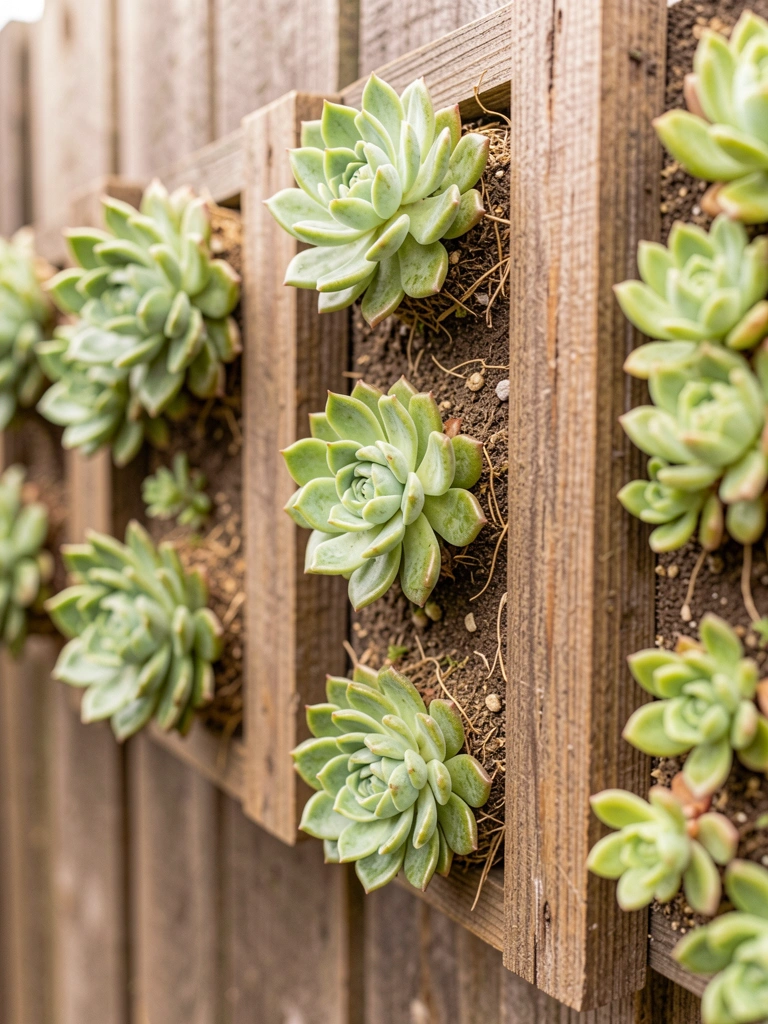
    3. Vertical Succulent Wall on Fence

    My fence was blank; screwed up a vertical planter with succulent pockets. They hang tough in sun, needing water every two weeks.

    Adds height without taking floor space. Colors shift from blue-green to pink tips.

    Forgot to secure once, it tipped—use strong hooks. Full sun spot.

    Looks modern, feels alive.

    What You’ll Need for This Look

    4. Lavender Border That Smells Like Summer

    Edged my path with lavender—blooms once, then bees handle the rest. Fragrance hits you walking up.

    Purple spikes draw eyes low, keeping it tidy. Foliage stays silver year-round.

    Planted too close first time; give 2 feet space. Drought-proof after rooting.

    Cuts weeding way down.

    What You’ll Need for This Look

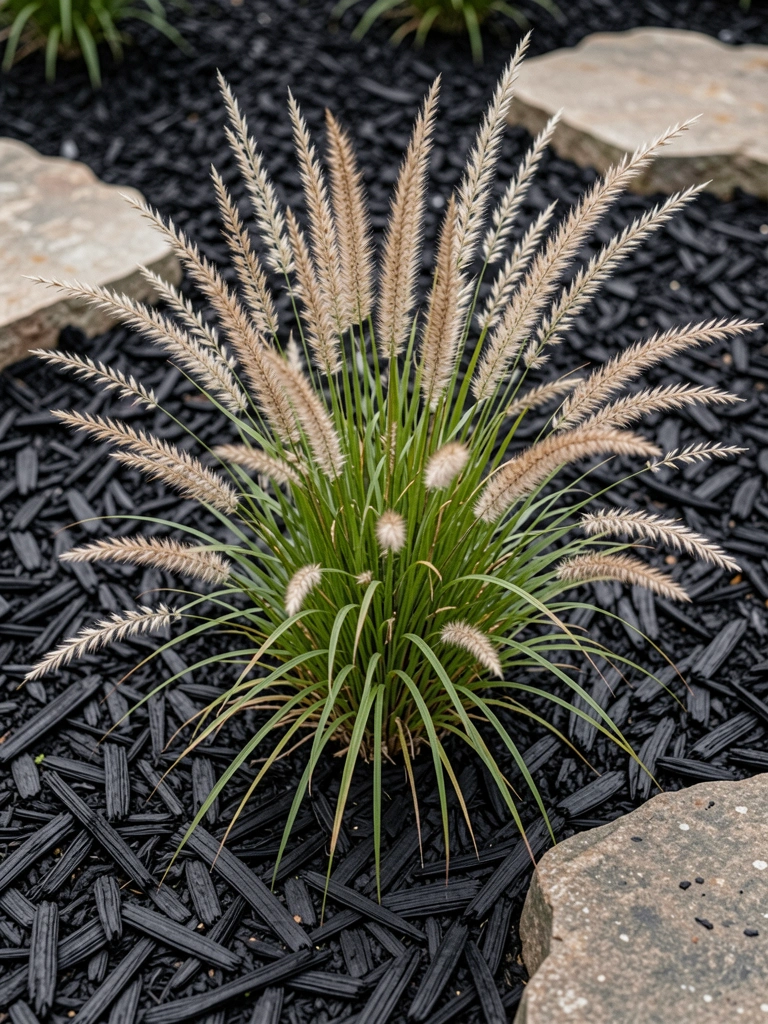
    5. Black Mulch Bed with One Ornamental Grass

    Dropped one fountain grass in a mulched bed—sways gently, no deadheading. Black mulch hides dirt.

    Movement catches light, softens the house edge. Grows to 3 feet, then cut back spring.

    Chose wrong variety once, too floppy—pick 'Adagio'. Full sun.

    Simple power.

    What You’ll Need for This Look

    6. Pot Cluster by the Steps

    Grouped three pots on my stoop—ivy geranium and a spiky cordyline. Thrives on rain alone.

    Feels full, welcoming. Trailing softens hard steps.

    Overwatered early; let dry out. Group odd numbers.

    Changes with seasons naturally.

    What You’ll Need for This Look

    7. Native Wildflower Strip

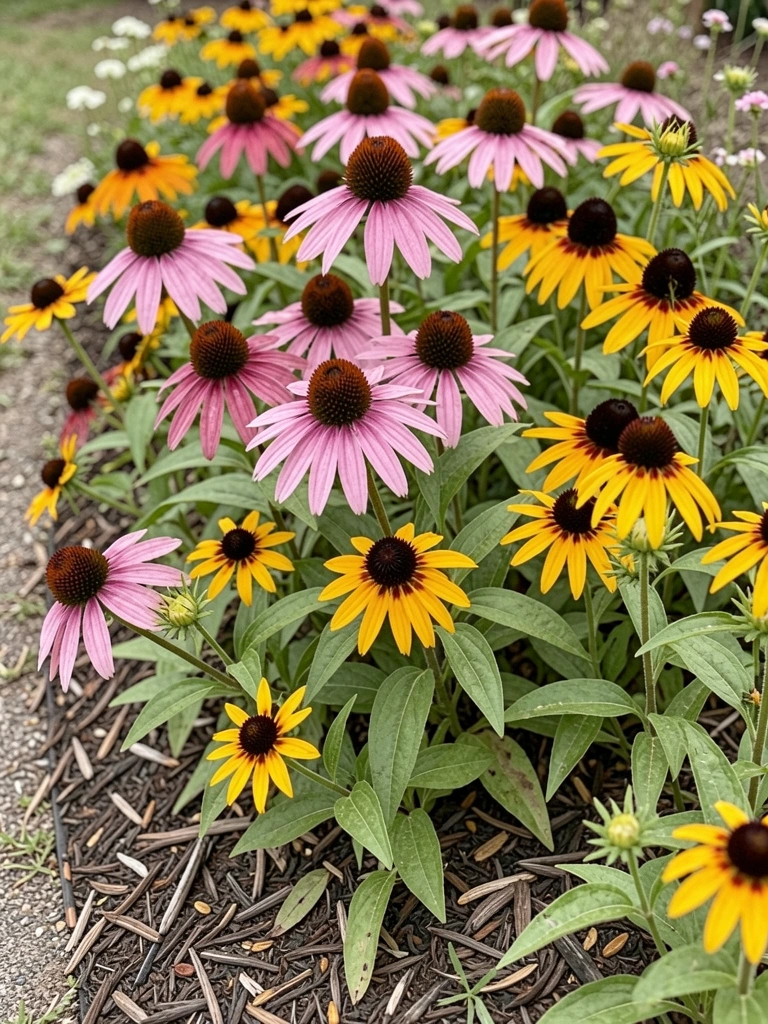
    Sowed natives like coneflower—they self-seed, match my soil. Butterflies show up.

    Blooms summer long, then seeds for next year. Low to ground.

    Weeds snuck in first season; mulch heavy. No fertilizer.

    Feels wild but contained.

    What You’ll Need for This Look

    8. Brick Edged Fern Corner

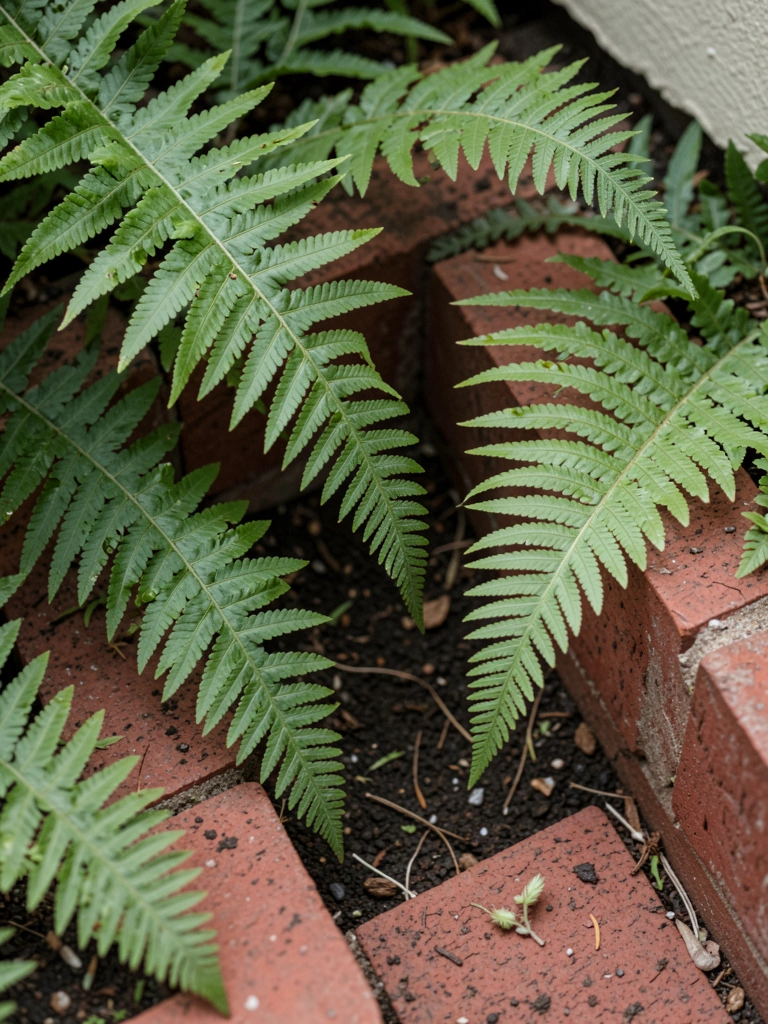
    Tucked ferns in a shady corner, bricked the edge. Ostrich ferns unfurl each spring, no fuss.

    Lush green softens walls. Bricks keep it neat.

    Planted in dry shade once—needs moisture. Amend soil.

    Cool retreat feel.

    What You’ll Need for This Look

    9. Solar Lights Along the Path

    Stuck solar stakes in gravel path—light up at dusk, no wiring. Guides to door safely.

    Warm glow feels inviting after dark. Lasts years.

    Cheap ones died fast; get metal ones. Face south.

    Night magic without work.

    What You’ll Need for This Look

    10. Creeping Phlox Groundcover

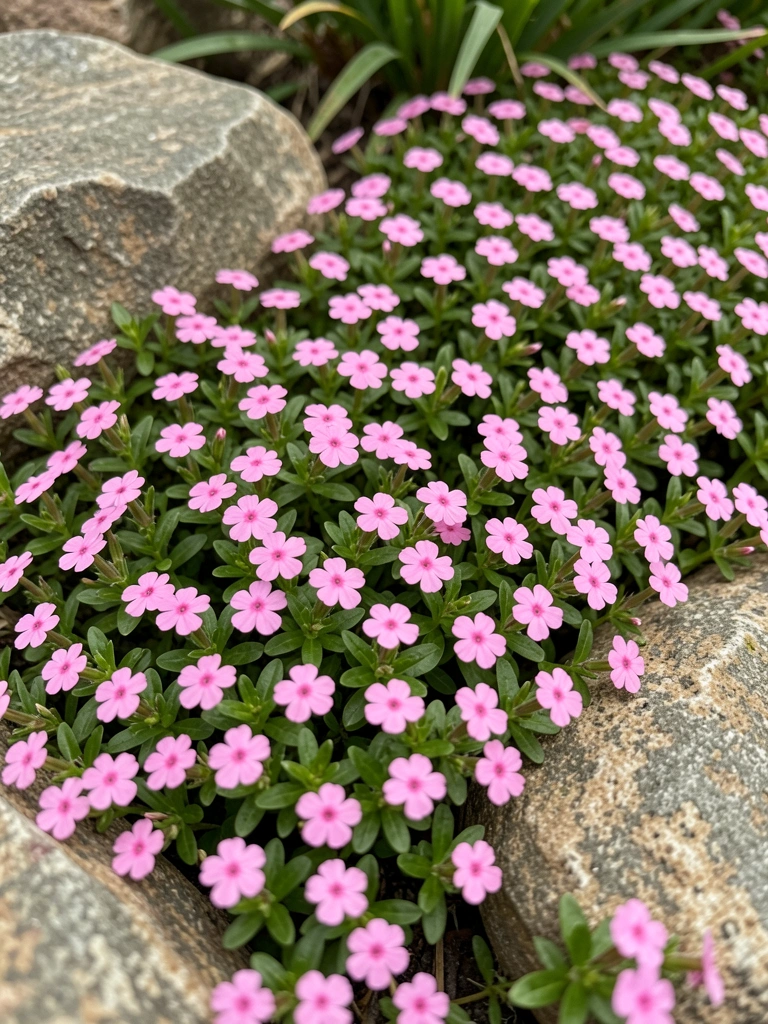
    Phlox crept over my slope—spring pink carpet, then green mat. Chokes weeds.

    Hides ugly soil, soft texture. Sun lover.

    Bought annuals by mistake; get perennial. Trim after bloom.

    Blanket effect.

    What You’ll Need for This Look

    11. Raised Bed with Herbs

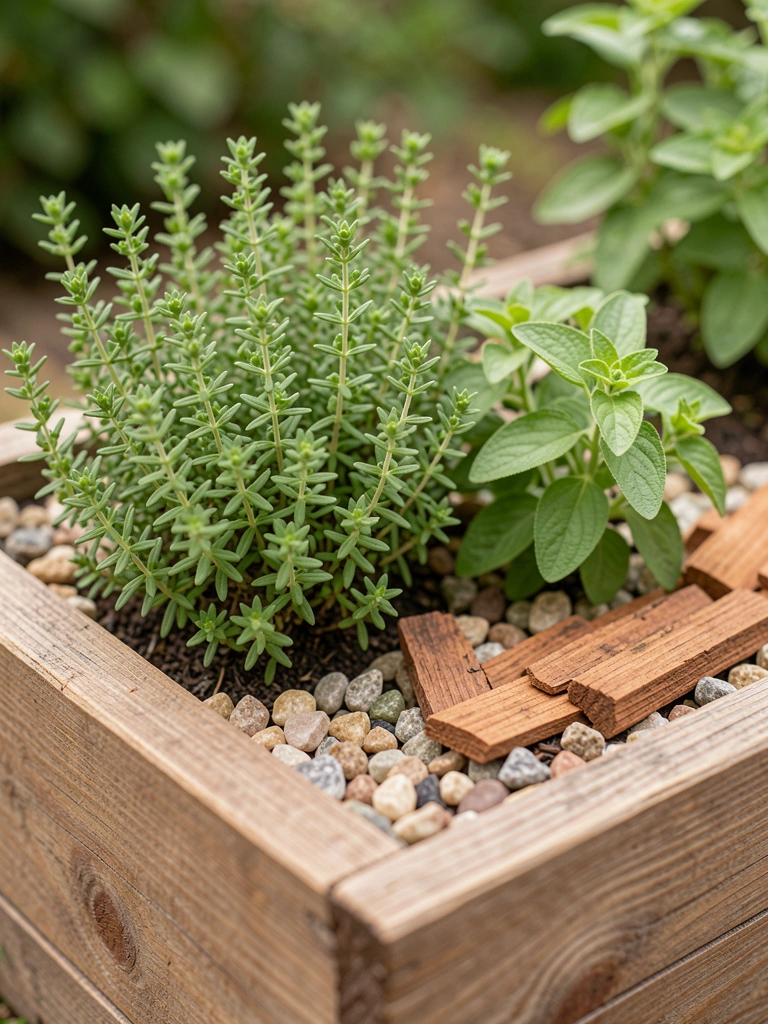
    Built a low raised bed for thyme and oregano—close to kitchen door. Tough, aromatic.

    Green mounds year-round. Snip as needed.

    Wood warped once; seal it. Good drainage.

    Practical pretty.

    What You’ll Need for This Look

    12. Stone Trough Planter

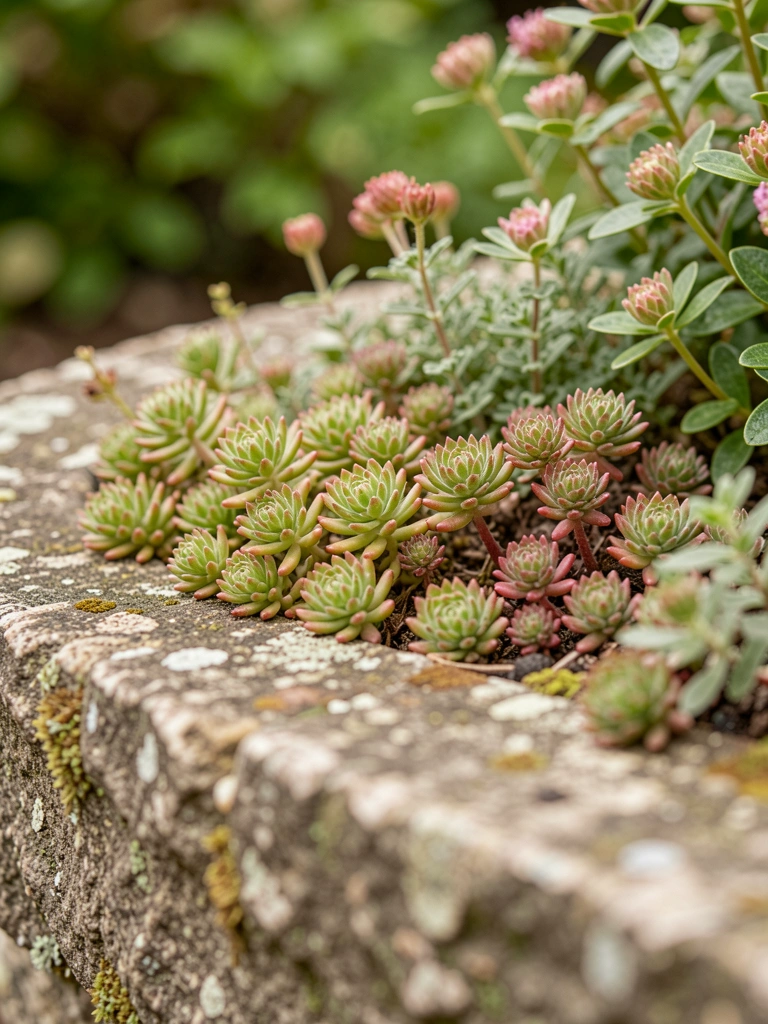
    Set a faux stone trough by the house—alpines inside, no soil mess.

    Weathered look fits old bricks. Succulents cluster nicely.

    Drain holes key—mine flooded once. Partial shade ok.

    Rugged charm.

    What You’ll Need for This Look

    13. Ornamental Grass Clump Centerpiece

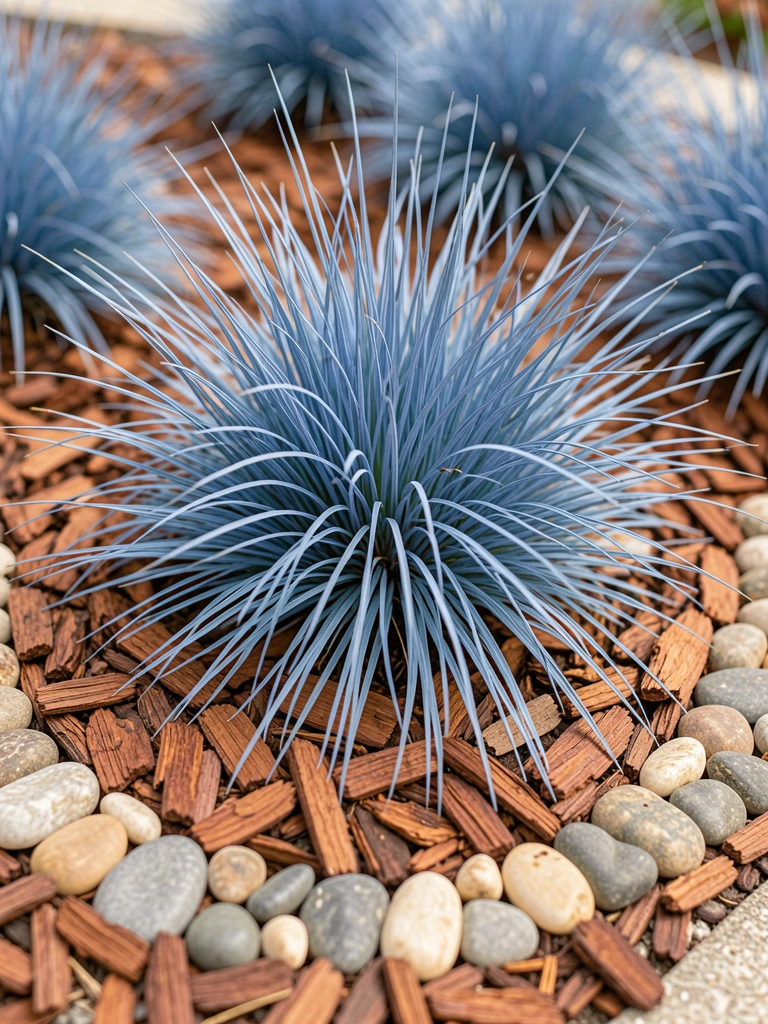
    One blue fescue in a circle bed—stays tidy, sways in breeze.

    Cool color pop. Divide every few years.

    Too much water yellowed it once—let dry. Sun.

    Quiet focal point.

    What You’ll Need for This Look

    14. Hostas Under the Window

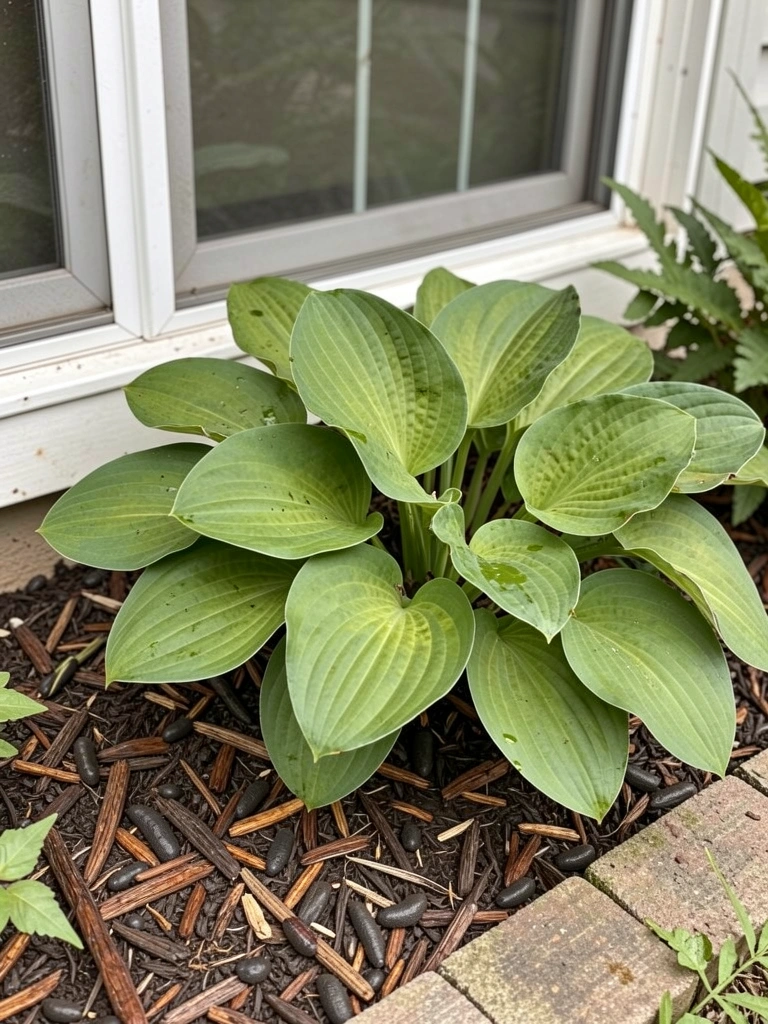
    Hostas fill shady window base—big leaves block weeds. Slug pellets if needed.

    Textured green layers. Trim dead leaves spring.

    Deer munched mine early—netting helped. Moist soil.

    Soft understory.

    What You’ll Need for This Look

    15. Metal Obelisk with Honeysuckle

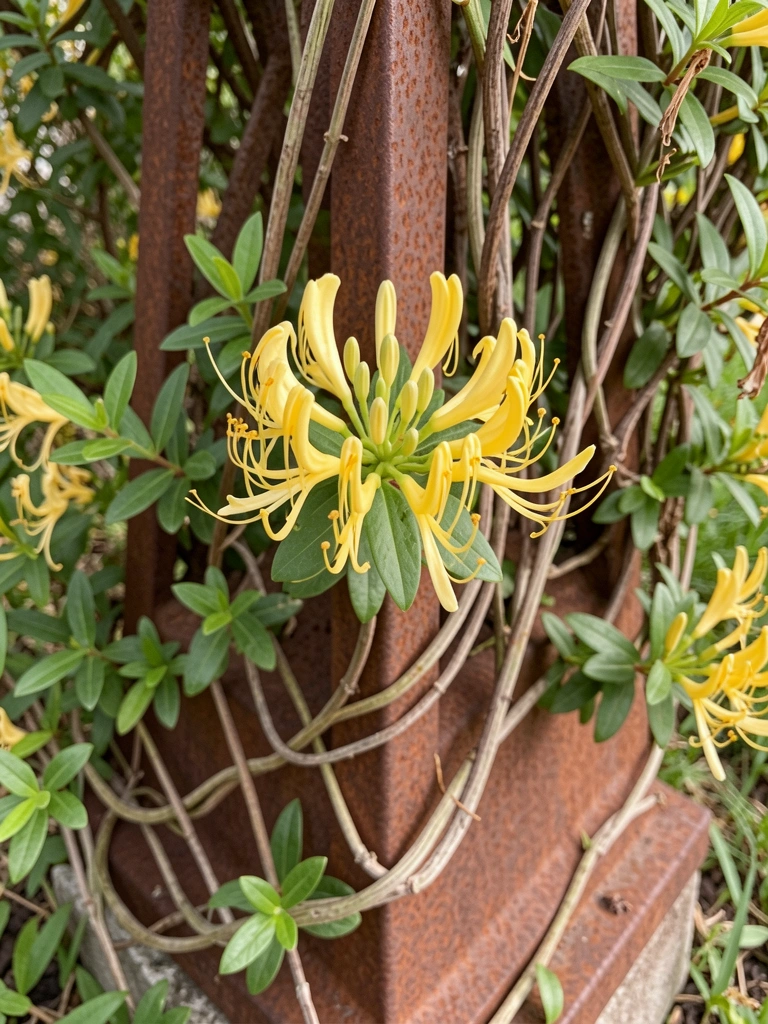
    Obelisk with honeysuckle vine—scent in summer, birds love seeds.

    Vertical interest small space. Prune lightly.

    Chose invasive type once—pick sterile. Sun.

    Fragrant height.

    What You’ll Need for This Look

    16. Bark Path with Edge Plants

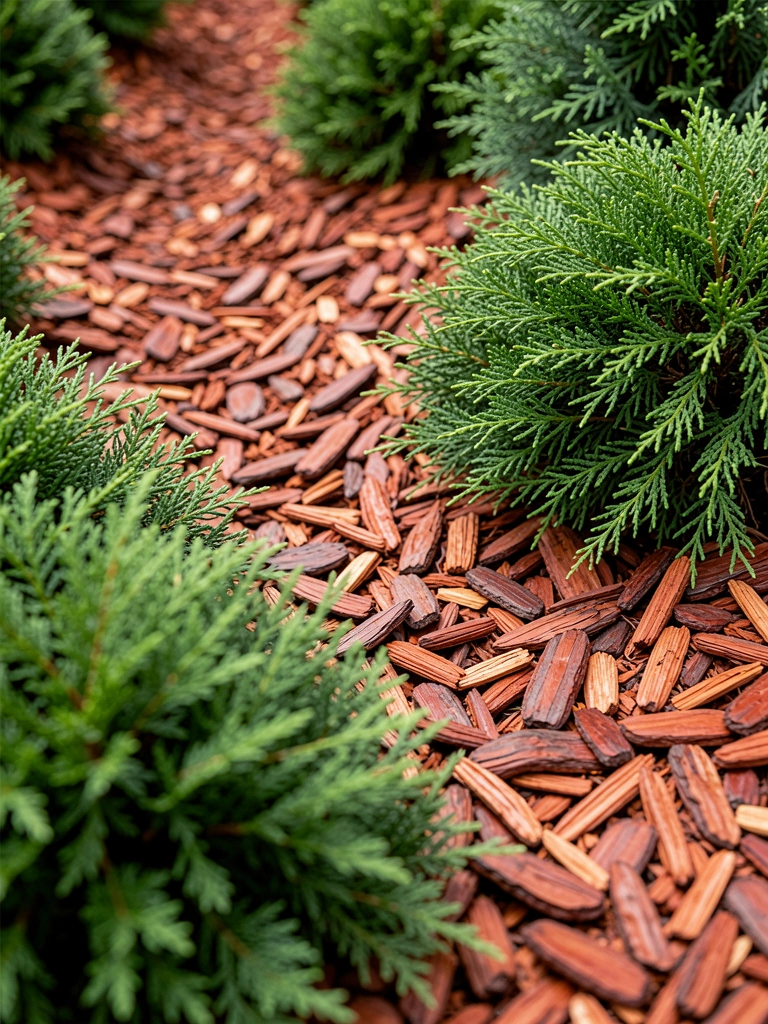
    Bark path through junipers—soft underfoot, smells good wet.

    Defines space clean. Junipers fill edges.

    Raked too often early—let settle. Shade tolerant.

    Woodsy walk.

    What You’ll Need for This Look

    17. Birdbath with Gravel Surround

    Birdbath center, gravel around—birds splash, life shows up.

    Draws eyes, sound of water. Clean easy.

    Leveled wrong first—shim it. Fresh water weekly.

    Lively heart.

    What You’ll Need for This Look

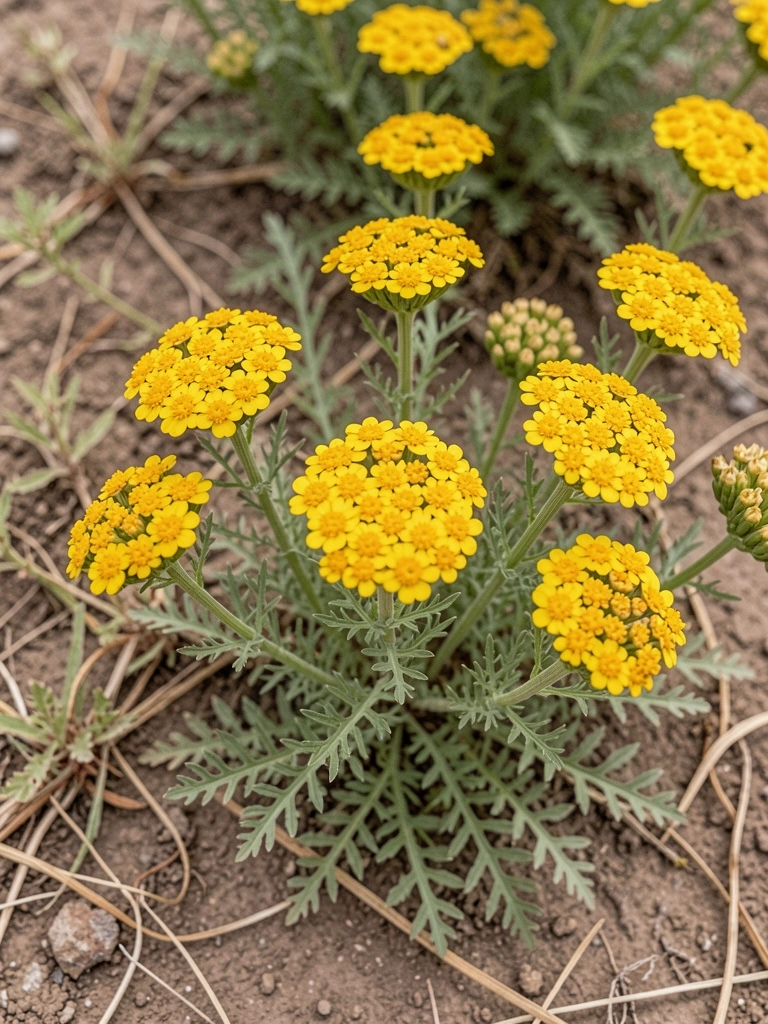
    18. Yarrow Patch for Pollinators

    Yarrow fills a sunny spot—butterflies flock, drought tough.

    Flat tops glow. Cut back midsummer.

    Spread too fast once—divide. Poor soil fine.

    Busy hum.

    What You’ll Need for This Look

    19. Galvanized Bucket Planters

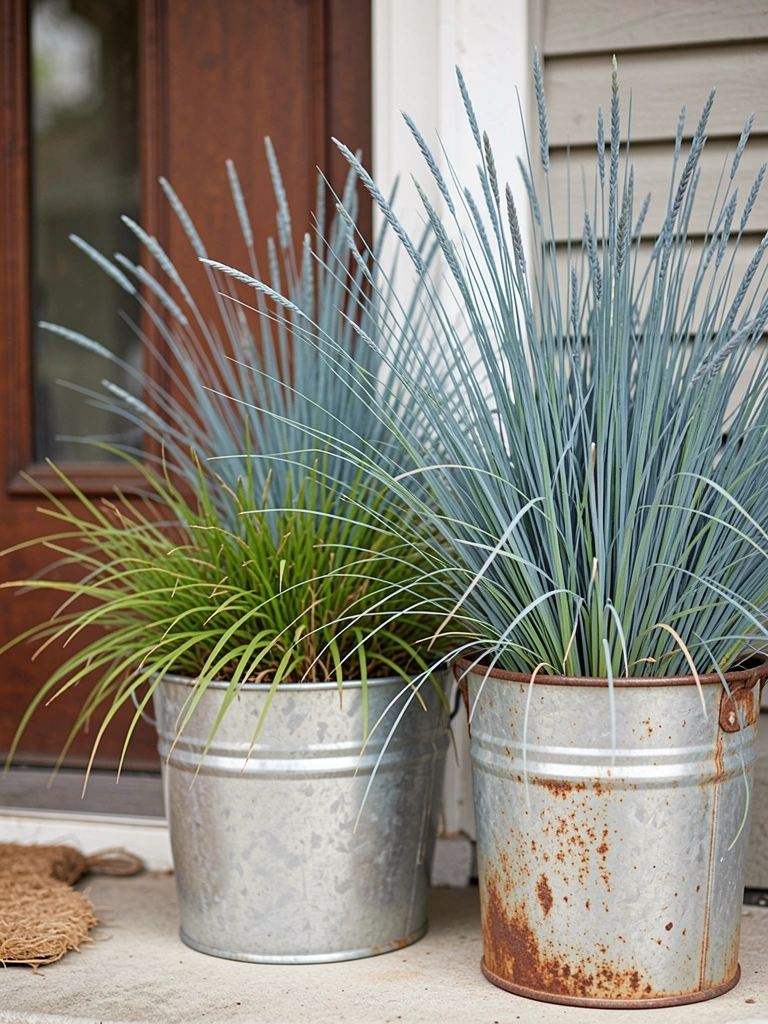
    Buckets with oat grass—rusty charm, moveable.

    Tough plants, industrial edge. Group heights.

    Drain holes drilled—essential. Sun.

    Rustic stack.

    What You’ll Need for This Look

    20. Heuchera Leaves for Shade Color

    Heuchera under trees—purple leaves all season, no flowers needed.

    Color without sun. Evergreen-ish.

    Snails hit young ones—mature tough. Moist shade.

    Leaf focus.

    What You’ll Need for This Look

    21. Minimal Gravel and Single Dwarf Tree

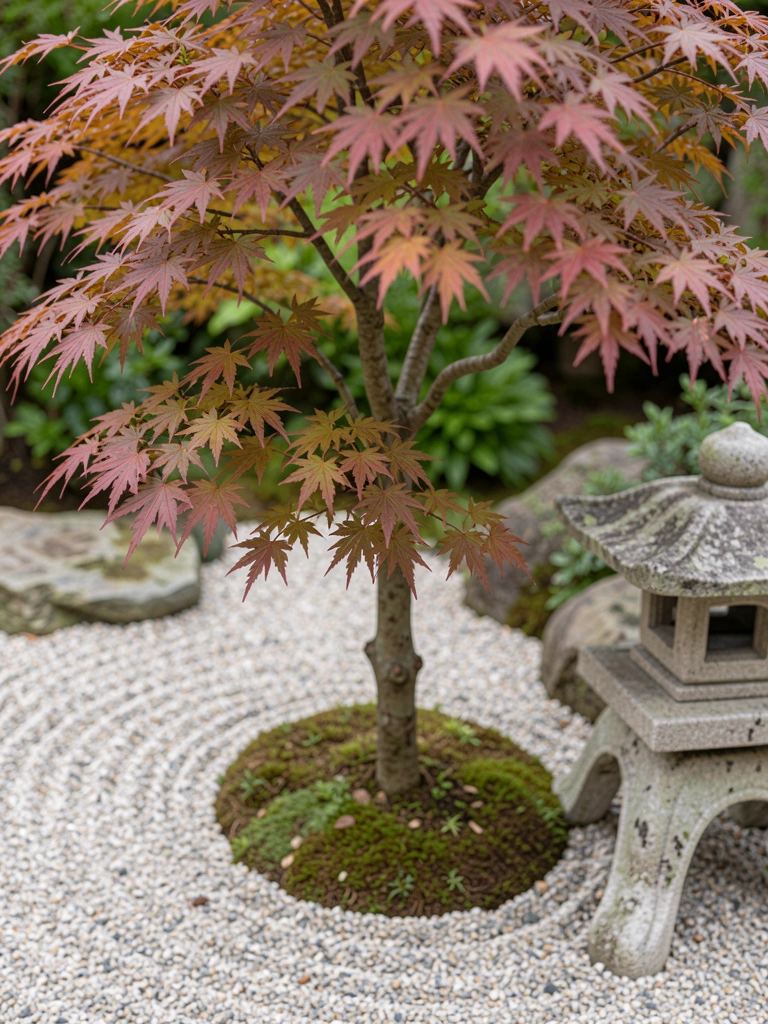
    Dwarf maple in gravel—rake patterns weekly, serene.

    Red leaves fall soft. Scales small yard.

    Wrong tree dropped mess—pick clean one. Amend hole.

    Peaceful end.

    What You’ll Need for This Look

    Final Thoughts

    Pick one or two ideas that fit your spot—don't overhaul everything. I've learned small changes stick.

    Your front garden will settle in, look better each year. You've got this; it grows on its own time. Relax and watch.

  • 11 Smart Small Front Garden Ideas For Better Curb Appeal

    11 Smart Small Front Garden Ideas For Better Curb Appeal

    I pulled up to a neighbor's house last week and thought, that's it—that welcoming pull from the street. My own front strip was always just grass that drowned in shade. Then I shifted a few pots, added gravel, and suddenly it breathed. Neighbors slowed down. You can get that too, even in a postage stamp space.

    No big budget. No endless weeding.

    Just real tweaks that stick.

    11 Smart Small Front Garden Ideas For Better Curb Appeal

    These 11 ideas come from my own small front gardens and fixes for friends. They're practical for tight spots, low fuss, and they lift curb appeal right away. Pick one or two to start.

    1. Layered Container Planting That Fills a Narrow Bed

    I had this skinny bed along my walkway that looked empty half the year. Started with a big pot in back for height—some fountain grass—then medium ones with petunias mid-level, and low spillers like ivy up front. It creates depth, makes the space feel twice as full.

    One year I crammed too many colors; went muddy. Now I stick to blues and whites for calm. Walk up now, and it draws your eye without crowding the path. Feels cozy, lived-in.

    Watch the heights—tall behind, short front. Water from the bottom pot up so roots don't fight.

    What You’ll Need for This Look

    2. Vertical Herb Wall Right by the Front Door

    My door faced north, herbs inside got leggy. Hung felt pockets on the wall—basil top, thyme and chives below. Fresh smell hits you stepping up, and it softens the bricks. Guests always brush a leaf.

    I overwatered once; pockets got soggy. Now I check soil with a finger first. It's low-maintenance, saves ground space, and that green wall pulls the eye up, making the entry taller.

    Plant edibles you use—keeps it thriving. Snip often for bushiness.

    What You’ll Need for This Look

    3. Gravel Path with Soft Stone Edging

    Tired of muddy steps after rain, I dug a curving path in pea gravel. Flanked it with flat stones and low lavender. Crunch underfoot, no mowing, and it frames the door like an invitation.

    Straight path felt stark; curve adds flow. Weeds try, but thick gravel smothers them. Now the front feels intentional, not afterthought.

    Lay landscape fabric first—saved me headaches.

    What You’ll Need for This Look

    4. Succulents in Galvanized Buckets for Clean Lines

    Bought fancy pots that cracked; switched to old galvanized buckets from a farm sale. Planted echeveria and sedum—they hold up in heat, need zero fuss. Groups of three by the steps give modern pop without overwhelming.

    They spread slow, so space them. Front feels crisp now, pulls compliments.

    Drain holes are key—don't skip.

    What You’ll Need for This Look

    5. Climbing Clematis on a Simple Wire Trellis

    Fence was bare; wired up a trellis and planted clematis at base. Blooms cascade summer, frame the window soft. I pruned wrong first year—got bushy, not climb. Learned to tip prune.

    Hides ugly siding, adds height without width. Feels cottage warm.

    Sunny spot, feet from house.

    What You’ll Need for This Look

    6. Solar Lanterns Draped Along the Walk

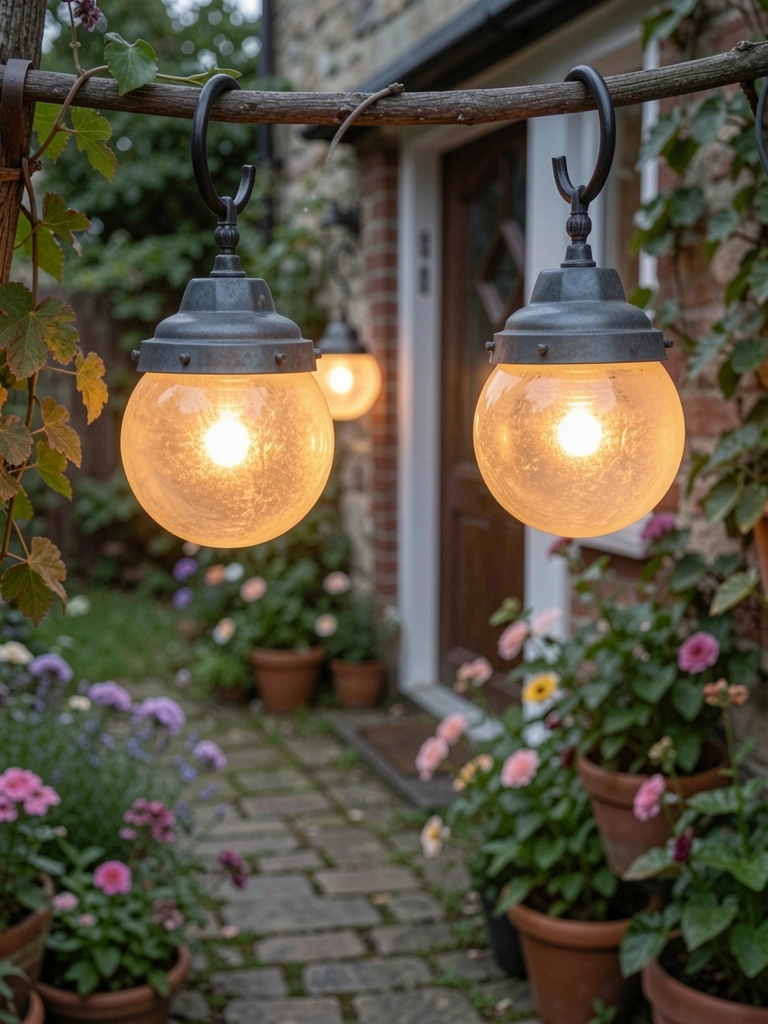
    Dark path scared me at night. Hung solar lanterns on shepherd hooks—warm glow leads you in. No wires, charge all day. One storm knocked them; sturdier hooks fixed it.

    Lights the plants soft, boosts evening curb appeal. Simple magic.

    Face south for best charge.

    What You’ll Need for This Look

    7. Garden Mirror Tucked in Foliage for Depth

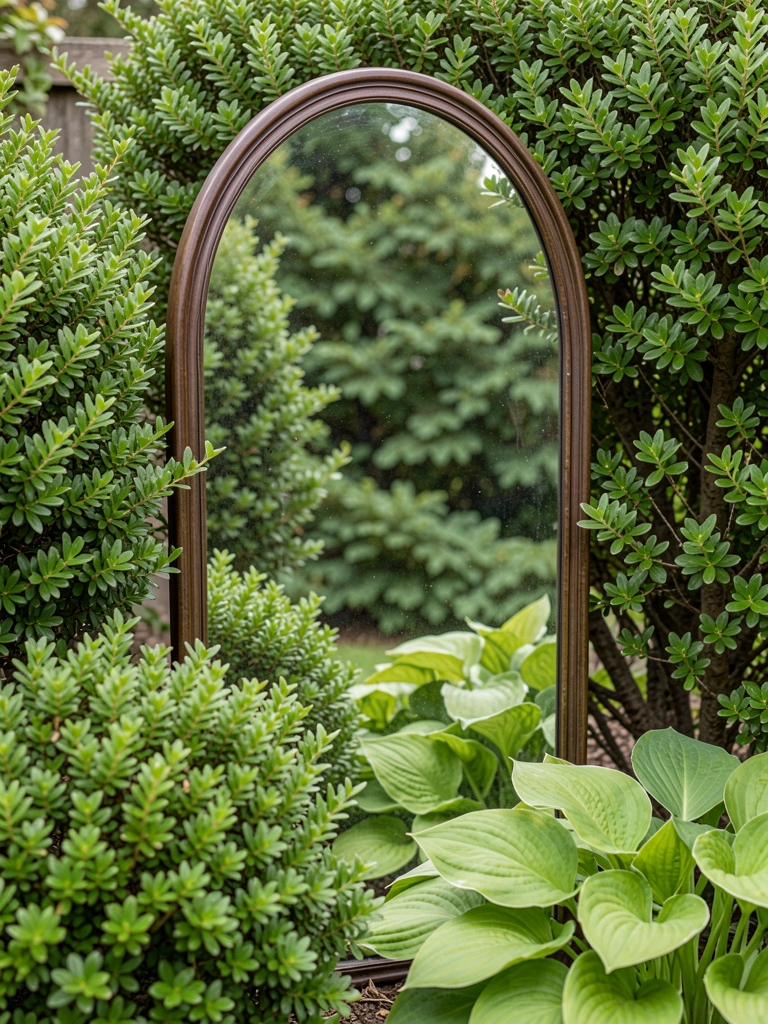
    Tight corner felt dead-end. Wedged in an arched mirror behind hostas—bounces light, doubles the green. Looks like a secret path. Position wrong once; glared. Angle it down.

    Makes small front feel open. Guests do double-takes.

    Partial shade works best.

    What You’ll Need for This Look

    8. Lavender Border That Draws Bees Softly

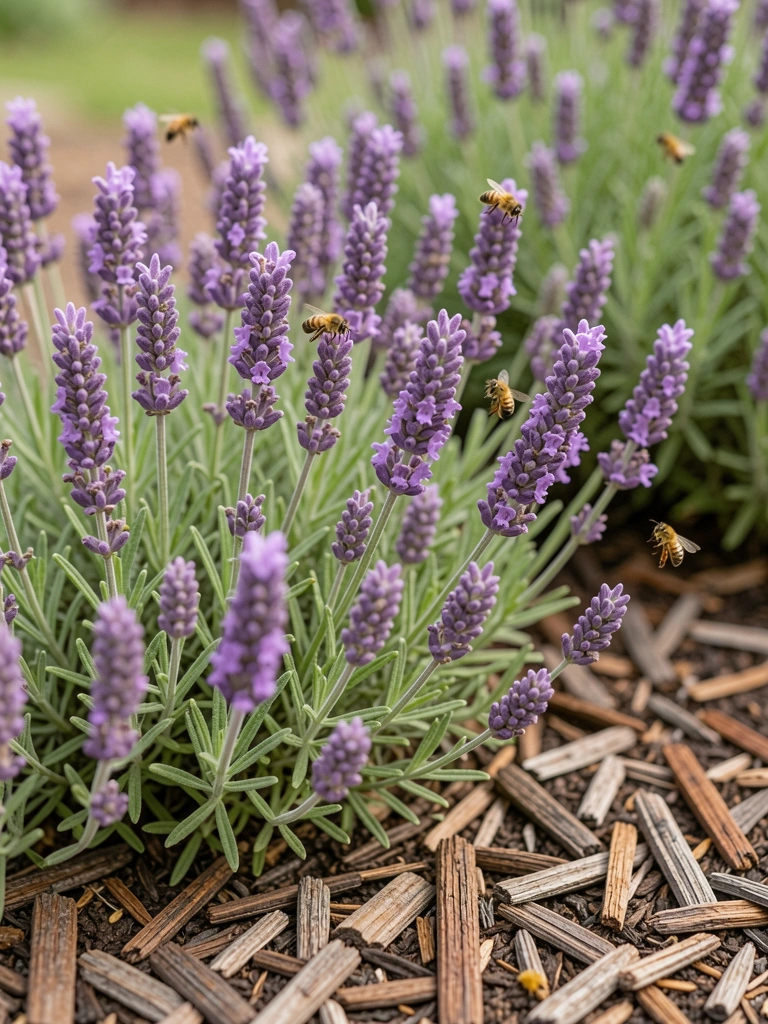
    Grass edge flopped; planted dwarf lavender row. Purple hums with bees, scent wafts in. Low, tidy—no trim. Too much sun first spot; moved to half-day.

    Curb appeal with life. Neighbors love the buzz.

    Trim after bloom.

    What You’ll Need for This Look

    9. Mini Raised Bed for Strawberries by the Porch

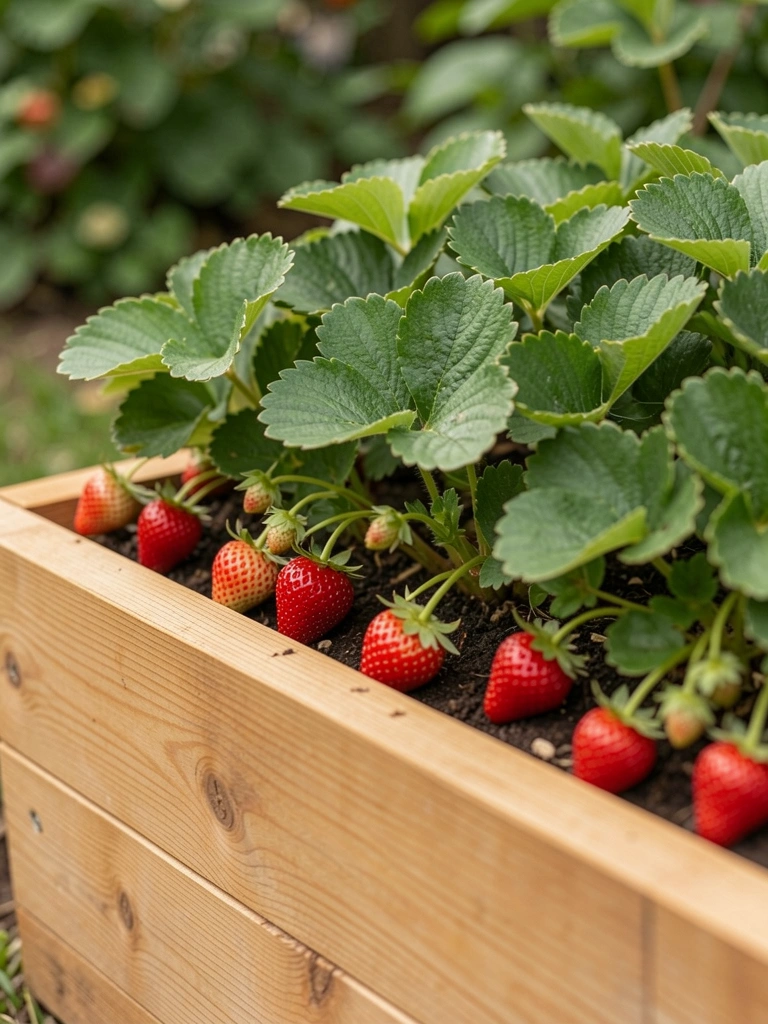
    Porch shadow killed flowers. Built mini cedar bed, strawberries thrive there. Fruits peek out, kids pick them. Overplanted runners once; thin yearly now.

    Fresh, edible curb appeal. Feels abundant.

    Morning sun ideal.

    What You’ll Need for This Look

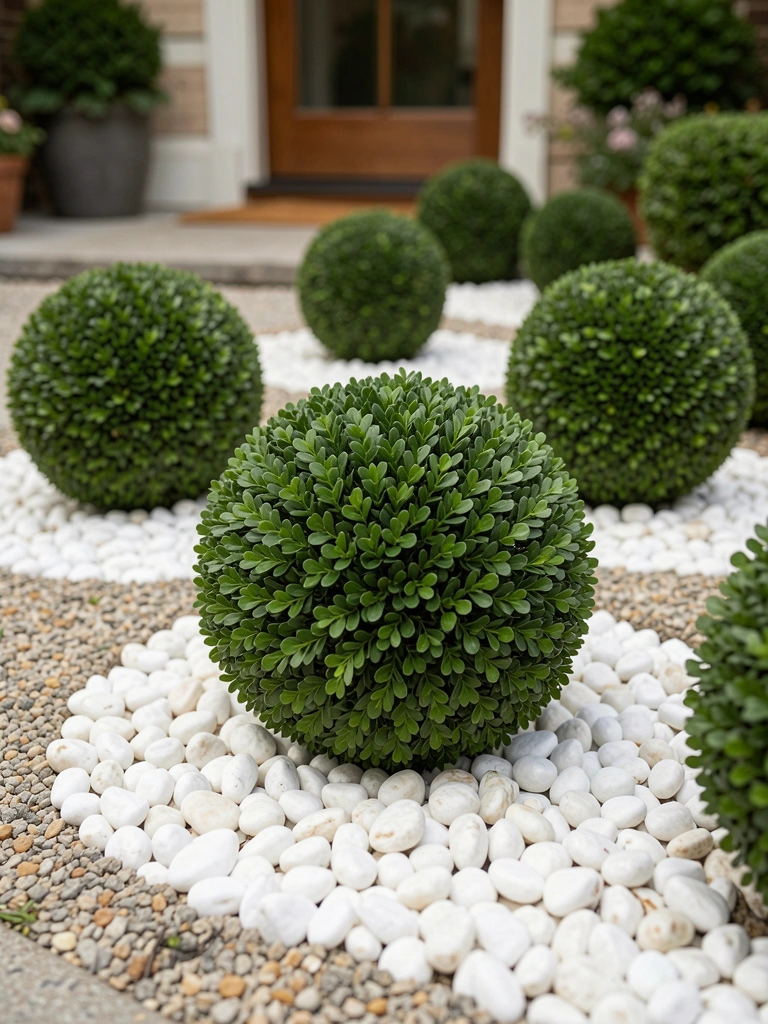
    10. Boxwood Balls in Gravel Circles

    Entry looked plain. Planted boxwoods, trimmed to balls, circled in white gravel. Clean, evergreen structure. Grew fast—shape early.

    Holds year-round interest. Formal but cozy.

    Well-drained spot.

    What You’ll Need for This Look

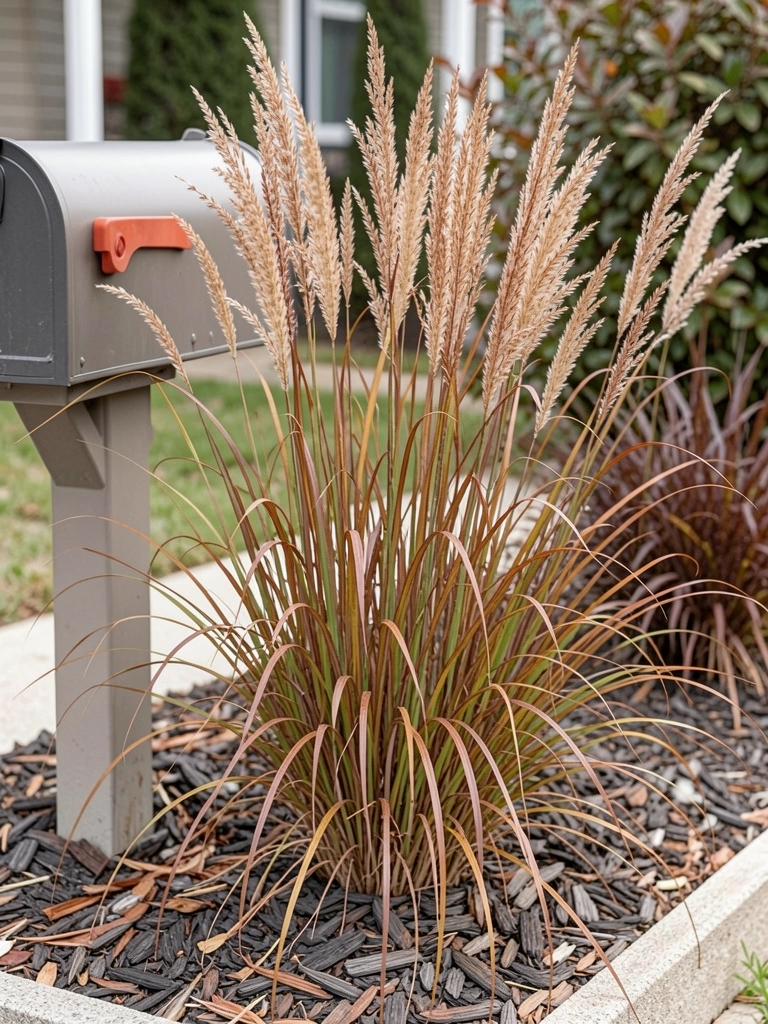
    11. Ornamental Grasses Screening the Mailbox

    Mailbox stuck out ugly. Clumped feather reed grasses—sways soft, hides post. Low water, winter texture. Planted too close; spaced 2 feet now.

    Softens street view. Rustles nice.

    Part sun, cut back spring.

    What You’ll Need for This Look

    Final Thoughts

    Start with one idea that fits your light and time. My front didn't change overnight, but these bits added up. Yours can too.

    No need for perfection. Just consistent small steps.

    You'll see the difference from the street.

  • How To Make Small Patio Garden Beautifully

    How To Make Small Patio Garden Beautifully

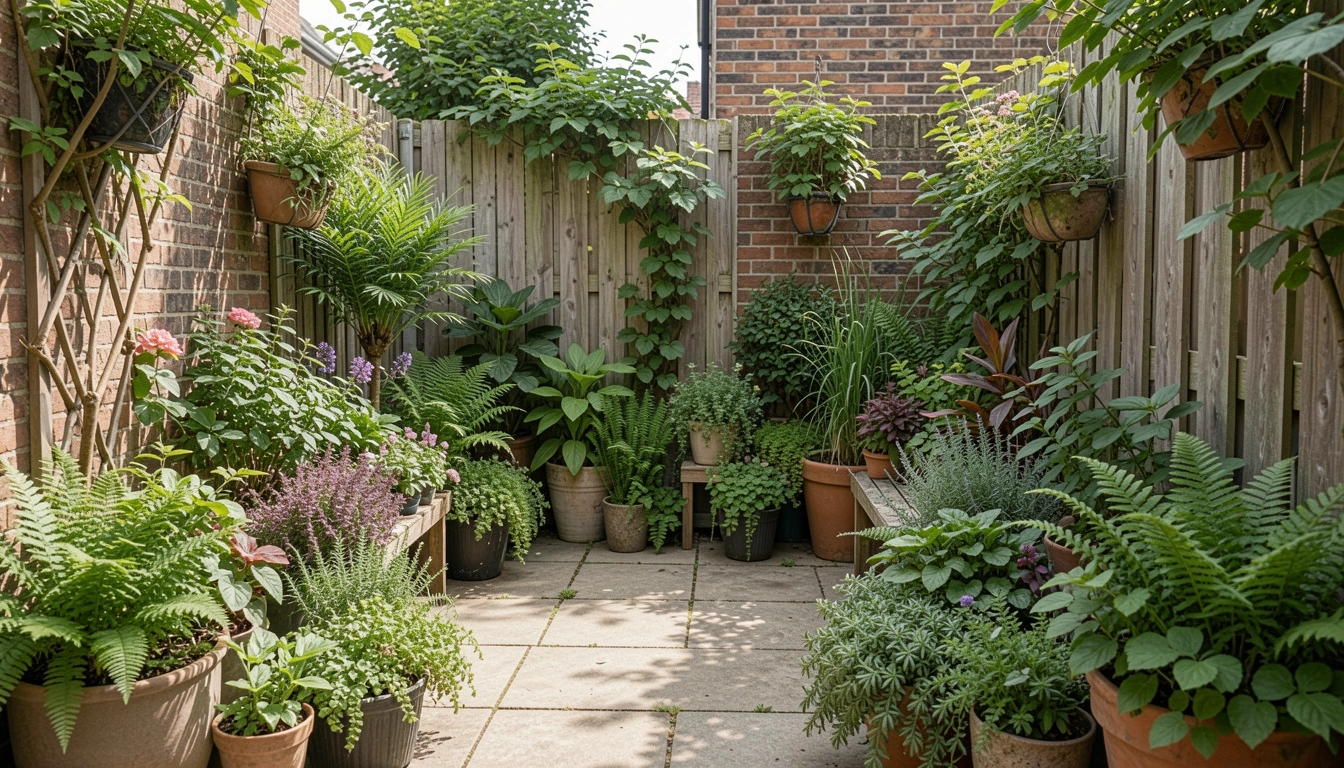
    I stared at my tiny patio last spring. It had a few mismatched pots and a chair that stuck out. The whole space felt crowded, not calm. I wanted to sit there with coffee, but it pulled my eye in wrong directions.

    I'd tried adding more plants before. They just made it busier. Then I stepped back. What if I focused on how things sat together?

    That's when it clicked. A small patio works when it breathes.

    How To Make Small Patio Garden Beautifully

    This is the method I use every time a patio feels off. You'll end up with a balanced spot that pulls you in comfortably. It's simple to do in an afternoon.

    What You’ll Need

    Step 1: Clear and Measure the Flow

    I start by taking everything off the patio. Chairs, pots, rugs—all gone. I walk through the empty space. Does my foot hit anything awkward? This shows the bones.

    Now it breathes. The walls and floor stand out. I notice the sunny corner and shady edge. People miss how light hits here. It changes where plants go.

    Don't cram back old stuff yet. That kills the calm. Measure twice with your steps. Eye the main path to your chair.

    Step 2: Set One Focal Point

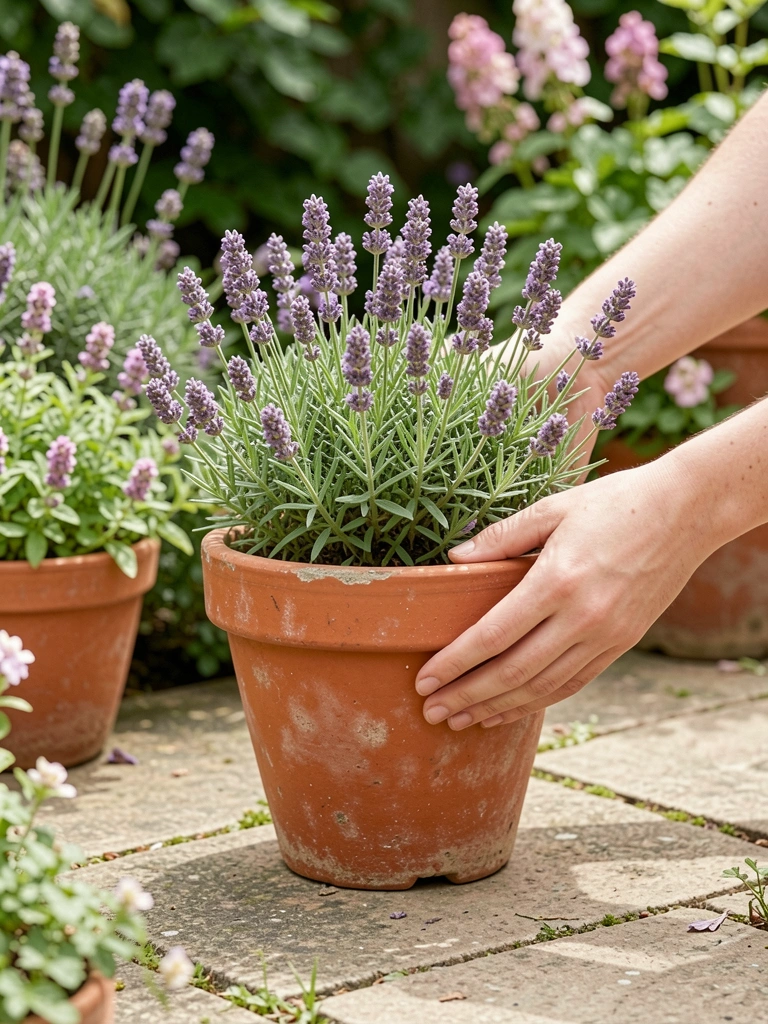
    I pick the tallest pot for the center-back. Mine's a compact lavender plant in terracotta. It draws the eye without blocking.

    The space settles around it. Walls feel framed. Insight: one strong piece anchors everything. Skip this, and pots scatter like thoughts.

    Avoid centering on the door. It blocks flow. Step back often. Feel the pull.

    Step 3: Layer Heights Around the Anchor

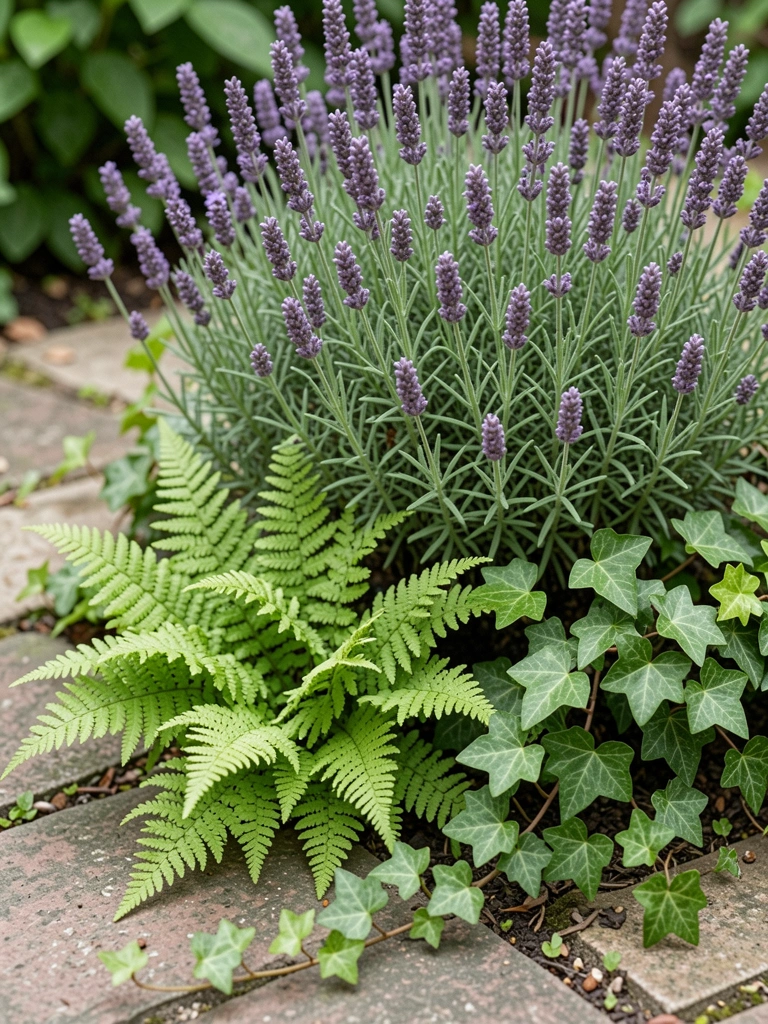
    I add mid-height dwarf ferns flanking the lavender. Then low trailing ivy in front.

    Depth appears. The patio reads taller, less flat. Most miss trailing plants—they soften hard edges.

    Don't stack same heights. It flattens. Tuck ivy to spill over edges. Walk the path. Does it invite?

    Step 4: Ground with Texture

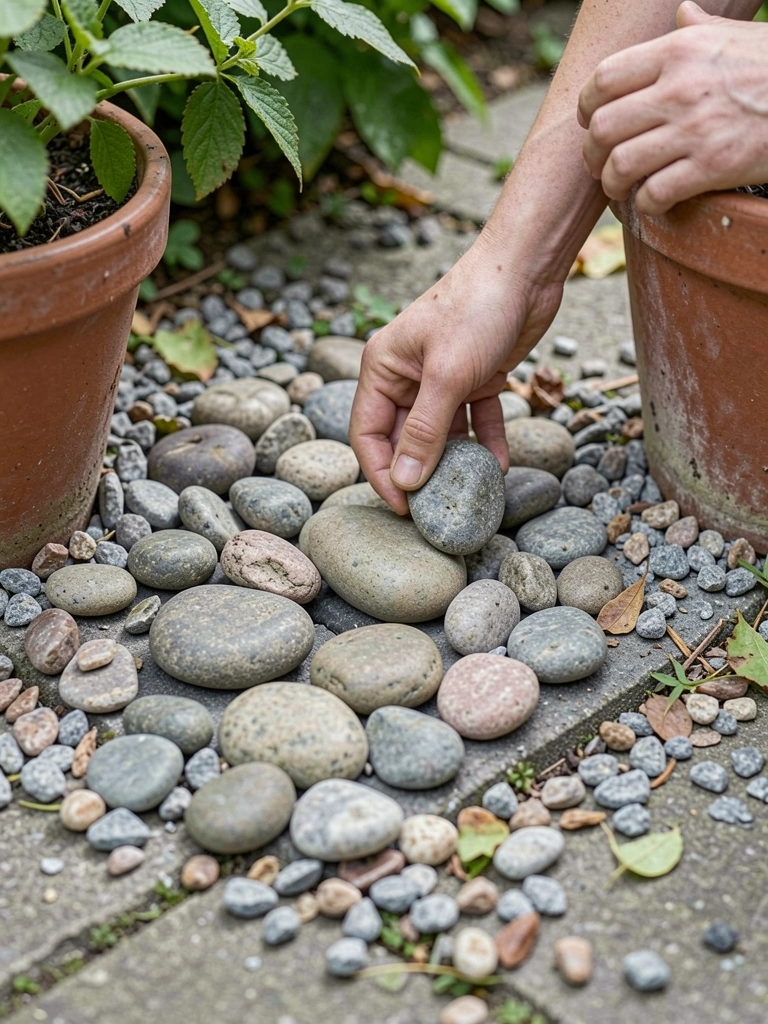
    I scatter small pebble gravel under pots. Not everywhere—just paths and bases.

    Floor warms up. Plants lift off it. People overlook ground cover. Bare concrete yells.

    Skip thick layers—they trip you. Light touch connects it all. Sit now. Legs relax.

    Step 5: Soften Edges with Baskets and Cushions

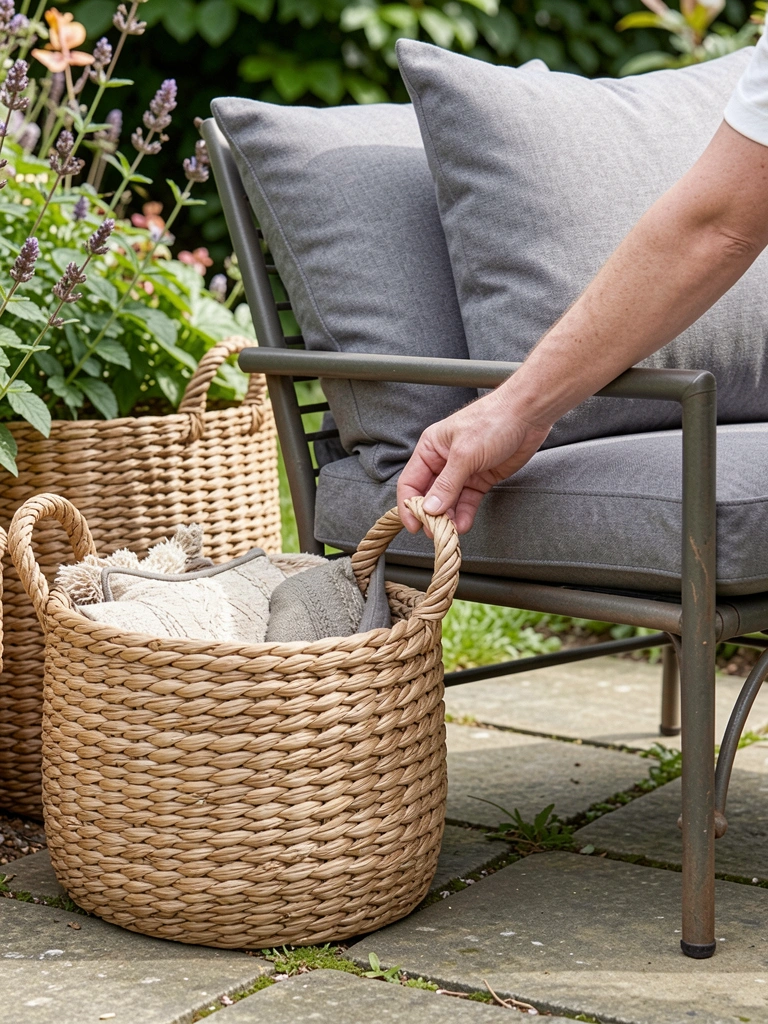
    I tuck woven seagrass baskets along walls. Add gray cushions to the chair.

    Corners cozy up. Space holds you. Miss this, edges feel sharp.

    Don't overload. One per side. Lean back. It fits your body.

    Plant Choices That Last

    I stick to tough plants for patios. They handle wind and dry spells.

    • Lavender for scent and pollinators.
    • Ferns in shade—they fill without fuss.
    • Ivy trails year-round.

    Watch your sun. Swap if leaves scorch. Mine thrive with weekly water.

    Keeping Balance Through Seasons

    Patios shift with weather. I prune in fall.

    Trim dead ivy bits. Refresh gravel.

    Add a winter evergreen pot. It holds the frame when bare.

    Check monthly. Tweak what drifts.

    Quick Fixes for Common Off Spots

    That one bare wall? Hang a basket high.

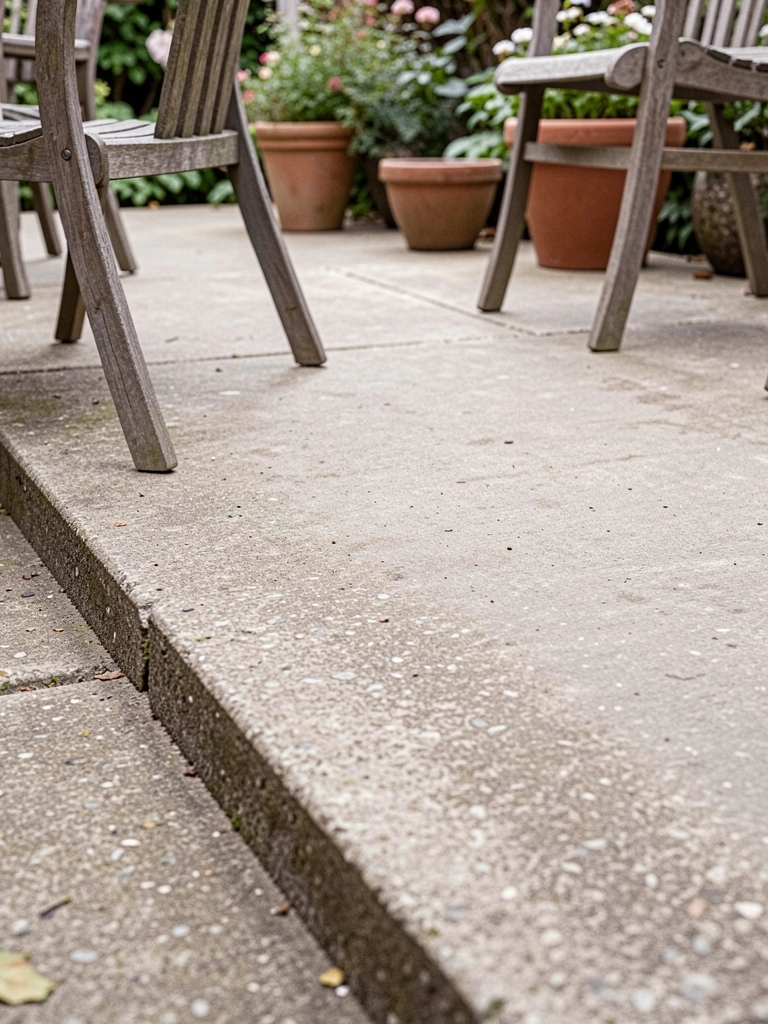
    Chair wobbles? Steady gravel base.

    Too much green? One colorful pot.

    Test by sitting. Eye rests where it should.

    Final Thoughts

    Start with just the focal pot. See how it sits.

    You'll build from there. No rush.

    Your patio will feel right—like it waited for this. Pour that coffee.
  • How To Design Layout Of A Small Patio Garden

    How To Design Layout Of A Small Patio Garden

    My small patio stared back empty. Chairs shoved in corners, pots scattered. It felt tight, not welcoming. I’d tried filling every inch, but it just looked messy.

    One afternoon, I stepped out with a notebook. The sun hit the blank walls. I saw the problem: no path for the eye, no breathing room.
    You know that feeling. Your patio could hold a meal or a quiet read, but right now, it pushes back.

    How To Design Layout Of A Small Patio Garden

    This is the way I lay out any small patio. You’ll get a space that seats two comfortably, plants tucked without crowding. It flows from door to edge, calm and open.

    What You’ll Need

    Step 1: Walk the Edges and Clear the Floor

    I start by walking the patio’s edges, slow. Feel where it feels tight—against the house, the fence. Clear everything off the floor. Chairs aside, pots gone. Why? The eye needs a path first.

    Now it breathes. Blank slate shows the shape. People miss how walls close in without space. Don’t cram pots back yet; that hides the bones.
    One mistake: ignoring the door swing. Mark that arc empty. Your feet thank you later.

    Step 2: Anchor with Tall Points Against Walls

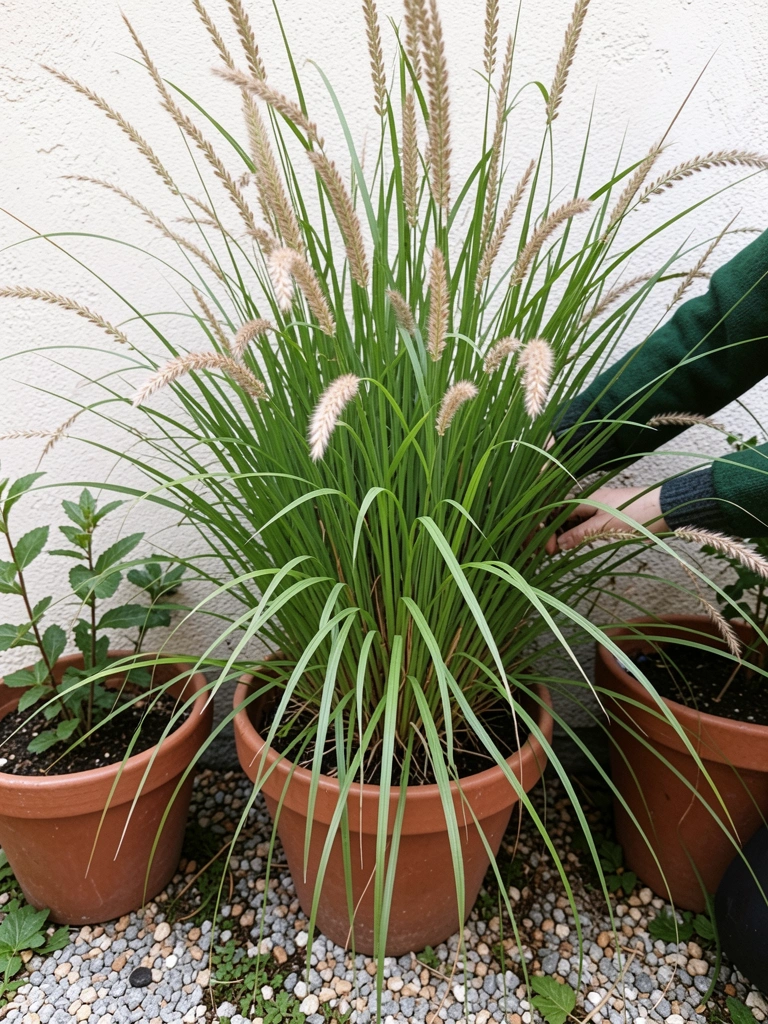
    Next, I place the tallest pieces—fountain grass—against the back wall. One or two, spaced wide. They pull the eye up, break the flat line.

    Visually, walls recede. Space feels taller. Insight folks skip: height draws gaze past the small floor. Balance one side heavier if the fence angles.

    Avoid shoving them corner-tight. Step back six feet. Eye them from your chair spot.

    Step 3: Set Your Seating Zone First

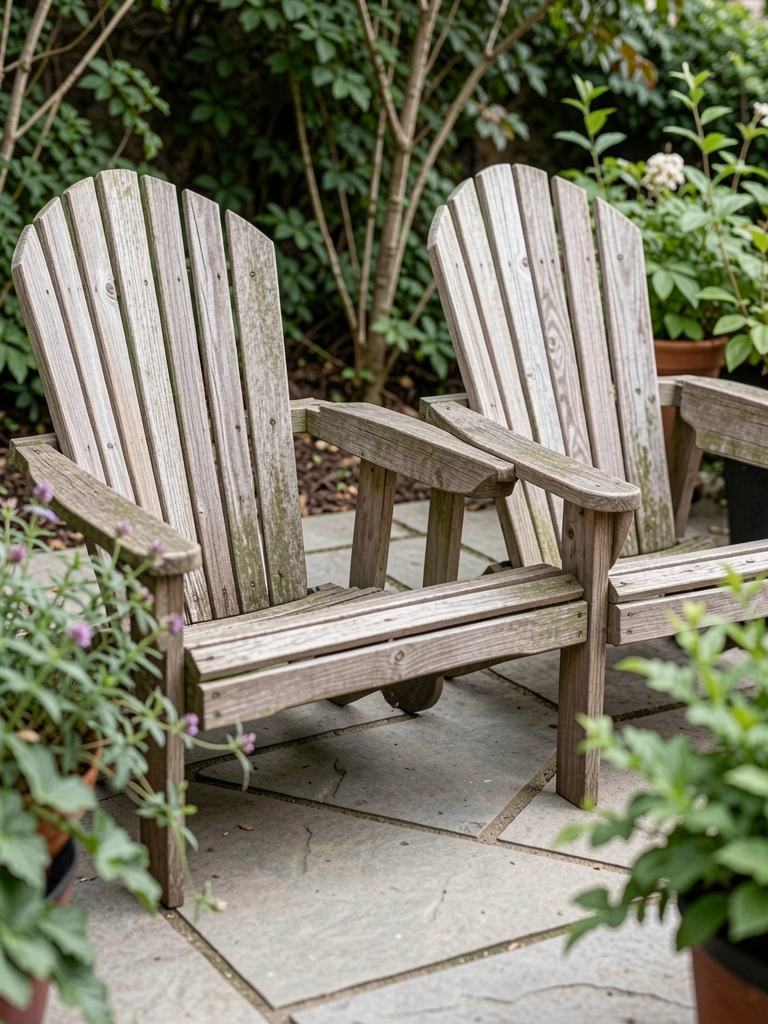
    I drop chairs in next, facing the best light or view. Not centered—offset toward one side. Knees apart, table room between.

    The patio centers on you now. Flow starts here. Most miss how chairs dictate everything else. Plants frame, don’t fight.

    Don’t face them wall-ward. Turn out. Mistake fixed: now talks happen easy.

    Step 4: Layer Mid-Height Around Edges

    Mid-layers go in—lavender in terracotta pots—along edges, not front. Cluster two or three, uneven. They soften hard lines.

    Layers build now. Depth appears. Key insight: mid-heights hide pot rims, blend wall to floor. Skip symmetry; nature doesn’t.

    Watch this: too even feels stiff. Nudge one forward. Feels right.

    Step 5: Trail and Ground for Flow

    Last, trail ivy from trellis or pots, ground with sedum and pea gravel. Spill low, connect high to floor.

    Whole space ties. Eye glides smooth. People forget trailers knit it. No gaps.

    Don’t overfill gravel. Light layer only. Avoid mud after rain.

    Step 6: Step Back and Nudge

    I sit in the chair, coffee down. Walk the path. Nudge what blocks—pot too far, vine too wild.

    Balance settles. Feels lived-in. Missed bit: final view from seat rules. Adjust twice.

    No rushing. One tweak per sit.

    Plant Choices for Tight Patios

    I pick plants that don’t bully small space. Slow growers, fine textures.

    Fountain grass sways without sprawling. Lavender scents without overwhelming.

    • Ivy trails soft, covers gaps.
    • Sedum hugs ground, evergreen base.
    • Skip big bushes; they eat air.

    These hold year-round, low fuss.

    Keeping Balance Through Seasons

    Patios shift with weather. I prune lightly spring.

    Summer, grasses fill out. Fall, seed heads add texture.

    • Water pots deep, weekly.
    • Gravel rinses clean.
    • Chairs stay put; plants rotate if leggy.

    Winter bare? Stems stand tall.

    Fixes for Common Patio Squeezes

    Tight spots happen. Wall too close? Trellis lifts eyes up.

    Chairs feel jammed? Gravel path widens feel.

    • Off-center tall plant fools eye bigger.
    • One bold pot draws, rest recede.
    • Test at dusk; shadows change flow.

    Small tweaks, big breath.

    Final Thoughts

    Start with just chairs and one tall grass. See how it sits.

    You’ll feel the shift. Patios reward patience.

    Now yours holds a chair, a book, quiet. That’s enough.