Author: Megan Moore

  • 13 Apartment Small Patio Garden Ideas That Feel Bigger

    13 Apartment Small Patio Garden Ideas That Feel Bigger

    I stared at my apartment's concrete patio last summer. Bare, boxed in by walls. Felt smaller than it was. I grabbed spare pots, piled them high with greens. Air shifted—greener, deeper. That tiny spot held me for hours. Your patio can pull you in too. Start small, watch it grow.

    13 Apartment Small Patio Garden Ideas That Feel Bigger

    These 13 apartment small patio garden ideas come from my own tight spaces. They make patios feel open and inviting. Each one works in real life—pick what fits your spot.

    1. Layered Container Planting That Makes a Patio Feel Full
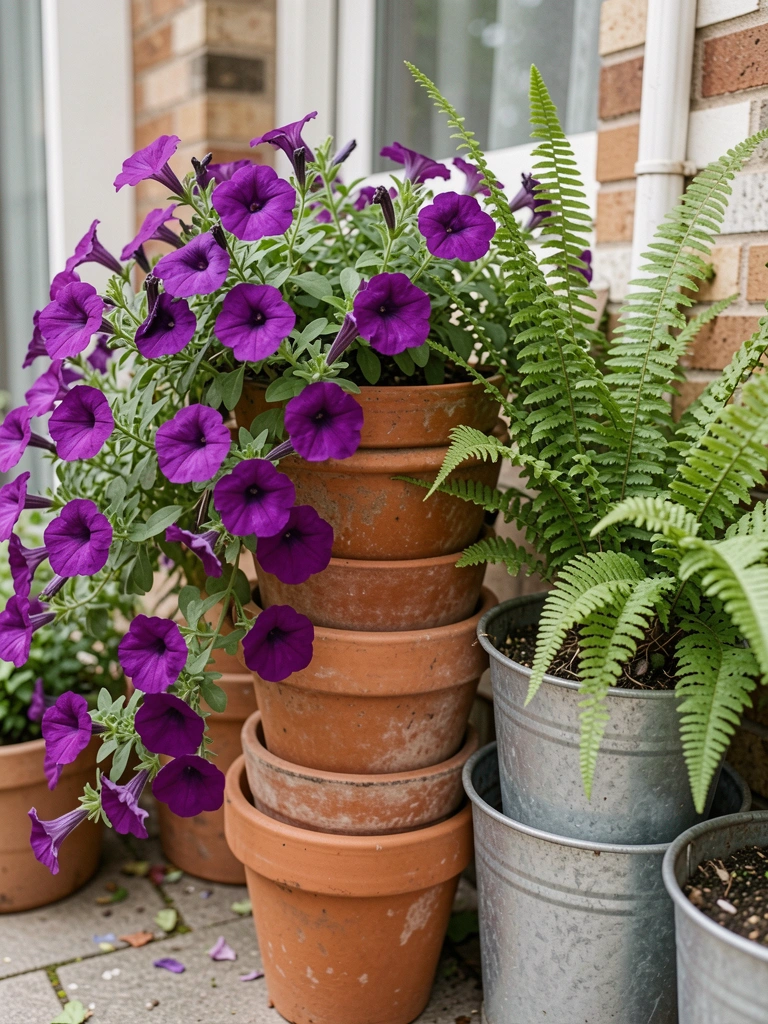
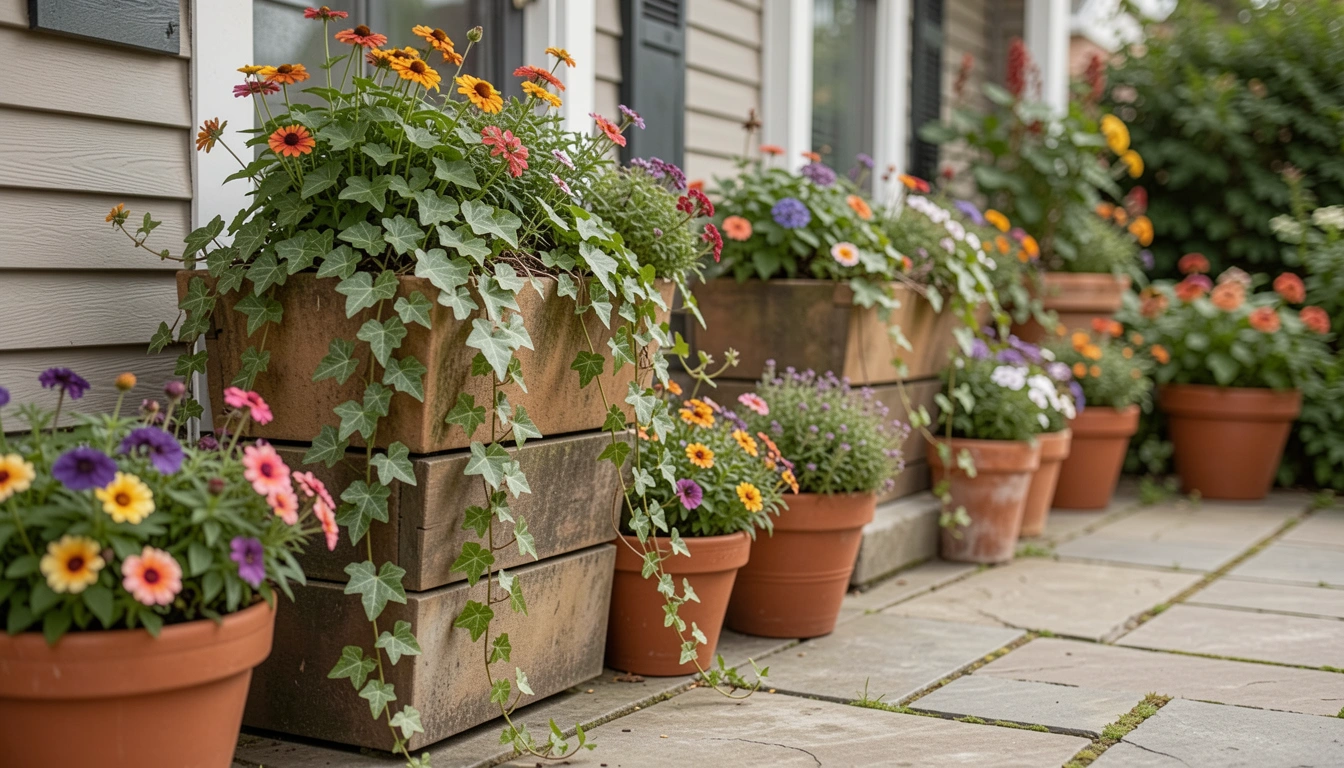
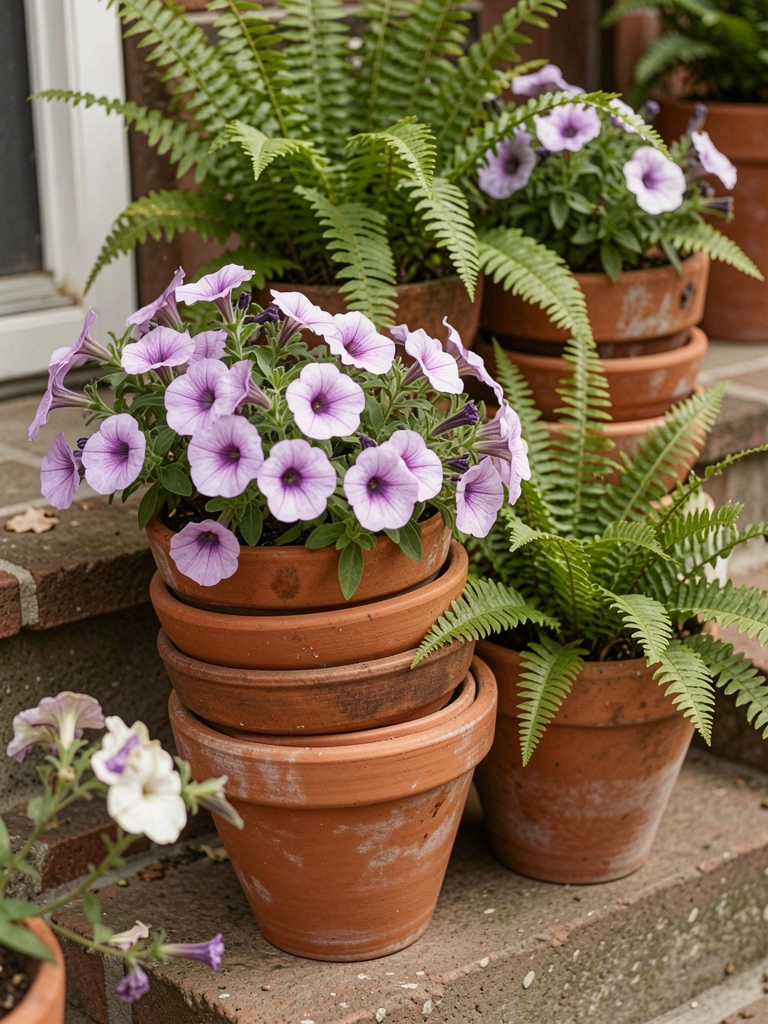
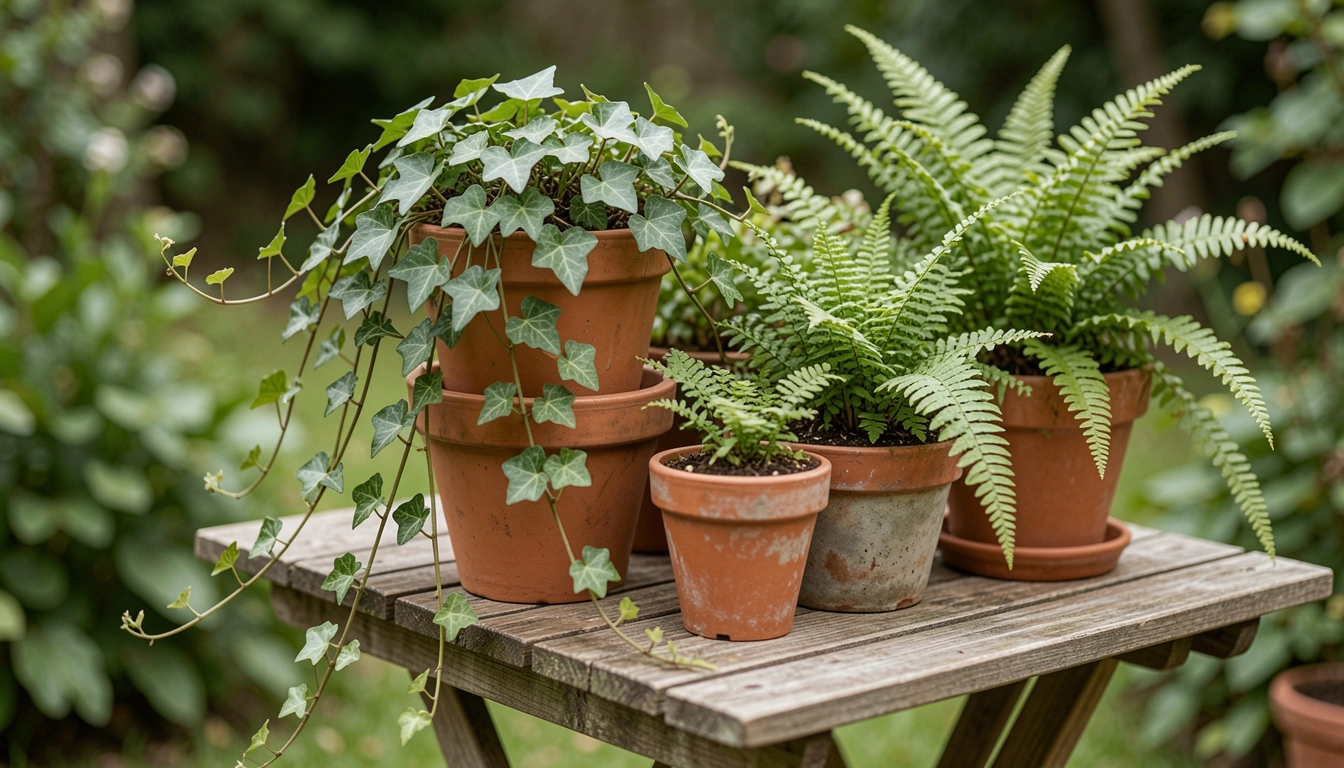
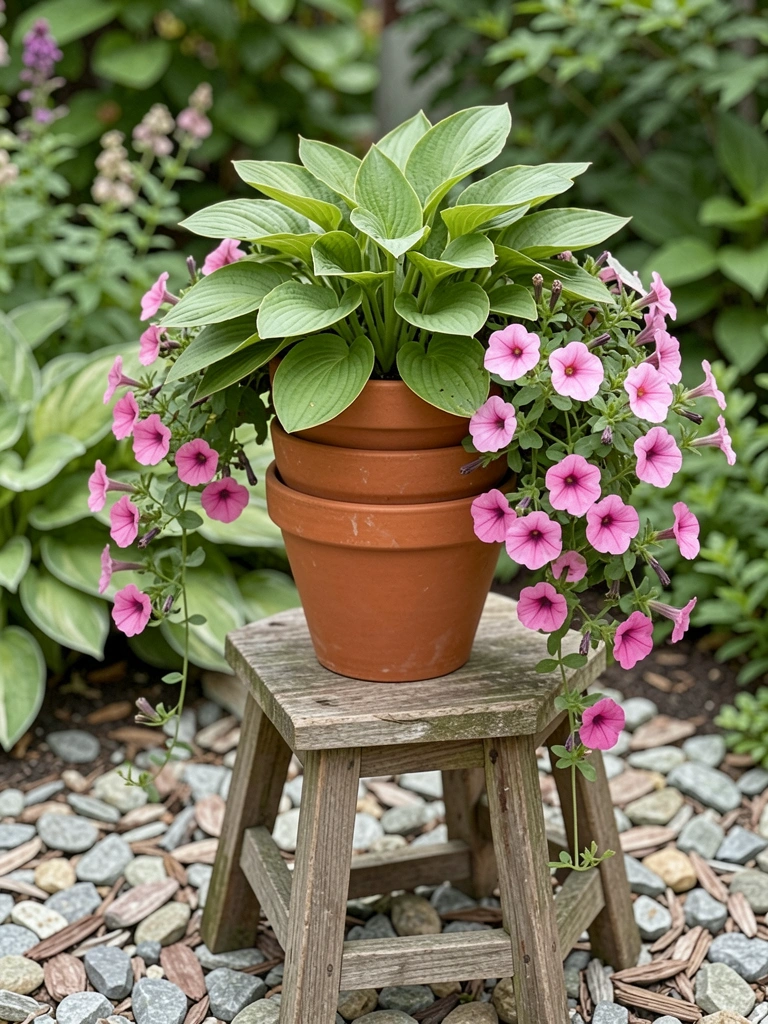
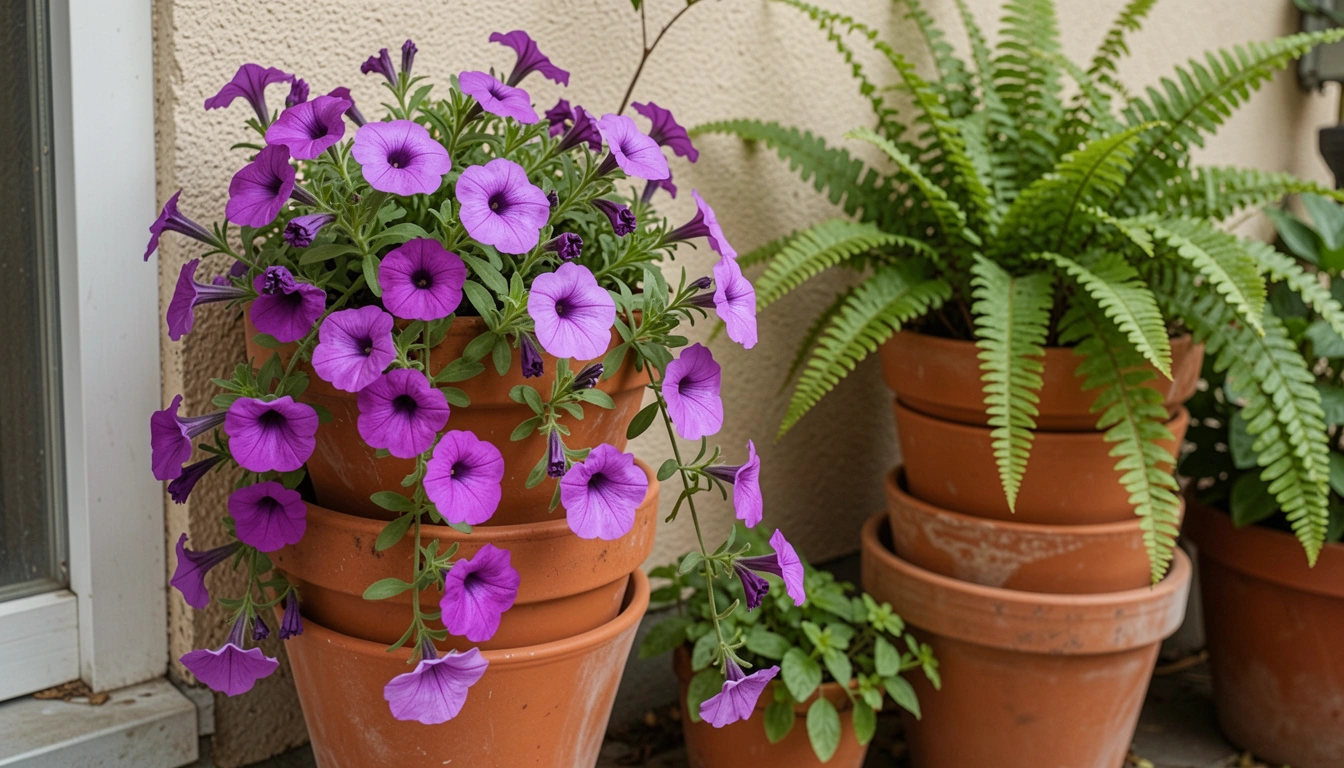
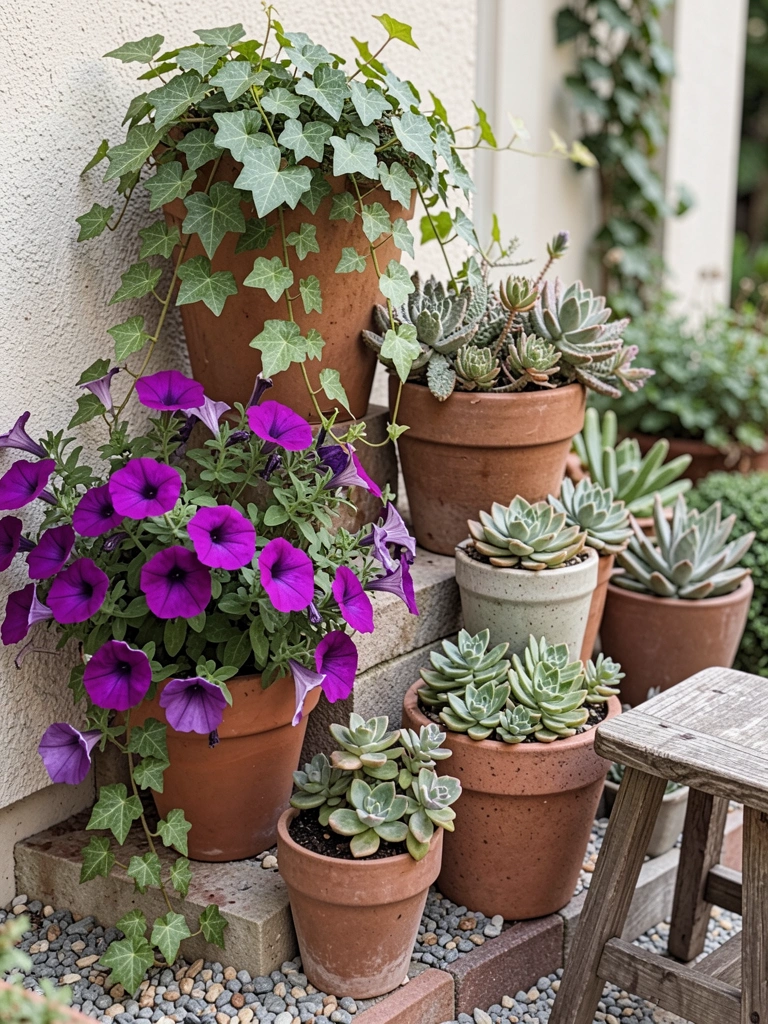
    I started with three pots on my slab patio. Empty corners bugged me. Stacked them—tall fern base, medium herbs, trailing petunias spilling over. Filled the view without crowding the floor. Space breathed, eyes traveled up.

    One year, I overpacked the bottom pot. Roots tangled, everything wilted. Lesson: leave air gaps.

    Now it draws you in, cozy layers everywhere. Plant spillers, fillers, thrillers—keeps it balanced.

    What You’ll Need for This Look

    2. Vertical Pocket Wall Planters for Green Walls
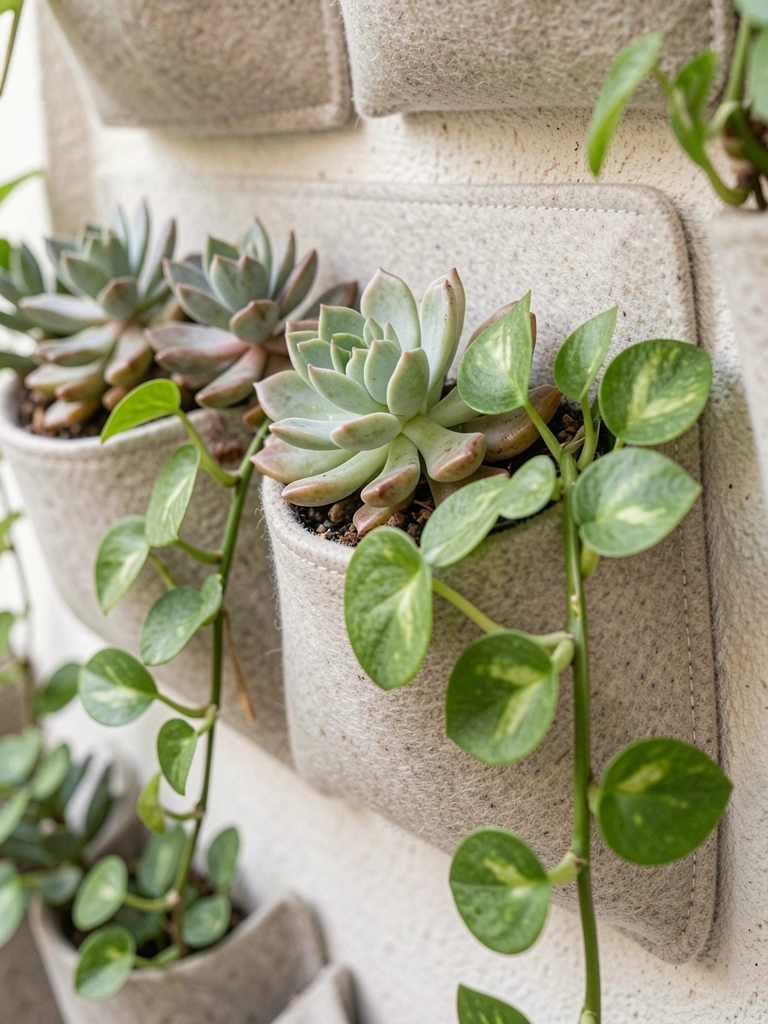
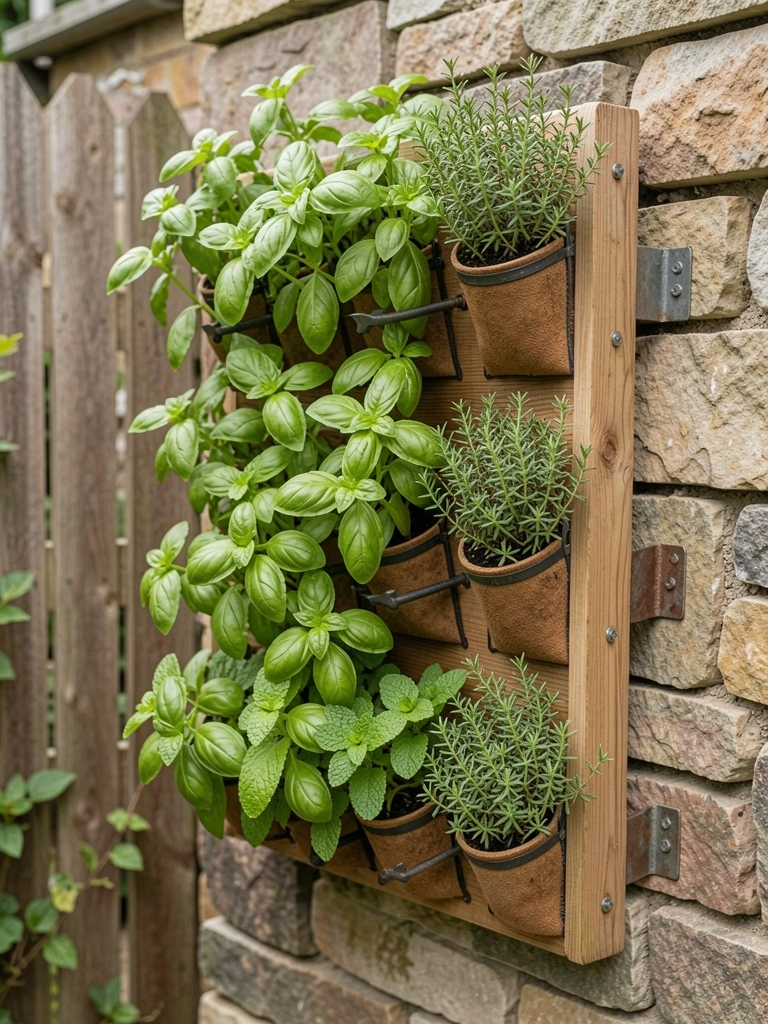
    Walls closed in my patio. I hung felt pockets one afternoon. Stuffed with pothos and succulents. Green climbed without taking floor space. Felt like a living backdrop, patio stretched back.

    Pothos took off fast—covered two pockets, starved the rest. Trimmed weekly now.

    Eyes lift to the wall, space opens. Water from top, let it trickle.

    What You’ll Need for This Look

    3. Hanging Baskets from Rails That Lift the Eye
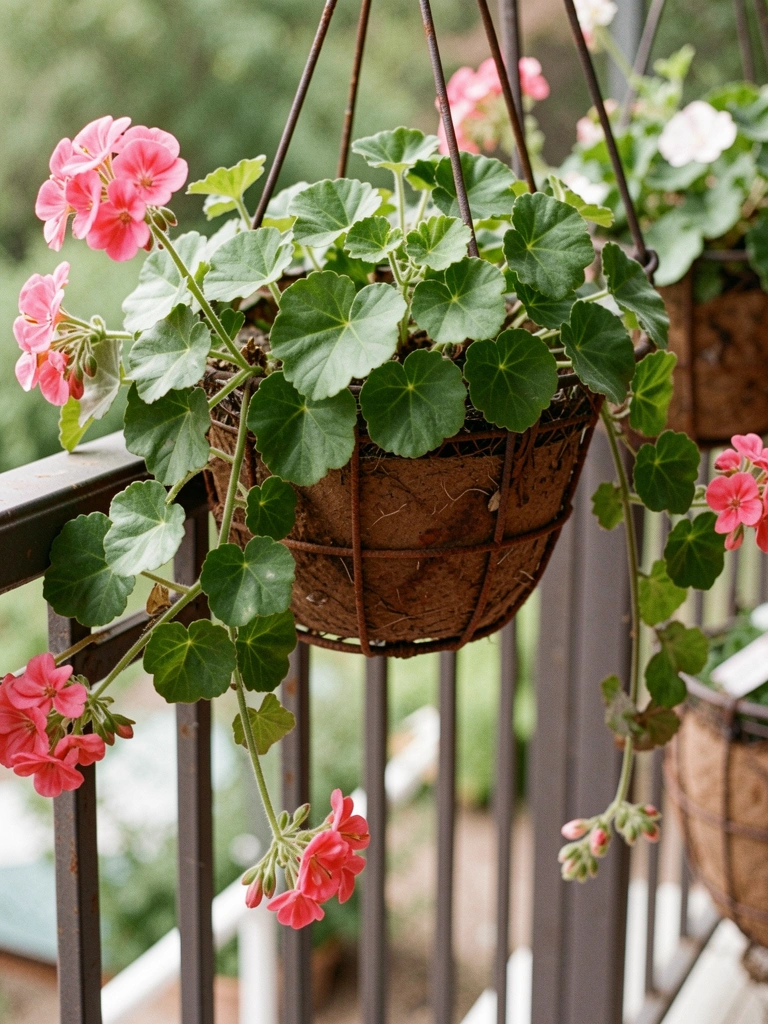
    Rails were bare wire. Added four baskets with ivy geraniums. They swung gentle in breeze, softened edges. Patio felt taller, airier—plants danced overhead.

    Baskets tangled in wind first try. Spaced them wider apart.

    Pulls focus up, makes floor feel vast. Deadhead weekly for blooms.

    What You’ll Need for This Look

    4. Garden Mirrors That Double Patio Depth
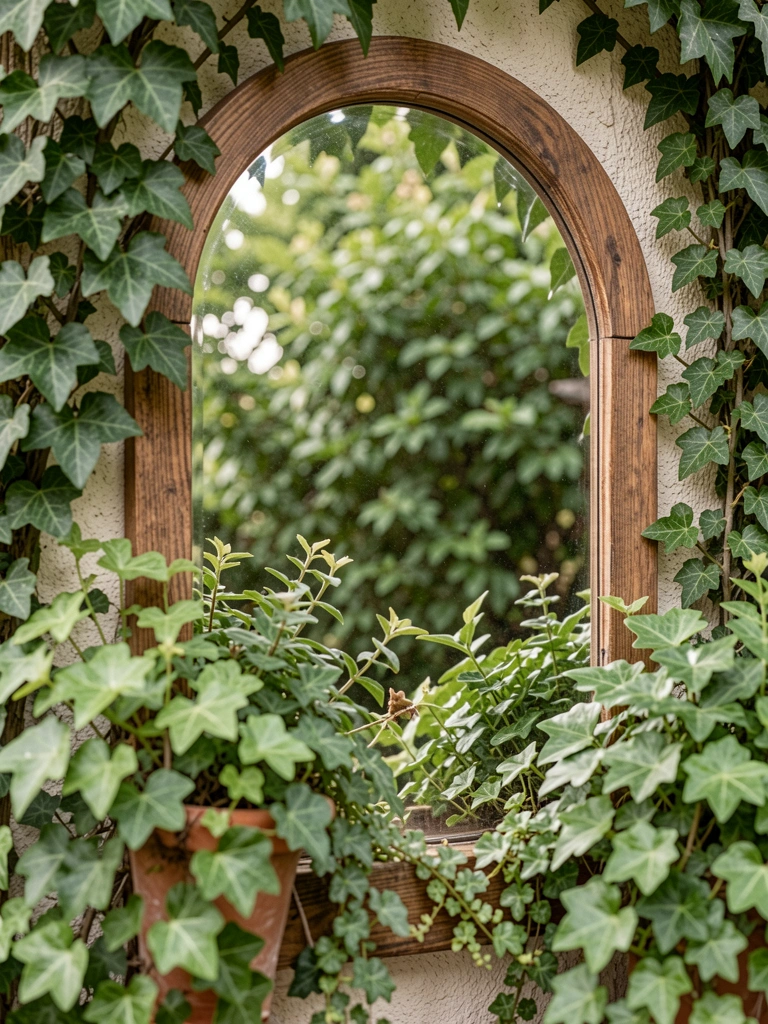
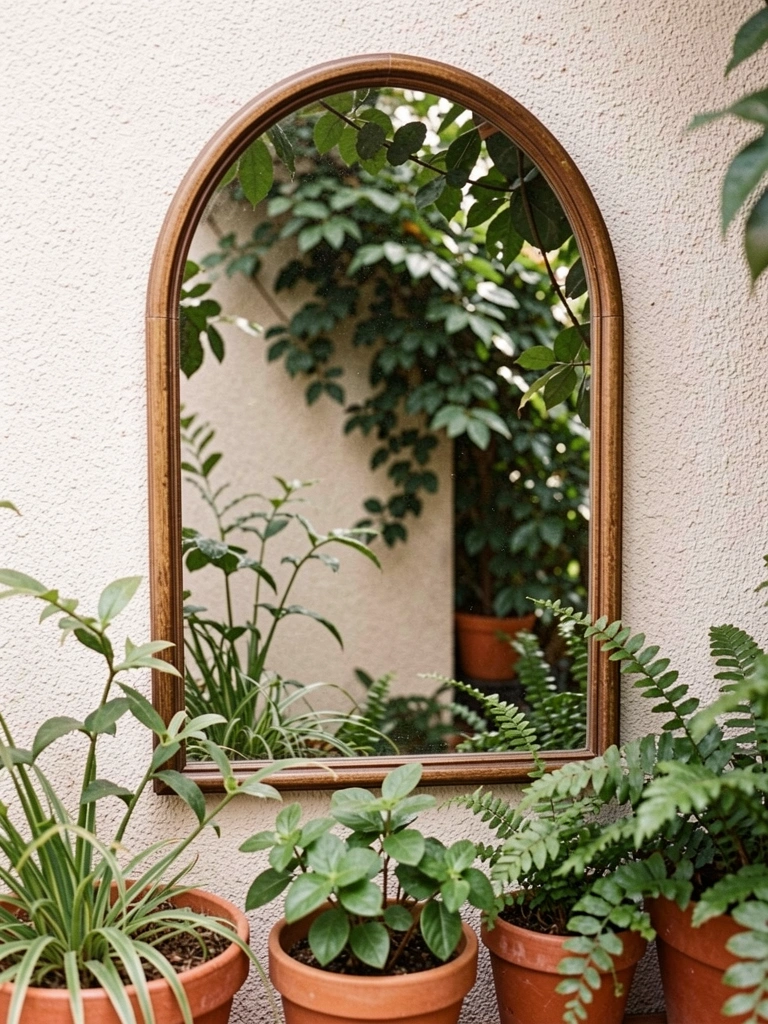
    My patio ended abrupt at brick. Leaned a tall mirror there. Reflected pots and sky—suddenly twice as deep. Plants echoed, space unfolded.

    First mirror fogged in rain. Got outdoor-rated one.

    Tricks eye into more room. Angle it to catch light.

    What You’ll Need for This Look

    5. Trellis Climbers Turning Walls into Curtains
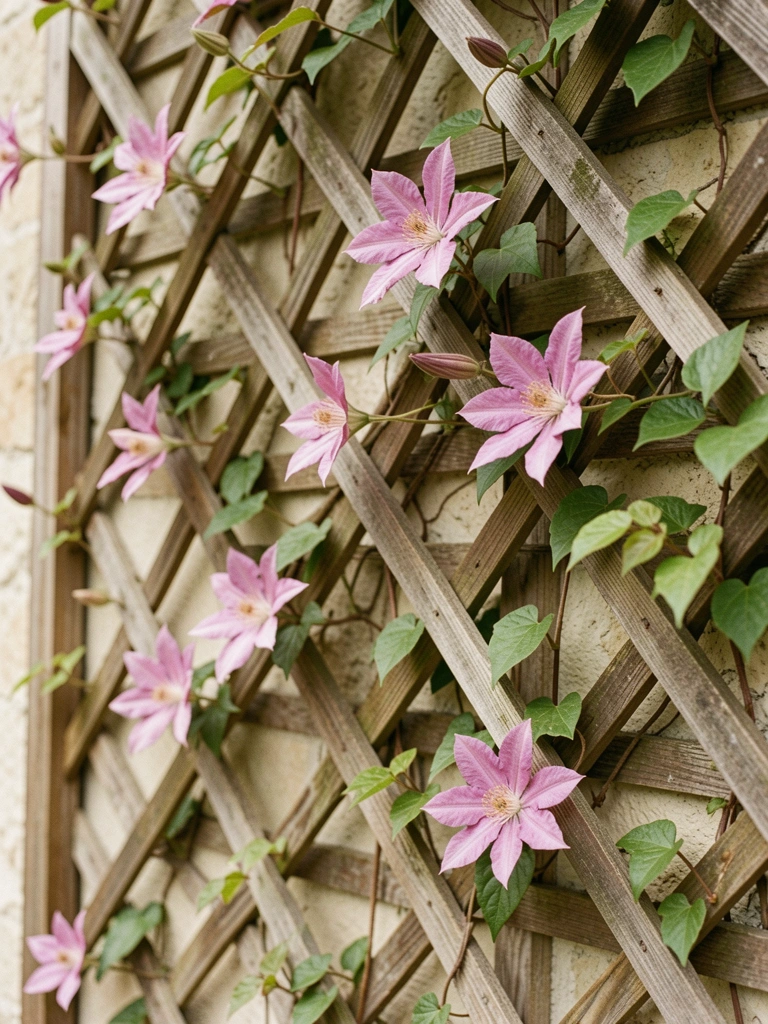
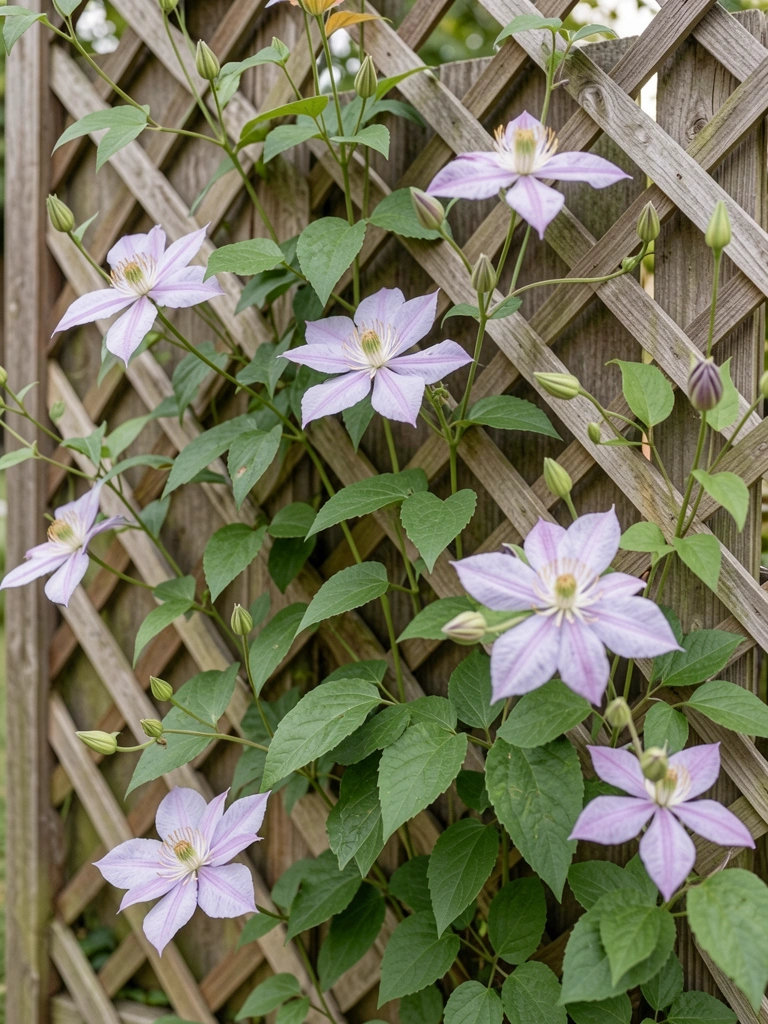
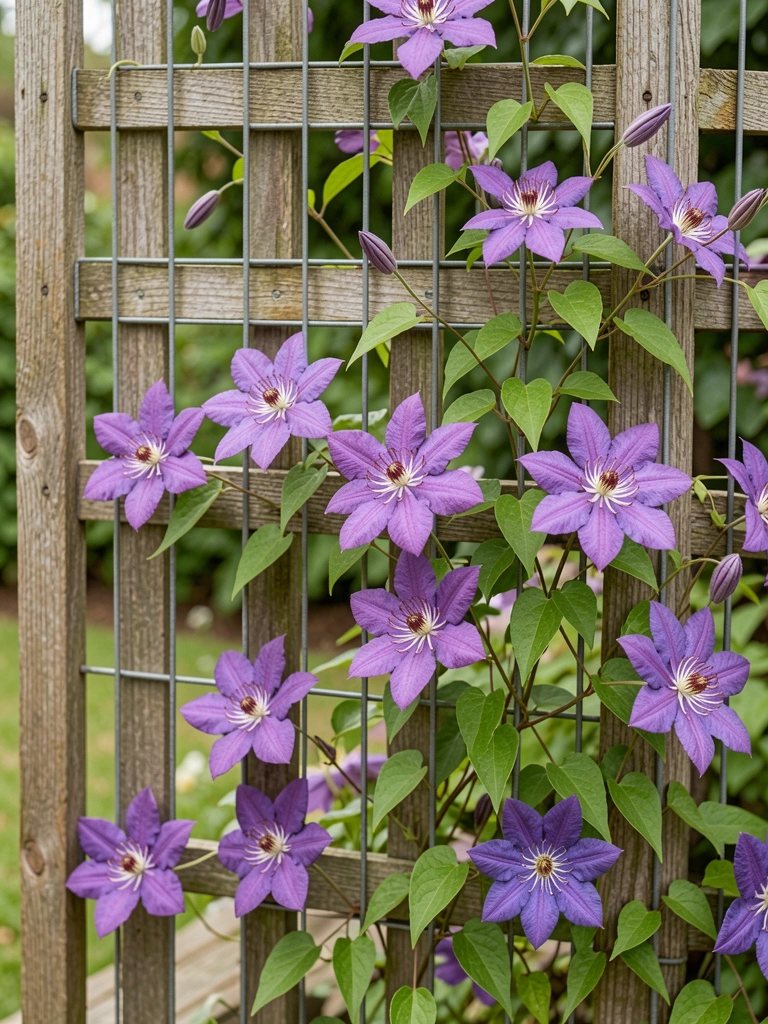
    Wall loomed flat. Nailed up a trellis, planted clematis base. Vines wove through over months—soft green curtain. Patio receded, felt private and vast.

    Clematis browned first winter. Mulched roots deeper next time.

    Softens hard lines, adds depth. Train shoots loosely.

    What You’ll Need for This Look

    6. Tiered Stands Packing Punch in Corners
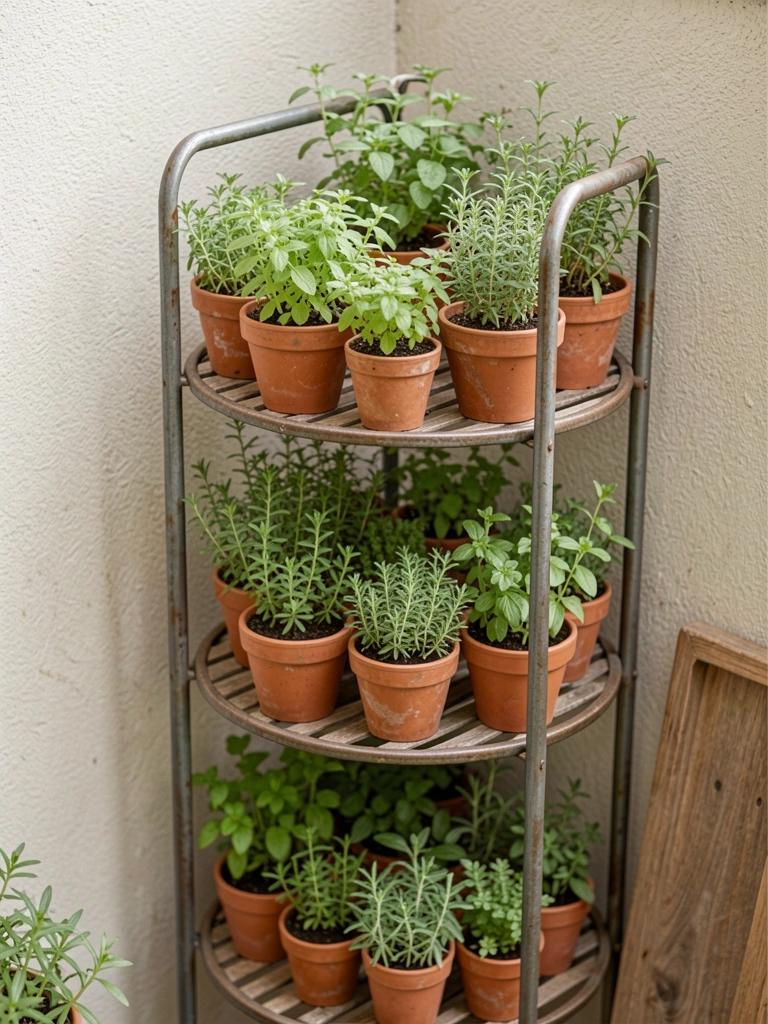
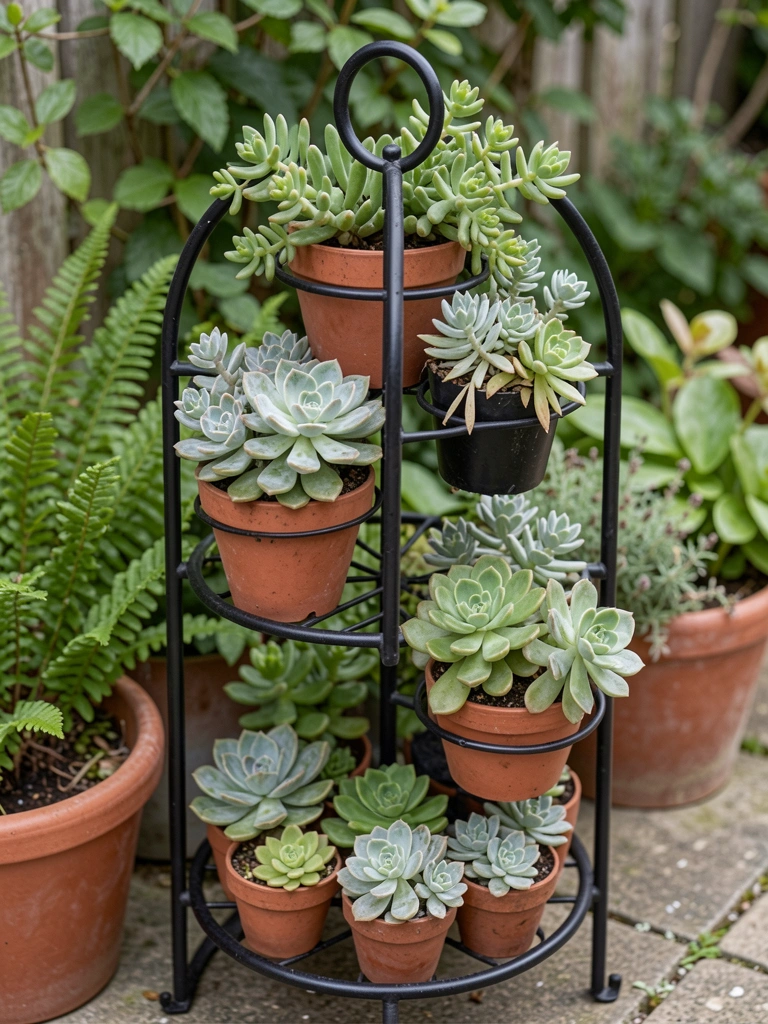
    Corner sat dead. Dragged a tiered stand there. Basil, mint, lavender filled shelves. Vertical punch—greenery towered without sprawl. Space popped open.

    Overwatered bottom tier once, rotted soil. Drainage holes fixed it.

    Fills voids smart. Mix heights for rhythm.

    What You’ll Need for This Look

    7. String Lights Weaving Overhead Warmth
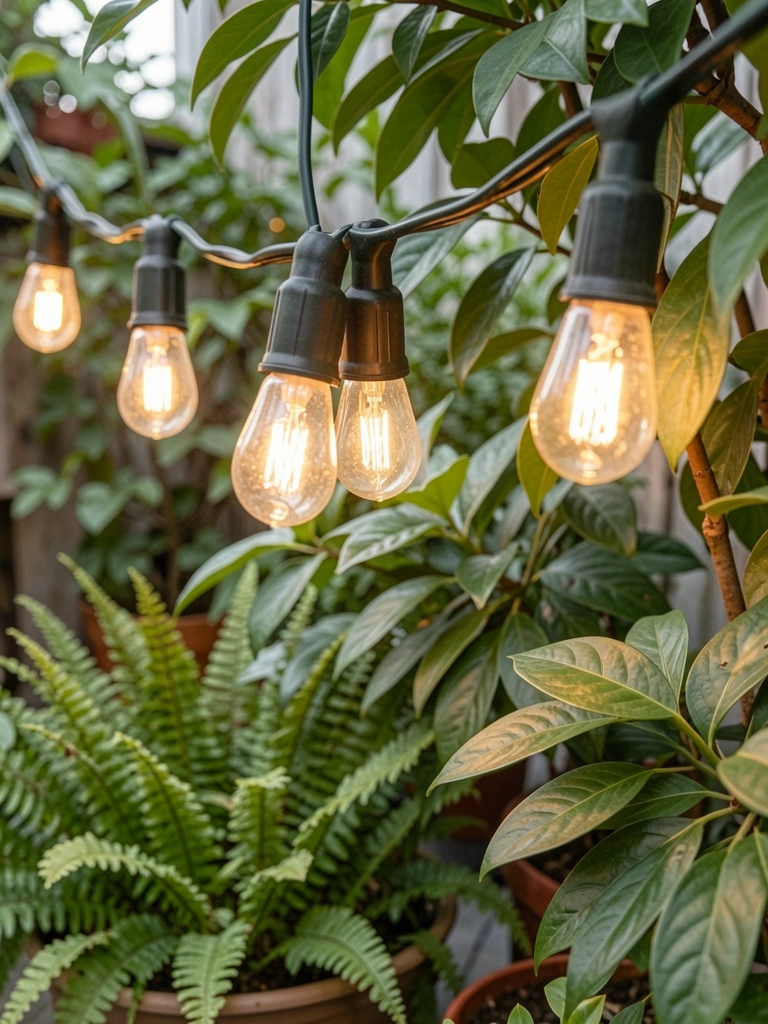
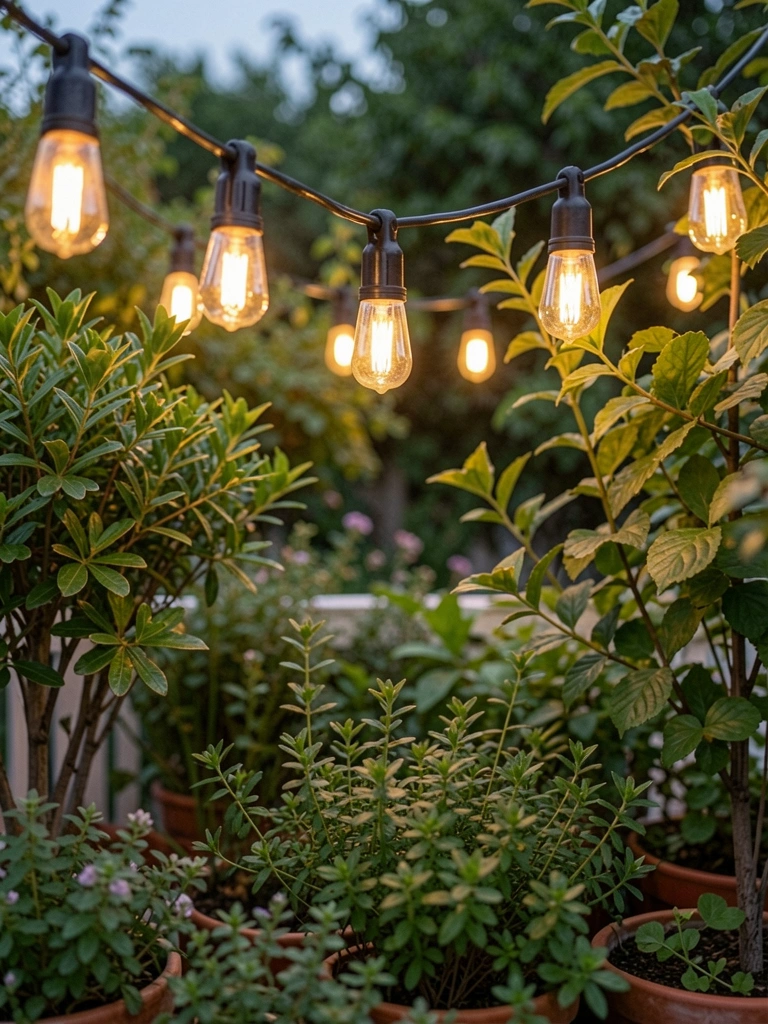
    Evenings felt dim. Strung lights across beams. Wrapped around pots too. Glow lifted ceiling, blurred boundaries. Patio expanded at dusk.

    LEDs tangled first setup. Clips sorted it.

    Cozy lift, plays with shadows. Solar for easy.

    What You’ll Need for This Look

    8. Outdoor Rug Grounding the Floor
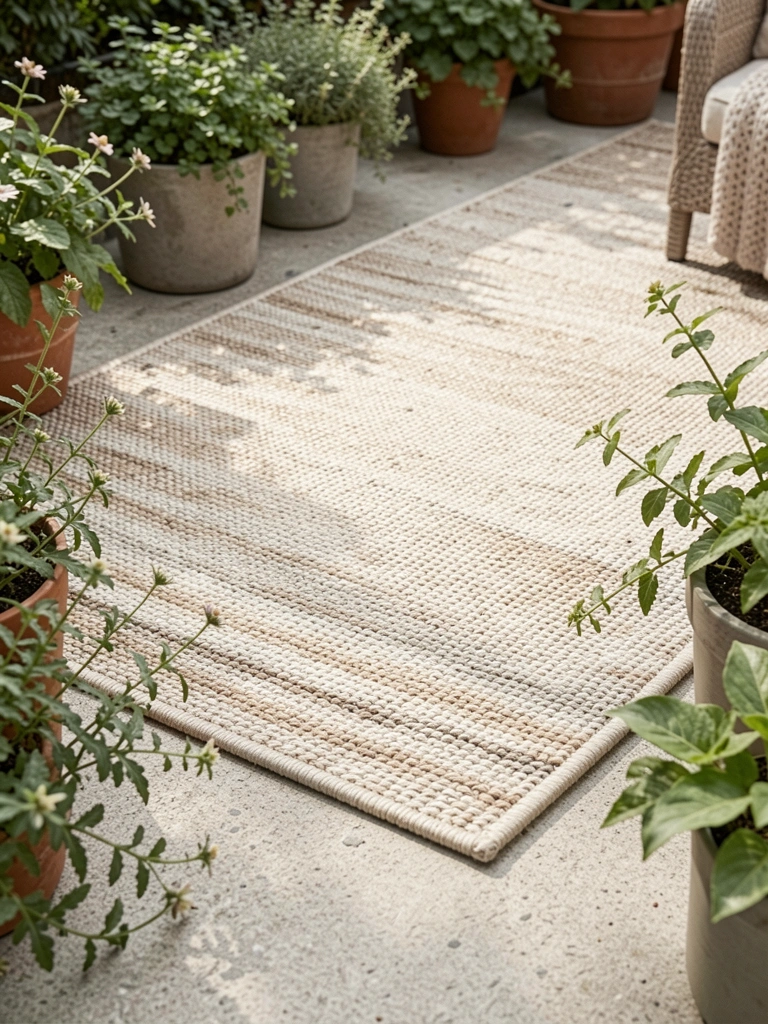
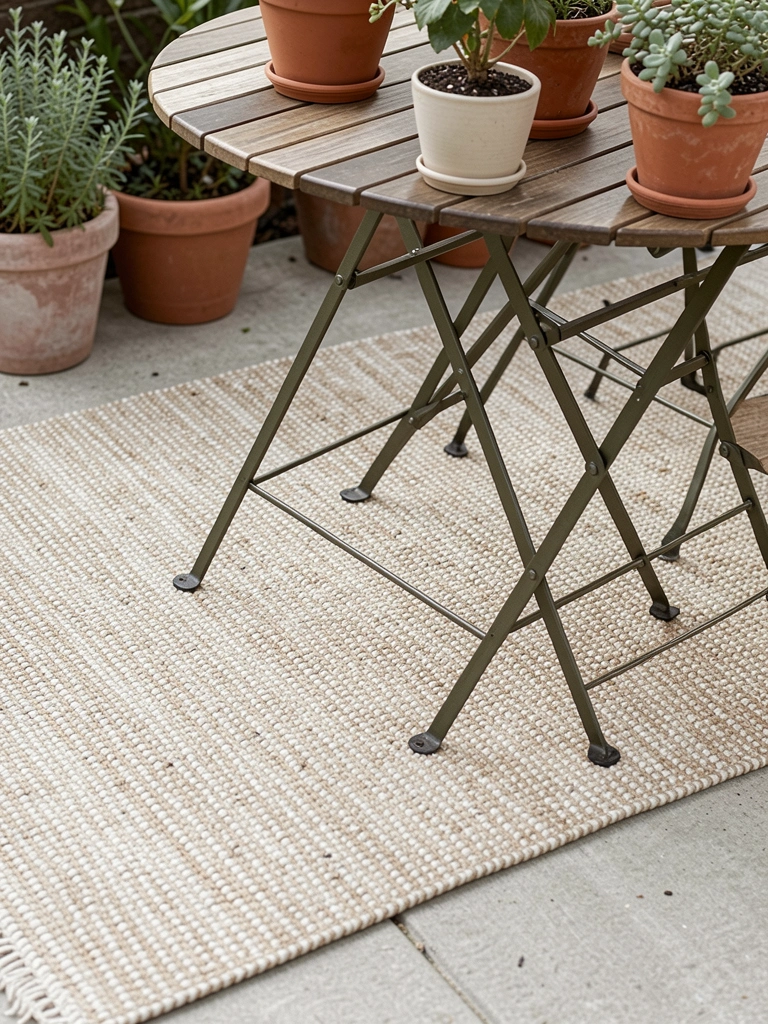
    Concrete chilled feet. Rolled out a rug. Anchored pots on it—suddenly a room, not a slab. Edges softened, space defined yet bigger.

    Rug faded in sun. Chose UV-safe next.

    Defines zone, warms up. Vacuum easy.

    What You’ll Need for This Look

    9. Bistro Set Draped in Trailing Greenery
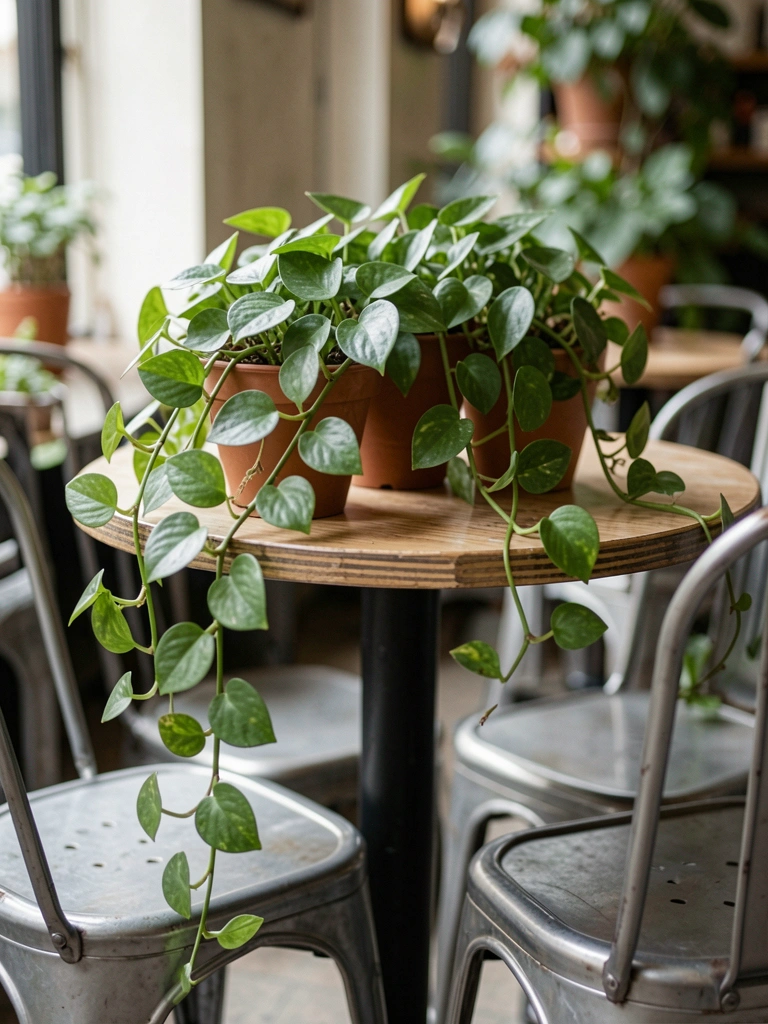
    No spot to sit. Folded bistro set fit perfect. Pots on table trailed pothos. Greenery hugged seats—intimate nook, space around grew.

    Chairs rusted light rain. Covered after.

    Nests seating, greens link it.

    What You’ll Need for This Look

    10. White Pots and Pebbles for Light Bounce
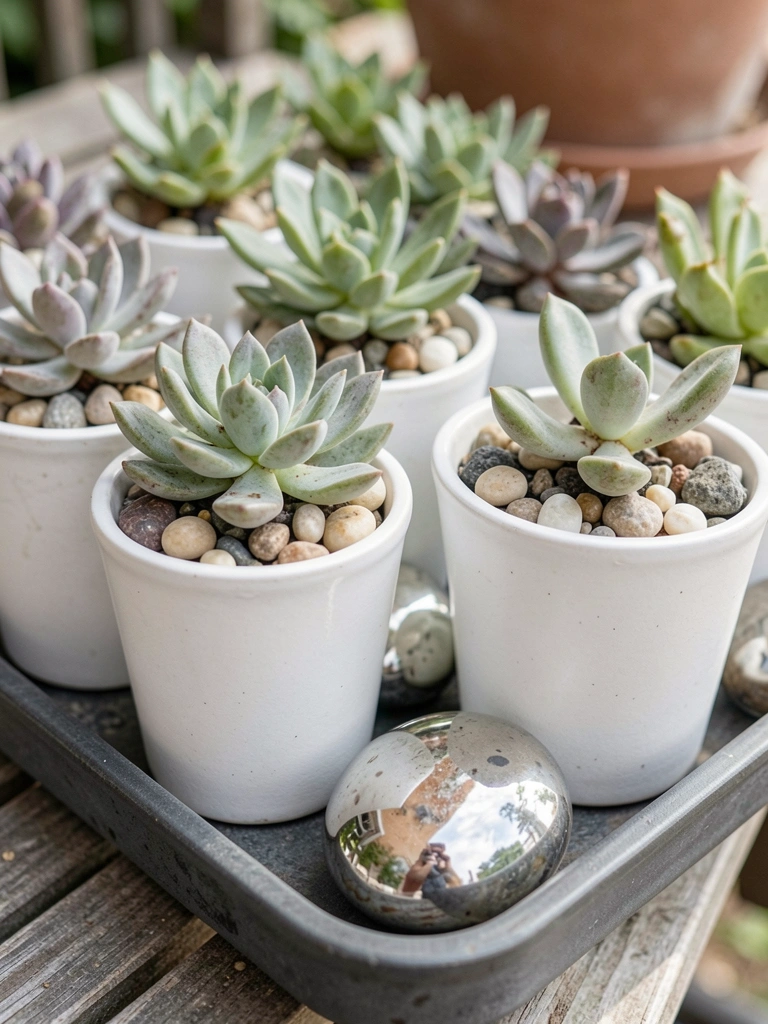
    Shade made it cave-like. Swapped dark pots for white. Pebbles topped soil. Light bounced—brighter, airier feel. Depth appeared.

    Pebbles shifted in wind. Tray held them.

    Reflects light, cleans look.

    What You’ll Need for This Look

    11. Corner Herb Tower for Fresh Reach
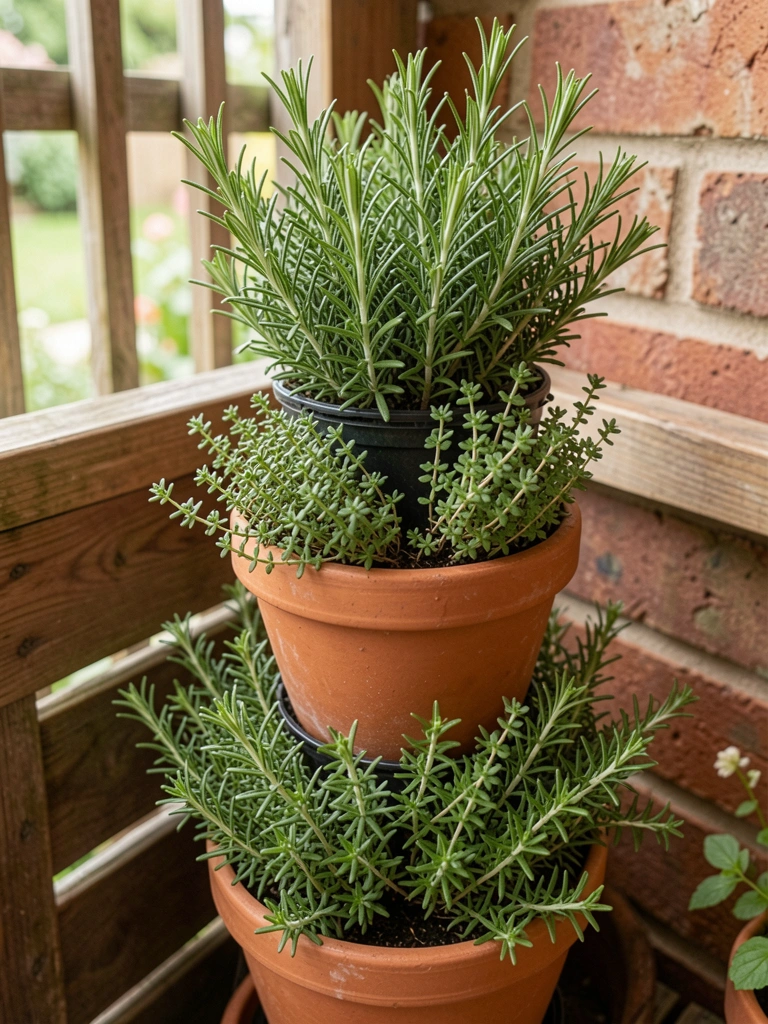
    Herbs scattered messy. Built a stackable tower. Rosemary top, thyme middle. Corner owned—easy grab, vertical green burst. Patio freed up.

    Tower tipped once overloaded. Anchored base.

    Harvest close, smells fill air.

    What You’ll Need for This Look

    12. Solar Lanterns Lining the Edges
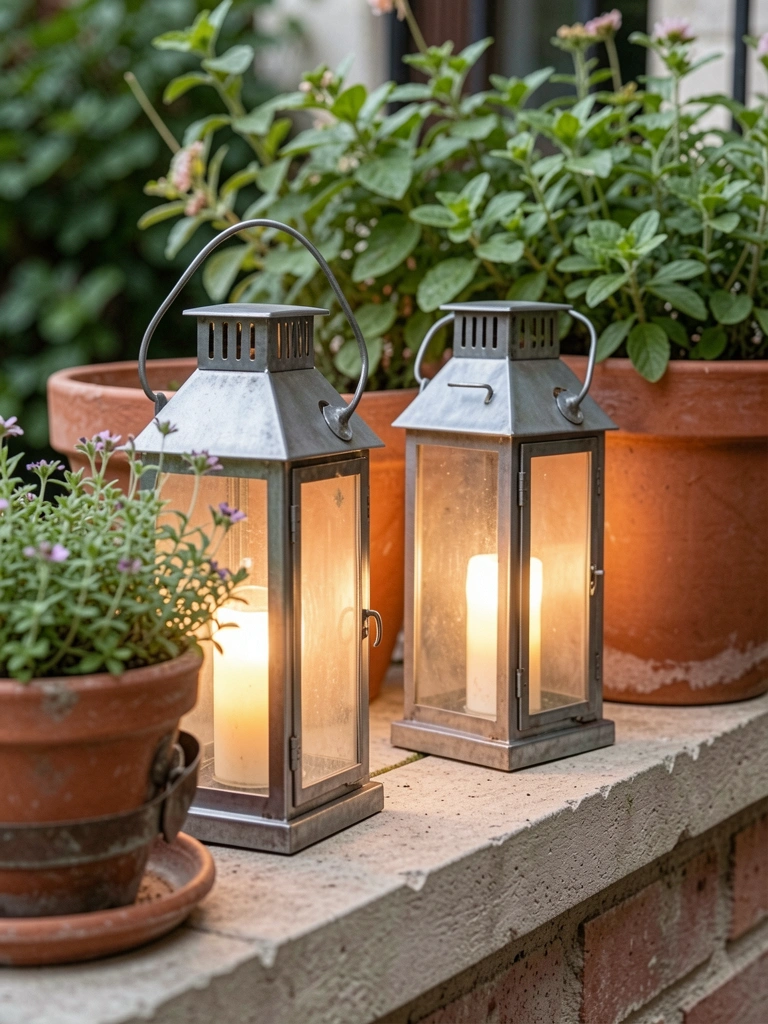
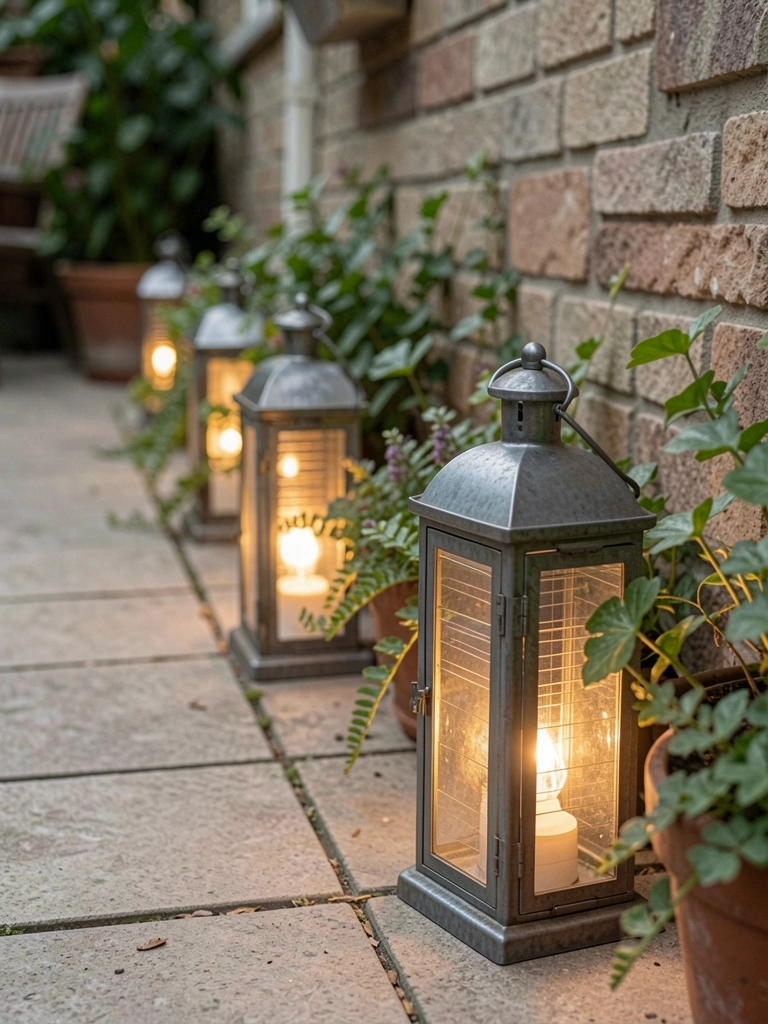
    Edges dark. Lined lanterns along rail. Charged day, glowed night. Outlined space softly—felt wider, wrapped in light.

    One died fast—cheap battery. Upgraded.

    Guides eye, no wires.

    What You’ll Need for This Look

    13. Bamboo Screen with Vines for Privacy Depth
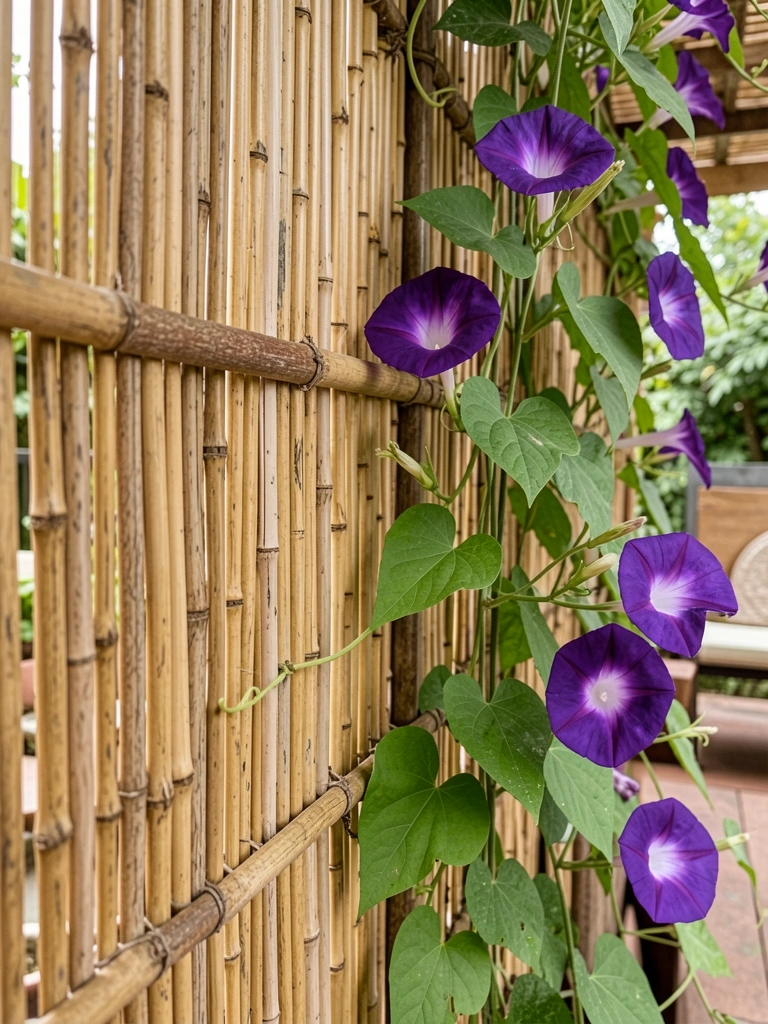
    Neighbors peeked in. Rolled bamboo screen up. Planted morning glories at base. Vines softened it—privacy with layers, patio pushed back.

    Vines choked screen fast. Pruned paths.

    Hides, adds green distance.

    What You’ll Need for This Look

    Final Thoughts

    You don't need all 13. One or two shifts your patio. I've messed up plenty, but these stick because they fit real life. Plant what thrives there. It'll feel right soon. Your spot waits.
  • 15 Functional Small Patio Garden Layout Ideas For Better Use

    15 Functional Small Patio Garden Layout Ideas For Better Use

    I remember staring at my tiny patio last spring, just concrete and a wobbly chair. Nothing grew right at first—too much shade, wrong pots tipping over. But I tinkered, moved things around. Now it pulls me outside every evening. That shift? It's about smart layouts that fit real life.

    You don't need a big space. These ideas come from my own fixes.

    They make patios useful, not just pretty.

    15 Functional Small Patio Garden Layout Ideas For Better Use

    Here are 15 functional small patio garden layout ideas I've tested in my own yard. They maximize every inch without fuss. Pick one or mix them—your patio will feel bigger and more inviting right away.

    1. Layered Container Planting That Makes a Patio Feel Full

    I started with empty corners on my patio, felt bare. Stacked pots in layers—tall in back, short out front—changed it. Suddenly, it looked lush, like more room. The ferns spill over, softening edges. Air feels fresher too.

    Watch drainage; I lost a few plants to soggy roots once. Group by height, mix textures. It draws your eye up, makes space breathe.

    In my setup, it frames the door perfectly. Sit there with coffee, feels private.

    What You’ll Need for This Look

    2. Vertical Herb Wall for Fresh Picks at Arm's Reach

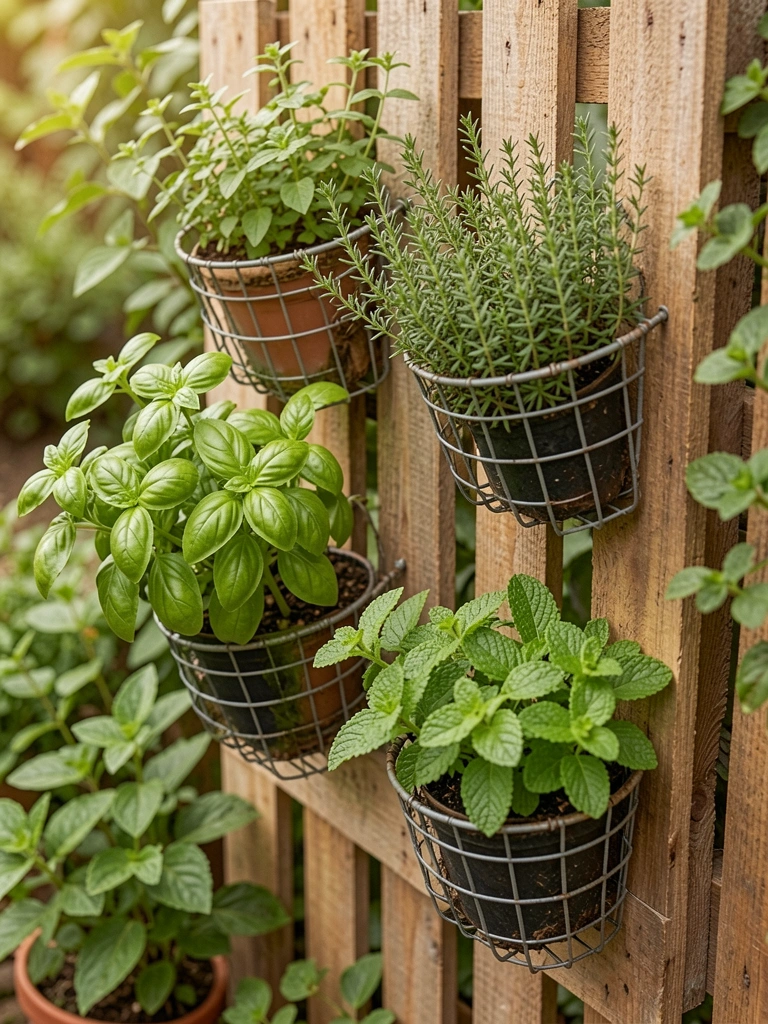
    My herbs scattered on the ground got trampled. Built a simple wall pocket system—now they're right by the door. Snip for dinner without bending. Smells hit you walking out.

    Basil thrives up high, less bugs. Mint stays contained, no takeover. I overwatered at first, learned to check soil.

    It frees floor space, makes cooking easier. Feels productive.

    What You’ll Need for This Look

    3. Corner Seating Nook with Trailing Plant Privacy

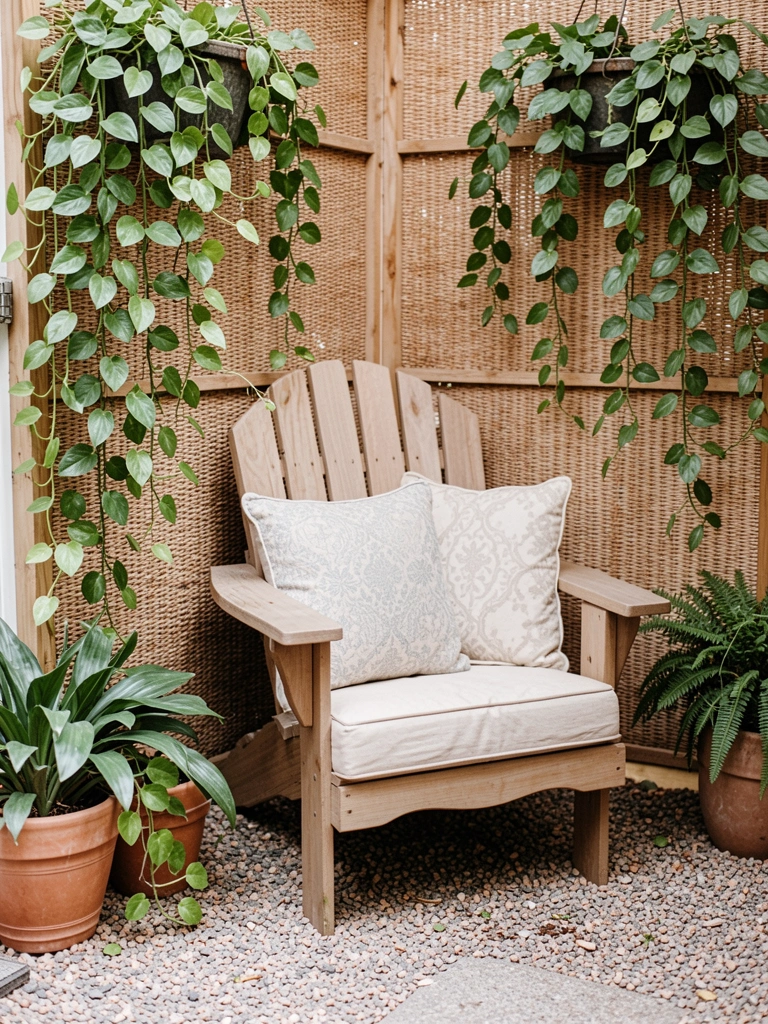
    That empty corner collected junk. Added a chair, trailing pothos from shelves above—it curtains off noise. Now it's my quiet spot. Plants soften the hard lines.

    Pothos grows fast, forgives neglect. I forgot to prune once, got leggy—easy fix.

    Cozy without crowding. Read there afternoons.

    What You’ll Need for This Look

    4. Central Table Ringed by Low Pots

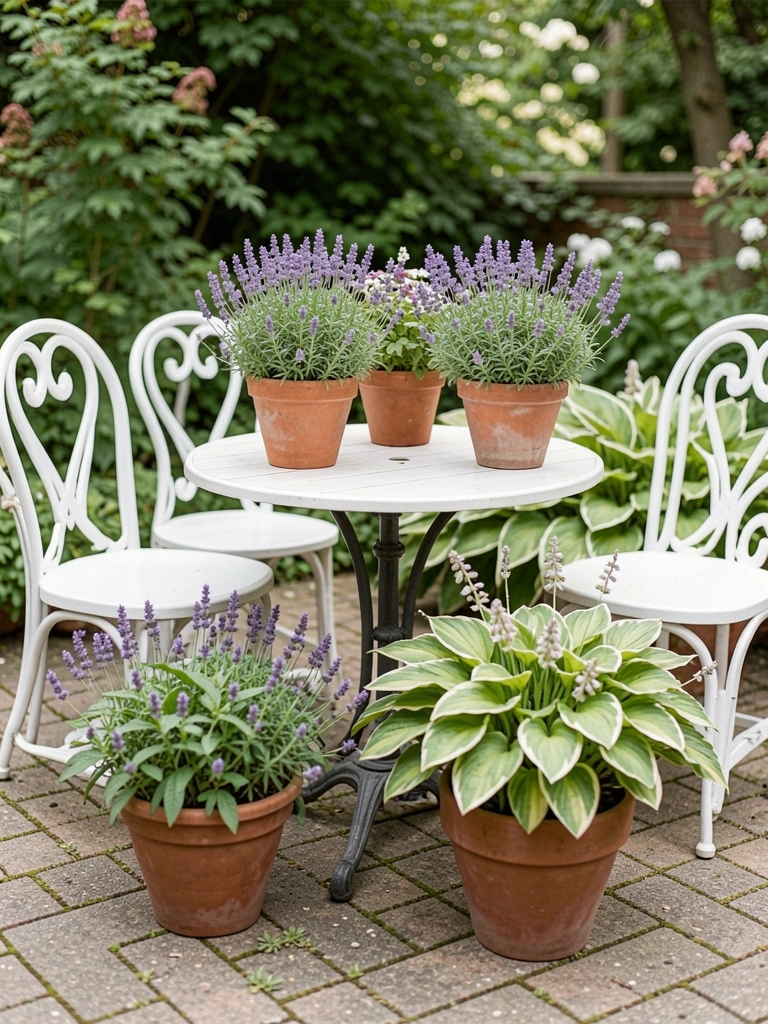
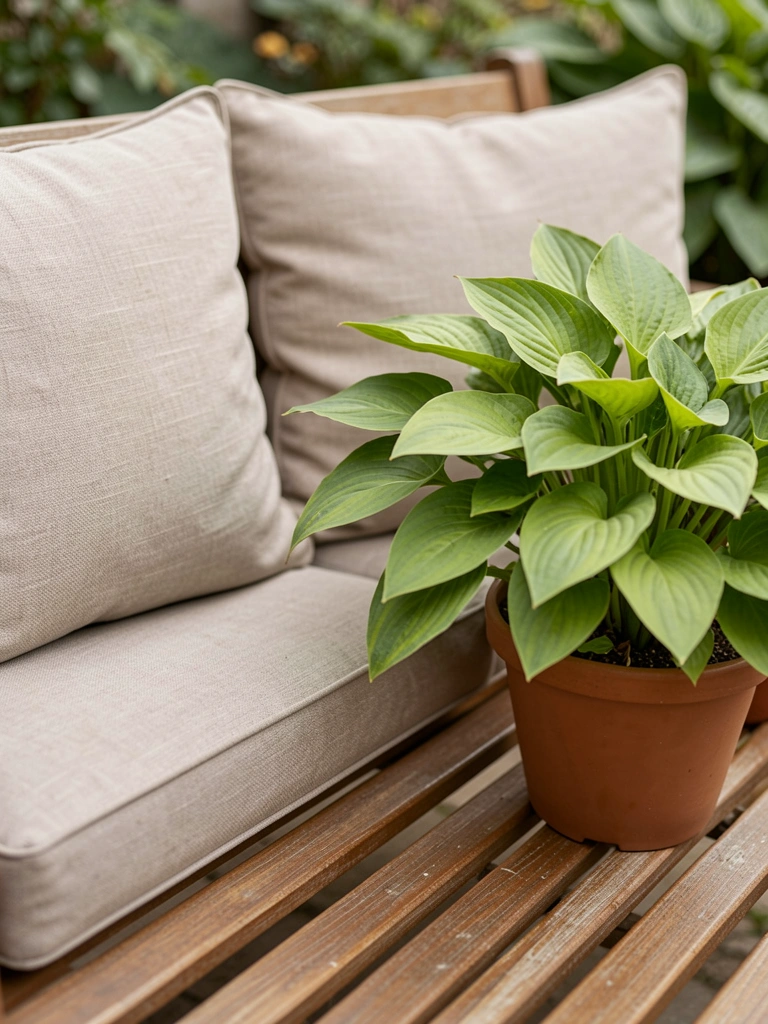
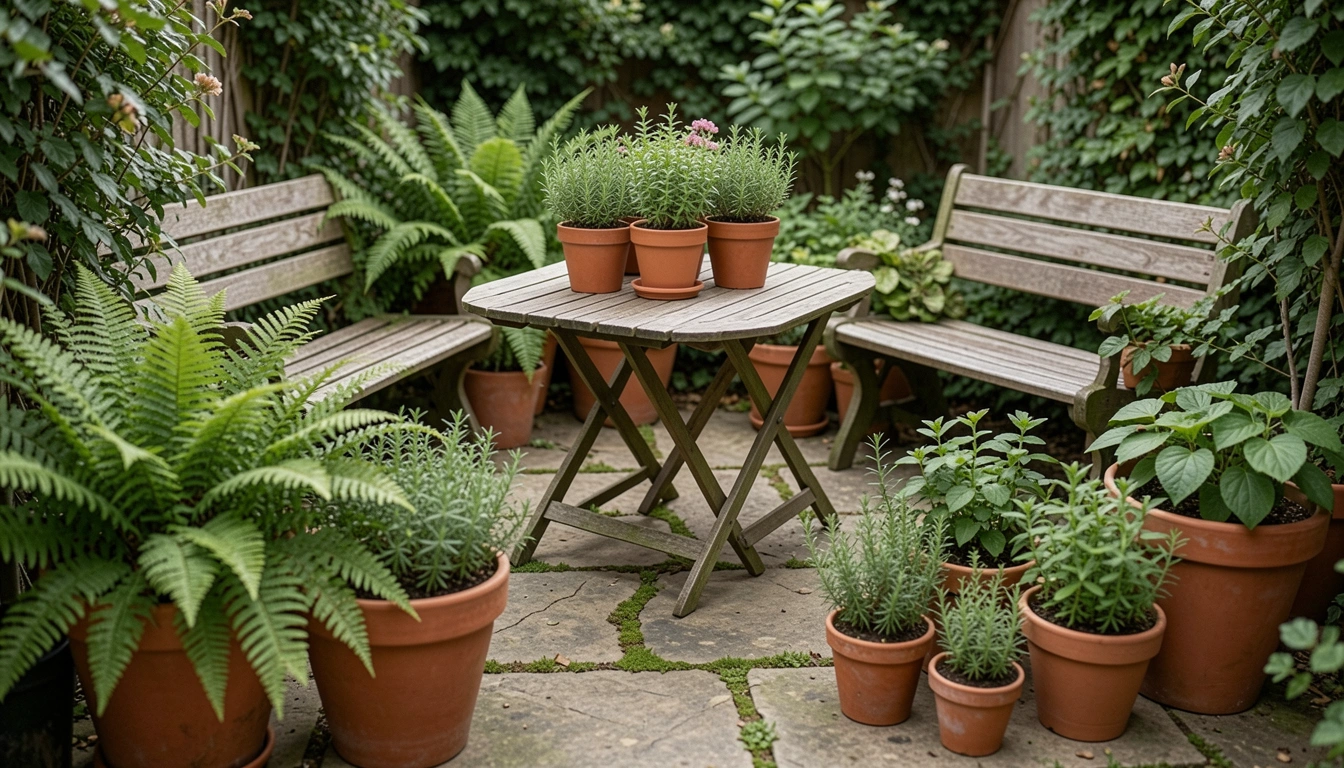
    Table in the middle felt lost. Ringed it with knee-high pots—lavender, hostas. Eats stay simple, plants buffer. Meals feel garden-wrapped.

    Lavender smells great, draws bees away. Hostas fill shade spots I misjudged.

    Balances the patio, no dead zones.

    What You’ll Need for This Look

    5. Stepping Stone Path with Edging Greenery

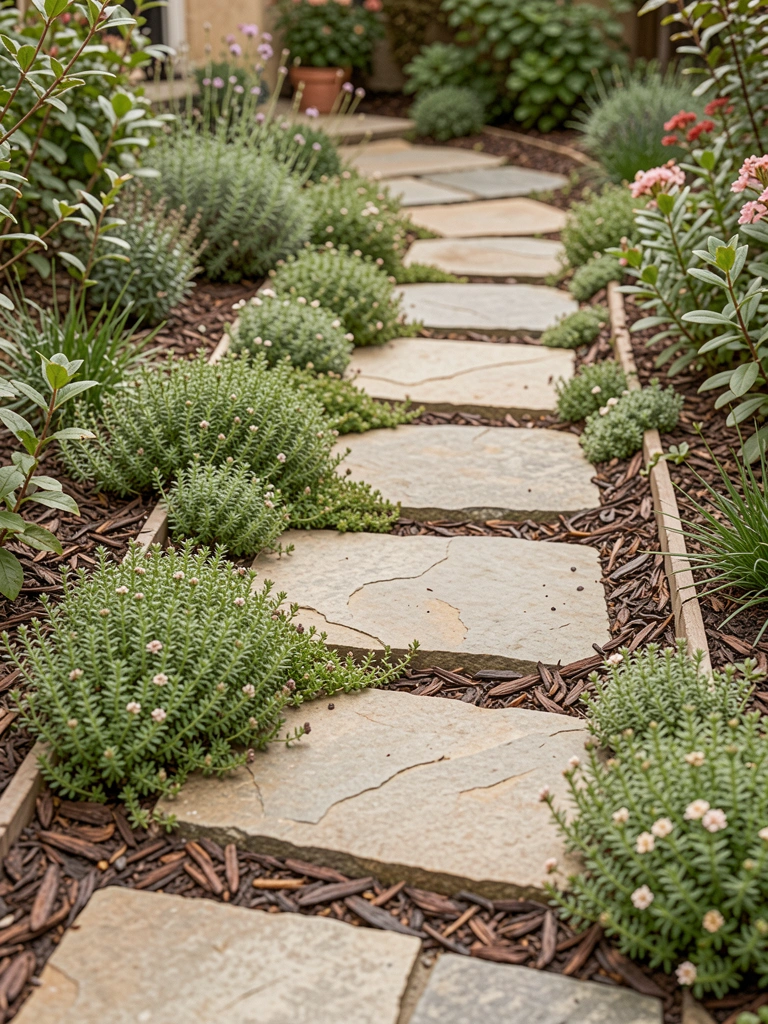
    Pavers were slippery wet. Added stepping stones, edged with creeping thyme. Guides feet, softens concrete. Thyme blooms tiny purple.

    I planted too close once, thinned it out. Walk feels intentional now.

    Connects door to seats smoothly.

    What You’ll Need for This Look

    6. Overhead Hanging Baskets for Shade and Color

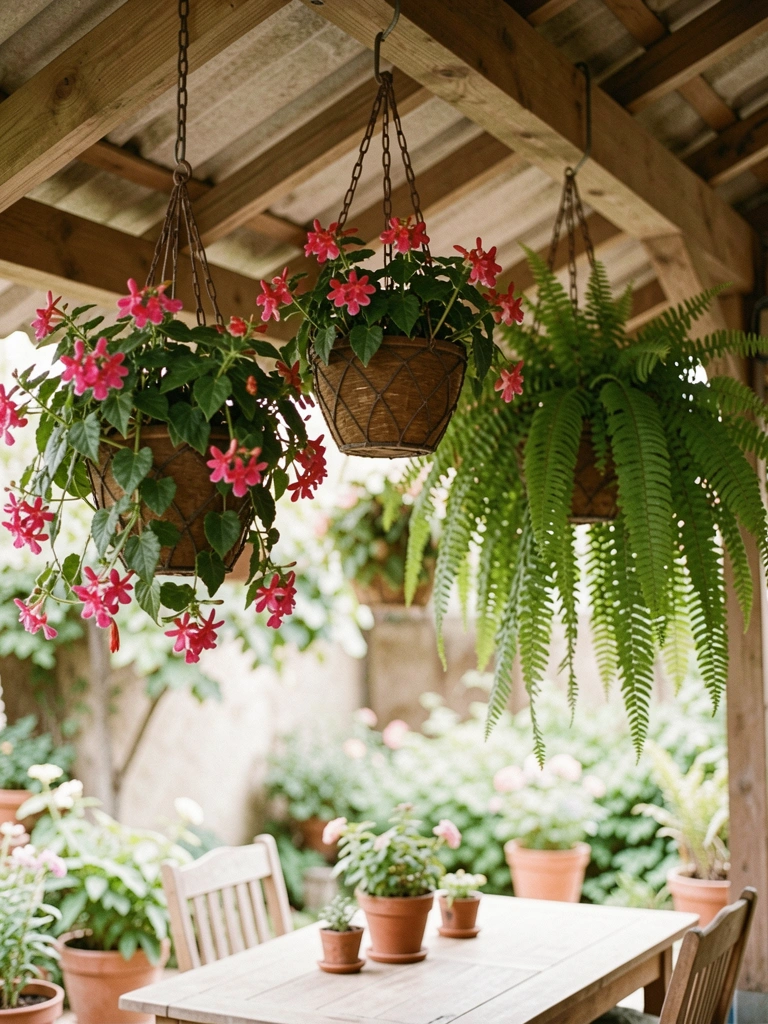
    Sun beat down harsh. Hung baskets from the overhang—fuchsias drip color. Filters light, cools sits. No floor clutter.
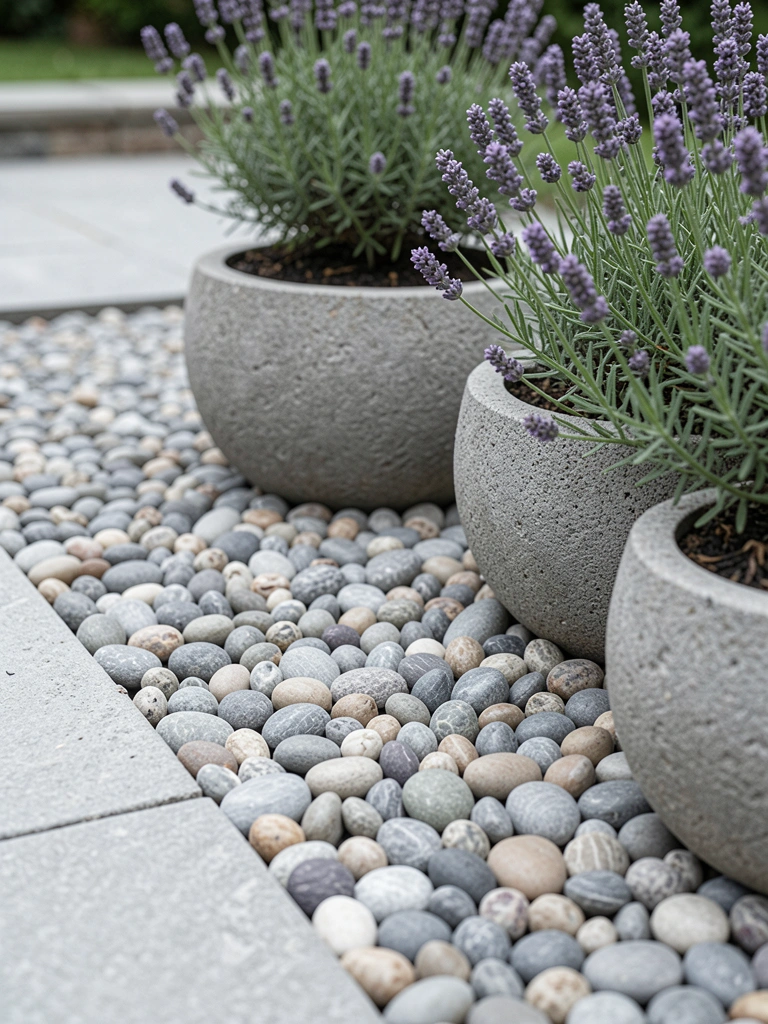
    Ferns like my damp corner. Water from above, easy reach—lesson from spills.

    Feels sheltered, taller space.

    What You’ll Need for This Look

    7. Rail-Mounted Multi-Level Planters

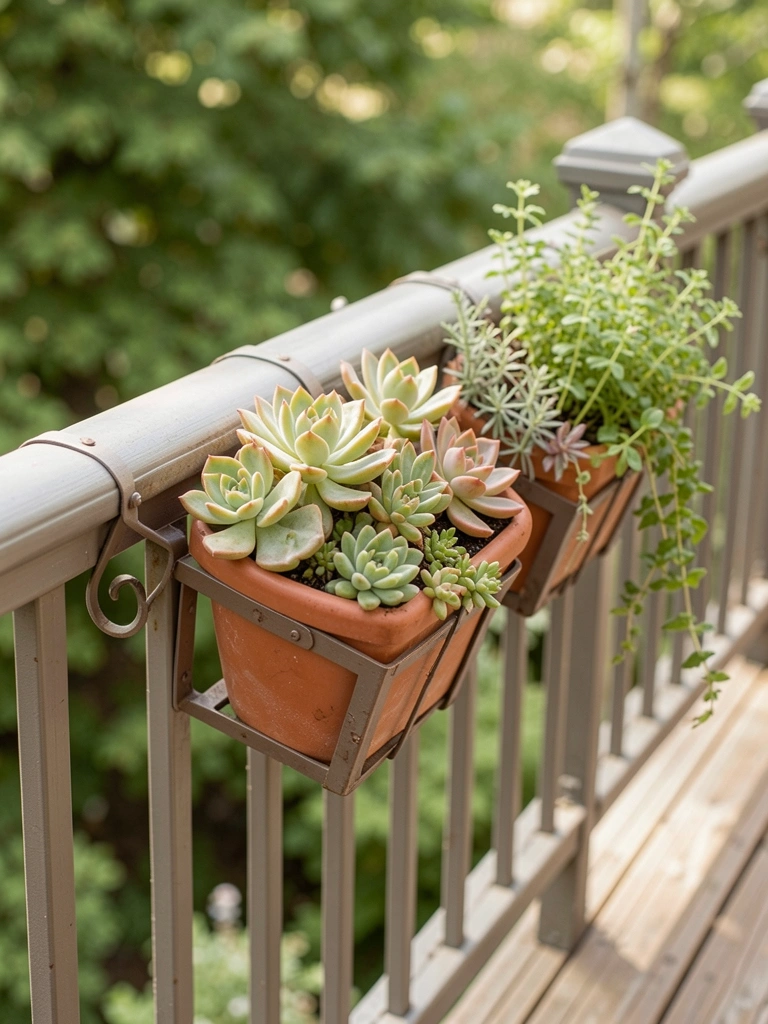
    Rails were bare rails. Brackets hold tiers of pots—succulents top, herbs below. Saves floor, adds green wall.

    Succulents barely need water. I overloaded one side once, wobbled—balanced now.

    Views from chair improve.

    What You’ll Need for This Look

    8. Privacy Screen with Climbing Vines

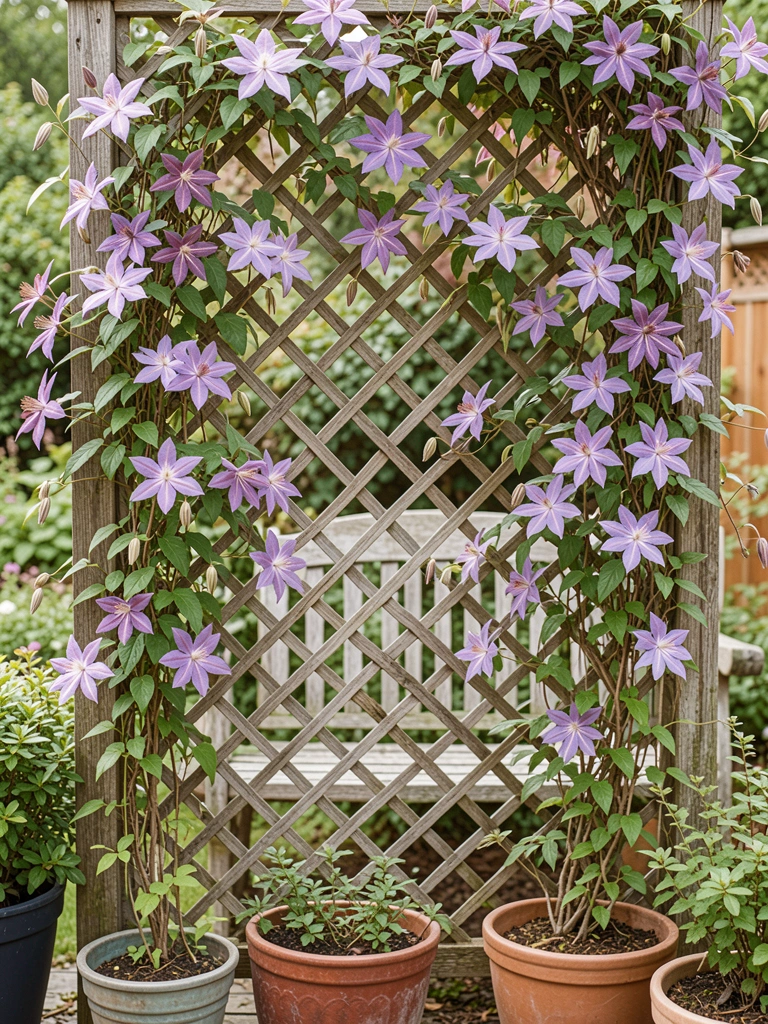
    Neighbors peeked over. Lattice screen with clematis base—vines climb quick, block views. Flowers nod in breeze.

    Clematis needs feet in shade. Planted wrong spot first, moved it.

    Patio feels mine now.

    What You’ll Need for This Look

    9. Succulent Shelf for Low-Effort Green

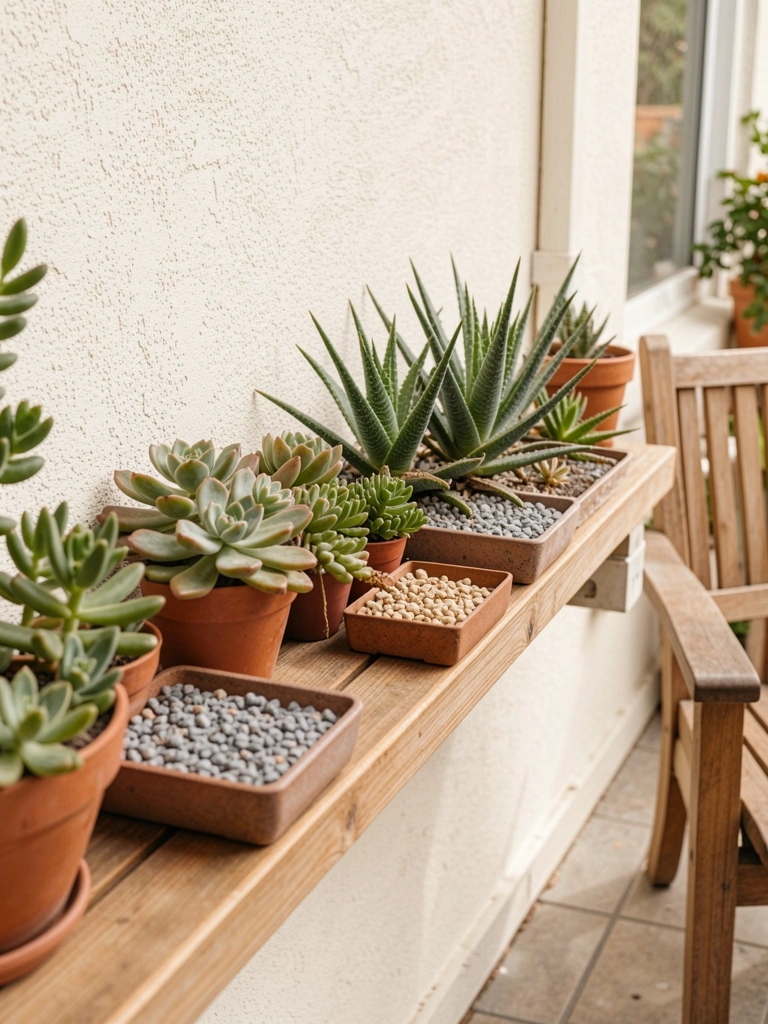
    Shelf died empty. Succulents fill it—echeveria rosettes glow. No daily fuss, just occasional soak.

    They root in gravel fine. Forgot sun needs once, stretched—rotated now.

    Clean, modern edge.

    What You’ll Need for This Look

    10. Pollinator Border Along the Edge

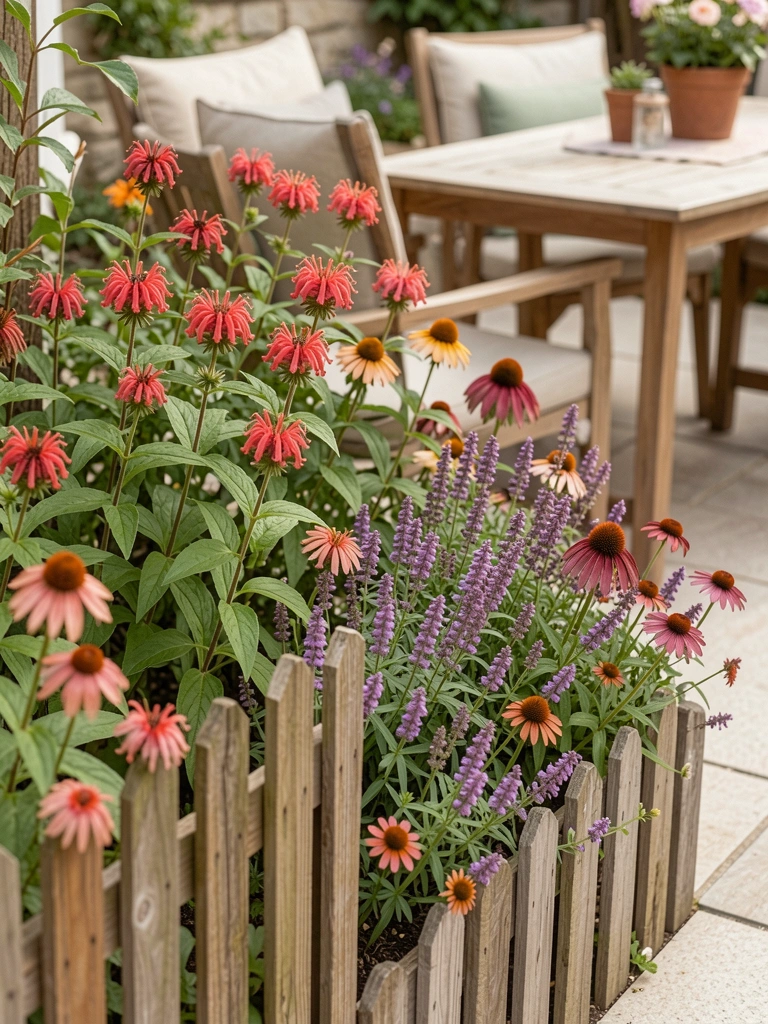
    Edge was dull. Bee balm, salvia—bees hum all summer. Butterflies land close. Life without work.

    Salvia reseeds, free plants. Too much water killed one—drier now.
    Watch bugs dance.

    What You’ll Need for This Look

    11. Wheelbarrow Garden for Mobile Color

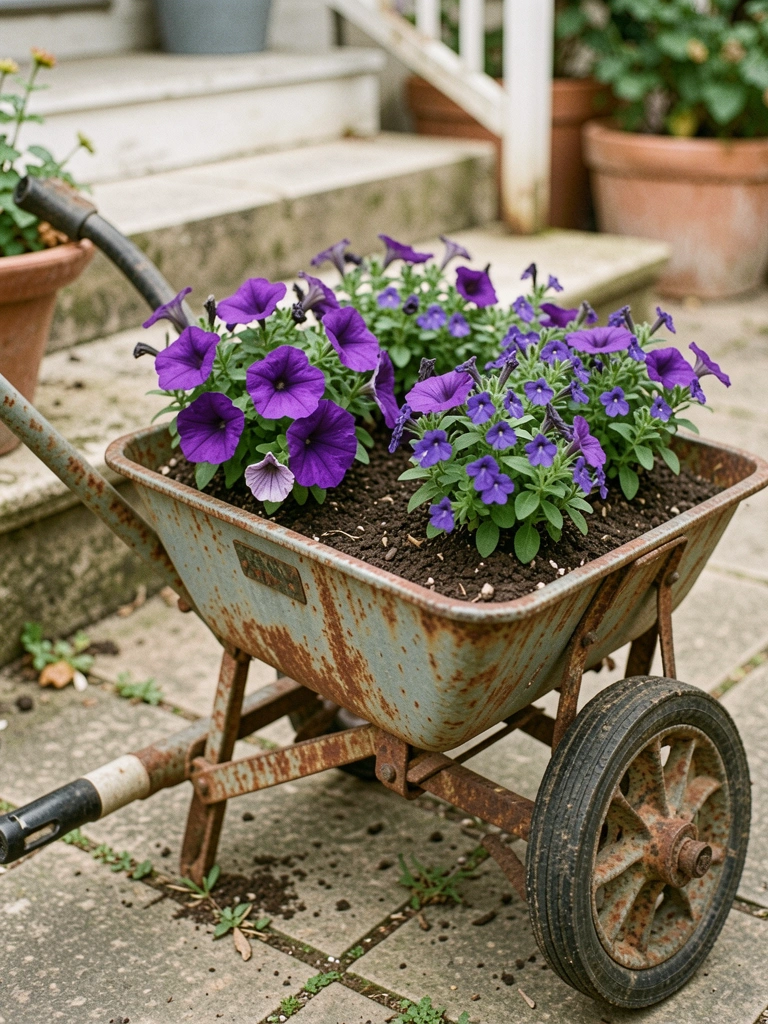
    Old wheelbarrow sat rusting. Filled with petunias—rolls to sun or shade. Instant color, no digging.

    Petunias trail nice. Wheel tipped first load—heavier base fixed.

    Move for seasons.
    What You’ll Need for This Look

    12. Wall Troughs for Narrow Strips
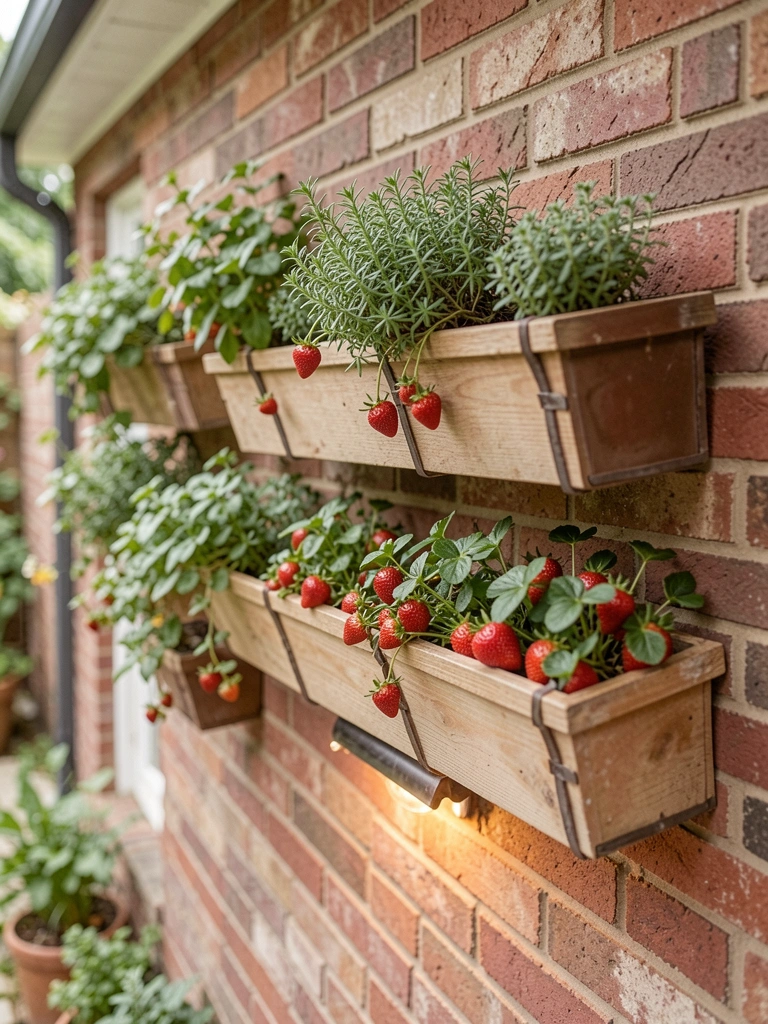
    Narrow wall wasted. Troughs hold oregano, berries—pick berries easy. Long lines ground it.

    Oregano tough, strawberries fruit steady. Planted shallow first, deeper soil helped.

    Edible wall.

    What You’ll Need for This Look

    13. Fire Pit Circle with Heat-Safe Plants

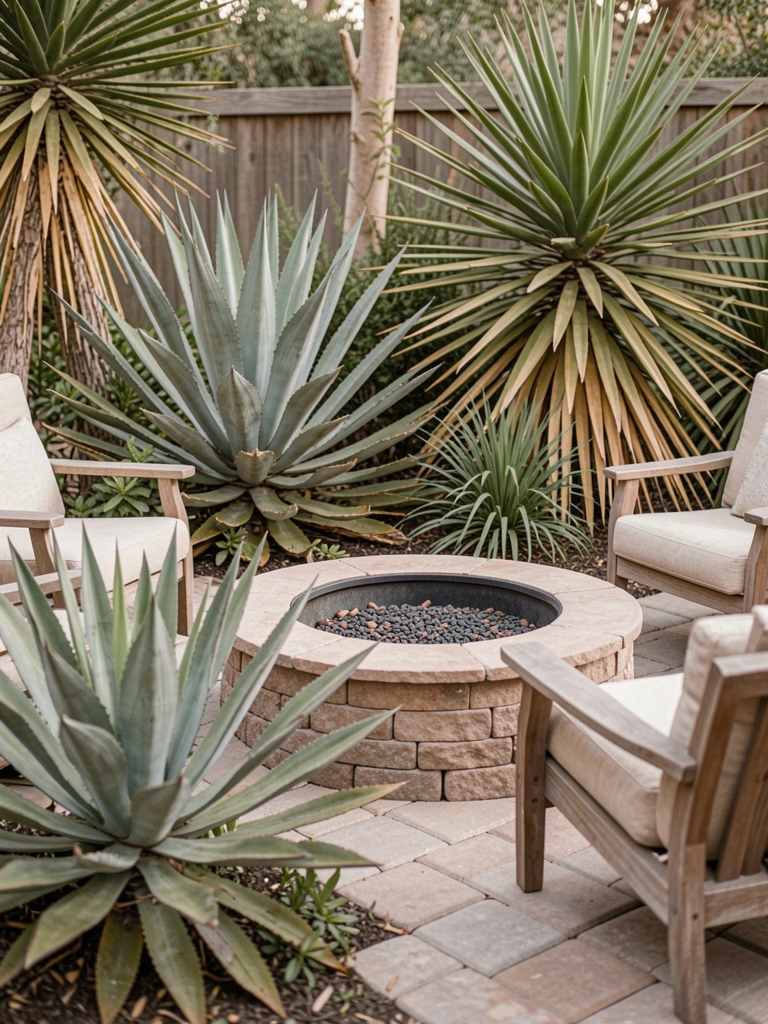
    Pit edged bare. Agave, yucca circle it—handle heat, glow at night. Nights warmer feel.

    Yucca spikes add punch. Too close singed leaves once—spaced better.

    Gather spot.

    What You’ll Need for This Look

    14. Foldable Bench with Vine Support

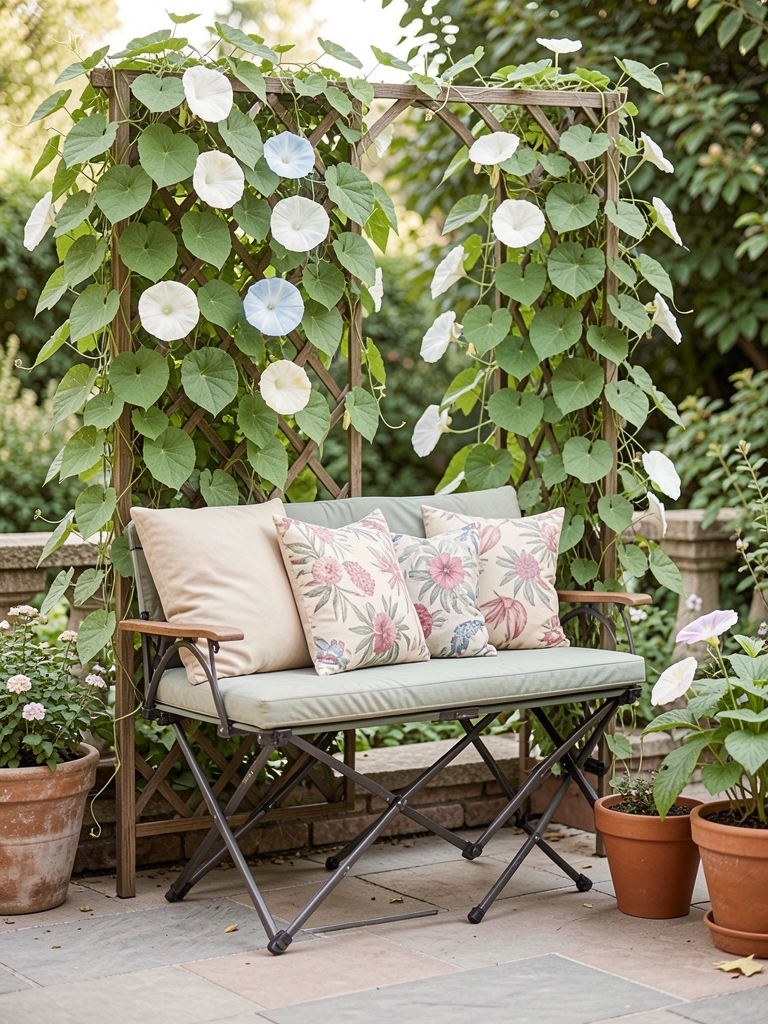
    Bench took space. Foldable one, morning glory trellis back—folds away, vines screen. Flowers morning blue.

    Glory seeds cheap, climb fast. Overgrew frame—prune yearly.

    Flexible seating.

    What You’ll Need for This Look

    15. Mirror and Plant Illusion for Depth

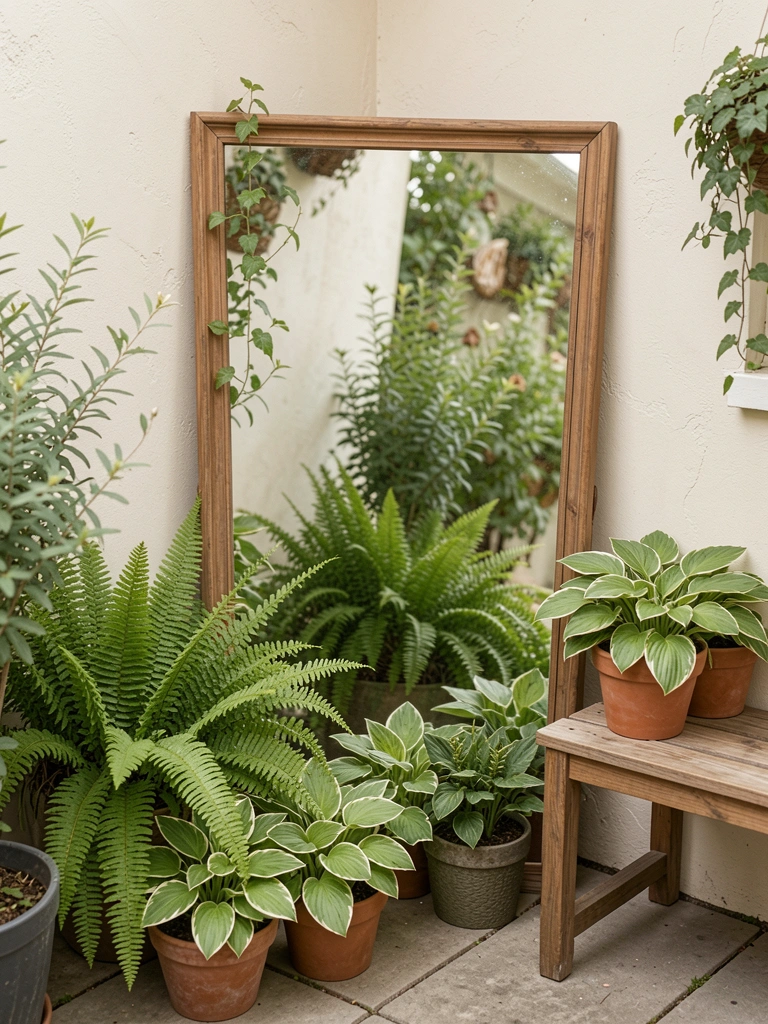
    Patio felt boxed. Leaned mirror, ferns in front—doubles green, tricks eye bigger. Light bounces too.

    Ferns frame it natural. Angle wrong first, glare—tilted now.

    Space expands.

    What You’ll Need for This Look

    Final Thoughts

    Start with one idea that fits your light or spot. My patio evolved slow—plants die, you adjust. That's normal.

    You'll mess up a bit, but it'll work. Your space will pull you out more. You've got this.

  • 7 Relaxing Small Patio Garden Water Fountains Ideas For Calm Vibes

    7 Relaxing Small Patio Garden Water Fountains Ideas For Calm Vibes

    I remember the first summer after I squeezed a tiny fountain onto my back patio. The neighbors' traffic noise faded under that gentle trickle. It was just a cheap pot setup, but it pulled me outside every evening.

    My patio's only 10 by 12 feet. No room for big features. Yet that water sound turned it into a spot where worries slipped away.

    Over years of trial, I've found setups that fit tight spaces and actually last. They bring calm without fuss.

    7 Relaxing Small Patio Garden Water Fountains Ideas For Calm Vibes

    These 7 ideas are pulled from my own small patios. They're simple to set up, low-fuss, and made for real life. You'll get exact what-to-buy details so you can start tomorrow.

    1. Tiered Ceramic Fountain Tucked Against a Fence with Ferns

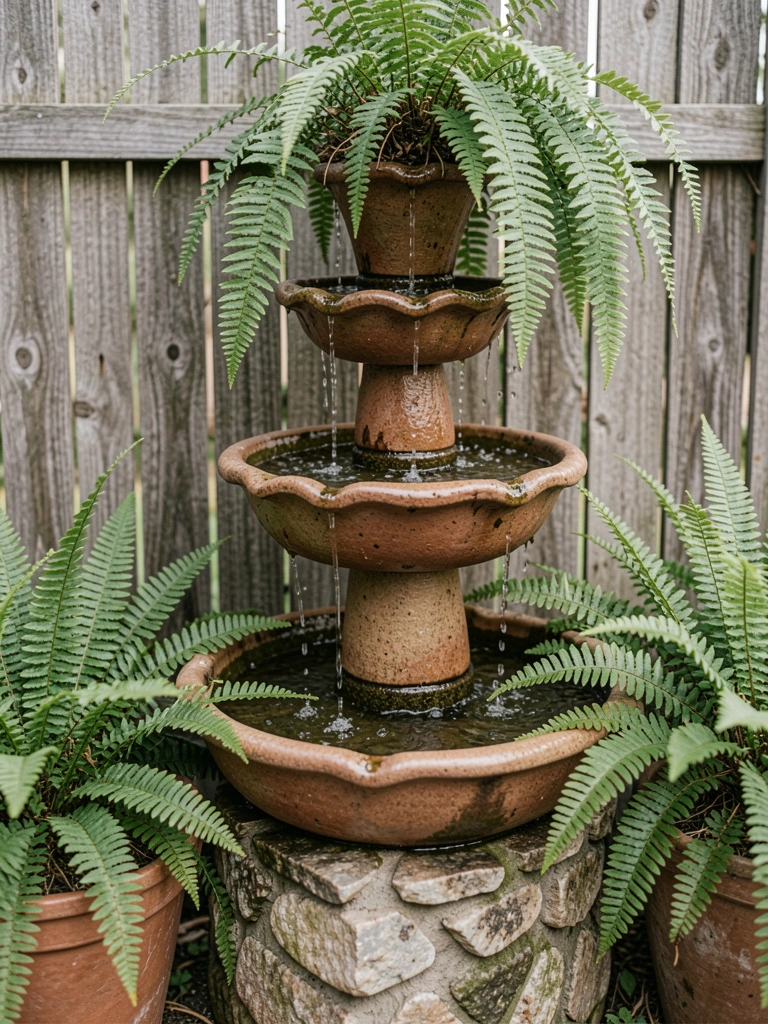
    I wedged this tiered ceramic fountain right up against my chain-link fence one spring. The water drops from shelf to shelf, soft and steady, like rain on leaves. Ferns I planted at the base grew bushy, hiding the fence's rust spots.

    It changed how the patio felt—enclosed, private. No more staring at the alley. The sound drowns out distant lawnmowers.

    Watch the water flow; too much splash muddies the plants below. I overfilled mine once, soaked everything.

    Tip: Place it where runoff drains easy, like toward gravel.

    What You’ll Need for This Look

    Tiered ceramic fountain (18 inch)

    Boston fern plants (4 inch pots)

    Pea gravel bag (20 lb)

    2. Solar Bubbler in an Old Whiskey Barrel with Trailing Vinca

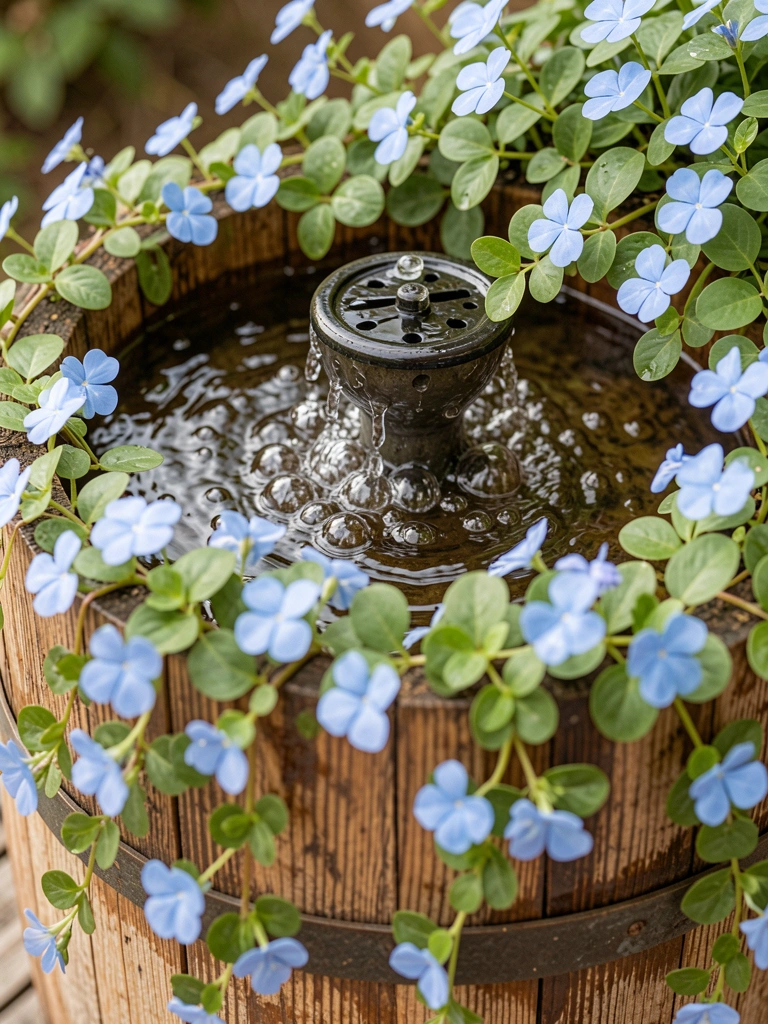
    My whiskey barrel sat empty for years until I dropped a solar bubbler inside. Water bubbles up quiet through the center—no pump noise. Vinca I tucked around the edges trails down, blooming pink in summer.

    That patio corner went from bare to inviting. I'd sit with coffee, watching bubbles rise slow.

    Solar means no cords across the patio. I tried a plugged one first; hated the tangle.

    Keep the panel sunny; mine dimmed in shade till I shifted it.

    What You’ll Need for This Look

    Solar bubbler fountain kit (6 inch)

    Whiskey barrel planter (24 inch)

    Vinca vine plants (4 inch pots)

    3. Wall-Mounted Slate Fountain Draped in Climbing Hydrangea

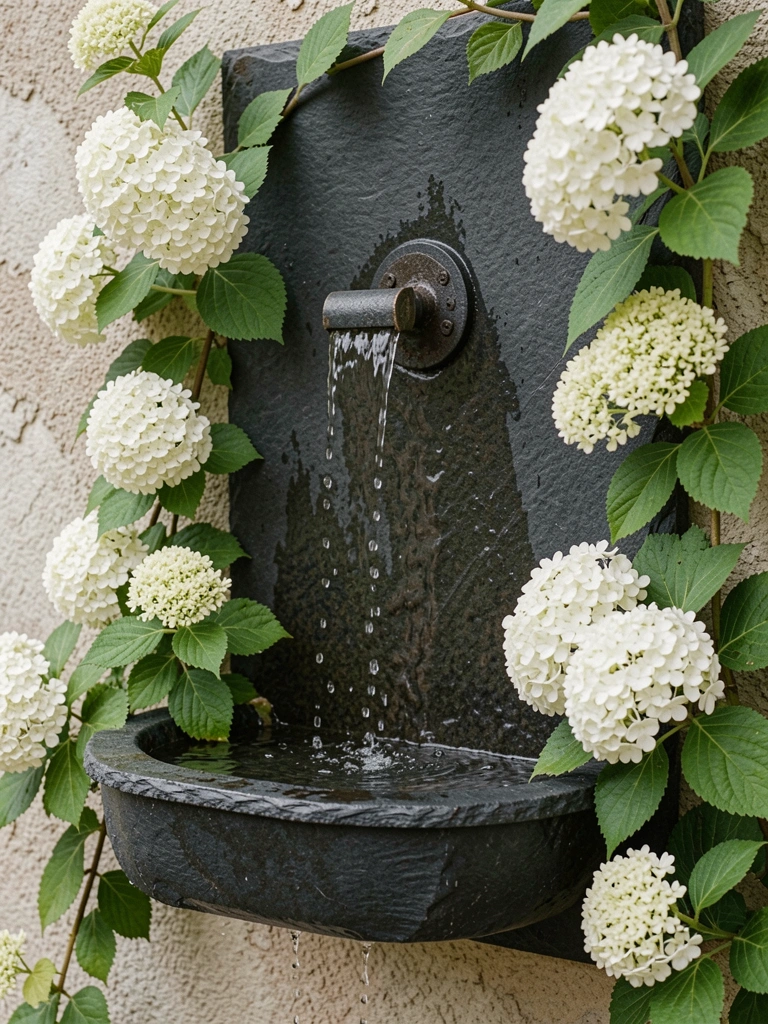
    I screwed this slate slab to my patio wall after a storm knocked over a floor fountain. Water sheets down smooth—no splash mess. Hydrangea I trained up the sides blooms big come June.

    Saves floor space on my cramped patio. The sound's like a gentle shower, pulls you in.

    Petals drop sometimes; sweep easy from the base tray.

    I planted hydrangea too close at first—overcrowded. Trimmed it back, perfect now.

    What You’ll Need for This Look

    Wall-mounted slate fountain (20×12 inch)

    Climbing hydrangea plant (1 gallon)

    Heavy-duty wall mount brackets

    4. Pebble Basin Fountain on a Wrought Iron Table with Sedum

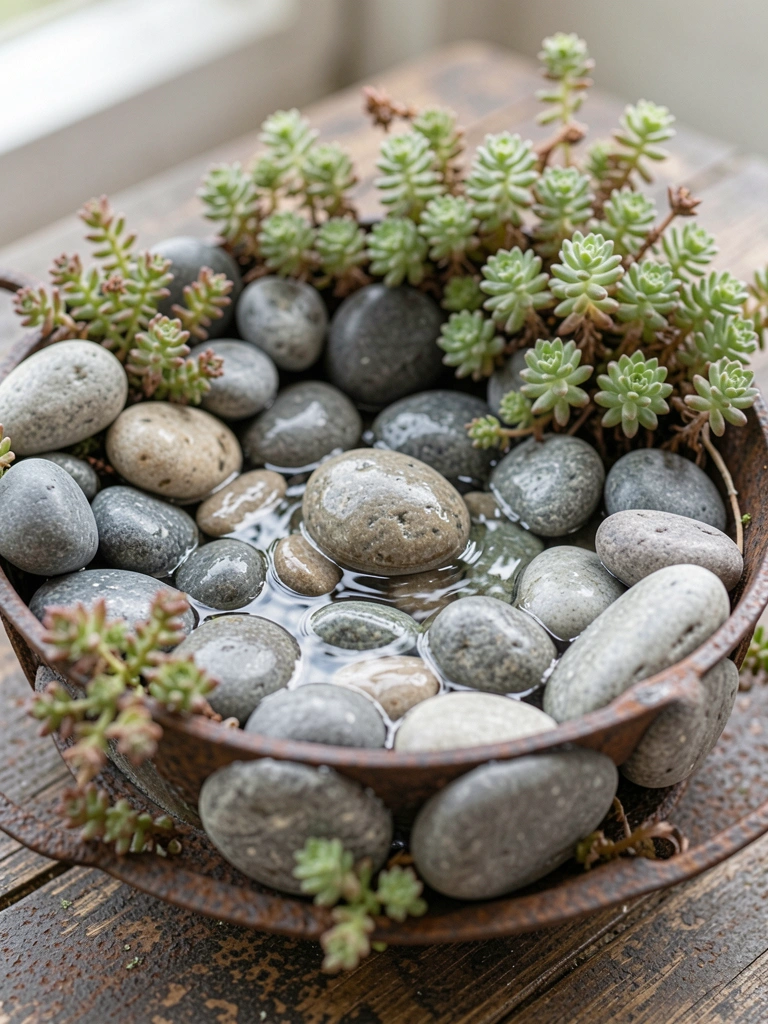
    This low table held junk till I filled a basin with pebbles and added a recirculating pump. Water cycles quiet over the stones. Sedum I planted nearby sends out fleshy leaves, stays tidy.

    It's eye-level from my chair—calm to watch up close. Patio feels wider with it centered.

    Pebbles shift if not packed; I rinsed mine weekly at first.

    No mistake here, but test pump flow low—mine gurgled loud till adjusted.

    What You’ll Need for This Look

    Recirculating pebble basin fountain pump kit

    Wrought iron side table (18 inch)

    Sedum groundcover plants (4 inch pots)

    5. Bamboo Spitter Fountain in a Stone Urn with Moss

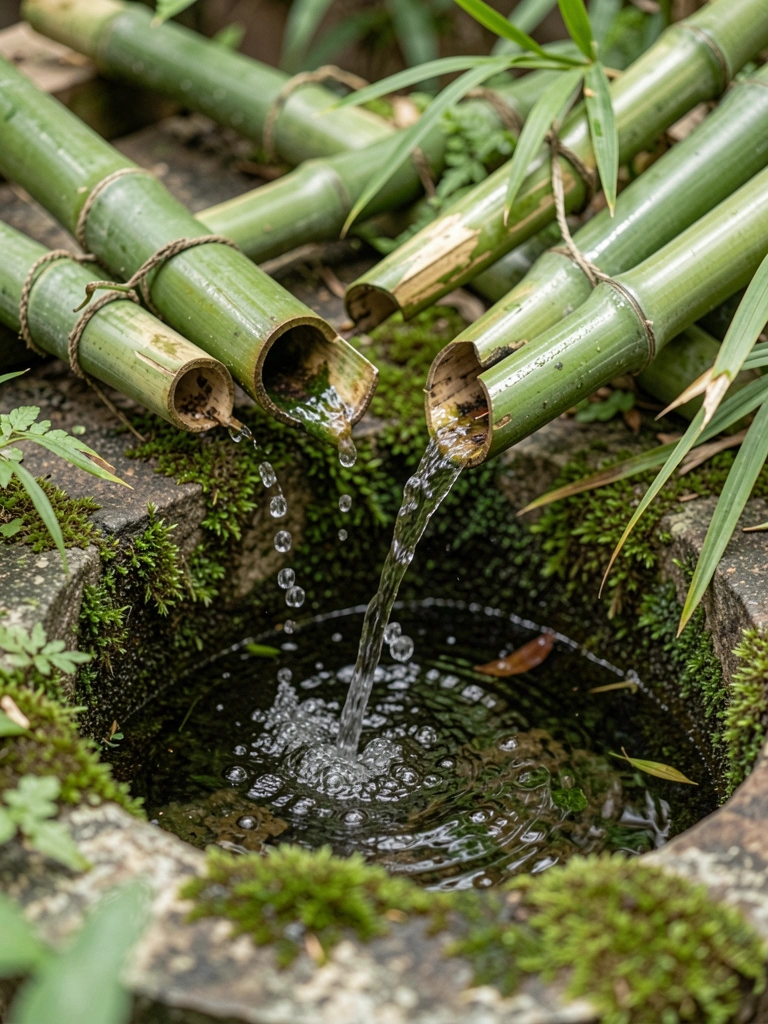
    Bamboo tubes on this urn spitter plink water into the basin—rhythmic, like distant drops. Moss grew natural on the stones I added. Fits my shady patio corner perfect.

    That sound settles my mind after work. No big splash, just peace.

    Bamboo warps if wet always; mine did once. Seal it first.

    Urn's heavy—roll it with help.

    What You’ll Need for This Look

    Bamboo spitter fountain kit (12 inch tubes)

    Stone urn planter (20 inch)

    River pebbles with moss patches (15 lb bag)

    6. Birdbath Fountain Edged with Lavender for Hummingbirds

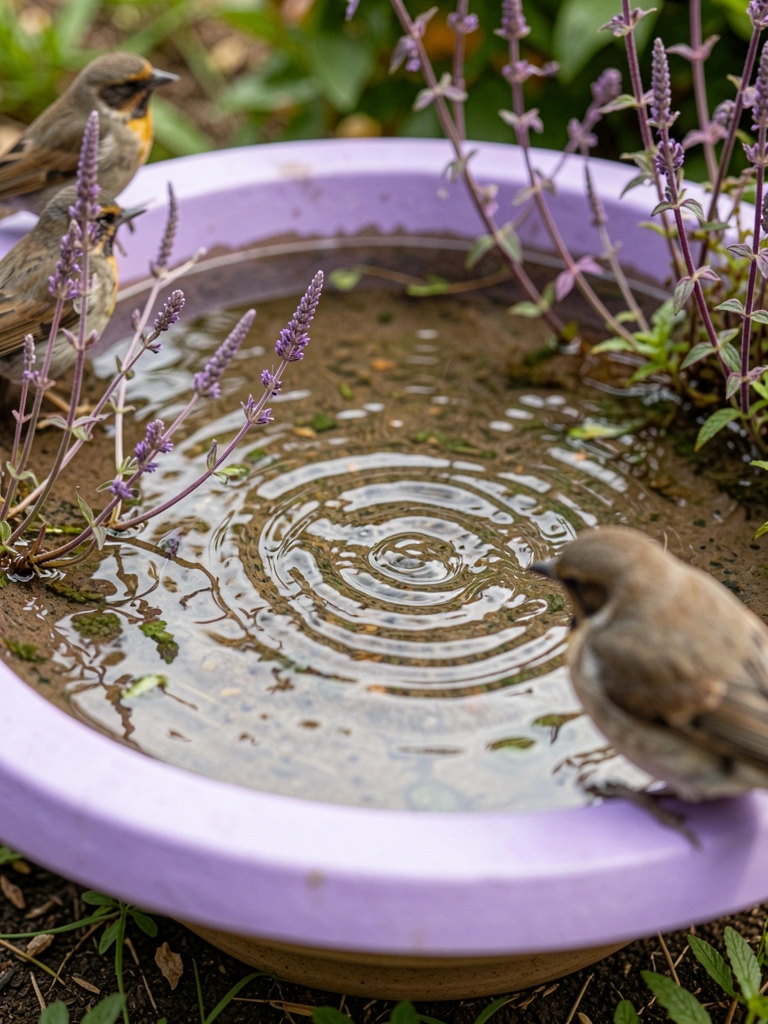
    I swapped a plain birdbath for one with a fountain bubbler. Lavender bushes around it perfume the air when bees hum. Hummingbirds visit daily now.

    Patio mornings feel alive yet calm. Lavender sways with the breeze.

    Bought the wrong lavender once—too tall, flopped over. Dwarf kind stays neat.

    Clean the bath weekly; algae builds fast in sun.

    What You’ll Need for This Look

    Birdbath fountain with pump (16 inch bowl)

    Dwarf lavender plants (4 inch pots)

    Birdbath algae cleaner

    7. Stacked Pot Fountain with Succulents for Dry Corners

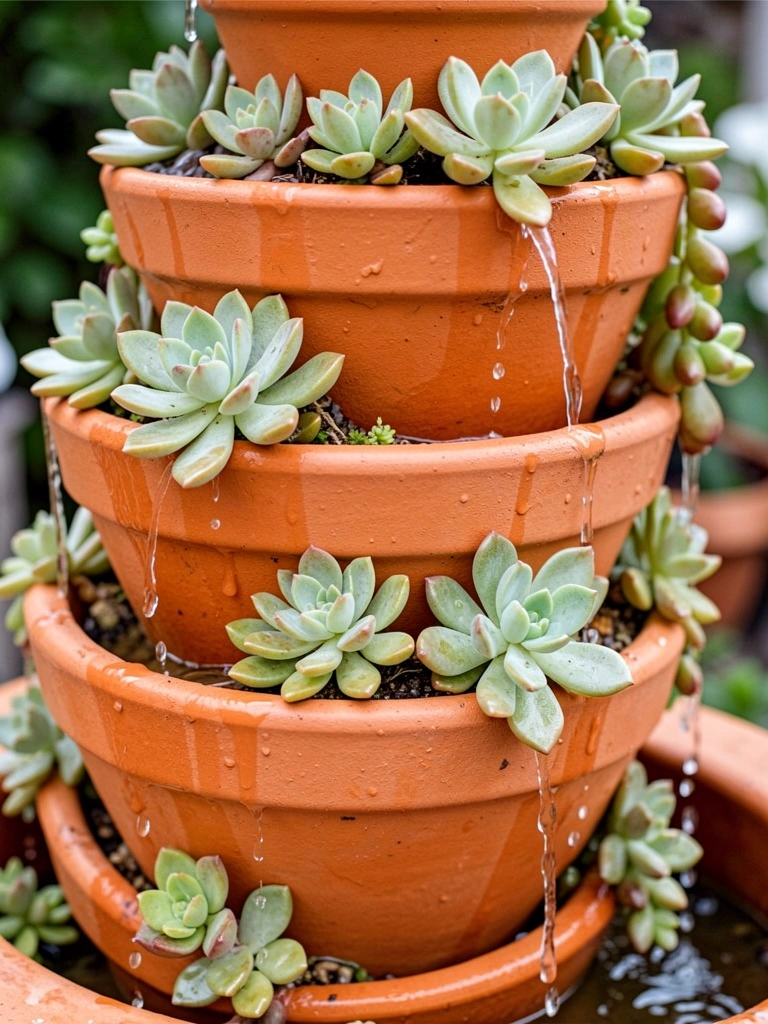
    Stacked three pots, drilled holes, added a quiet pump—water trickles from top to basin. Succulents fill gaps, thriving in my hot, dry spot.

    No green thumb needed; they just sit pretty. Corner's cozy now.

    Pots cracked once from freeze; use frost-proof now.

    Group tight—looks fuller in small space.

    What You’ll Need for This Look

    Quiet submersible fountain pump (100 GPH)

    Terracotta pot set (10-12-8 inch)

    Assorted succulent plants (4 inch pots)

    Final Thoughts

    Pick one idea that fits your light and space. Mine started small, grew over time.

    You don't need perfection. That trickle will change your patio's feel soon enough.

    Trust the process—your calm spot's waiting.

  • 21 Stylish Townhouse Small Patio Garden Ideas You’ll Love

    21 Stylish Townhouse Small Patio Garden Ideas You’ll Love

    I stared at my townhouse patio last spring—a bare concrete square, 8 by 10 feet, squeezed between brick walls. No dirt, no privacy, just echoes from neighbors.

    Planted impatiens first. They sulked in the heat. Then I shifted to pots and climbers. Suddenly, it felt like mine.

    Now it pulls me outside every evening. You can build that too, step by step, without fuss.

    21 Stylish Townhouse Small Patio Garden Ideas You’ll Love

    These 21 ideas come straight from my patios over the years. They fit tight townhouse spaces, use what you have, and create real comfort. Each one includes exactly what to grab.

    1. Layered Container Planting That Makes a Patio Feel Full

    I stacked pots on my back steps when shelves wouldn't fit. Started low with a 12-inch fern, mid with trailing sweet potato vine, top with upright salvia. It ate up no floor space but filled the eye.

    The vines softened hard edges. Mornings felt greener, less stark. Neighbors even commented.

    Watch drainage—pots need saucers or they'll stain concrete. Group odds like three or five for balance.

    What You’ll Need for This Look

    Terracotta planter set (12 inch)

    Sweet potato vine plant

    Fern in 10-inch pot

    2. Vertical Herb Wall for Fresh Picks Steps Away

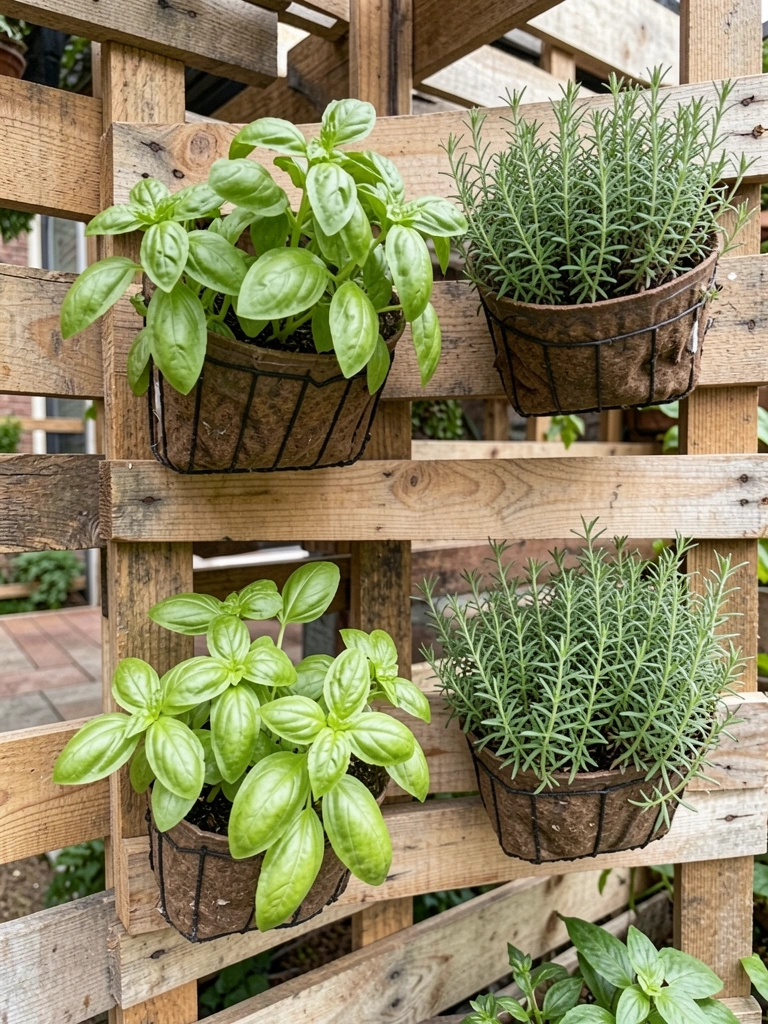
    Hung a pallet on my fence for herbs—no more store runs. Pocketed basil, chives, oregano in fabric pouches. They get afternoon sun, just right.

    Snipping leaves right off the plant beats wilting bunches. Kitchen feels connected to outside.

    Overwatered once; roots rotted. Now I check soil with a finger first. Keeps it simple.

    What You’ll Need for This Look

    Vertical garden planter pockets

    Basil plant starter

    Wooden pallet wall mount

    3. Cozy Bistro Set Tucked in a Green Nook

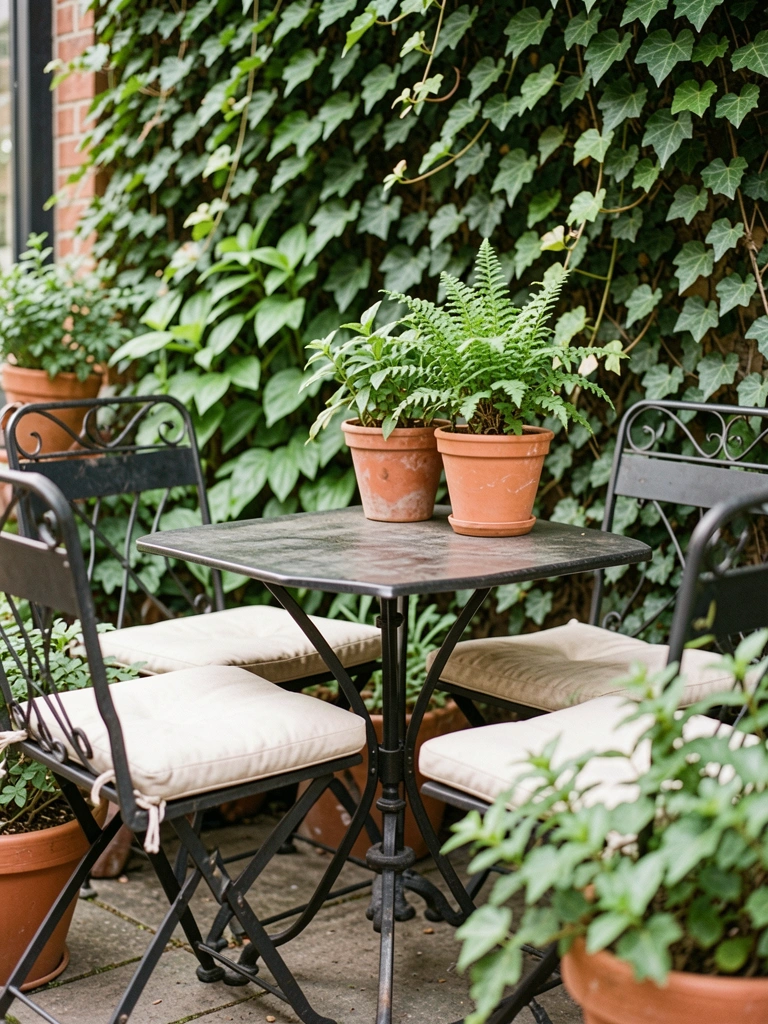
    Squeezed a tiny bistro set into my corner after bigger tables blocked paths. Added fern pots around legs. Coffee there now feels private.

    The metal warmed in sun, cushions softened it. Mornings with birdsong—pure calm.

    Chairs scratched pavers; rubber pads fixed that quick. Size matters in small spots.

    What You’ll Need for This Look

    Compact bistro set metal

    Outdoor seat cushions (18 inch)

    Rubber chair leg pads

    4. Succulent Ladder for Dry-Proof Drama

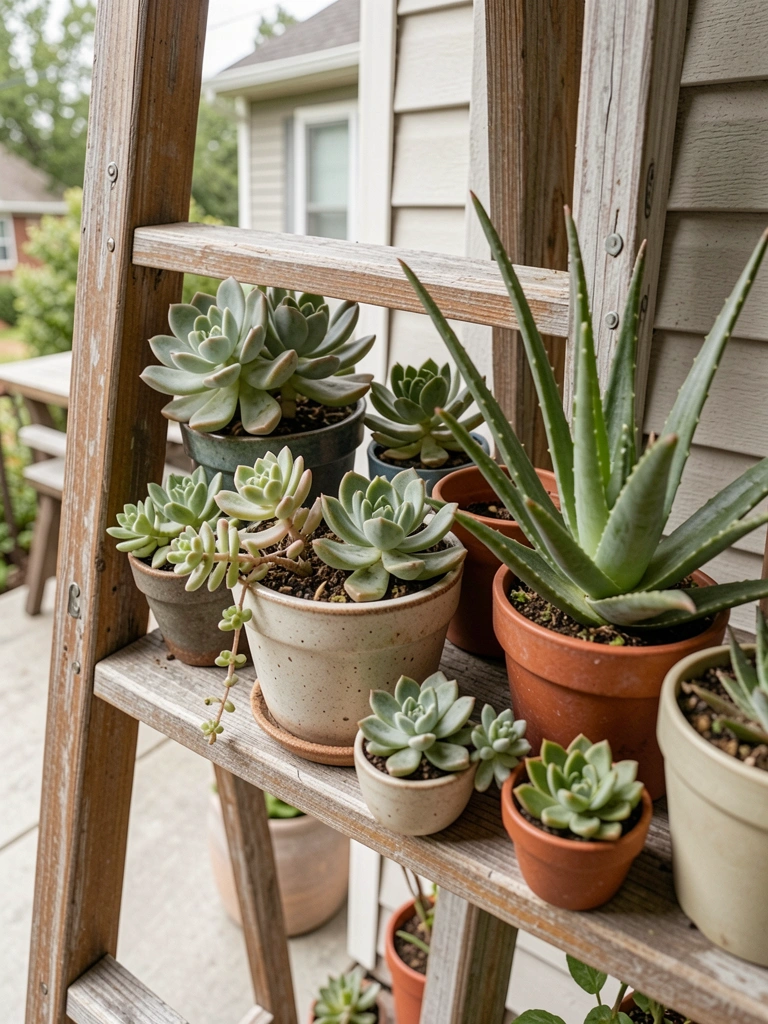
    Leaned an old ladder against the wall for succulents—they thrive on my neglect. Echeveria low, aloe up top. No soil mess.

    It draws the eye up, makes 100 square feet feel taller. Dust off leaves weekly.

    Forgot sun once; they stretched leggy. South-facing works best here.

    What You’ll Need for This Look

    Wooden ladder shelf (5 foot)

    Echeveria succulent pack

    Aloe vera plant small

    5. Hanging Baskets That Swing with Breeze

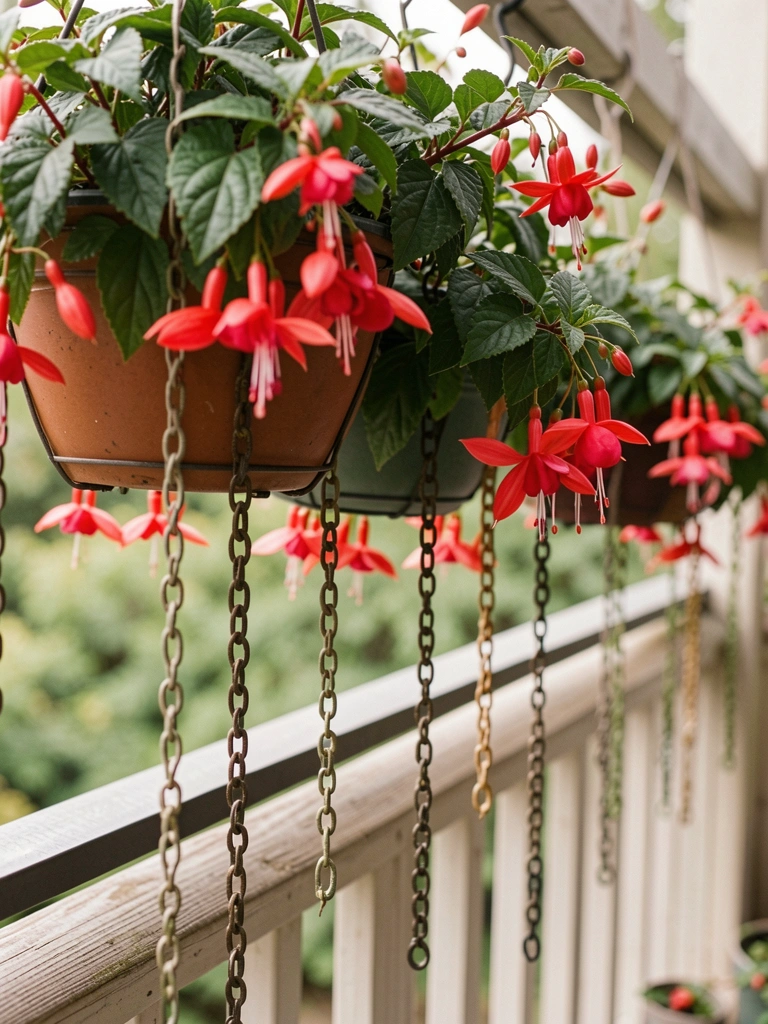
    Shepherd's hooks off my railing hold fuchsia baskets. They sway gently, adding motion without clutter.

    Petals drop soft color below. Evenings glow pink. Hooks won't pull if you mount sturdy.

    Baskets dried fast first summer—added water crystals. Easy fix.

    What You’ll Need for This Look

    Hanging basket set (10 inch)

    Fuchsia trailing plant

    Shepherd's hook brackets

    6. Outdoor Rug That Grounds the Whole Space

    Rolled out a seagrass rug over concrete—it instantly warmed the gray. Pots sit steady on top.

    Feet feel softer now, space feels defined. Pull it in winter; lasts years.

    Rain molded one once—chose all-weather next. Hoses clean easy.

    What You’ll Need for This Look

    Outdoor seagrass rug (6×9 foot)

    Rug pad non-slip

    7. Privacy Vines on a Simple Trellis

    Attached a trellis to my shared fence; clematis took over in year two. Blocks peeks, softens brick.

    Sitting feels secluded now, like a room. Bees love the blooms.

    Planted too close first—prune yearly. Grows slow at start.

    What You’ll Need for This Look

    Lattice trellis panel (4 foot)

    Clematis vine starter

    Fence mounting clips

    8. Solar String Lights for Night Glow

    Draped solar strings along my fence and pots. They charge by day, light up evenings soft.

    Nights feel inviting, not dark void. No wiring hassle.

    Batteries faded once—replace every two years. Stake them secure.

    What You’ll Need for This Look

    Solar string lights (warm white 33 foot)

    Light stakes ground

    9. Compact Raised Bed for Veggies

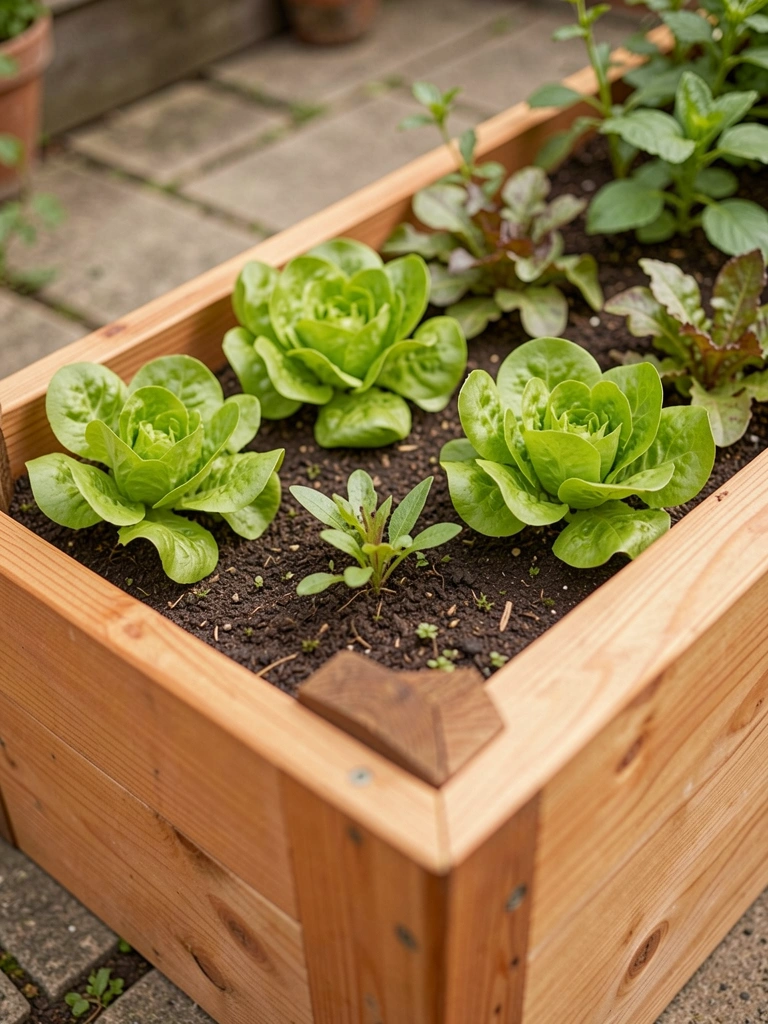
    Built a 2×2 raised bed in my corner for lettuce and radishes. Soil warms fast, harvests weekly.

    Fresh salads from steps away change meals. Fits where nothing else would.

    Overplanted first—thin seedlings early. Drainage holes prevent rot.

    What You’ll Need for This Look

    Cedar raised garden bed (2×2 foot)

    Potting soil bag (2 cubic foot)

    10. Garden Mirror for Depth Trick

    Mounted a full-length mirror on the blank wall—it bounces light, doubles the green.

    Space feels airy now, less boxed-in. Birds peck at reflections sometimes.

    Fogged in rain—sealed edges with tape. Hang high to avoid bumps.

    What You’ll Need for This Look

    Outdoor garden mirror arched (36 inch)

    Mirror mounting hardware weatherproof

    11. Gravel Patch with Potted Accents

    Spread pea gravel over half my slab—drains rain, anchors pots. Lavender thrives in it.

    Crunching underfoot feels intentional. Low weeds too.

    Weeds poked through once—landscape fabric underneath next time.

    What You’ll Need for This Look

    Pea gravel bag (0.5 cubic foot)

    Landscape fabric roll (3×50 foot)

    Lavender plant in pot

    12. Birdhouse Cluster on Pole

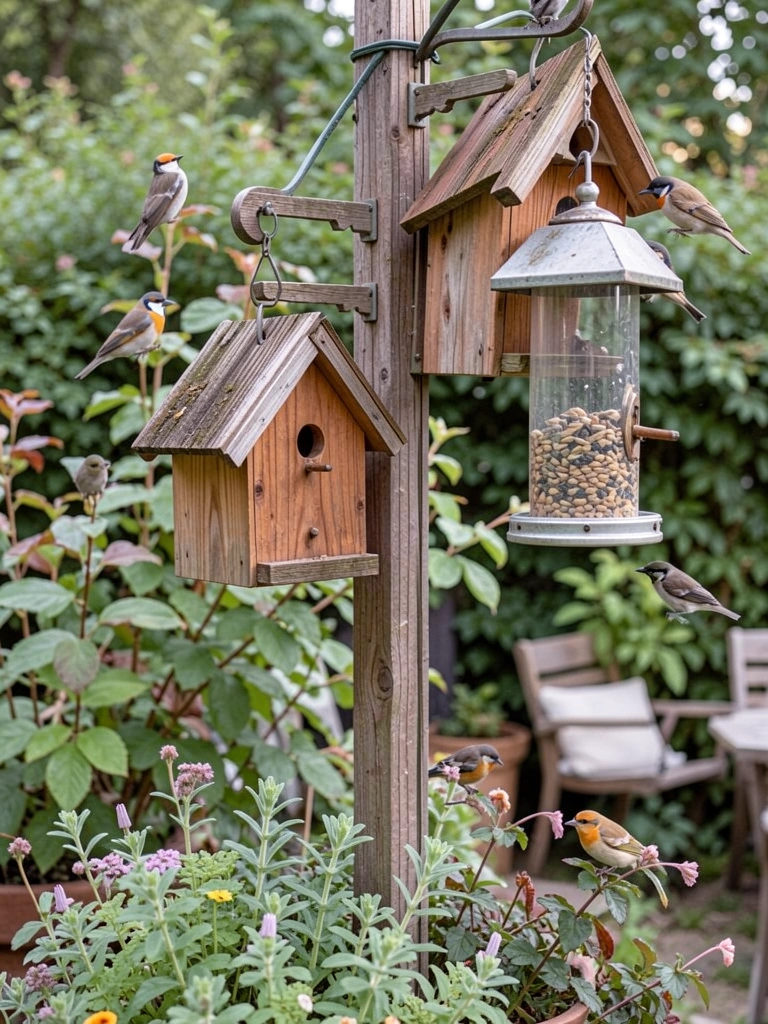
    Set birdhouses on a pole stand—wrens moved in spring. Song fills mornings.

    Life in the space pulls me out earlier. Clean out nests yearly.

    Squirrels raided first—add baffles low.

    What You’ll Need for This Look

    Birdhouse pole set (4 houses)

    Squirrel baffle cone

    13. Bubbling Rock Fountain Corner

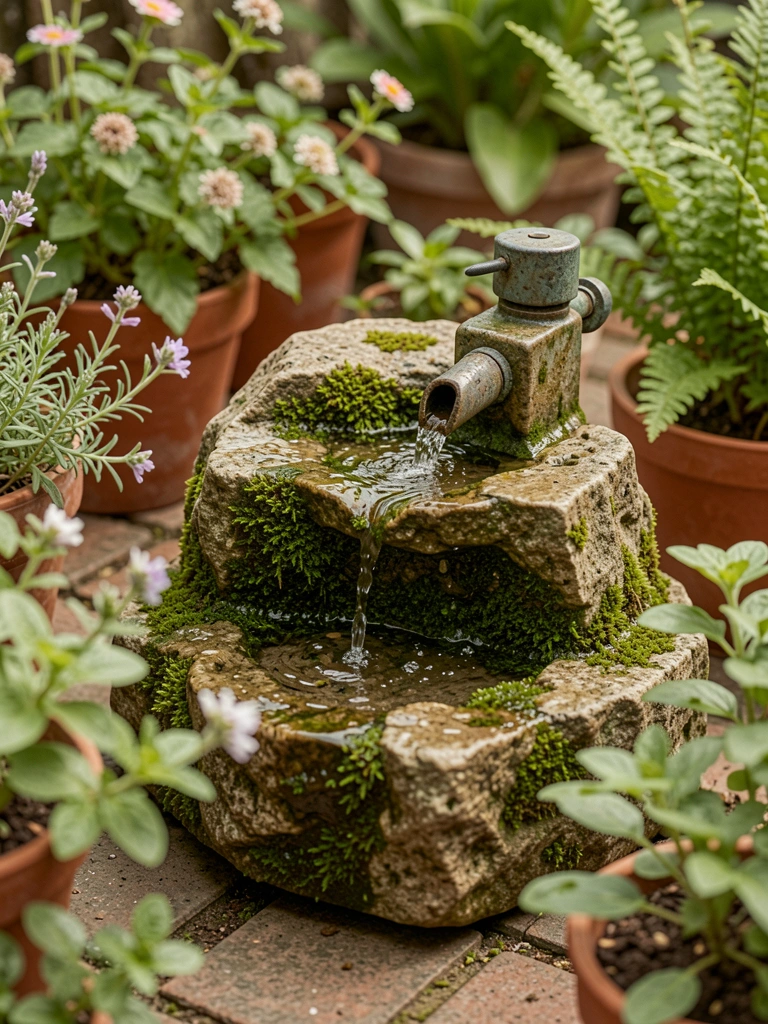
    Tucked a solar rock fountain by the door—constant trickle masks street noise.

    Peace hits different with water sound. Algae cleans with vinegar.

    Pump clogged once—use pond filter.

    What You’ll Need for This Look

    Solar rock fountain kit

    Pond pump small (100 GPH)

    14. Folding Stools Around a Side Table

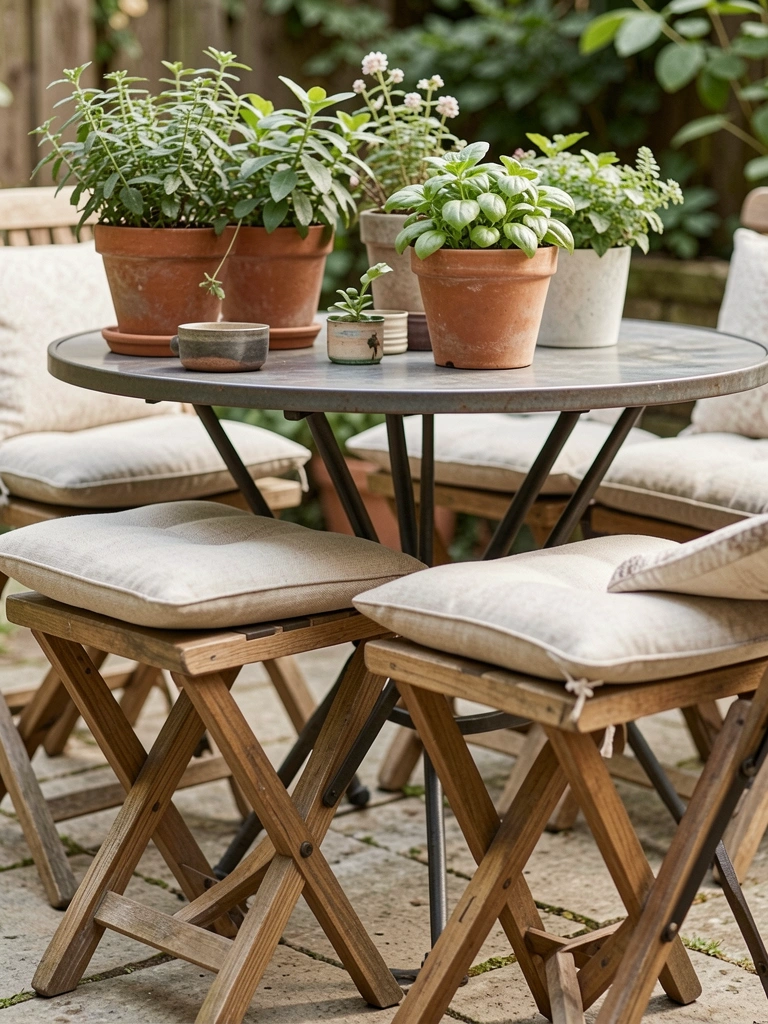
    Folding stools store flat—pull out for two with a side table. Pots on top double as plants.

    Flexible for solo or guests. Sturdy in wind.

    Slippery seats—tie-on cushions grip.

    What You’ll Need for This Look

    Folding wood stool set (2 pack)

    Round metal side table (18 inch)

    15. Color Block Pots in Repeating Rows

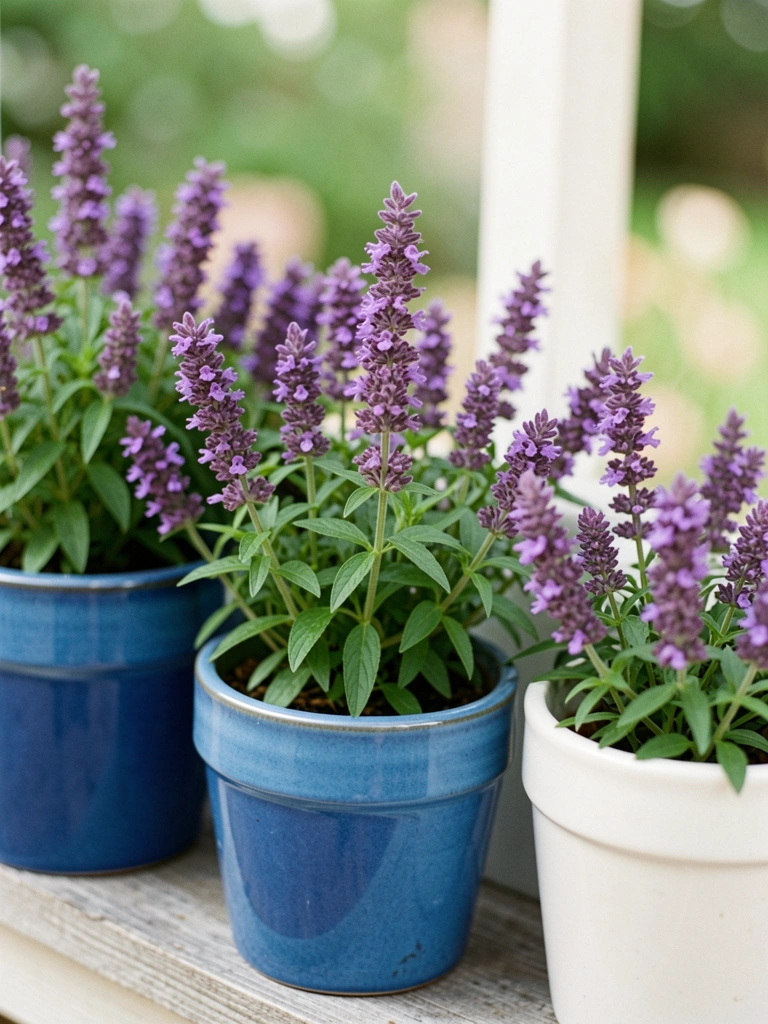
    Lined matching blue pots on a low shelf—agastache pops against them. Modern without trying.

    Pulls chaos into calm. Rotate bloomers for year-round.

    Faded in sun—pick UV plastic.

    What You’ll Need for This Look

    Blue ceramic pot set (8 inch)

    Agastache plant

    16. Pollinator Pots with Native Milkweed

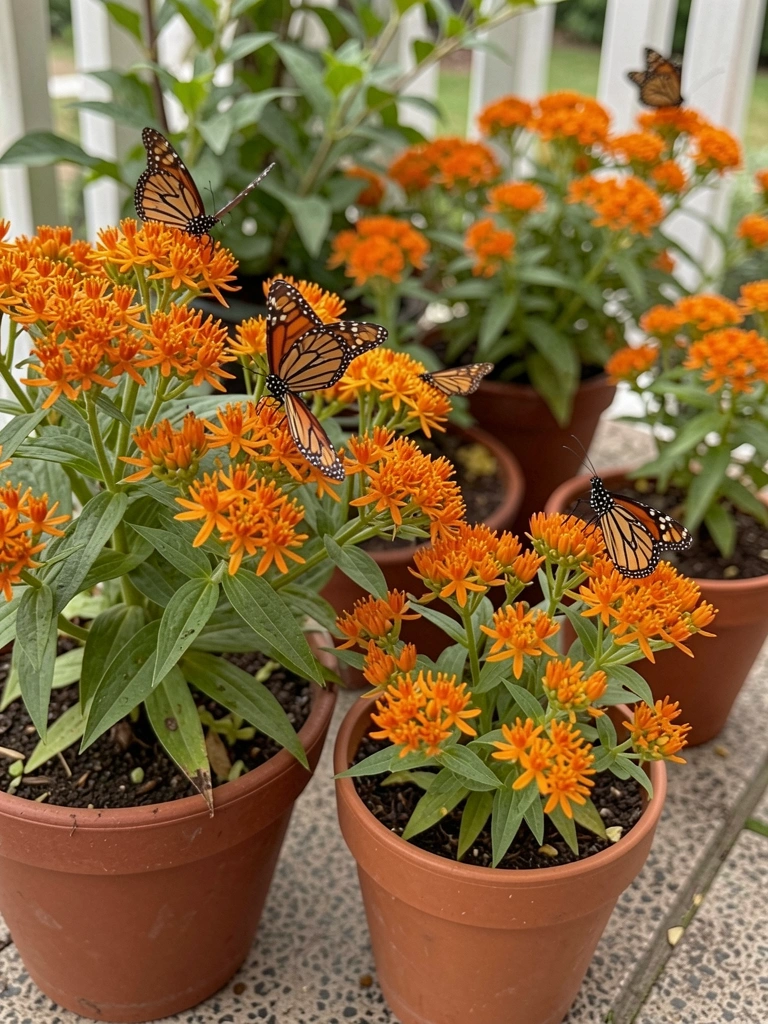
    Clustered milkweed pots draw monarchs—first sighting thrilled me. Butterflies dance daily.

    Adds purpose, quiet joy. Deadhead to keep tidy.

    Spreads seeds—pot only.

    What You’ll Need for This Look

    Native milkweed plant pack

    Butterfly feeder nectar

    17. Rail Planters for Edge Greenery

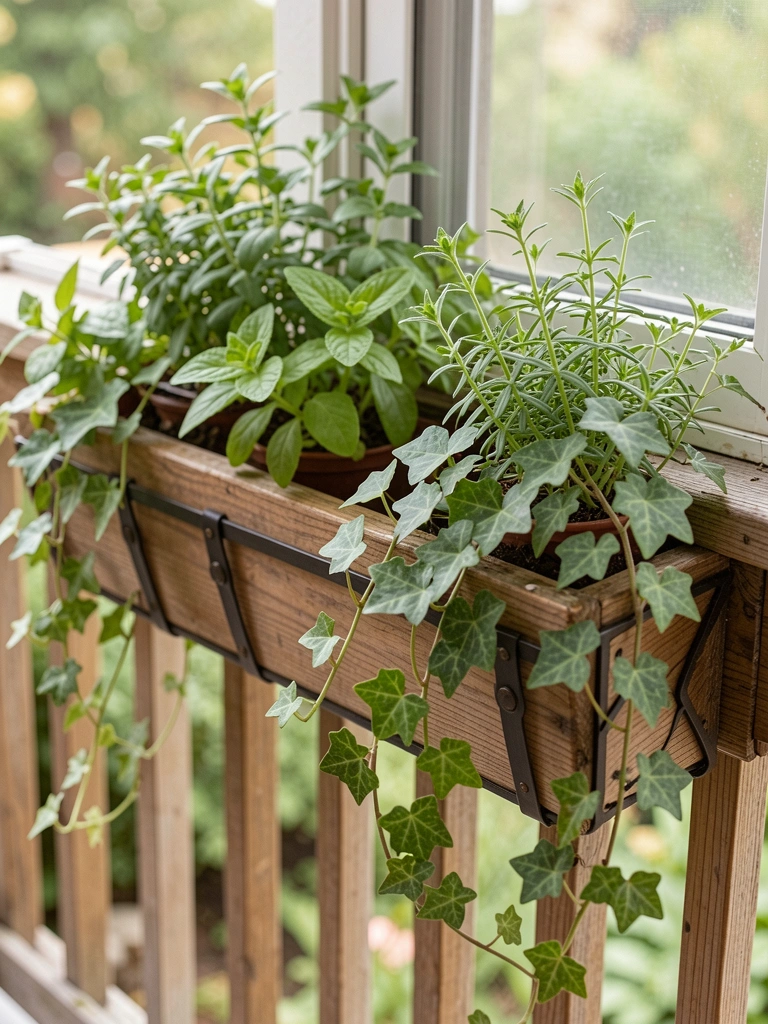
    Rail planters hug my railing—ivy trails down. No floor space lost.

    Edges feel finished, safer too. Water from above.

    Wind tipped one—add brackets.

    What You’ll Need for This Look

    Rail planter windowbox (24 inch)

    Trailing ivy starter

    Rail mounting brackets

    18. Lantern Path Along the Wall

    Lined solar lanterns along the wall—guides steps at night. Cozy path feel.

    Nights safer, prettier. Stake in gravel.

    Dimmed in shade—position south.

    What You’ll Need for This Look

    Solar lantern path lights (set of 6)

    Ground stakes metal

    19. Cushioned Bench with Side Pots

    Wall bench with cushions—sits two, pots flank ends. Reading spot born.

    Restful curve invites linger. Fade-resistant cushions last.

    Wood warped—seal yearly.

    What You’ll Need for This Look

    Outdoor bench cushions (42 inch)

    Wall-mount wooden bench (4 foot)

    20. Pot Risers for Multi-Level Display

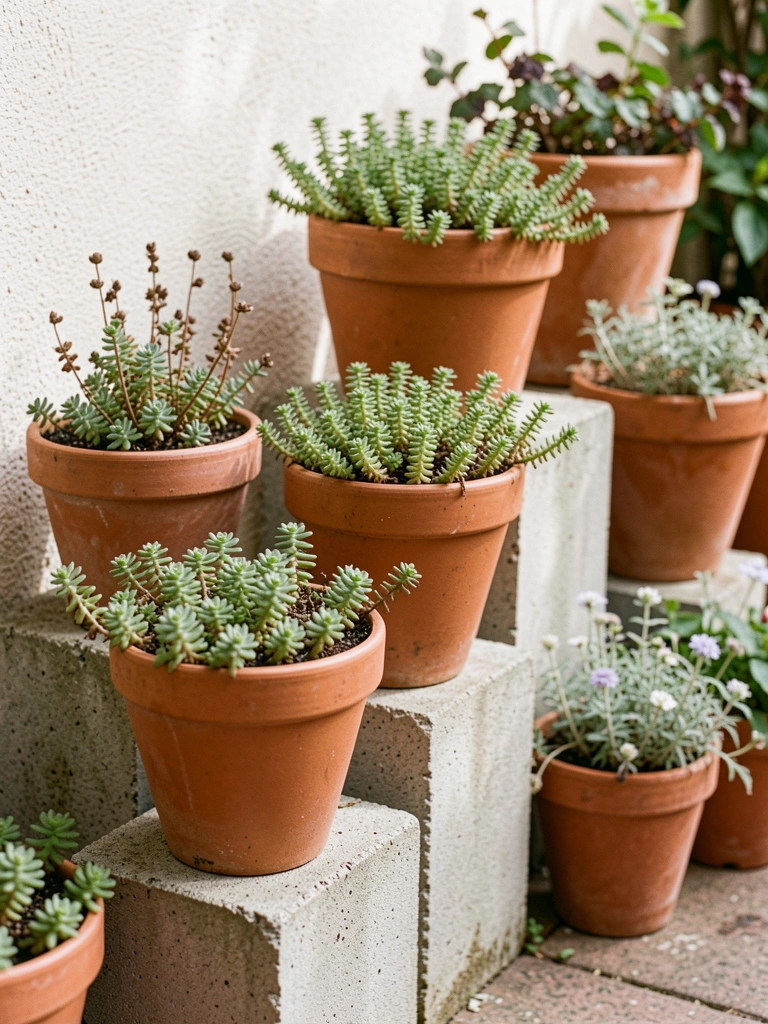
    Risers stack pots three high—sedum fills gaps. Vertical without walls.

    Depth tricks eye bigger. Stable stack.

    Tilted once—wider base.

    What You’ll Need for This Look

    Concrete pot risers set (3 heights)

    Sedum groundcover plants

    21. Seasonal Pot Swappers for Year-Round Interest

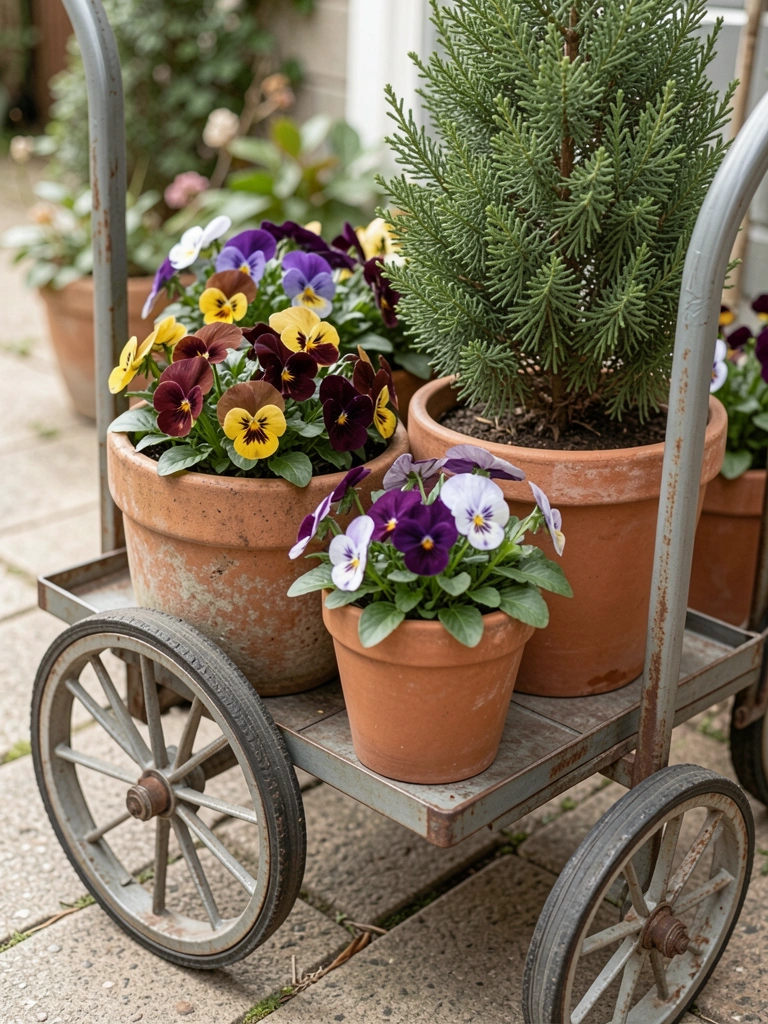
    Wheeled cart holds swap pots—pansies spring, heuchera fall. Roll in fresh looks.

    Never bare seasons. Store extras inside.

    Overwinter wrong ones—label tags help.

    What You’ll Need for This Look

    Rolling plant caddy (3 tier)

    Pansy starter pack

    Final Thoughts

    Your townhouse patio doesn't need all 21. Pick one that fits your light or style.

    Mine grew patch by patch—messy starts, better finishes. Yours will too.

    Grab a pot, sit back soon. It's worth the dirt.

  • 11 Smart Small Patio Garden Ideas For Tiny Spaces

    11 Smart Small Patio Garden Ideas For Tiny Spaces

    I remember staring at my first tiny patio, just six by eight feet, feeling boxed in by blank walls. No room for mistakes, but I made plenty—plants that sprawled too wide, pots that tipped in wind.

    Then I started small. One corner got a thrift-store stool with pots stacked just right. Suddenly, it breathed.

    That shift? It’s what these ideas gave me over years of trial. You can squeeze life into tight spots too.

    11 Smart Small Patio Garden Ideas For Tiny Spaces

    These 11 ideas come straight from my cramped patios. They fit real life—low fuss, big feel. Each one shows exactly what to plant and grab.

    1. Layered Container Planting That Fills Without Crowding

    I tucked three pots on an old stool in my side patio—big one for hostas at the base, medium petunias spilling over, tiny succulent on top. It ate zero floor space but looked full, like the garden spilled onto the seat.

    The hostas softened the edges right away. No more bare concrete stare. Air moved better too, less stuffy.

    Watch the heights—tall in back hides the wall. I overplanted once; roots fought, everything yellowed. Trim early.

    Start with pots that nest. Feels cozy, not crammed.

    What You’ll Need for This Look

    2. Vertical Herb Wall That Saves Every Inch

    My back patio wall was dead space till I nailed up a pallet with herb pockets. Basil up top for sun, thyme and mint below. Snip for dinner without bending—fresh every night.

    It greened the fence fast. Smells hit you walking out. No sprawl on the floor.

    Pick deep pockets; shallow ones dried my oregano out once. Water from a can, not hose—splash stays put.

    Herbs hide imperfections too. Rustic wall? Gone.

    What You’ll Need for This Look

    3. Hanging Baskets That Pull Eyes Upward

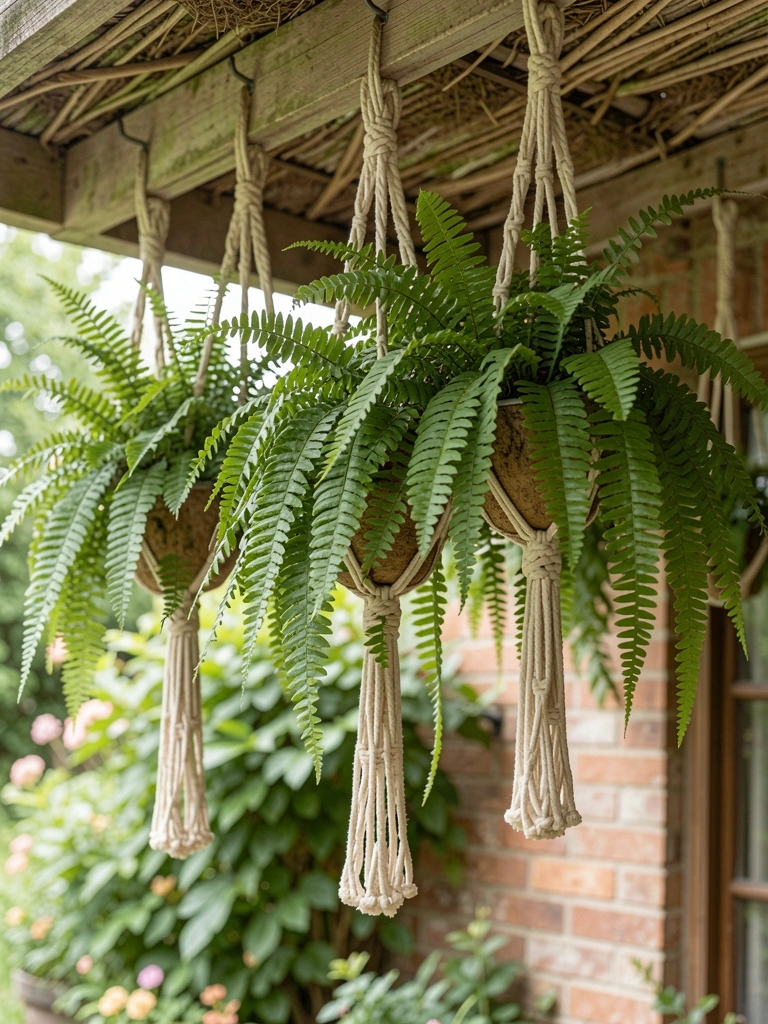
    I hooked baskets from the patio cover—ferns that drape soft. Floor stayed clear for chairs. Light filtered green through leaves; mornings feel shaded now.

    They sway gentle in breeze. No clutter below.

    Chain length matters—too short crowds heads. I shortened mine after bumping once.

    Ferns forgive shade. Swap to ivy if sun hits.
    What You’ll Need for This Look

    4. Multi-Tier Plant Stand in One Corner

    Corner stand changed my front patio. Three tiers: succulents top for drainage, pots middle with sedum, base grasses. One spot, layers of green.

    It anchors the space. Eyes climb up, room feels taller.

    Overwatered the bottom once—mush. Let dry between.

    Mix textures—spiky with round. Stays interesting.

    What You’ll Need for This Look

    5. Tabletop Succulent Garden for Meals

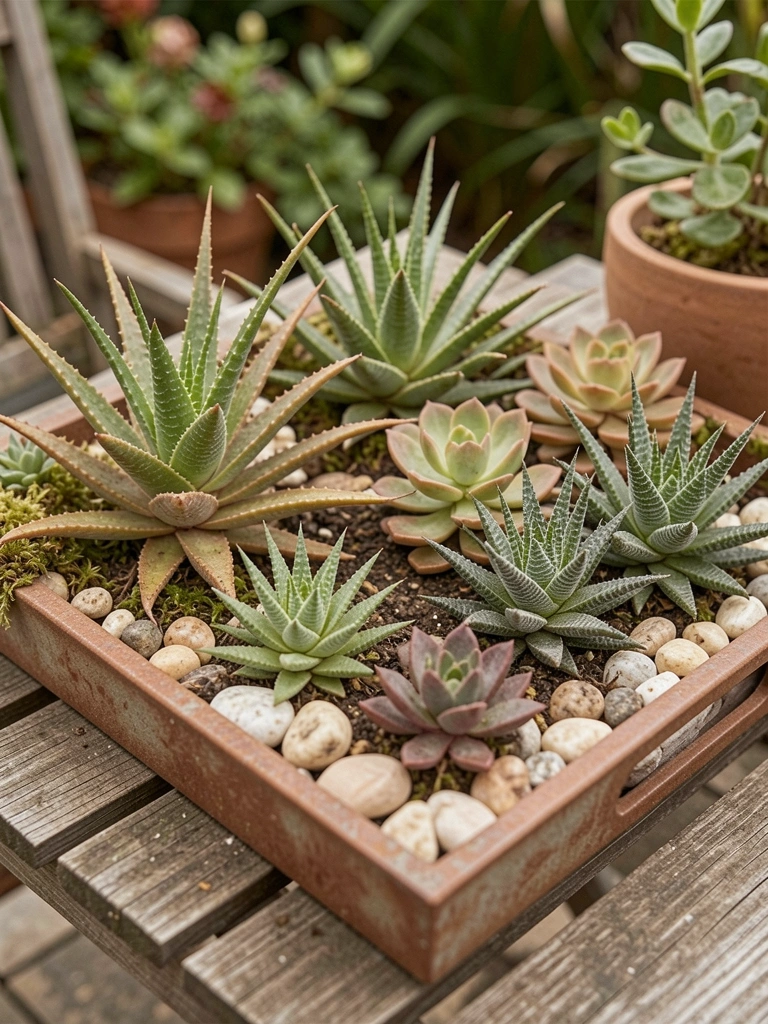
    I planted a tray right on the bistro table—aloes center, haworthia edges, pebbles between. Eats during coffee, garden in view.

    No big pots blocking knees. Colors pop against white table.

    Pebbles stop soil mess. I skipped them once; dirt everywhere.

    Low water. Thrives ignored.

    What You’ll Need for This Look

    6. Vine-Clad Trellis for Privacy

    Trellis on the low fence—clematis climbed quick. Hid neighbor's view, added flowers. Patio felt mine.

    Blooms pull bees. Soft screen, not solid.

    Train early; mine tangled wild once. Ties help.

    What You’ll Need for This Look

    7. Solar Lights Woven Through Foliage

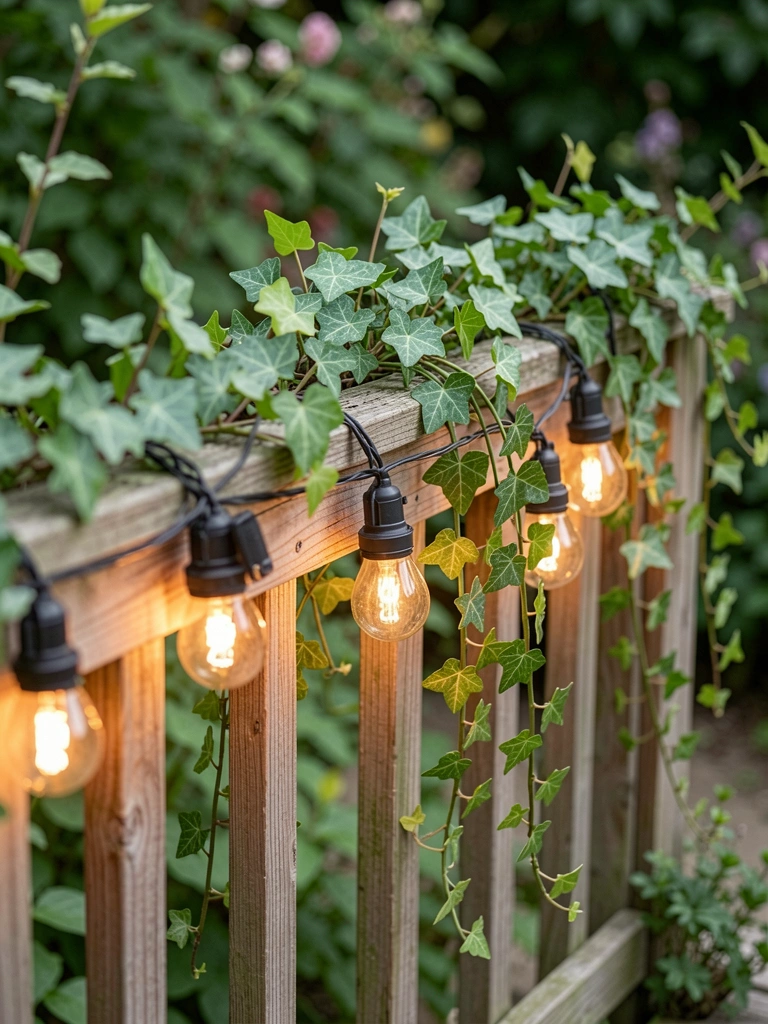
    I strung solar lights loose through ivy on the rail. Days charge, nights glow soft. No cords across floor.

    Evenings warm up. Plants silhouette pretty.

    Bury stake deep; mine tipped in wind.

    What You’ll Need for This Look

    8. Fold-Out Chair with Trailing Pots

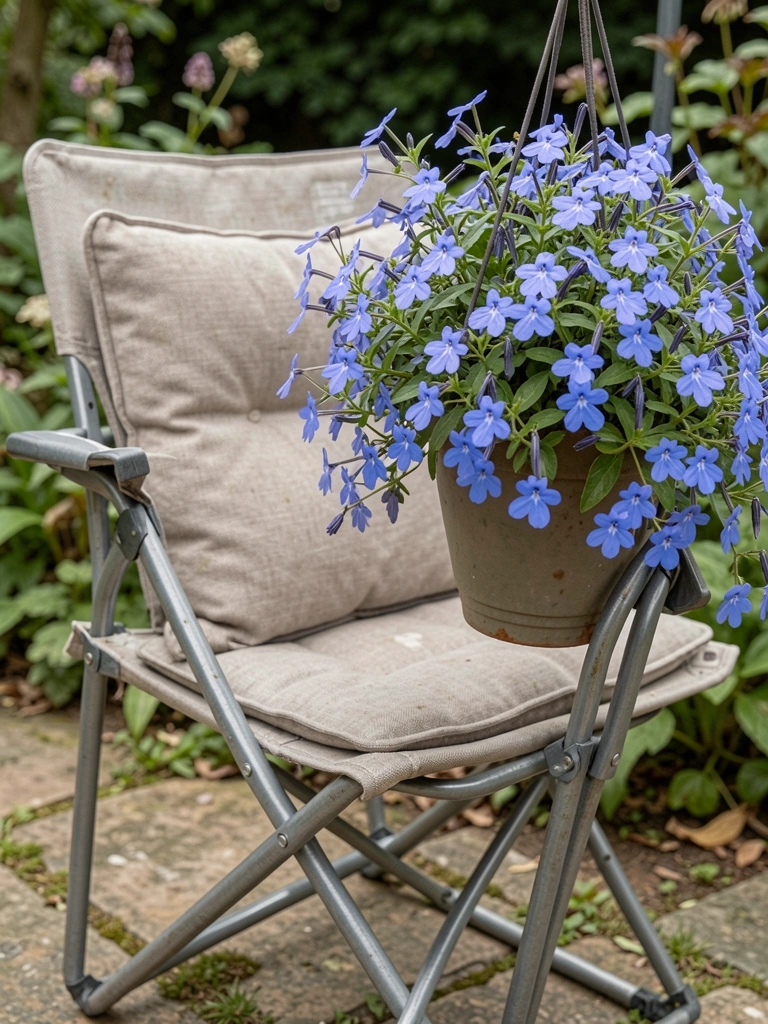
    Fold chair gets a pot hook—lobelia trails blue. Sits when needed, stores flat.

    Adds seat without commit. Flowers brighten steel.

    Short chains; long swings annoying.

    What You’ll Need for This Look

    9. Mirror Backdrop for Double Depth

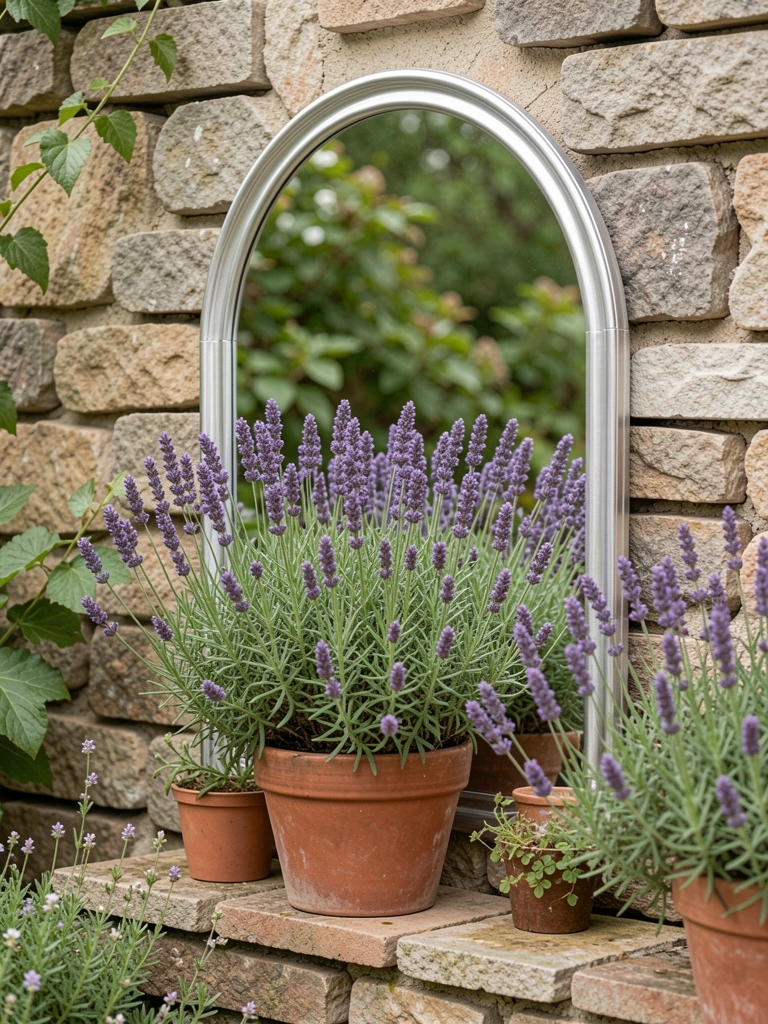
    Mirror on wall doubled my jasmine pots. Reflects light, tricks eye bigger.
    Lavender scent bounces back. Cozy nook forms.
    Angle slight out; straight blinds.
    What You’ll Need for This Look

    10. Low Boxwood Border Along Edges

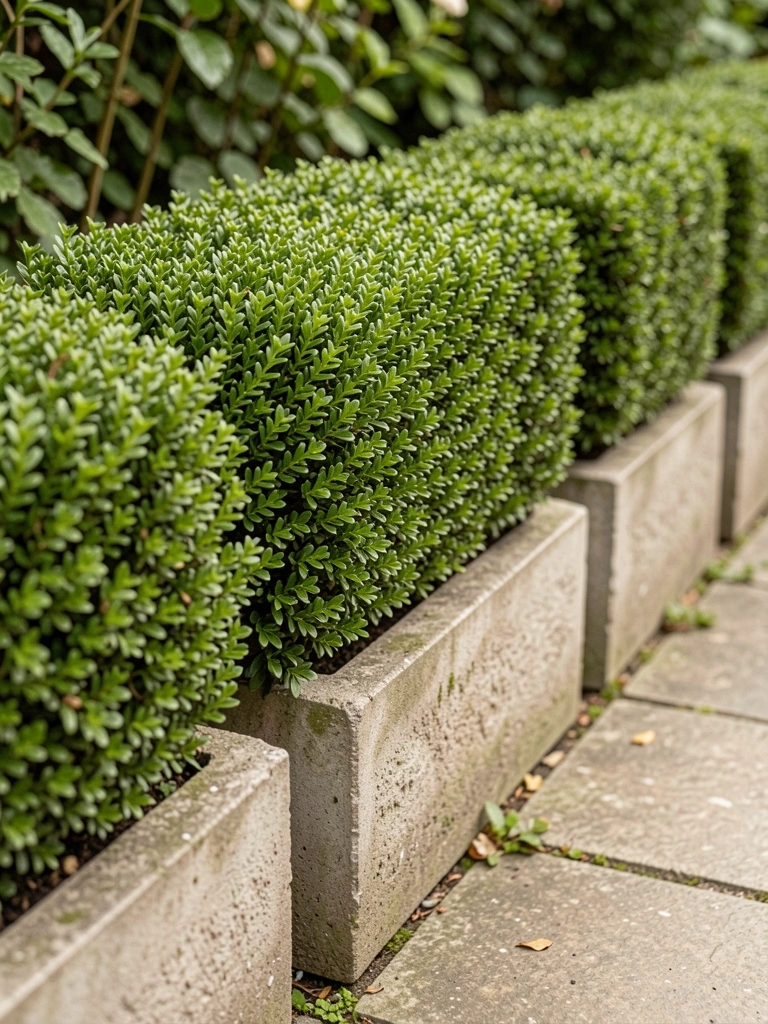
    Boxwood in long low boxes edged my slab. Trim once summer—formal but easy.

    Frames space soft. No overgrow mess.

    Shear slow; hacked mine ugly once.

    What You’ll Need for This Look

    11. Edible Berry Pots on Rails

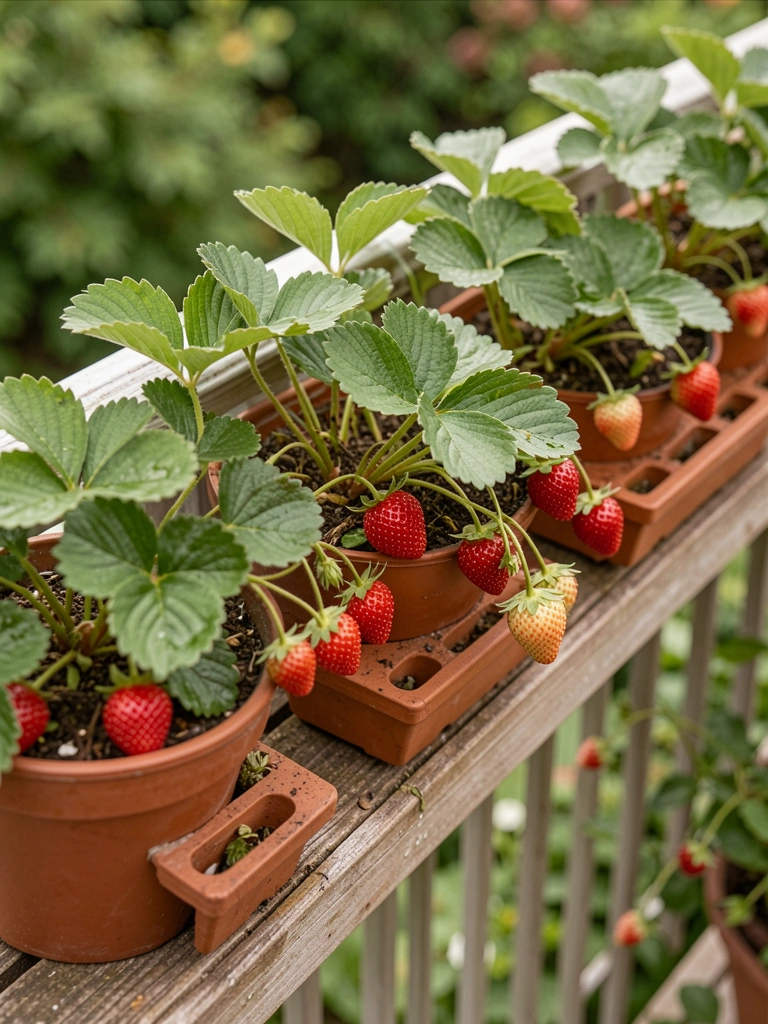
    Strawberry pots slotted on rail—fruit dangles pickable. Zero floor use.

    Sweet snack spot. Birds share some.

    Sun side only; shade soured mine.

    What You’ll Need for This Look

    Final Thoughts

    Pick one or two ideas that fit your light and time. My patios grew slow—start small, watch what takes.

    They won't stay perfect. That's fine. Yours will feel right soon. You've got this.

  • How To Make The Herb Garden Decorative

    How To Make The Herb Garden Decorative

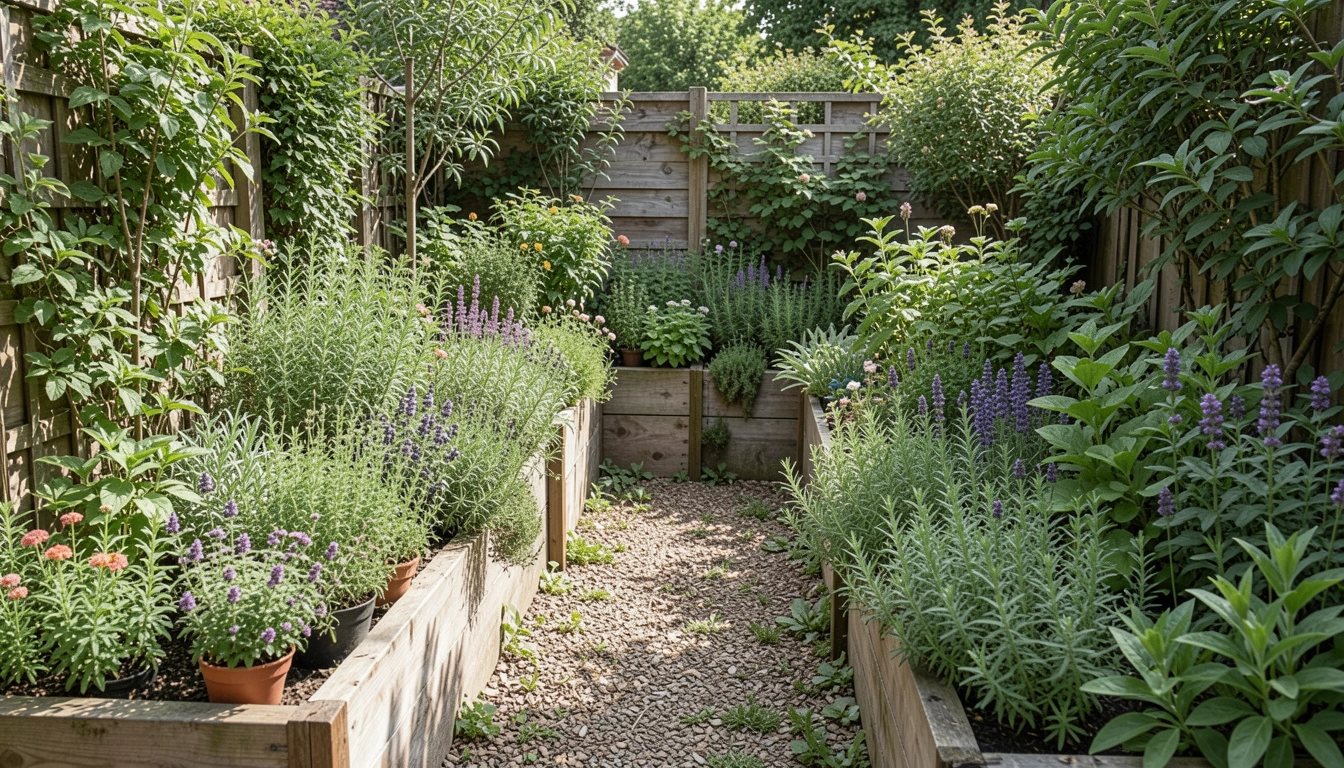
    I planted herbs in a straight row last spring. They grew fine, but the patch looked flat. Just green leaves, no pull to linger there.
    It sat there, useful for cooking but not part of the garden I walked through.
    I wanted it to fit, to draw the eye without trying too hard.

    How To Make The Herb Garden Decorative

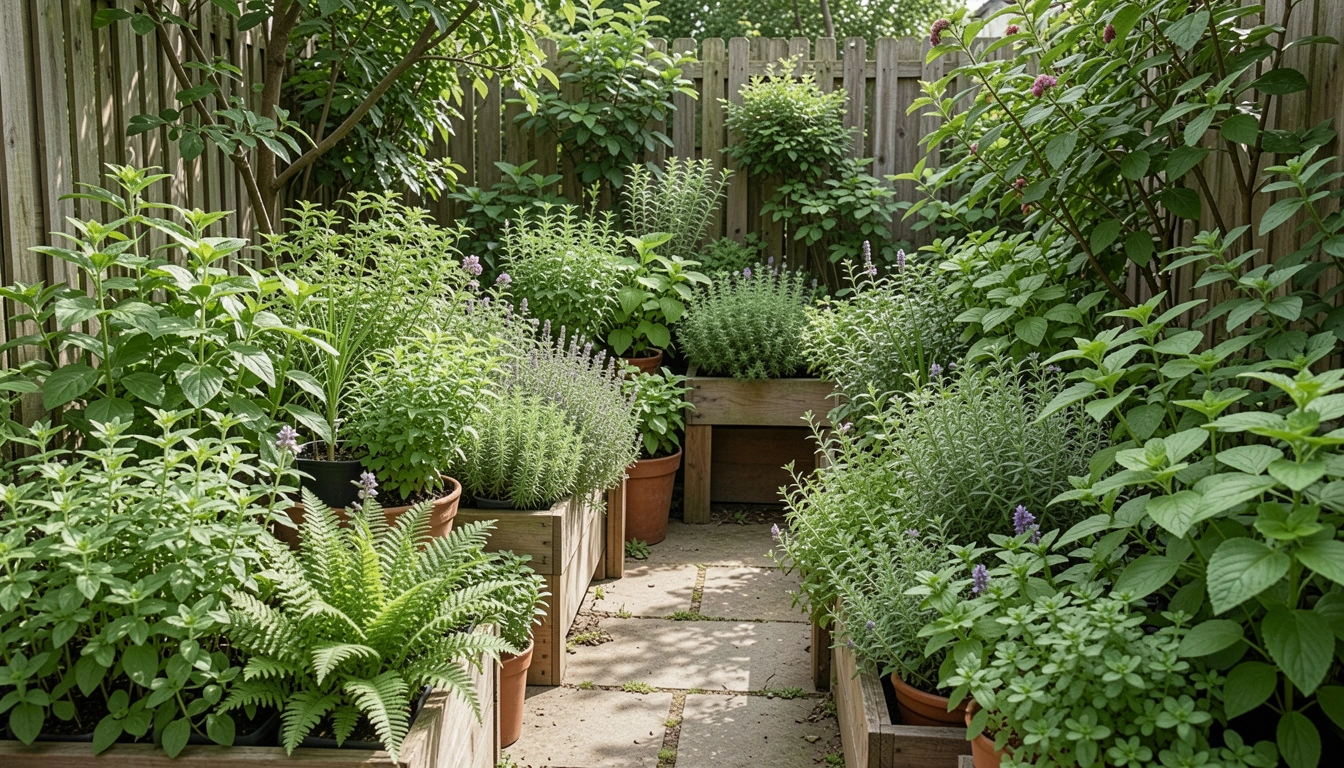
    This shows you how I settle a herb garden so it feels balanced and warm. You'll end up with a spot that holds its own in the garden, comfortable to look at year-round.

    What You’ll Need

    Step 1: Pick Your Anchor Plant

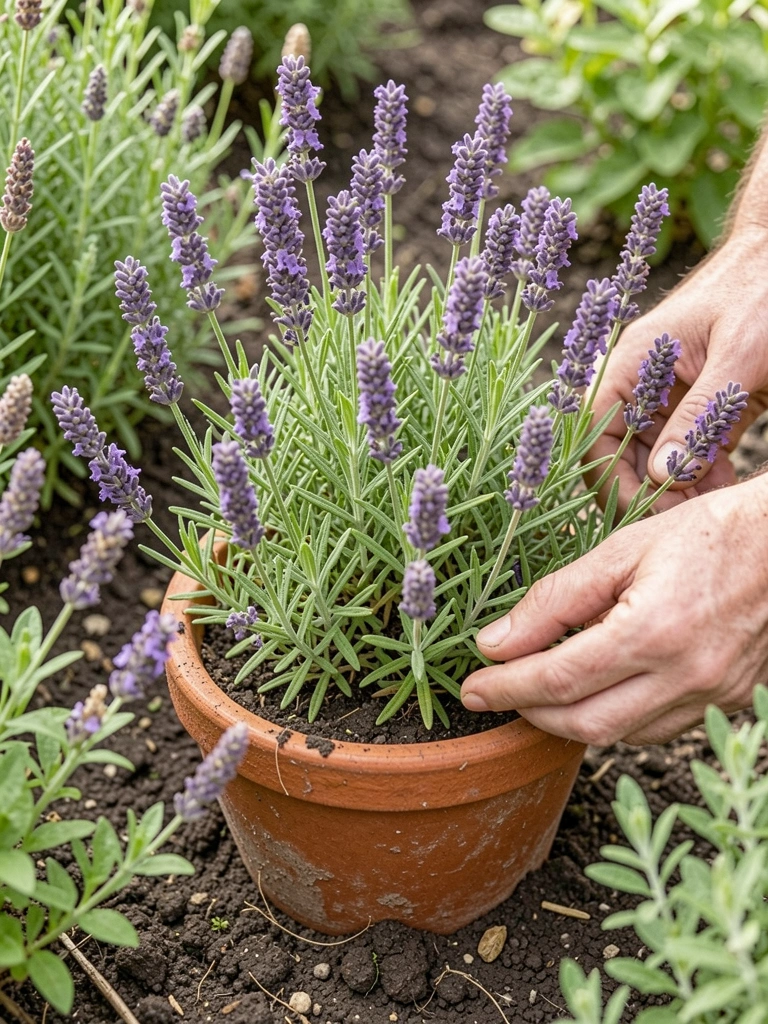
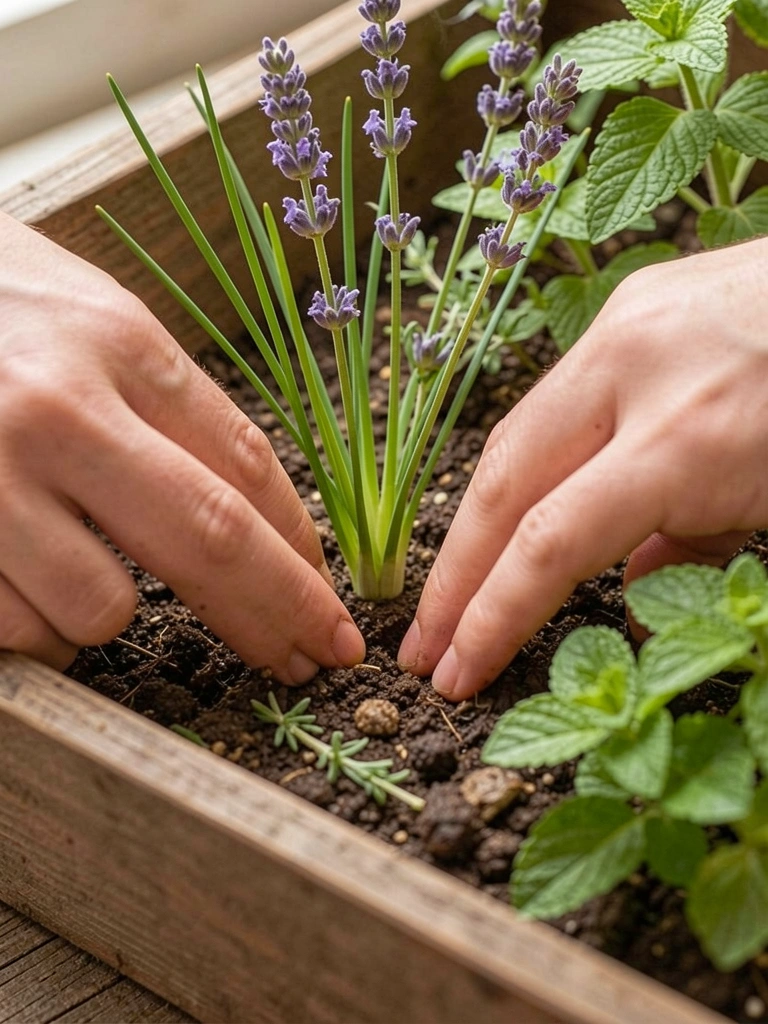
    I start with one strong plant in the center. Lavender works for me—its gray-green leaves and purple buds hold steady. I sink it deeper than the rest.
    This pulls the eye right away. The bed shifts from empty to anchored.
    People miss how one plant sets the rhythm. Without it, everything floats.
    Don't crowd it early. Give roots room, or it leans wrong later.

    I nudge soil around the base until it sits level. Now the space has weight. The purple hints promise more without shouting.

    Step 2: Layer Low and Trailing Greens

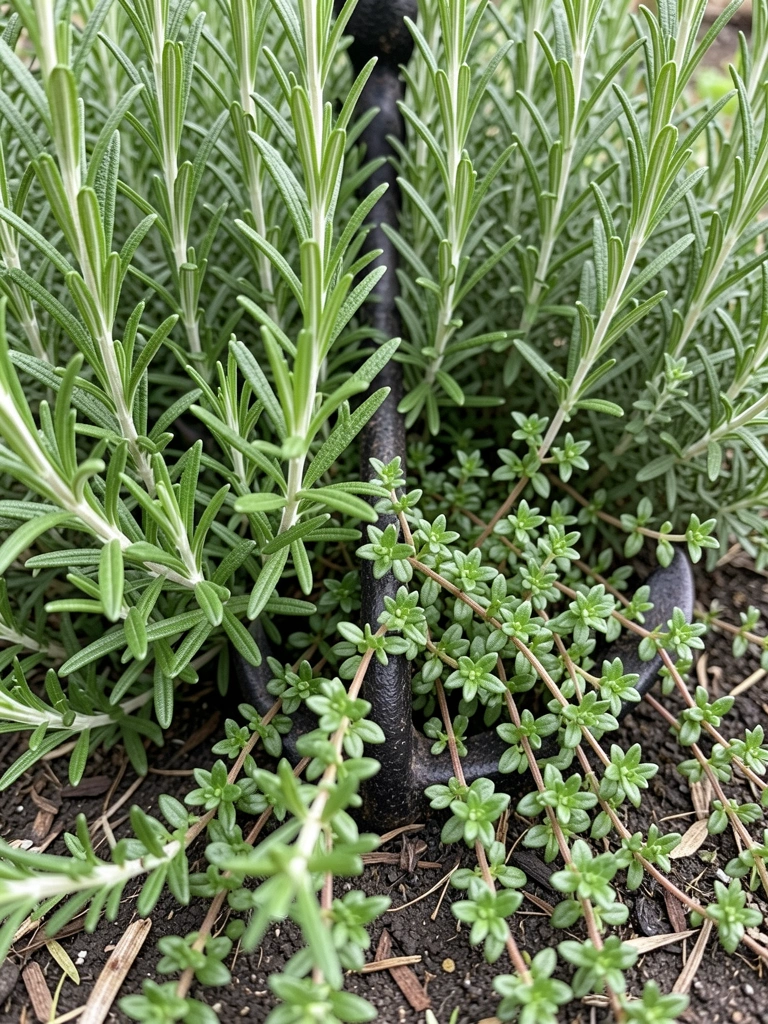
    Next, I tuck trailing rosemary along the front edge. It softens the line, spills over pots. Variegated thyme fills gaps beside it.
    The ground feels covered now, not bare. Layers build depth you notice up close.
    Most skip the spillers—they think herbs stand alone. But they connect the bed to the path.
    Avoid straight lines here. Let stems curve; it keeps the flow easy.

    I pat soil light, water once. The front breathes, draws you in without blocking the view.

    Step 3: Add Mid-Height Fills

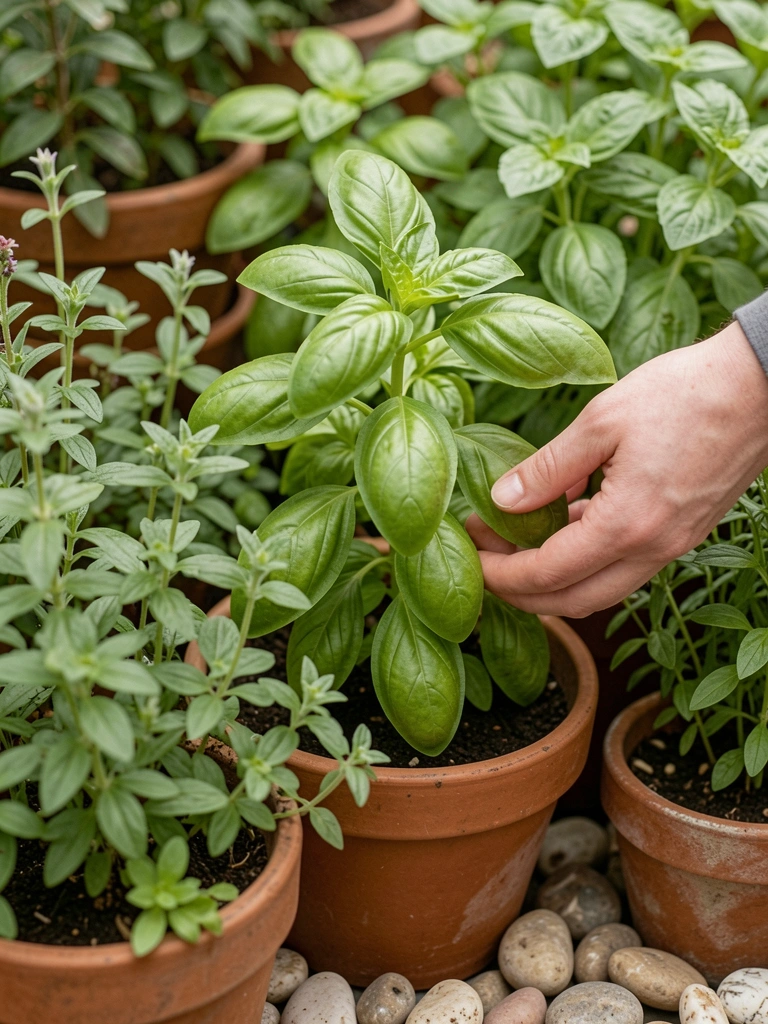
    Basil goes mid-way up, in pots sunk into the soil. I cluster three, off-center from the lavender.
    Color pops—bright green against grays. The bed gains rhythm, feels fuller.
    Folks overlook pot heights. Match them to plants so nothing dwarfs the rest.
    Don't line them even. Offset pulls the eye around naturally.

    I twist pots slightly for air. Now it reads balanced, not packed.

    Step 4: Scatter Texture Breaks

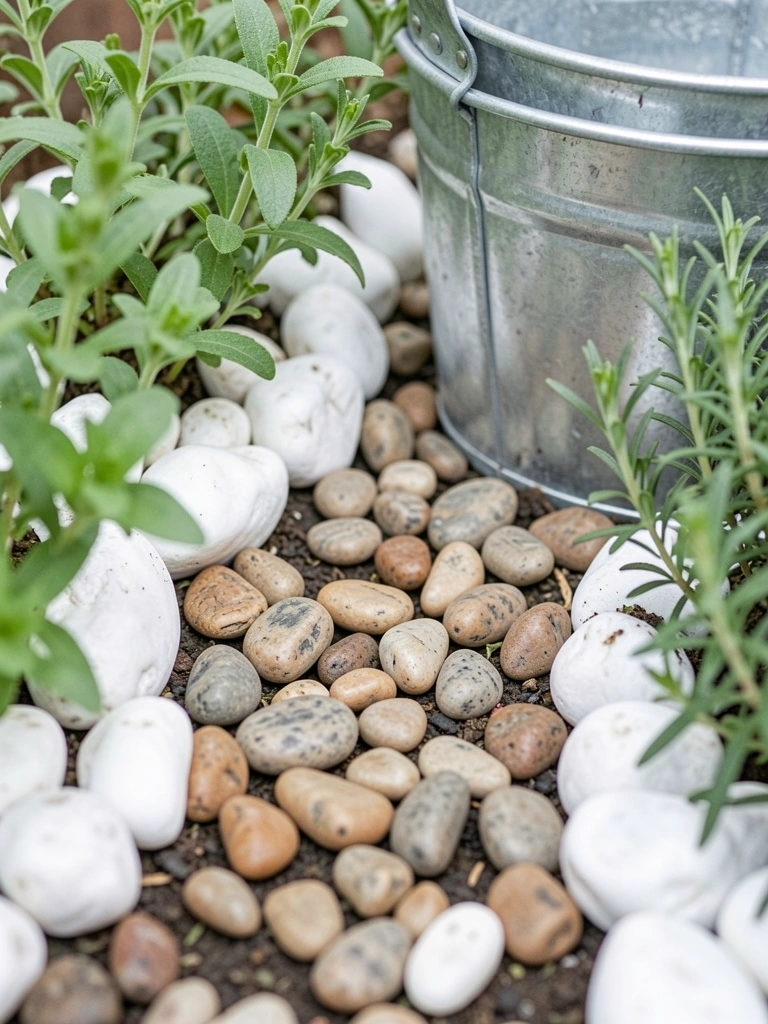
    I drop white pebbles in patches between plants. A galvanized bucket sits to one side, empty or with a spare thyme.
    Bare soil vanishes; texture ties it quiet. The garden settles, lived-in.
    People forget ground covers—they fade fast. Pebbles hold when herbs thin.
    Steer clear of too much gravel. It cools the warmth if overdone.

    I rake lightly even. Light bounces, makes the whole feel clean.

    Step 5: Set a Vertical Lift

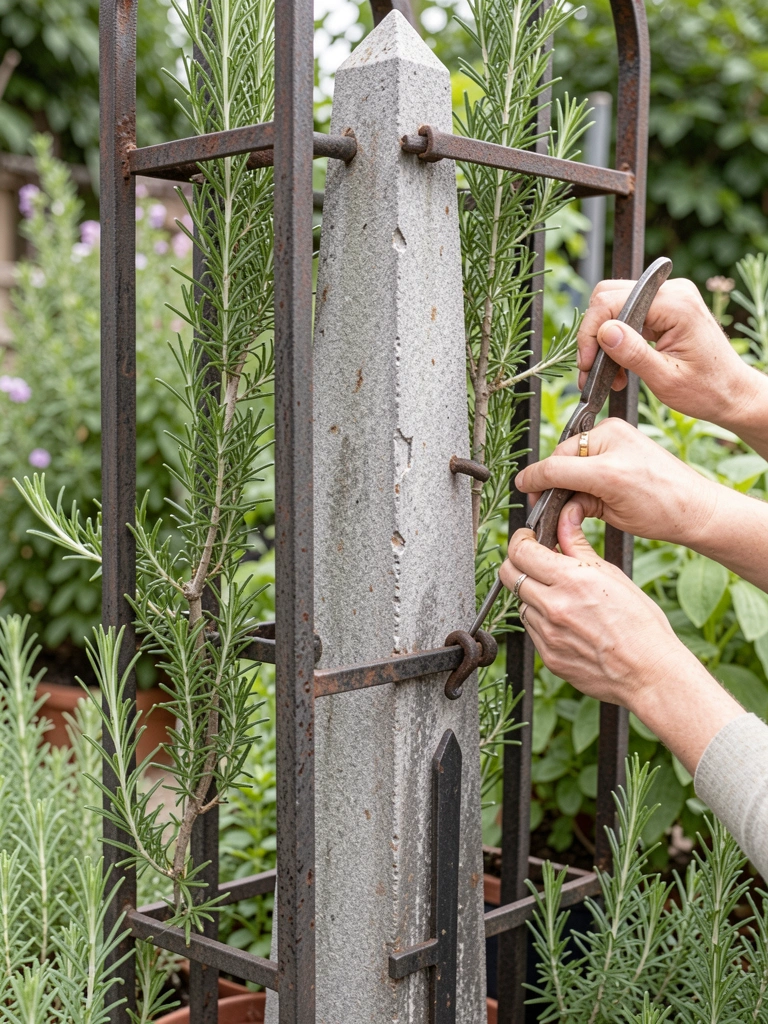
    Last, I push the obelisk into back soil. Train rosemary up one side loose.
    Height lifts without crowding. The bed flows up, holds against fences.
    Miss this, and it stays squat. Vertical echoes nearby trees.
    Don't tighten ties. Let it climb slow; force snaps stems.

    I step back. Now it fits the garden, draws without dominating.

    Choosing Herbs That Play Well Together

    I pick based on what grows near me. Lavender anchors, rosemary trails, basil fills. Thyme adds cream edges.

    They share sun but differ enough—purple, green, gray. No clashes.

    • Lavender for steady shape
    • Rosemary for spill
    • Basil for bright lift
    • Thyme for fine texture

    This mix stays balanced through cuts.

    Keeping the Balance as It Grows

    I trim often, but light. Snip tops even. Pull spent leaves weekly.

    Watch for one plant taking over. Thin basil if it bushes wild.

    • Check edges monthly—trim strays
    • Water base only, avoids leggy growth
    • Refresh pebbles yearly

    It stays comfortable, not wild.

    Handling Off-Seasons

    Winter quiets it. I mulch light around bases. Lavender holds color.

    Spring, new basil revives green. Add a pot if gaps show.

    • Mulch thin, two inches max
    • Swap tired plants early
    • Pebbles catch rain, no mud

    Year-round, it feels right.

    Final Thoughts

    Start with one corner if the whole bed daunts you. My first try was half-done, still better than plain.
    It works because you feel it out, adjust as you go.
    Yours will settle too. Just walk by it daily, tweak what pulls back.

  • How To Design A Herb Garden

    How To Design A Herb Garden

    I had a corner by the kitchen door that got sun but felt empty. Herbs went in there, but they crowded each other. Some bolted, others flopped over. It looked patchy, not useful.

    I stepped back one afternoon. The bed needed air, height differences, paths to reach in. That's when I saw it: herbs work when they fit the space, not fight it.

    You know that feeling. Your herbs are alive but the spot doesn't pull you in to snip a leaf.

    How To Design A Herb Garden

    This shows you how I settle a herb garden into any spot. It ends up balanced, easy to use, with plants that last. No guesswork—just steady flow.

    What You’ll Need

    Step 1: Pick Your Spot for Sun and Reach

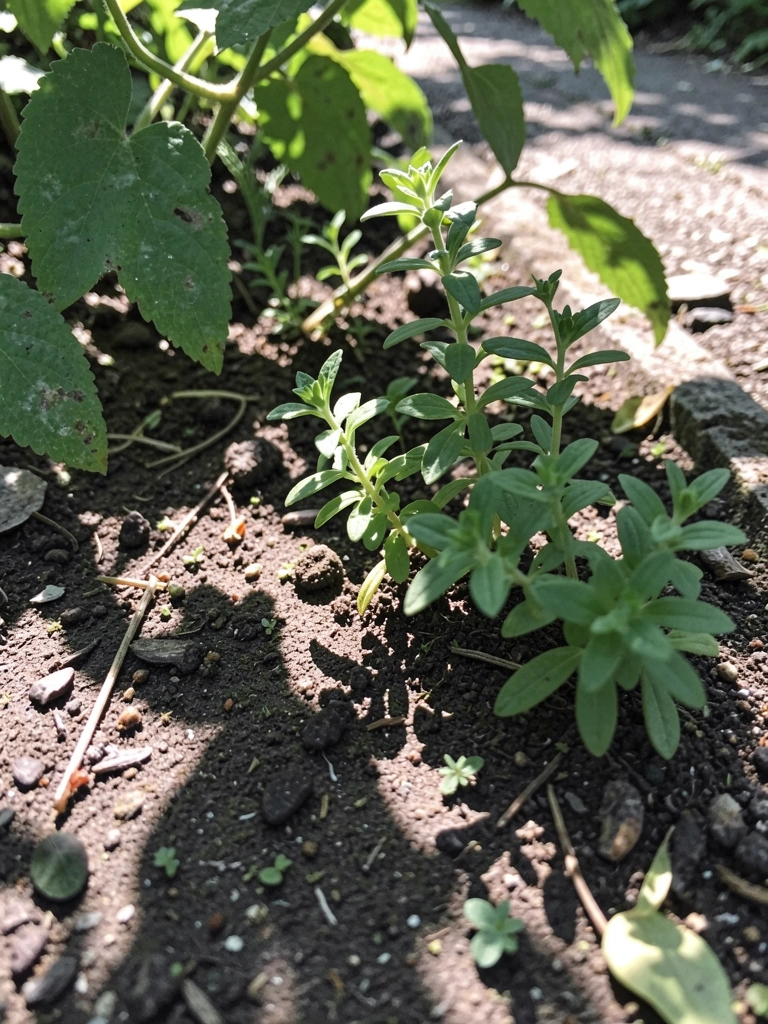
    I walk the yard at midday. Herbs need six hours of sun, but also a path to them. I stand where I'll grab a sprig for dinner. That's the spot.

    Visually, it shifts from blank to promising. Light hits the soil right.

    People miss how reach changes everything. If you stretch too far, you neglect plants. Avoid crowding the edge—leave a foot of clear space.

    I mark it with a stick. Now it feels like part of the kitchen flow.

    Step 2: Sketch the Heights for Balance

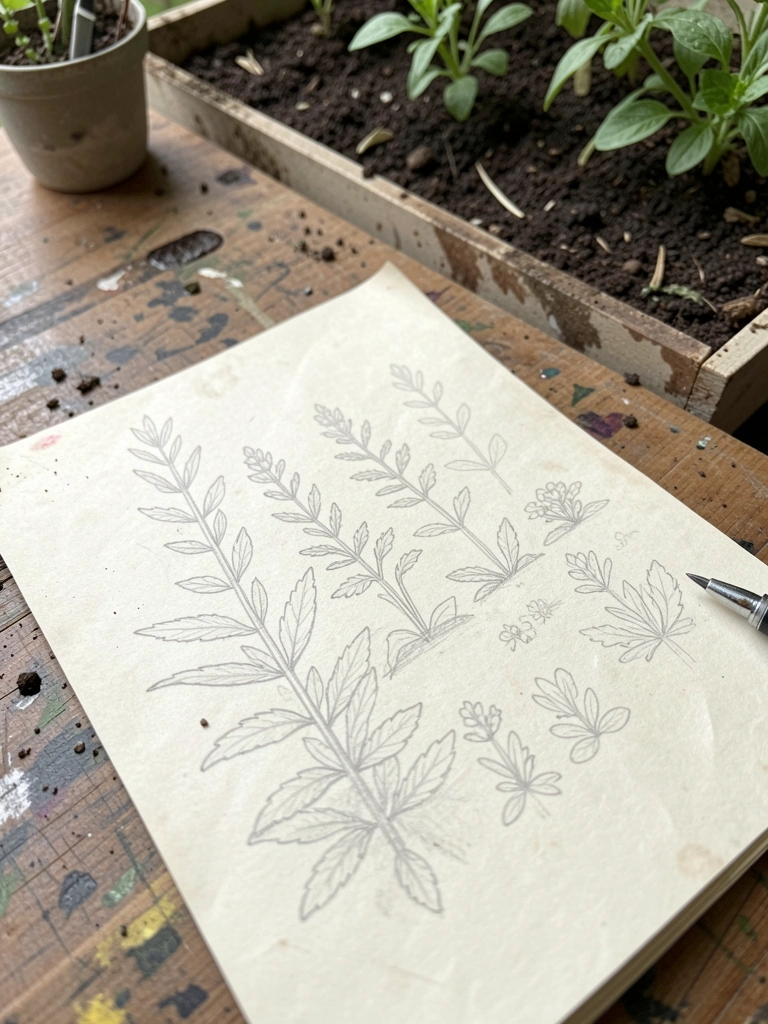
    I grab paper and note tall rosemary at back, low thyme in front. Herbs layer like shelves. This stops the flop.

    The ground looks planned, not random. Shadows play even.

    Insight: same height bunches look flat. Mix it. Mistake—planting mint anywhere; it takes over. Keep it potted.

    I step back. Balance settles in.

    Step 3: Group by Water Needs

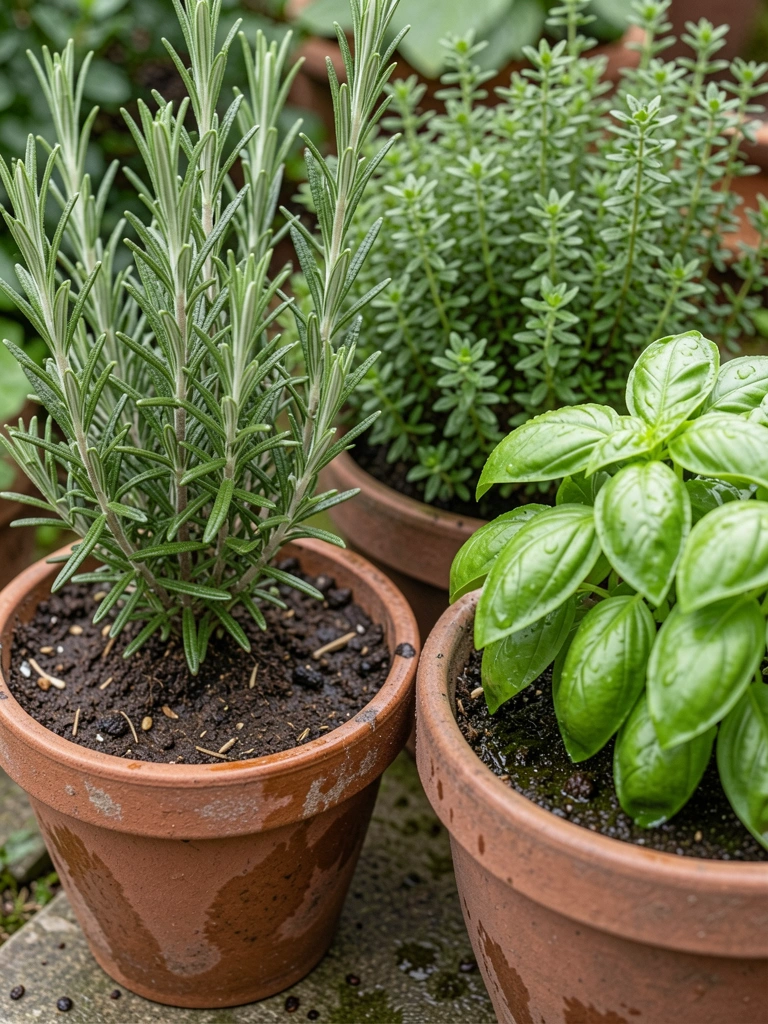
    I set pots out. Rosemary and thyme take dry soil; basil likes damp. Groups form naturally.

    Now the bed has rhythm. Dry side stays crisp, wet side lush.

    Missed often: all herbs same water leads to rot or wilt. Avoid overplanting one type—space for air.

    I nod. It feels right.

    Step 4: Plant with Paths Between

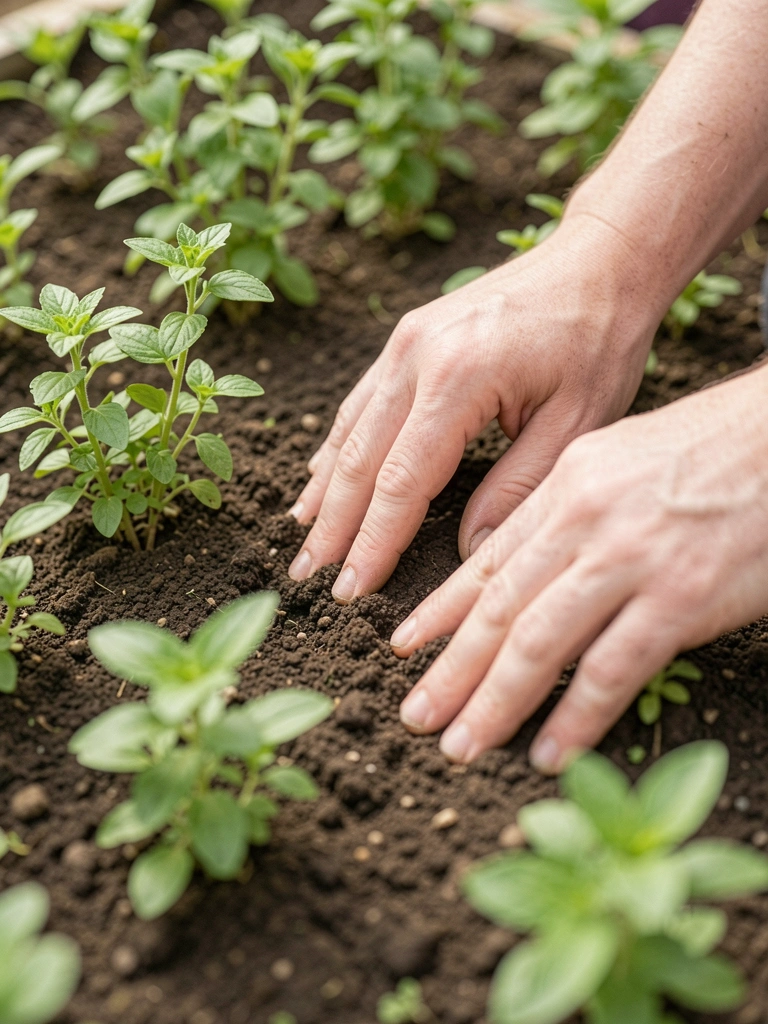
    I dig holes twice root width. Drop in, firm soil. Leave elbow room between.

    The space breathes. Plants stand without leaning.

    People forget paths wear down if too narrow. Make them wide. Avoid burying pots deep—lift for roots.

    I water lightly. It's holding shape.

    Step 5: Add Edges for Containment

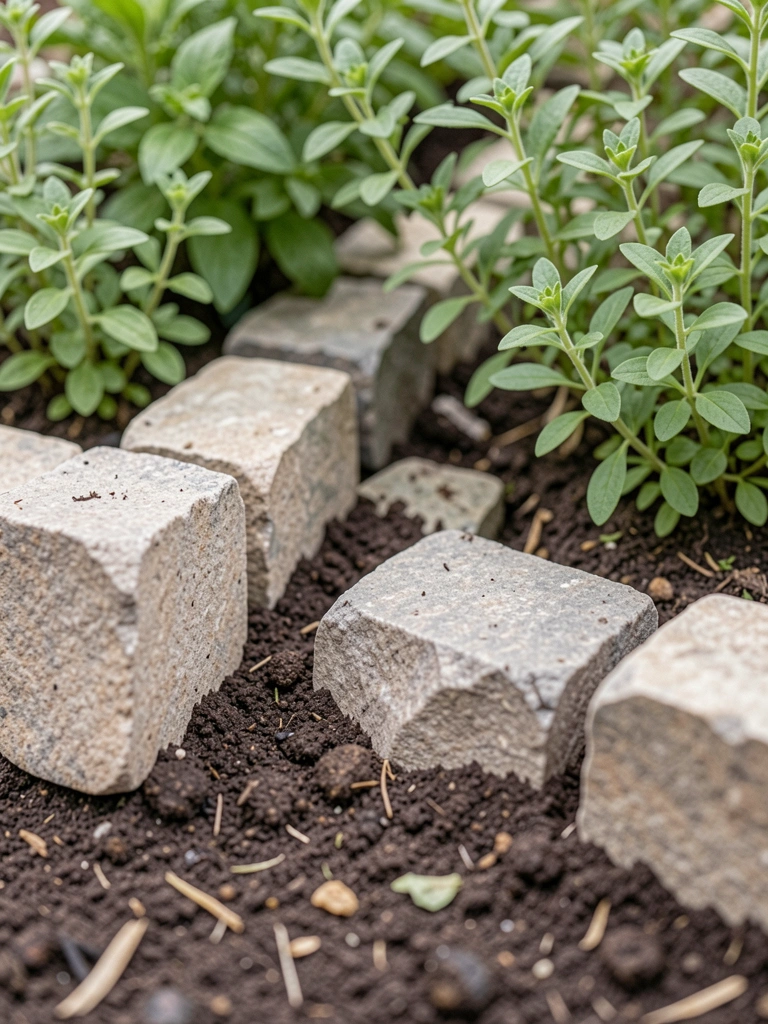
    I line with stones or troughs. Holds mint in, defines the area.

    Edges make it contained, intentional. No sprawl.

    Insight: loose edges let weeds in. Mistake—skipping them early. Plants stay put.

    Pat it down. Done.

    Choosing Herbs That Thrive Together

    I pick based on use and sun. Rosemary anchors with height. Basil fills summer gaps.

    • Rosemary: woody, dry-tolerant back row.
    • Thyme: ground cover, evergreen scent.
    • Basil: quick harvest, front for easy pick.

    This mix lasts seasons. No weak links.

    Handling Common Herb Garden Setbacks

    Yellow leaves hit sometimes. Check water first—too much drowns roots.

    Overgrowth? Snip tops weekly. Keeps bushy.

    • Mulch lightly to hold moisture.
    • Rotate pots yearly for fresh soil.

    Steady tweaks keep it balanced.

    Making Your Herb Garden Year-Round

    Winter slows it. I cover tender basil, let hardy thyme sleep.

    Spring refresh: divide clumps.

    Add oregano for off-season green. It flows without reset.

    Final Thoughts

    Start with three herbs in one trough. See how they settle.

    You'll get the feel quick. That pull to snip changes everything.

    Your spot works when it fits your hands.

  • 21 Fun Herb Garden Ideas For Kids At Home

    21 Fun Herb Garden Ideas For Kids At Home

    Last summer, my niece lost interest in her little plot after two weeks. Weeds took over, and she forgot to water. I got frustrated but stepped back.

    Then I switched to herbs in pots she could reach and decorate. Suddenly, she was snipping mint for lemonade every day.

    It hit me—kids stick with gardens that feel like play, not chores. Herbs grow fast, smell good, and end up in snacks.

    21 Fun Herb Garden Ideas For Kids At Home

    These 21 fun herb garden ideas for kids at home are pulled from what actually worked in my backyard trials. Easy setups, no fuss, and they keep little ones coming back. Let's dive in.

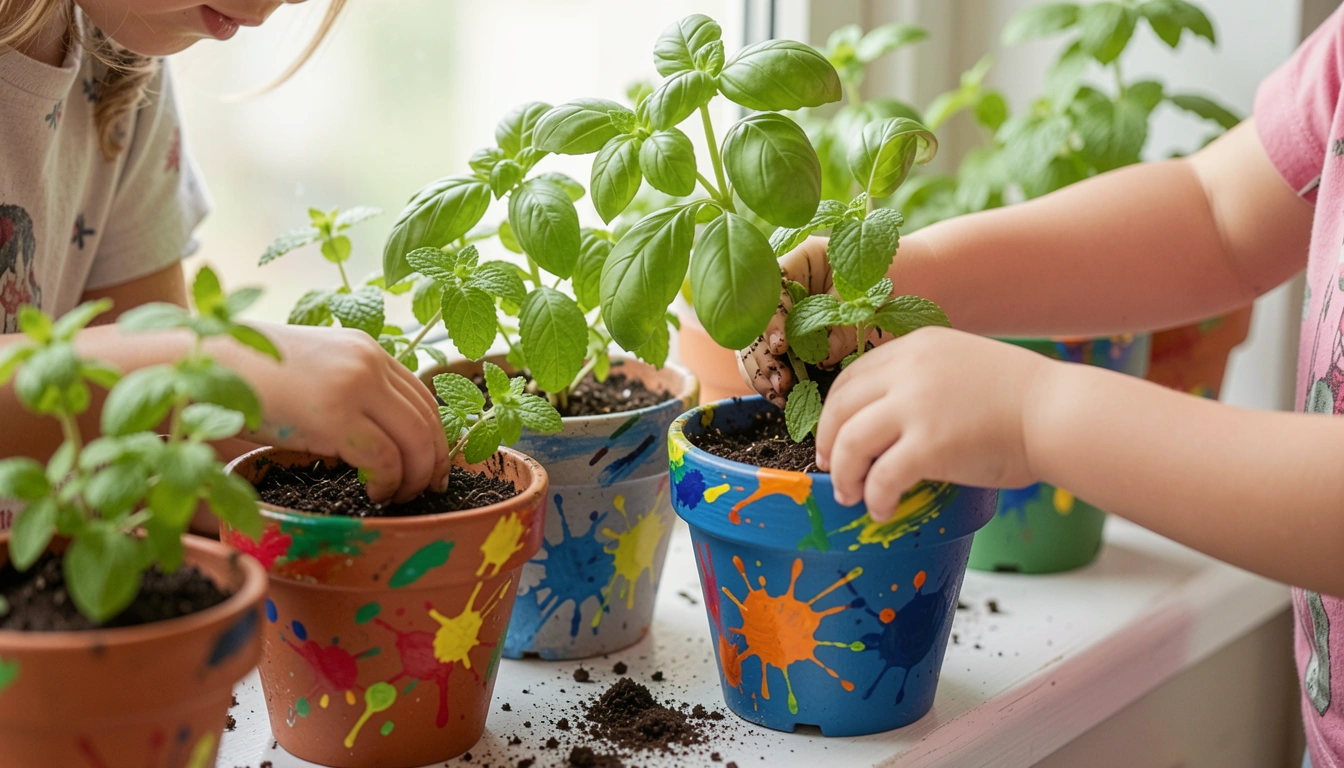
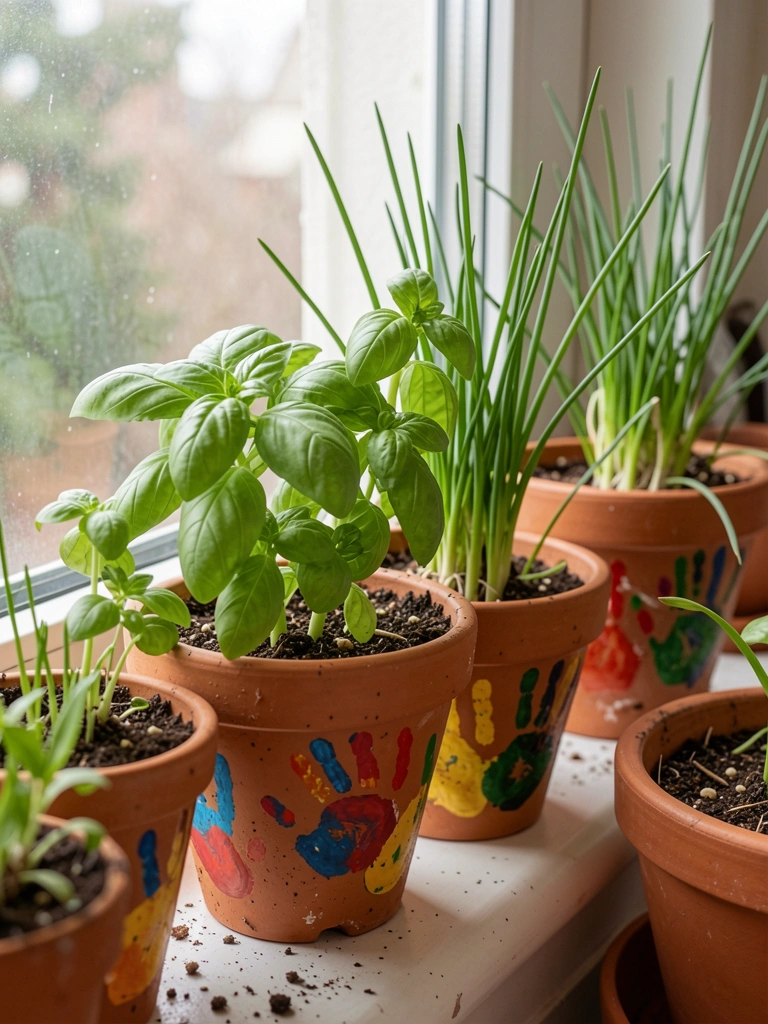
    1. Painted Terracotta Pots on the Windowsill

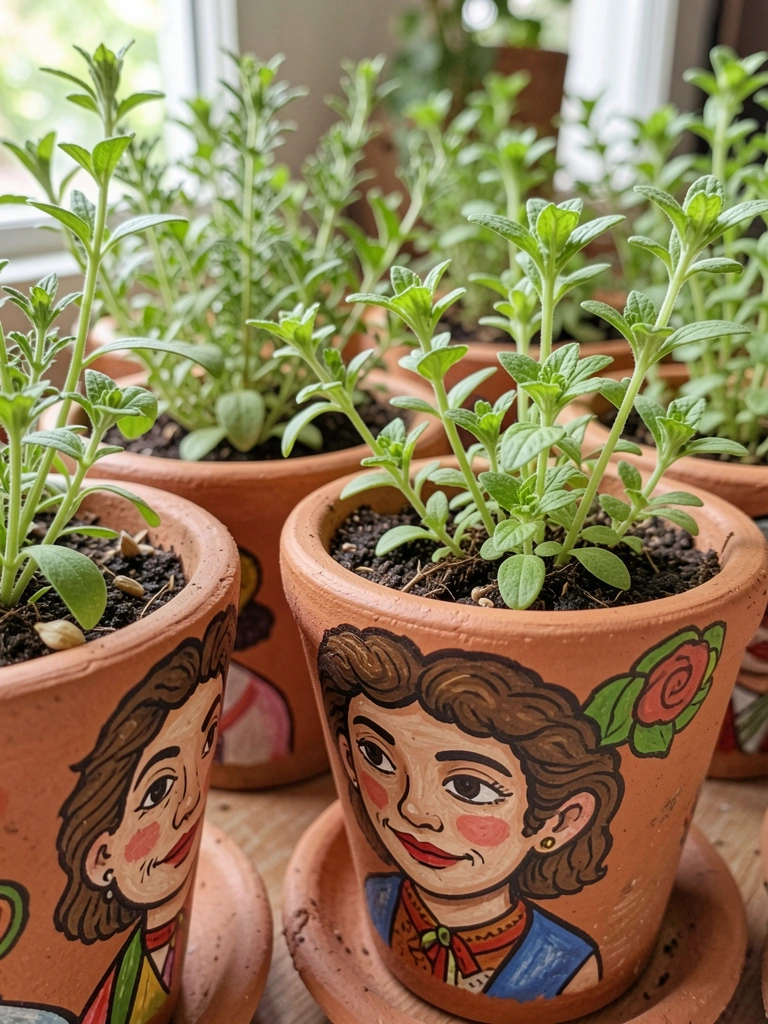
    I handed my nephew some old terracotta pots and washable paints one rainy afternoon. He went wild with stripes and dots, then we tucked in basil and parsley seeds. They sprouted in days, right where he eats breakfast.

    The window ledge turned into his daily check-in spot. Leaves brushed the glass, and he'd rub a basil leaf for that fresh zip. No bending over beds—just pluck and taste.

    Watch the paint chips from water; I learned to seal it lightly after. Keeps the colors bright through splashes.

    Now he brags about his "pizza herbs" to friends. Simple win.

    What You’ll Need for This Look

    -[6-inch terracotta pots] (set of 6, classic orange)
    -[washable acrylic paint set] (non-toxic, 12 colors)
    -[organic basil seeds]

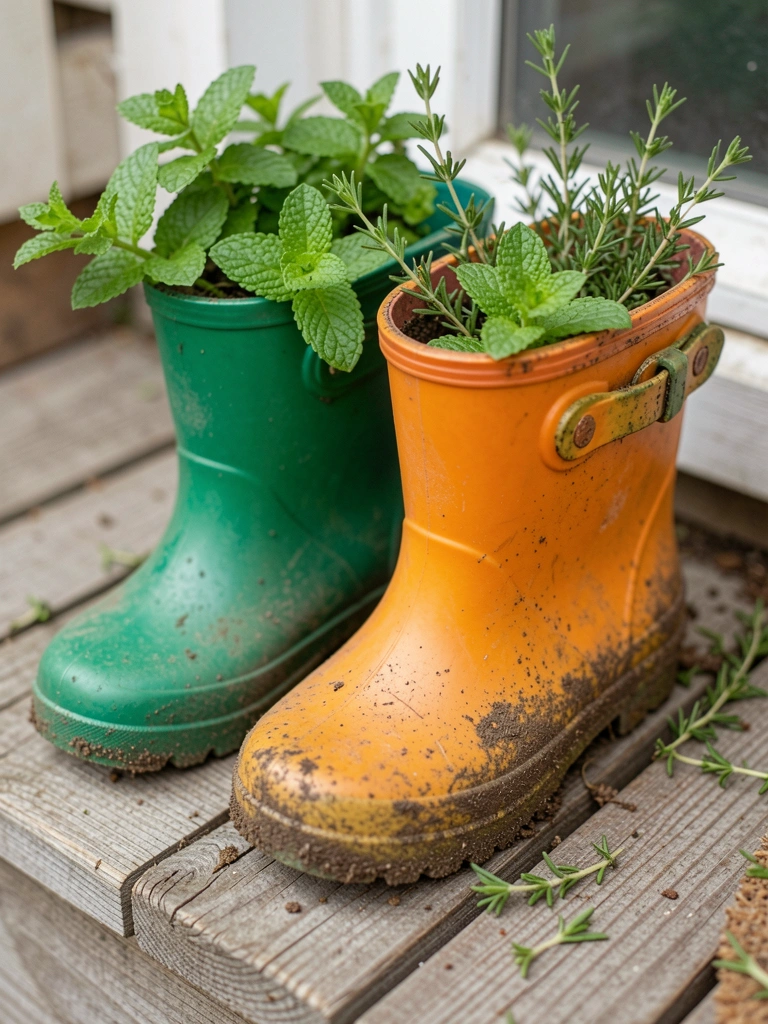
    2. Recycled Rain Boot Herb Garden

    My daughter's old rain boots sat forgotten in the shed. One day, I grabbed them, punched drainage holes, and filled with potting soil and mint starts. She loved how they leaned against the porch rail like they're ready for adventure.

    The mint took off, trailing over the edges. We'd pick leaves for tea, and the boots' bright colors made it feel playful, not like work.

    I forgot holes at first—water pooled and rotted roots. Quick fix with a screwdriver.

    She waters them herself now, chatting to the plants. Cozy corner magic.

    What You’ll Need for This Look

    -[kids colorful rain boots] (size 10-13, assorted colors)
    -[mint plant starters]
    -[organic potting soil] (8 quart)

    3. Pizza Herb Patch in a Shallow Tray

    Kids love pizza, so I set up a shallow wooden tray with basil, oregano, and a bit of rosemary in the center. My group of neighbor kids arranged them like toppings—basil slices, oregano sprinkles.

    It sat on the picnic table, easy to reach. They'd "harvest" for pretend pizzas, learning flavors hands-on. Grows compact, no sprawl.

    One tray tipped over once from rough play; now I weight the base.

    Smells like a pizzeria out there. They beg to plant more.

    What You’ll Need for This Look

    -[12×18 inch wooden tray]
    -[oregano seeds]
    -[rosemary starter plant]

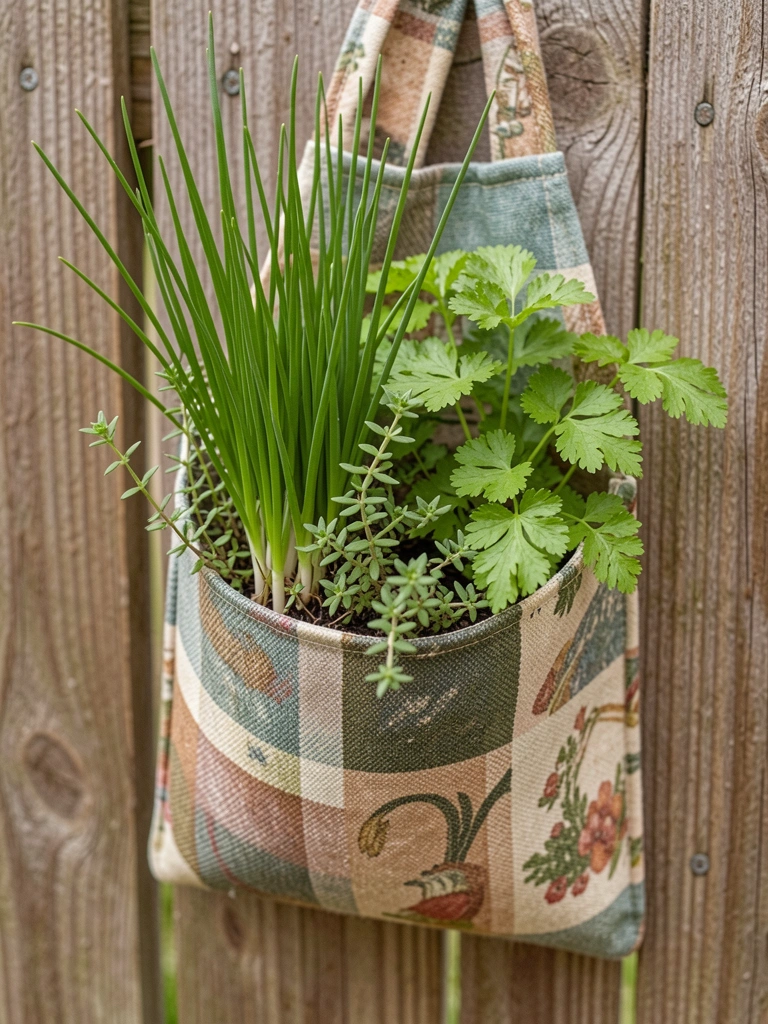
    4. Vertical Pocket Planters for Small Spaces

    No yard? No problem. I hung a felt pocket planter on our fence for the kids—chives in top pockets, thyme lower, parsley at bottom. They stuffed soil in giggling.

    It's eye-level fun; they pat the pockets daily. Herbs cascade nicely without crowding the patio.

    Overwatered once, pockets got soggy—now we check drainage fabric.

    Fills tight spots perfectly. Kids feel like wall wizards.

    What You’ll Need for This Look

    -[10-pocket vertical planter] (felt, green)
    -[chive seeds]
    -[thyme starter]

    5. Chalkboard Paint Pots with Kid Labels

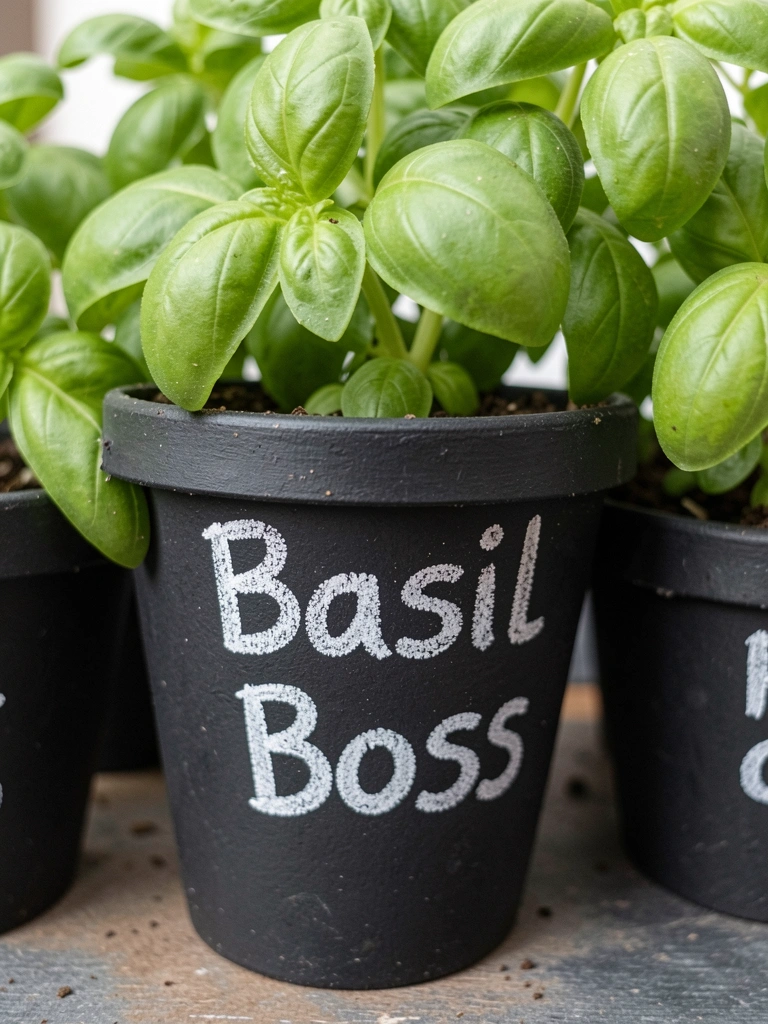
    I painted cheap plastic pots with chalkboard paint. Kids drew names like "Mr. Minty" and planted inside. Erasable, so they redraw weekly.

    On the deck steps, it's their herb gallery. Rub a leaf, erase, rename—endless play.

    Chalk smudged in rain first time; now under overhang.

    Ownership skyrockets. They guard them fiercely.

    What You’ll Need for This Look

    -[chalkboard spray paint] (matte black, 12 oz)
    -[8-inch plastic pots] (set of 5)
    -[kids chalk set]

    6. Fairy Herb Village in a Broken Pot

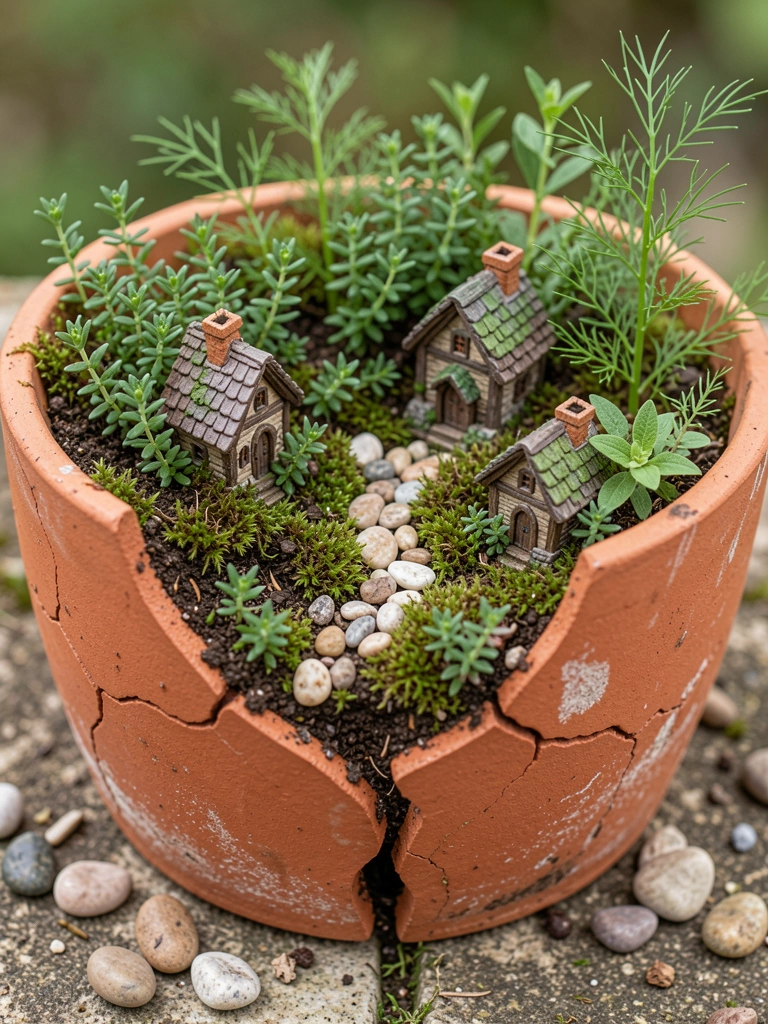
    A cracked pot became our fairy village base. Kids planted thyme clumps as "houses," dill for "trees," added pebbles for paths.

    Tucked in a shady corner, it draws them to whisper stories while tending.

    I glued shards wrong once—now just nestle loose.

    Imagination blooms with the herbs. Pure joy.

    What You’ll Need for This Look

    -[terracotta pot pieces] (assorted sizes)
    -[dill seeds]
    -[small river pebbles] (5 lb)

    7. Mint Monster Faces on Plastic Cups

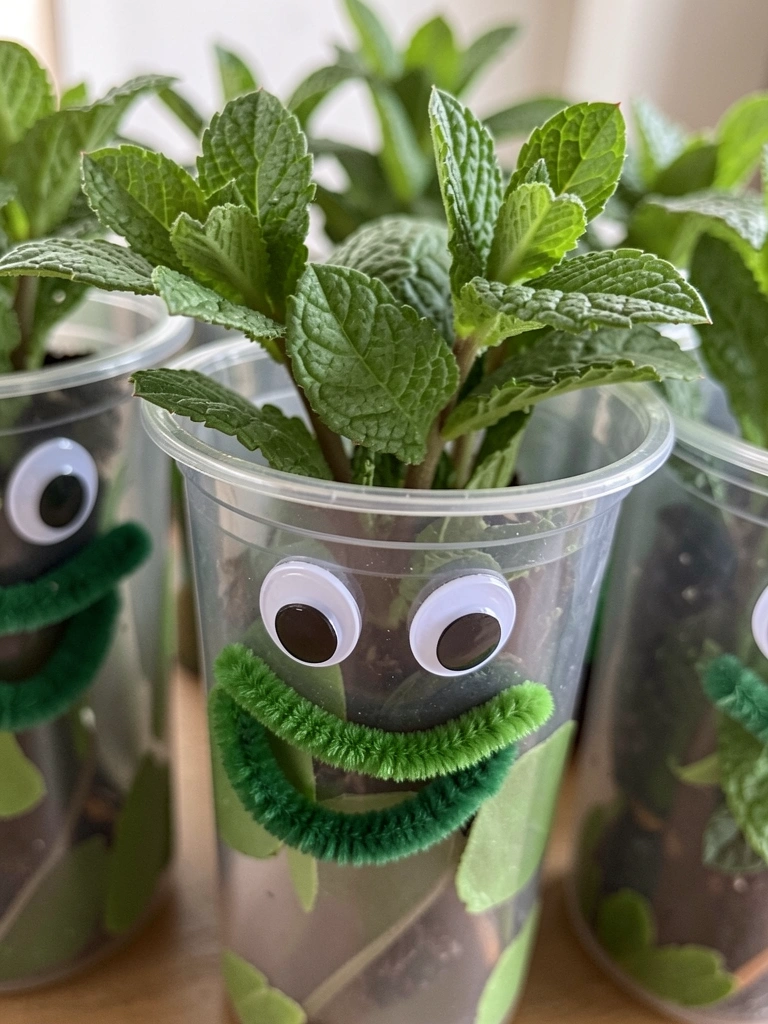
    Grabbed solo plastic cups, added googly eyes and pipe cleaner grins. Planted mint inside—leaves poke out like wild hair.

    Lined on the kitchen counter, monsters "growl" when watered. Kids laugh, naming each one.

    Cups tip easy; stack in a tray now.

    Silly, but they check hourly. Herbs thrive.

    What You’ll Need for This Look

    -[16 oz clear plastic cups] (pack of 50)
    -[assorted googly eyes]
    -[multicolor pipe cleaners]

    8. Bamboo Teepee Herb Frame

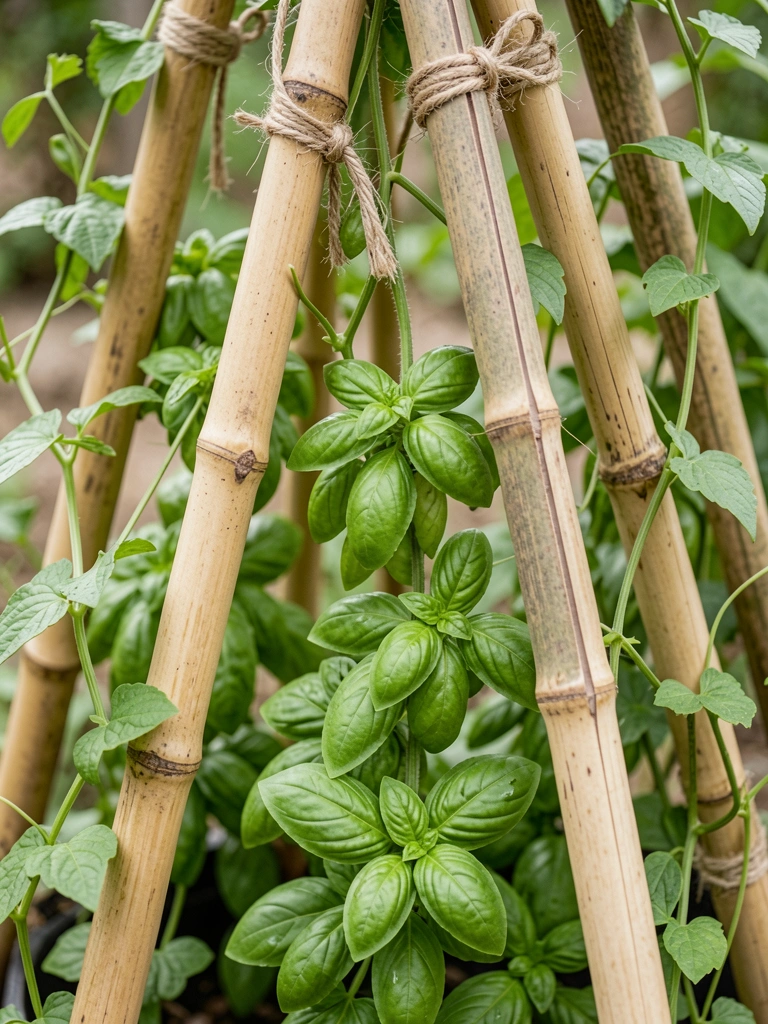
    Tied six bamboo poles into a teepee, planted bush beans to climb and basil at base. Kids crawl in to harvest.

    In the grass patch, it's their hideout. Fragrant and shaded.

    Wind knocked it once; extra ties fixed.

    Feels like a fort. They love it.

    What You’ll Need for This Look

    -[6-foot bamboo poles] (set of 8)
    -[bush bean seeds]
    -[natural jute twine]

    9. Sunken Sensory Herb Tray

    Dug a shallow tray in soft soil, planted chives, lavender, lemon balm close. Kids poke fingers in, smell each one.

    On the lawn edge, bare feet explore textures daily.

    Too deep first try, mud mess—keep shallow.

    Senses awake. They linger.

    What You’ll Need for This Look

    -[lavender starter plants] (set of 3)
    -[lemon balm seeds]
    -[wooden soil tray] (18×12 inch)

    10. Old Bike Wheel Herb Circles

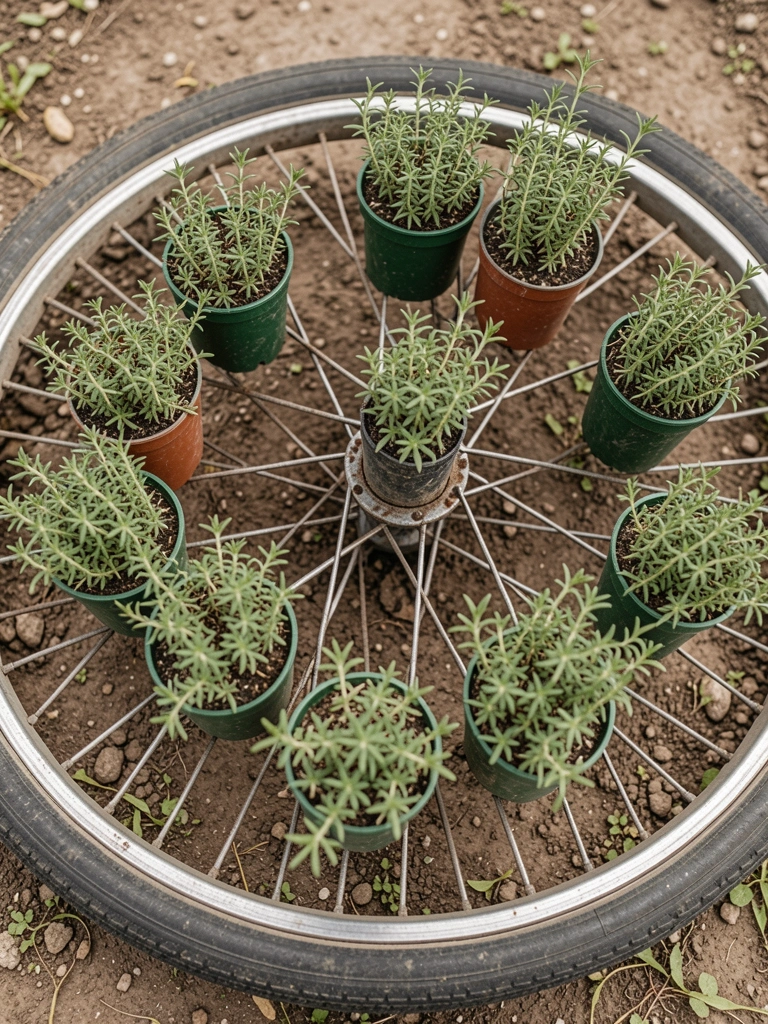
    An old bike wheel from the garage, laid flat, pots wedged in spokes for thyme and sage. Kids spin it gently to check.

    Patio accent, spins with breeze. Herbs circle neatly.

    Rusted a bit; painted first next time.

    Cool spinner. Eyes light up.

    What You’ll Need for This Look

    -[4-inch plastic herb pots] (dozen)
    -[sage starter]
    -[rust-resistant spray paint]

    11. Hanging CD Herb Mobiles

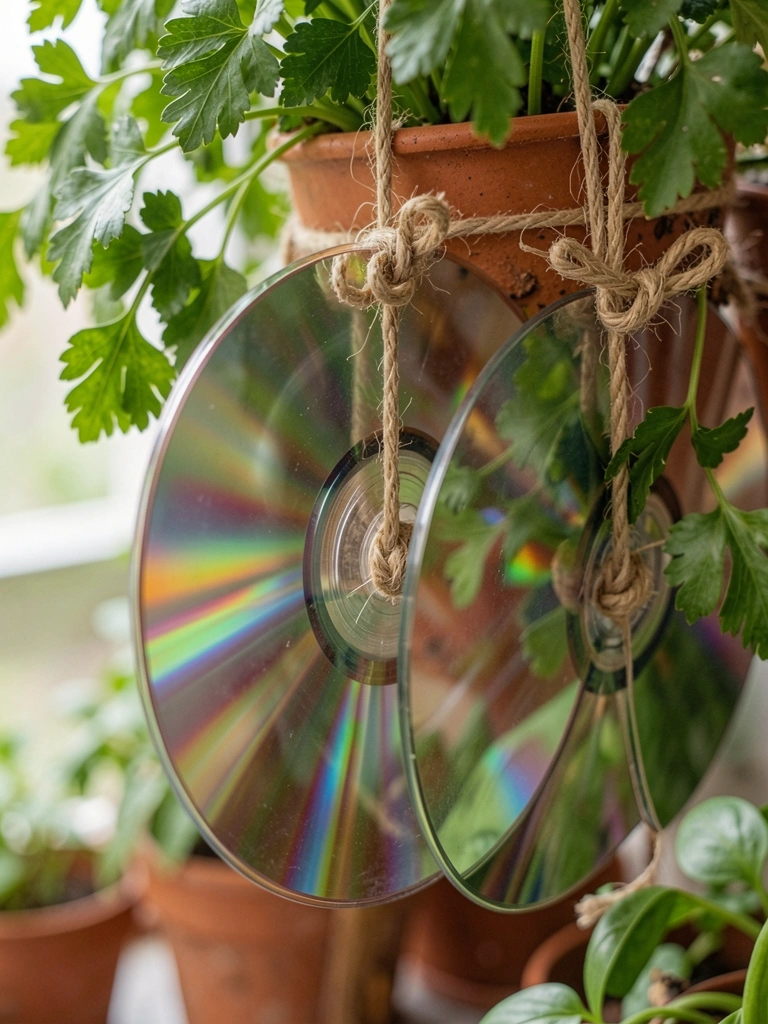
    Strung old CDs on fishing line, tiny pots of parsley hanging below. Kids watch them twirl in wind.

    Porch mobile, rainbows dance. Herbs sway fresh.

    Line tangled once; looser knots.

    Mesmerizing motion. Daily fascination.

    What You’ll Need for This Look

    -[clear fishing line] (50 lb test)
    -[parsley seeds]
    -[2-inch net pots]

    12. Stacked Lego-Base Herb Towers

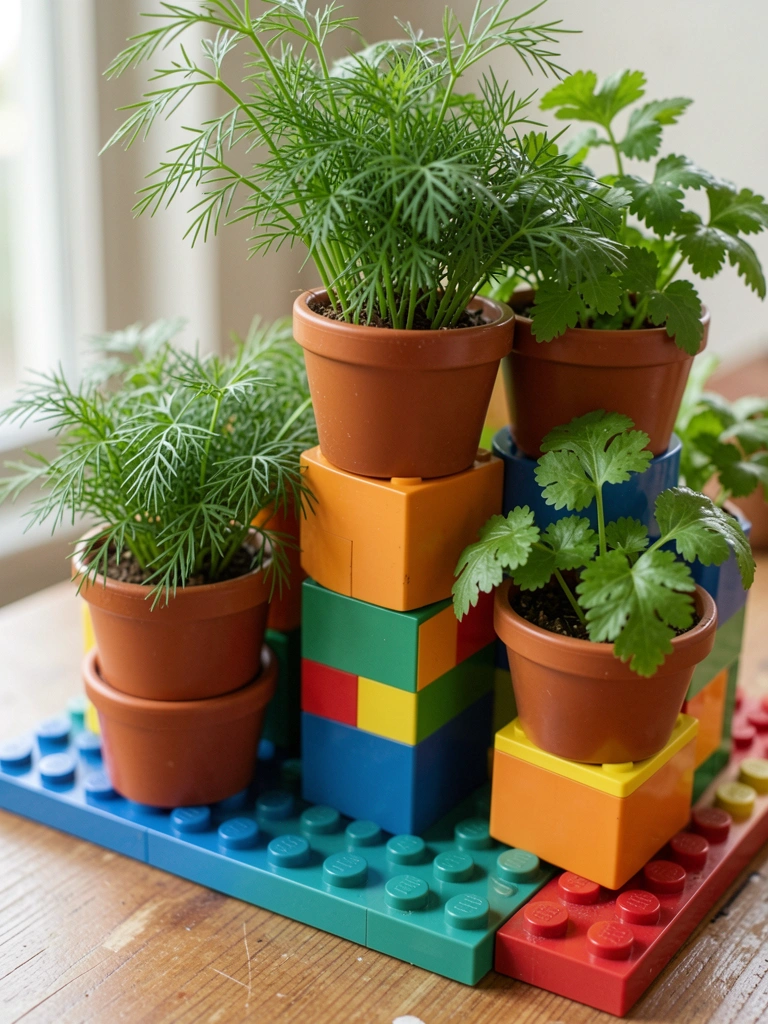
    Used big Lego base plates to stack pots—dill top, cilantro middle. Kids build around it with extras.

    Balcony tower, stable and stackable.

    Overstacked, wobbly—three high max.

    Play meets grow. Genius combo.

    What You’ll Need for This Look

    -[Lego compatible baseplates] (multicolor, 10×10)
    -[cilantro seeds]
    -[stackable plastic pots] (6-inch)

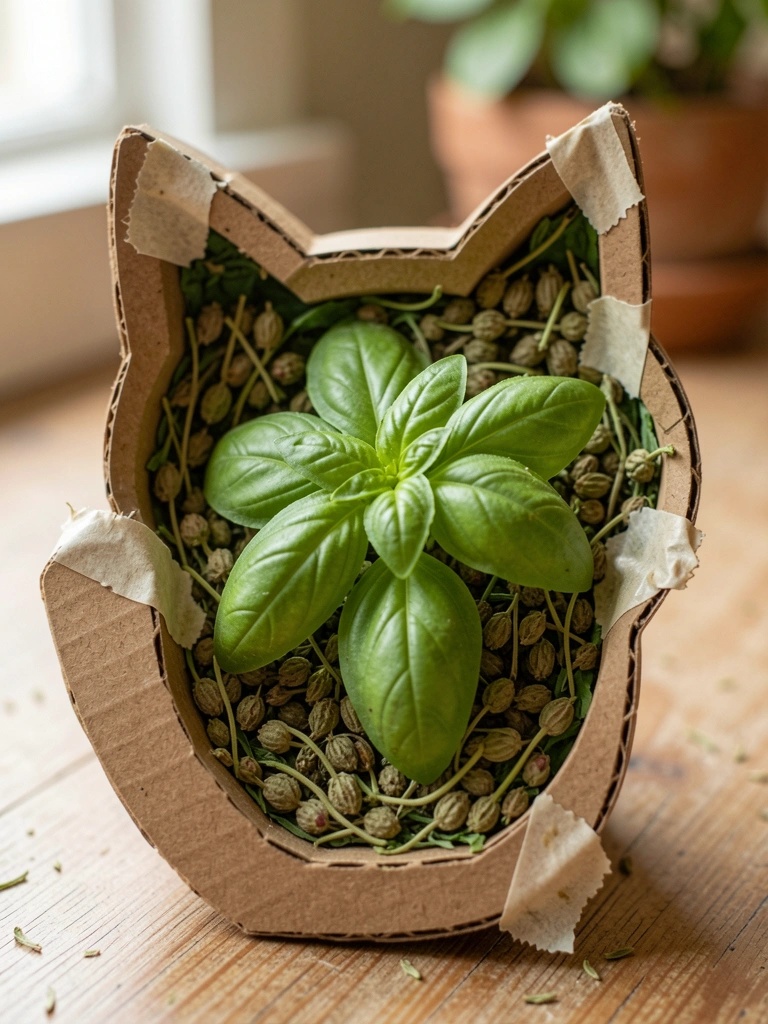
    13. Cardboard Animal Herb Planters

    Cut cardboard into animal shapes, lined with plastic, filled with catnip, basil. Kids tape and plant.

    Windowsill menagerie, lightweight.

    Rain soaked one; indoor only lesson.

    Pets approve too. Double fun.

    What You’ll Need for This Look

    -[large cardboard sheets]
    -[catnip seeds]
    -[clear plastic liners]

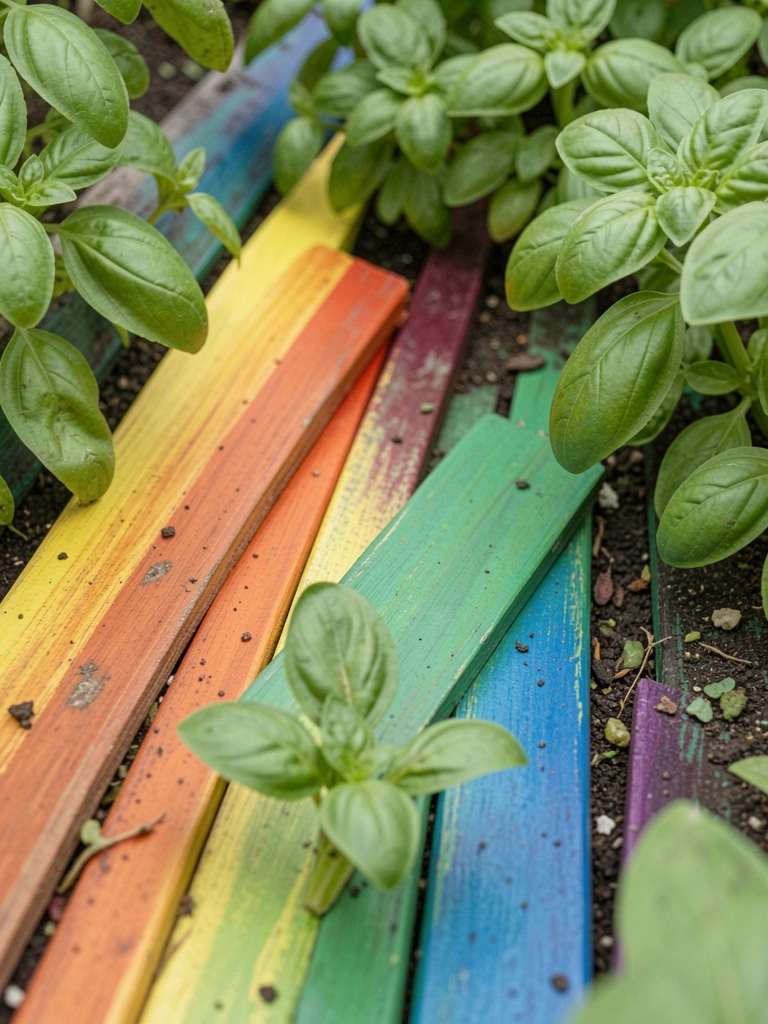
    14. Rainbow Herb Strip Border

    Painted scrap wood strips rainbow colors, laid along basil row in a tray. Kids pick "their" color.

    Path border, vibrant guide.

    Paint peeled; outdoor sealant.

    Cheery edge. Guides little feet.

    What You’ll Need for This Look

    -[wood craft sticks bulk] (12-inch)
    -[rainbow acrylic paints]
    -[basil seed mix]

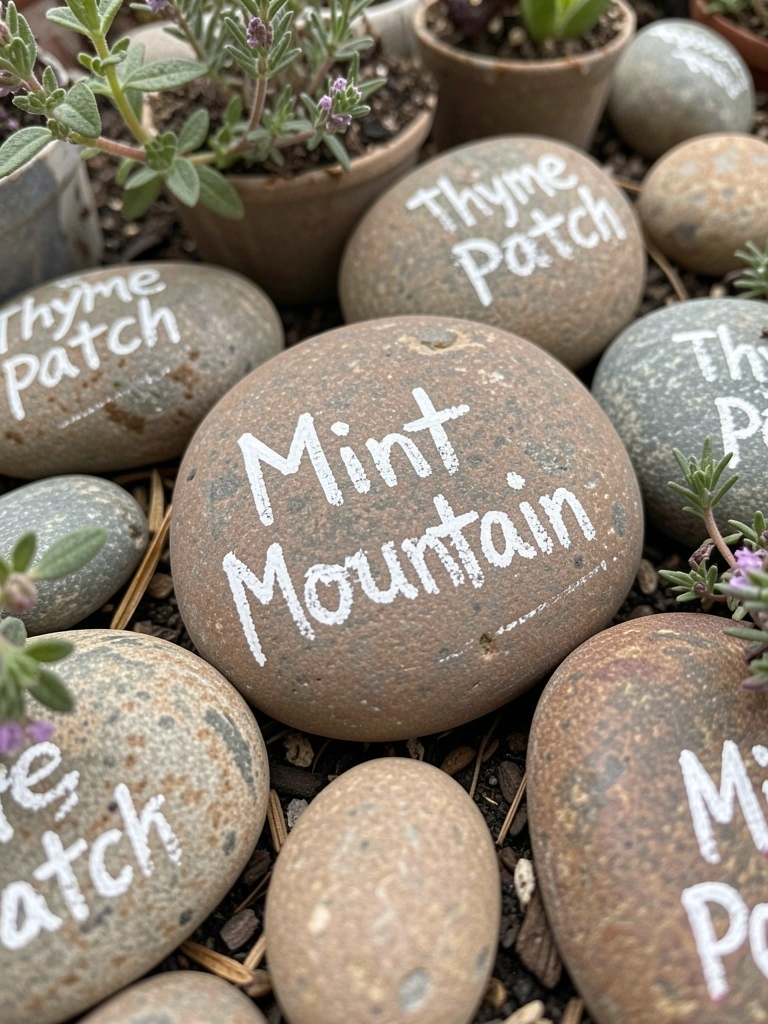
    15. Treasure Hunt Herb Markers

    Painted flat rocks with hunt clues like "Dig for Dill." Placed by plants for kids to find and label.

    Garden game, markers stay.

    Lost one in grass; brighter paint.

    Adventure every water.

    What You’ll Need for This Look

    -[flat river rocks] (bag of 20)
    -[kids rock painting kit]
    -[dill starters]

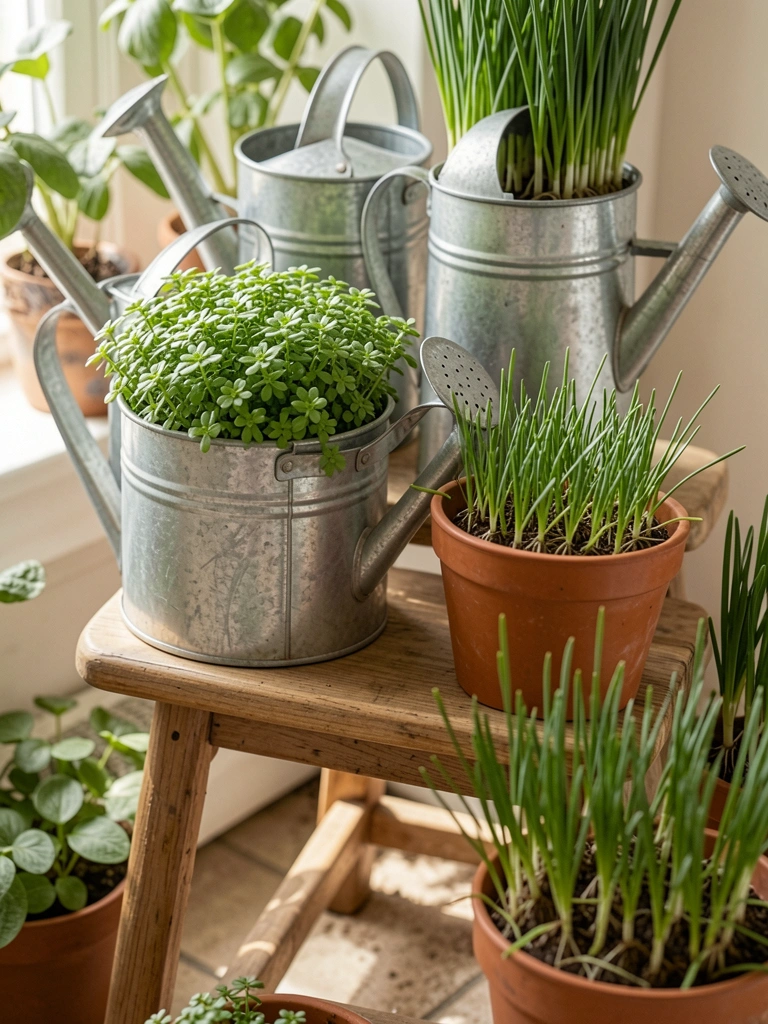
    16. Kid-Size Watering Station Herbs

    Set low stool with small cans, chives pots clustered. Kids reach easy, pour without spill.

    Routine spot, independent.

    Overpour mess; add tray.

    They own it now.

    What You’ll Need for This Look

    -[small kids watering can] (plastic, 1/2 gallon)
    -[kids wooden step stool]
    -[potted chives]

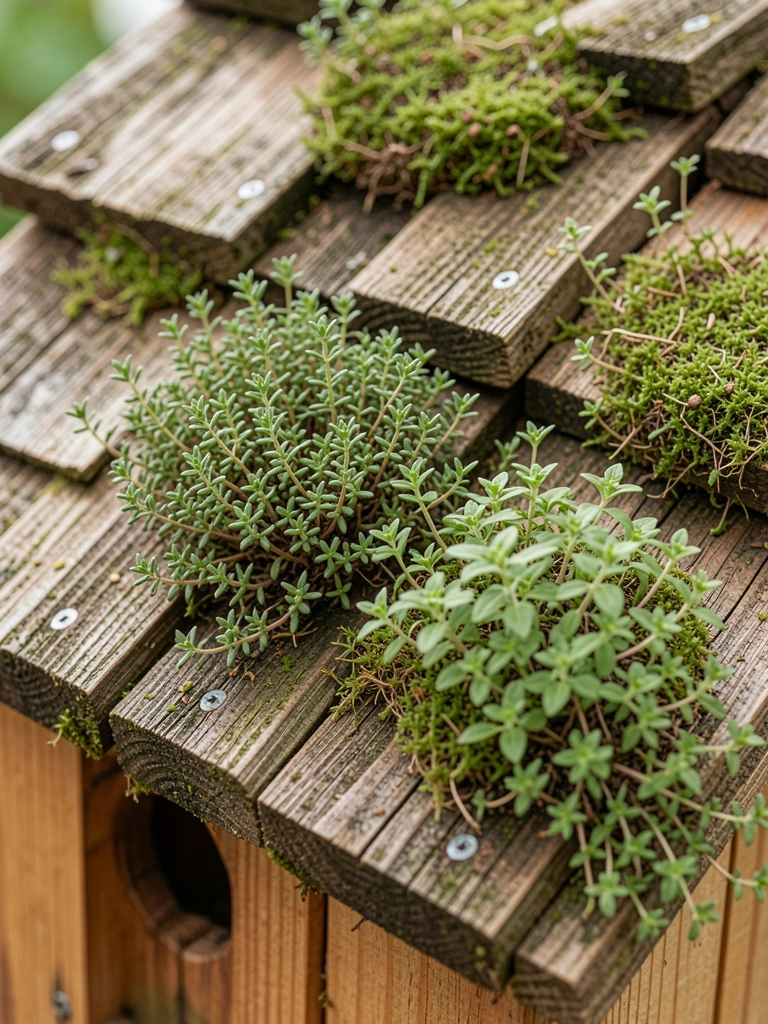
    17. Birdhouse Roof Herb Gardens

    Glued mesh to birdhouse roofs, added soil and thyme. Kids "feed the birds" with water.

    Hanging cluster, whimsical height.

    Birds pecked seeds early; net now.

    Sky gardens charm.

    What You’ll Need for This Look

    -[wood birdhouse kits] (set of 4)
    -[fine mesh screen]
    -[creeping thyme seeds]

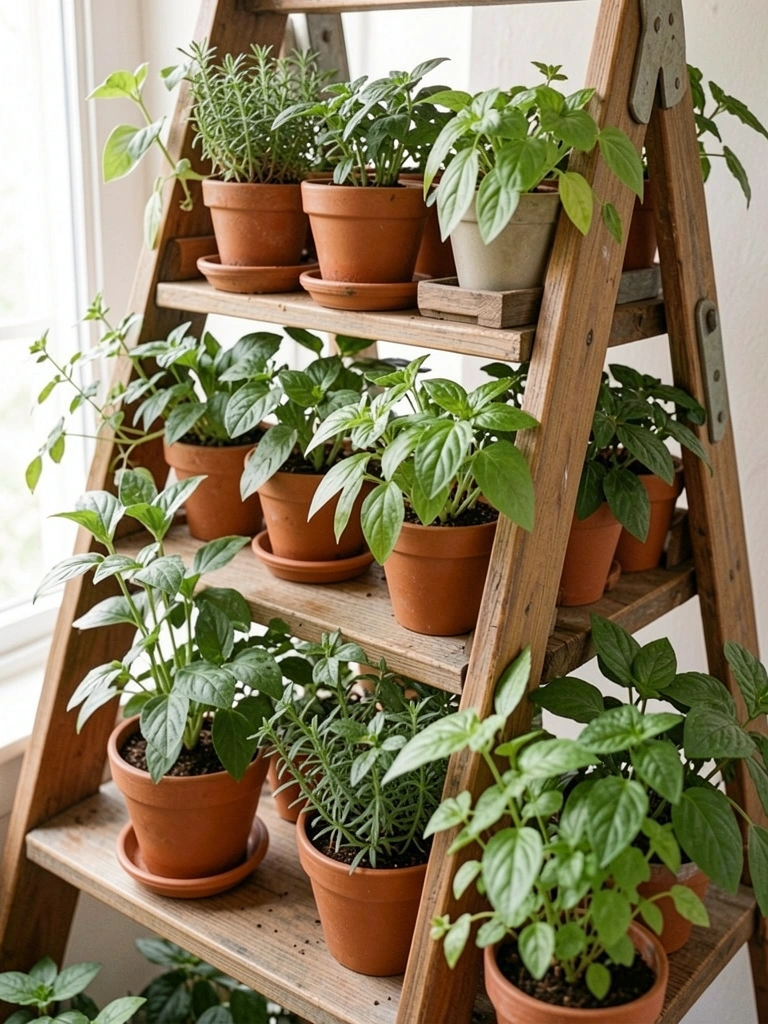
    18. Step Ladder Herb Display

    Old ladder leaned open, pots on rungs—parsley low, sage high. Kids climb to pick.

    Porch levels, airy.

    Wobbled; brace feet.

    Tiered ease.

    What You’ll Need for This Look

    -[small wooden step ladder] (3-step)
    -[herb starter kit]
    -[ladder stabilizer feet]

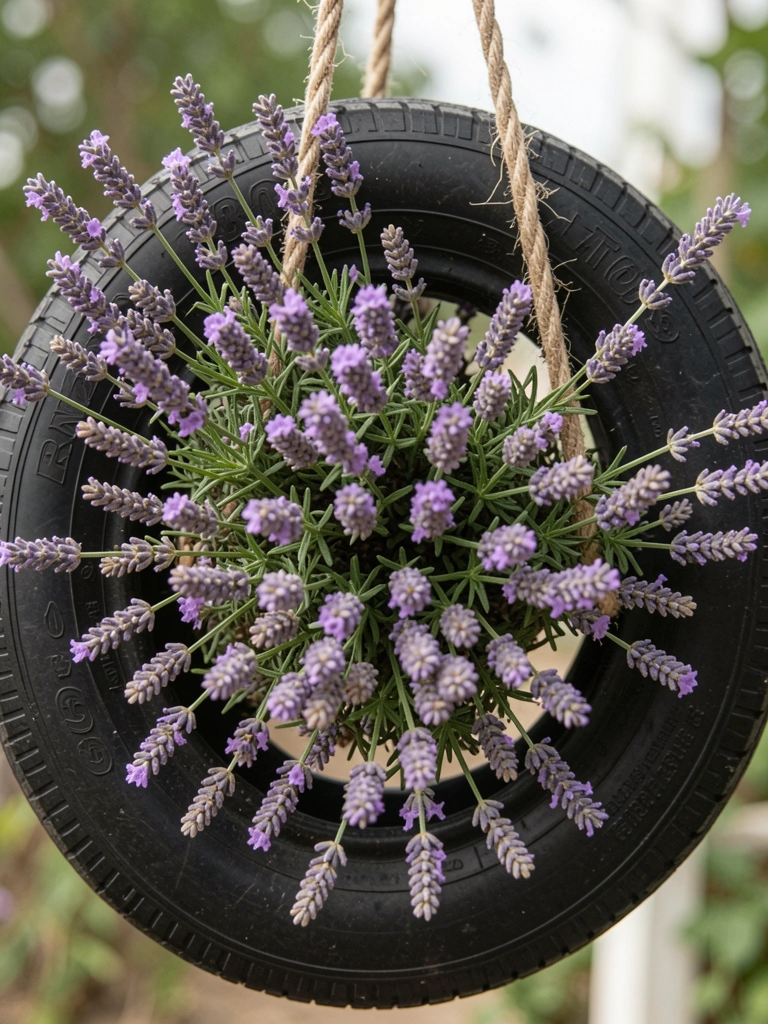
    19. Swing Tire Herb Bed

    Cut old tire, hung as swing, soil and marjoram in. Kids swing gentle, sniff.

    Tree shade, bouncy bed.

    Dirt flew first; inner liner.

    Playful harvest.

    What You’ll Need for This Look

    -[swing rope kit]
    -[marjoram seeds]
    -[tire liner plastic]

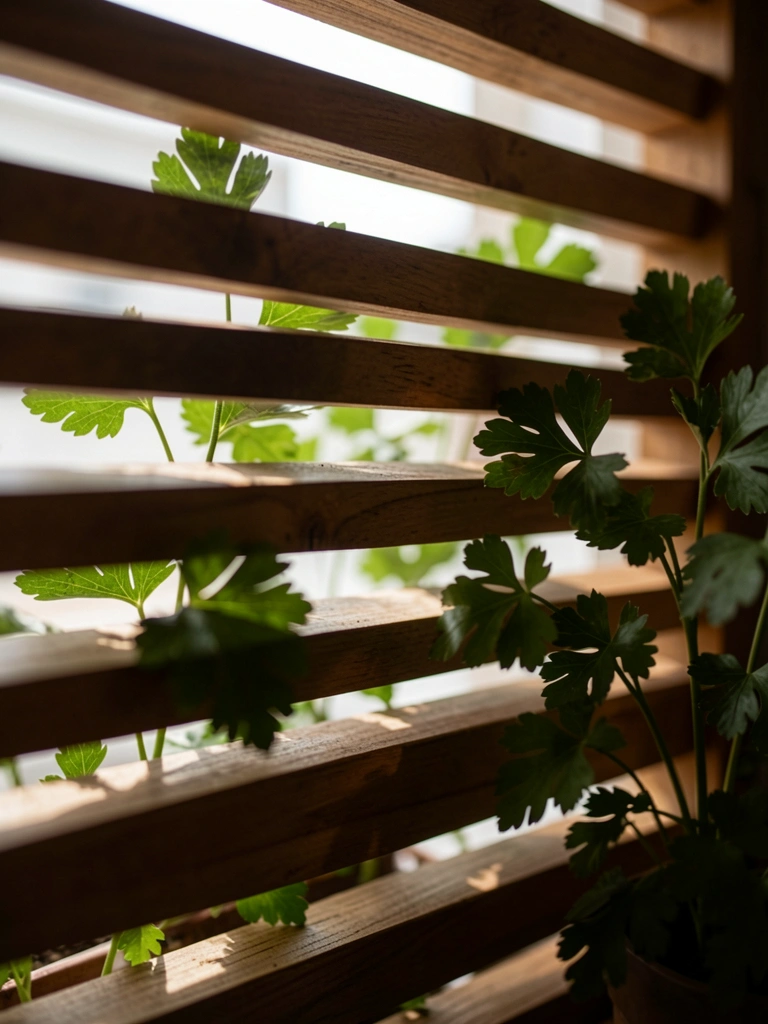
    20. Shadow Screen Herb Backdrop

    Lattice screen, parsley behind for shadow play at dusk. Kids make shapes with hands.

    Fence art, evening show.

    Screen tipped; stakes now.

    Light dance delights.

    What You’ll Need for This Look

    -[small lattice screen] (3×4 ft)
    -[metal garden stakes]
    -[flat leaf parsley]

    21. Storybook Character Pots

    Kids drew book characters on pots—Goldilocks with thyme porridge. Planted matches.

    Shelf lineup, storytime garden.

    Ink ran; paints instead.

    Tales grow real.

    What You’ll Need for This Look

    -[4-inch white clay pots] (set of 6)
    -[kids paint markers]
    -[lemon thyme plant]

    Final Thoughts

    Pick one or two ideas that fit your space and kids' ages. They don't need perfection—just dirt, water, and laughs.

    Mine started small, grew from there. Yours will too.

    You've got this. Watch their faces light up.

  • 11 Beautiful Herb Garden Ideas For Porch Spaces

    11 Beautiful Herb Garden Ideas For Porch Spaces

    I remember the first summer I turned my back porch into an herb spot. Nothing fancy—just pots squeezed between chairs. But stepping out to snip fresh basil for dinner? That changed everything. The air smelled alive.

    Porches get tricky with wind and shade. I lost a few plants figuring that out. Now my setup thrives.

    These ideas come from years of trial. They'll work on yours too.

    11 Beautiful Herb Garden Ideas For Porch Spaces

    Here are 11 beautiful herb garden ideas for porch spaces I've set up myself. Each one fits tight spots, handles real weather, and grows herbs you actually use. Pick one and start small—you've got this.

    1. Rail-Mounted Herb Planters That Swing with the Breeze

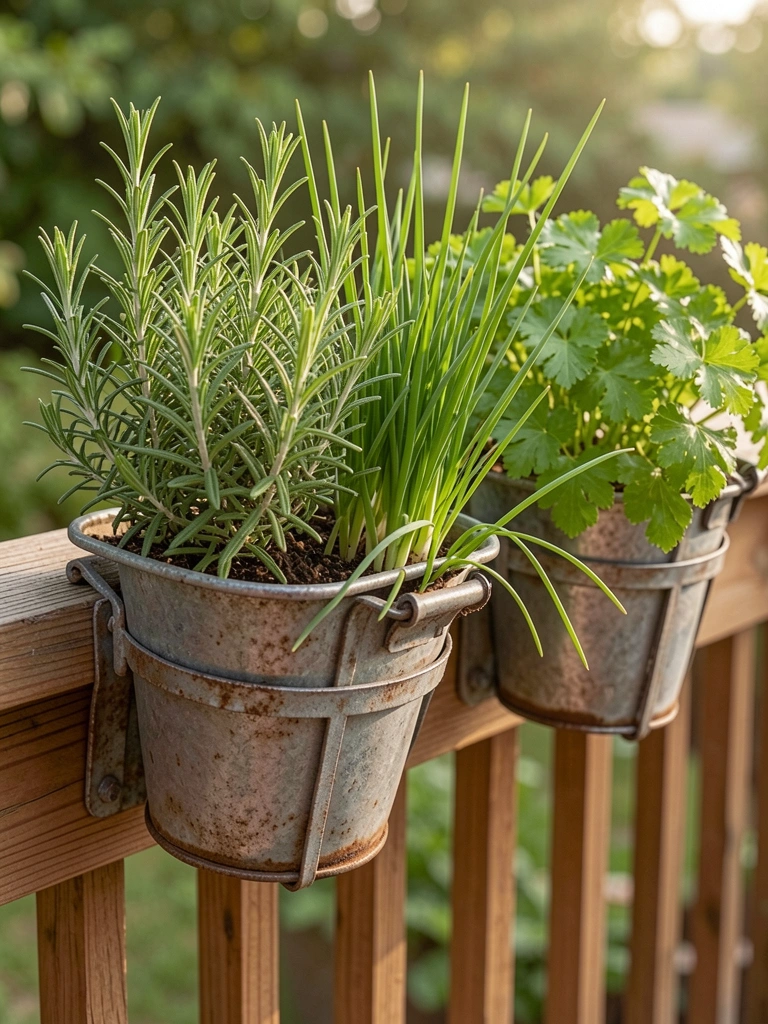
    I bolted these onto my porch rail last spring. They hold steady but sway a bit in wind—keeps soil aerated. Rosemary bushes out strong, chives fill in quick. The view? Herbs right at eye level, brushing your hand as you pass.

    Before, my rails were bare. Now it's cozy, like the porch grew arms. Chopping parsley for eggs feels easy.

    Watch drainage—porch floors hate drips. I added saucers underneath.

    One tip: Start with established plants. Seeds blow away too easy here.

    What You’ll Need for This Look

    12-inch metal rail planters

    Rosemary plant 4-inch pot

    Drainage saucers for pots

    2. Tiered Wooden Shelves Packed with Basil Layers

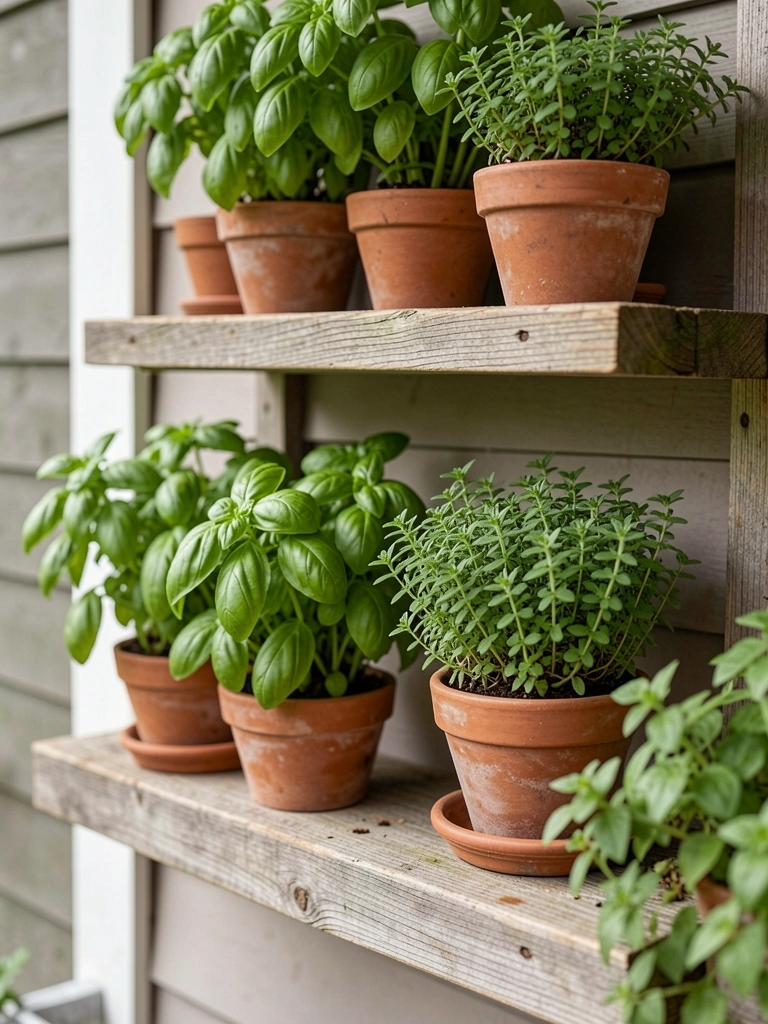
    My porch wall was empty space. I hung these shelves, cramming basil—Genovese up top, Thai below. They catch morning sun perfect. Oregano trails down, hiding the brackets.

    It went from flat to full overnight. Now I grab handfuls without bending. Feels abundant.

    I overplanted once—crowded them out. Space pots 6 inches apart.

    Turn shelves every week for even light. Herbs lean otherwise.

    What You’ll Need for This Look

    3-tier wooden wall shelves outdoor

    Genovese basil starter plants

    Thai basil plants pack

    3. Hanging Mason Jars for Trailing Mint Vines

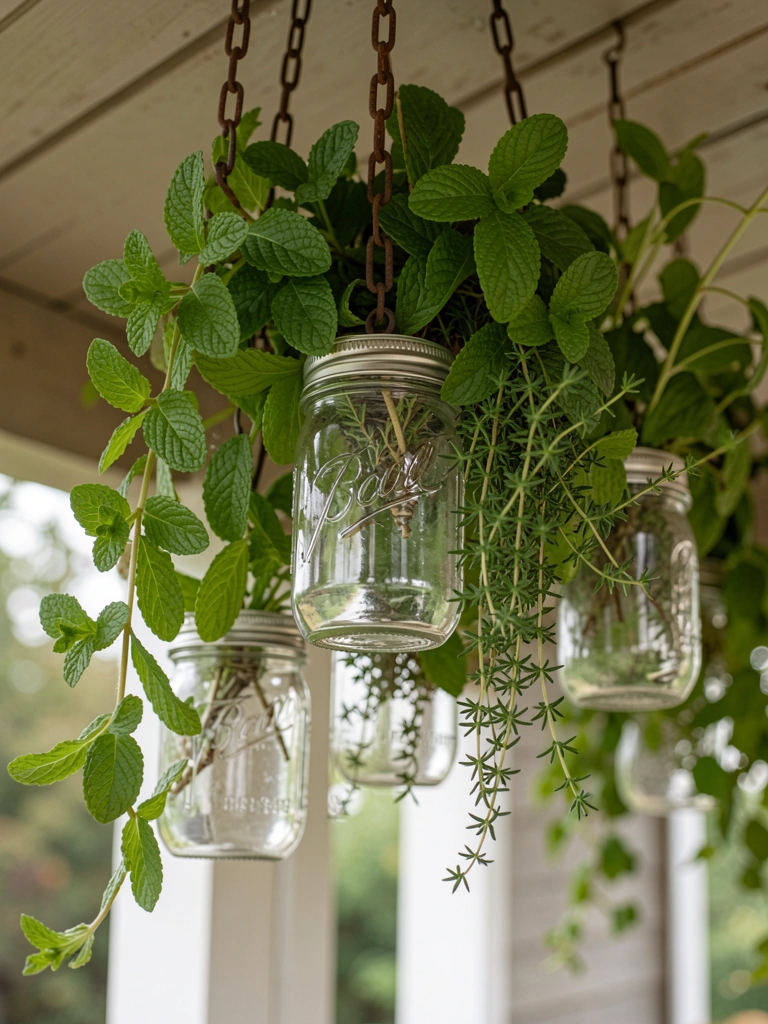
    I strung these jars from hooks under the porch roof. Mint takes over, draping like curtains. Thyme peeks from sides—easy to snip for tea.

    Wind used to knock pots off. Jars swing gentle, no mess.

    The porch feels shaded and fresh now. Mint cools hot afternoons.

    Poke holes in lids for drainage. I forgot once—soggy roots.

    What You’ll Need for This Look

    Mason jar hanging kit outdoor

    Chocolate mint plant

    Ceiling hooks heavy duty

    4. Upcycled Crate Steps for Thyme and Chives

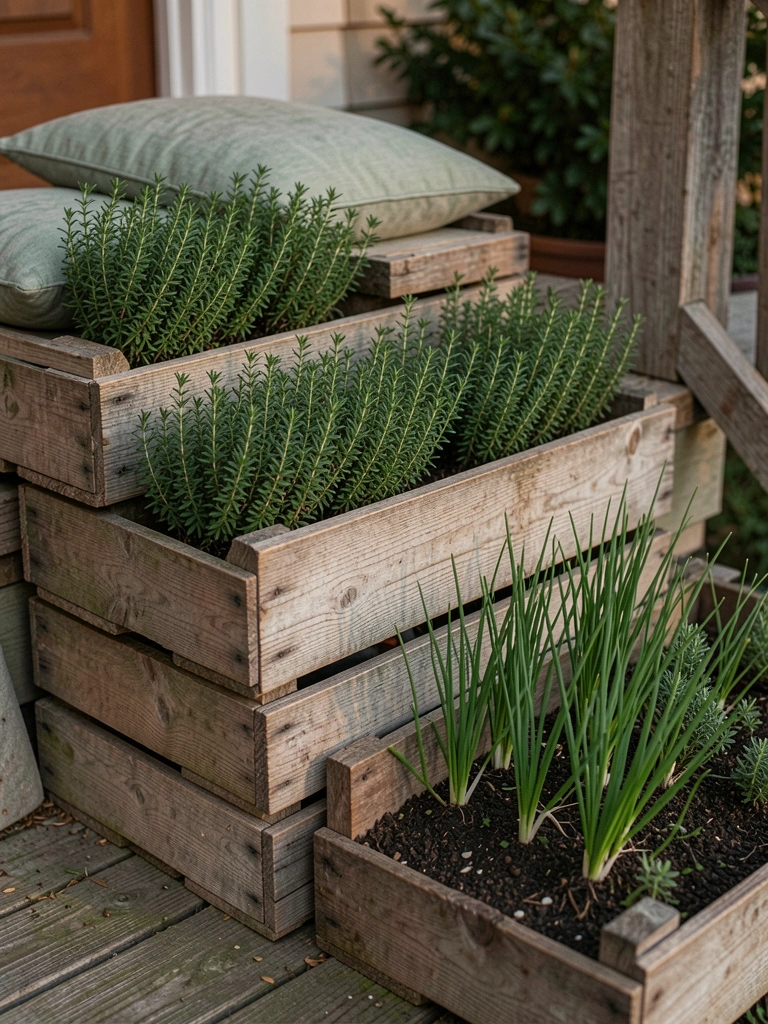
    Old crates from the garage became my porch stairs. Thyme fills the tops, chives poke from sides. Sturdy for feet, herbs for hands.

    It adds height without bulk. Porch feels deeper.

    I lined bottoms with plastic first—wood rots fast otherwise.

    Chives spread slow here. Patience pays.

    What You’ll Need for This Look

    Wooden wine crates stackable

    Creeping thyme plants

    Landscape fabric liner

    5. Window Box Herbs Lined Along the Porch Edge

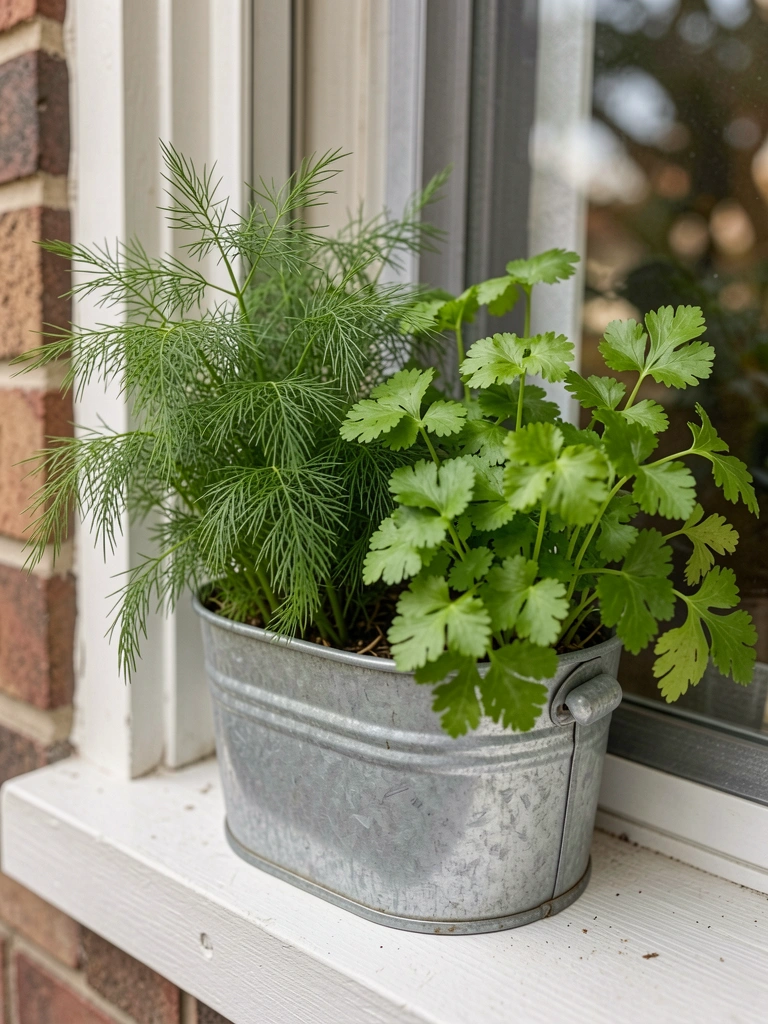
    I mounted these along the porch front. Dill towers, cilantro bolts quick, parsley stays lush. They soften the edge, like a green skirt.

    Snipping for salads is step-out easy. Breeze carries the scent.

    Cilantro went bitter in heat once. Succession plant every 3 weeks.

    Secure boxes tight—porch shakes in storms.

    What You’ll Need for This Look

    24-inch window boxes metal

    Dill herb seeds packet

    Window box brackets

    6. Pallet Vertical Garden Bursting with Oregano

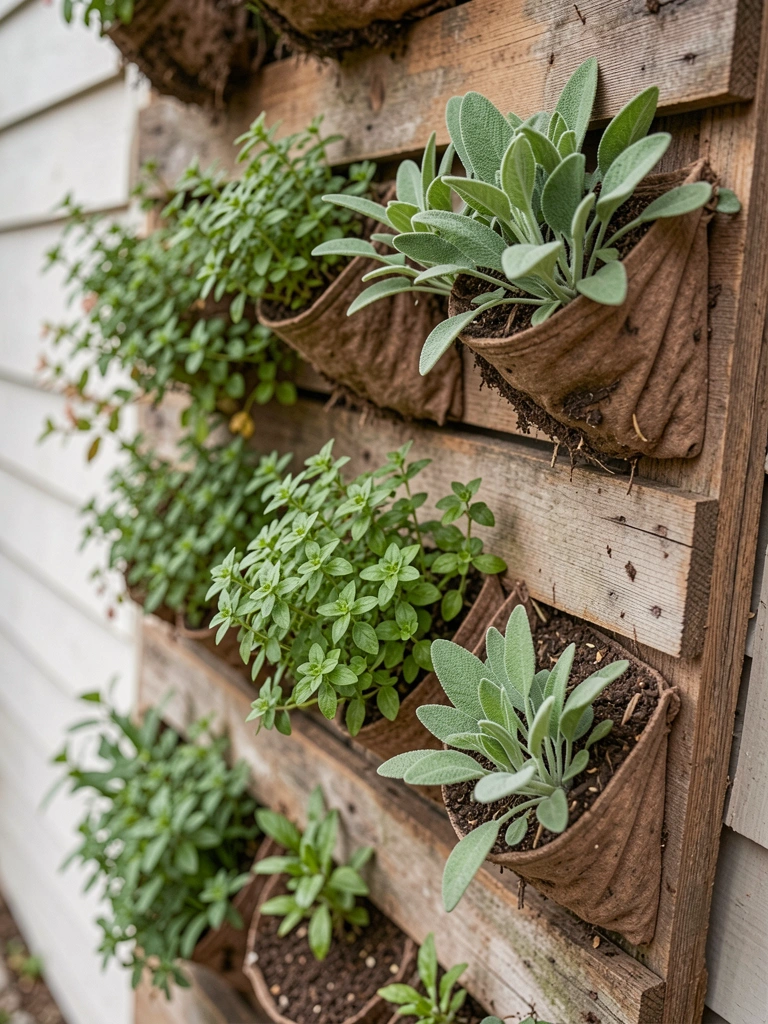
    Leaned a pallet against the wall, stuffed pockets with oregano and sage. Roots grip soil, plants spill over. Saves floor space.

    Porch wall vanished behind green. Feels private.

    Stapled landscape fabric in back—dirt stays put.

    Oregano loves dry spots. Less water needed.

    What You’ll Need for This Look

    Garden pallet kit vertical

    Greek oregano plants

    Staple gun heavy duty

    7. Lantern Pots Glowing with Lavender Edges

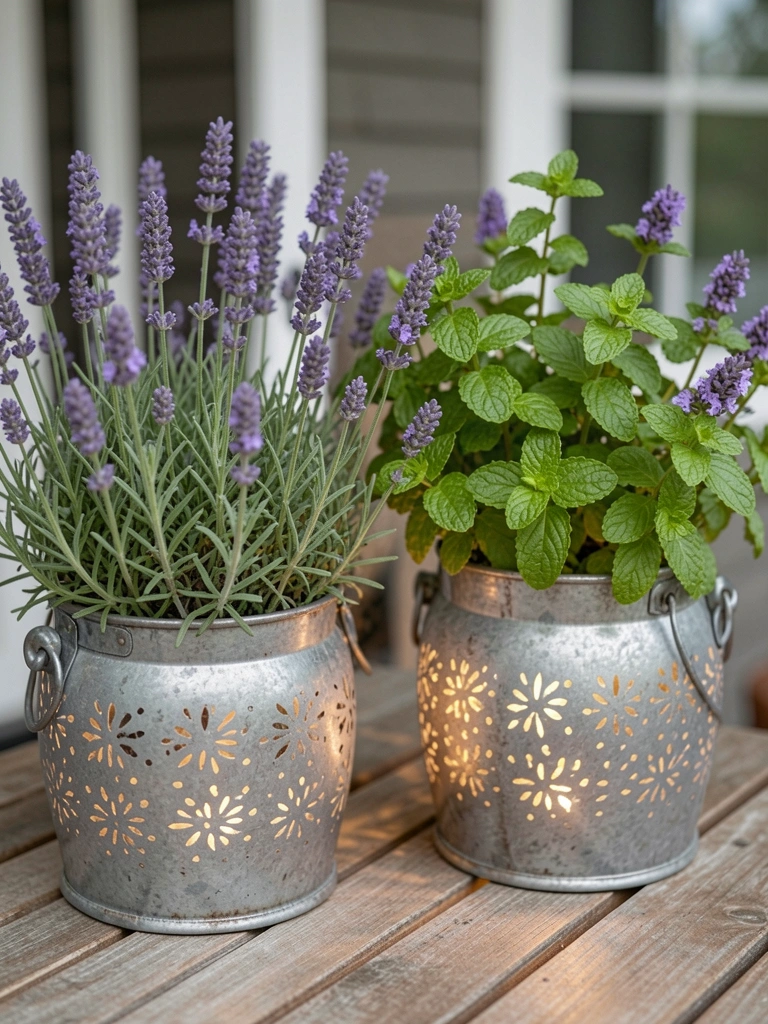
    These pierced lanterns hold lavender and lemon balm. Light filters through leaves at dusk. Porch evenings smell sweet.

    They catch eyes without shouting. Subtle glow.

    I picked too-tall lavender once—toppled. Go dwarf varieties.

    Drain well—metal rusts.

    What You’ll Need for This Look

    Outdoor lantern planters medium

    Dwarf lavender plants

    Lemon balm starter

    8. Rolling Wagon Herbs for Easy Moves

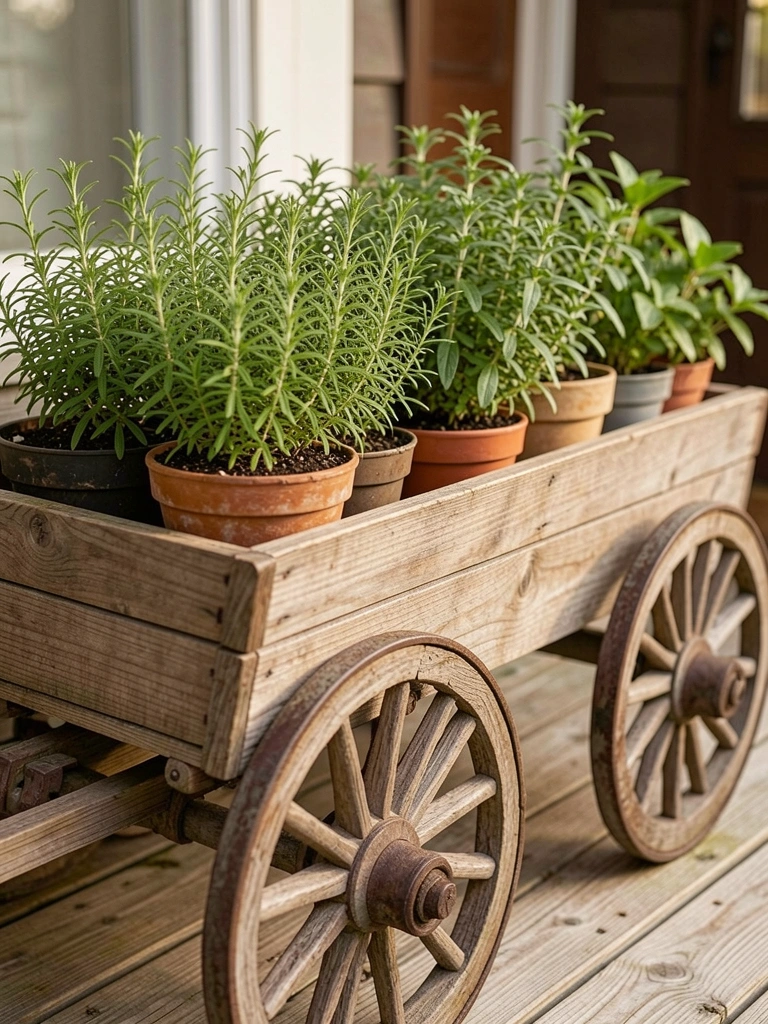
    My old wagon hauls tarragon and marjoram pots. Roll to sun or shade as needed. Porch stays tidy.

    Chases light perfect. Herbs stay happy.

    Wheels stuck once—oil them yearly.

    Group by water needs.

    What You’ll Need for This Look

    Garden wagon rolling cart

    Tarragon plant French

    Wheel lubricant spray

    9. Ladder Shelf Leaning with Sage Layers

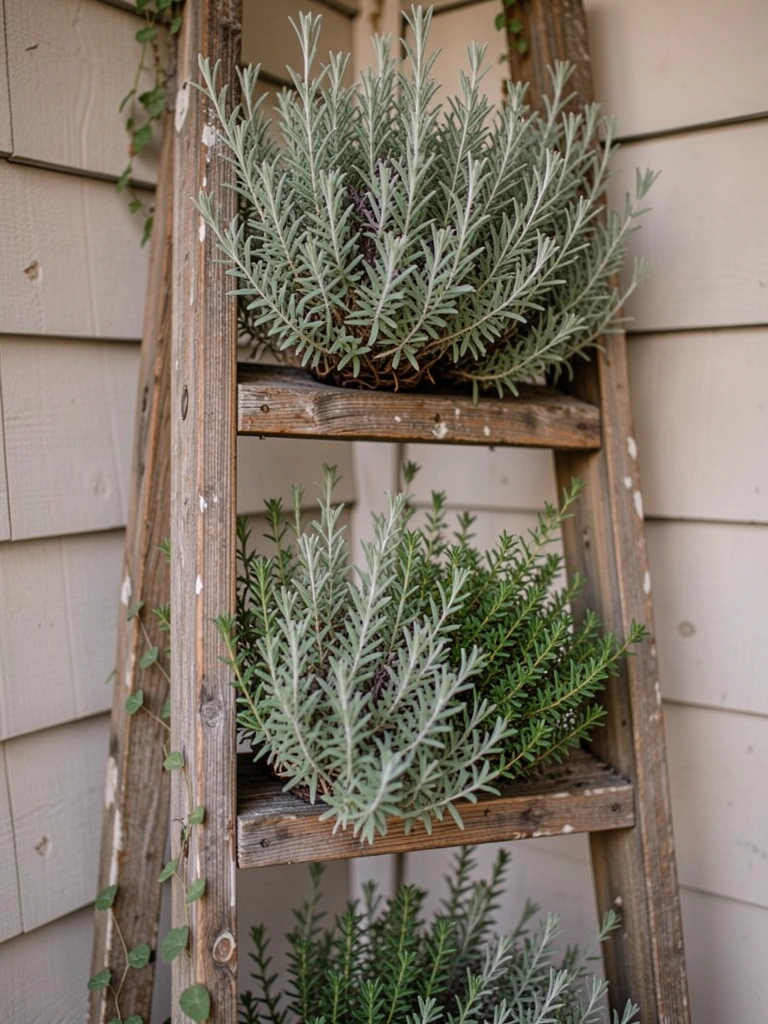
    Propped an old ladder in the corner for sage and savory. Rungs hold pots at angles—air flows free.

    Corner feels used now, not dead. Herbs within reach.

    Tied pots secure—wind tips leaners.

    Sage overwinters easy here.

    What You’ll Need for This Look

    A-frame ladder shelf garden

    Common sage plants

    Zip ties heavy duty

    10. Self-Watering Pots for Busy Porch Cilantro

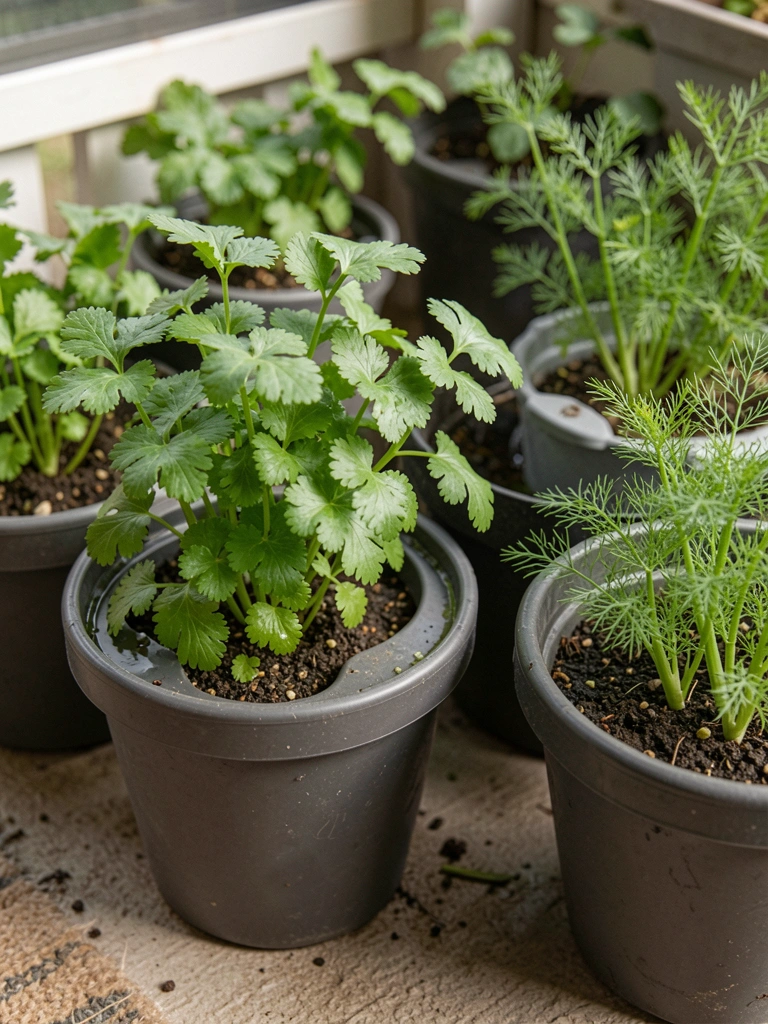
    Clustered these on the floor for cilantro and fennel. Reservoirs keep soil moist—forgetful me wins.

    Porch floor greens up without daily checks. Reliable.

    Overfilled reservoirs once—stagnant water. Check weekly.

    Cilantro lasts longer.

    What You’ll Need for This Look

    Self-watering planters 10-inch

    Cilantro plants live

    11. Woven Basket Clusters for Dill and Parsley

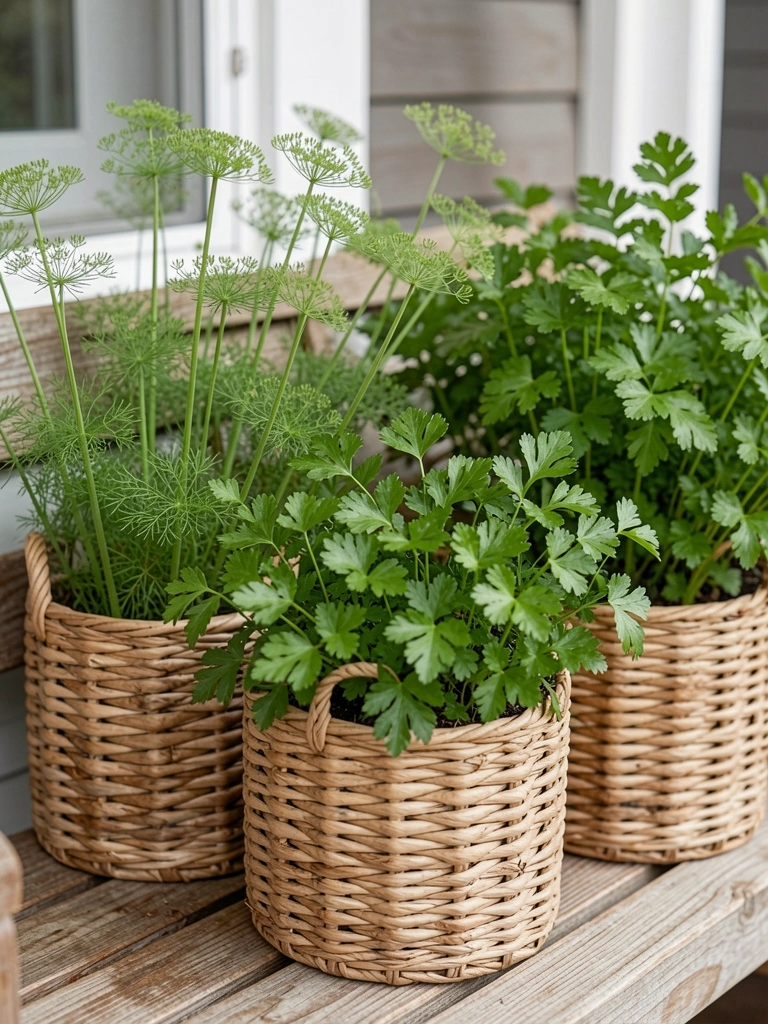
    Baskets on the bench hold dill and parsley. Woven sides breathe, roots happy. Soft look fits wood porch.

    Bench gains purpose—herbs ready for meals.

    Dill seeds drop everywhere. Thin seedlings.

    Baskets dry fast—mulch tops.

    What You’ll Need for This Look

    Woven seagrass baskets large

    Dill bouquet seeds

    Coco mulch chips

    Final Thoughts

    Start with two ideas that fit your porch light. Herbs forgive beginners—mine did.

    Watch what grows best where. Adjust as you go.

    You'll have fresh snips by summer. It's simpler than it seems.

  • 10 Neat Herb Garden Edging Ideas For A Clean Look

    10 Neat Herb Garden Edging Ideas For A Clean Look

    I bent down one morning and yanked mint runners creeping into the grass. My herb bed looked wild, not welcoming. That mess pushed me to edge it properly last spring.

    Bricks went in first. The line sharpened everything. Herbs stayed put, paths stayed clear.

    Now, I walk out there calm, coffee in hand. Edges matter more than you think.

    10 Neat Herb Garden Edging Ideas For A Clean Look

    These 10 herb garden edging ideas come from my own patches and neighbor yards. They'll give you crisp borders that last. Easy to source, simple to set.

    1. Brick Half-Circles for Winding Herb Beds

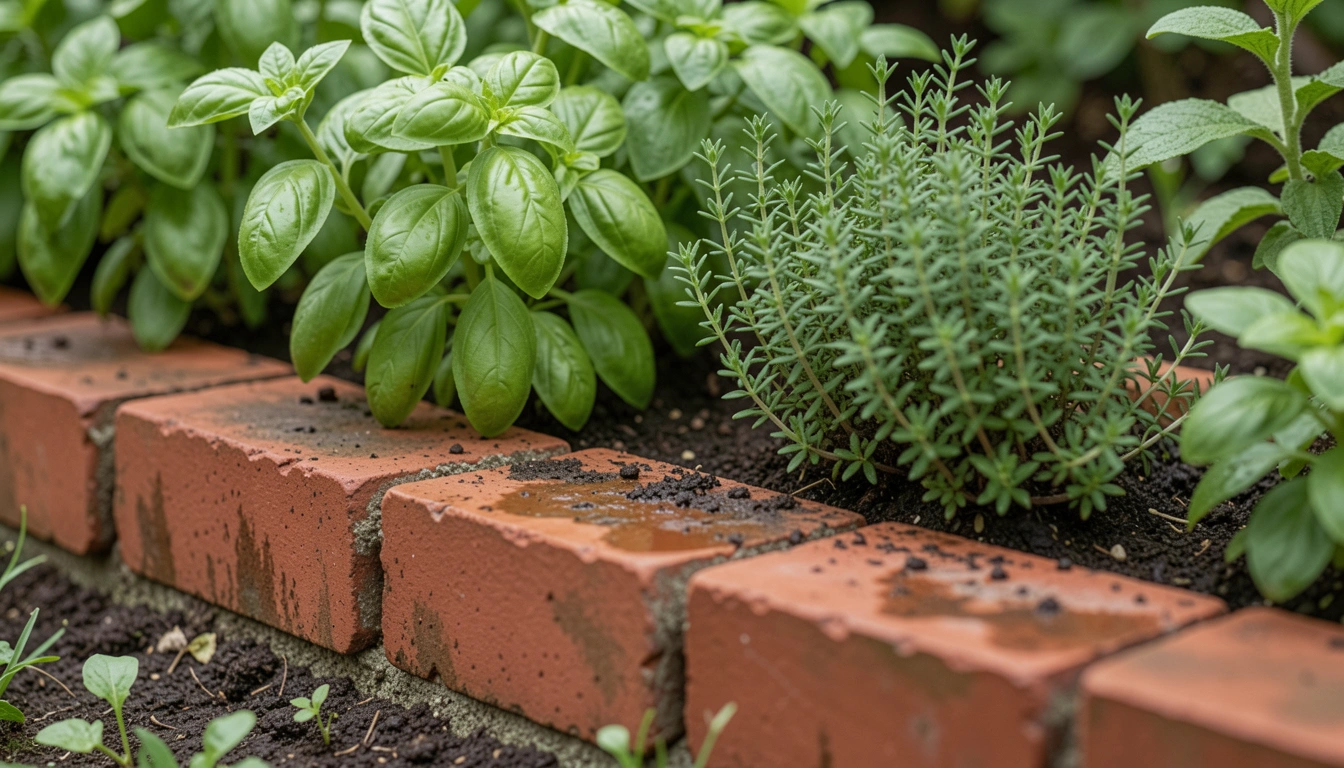
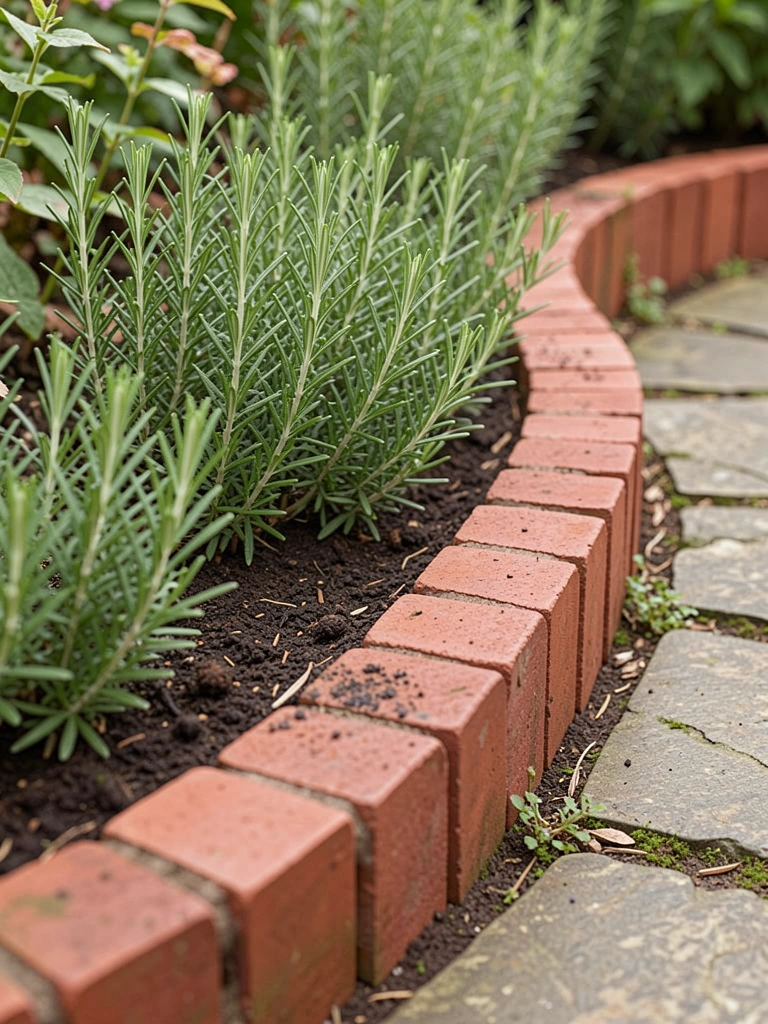
    I laid these bricks around my curved thyme bed after straight lines felt too stiff. The half-circles hug the shape, keep soil from spilling onto the gravel walk.

    Visually, it pulls your eye along the curve, makes the herbs pop green against the red. Feels softer than boxy edges.

    Watch the depth—sink bricks level with soil so mower wheels glide over. I dug too shallow once, tripped the trimmer.

    What You’ll Need for This Look

    2. Flat River Rocks for a Natural Flow

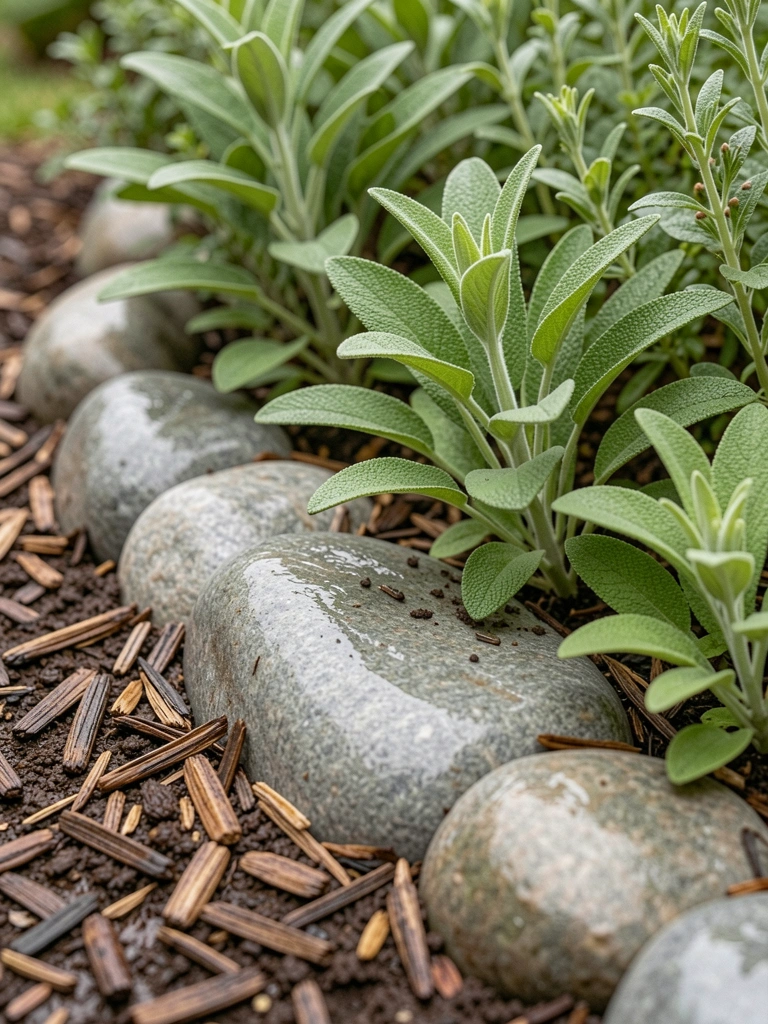
    River rocks edged my basil row after gravel washed away. I wedged them tight into the soil line, no mortar needed. They settle in over time.

    The garden feels grounded now, rocks blending with the herbs' gray-green tones. No harsh lines, just quiet containment.

    Pick smooth, flat ones—jagged hurt bare feet. Size them to your bed width, about fist-sized.

    What You’ll Need for This Look

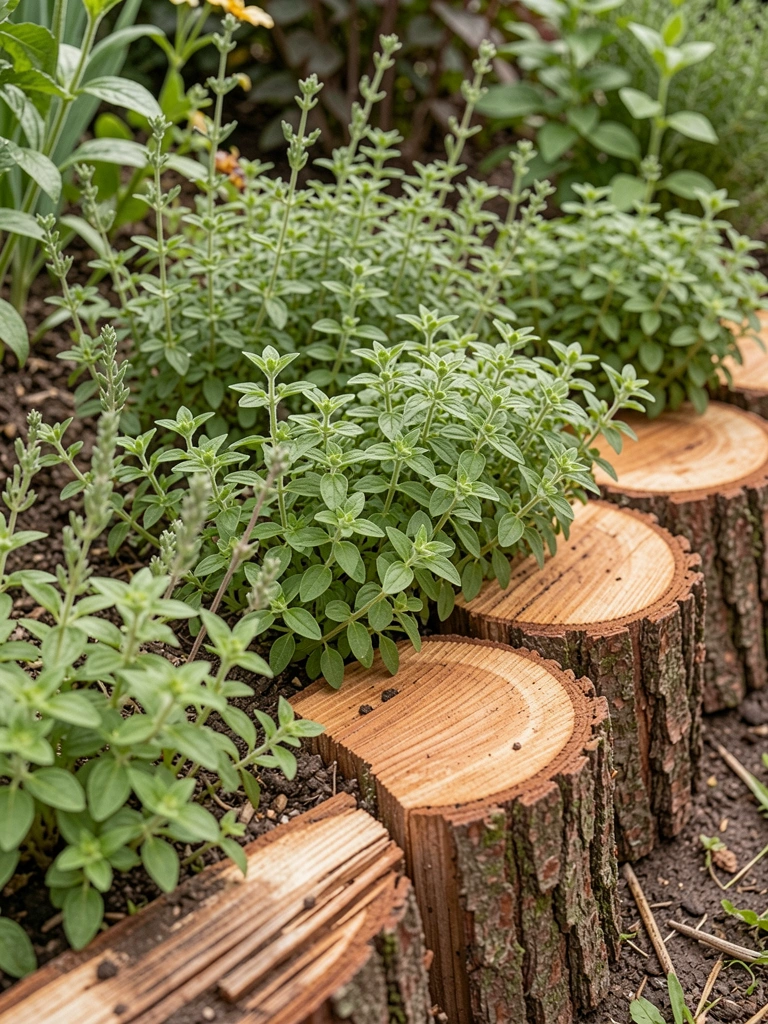
    3. Sawn Timber Logs for Rustic Depth

    I sliced old cedar posts for my oregano edge when plastic strips warped in heat. Logs stack two high, hold back the spreading roots.

    It adds warmth, wood aging to silver against green leaves. The bed feels deeper, more protected.

    Bury half the log to avoid rot—mine tipped once from shallow set. Pressure-treated lasts longer here.

    What You’ll Need for This Look

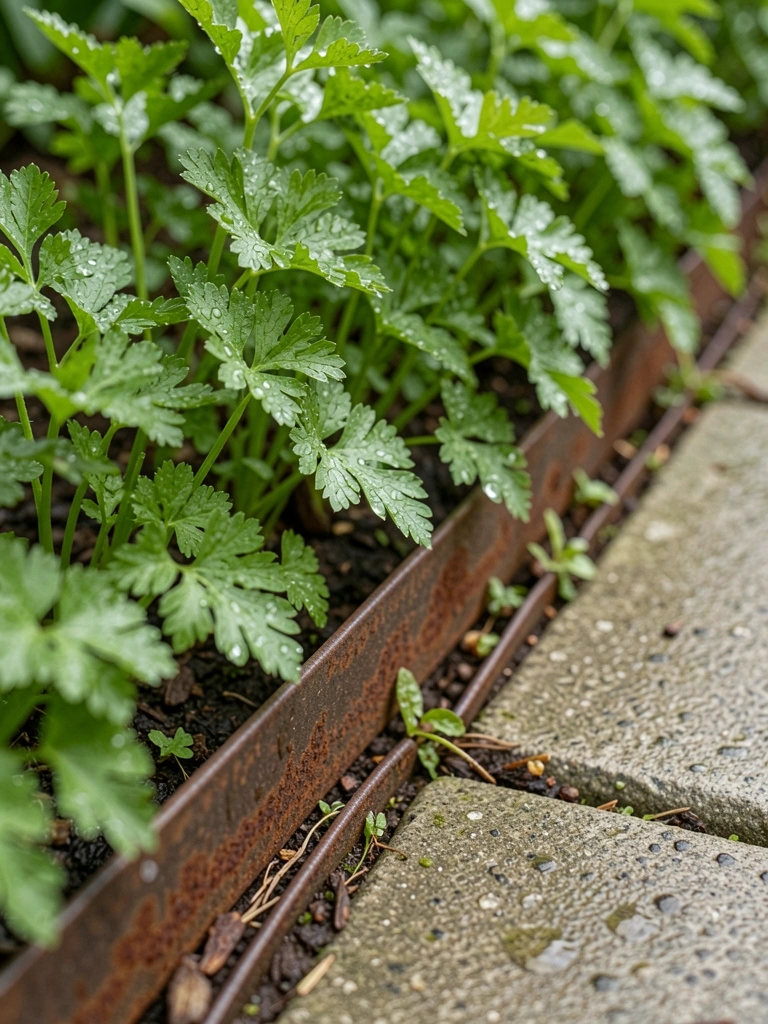
    4. Thin Metal Strips for Sharp Modern Lines

    Steel strips gave my parsley bed a clean snap after weeds snuck through gaps. Hammered them in straight, flush with topsoil.

    The line cuts crisp, makes small herbs look bigger. Modern without cold—rust warms it over months.

    Measure twice; I bent one hammering crooked. Corten steel weathers best outdoors.

    What You’ll Need for This Look

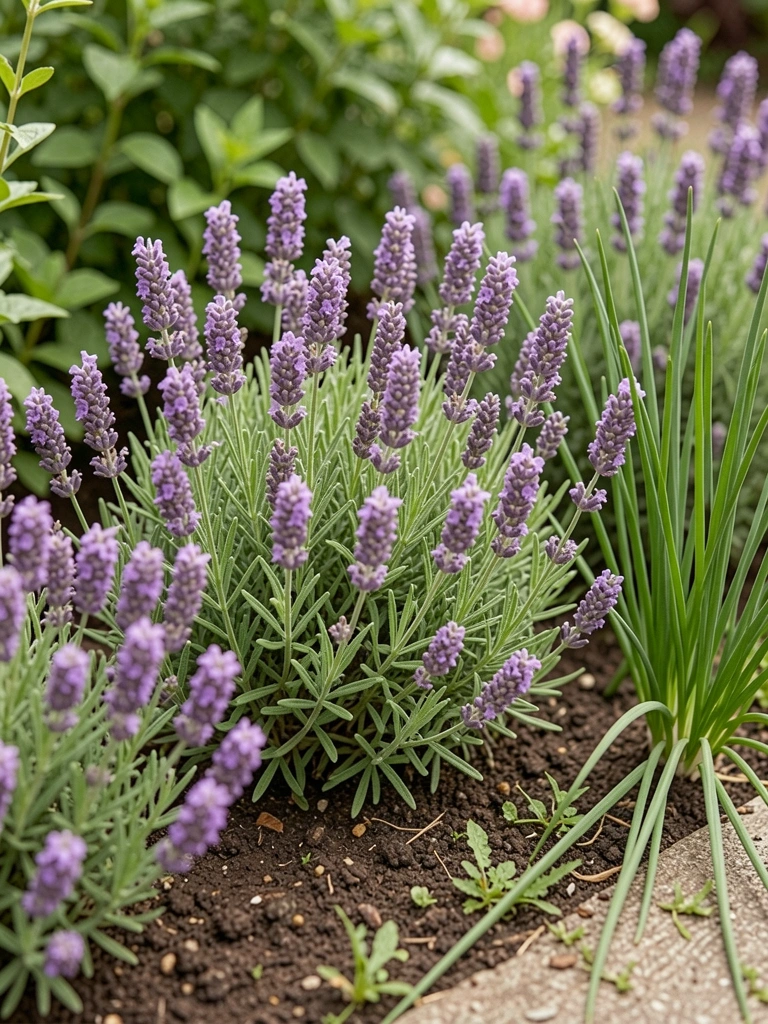
    5. Low-Growing Lavender as Living Edge

    Lavender plants border my chive patch now, planted tight after annuals died off. They fill in dense, block mint escapees.

    Softens the bed edge, adds scent when brushed. Purple tips dance with herb greens.

    Space 12 inches apart—too close, they woody up fast. Trim after bloom to stay low.

    What You’ll Need for This Look

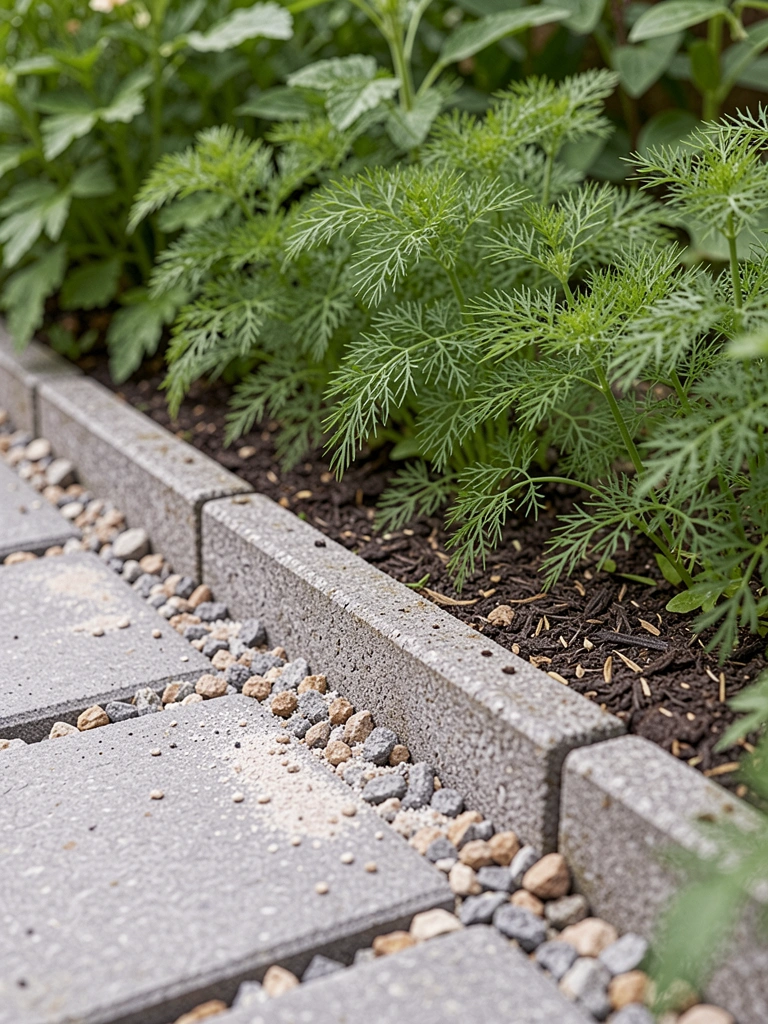
    6. Concrete Paver Slabs in a Row

    Pavers lined my dill row when logs rotted quick. Butted them end-to-end, filled gaps with sand.

    Gives a solid, walkable barrier. Herbs frame neat against the gray, no sprawl.

    Level the base—mine shifted first rain from loose soil. Unfussy gray blends anywhere.

    What You’ll Need for This Look

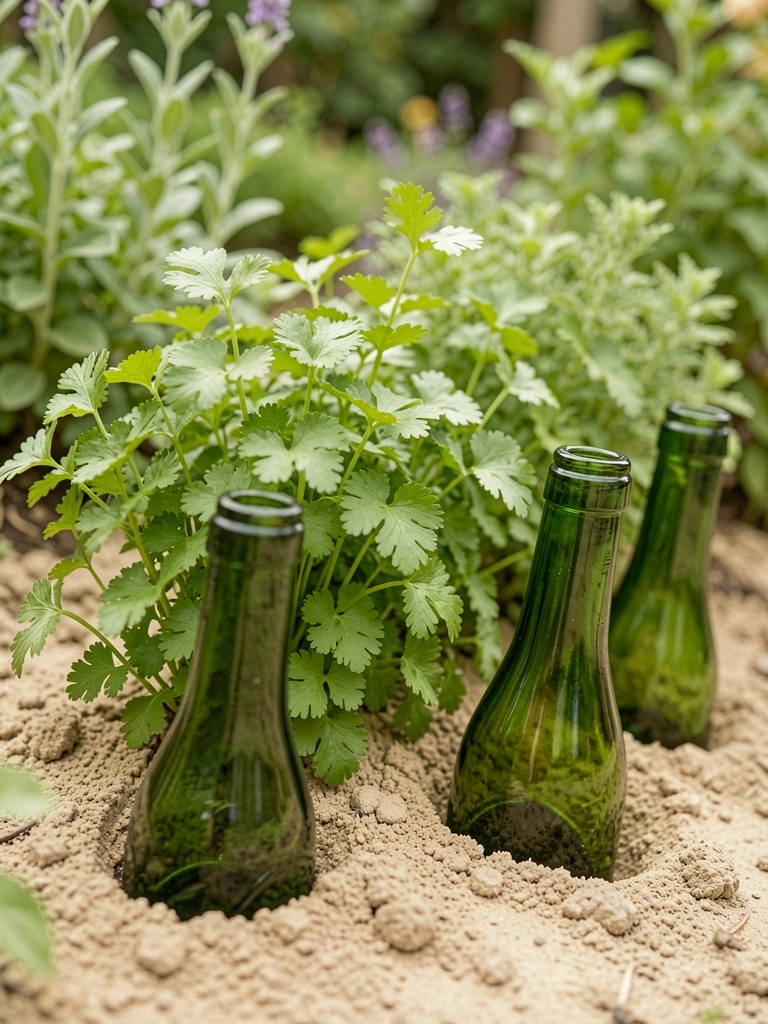
    7. Recycled Wine Bottle Line

    I buried old wine bottles neck-down along cilantro after buying fancy edgers. Glass catches light, holds firm.

    Adds a cozy gleam without cost. Green tint plays off herb shades nicely.

    Clean them first—sticky labels attract bugs. Bury deep so tops don't wobble.

    What You’ll Need for This Look

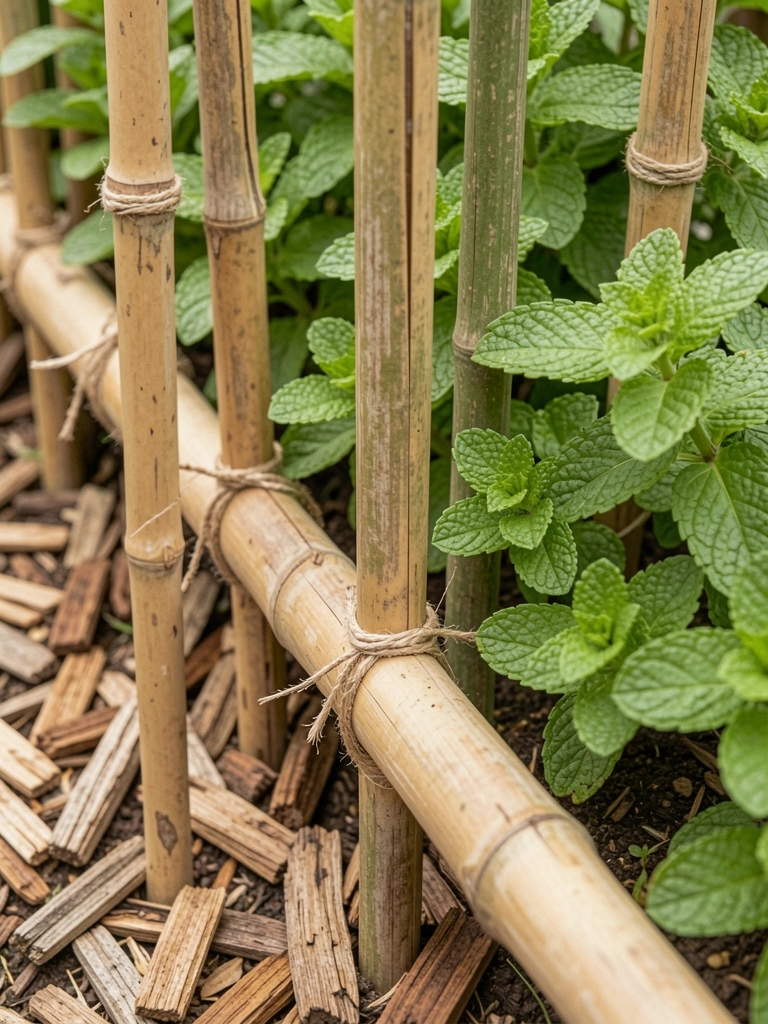
    8. Bamboo Poles Tied in Place

    Bamboo poles edged my mint after it bolted everywhere. Tied them upright, spaced tight.

    Light and vertical, lets air flow. Poles fade to gold, match herb stems.

    I skipped ties once—toppled in wind. Natural split bamboo flexes without snapping.

    What You’ll Need for This Look

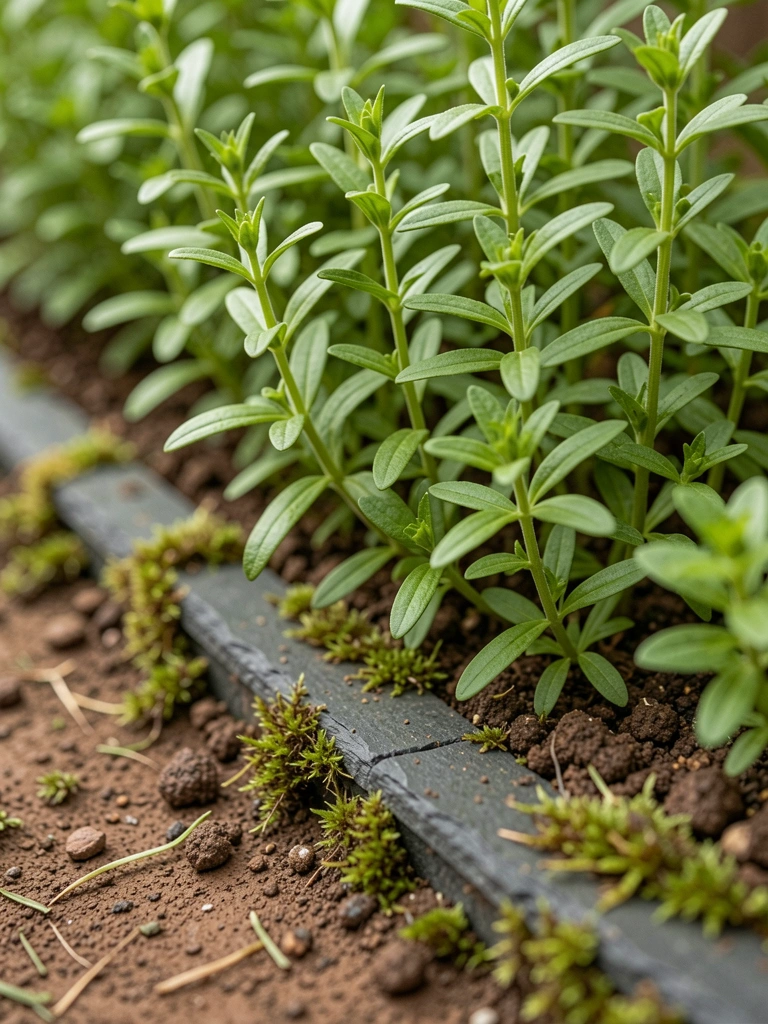
    9. Slate Tile Edges for Subtle Gray

    Slate tiles trimmed my tarragon bed when colors clashed. Thin slices stand upright, grouted light.

    Subtle gray frames without dominating. Tiles weather to soft patina, moss creeps in spots.

    Grout shallow—mine crumbled from frost heave. Thin works best for herbs.

    What You’ll Need for This Look

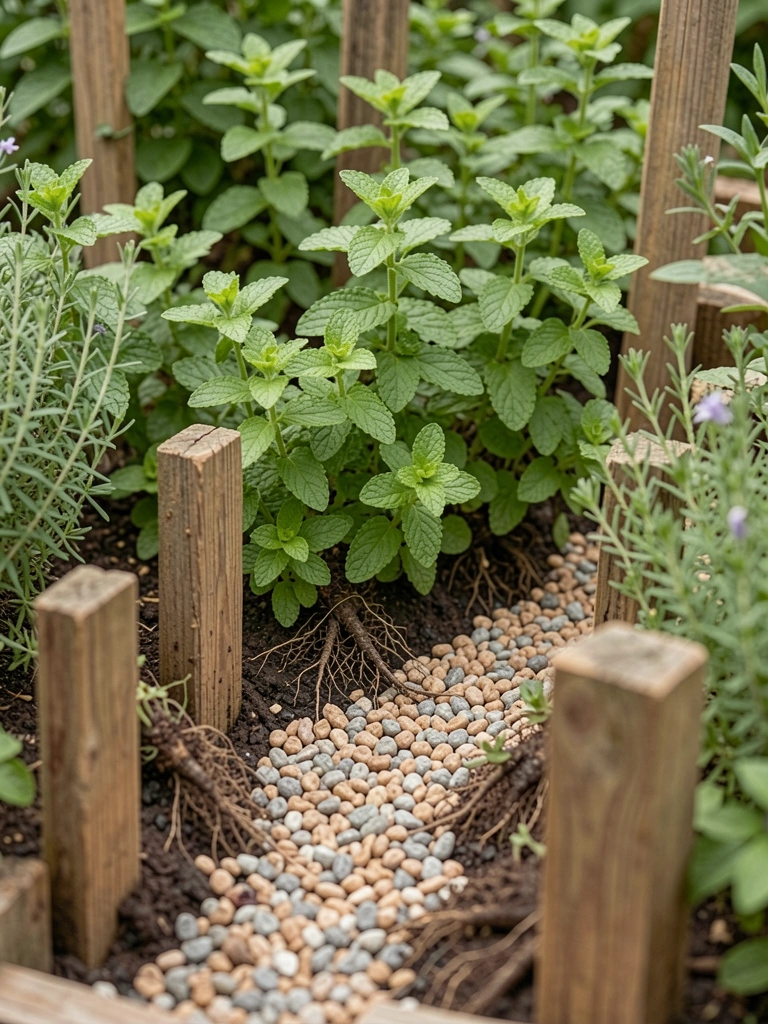
    10. Gravel Trench with Wooden Stakes

    Gravel trench with stakes holds my lemon balm after it flooded paths. Stakes every foot, gravel fills low.

    Crisp yet soft—gravel crunches underfoot, stakes add rhythm. Keeps herbs tucked.

    I used softwood first; rotted fast. Oak stakes endure wet spots.

    What You’ll Need for This Look

    Final Thoughts

    Pick one idea that fits your yard's light and soil. Start small—my first edge was just five feet.

    They all work better than no edge. Your herbs will thank you with better growth.

    You'll have that clean look by week's end. Get out there.