Blog

  • 13 Beautiful Outdoor Potted Herb Garden Ideas For Patios

    13 Beautiful Outdoor Potted Herb Garden Ideas For Patios

    I stepped onto my concrete patio one spring and saw nothing but empty space. No color, no life. Then I started with a few herb pots. Suddenly, dinners tasted better, and brushing past them filled the air with that fresh green smell.

    It wasn't perfect. Some plants bolted in the heat, others drowned from my overwatering. But over years of trial, I found setups that fit real patios—small, windy, or shaded.

    These ideas come from my gardens. They're for pots, outdoors, easy to grab from the store.

    13 Beautiful Outdoor Potted Herb Garden Ideas For Patios

    Here are 13 outdoor potted herb garden ideas I've built on my patios over the years. Each one fits tight spaces and actually grows well. You'll see exactly what works.

    1. Tiered Stand That Packs Herbs into Tight Corners
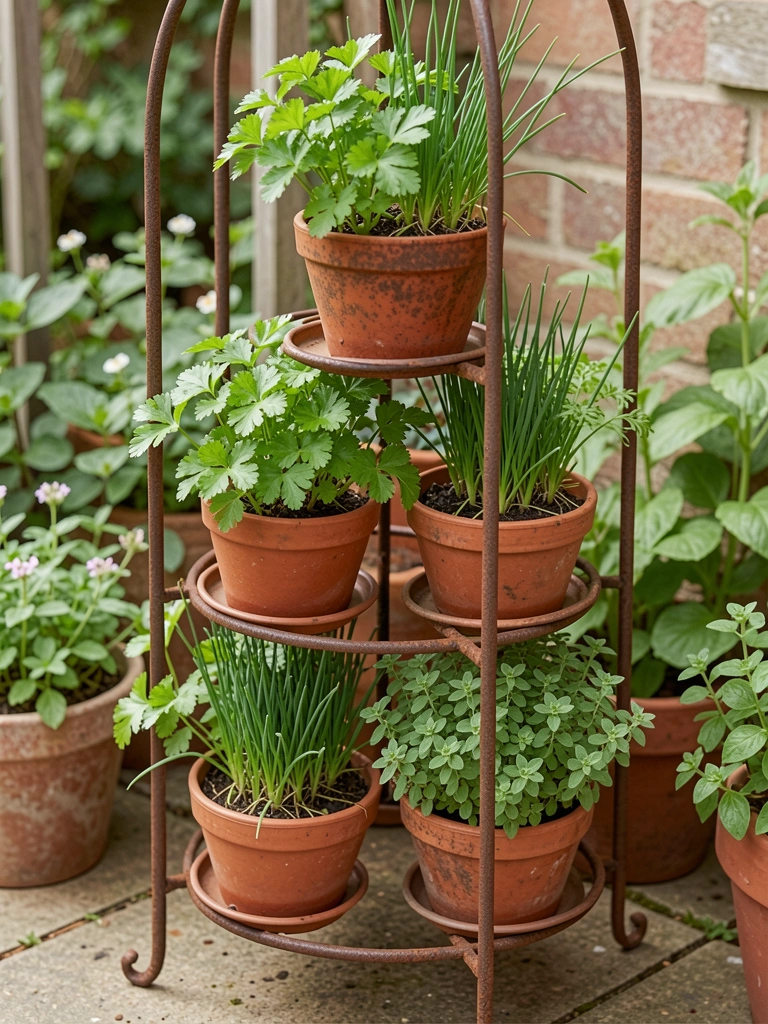
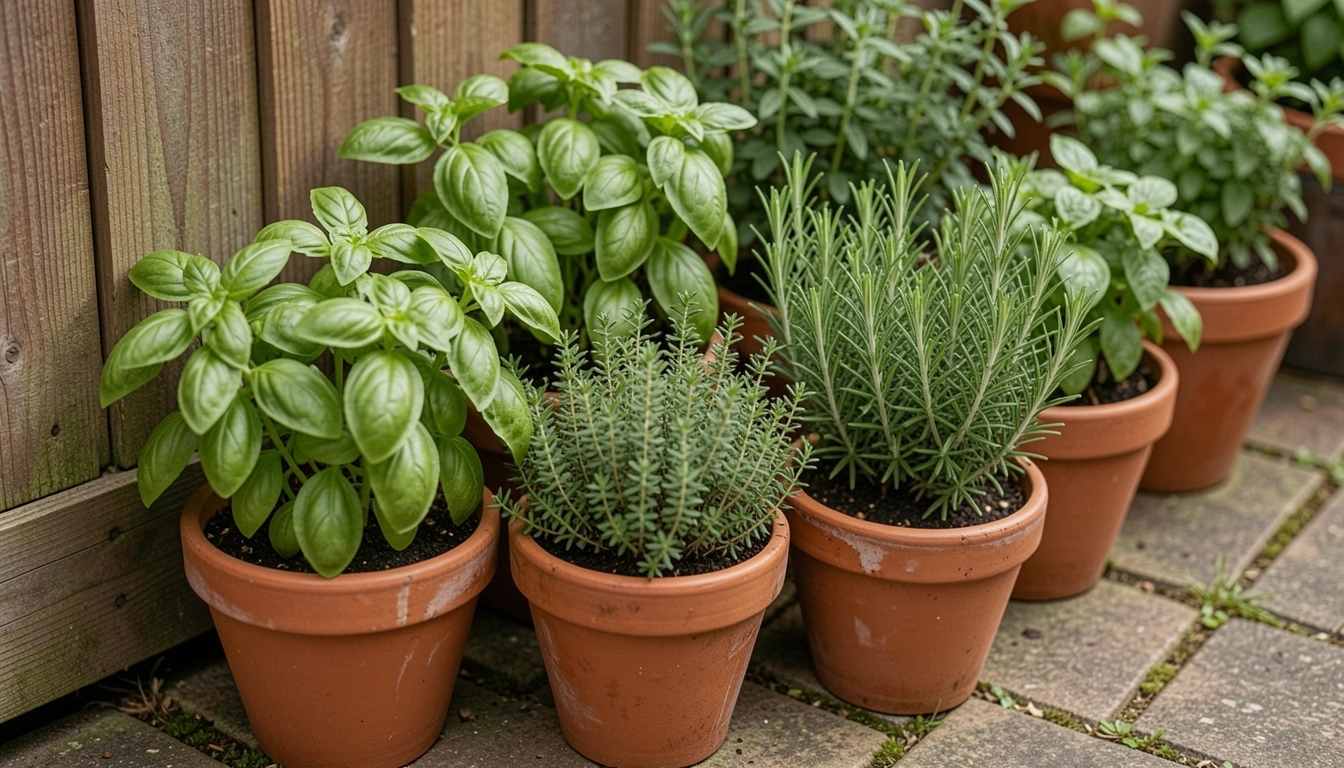
    I wedged this black metal tiered stand into my narrow patio corner last summer. It held six pots without crowding the chairs. Basil on top caught sun, thyme below stayed snug.

    The height made picking easy—no bending. Visually, it softened the blank wall, like a green staircase. My mistake? Starting with too-dry lavender; switched to moist-loving parsley, and it filled out fast.

    Watch for wind—stake taller tiers. Group by water needs: dry herbs low, wet ones high.

    What You’ll Need for This Look

    3-tier metal plant stand (medium, black)

    Terracotta pots (6-inch set)

    Parsley, chives, oregano starter plants

    2. Hanging Baskets for Trailing Herbs That Swing Gently
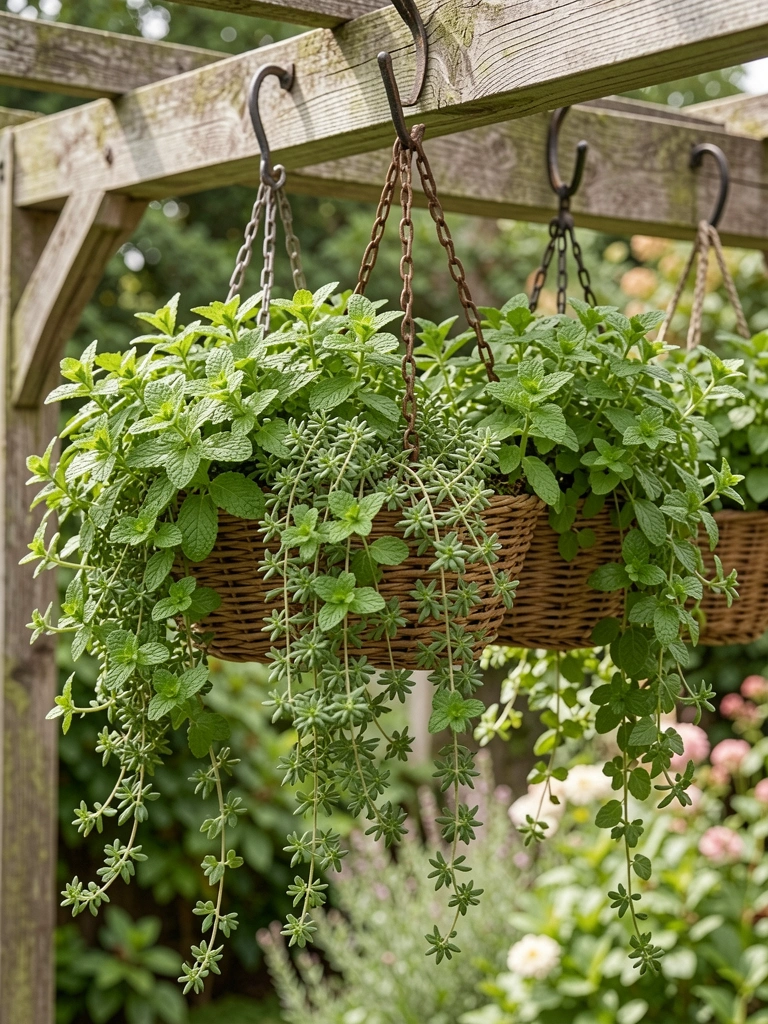
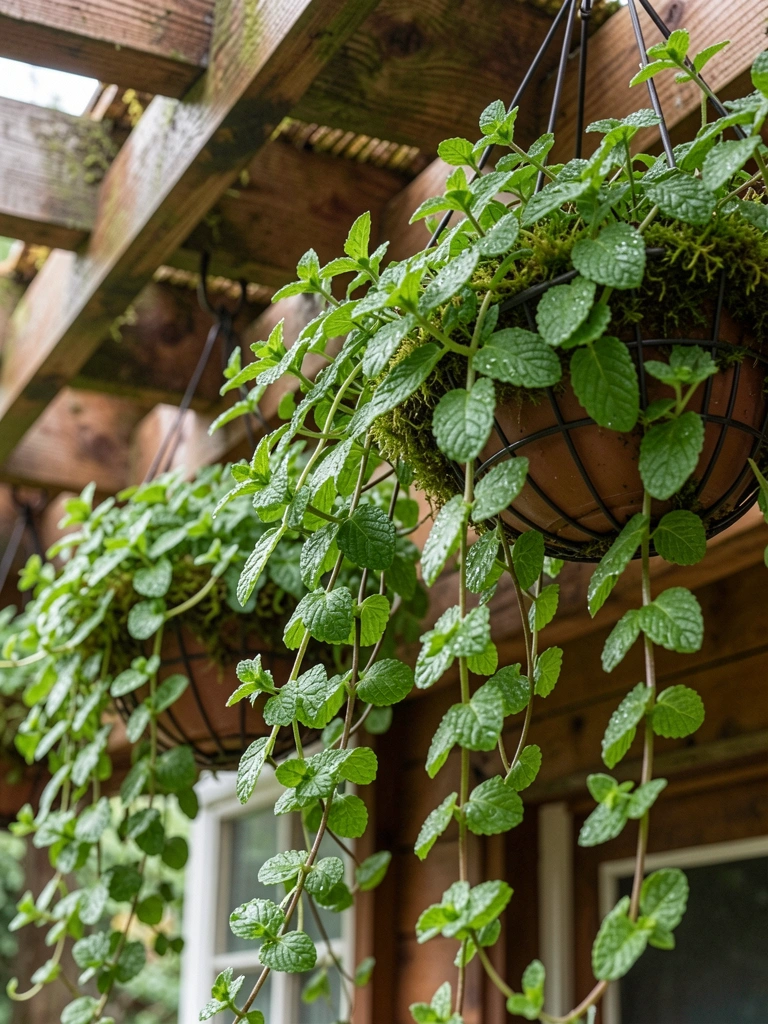
    I hung these wire baskets from my patio overhang after mint took over ground pots. Now it trails down, shading smaller herbs below. The swing catches breezes, releasing that cool scent.

    It freed floor space for feet. Looked cozy, not cluttered. I overhung them first—too much shade; moved out, and growth exploded.

    Chain length matters—knee-high for easy snips. Mint roots fast; line baskets with plastic to contain.

    What You’ll Need for This Look

    Metal hanging baskets (10-inch)

    Heavy-duty chain hooks

    Mint and oregano trailing plants

    Coco liner inserts

    3. Crate Stack Around a Table for Casual Herb Reach
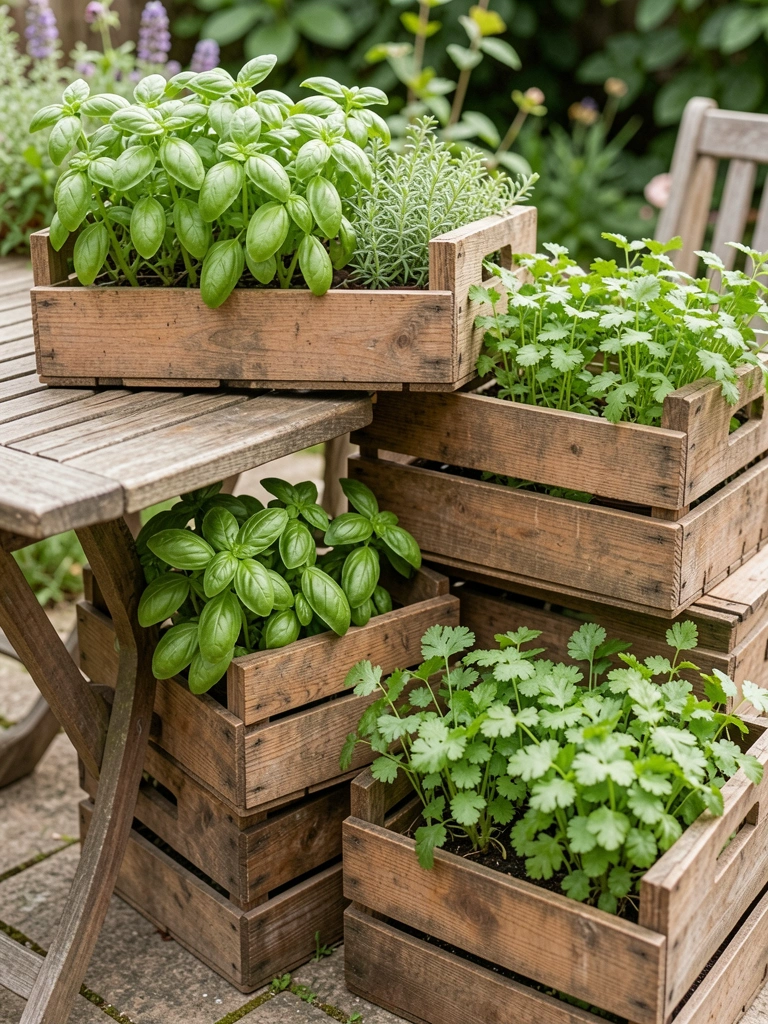
    My old whiskey crates stacked next to the bistro table became an herb station. Basil right there for sandwiches, cilantro for tacos. No more trekking to the yard.

    It grounded the eating area, warm wood against concrete. I stacked unevenly first—wobbly; added brackets, solid now.

    Mix heights for arm's reach. Drill drainage if crates lack it.

    What You’ll Need for This Look

    Wooden wine crates (medium)

    Metal corner brackets

    Basil and cilantro starters

    4. Long Trough for Bushy Rosemary That Frames the Edge
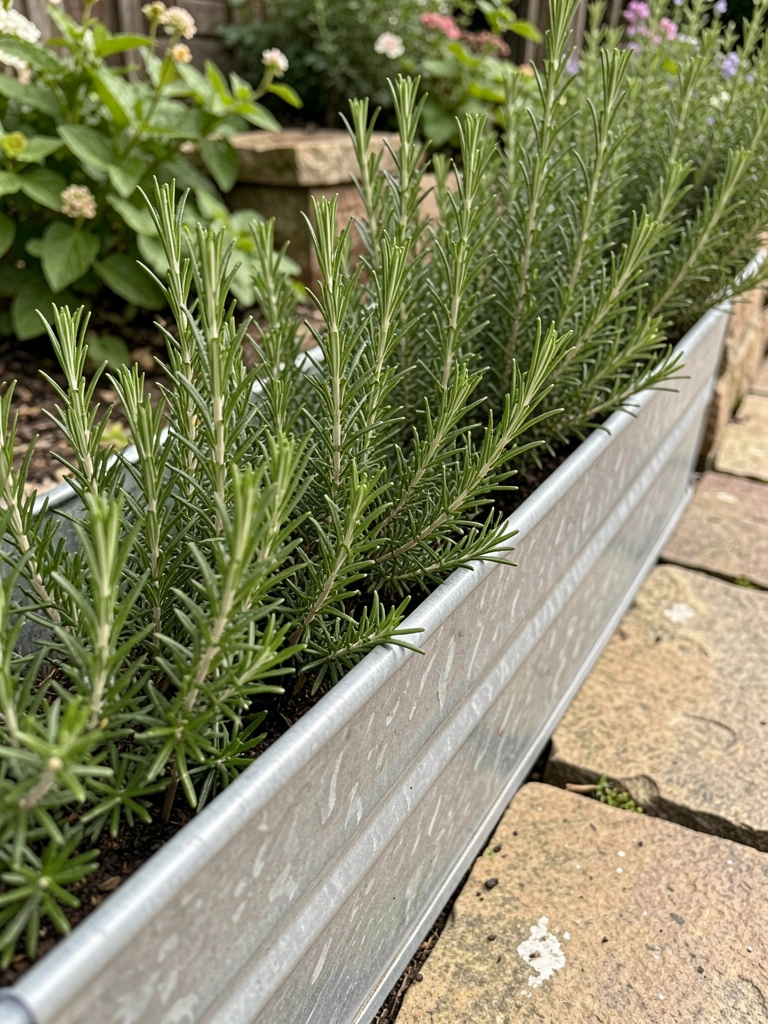
    I lined my patio ledge with a galvanized trough of rosemary. It bushes out, hiding the slab's edge. Sage tucked in back for variety.

    Feels like a soft border now. Scent hits when you sit. Planted too close to heat vent once—fried tips; spaced now.

    Troughs drain slow—lift on feet. Prune rosemary yearly.

    What You’ll Need for This Look

    Galvanized metal trough (36-inch)

    Rosemary and sage plants

    Planter feet risers

    5. Color-Matched Pots Grouped by Herb Water Needs
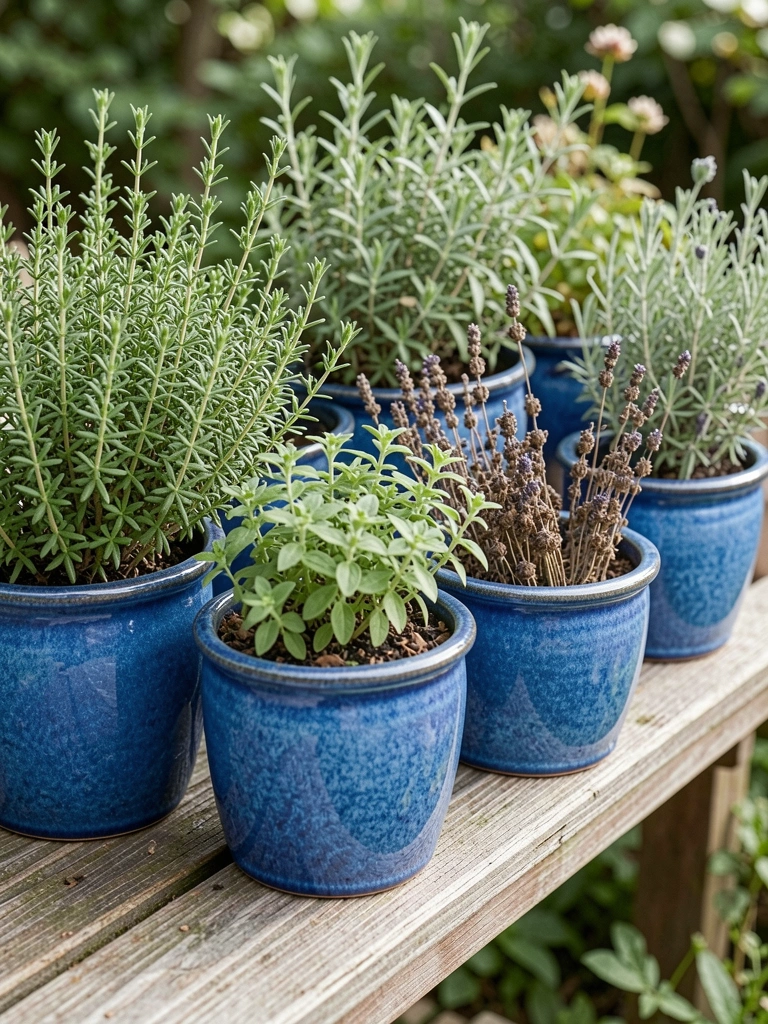
    Blue pots on a low shelf sorted my dry herbs—thyme, oregano together. Wet ones like parsley in green elsewhere. Looks clean, not random.

    Pulls the eye, calms the space. Mismatched colors fought before; this unified it.

    Match soil: gritty for med—standard potting.

    What You’ll Need for This Look

    Blue glazed ceramic pots (8-inch set)

    Thyme and oregano plants

    Low wood patio shelf

    6. Vertical Pockets That Climb a Blank Wall
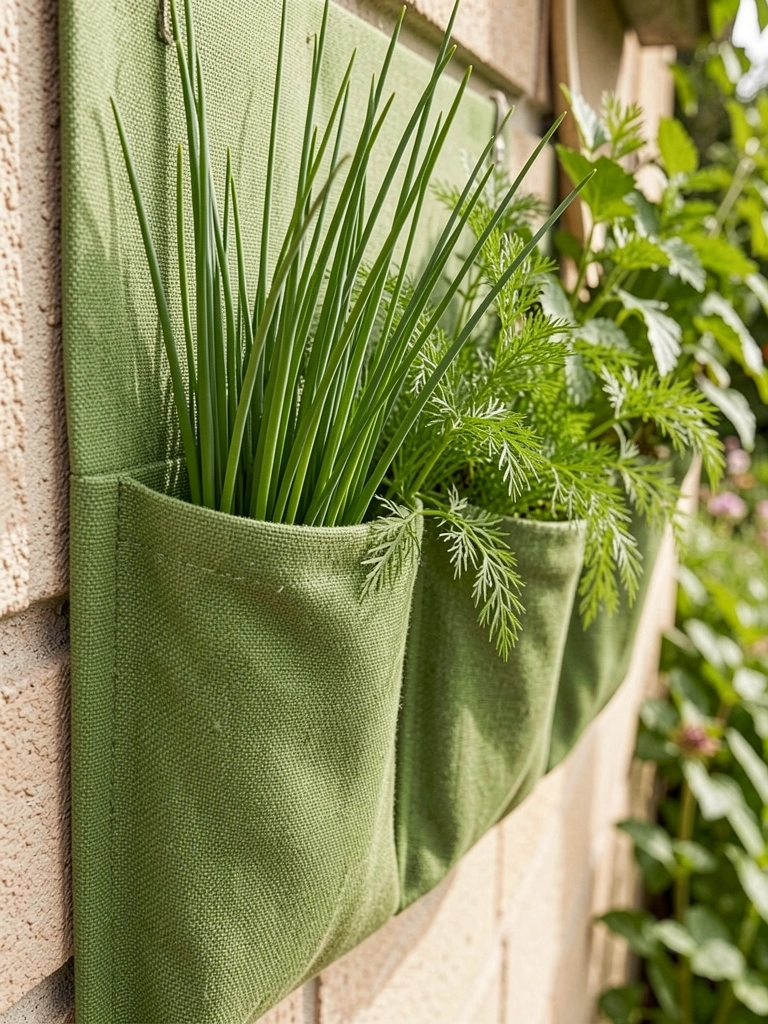
    Pocket planters nailed to my shady wall grew chives and dill. Saved floor, added green height. Pulled the patio in.

    I overloaded pockets early—tipped; half-full now, steady. Waters evenly down.

    Face south if possible. Refill soil yearly.

    What You’ll Need for This Look

    Vertical fabric pocket planter (large)

    Chives and dill seedlings

    Heavy-duty wall hooks

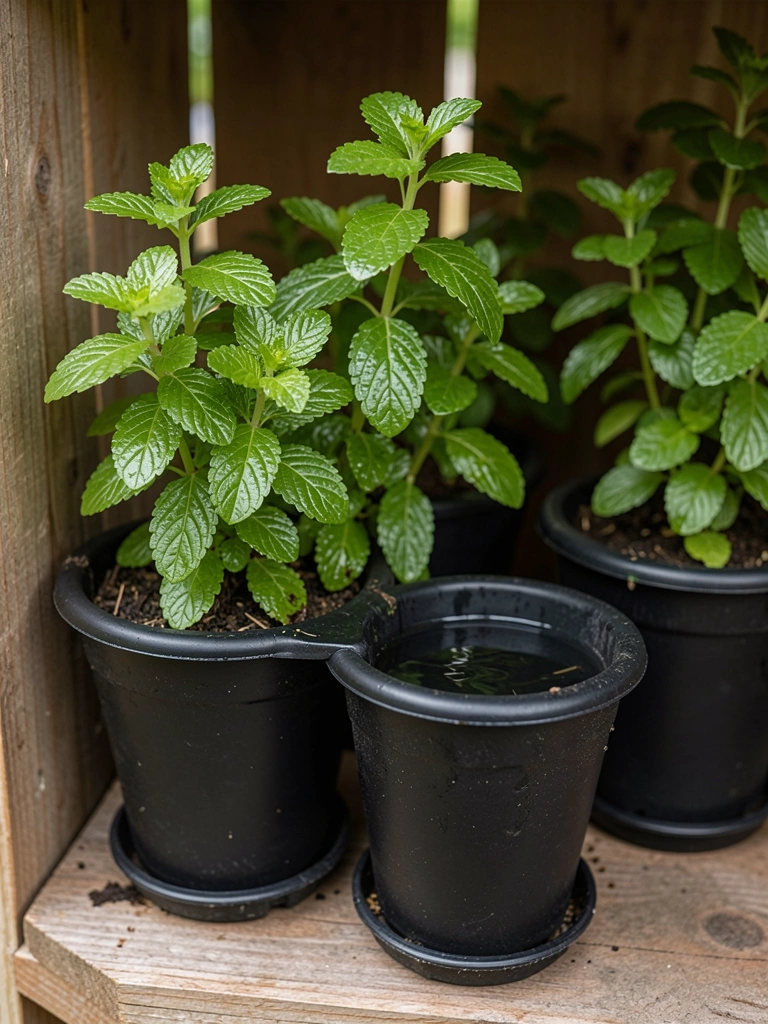
    7. Self-Watering Pots for Forgetful Watering Days
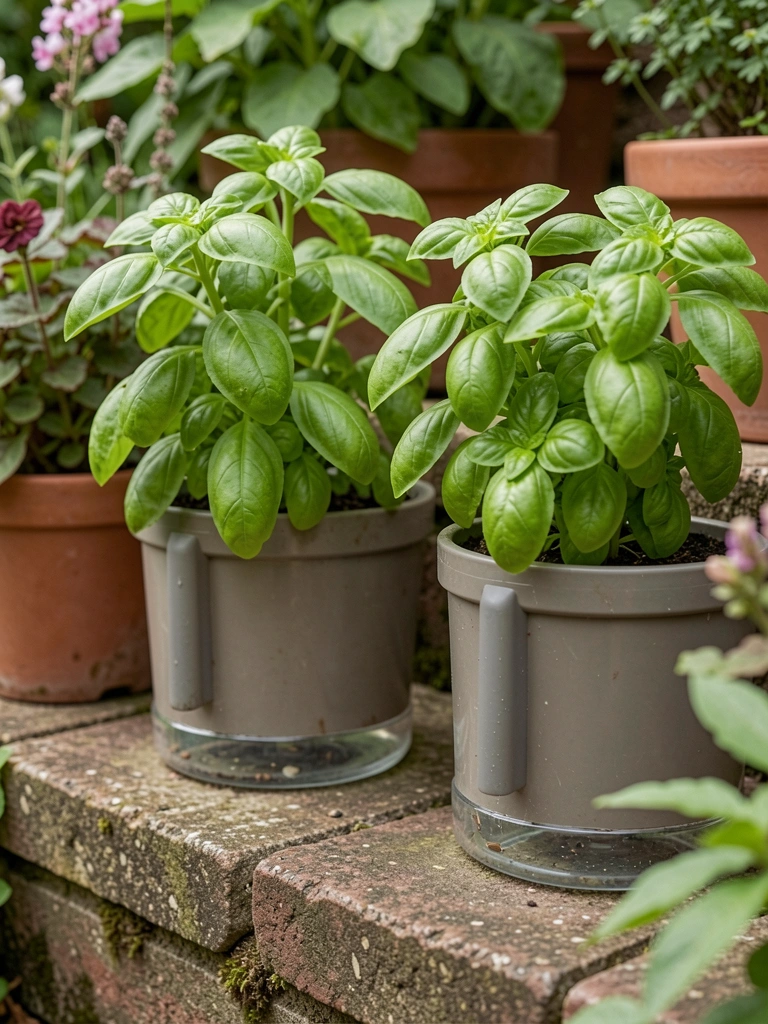
    Self-watering pots lined my steps with basil. Reservoir keeps them happy when I forget. No wilted leaves.

    Makes the stairs welcoming. I skipped them once—drowned roots; fill halfway now.

    Check monthly. Good for vacations.

    What You’ll Need for This Look

    Self-watering planter pots (10-inch set)

    Basil container plants

    8. Half-Barrel Basil Patch That Scents the Grill Area
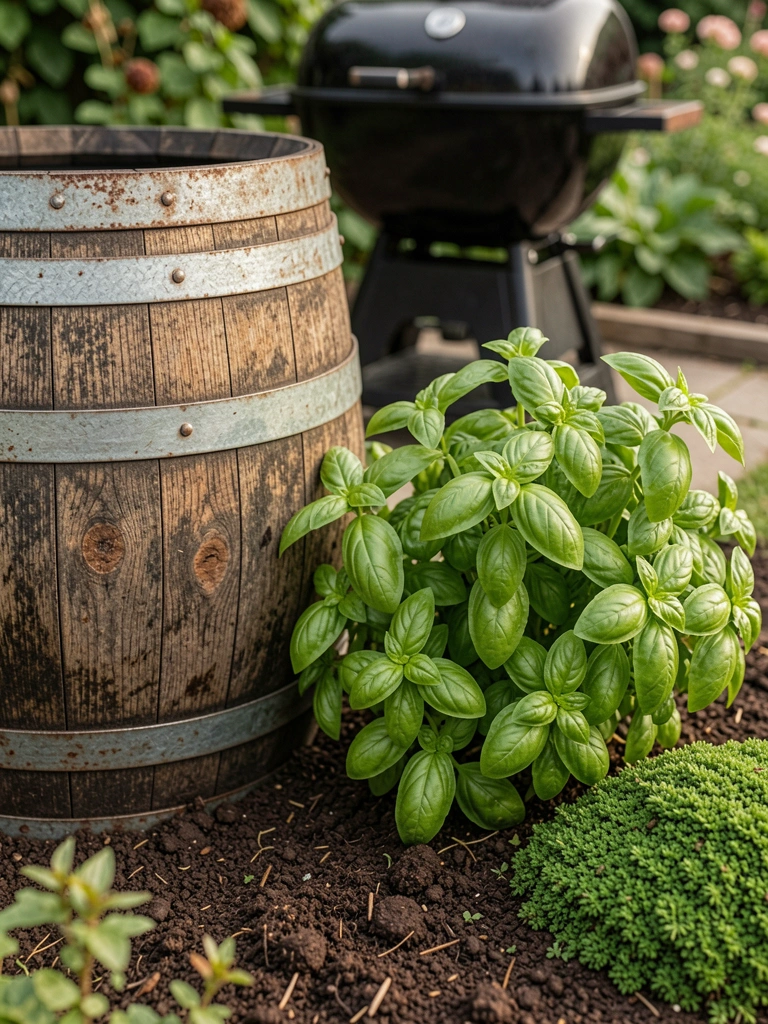
    A half whiskey barrel by the grill overflowed with basil. Pinch for pesto right there. Warm wood fits outdoors.

    Grill smoke mellows with the scent. Too much sun first—leggy; added shade cloth.

    Drill extra holes. Mulch top.

    What You’ll Need for This Look

    Half whiskey barrel planter

    Genovese basil plants

    Light shade cloth

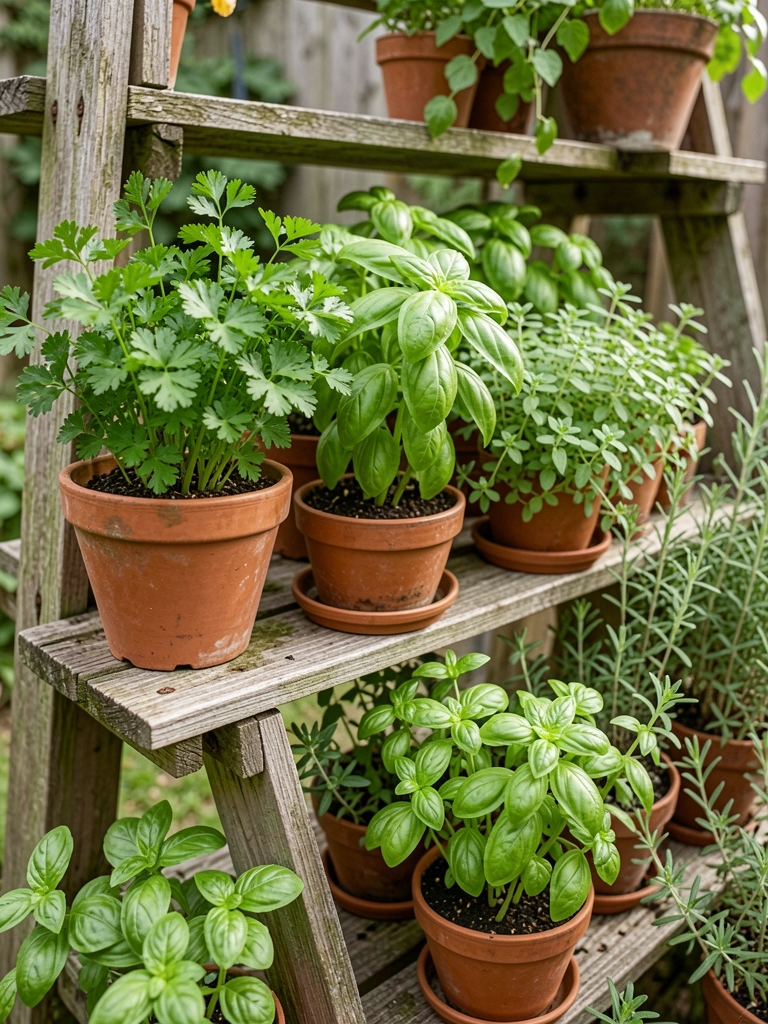
    9. Ladder Shelf Herbs That Lean Against the House
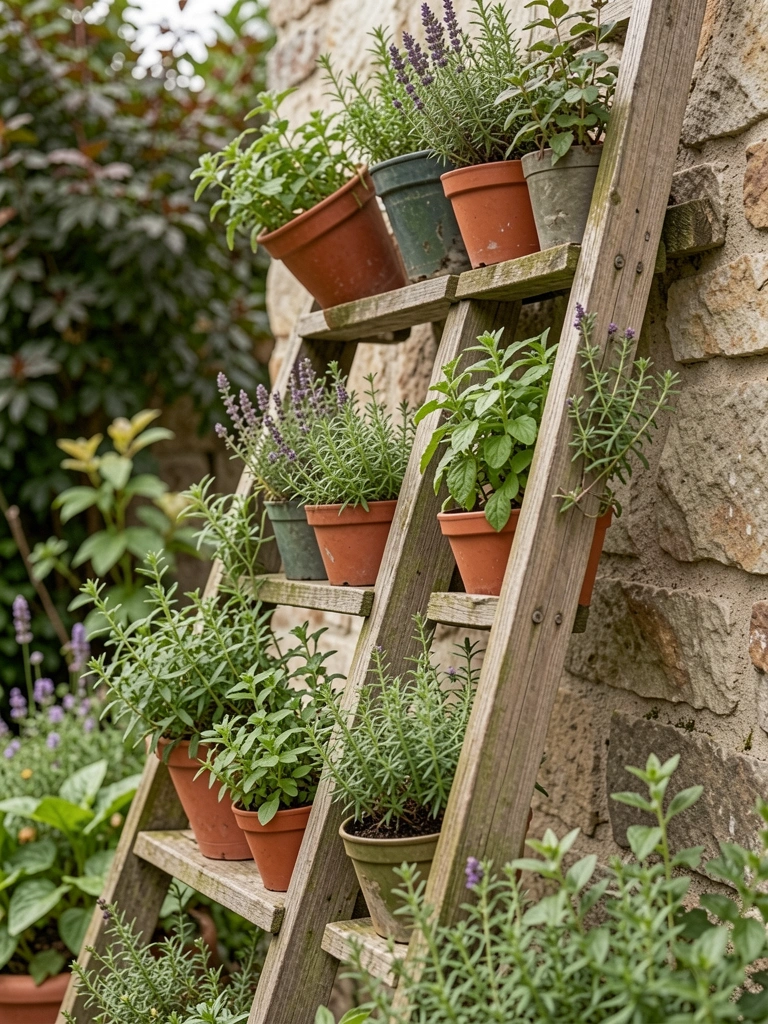
    An old ladder against the house shelved mixed herbs. Easy grab from chairs. Rustic vibe.

    Filled empty wall space. Slipped once—no rubber feet; added now.

    Secure base. Rotate pots for sun.

    What You’ll Need for This Look

    Wooden leaning ladder shelf

    Rubber ladder feet

    Mixed herb starters

    10. Mixed Herb and Succulent Pots for Dry Patios
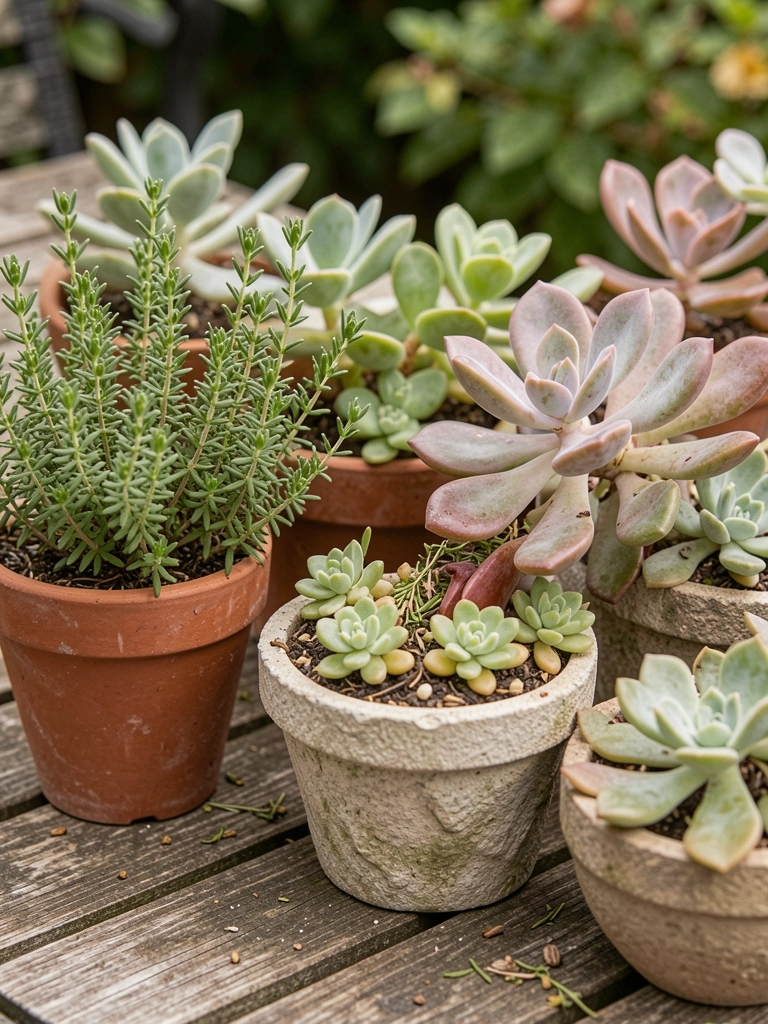
    Thyme with sedum in stone pots handled my dry patio. Less water, still green. Textures mix nice.

    Low fuss, year-round. Succulents crowded herbs once—thinned out.

    Group dry lovers. Well-draining soil key.

    What You’ll Need for This Look

    Stoneware pots (succulent size set)

    Thyme and sedum plants

    Cactus soil mix

    11. Lavender-Thyme Edge That Draws Bees Gently
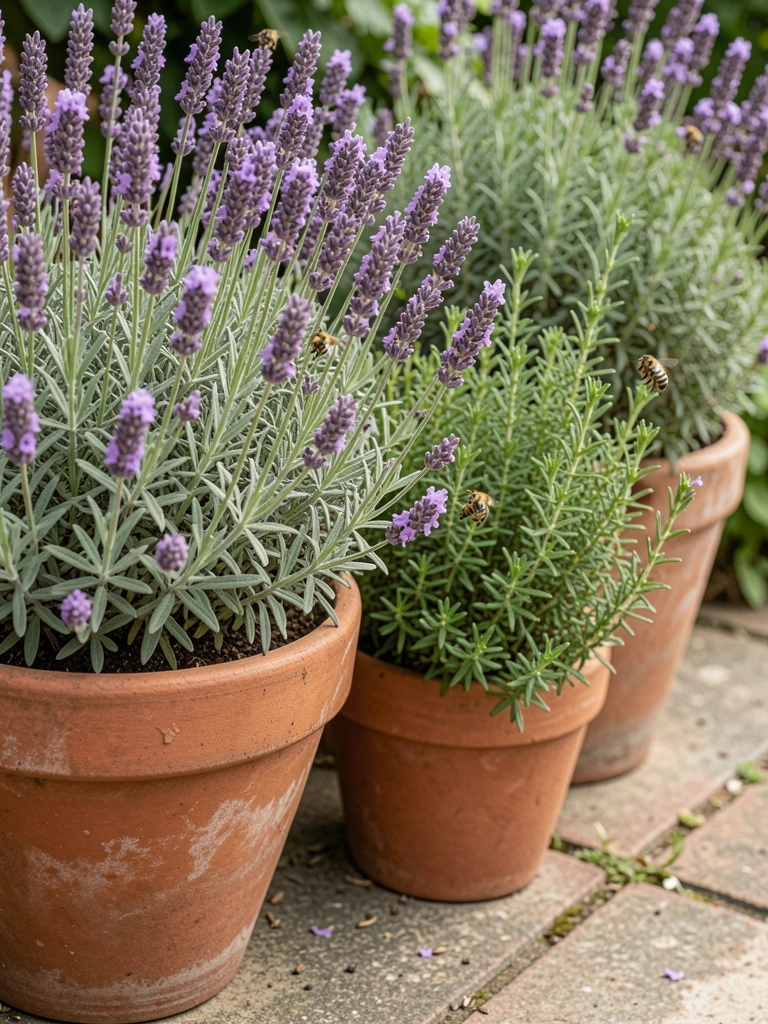
    Lavender and thyme pots edged my seating. Bees visit, pollinate, but stay calm. Fragrance layers.

    Softens hard lines. Bees ignored path herbs—edge works better.

    Trim blooms. Space 12 inches.

    What You’ll Need for This Look

    Lavender and thyme potted plants

    Low clay edge planters

    12. Rolling Cart That Moves Herbs to Sun or Shade
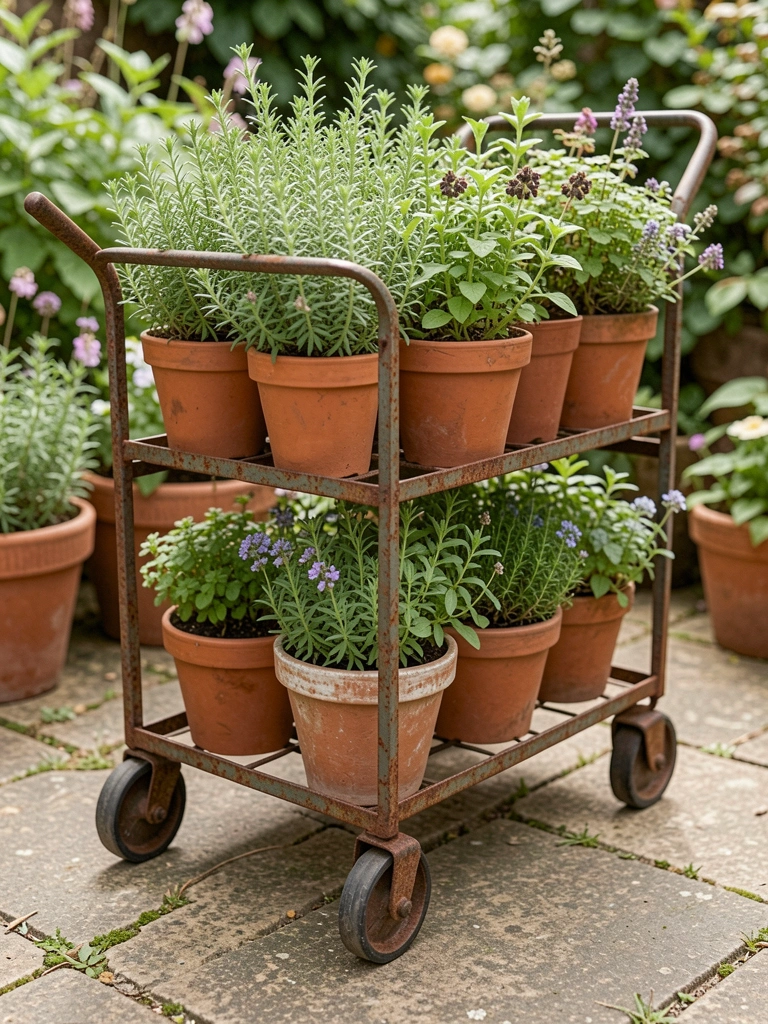
    Rolling cart lets me chase sun for parsley, shade for mint. Practical for changing light.

    Feels mobile, not fixed. Wheels stuck in rain—oiled now.

    Lock brakes. Fits through doors.

    What You’ll Need for This Look

    Rolling metal utility cart

    Parsley and mint potted herbs

    Wheel lubricant spray

    13. Cozy Cluster by Chairs for Snip-and-Cook Ease
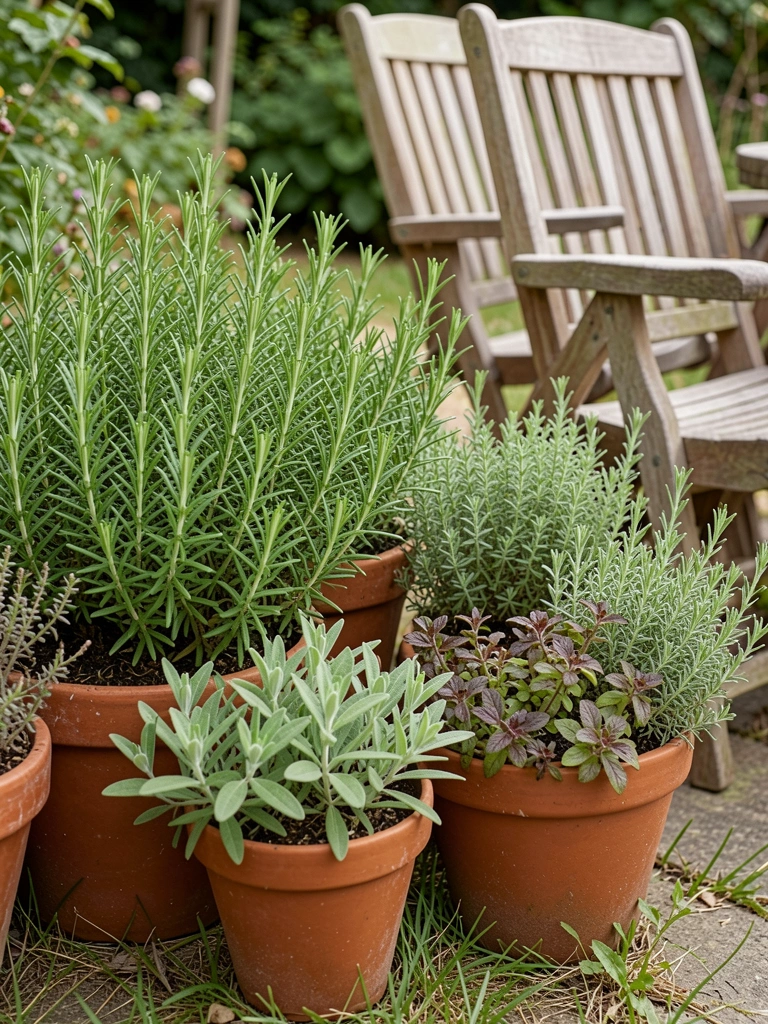
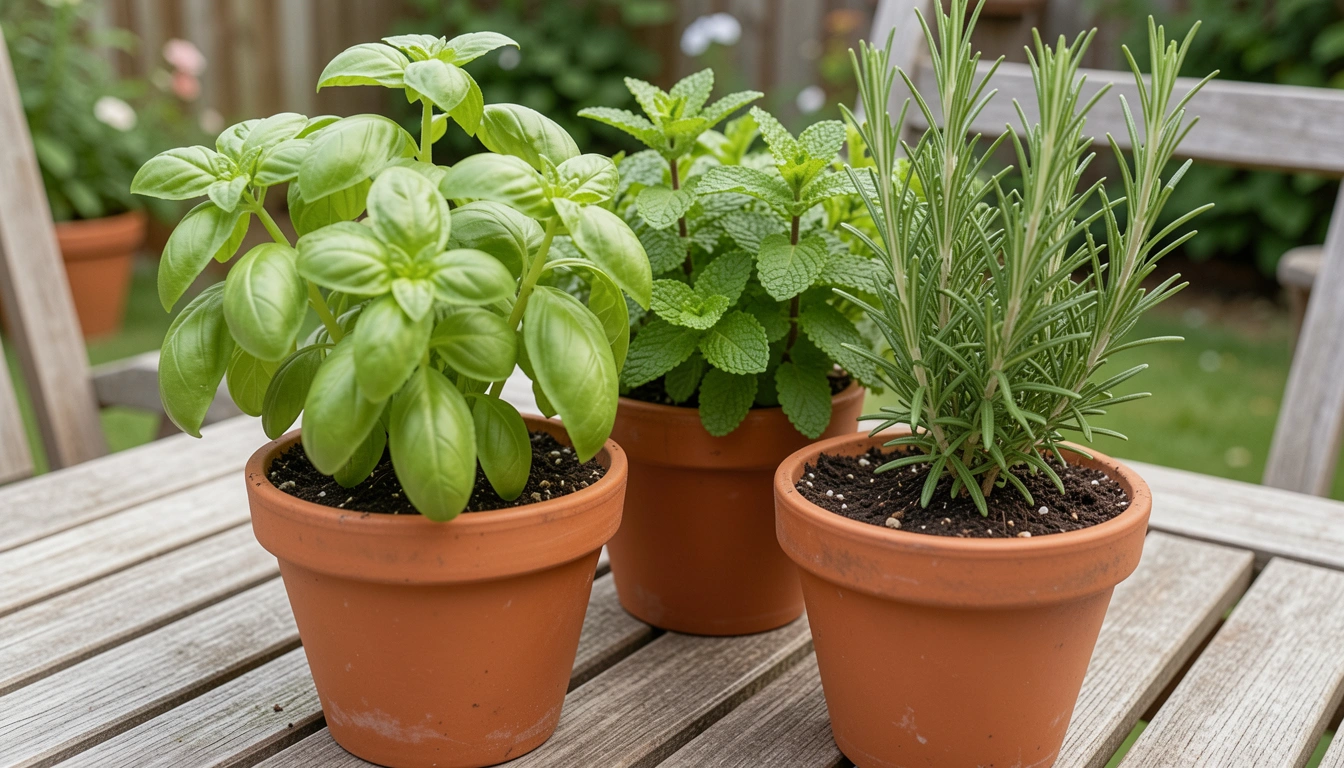
    Pots clustered by lounge chairs—rosemary, sage at hand. Snip into salads without standing.

    Creates a lived-in nook. Spread too wide first—gathered tight now.

    Elevate low pots. Refresh soil spring.

    What You’ll Need for This Look

    Mixed terracotta pot set (10-12 inch)

    Compact rosemary and sage

    Small plant risers

    Final Thoughts

    Pick one or two ideas that fit your patio's light and size. Start small—herbs forgive beginners.

    They'll grow with you, mistakes and all. Soon you'll step out and smell home. You've got this.
  • 15 Creative Herb Garden Container Ideas For Small Spaces

    15 Creative Herb Garden Container Ideas For Small Spaces

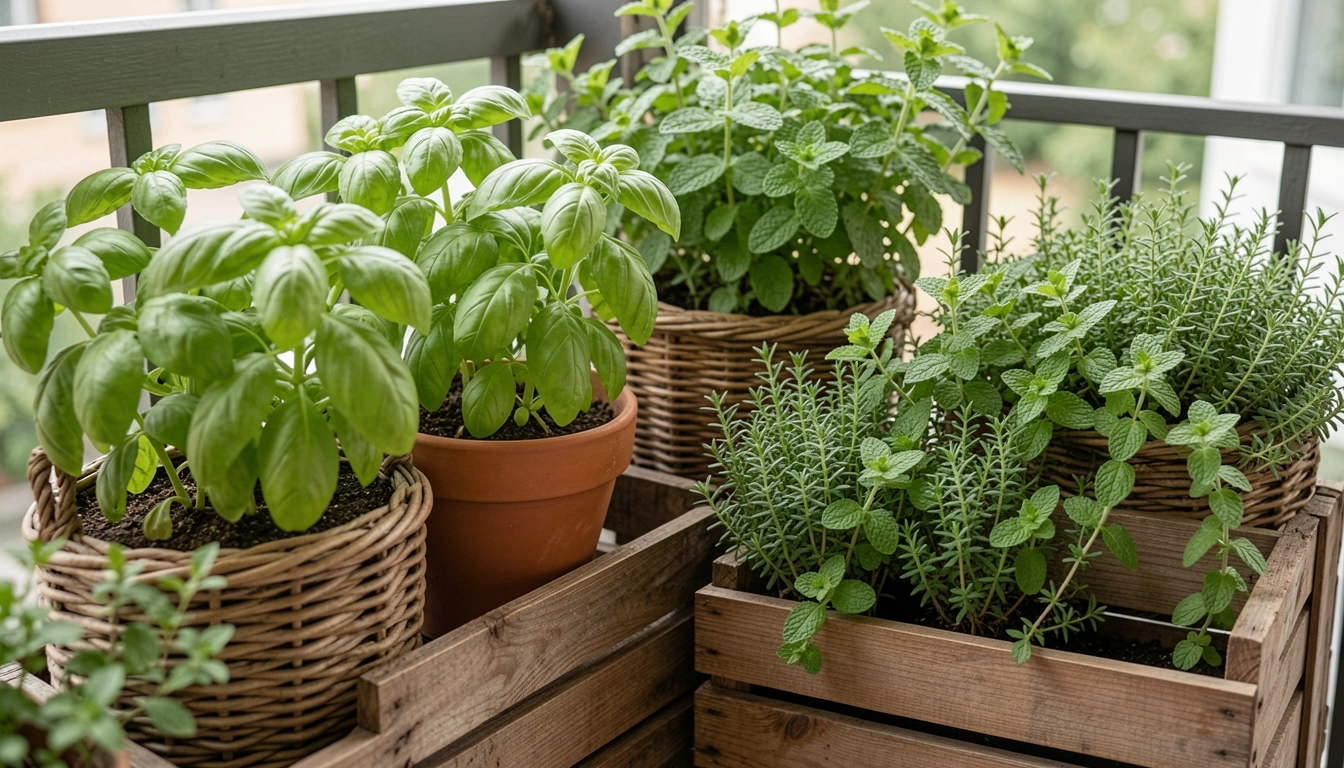
    I started herbs on my apartment balcony years back. Pots jammed every corner, basil flopping over edges. Felt messy, not mine.

    Then I tried containers that used air and walls. Herbs stayed put, easier to grab for dinner.

    That shift made cooking fresh every night simple. No more store runs.

    15 Creative Herb Garden Container Ideas For Small Spaces

    These 15 herb garden container ideas fit my tight patios and balconies. I've built them from scraps and buys. They'll give you fresh herbs without crowding.

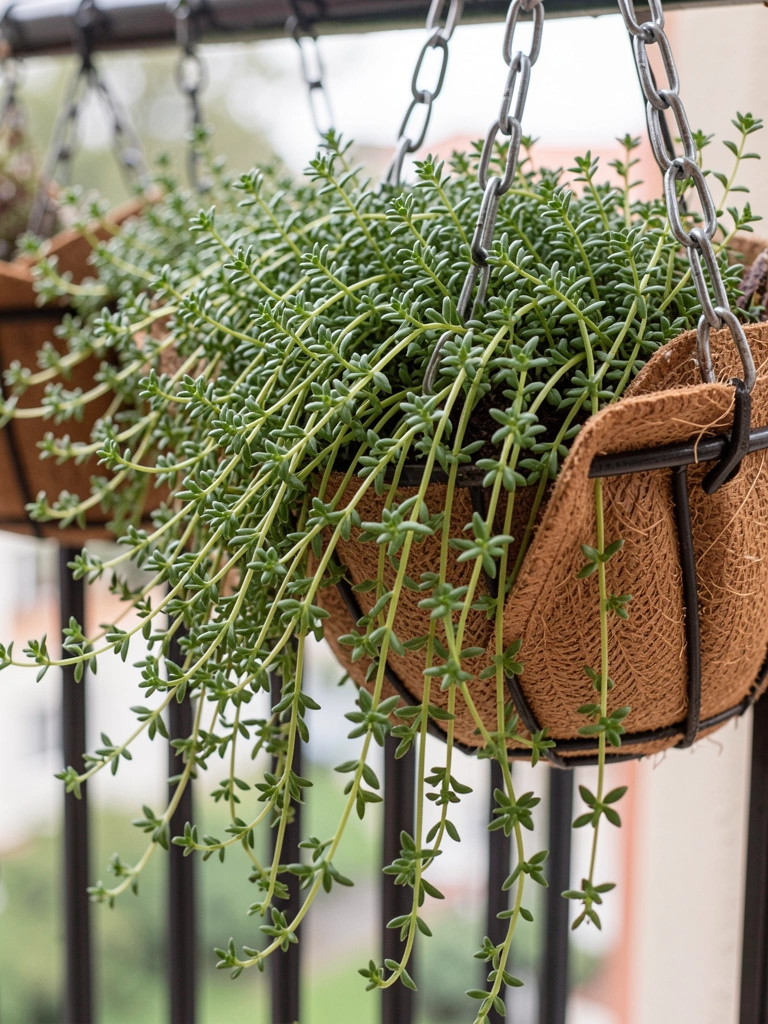
    1. Hanging Baskets Dripping Trailing Thyme

    I hung these on my fire escape first. Thyme cascaded down, softening the metal rail. Made the space feel softer, less stark.

    Airflow kept rot away—key in humid summers. Snip leaves right into salads without bending.

    Watch basket weight after rain; they swing wild. Line thick to hold soil.

    Pair with oregano below for a scent wall. Lasts years.

    What You’ll Need for This Look

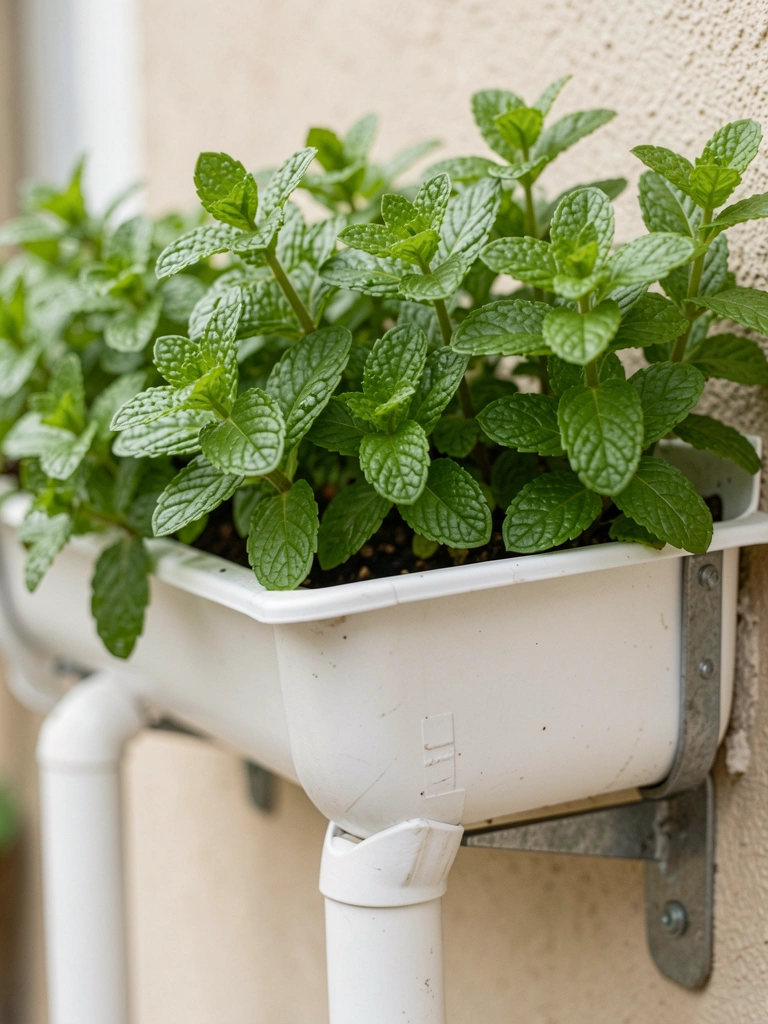
    2. Vertical Gutters Lined with Mint

    Mounted cheap gutters on my shed wall. Mint filled them fast, greening the blank space. Turned a eyesore into a fresh screen.

    Mint spreads wild—I forgot once, it jumped planters. Now I trim weekly, harvest more.

    Easy water run-off, no soggy roots. Great for north walls.

    Smells hit you walking by. Perfect privacy.

    What You’ll Need for This Look

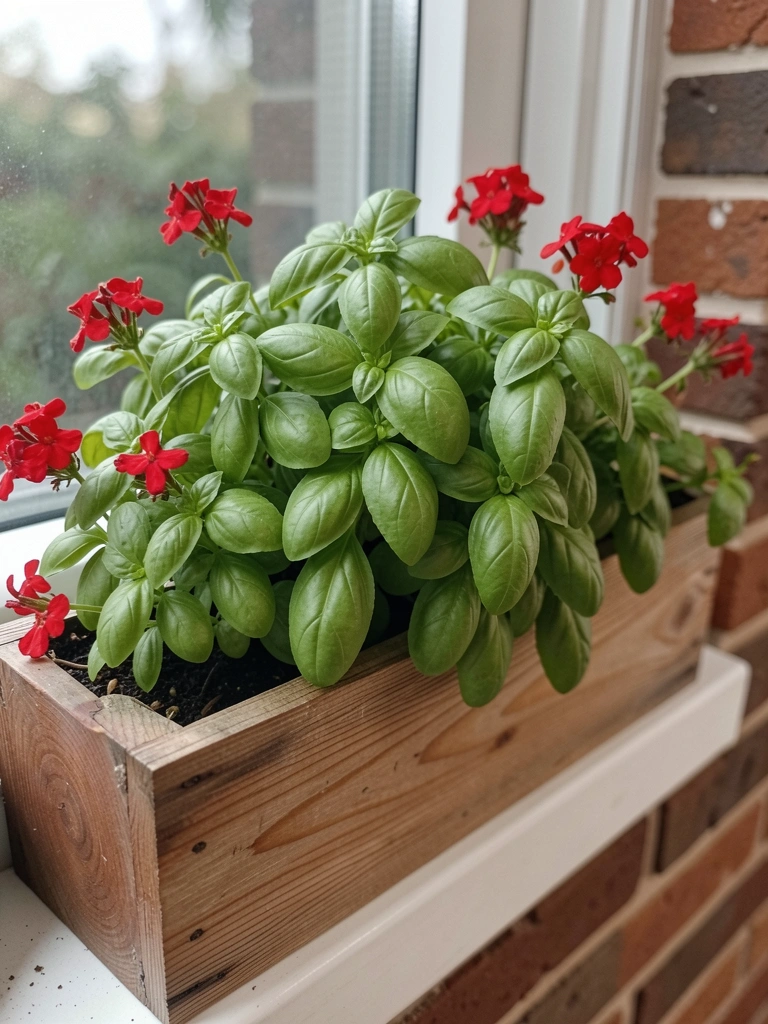
    3. Window Box Troughs Packed with Basil

    Nailed a long trough under my kitchen window. Basil bushes filled it, brushing glass. Leaves steam up when I cook.

    Bushy growth shades lower plants. Chives underneath thrive.

    Drain holes matter—standing water killed my first batch. Drill extra.

    Pulls you to the window daily. Feels part of the room.

    What You’ll Need for This Look

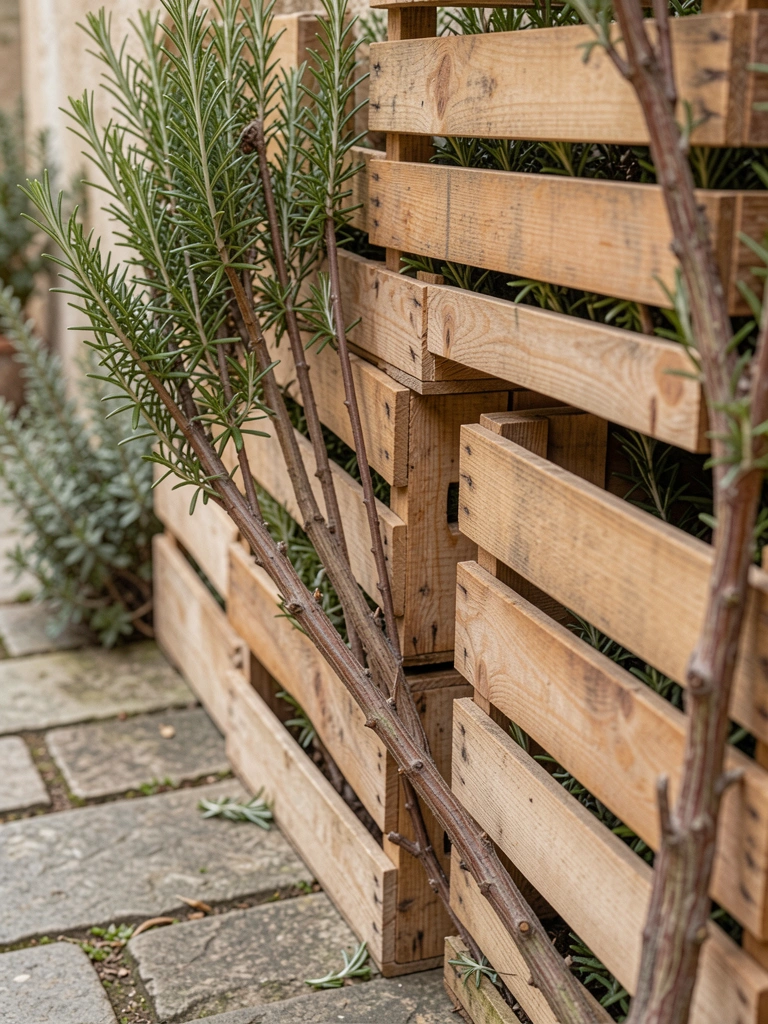
    4. Stacked Crates Leaning with Rosemary

    Leaned old crates on my patio corner. Rosemary's height filled top, spilling sides. Added structure without bulk.

    Wood weathers cozy, blends in. Roots grip slats.

    Stack loose—tight ones trap water. Air it out.

    Brush by for that pine smell. Cooks up hearty.

    What You’ll Need for This Look

    5. Repurposed Wheelbarrow Overflowing Parsley

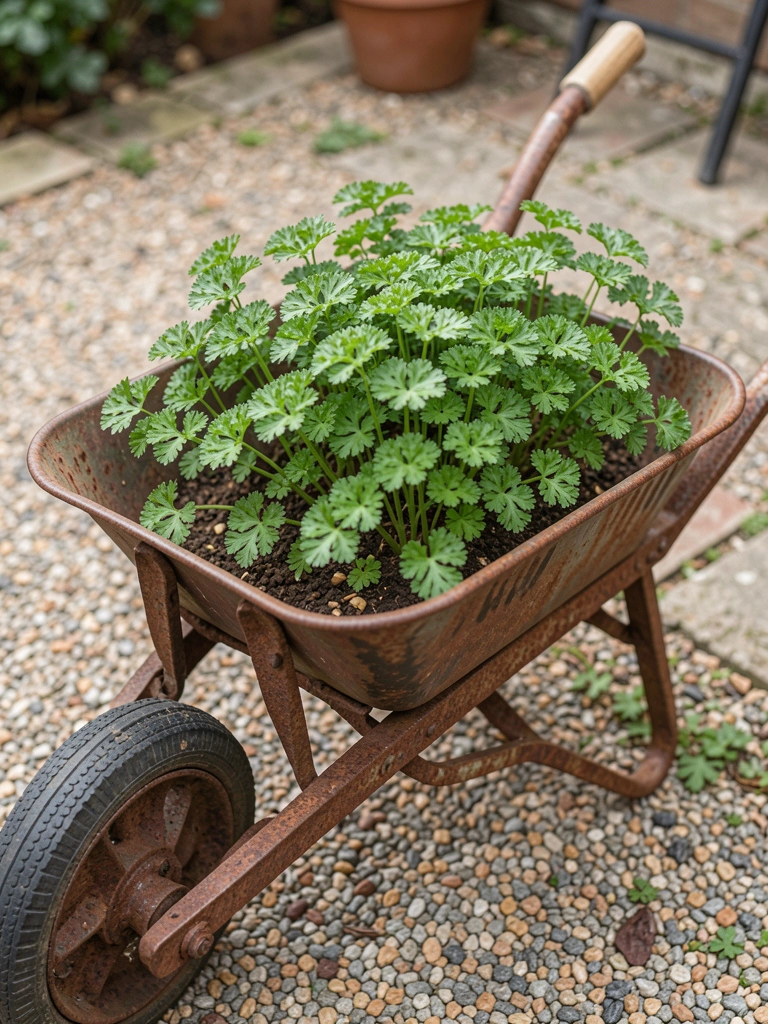
    Dragged an old wheelbarrow to my deck. Parsley curled over edges, hiding rust. Gave instant rustic depth.

    Wheels let me roll to sun. Forgot shade needs once—leggy plants. Now chase light.

    Holds tons, drains well. Roll for harvest.

    Feels like farm in city.

    What You’ll Need for This Look

    6. Mason Jar Ladder Shelves for Chives

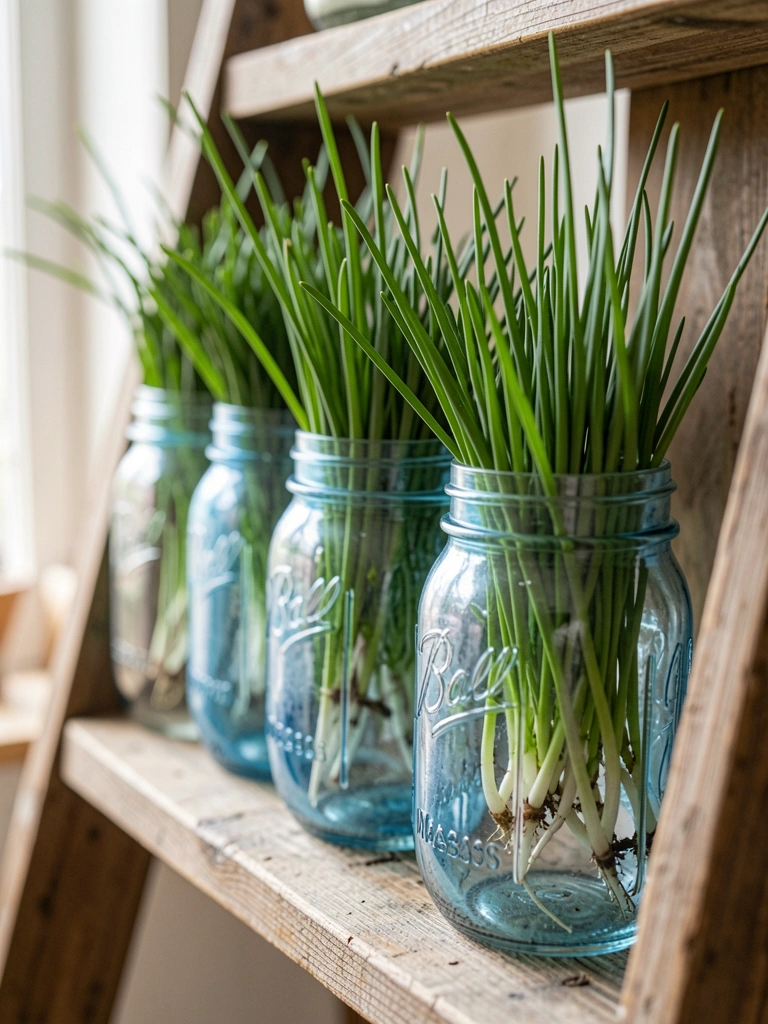
    Propped a ladder against fence, jars clamped on rungs. Chives poke up uniform, easy snip.

    Glass shows roots growing—kids love watching. Clean lines.

    Seal lids wrong first time, drips. Use pipe hangers now.

    Slim profile fits alleys.

    What You’ll Need for This Look

    7. Shoe Organizer Pockets Stuffed with Oregano

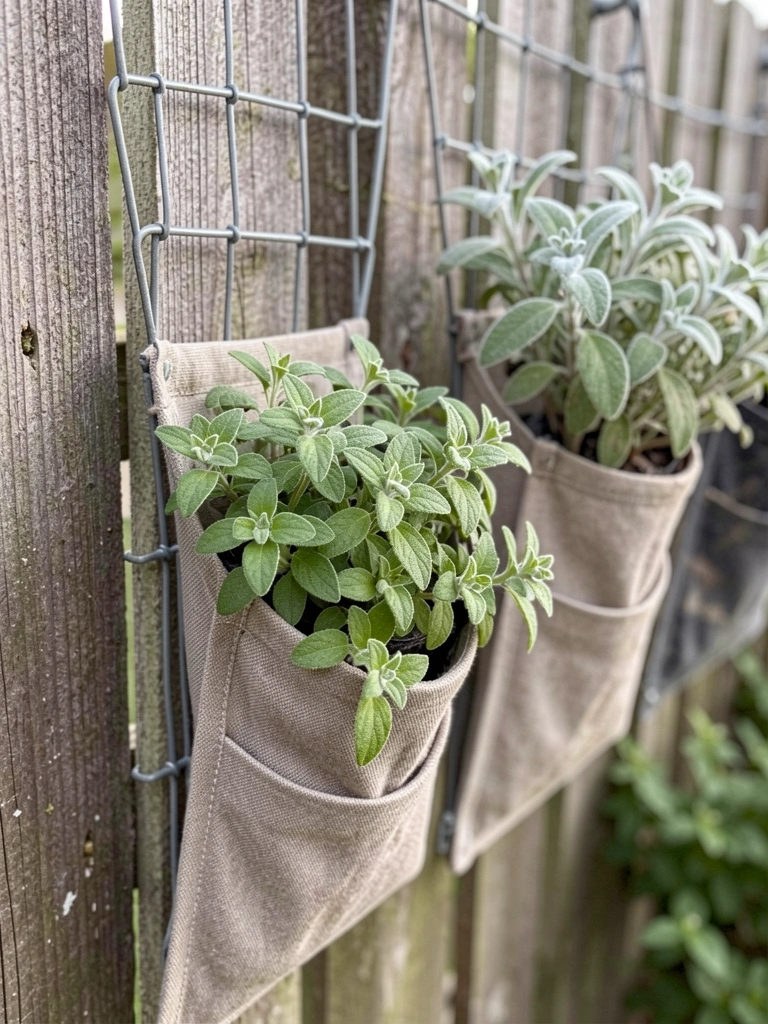
    Hung a canvas organizer on gate. Oregano in each pocket, velvety touch.

    Cheap, folds away. Multi-level harvest.

    Overfilled one row, soil spill. Half-fill now.

    Pockets dry fast—good for oregano.

    What You’ll Need for This Look

    8. Rail Pouches Gripping Dill

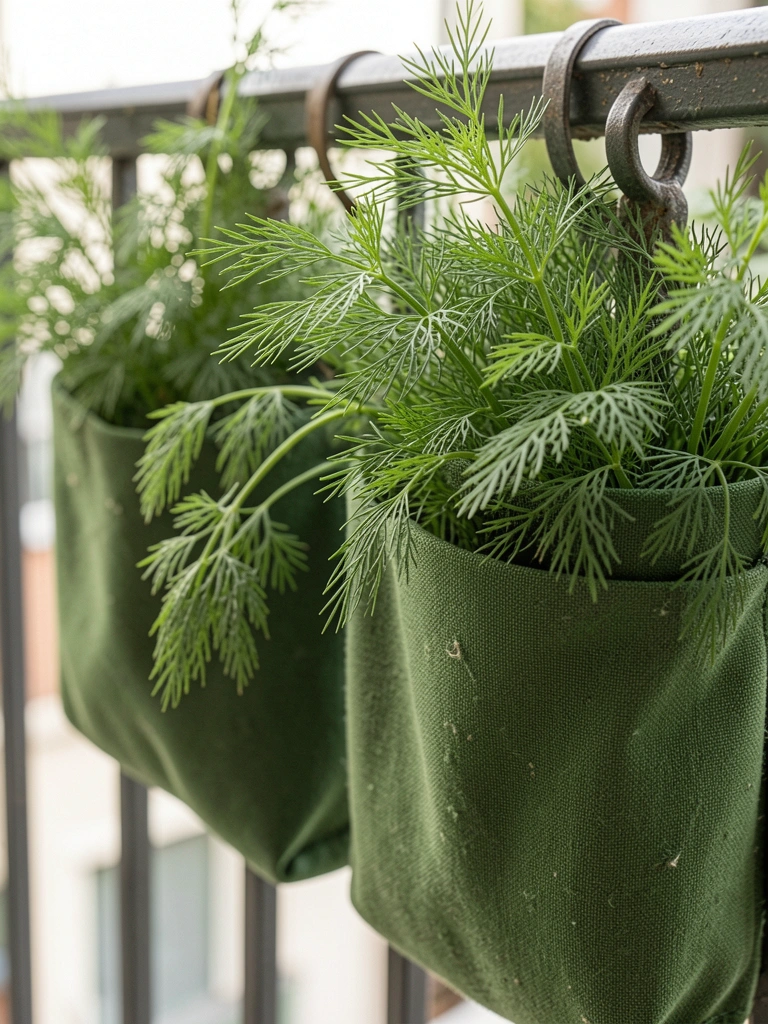
    Clipped pouches to balcony rail. Dill sways tall, seeds drop for new plants.

    No floor space lost. Wind toughens stems.

    Secure clips—loose ones dumped mine once.

    Fresh dill for pickles steps away.

    What You’ll Need for This Look

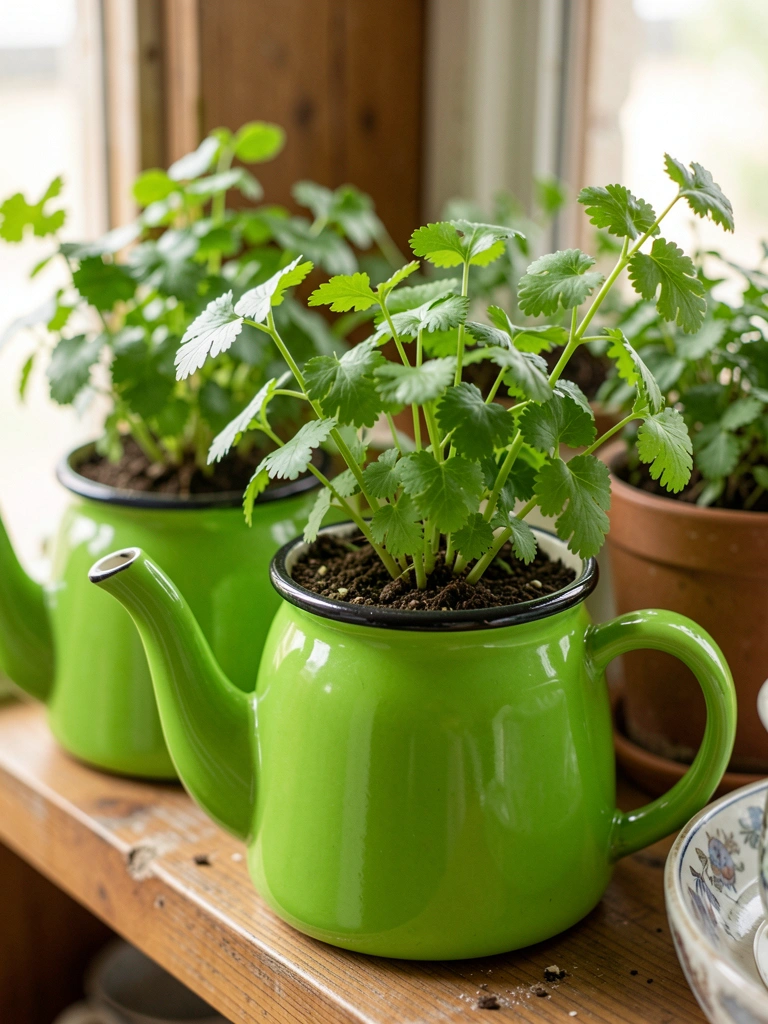
    9. Teapot Collection Bubbling Cilantro

    Lined thrifted teapots on a shelf. Cilantro spills from spouts, playful.

    Enamel holds moisture even. Charming quirk.

    Plugged spouts poor—bolted now. Roots happier.

    Bolts in for whims—wait, no. Cute daily.

    What You’ll Need for This Look

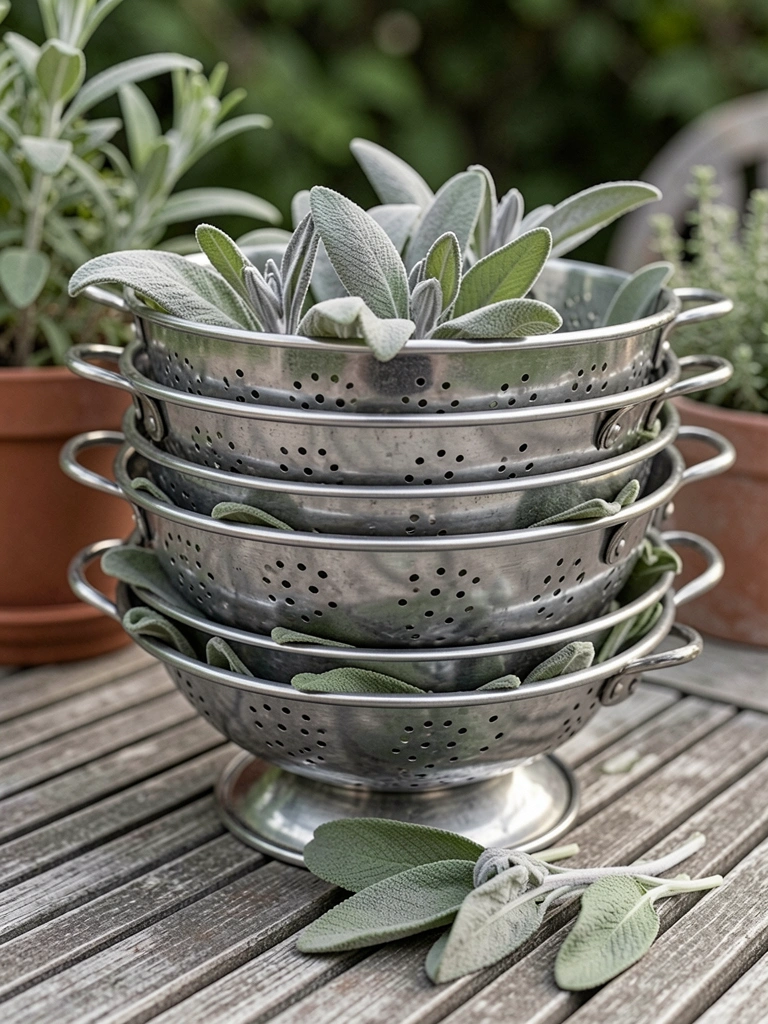
    10. Colander Stack Tower of Sage

    Stacked kitchen colanders on pole. Sage fills layers, velvety soft.

    Drainage perfect—sage hates wet feet.

    Slipped stack early—zip ties fix. Stable now.

    Compact tower for corners.

    What You’ll Need for This Look

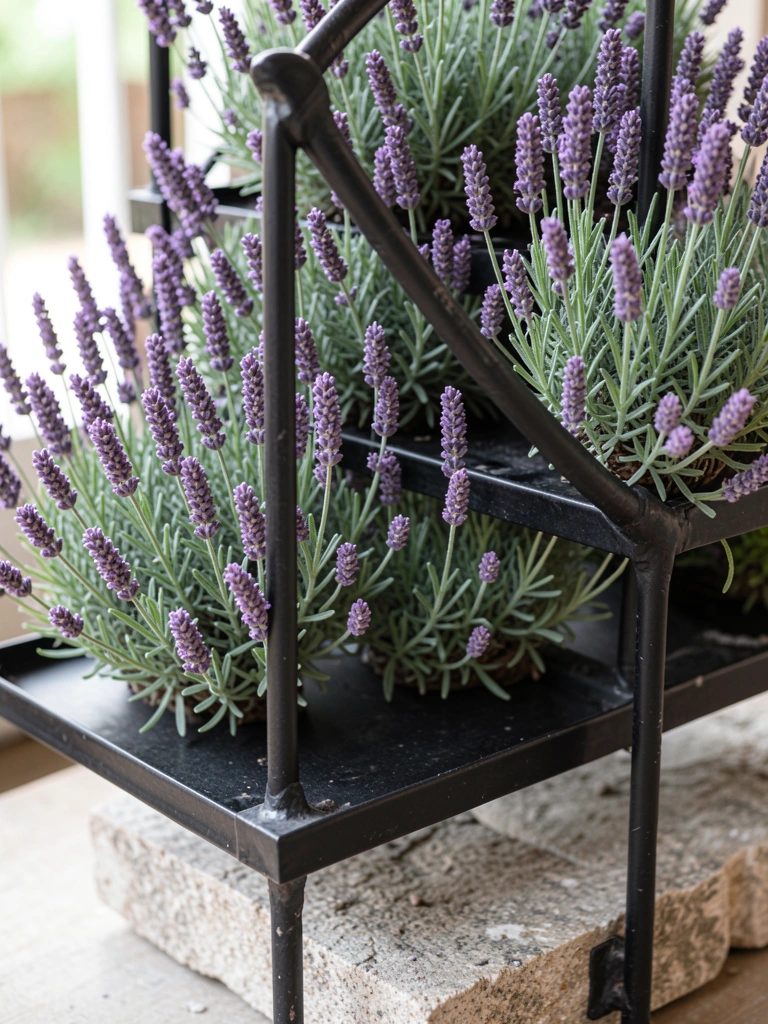
    11. Tiered Stand Bursting Lavender

    Set a tiered stand by steps. Lavender blooms layer up, bee magnet.

    Modern clean against brick. Scent drifts in.

    Trim spent blooms—flops otherwise.

    Tiers catch drips for lower herbs.

    What You’ll Need for This Look

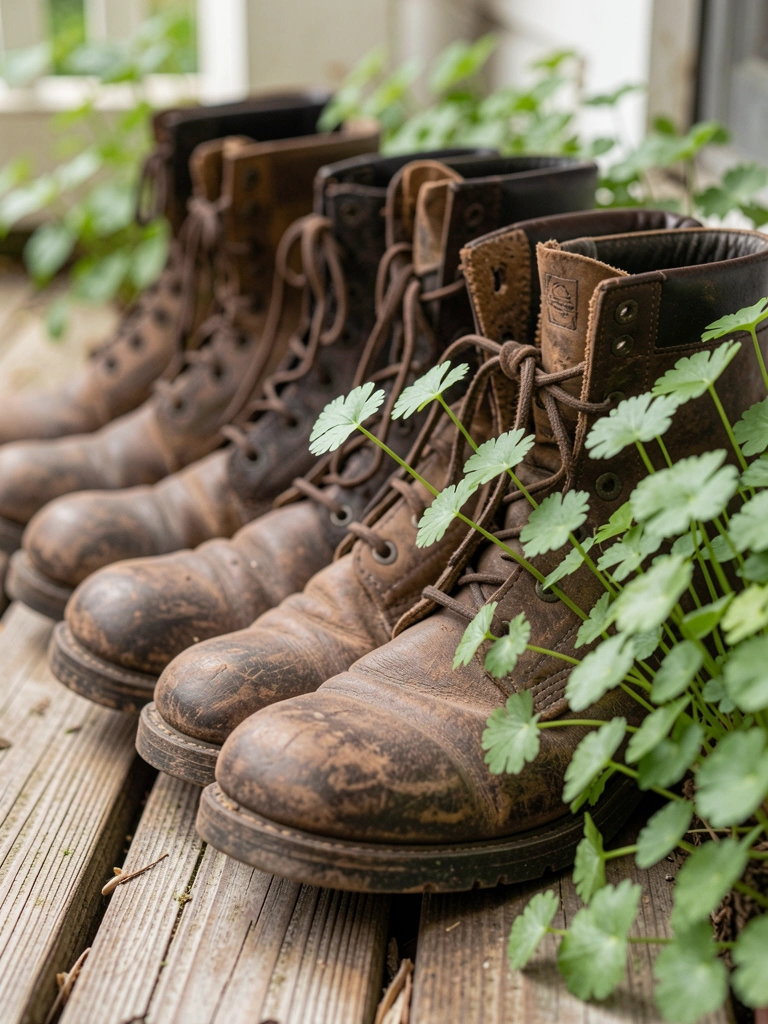
    12. Boot Lineup Sprouting Chervil

    Lined work boots along porch rail. Chervil feathers out tops, hidden roots.

    Leather softens over time. Whimsy without try.

    Water pooled in heels first—drain holes poked. Thrives now.

    Light, fills odd spots.

    What You’ll Need for This Look

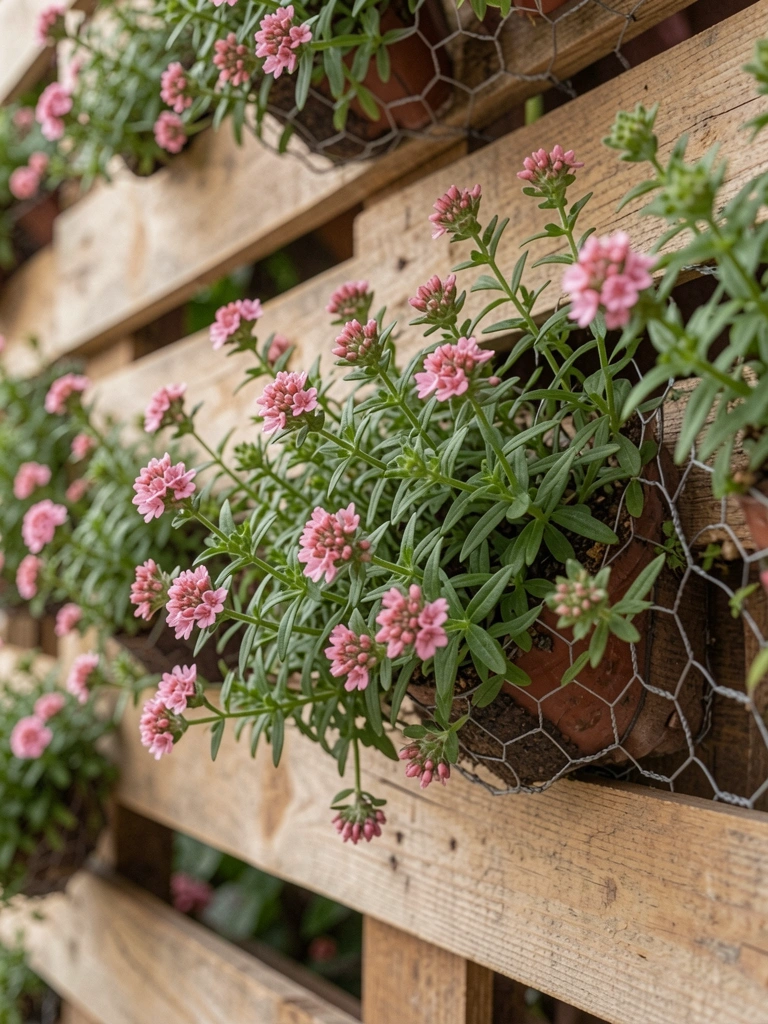
    13. Pallet Wall Pockets with Marjoram

    Wired pockets into a pallet fence. Marjoram mounds soft, flowers pink.

    Vertical green blocks wind. Fills bare walls.

    Chicken wire rusts pretty. Sturdy hold.

    What You’ll Need for This Look

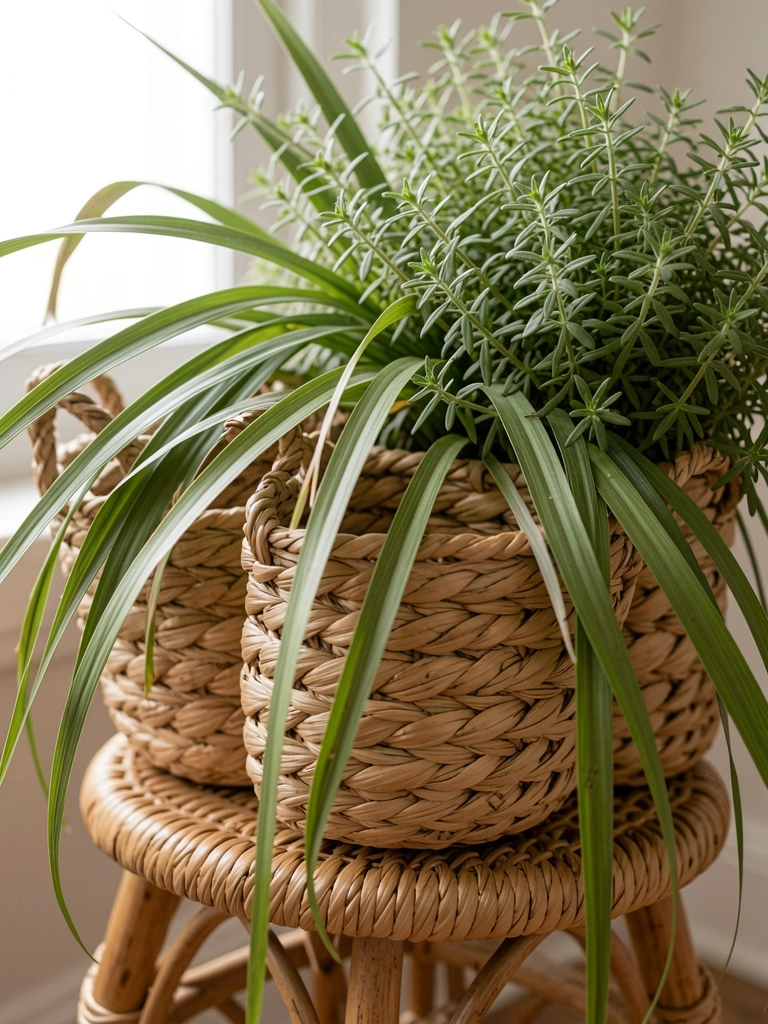
    14. Woven Basket Cluster for Tarragon

    Clustered baskets on a stool. Tarragon anise scent wafts up.

    Natural weave breathes. Grouped look full.

    Baskets tip easy—weight bottom heavy.

    Cozy corner maker.

    What You’ll Need for This Look

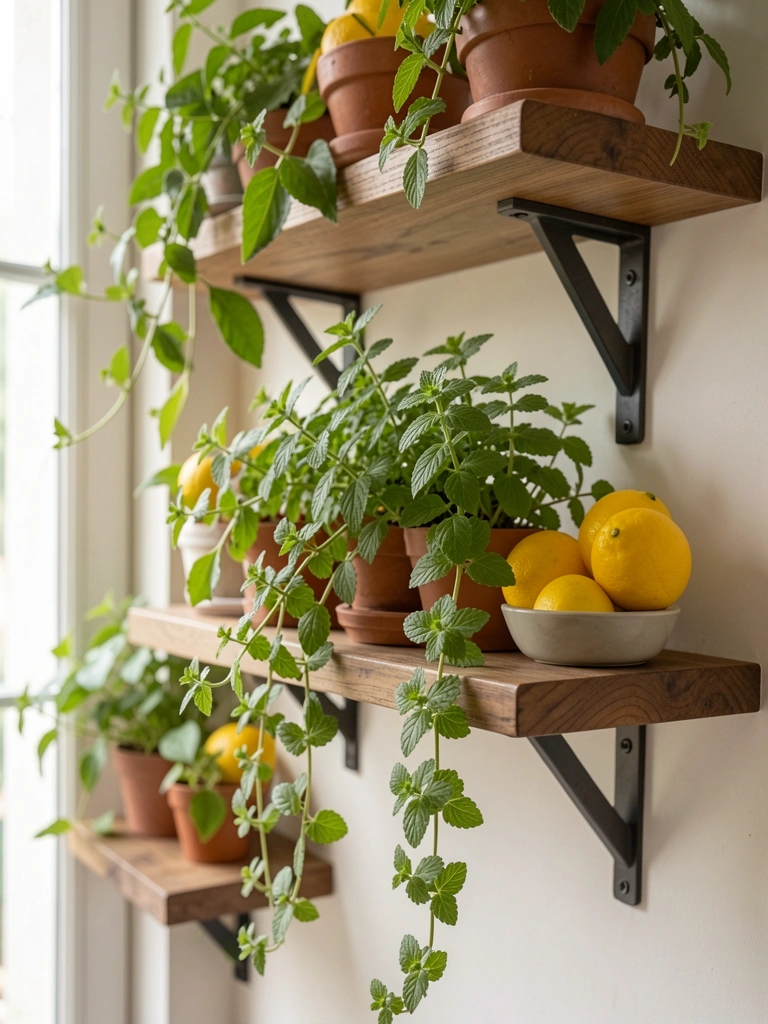
    15. Floating Shelf Cascade of Lemon Balm

    Mounted floating shelves high-low. Lemon balm trails between, lemon touch.

    Illusion of more space. Shelf plants shade below.

    Screws loose once—anchors now.

    Fresh tea leaves handy.

    What You’ll Need for This Look

    Final Thoughts

    Pick one or two ideas that match your spot. Start small—herbs forgive beginners.

    Mine grew over seasons, mistakes included. Yours will too.

    Fresh snips wait. Get your hands dirty.

  • 7 Smart Indoor Herb Garden Ideas For Year Round Growing

    7 Smart Indoor Herb Garden Ideas For Year Round Growing

    I remember that first winter without garden-fresh basil. My pesto tasted flat from store jars. So I lined up pots on the kitchen sill. Now, every meal has that green snap. Herbs close by changed cooking for me.

    No more leggy plants reaching for light. These spots keep them bushy and ready to pinch.

    You can start small. Fresh flavor indoors feels like cheating the seasons.

    7 Smart Indoor Herb Garden Ideas For Year Round Growing

    These 7 indoor herb garden ideas come from my own kitchen trials. They'll fit any space and keep herbs thriving through winter. Easy to set up, no fuss.

    1. Windowsill Herb Strip That Grabs Morning Sun

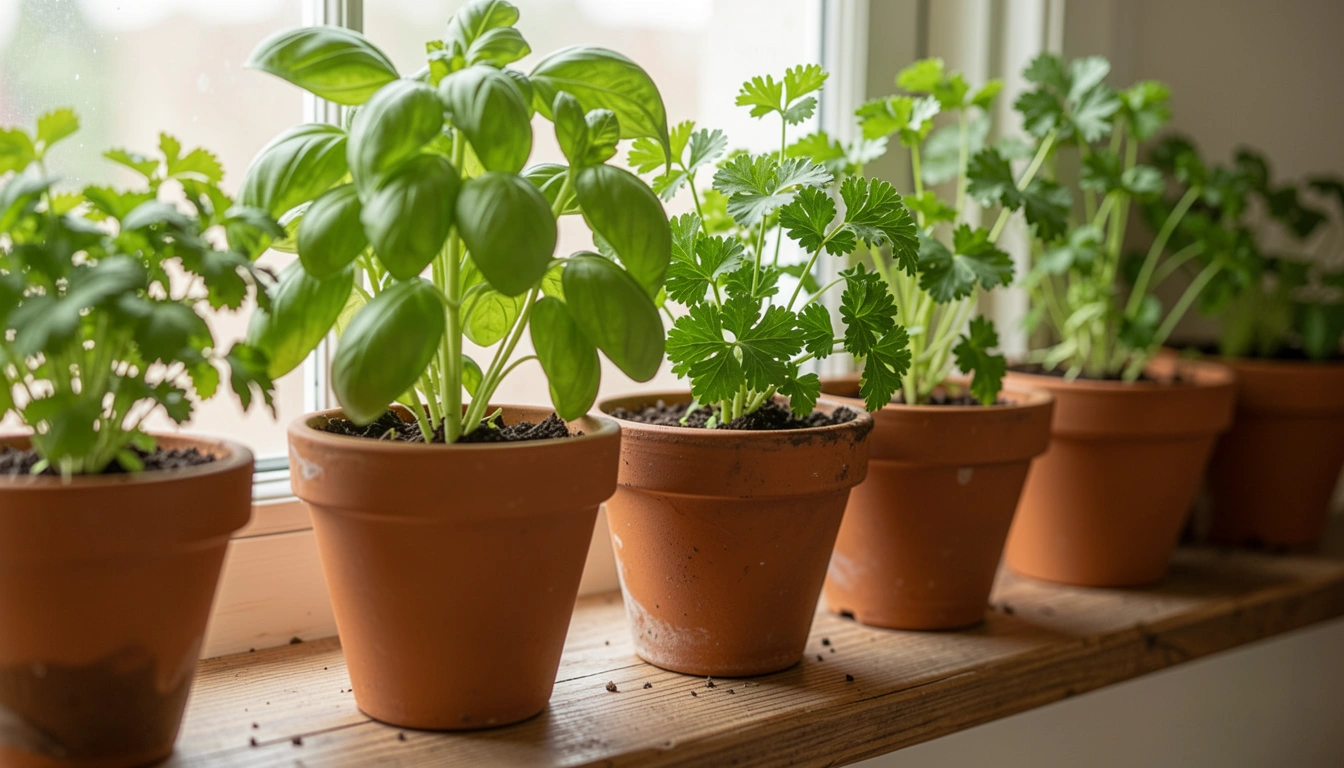
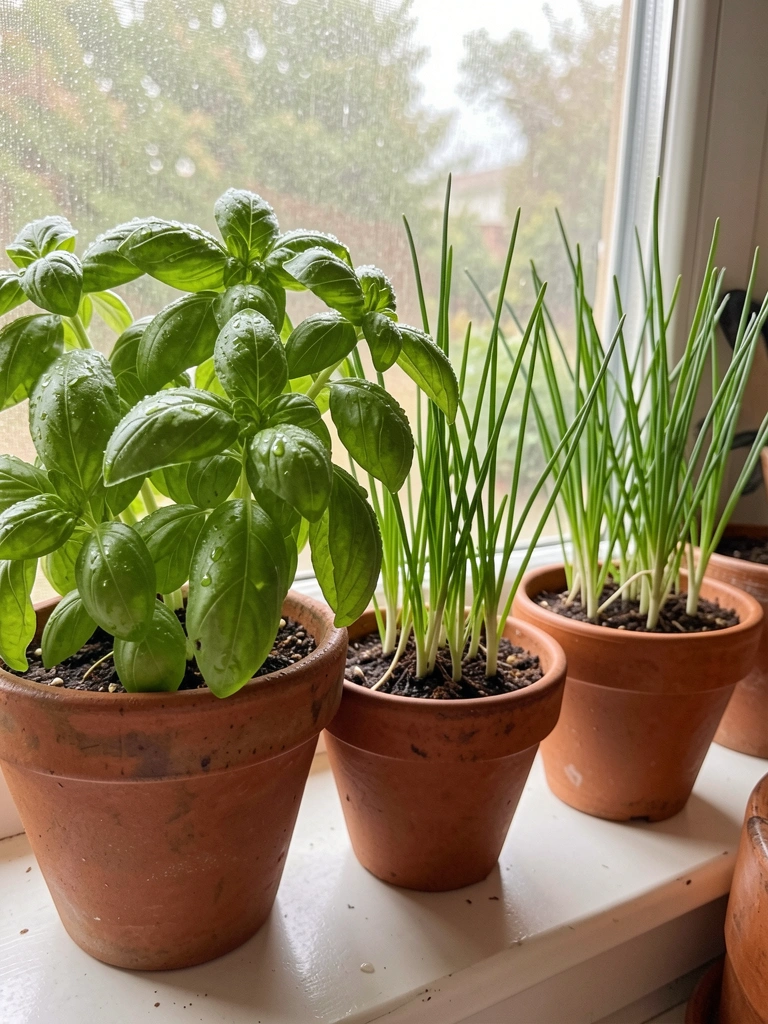
    My kitchen faces east, so mornings light up the sill perfectly. I planted basil and parsley there first. They grew thick, not spindly like my old south-window fails. Chives filled gaps, always snip-ready.

    The view changed everything—watching dew settle, then picking for eggs. It feels alive right where I cook.

    Pick a sill with 4-6 hours light. Turn pots weekly so they don't lean. Basil bolts if too hot, so shade peak sun.

    I skipped fancy trays at first. Plain pots worked fine once I grouped them tight.

    What You’ll Need for This Look

    2. Hanging Pods Over the Sink for Quick Harvests

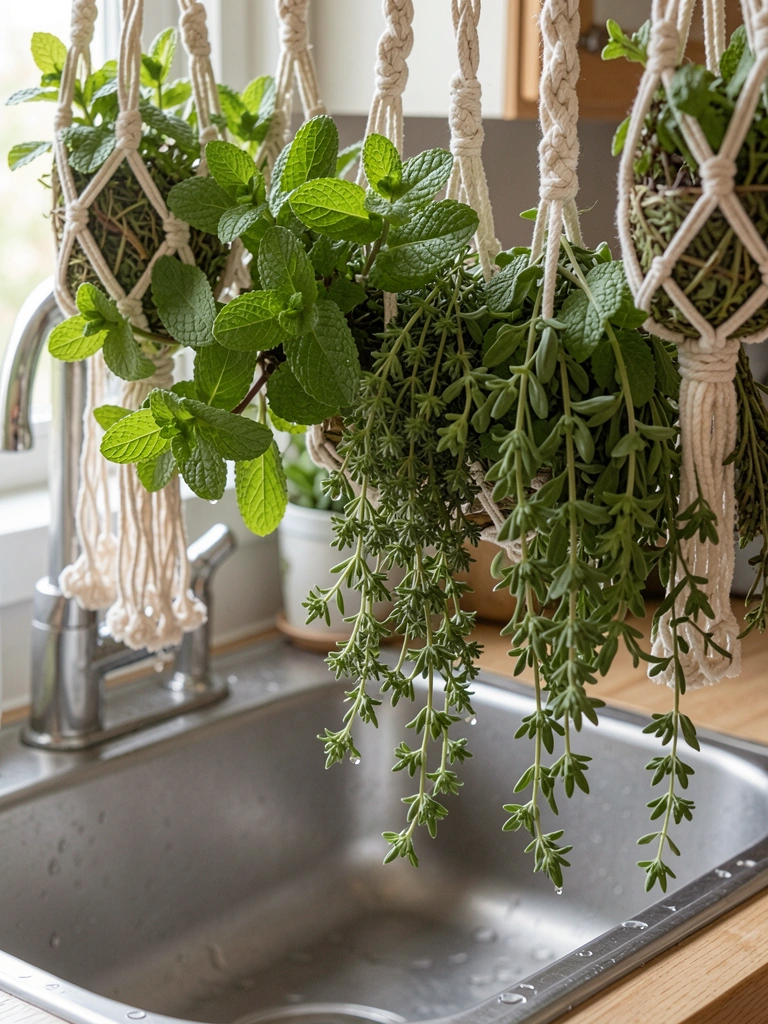
    I hung pods above my sink after mint took over a pot on the counter. Now it trails just right, easy to grab for tea. Oregano joined, filling the air.

    Space opened up below. No more crowded counters. It sways gently, feels cozy.

    Use strong hooks near a window. Mist weekly—sink splash helps. Mistake: too heavy at first, so lightweight soil.

    Pods swing into reach for a snip. Perfect for tight kitchens.

    What You’ll Need for This Look

    3. Vertical Pocket Wall for Corner Herbs

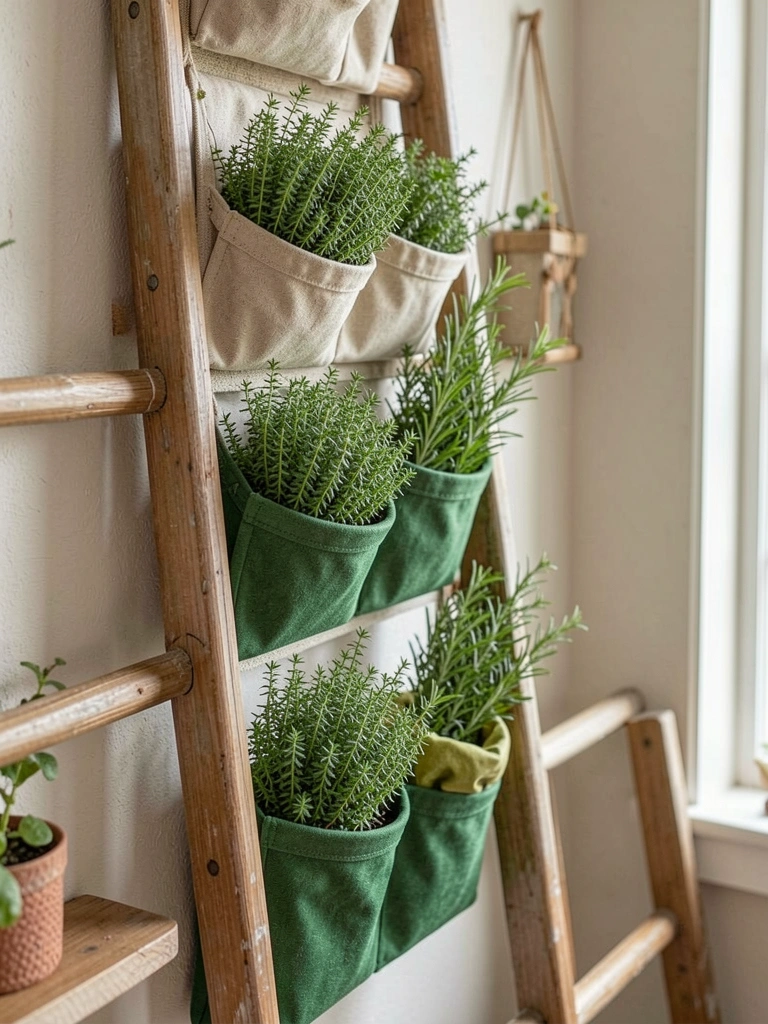
    Corner by the couch was dead space till I added pockets. Thyme and rosemary tuck in neat, no sprawl. They brush my arm when I read.

    Wall went from blank to green without floor mess. Low-water herbs stay happy.

    Hang on a stud for weight. Water from top, empty saucer. I overplanted once—thinned it quick.

    Frees floor for rugs. Herbs scent the room softly.

    What You’ll Need for This Look

    4. Tiered Shelf Stack by the Window

    My old bookcase got tiers for herbs after cilantro wilted alone. Dill tops it, cilantro below—light layers right.

    Shelf feels full, not crammed. Pinch tops keep them bushy.

    Space shelves 12 inches apart. Rotate for even sun. Forgot once, got lopsided.

    Mix heights for depth. Blends with room.

    What You’ll Need for This Look

    5. Self-Watering Counter Pods That Forgive Forgetting

    Counter got self-waterers when I traveled and came back to dry basil. Sage and lemon balm thrived—no wilt.

    Frees mental space. Roots pull what they need.

    Fill reservoir weekly. Bulbs prevent sog. Mistake: overfilled, got rot—drain excess.

    Stays tidy on counters.

    What You’ll Need for This Look

    6. Grow Light Shelf for Low-Light Corners

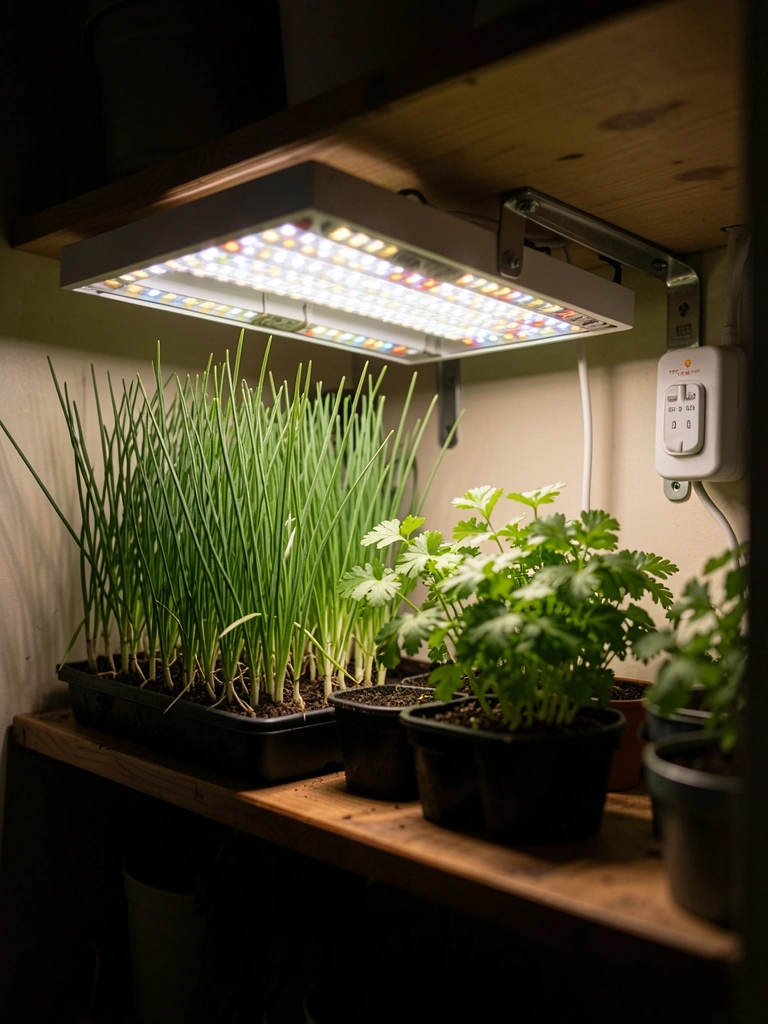
    Dim hall corner got lights after chives stretched thin. Panels mimic sun—parsley bushed up fast.

    Even growth year-round. No window needed.

    Timer on 14 hours. Clip leaves often. Too close burned tips once—raised 6 inches.

    Lights hum soft, herbs glow.

    What You’ll Need for This Look

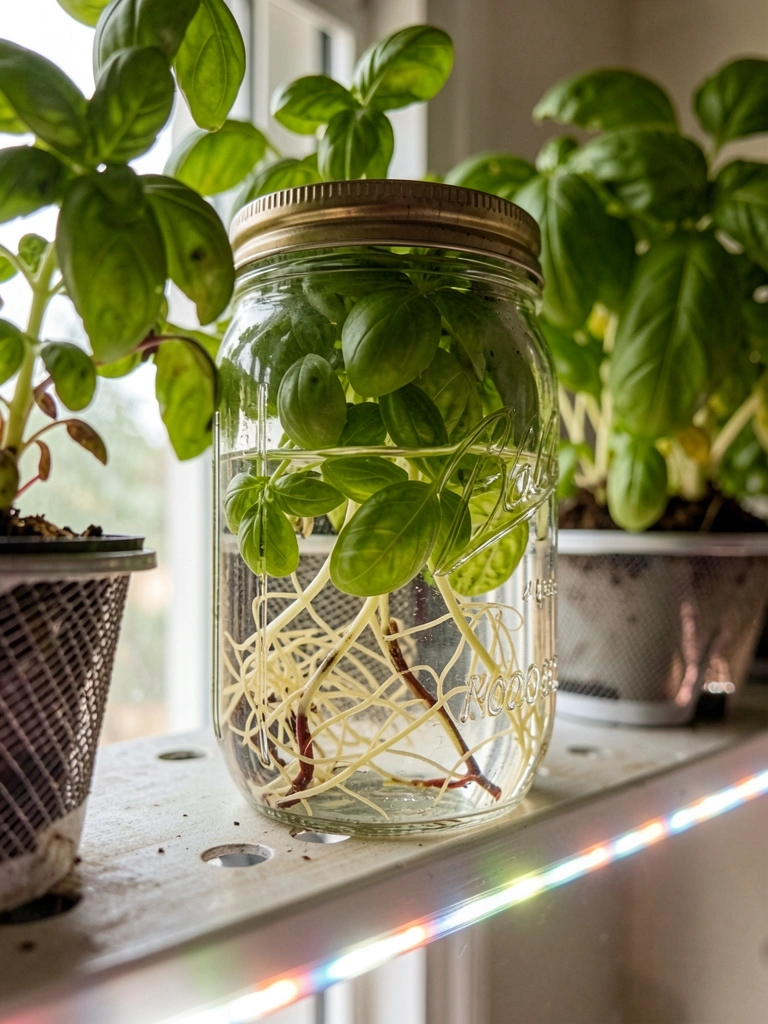
    7. Mason Jar Hydroponic Line for No-Soil Basil

    Rail under cabinets holds jars now—no soil mess after basil dirt spilled. Roots dangle in water, grow fast.

    Clean, quick swaps. Basil stays tender.

    Change water weekly, add nutrients. Algae hit mine—foil jars.

    Compact for any ledge.

    What You’ll Need for This Look

    Final Thoughts

    Pick one idea that fits your spot. Start with three herbs you cook with most.

    They'll grow steady, not overnight. You've got this—fresh snips all year.

    My kitchen hums greener now. Yours will too.

  • 21 Inspiring Outdoor Herb Garden Ideas For Backyards

    21 Inspiring Outdoor Herb Garden Ideas For Backyards

    I still get that quiet thrill walking out my back door to snip fresh rosemary. Years back, my herbs were leggy and sad in full sun—lesson learned. Now they hug the patio edge, close enough for dinner prep.

    Real backyards aren't perfect. Soil gets heavy after rain. Pests show up. But these spots? They just work.

    You can set one up this weekend. No big budget needed.

    21 Inspiring Outdoor Herb Garden Ideas For Backyards

    I've pulled together 21 outdoor herb garden ideas from my own backyards over the years. These are forgiving setups that handle real life—kids, dogs, forgetful watering. Exactly 21 practical ways to grow what you cook with.

    1. Patio Container Cluster for Quick Kitchen Snips

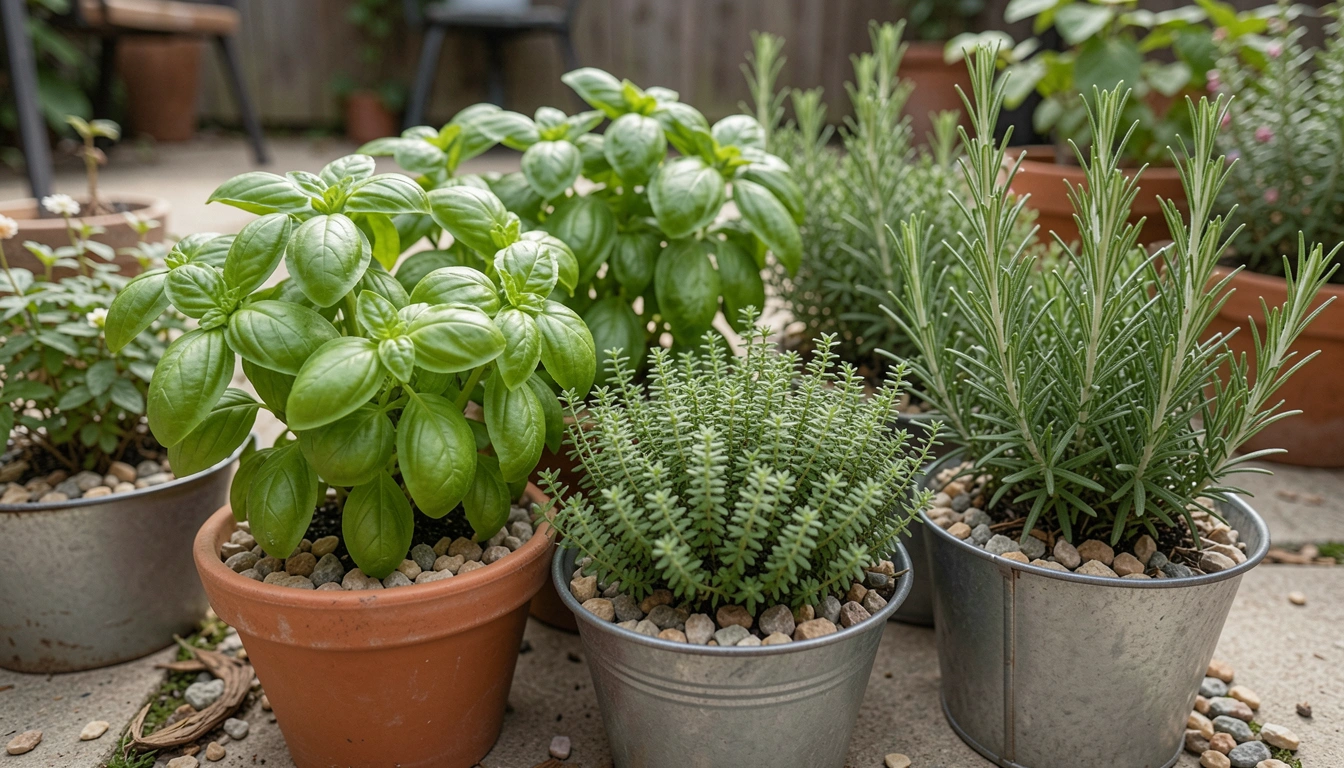
    I started this cluster right by my back door after realizing store basil cost too much. Five pots tight together make it feel full, not scattered. Basil bushes out, mint trails soft—snip without bending far.

    The patio warms up fast, so herbs stay compact. No sprawl. One summer, chives bolted early; now I pinch tops weekly.

    Group tall rosemary back, low thyme front. It draws you in, cozy like an outdoor counter.

    Visual shift? Your yard feels tended, alive.

    What You’ll Need for This Look

    2. Raised Bed Border Along the Back Fence

    My fence line was bare dirt until this 2-foot-wide bed. Oregano roots deep, sage goes silver-gray. It screens the neighbor's view soft. Herbs brush your legs walking by—smells hit you.

    Rain pools less here; drainage rocks at bottom fixed my soggy root rot mess from year one.

    Plant perennials like thyme at ends—they frame it. Annuals like cilantro fill gaps.

    Now it's a green hug to the yard. Feels private, calm.

    What You’ll Need for This Look

    3. Vertical Pallet Wall for Tight Backyard Corners

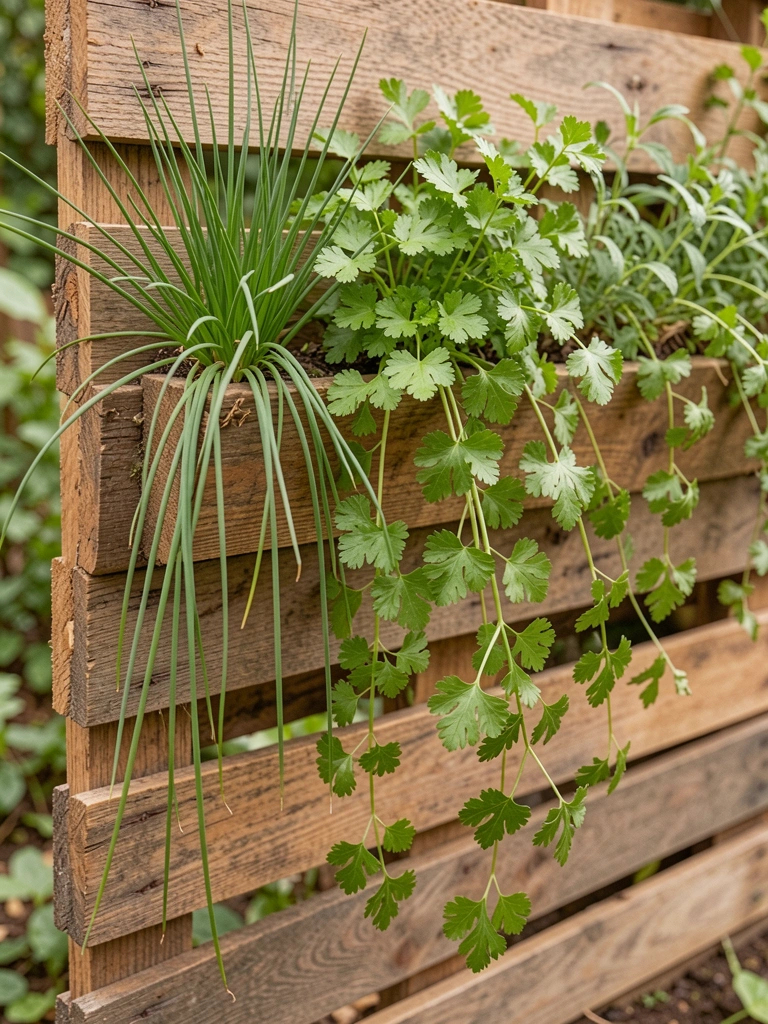
    Corner by the shed screamed for this pallet I leaned up. Stapled landscape fabric in slats, stuffed soil pockets. Chives poke cheerful, parsley drapes. Saves floor space—huge in small yards.

    Mint took over once; now it's in its own pot hung nearby. Roots stay contained.

    Sun hits sideways here, perfect for basil up top. Water trickles down, feeds lower plants.

    Yard feels taller, used. Green wall without fuss.

    What You’ll Need for This Look

    4. Hanging Baskets from Low Tree Branches

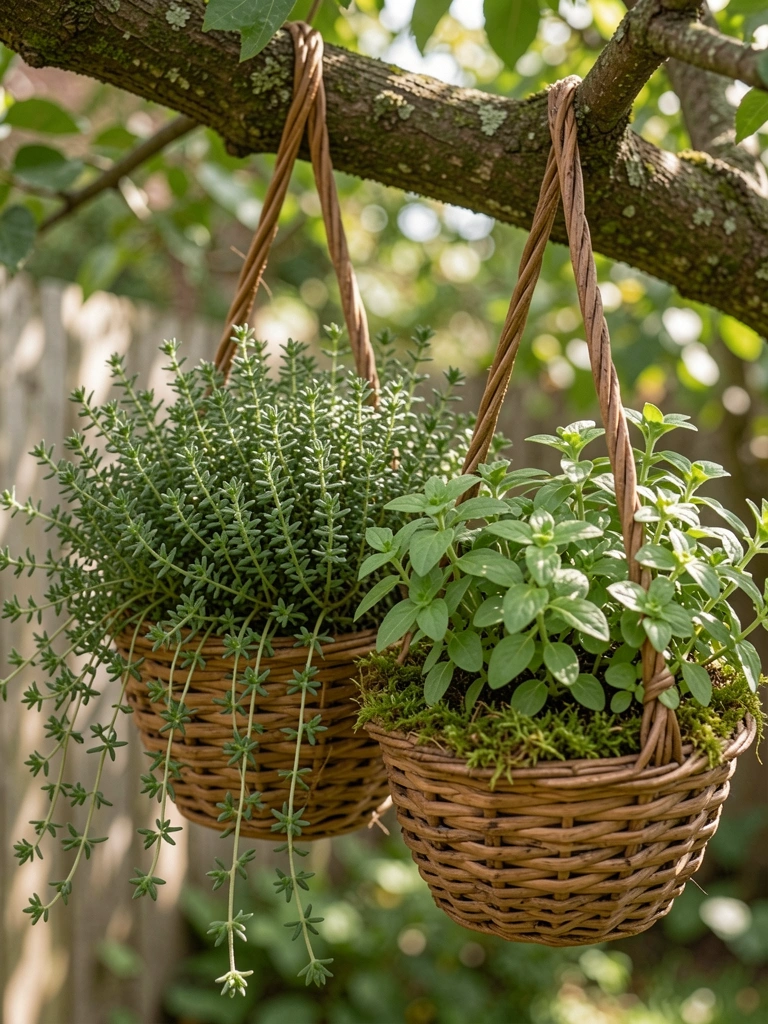
    Low apple branch holds three baskets—thyme swings gentle. No ground clutter. Oregano blooms pink, pulls bees close. Pick without stooping.

    Wind dried them out first try; added moss lining holds moisture. Now they're lush.

    Hang at arm height. Mix trailers with upright rosemary. Shade filters through leaves.

    Backyard air smells herby on breeze. Simple joy.

    What You’ll Need for This Look

    5. Wheelbarrow Herb Planter by the Grill

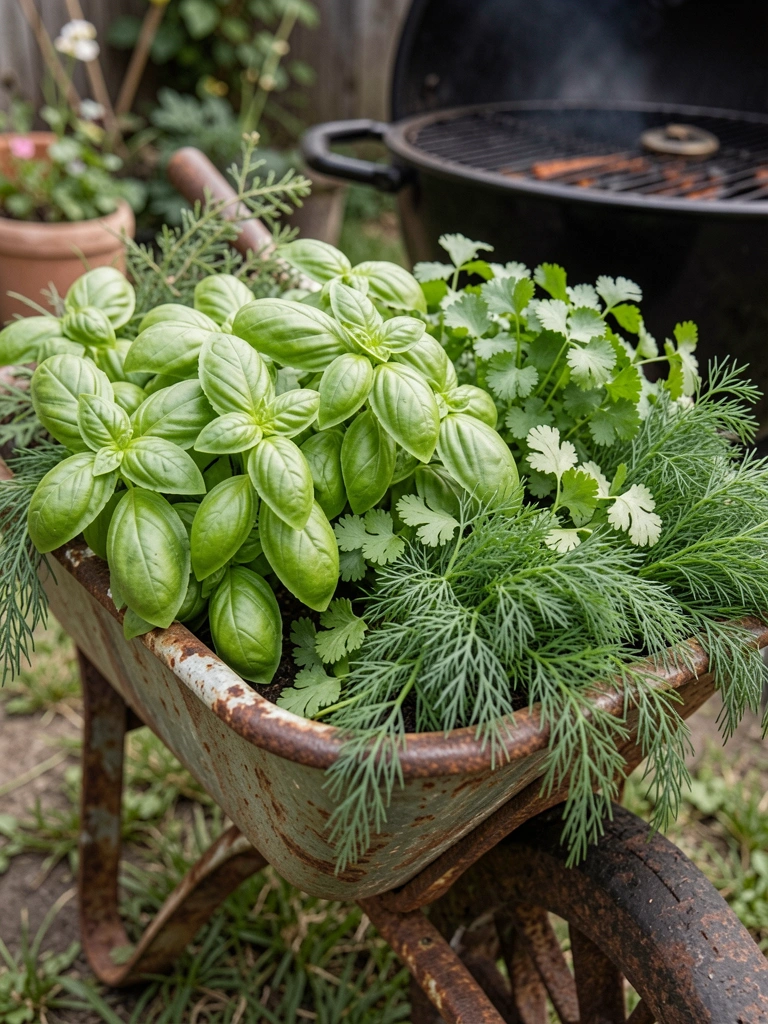
    Old wheelbarrow sits grill-side—basil for pesto right there. Dill goes tall, seeds itself. Rust adds patina, not eyesore.

    Wheel lets me chase sun. Forgot drainage holes once; drilled them now. No rot.

    Tuck chives at front. It rolls easy for parties.

    Grill-ups feel fresher. Yard's working corner.

    What You’ll Need for This Look

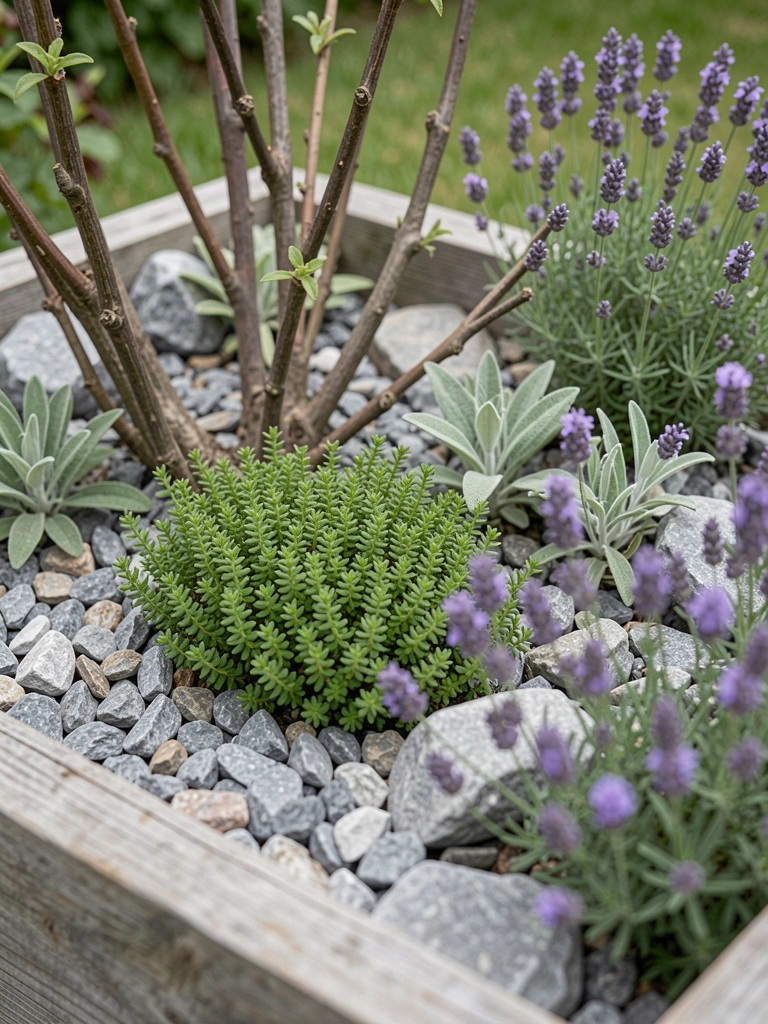
    6. Gravel Mulch Bed for Low-Water Herbs

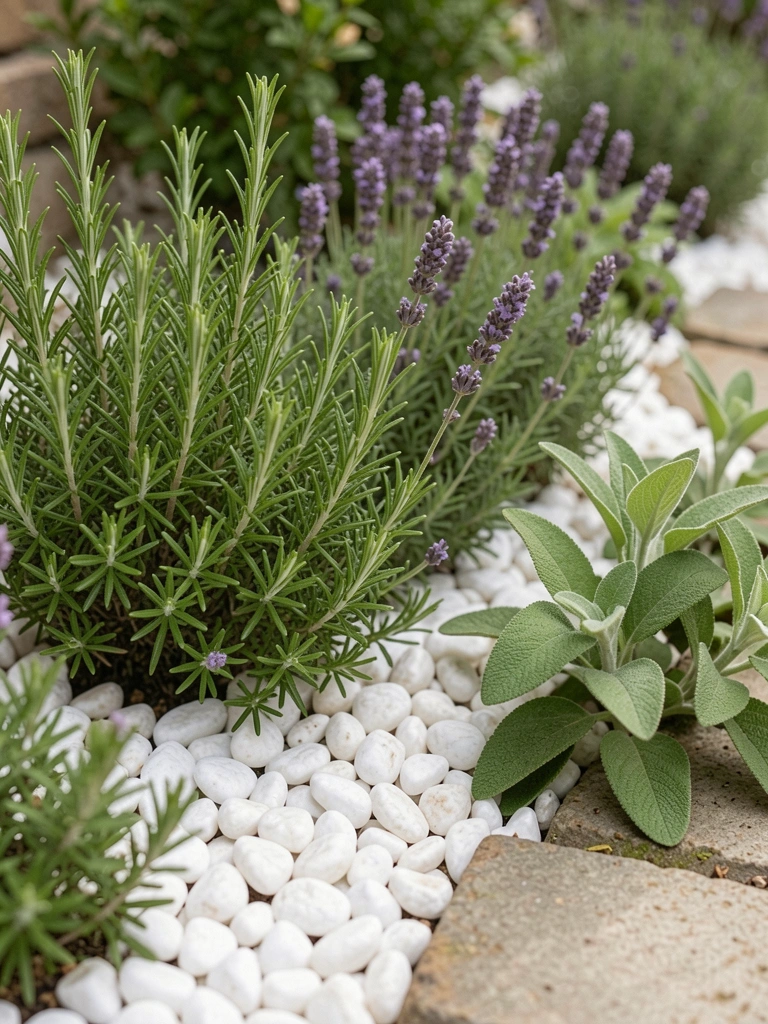
    Hot corner got gravel over cardboard—rosemary thrives silver. Lavender hums bees. No weeds fight through.

    Overwatered sage first; gravel cuts that mistake. Soil dries even.

    Edge with low thyme. Pebbles reflect light, warm roots.

    Dry spot turns useful. Yard feels drought-smart.

    What You’ll Need for This Look

    7. Tiered Wooden Stand in a Sunny Corner

    Sunny nook holds this three-shelf stand—parsley waves green. Shelves catch runoff for lower pots. No mud.

    Top shelf gets most sun for basil. I skipped saucers once; stand catches drips.

    Rotate pots for even growth. Wood weathers cozy.

    Corner feels furnished, green.

    What You’ll Need for This Look

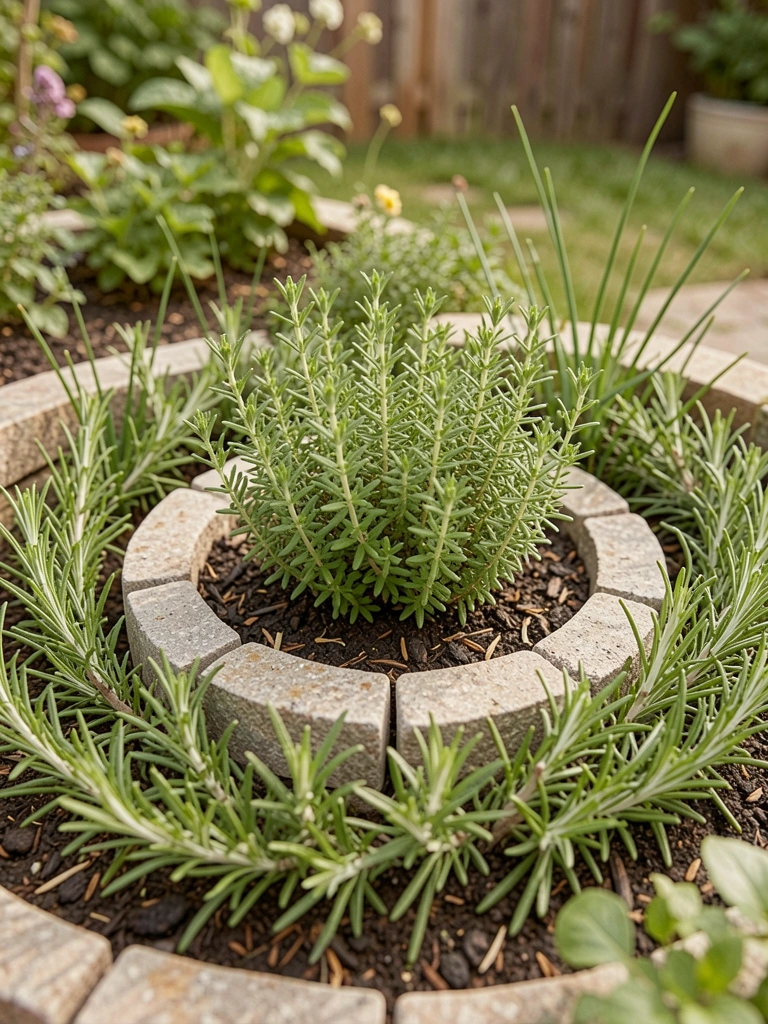
    8. Spiral Stone Herb Garden for Year-Round Use

    I stacked flat stones into a spiral—thyme curls center warmest. Rosemary edges tough. Microclimates mean cilantro inside, sage out.

    Frost nips less here; stones hold heat.

    Build low, 18 inches. South-facing catches sun.

    Yard gets focal point. Herbs cycle easy.

    What You’ll Need for This Look

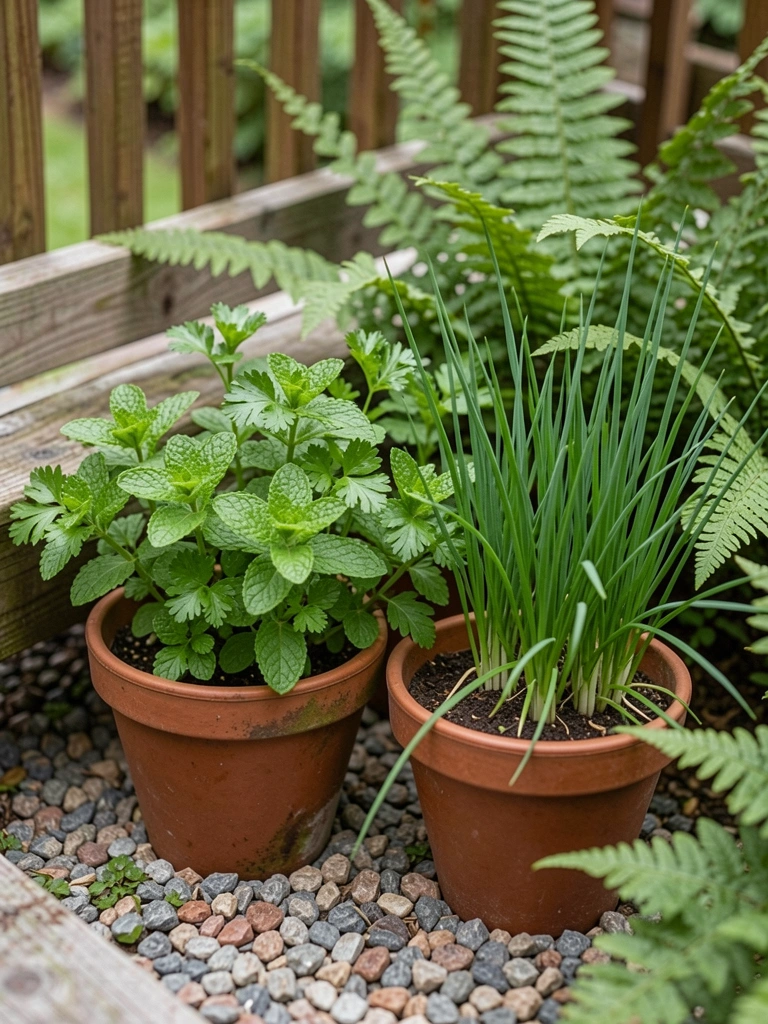
    9. Under-Deck Shaded Herb Nook

    Deck shade suits mint pots on gravel—spreads without invading. Parsley stays curly. Moisture hangs, lush.

    Full sun scorched them before; shade fixed it. Pots prevent takeover.

    Group in odd numbers. Drip line waters soft.

    Hidden spot yields big. Feels secret.

    What You’ll Need for This Look

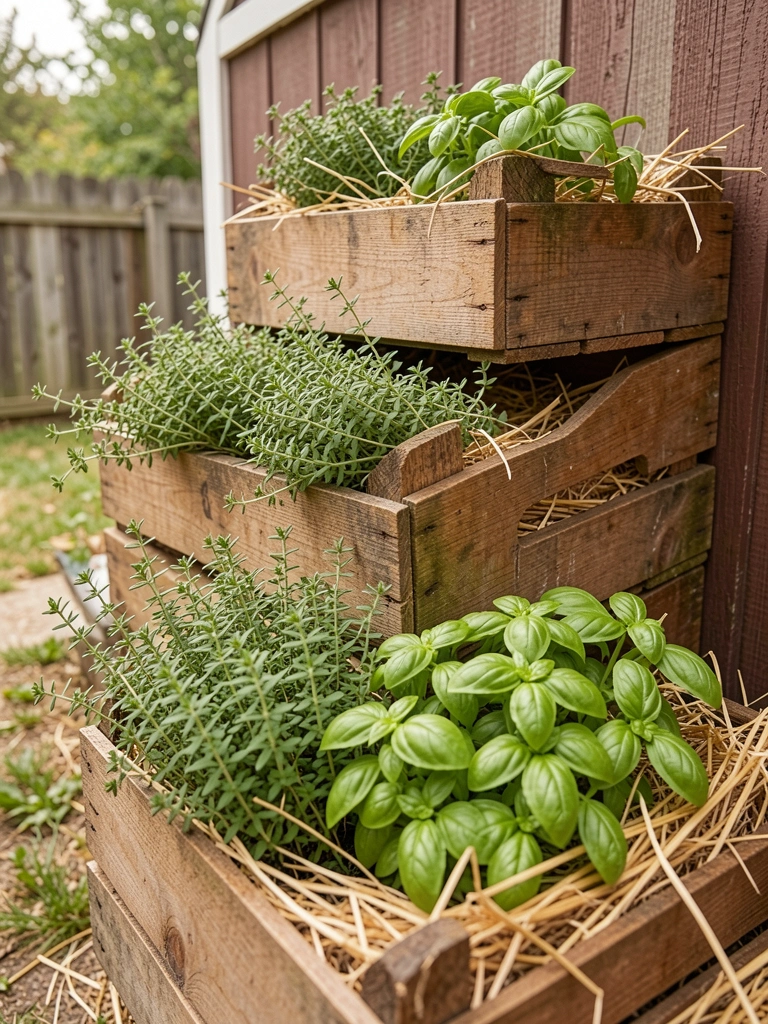
    10. Rustic Crate Stack Against the Shed

    Shed wall stacks three crates—oregano roots sturdy. Line with plastic, straw mulch tops. Basil suns top shelf.

    Crates tipped once unloaded; secured with brackets now. Stable.

    Drill holes bottom. Airflow keeps fresh.

    Shed feels less stark. Easy harvest.

    What You’ll Need for This Look

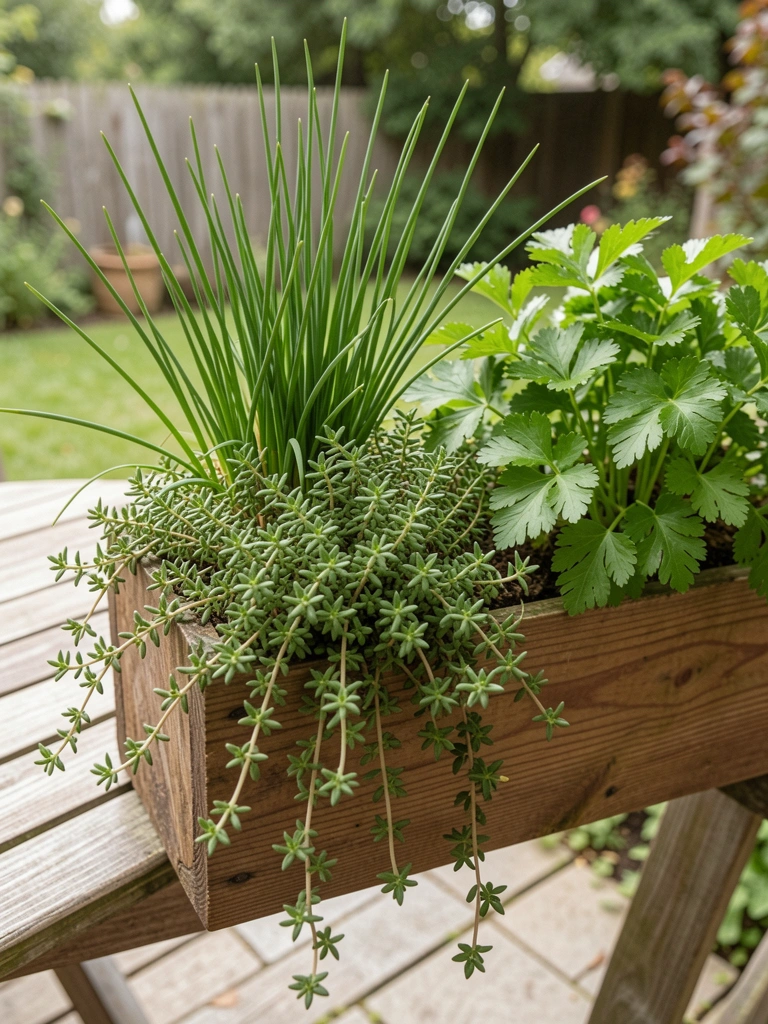
    11. Window Box Herbs Overlooking the Patio

    Patio window box drips chives over railing—snip from chairs. Thyme fills ends. Looks lived-in.

    Wind dried ends first; now coco liner holds wet.

    Mount secure. Semi-shade suits parsley.

    Patio eats feel herby. Green frame.

    What You’ll Need for This Look

    12. Potager-Style Mixed Herb Patch

    Loose rows mix basil near tomatoes—bugs stay away. Marigolds edge bright. Patch feels farm-kitchen.

    Overcrowded once; space 12 inches now. Yields double.

    Compost yearly. Full sun all.

    Backyard gives meals. Productive calm.

    What You’ll Need for This Look

    13. Low Boxwood-Framed Herb Knot

    Boxwood trims square knot—thyme center puffs. Paths invite steps. Formal but soft.

    Boxwood yellowed shade; full sun revived.

    Clip herbs, not edges. Gravel paths drain.

    Yard gets pattern. Walkable scent.

    What You’ll Need for This Look

    14. Bamboo Trough Lineup Along the Walkway

    Halved bamboo troughs line path—rosemary upright. Sage soft fuzzy. Feet brush smells.

    Logs rotted fast untreated; lined now. Lasts years.

    Long troughs, one plant type. Sun path catches.

    Walk feels scented. Natural flow.

    What You’ll Need for This Look

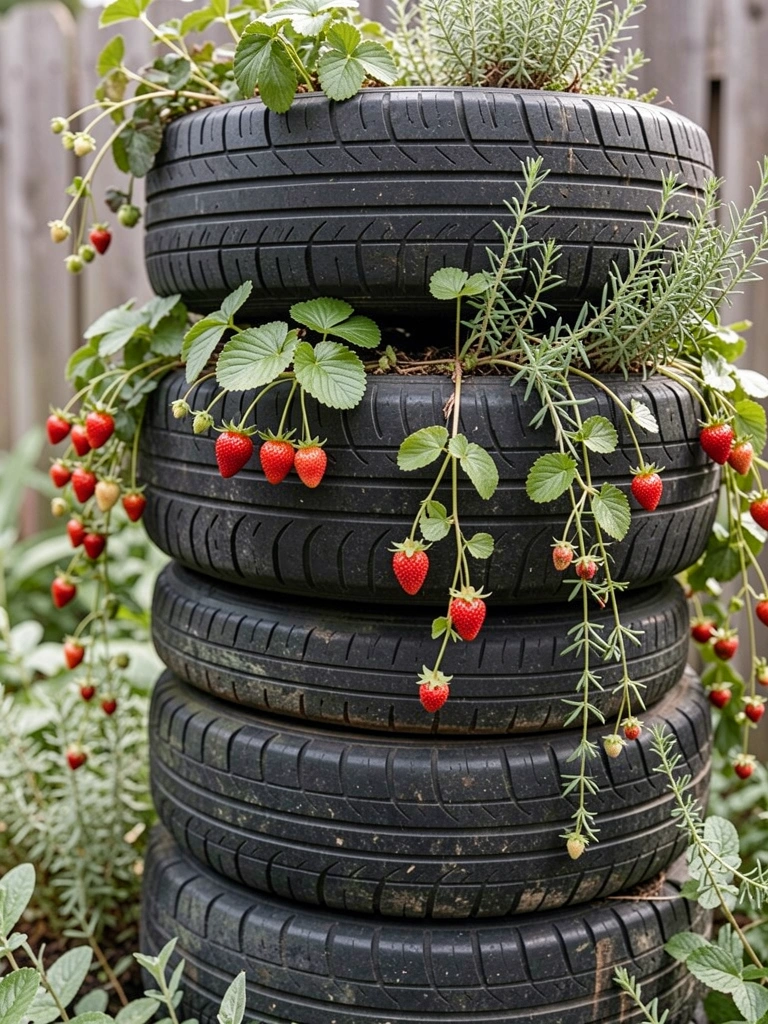
    15. Recycled Tire Herb Towers

    Cut tires stack tower—herbs peek holes. Tires black heat soil. Chives fill top.

    Painted them first year; faded cozy now. Free from dumps.

    Secure stack. South side sun.

    Yard upcycles fun. Vertical space.

    What You’ll Need for This Look

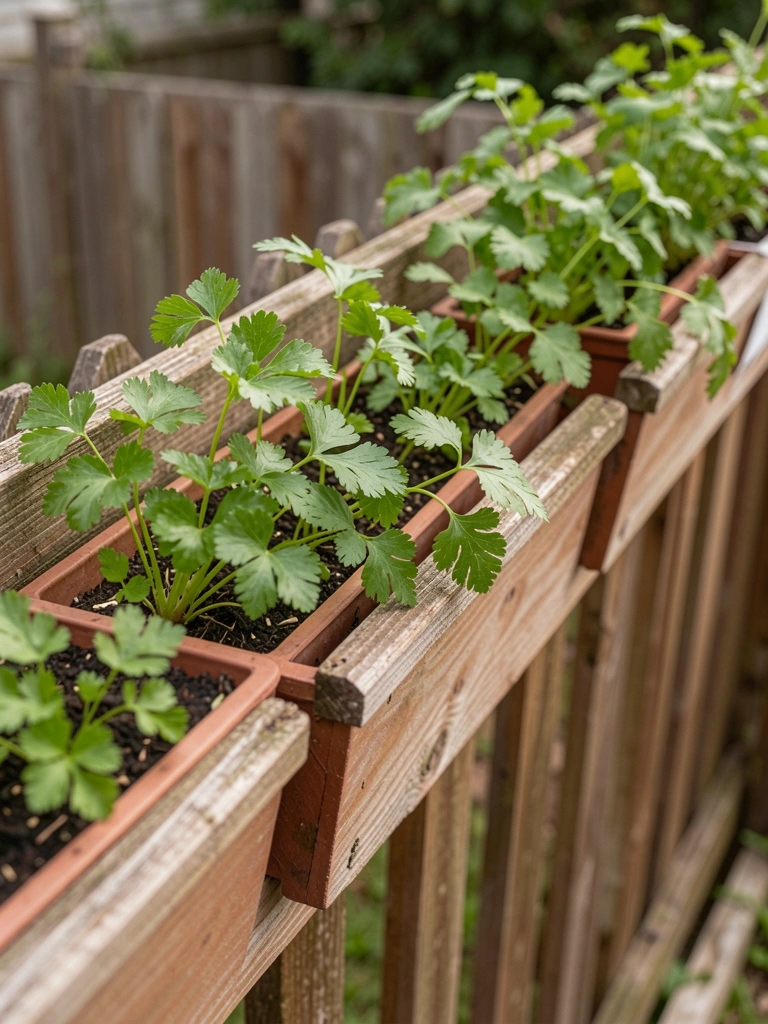
    16. Fence-Top Planter Rail for Overhead Greens

    Fence-top troughs hold parsley—overhead green without ground loss. Cilantro bolts slow here.

    Wind tipped first; weighted ends. Secure.

    Long plastic gutters cheap. Level install.

    Fence works harder. Airy harvest.

    What You’ll Need for This Look

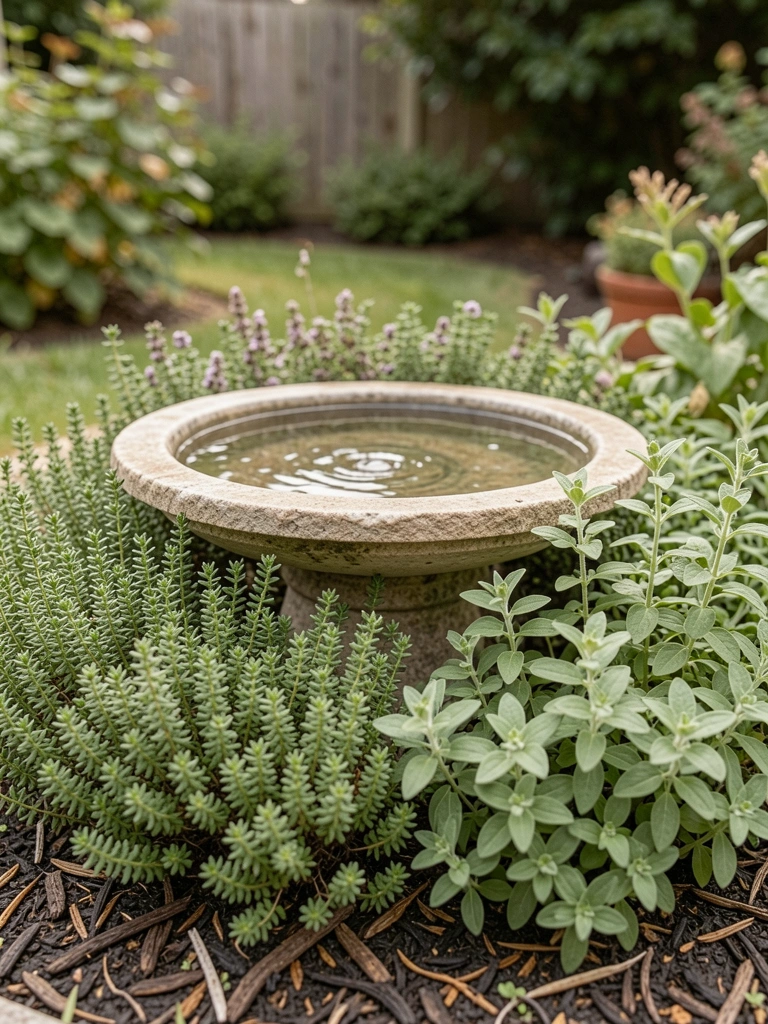
    17. Birdbath Centerpiece with Ringed Herbs

    Birdbath center, thyme rings it—birds splash, herbs drink runoff. Oregano fills gaps.

    Birds dug soil once; mulched now. Peaceful.

    Low growers only. Level bath.

    Yard spot sings. Dual use.

    What You’ll Need for This Look

    18. Stepping Stone Path Edged with Creeping Thyme

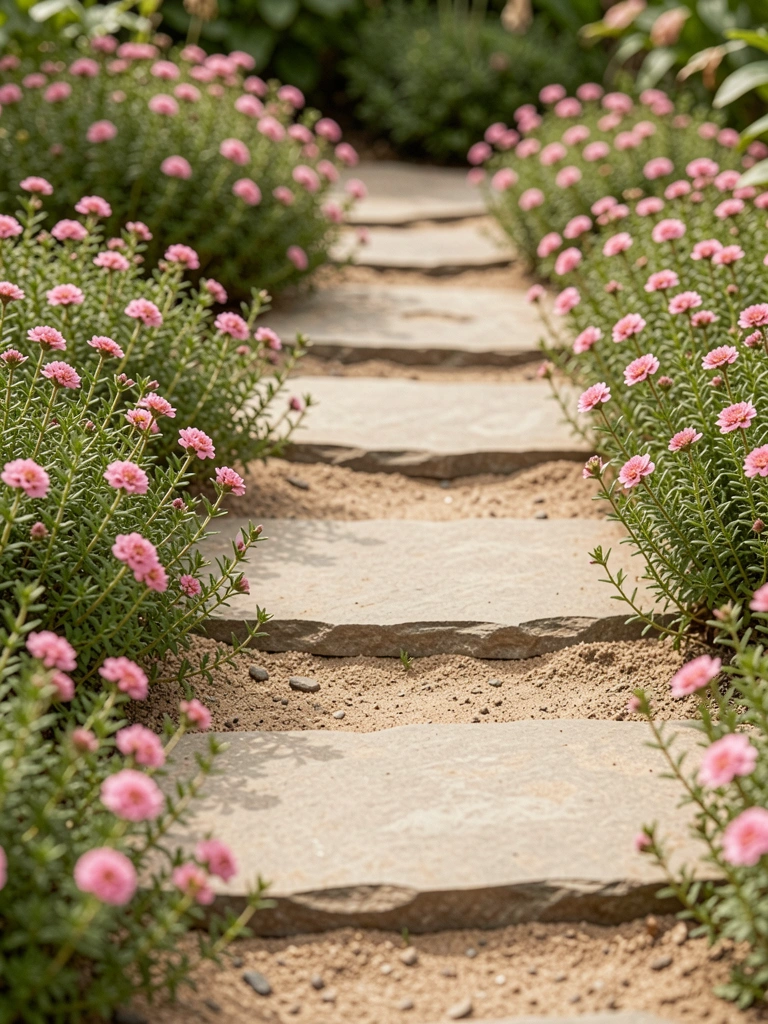
    Stones set in sand, thyme edges creep—step soft, smell rises. No grass mow.

    Thyme drowned clay soil; sand fixed. Tough now.

    Irregular stones. Plant plugs close.

    Path invites walks. Scent trail.

    What You’ll Need for This Look

    19. Modern Metal Trough Garden on Concrete

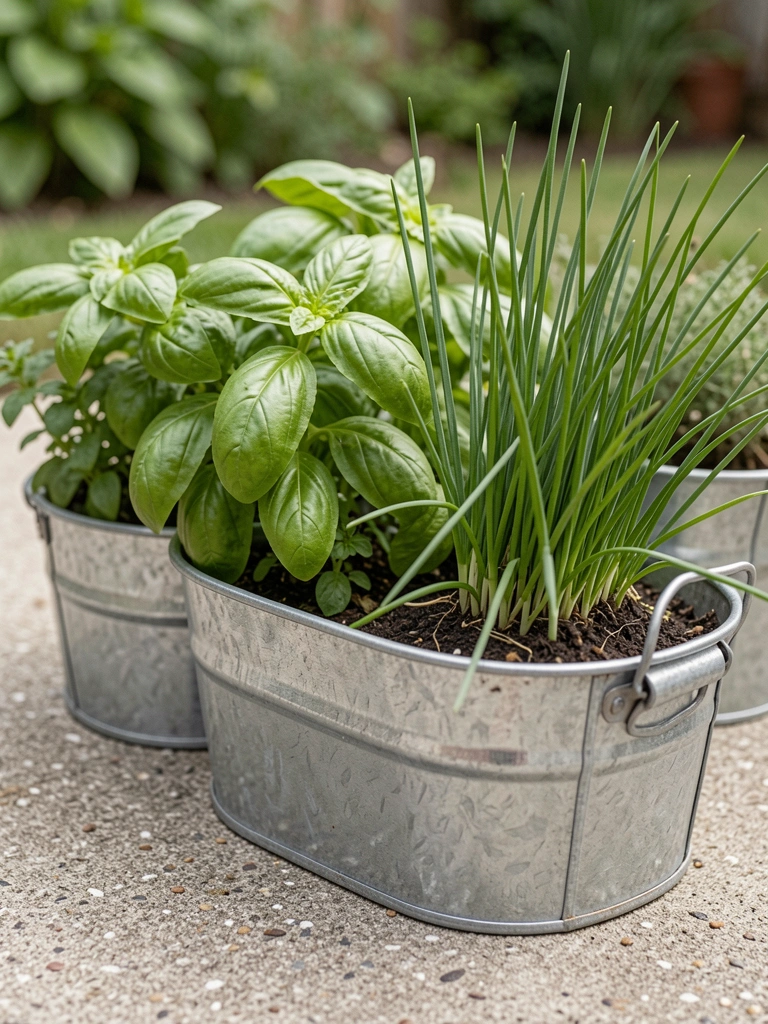
    Concrete slab suits metal troughs—basil neat rows. Chives tuft ends. Clean modern.

    Rust patina came quick; embraced it.

    Drain ends high. Feet for air.

    Slab livens. Sharp green.

    What You’ll Need for This Look

    20. Cozy Bench-Side Herb Nook

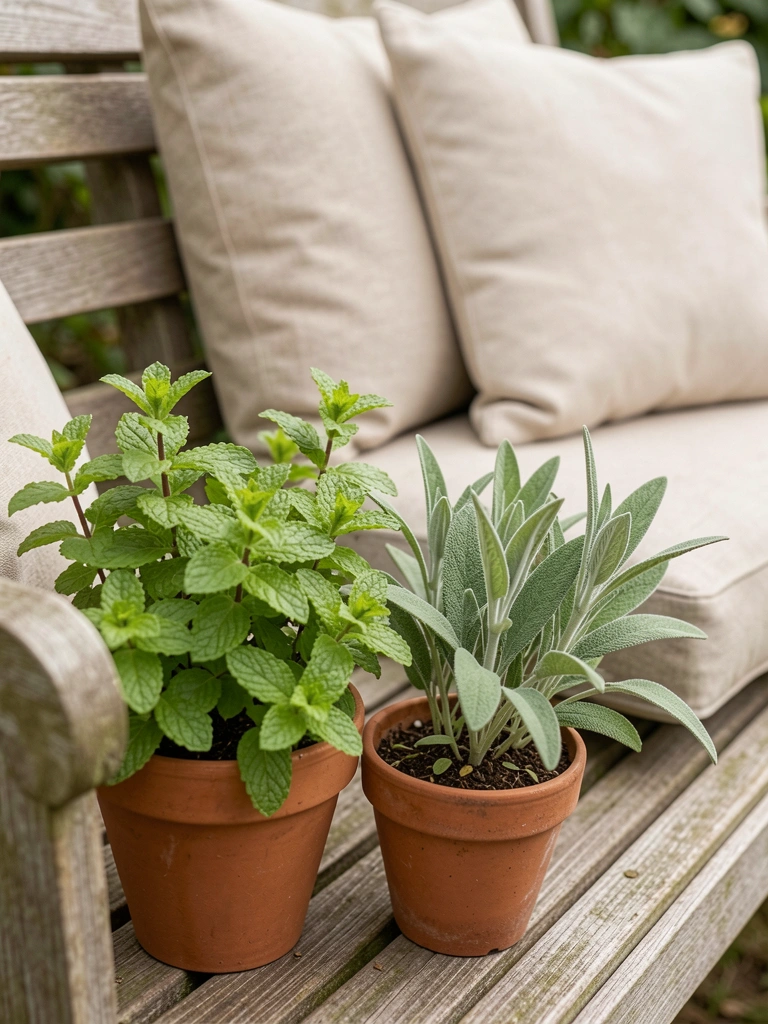
    Bench nook pots mint close—sip tea, snip. Sage bushes back. Sit-comfy spot.

    Mint invaded grass; pots contain.

    Low pots front. Wind block.

    Sit feels herbed. Restful.

    What You’ll Need for This Look

    21. Overhead Arbor Draped with Vining Herbs

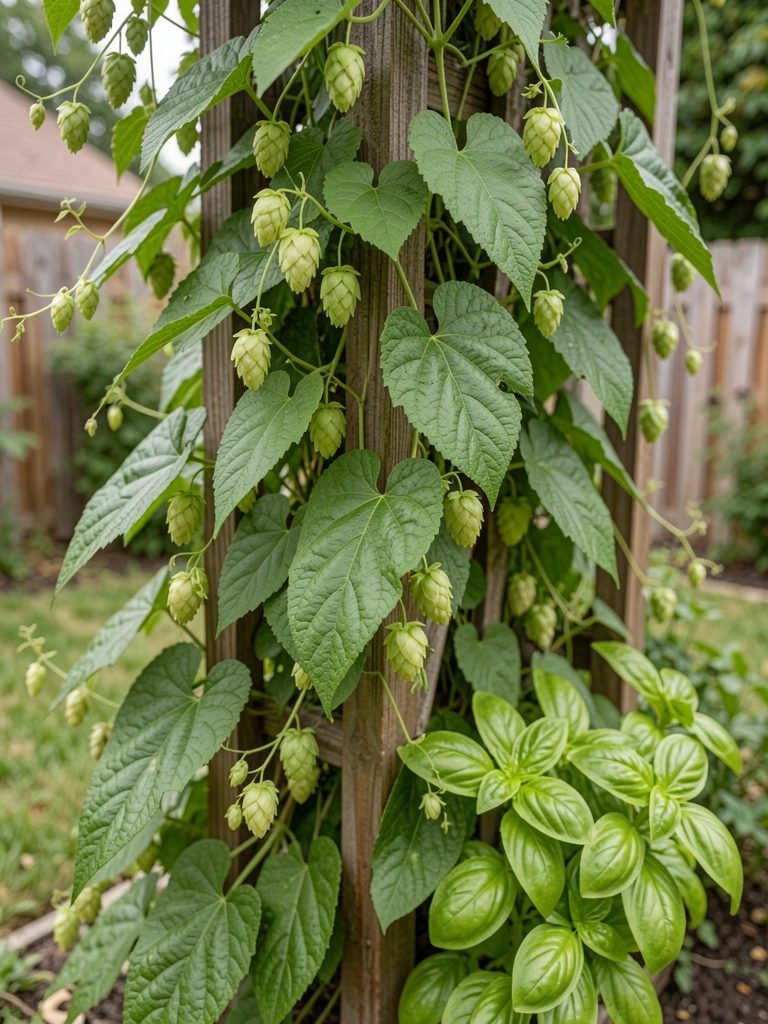
    Arbor over path drapes vining hops—shade tunnel. Base oregano anchors. Green roof feel.

    Vines blocked sun once; pruned now. Light filters.

    Wire for climbers. Base fillers.

    Path cools. Enclosed walk.

    What You’ll Need for This Look

    Final Thoughts

    Pick one idea that fits your spot—start small. Herbs forgive beginners. Watch them grow, tweak as needed.

    Your backyard will smell alive soon. You've got this. No rush.

  • 11 Fresh Herb Garden Ideas For Everyday Use

    11 Fresh Herb Garden Ideas For Everyday Use

    I remember the first summer I stepped out to snip basil for dinner and realized nothing was growing right. Too much shade, wrong pots. That frustration pushed me to rethink herbs close to the kitchen door.

    Now, fresh sprigs are always there. No more limp store bundles.

    These setups changed how I cook and garden. Simple, everyday spots that actually deliver.

    11 Fresh Herb Garden Ideas For Everyday Use

    Here are 11 fresh herb garden ideas I've tested in my own yard and porch. They fit real life—small spaces, busy days. You'll see exactly what works, with no fuss. Let's get into them.

    1. Windowsill Tray Packed with Basil and Chives

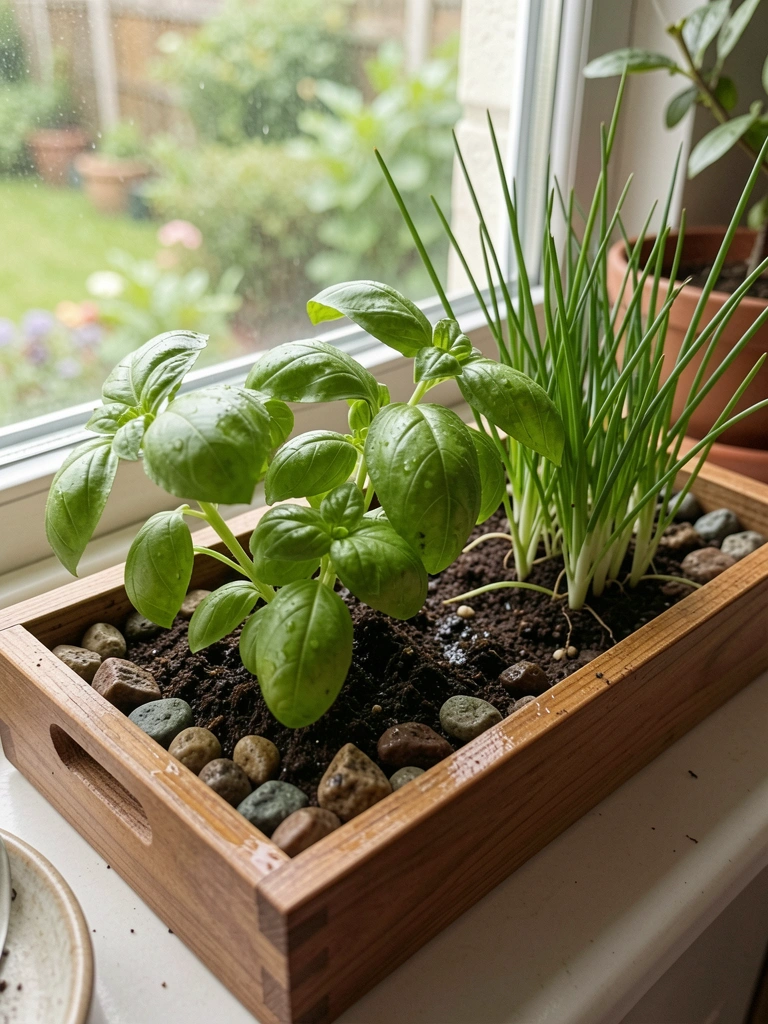
    I set up this tray last spring right over the sink. Basil took off fast in the morning sun, chives filled in the edges. Now I grab handfuls mid-meal without stepping outside.

    The key was drilling small holes for drainage—saved it from root rot my first try. It feels handy, like the garden's part of cooking.

    Watch the light; too much afternoon burns tender leaves. Group thirsty ones together.

    What You’ll Need for This Look

    Wooden windowsill herb tray (18 inch)

    Organic basil seeds

    2. Stacked Terracotta Pots on Back Steps

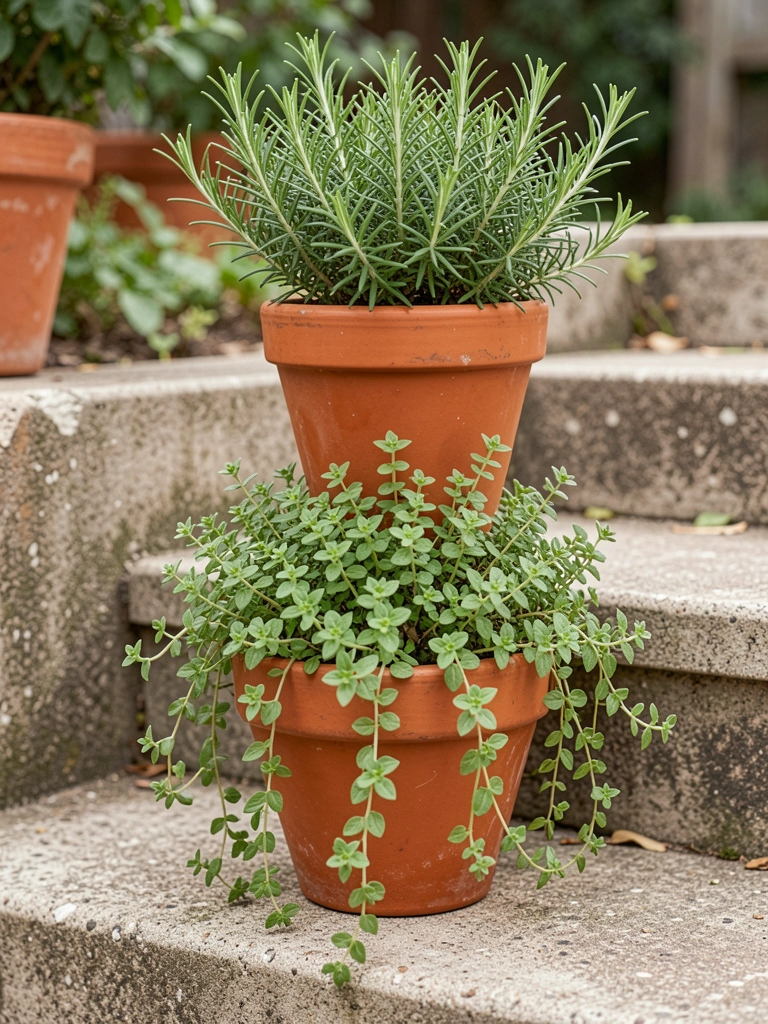
    My back steps were bare, so I stacked pots there two summers ago. Rosemary anchors the top, tougher herbs below. It softened the walk and gave easy reach for grilling.

    I overwatered once—mushy roots. Now I check soil with a finger first.

    The visual shift makes the path cozy, herbs brushing your legs.

    Plant deep-rooted ones higher for stability.

    What You’ll Need for This Look

    Stackable terracotta pots (10 inch set)

    Rosemary plant in 4-inch pot

    3. Hanging Baskets from Porch Rafters

    I hung these over the porch last year for mint that spreads wild. No more invading the lawn. Snip for tea right from the chair.

    Wind tangled them at first—added hooks for sway. Now they swing gentle.

    Fills the air with scent on hot days. Feels alive up there.

    Space them 18 inches apart.

    What You’ll Need for This Look

    Metal hanging baskets (12 inch)

    Trailing mint plant

    4. Gravel-Mulched Corner Raised Bed

    This corner bed with gravel keeps Mediterranean herbs happy—no mud after rain. Thyme carpets it, sage bushes up. Perfect for dry spells.

    Forgot gravel first year; weeds took over. Lesson learned.

    It grounds the yard, smells strong when brushed.

    Use coarse gravel for breathability.

    What You’ll Need for This Look

    Cedar raised bed kit (2×2 feet)

    Pea gravel bag (20 lb)

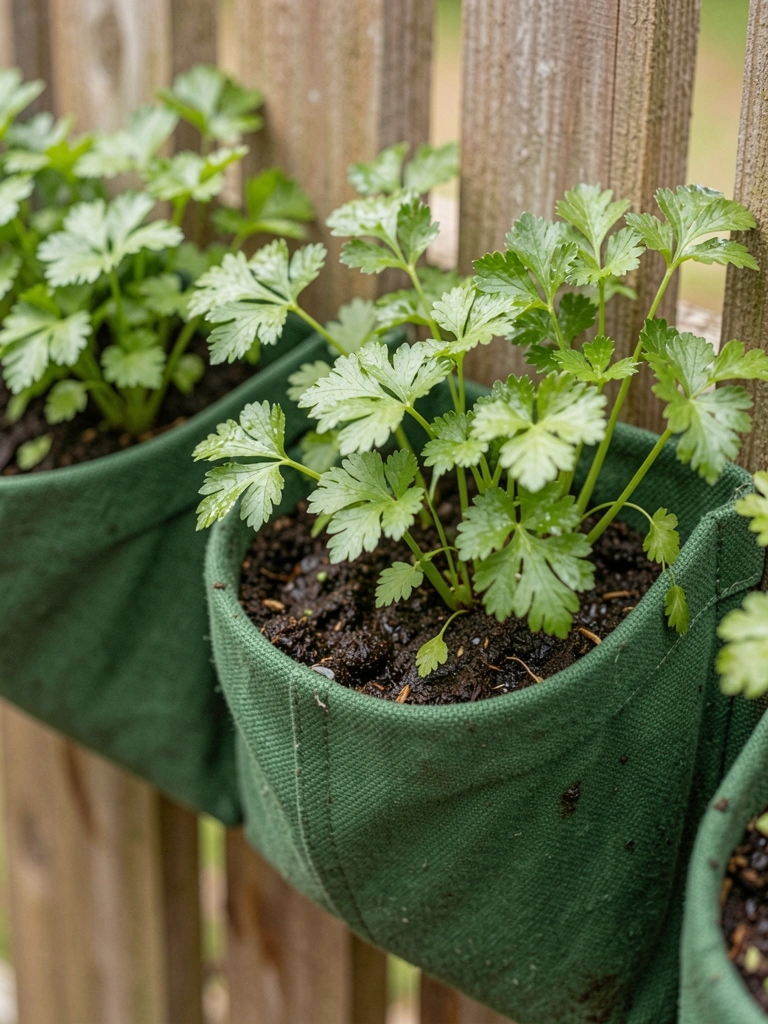
    5. Vertical Fence Pockets for Parsley

    Sewed pockets on the fence for parsley—saves floor space. Grows bushy, ready for salads. Harvest without bending.

    Water pooled early on; poked extra holes. Fixed.

    Makes the fence useful, green wall effect.

    Sun all day for best flavor.

    What You’ll Need for This Look

    Felt vertical garden pockets (10-pocket)

    Flat-leaf parsley seeds

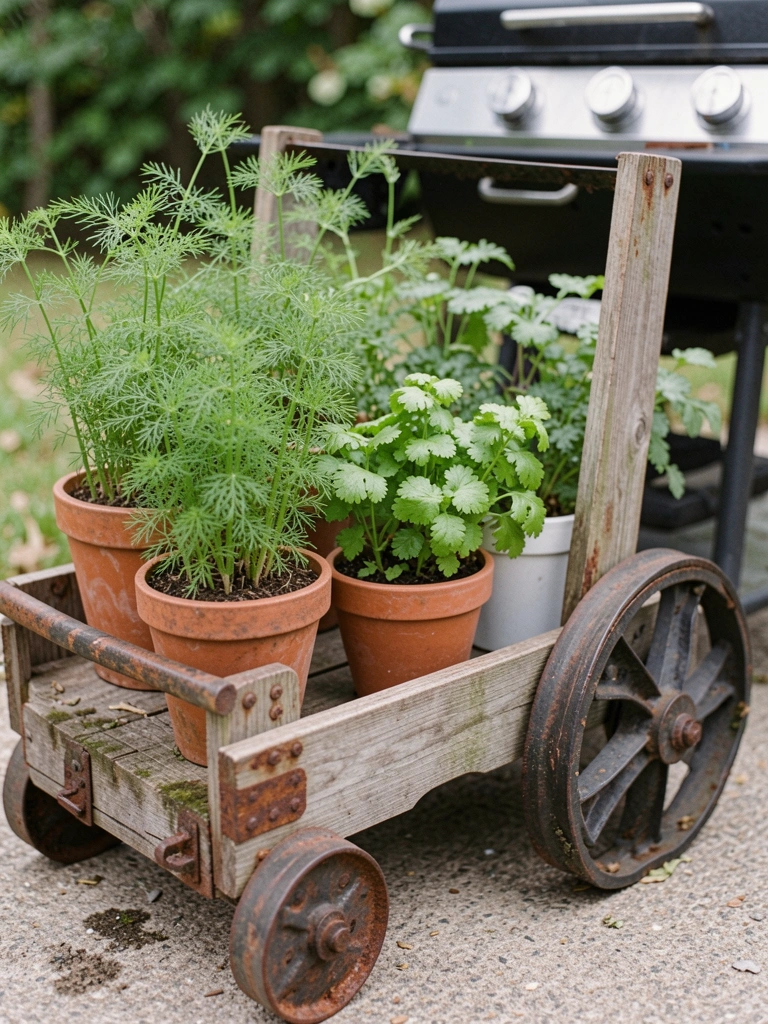
    6. Rolling Cart Herb Station by the Grill

    Wheeled this cart to the grill for dill and cilantro. Move for sun or shade. Always handy for cooking out.

    Tipped once on uneven ground—lowered the load.

    Feels mobile, part of the action.

    Lock wheels on slopes.

    What You’ll Need for This Look

    Wooden rolling garden cart

    Organic dill seeds

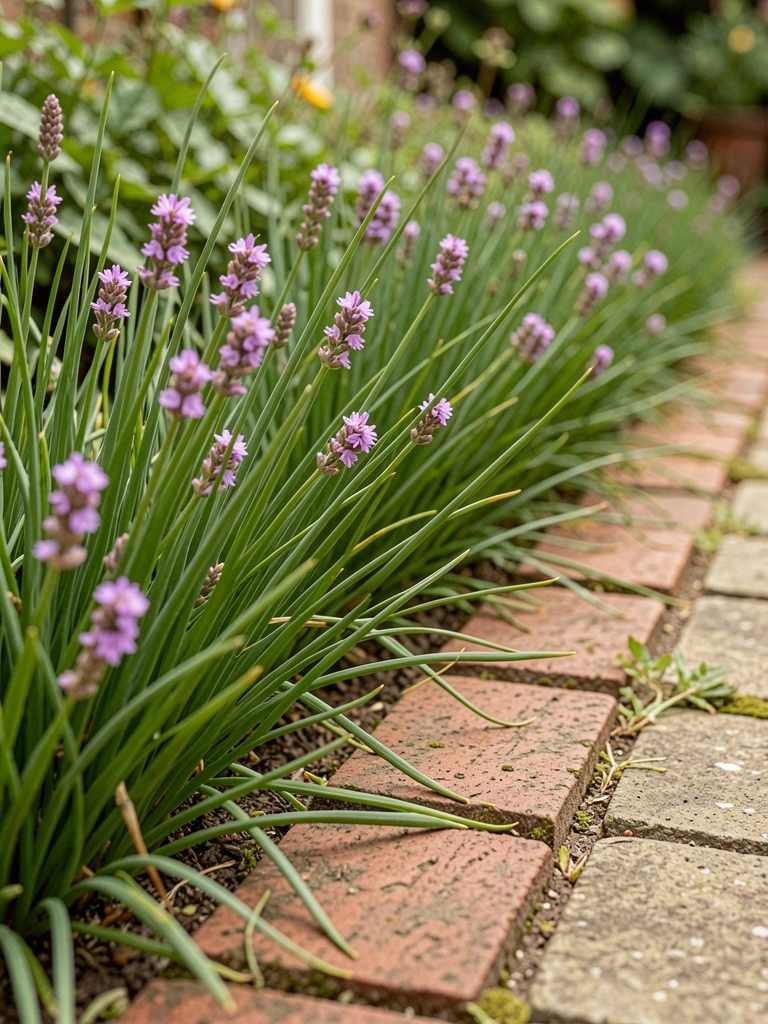
    7. Walkway Edge Planted with Low Chives

    Edged the walkway with chives—softens bricks, easy snips. Flowers draw bees too.

    Planted too deep first; they sulked. Surface level now.

    Defines the path, onion scent when walked.

    Trim flowers to keep tidy.

    What You’ll Need for This Look

    Chive bare root bundle

    Walkway edging stones

    8. Self-Watering Pots in a Sunny Nook

    Tucked self-watering pots in a nook for lemon balm. Forgets less watering on trips.

    Overfilled reservoir once—stagnant. Half-full rule.

    Keeps herbs plump, low worry.

    Refill weekly.

    What You’ll Need for This Look

    Self-watering planter set (8 inch)

    Lemon balm plant

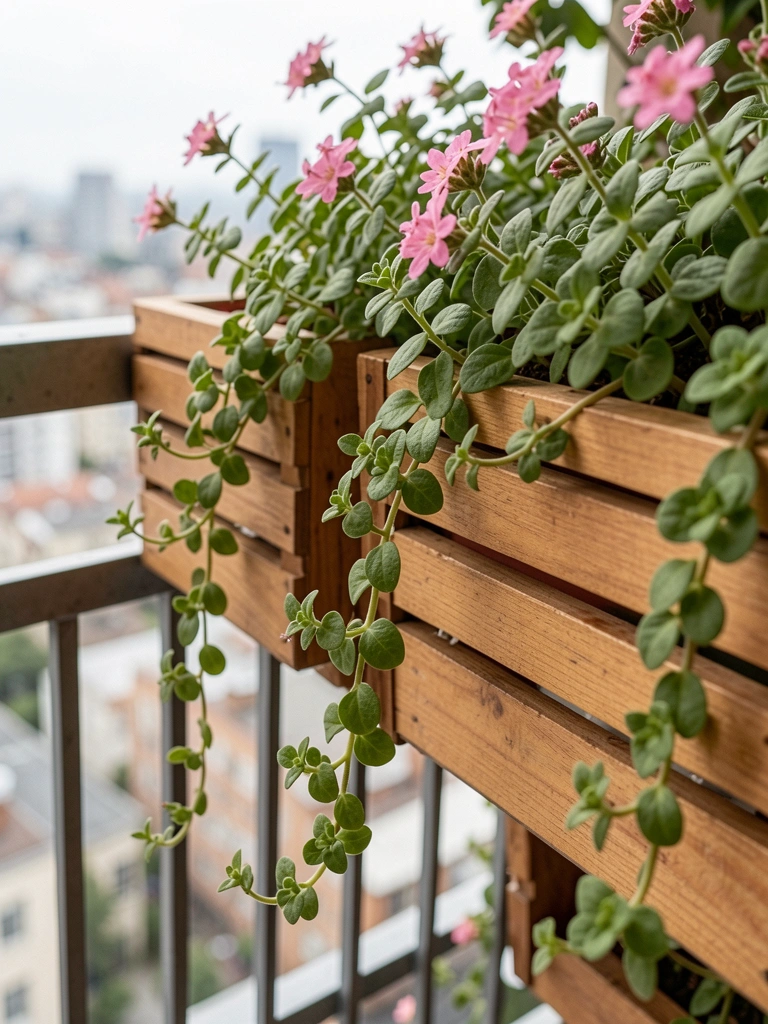
    9. Balcony Rail Boxes with Trailing Oregano

    Rail boxes on the balcony trail oregano down. Adds green drape, pizza topping close.

    Sloshed water off—added liners.

    Softens rails, breezy scent.

    Secure brackets tight.

    What You’ll Need for This Look

    Balcony rail planter boxes (24 inch)

    Trailing oregano plant

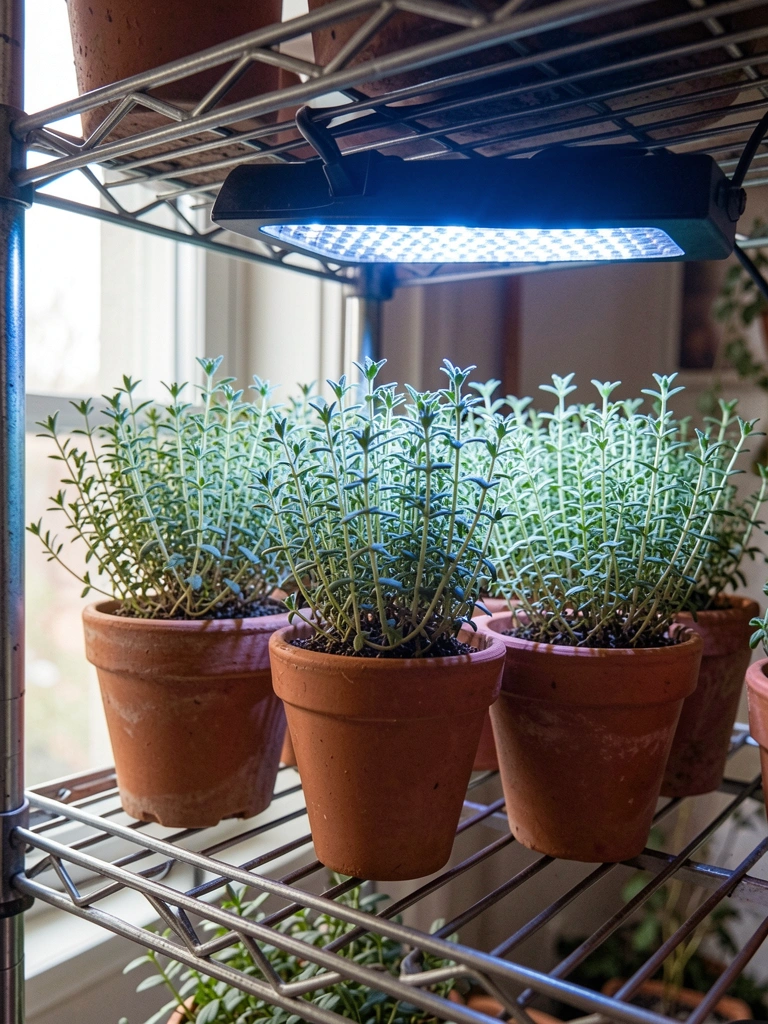
    10. Indoor Shelf with Grow Light for Winter Thyme

    Shelf by the window with lights keeps thyme going winter. Fresh for soups.

    Burned leaves first—raised light higher.

    Brightens kitchen, year-round pickings.

    12 hours light daily.

    What You’ll Need for This Look

    Full-spectrum grow light

    3-tier metal shelf unit

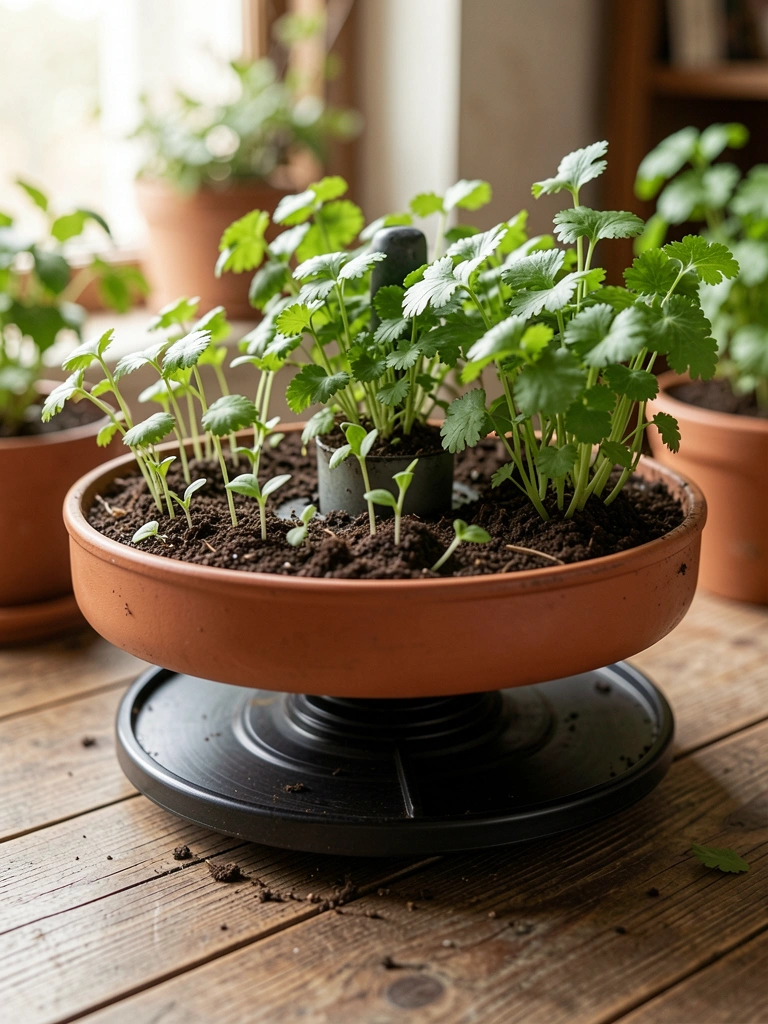
    11. Succession Planted Wheel for Steady Cilantro

    Lazy Susan wheel plants cilantro in stages—no gaps in harvest. Rotate for even sun.

    Bolted fast once—shade cloth helped.

    Constant supply, turns easy.

    Sow every two weeks.

    What You’ll Need for This Look

    Lazy Susan turntable for planters

    Slow-bolting cilantro seeds

    Final Thoughts

    Pick one or two ideas that fit your spot. Start small—herbs forgive beginners.

    They'll grow into your routine. Fresh taste every day.

    You've got this. Just dig in.

  • How To Make Square Bed In Flower Garden

    How To Make Square Bed In Flower Garden

    I stared at that empty corner in my flower garden. It felt wrong—too open, pulling the eye away from the rest. Plants nearby looked crowded while this spot sat bare.

    I tried filling it with whatever was handy. Still off. The garden needed something contained, something square to hold it together.

    One afternoon, I squared it off. Now it anchors the space. Steady. Balanced.

    How To Make Square Bed In Flower Garden

    This shows you how I create a square bed that settles into a flower garden. It feels right from day one. Ends up clean and intentional.

    What You’ll Need

    Step 1: Mark the Square Footprint

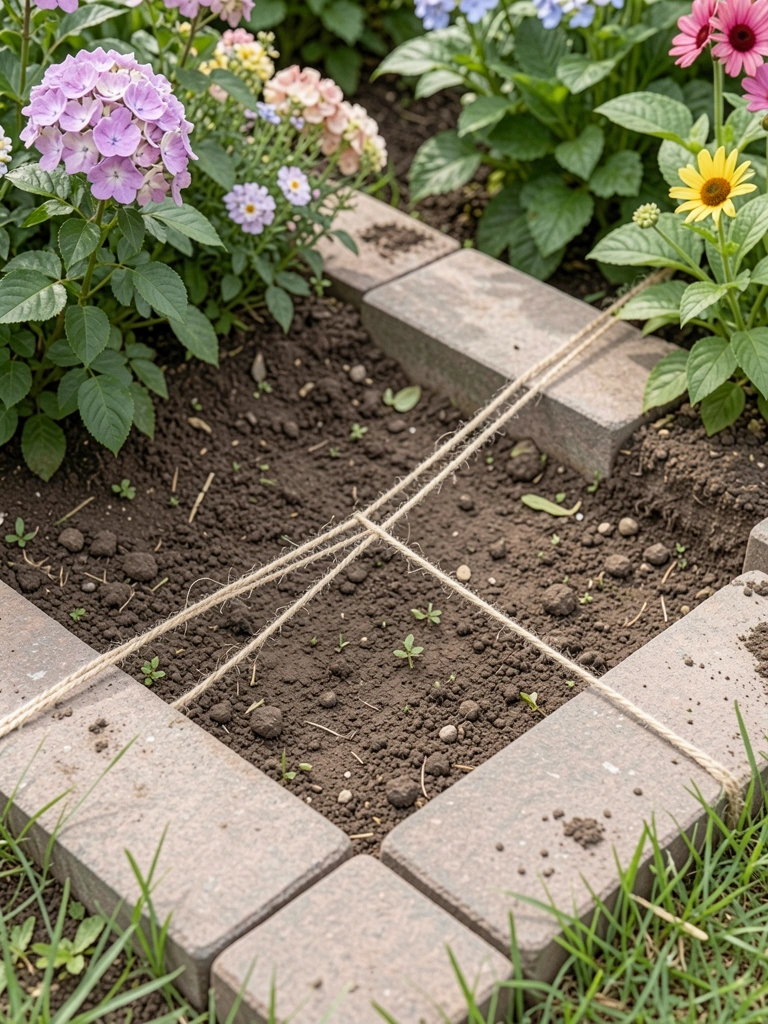
    I pick a spot where the garden feels thin. Eye it from the path—does it balance the curves around it? I stretch jute twine into a 4-foot square. Stake the corners lightly.

    Visually, the lines snap everything into place. The openness shrinks. It promises structure.

    Most miss how the square echoes nearby paths. Avoid stretching twine too tight over roots—it shifts later.

    I step back. Feels steady already.

    Step 2: Set the Edging Frame

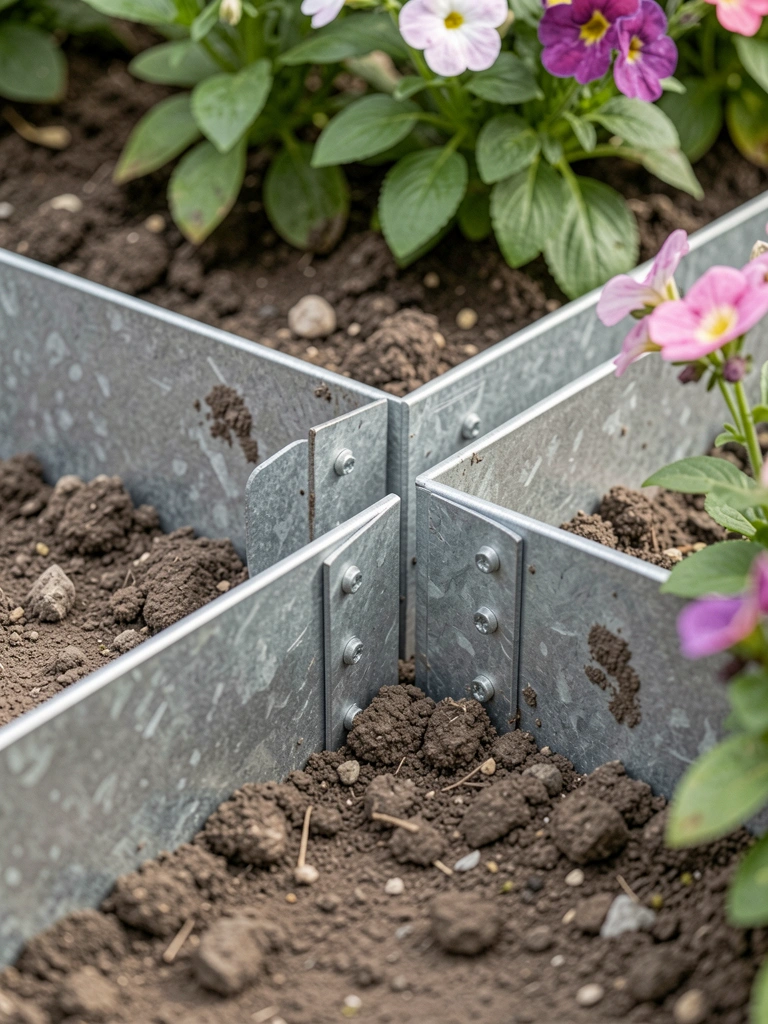
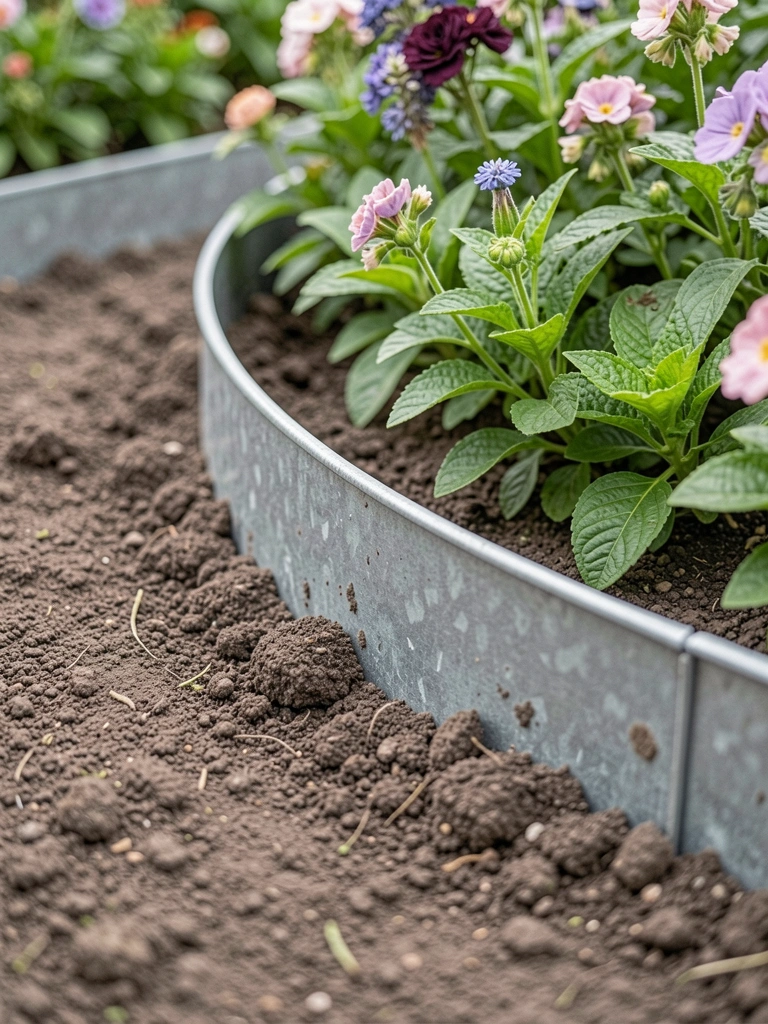
    I dig a shallow trench along the twine. Slide in the galvanized edging, overlapping corners just so. Tap it level with my boot.

    Now the bed holds shape. Edges contain the soil, make it feel like its own room amid the flowers.

    People forget to check level from all sides. Uneven edging warps the square over time—use your trowel to nudge.

    It sits there, waiting. Balanced against the garden's flow.

    Step 3: Build Up the Soil Base

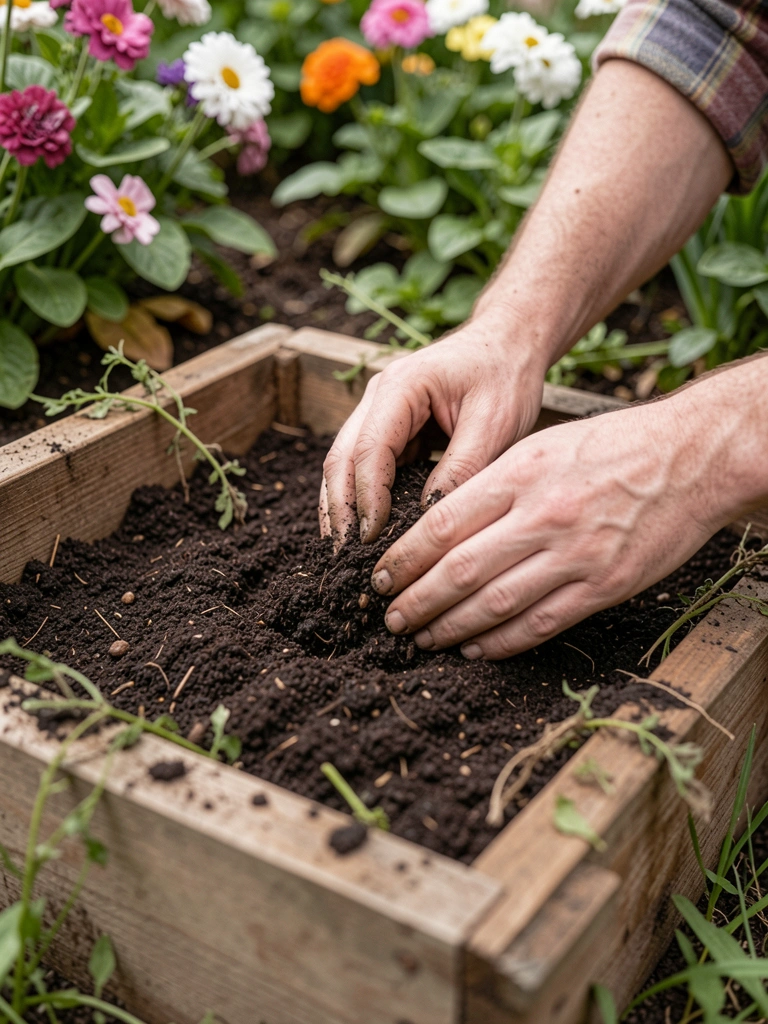
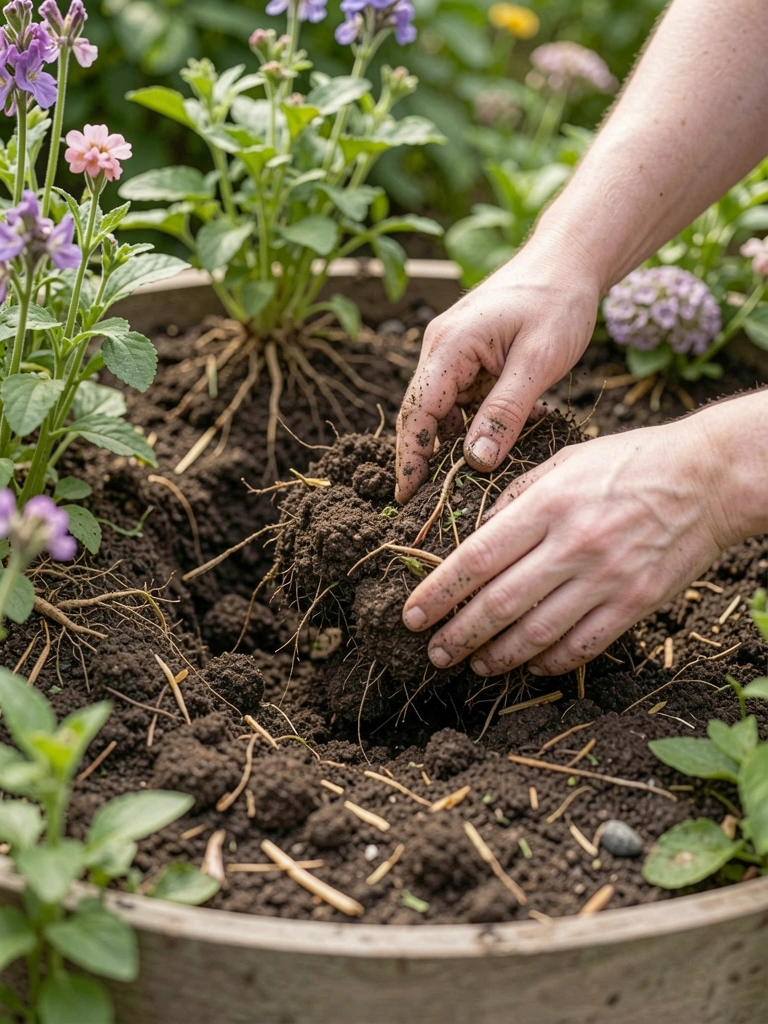
    I loosen the soil inside. Mix in compost until it's rich, dark. Pat it flat, about 8 inches deep.

    The bed lifts slightly. Color deepens, draws the eye in warmly. Ready for plants.

    Insight: Soil settles uneven without compost bulk. Skip it, and plants lean. Don't overpack—let it breathe.

    From here, it blends with surrounding beds. Comfortable.

    Step 4: Place Anchor Plants First

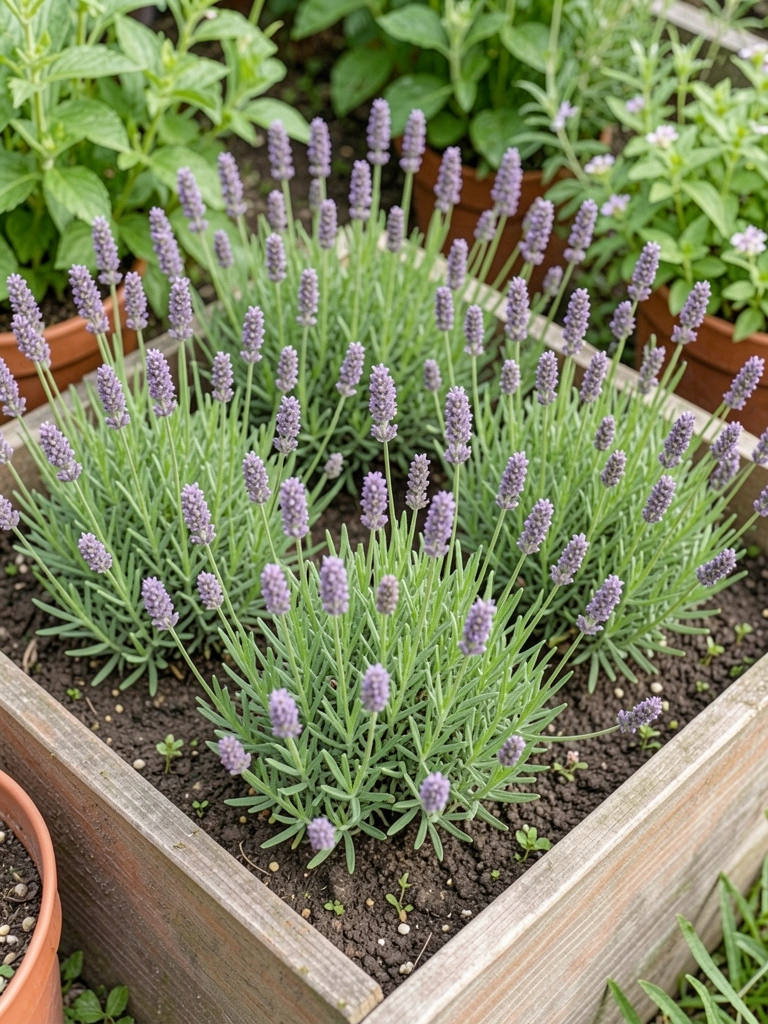
    I set lavender at the corners. Eyeball distances—even, not crammed. They root deep, hold the square firm.

    Visually, corners ground it. The bed gains height, pulls the garden together.

    Missed often: Anchors need space to spread. Too close, they crowd fillers. Avoid facing tall ones north—shadows unbalance.

    Step back. It feels planted, not empty.

    Step 5: Fill and Mulch for Finish

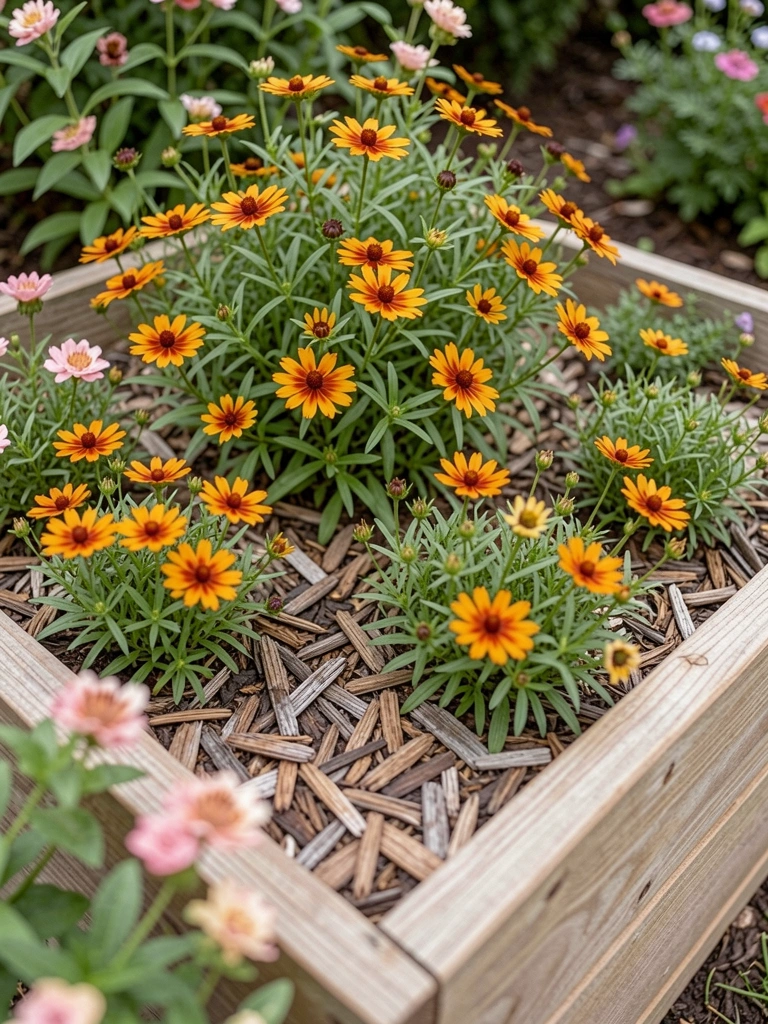
    Tuck coreopsis between lavenders. Low and bright. Spread mulch thin, right to the edging.

    Now it's layered. Textures mix—soft blooms over bark. Settles into the garden like it grew there.

    Common slip: Mulch too thick hides plants. Keep it light. The square frames the flowers perfectly.

    Whole thing flows. Intentional.

    Choosing Plants That Fit the Square

    I stick to plants under 2 feet tall for squares. They stay neat.

    Lavender corners repeat nearby. Coreopsis echoes yellows elsewhere.

    • Match heights to bed size
    • Repeat colors from garden paths
    • Pick perennials for low upkeep

    This keeps it balanced year-round.

    Keeping the Edges Crisp Over Time

    Edges blunt after rain. I nudge them yearly with a trowel.

    Weeds creep in corners. Pull early.

    • Trim plants touching edging
    • Refresh mulch in spring
    • Check square from path view

    Feels clean longer this way.

    Adjusting for Your Garden's Light

    My square gets afternoon sun. Yours might differ.

    Observe shadows first. Shift plants if needed.

    • Full sun: Lavender thrives
    • Part shade: Swap to hostas
    • Test one plant before all

    It adapts, stays comfortable.

    Final Thoughts

    Start with a small 3-foot square if unsure. Watch it settle.

    You've got this—gardens forgive tweaks.

    Mine anchors the corner now. Simple balance. Yours will too.

  • How To Design Circular Bed In Flower Garden

    How To Design Circular Bed In Flower Garden

    I stared at that empty patch in my flower garden. It was roundish, but nothing fit. Plants looked crowded or lost. The whole bed felt off-balance, pulling the eye away.

    I'd tried straight lines before. They worked fine elsewhere. But here, curves called for something different.

    One afternoon, I stepped back and saw it. A circle could hold the space together. Steady the flow.

    How To Design Circular Bed In Flower Garden

    This is the method I use every time a circular spot needs purpose. You'll end up with a bed that draws the eye in, feels balanced, and settles into the garden naturally.

    What You’ll Need

    Step 1: Mark the Circle's True Center

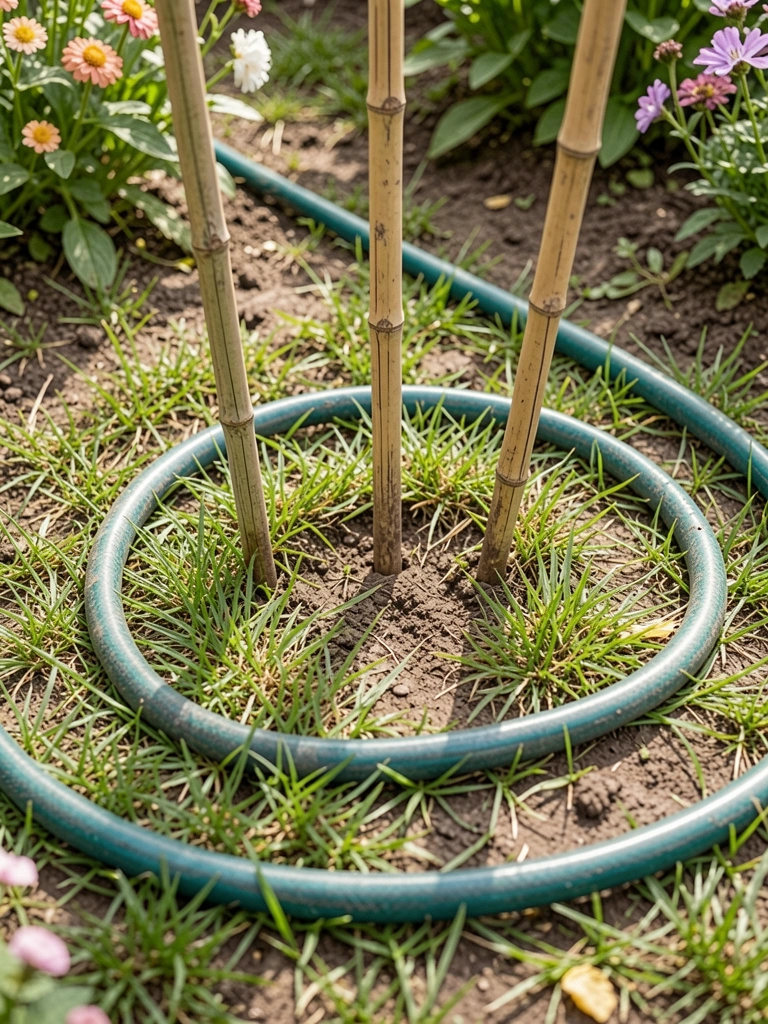
    I start by laying the hose on the ground. Curve it into a loose circle that fits the spot. Eyeball the size—about four feet across works in most beds. Push in two stakes at opposite points. Stretch the hose taut between them. Walk it around. Adjust until it feels even.

    This centers everything. The visual shift is immediate—the space pulls inward, no longer spilling out. Most miss how a wobbly outline makes plants fight for room later.

    Skip measuring tape. It stiffens the feel. Let your eye guide; that's the insight.

    Step 2: Layer Heights from Edge Inward

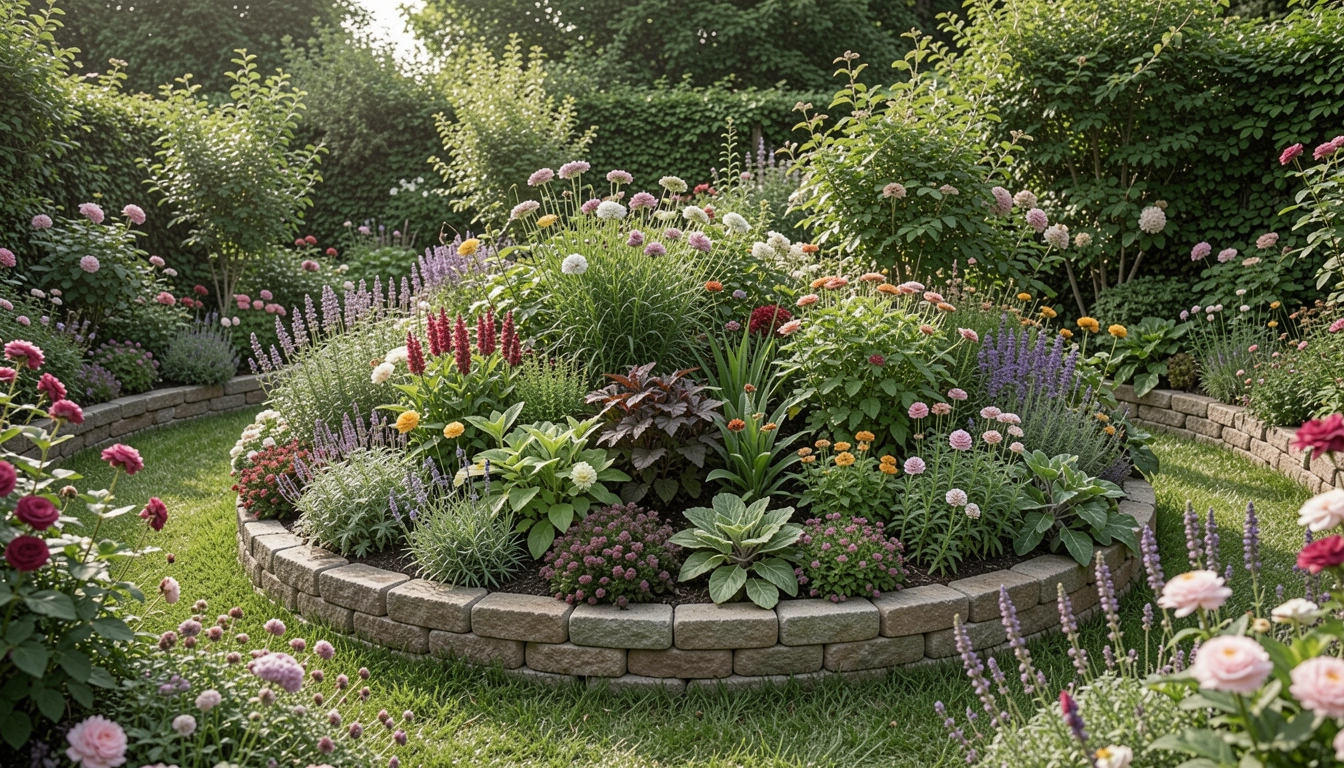
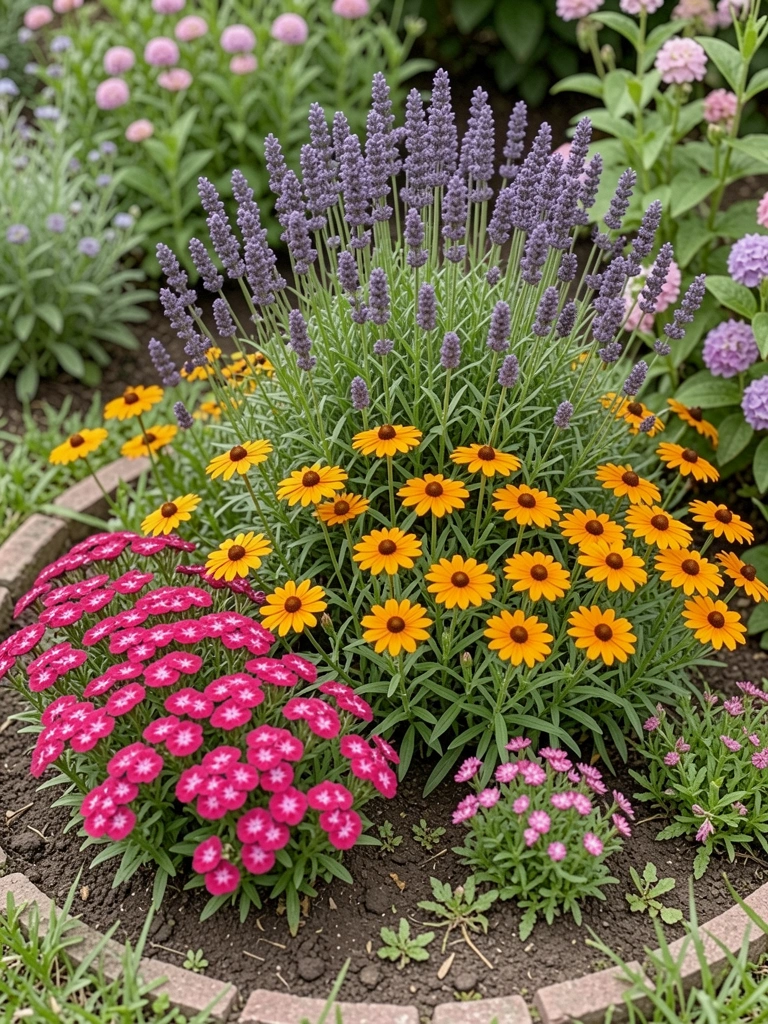
    I plant low growers like dianthus along the outer curve first. They hug the edge without crowding. Then mid-height coreopsis fills the middle ring. Tall lavender anchors the heart.

    The bed gains depth now. It breathes, layers drawing your gaze around the circle. People overlook how equal heights flatten the view—makes it static.

    Don't cram the center early. Plant outward from tall ones. Avoids gaps that show later.

    Step 3: Edge for Clean Containment

    I unroll the steel edging inside the hose line. Bend it gently with my hands. Hammer it halfway into the soil. It holds the circle firm, keeps mulch from wandering.

    Suddenly, the bed stands alone. Balanced against the lawn. The miss here: no edge lets grass invade, blurring the shape.

    Push edging deeper than you think. Avoids heaving in winter.

    Step 4: Mix Soil and Settle Plants

    I spread compost over the bed. Work it in with my hands around each root. Water deeply. Plants slump a bit, then root.

    Colors pop against fresh soil. The flow feels steady. Folks forget settling time—rushed plants lean out of circle.

    Water slow. Avoids washouts at edges.

    Step 5: Mulch and Check Balance

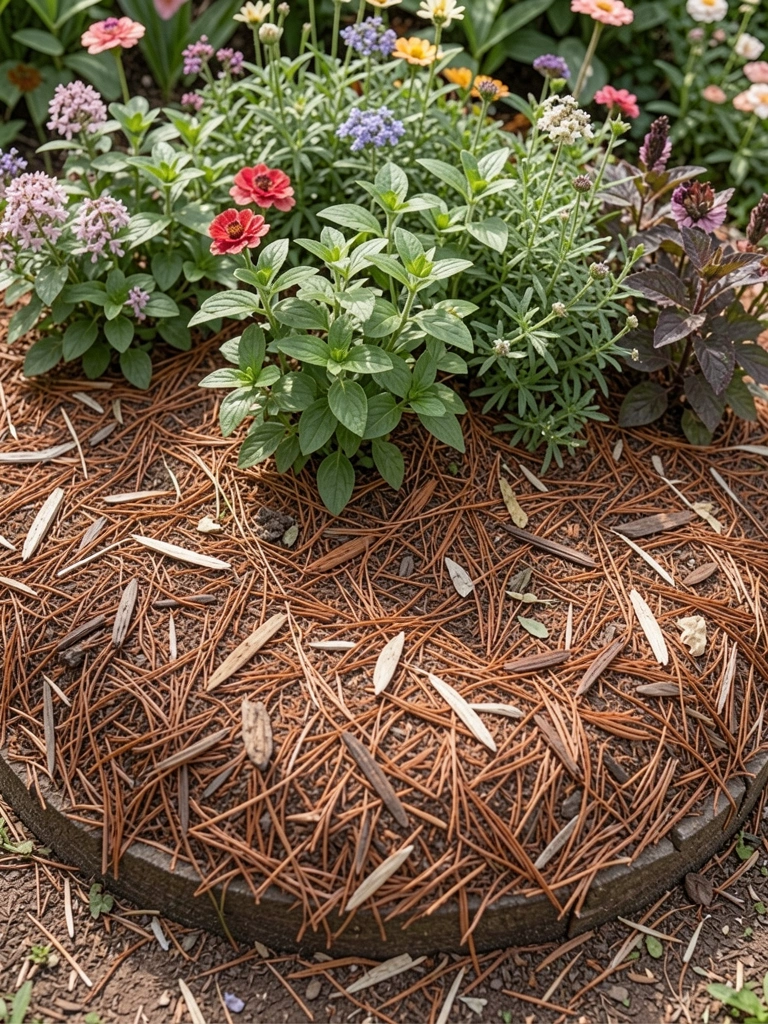
    I scatter mulch two inches thick. No bare spots. Step back ten feet. Tweak any plant leaning wrong.

    The circle glows full, intentional. The key miss: over-mulching hides texture. One inch max near stems.

    Walk the path around it. Ensures even pull from all sides.

    Choosing Plants That Last

    I pick plants by what grows easy in my soil. Coreopsis for sunny yellows that repeat. Lavender for scent and height. Dianthus adds pink edges.

    These hold color through summer. They self-seed a bit, filling thin spots.

    • Sun lovers for full light circles.
    • Drought-tolerant once rooted.
    • Mix bloom times for steady interest.

    No fussy types. They fade fast.

    Keeping the Circle Balanced Year-Round

    Winter shows the bones. Bare lavender sticks up fine. Spring dianthus returns quick.

    Trim dead bits in fall. Mulch refreshes.

    • Check leaners after storms.
    • Divide crowded centers every three years.
    • Add spring bulbs under edges.

    It stays lived-in, not empty.

    Fixing Common Circle Pitfalls

    Straight planting lines kill curves. I stagger always.

    Too big a circle overwhelms small yards. Test with hose first.

    • Watch for shade creep—move tall plants.
    • Grass under edge? Dig deeper.
    • Dry center? Water inward.

    Simple tweaks keep it right.

    Final Thoughts

    Start with one circle. Watch it settle over weeks.

    You'll see the garden shift. More connected.

    Mine pulls the whole flower bed together now. Yours will too. Just walk it daily at first.

  • 10 Natural Rock Garden Flower Bed Ideas For Easy Care

    10 Natural Rock Garden Flower Bed Ideas For Easy Care

    I remember staring at my muddy flower bed after a rain, weeds popping up everywhere. Rocks changed that. One summer, I piled them into a simple bed, tucked in tough plants, and watched it settle into something that feels right.

    No more digging or fussing. Just quiet growth.

    These beds hug the ground, pull your eye, and ask for little in return. They've saved my weekends.

    10 Natural Rock Garden Flower Bed Ideas For Easy Care

    Here are 10 natural rock garden flower bed ideas for easy care. Each one draws from my yard trials. Pick one that fits your space—no perfection needed.

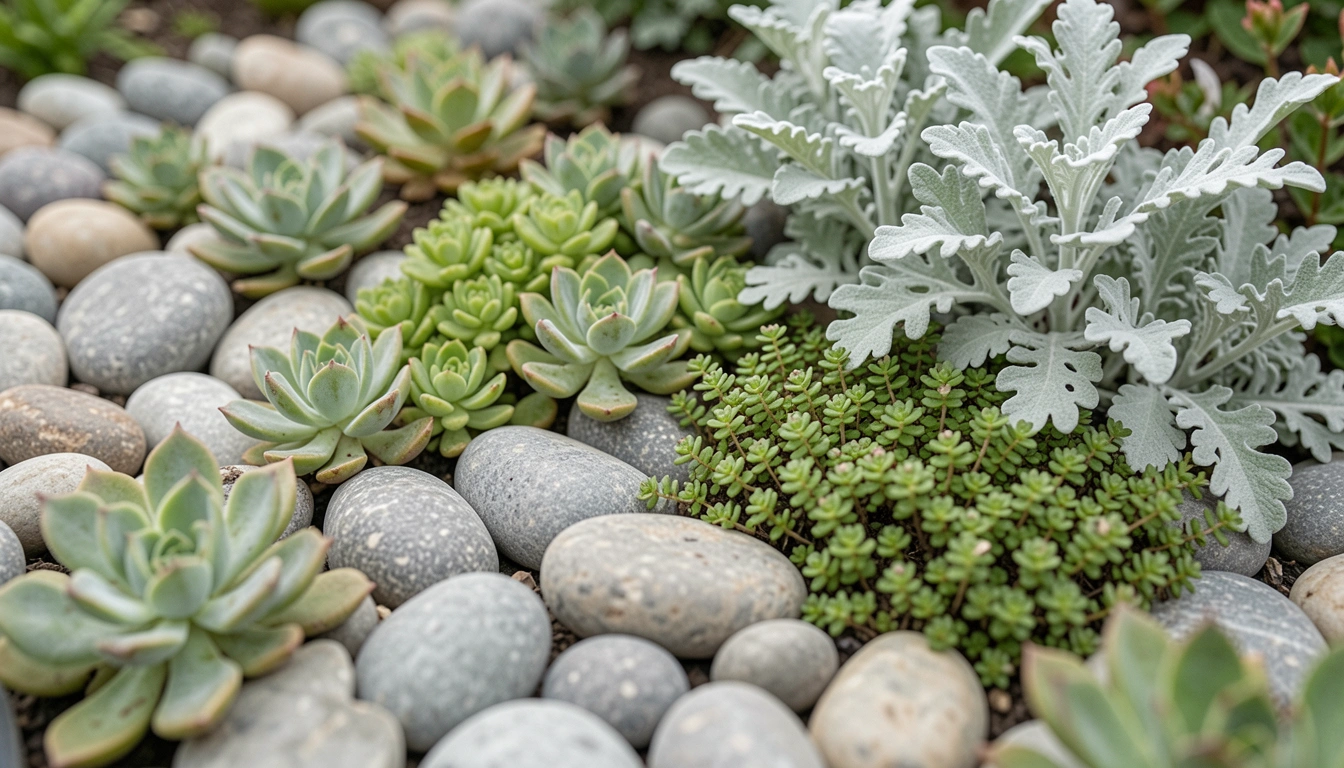
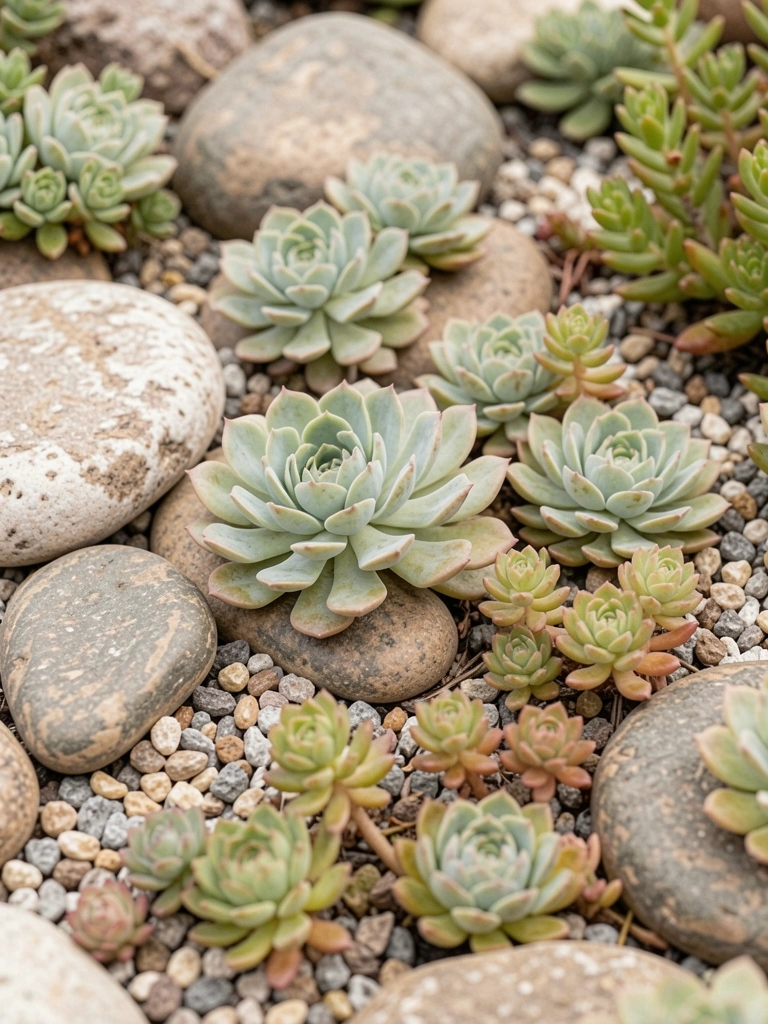
    1. Succulent Mounds Tucked Between Flat River Rocks

    I started this in a sunny corner where grass wouldn't grow. Piled smooth river rocks into low mounds, then pressed in succulents like echeveria and sedum. They root fast, fill gaps without mess.

    Over two years, the mounds softened, greens blushing purple in heat. No water beyond rain—drought showed me they thrive ignored.

    Watch drainage; I lost one flat spot to rot. Build slight slopes.

    Feels calm now, like a dry creek bed that invites sitting nearby.

    What You’ll Need for This Look

    A mix of flat river rocks (1-2 inch)

    Echeveria succulent pack (4 inch pots)

    Sedum groundcover plants (tray of 18)

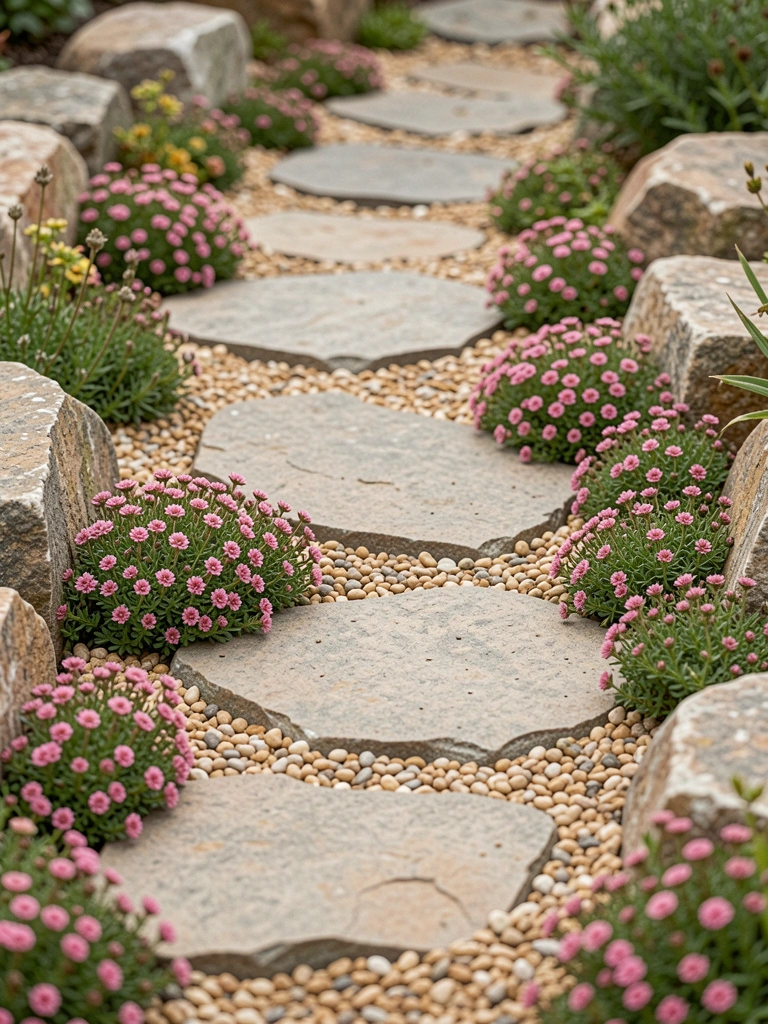
    2. Creeping Thyme Paths Winding Through Stepping Stones

    My front path was boring dirt. I dropped in flat stones, filled cracks with creeping thyme seeds. It spread slow at first, then carpeted everything by year two.

    Bees love the tiny pink flowers—summer smells like herbs. Steps feel solid underfoot, bed looks intentional without work.

    I overseeded once after a dry spell; that's it. Edges stay neat.

    Walks on it barefoot now, soft and warm.

    What You’ll Need for This Look

    Irregular stepping stones (12-18 inch sandstone)

    Creeping thyme seeds (1000 count packet)

    Pea gravel bag (50 lb)

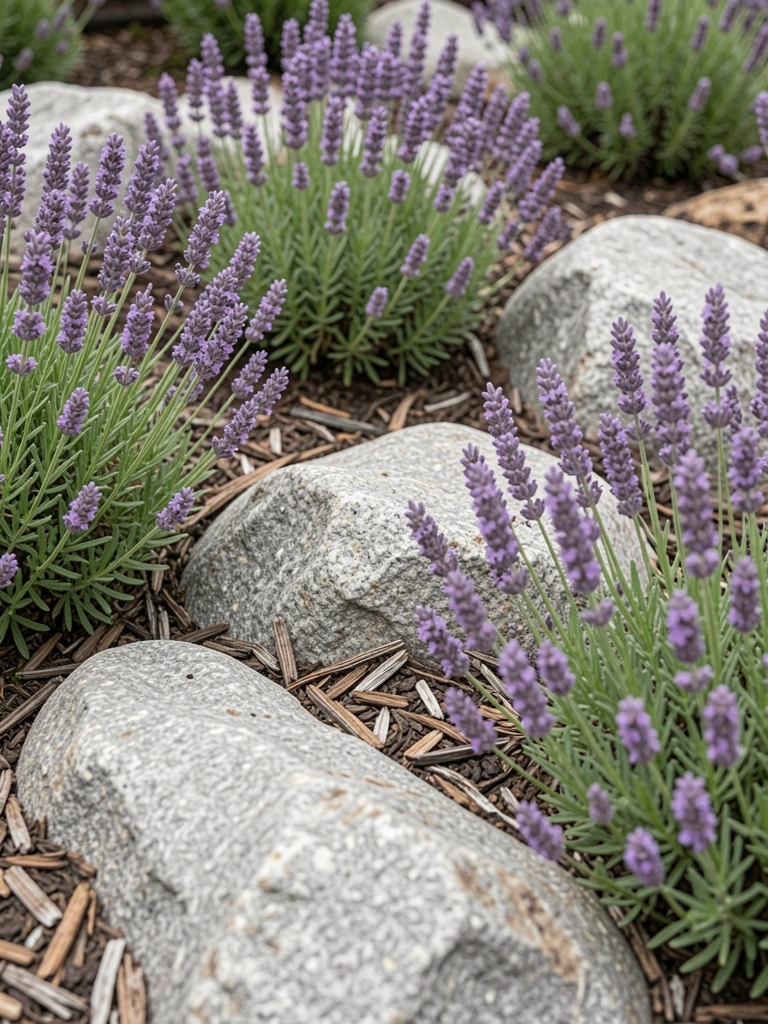
    3. Lavender Borders Edging Larger Boulders

    Bought too much lavender once—perfect for boulders I dragged in. Planted along edges; they lean into rocks, silver leaves catching light.

    Blooms draw hummingbirds, scent hits you walking by. Cut back once a year, that's all.

    I planted too close first time; thinned it out. Space 18 inches now.

    Bed feels fragrant, welcoming from the driveway.

    What You’ll Need for This Look

    Landscape boulders (18-24 inch)

    English lavender plants (1 gallon size)

    Coarse sand for drainage (40 lb)

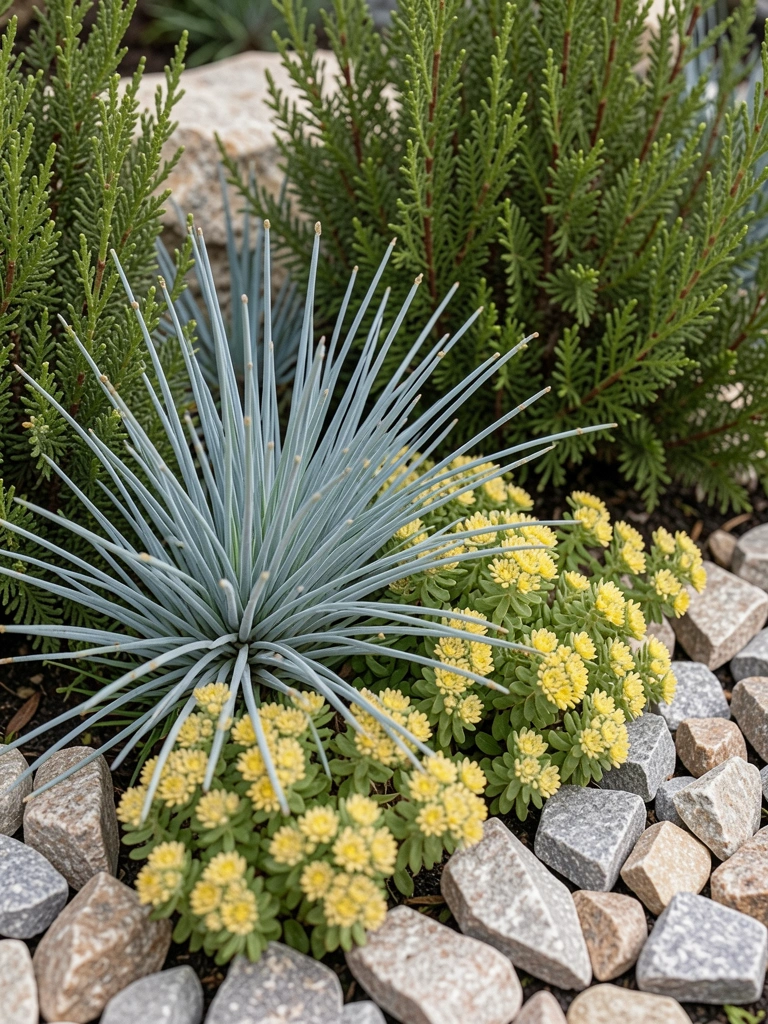
    4. Sedum Carpets Framing Dwarf Evergreens

    Tried tall shrubs here—flopped in poor soil. Switched to dwarf blue fescue amid sedum. Rocks hold it together.

    Sedum turns butter yellow fall, contrasts grass tufts. Year-round green, no pruning.

    Evergreens grew wider than tags said; give space.

    Quiet spot now, sits pretty through winter.

    What You’ll Need for This Look

    Dwarf blue fescue grass (6 pack)

    Autumn joy sedum plants (3 inch pots)

    Crushed stone mulch (40 lb)

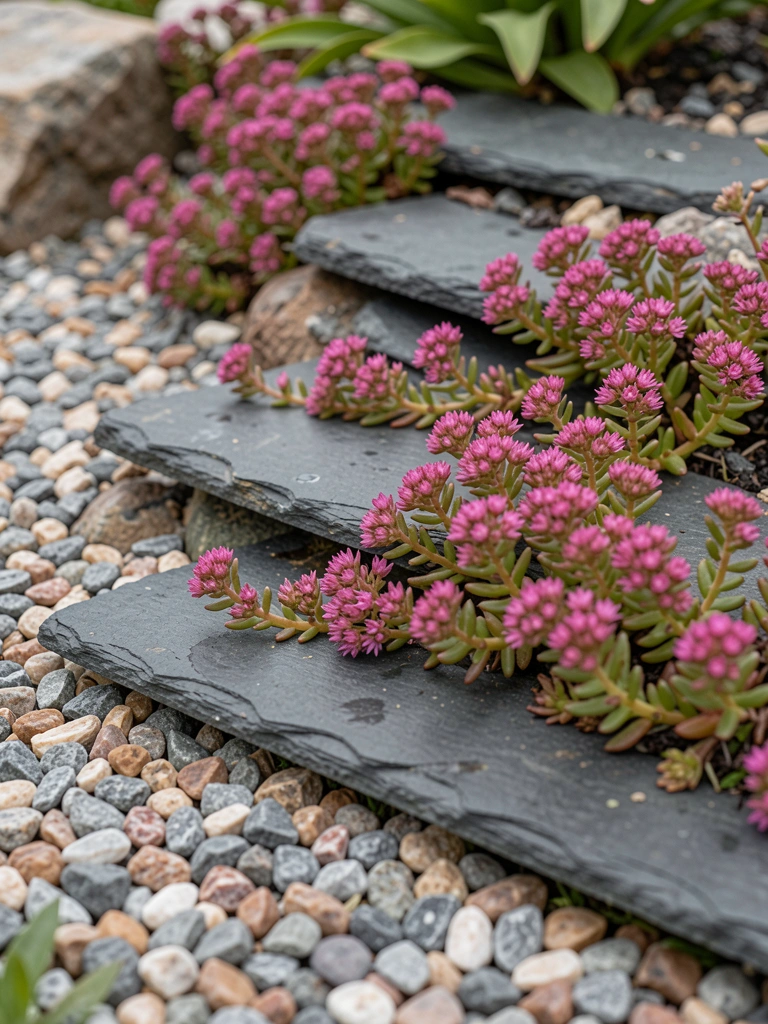
    5. Ice Plant Trails Over Stacked Slate

    Stacked slate scraps for a slope—ice plant cascaded over. Bright pink flowers pop against dark rock.

    Drought-proof; I forgot to water, it flowered anyway. Trails soften edges.

    Slipped once hauling slate; use gloves.

    Feels coastal, easy on hills.

    What You’ll Need for This Look

    Stacked slate pieces (variety pack)

    Delosperma ice plant (groundcover tray)

    Garden gloves with grip

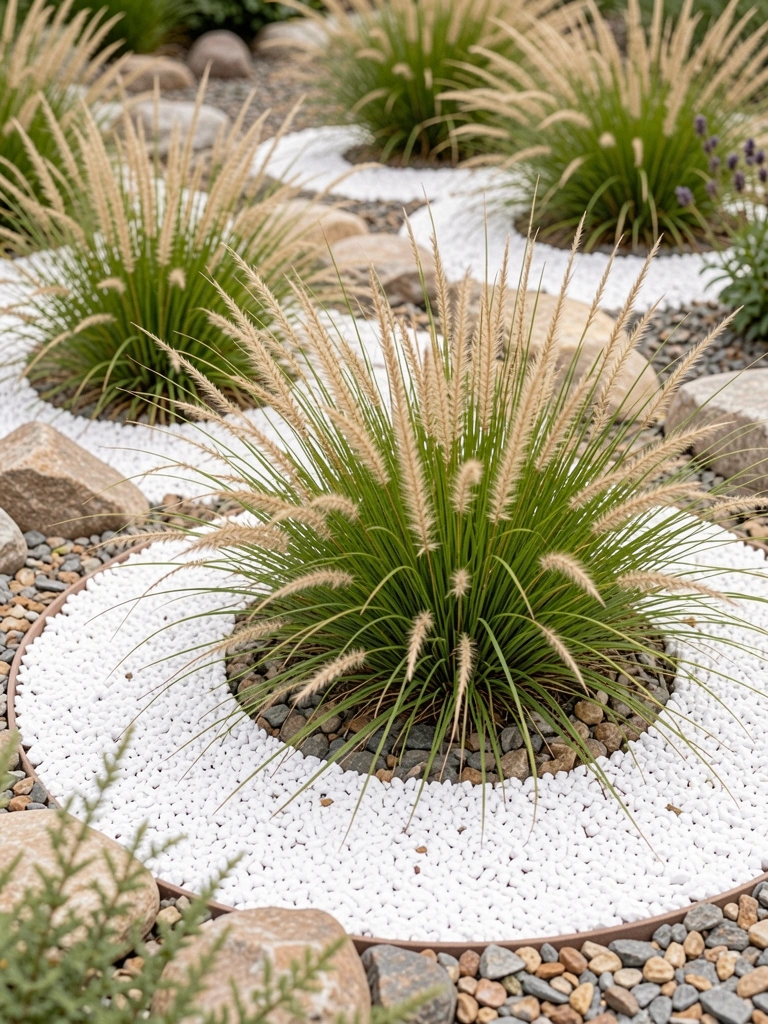
    6. Ornamental Grass Tufts in Gravel Circles

    Gravel circles around fountain grass tufts—simple pattern. Rocks define beds.

    Grass sways, seeds birds. Cuts itself back winter.

    I mulched wrong first; gravel stops weeds better.

    Movement draws you in.

    What You’ll Need for This Look

    Pink fountain grass (3 gallon)

    White pea gravel (50 lb bag)

    Landscape fabric pins (50 count)

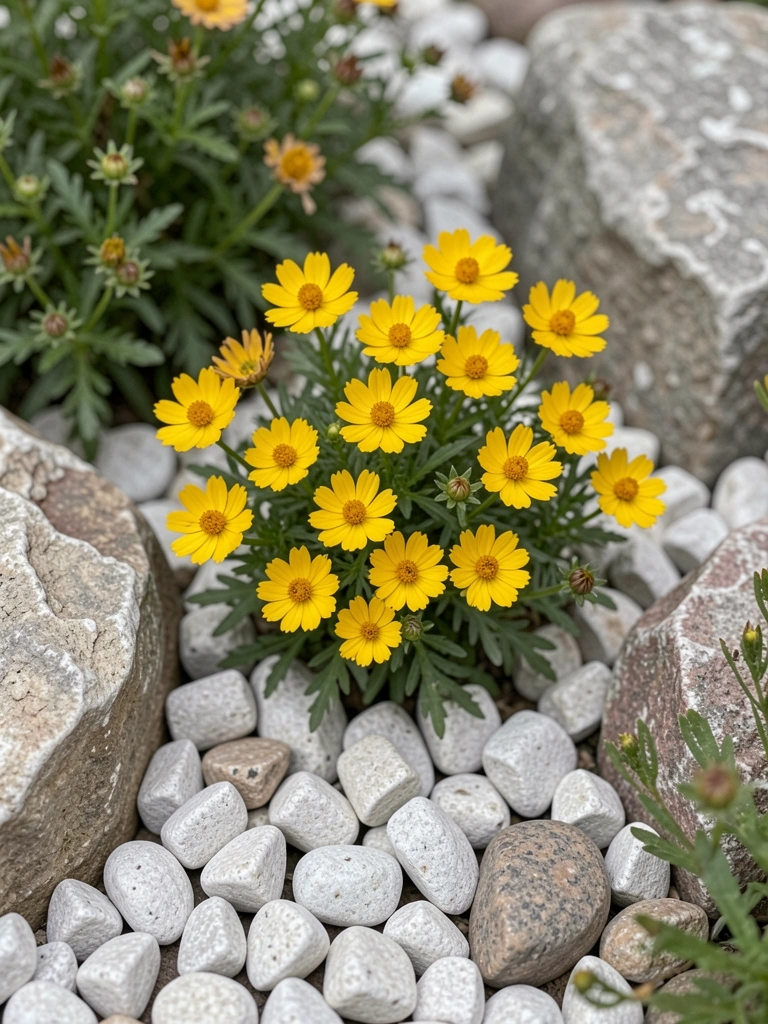
    7. Coreopsis Clusters Nestled in Limestone Chips

    Limestone chips over coreopsis—sunny yellow glows. Self-seeds gently.

    Blooms all summer, deadhead optional. Pollinators flock.

    Chips washed out once; tamp down well.

    Cheery without fuss.

    What You’ll Need for This Look

    Threadleaf coreopsis plants (4 pack)

    Limestone chips (40 lb)

    Hand tamper tool (small)

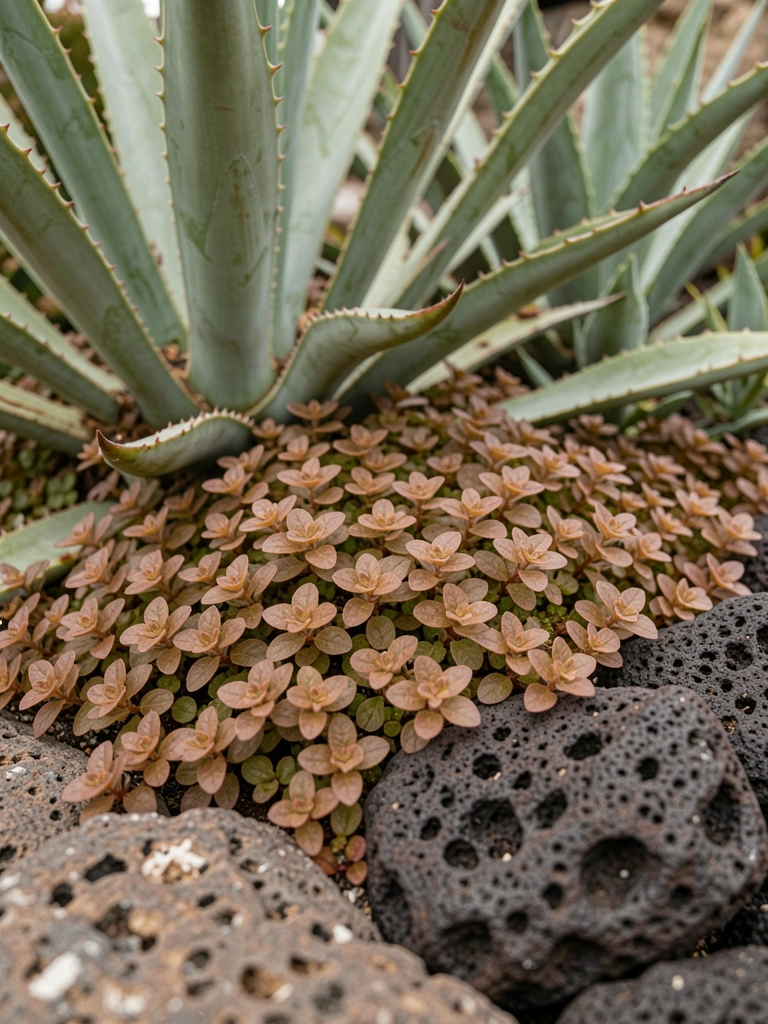
    8. Ajuga Groundcover Under Tall Agave Spikes

    Agave anchors, ajuga fills base with bronze. Lava rock ties it.

    Shade tolerant; thrives part sun. Slow spread.

    Agave pups too much; dig extras.

    Textured, bold.

    What You’ll Need for This Look

    Fox Valley agave (5 gallon)

    Ajuga bronze beauty (tray of 9)

    Lava rock (30 lb)

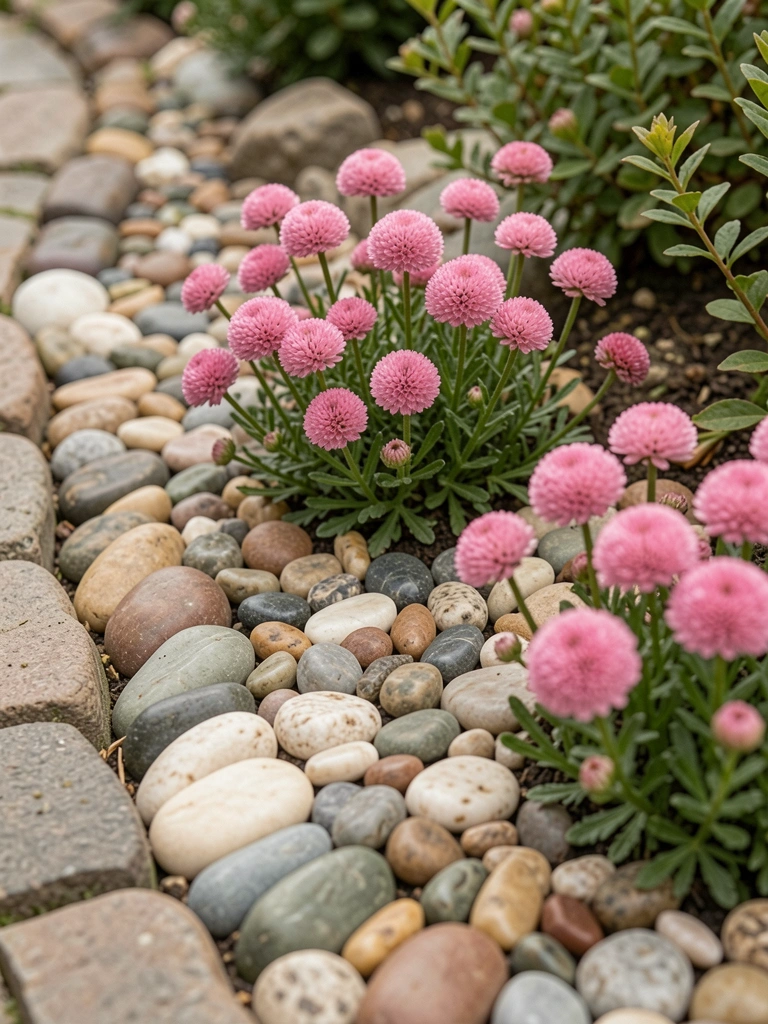
    9. Armeria Balls Dotting Pebble Mosaics

    Pebble mosaics with armeria thrift balls—pink pops. Low, tidy.

    Blooms repeat if snipped. Pebbles lock in.

    Mosaic shifted; edge with stone.

    Playful pattern.

    What You’ll Need for This Look

    Armeria sea thrift (6 pack plugs)

    Mixed pebble bag (40 lb)

    Edging stones (low profile)

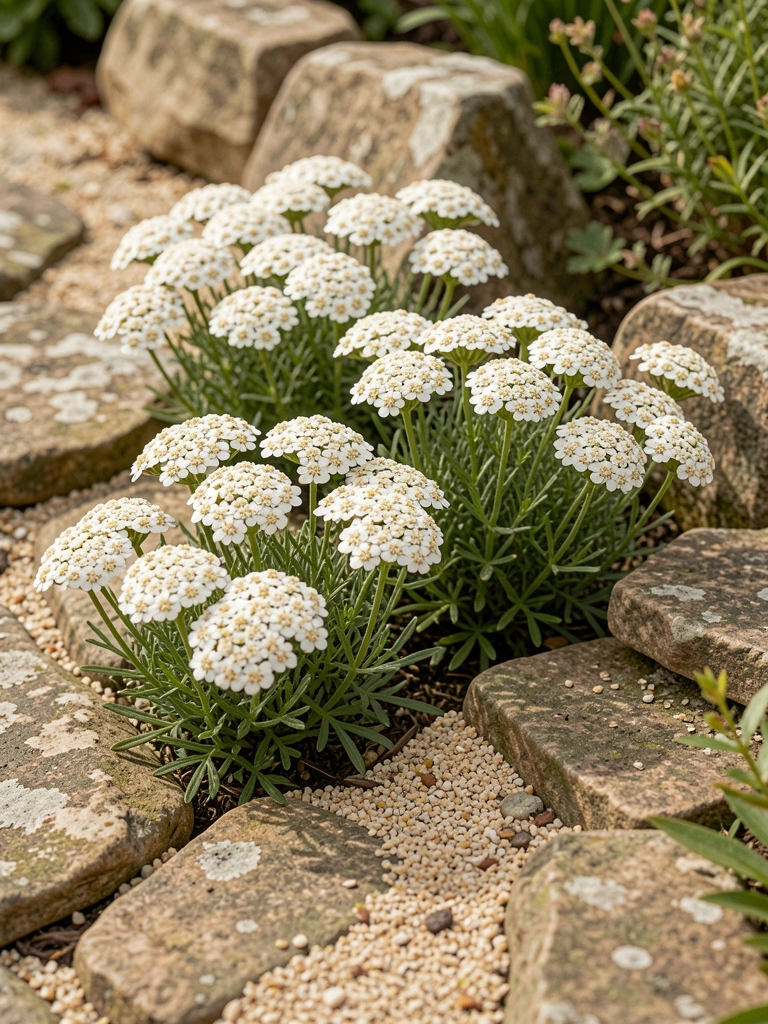
    10. Yarrow Patches Amid Weathered Fieldstone

    Fieldstone walls hold yarrow—flat heads nod. Tough in clay.

    Dries pretty, bees everywhere. Divide every three years.

    Planted shallow first; deeper roots now.

    Rugged, reliable.

    What You’ll Need for This Look

    White yarrow plants (1 quart)

    Weathered fieldstone (variety sizes)

    Coarse builder's sand (50 lb)

    Final Thoughts

    Start with one idea that matches your dirt and sun. Rocks and these plants forgive beginner slips.

    Mine took seasons to look right—yours will too.

    Enjoy the quiet care. You've got this.
  • 23 Elegant Peonies Flower Bed Garden Ideas For A Luxe Feel

    23 Elegant Peonies Flower Bed Garden Ideas For A Luxe Feel

    I planted my first peony bed after seeing one at a neighbor's. Mine leaned heavy in rain, petals on the ground.
    Took years to get the stakes right. Now it feels full, like a quiet luxury spot.
    Peonies reward patience. They fill space with real presence.
    You can build this too, step by step.

    23 Elegant Peonies Flower Bed Garden Ideas For A Luxe Feel

    These 23 ideas come straight from my gardens over the years. Each one builds a peony flower bed that feels luxe and lived-in. You'll know exactly what to plant and how it grows.

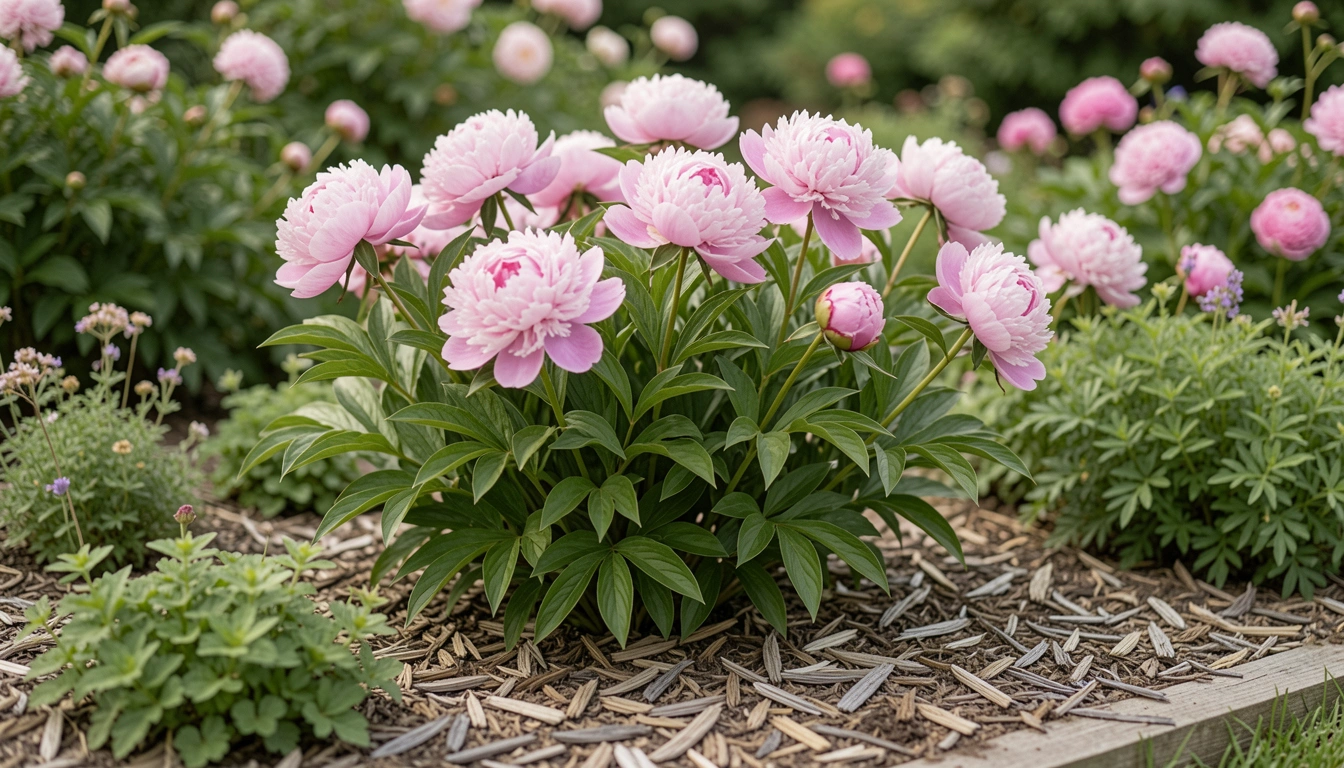
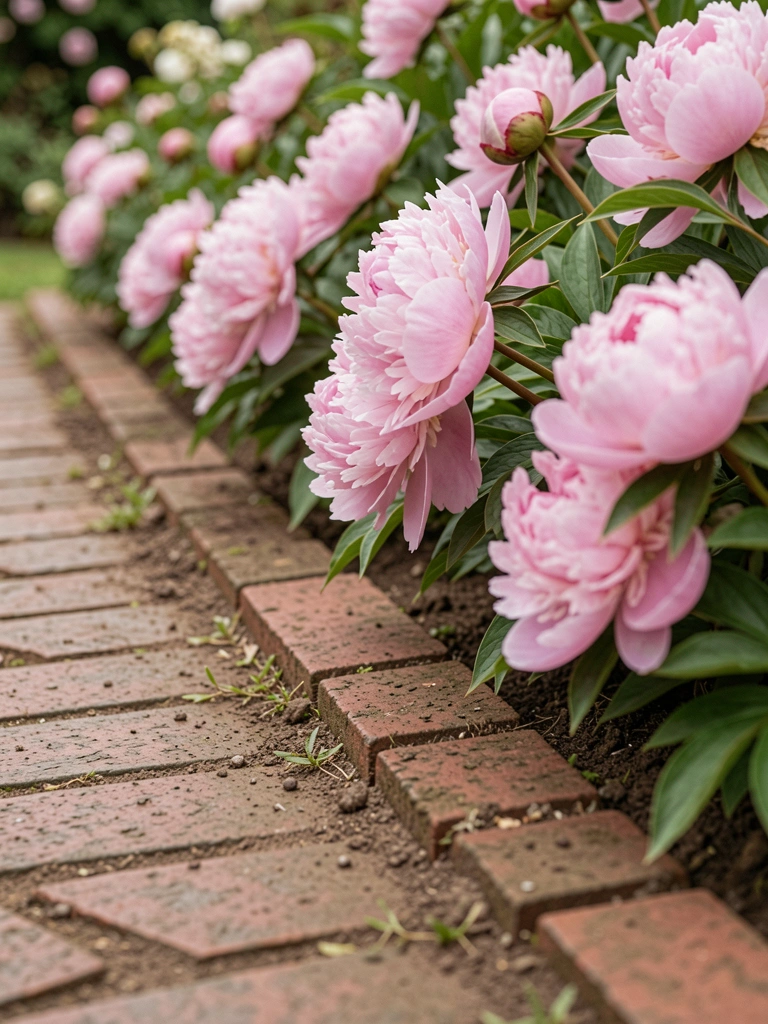
    1. Peony Border Along a Brick Path

    I edged my walkway with peonies years back. They softened the hard bricks, drawing the eye down the path. Blooms nod gently, filling the air with scent on warm days.
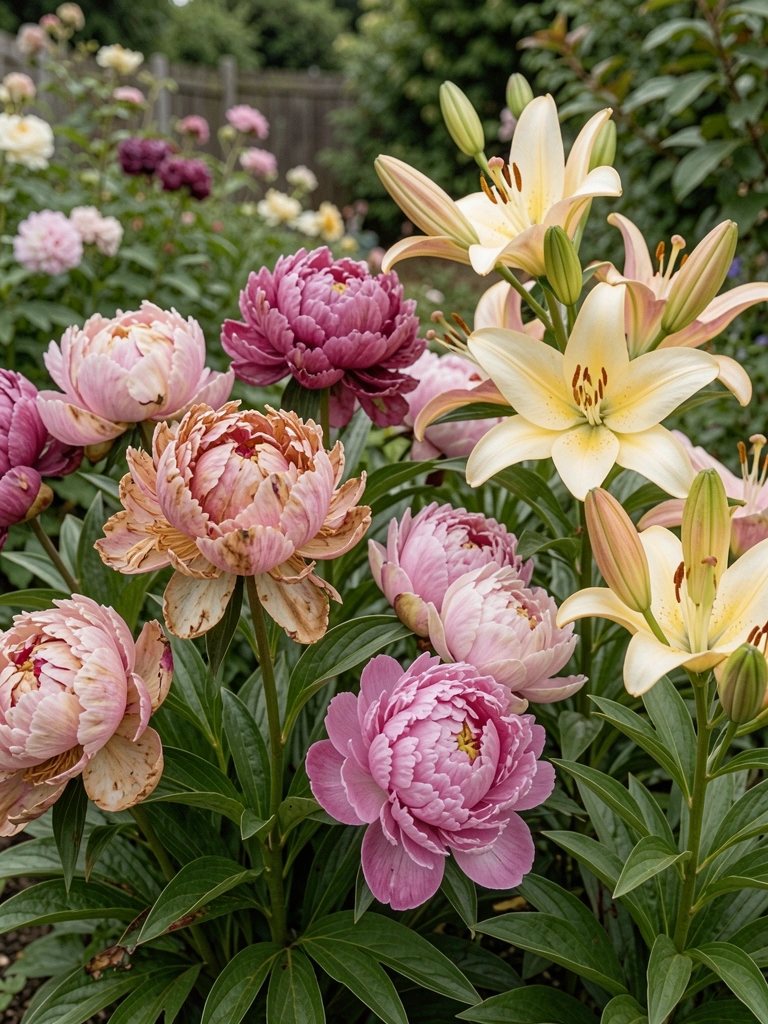
    The key was spacing them 30 inches apart so they don't crowd as they bush out. I added low sedum at the front to hold soil and hide bare legs.
    It changed how I walk outside—slower, noticing the layers. Feels intentional without work.
    Watch for ants on buds; they don't hurt, just farm aphids.

    What You’ll Need for This Look

    Pink peony bare root plants (pack of 5)

    Sedum groundcover plugs (tray of 18)

    Organic bark mulch (2 cubic feet bag)

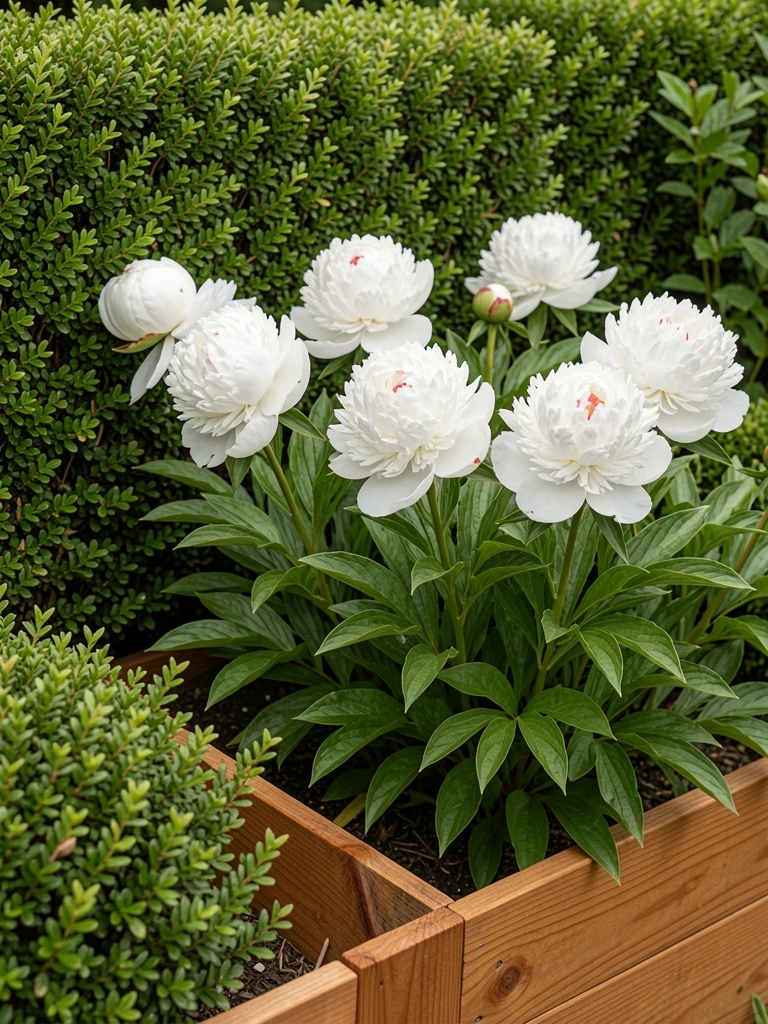
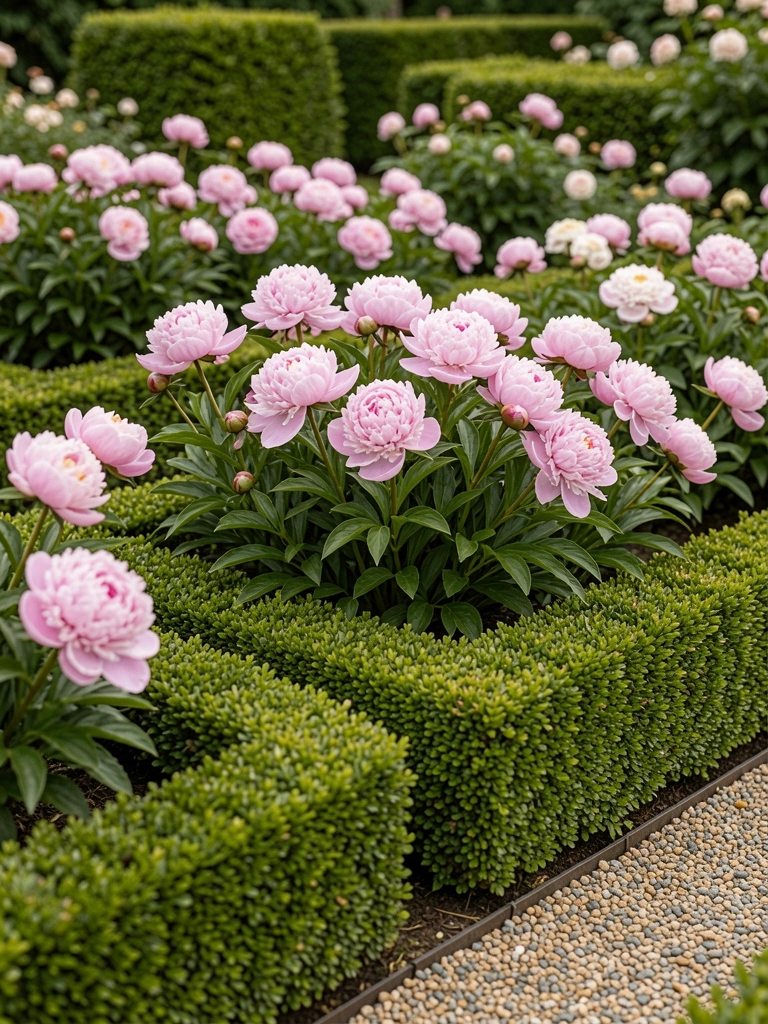
    2. Raised Peonies Framed by Boxwood

    My side yard got a cedar raised bed for peonies. Boxwood around it keeps things neat, like a frame. Peonies rise up bold in spring, then fade without mess.
    I chose white varieties for clean contrast against the green. The bed warms soil faster, so they bloom early.
    It makes the space feel bigger, pulled together. No more muddy edges.
    Plant boxwood first; it grows slow.

    What You’ll Need for This Look

    Cedar raised garden bed kit (4×4 feet)

    White peony roots (3-pack)

    Boxwood shrubs (1 gallon size)

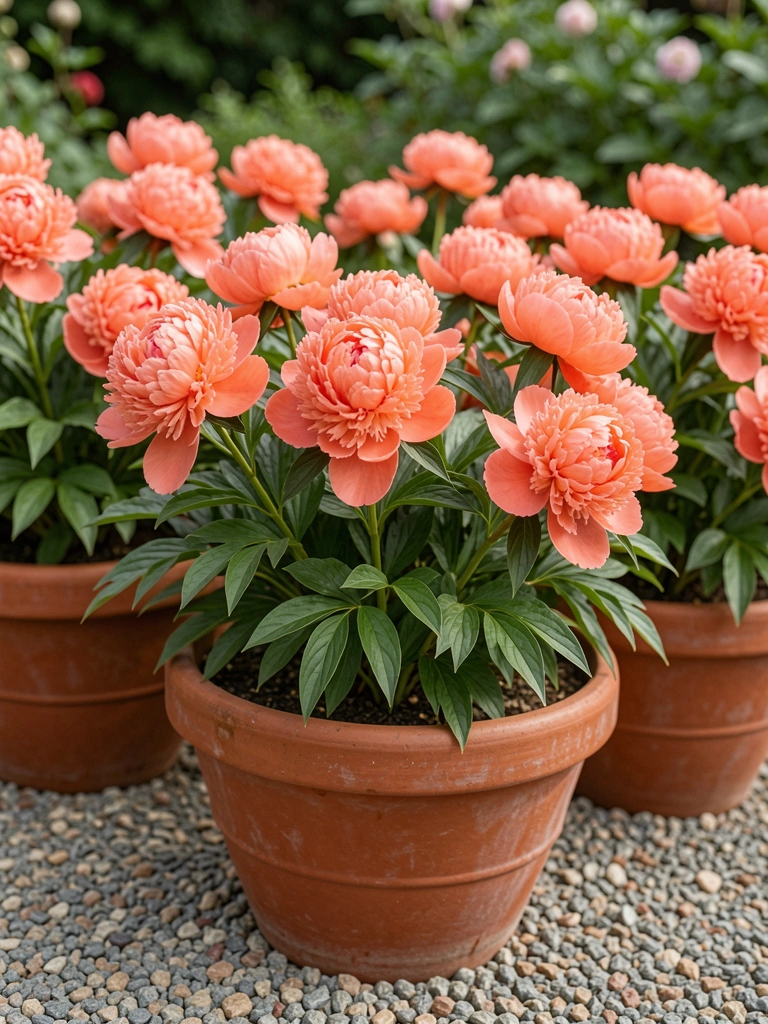
    3. Peonies in Deep Terracotta Pots

    I moved peonies to pots when my soil turned heavy clay. Deep terracotta ones let roots spread without rot. Grouped three together, they look like a bed.
    Coral blooms pop against the warm clay. Easy to shift for sun.
    Patio feels fuller now, less empty after bloom drop.
    Drainage holes matter—use pot feet.

    What You’ll Need for This Look

    20-inch terracotta planters (set of 3)

    Coral peony plants (bare root)

    Pot feet risers (pack of 12)

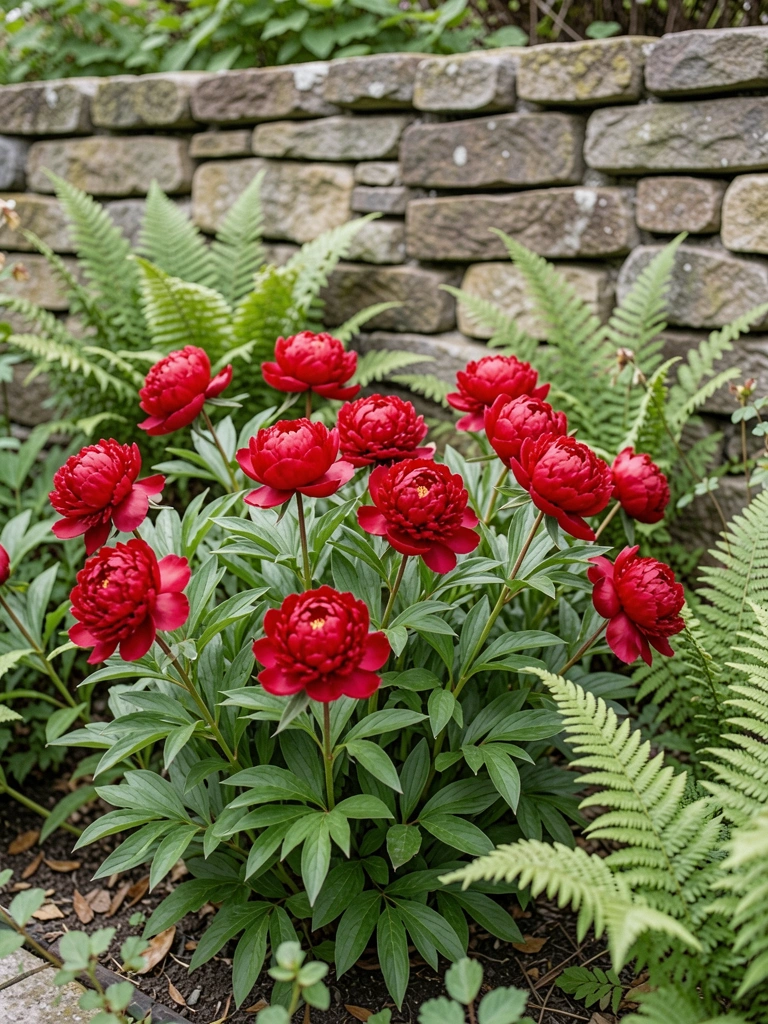
    4. Peony Bed Backed by Stone Wall

    A low stone wall in my yard begged for peonies. Reds against the gray feel rich. Ferns in front soften it, hiding stakes.
    Blooms last weeks here, protected from wind. Soil stays cool.
    The wall adds height without plants flopping over. Quiet spot to sit near.
    Amend soil deep before planting.

    What You’ll Need for This Look

    Red peony bare root tubers (5-pack)

    Ostrich fern plants (quart size)

    Organic compost (40 lb bag)

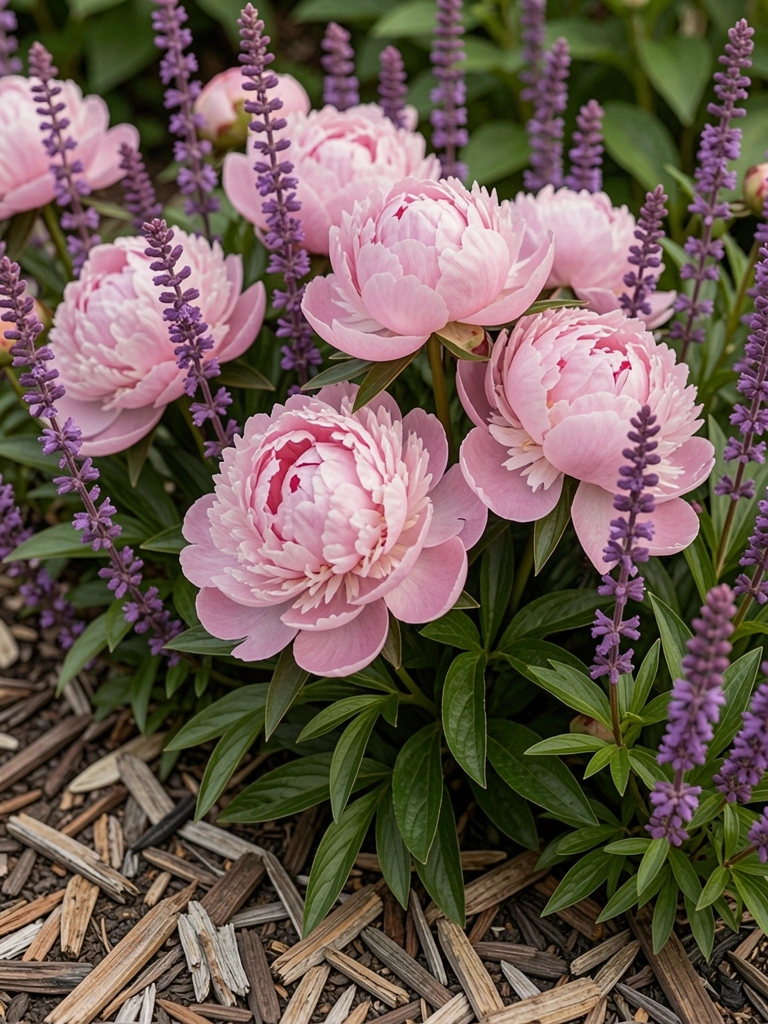
    5. Layered Peonies with Salvias

    I layered peonies with salvia in front—purple spikes extend the show after peonies fade. Pink and purple together feel balanced.
    No bare spots now. Bees love it.
    Beds look deeper, more thoughtful. Takes minimal space.
    Cut salvia back mid-summer for rebloom.

    What You’ll Need for This Look

    Pink peony plants (3-pack)

    Salvia 'May Night' (1 gallon)

    24-inch peony support rings (set of 3)

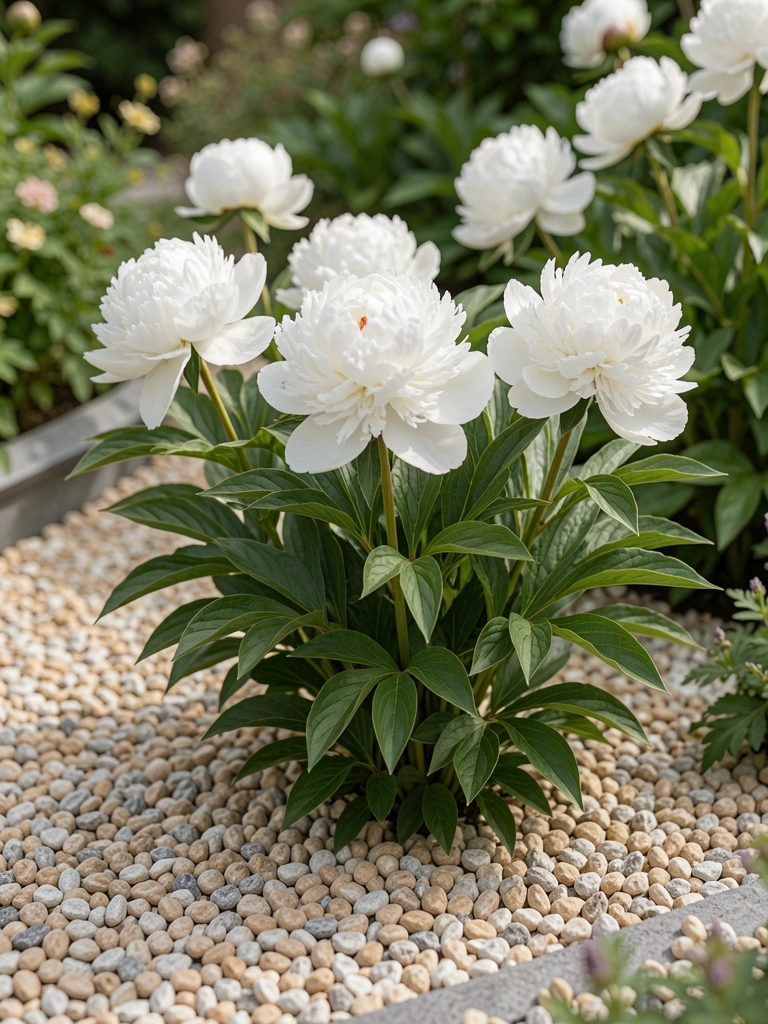
    6. Modern Peonies in Gravel Bed

    Gravel mulch around peonies cleaned up my front bed. Whites stand crisp against pebbles—no weeds, good drainage.
    Feels sleek, low fuss. Water runs off fast.
    Neighbors notice the calm lines. Lasts years.
    Rake gravel smooth yearly.

    What You’ll Need for This Look

    Pea gravel (50 lb bag)

    Itoh hybrid white peony (bare root)

    Weed barrier fabric (3×50 ft)

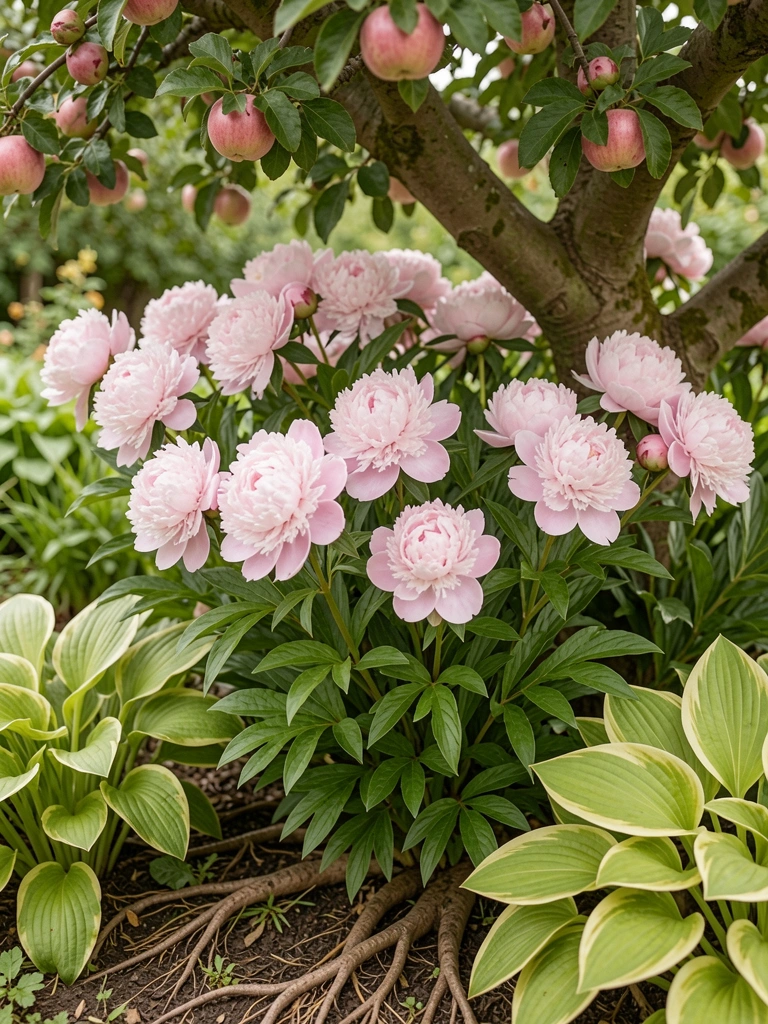
    7. Peonies Under Apple Tree Dappled Light

    Peonies under my old apple tree take the dappled shade fine. Hostas fill gaps below. Blooms glow in filtered light.
    Longer lasting flowers here—no sun scorch.
    Feels tucked away, natural. Tree drops add winter interest.
    Mulch thick to keep moisture.

    What You’ll Need for This Look

    Soft pink peony roots (pack of 4)

    Hosta plant mix (5-pack)

    Pine needle mulch (large bale)

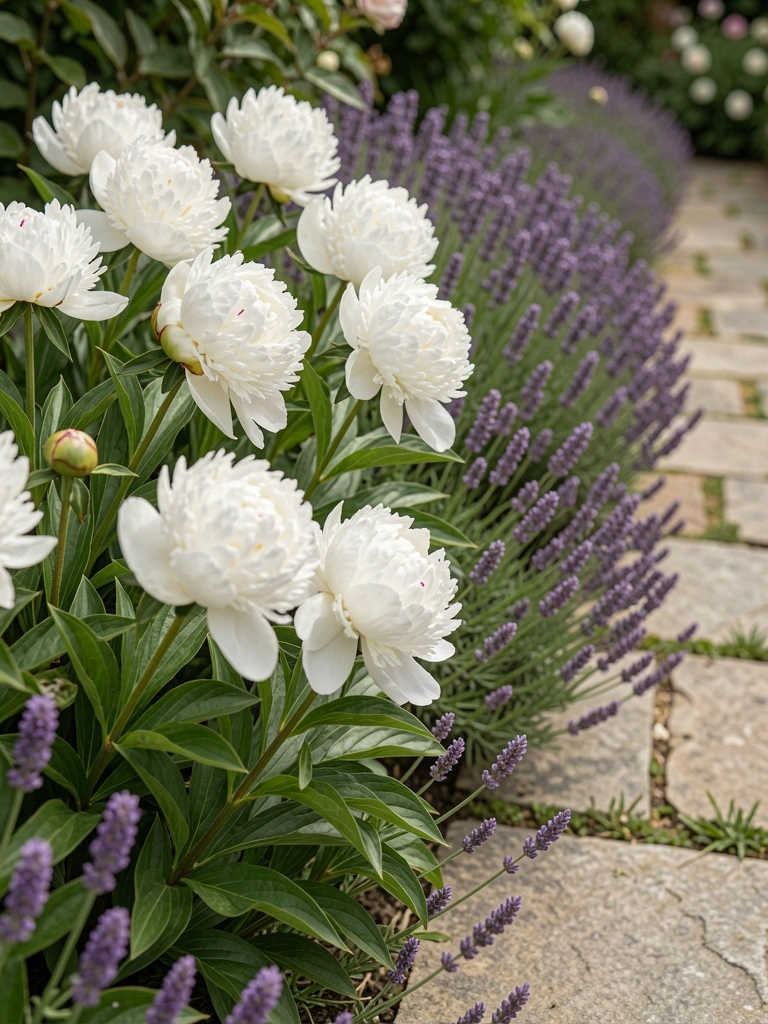
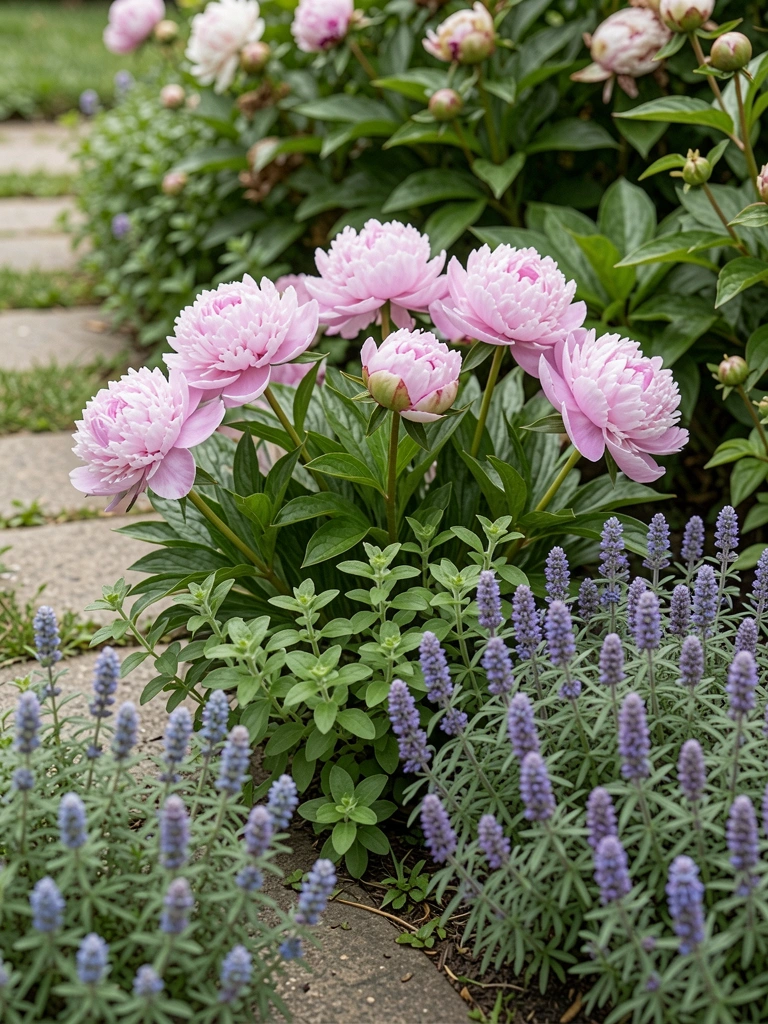
    8. Fragrant Peony and Lavender Edge

    Lavender next to peonies mixes scents perfectly. White blooms over gray-green foliage feels fresh.
    Pathside bed draws you in by smell. Lavender deters some bugs.
    Evening walks better now. Relaxing combo.
    Trim lavender after bloom.

    What You’ll Need for This Look

    Fragrant white peony plants

    Phenomenal lavender (1 gallon)

    River rock path stones (40 lb)

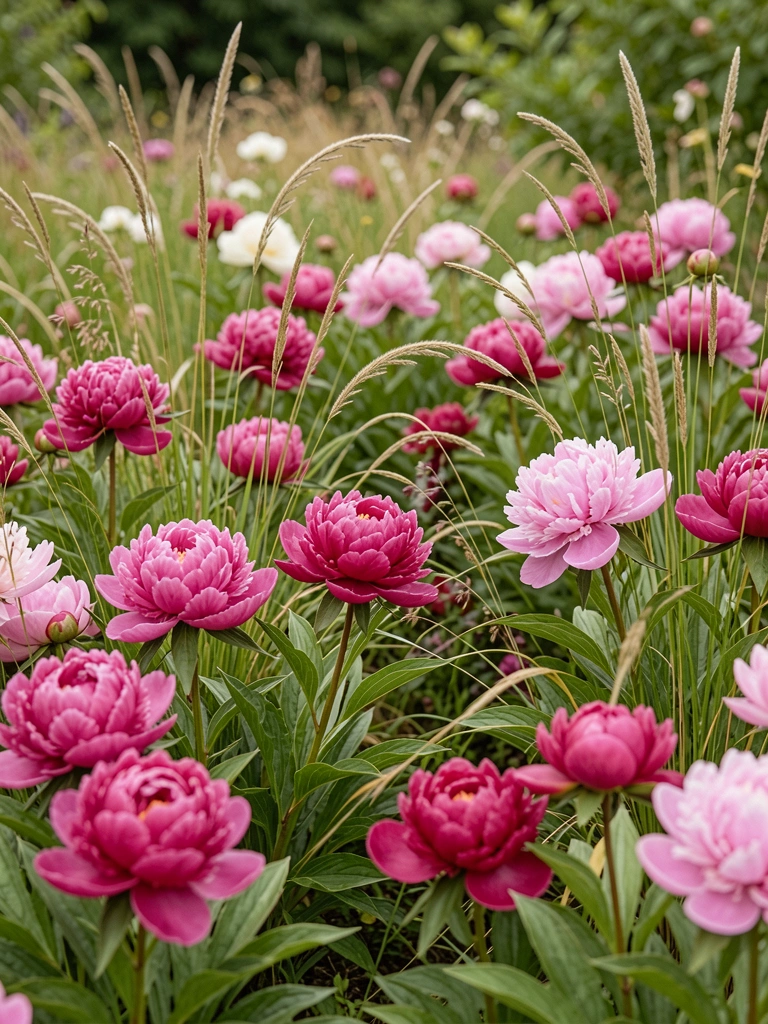
    9. Peony Meadow with Grasses

    I let peonies drift through tall grasses for a meadow feel. Pinks weave through feathers—loose luxe.
    Wind moves it all softly. Fall seed heads linger.
    Big area looks full without rows. Bees thrive.
    Divide grasses every few years.

    What You’ll Need for This Look

    Assorted peony roots (10-pack)

    Feather reed grass (karl foerster)

    Dried grass seed heads (decor bundle)

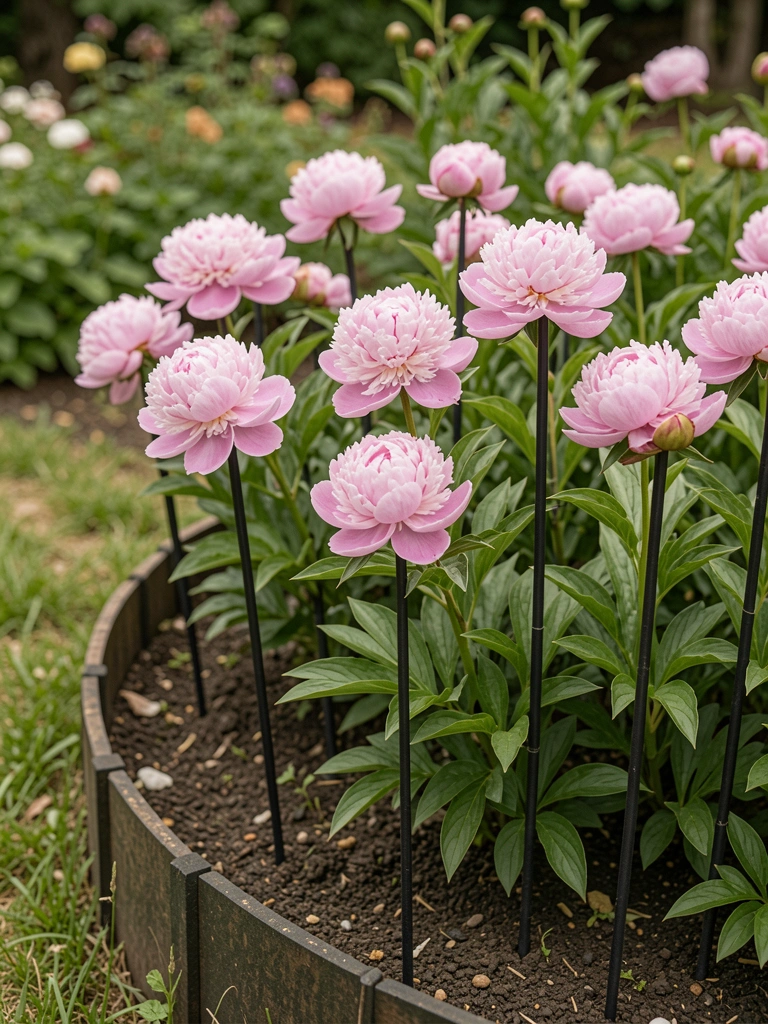
    10. Staked Peonies in Curved Bed

    Curved bed with grid stakes keeps peonies upright. Blooms float high, no flop.
    Pink varieties shine against green supports. Looks polished.
    Mail-order stakes saved my bed. Rain doesn't beat them down.
    Sink stakes early in spring.

    What You’ll Need for This Look

    Pink peony roots for big blooms

    Black peony grid stakes (18-inch)

    Curved plastic lawn edging (20 ft)

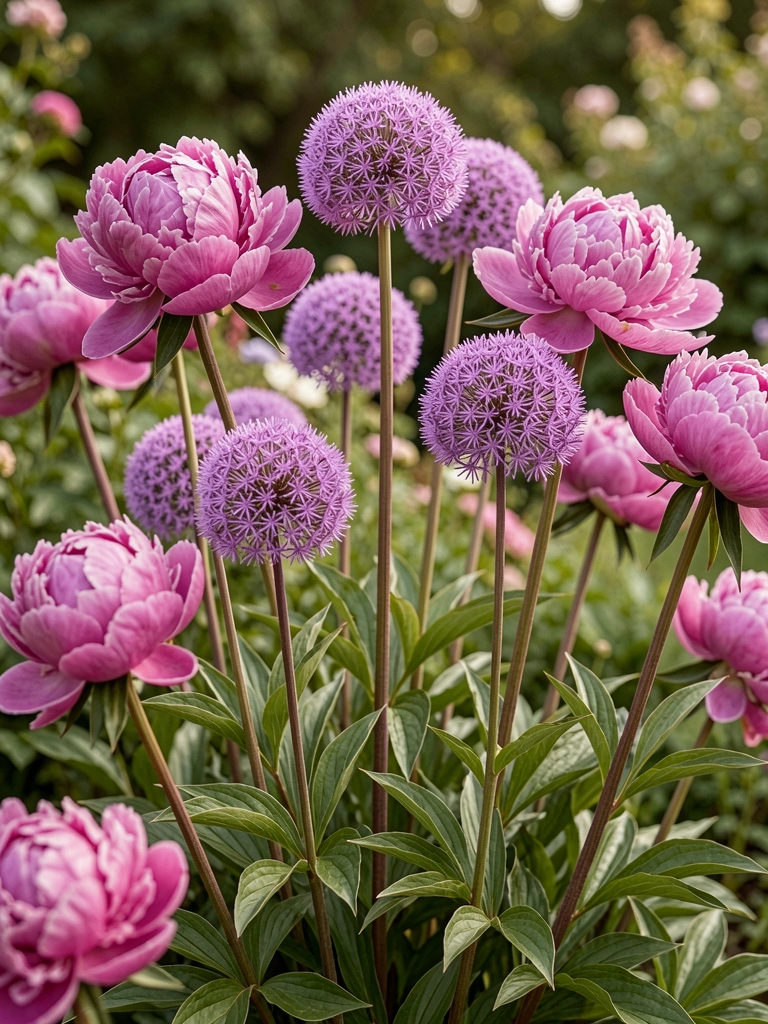
    11. Peonies Tall with Allium Globes

    Alliums pop up first, then peonies fill in. Purple globes over white peonies—elegant height.
    Early color bridges seasons. Stems don't tangle.
    Bed feels taller, airier. Worth the wait.
    Plant alliums shallow.

    What You’ll Need for This Look

    Tall white peony roots

    Allium 'Globemaster' bulbs (pack of 5)

    36-inch bamboo stakes (50-pack)

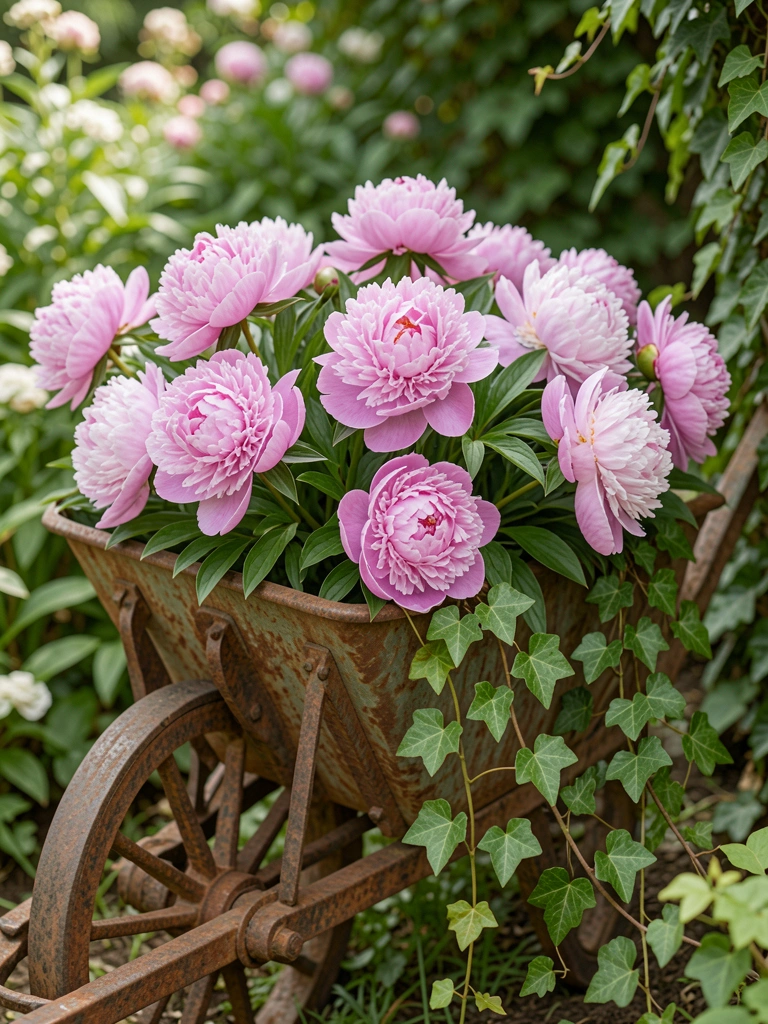
    12. Cottage Peonies in Old Wheelbarrow

    I plunked peonies in a rusty wheelbarrow—charmed instant. Pinks spill over edges with ivy. But first try, roots cooked in heat.
    Added drainage rocks now. Looks cozy, full fast.
    Patio corner warmed up. Move it easy.
    Drill holes if solid bottom.

    What You’ll Need for This Look

    Cottage pink peony plants

    Rusty wheelbarrow planter (galvanized)

    Trailing ivy plants (4-inch pots)

    13. Formal Peony Parterre Box

    Boxwood outlines make peony parterres neat. One plant per square, symmetric blooms.
    Reds in center pop. Paths easy to weed.
    Yard feels structured, luxe. Clips keep it sharp.
    Start small; boxwood fills slow.

    What You’ll Need for This Look

    Formal red peony tubers

    Boxwood for parterre edging

    Gravel for parterre paths (bag)

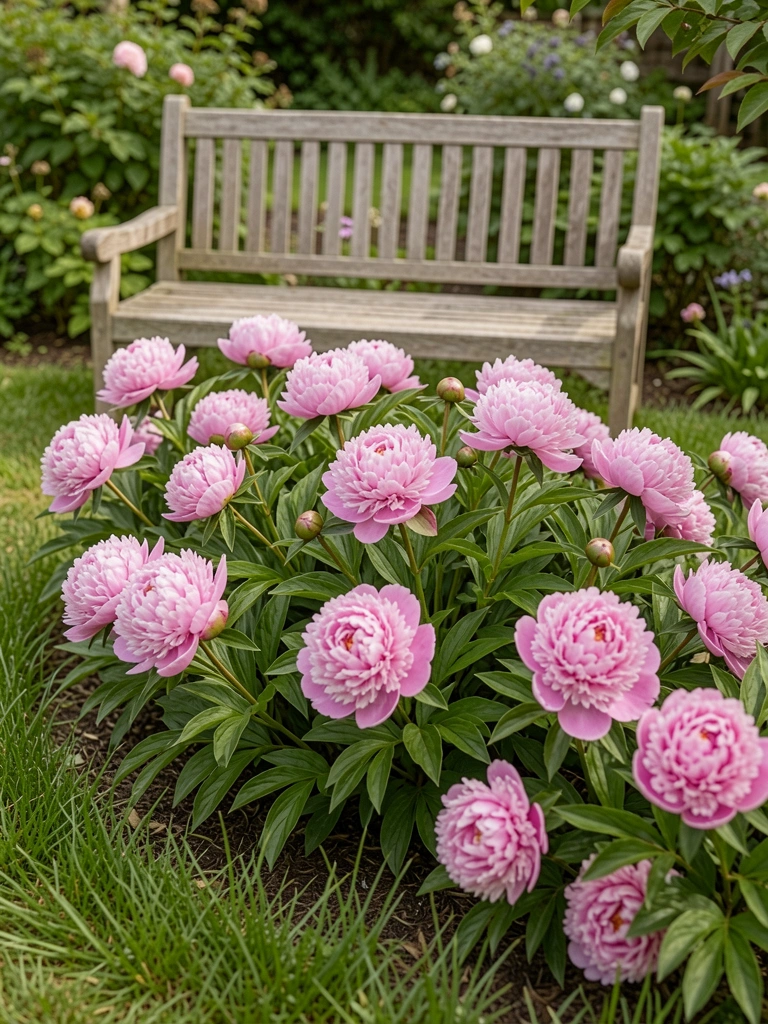
    14. Island Peony Bed with Bench

    Round island bed centers on a bench. Peonies all around invite sitting. Whites and pinks layer soft.
    Blooms at eye level. Grass mow-edge keeps it crisp.
    Spot for coffee now. Draws family out.
    Stake from inside out.

    What You’ll Need for This Look

    White and pink peony mix

    Wood garden bench (4-foot)

    Circular stone edging kit

    15. Front Low Peonies with Catmint

    Dwarf peonies up front with catmint—neat for sidewalks. Blues soften pinks.
    No staking needed. Fills tight spots.
    House entrance welcomes now. Low upkeep.
    Shear catmint after first bloom.

    What You’ll Need for This Look

    Dwarf peony plants (pink)

    Catmint 'Walker's Low'

    Solar path lights (warm white)

    16. Peonies Against Hydrangea Backdrop

    Peonies pop in front of blue hydrangeas. Layers give depth.
    Hydrangeas shade roots lightly. Blooms contrast strong.
    Bed feels established quick. Colors shift yearly.
    Water deep in summer.

    What You’ll Need for This Look

    Shade-tolerant peony roots

    Endless Summer blue hydrangea

    Drip irrigation hose (50 ft)

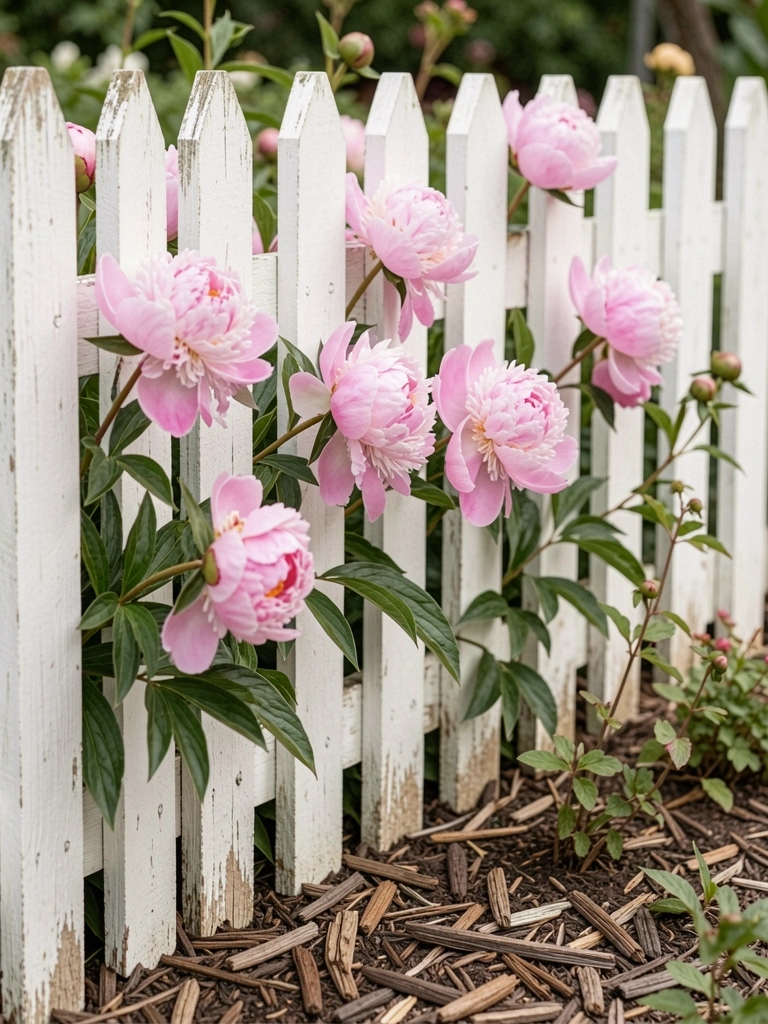
    17. Rustic Peonies Along Picket Fence

    Peonies lean on picket fence—no stakes. Pinks drape soft.
    Fence props naturally. Rustic but full.
    Yard edge defines cozy. Pickets age nice.
    Plant close to fence base.

    What You’ll Need for This Look

    Draping pink peony plants

    White picket fence panels

    Cedar mulch bags (2 cu ft)

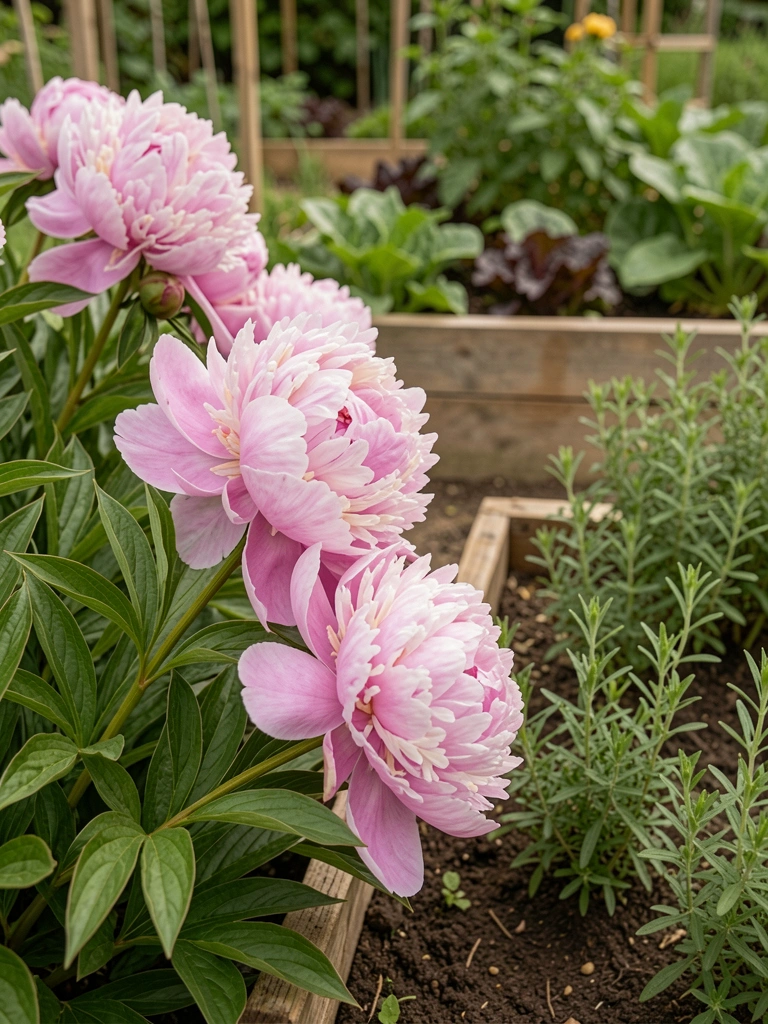
    18. Peony Edge to Vegetable Patch

    Peonies frame my veggie beds—luxe touch to practical. But rabbits hit first planting.
    Netting now, plus strong scents help. Pinks hide harvest tools.
    Kitchen garden feels complete. Flowers first.
    Group in odds for flow.

    What You’ll Need for This Look

    Rabbit-resistant peony varieties

    Veggie raised bed kit

    Anti-rabbit garden netting

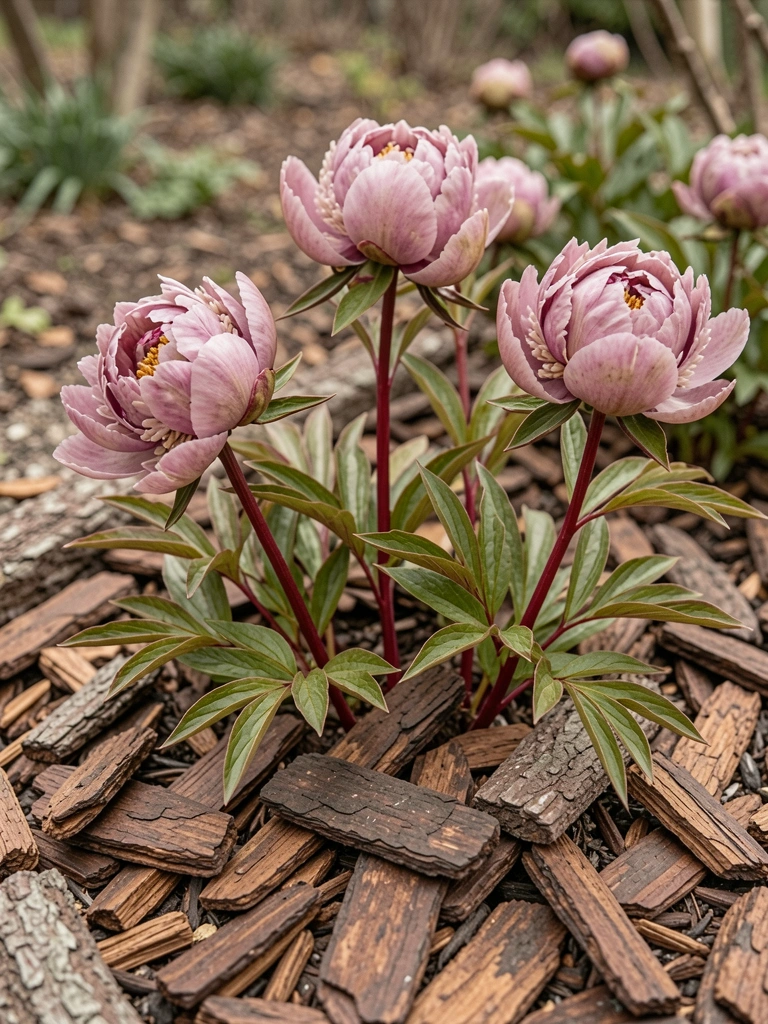
    19. Winter Peonies with Bark Mulch

    Thick bark mulch protects peony crowns in winter. Red stems poke through snow.
    Year-round interest—no empty bed. Insulates roots.
    Feels substantial always. Mulch freshens yearly.
    Pile high, 4 inches.

    What You’ll Need for This Look

    Hardy peony roots (winter tolerant)

    Premium bark mulch (bulk bag)

    Red-stem peony plants

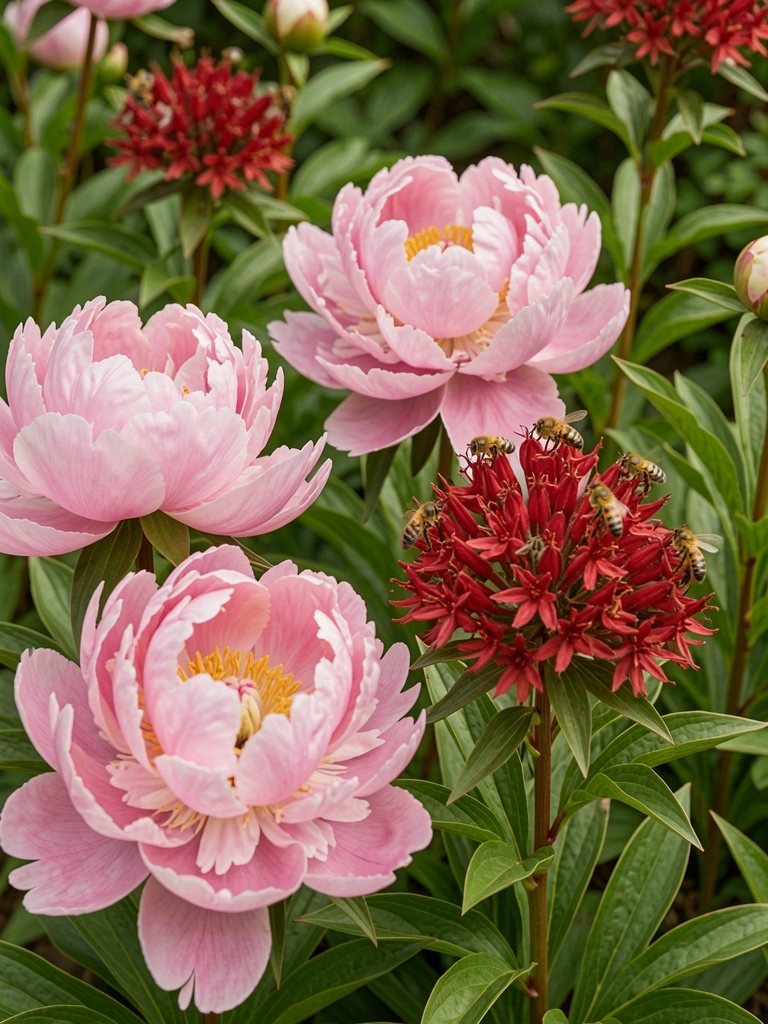
    20. Pollinator Peonies with Bee Balm

    Bee balm around peonies pulls pollinators. Reds mix with pinks—busy hum.
    Blooms overlap slightly. Healthy plants result.
    Garden alive, not just pretty. Spreads gentle.
    Deadhead for more flowers.

    What You’ll Need for This Look

    Pollinator-friendly pink peonies

    Bee balm Monarda plants

    Wooden bee hotel

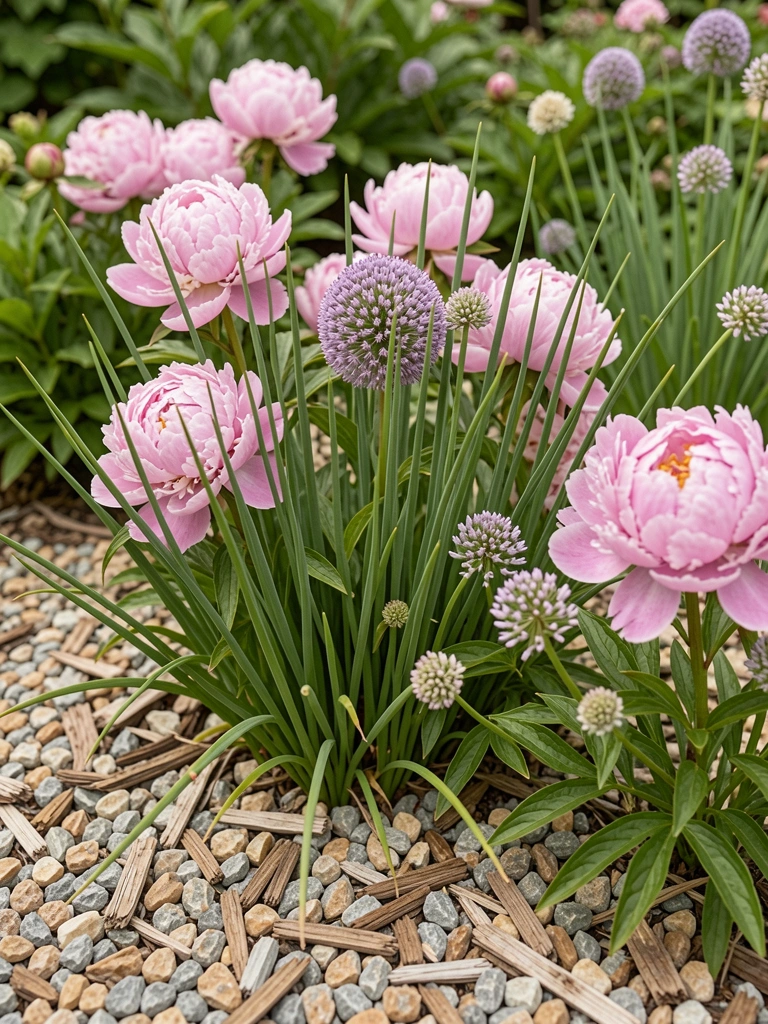
    21. Gravel Peonies with Ornamental Onion

    Ornamental onions edge gravel peony beds. Chive blooms echo shape.
    Drainage perfect, clean look. Onions repel pests.
    Dry beds thrive. Minimal water.
    Mix heights for rhythm.

    What You’ll Need for This Look

    Peony plants for gravel

    Ornamental onion chive plants

    White crushed gravel (50 lb)

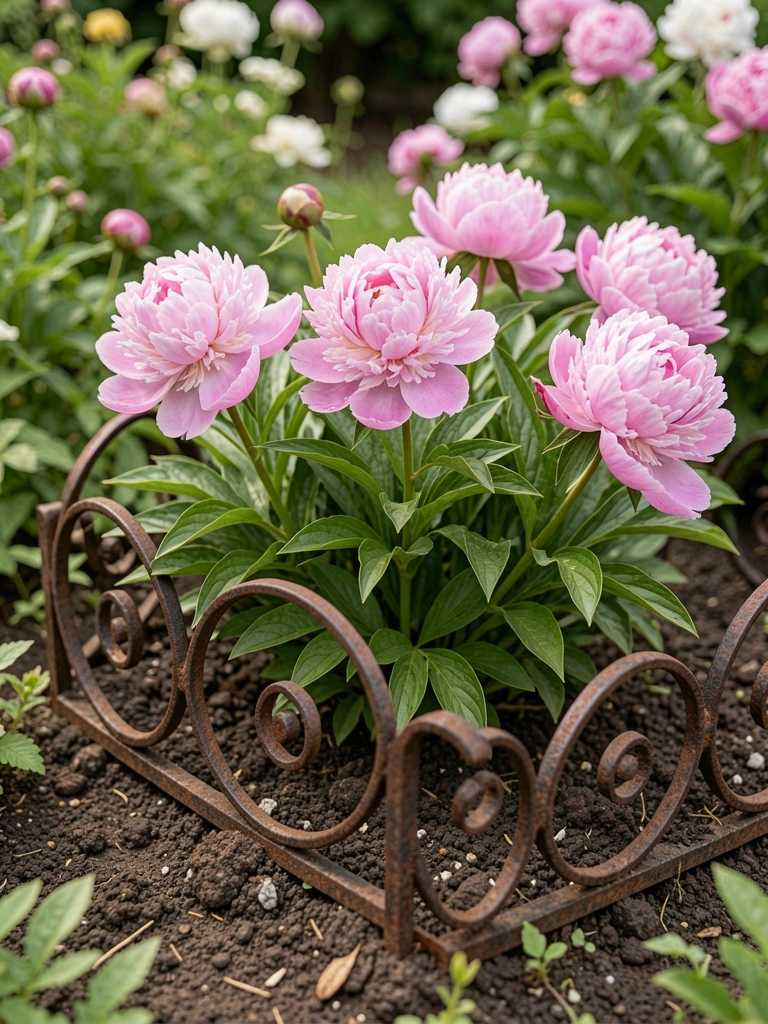
    22. Wrought Iron Edged Peony Bed

    Wrought iron edging holds peony beds tight. Scrolls add detail without flash.
    Pinks inside feel contained, lush. Iron weathers patina.
    Front yard luxe simple. Holds mulch in.
    Level ground first.

    What You’ll Need for This Look

    Pink peony for borders

    Wrought iron edging (scroll design)

    Rich garden soil amendment

    23. Succession Peonies with Late Lilies

    Early peonies hand off to lilies—nonstop color. Pinks to oranges seamless. But lilies spread wild first go.
    Divide now yearly. Bed never empty.
    Seasons blend smooth. More cuts for house.
    Space lilies behind.

    What You’ll Need for This Look

    Early-bloom peony roots

    Orange Asiatic lily bulbs (10-pack)

    Garden fork for dividing plants

    Final Thoughts

    Pick one or two ideas that fit your space. Peonies grow slow, so start small.
    They'll fill in over time, better than rushed.
    Your garden will feel right. You've got this.
  • 17 Practical Flower Pot Garden Bed Ideas For Flexible Planting

    17 Practical Flower Pot Garden Bed Ideas For Flexible Planting

    I remember hauling pots around my backyard after a rainy week. They sank into mud, looked messy. Grouped them tight into beds instead. Patio bloomed overnight. No permanent spots, just flexible setups. Saved my back, let me tweak as plants grew. Flower pot garden beds changed everything for me.

    17 Practical Flower Pot Garden Bed Ideas For Flexible Planting

    These 17 flower pot garden bed ideas come straight from my yard trials. Simple groupings, no digging required. Rearrange anytime plants shift. You'll see exactly what to try.

    1. Layered Patio Pot Bed for Instant Fullness

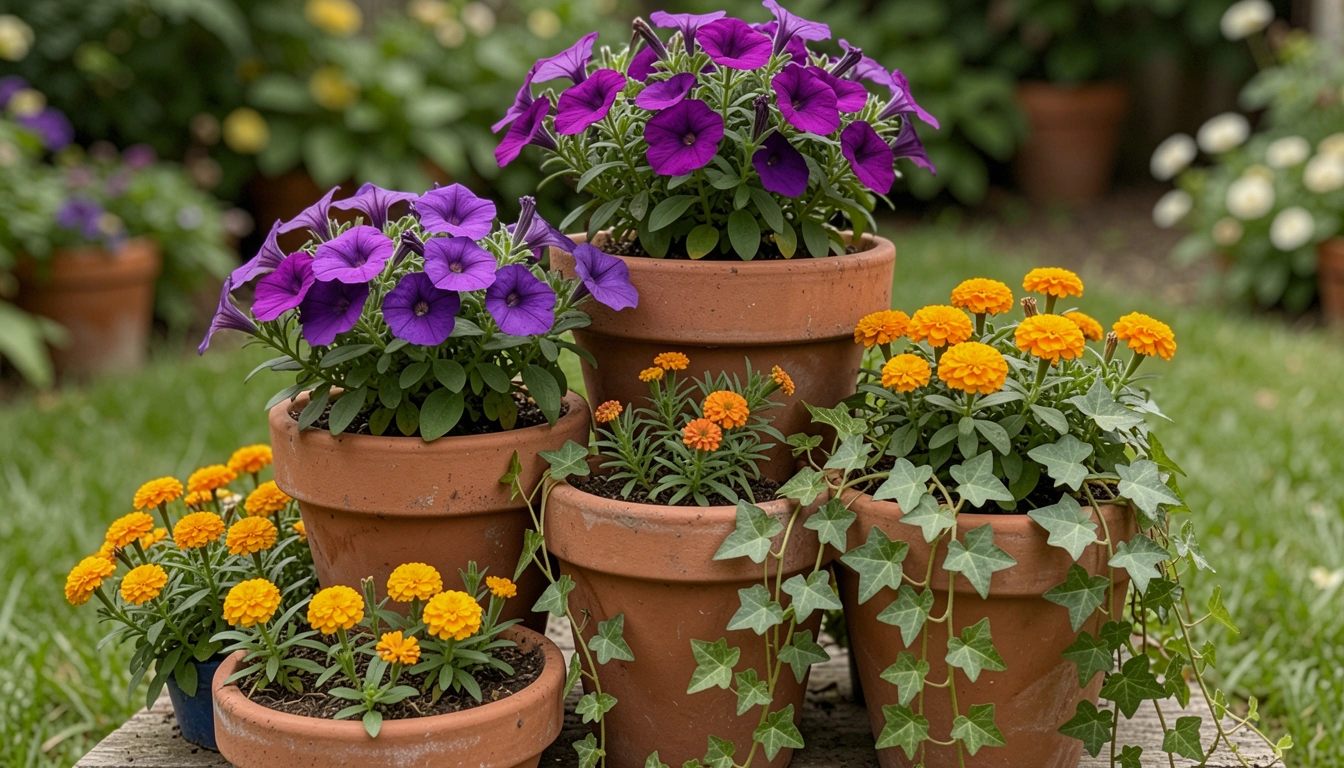
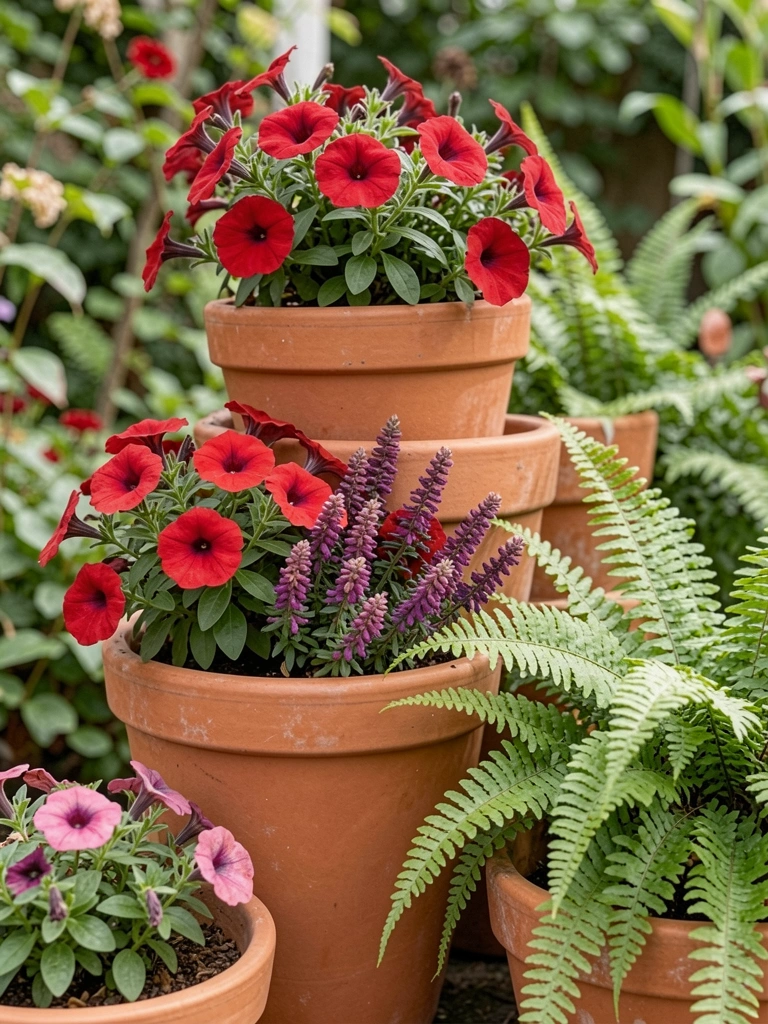
    I set three pots high to low on my concrete patio. Tall salvia in back, bushy petunias mid, trailing ivy spilling front. Filled empty space fast. Patio went from bare to cozy in hours.

    Watched ivy creep over edges by summer. Softened hard lines. Felt welcoming for chairs nearby.

    Group odd numbers for natural look. Water bottom pots first—they dry slowest.

    Skip plastic; terracotta breathes better here.

    What You’ll Need for This Look

    2. Vertical Stacked Pots Against a Fence

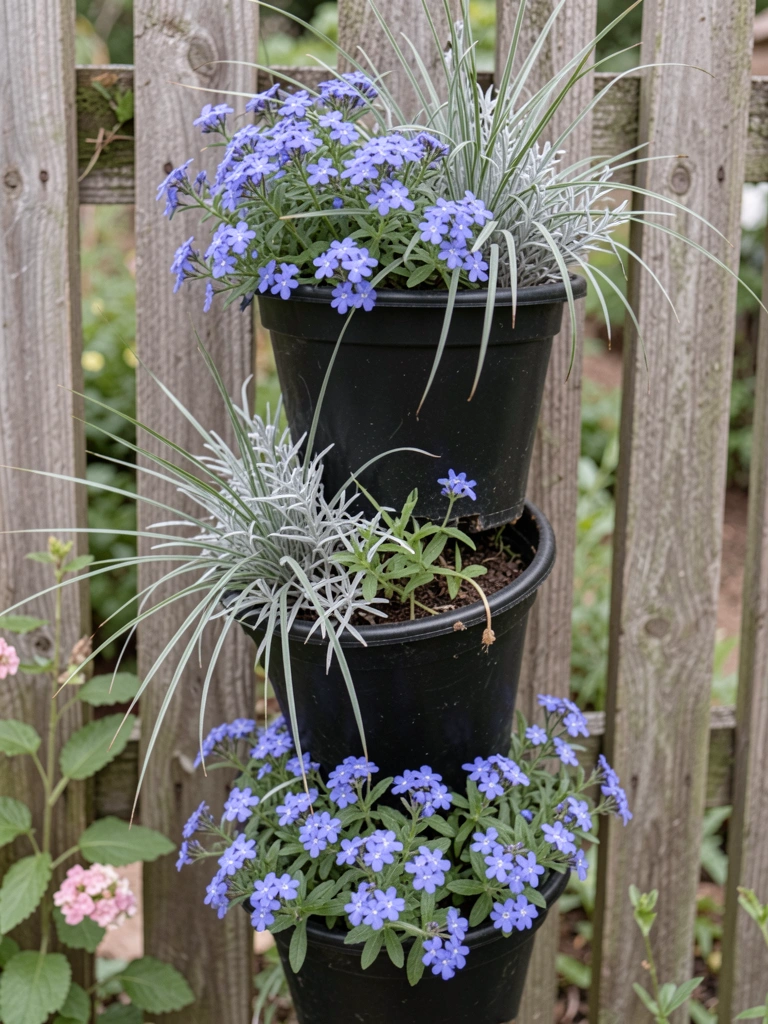
    Stacked four pots on a wobbly fence base. Drilled holes, added rebar for spine. Lobelia tumbled down, verbena poked out sides. Turned blank wall into green curtain.

    By week three, it stabilized. Bees loved the flowers. Screened ugly fence without climbing plants.

    Use lightweight pots up top. Heavy soil weighs it down.

    I overplanted once—toppled. Less is steadier.

    What You’ll Need for This Look

    3. Sunny Succulent Pot Cluster for Low Water

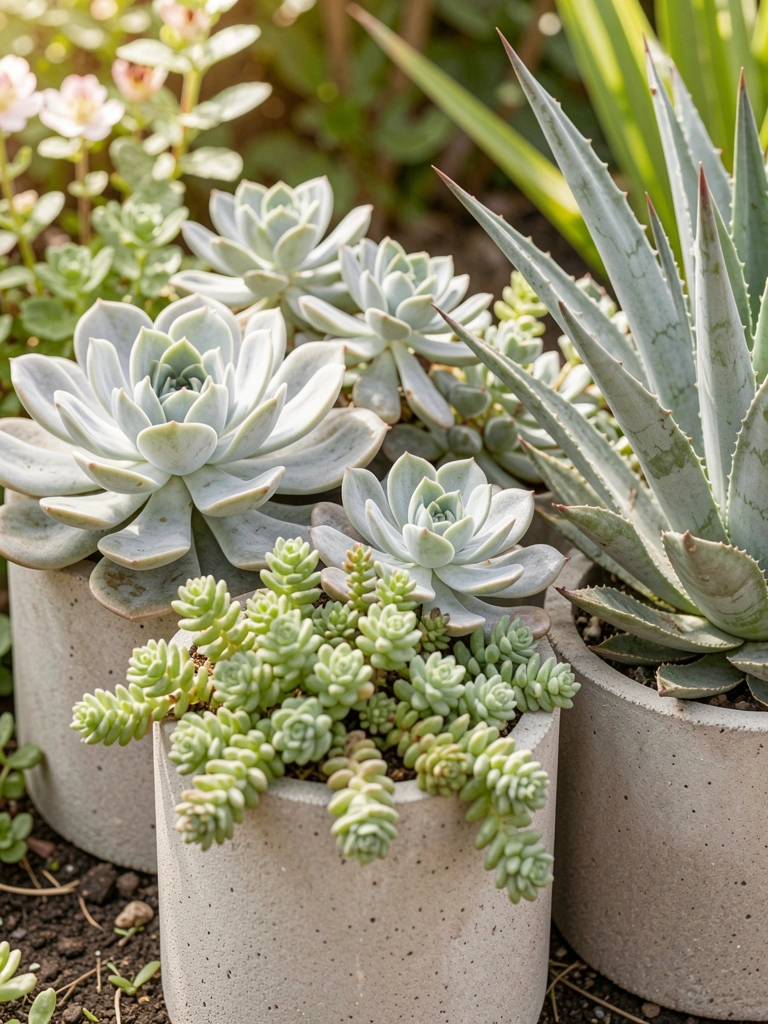
    Clustered five concrete pots in full sun corner. Echeveria rosettes center, sedum edges. No fuss watering. Looked sculptural against gravel.

    They plumped up, colors deepened. Drought hit—others wilted, these thrived. Zero dead spots.

    Drainage matters most. Succulents rot easy.

    Bought cheap soil once, too rich. Cactus mix only.

    What You’ll Need for This Look

    4. Shady Pot Bed with Ferns and Impatiens

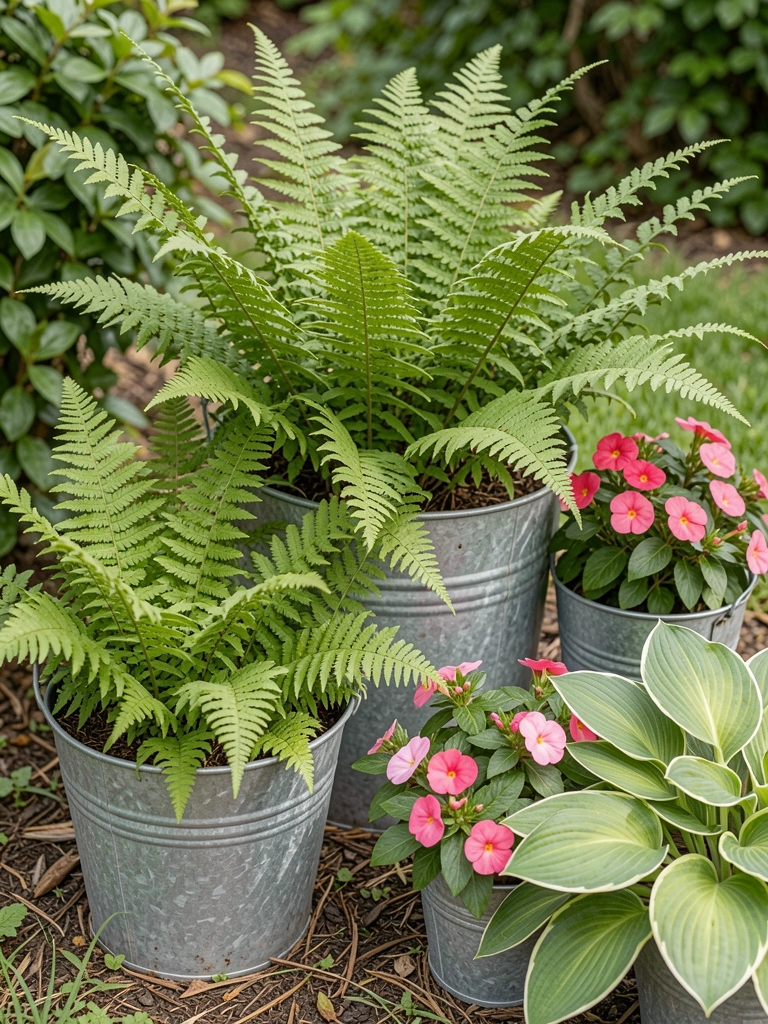
    Under tree, lined pots with ferns back, impatiens front. Hostas filled gaps. Shade made colors pop soft.

    Ferns unfurled slow, then lush. Cool spot for sitting nearby.

    Moist soil key—shade dries uneven.

    Tried sun flowers here once. Fried. Stick to shade lovers.

    What You’ll Need for This Look

    5. Color-Wheel Pot Bed for Steady Blooms

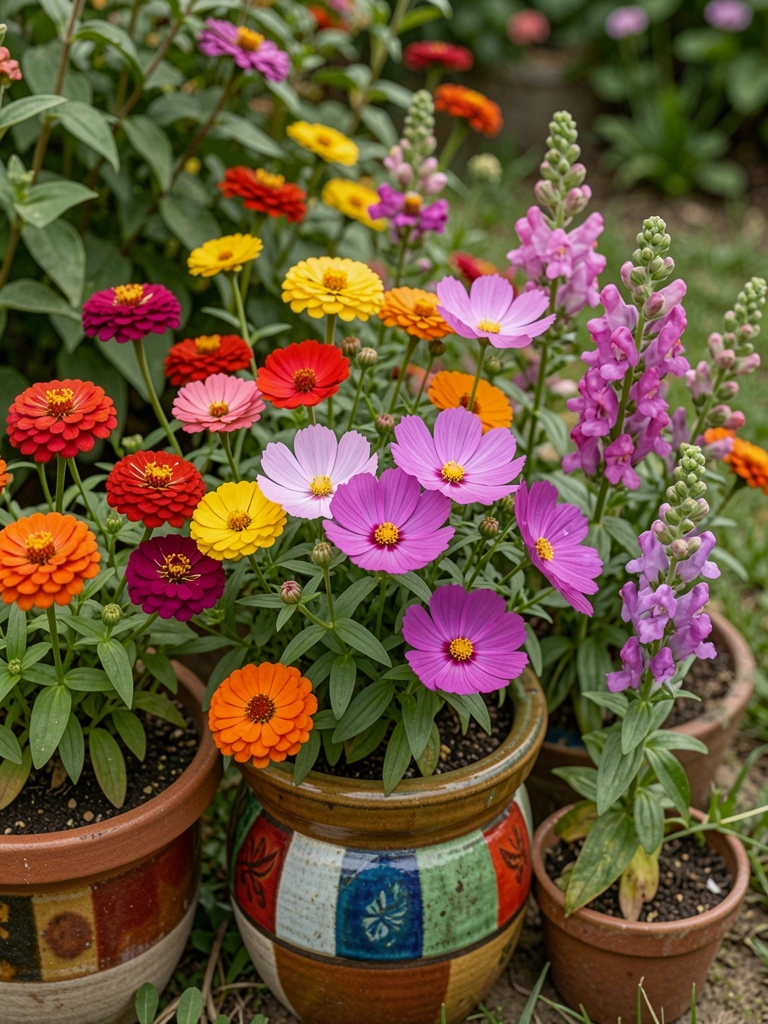
    Arranged pots in ROYGBIV arc. Zinnias red, cosmos yellow, snapdragons blue. Patio edge glowed.

    Blooms overlapped all season. Eye followed curve naturally.

    Deadhead weekly. Keeps colors fresh.

    Planted too close first try. Crowded out blues.

    What You’ll Need for This Look

    6. Herb-Flower Mixed Pot Bed for Kitchen Reach

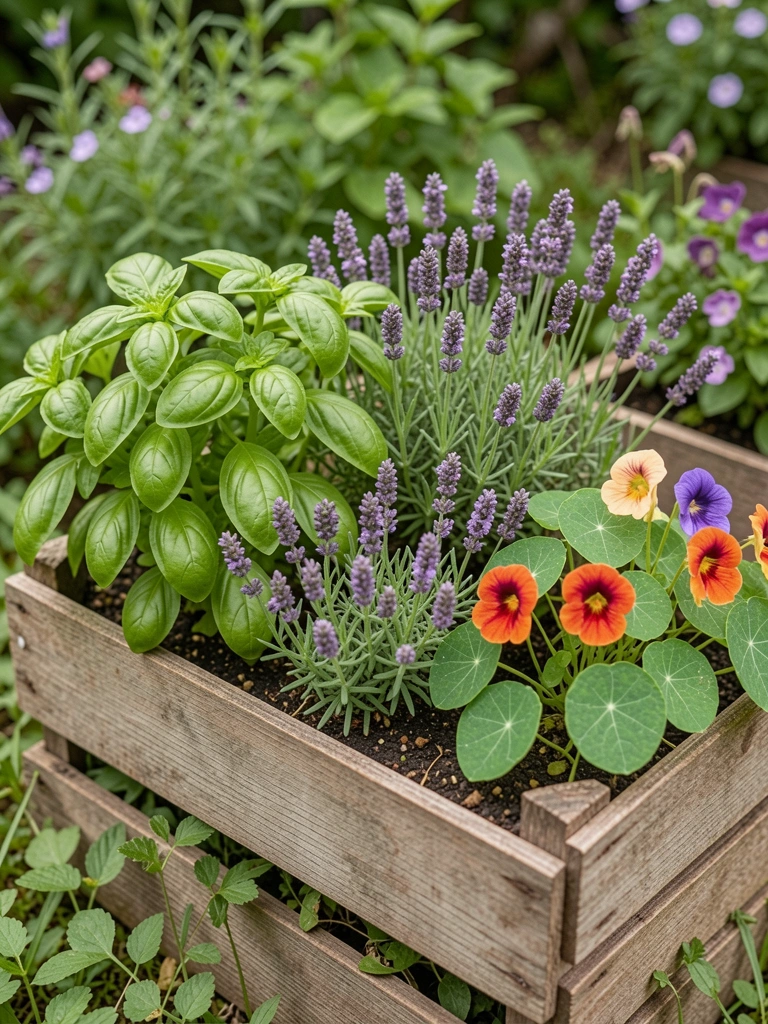
    Near door, pots of basil back, lavender mid, nasturtium edges. Herbs scented air, flowers edible.

    Picked handfuls daily. Flowers trailed cozy over sides.

    Sun for herbs, part shade flowers. Balance spots.

    Overwatered basil once. Yellowed. Let dry between.

    What You’ll Need for This Look

    7. Trailing Vine Pots Over Stone Wall

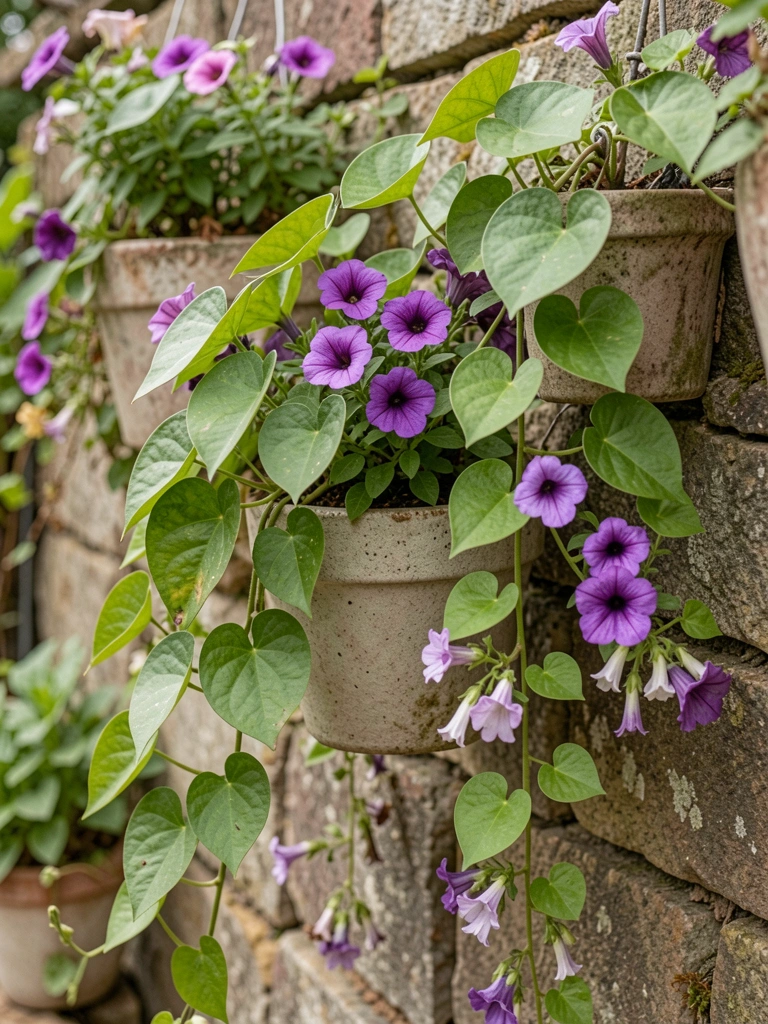
    Lined wall with pots. Sweet potato vine cascaded, petunias dotted color. Softened rough stone.

    Vines grew wild, hid gaps. Felt cottage-y without mess.

    Feed monthly. Vines hungry.

    What You’ll Need for This Look

    8. Tall Grass and Low Flower Pot Layers

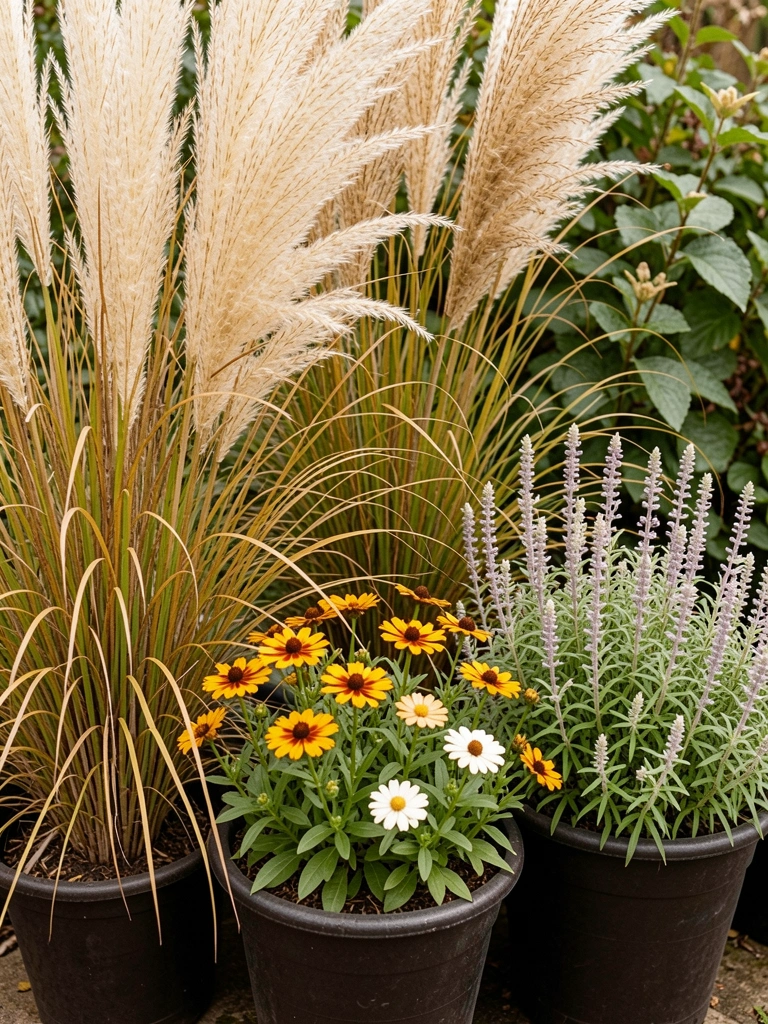
    Back row tall grasses, front low coreopsis. Pots hid bases. Added movement to still yard.
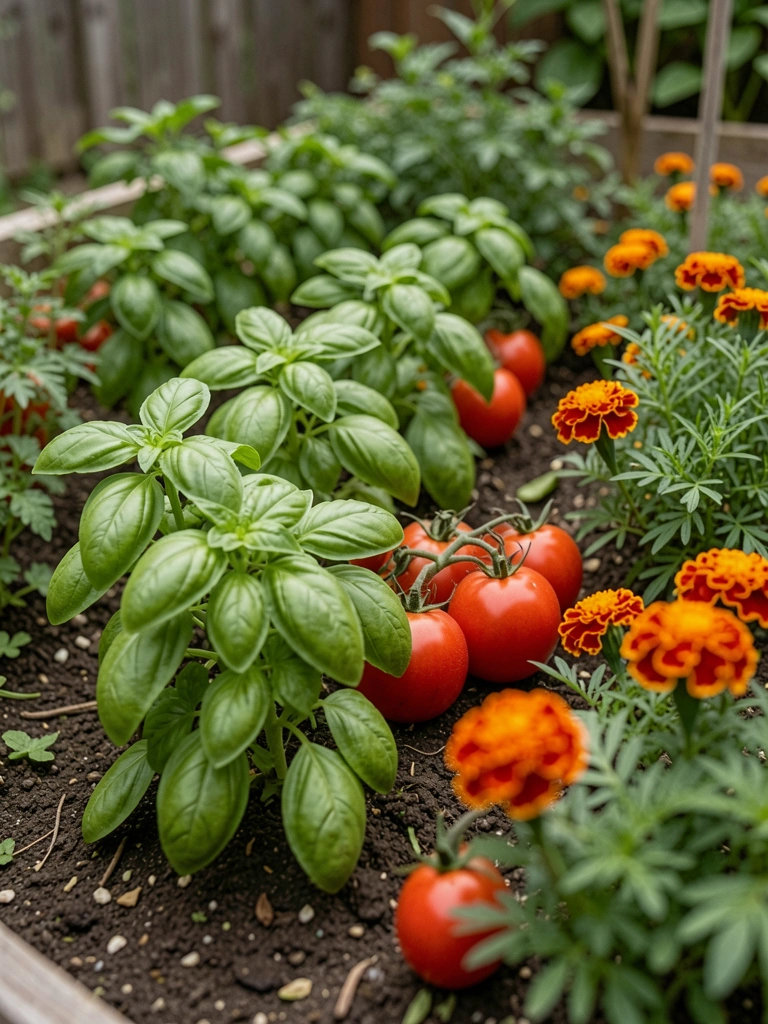
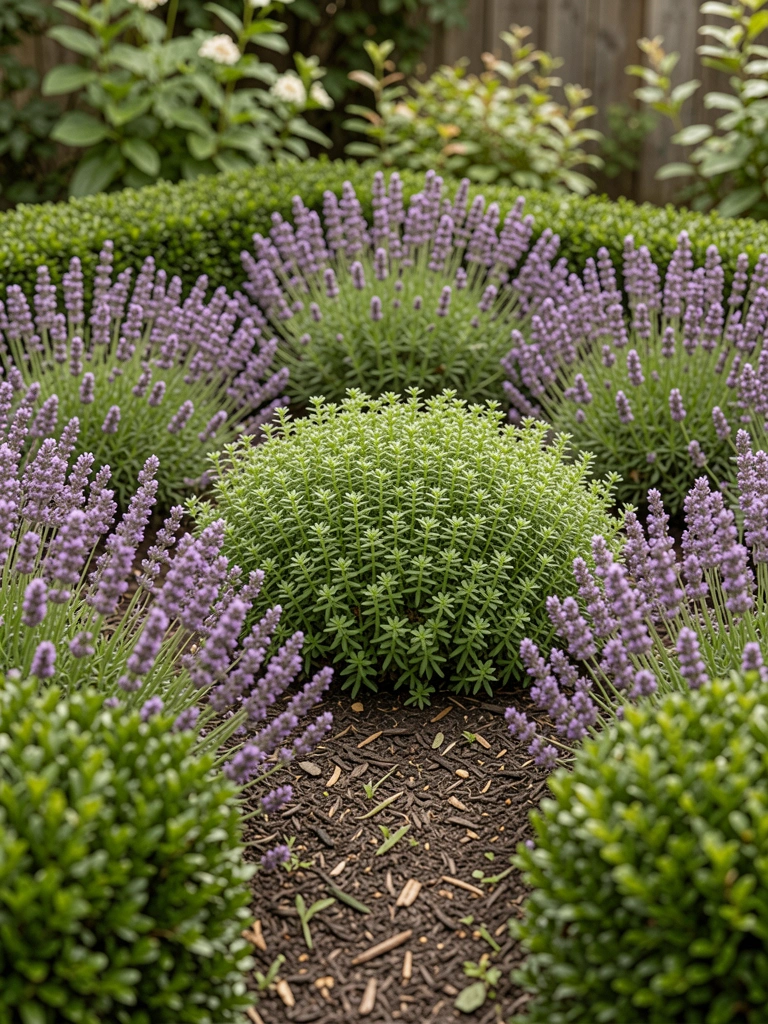
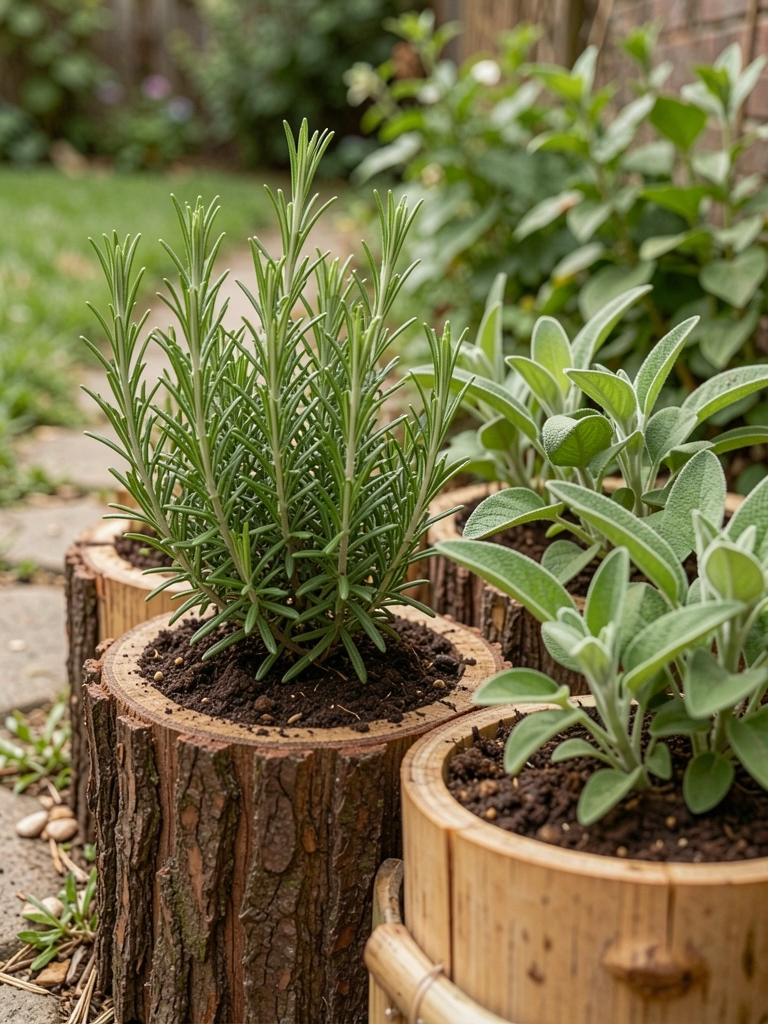
    Grasses swayed, flowers grounded it. Windy days looked alive.

    Divide grasses yearly. Pots limit spread.

    What You’ll Need for This Look

    9. Pollinator Pot Patch Near Seating

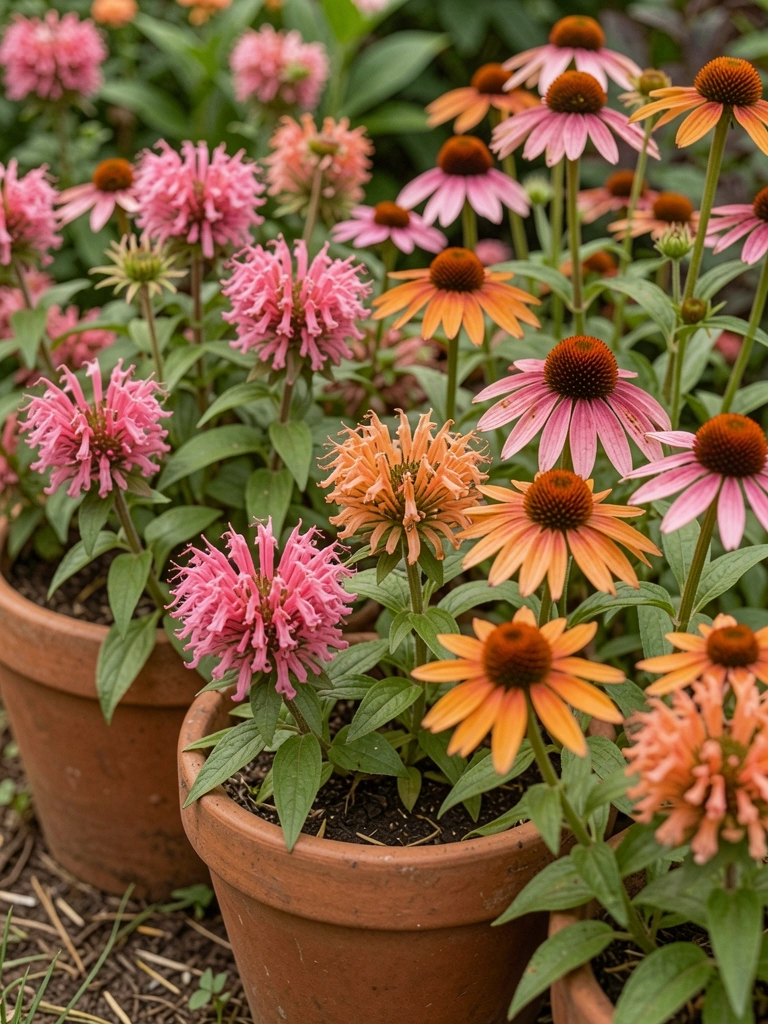
    Clustered pots by bench. Bee balm tall, coneflowers mid, milkweed base. Butterflies constant.

    Buzz filled quiet afternoons. Plants self-seeded gentle.
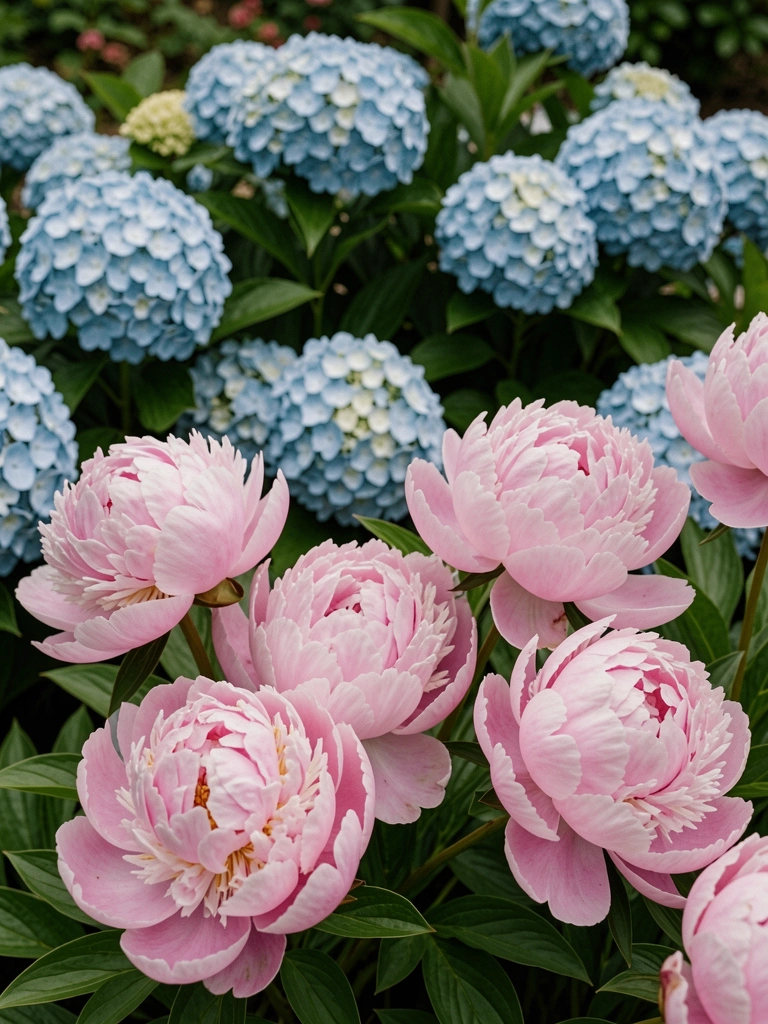
    Native picks draw more. Skip hybrids.

    What You’ll Need for This Look

    10. Seasonal Swap Pots for Year-Round Interest

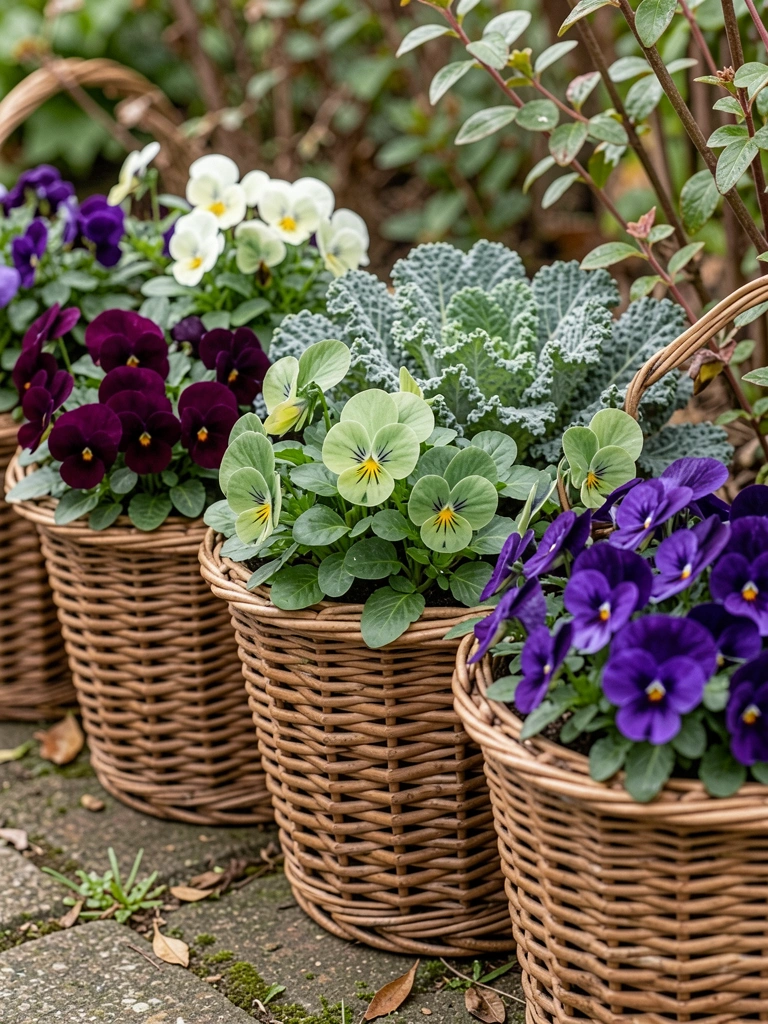
    Fall, swapped summer flowers for pansies and kale. Pots slid easy. Kept color through frost.

    Winter greens held up. Easy refresh.

    Label pots. Forgets what went where.

    What You’ll Need for This Look

    11. Corner Cozy Pot Nook with Benches

    Tight corner, pots tight around stool. Geraniums upright, lobelia drape. Nook for coffee.

    Blooms framed view. Felt private.

    Rotate for even sun.

    What You’ll Need for This Look

    12. Walkway Border Pots for Soft Edges

    Single file pots along path. Alyssum low, catmint mid. Fringed concrete soft.

    Scent rose on walks. Low enough no trip.

    Trim strays monthly.

    What You’ll Need for This Look

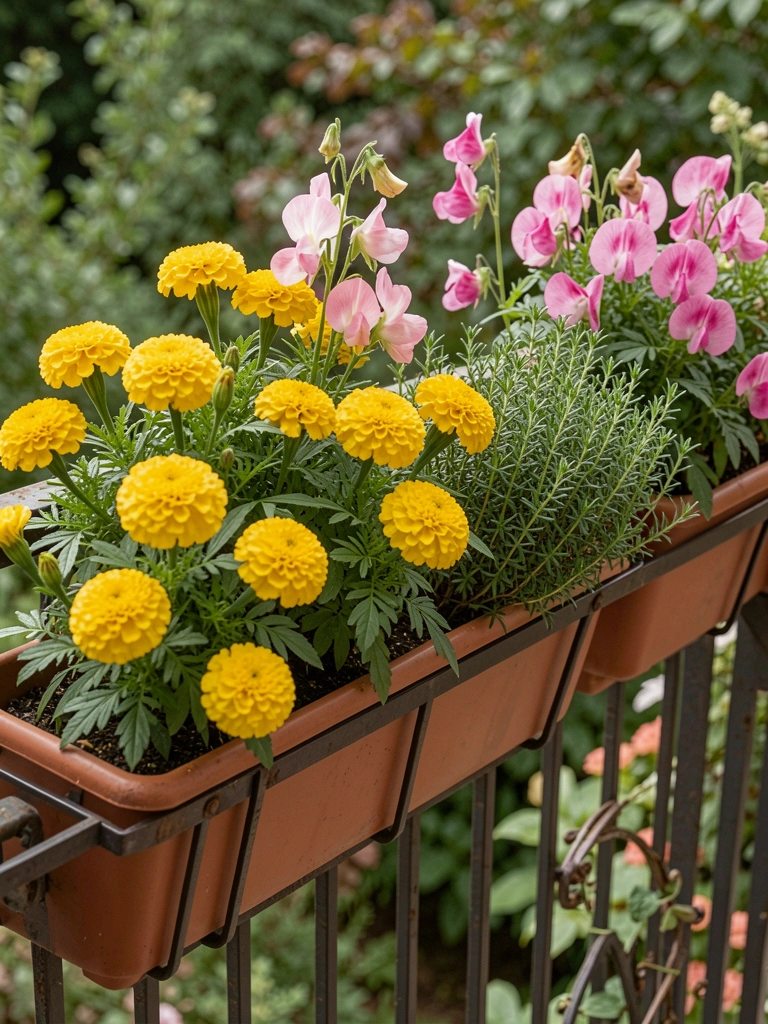
    13. Balcony Rail Pot Garden for Tight Spaces

    Rail pots straddled balcony edge. Marigolds sun side, peas shade. View bloomed.

    Wind toughened them. Strong stems.

    Secure clips essential.

    What You’ll Need for This Look

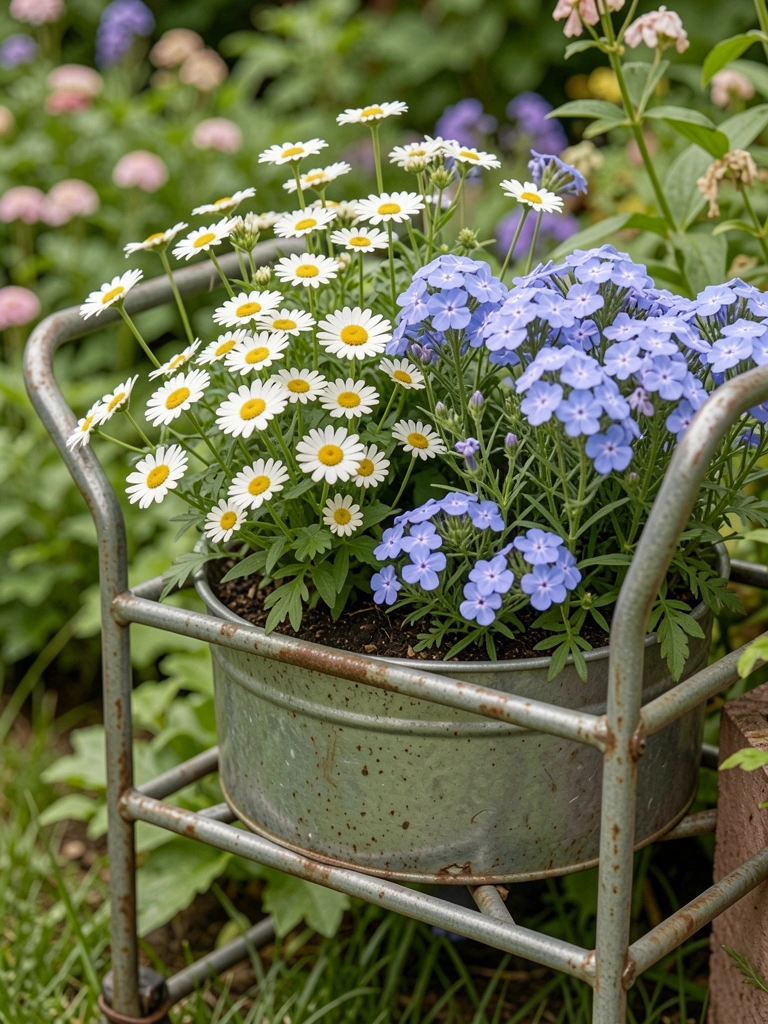
    14. Mobile Rolling Pot Cart Bed

    Old cart held pots. Daisies top, phlox base. Wheeled to sun needs.

    Shade chase easy. No replants.

    Lock wheels parked.

    What You’ll Need for This Look

    15. Rustic Crate-Based Pot Elevations

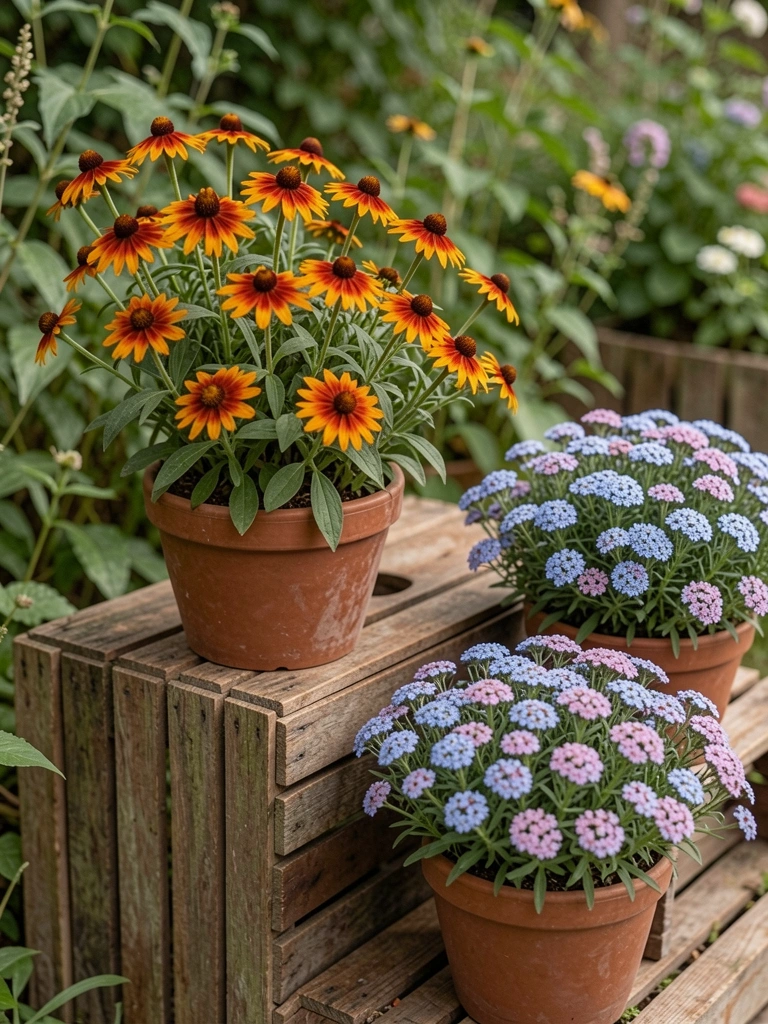
    Crates lifted pots uneven. Rudbeckia over gaillardia. Rustic height play.

    Drainage bonus. Roots cool.

    Line crates fabric.

    What You’ll Need for This Look

    16. Modern Geometric Pot Grid

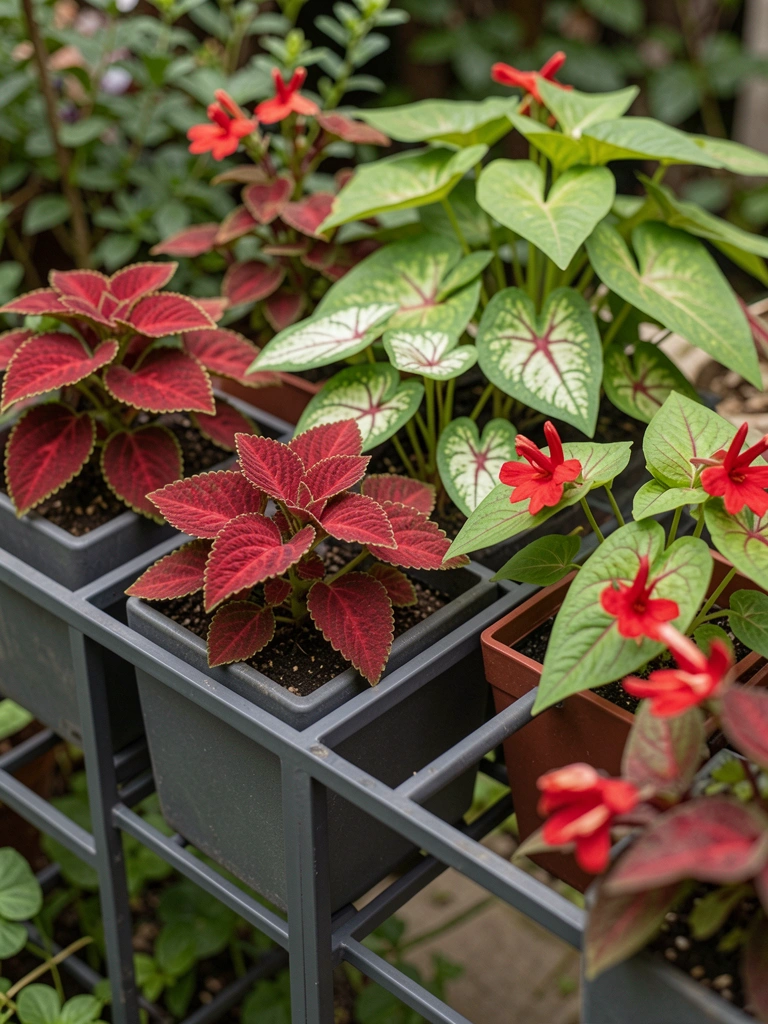
    Squared off 3×3 pots. Coleus patterns popped. Clean lines patio.

    Foliage lasted hot months.

    Pinch coleus tips.

    What You’ll Need for This Look

    17. Drought-Tolerant Lavender Pot Meadow

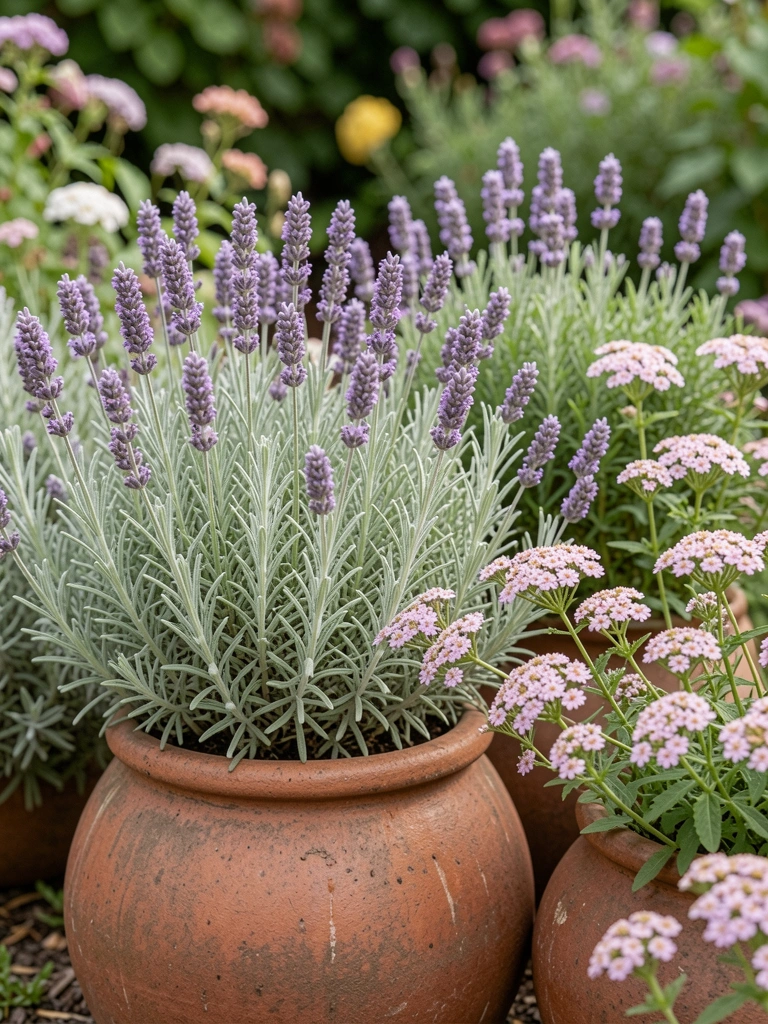
    Loose group pots. Lavender drifts, rosemary anchors. Dry spells no issue.

    Scent carried far. Relaxing hum.

    Mulch tops dry.

    What You’ll Need for This Look

    Final Thoughts

    Pick one or two ideas that fit your spot. Pots let you test without commitment. I've rearranged mine yearly—what grows stays. You'll build your garden your way. It feels good.