Author: Megan Moore

  • 7 Bright Garden Summer Flower Bed Ideas For Colorful Spaces

    7 Bright Garden Summer Flower Bed Ideas For Colorful Spaces

    Last summer, my front bed was a mess of bare dirt and straggly weeds. I yanked it all out one sweaty afternoon and planted quick-blooming annuals instead.

    The color hit like a warm hug—pinks, oranges, reds waving in the breeze. It pulled me outside every evening.

    Now, that bed draws neighbors over the fence. Simple swaps made it happen. You can too.

    7 Bright Garden Summer Flower Bed Ideas For Colorful Spaces

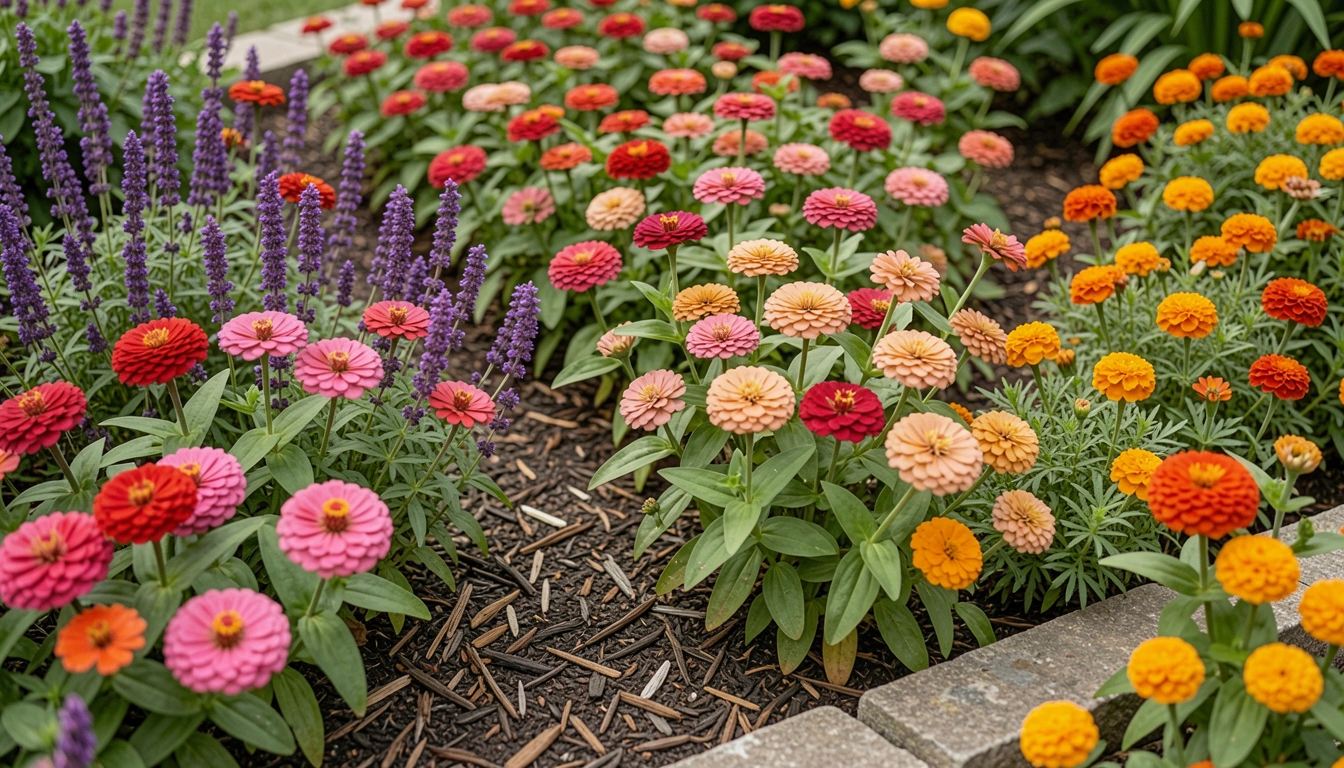
    These 7 garden summer flower bed ideas come straight from my yard trials. Each one packs reliable color from June through September. Pick one, grab the basics, and watch your space light up—no perfection required.

    1. Zinnia Border That Hugs the Walkway
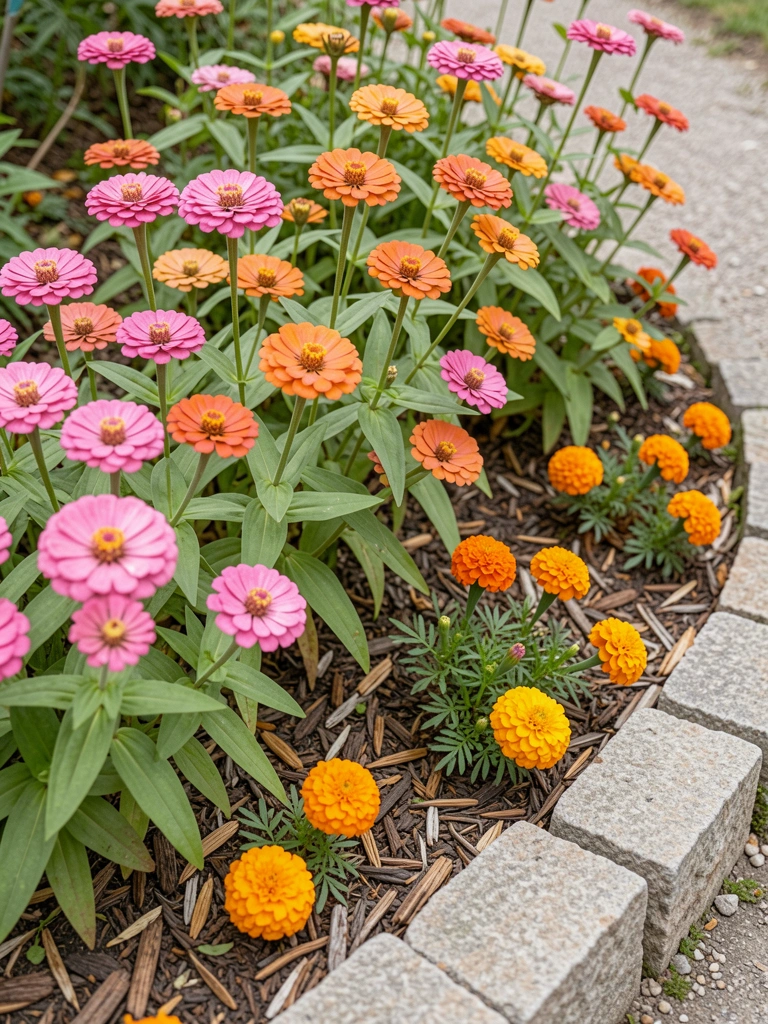
    I started with zinnias along my front path because they germinate fast and self-seed like crazy. Planted them in a tight row last May, mixed with squat marigolds to fill gaps at the base. By July, it was a wall of color—hot pinks crashing into sunny yellows.

    The height difference creates that cozy depth, like the bed's breathing. Bees swarm it daily, and it hides the uneven lawn edge perfectly.

    Watch spacing: too close, and they tangle. I overcrowded once, ended up thinning half out. Now I give them 12 inches apart.

    What You’ll Need for This Look

    Zinnia seeds, mixed colors
    Marigold seeds, dwarf variety
    Organic mulch, 2 cubic feet

    2. Salvia Spires Over Low Petunias
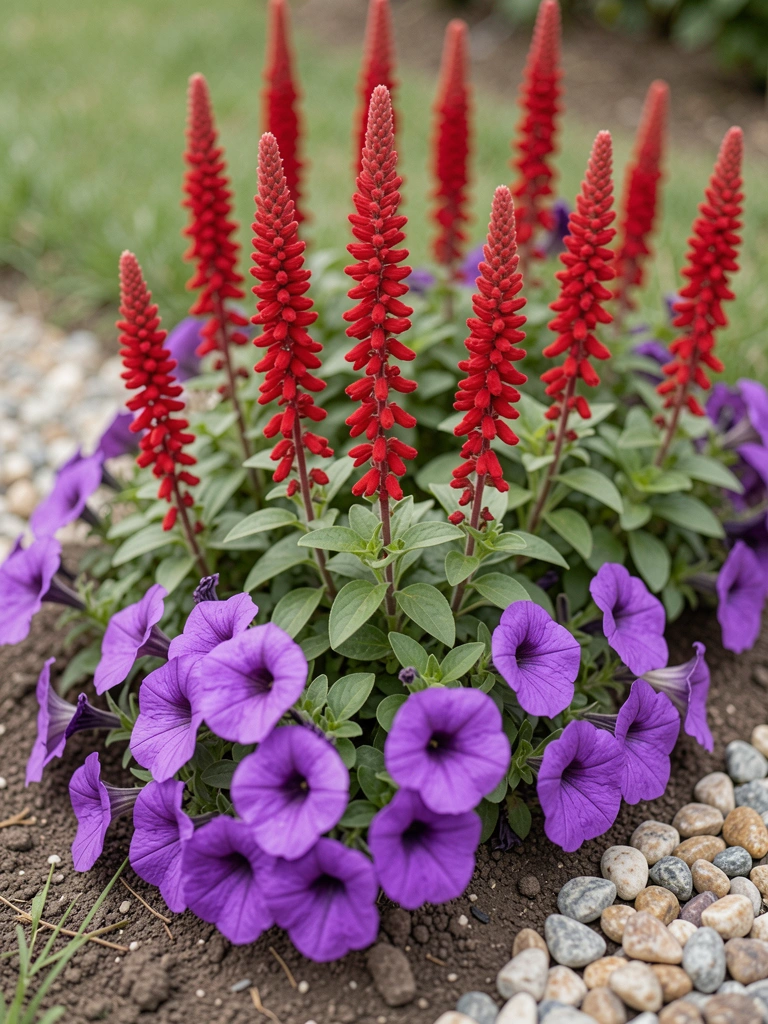
    Salvia went in my side bed after perennials flopped in the heat. I tucked low petunias underneath—wave types that sprawl without fuss. The reds spike up two feet, petunias spill lavender waves below. It's alive from dawn, humming with hummingbirds.

    That vertical pop makes small spaces feel bigger. Mornings there feel calm, coffee in hand.

    I forgot to deadhead early once; blooms quit mid-July. Pinch weekly now, and it reblooms till frost.

    What You’ll Need for This Look

    Salvia plants, red perennial
    Petunia wave seeds, purple
    Garden shears, ergonomic handle

    3. Cosmos Meadow Edge with Coreopsis
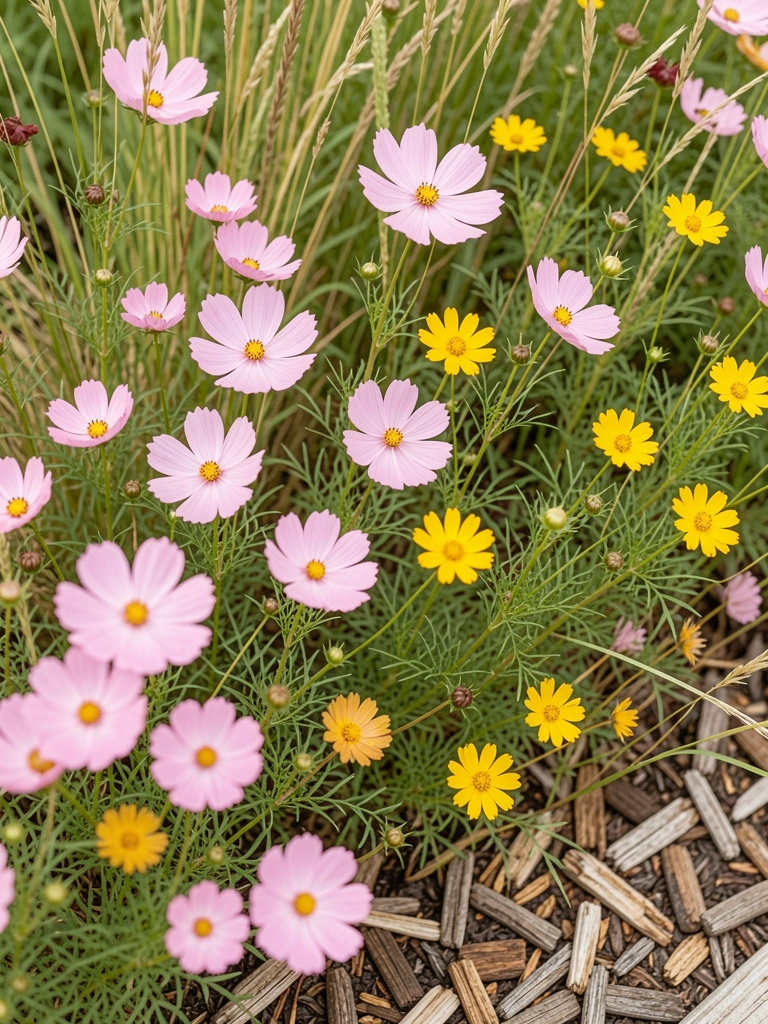
    My backyard edge needed loose color, so cosmos seeds got direct-sown in spring. Coreopsis filled the front—tough yellow daisies that laugh at dry spells. Together, they sway like a mini prairie, pinks fading to buttery golds.

    It softens the fence line, draws butterflies close enough to touch. Evenings glow there.

    Too much water drowned my first cosmos batch. Now I soak once a week max; they thrive leggy and free.

    What You’ll Need for This Look

    Cosmos seeds, sensation mix
    Coreopsis seeds, grandiflora
    Drip irrigation kit, 50 feet

    4. Gaillardia Fire Patch in Full Sun
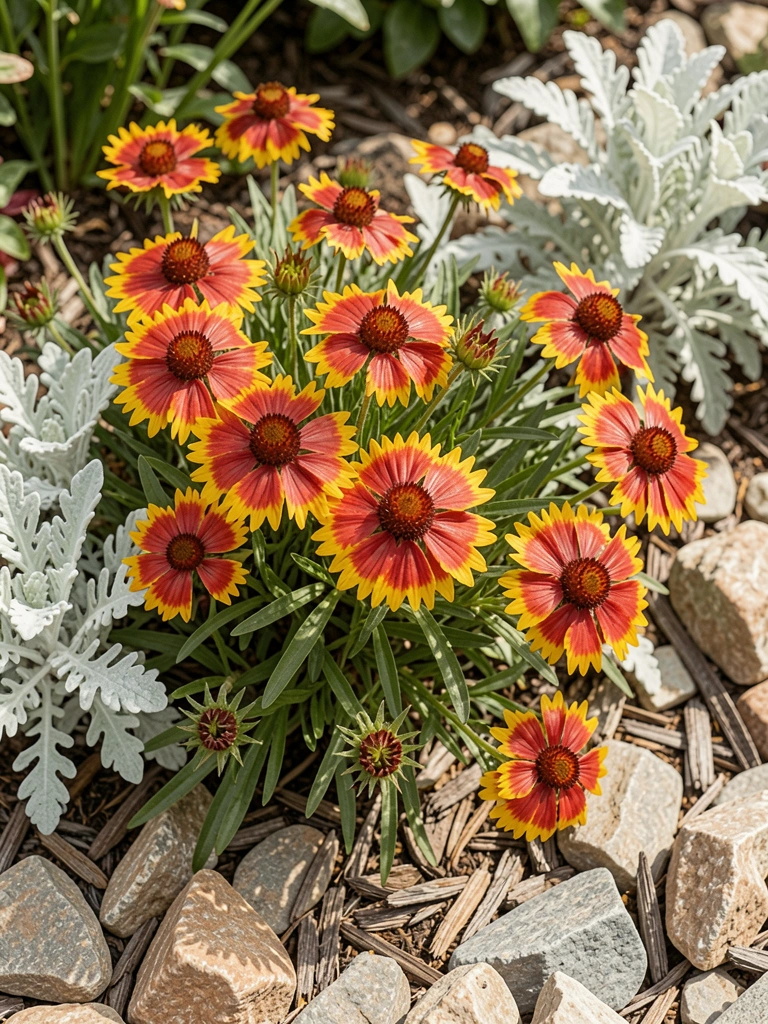
    Gaillardia blankets my hottest bed—those red-rimmed yellow daisies keep pumping blooms in 90-degree scorchers. I edged with silver dusty miller for contrast; it cools the fire visually.

    The patch feels intentional, not wild. Colors hold through August when others fade.

    Planted too deep first time; crowns rotted. Set crowns level with soil now—bulletproof.

    What You’ll Need for This Look

    Gaillardia seeds, goblin mix
    Dusty miller plants, 4 inch pots
    Landscape rock mulch, small bag

    5. Verbena Trailing into Verbena Bonariensis
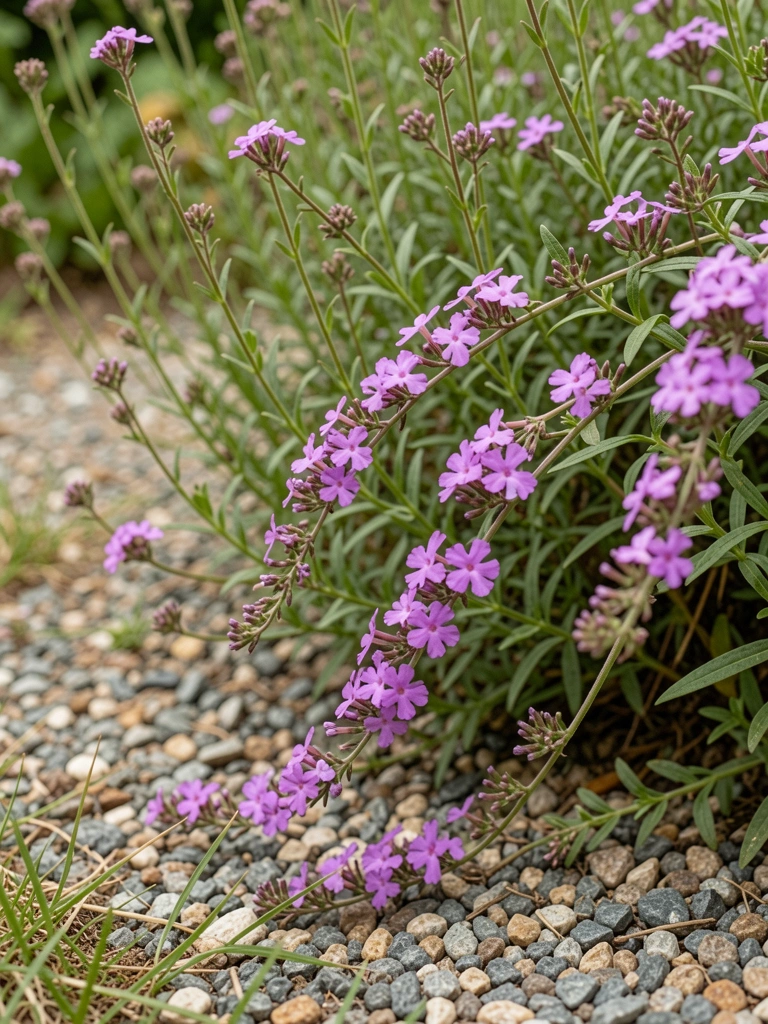
    Trailing verbena softened my patio bed, paired with tall verbena bonariensis spikes. Purples layer low to high, airy and tough—drought hits, they shrug.

    It frames chairs perfectly, flowers brushing knees. Purple haze settles in at dusk.

    I ignored staking the tall ones once; they flopped. Bamboo canes hidden in back fixed it.

    What You’ll Need for This Look

    Trailing verbena plants, purple
    Verbena bonariensis seeds
    Bamboo garden stakes, 3 feet

    6. Sunflower Screen with Nasturtium Climbers
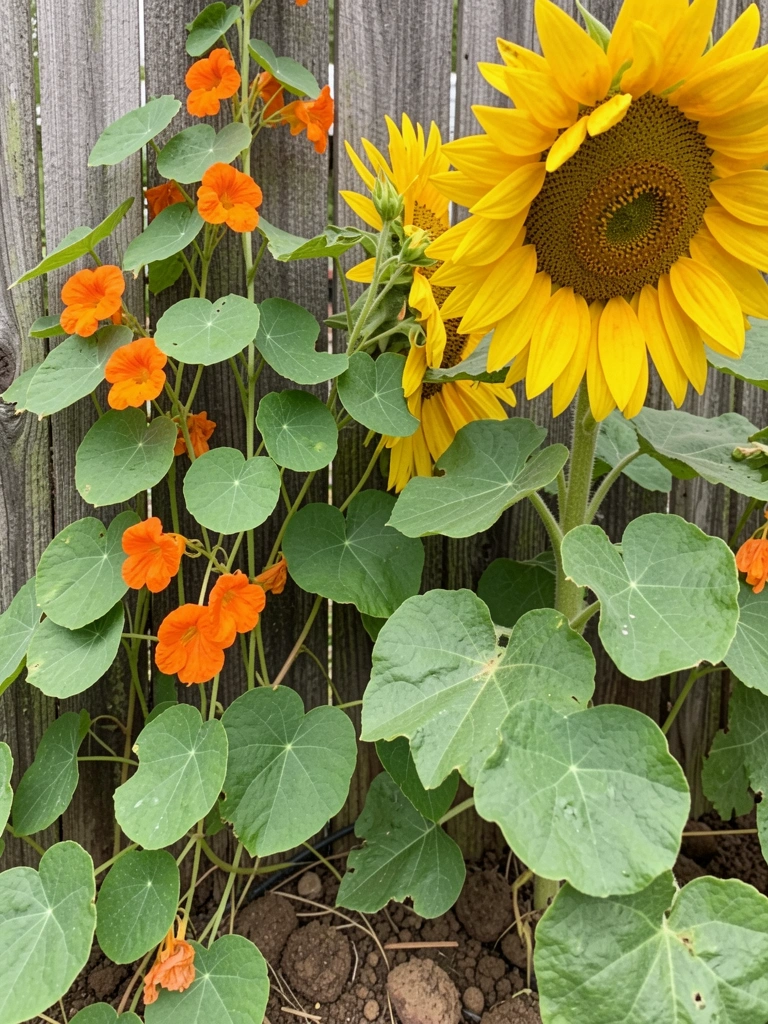
    Giant sunflowers lined my privacy bed, nasturtiums climbing their stems—edible orange pops everywhere. Seeds from kitchen scraps, zero cost.

    It blocks the neighbor's view, flowers nodding hello each morning. Kids pick nasturtiums for salads.

    Overfed sunflowers once; all leaves, no blooms. Compost only now—lean and mean.

    What You’ll Need for This Look

    Sunflower seeds, mammoth variety
    Nasturtium seeds, climbing mix
    Compost bin, 5 gallon

    7. Portulaca Carpet Under Daylilies
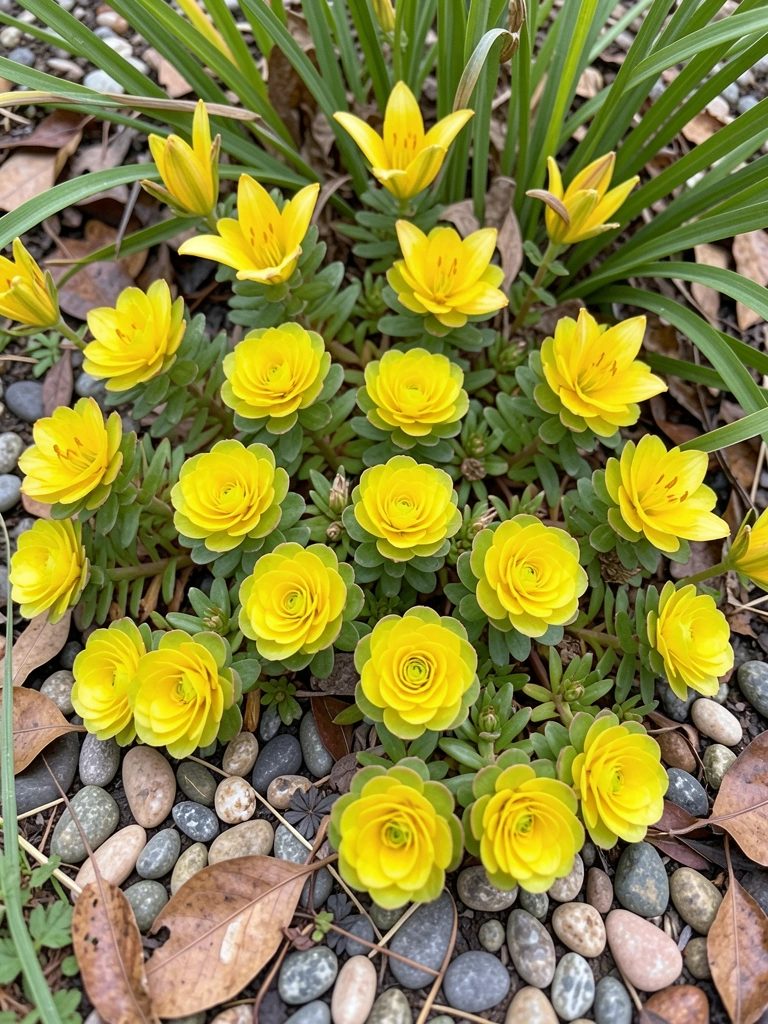
    Portulaca carpets my dry front bed under repeat-bloom daylilies—neon pinks and oranges glow when lilies rest. Moss roses close at night, reopen by noon.

    Ground stays cool underfoot, colors shift with sun. Low bed, big impact.

    Shaded them accidentally first year; no flowers. Full blast now, weekly poke-check for weeds.

    What You’ll Need for This Look

    Portulaca seeds, moss rose mix
    Daylily plants, reblooming yellow
    Hand weeder tool, stainless steel

    Final Thoughts

    Start with one idea that fits your sun and space. These build color without endless work—I've seen them hold up through my lazy summers.

    Your garden will feel fuller soon. Mess around, learn as you go. You've got this.
  • 21 Gorgeous Garden Perennials Flower Bed Ideas That Bloom Yearly

    21 Gorgeous Garden Perennials Flower Bed Ideas That Bloom Yearly

    I still get that quiet thrill walking out to my backyard bed after a long winter. The perennials push up, right on cue, no replanting fuss.

    One spring, my annuals flopped in the heat. I ripped them out, stuck in tough perennials instead. Now it's reliable color, year after year.

    These beds feel alive, not forced. They pull you in close.

    21 Gorgeous Garden Perennials Flower Bed Ideas That Bloom Yearly

    Here are 21 gorgeous garden perennials flower bed ideas that bloom yearly. I've tested them in my own uneven yard. Each one fits real spaces – pick what matches your sun or shade.

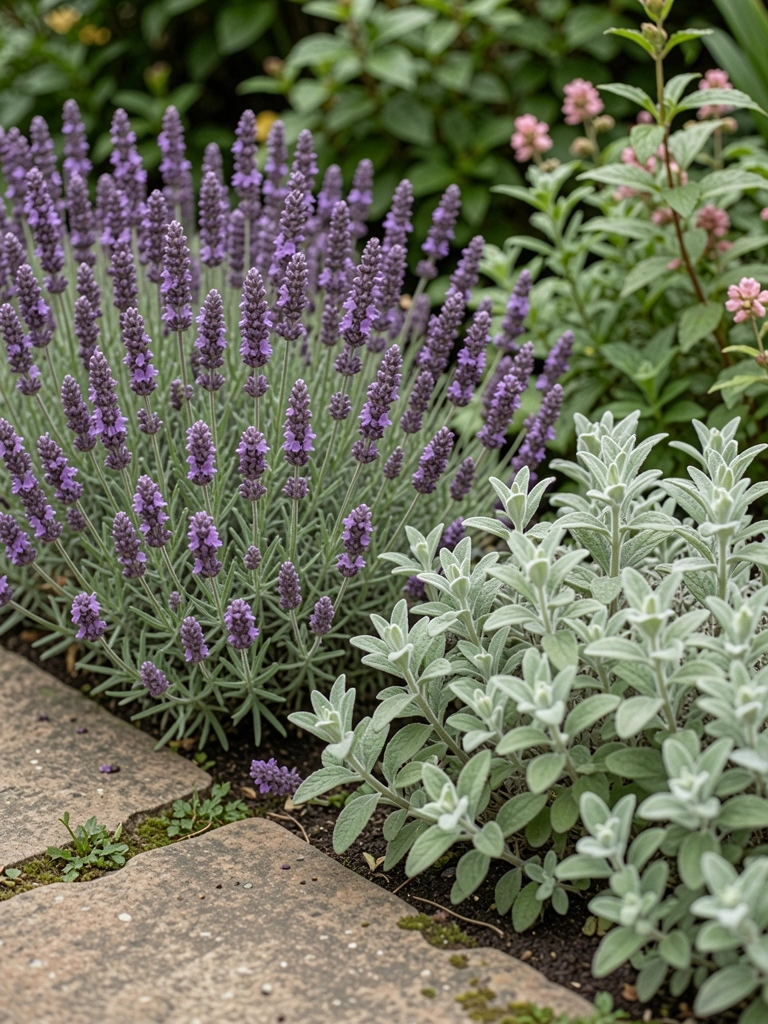
    1. Lavender and Catmint Edging That Softens a Walkway

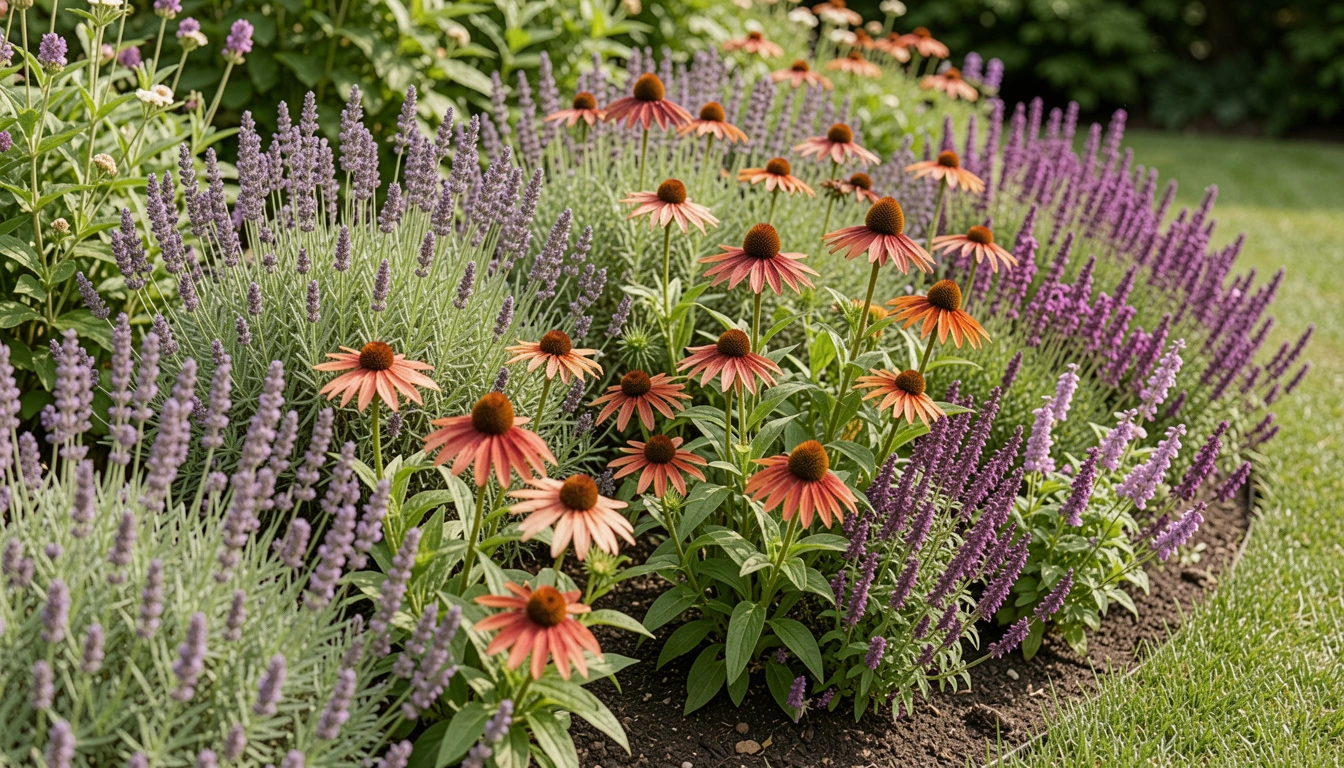
    I planted this along my front path three years back. The lavender's bushy mounds pair with catmint's floppy blue haze – it smells amazing when you brush by. Bees hum over it all summer.

    At first, I spaced them too far apart. They filled in anyway, creating a low hedge that hides the path's cracks. Now it feels cozy, like stepping into a hug.

    Watch your soil drainage here. Lavender hates wet feet. Tuck catmint in front for that spilling effect.

    What You’ll Need for This Look

    Lavender plants (English variety, 1 gallon)

    Catmint Nepeta (perennial, 6 plants)

    Gravel mulch (pea size, 50 lb bag)

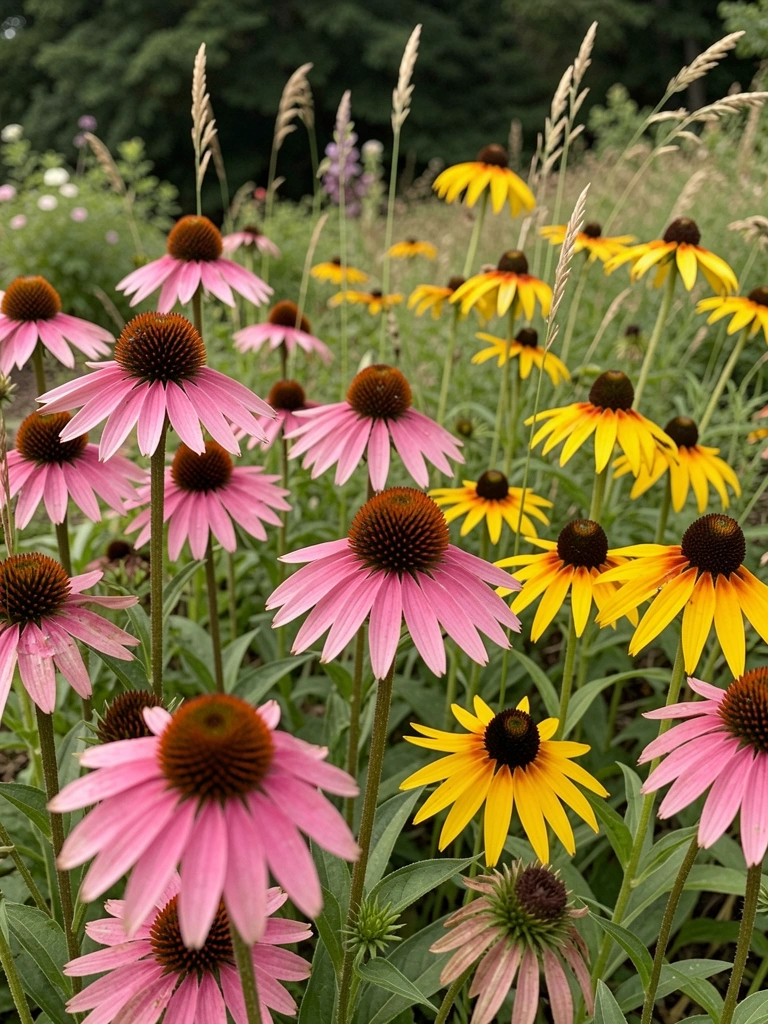
    2. Echinacea and Rudbeckia Meadow Patch for Late Summer Glow

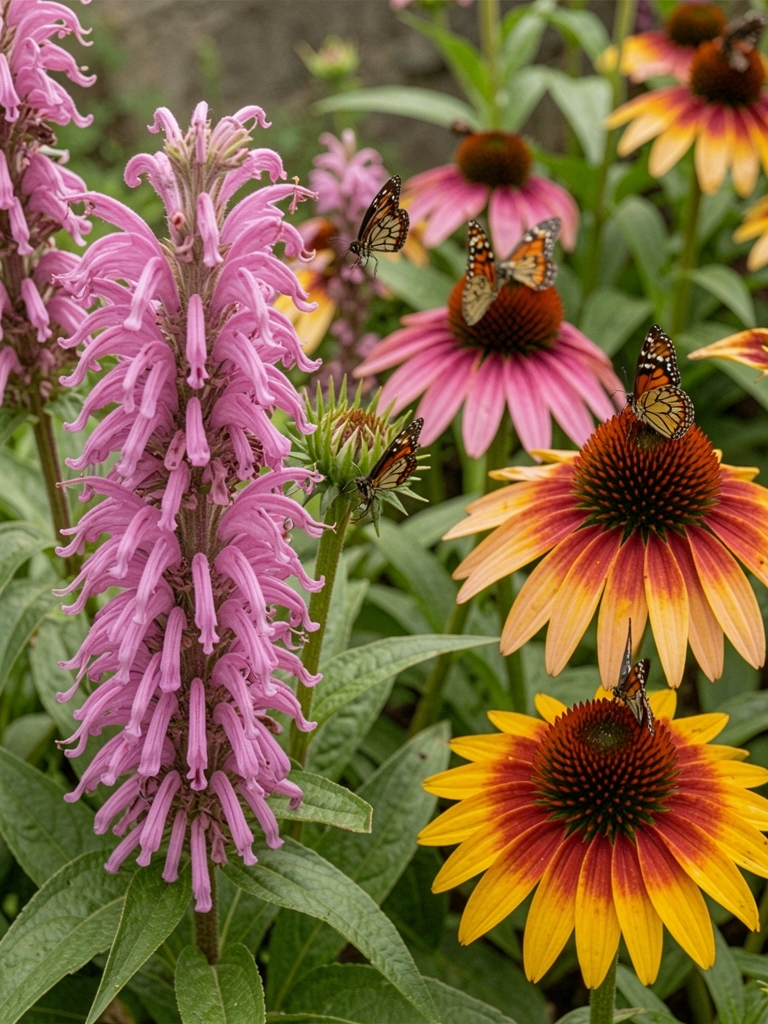
    My side yard was a weedy mess until I dropped in these natives. Echinacea's pink domes mix with rudbeckia's sunny yellows – they lean into each other by August, goldfinches picking at seeds.

    It started sparse, but second year they thickened up. The bed feels wild yet full, pulling birds right to the window.

    Plant them in drifts, not rows. Poor soil? They laugh at it. Just cut back in fall for neatness.

    What You’ll Need for This Look

    Echinacea coneflower plants (purple, pack of 5)

    Rudbeckia black-eyed susan (perennial seeds, 100 count)

    Compost enricher (organic, 40 lb)

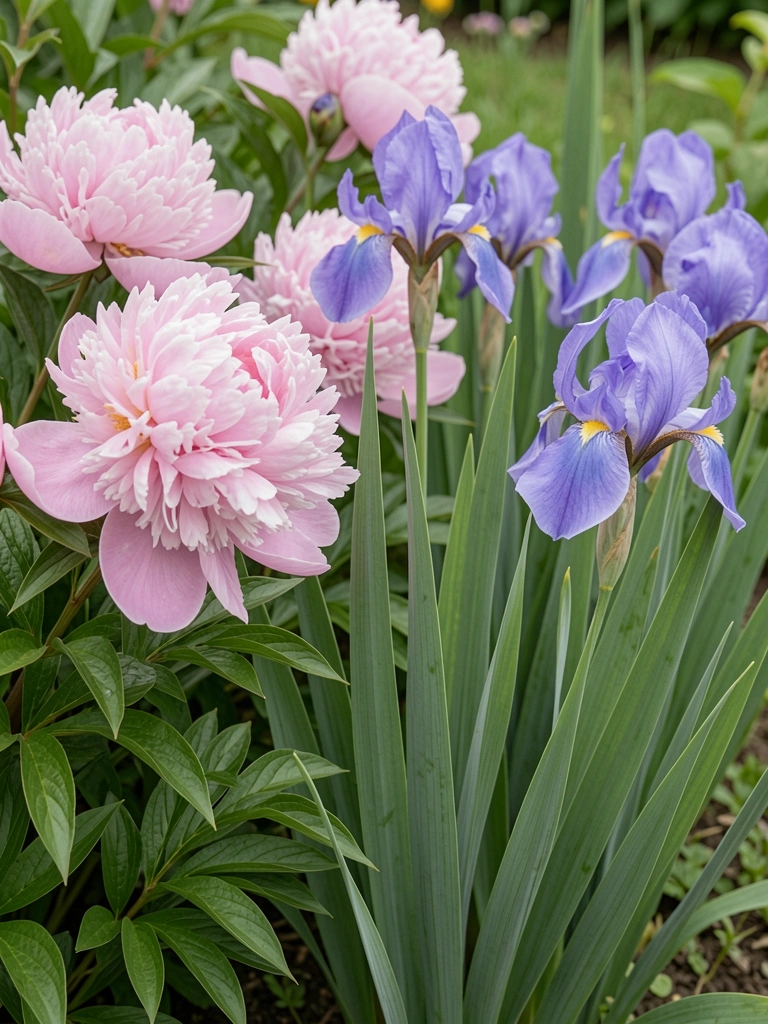
    3. Peony and Iris Cottage Border That Fills Early Summer

    Peonies were my first big win – huge blooms that flop over my bearded irises in June. The combo turns a plain strip by the fence into something lush.

    I bought cheap divisions once; they sulked. Now I know: plant eyes up, and mulch heavy. It smells sweet on warm days.

    Space peonies back, irises front. They divide easy every few years for more beds.

    What You’ll Need for This Look

    Peony bare root plants (pink, set of 3)

    Bearded iris rhizomes (mixed colors, 5 pack)

    Peony support rings (18 inch)

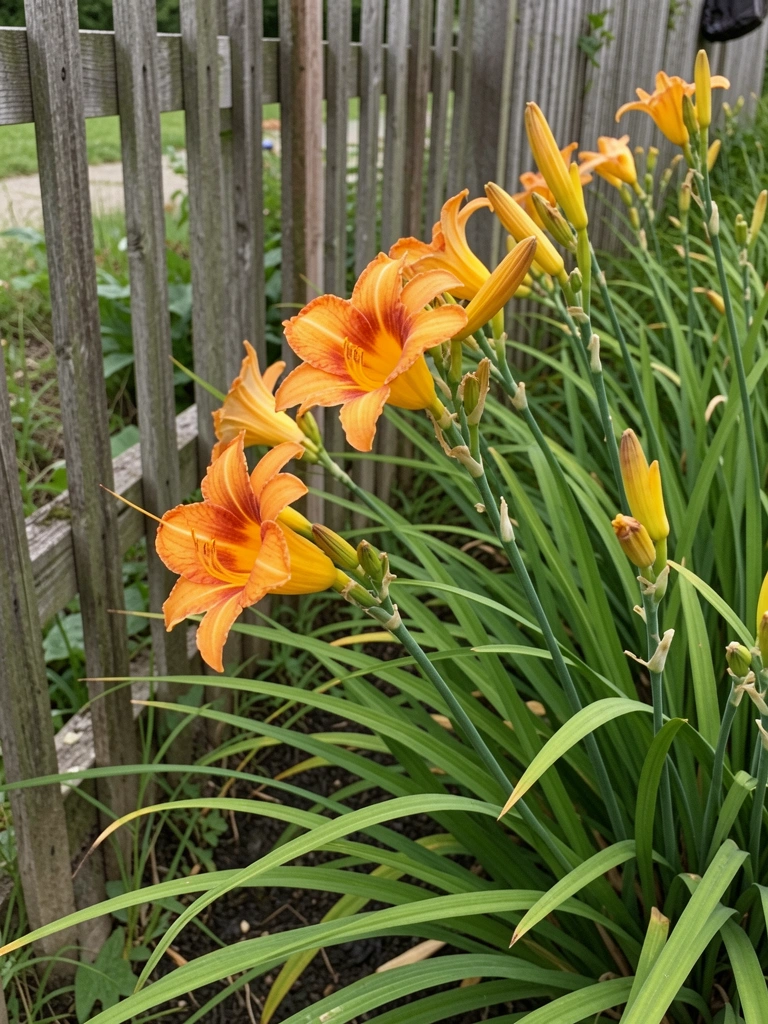
    4. Daylily River Along a Sunny Fence Line

    Daylilies took over my hot fence spot – waves of trumpets from May to frost. I mixed yellows and corals; they bridge seasons without gaps.

    First try, slugs ate the buds. Beer traps fixed that. Now it's a low-care stream of color.

    Plant tight, 18 inches apart. They spread, filling skinny spaces perfectly.

    What You’ll Need for This Look

    Daylily mix bare roots (reblooming, 10 pack)

    Slug bait pellets (organic, 2 lb)

    Garden edging stones (12 inch, set of 20)

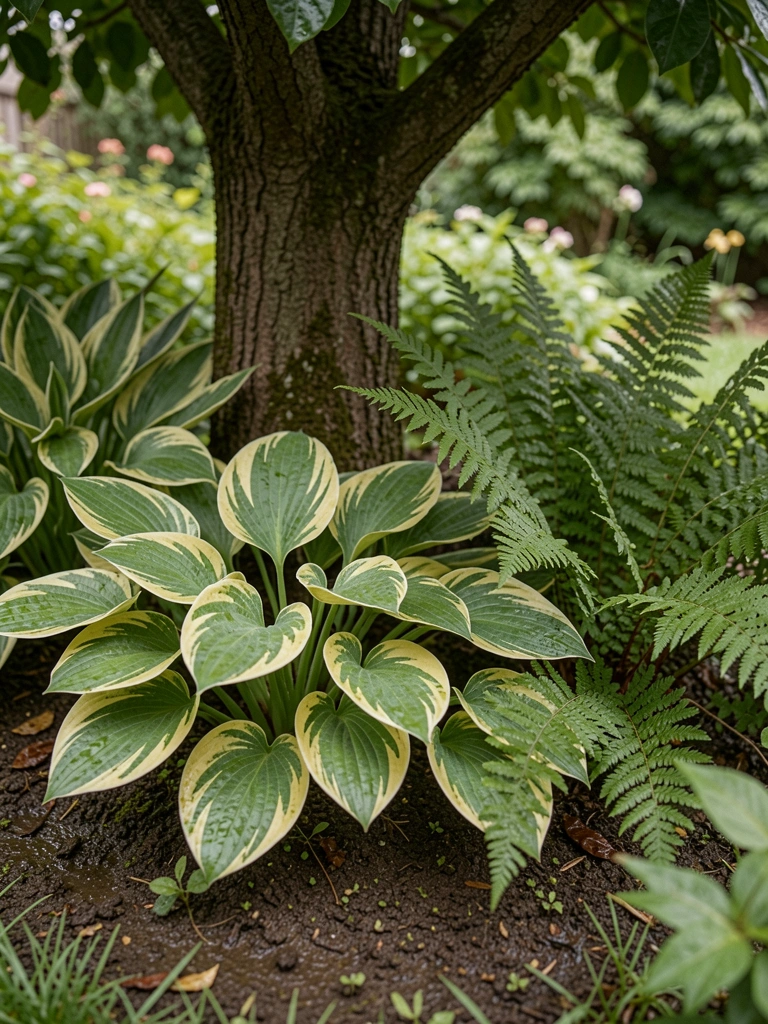
    5. Hosta and Fern Shade Bed Under the Oak

    Under my oak, hostas' crinkly leaves layer with ferns for a cool green pocket. Variegated ones catch stray light, blooming subtle lilies in summer.

    Deer nibbled once – now I spray early. It feels like a forest hideaway.

    Group by texture. Moist soil keeps them happy; no sun needed.

    What You’ll Need for This Look

    Hosta plants (variegated mix, 6 pack)

    Ostrich fern divisions (pack of 4)

    Deer repellent spray (concentrate, 32 oz)

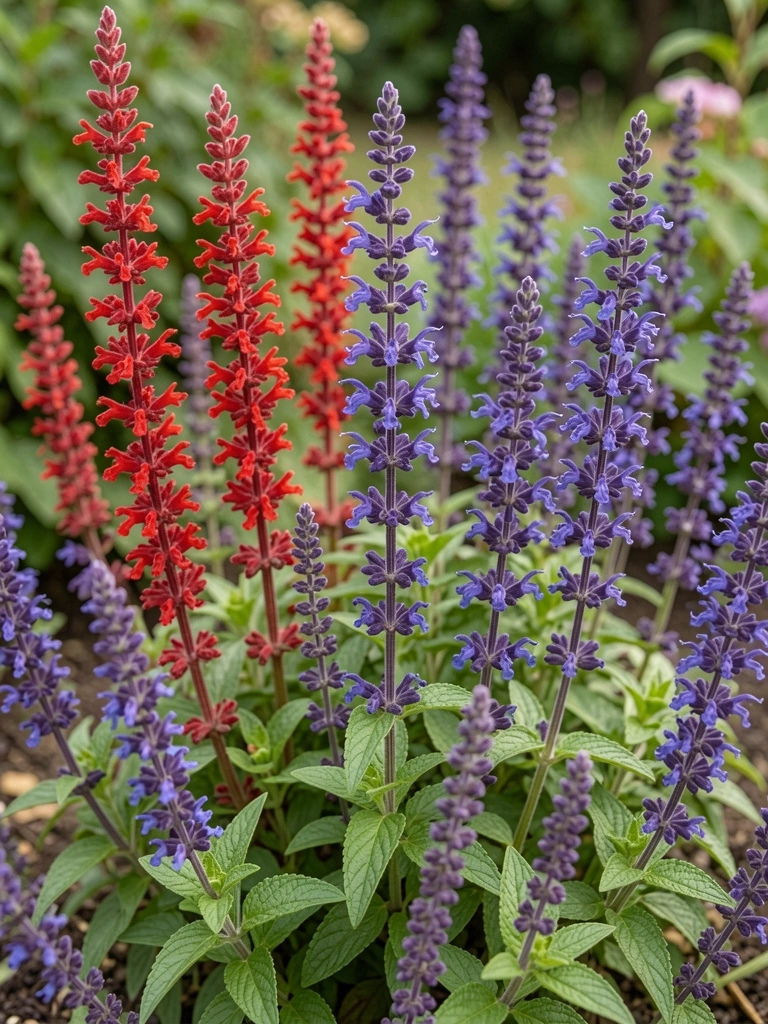
    6. Salvia and Nepeta Vertical Spike Garden

    Tall salvias rise from nepeta mounds in my back bed – red spikes humming with hummers. It gives height without fences.

    I overwatered once; roots rotted. Now drier soil, and they spike reliably.

    Back salvia, front nepeta. Deadhead for more blooms.

    What You’ll Need for This Look

    Salvia perennial plants (May Night, 5 pack)

    Nepeta catmint (Walkers Low, 1 gallon)

    Hand pruner set (bypass style)

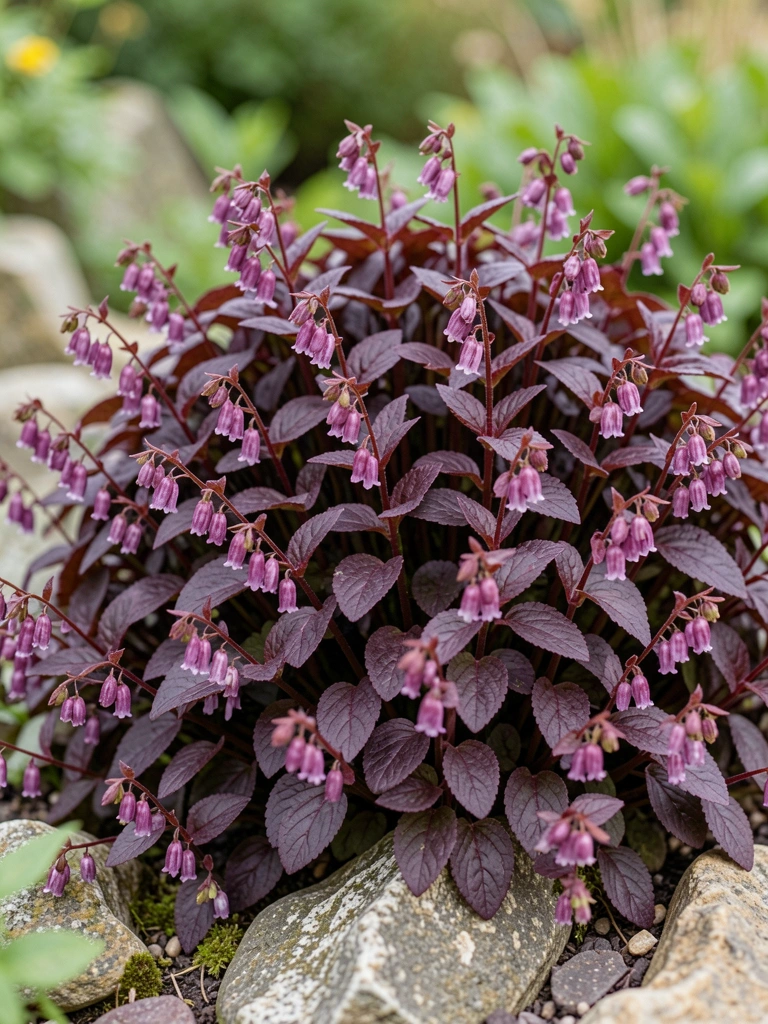
    7. Coral Bells Heuchera Foliage Mound for Year-Round Texture

    Coral bells anchor my part-shade bed – leaves glow burgundy all winter, bells dangle pink in June. Paired with sedges, it's subtle color.

    Slugs hit hard first year. Diatomaceous earth sorted it.

    Mix colors for depth. Well-drained spots shine.

    What You’ll Need for This Look

    Heuchera coral bells (Palace Purple, 4 pack)

    Diatomaceous earth (10 lb food grade)

    Carex sedge plants (Evergold, 3 pack)

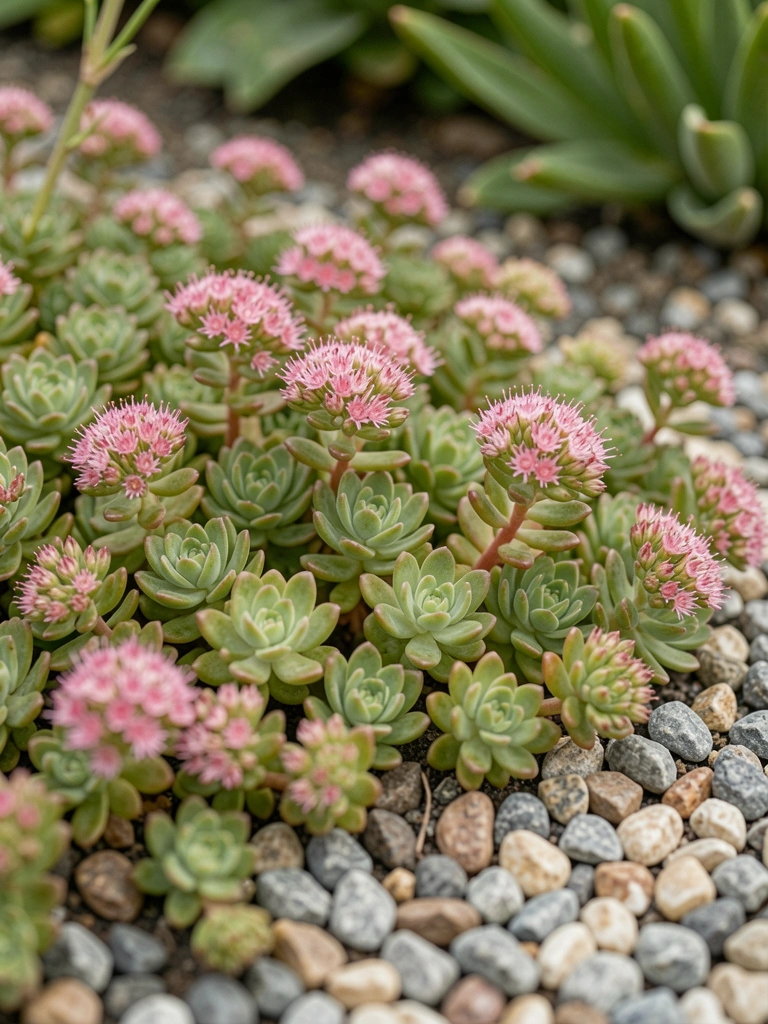
    8. Sedum Stonecrop Carpet in a Dry Corner

    Sedum covers my hot, dry bank – fleshy leaves turn rusty fall, pink domes draw butterflies. No water needed after year one.

    I planted too deep once. Surface roots fixed it.

    Cluster types for waves. Drought-proof joy.

    What You’ll Need for This Look

    Sedum stonecrop mix (Autumn Joy, 8 pack)

    Landscape fabric pins (6 inch, 50 count)

    Drip irrigation kit (starter, 50 ft)

    9. Aster and Goldenrod Fall Meadow Edge

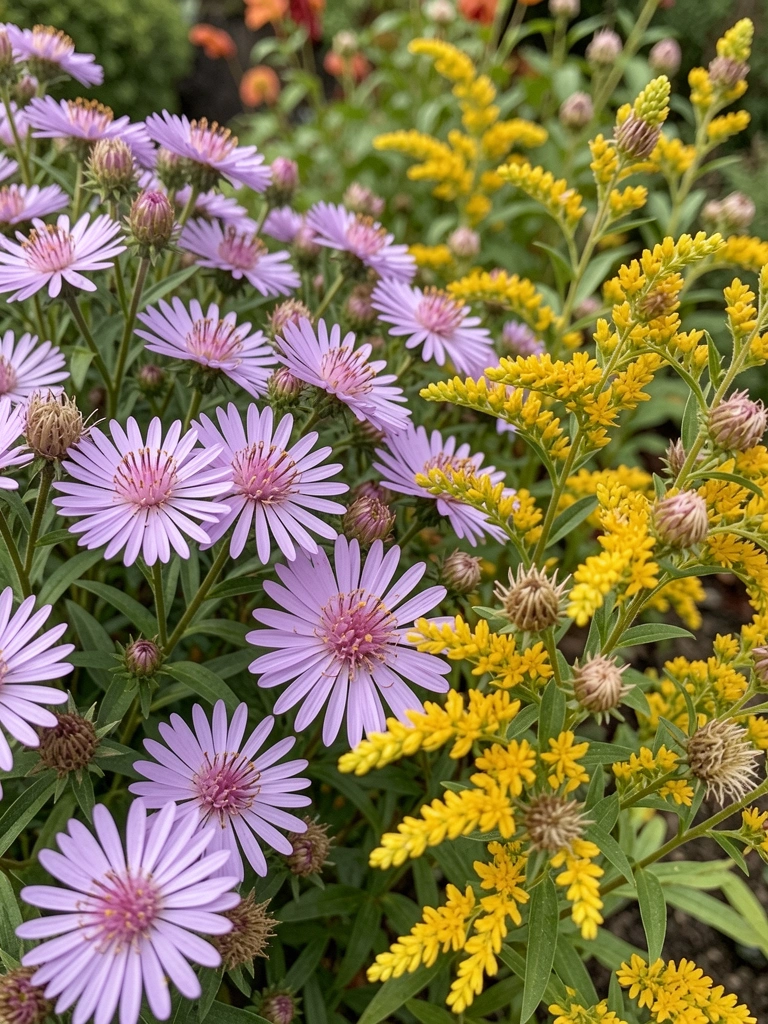
    Asters' daisy clouds mix goldenrod's plumes by my patio – September gold that lasts til frost. Pollinators go nuts.

    Flopped in rich soil first. Lean dirt toughens stems.

    Front-load shorter asters. Cut back post-bloom.

    What You’ll Need for This Look

    Aster perennial plants (New England, 5 pack)

    Goldenrod seeds (Solidago, 200 count)

    Fall cleanup rake (adjustable tines)

    10. Phlox Tall Upright Bed by the Shed

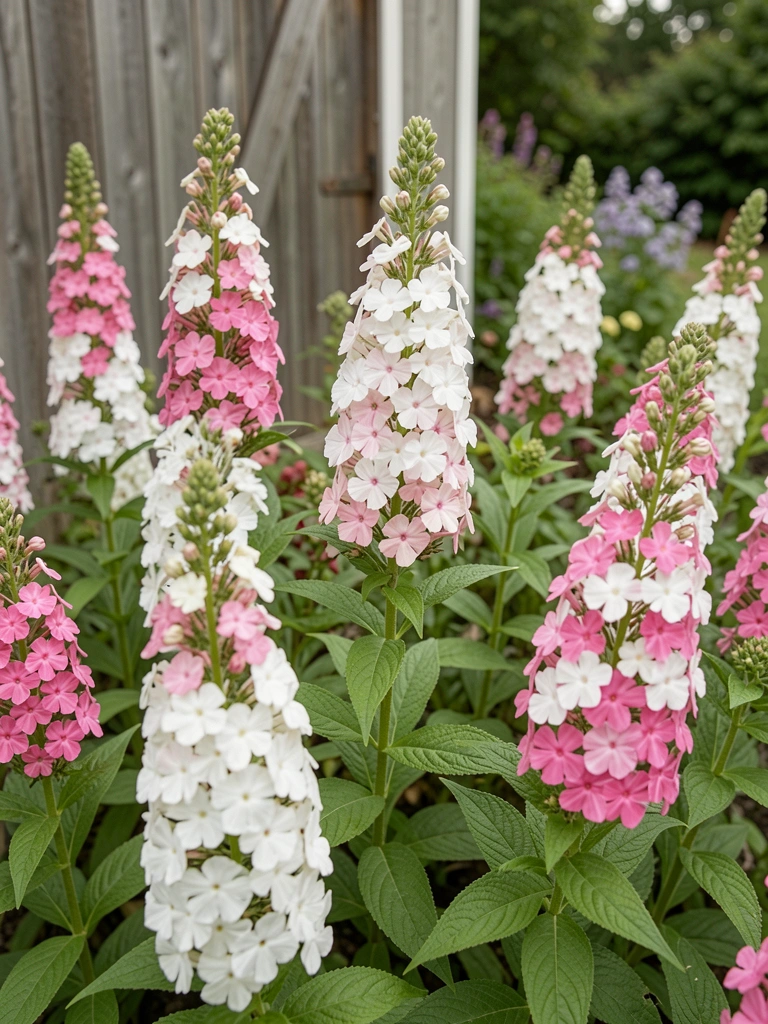
    Garden phlox stands tall against my shed – fragrant pink clouds in July. I chose mildew-tough ones; no yellowing leaves.

    Too crowded at first. Thinned for air flow.

    Sun and space key. Fragrance drifts indoors.

    What You’ll Need for This Look

    Phlox paniculata plants (David white, 4 pack)

    Fungicide spray (natural, 16 oz)

    Shed side trellis (4 ft wooden)

    11. Coreopsis Threadleaf Yellow Wave Border

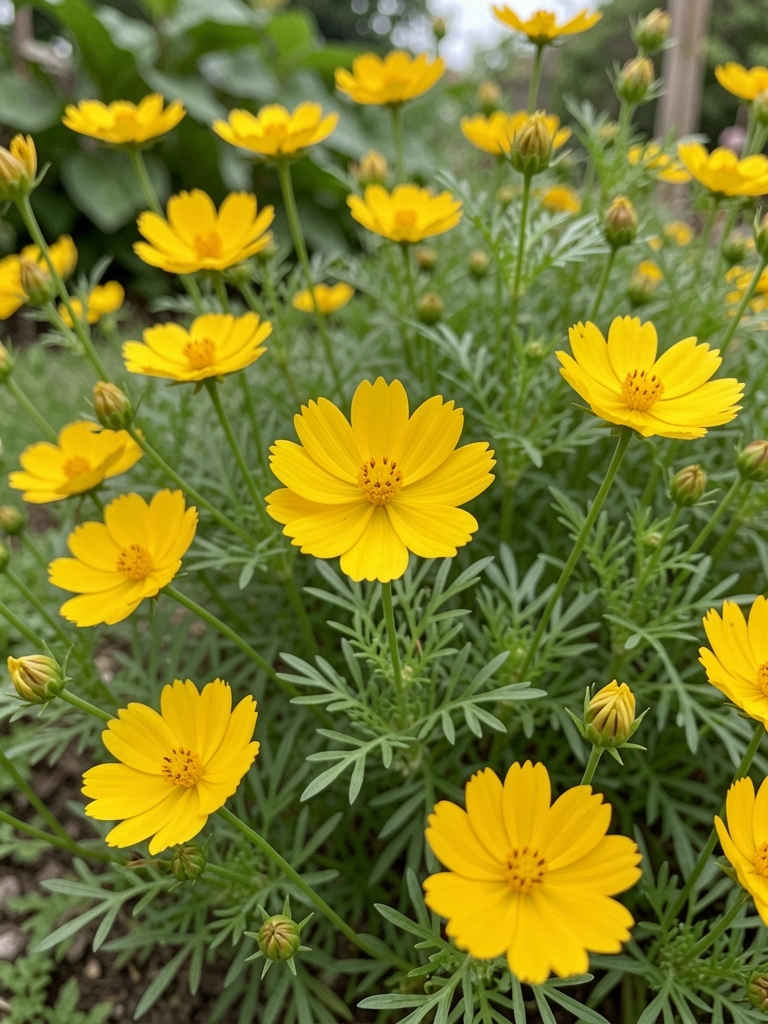
    Coreopsis threads gold through my front bed – nonstop daisies that sway in breeze. Tough as nails in sun.

    Self-seeds too much sometimes. Pull extras.

    Shear midseason for bushier rebloom.

    What You’ll Need for This Look

    Coreopsis tickseed plants (Moonbeam, 6 pack)

    Hand weeder tool (long handle)

    Sunny border edging (plastic, 20 ft)

    12. Gaillardia Blanket Flower Mass Planting

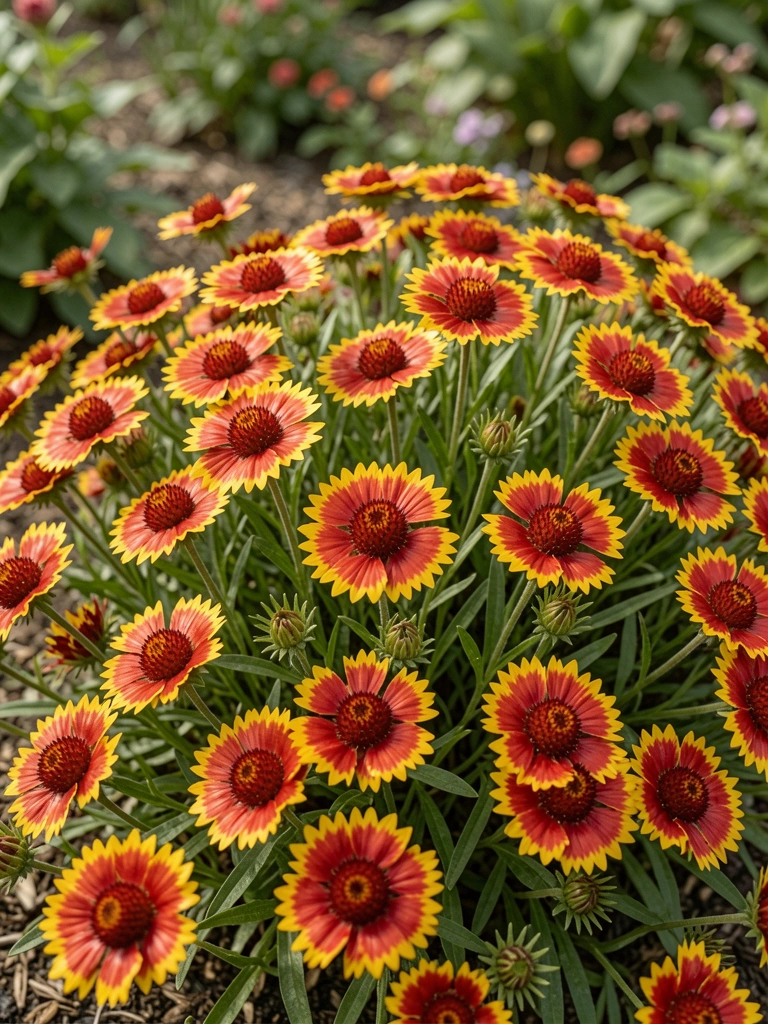
    Gaillardia carpets my hot slope – ruffled red-yellows from June to frost. Butterflies love the landing pads.

    Deadheaded wrong once; now I know to snip spent.

    Poor soil thrives them. Mass for impact.

    What You’ll Need for This Look

    Gaillardia blanket flower seeds (Goblin mix, 100 seeds)

    Seed starting tray (72 cell)

    Slope stabilizer pins (4 inch, 25 pack)

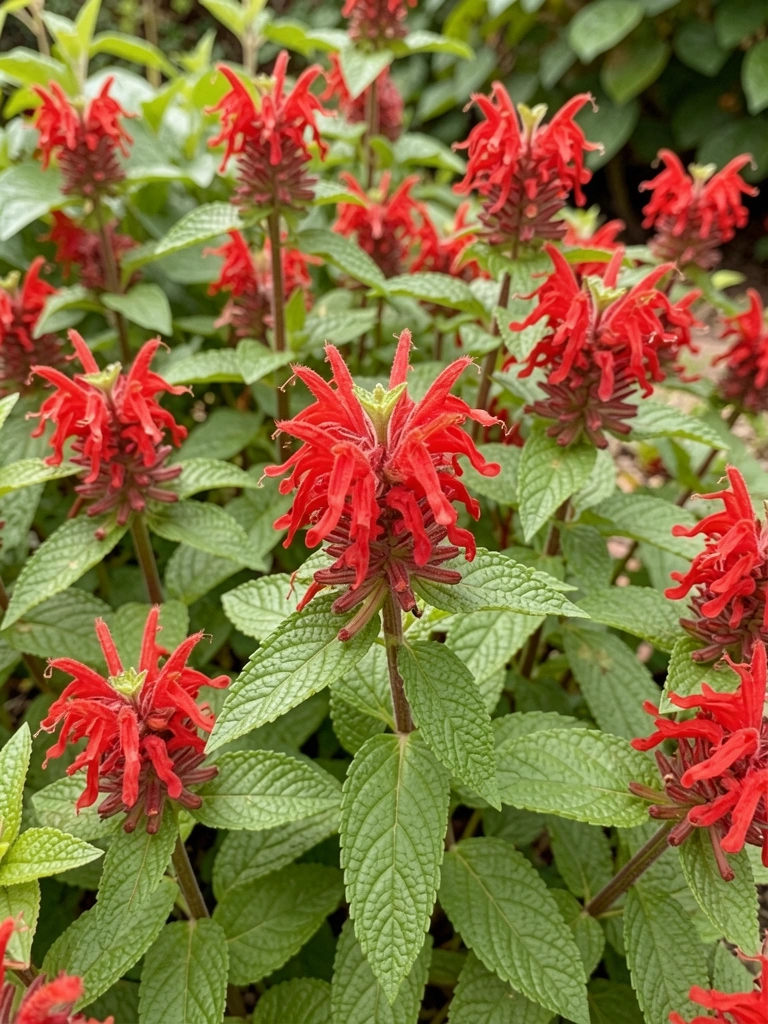
    13. Bee Balm Monarda Patch for Hummingbirds

    Bee balm draws hummers to my island bed – red fireworks in midsummer. Powdery mildew? I picked resistant kinds.

    Spread runners fast. Dig extras for neighbors.

    Moist sun spot ideal. Scent your hands.

    What You’ll Need for This Look

    Monarda bee balm (Jacob Cline red, 5 plants)

    Mildew preventer dust (organic)

    Hummingbird feeder (glass, 12 oz)

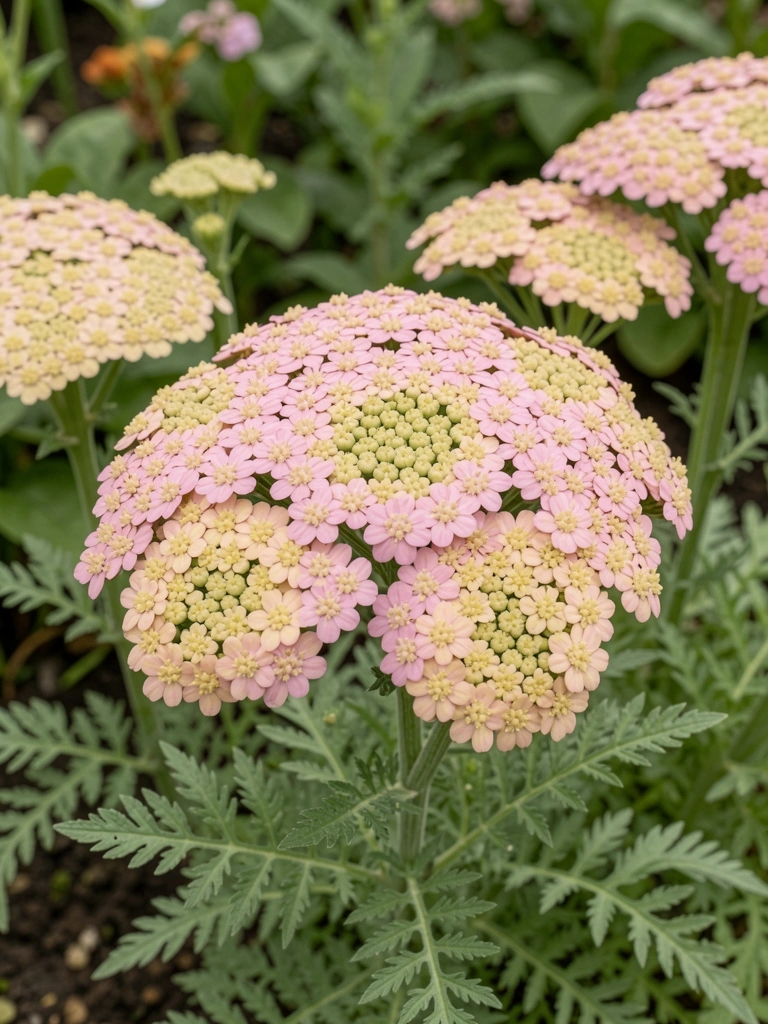
    14. Yarrow Pastel Flat-Topped Clusters

    Yarrow's flat tops drift pink and yellow over my dry bed – drought-tough from day one. Butterflies perch all day.

    Flops if too wet. Dry feet rule.

    Cut for bouquets; regrows.

    What You’ll Need for This Look

    Yarrow Achillea plants (Summer Pastels, 4 pack)

    Dry soil amendment (sand mix, 20 lb)

    Flower snips (sharp blade)

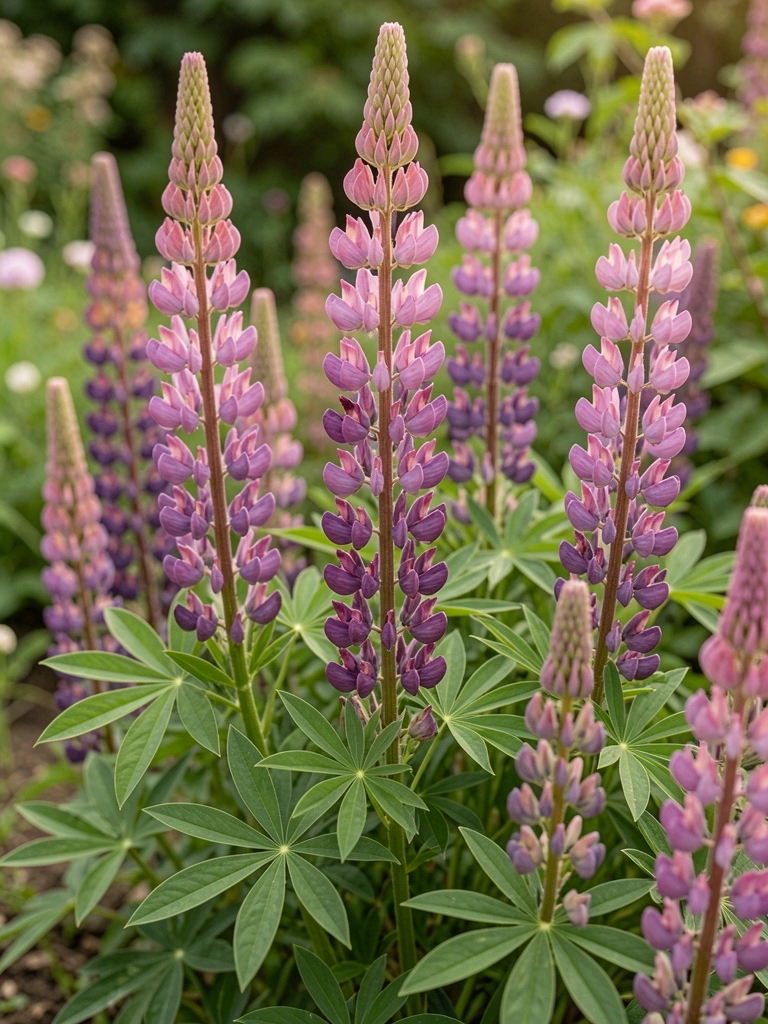
    15. Lupine Spiky Towers in Moist Soil

    Lupines shoot up pea-like spikes by my pond edge – purple drama in May. They self-seed gently.

    Slugs devoured babies. Barriers now.

    Cool moist sun. Stake tall ones.

    What You’ll Need for This Look

    Lupine perennial seeds (Russell mix, 50 seeds)

    Slug barrier tape (12 inch roll)

    Bamboo stakes (4 ft, 20 pack)

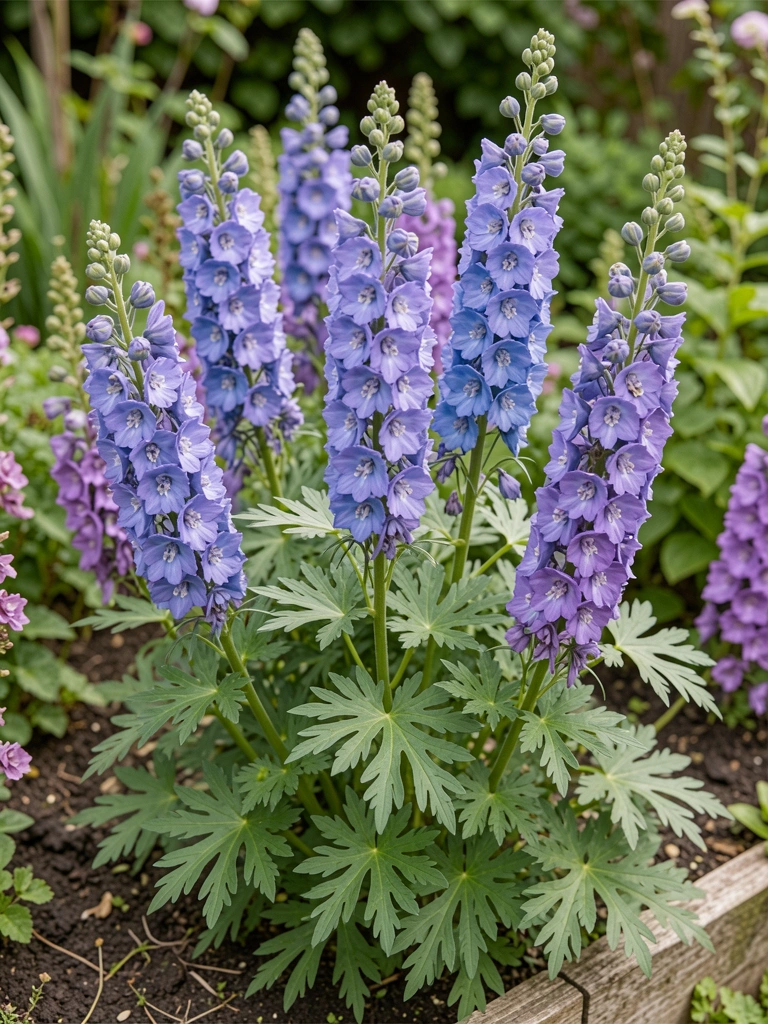
    16. Delphinium Back-of-Bed Spires

    Delphiniums tower blue at my bed's rear – June fireworks worth the work. Slugs and stakes needed.

    Winter mulch saves crowns. Rich soil feeds height.

    Cool spot. Deadhead sideshoots.

    What You’ll Need for This Look

    Delphinium plants (Pacific Giant mix, 3 pack)

    Slug pellets (iron phosphate, 1 lb)

    Garden twine (natural jute, 200 ft)

    17. Hellebore Lenten Rose Winter Shade Glow

    [Image Prompt: Close-up of hellebore winter shade bed in a real garden. Shows

  • 11 Stunning Garden Flower Bed Ideas For A Beautiful Yard

    11 Stunning Garden Flower Bed Ideas For A Beautiful Yard

    I used to walk by my front yard and feel nothing—just flat dirt staring back. One summer, I dug in some salvia and watched bees show up the next day. That bed pulled me outside every morning.

    Flowers aren't about perfection. They're about spots that make you pause, coffee in hand.

    Over years of trial and dirt under nails, these ideas shaped my yard into something real. They work because I've lived them.

    11 Stunning Garden Flower Bed Ideas For A Beautiful Yard

    I've pulled together 11 garden flower bed ideas from my own yard trials. Each one fits real life—small spaces, wonky soil, busy weeks. You'll see exactly what to plant and why it sticks.

    1. Layered Perennial Border That Fills In Without Fuss

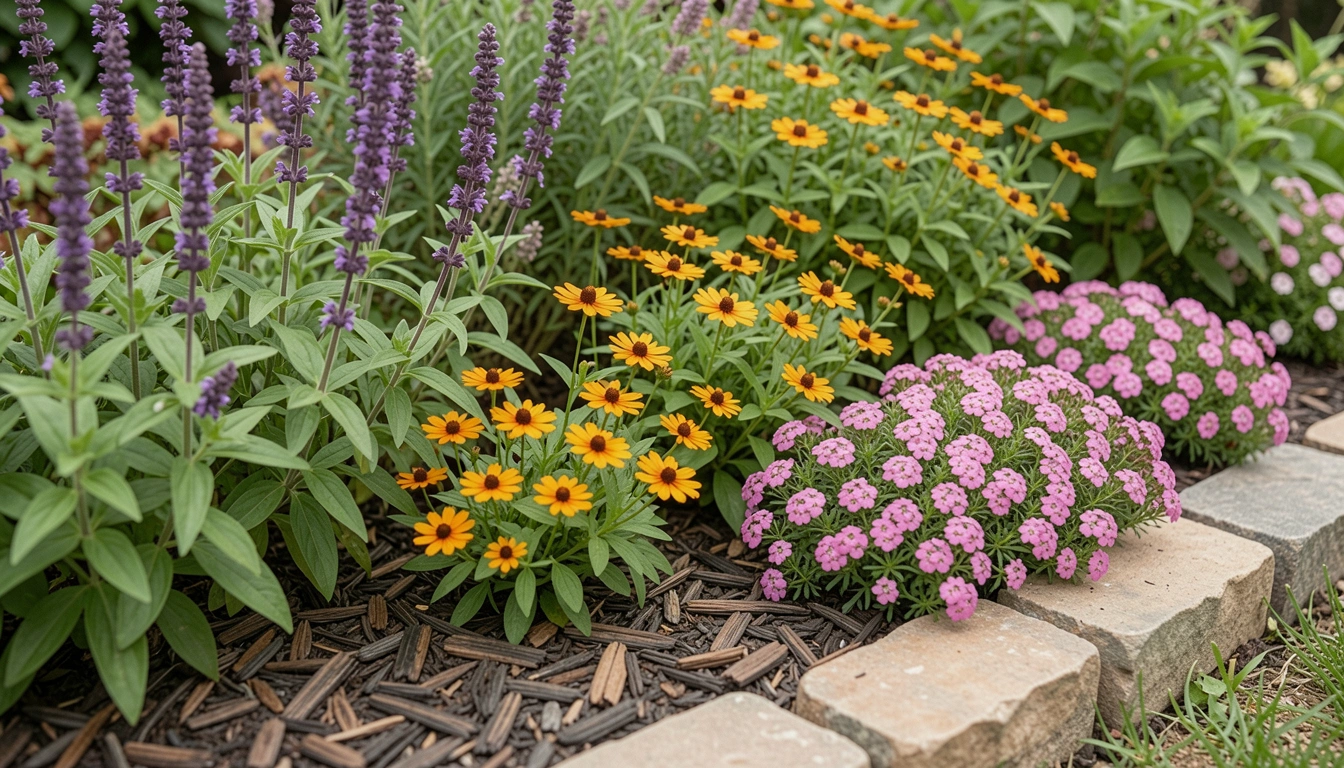
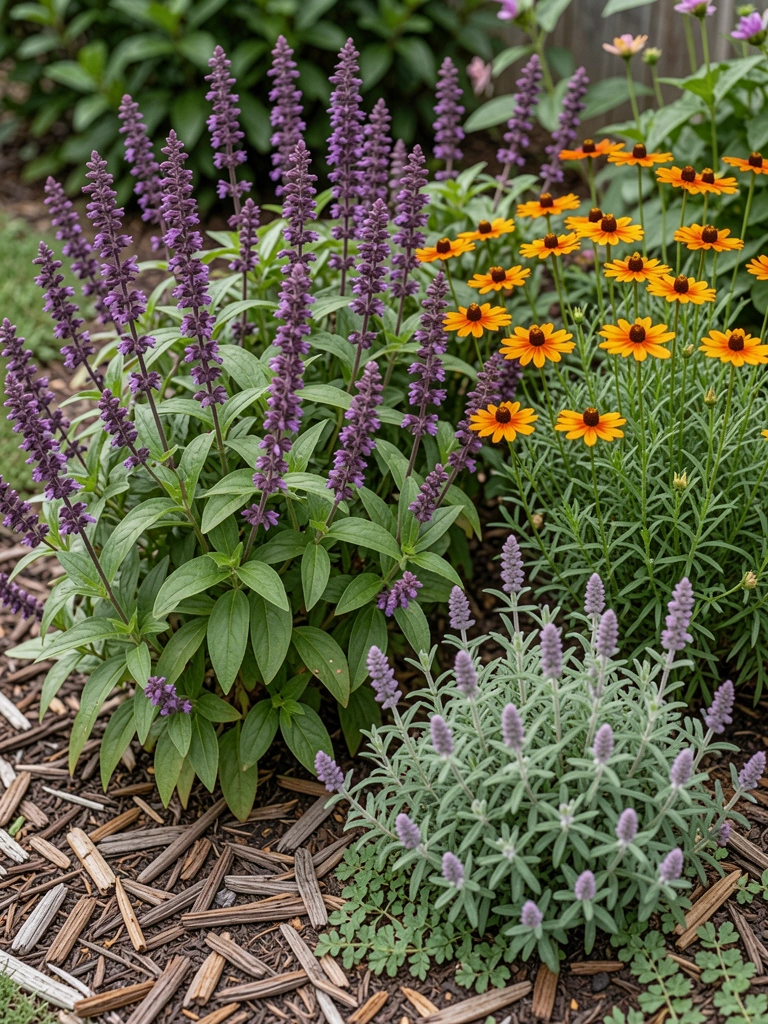
    I started this border along my fence with tall salvia in back, then coreopsis mid-height, and creeping phlox out front. It took two seasons to knit together, but now it's a soft purple-blue wave from spring to fall.

    The key? Plant in odd numbers—three salvia, five phlox. Gaps fill as roots spread. I skipped annuals after they drowned in my clay soil.

    Watch spacing: too tight, and they fight; too loose, weeds win. Mulch thick right after planting keeps it tidy.

    One mistake: I added tulips first year—they vanished. Perennials alone carry it now.

    What You’ll Need for This Look

    Salvia perennial plants (1 gallon size)

    Coreopsis plants (quart pots)

    Organic mulch bags (2 cubic feet)

    2. Cottage Edge with Self-Seeding Foxgloves and Hollyhocks

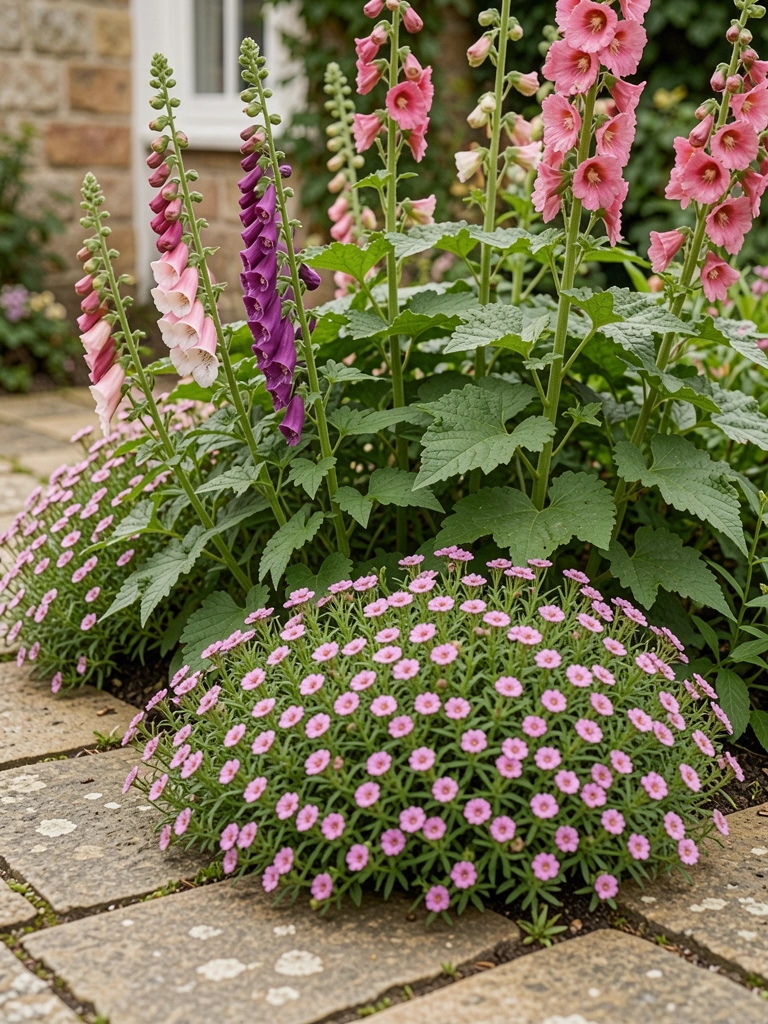
    My side path used to be boring grass. I tossed in foxgloves and hollyhocks—they reseed like crazy, popping up where they want. Sweet alyssum tucks in low, white mounds that soften the towers.

    It feels cozy now, like an old friend's yard. Colors shift: pink spikes in June, then alyssum hangs on till frost.

    Plant tall ones against fence or wall—they lean without staking. Water deep first month, then forget them.

    I overwatered hollyhocks once; rust hit hard. Now I let soil dry between.

    What You’ll Need for This Look

    Foxglove seeds or starter plants

    Hollyhock plants (tall pink varieties)

    Sweet alyssum seed packets

    Stone garden edging kit

    3. Gravel Bed with Lavender and Ornamental Grasses

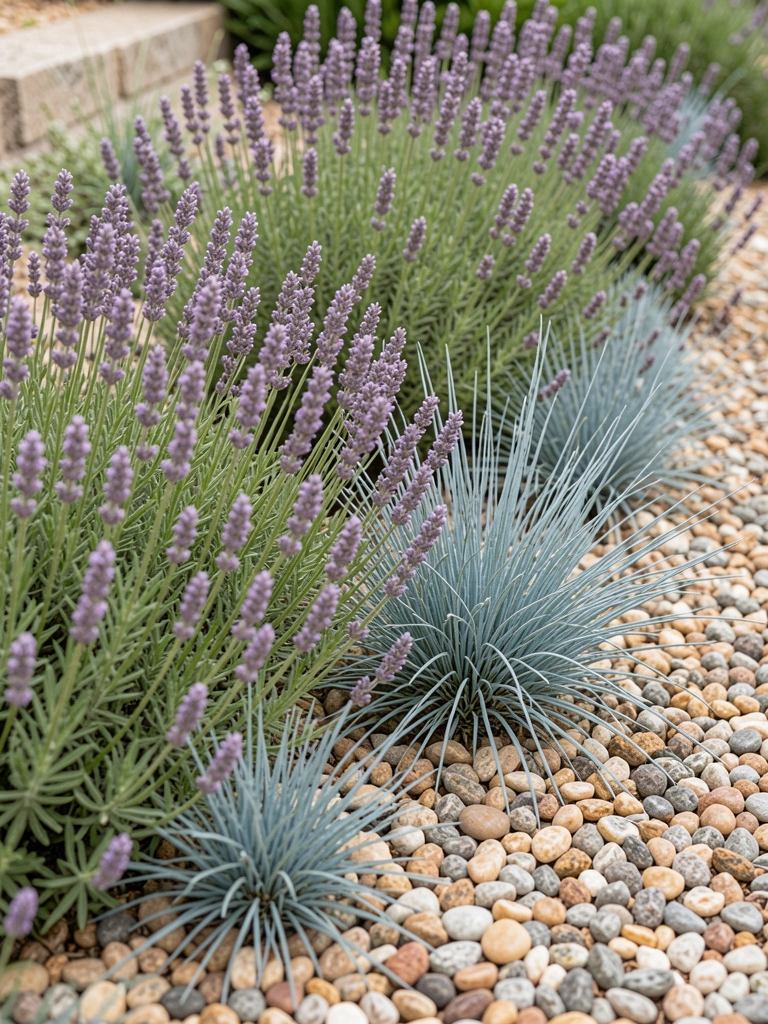
    I ripped out thirsty lawn for this dry bed near my driveway. Lavender leads with its gray leaves and purple spikes; blue fescue adds soft mounds. Gravel lets it drain fast—no mud after rain.

    It smells amazing walking by, and bees love it. Low profile keeps it modern, not messy.

    Mix gravel deep—three inches minimum—or weeds poke through. Plant grasses first for anchors.

    Bought cheap lavender starts; half died in wet spring. Go for bigger pots next time.

    What You’ll Need for This Look

    Lavender plants (1 gallon pots)

    Blue fescue ornamental grass plugs

    Pea gravel bulk bags (0.5 cubic feet)

    4. Raised Bed Mixing Zinnias and Cherry Tomatoes

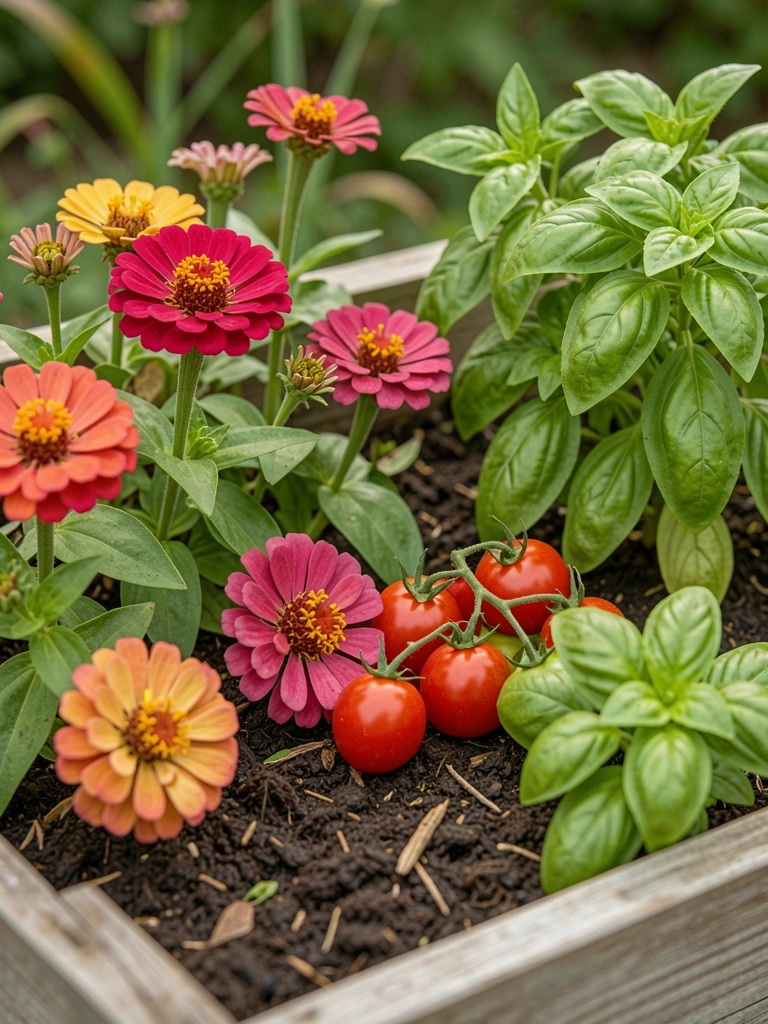
    My backyard corner got this cedar raised bed—zinnias for color, cherry tomatoes tucked in back, basil edging front. Blooms and fruit at once; it feels abundant without taking space.

    Tomatoes hide behind flowers, so no ugly stakes showing. Pick blooms or dinner daily.

    Fill with compost-heavy soil—veggies demand it. Zinnias reseed if you deadhead less.

    Planted too many tomatoes first try; crowded everything. Limit to three plants.

    What You’ll Need for This Look

    Raised garden bed kit cedar (4×4 feet)

    Zinnia seed mix packets

    Cherry tomato plants (1 gallon)

    5. Container Cluster Bed on a Sunny Patio

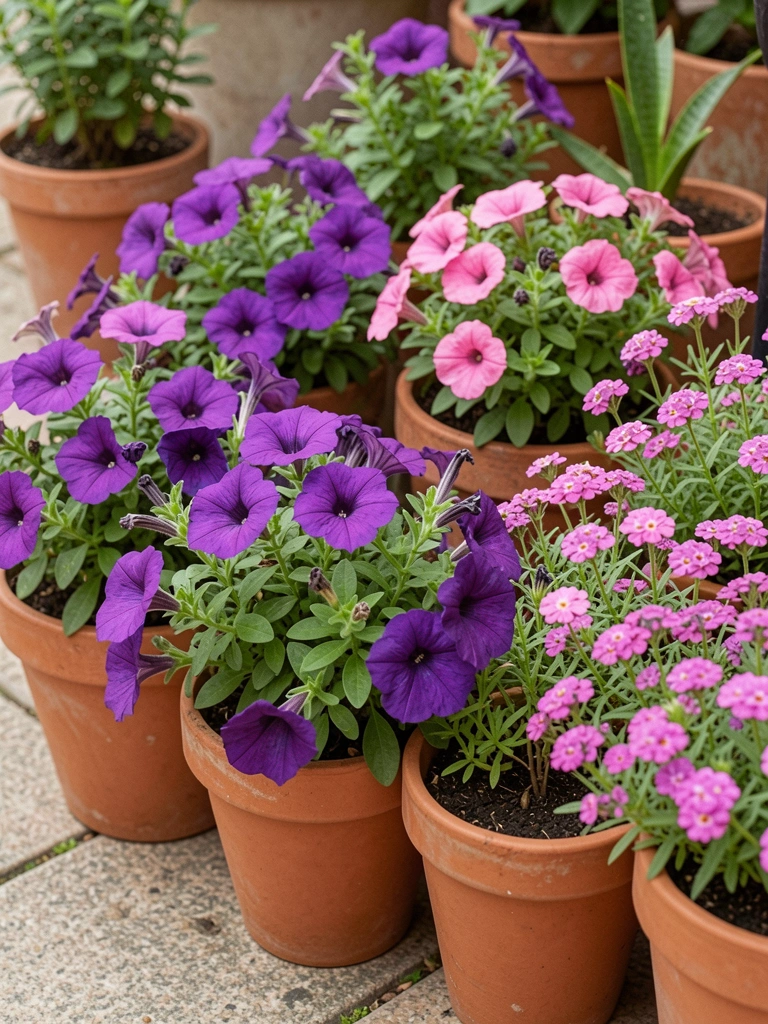
    No yard space? I grouped pots into a "bed" on my patio—petunias spilling from big ones, verbena trailers in small. Looks like a proper border but moves easy.

    Colors pop against stone—pink, purple, white. Water once, done for day.

    Elevate small pots on bricks for layers. Group by thirst level.

    Overdid sun lovers in shade spot once—leggy messes. Match light now.

    What You’ll Need for This Look

    Terracotta planters (12 inch set of 3)

    Petunia plants (hanging basket size)

    Verbena trailing plants

    6. Shady Fern and Hosta Pocket Bed

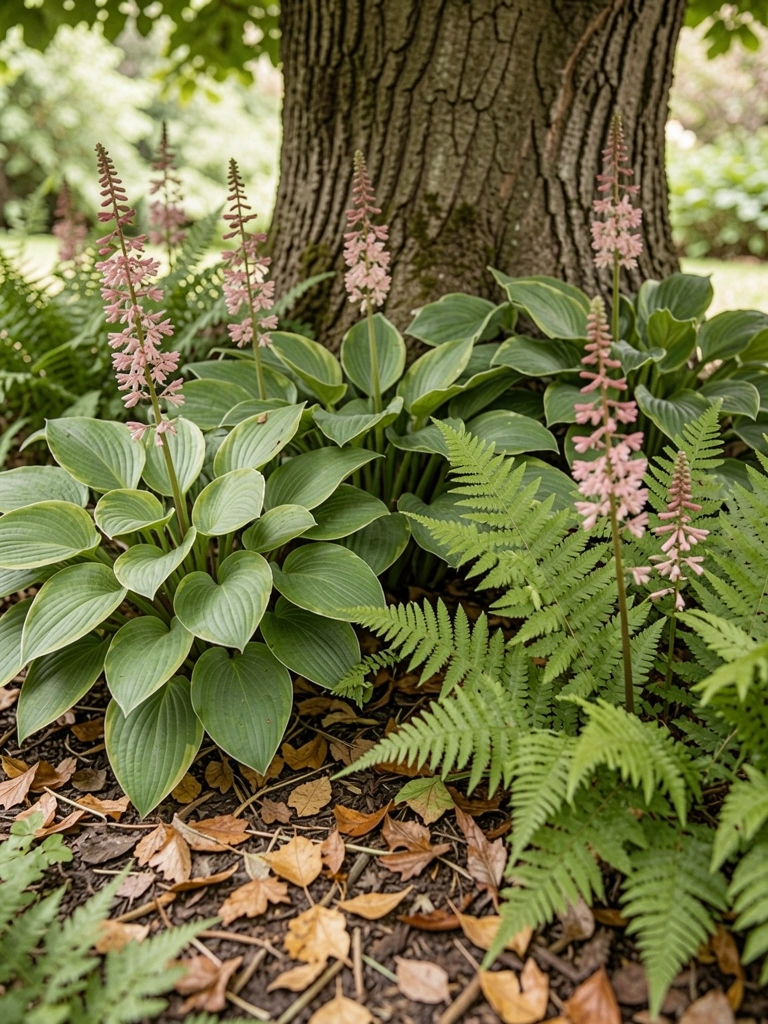
    Under my oak, ferns and hostas made a cool green bed—astilbe adds pink plumes in summer. No sun needed; it thrives in damp shade.

    Feels like a woodland hideout. Leaves rustle soft.

    Amend soil with leaf mold—hostas hate dry. Plant tight for quick cover.

    Tried sun perennials here first—fried. Shade plants only.

    What You’ll Need for This Look

    Hosta plants (varied leaf colors)

    Fern plants (shade-loving quart pots)

    Astilbe plants (pink spikes)

    7. Pollinator Strip with Bee Balm and Echinacea

    Along my deck, bee balm and echinacea draw bees nonstop—rudbeckia fills gaps with yellow daisies. Butterflies hang out all summer.

    Yard buzzes now; feels alive. Tough plants ignore my neglect.

    Deadhead to keep blooming. Natives spread slow but sure.

    What You’ll Need for This Look

    Bee balm (monarda) plants

    Echinacea coneflower plants

    Rudbeckia black-eyed Susan seeds

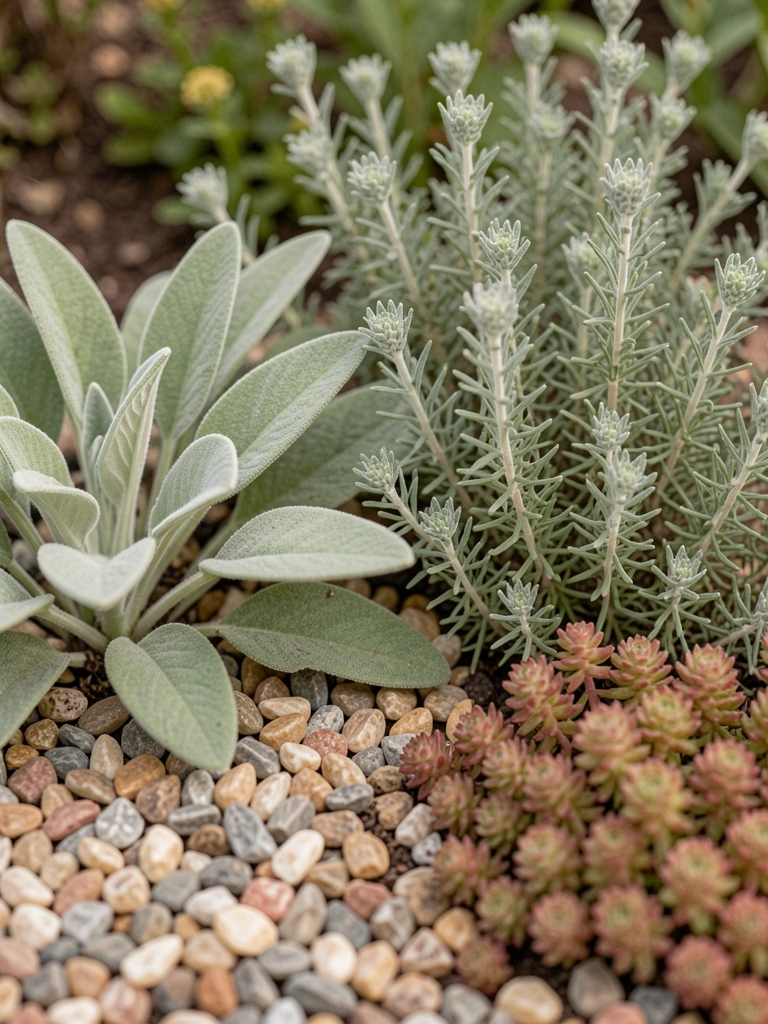
    8. Silver Foliage Drought Bed with Lambs Ear

    Hot dry spot got lambs ear for fuzzy texture, artemisia gray haze, sedum pink flowers. No water after year one.

    Shimmers in sun; low fuss. Textures beat color here.

    Gravel mulch cuts weeds. Trim spent sedum in fall.

    Planted in fall once—better root set.

    What You’ll Need for This Look

    Lambs ear plants (soft fuzzy)

    Artemisia silver mound plants

    Sedum plants (pink flowering)

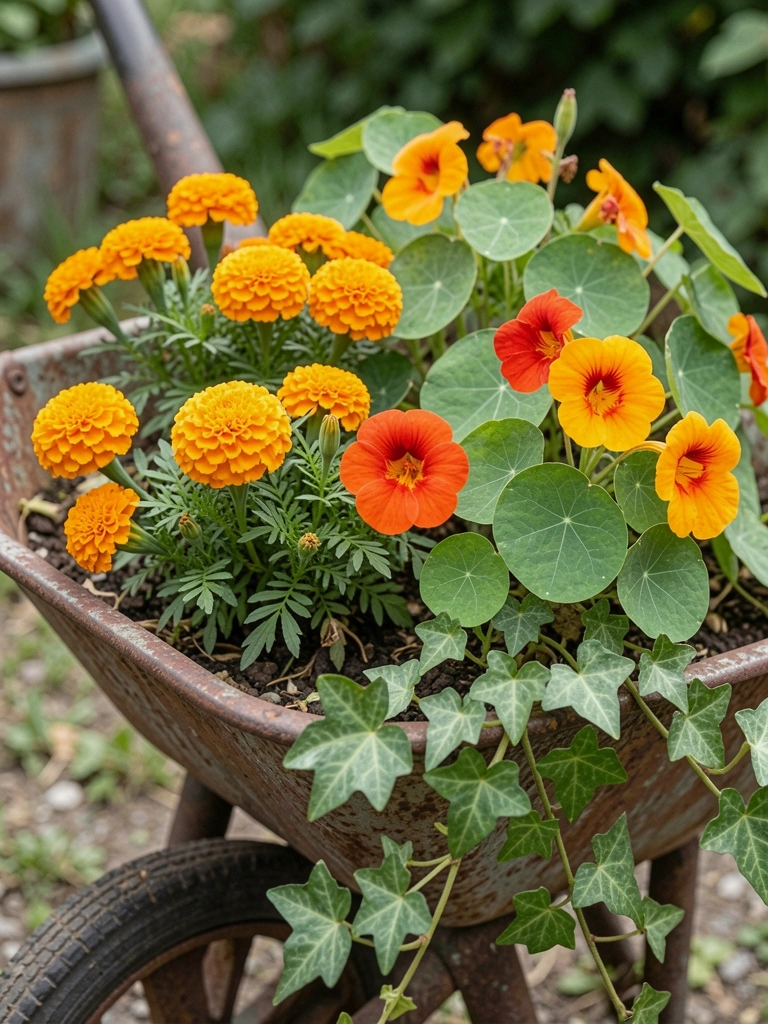
    9. Wheelbarrow Bed Overflowing with Annuals

    Old wheelbarrow became my porch bed—marigolds center, nasturtiums trail edible flowers. Ivy softens edges.

    Bright and fun; moves if needed. Kids pick flowers daily.

    Drill holes for drain. Refresh soil yearly.

    Nasturtiums took over once—plant fewer.

    What You’ll Need for This Look

    Garden wheelbarrow (rusted look 4 cubic feet)

    Marigold plants (yellow dwarf)

    Nasturtium trailing seeds

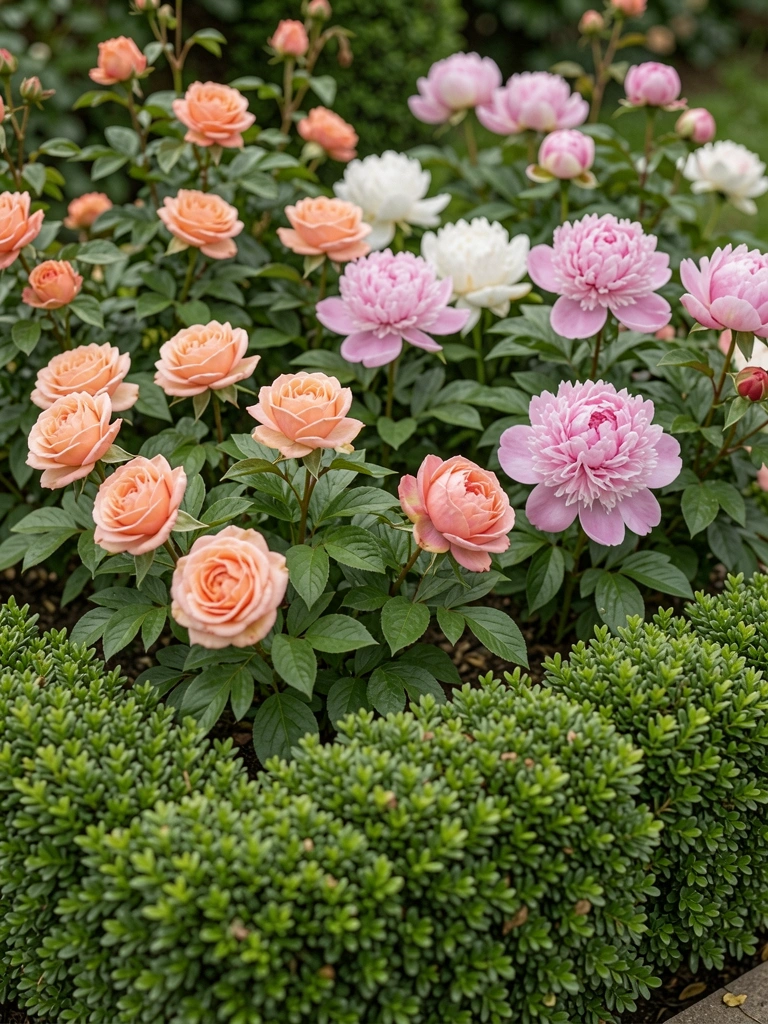
    10. Boxwood-Framed Rose and Peony Bed

    Boxwood edges frame my roses and peonies—neat but lush inside. Fragrance hits you first.

    Classic feel without stuffy. Blooms make it worth the thorns.

    Shear boxwood once spring. Mulch to save water.

    Peonies flopped first year—stake early buds.

    What You’ll Need for This Look

    Boxwood shrubs (1 gallon edging size)

    Peony bare roots (pink)

    Rose bushes (shrub floribunda)

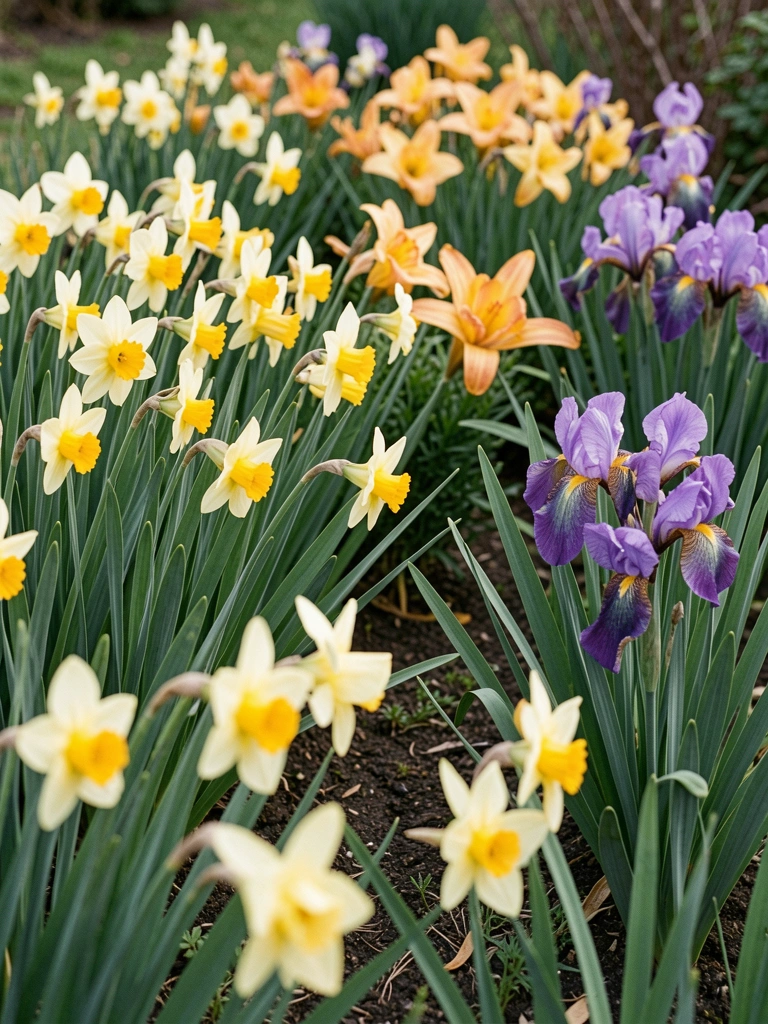
    11. Spring Bulb and Perennial Drift Bed

    Daffodils kick off this bed, then daylilies and irises take over. Natural drift—no straight lines.

    Seasons flow seamless. Yellows to oranges.

    Plant bulbs shallow, perennials over. Divide every few years.

    Daffodils crowded out irises once—thin yearly.

    What You’ll Need for This Look

    Daffodil bulbs (mixed pack 50 count)

    Daylily plants (orange reblooming)

    Iris rhizomes (tall bearded purple)

    Final Thoughts

    Pick one idea that fits your spot—start small. My yard grew bed by bed, mistakes and all.

    You'll mess up a plant or two, but that's how it teaches you.

    Now go dig. Your yard's waiting to feel like home.

  • 11 Creative Balcony Vegetable Garden Ideas For Small Spaces

    11 Creative Balcony Vegetable Garden Ideas For Small Spaces

    I remember staring at my tiny balcony, just six feet wide, wondering if fresh veggies were a pipe dream. Then I started small—one pot of cherry tomatoes that actually fruited. That changed everything. Suddenly, salads tasted better right off the rail.

    Over years of trial, I've squeezed in peppers, beans, even potatoes. Space is tight, sun spotty, wind relentless. But these setups work because they're honest—no fancy frames, just pots and patience.

    You can do this too. No big budget. Just real plants that grow where you live.

    11 Creative Balcony Vegetable Garden Ideas For Small Spaces

    These 11 ideas fit my cramped balcony perfectly. They've grown real food through mistakes and all. Pick one or two to start—you'll harvest in weeks.

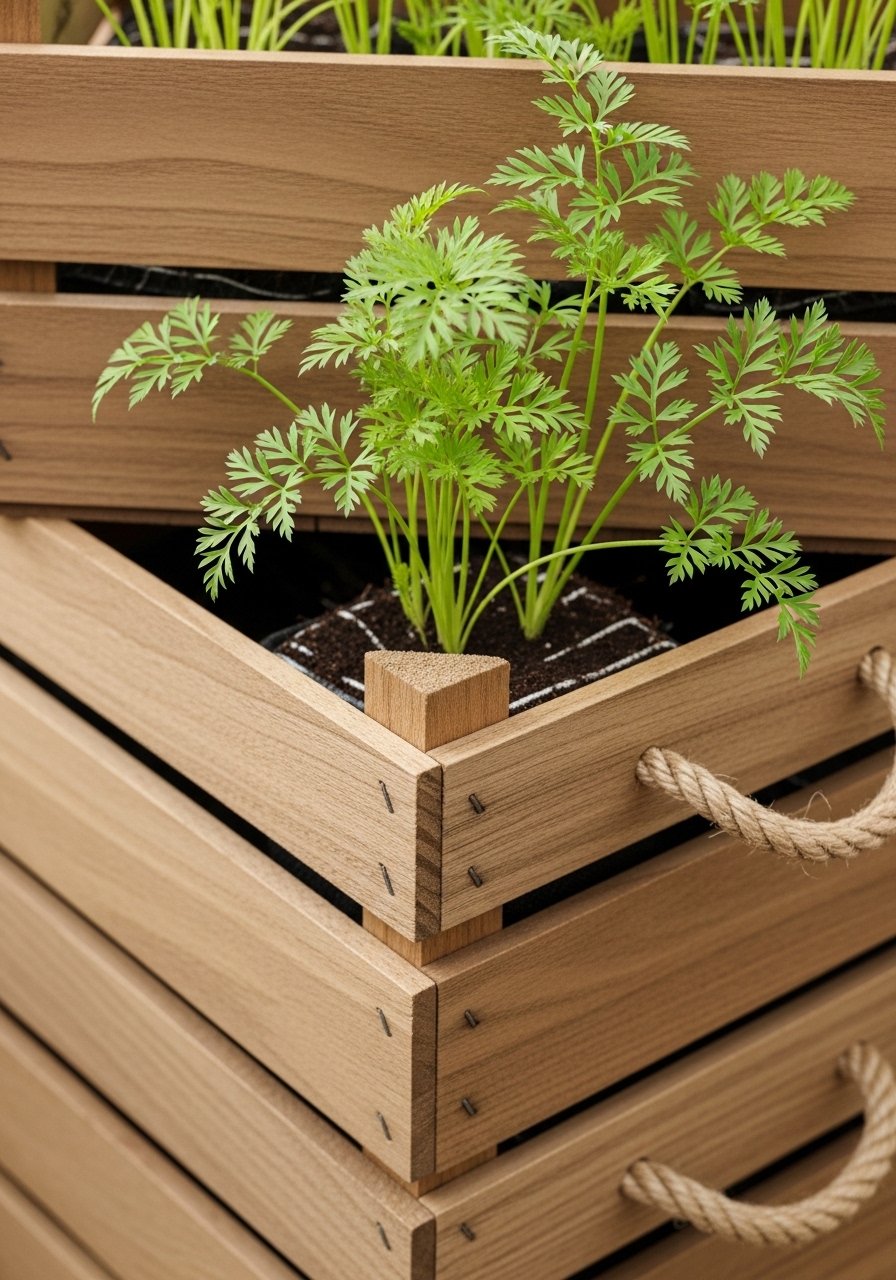
    1. Stacked Crates for Cascading Cherry Tomatoes

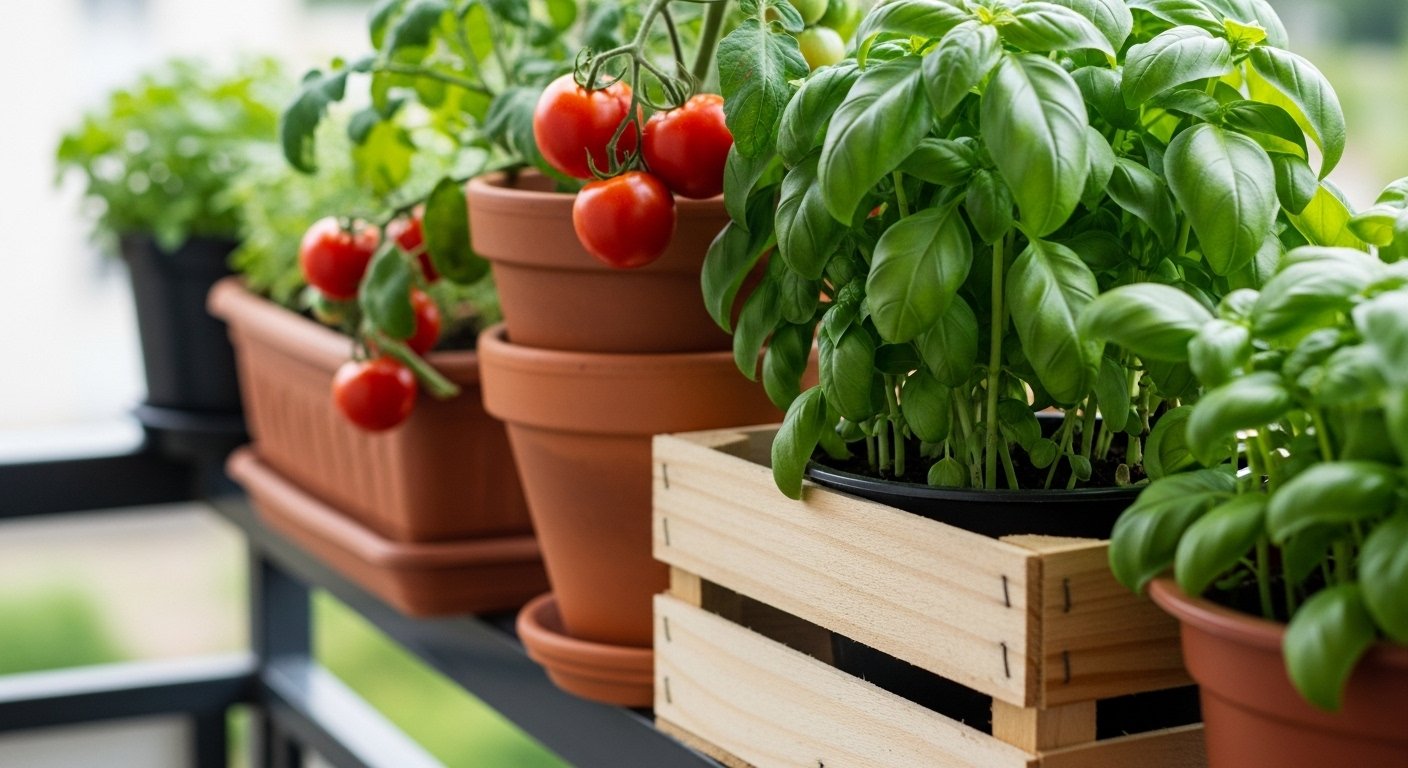
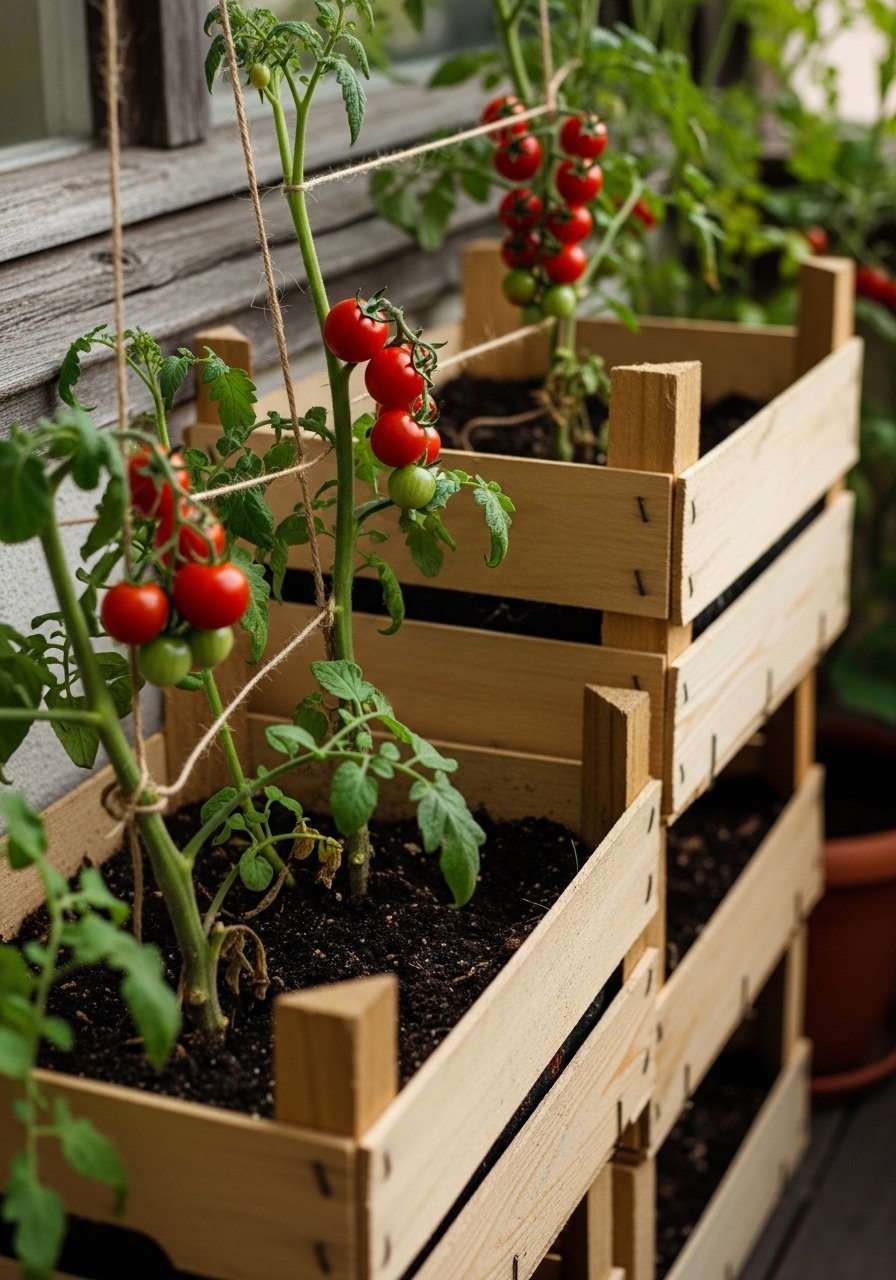
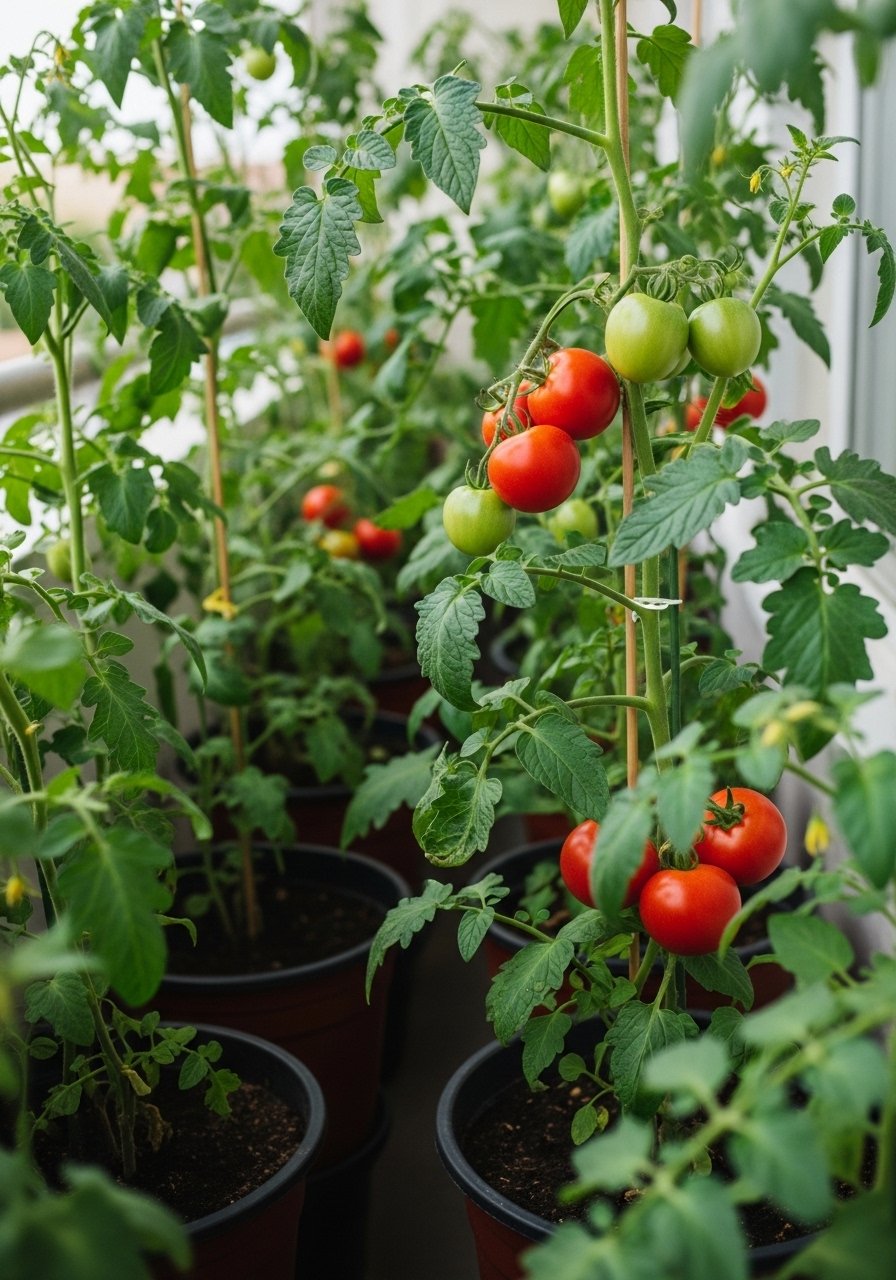
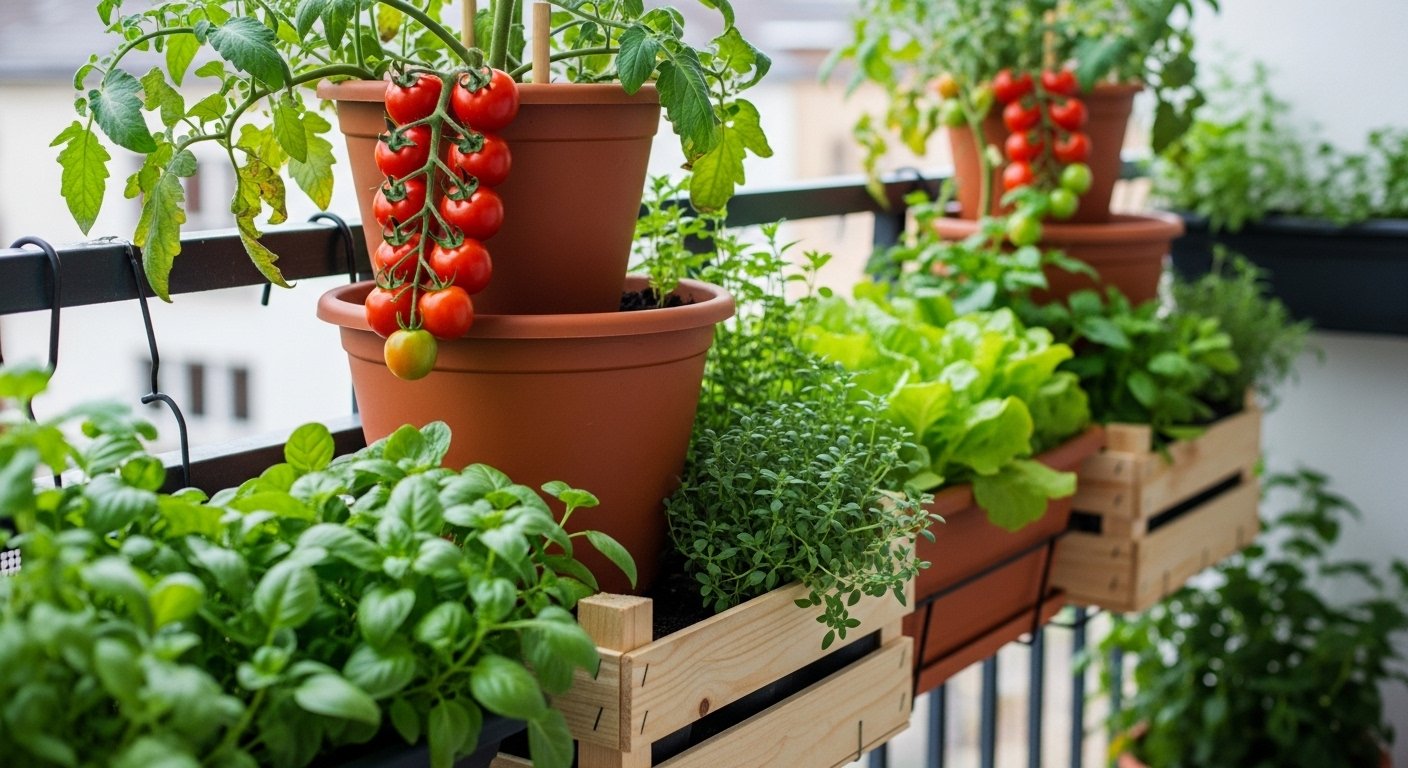
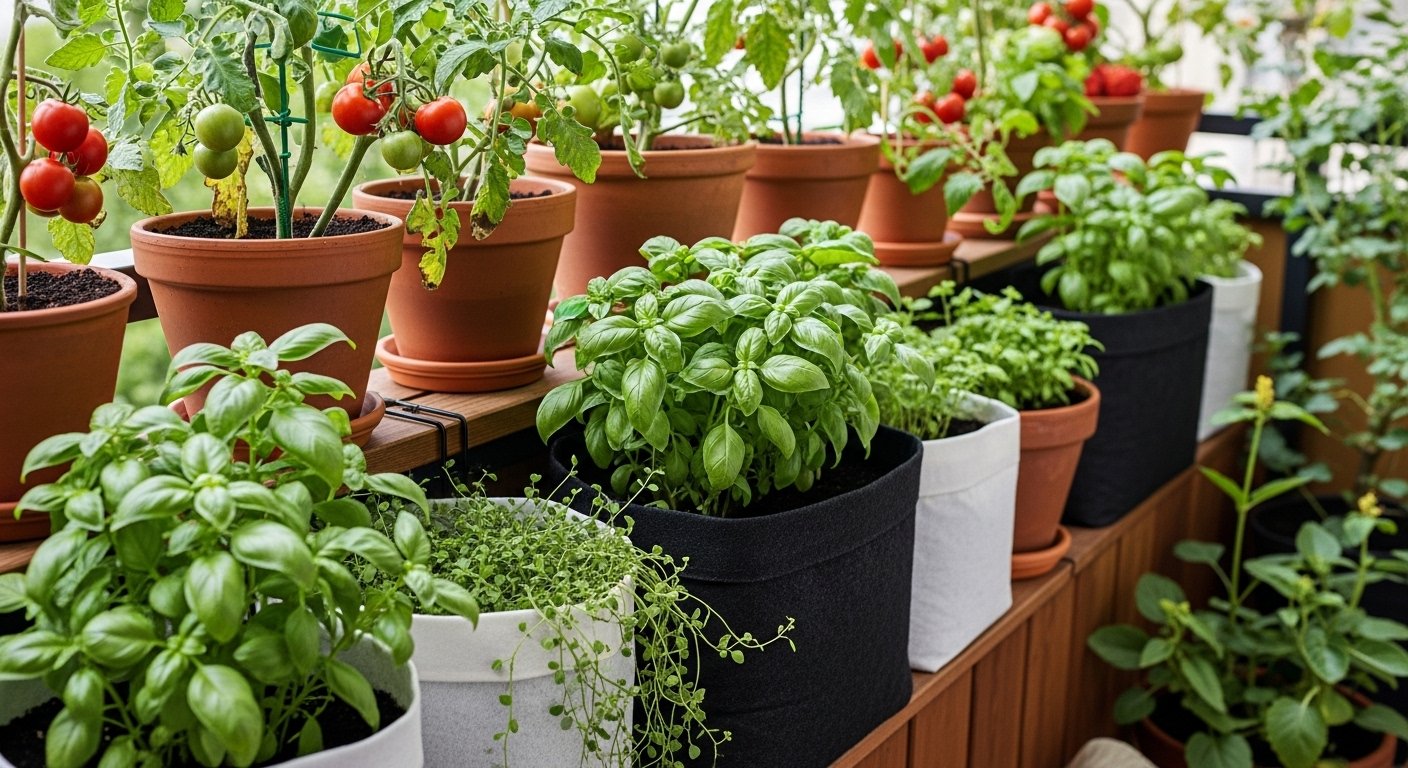
    I stacked old wooden crates in the corner where sun hits longest. Cherry tomatoes tumble down like a red waterfall by midsummer. It freed floor space and made picking easy—no bending.

    The vines filled out faster than I thought, shading lower crates. I added basil underneath for pesto nights. Visually, it turns bare wall into a cozy green screen.

    Watch drainage—drill holes if reusing crates. Wind whipped mine once; secure with brackets.

    One mistake: overwatered at first, roots rotted. Now I check soil with my finger daily.

    What You’ll Need for This Look

    Wooden crates (medium size)

    Cherry tomato seeds

    Potting soil mix

    2. Hanging Baskets Turned Salad Bar

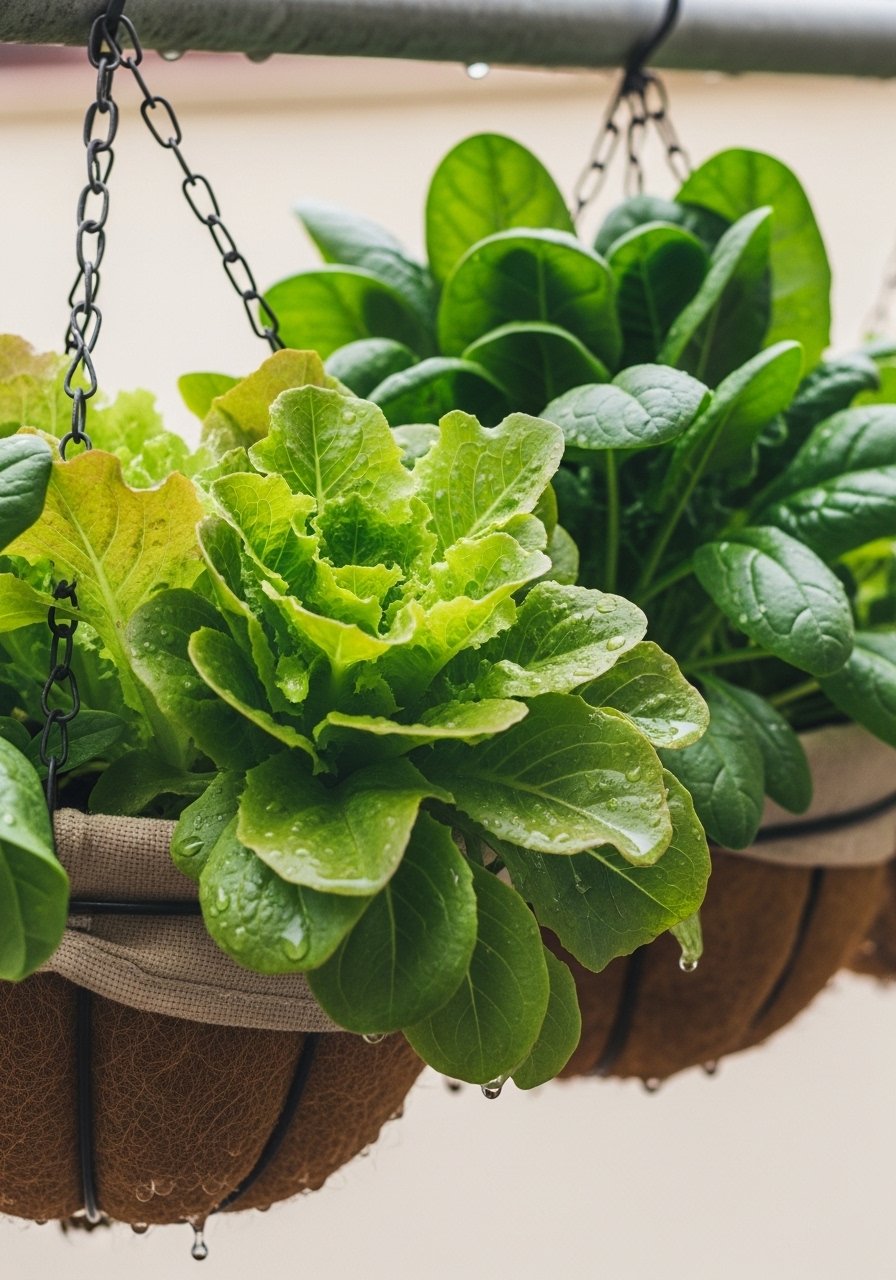
    Hooks on the railing hold three baskets crammed with loose-leaf lettuce and spinach. I snip leaves for lunch daily—no waste. It feels abundant, like a floating farm.

    Colors pop—deep greens against railing rust. Swinging gently softens the urban edge.

    Pick shallow-rooted greens; deeper ones flop. Morning sun only here, and they thrive.

    I bought cheap baskets first; they rusted. Metal ones last seasons.

    What You’ll Need for This Look

    Metal hanging baskets (10-inch)

    Loose-leaf lettuce seeds

    Coco liner for baskets

    3. Vertical Pocket Planters for Herbs and Radishes

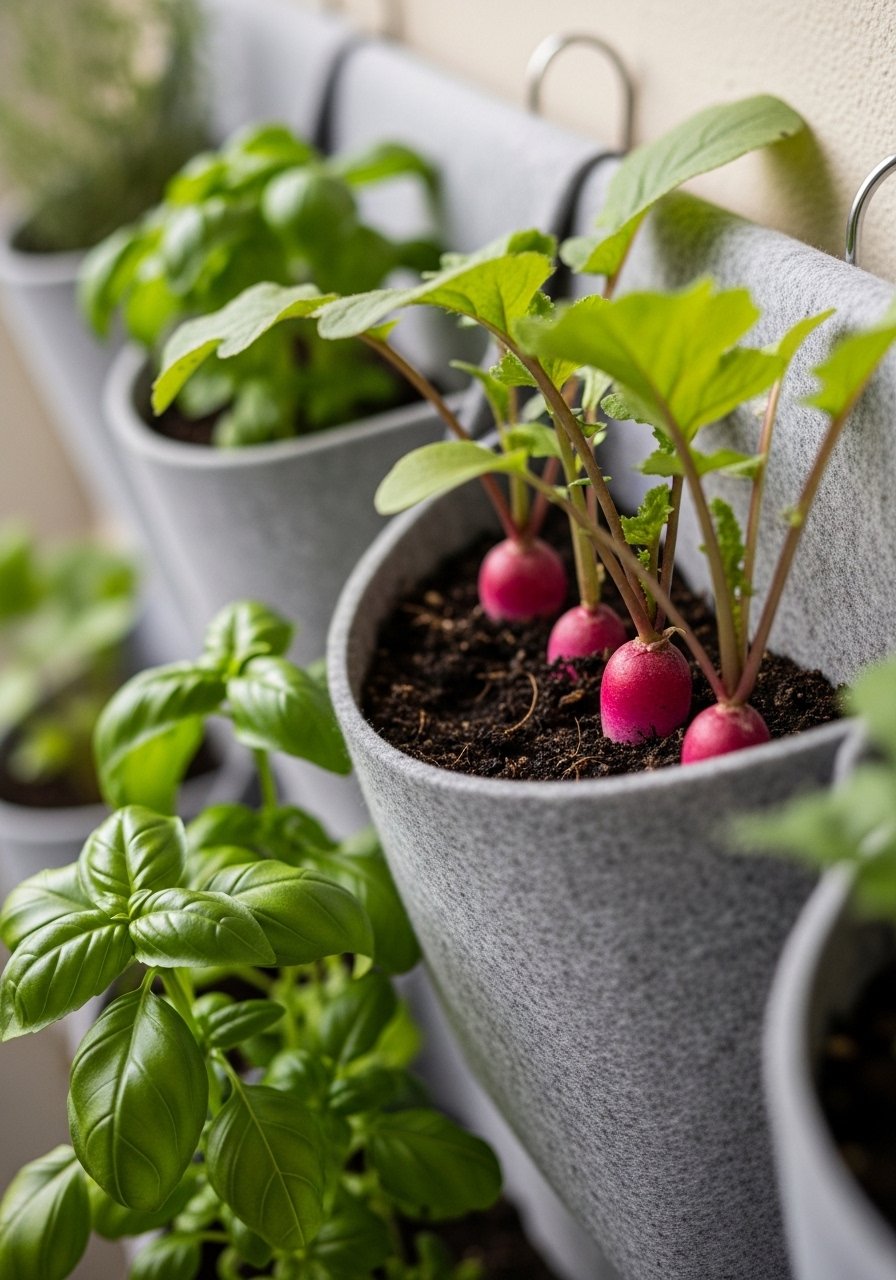
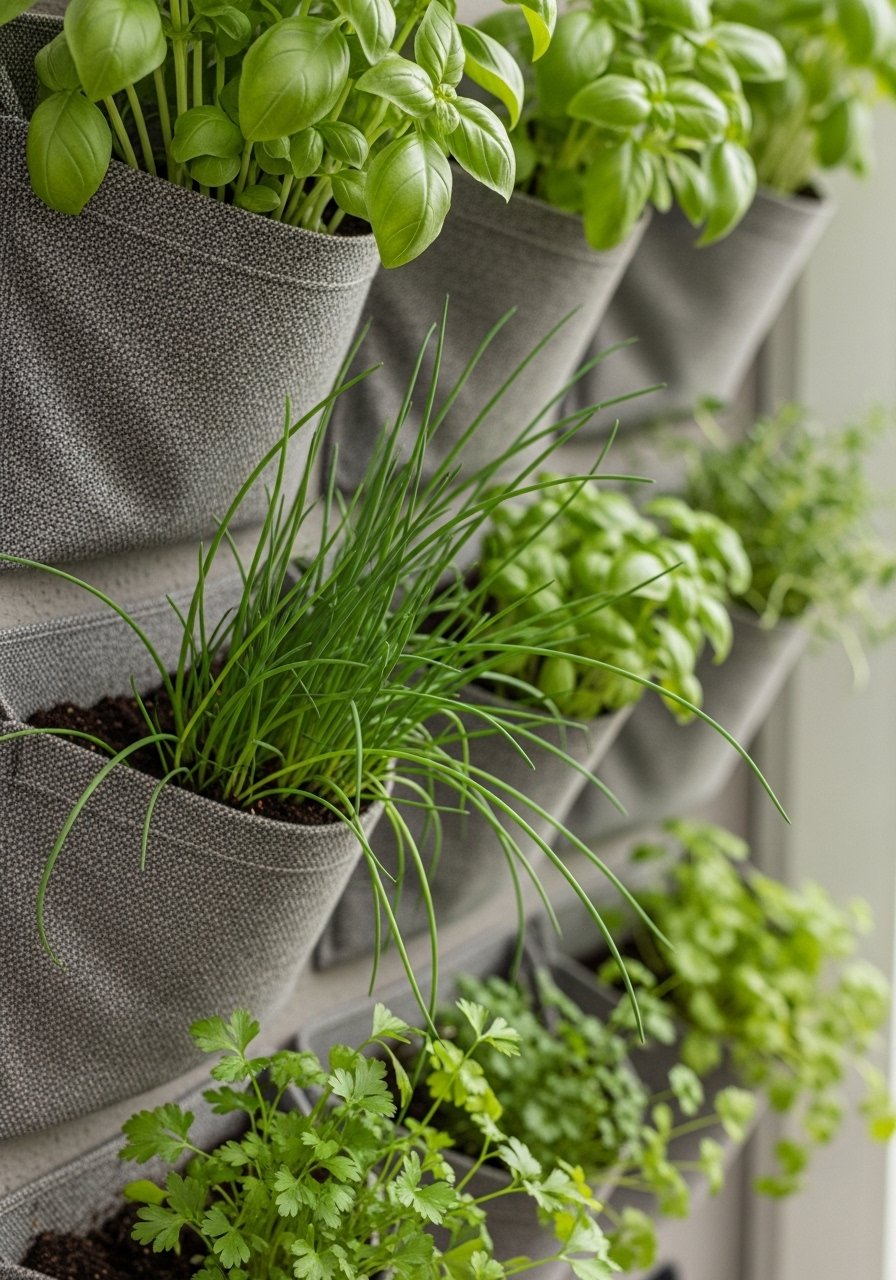
    I hung felt pockets on the shady wall—basil up top, radishes below. Herbs scent the air; radishes pull easy for salads. Walls become planters.

    It saved floor for chairs. Textures mix soft felt and crisp leaves.

    Fill pockets loose; tight soil dries out. Radishes mature in a month.

    Overplanted basil once, crowded everything. Thin early.

    What You’ll Need for This Look

    Fabric pocket planters (vertical)

    Basil seeds

    Radish seeds

    4. Potato Bags in the Floor Corner

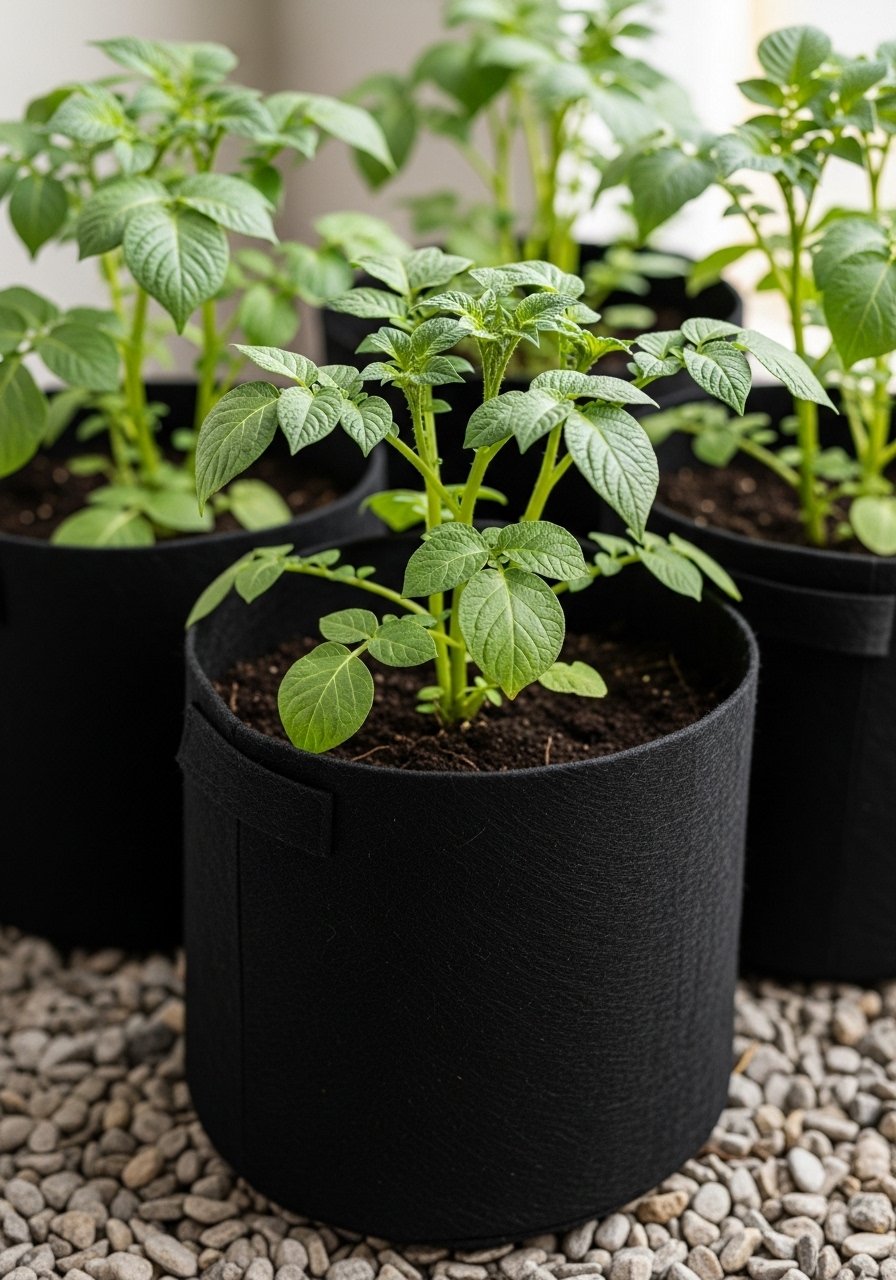
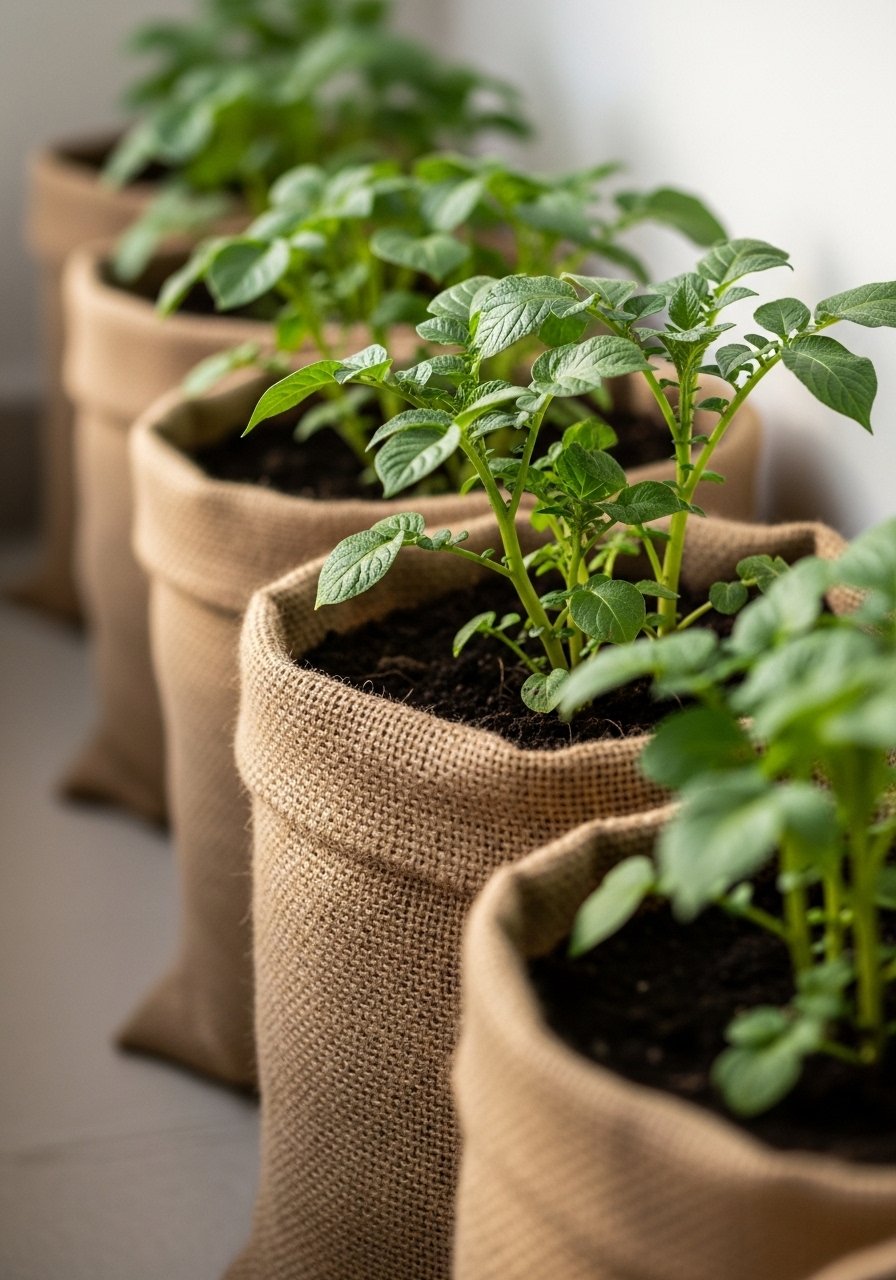
    Black grow bags in the back corner hide potatoes building underground. I harvest small batches all summer. Feels like secret treasure.

    Foliage mounds cozy, blocks ugly railing. Easy to tip for digging.

    Use fabric for air roots breathe. Full sun or bust.

    Planted too early once; frost nipped. Wait for warm soil.

    What You’ll Need for This Look

    Potato grow bags (10-gallon)

    Seed potatoes

    Compost-rich soil

    5. Trellis Rail for Climbing Beans

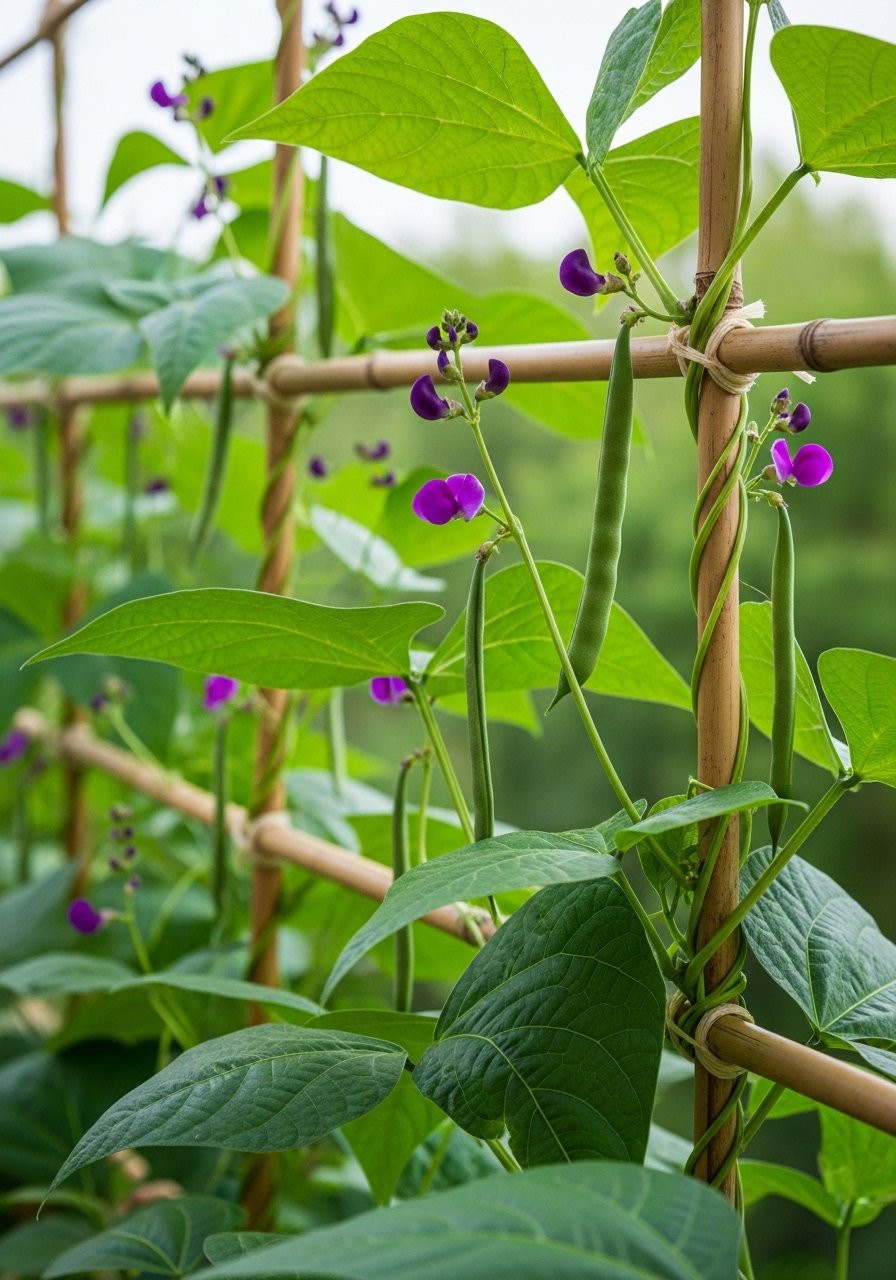
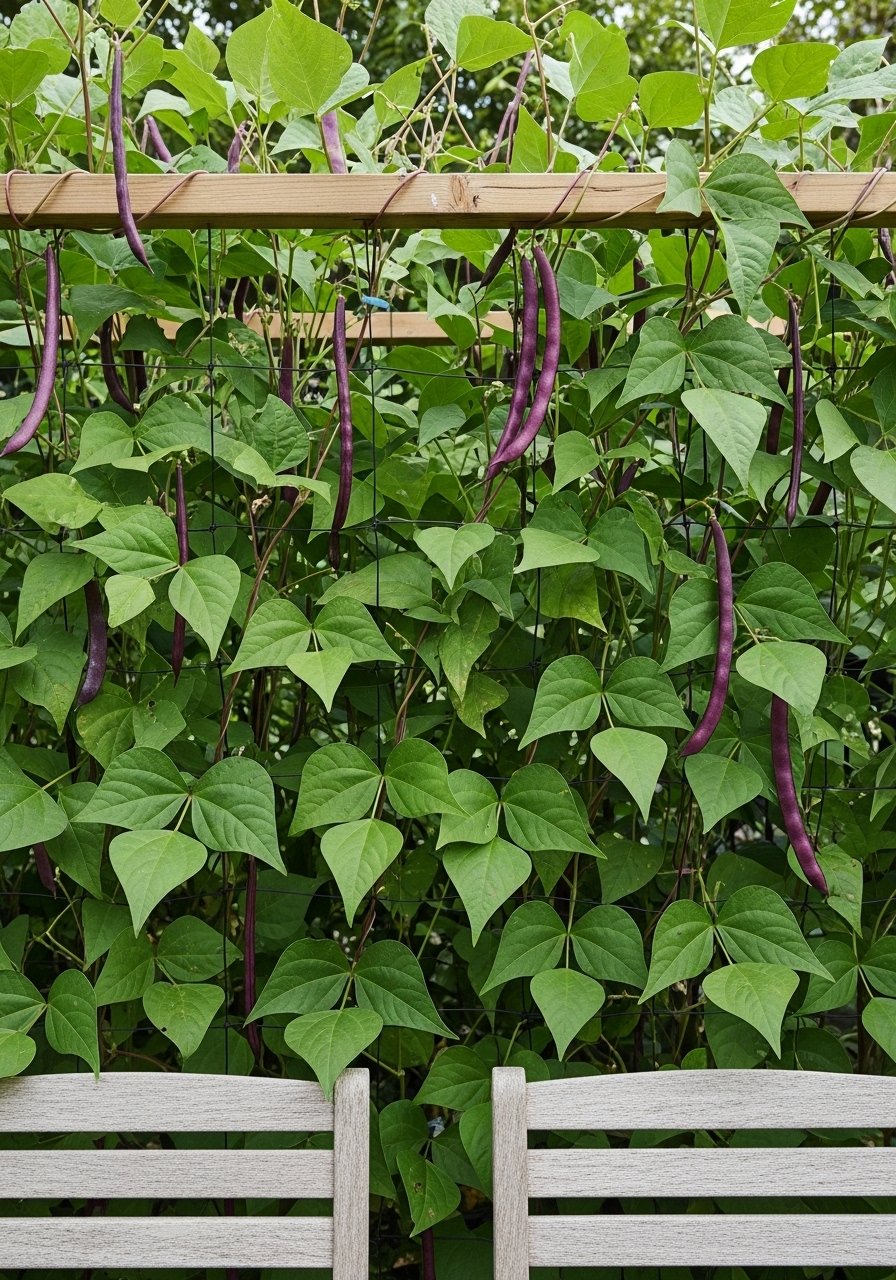
    Bamboo poles zip-tied to the rail let bush beans climb. Pods dangle for easy grab. Turns rail into living curtain.

    Wind sways them gently—love that motion. Pods crisp by July.

    Tie loose; tight knots snap in gusts. Companion with marigolds for bugs.

    What You’ll Need for This Look

    Bamboo trellis poles

    Bush bean seeds

    Zip ties for securing

    6. Window Box Carrots and Scallions

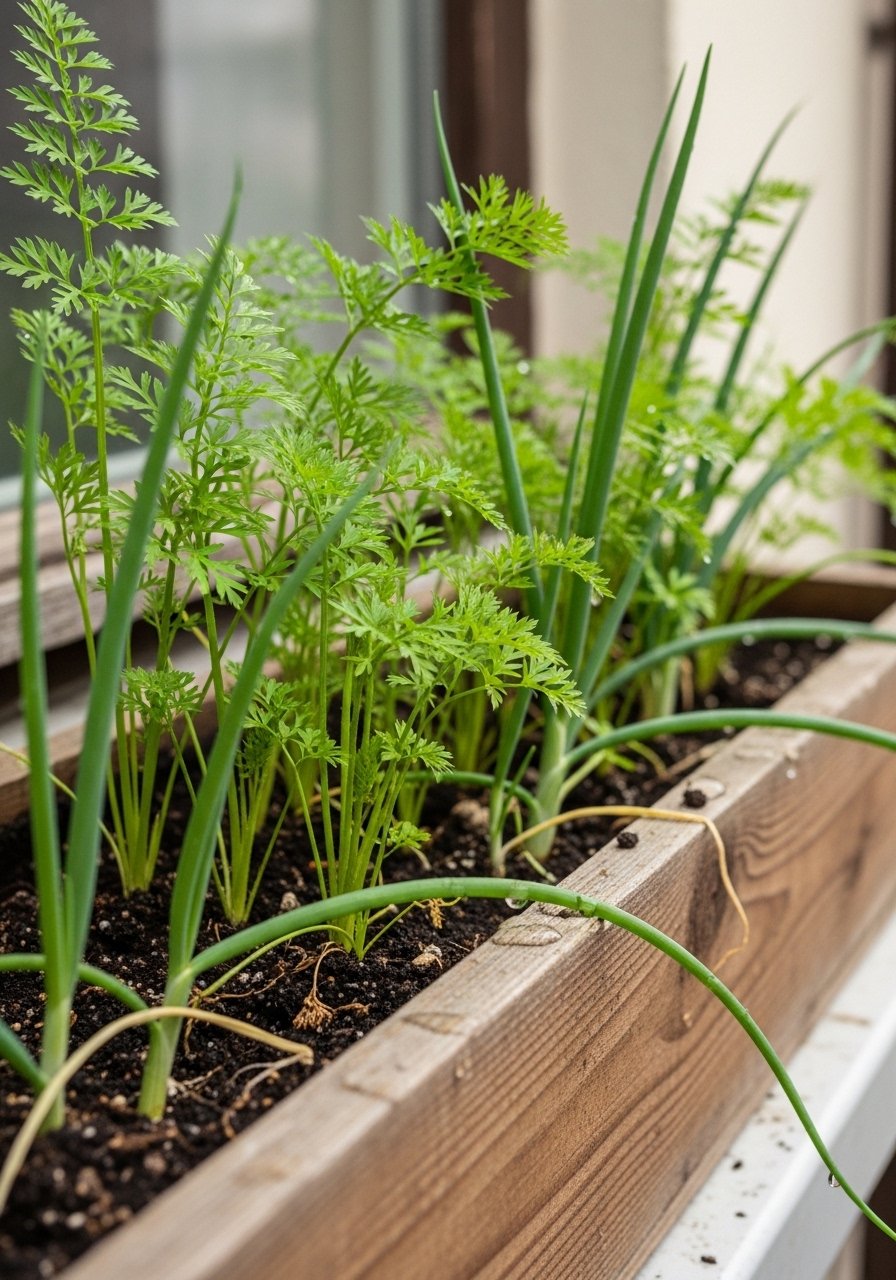
    Long window box on the ledge grows slender carrots and scallions. Pull anytime for dinner crunch. Slim roots fit tight spots.

    Feathery tops soften hard edges. Smells fresh on breezy days.

    Mix sand in soil for straight roots. Partial shade works.

    Short carrots first time—too shallow box. Go deep.

    What You’ll Need for This Look

    Deep window boxes (wooden, 12-inch)

    Carrot seeds (slender varieties)

    Scallion seeds

    7. Fabric Pots for Peppers and Parsley

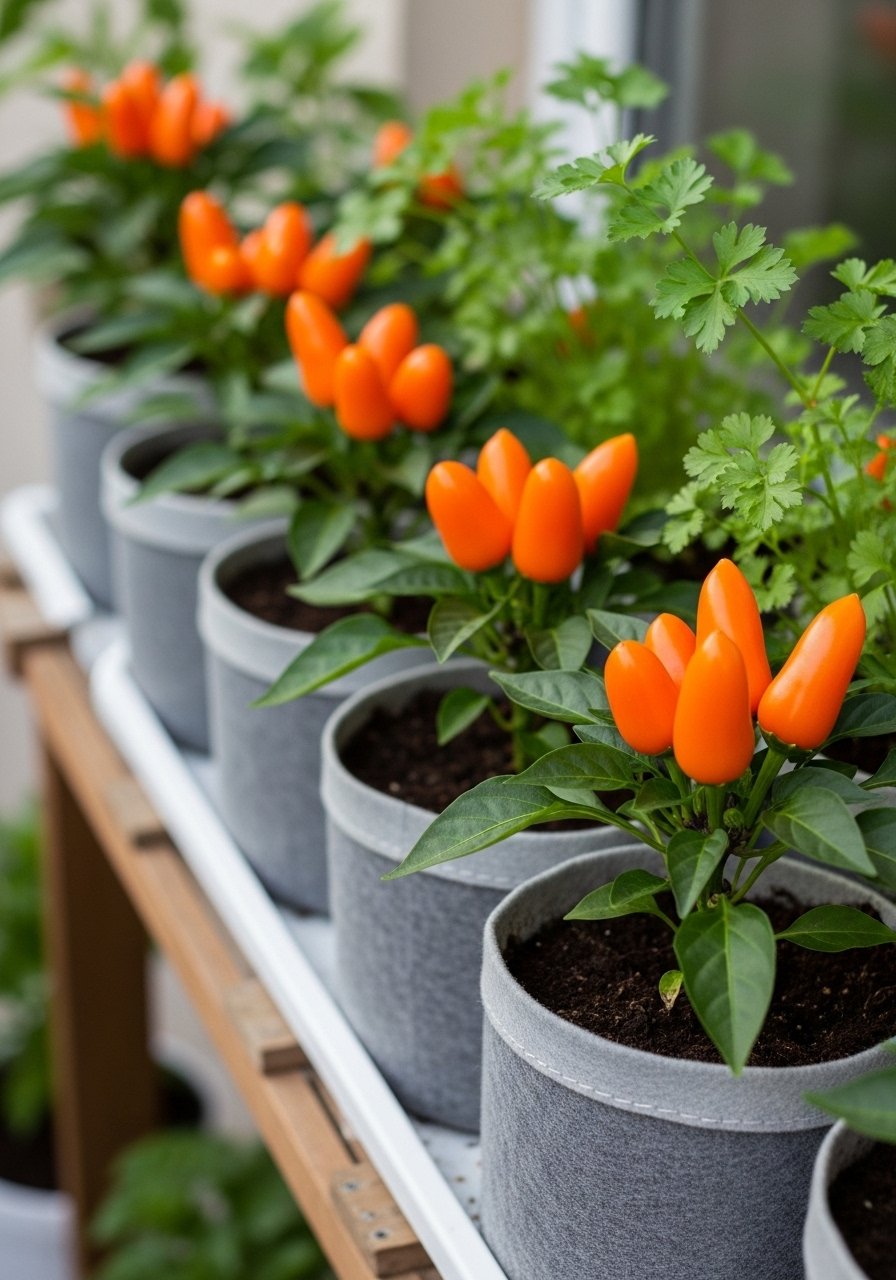
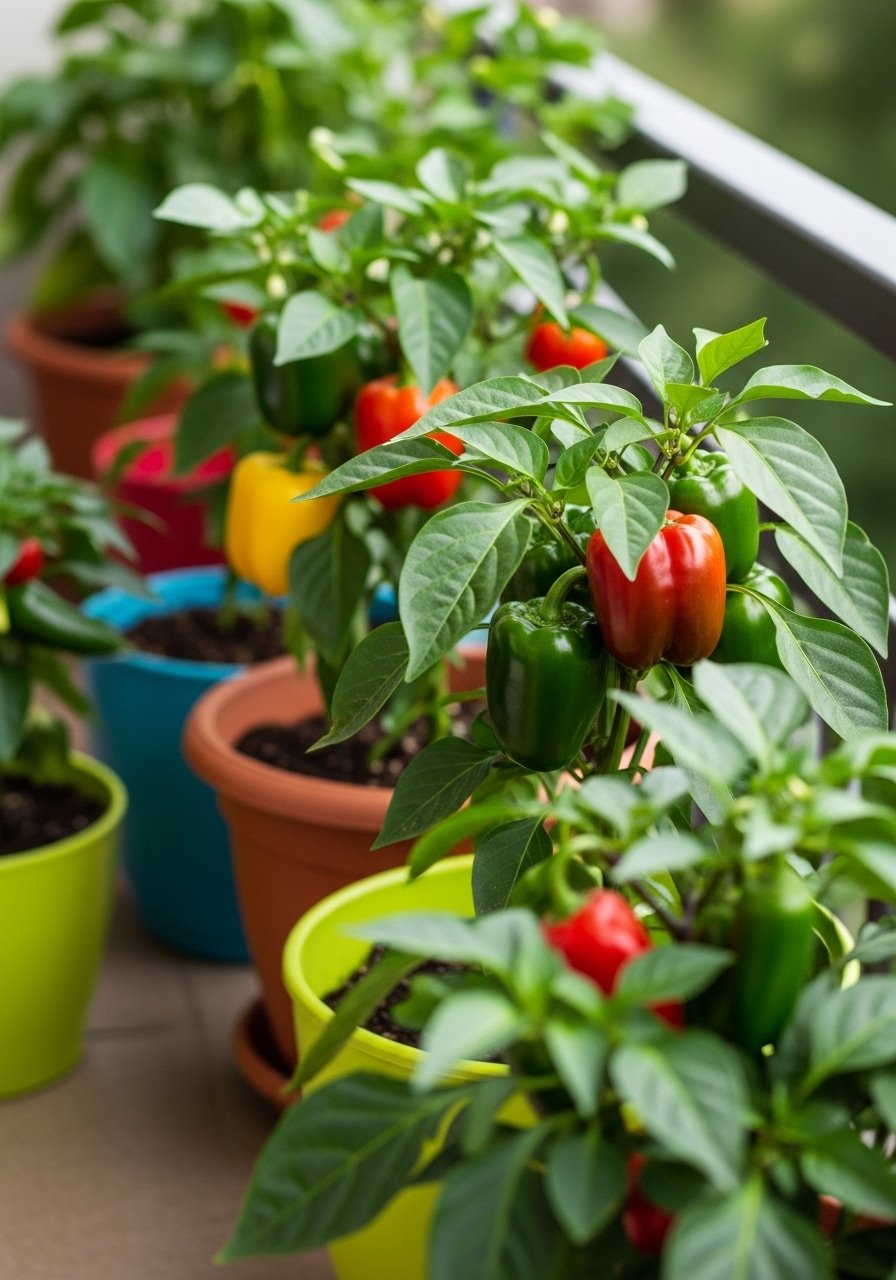
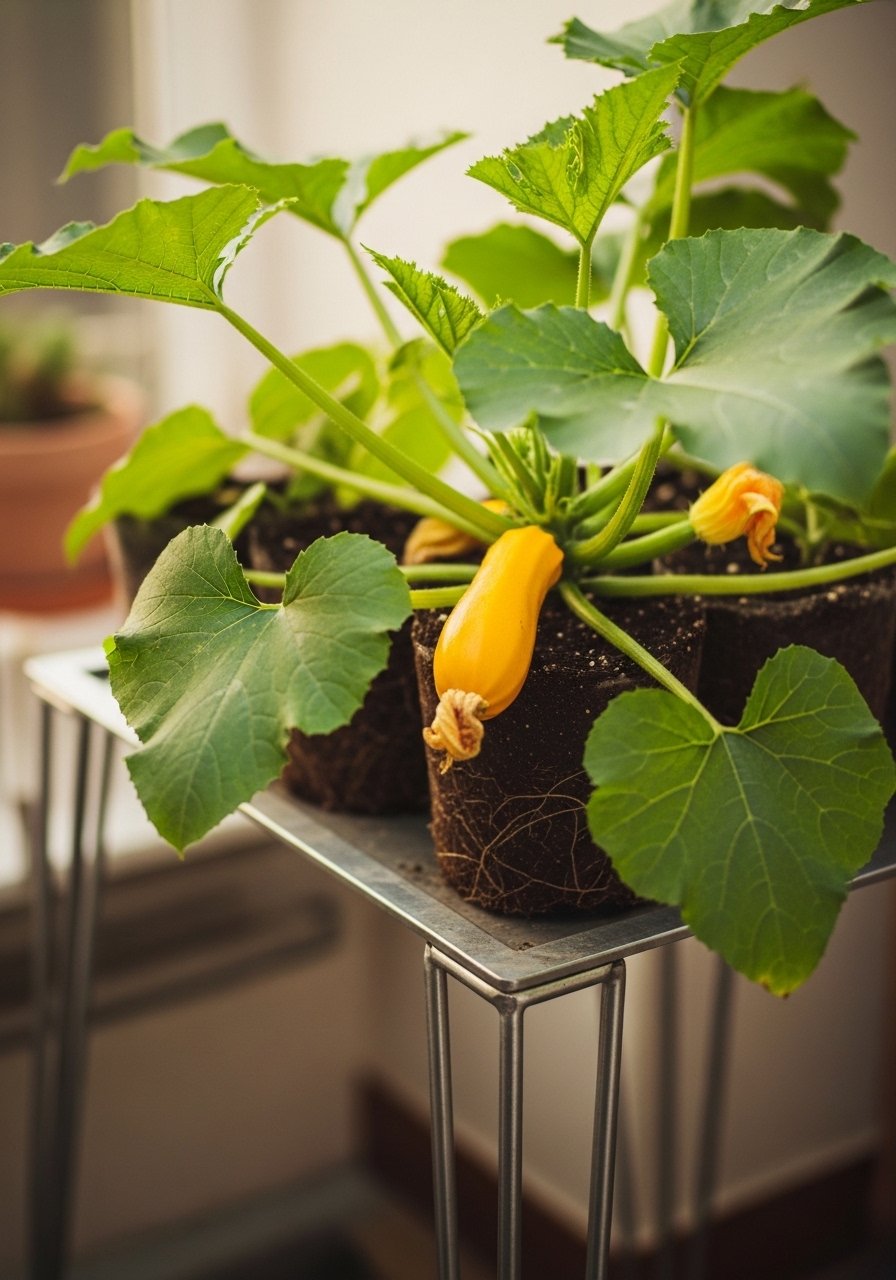
    Gray fabric pots on a stool cluster peppers and parsley. Heat-loving peppers fruit heavy; parsley fills gaps. Steady harvest.

    Colors warm up the space—oranges glow at dusk.

    Breatheable fabric prevents rot. Group for humidity.

    Peppers leggy indoors—harden off slow.

    What You’ll Need for This Look

    5-gallon fabric pots

    Pepper plants (bell or hot)

    Parsley seeds

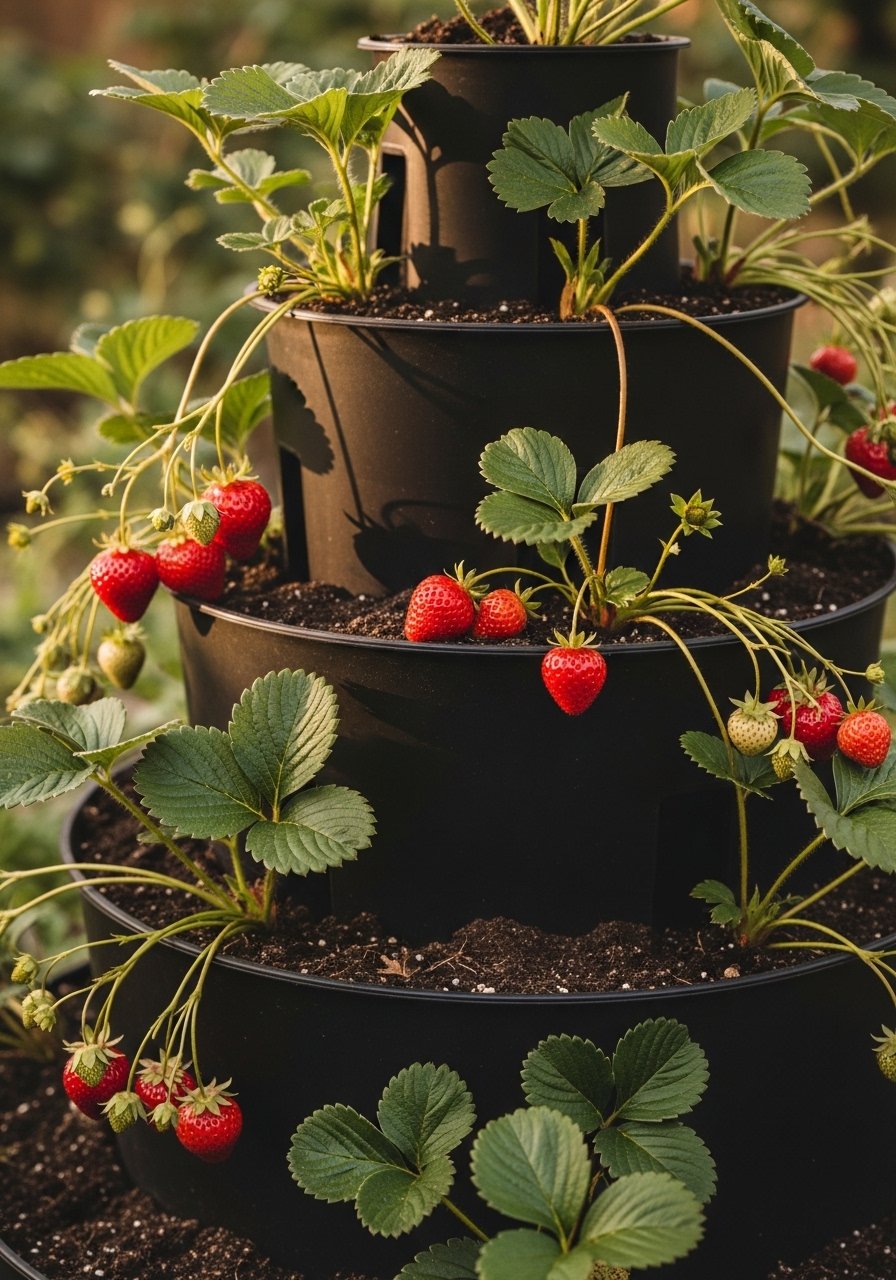
    8. Strawberry Ladder for Sweet Berries

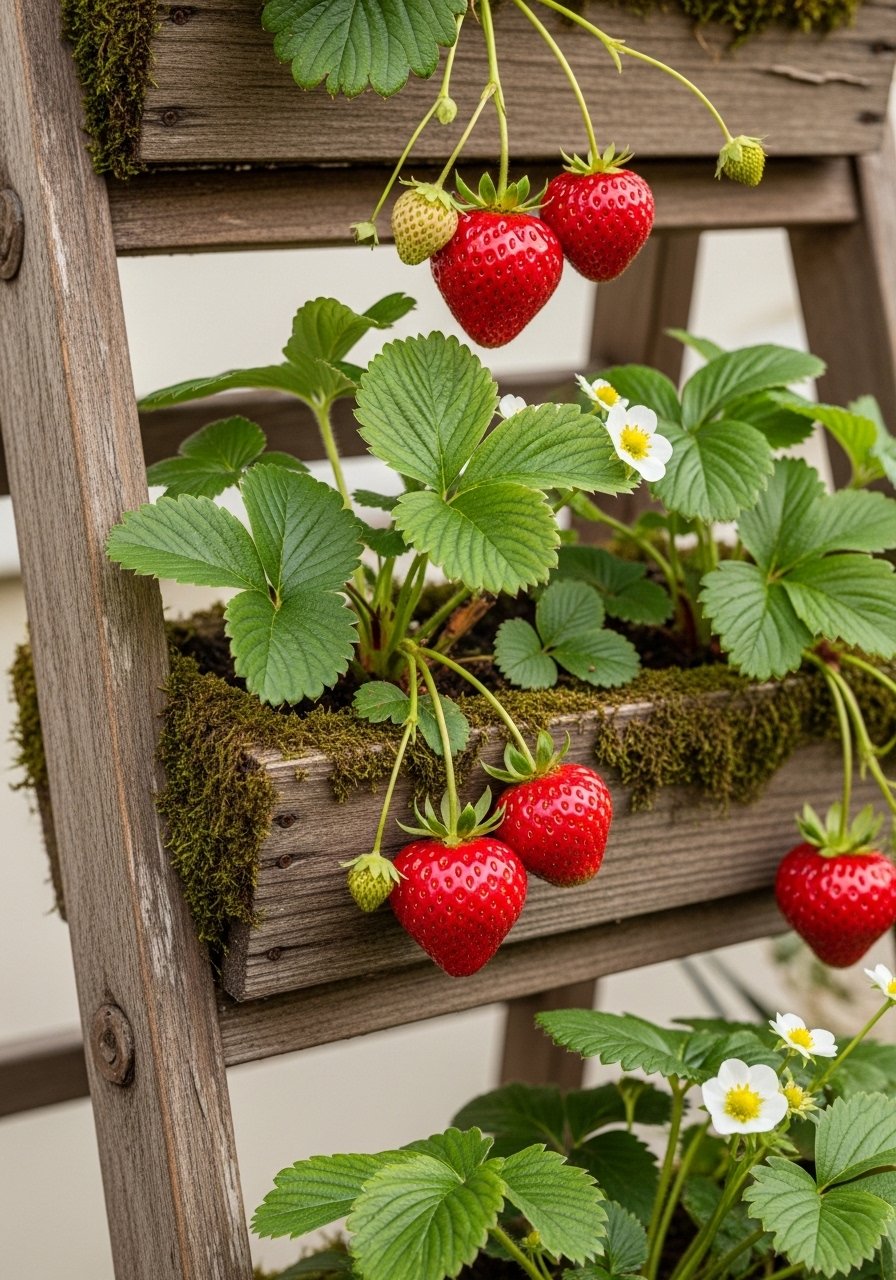
    A short ladder leans against the wall, pockets of strawberries on each rung. Berries peek out sweet and low. Morning snacker's dream.

    Runners drape naturally—cozy cascade.

    Sun bottom rung less; everbearing varieties even it out.

    Birds got first crop—net loosely now.

    What You’ll Need for This Look

    Wooden plant ladder (3-tier)

    Everbearing strawberry plants

    Strawberry potting mix

    9. Cucumber Vines on Netting

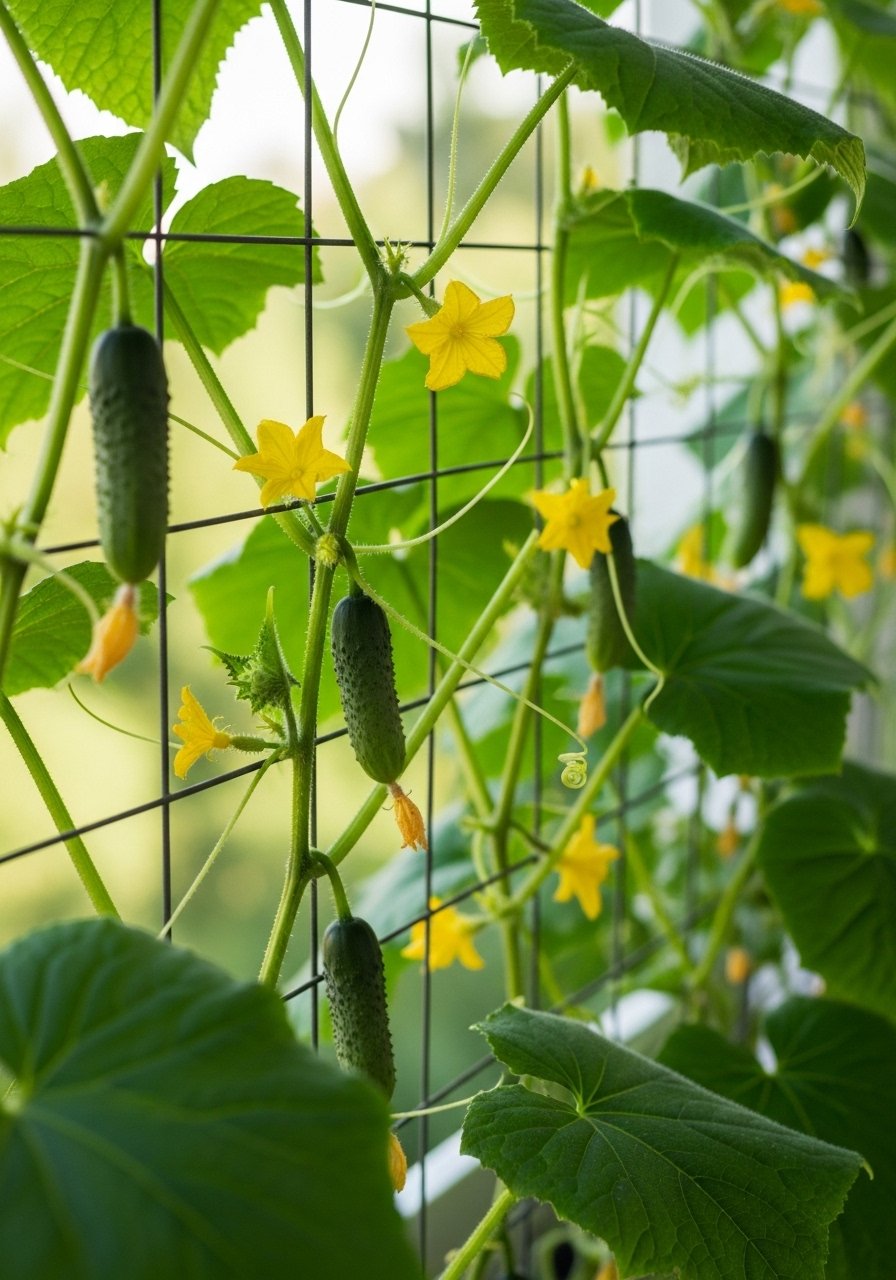
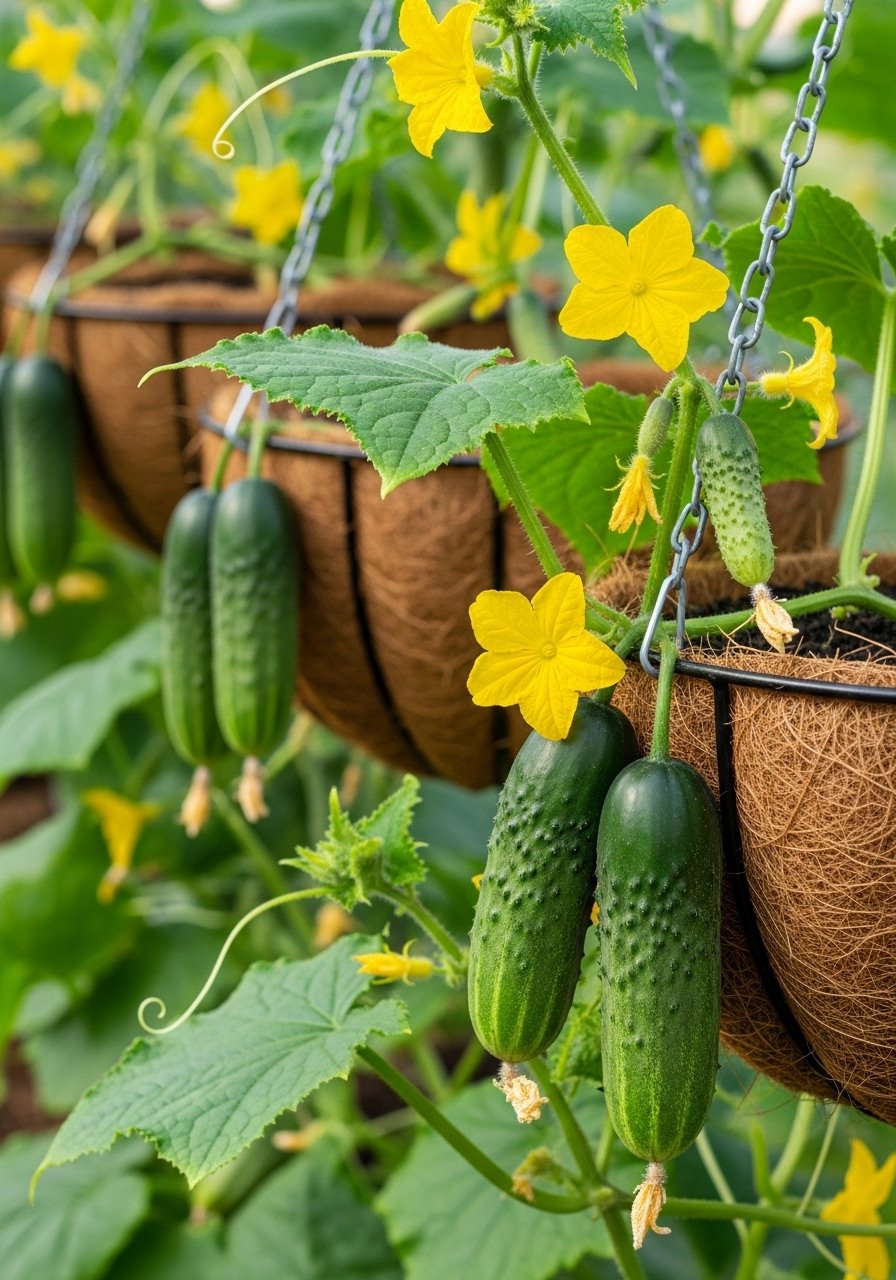
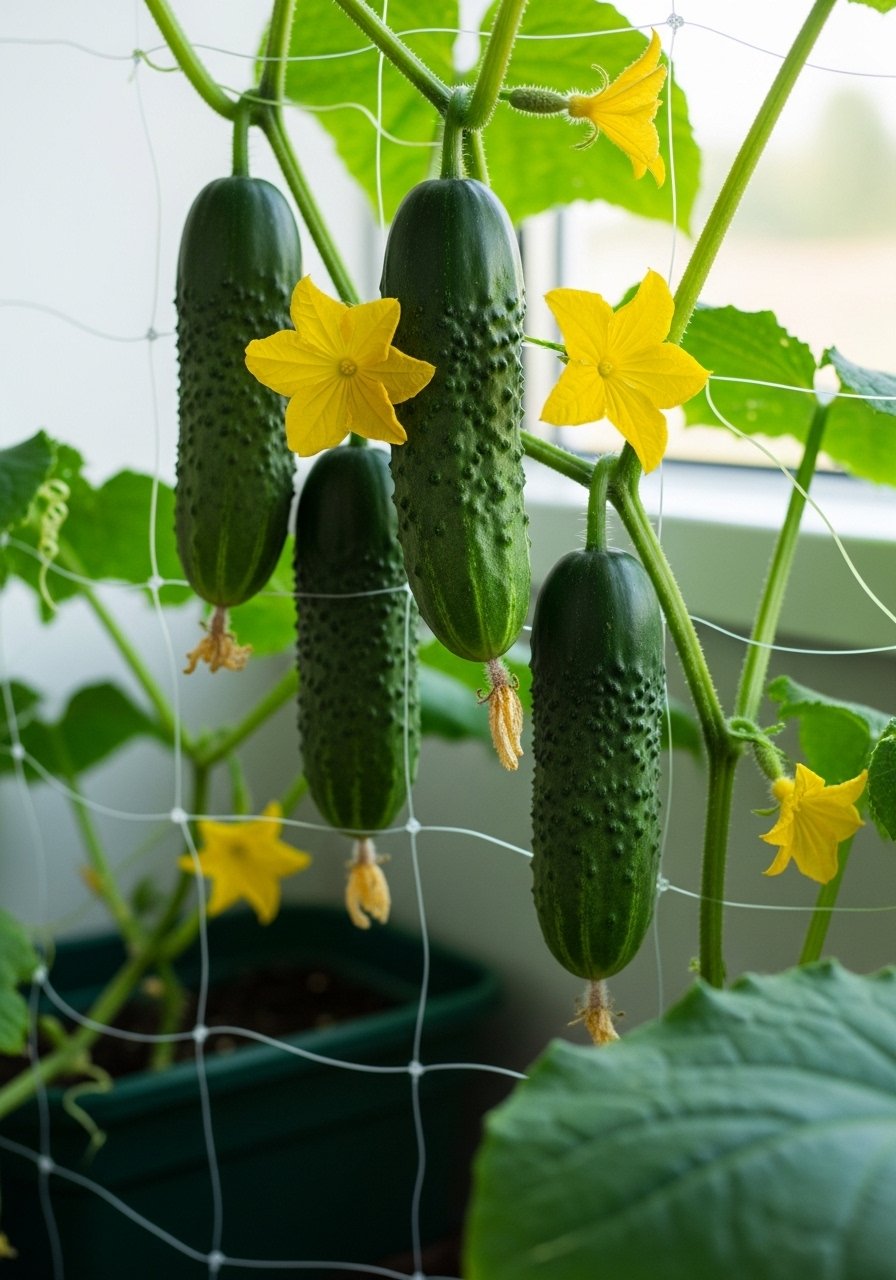
    Net strung corner to rail lifts cucumber vines up. Fruits hang cool, straight from the pot. Pickers delight.

    Vines screen views gently. Less rot on ground.

    Heavy feeders—compost weekly. Train young shoots.

    Overloaded net sagged—thicker gauge fixed it.

    What You’ll Need for This Look

    Garden netting (heavy duty)

    Cucumber seeds (bush type)

    15-inch plastic pots

    10. Microgreen Trays on a Shelf

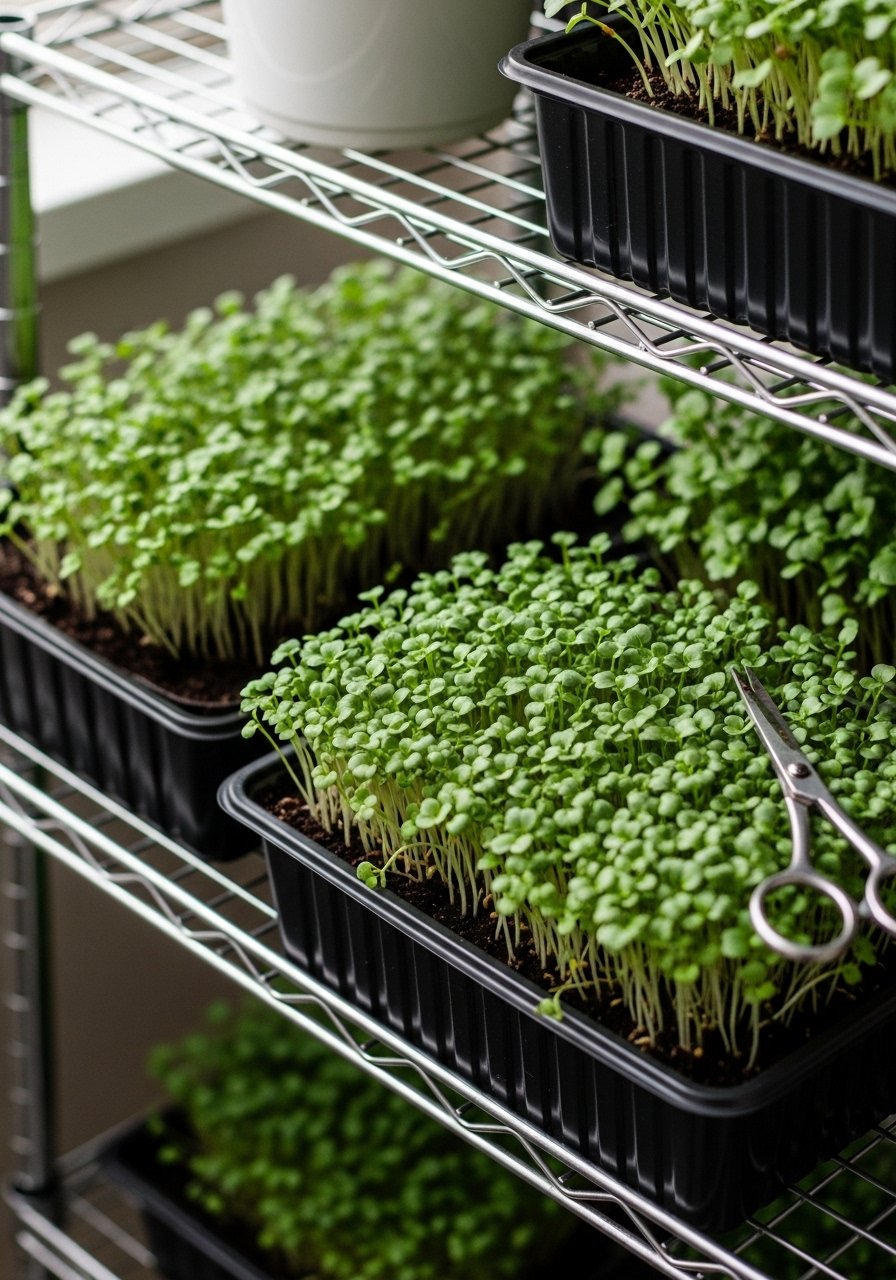
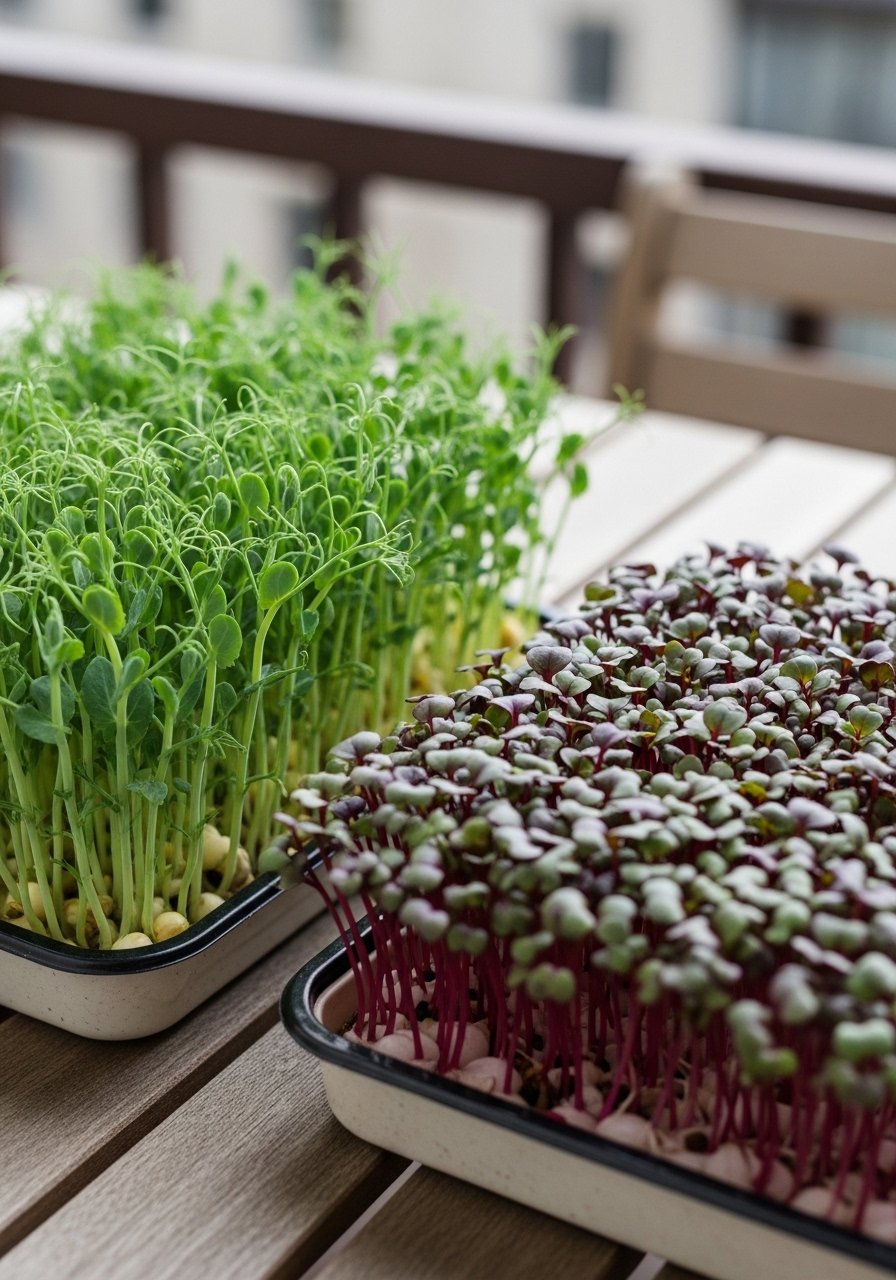
    Wire shelf holds shallow trays of microgreens—radish, pea shoots. Cut weekly, regrow fast. Instant salads.

    Fresh pop of color and spice. Fits anywhere.

    Indoor light okay; rotate for even growth.

    Mold hit damp trays—better airflow now.

    What You’ll Need for This Look

    Wire shelf unit (small)

    Microgreen trays (10×20)

    Microgreen seed mix

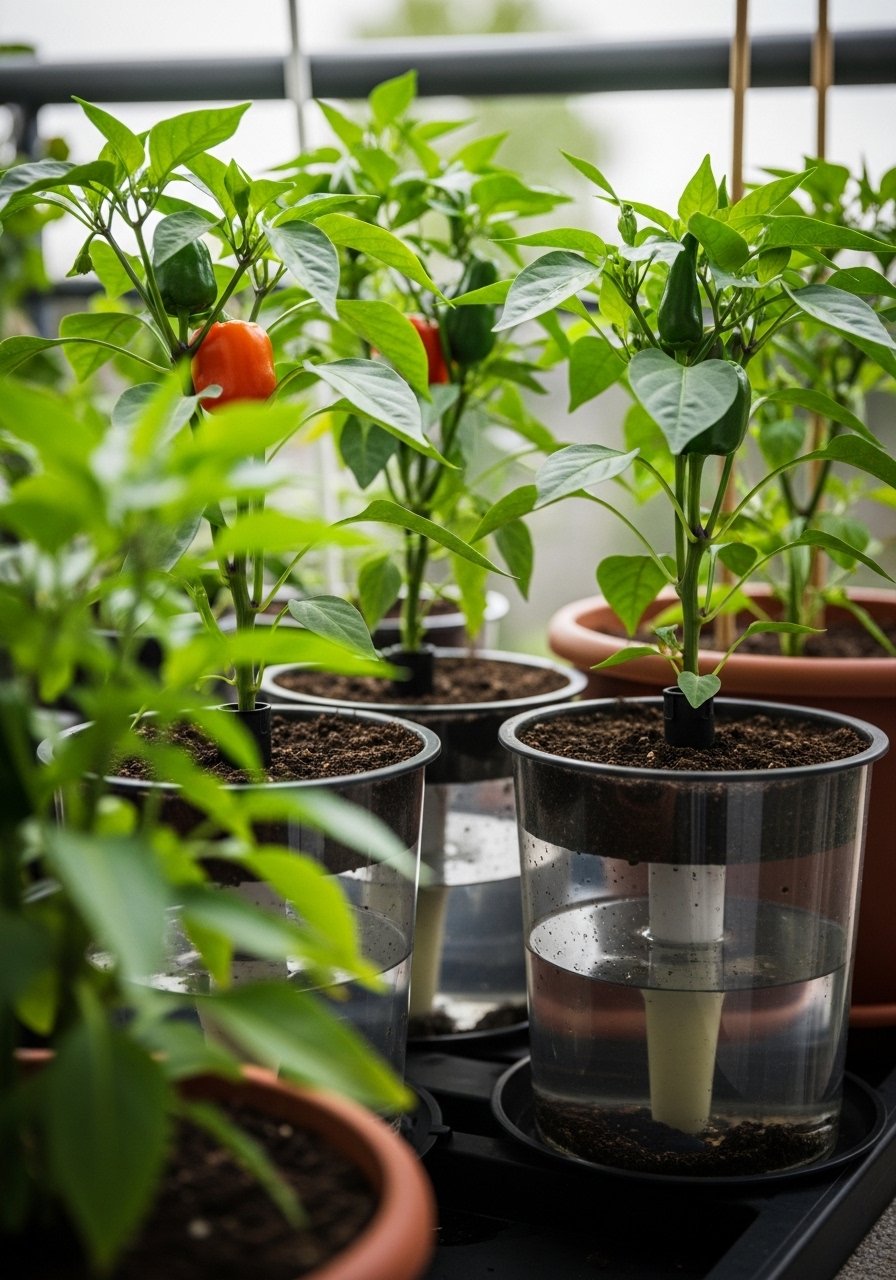
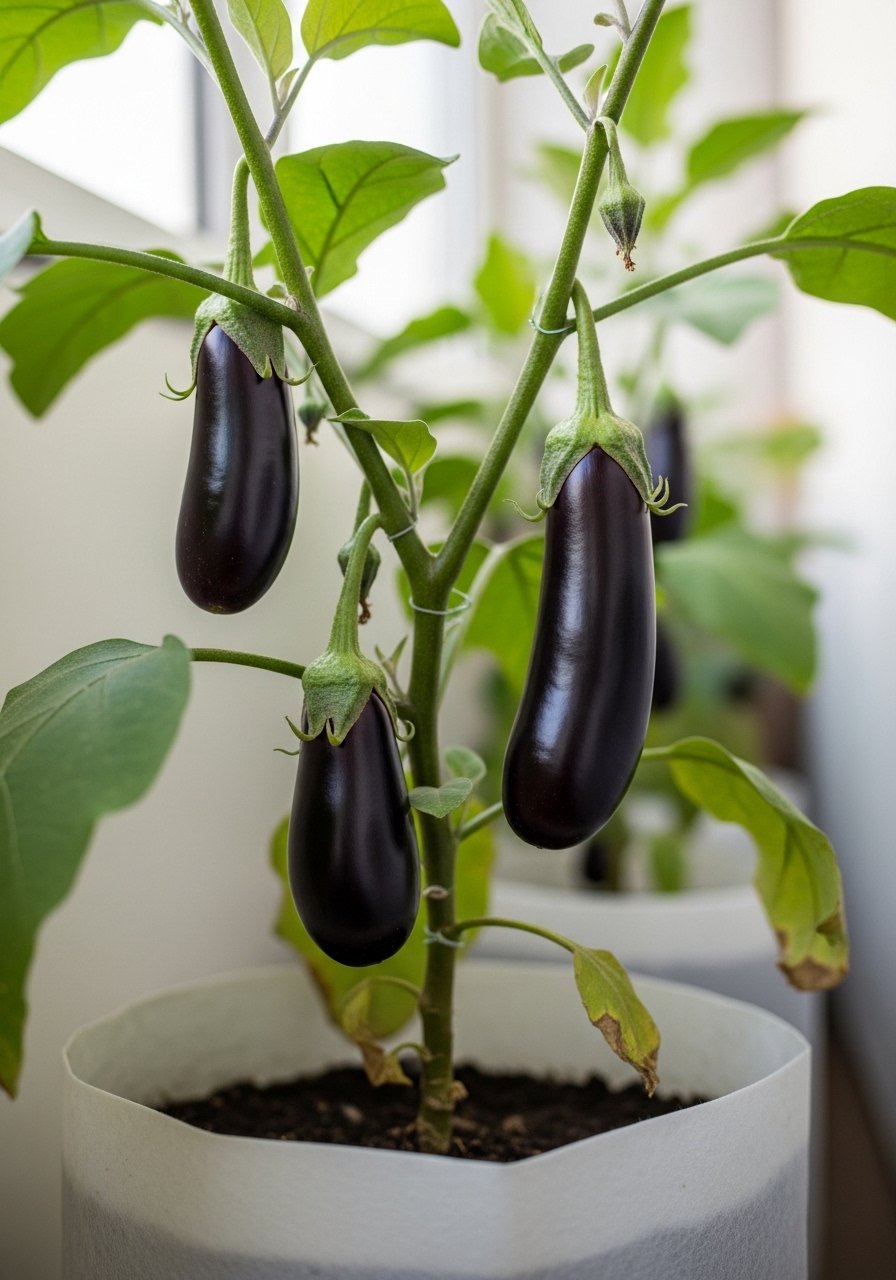
    11. Eggplant in Self-Watering Pots

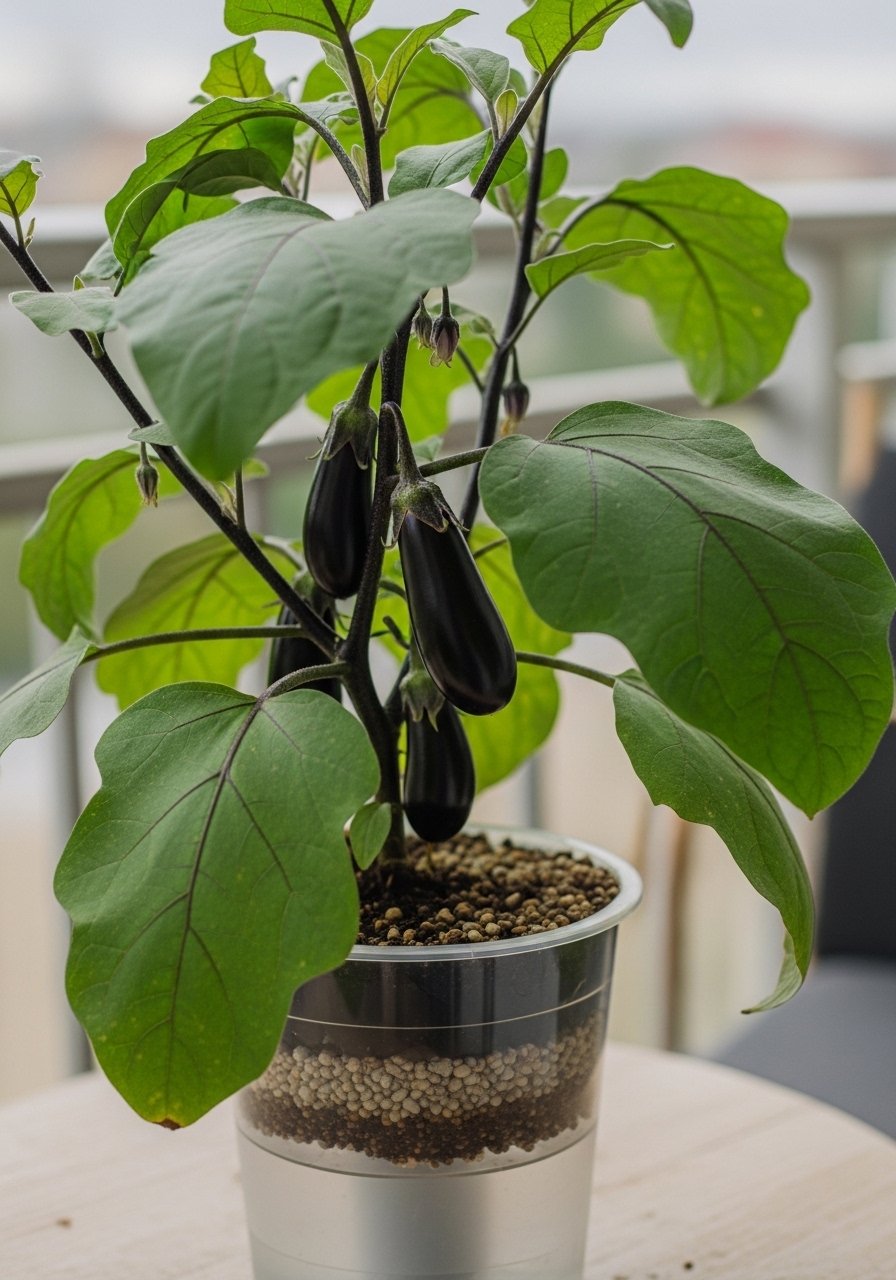
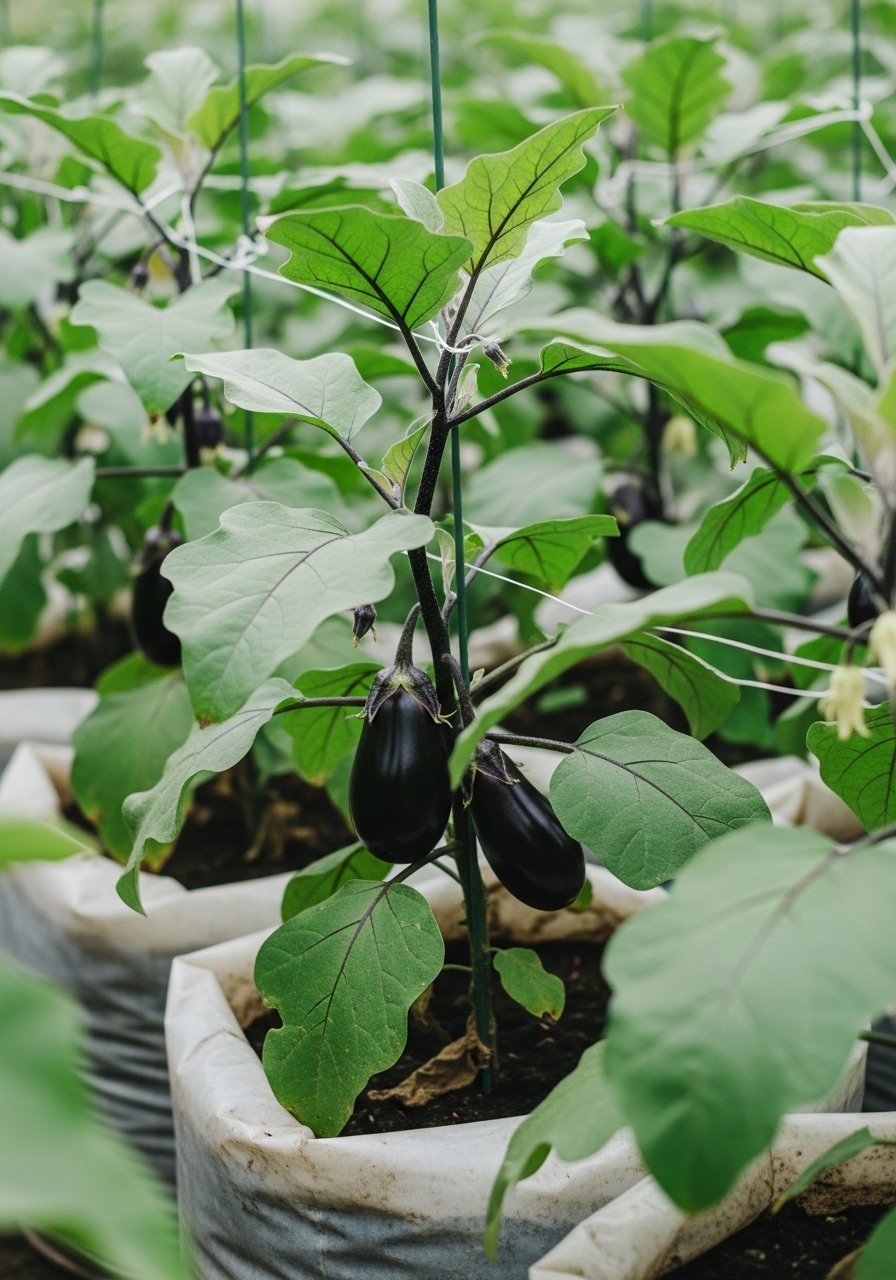
    Self-watering pots on the table grow eggplant steady. Reservoirs handle my forgetful days. Fruits plump purple.

    Leaves fan warm shade for coffee. Reliable producer.

    Warm soil key—black pots heat up.

    Too much water drowned first ones—self-watering saves.

    What You’ll Need for This Look

    Self-watering planters (12-inch)

    Eggplant seedlings

    Tomato fertilizer spikes

    Final Thoughts

    Start with two ideas that match your sun and space. Mine evolved slow—some thrived, others taught lessons.

    You'll eat from your balcony soon. It's simple growth, real food. You've got this.
  • 21 Smart Apartment Balcony Vegetable Garden Ideas For Urban Living

    21 Smart Apartment Balcony Vegetable Garden Ideas For Urban Living

    I squeezed my first tomato plant onto a windy fifth-floor balcony. It leaned, but fruited anyway. That taste hit different—pure city reward.

    Over years, I filled every corner. Learned what fits tight spaces, handles shade shifts.

    Your balcony can yield real food. No yard needed. Just smart starts.

    21 Smart Apartment Balcony Vegetable Garden Ideas For Urban Living

    These 21 ideas come from my balconies—real trials, spills, harvests. They'll fit your space, ease urban quirks like wind and shade. Pick one, grow confident.

    1. Vertical Tomato Towers That Stack Space Skyward

    I built my first tower after cherry tomatoes sprawled everywhere. Stacked three pots, tied vines up. Doubled my yield without floor space.

    The view shifted—green wall instead of bare railing. Felt private, abundant.

    Watch sun hours; tomatoes need six. Mine browned once from wind—added mesh now.

    Start with dwarf indeterminates. They climb forever, fruit till frost.

    What You’ll Need for This Look

    Tomato tower kit (3-tier)

    Dwarf cherry tomato seeds

    Garden twine, natural jute

    Windbreak mesh netting (6×50 ft)

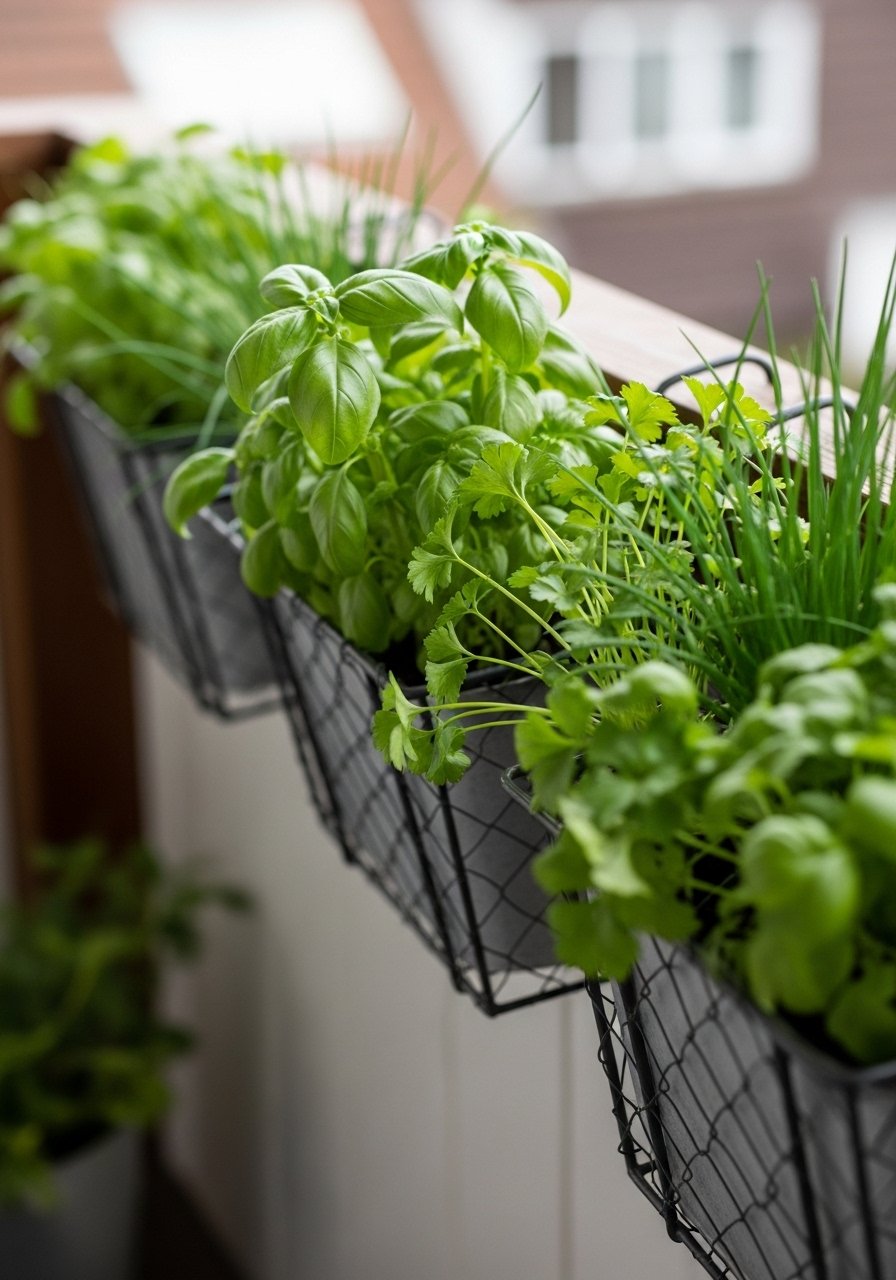
    2. Hanging Herb Baskets for Arm’s Reach Flavor

    My kitchen felt miles from dirt till I hung basil off the rail. Snip fresh, no trip down.

    Baskets sway gentle, catch breeze. Herbs love it—bushier than ground.

    Overwatered once, roots rotted. Now I poke finger in soil first.

    Genovese basil explodes; pair with mint for teas.

    What You’ll Need for This Look

    Wire hanging baskets (10 inch)

    Basil Genovese seeds

    Coir liners for baskets

    Parsley Italian flat leaf plants

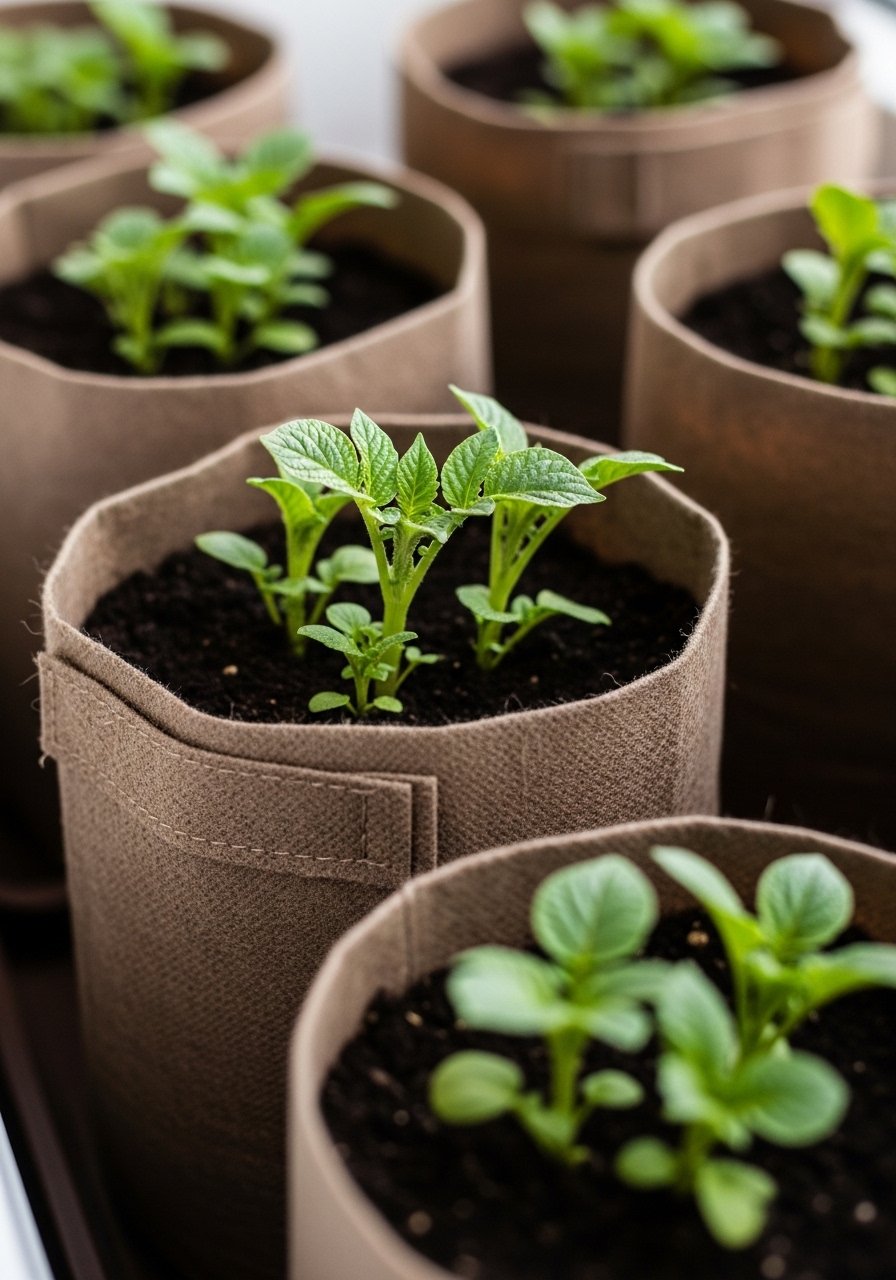
    3. Potato Bags for Hidden Bumper Crops

    Potatoes took over my pots once—too greedy. Switched to bags, hilled up easy.

    Peek under flap for new ones weekly. Felt like treasure hunts.

    Yukon golds store months. Balcony feasts without bulk.

    Drainage key; bags breathe better than plastic.

    What You’ll Need for This Look

    Potato grow bags (10 gallon)

    Yukon gold seed potatoes

    Compost soil mix bag

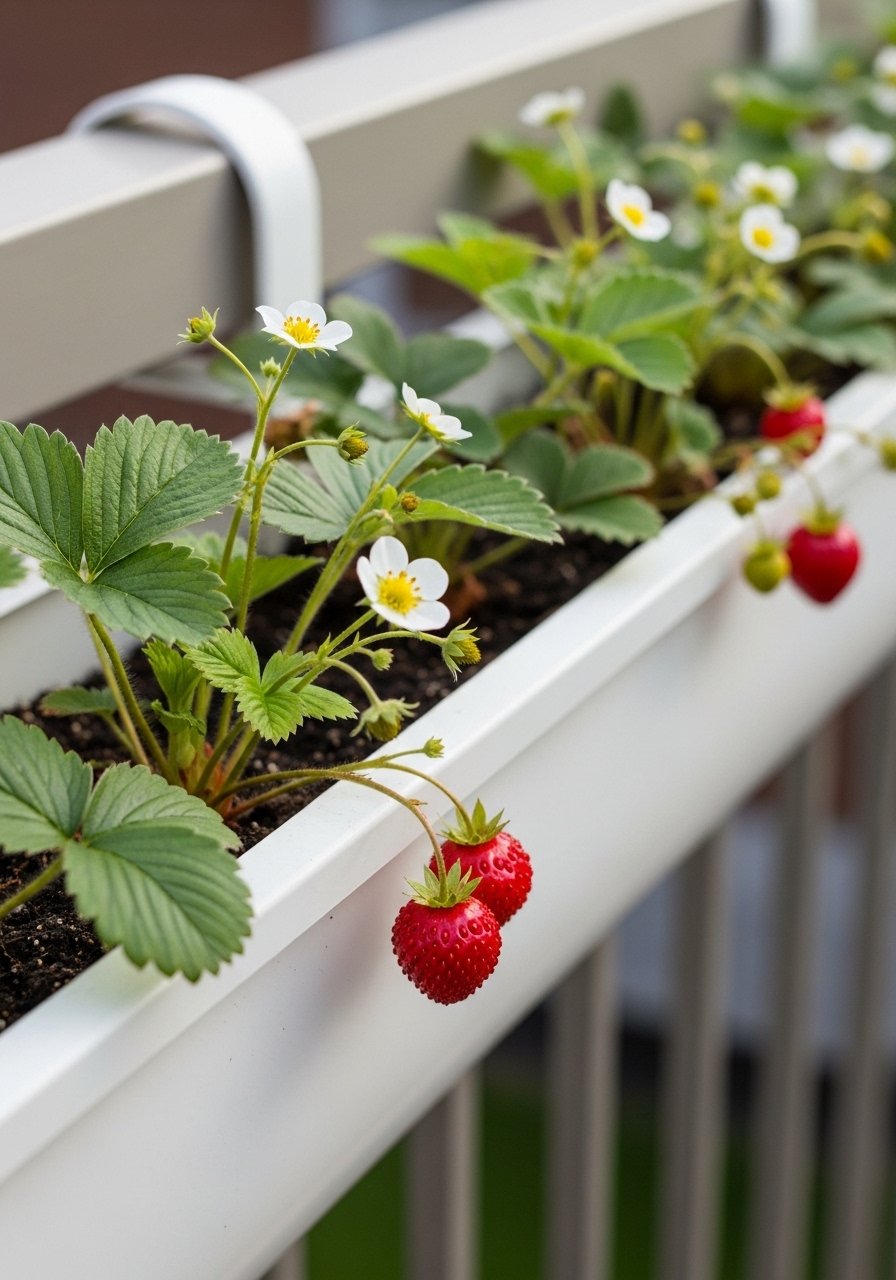
    4. Gutter Strawberries Along the Railing Edge

    PVC gutters nailed to rail—strawberries tumbled out sweet. No floor steal.

    Runners rooted free; doubled plants next year.

    Birds nabbed half first season—net now.

    Alpines fruit forever, tiny but intense.

    What You’ll Need for This Look

    Rain gutter planters (white PVC)

    Alpine strawberry plants

    Bracket hangers for gutters

    Strawberry net cover

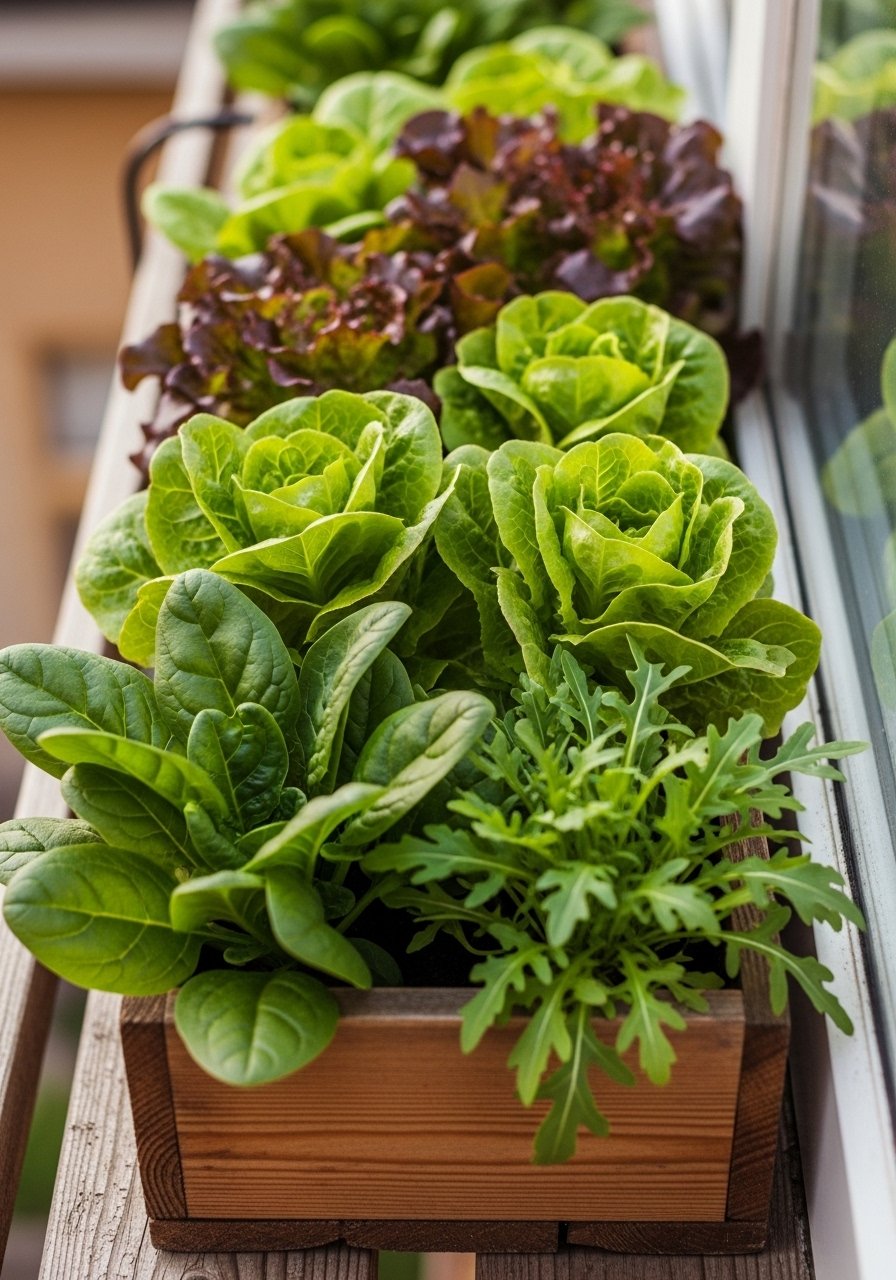
    5. Window Box Salads Ready in Weeks

    Salad greens bolt fast in heat—I succession planted boxes. Fresh every cut.

    Mix loose leaf; regrows three times.

    Shallow roots fit boxes perfect. Balcony lunch daily.

    What You’ll Need for This Look

    Wooden window boxes (24 inch)

    Loose leaf lettuce mix seeds

    Potting soil for veggies

    6. Compact Pepper Pots That Handle Balcony Heat

    Peppers fried leaves first summer—too small pots. Upsized, staked.

    Heat lovers; my south rail glows with reds.

    Sweet bells for eating, hot for spice.

    What You’ll Need for This Look

    Terracotta pots (12 inch)

    Mini bell pepper plants

    Bamboo stakes (3 ft)

    7. Radish Rows in Shallow Trays for Quick Wins

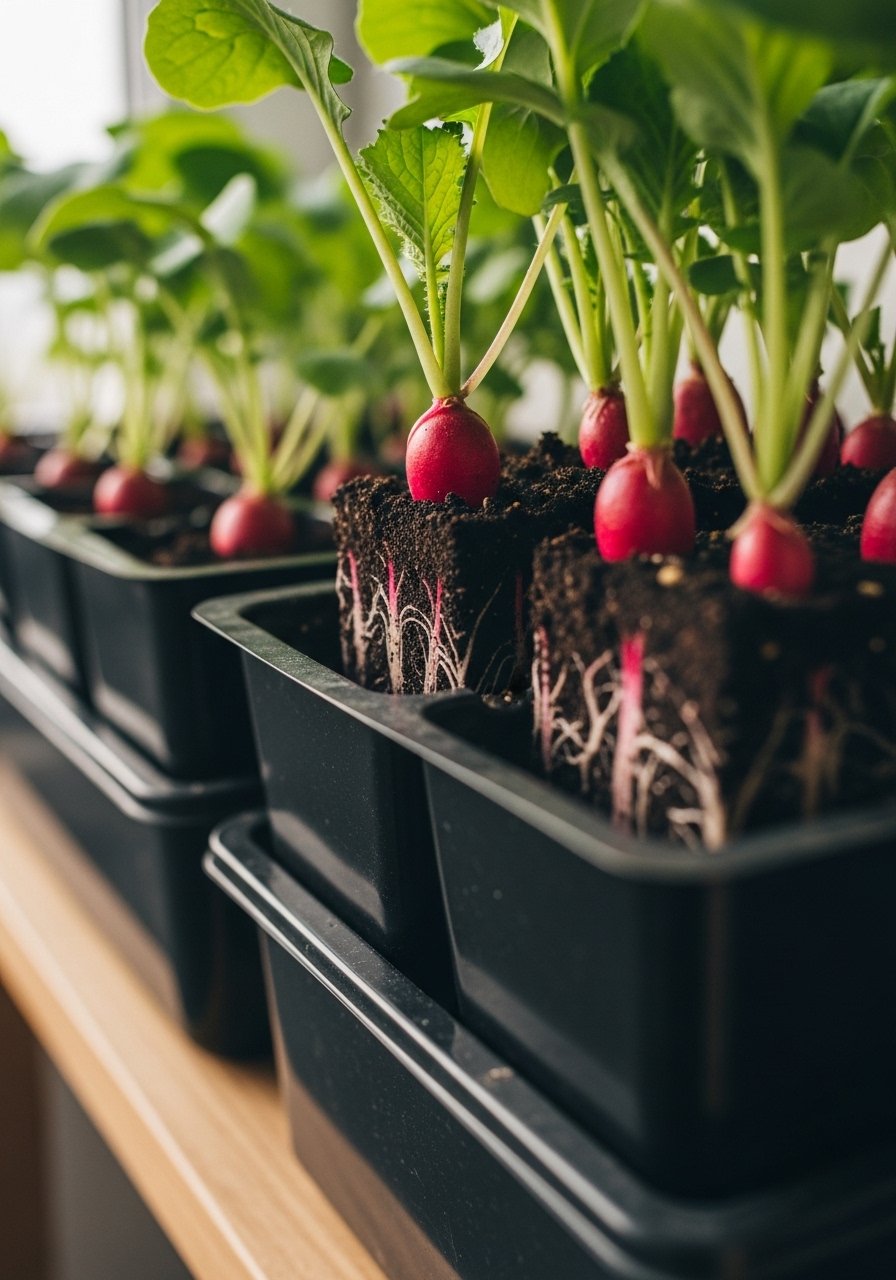
    Radishes ready in 25 days—motivation hit. Trays stack, thin rows.

    Crunchy, spicy pull. Kids love.

    Crowded once, puny—space inch apart.

    What You’ll Need for This Look

    Seedling trays (black plastic)

    French breakfast radish seeds

    Potting mix lightweight

    8. Dwarf Cucumber Vines on Rail Trellis

    Cukes sprawled wild—trellis tamed. Pickles daily.

    Dwarf types vine short, fruit small.

    Wind snapped once—thicker wire.

    What You’ll Need for This Look

    Balcony rail trellis (wire)

    Dwarf cucumber seeds

    Zip ties heavy duty

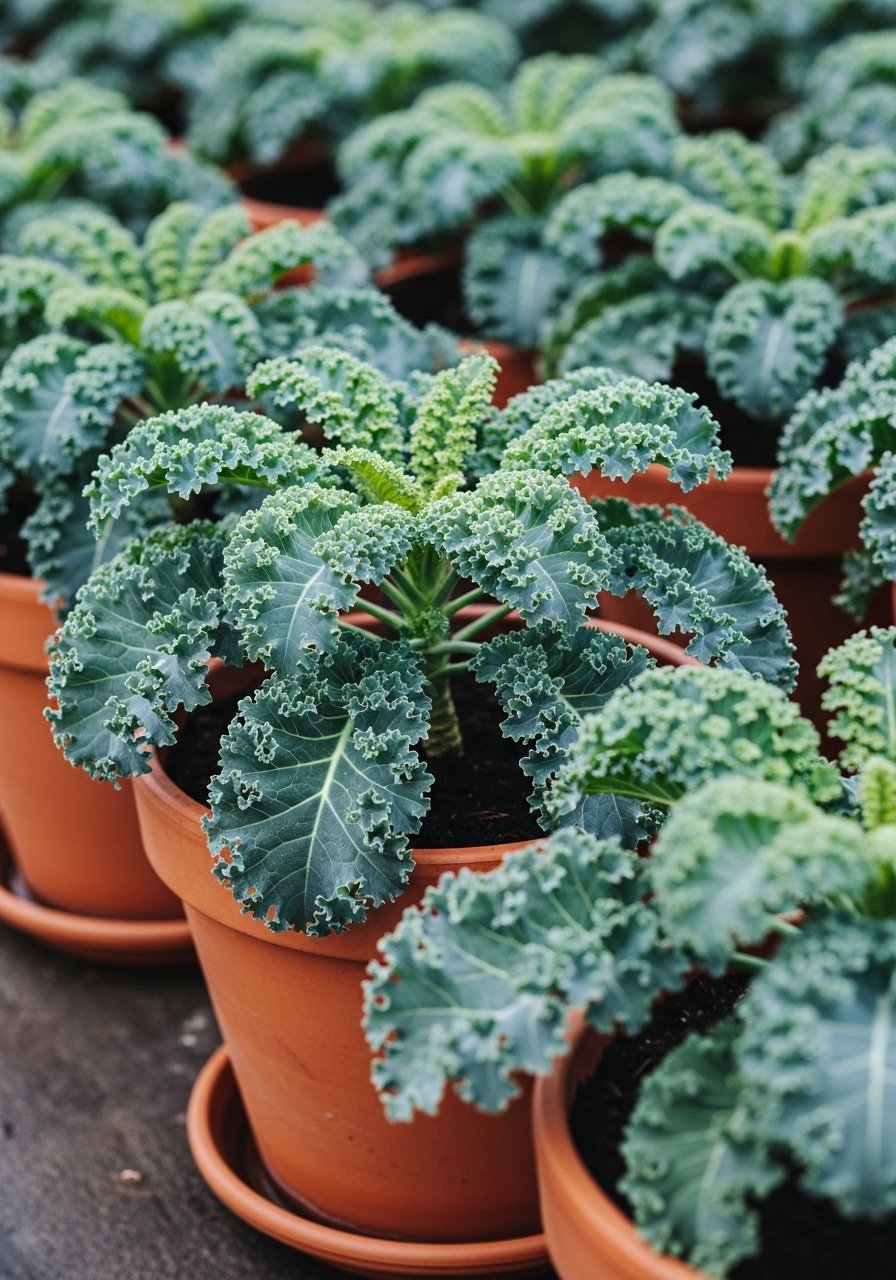
    9. Kale in Oversized Tubs for All-Season Greens

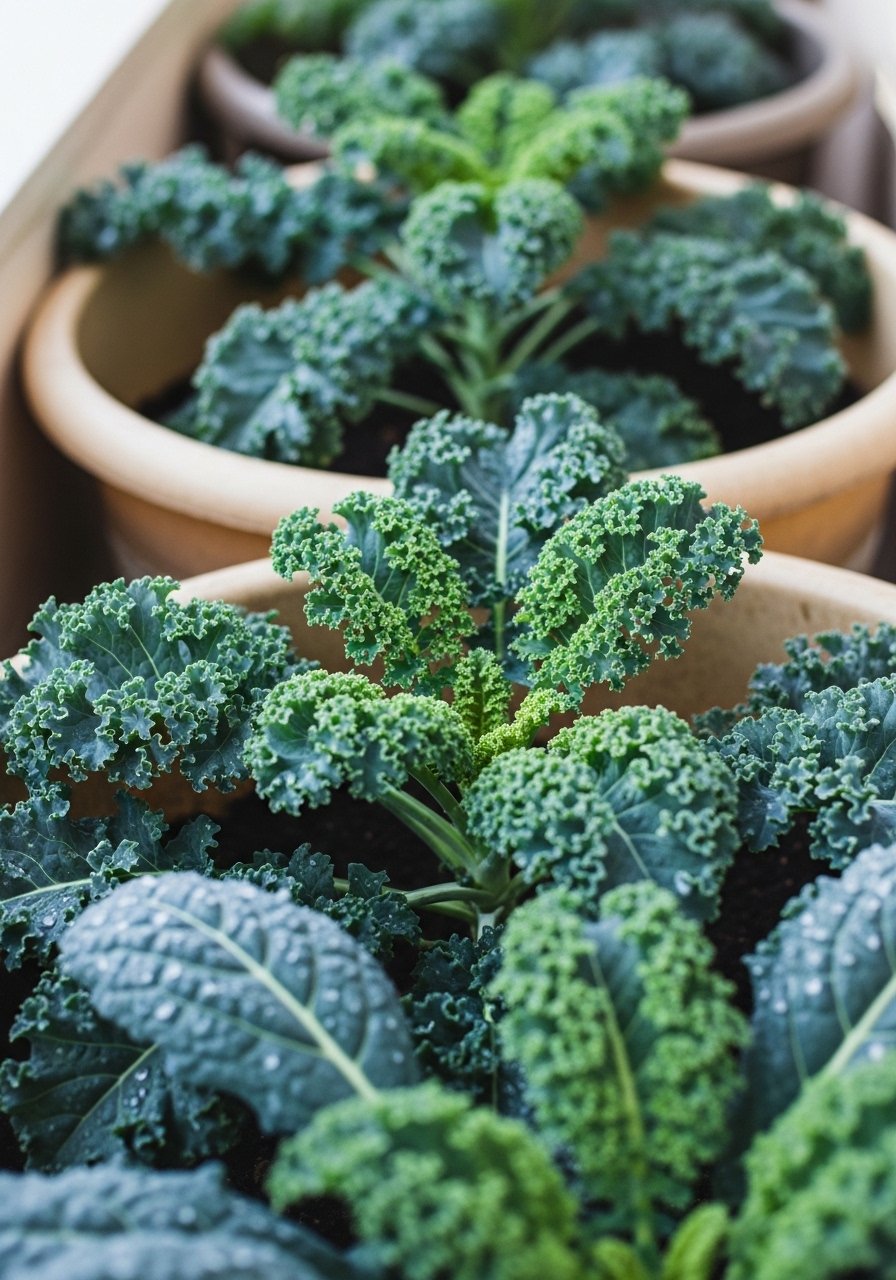
    Kale toughs winter here. Tubs insulate roots.

    Harvest outer leaves; center grows.

    Bugs hit young—soap spray.

    What You’ll Need for This Look

    Large plastic tubs (20 gallon)

    Lacinato kale seeds

    Neem oil spray bottle

    10. Microgreen Trays on Your Side Table

    Micros sprout week one—sprinkle on everything. Trays fit anywhere.

    Nutrient punch, no wait.

    Overseed first try—thin now.

    What You’ll Need for This Look

    Microgreen growing trays

    Pea shoot microgreen seeds

    Grow mat coconut coir

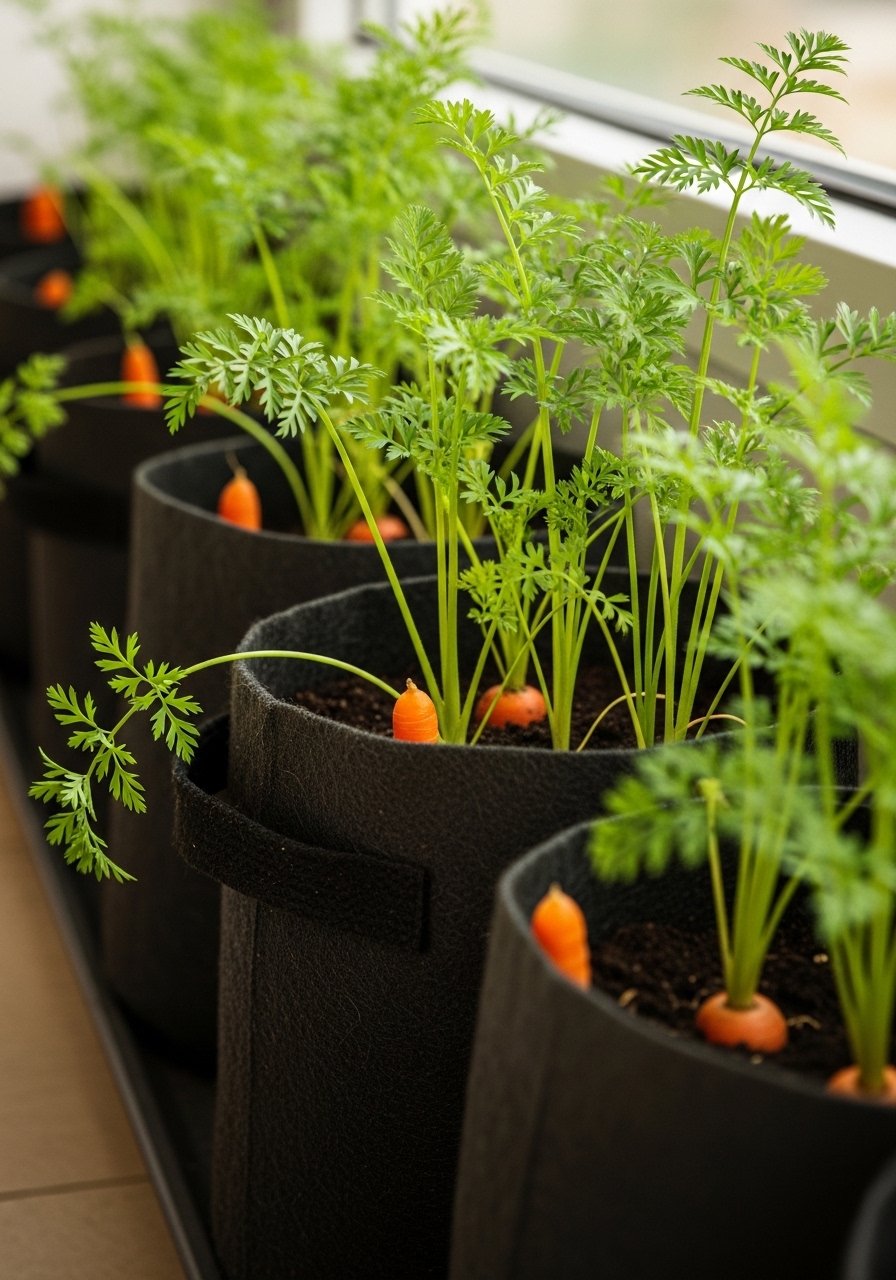
    11. Carrot Strips in Deep Fabric Grow Bags

    Carrots fork in clay soil—bags fluff roots straight.

    Pull sweet babies young.

    Nantes best for pots.

    What You’ll Need for This Look

    Deep fabric grow bags (7 gallon)

    Nantes carrot seeds

    Sand soil amendment

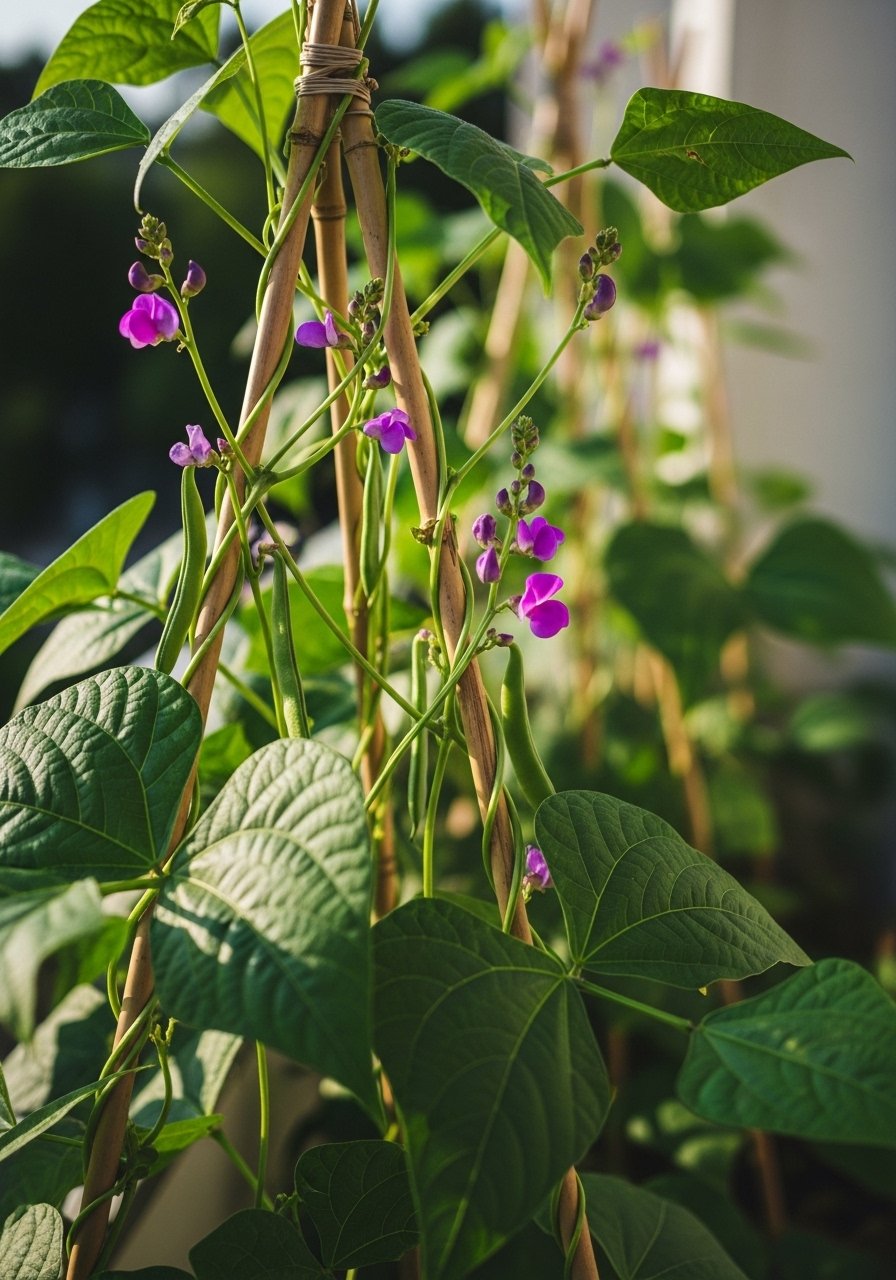
    12. Pole Bean Climbers on Bamboo Stakes

    Beans fixed nitrogen—soil better after. Teepee shades below.

    Snap fresh, dry for winter.

    Tie loose first season.

    What You’ll Need for This Look

    Bamboo stakes (6 ft bundle)

    Pole blue lake bean seeds

    Jute garden twine

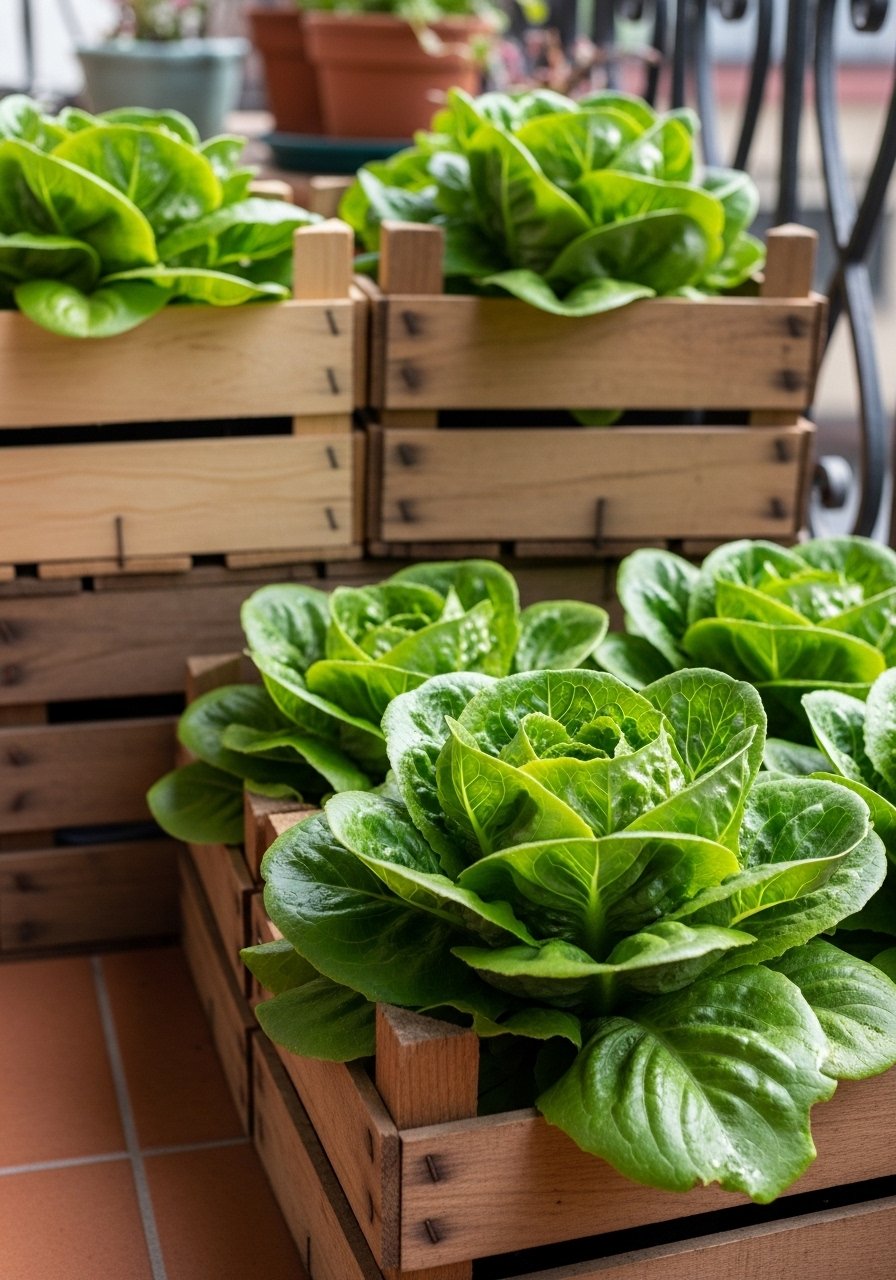
    13. Lettuce Ladders in Stacked Crates

    Crates stack light—rotate for sun. No bolt in shade.

    Buttercrunch my favorite, milky sweet.

    What You’ll Need for This Look

    Wooden milk crates (stackable)

    Buttercrunch lettuce seeds

    Landscape fabric liner

    14. Self-Watering Pots for Forgetful Waterers

    Travel week, plants thirsted—self-water saved. Reservoir even moisture.

    Less wilt, steady growth.

    Fill bottom only.

    What You’ll Need for This Look

    Self-watering planter pots (14 inch)

    Determinate tomato plants

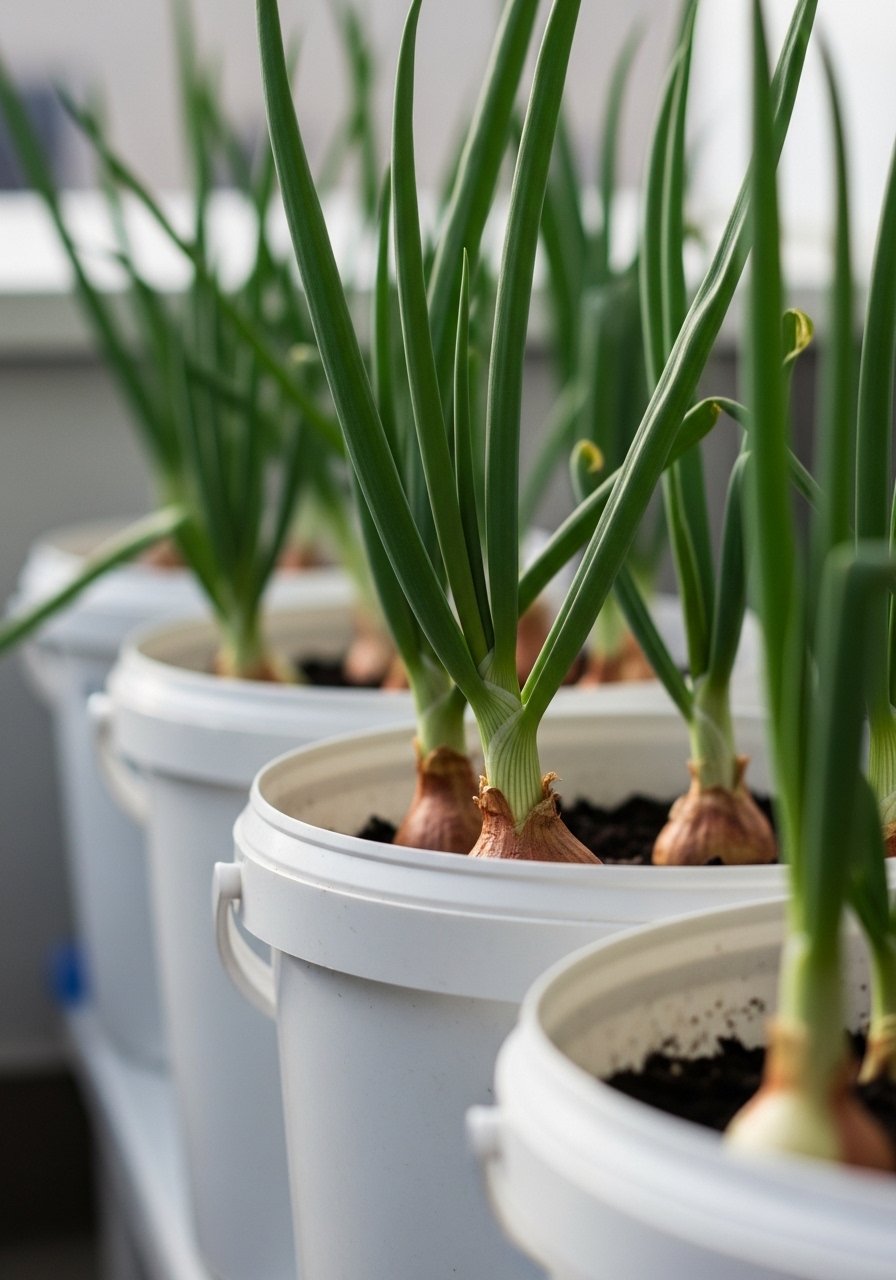
    15. Onion Sets in Recycled Buckets

    Buckets drill holes—onions bulb fast. Slice green or full.

    Store dry balcony corner.

    Yellow sweets reliable.

    What You’ll Need for This Look

    5-gallon white buckets

    Yellow onion sets

    Drill bit for plastic

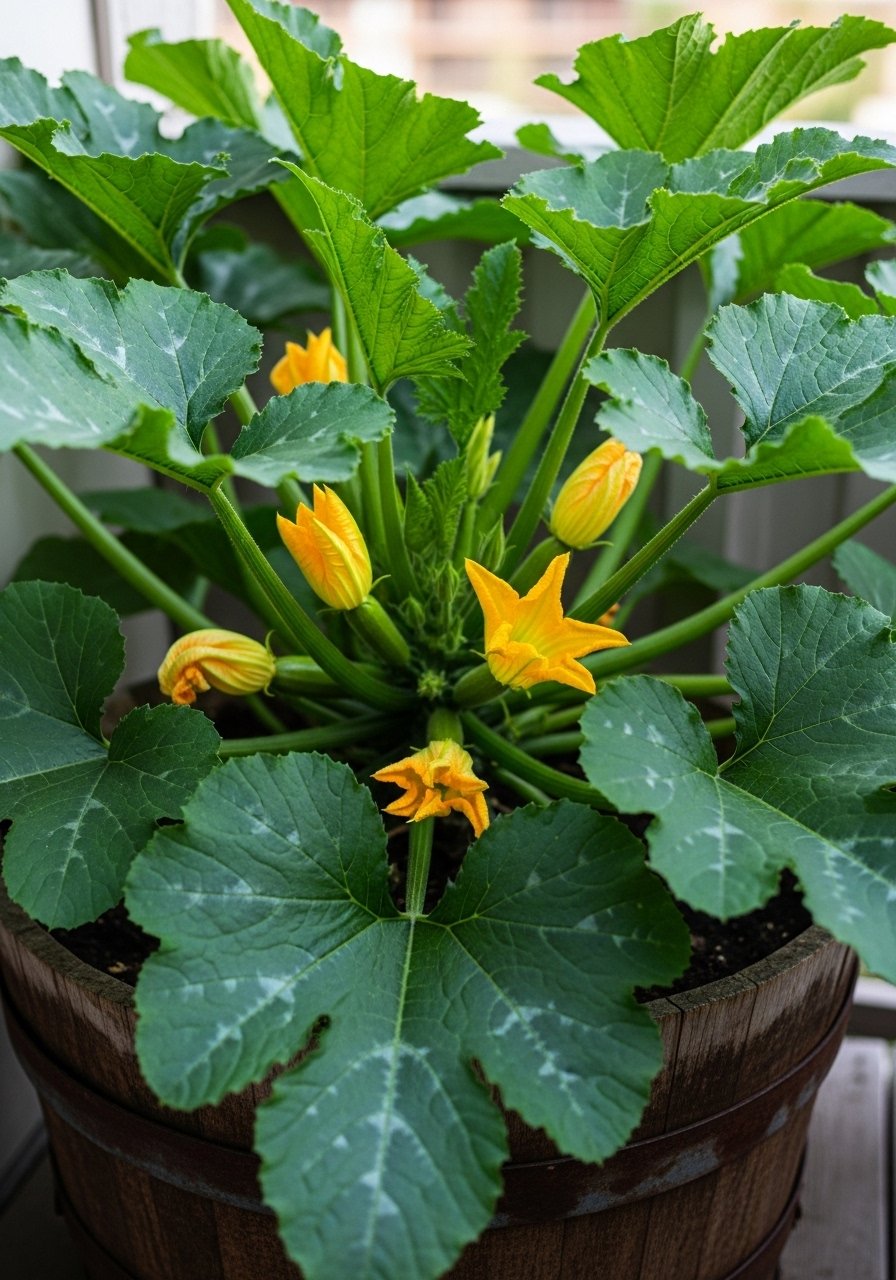
    16. Zucchini in Half Whiskey Barrels

    One zucchini bush per barrel—fed neighbors. Compact bush type.

    Blossoms edible too.

    Pollen dust fingers.

    What You’ll Need for This Look

    Half whiskey barrel planters

    Bush zucchini seeds

    Espoma garden tone fertilizer

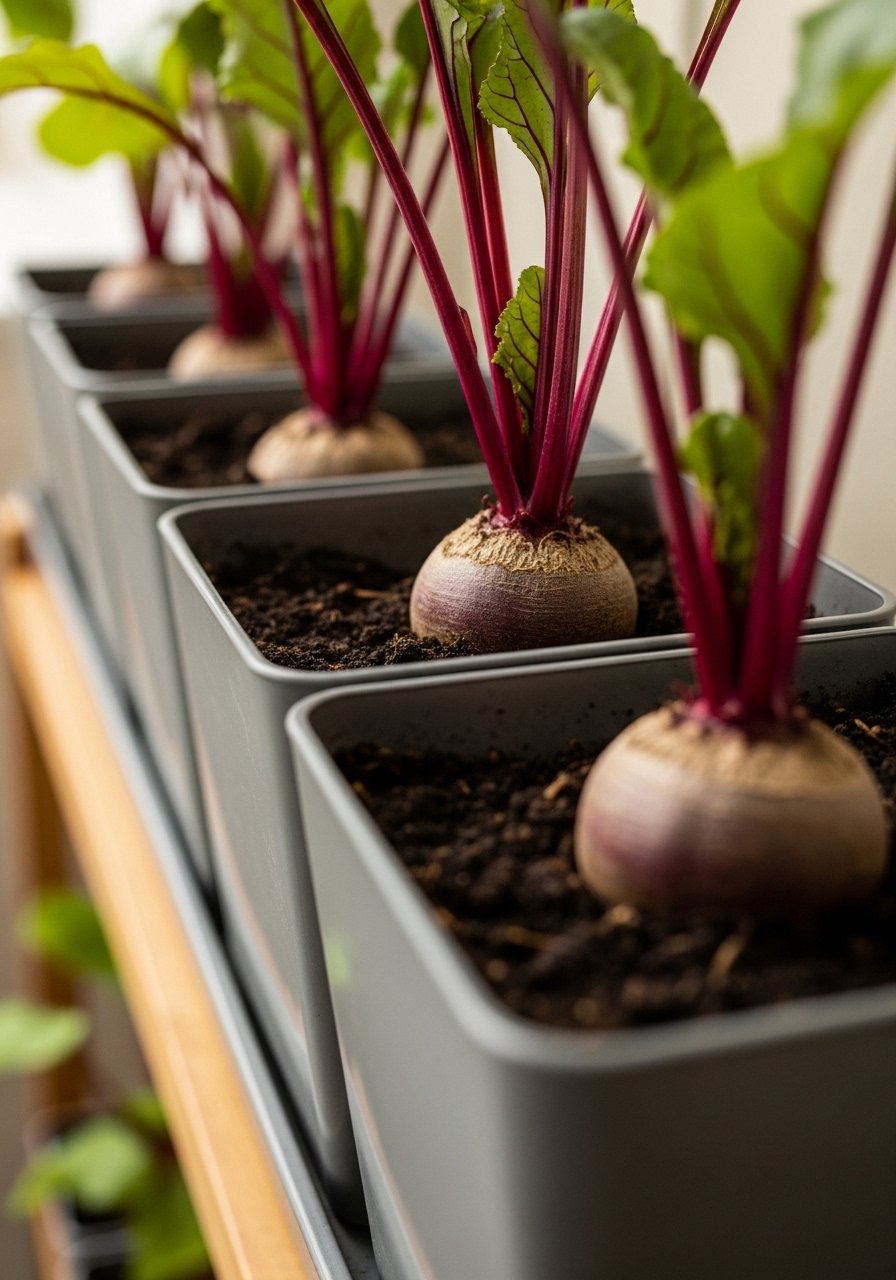
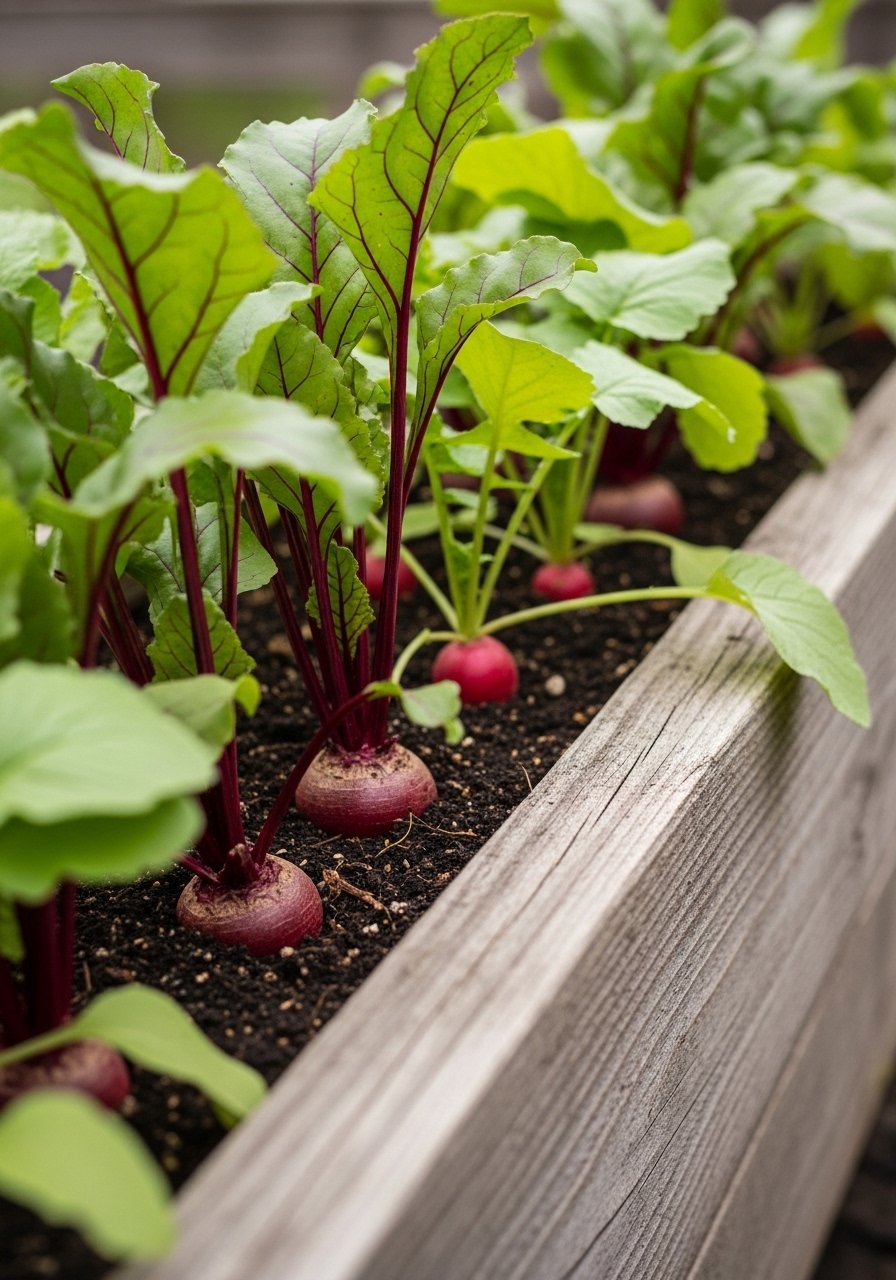
    17. Beet Bundles in Modular Square Pots

    Beets stain hands red—worth it. Modular swap spent.

    Greens taste earthy.

    Thin to golf ball.

    What You’ll Need for This Look

    Square fabric pots (5 gallon)

    Detroit dark red beet seeds

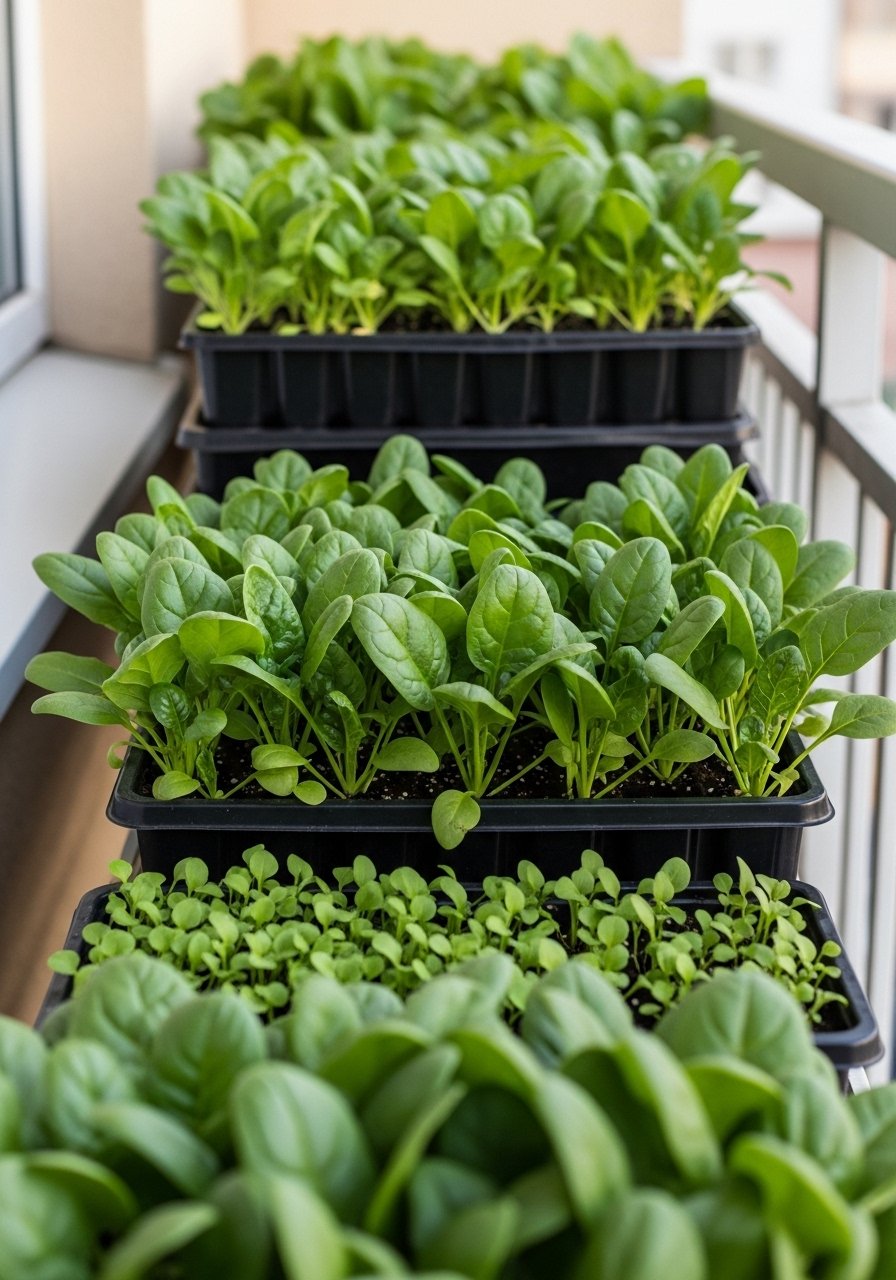
    18. Spinach Waves in Succession Trays

    Spinach bolts June—stagger sow. Steady baby leaves.

    Bloomsdale curly holds.

    Cool lover, shade edge.

    What You’ll Need for This Look

    Plastic tray set (1020 size)

    Bloomsdale spinach seeds

    Shade cloth clips

    19. Eggplant in Breathable Fabric Pots

    Eggplant roots rot wet—fabric dries fast. Fairy tale small.

    Grill slices smoky.

    Stake heavy fruit.

    What You’ll Need for This Look

    Breathable fabric pots (15 gallon)

    Fairy tale eggplant seeds

    Bamboo stake set

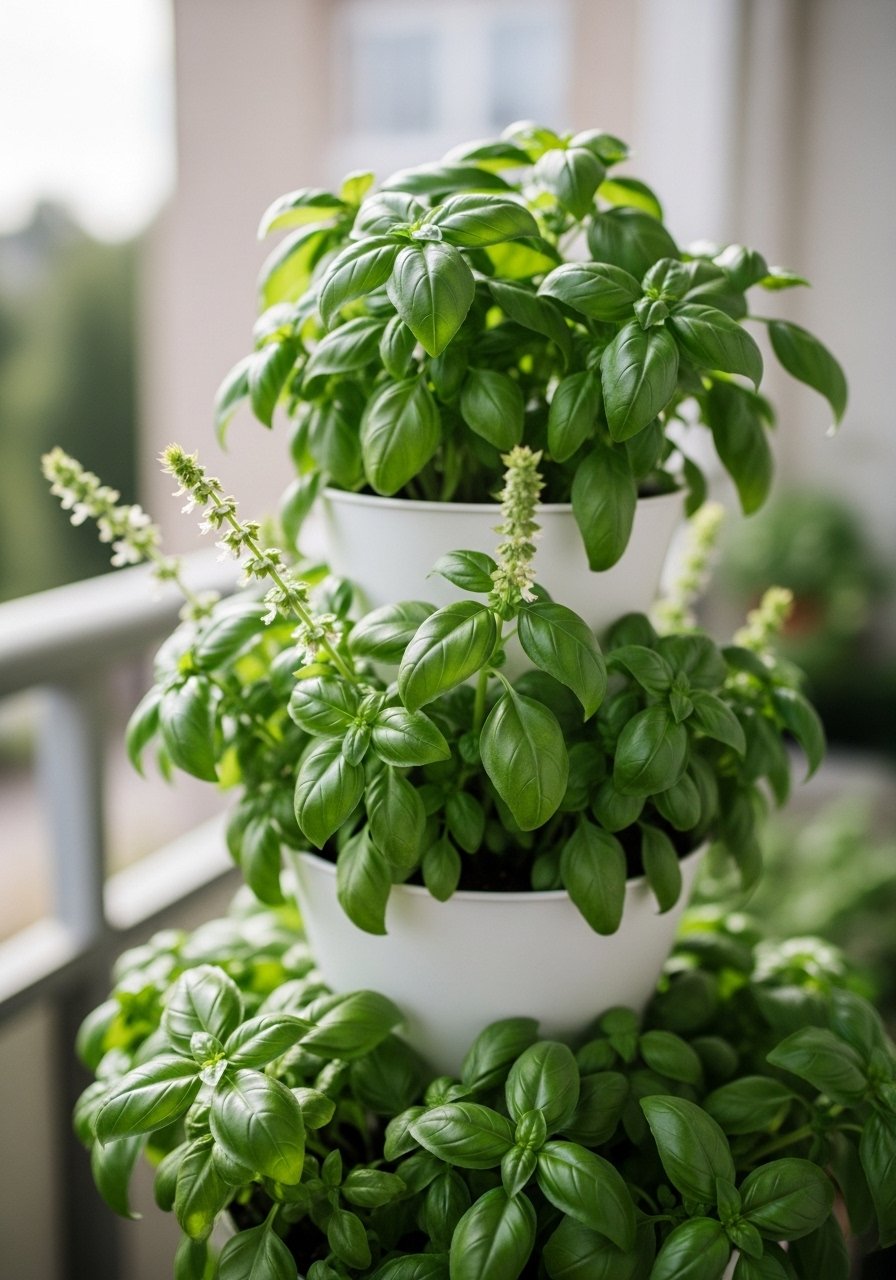
    20. Basil Pyramids for Endless Pesto

    Pyramid tiers sun all—basil bushes thick. Pinch tops bushy.

    Pesto freezes summer taste.

    Mrs. Burns lemon zing.

    What You’ll Need for This Look

    Herb pyramid planter

    Mrs Burns lemon basil

    Pinch shears small

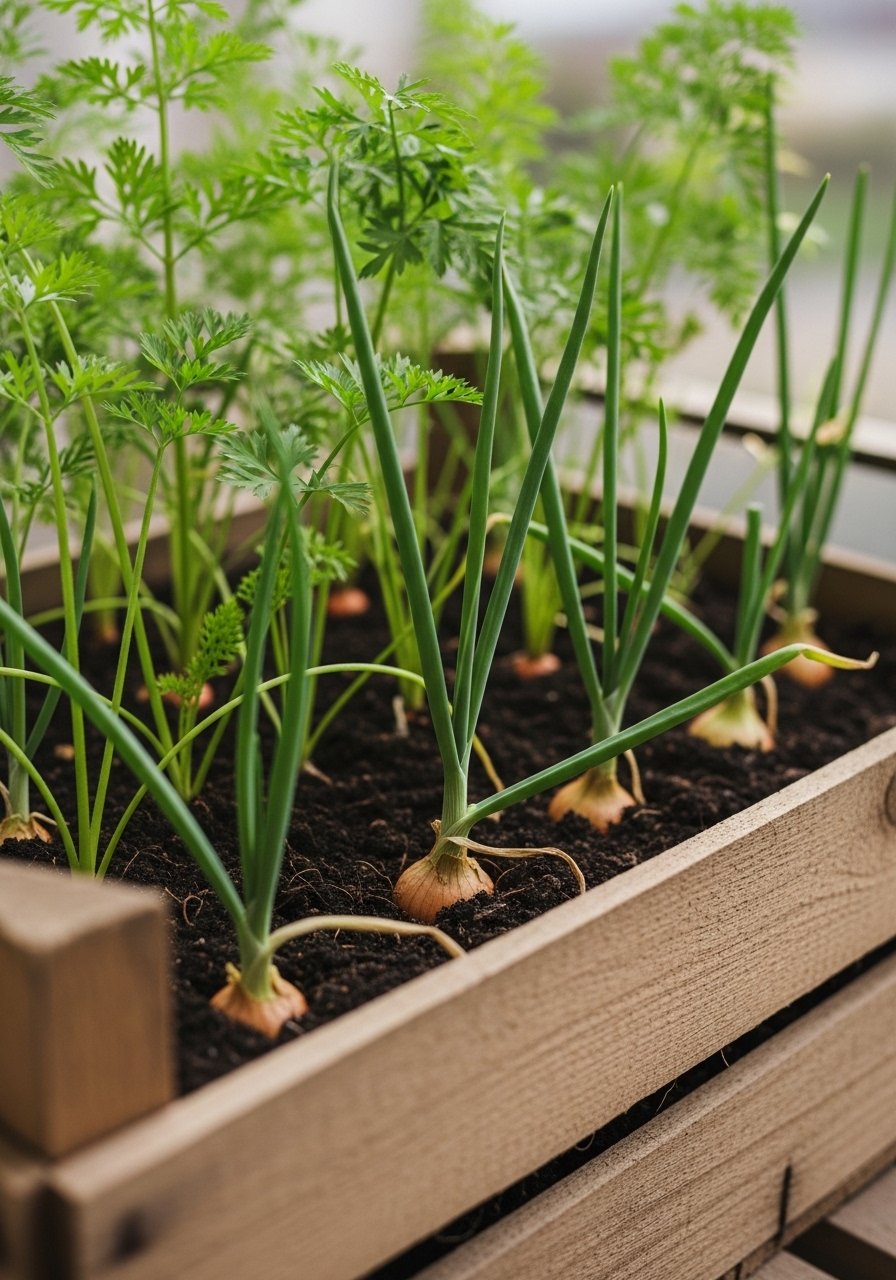
    21. Companion Carrot and Onion Crates

    Carrots onions buddy—flies hate combo. Crate holds both.

    Harvest onions first, carrots follow.

    Fly ash mistake early.

    What You’ll Need for This Look

    Wooden crate planters (medium)

    Paris market carrot seeds

    Red onion sets

    Final Thoughts

    Start with three ideas that fit your light. Watch, tweak. My balcony evolved slow—yours will too.

    Fresh bites wait. You've got this. Dirt under nails feels good.
  • 7 Functional Balcony Vegetable Garden Layout Ideas For Easy Growing

    7 Functional Balcony Vegetable Garden Layout Ideas For Easy Growing

    I remember staring at my cramped balcony, pots everywhere, nothing thriving. Wind knocked half over. Then I shifted to simple layouts that hugged the space. Suddenly, salads appeared from nowhere.
    Real food from a spot the size of a rug.
    These setups grew what I ate, no fuss.
    You can squeeze a garden into any balcony.

    7 Functional Balcony Vegetable Garden Layout Ideas For Easy Growing

    Here are 7 balcony vegetable garden layout ideas that worked for my real spaces. They fit tight spots, handle wind, and deliver steady harvests. No perfection needed – just these.

    1. Vertical Herb Wall That Fills Empty Railings

    I bolted a pocket planter to my railing last summer. Basil and mint climbed fast, shading peppers below. The wall felt alive, not bare.
    Air smelled fresh every morning. I picked handfuls for dinner without bending.
    Watch weight – mine sagged once from wet soil. Drain holes fixed it.
    Pair chives with carrots; bugs stay away. Easy reach from the door.

    What You’ll Need for This Look

    2. Tiered Crate Stack for Layered Greens

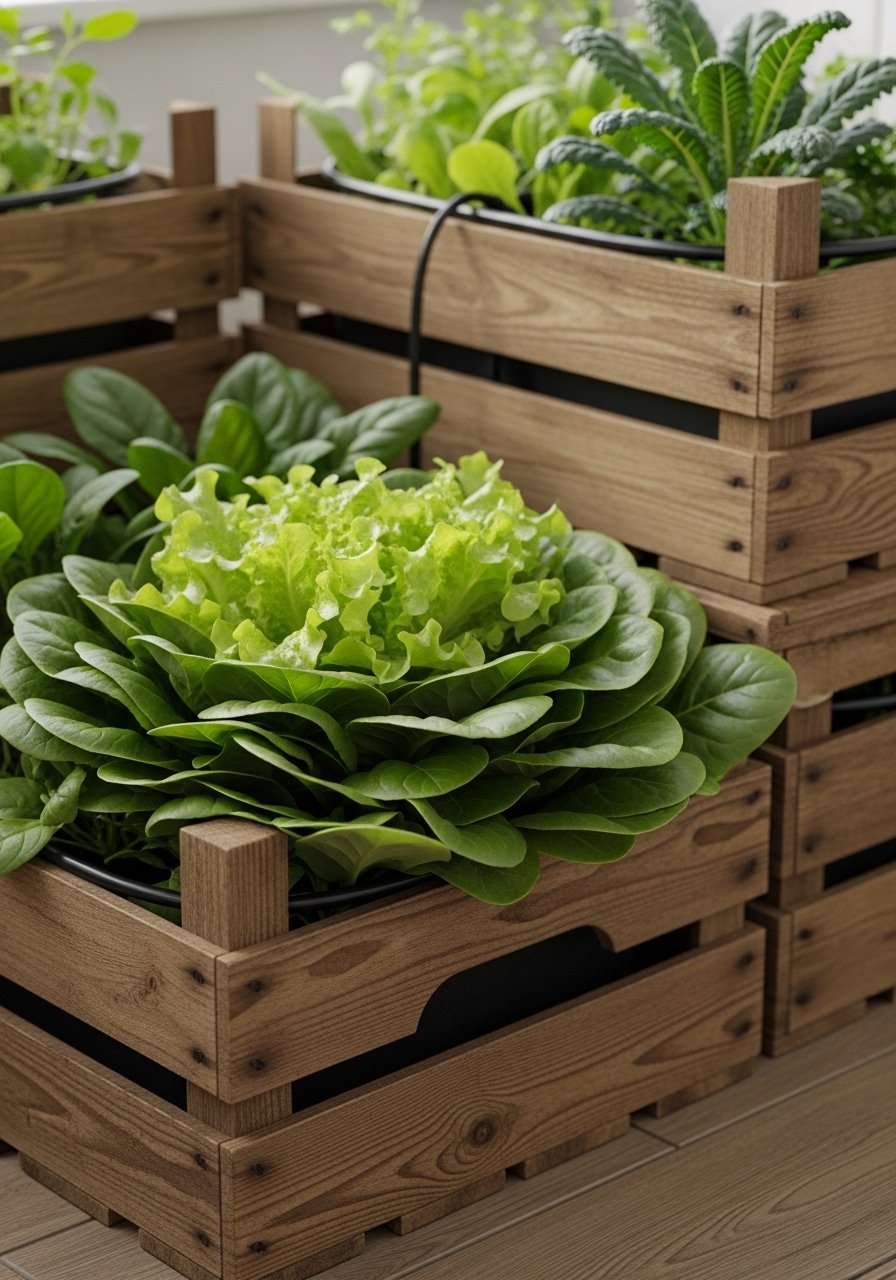
    Wooden crates stacked three high turned my corner into a salad tower. Spinach on top caught sun, lettuce shaded below.
    It felt sturdy, like built-in shelves. Harvests rolled weekly.
    No wobble if you bolt them. Add casters for moving.
    Greens grew thick; I thinned extras for pesto.

    What You’ll Need for This Look

    3. Hanging Basket Tomatoes That Swing Gentle

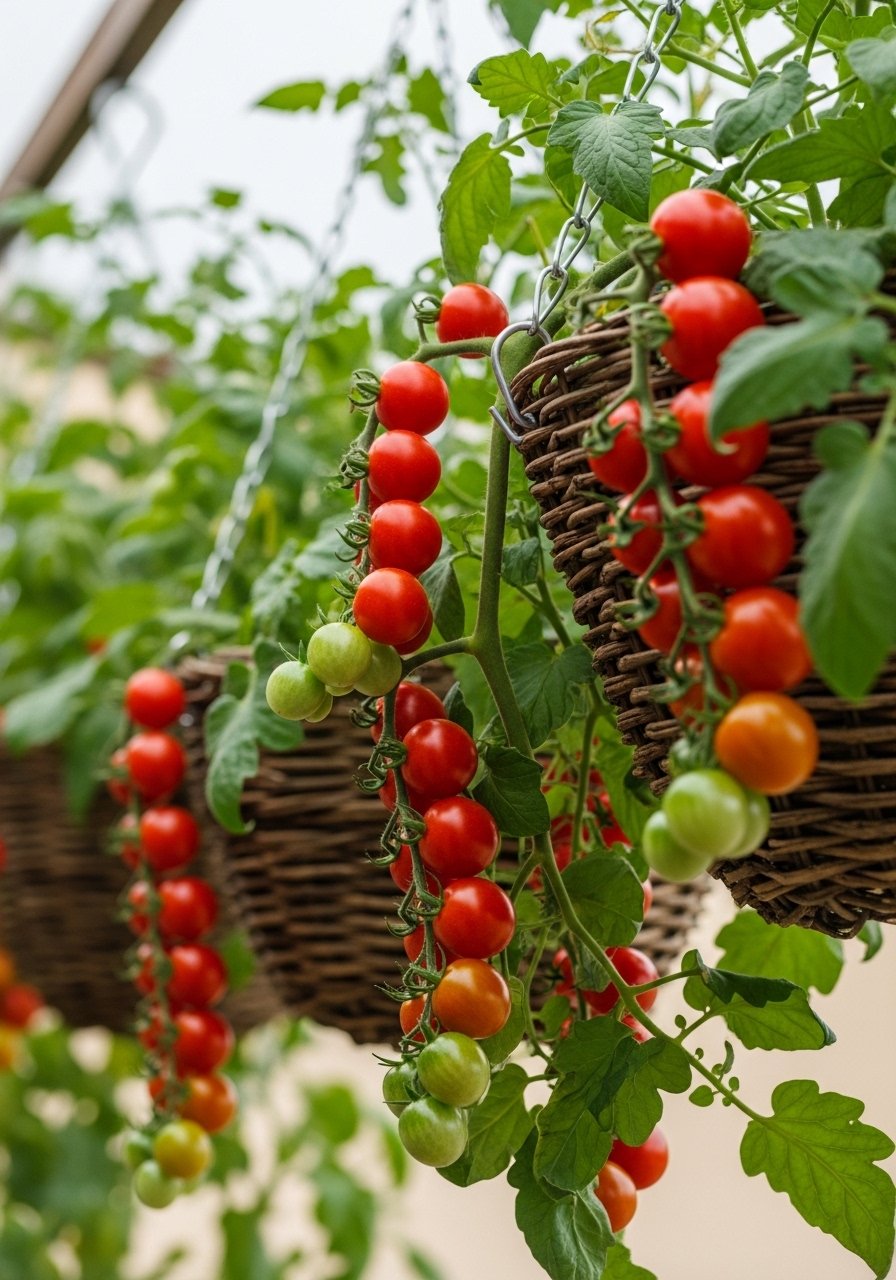
    I hung bush tomatoes in baskets after floor space ran out. They dangled over the rail, fruits easy to pluck. Vines softened the metal.
    Summer lunches tasted better. But I overwatered first batch – roots rotted. Less is more.
    Wind rocked them; chains steadied it. Pair with marigolds for bugs.
    Space opened up underneath for pots.

    What You’ll Need for This Look

    4. Rail-Mounted Salad Bar for Quick Picks

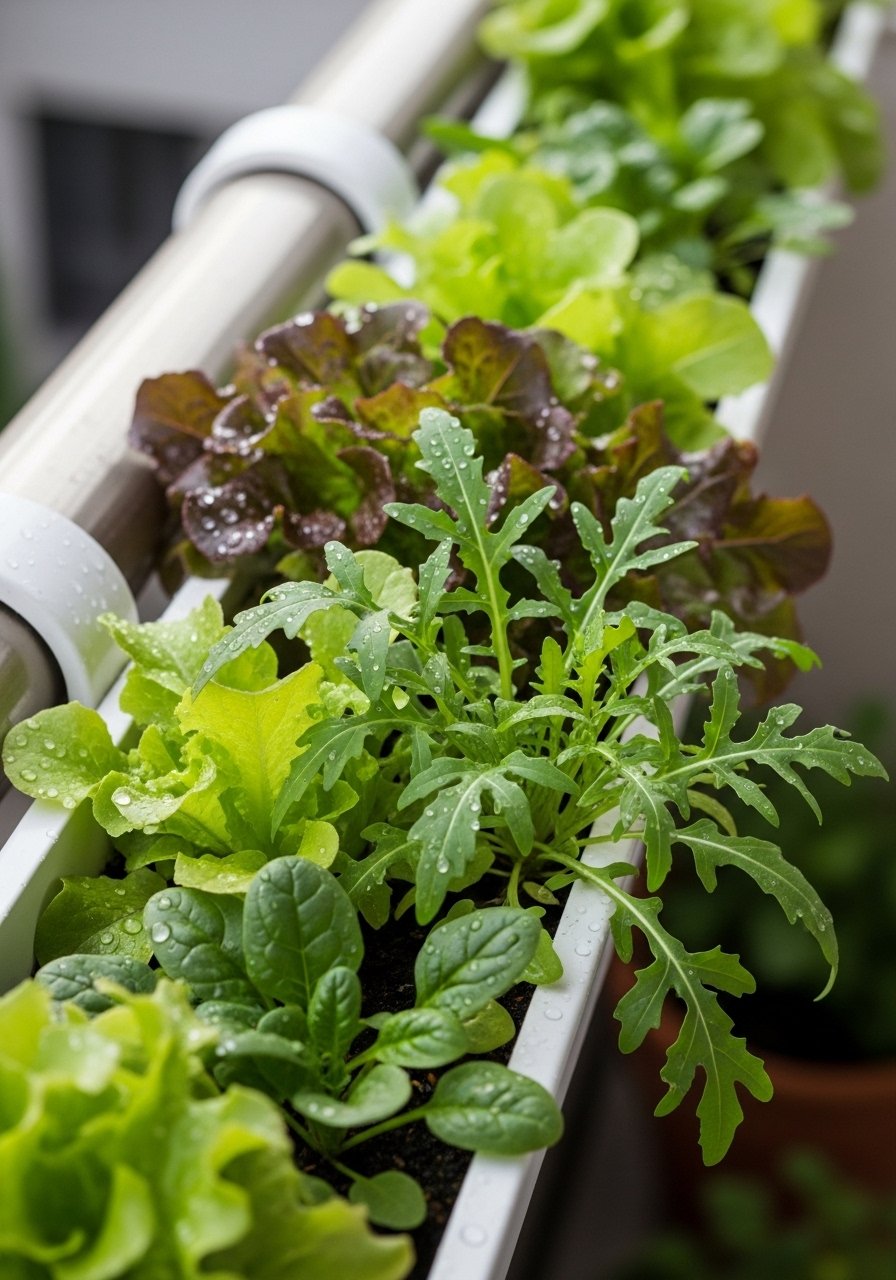
    Gutters clipped to the rail made a long salad strip. Arugula bolted fast in sun, but spinach thrived in shade ends.
    I grazed handfuls daily; felt abundant.
    Level them right or water pools. Simple fix with shims.
    Mix varieties – cut-and-come-again lasts months.

    What You’ll Need for This Look

    5. Corner Carrot Cluster in Deep Tubs

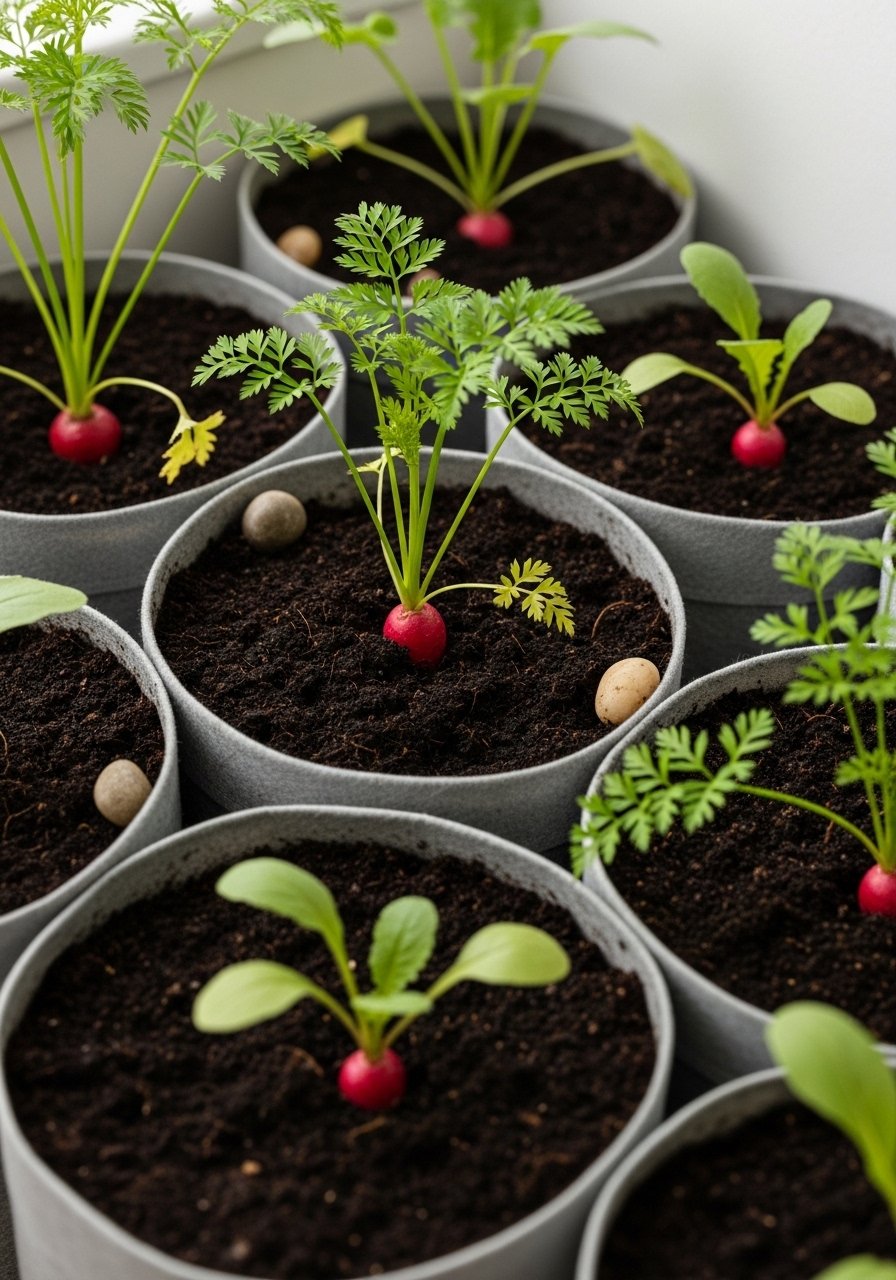
    Three deep pots in the corner grew carrots straight. Radishes filled gaps, ready in weeks. Tops waved gently.
    Pulled my first real roots – sweet crunch. Forgot loose soil once; they forked. Amend heavy dirt.
    Tucked behind seating, it warmed the spot.
    Harvest from the side, no digging mess.

    What You’ll Need for This Look

    6. Rolling Cart Veggies for Sun Chasing

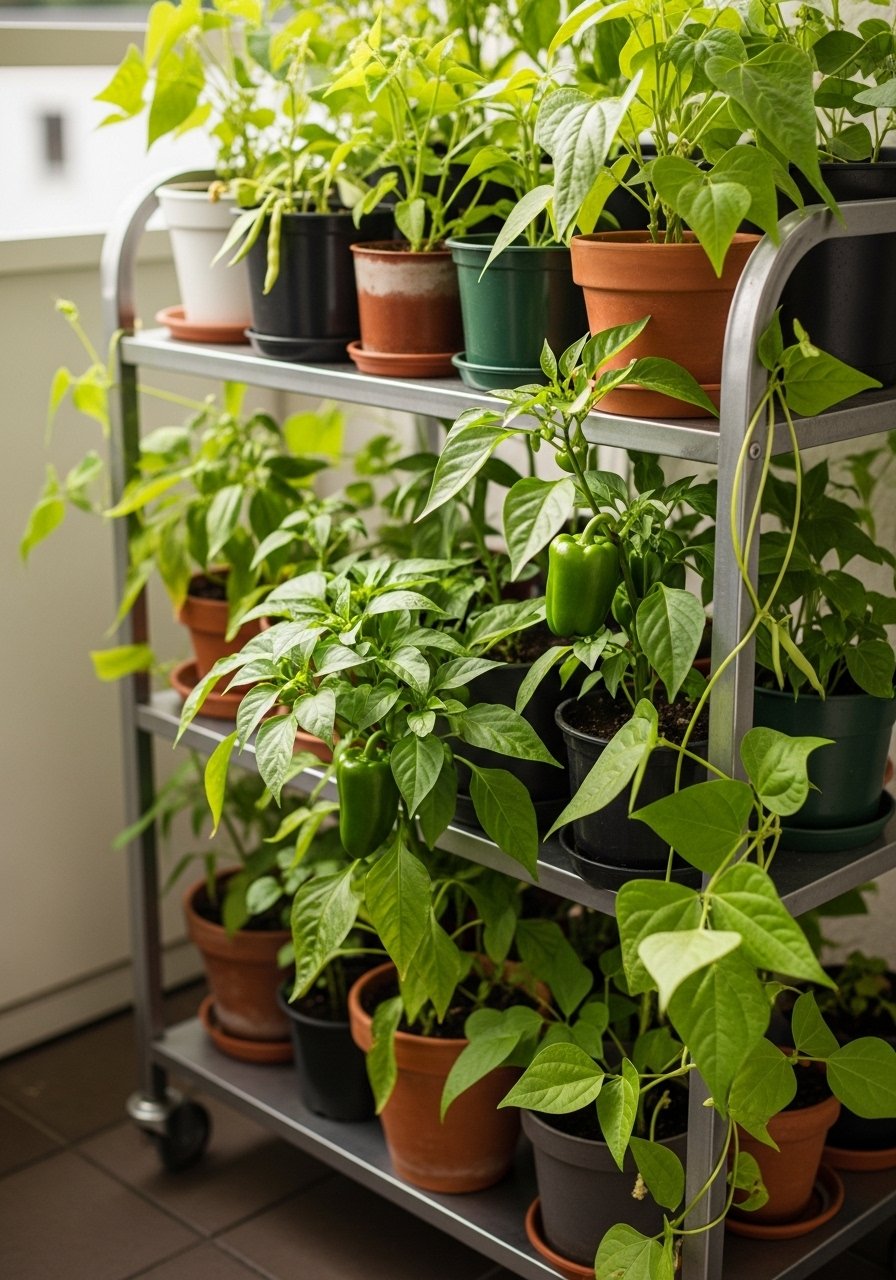
    A wheeled cart let me chase morning sun. Peppers on top shelf, beans trailing low. It rolled smooth.
    Kitchen felt connected. Easy to refresh soil yearly.
    Compact for renters – mine moved twice.
    Bush beans hid the legs nicely.

    What You’ll Need for This Look

    7. Ledge Linear Pots for Steady Beans and Peas

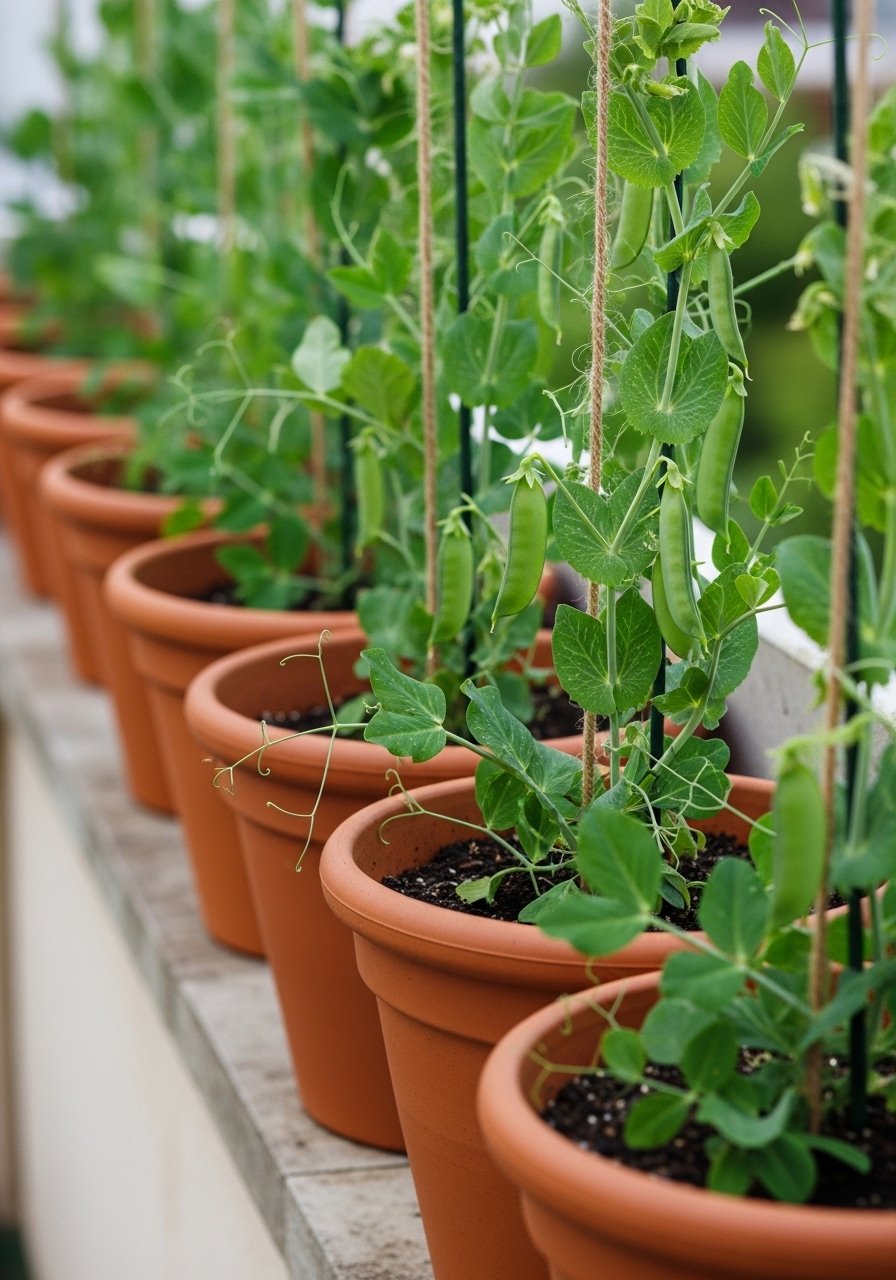
    Pots in a row on the ledge grew peas up twine. Pods hung heavy; I snipped for stir-fries. Line softened the edge.
    Steady breeze strengthened stems. Planted too close first year – crowded. Space 8 inches.
    Felt like a green horizon. Low water needs.

    What You’ll Need for This Look

    Final Thoughts

    Start with one idea that fits your sun and space. Mine evolved slow – that's fine.
    You'll eat what grows, mistakes and all.
    Your balcony can feed you. Just plant.

  • 15 Stylish Balcony Garden Vegetable Pots For Modern Spaces

    15 Stylish Balcony Garden Vegetable Pots For Modern Spaces

    I squeezed my first tomato plant into a too-small pot on my tiny balcony. It tipped over in the wind, dirt everywhere. That mess taught me pots need to be sturdy and styled right for real life.

    Now, years in, I've got veggies thriving without the drama. Clean lines, smart groupings—they make the space feel bigger, calmer.

    You can too. These setups worked for me, pot by pot.

    15 Stylish Balcony Garden Vegetable Pots For Modern Spaces

    These 15 balcony garden vegetable pots ideas bring fresh produce to modern spots without overwhelming small areas. They're simple, sturdy, and straight from my trial-and-error gardens. Grab what fits your rail or floor.

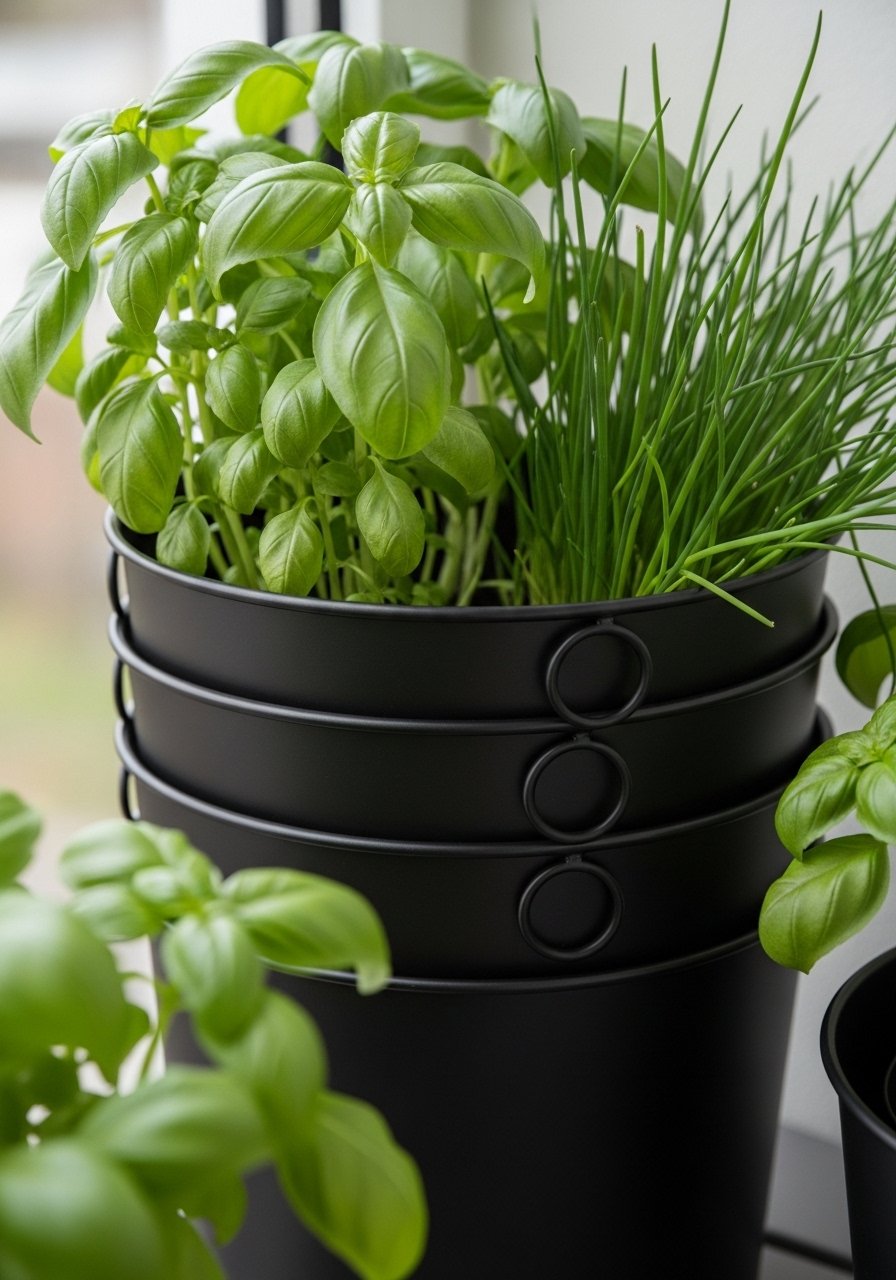
    1. Sleek Black Metal Stacks for Basil and Chives

    I started stacking these for herbs because my railing space was tight. Basil filled out fast, chives stayed bushy. The black metal heats up just right, no scorching like plastic did once.

    Visually, it pulls the eye up, makes the balcony feel taller. Wind doesn't knock them over—key lesson after one gusty storm.

    Group three high, one low. Water from the top, it trickles down.

    They warm the concrete edge without clutter.

    What You’ll Need for This Look

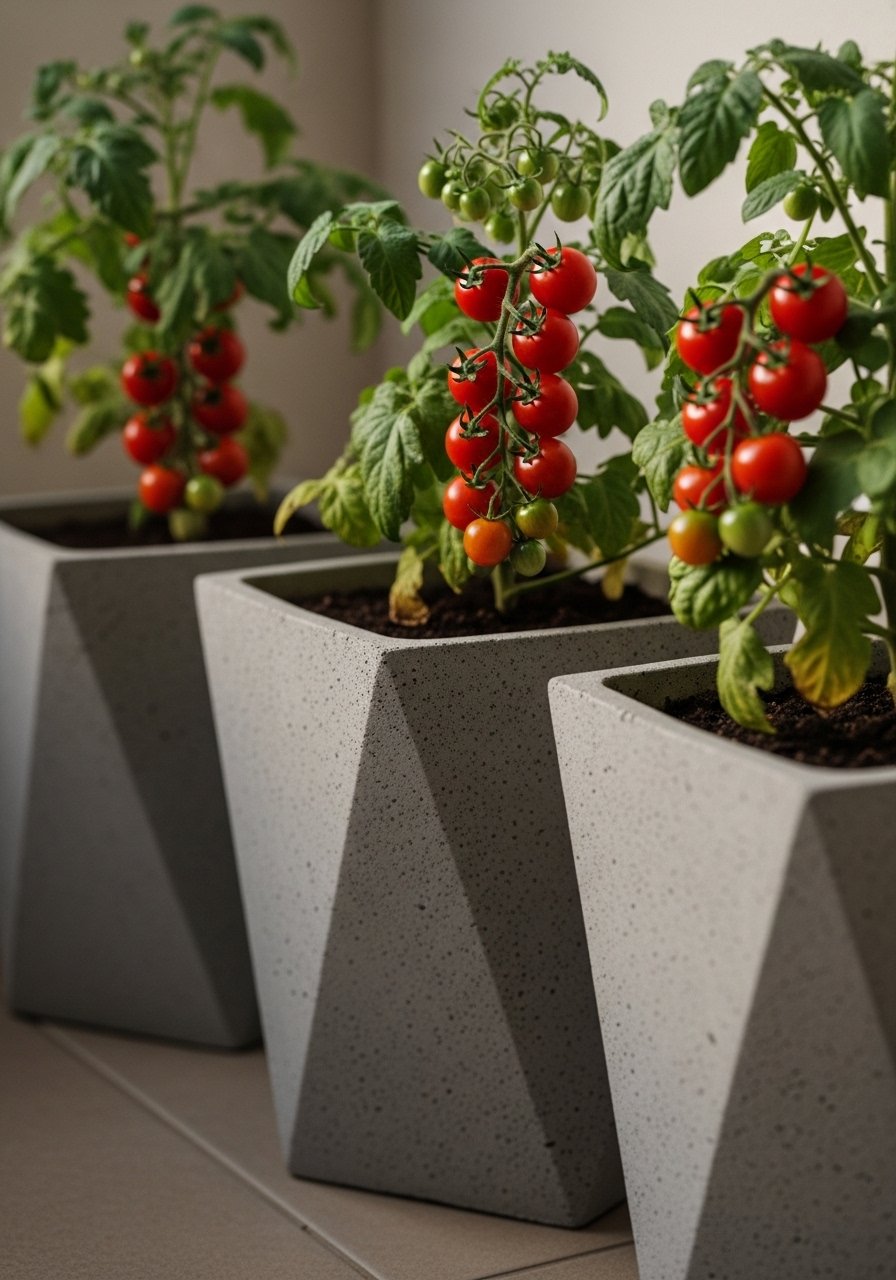
    2. Geometric Concrete Pots for Cherry Tomatoes

    Cherry tomatoes in these pots changed my summer salads. I picked the geometric ones for clean lines—they don't scream "garden," blend with city views.

    Fruit hangs heavy, but the weight sits stable. Learned that after a plastic pot cracked under load.

    Place two side by side, trellis up. Sun hits perfect on south-facing rails.

    Harvest feels easy, right at hand level.

    What You’ll Need for This Look

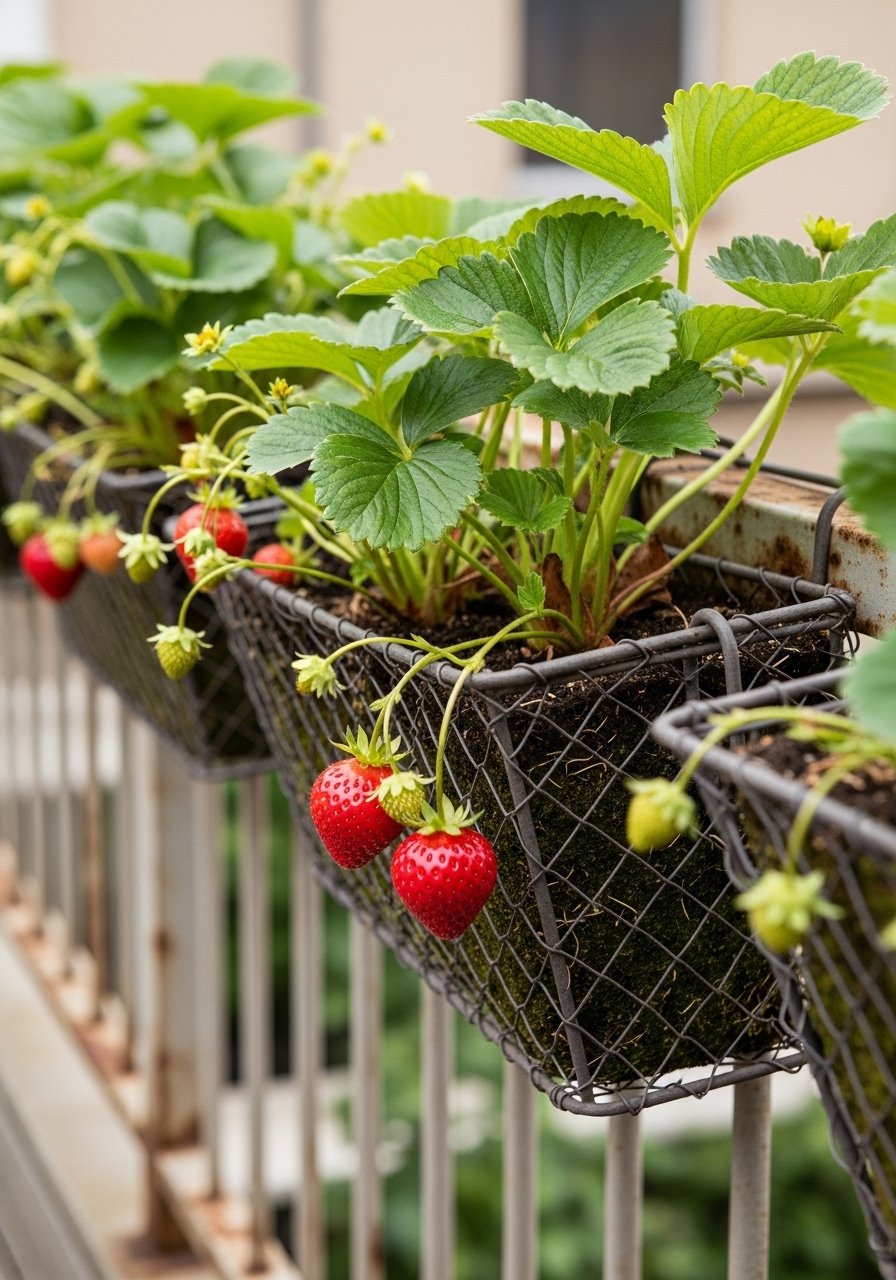
    3. Rail-Mounted Wire Baskets for Strawberries

    Strawberries dangling off the rail? Game for snack grabs. Wire baskets hook easy, let roots breathe—no rot like my old solid pots.

    Berries trail sweet, fill empty rail gaps. Modern twist with the slim lines.

    Watch for birds; netting helped after they found mine first.

    Swing gentle in breeze, add motion.

    What You’ll Need for This Look

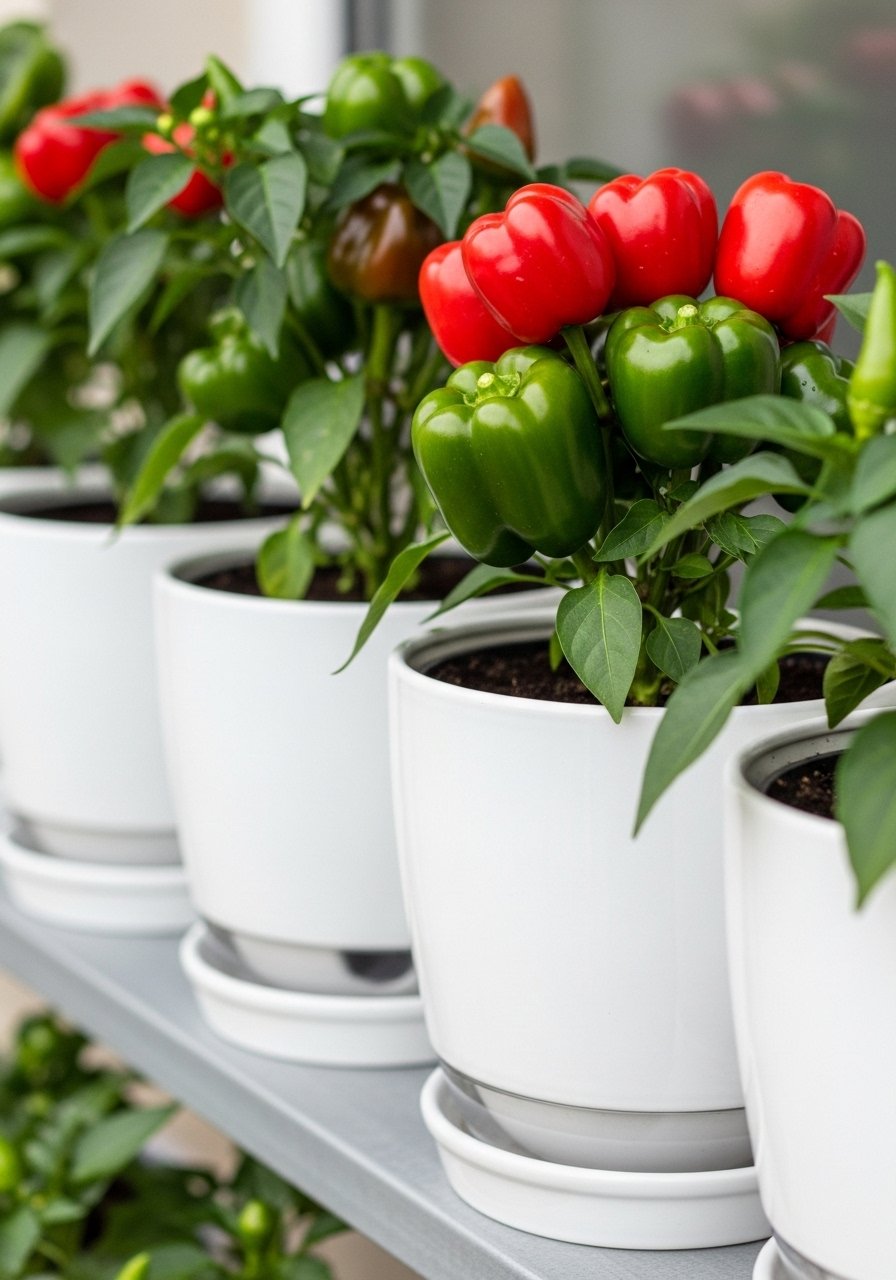
    4. Self-Watering Ceramic for Peppers

    Peppers dry out quick on hot balconies—I forgot once, lost a whole plant. Self-watering ceramics fixed that; reservoir keeps soil even.

    White glaze stays cool, looks sharp against glass doors.

    One pot per variety, colors pop as they ripen.

    Less bending, more chill time.

    What You’ll Need for This Look

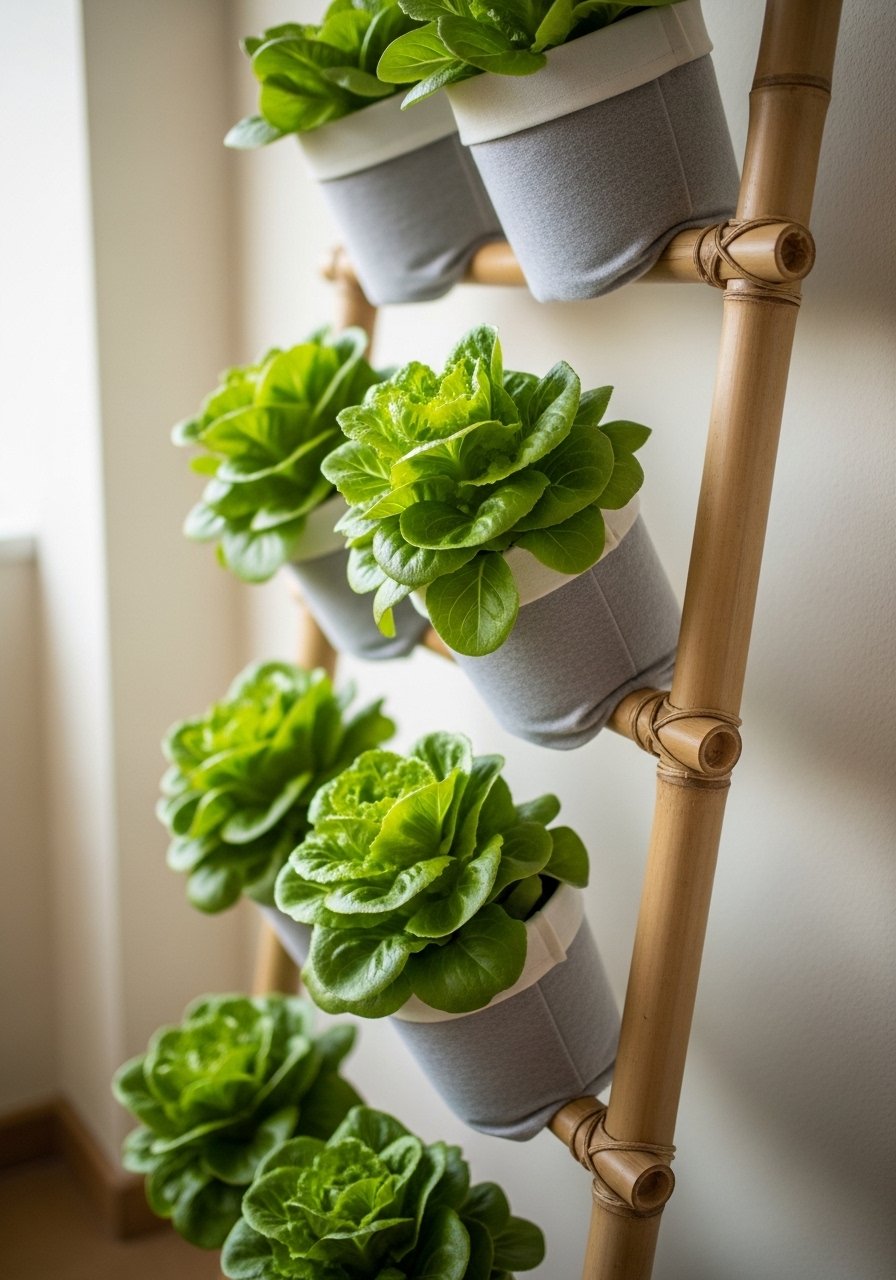
    5. Bamboo Ladder Tiers for Lettuce Layers

    Ladders lean against walls, tier pots without drilling. Lettuce layers up quick, harvest outer leaves ongoing.

    Bamboo weathers soft, not stark. My first leaned wrong—secured with brackets now.

    Feels airy, shades lower plants.

    Cut-and-come-again keeps it full.

    What You’ll Need for This Look

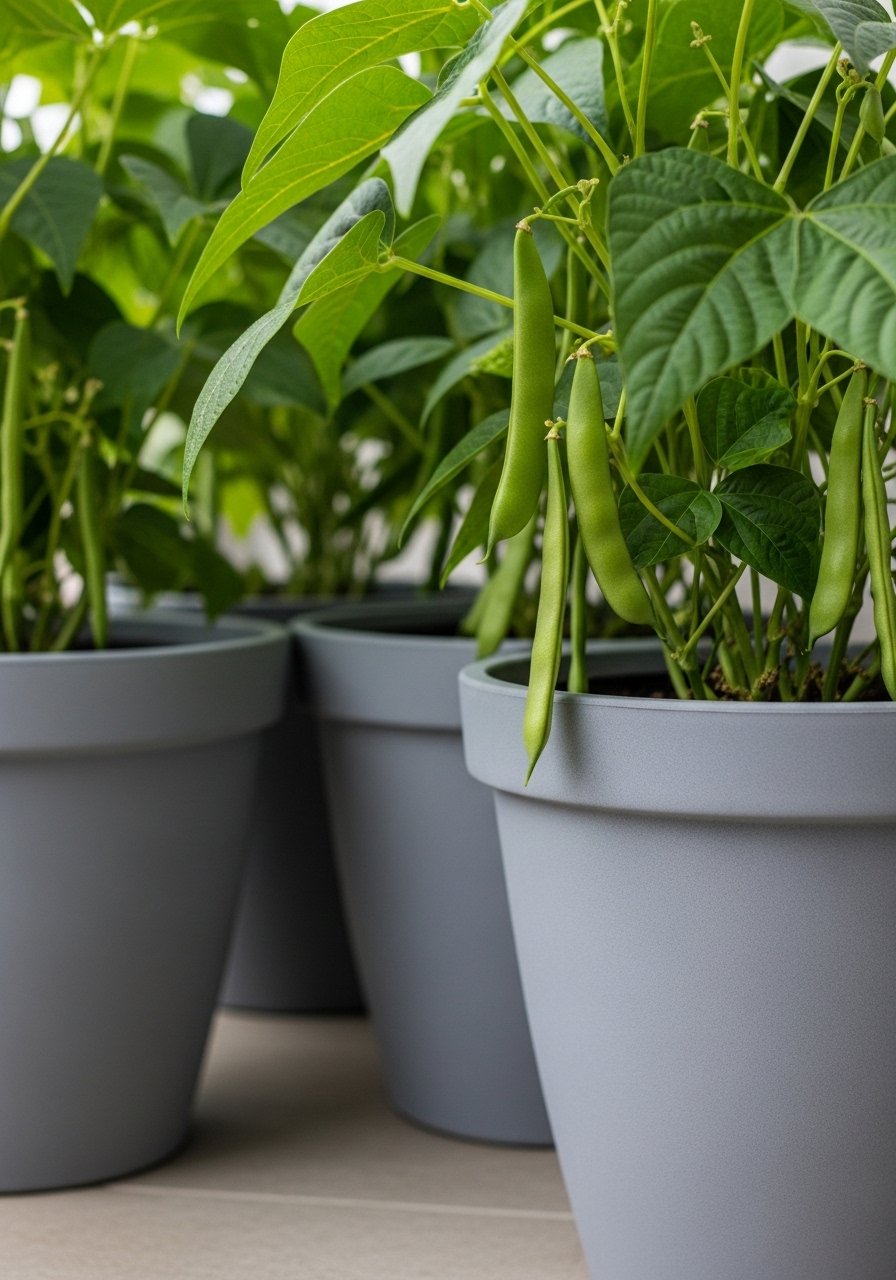
    6. Matte Gray Fiberglass for Bush Beans

    Bush beans in fiberglass—lightweight yet tough. Pods snap off easy, no sprawling mess.

    Gray tones down the green, fits modern rails. I overcrowded once; space them now.

    Yields steady for weeks, feels abundant.

    Group in odd numbers for balance.

    What You’ll Need for This Look

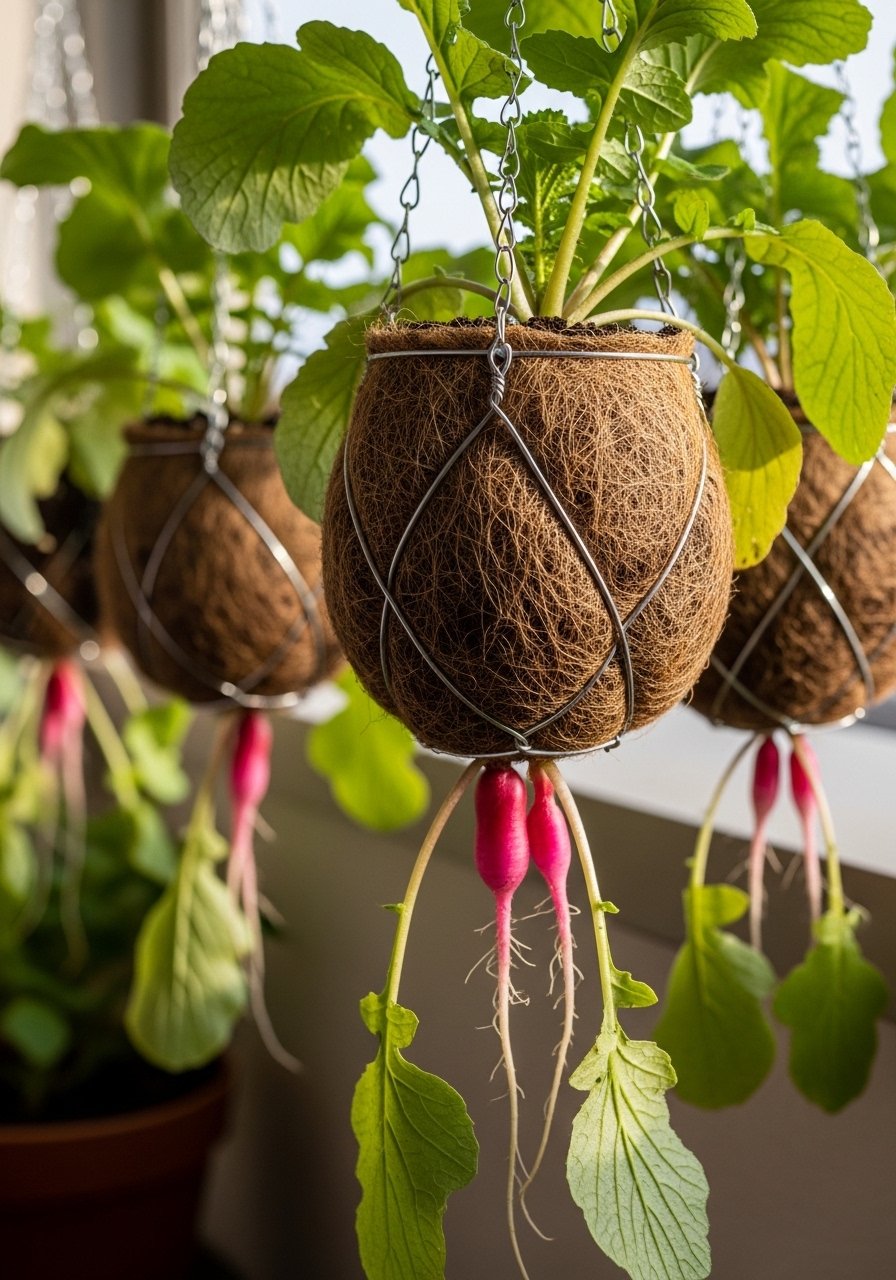
    7. Hanging Cocoon Pots for Radishes

    Radishes root fast in hanging cocoons—pull every few days. Woven look softens metal rails.

    Chains sway slight, no crash like cheap hooks did.

    Tuck under larger pots for shade.

    Quick wins build momentum.

    What You’ll Need for This Look

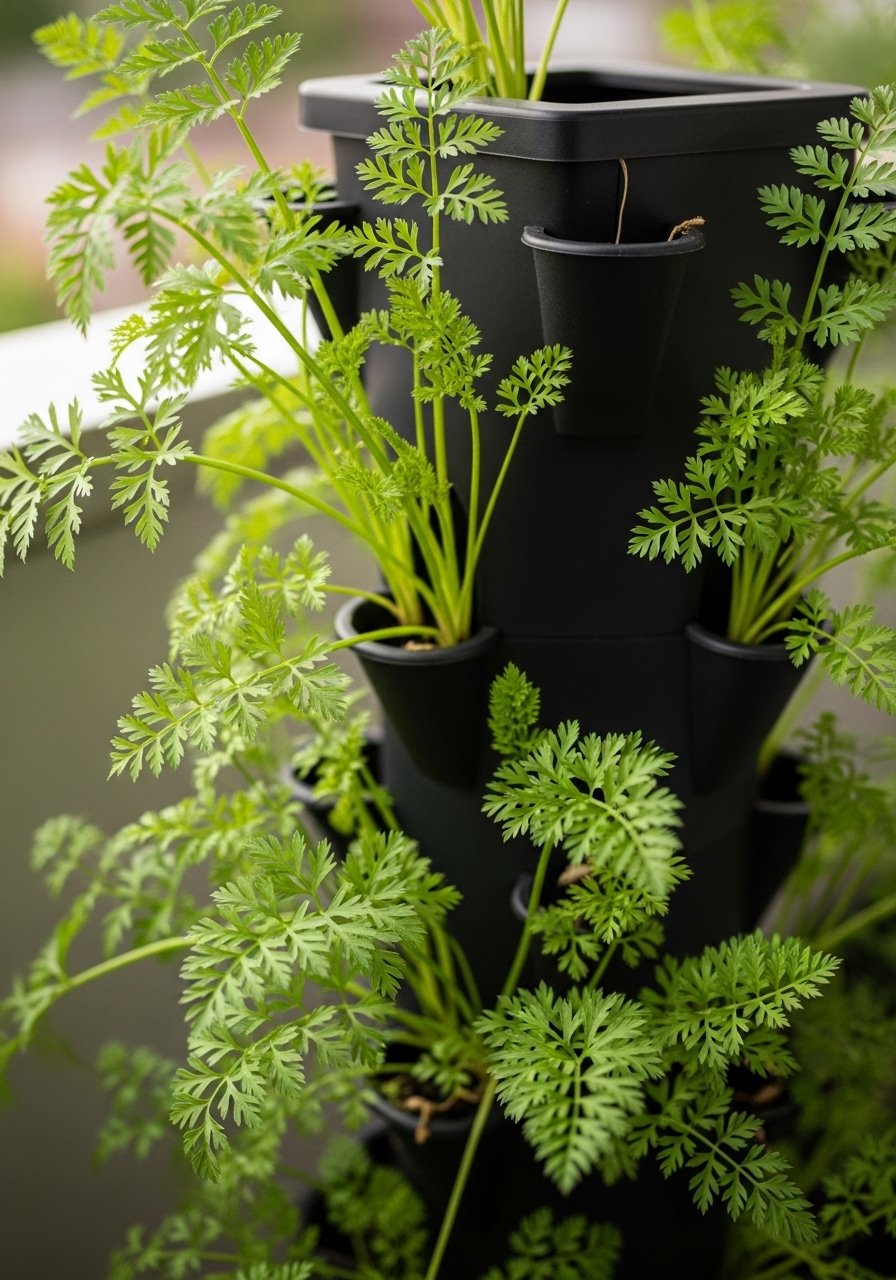
    8. Slim Vertical Towers for Carrots

    Carrots in towers save floor—pull from slots as they size up. Slim fits tight corners.

    Black fades back, lets greens shine. Soil settled uneven first time; top-dress now.

    Roots straight, no forking.

    Harvest low, no digging.

    What You’ll Need for This Look

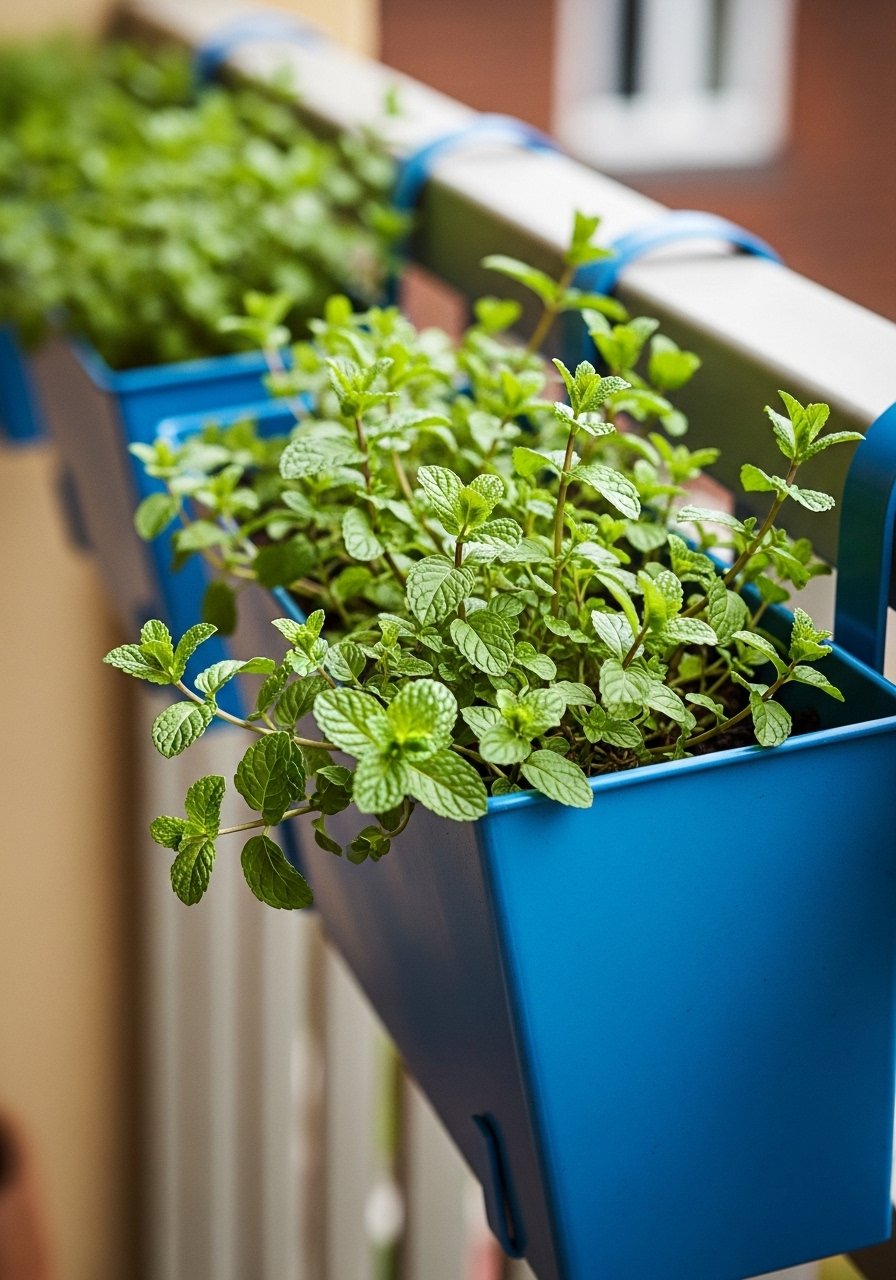
    9. Powder-Coated Rail Planters for Mint

    Mint spreads wild—rails contain it. Powder coat resists rust, holds tea leaves handy.

    Blue hints cool without overpowering. Trim often or it shades neighbors.

    Smells fresh stepping out.

    One trough, endless harvest.

    What You’ll Need for This Look

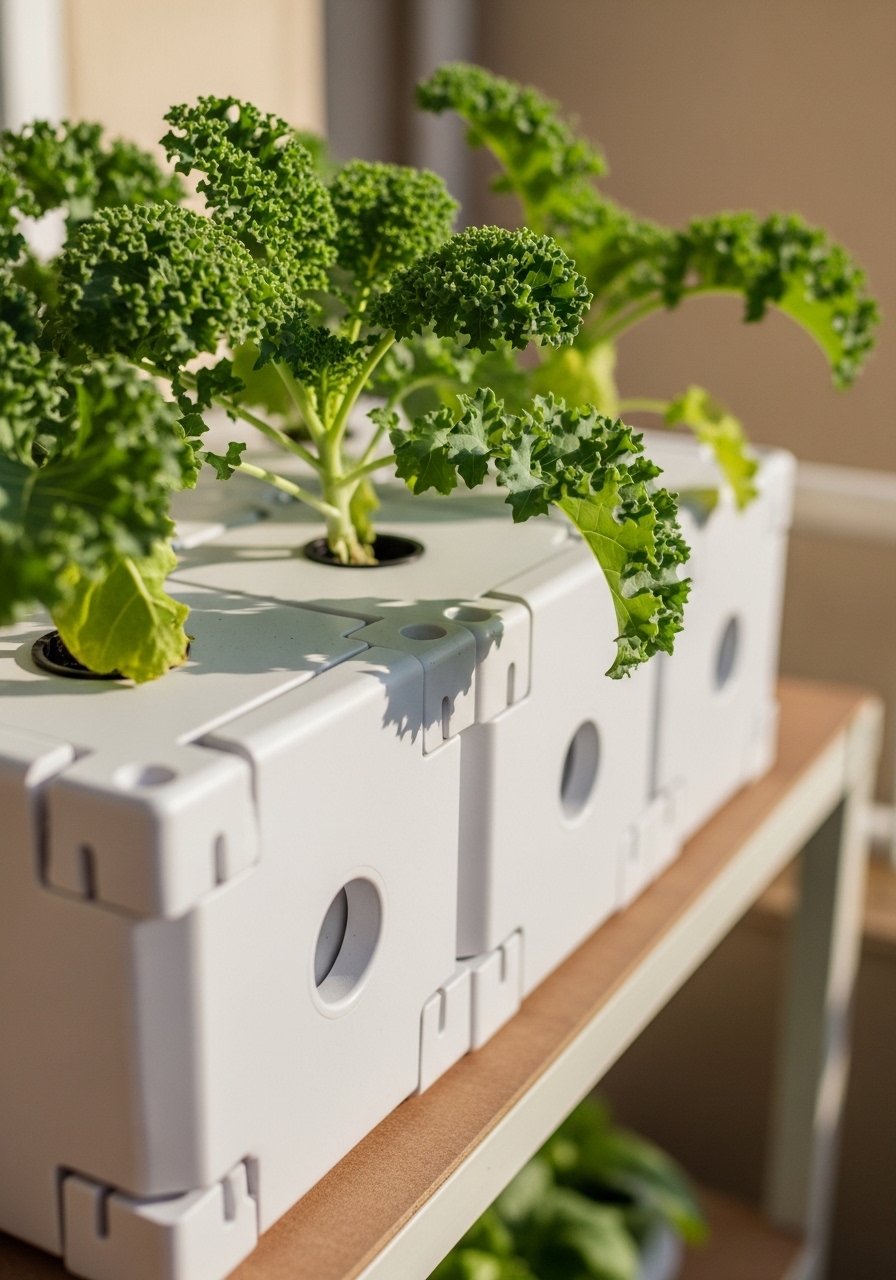
    10. Modular Pod System for Kale

    Pods snap together, expand as kale grows. White keeps it clean, modern.

    Reconfigure easy—mine shifted for light changes.

    Baby leaves tender, no bitterness.

    Stack against walls seamless.

    What You’ll Need for This Look

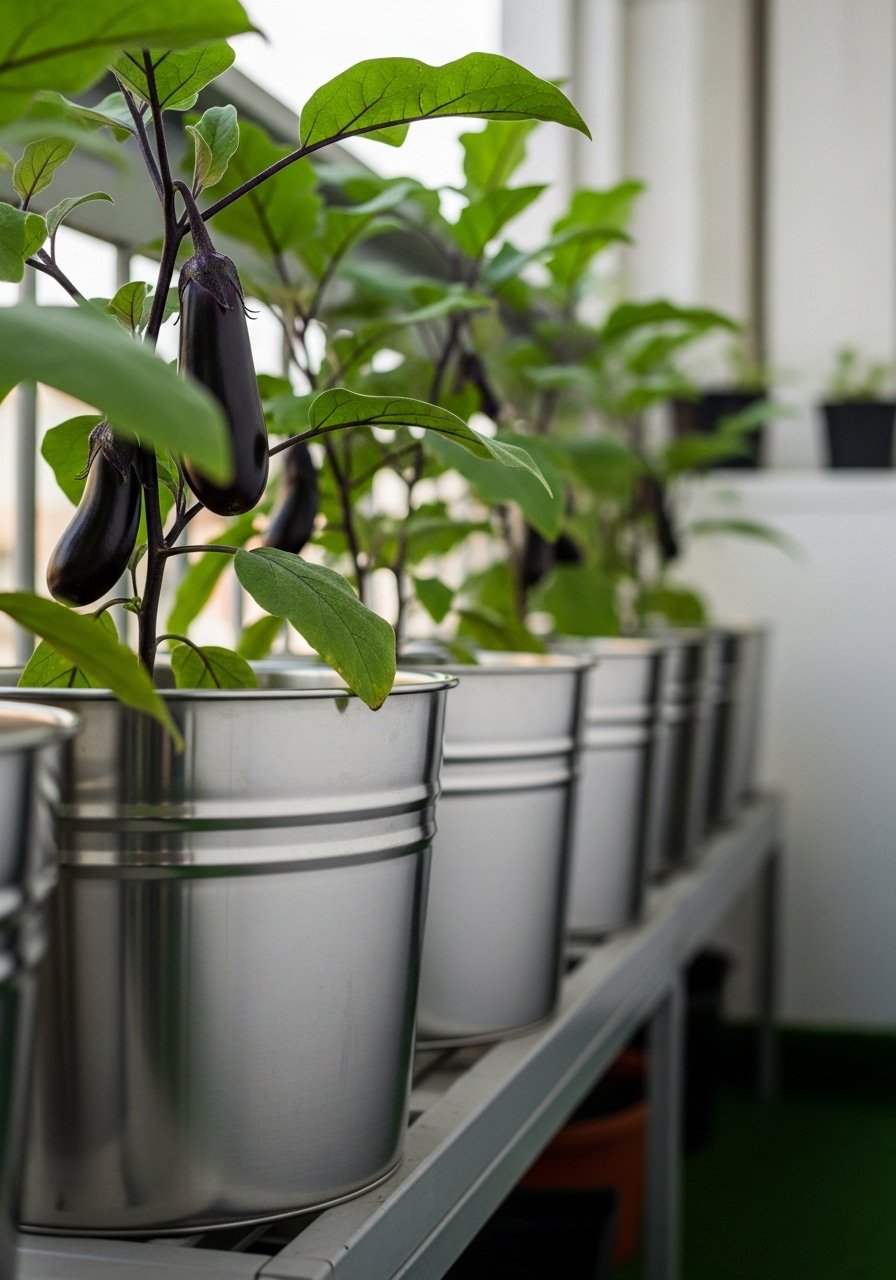
    11. Brushed Stainless Tubs for Eggplant

    Eggplant loves deep tubs—stainless reflects light, boosts ripening. Brushed finish hides water spots.

    Heavy fruits hang low; sturdy base prevents tip.

    One plant per tub max—learned after leggy growth.

    Glossy purple against steel pops.

    What You’ll Need for This Look

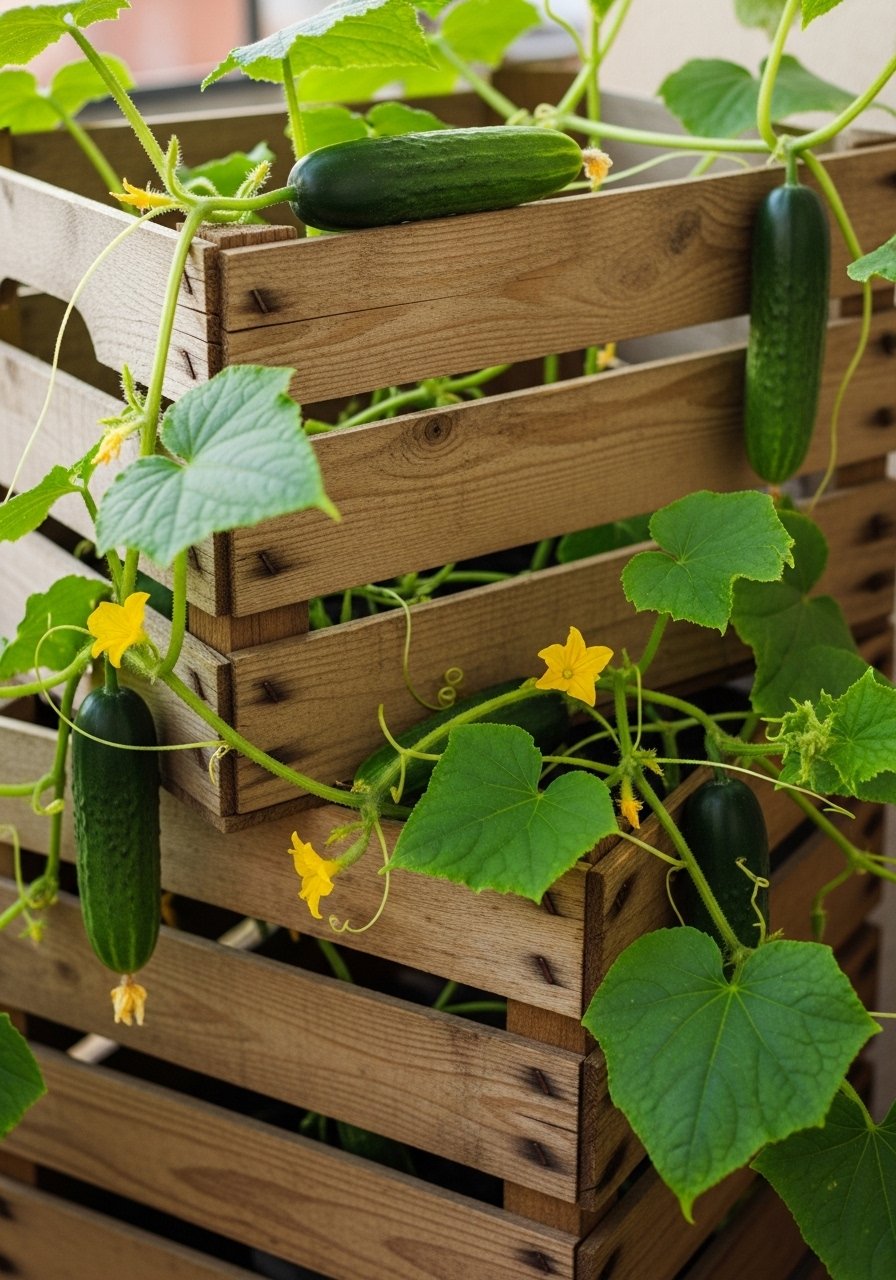
    12. Recycled Wood Crates for Cucumbers

    Crates stack for vining cukes—train up strings. Wood ages warm, not fake rustic.

    Liner prevents rot; skipped it once, regretted.

    Pickles at eye level now.

    Earthy base grounds the space.

    What You’ll Need for This Look

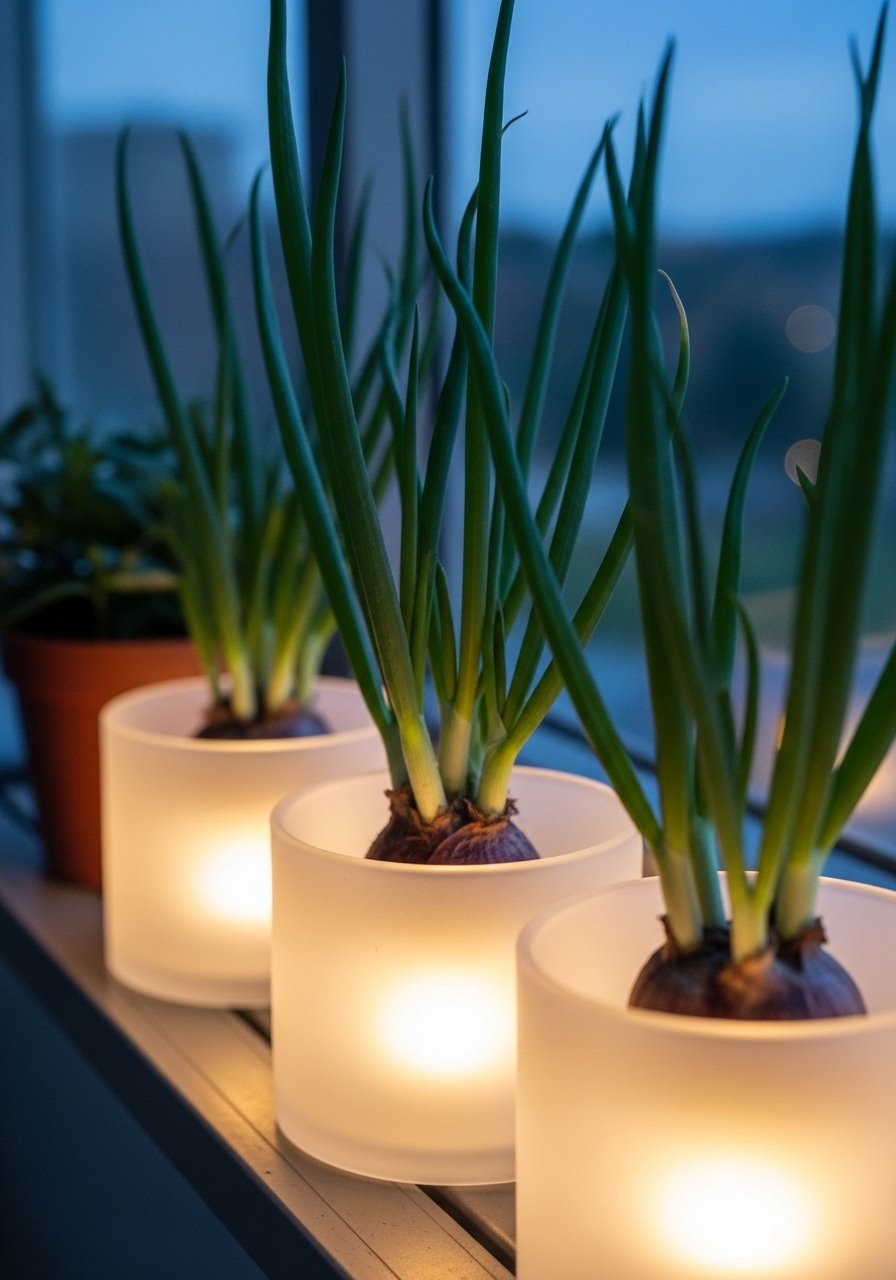
    13. LED-Lit Base Pots for Scallions

    Scallions regrow endless in lit bases—extends low-light evenings. Glow soft, not glaring.

    Slim profile slips anywhere. Batteries last months.

    Chop tops, roots rebound quick.

    Nighttime harvest magic.

    What You’ll Need for This Look

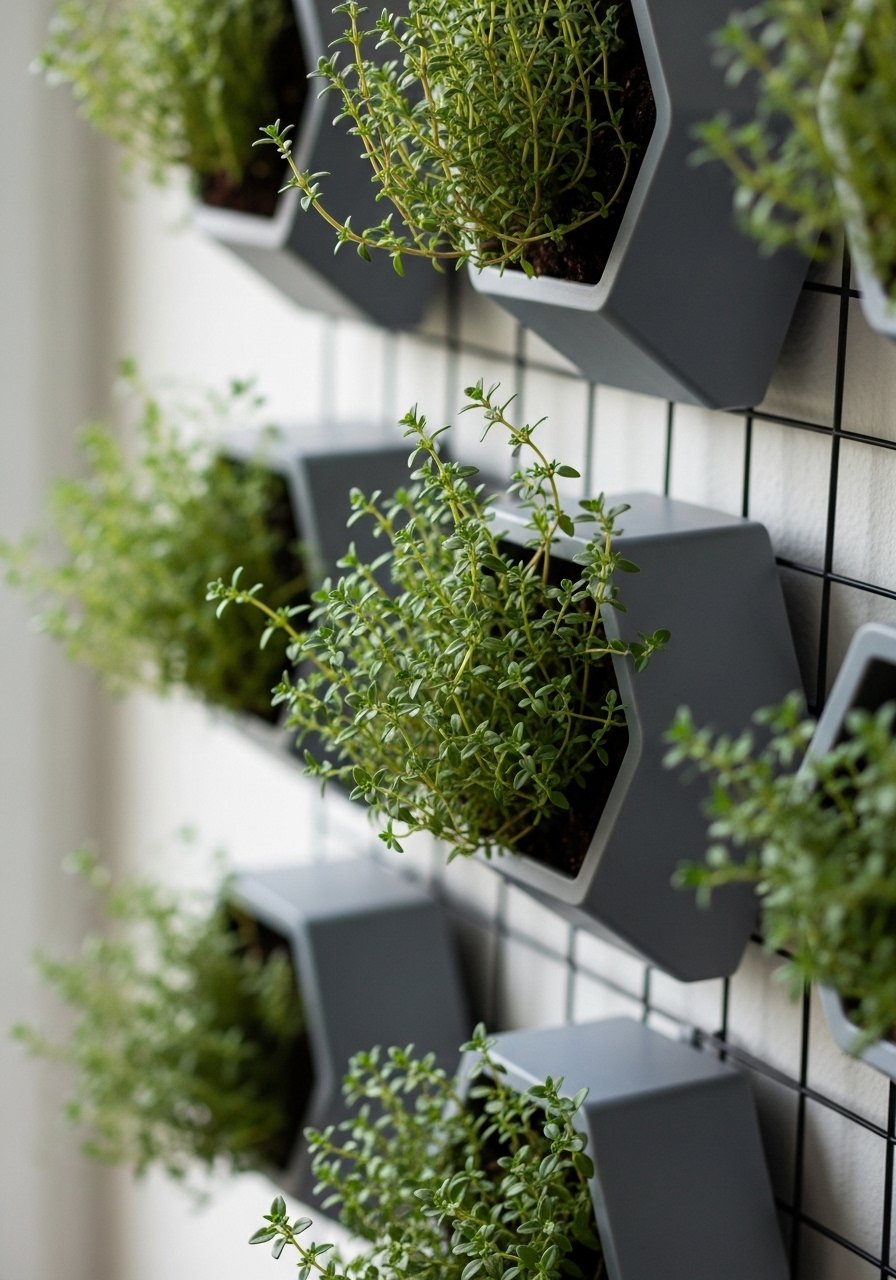
    14. Hexagon Wall Pockets for Thyme

    Thyme fills hex pockets—dries well for winter. Wall mount frees floor.

    Gray blends neutral. Water runs down; catch tray below.

    Brush hands for scent daily.

    Tough against balcony winds.

    What You’ll Need for This Look

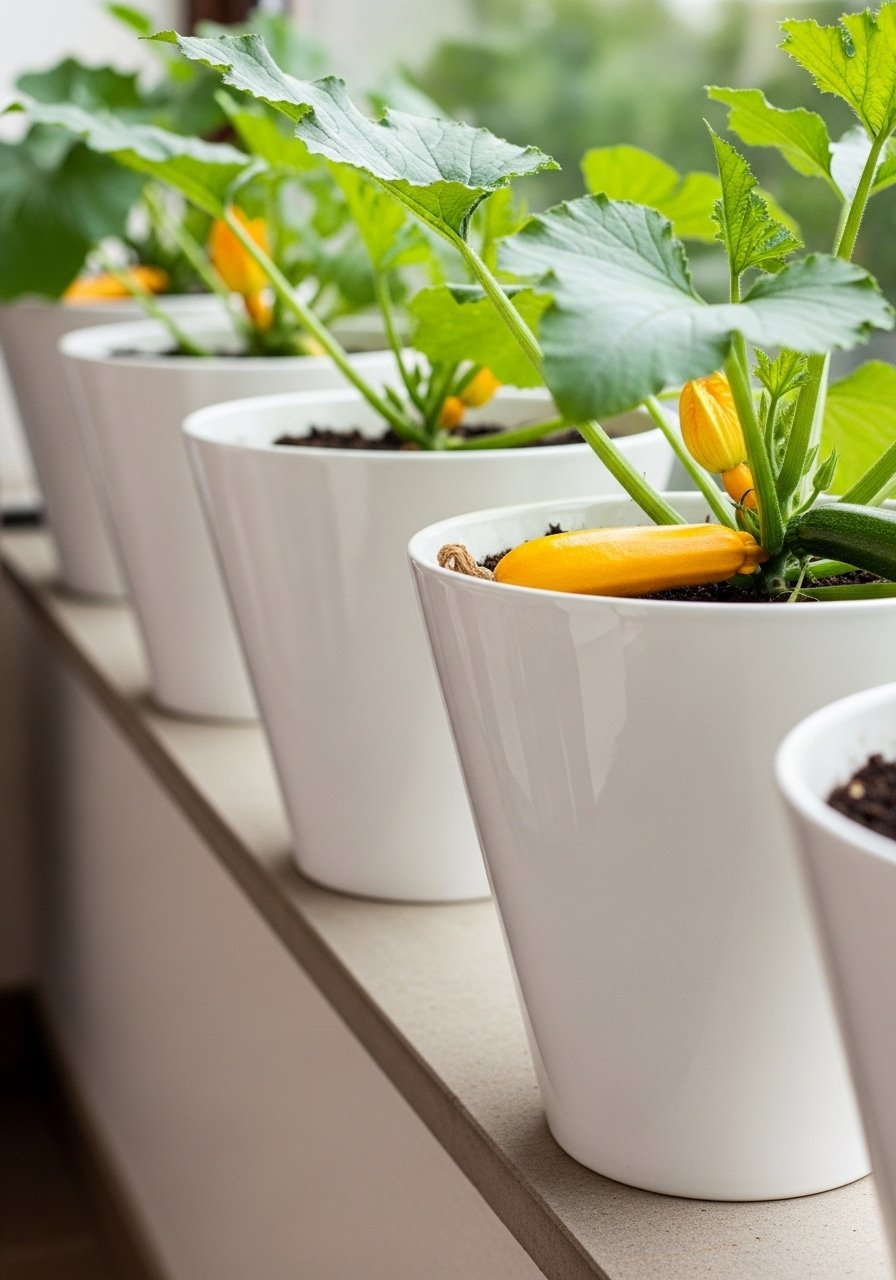
    15. Minimalist Flared Pots for Zucchini

    Zucchini bushes compact in flared pots—edges catch drips. White ceramic clean, modern.

    One plant yields plenty; two crowded mine once.

    Fruits swell visible, pick young.

    Fills corners bold.

    What You’ll Need for This Look

    Final Thoughts

    Pick one or two pots that match your light and routine. They build over time—no rush for full harvest day one.

    My balcony feeds us steady now. Yours will too, with real dirt under nails.

    Start small, watch it grow. You've got this.
  • 13 Clever Shady Balcony Vegetable Gardens That Work

    13 Clever Shady Balcony Vegetable Gardens That Work

    I remember staring at my north-facing balcony, all shade and no sun. Tomatoes flopped hard that first summer. Felt defeated.

    Then I planted lettuce. It bolted nowhere, just grew steady. Harvested salads for weeks.

    Shade isn't a curse. It's a green machine if you pick the right veggies. My balcony proves it.

    13 Clever Shady Balcony Vegetable Gardens That Work

    These 13 ideas turned my dim balcony into an easy veggie spot. Real setups, no fuss. You'll know exactly what to grab and plant.

    1. Stacked Lettuce Towers for Steady Harvests

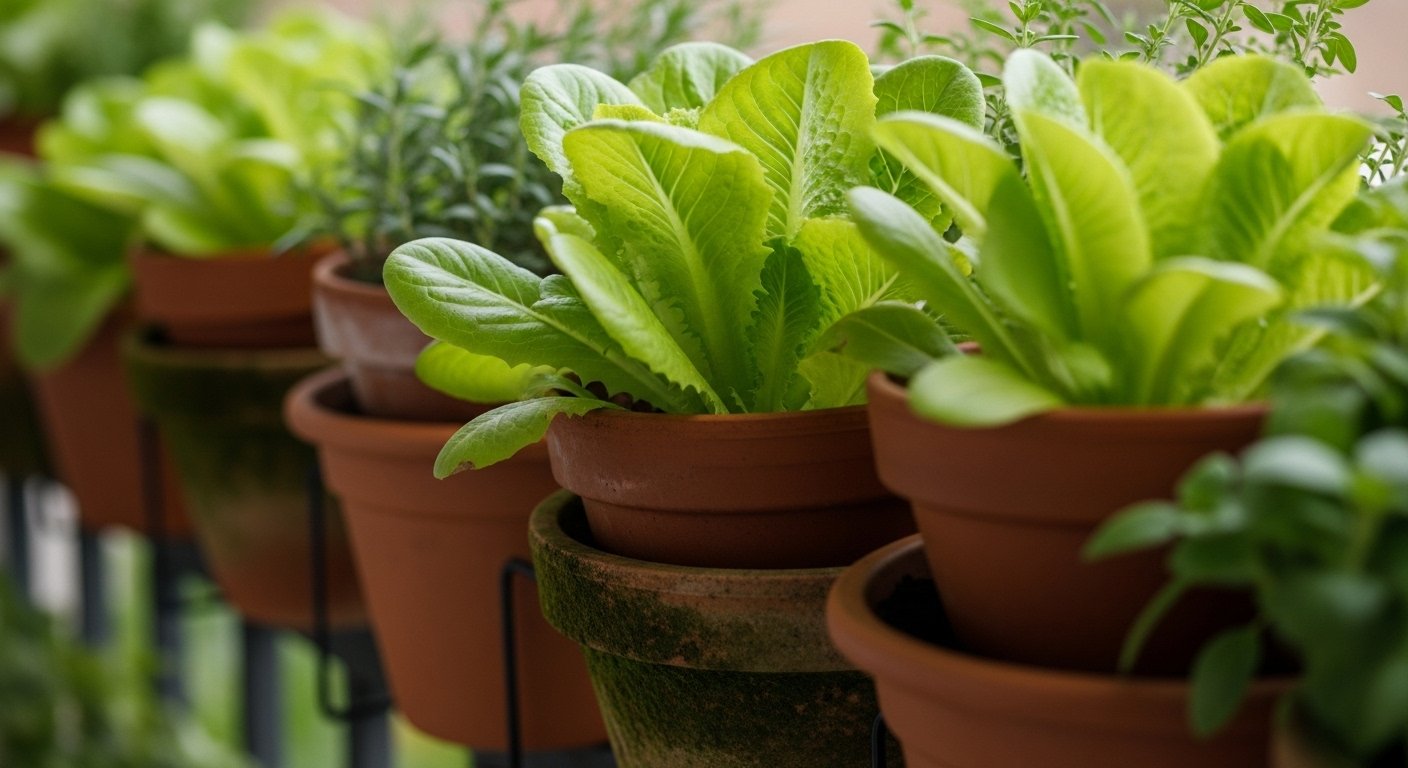
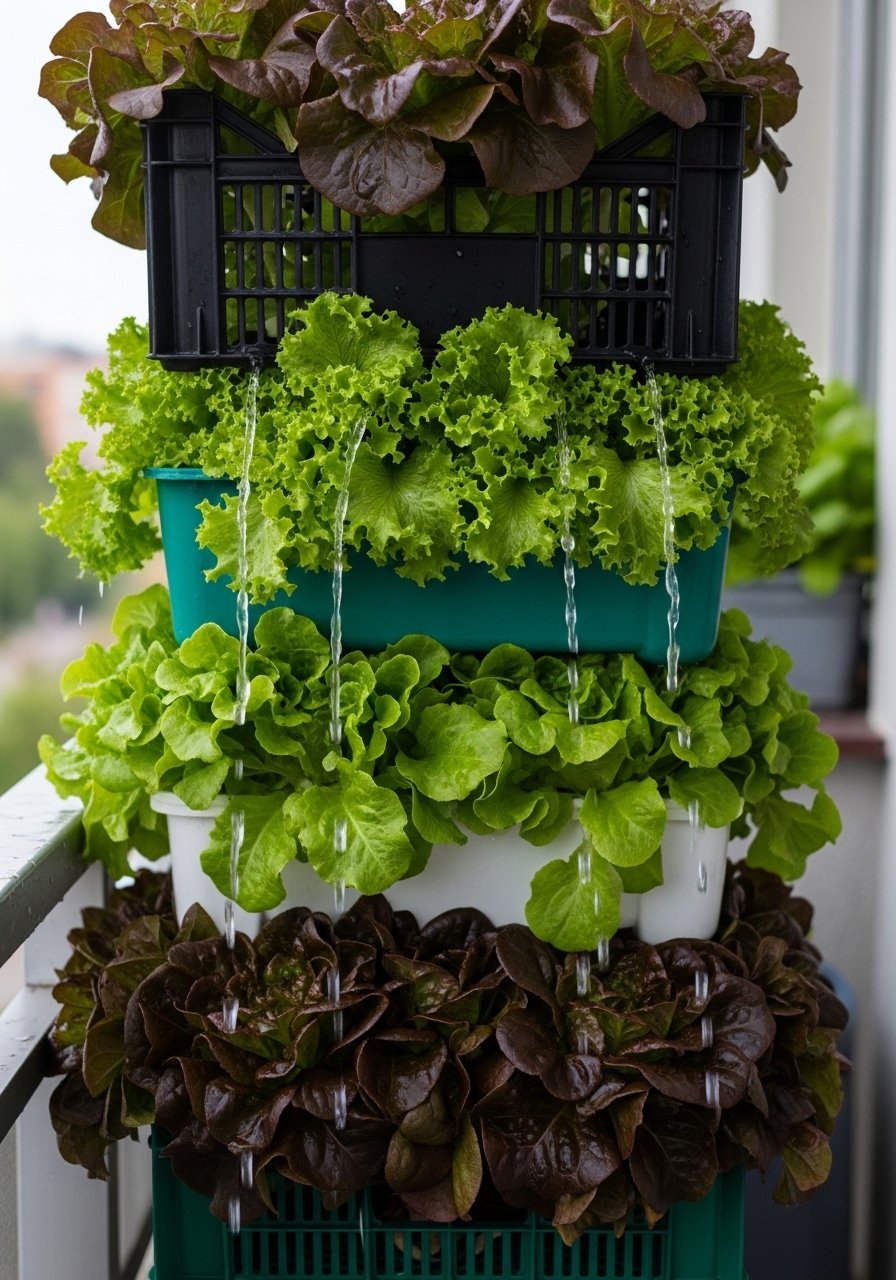
    I stacked old crates on my railing for lettuce. Butterhead and romaine thrive in that low light, no bolting like in sun.

    The tower gives height without floor space. Looks full right away. I pick outer leaves daily, it keeps pushing new ones.

    Watch the weight—too much soil tips it. I learned after one lean.

    Feels good snipping fresh for lunch. Compact, cozy green wall.

    What You’ll Need for This Look

    2. Hanging Parsley Baskets That Swing Gentle

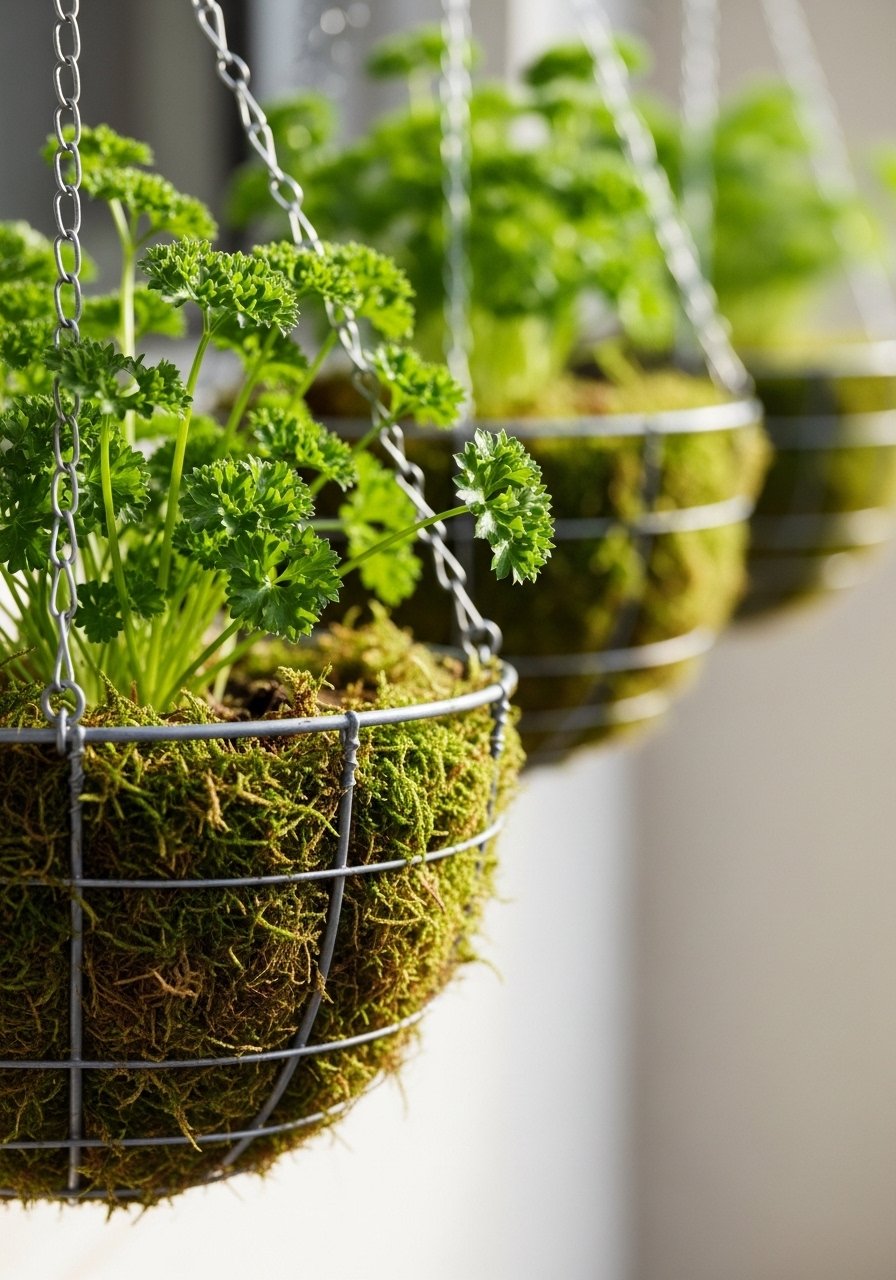
    Parsley loves my balcony shade. I hung wire baskets from hooks, filled with damp soil.

    They catch drips from above, stay moist. Leaves stay tender, no tough sun bite.

    One basket feeds my soups all season. Swing in breeze, softens the rail.

    Don't overpack—roots tangle easy. Thinned mine once, better growth.

    Simple joy picking handfuls fresh.

    What You’ll Need for This Look

    3. Kale Clusters in Deep Corner Pots

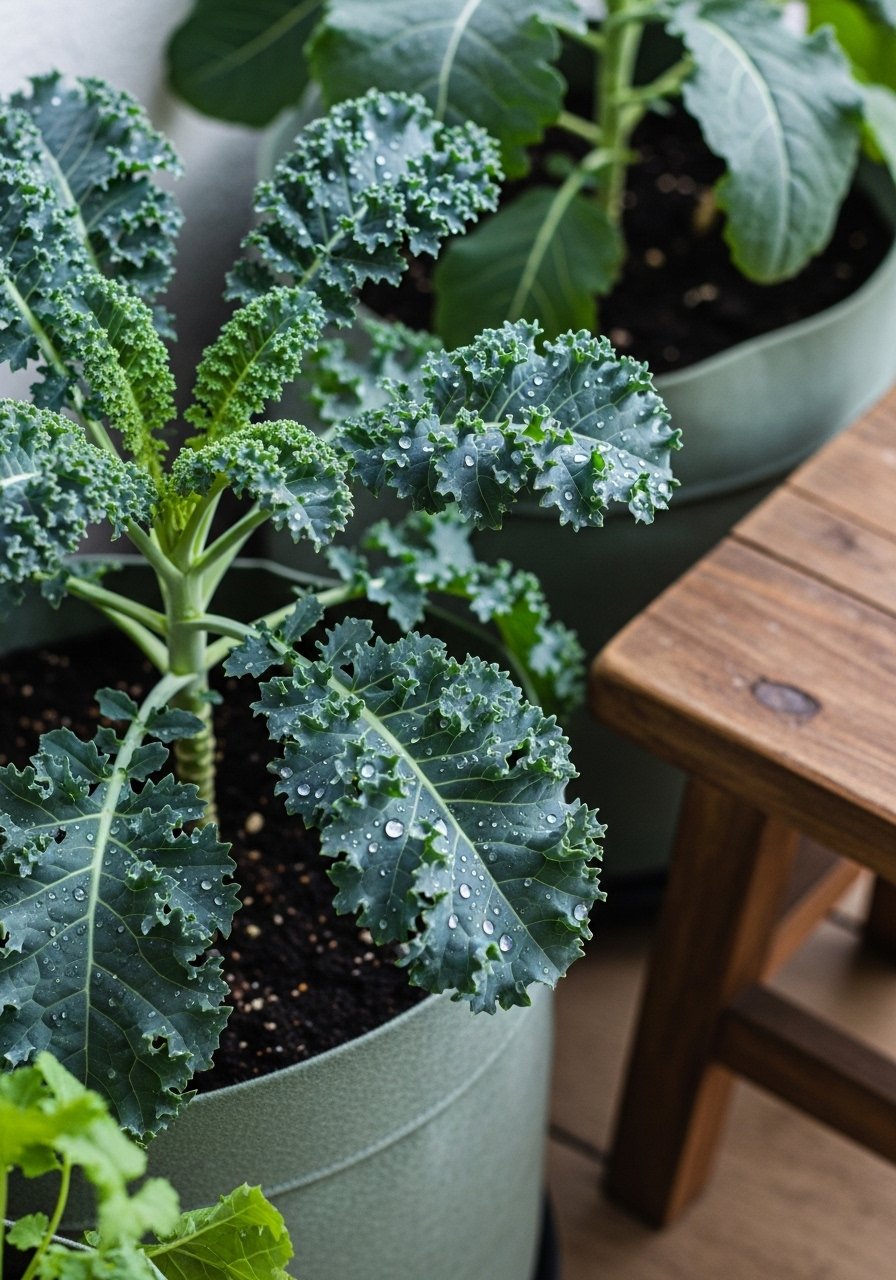
    Kale curls up perfect in my corner pots. Deep ones let roots dive, shade keeps it sweet.

    Planted three varieties—blue, red, flat. Harvest from bottom up, plants stay bushy.

    Changed the balcony feel—tall greens block the drab wall.

    Overwatered once, rotted roots. Now check soil dry inch down.

    Chop for chips or salads. Keeps giving.

    What You’ll Need for This Look

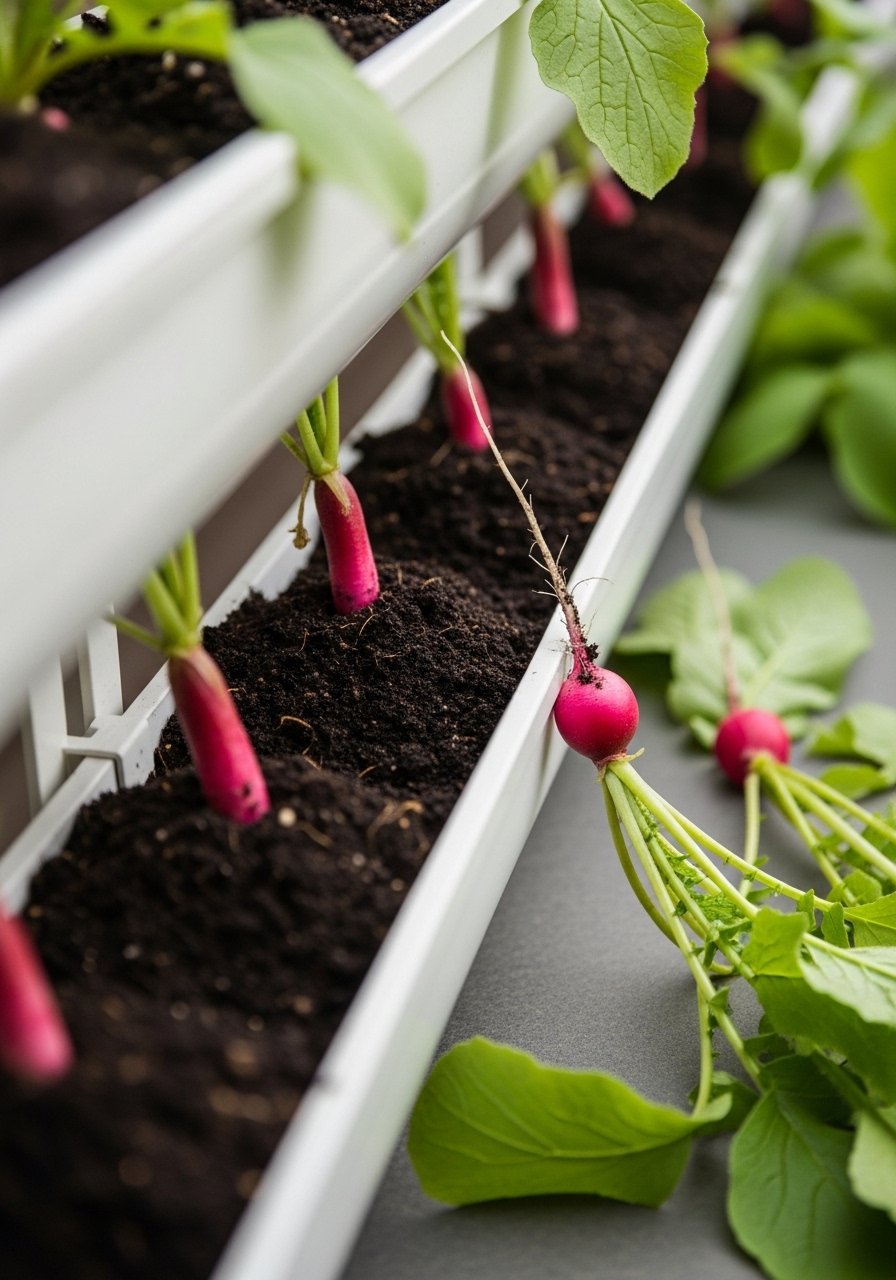
    4. Radish Gutters Along the Railing Edge

    PVC gutters nailed under my railing grow radishes fast. Shade slows them just right—no split skins.

    Planted rows of cherry belle. Pull in 25 days, crisp and mild.

    Frees floor space. Looks like a veggie trough, neat line.

    Clogged drain once with debris. Clean ends regular.

    Quick wins build momentum.

    What You’ll Need for This Look

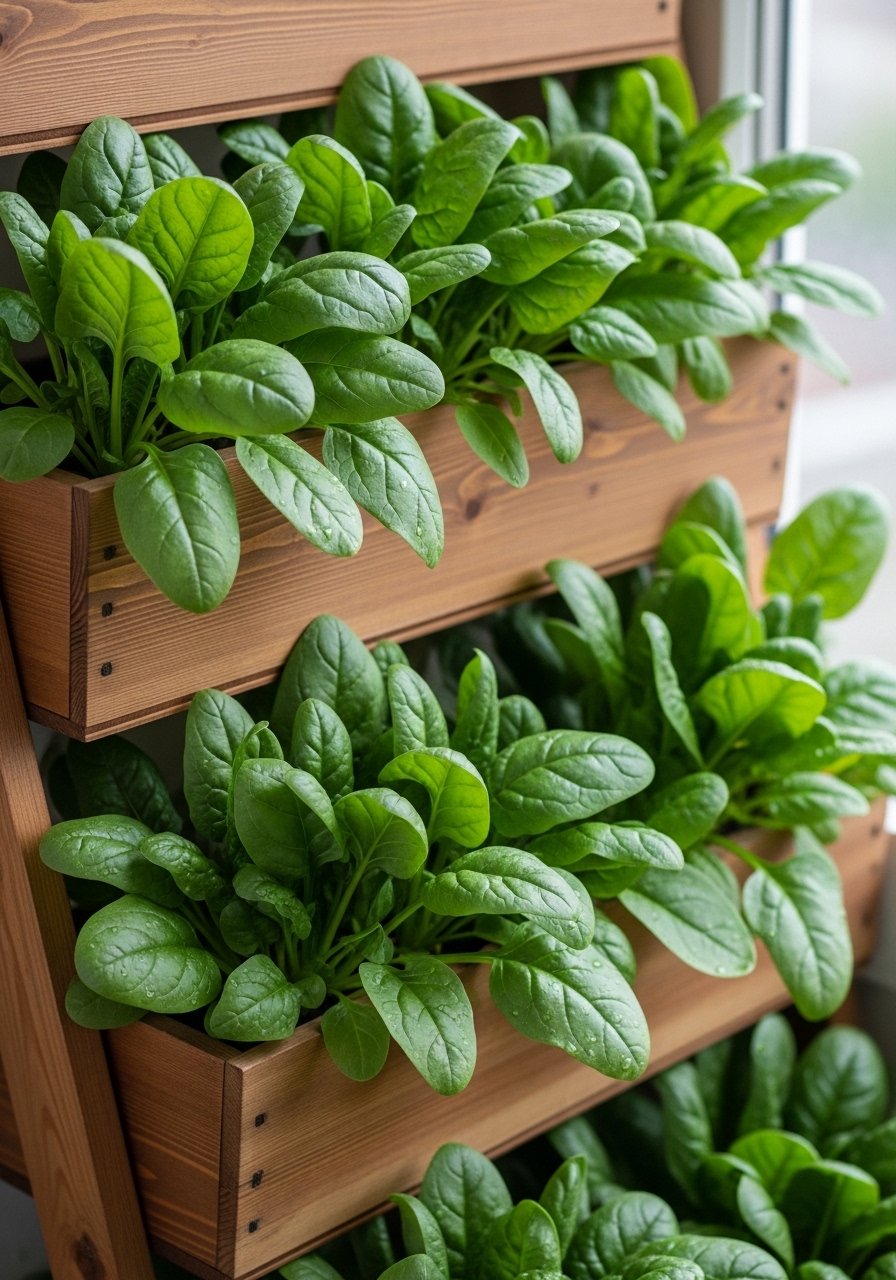
    5. Spinach Layers in Window Boxes

    Window boxes doubled up hold my spinach. Bloomsdale variety unfurls slow in shade.

    Layer two high on brackets. Pick baby leaves often, regrows thick.

    Softens the ledge view. Feels abundant quick.

    Bought cheap boxes, warped in wet. Splurged on cedar next.

    Salads every day now.

    What You’ll Need for This Look

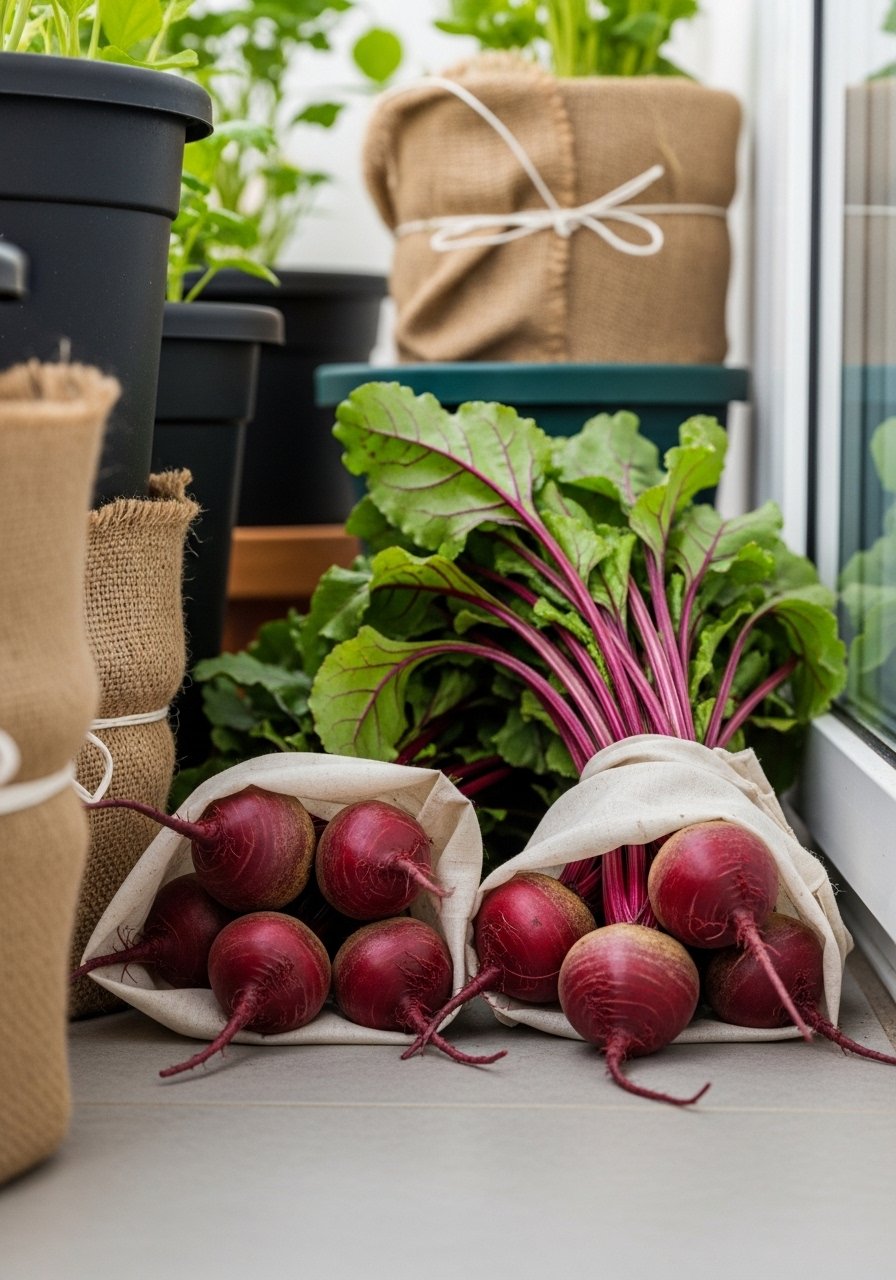
    6. Beet Bundles in Fabric Sleeves

    Beets bulb sweet in my fabric pots. Detroit dark red, shade makes tops lush.

    Sleeved them in tall ones for roots. Thin to three per pot.

    Ground view warms up. Dual harvest—greens and roots.

    Crowded first batch, small bulbs. Space better now.

    Roast or pickle easy.

    What You’ll Need for This Look

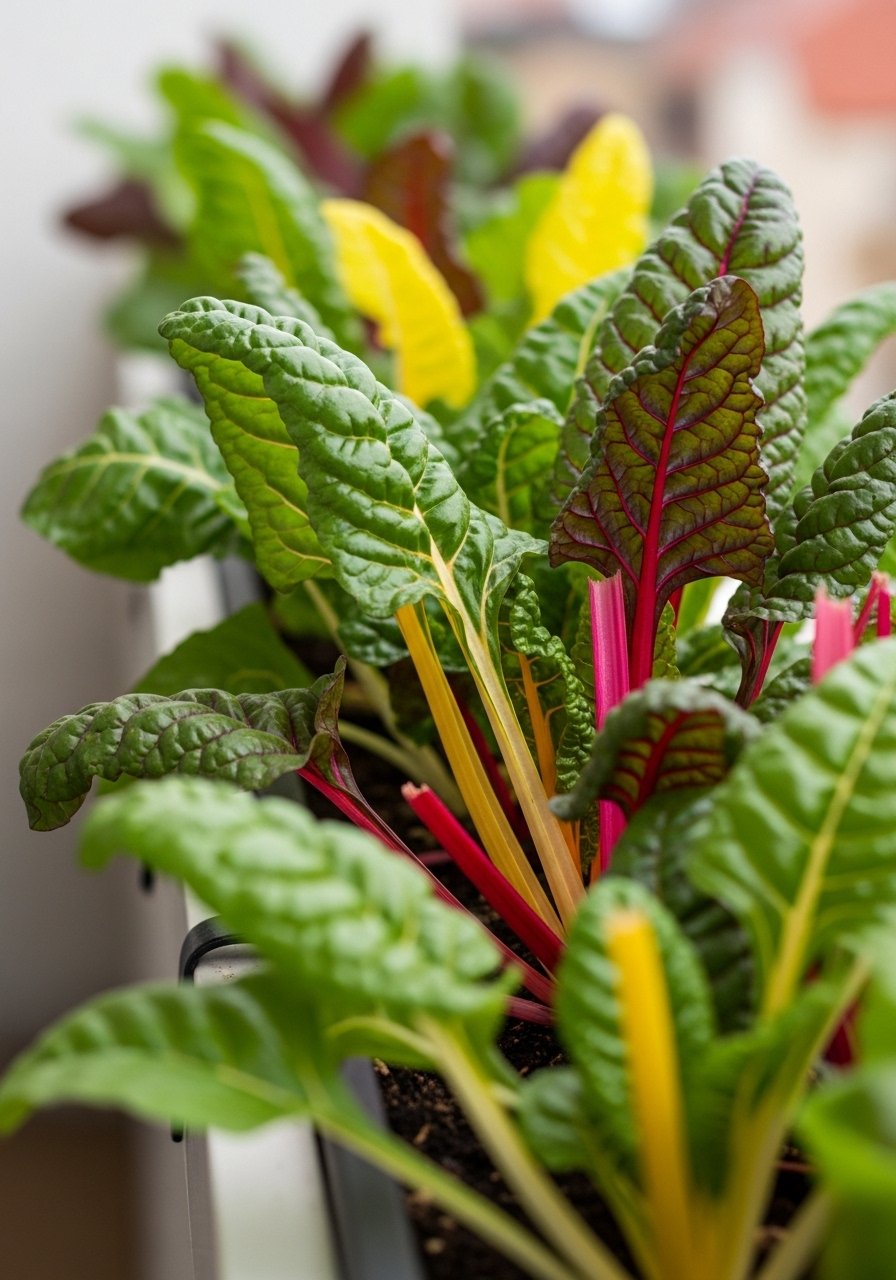
    7. Rainbow Chard Strips in Rail Planters

    Rainbow chard stripes my rail planters. Shade keeps colors vivid, stems thick.

    Planted in slim ones that hook on. Stagger heights for flow.

    Pops against gray rail. Feels intentional, not crowded.

    Wind knocked one over. Secure with ties now.

    Stir-fry or raw, versatile.

    What You’ll Need for This Look

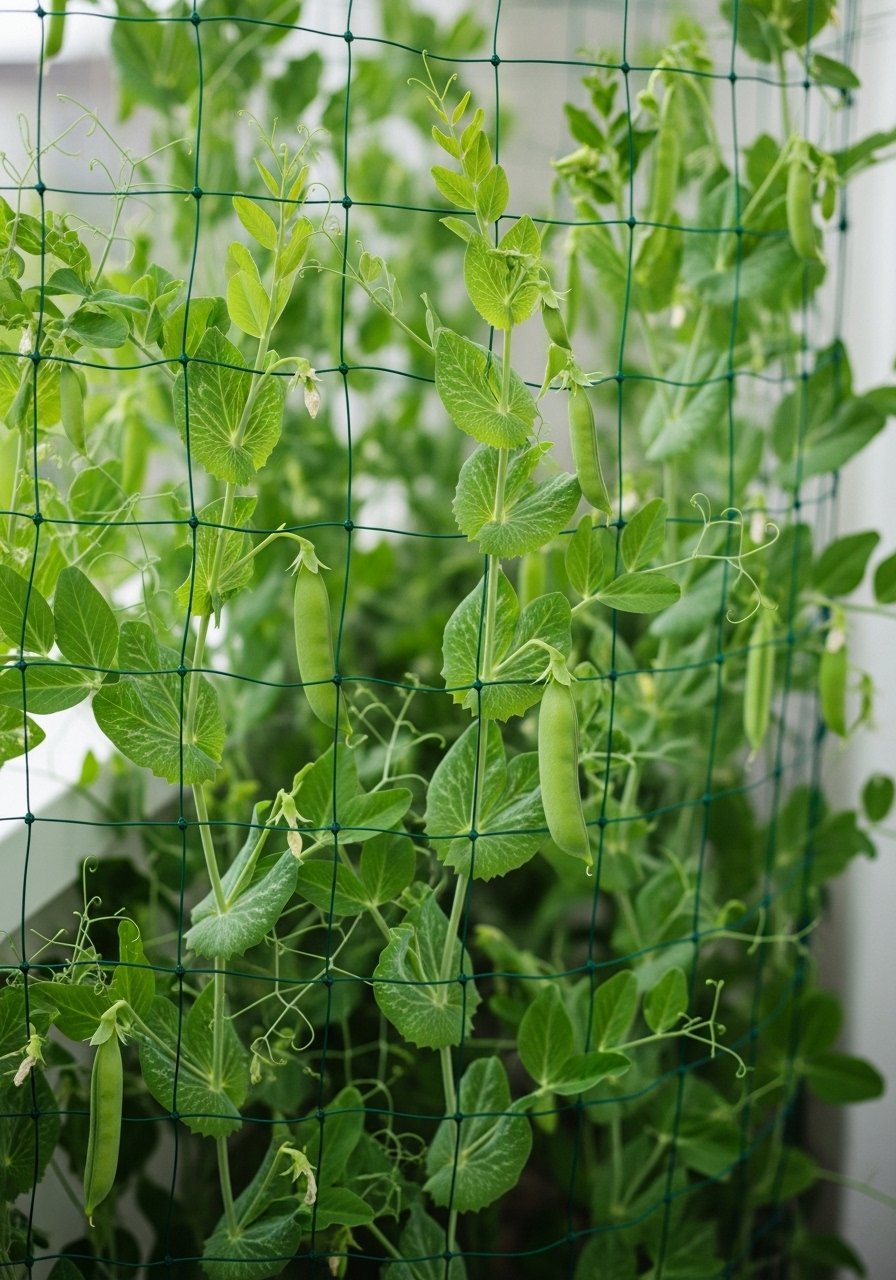
    8. Pea Vines on Netting Screens

    Sugar snaps climb my netting screen in partial shade. Pods plump without burning.

    Frame with poles, net loose. Vines fill it fast.

    Screen blocks neighbor view too. Private green curtain.

    Sow late, missed first flush. Time it right now.

    Snack straight off vine.

    What You’ll Need for This Look

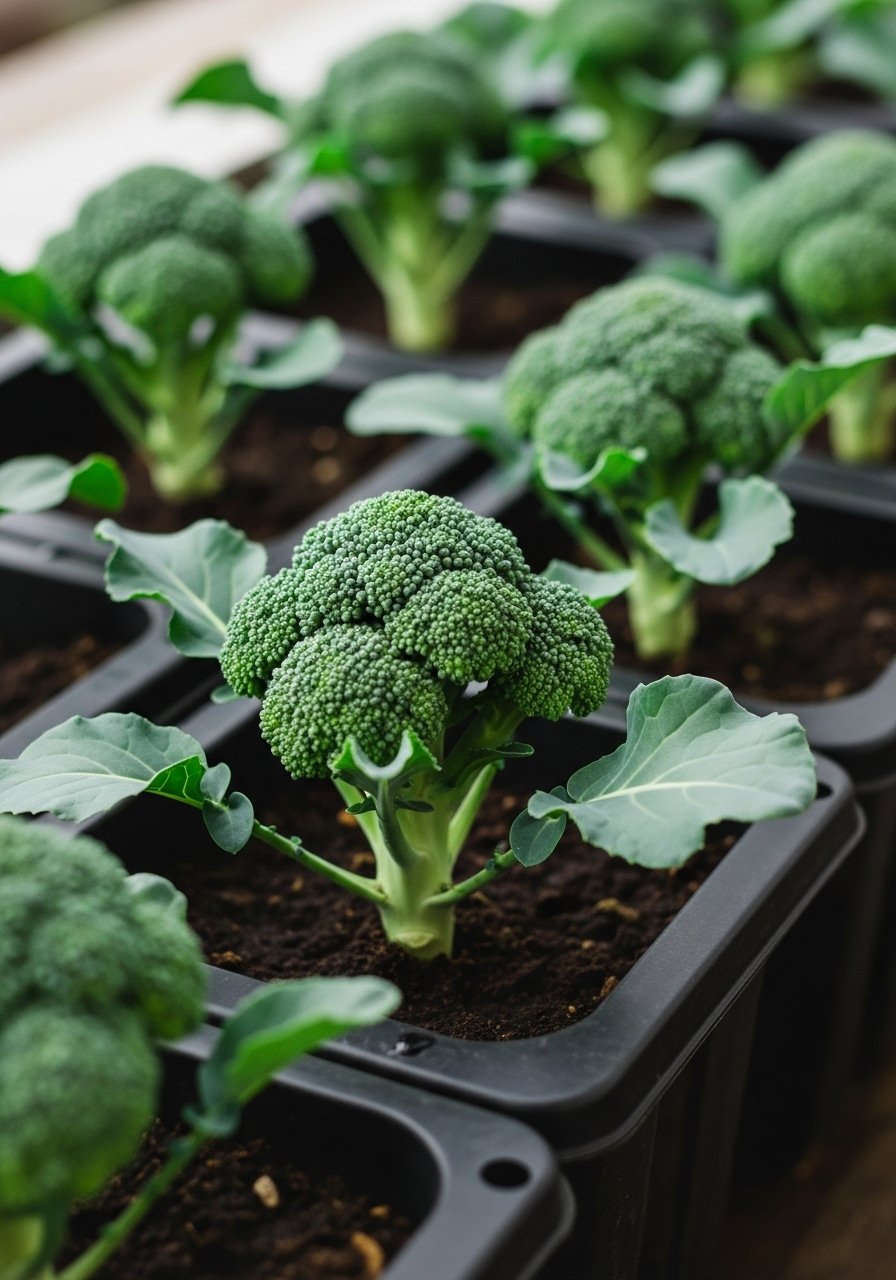
    9. Broccoli Heads in Trough Tubs

    Broccoli crowns form tight in my tub troughs. Shade cuts bitterness.

    Long tubs along wall, one plant center. Side shoots keep coming.

    Fills empty stretch. Substantial feel.

    Heads bolted early once—shade fixed it.

    Steam or roast simple.

    What You’ll Need for This Look

    10. Cilantro Cascades from Shelf Edges

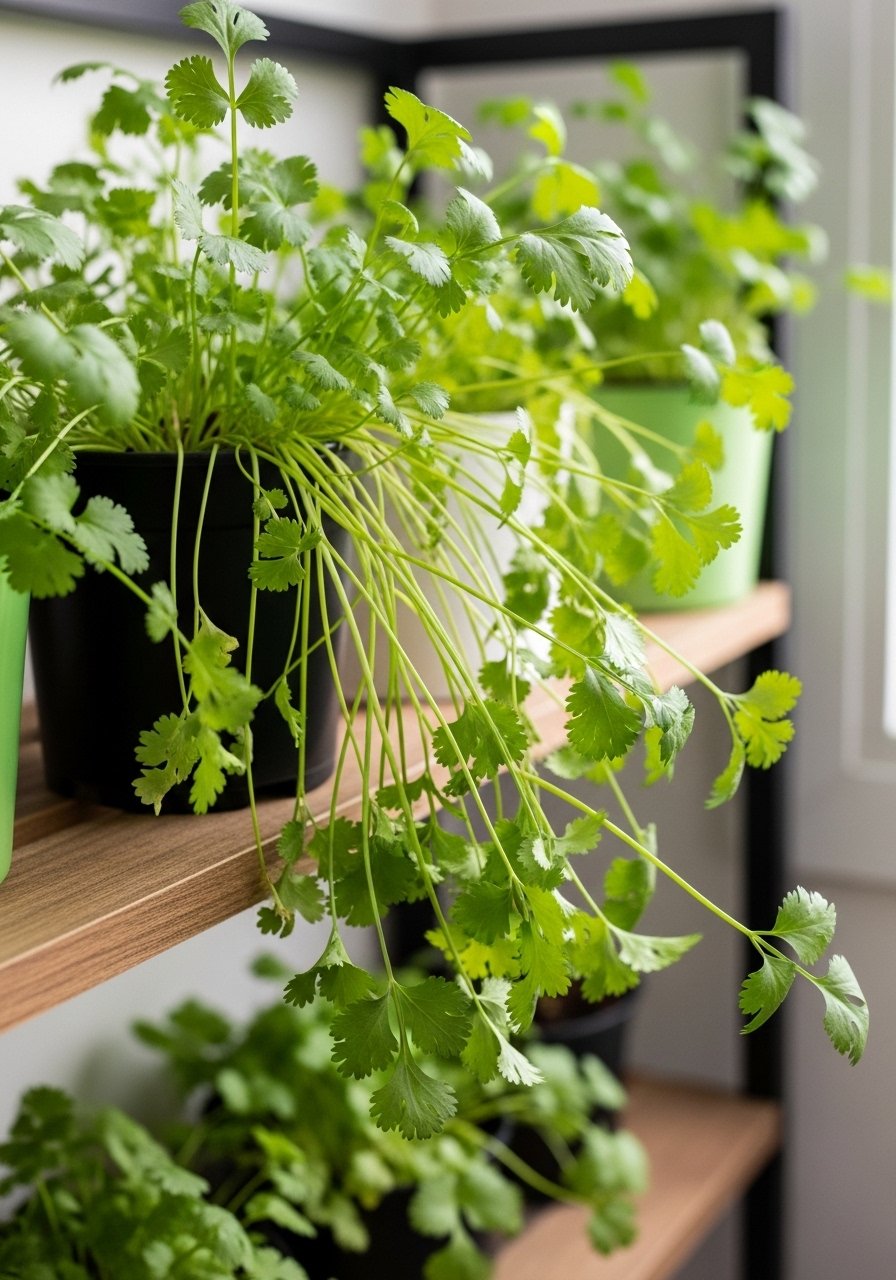
    Cilantro drapes my shelf edges. Shade prevents quick bolt.

    Pots tucked back, spill forward. Succession plant every two weeks.

    Softens shelf line. Herb scent strong.

    Bolted in heat spot before. Keep cool now.

    Tacos every night.

    What You’ll Need for This Look

    11. Mixed Greens Tray Stack

    Trays stacked on my stool mix greens—arugula, mizuna. Shade salad bowl.

    Shallow trays, rotate for even light. Cut and come again.

    Table corner greens oasis. Fresh mix always.

    Trays dried out fast. Mulch tops now.

    Diverse bites.

    What You’ll Need for This Look

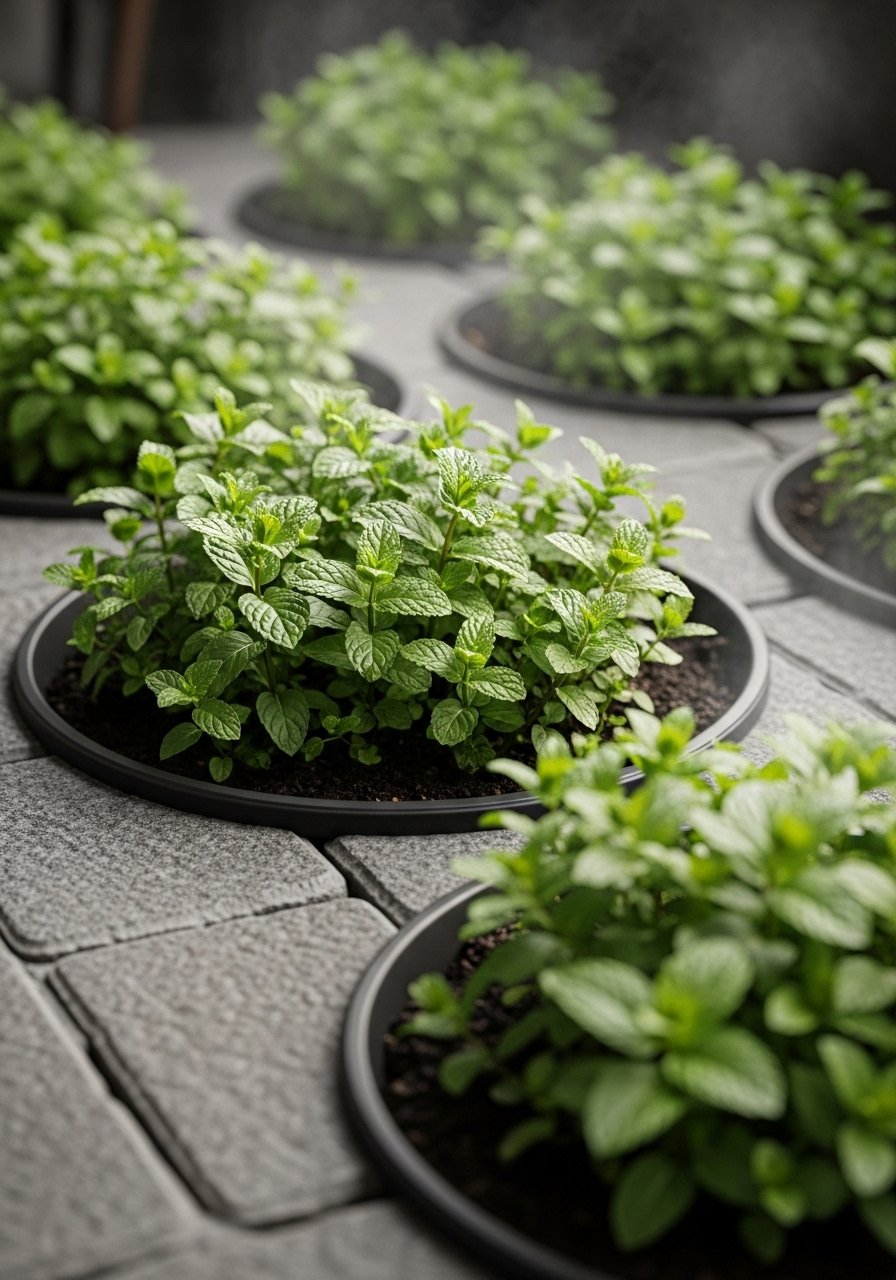
    12. Mint Patches in Sunken Tubs

    Spearmint fills sunken tubs. Shade keeps it vigorous, contained.

    Sink tubs in soil mound. Edges with stones.

    Ground level cozy patch. Tea leaves endless.

    Spread wild once—no tub. Contained now.

    Brew fresh daily.

    What You’ll Need for This Look

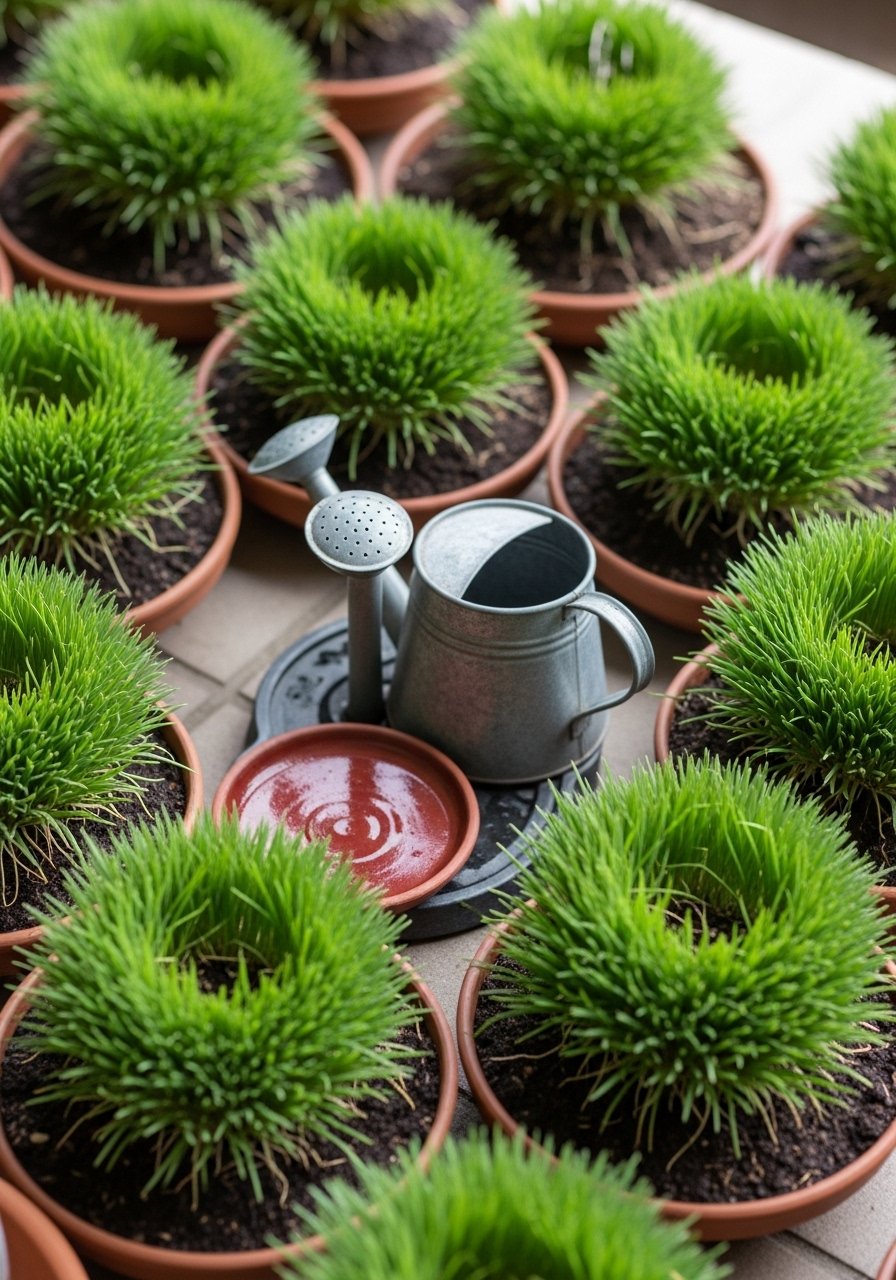
    13. Chive Circles Around Water Point

    Chives ring my drip saucer. Shade makes them clump dense.

    Pots circle central water. Snip tops regular.

    Focal damp spot. Onion whiff welcome.

    Planted too deep, weak. Surface roots now.

    Eggs or potatoes better.

    What You’ll Need for This Look

    Final Thoughts

    Pick one or two ideas that fit your space. Start small—shade veggies forgive beginners.

    My balcony greens grew from mistakes. Yours will too.

    You'll harvest real food soon. Relax, plant steady.

  • 17 Large Balcony Vegetable Garden Ideas For A Lush Look

    17 Large Balcony Vegetable Garden Ideas For A Lush Look

    I stared at my empty balcony one spring, wind whipping through the rails, craving salads from my own plants. No space for a yard, but plenty of sun.

    Planted tomatoes first. They sprawled everywhere. Learned quick: structure matters.

    Now it's thick with greens. Feels like a real garden up high. You can do this too.

    17 Large Balcony Vegetable Garden Ideas For A Lush Look

    These 17 ideas pack my large balcony's lessons into lush, veggie-filled setups. Real growth, no perfection needed. Each one builds density and color you can copy.

    1. Layered Tomato Towers for Non-Stop Harvest

    I stacked three pots for my cherry tomatoes last year. Bottom one wide for roots, middle narrower, top spilling herbs. Grew taller than expected, shading the floor.

    Visual shift hit mid-summer: red clusters everywhere, like a mini orchard. Neighbors stopped by.

    Watch sun patterns—mine gets afternoon shade, so I turned pots weekly.

    Mistake: overwatered once, rotted roots. Now I poke soil first.

    What You’ll Need for This Look

    Stackable fabric grow bags (20 gallon, black)
    Bamboo stakes (6 foot, bundle of 20)
    Organic cherry tomato seeds

    2. Vertical Pepper Walls That Drip Green

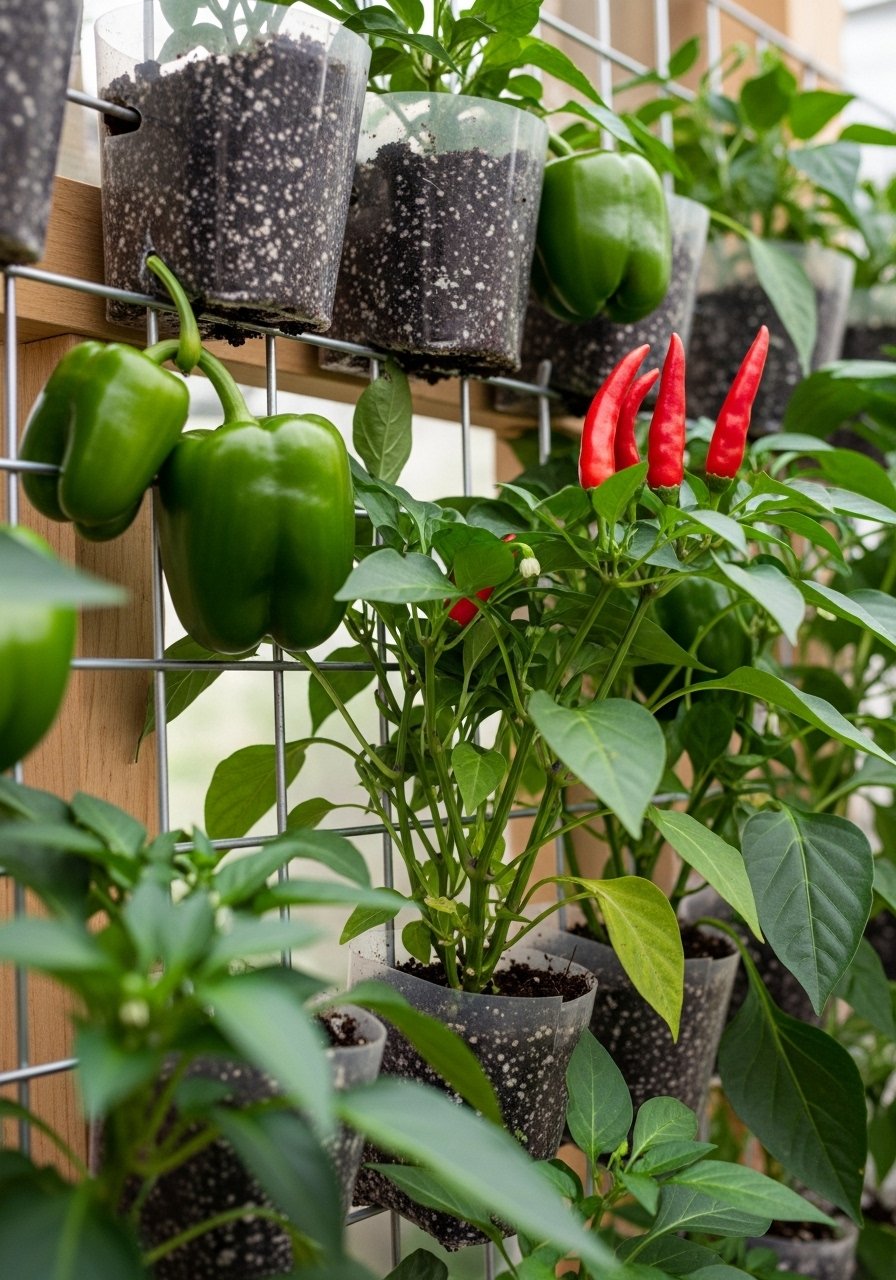
    Hung a pocket planter on my rail last season. Bell peppers filled every slot, vines trailing down.

    Balcony felt enclosed, private. Colors popped against the city view.

    Pick a south-facing wall. Mine scorched leaves early—added mesh shade cloth.

    They fruited heavy. Harvested weekly, no bending.

    What You’ll Need for This Look

    Felt pocket vertical wall planter (10 pockets, green)
    Bell pepper seedlings (pack of 6)
    Shade cloth (6×10 foot, 50% block)

    3. Railing-Mounted Salad Bar Boxes

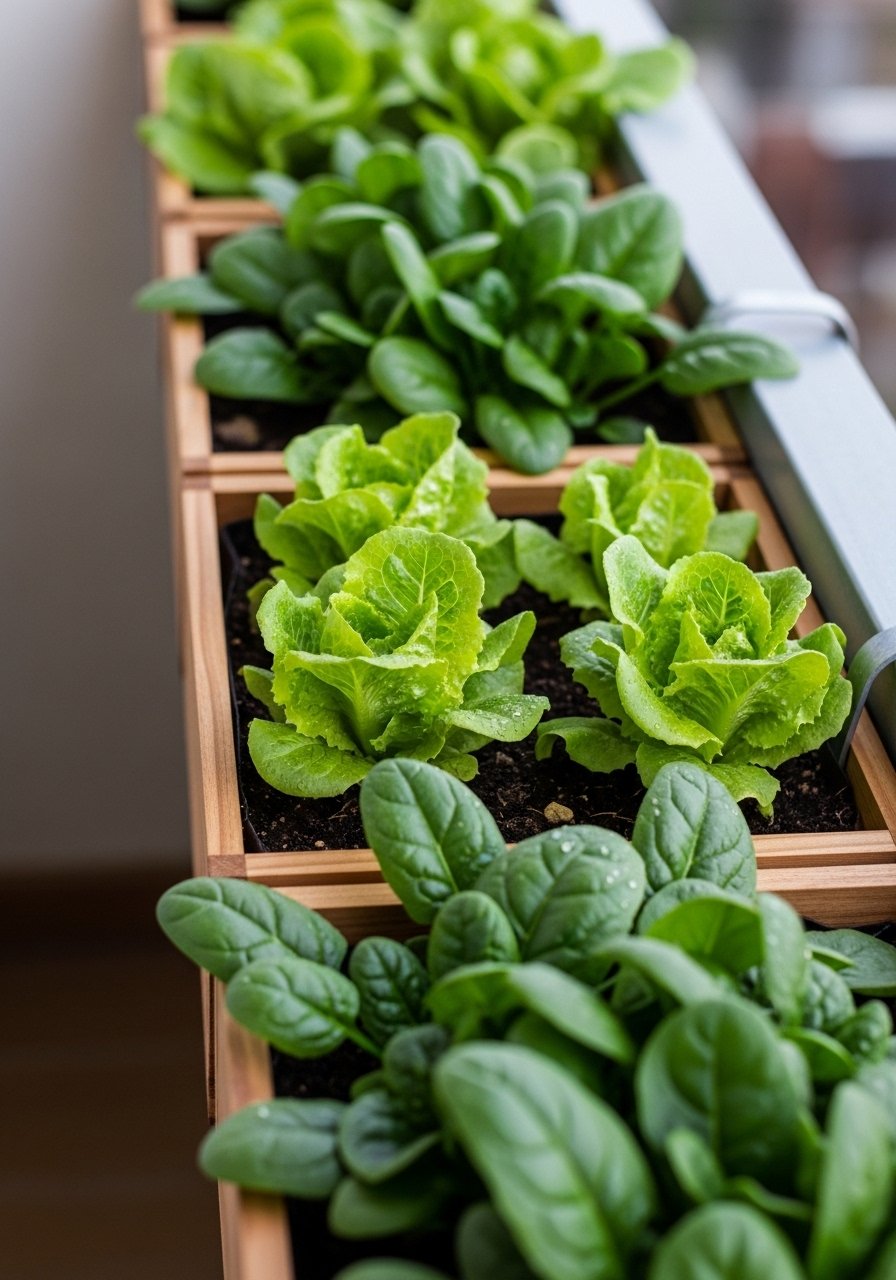
    Clipped long window boxes to my railing. Lettuce, spinach, arugula—cut-and-come-again style.

    Greens softened the metal rails, made it cozy up close.

    Wind whipped seeds around. Secured with zip ties after one blew off.

    Daily picks for lunch. Grows back fast.

    What You’ll Need for This Look

    Railing mount window boxes (24 inch, galvanized metal)
    Mixed salad greens seeds (organic packet)
    Heavy duty zip ties (12 inch, 100 pack)

    4. Hanging Cucumber Baskets That Swing Full

    Suspended three baskets from ceiling hooks. Cucumbers climbed out, fruits hanging like lanterns.

    Added movement to still air. Lush drape hid the floor clutter.

    They got powdery mildew once—spaced better next time.

    Pick every other day or they yellow.

    What You’ll Need for This Look

    14 inch metal hanging baskets
    Coco coir liners (14 inch, pack of 6)
    Burpless cucumber seeds

    5. Bean Trellis Canopy Over Seating

    Erected a simple net trellis over my chairs. Pole beans shot up, forming a green roof.

    Dined in shade, beans pods within reach. Felt hidden.

    Overplanted first year—thinned to four per hole.

    Harvests roll in now.

    What You’ll Need for This Look

    Trellis netting (6×20 foot, green)
    Provider pole bean seeds
    Heavy duty ceiling hooks (pack of 10)

    6. Potato Bags Lined Up in Rows

    Lined five grow bags along the back wall. Planted seed potatoes—hilled up as they grew.

    Filled empty corners with volume. Earthy smell every morning.

    Forgot to hill once—smaller yield. Lesson learned.

    Dig in fall for storage.

    What You’ll Need for This Look

    Potato grow bags (10 gallon, pack of 5)
    Yukon gold seed potatoes (2 lb bag)

    7. Eggplant Clusters in Deep Tubs

    Set black nursery tubs for eggplants. Deep soil let roots spread.

    Glossy leaves and fruits made a bold corner statement.

    Too much nitrogen—big plants, no fruit. Balanced feed after.

    Prolific now.

    What You’ll Need for This Look

    20 gallon nursery pots (black, pack of 3)
    Black beauty eggplant seeds
    Velcro plant ties (1/2 inch wide)

    8. Zucchini Stands with Wide Bases

    Raised zucchini on sturdy plant stands. Kept sprawling vines off the floor.

    Thick foliage cooled the space. Fruits easy to spot.

    Overloaded one stand—reinforced legs.

    One plant feeds two.

    What You’ll Need for This Look

    Metal plant stands (24 inch square)
    Black beauty zucchini seeds

    9. Strawberry Pyramid for Edge Fill

    Built a tiered pyramid from stacked pots. Strawberries cascaded down sides.

    Sweet scent, constant berries. Softened hard edges.

    Birds got half first season—netted loosely.

    Everbearing variety shines.

    What You’ll Need for This Look

    5-tier strawberry pyramid planter
    Everbearing strawberry plants (pack of 10)
    Bird netting (10×10 foot)

    10. Carrot Crate Stacks Deep and Narrow

    Stacked milk crates lined with landscape fabric. Carrots grew straight down.

    Tops waved like grass. Pulled sweet roots monthly.

    Shallow soil first try—stunted. Went deeper.

    What You’ll Need for This Look

    Wooden milk crates (13×13 inch, pack of 4)
    Landscape fabric (3×50 foot roll)
    Nantes carrot seeds

    11. Kale Forest in Oversized Pots

    Crowded three kale varieties in big pots. Leaves built a dense wall.

    Textured, colorful backdrop. Tough against wind.

    Bolted in heat—picked young.

    Winter harvest bonus.

    What You’ll Need for This Look

    25 gallon fabric pots (gray)
    Organic kale seed mix

    12. Radish and Beet Root Train

    Filled a long trough with radishes and beets. Quick roots, bushy tops.

    Linear lushness along rail. Pull as needed.

    Crowded once—thinned halves.

    What You’ll Need for This Look

    48 inch wooden trough planter
    Mixed radish and beet seeds

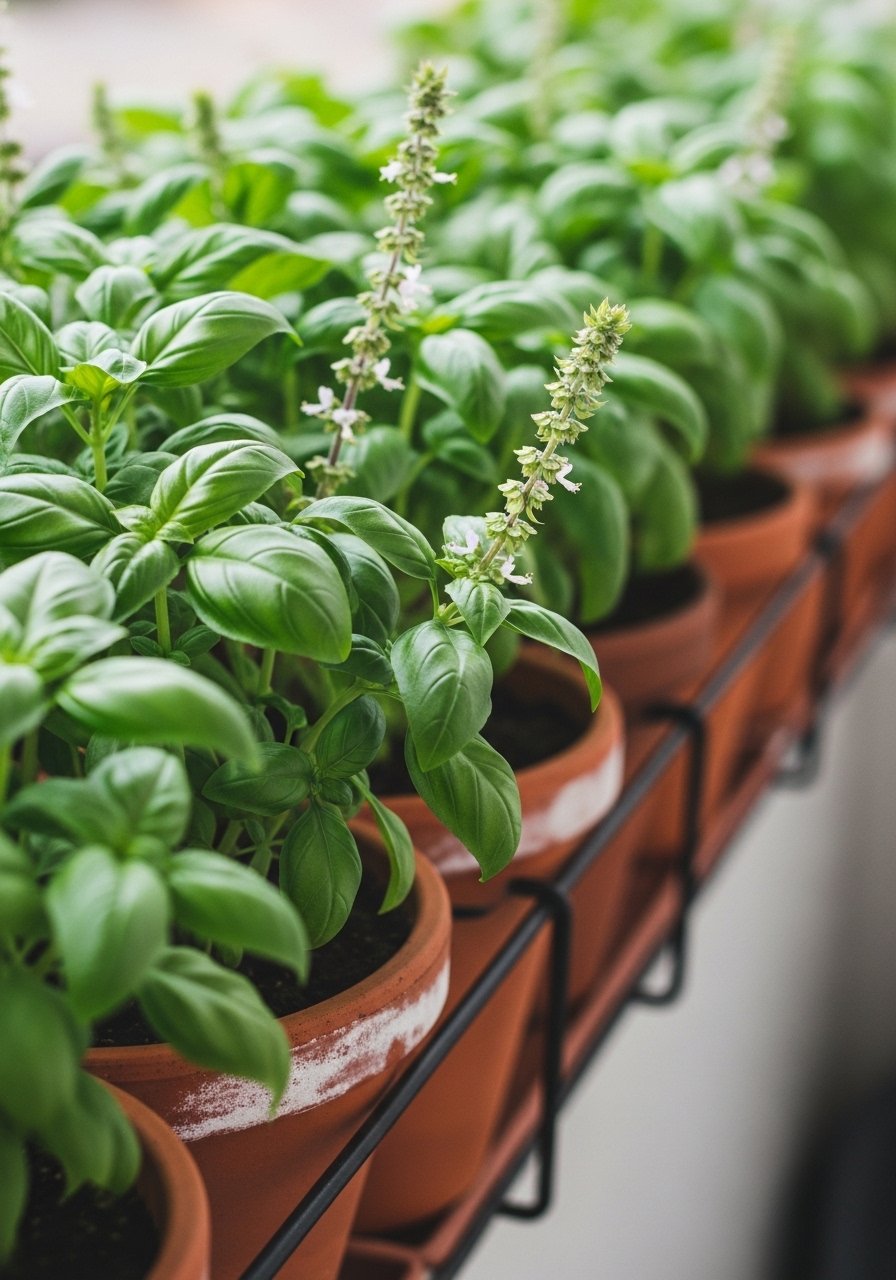
    13. Basil Hedgerow in Rail Pots

    Lined railing pots with bushy basil. Scent filled the air.

    Dense hedge hid street noise. Pinch tops often.

    Flowered too soon—deadheaded.

    What You’ll Need for This Look

    Terracotta railing pots (10 inch)
    Genovese basil seeds

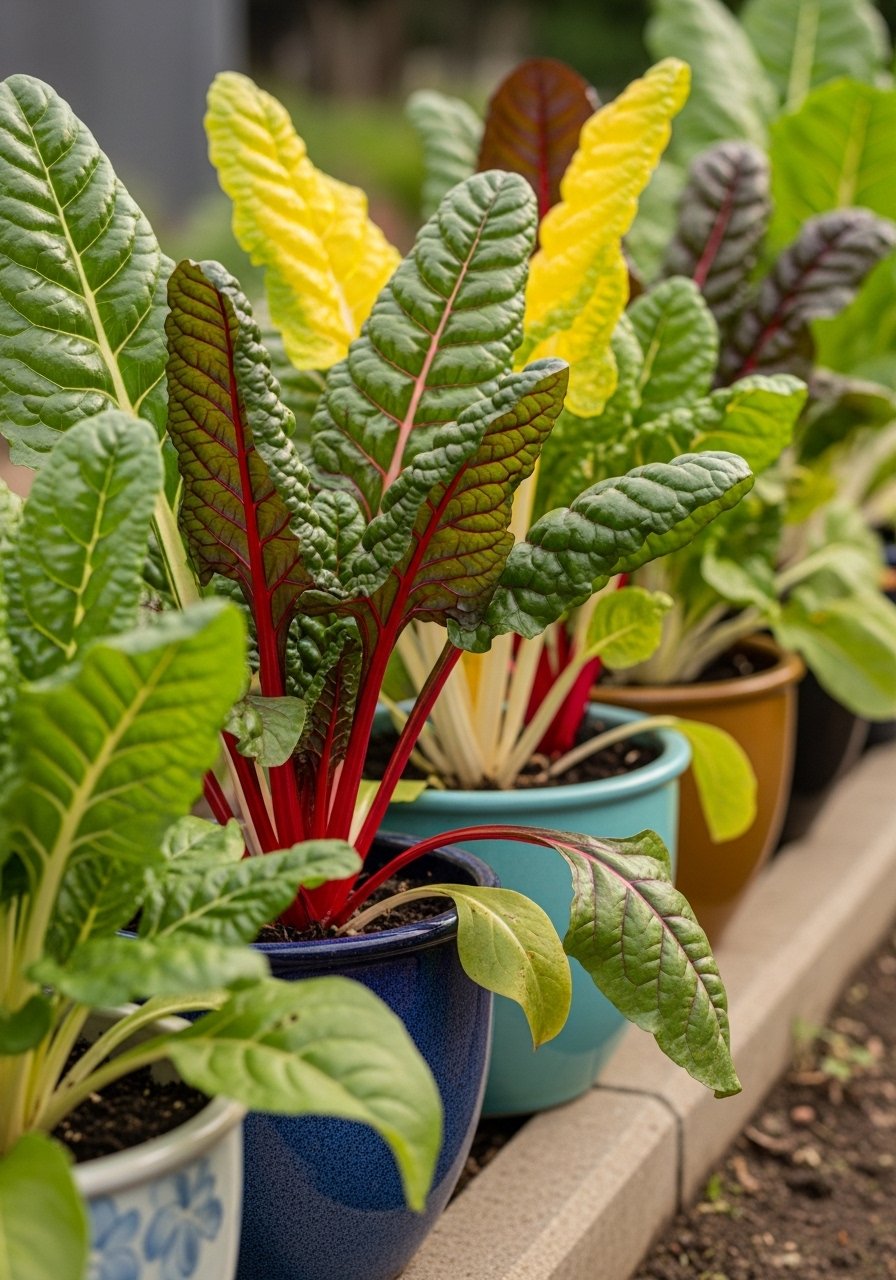
    14. Swiss Chard Rainbow Borders

    Planted rainbow chard along edges. Stems added color pops.

    Vibrant against greens. Cut outer leaves.

    Wind snapped some—staked loosely.

    What You’ll Need for This Look

    12 inch ceramic pots (set of 4)
    Rainbow swiss chard seeds

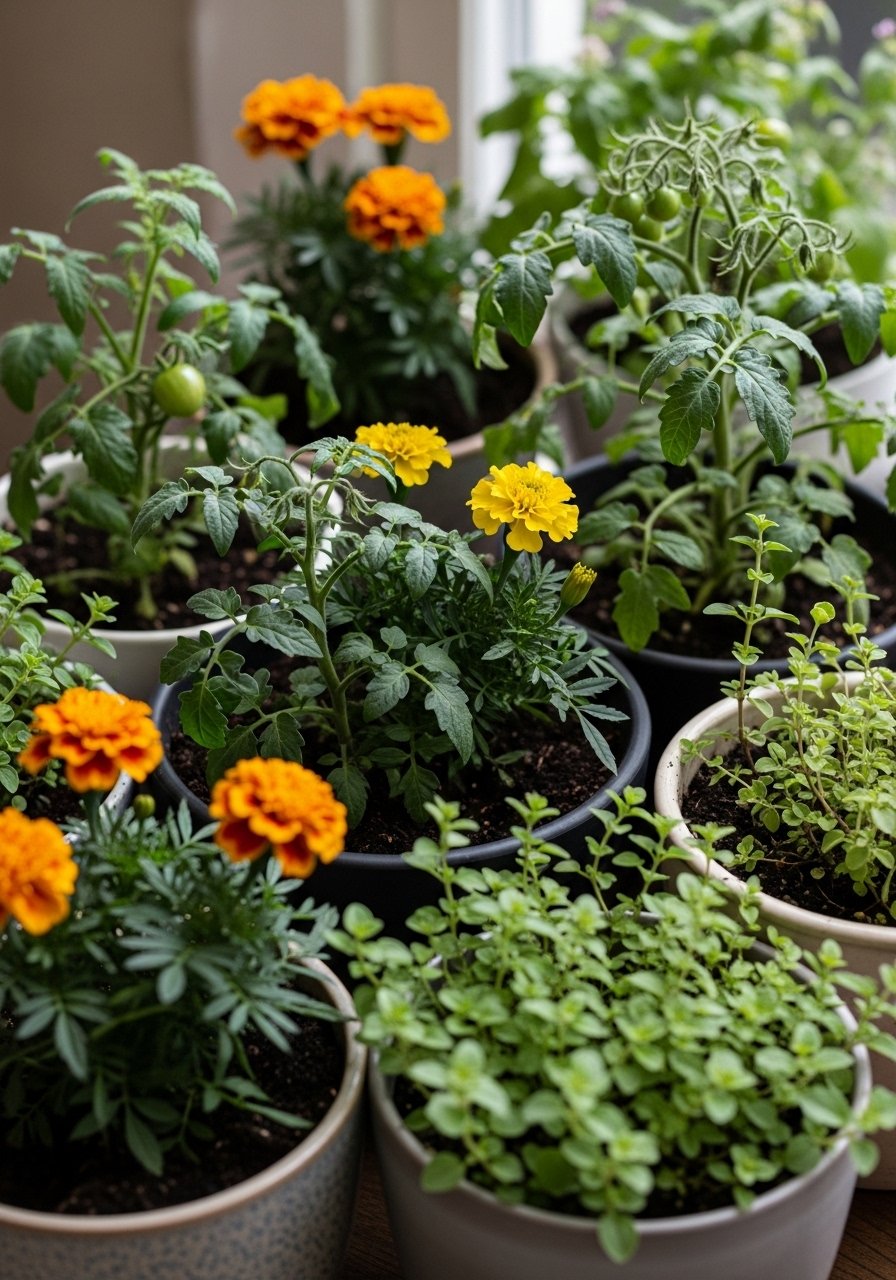
    15. Companion Herb-Veggie Clusters

    Grouped tomatoes with basil and marigolds. Bugs stayed away.

    Fuller pots, healthier plants. Natural balance.

    Forgot spacing—vines tangled. Prune now.

    What You’ll Need for This Look

    French marigold seeds
    Oregano plants (4 inch pots)

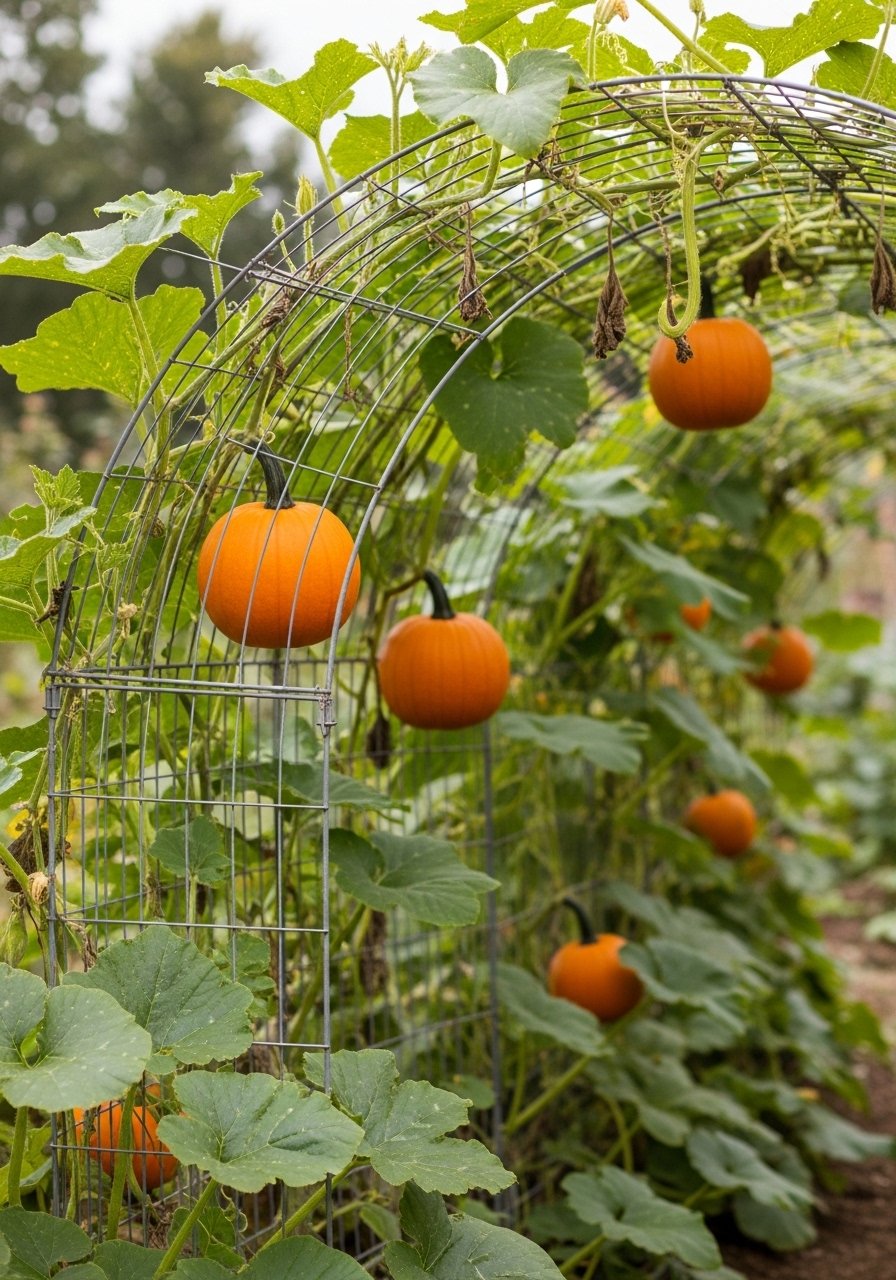
    16. Squash Archway Frames

    Bent wire into arches for butternut squash. Vines covered frames.

    Cozy tunnel effect. Fruits stored easy.

    Heavy fruits broke vines—added slings.

    What You’ll Need for This Look

    6 foot wire garden arch trellis
    Butternut squash seeds
    Jute plant slings (pack of 10)

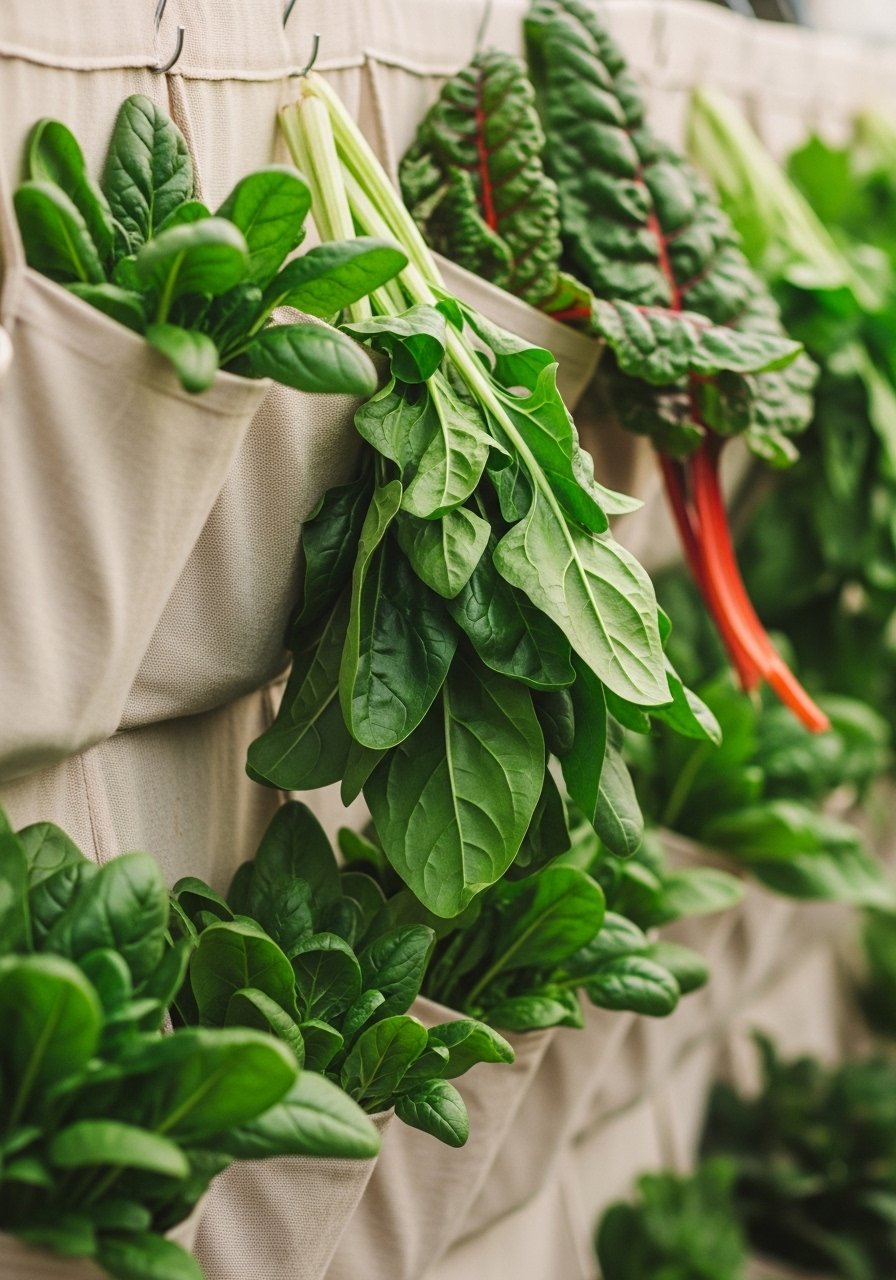
    17. Leafy Green Curtain Panels

    Hung fabric panels for spinach and chard. Created a living screen.

    Filtered light softly. Privacy boost.

    Dried out fast—mulched tops.

    What You’ll Need for This Look

    Hanging fabric grow pocket panels
    Bloomsdale spinach seeds
    Organic bark mulch (2 cubic feet)

    Final Thoughts

    Start with three ideas that fit your light. Mine evolved over years—no rush.

    Watch what thrives, tweak next season. Your balcony will feel alive.

    You've got this. Fresh eats wait.
  • How To Grow Vegetables In Balcony Garden

    How To Grow Vegetables In Balcony Garden

    I stared at my empty balcony last spring. Windy, shaded in spots, too narrow for rows. Veggies I'd planted before got leggy and fell over. Nothing grew right.
    It felt off. Like the space fought back.

    Then I shifted how I approached it. Placement first. Feel over force.

    How To Grow Vegetables In Balcony Garden

    This guide shows you how to set up a balcony that grows steady vegetables. You'll end up with fresh greens and tomatoes that actually produce. It's straightforward from my own tries.
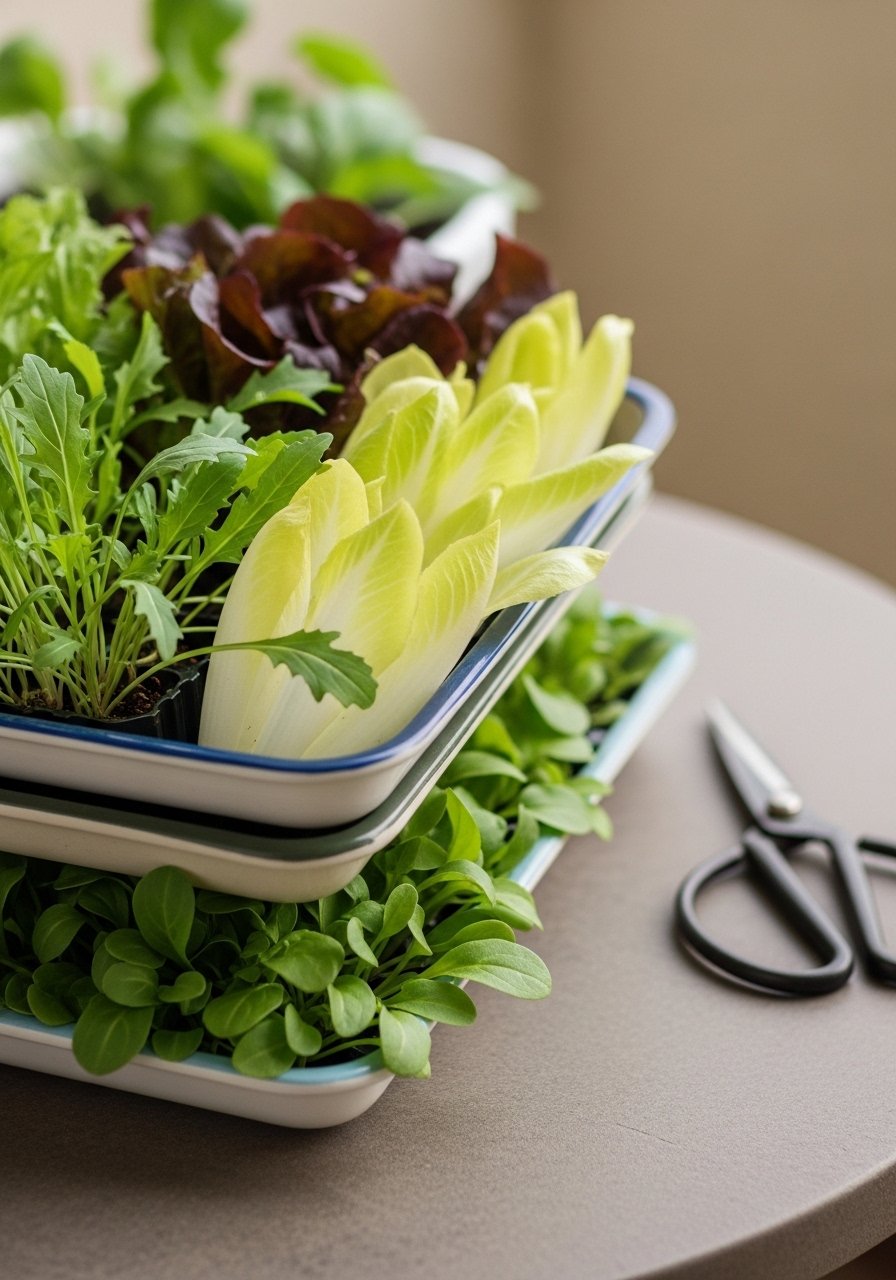
    What You’ll Need

    Step 1: Map Your Balcony's Light and Wind

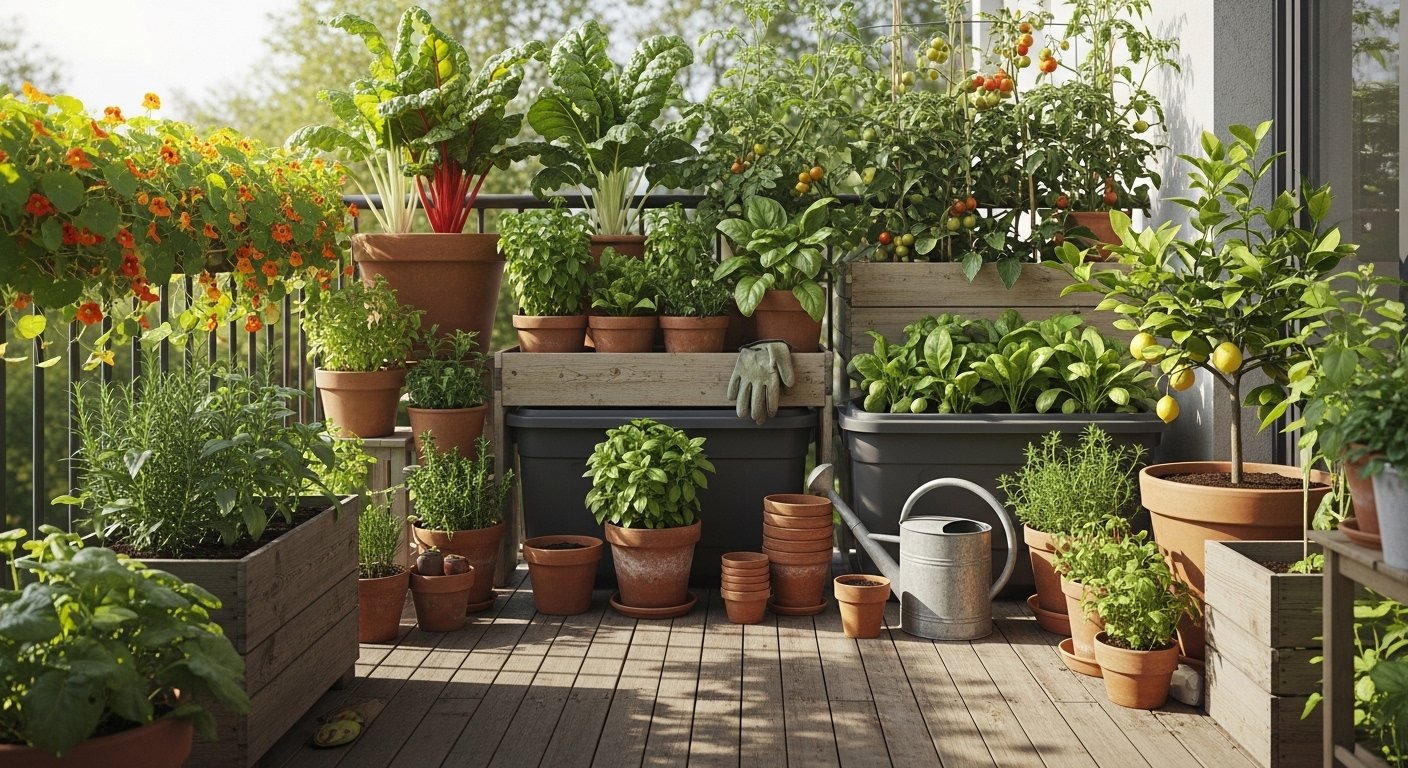
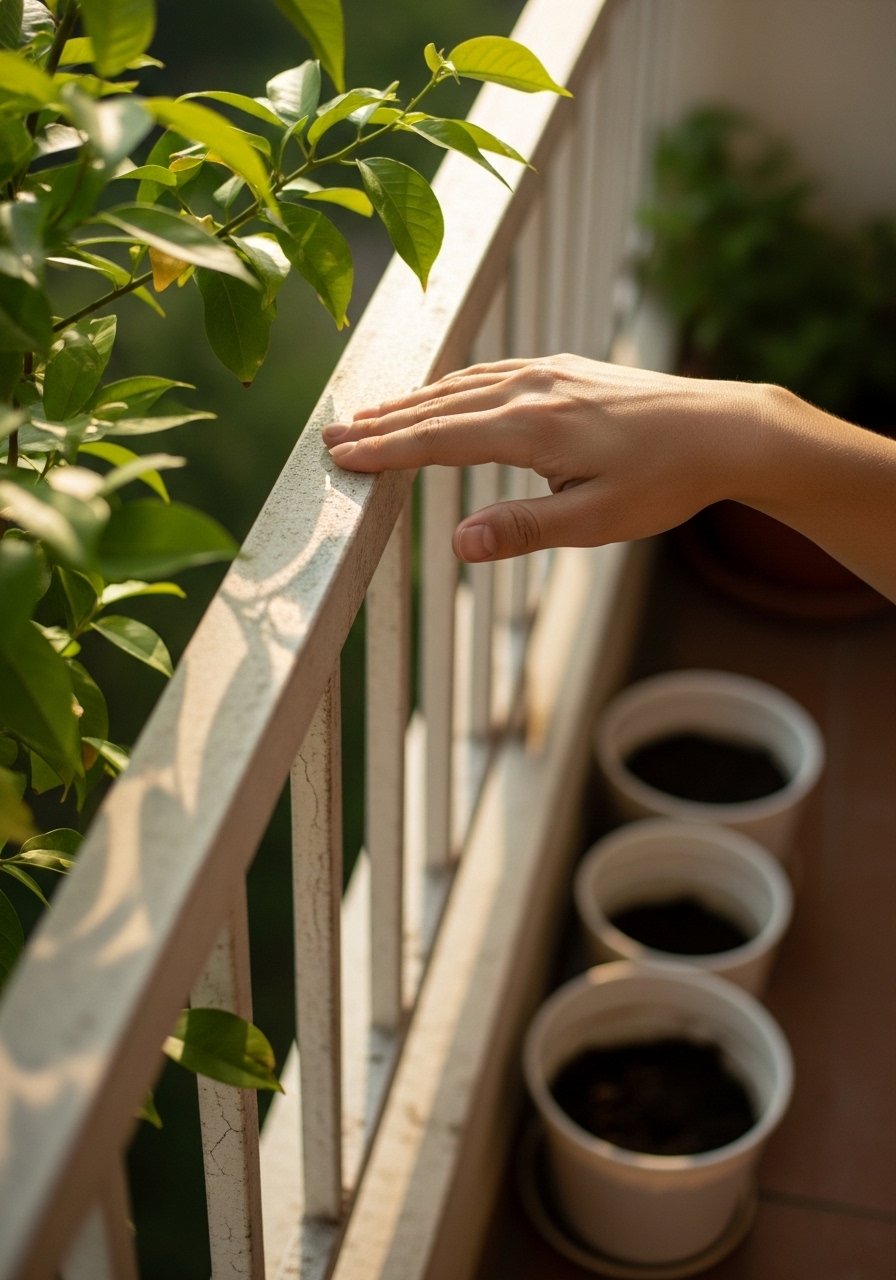
    I walk my balcony at dawn and noon. Note where sun lingers longest. Wind hits corners hardest.

    This sets the feel. Tomatoes go south-facing, fullest light. Lettuce tucks in partial shade. Visually, it balances—tall plants block gusts for shorter ones.

    People miss how light shifts monthly. Check now. Avoid cramming everything in one spot; it crowds airflow.

    One mistake: Ignoring railings. Lean pots against them for stability.

    Step 2: Group Containers by Height and Need

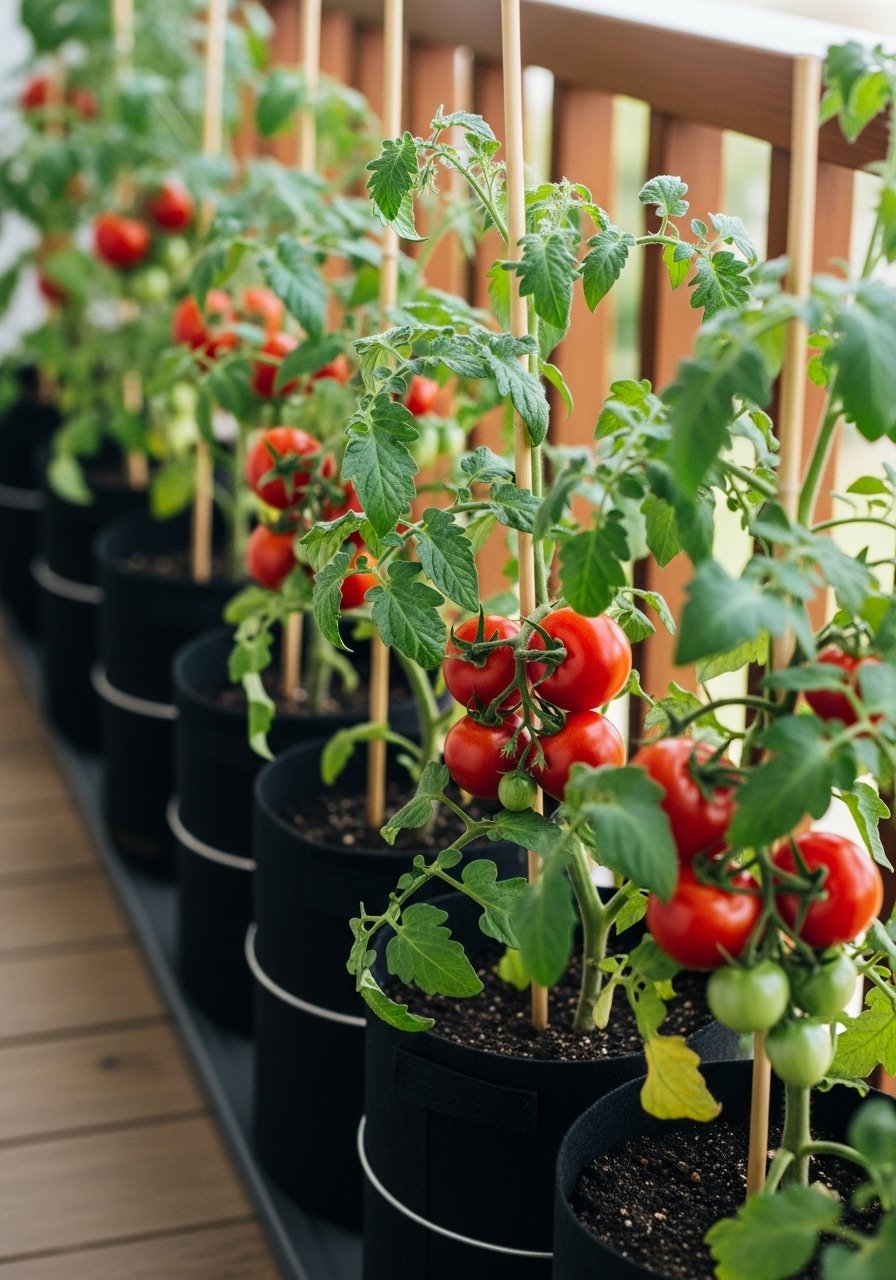
    I sort pots by plant size. Tall trellised tomatoes anchor the back. Low lettuce fills front edges.

    It creates flow. Space breathes between groups. Wind passes through.

    Insight: Match water needs here. Deep bags for roots hold moisture; saucers catch drips.

    Don't overload one side. It tips the balance, feels heavy.

    Step 3: Fill and Plant for Root Room

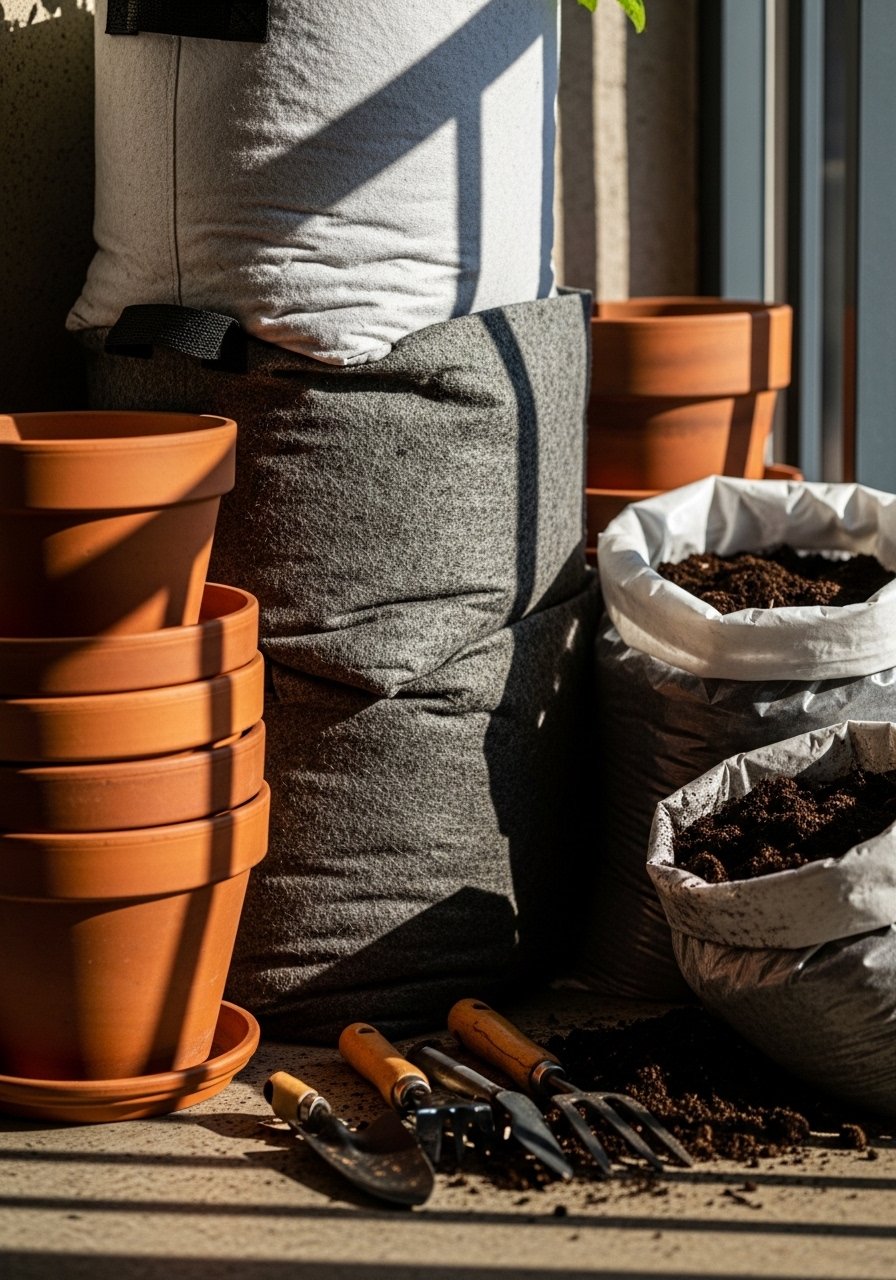
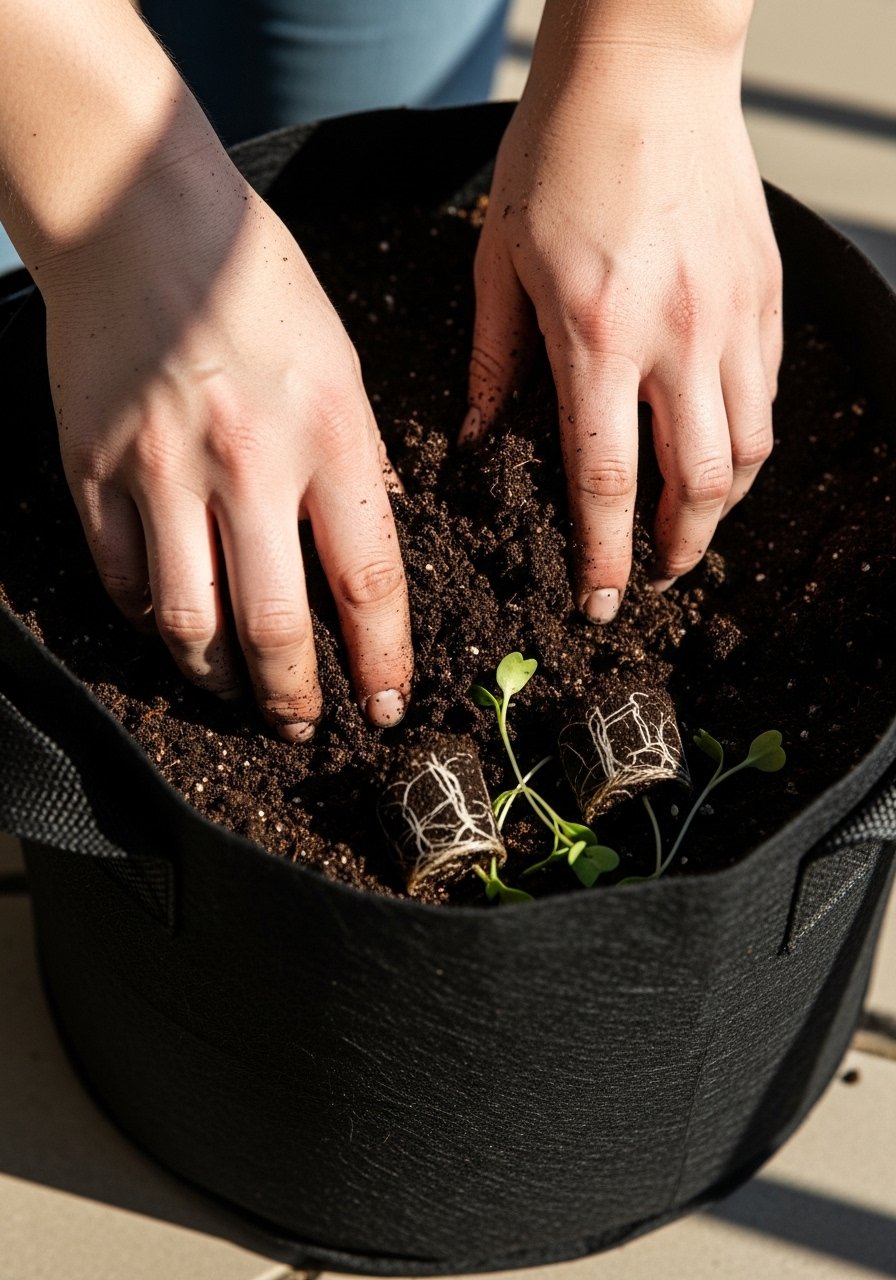
    I mix potting soil with compost. Fill bags loose, not packed. Plant seedlings deep, roots spread.

    Ground settles comfortable. Plants root down steady. Greens pop greener already.

    Missed often: Overfill bags. Leaves no room to grow.

    Skip patting soil hard. Let it breathe.

    Step 4: Set Up Support and Water Flow

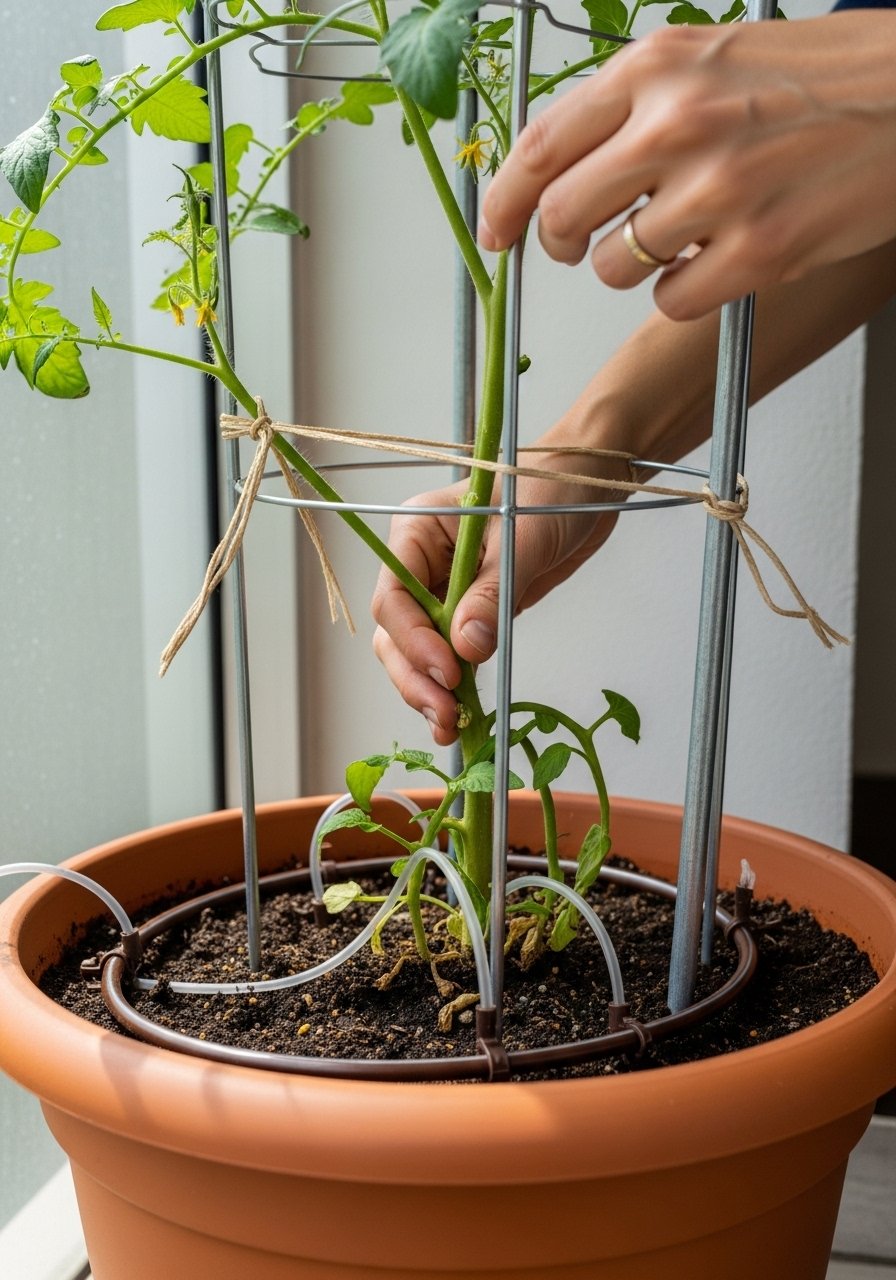
    I clip trellis behind climbers. Run drip lines low to high, even coverage.

    Vines reach up balanced. Water hits roots, not leaves. Less rot.

    People forget ties loosen. Check weekly.

    Avoid pooling water. Saucers prevent slips.

    Step 5: Watch and Adjust Placement Weekly

    I eye the setup Sundays. Swap pots if one shades another. Trim early yellow leaves.

    Growth evens out. Whole balcony greens up intentional.

    Insight: Wind bends tell direction. Move frail plants.

    Don't ignore lean. Straighten young stems gentle.

    Best Vegetables for Small Balconies

    Cherry tomatoes climb easy. They fruit heavy without sprawling.

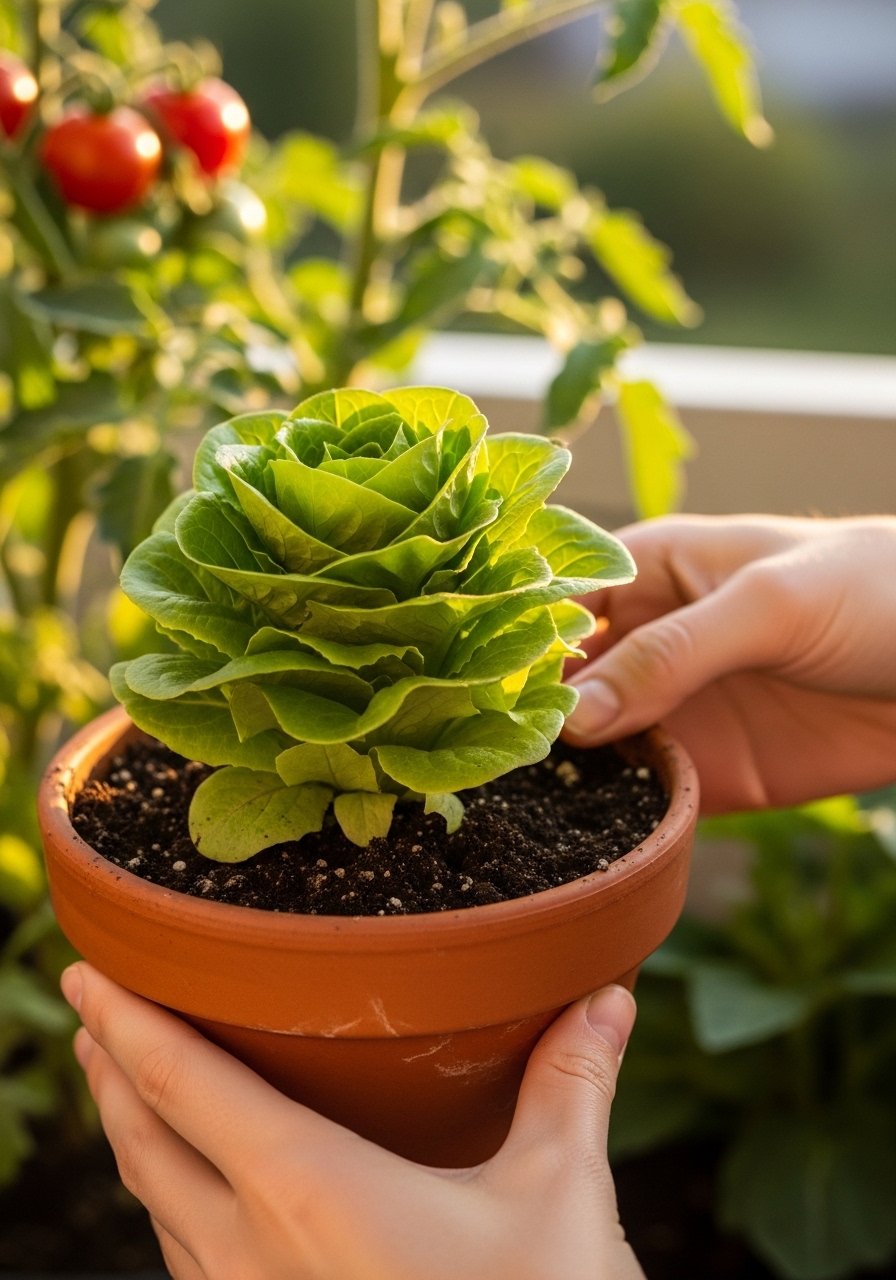
    Lettuce and radishes fill gaps fast. Herbs like basil tuck anywhere.

    • Tomatoes: South light, trellis up.
    • Lettuce: Shade tolerant, cut-and-come-again.
    • Peppers: Compact, steady producers.

    From my rail, these fit without crowding.

    Handling Wind and Pests Naturally

    Wind dries soil quick. I cluster pots, use walls as shields.

    Pests show on undersides. Hose blasts gentle.

    • Check leaves daily.
    • Neem spray if needed, diluted.
    • Companion plant basil near tomatoes.

    Keeps things clean, no chemicals.

    Year-Round Balcony Tips

    Winter, swap to kale. Hardy in pots.

    Summer heat? Shade cloth over peaks.

    Mulch tops with straw. Holds moisture even.

    Rotate spots yearly. Soil stays fresh.

    Final Thoughts

    Start with three pots. One tomato, two greens.

    You'll see produce by month two. It builds quiet confidence.

    Your balcony grows into something reliable. Just tend steady.