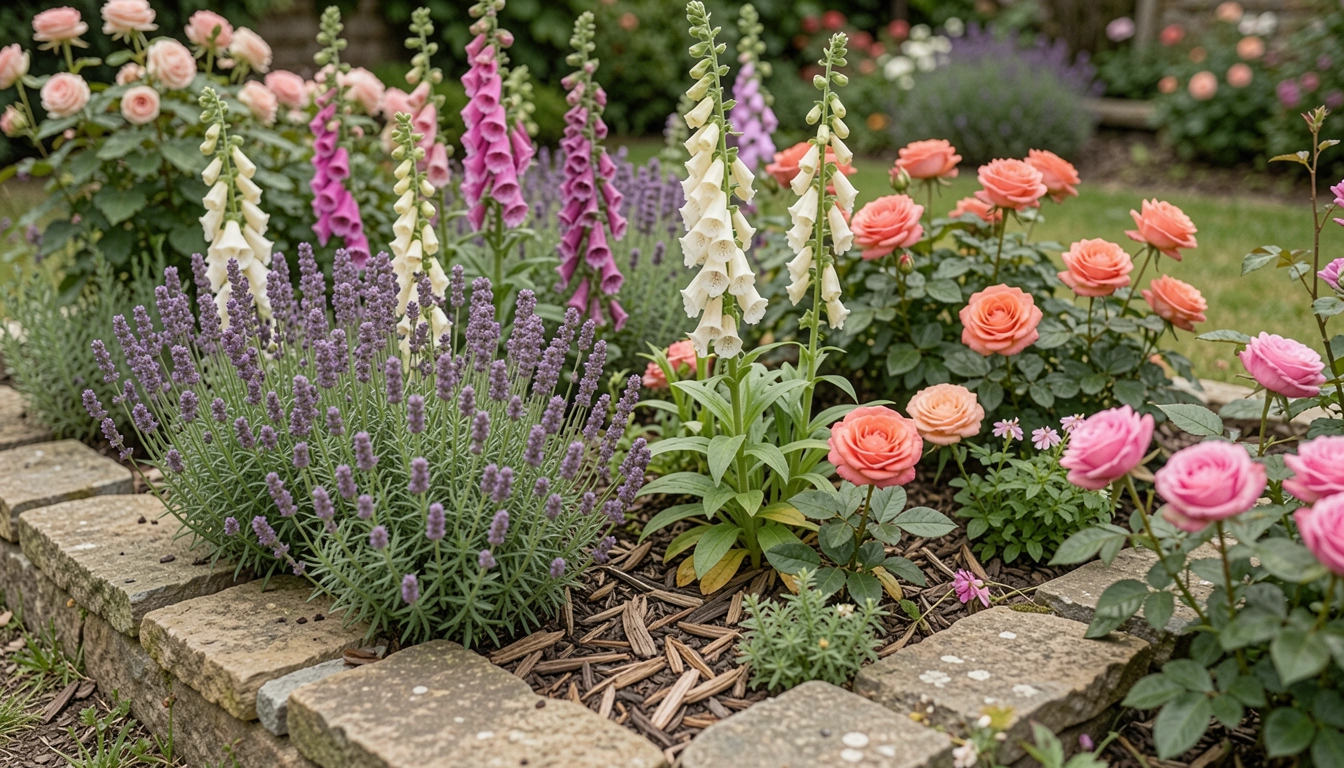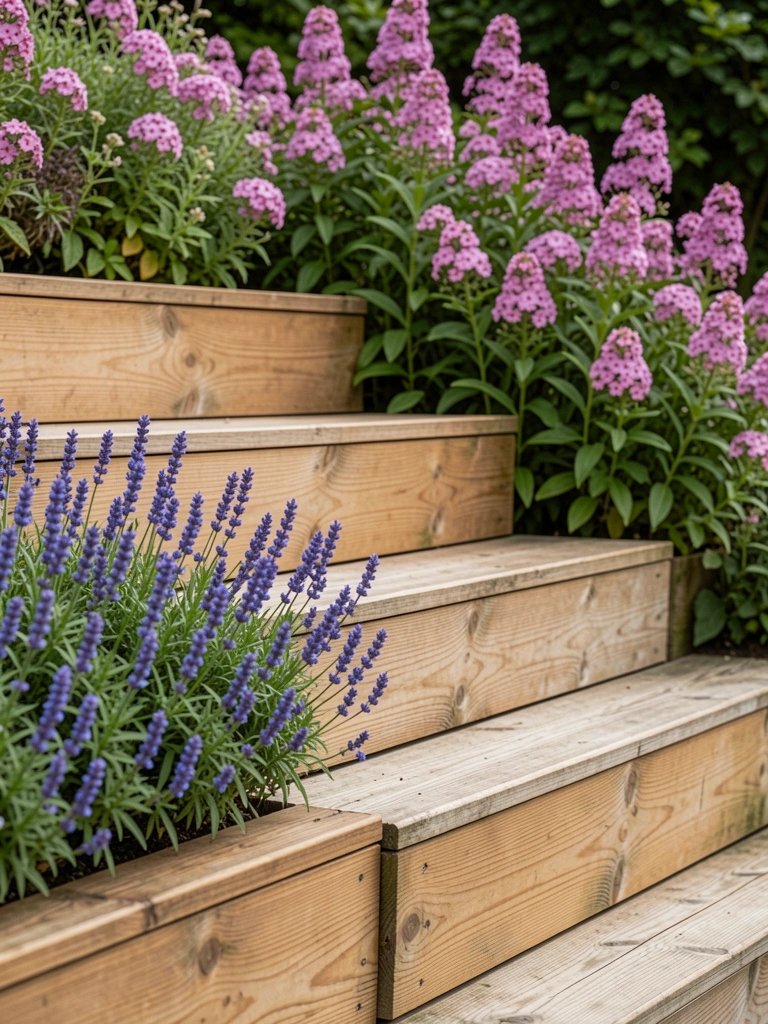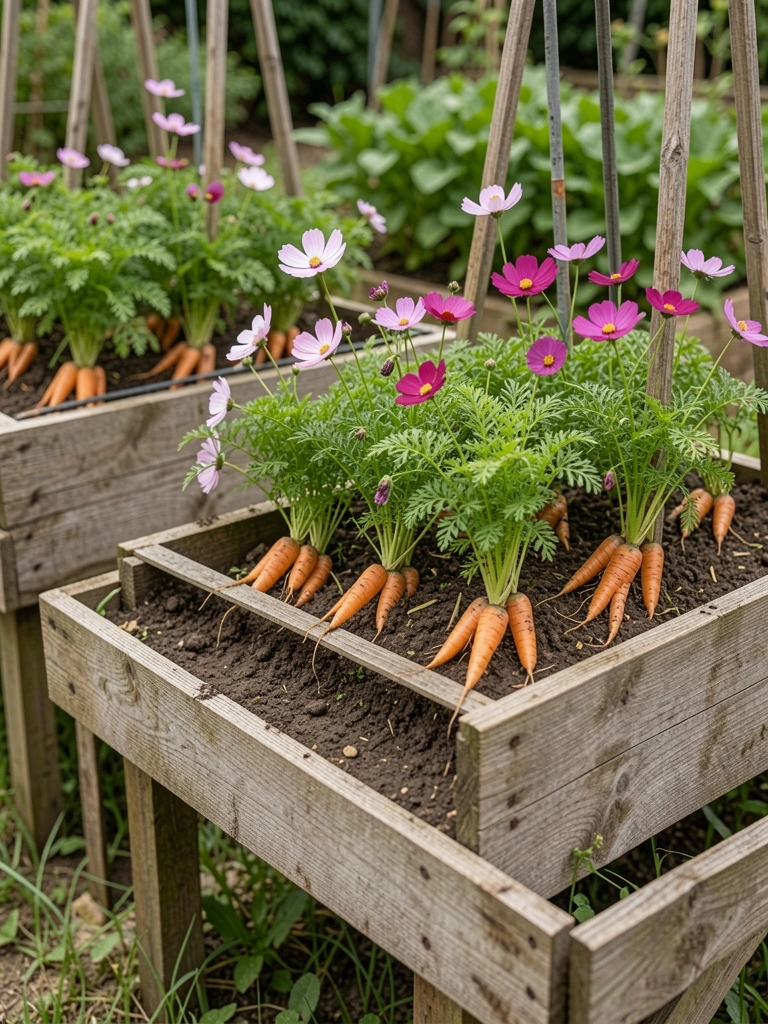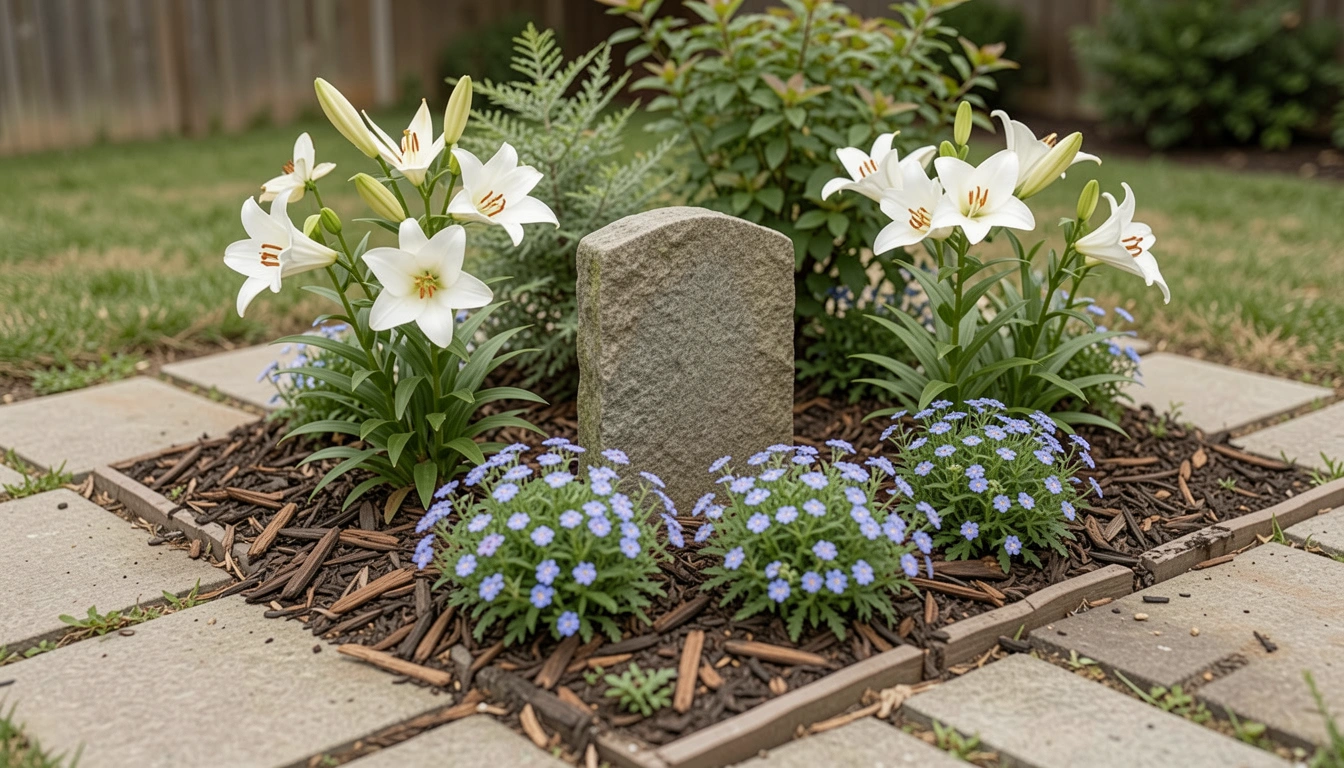
Author: Megan Moore

  • 13 Meaningful Memorial Flower Bed Garden Ideas To Honor Loved Ones

    13 Meaningful Memorial Flower Bed Garden Ideas To Honor Loved Ones

    A few years back, I lost my dad suddenly. The backyard felt empty, so I dug in a small bed near his favorite chair. Weeds took over at first, but then the forget-me-nots spread just right.

    That spot pulls me back every spring. It's not fancy—real dirt under nails, plants that actually return.

    If you're feeling that pull to honor someone, start small. These beds heal quiet-like, year after year.

    13 Meaningful Memorial Flower Bed Garden Ideas To Honor Loved Ones

    These 13 ideas come straight from my gardens and friends' yards. They're simple to set up, low-fuss once going, and deeply personal. Each one fits a real space and budget—grab what you need and get your hands in the soil.

    1. Forget-Me-Not Perennial Border That Returns Every Year
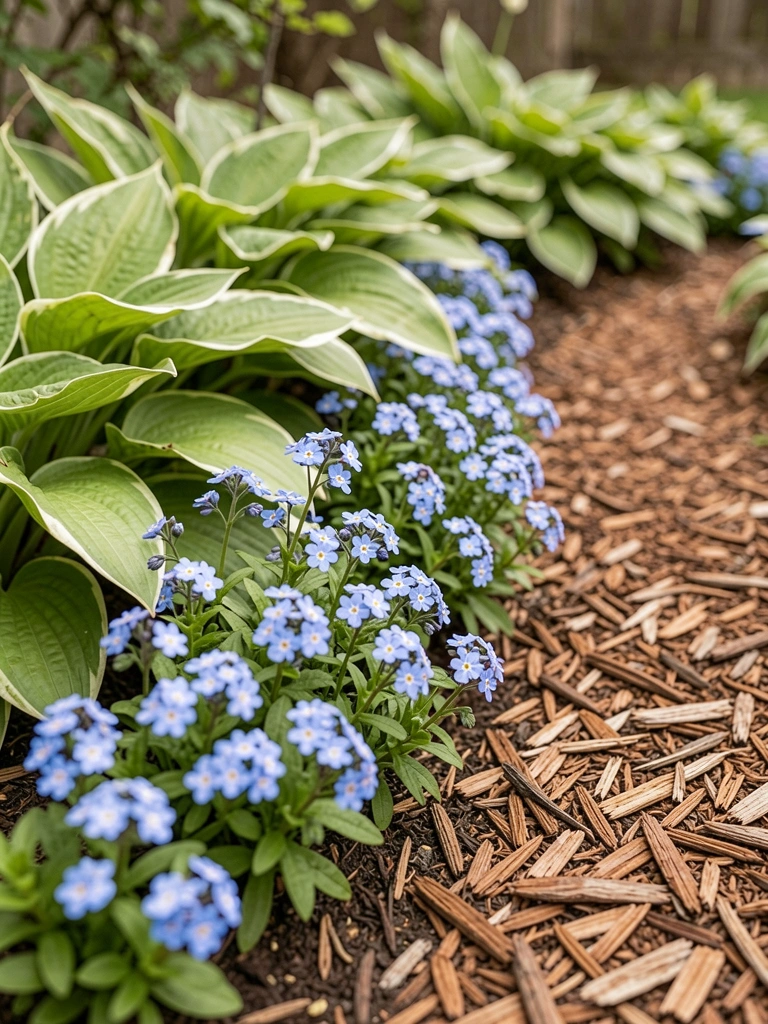
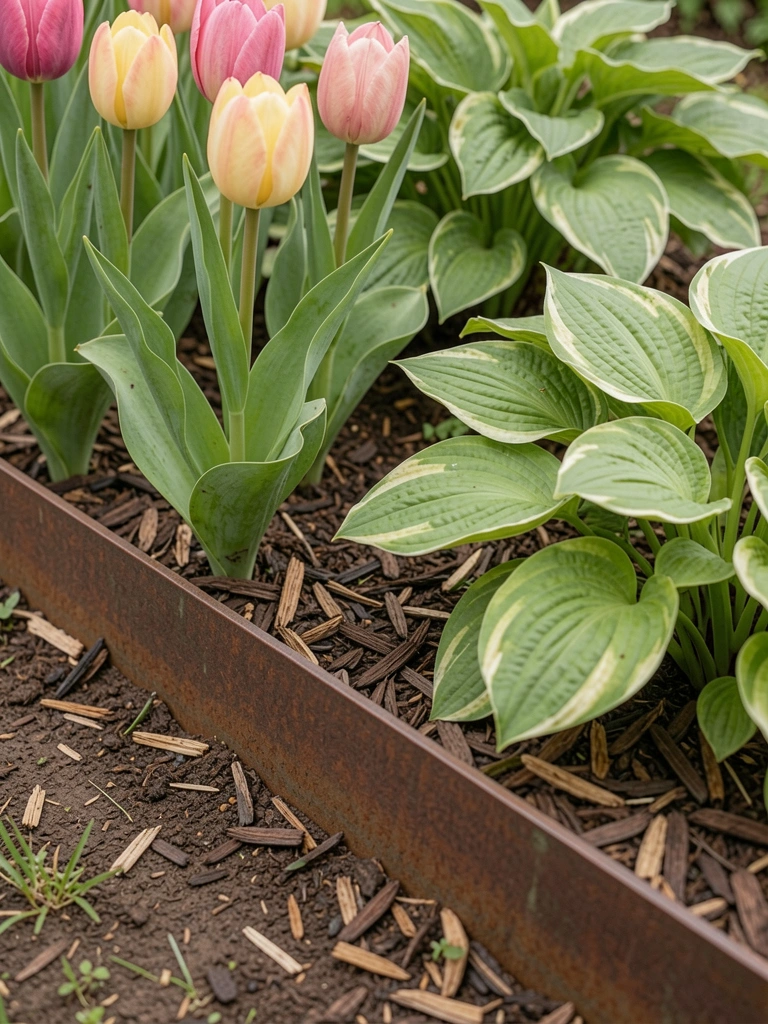
    I planted this along the fence after my grandma passed. The blues pop soft against green hostas, filling the air with that fresh, clean scent come May. It edges the lawn without spilling over.

    What hits me is how it thickens naturally—no fussing. Birds pick at seeds, keeping it tidy. One year rabbits munched the edges, but they bounced back stronger.

    Pay attention to sun—half-day works best, or they fade. Space them 12 inches apart for that full look without crowding.

    Dig 6 inches deep, mix in compost. Water weekly first month, then rain handles it. Feels like she's still chatting over the fence.

    What You’ll Need for This Look

    Forget-me-not seeds (perennial mix)

    Hosta plants (bare root, green variegated)

    Organic mulch (2 cubic feet bag)

    2. Rose Remembrance Bed with Climbing Supports
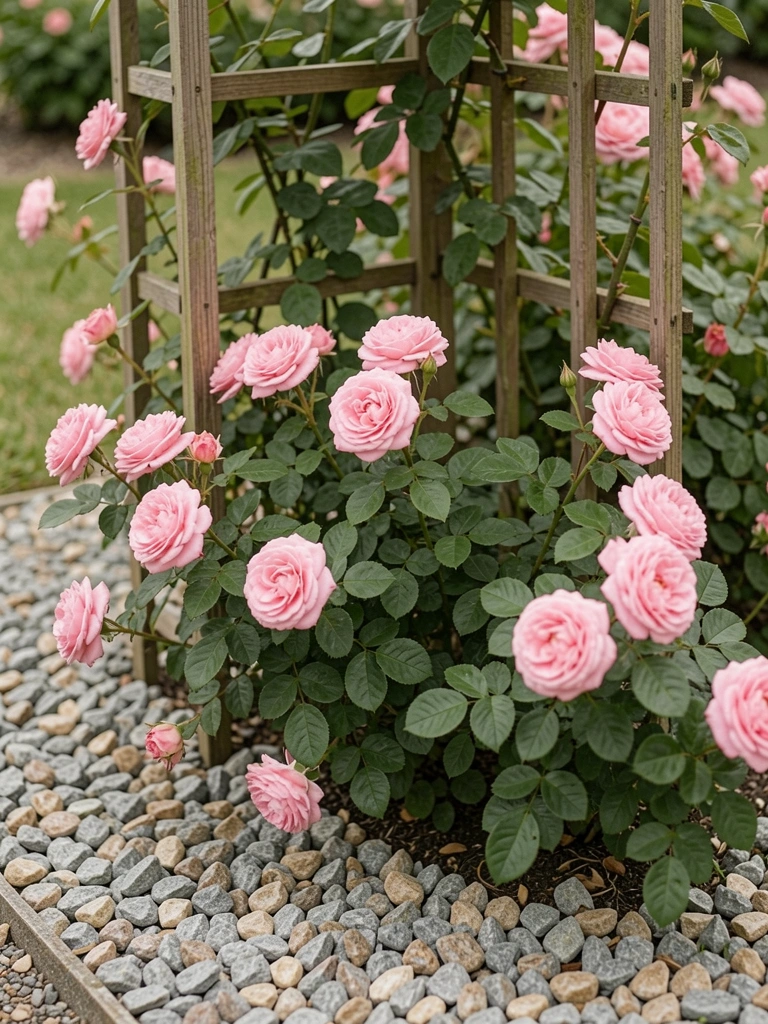
    Roses for my aunt who loved them—Knock Outs because they bloom nonstop without spraying. I tucked three bushes against the shed, trained up a simple trellis. Petals drop soft on gravel, like confetti.

    The scent lingers mornings, drawing me out early. It softened that blank wall spot perfectly.

    I bought hybrid teas once—too picky, died fast. Stick to disease-resistant. Full sun, but afternoon shade if hot.

    Mulch heavy to keep roots cool. Prune lightly spring. That first flush feels like a hug.

    What You’ll Need for This Look

    Knock Out rose bushes (2 gallon potted)

    Metal garden trellis (6 foot arched)

    Pea gravel (50 lb bag)

    3. Daffodil Circle Around a Central Stone Marker
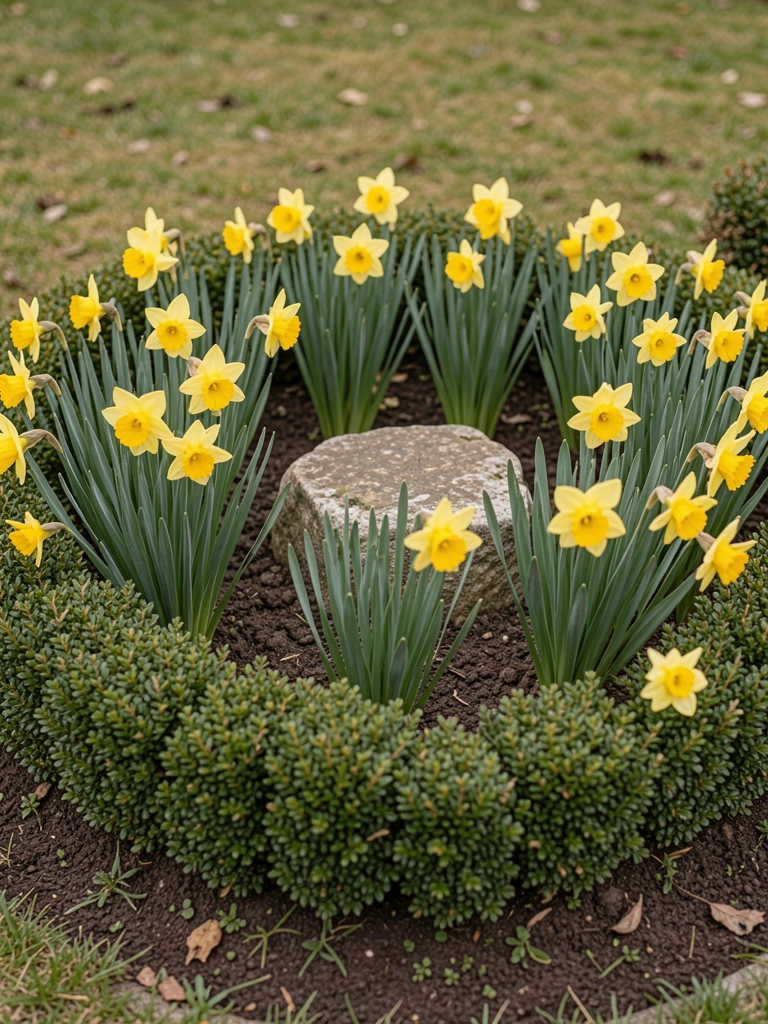
    Daffodils nod cheerful around a flat stone I etched with my uncle's initials. Planted 50 bulbs last fall—they push through snow, lighting early spring.

    The yellow against gray stone warms the patio edge. No deadheading needed; foliage dies back neat.

    Bulbs spread over time, so don't overplant. I did once, got crowded—thin every few years.

    Sun or part shade. Plant 6 inches deep, pointy end up. Feels hopeful when nothing else greens.

    What You’ll Need for This Look

    Daffodil bulbs (pack of 50 mixed)

    Natural stone paver (18×18 inch)

    Boxwood edging plants (quart pots)

    4. Lavender Peace Pathway Lined with Low Growers
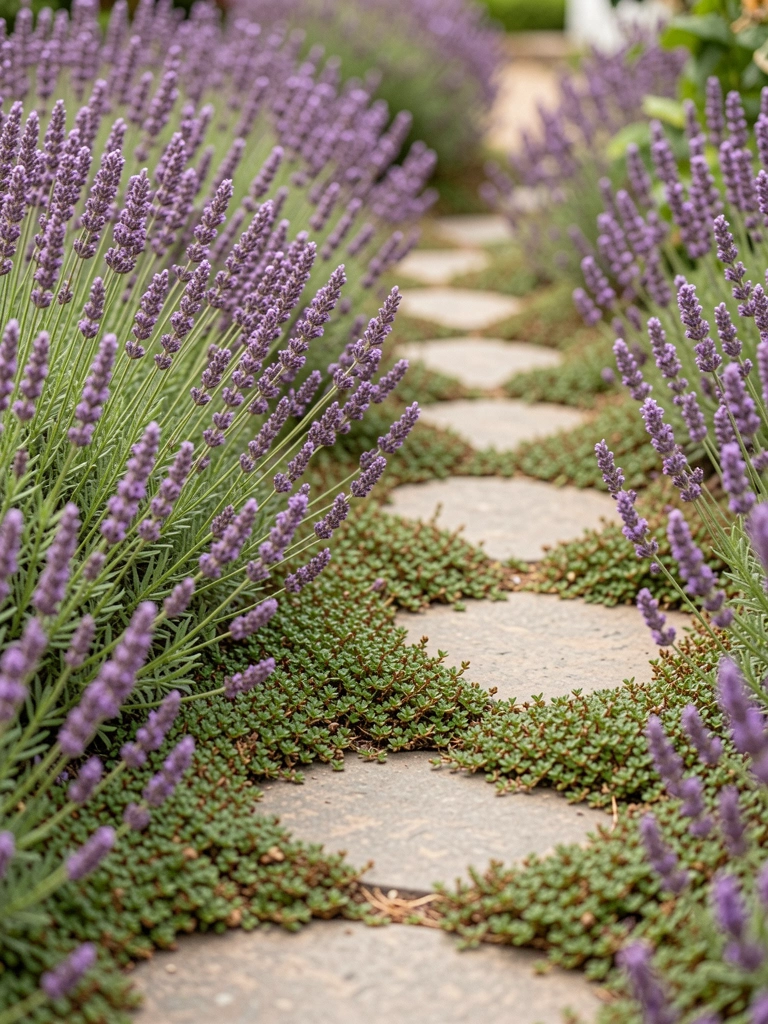
    Lavender lines a short path to my mom's bench—calming scent crushes underfoot with thyme. Planted in poor soil; they thrive dry.

    Bees hum constant, but never sting. Purple fades to silver winter, still pretty.

    Overwatered mine first year—roots rotted. Now, soak only if no rain month.

    Full sun, gritty soil. Trim after bloom. Walk it evenings, feels peaceful.

    What You’ll Need for This Look

    English lavender plants (1 gallon)

    Creeping thyme groundcover (tray of 18)

    Stepping stones (12 inch square set)

    5. Hosta Shade Sanctuary Under a Tree
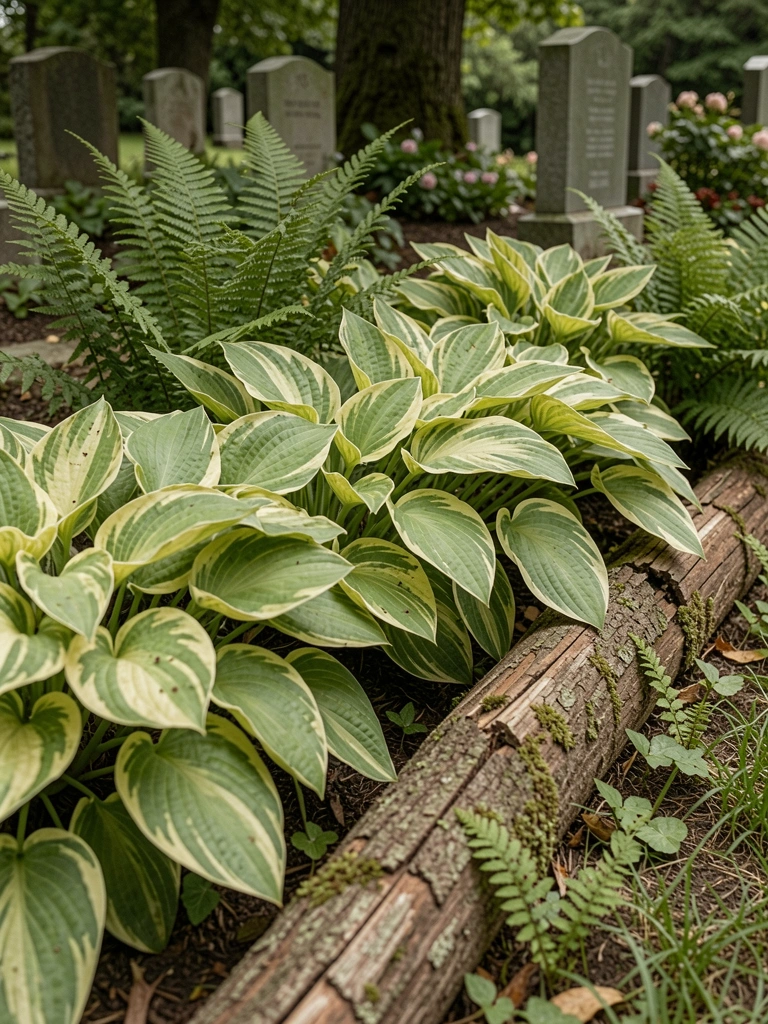
    Under the old oak for my grandpa, hostas layer with ferns—cool greens soothe on hot days. Leaves rustle soft.

    Slugs hit hard one wet summer; beer traps fixed it quick. Now bulletproof.

    Deep shade okay, but check deer—netting if needed. Divide clumps every 4 years.

    Moist soil, mulch thick. Sits quiet, like his stories.

    What You’ll Need for This Look

    Variegated hosta collection (3 pack)

    Fern plants (bare root bundle)

    Garden log edging (natural cedar)

    6. Sunflower Tribute Meadow in Full Sun
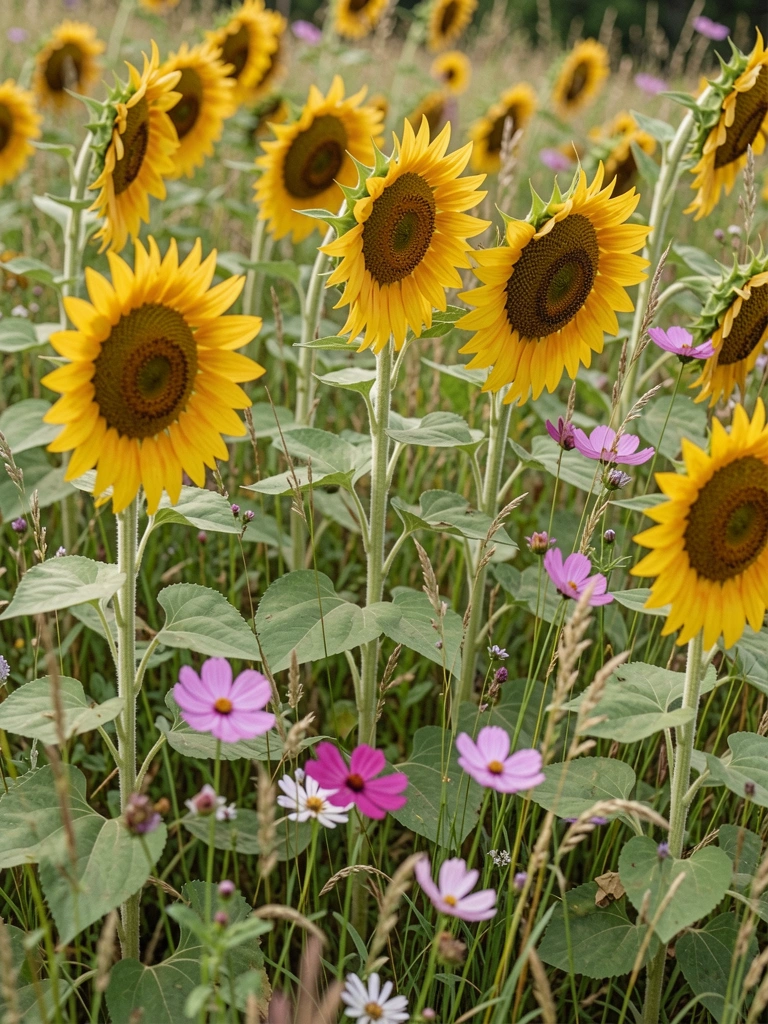
    Tall sunflowers face my neighbor's photo spot—seeded thick with cosmos for color till frost. They lean happy into wind.

    Faces track sun, like he watched sunsets. Seeds feed birds after.

    Planted too close once—toppled in storm. 18 inches apart now.

    Sow direct after frost. Stake big ones. Joyful mess.

    What You’ll Need for This Look

    Sunflower seeds (mammoth variety pack)

    Cosmos flower seeds (tall mix)

    Bamboo garden stakes (6 foot set)

    7. Hydrangea Heart-Shaped Mound for Lasting Blooms
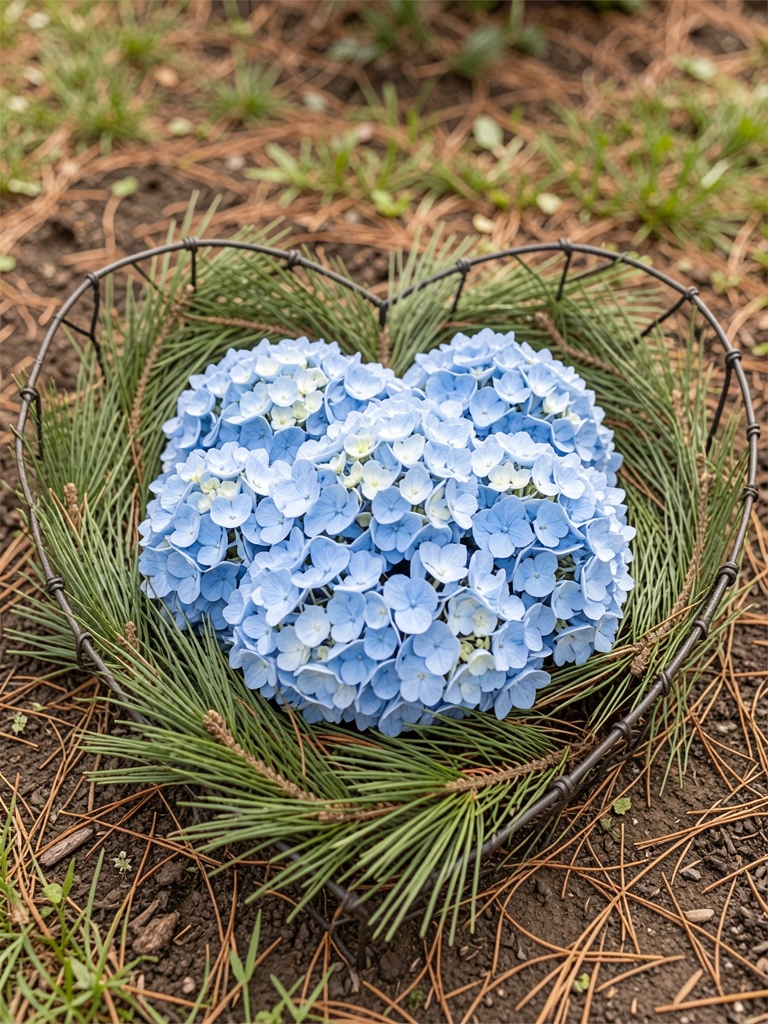
    Shaped like a heart for my sister—big hydrangeas mound up, blues deepen fall. Blooms dry nice indoors.

    Morning sun only; full day scorches lacecaps. I learned that digging mine up once.

    Aluminum sulfate for blue if acidic soil. Prune old wood.

    Heavy feeders—compost yearly. Holds memory gentle.

    What You’ll Need for This Look

    Hydrangea bigleaf shrubs (2 gallon blue)

    Pine needle mulch (40 quart)

    Wire garden edging (heart form)

    8. Peony Personal Plot with Support Rings
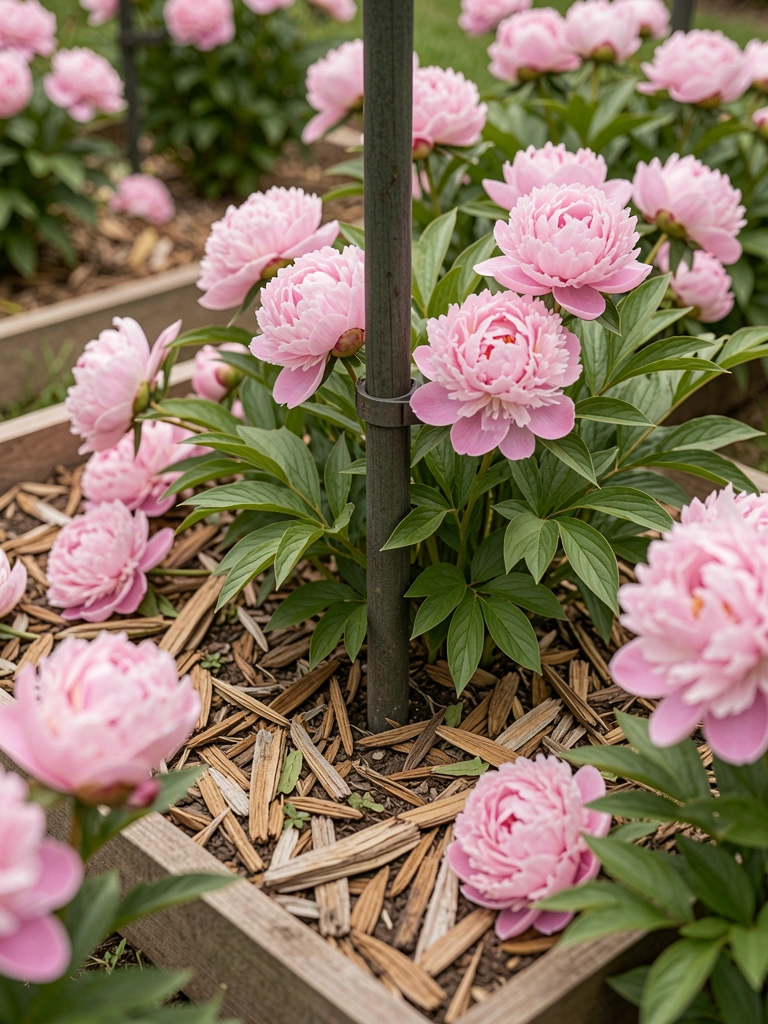
    Peonies for my dad—fragrant bombs mid-June. Three plants in a row, ringed for heavy heads.

    Ants farm them harmless; ignore. Fronds green all summer.

    Planted shallow once—no buds. 2 inches below soil now.

    Sun, rich dirt. Don't move. Bloom like celebration.

    What You’ll Need for This Look

    ItoH peony roots (pink mix)

    Peony support ring (24 inch metal)

    Leaf mulch bags (aged oak)

    9. Iris Edge Along a Reflective Bench
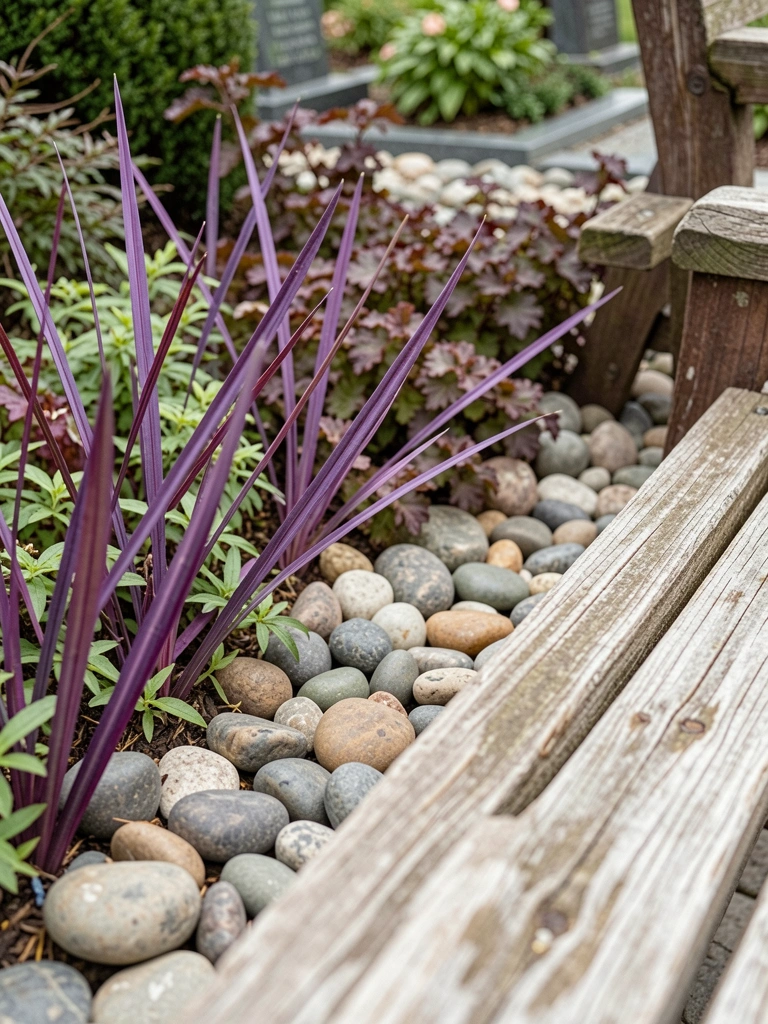
    Irises sword the bench path for my friend—purples glow wet days. Rhizomes creep slow.

    Divide every 3 years or gap. I skipped once, weak blooms.

    Full sun, lift summer if wet. Fans wave comforting.

    What You’ll Need for This Look

    Bearded iris rhizomes (purple collection)

    Garden bench (wood slat 3 foot)

    River rock (20 lb smooth)

    10. Tulip Time Capsule Bulb Layers

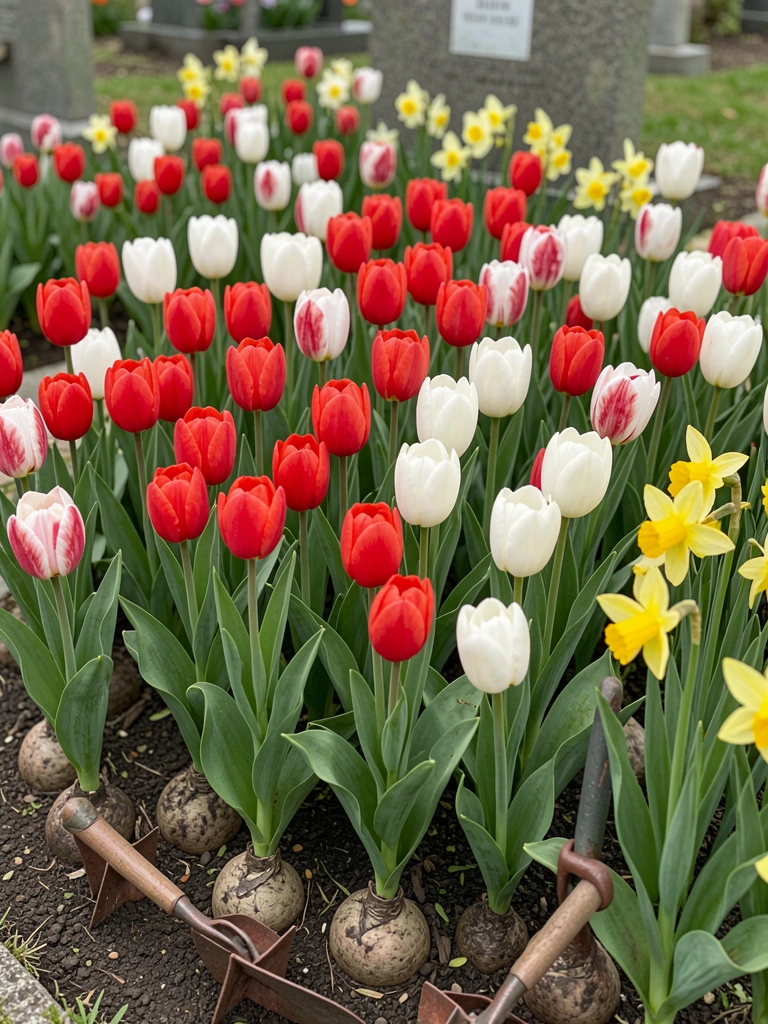
    Layered tulips over daffodils—reds first, whites follow. For annual remembrance.

    Bulbs rot in clay; raised bed fixed. Plant deep: tulips 8", daffs 6".

    Sun. Succession keeps color. Dig and replant fall.

    What You’ll Need for This Look

    Tulip bulbs (Darwin hybrid mix)

    Raised bed kit (4×4 cedar)

    Bulb planter tool (stainless steel)

    11. Clematis Climbing Memorial Cross Frame
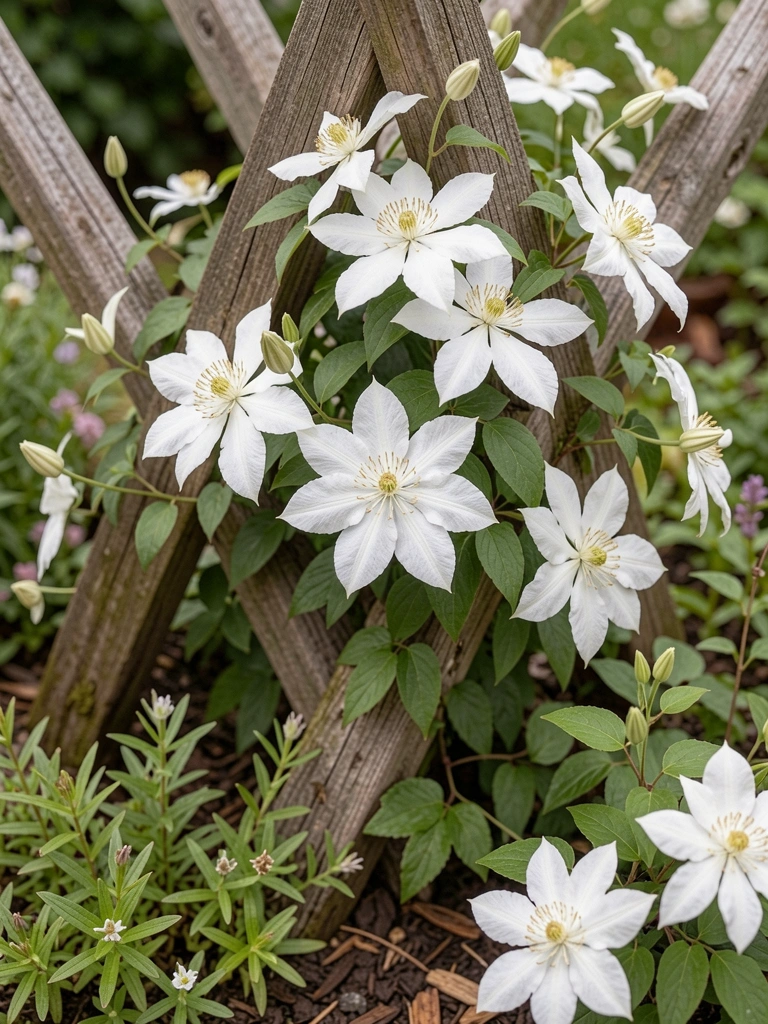
    Clematis climbs a wood cross—whites veil soft. Base astilbe fills.

    Feet cool, head sun. I wired mine loose first—tighten now.

    Prune group 2 after bloom. Roots shaded. Graceful climb.

    What You’ll Need for This Look

    Clematis vine (white Jackmanii)

    Wood cross frame (4 foot garden)

    Astilbe plants (pink shade pack)

    12. Poppy Annual Patch for Sudden Goodbyes
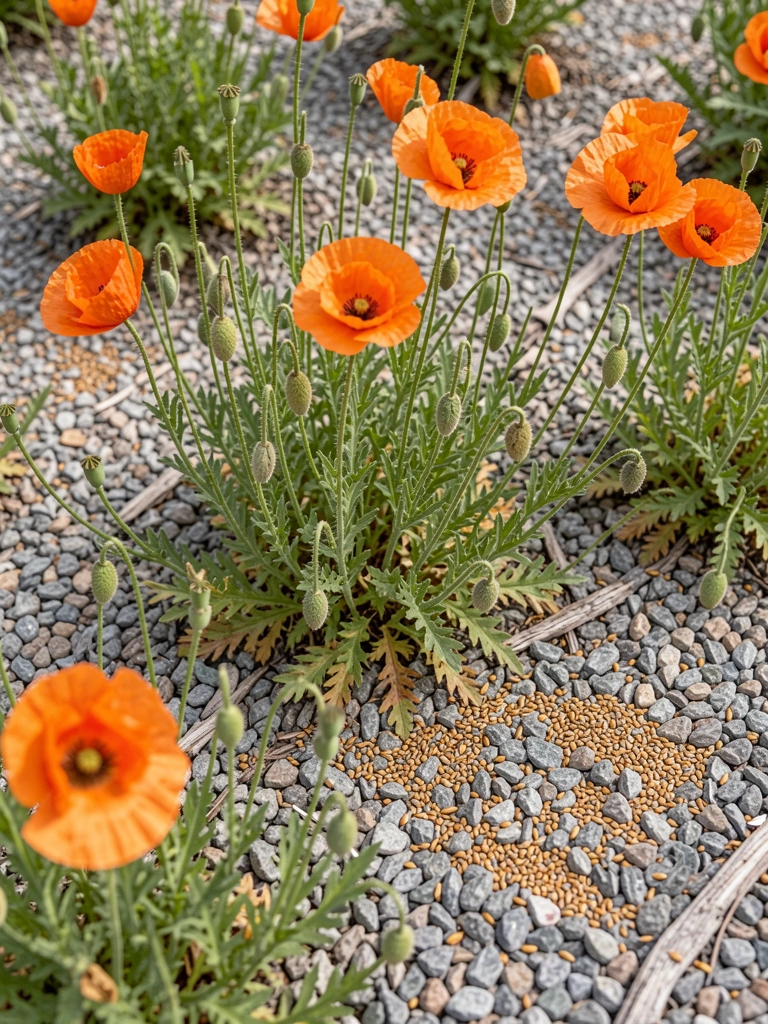
    Poppies reseed fiery for quick loss—sown broadcast. Delicate sway.

    Self-sow messy; thin seedlings. Full sun, lean soil.

    Faded fast shady spot—move to open. Bright memory.

    What You’ll Need for This Look

    Oriental poppy seeds (orange mix)

    Solar garden lights (stake warm glow)

    Gravel mulch (fine pea 40 lb)

    13. Native Pollinator Bed with Milkweed Core
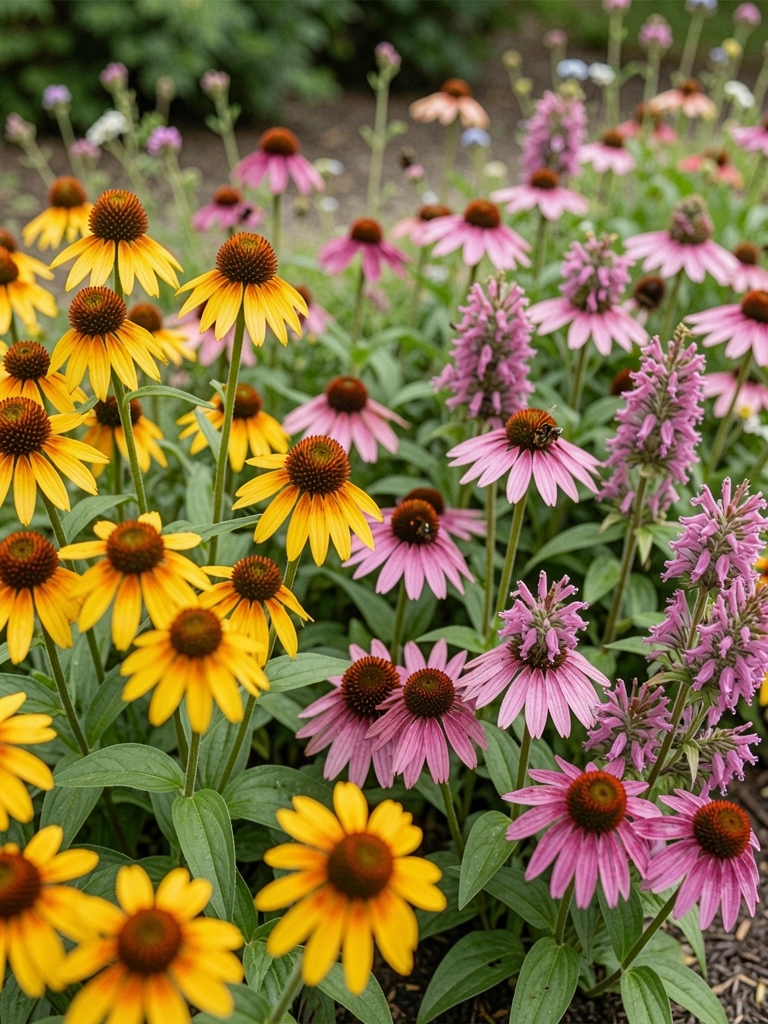
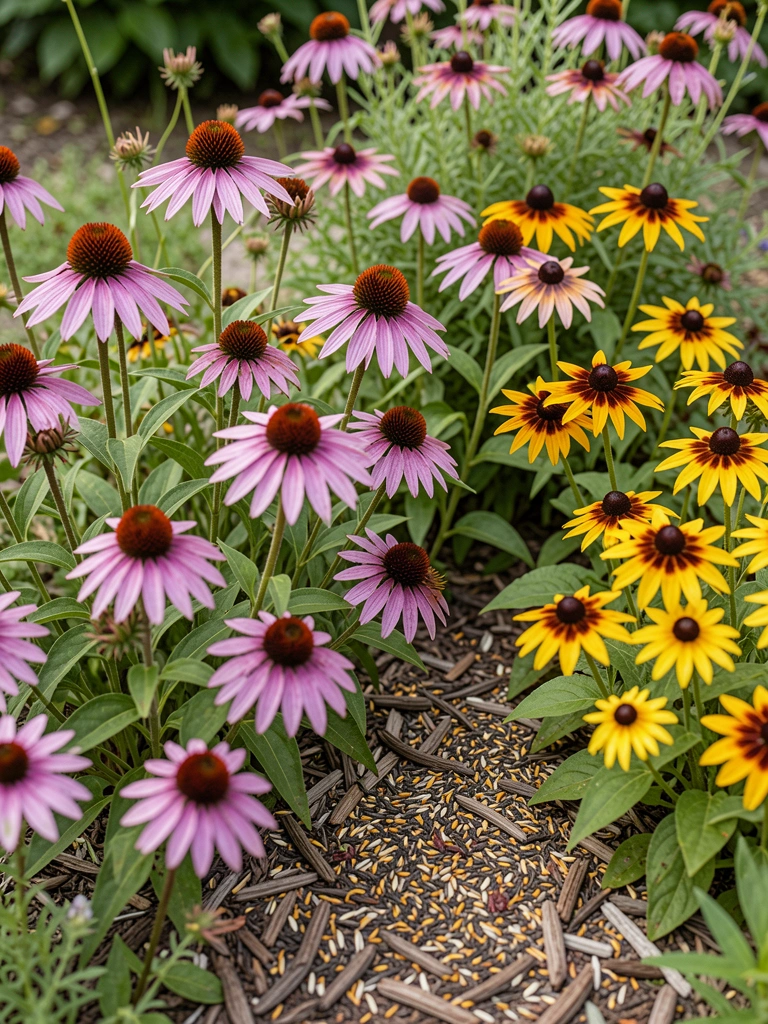
    Milkweed anchors natives—butterflies flock for my cousin. Coneflowers add pink.

    Monarchs lay eggs yearly. No fertilizer—wild okay.

    Over-mulched first—stifled. Light layer now. Hums alive.

    What You’ll Need for This Look

    Common milkweed plants (plug pack)

    Purple coneflower seeds (Echinacea)

    Bird bath solar fountain (small)

    Final Thoughts

    Pick one idea that fits your yard and heart—doesn't have to be big. Mine started as a handful of bulbs, grew into comfort.

    Plants shift slow, but they listen to your care. You'll know when it feels right.

    Get out there this weekend. It's waiting.
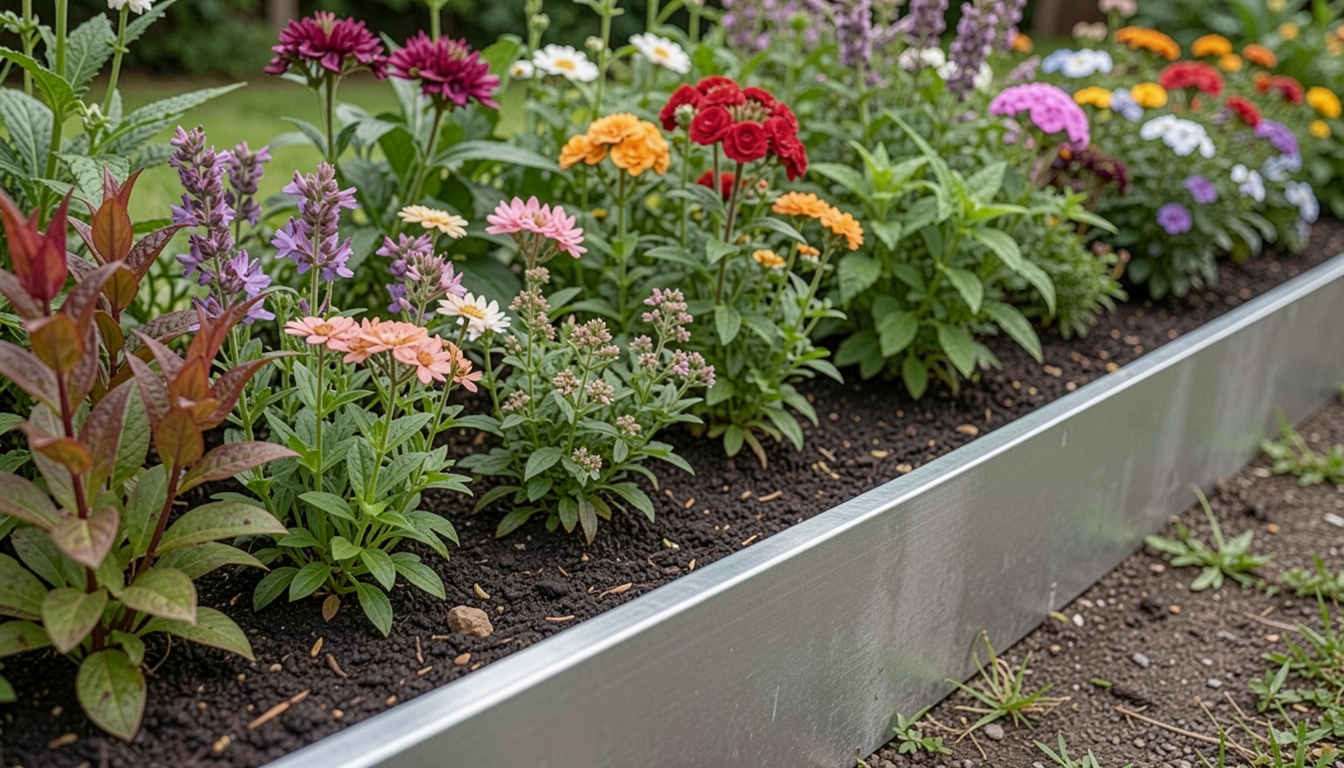
  • 15 Clean Garden Flower Bed Edging Ideas For A Polished Look

    15 Clean Garden Flower Bed Edging Ideas For A Polished Look

    I remember staring at my flower beds last spring, edges all fuzzy from grass creeping in. It bugged me every time I walked by. One weekend, I grabbed some edging and fixed it. Suddenly, the whole yard felt pulled together, like it breathed easier.

    No more weeding battles at the borders. Plants stood out crisp.

    You can do this too. It’s simpler than it looks.

    15 Clean Garden Flower Bed Edging Ideas For A Polished Look

    Here are 15 clean garden flower bed edging ideas I’ve used in my own yards. They create that polished look with real staying power. Pick one and go.

    1. Buried Steel Landscape Strips for Razor-Sharp Borders

    I first tried steel strips in my front bed after grass kept invading. Dug a shallow trench, pounded them in level. The lines stayed straight through summer rains—no bulging.

    It makes flowers pop, like they’re framed. Beds feel intentional, not wild.

    Watch the depth: too shallow, and roots push it up. I went 6 inches down.

    Now, mowing’s a breeze right up to the edge.

    What You’ll Need for This Look

    Steel landscape edging (16 gauge, 40 ft roll)
    Rubber mallet for pounding

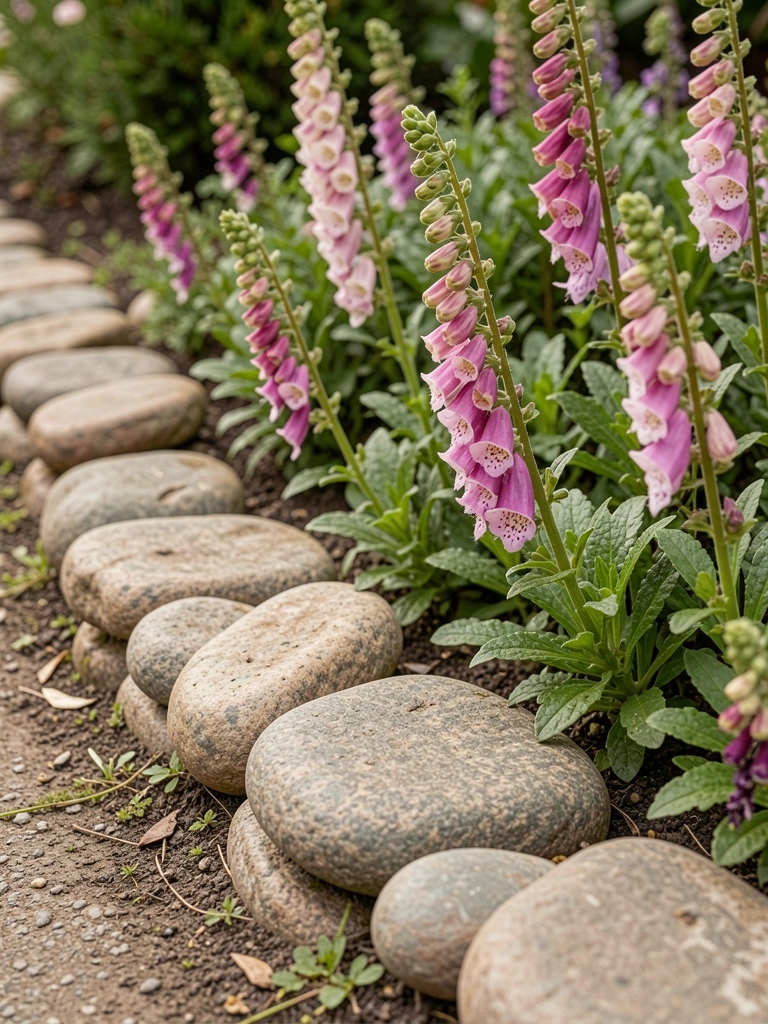
    2. Stacked River Rocks for a Gentle Winding Edge

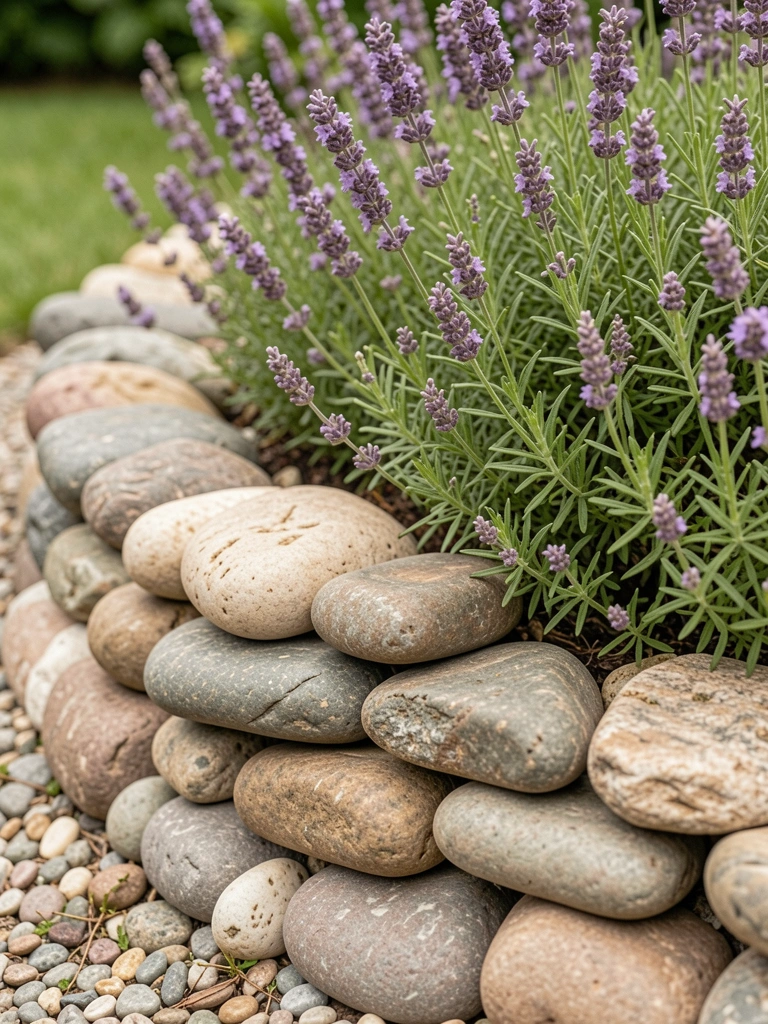
    River rocks caught my eye at a neighbor’s. I gathered some from a creek, stacked them single-layer along my side bed. They hug curves perfectly, softening the look.

    Visually, it grounds the flowers without screaming "manicured." Feels cozy.

    I skipped mortar—too stiff. They shift a bit but hold with soil packed behind.

    Pro tip: Sort sizes first. Big ones anchor the base.

    What You’ll Need for This Look

    Bulk river rocks (2-5 inch sizes)
    Landscape fabric for base

    3. Red Brick Halves in a Sawtooth Pattern

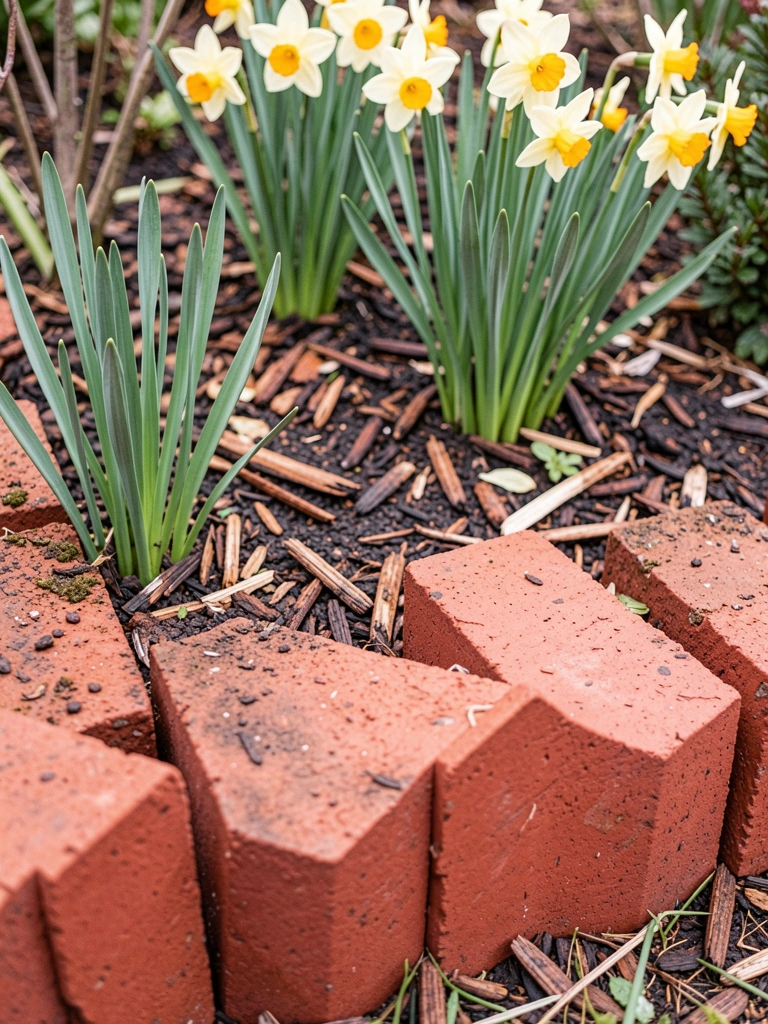
    I split old bricks with a hammer for my backyard bed. Set them sawtooth-style, tips buried halfway. It’s classic but clean—no mortar mess.

    The angle keeps soil in, grass out. Flowers look dressed up.

    Mistake I made: uneven cuts first time. Now I mark lines with string.

    Lasts years, warms in sun.

    What You’ll Need for This Look

    Red clay bricks (standard size)
    Brick hammer

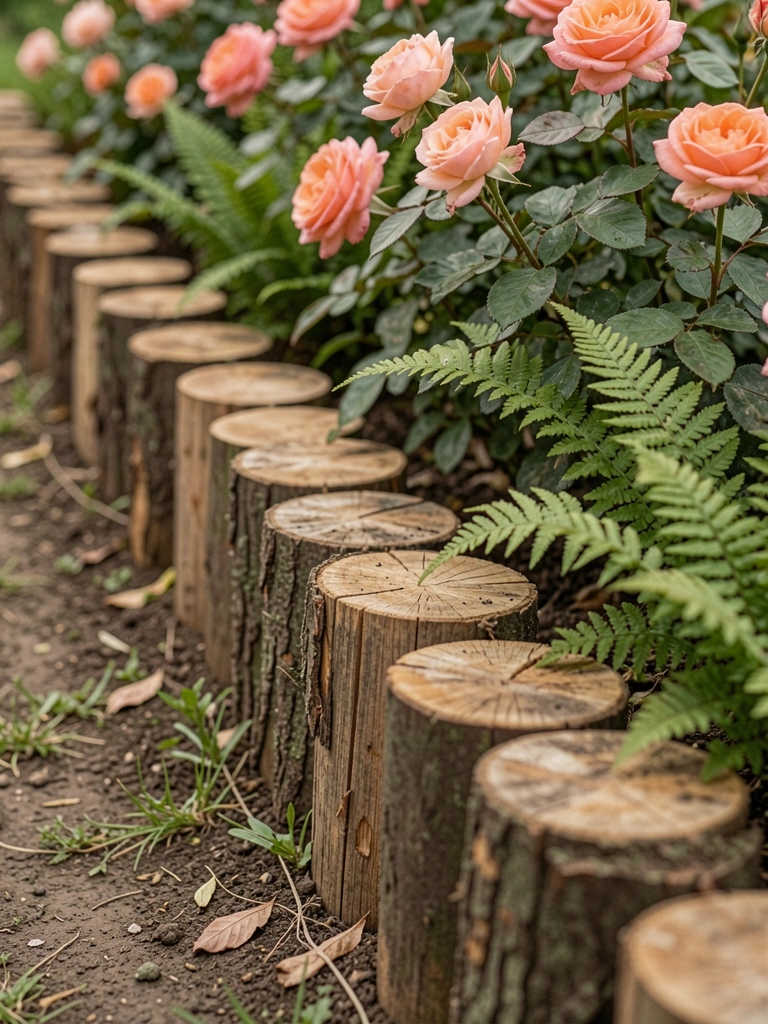
    4. Pressure-Treated Timber Logs Buried Low

    Timber logs worked magic on my veggie-adjacent bed. Cut 4-inch rounds, buried ends flush. Rustic yet polished against blooms.

    It frames without overwhelming. Yard feels bigger.

    They rot slow if treated right. I check yearly.

    Stake if soil’s loose.

    What You’ll Need for This Look

    Pressure-treated 4×4 timber
    Hand saw for cutting

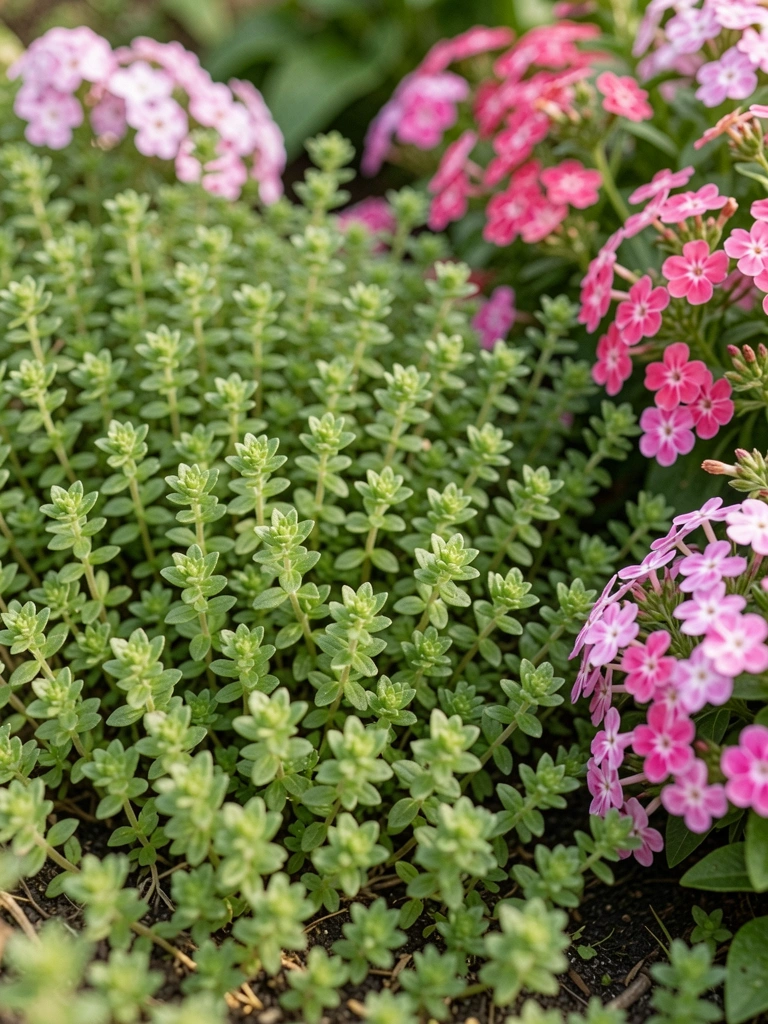
    5. Low-Growing Creeping Thyme as Living Edge

    Planted thyme plugs along my sunny front edge. It spreads soft, fills gaps. No hard materials—pure green line.

    Smells great when stepped on. Bees love it.

    I overplanted once—too thick. Thin as needed.

    Mows itself low.

    What You’ll Need for This Look

    Creeping thyme plant plugs (pack of 50)
    Organic compost

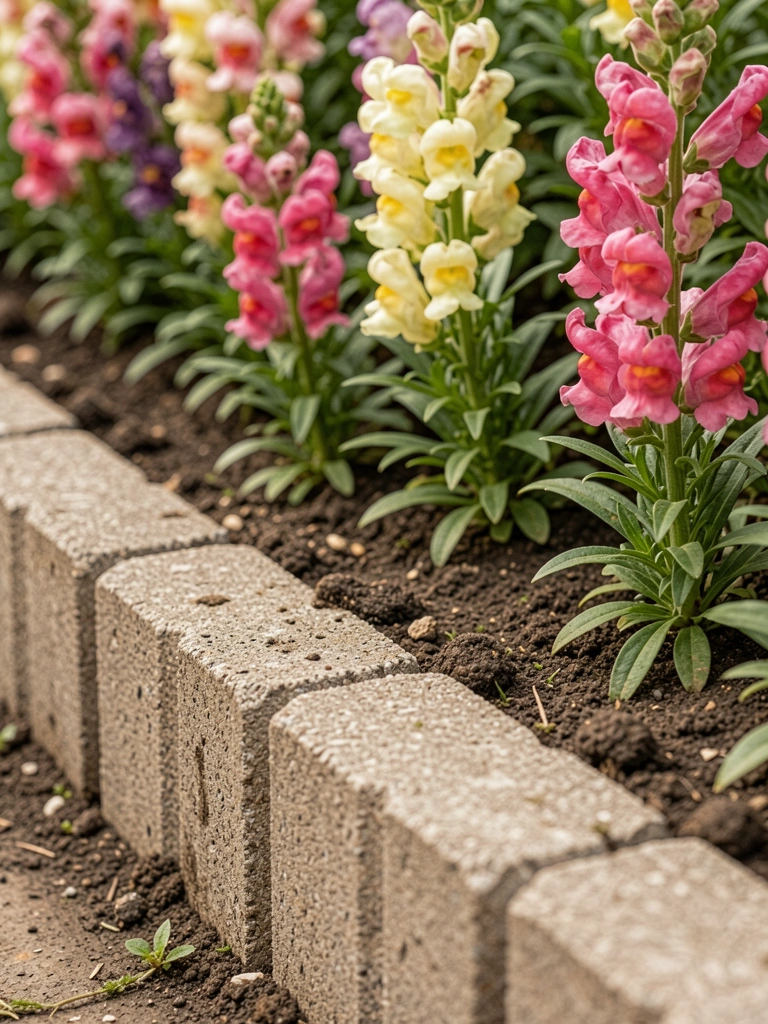
    6. Concrete Paver Blocks in a Straight Curb

    Pavers from the hardware store edged my patio bed crisp. Butted tight, level with sand base. Modern clean.

    Holds mulch perfect. Flowers stand tall.

    Level first—mine wobbled till I did.

    Weed-free forever.

    What You’ll Need for This Look

    Concrete paver blocks (12×12 inch)
    All-purpose sand for leveling

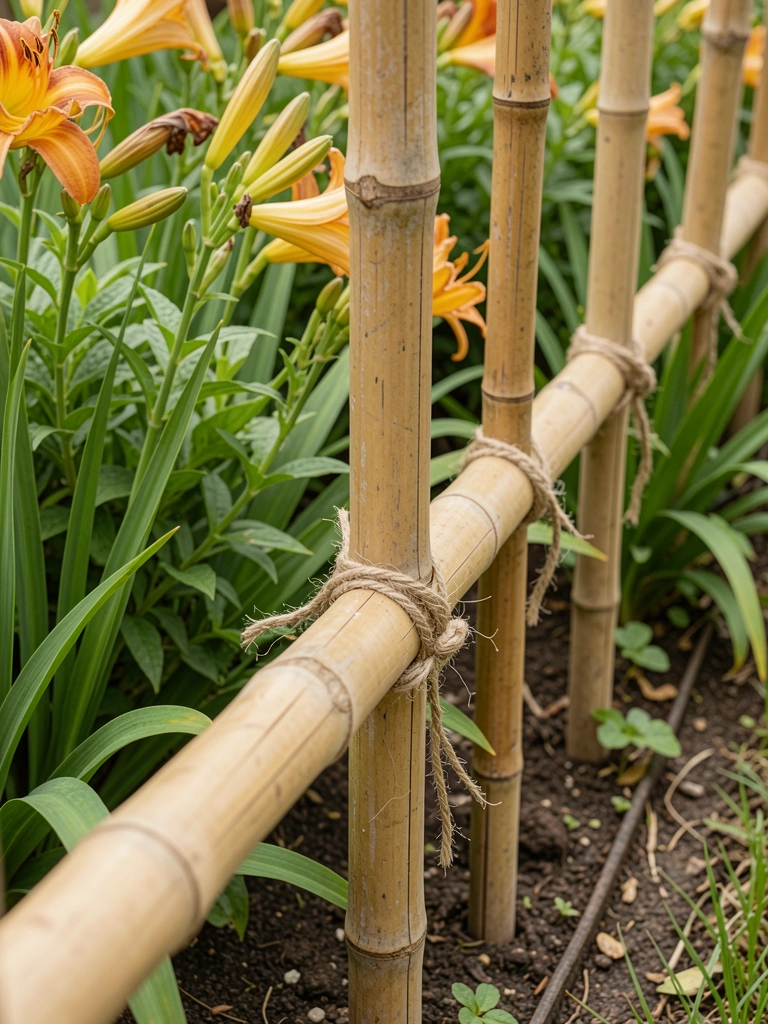
    7. Bamboo Poles Tied in a Rustic Line

    Bamboo from my stash lined a shady bed. Tied loose with twine, sunk deep. Warm, natural polish.

    Ages to gray nicely. Softens harsh lines.

    Twine rots—replace yearly.

    Gaps let water drain.

    What You’ll Need for This Look

    Natural bamboo stakes (6 ft, bundle)
    Natural jute twine

    8. Thin Black Plastic Strips Hidden Underground

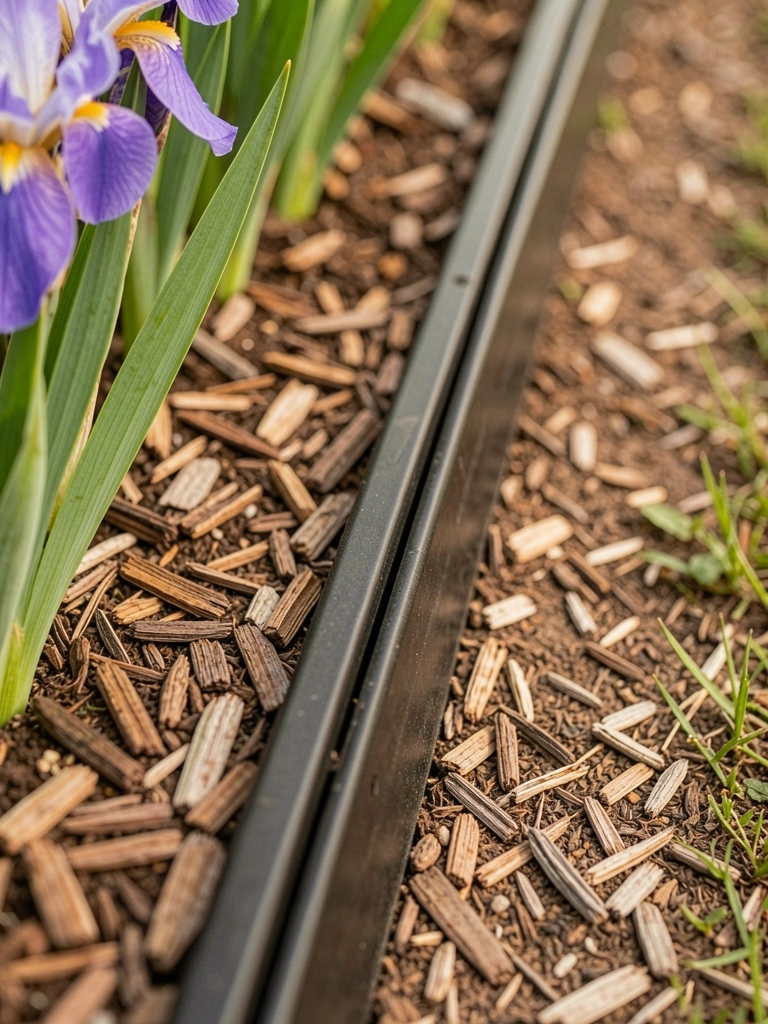
    Plastic strips are my lazy secret for straight beds. Buried almost fully, just a lip shows. Invisible polish.

    Zero upkeep. Grass stops cold.

    I cut too short once—overlap now.

    Flexible for curves.

    What You’ll Need for This Look

    Black plastic landscape edging (20 ft coil)
    Edging shears

    9. Gravel-Filled Trench for Subtle Definition

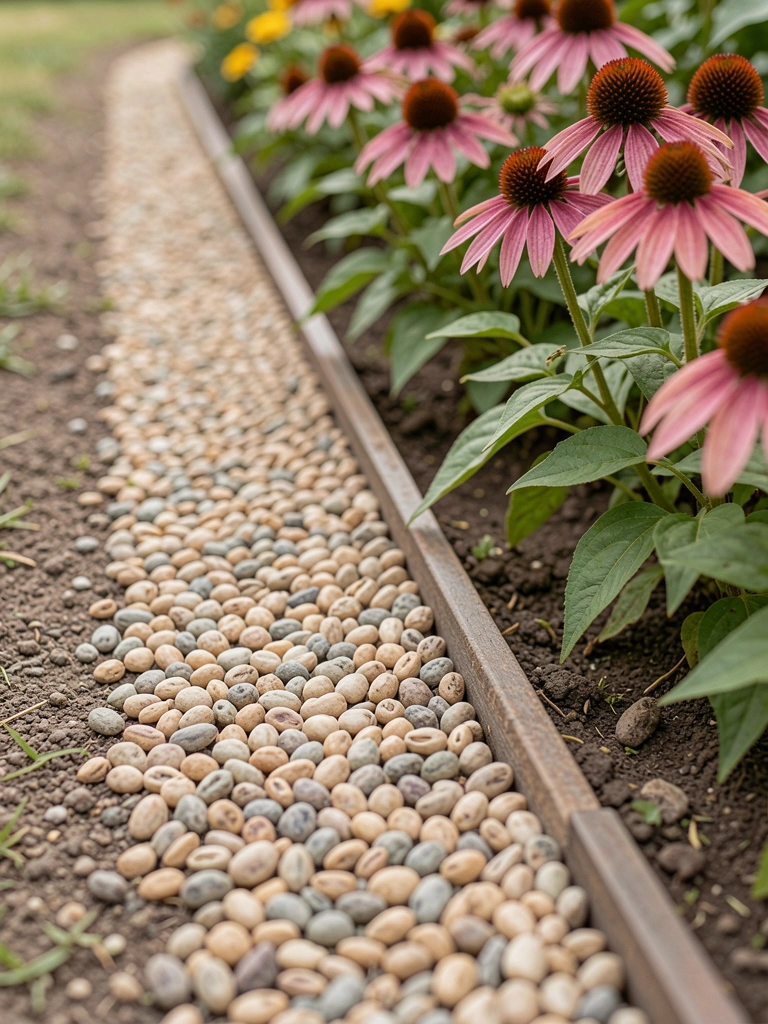
    Dug a 4-inch trench, filled with pea gravel around my perennials. Soft edge, drains fast.

    Looks clean, modern. No weeds stick.

    Rake smooth weekly.

    Cheaper than stone.

    What You’ll Need for This Look

    Pea gravel (50 lb bag)
    Small garden rake

    10. Flat Slate Tiles Butted Edge-to-Edge

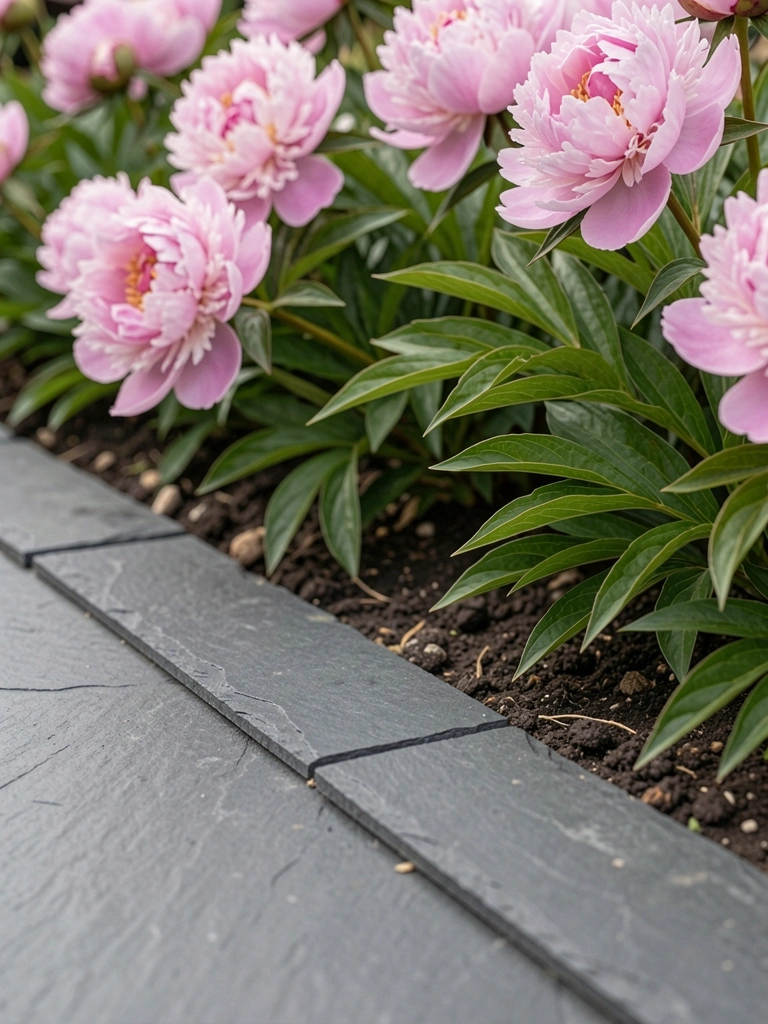
    Slate tiles gave my cottage bed elegance. Laid flat, half-buried tight. Cool tones pop with colors.

    Stays put, no shifting.
    Chips if dropped—heavy.

    Weed cloth underneath.

    What You’ll Need for This Look

    Flat slate tiles (12×12 inch)
    Landscape pins for securing

    11. Wooden Pallet Slats for a Farmhouse Vibe

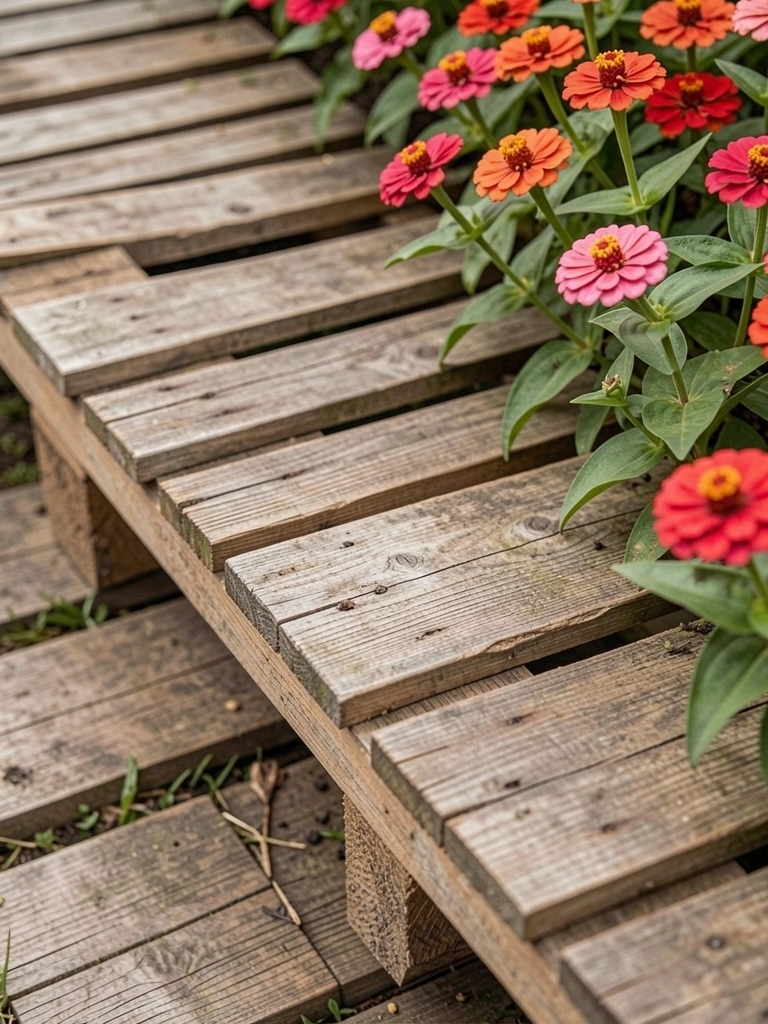
    Disassembled pallets for slats on my back bed. Nailed short pieces end-up. Cozy polish.

    Weathers to silver.

    Treat against rot.

    Nails rust—use galvanized.

    What You’ll Need for This Look

    Recycled wooden pallet slats
    Galvanized nails (2 inch)

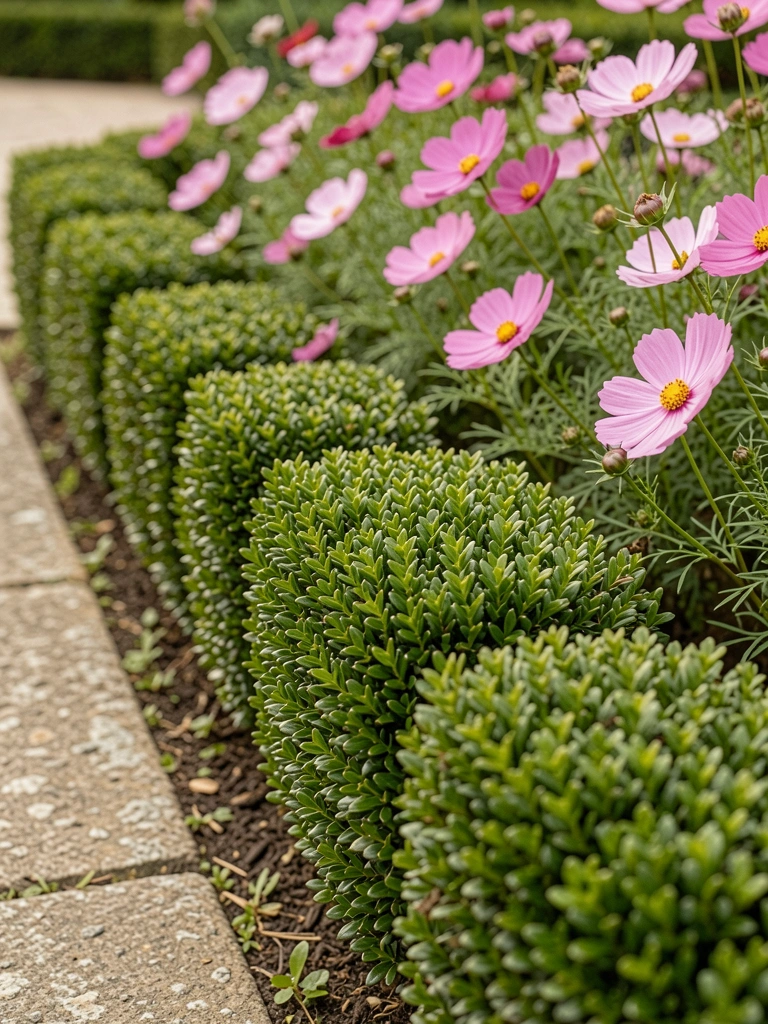
    12. Dwarf Boxwood Shrubs Trimmed Straight

    Boxwood plugs grew into a living hedge on my walkway bed. Trim twice yearly for boxy lines.

    Evergreen clean all seasons.

    Shear slow—easy to overdo.

    Deer nibble—net early.

    What You’ll Need for This Look

    Dwarf boxwood shrubs (1 gallon)
    Manual hedge shears

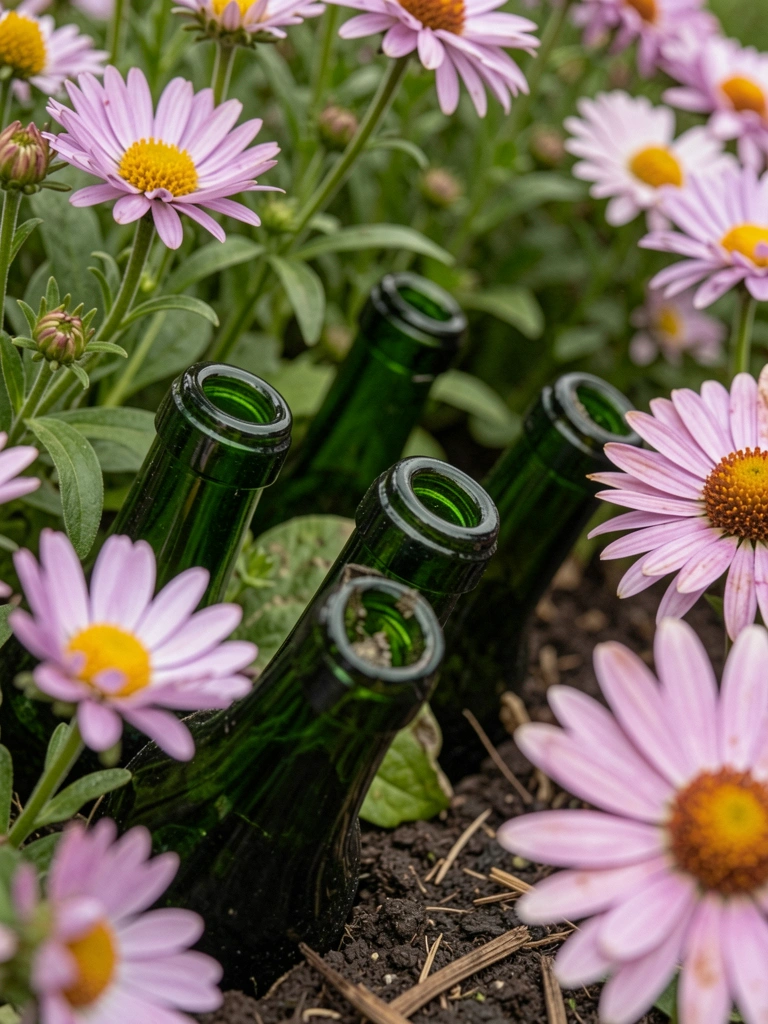
    13. Recycled Wine Bottle Bottoms Upside Down

    Bottle bottoms from parties edged a fun bed. Buried necks, rims catch light subtle.

    Unique polish, zero cost.

    Breakage risk—handle gentle.

    Clean labels first.

    What You’ll Need for This Look

    Glass bottle cutter (optional)
    Heavy-duty garden gloves

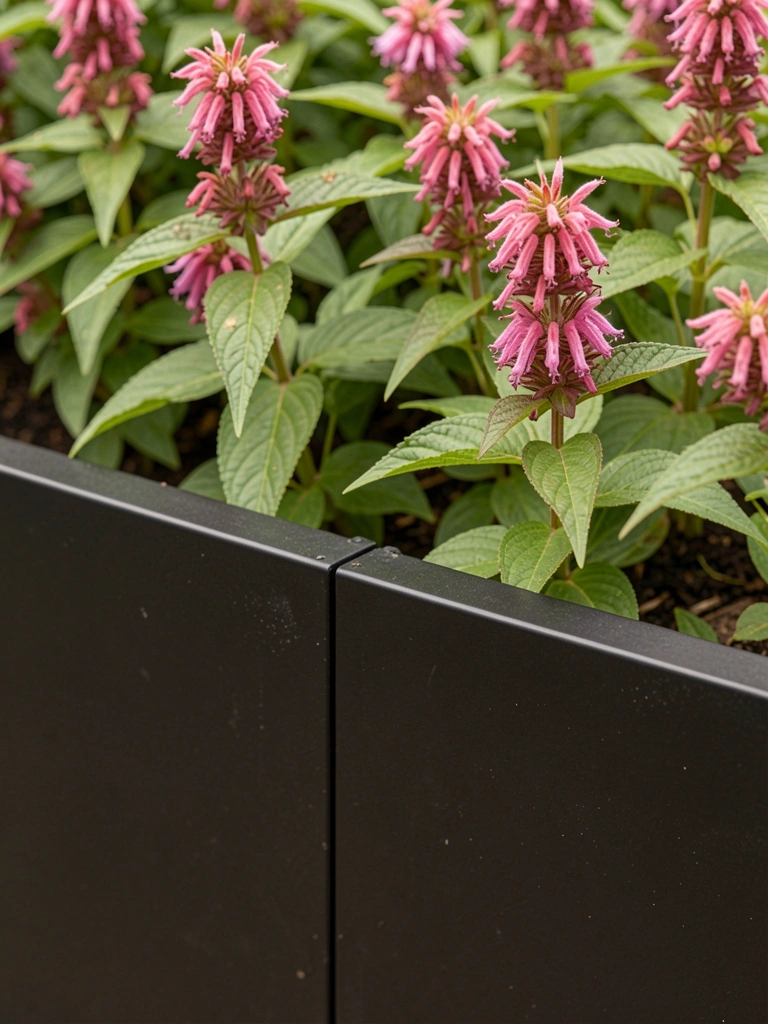
    14. Aluminum Edging Powder-Coated Black

    Aluminum held my island bed perfect. Bent for curves, no rust.

    Sleek modern line.

    Pound stakes deep.

    Cuts easy with hacksaw.

    What You’ll Need for This Look

    Black aluminum landscape edging (1/4 inch thick)
    Hacksaw blades for metal

    15. Cobblestone Halves in a Low Wall

    Cobblestones stacked two-high on my front curve. Mortar-free, wedged tight.

    Timeless polish.

    Source local—cheaper.

    Set in sand for level.

    What You’ll Need for This Look

    Small cobblestone pavers
    Masonry sand

    Final Thoughts

    Start with one bed. See how it settles your yard.

    These edges have saved me hours over years. Yours will too.

    Grab what fits your spot. You’ve got this.

  • 7 Charming Cottage Garden Flower Bed Ideas Full Of Charm

    7 Charming Cottage Garden Flower Bed Ideas Full Of Charm

    I still picture that scraggly patch by my back door. Bare soil, a few wilted daisies. I wanted that cozy cottage spill-over feel, but nothing stuck.

    Years of replanting taught me what fills a bed without fuss. Flowers that lean into each other, paths that invite you closer.

    Now my beds hum with life. You can build this too—simple steps from my dirt-stained hands.

    7 Charming Cottage Garden Flower Bed Ideas Full Of Charm

    These 7 ideas come straight from my garden fixes. Each one fits real yards, big or small. You'll see exactly what to plant and why it lasts.

    1. Foxglove Towers Backed by a Simple Fence

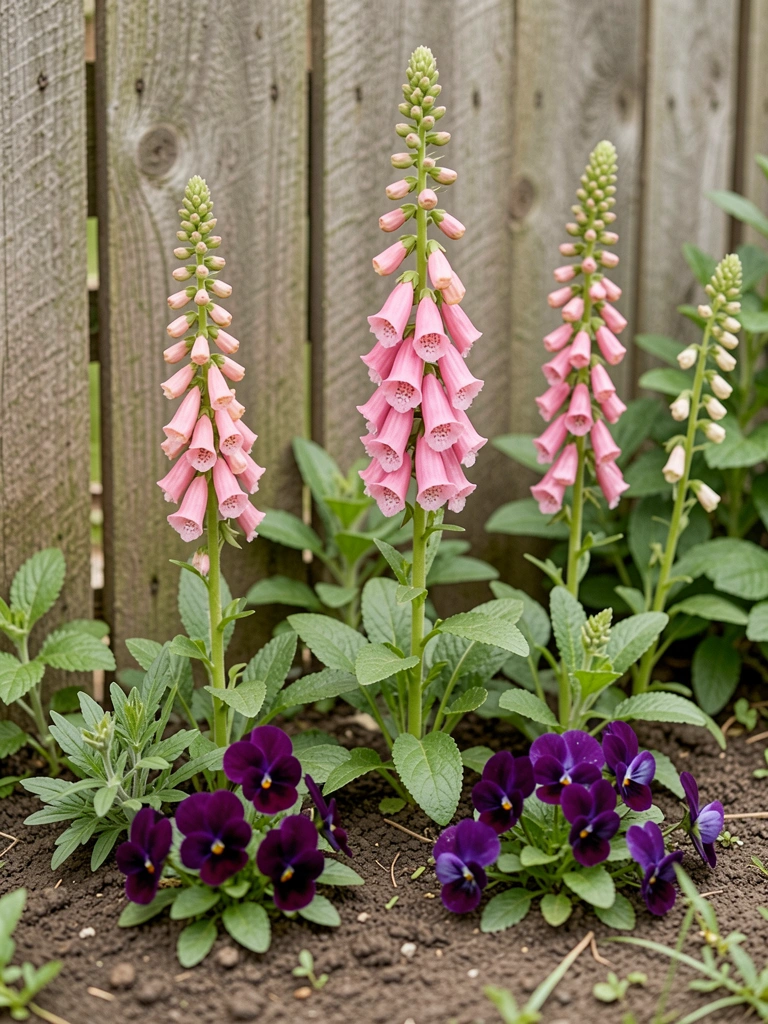
    I planted foxgloves along my old fence last spring. They shot up tall, those spotted towers in soft pink, pulling the eye up. Low violas at their feet filled gaps I didn't expect.
    The fence gives them shade in afternoon heat, keeps them leaning just right. No more floppy mess like my first try.

    Watch spacing—12 inches apart stops crowding. They self-seed, so thin extras come fall. Feels full all summer, cozy against the wood.
    One year rabbits munched the bases, but a quick gravel ring fixed it.

    What You’ll Need for This Look

    Foxglove seeds, mixed colors

    Viola seeds, purple and yellow

    Pea gravel bag, 50 lb

    2. Lavender-Hollyhock Border That Hugs the Path

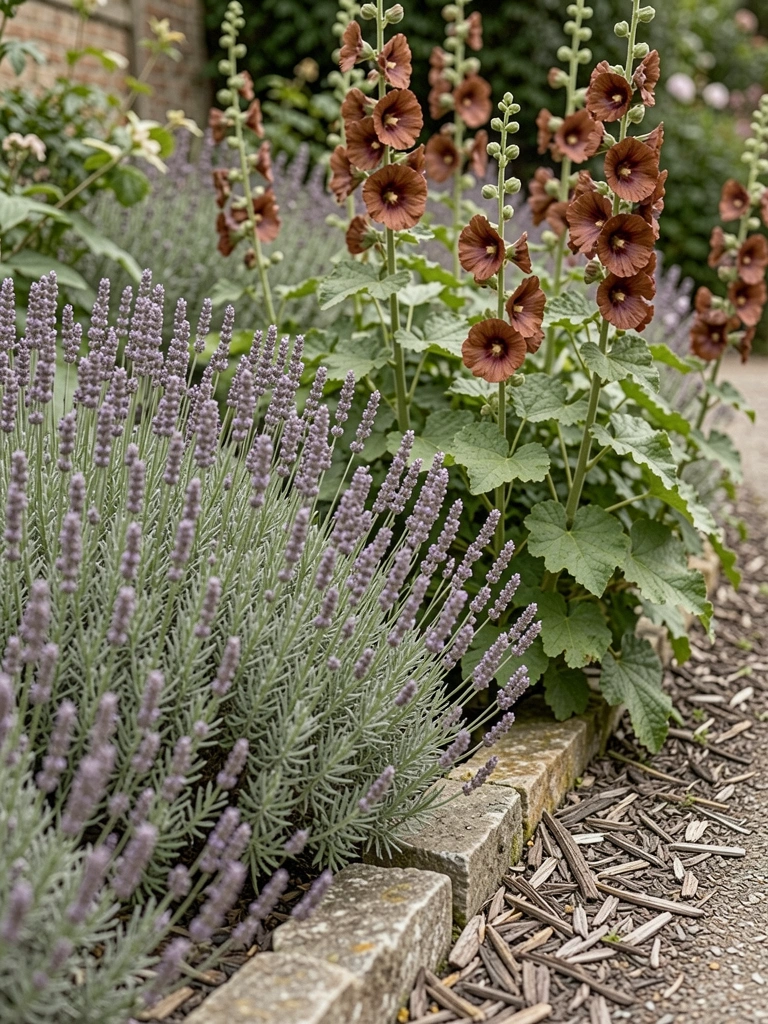
    My path bed started with lavender stubs. Added hollyhocks behind—they rust in fall, lean over without staking. Lavender hums with bees, edges it neat.
    That silver-green against path stones warms the walk. Smells hit you first on hot days.

    Plant lavender 18 inches apart; hollyhocks need sun. I overwatered once, lost half—now I check soil dry an inch down.

    Blooms fade to seedheads birds love. Keeps the bed looking full.

    What You’ll Need for This Look

    English lavender plants, 1 gallon

    Hollyhock seeds, rust color

    Natural stone edging kit, 10 ft

    Organic bark mulch, 2 cu ft

    3. Rose Arch with Underplanted Sweet Peas

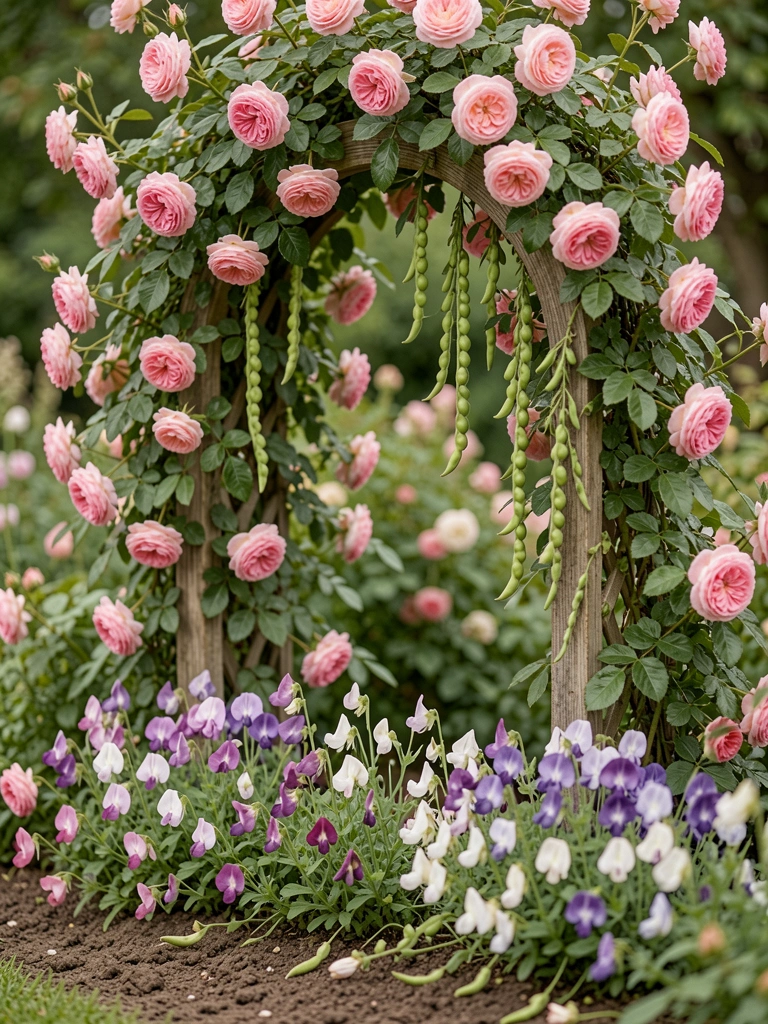
    I set a rose arch at my gate. Climbers took two years to drape, pink blooms heavy. Sweet peas below scramble up, fill bare spots early.

    The scent pulls you in—roses deep, peas light. Arch shades the bed, keeps soil cool.

    Train roses loosely; peas need netting first. Forgot supports once, they flopped everywhere.

    Cut spent blooms; it keeps flowering till frost. Gate feels welcoming now.

    What You’ll Need for This Look

    Climbing rose plants, pink variety

    Sweet pea seeds, mixed colors

    Wooden garden arch, 6 ft tall

    4. Daisy and Campanula Spill for Narrow Strips

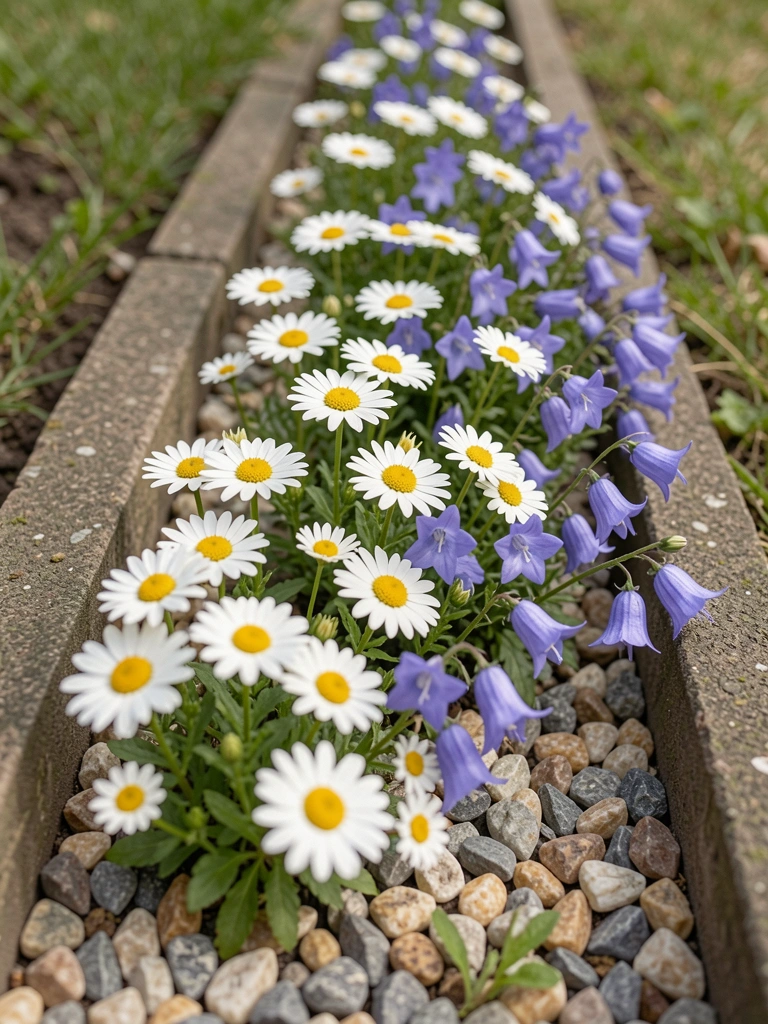
    Narrow strip by the shed begged for daisies. Shasta kinds mound white, campanula bells in blue tumble front. Fills tight space without overwhelming.

    They nod in breeze, soft against fence slats. Low upkeep—daisies shrug off drought.

    18 inches wide max; too much and they fight. I planted too deep first, they sulked—lifted and reset.

    Deadhead for more rounds. Stays fresh through heat.

    What You’ll Need for This Look

    Shasta daisy plants, 1 quart

    Campanula seeds, blue bells

    Low plastic garden edging, 20 ft

    5. Delphinium Spires with Front Alchemilla

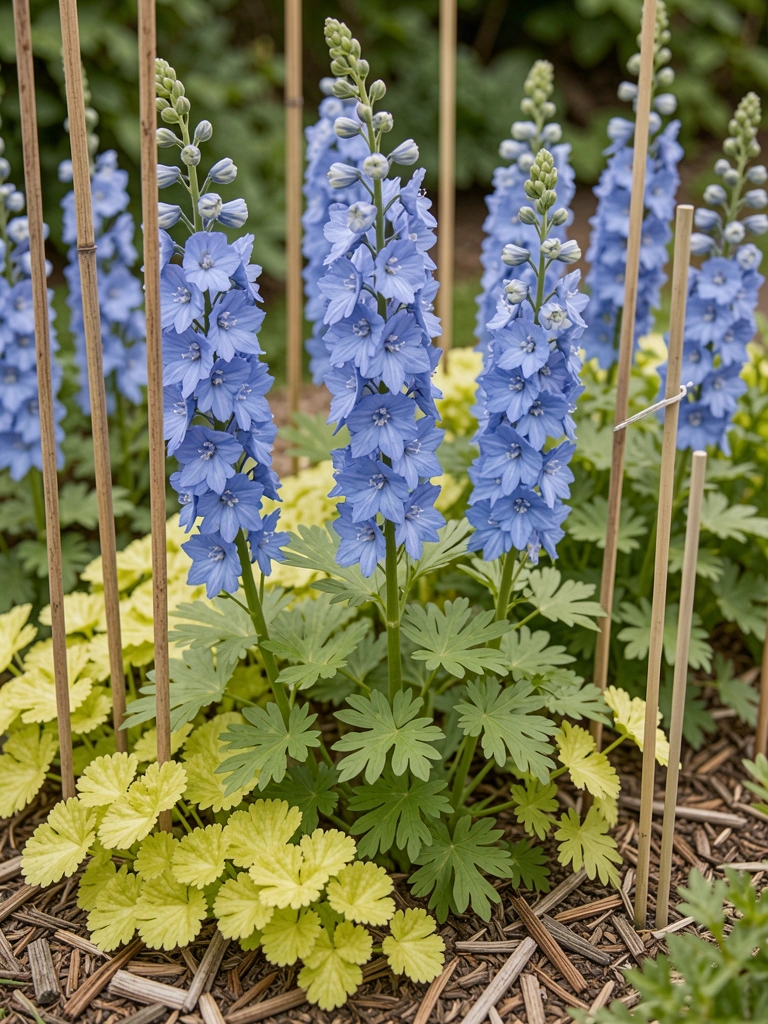
    Delphiniums in my side bed reach six feet, blue spikes bold. Alchemilla out front mounds soft chartreuse, catches raindrops.

    Wind snaps tops sometimes—stake loose early. I skipped once, rebuilt half.

    Sun till noon; they lean to light. Foliage hides bare stems.

    Blooms fade, but leaves stay green. Cuts clean for repeat.

    What You’ll Need for This Look

    Delphinium plants, blue mix

    Alchemilla mollis plants, 1 gallon

    Bamboo garden stakes, 6 ft pack

    6. Mixed Herb and Viola Cottage Edge

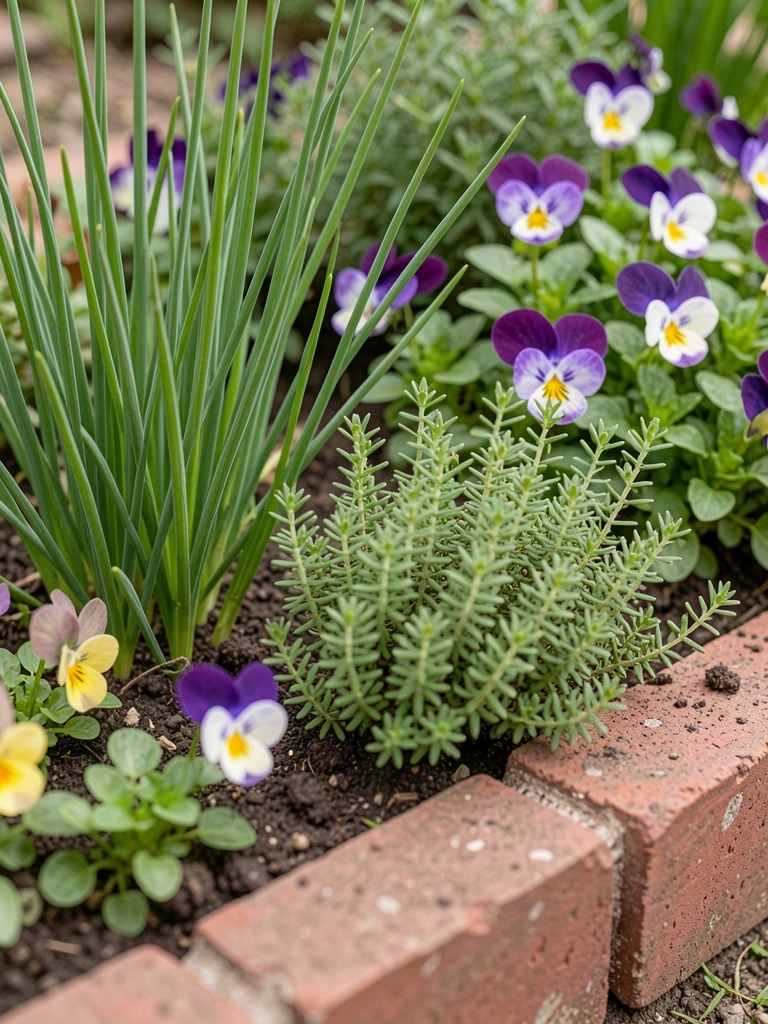
    Edged my front bed with chives and thyme. Violas dot color between—purple pops. Herbs fill fast, trim for kitchen.

    Path feels soft underfoot, smells sharp after rain. Low, no fuss.

    Chives spread quick—divide yearly. Planted thyme in shade once, it yellowed—move to sun.

    Snip often; keeps tidy. Flowers bonus.

    What You’ll Need for This Look

    Chive plants, bunch pack

    Creeping thyme plants, 4 pack

    Viola plants, purple mix

    7. Clematis Tangle Over Perennial Base

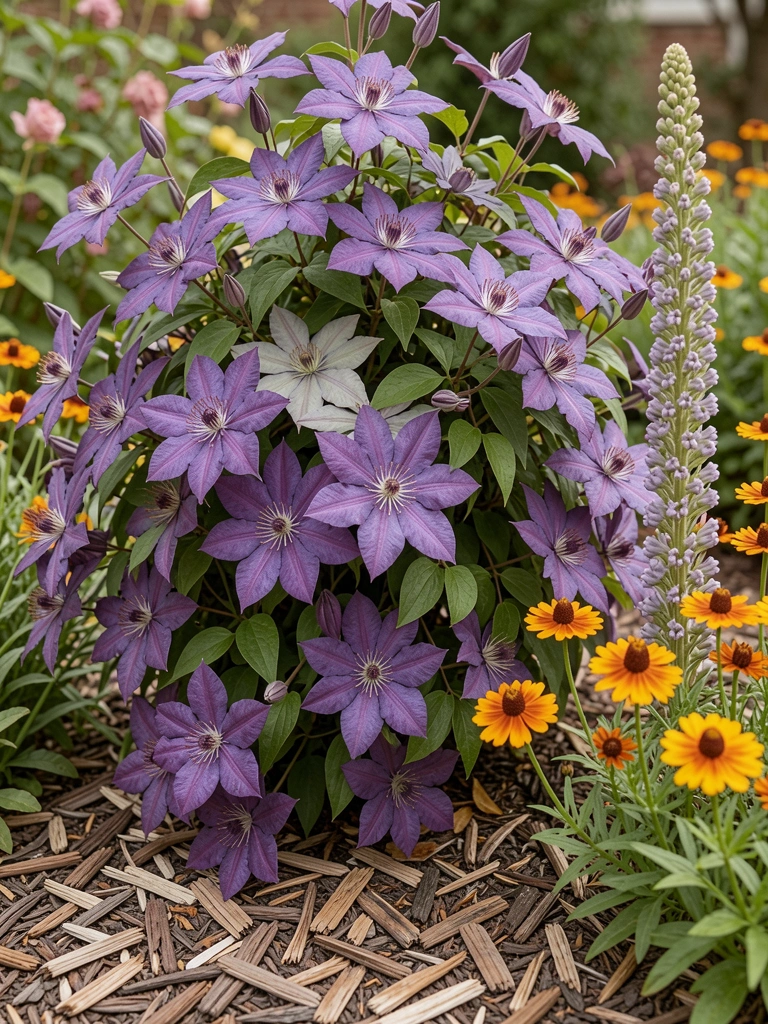
    Clematis scrambles my obelisk, purple stars late summer. Coreopsis base glows yellow below, tough as nails.

    Tangle shades roots—clematis thrives. Yellow lifts the purples.

    Feet in shade, heads in sun. Mulch heavy; I skimped, weeds won.

    Prune light; it bushes out. Lasts years.

    What You’ll Need for This Look

    Purple clematis vine, 2 gallon

    Coreopsis plants, yellow threadleaf

    Metal garden obelisk, 5 ft black

    Final Thoughts

    Pick one idea that fits your spot. Start small—my beds grew over time.

    They won't look magazine-ready day one. That's fine; the charm builds.

    Yours will feel right soon. Hands in soil, that's the win.

  • 21 Creative Old Car Flower Bed Garden Ideas That Stand Out

    21 Creative Old Car Flower Bed Garden Ideas That Stand Out

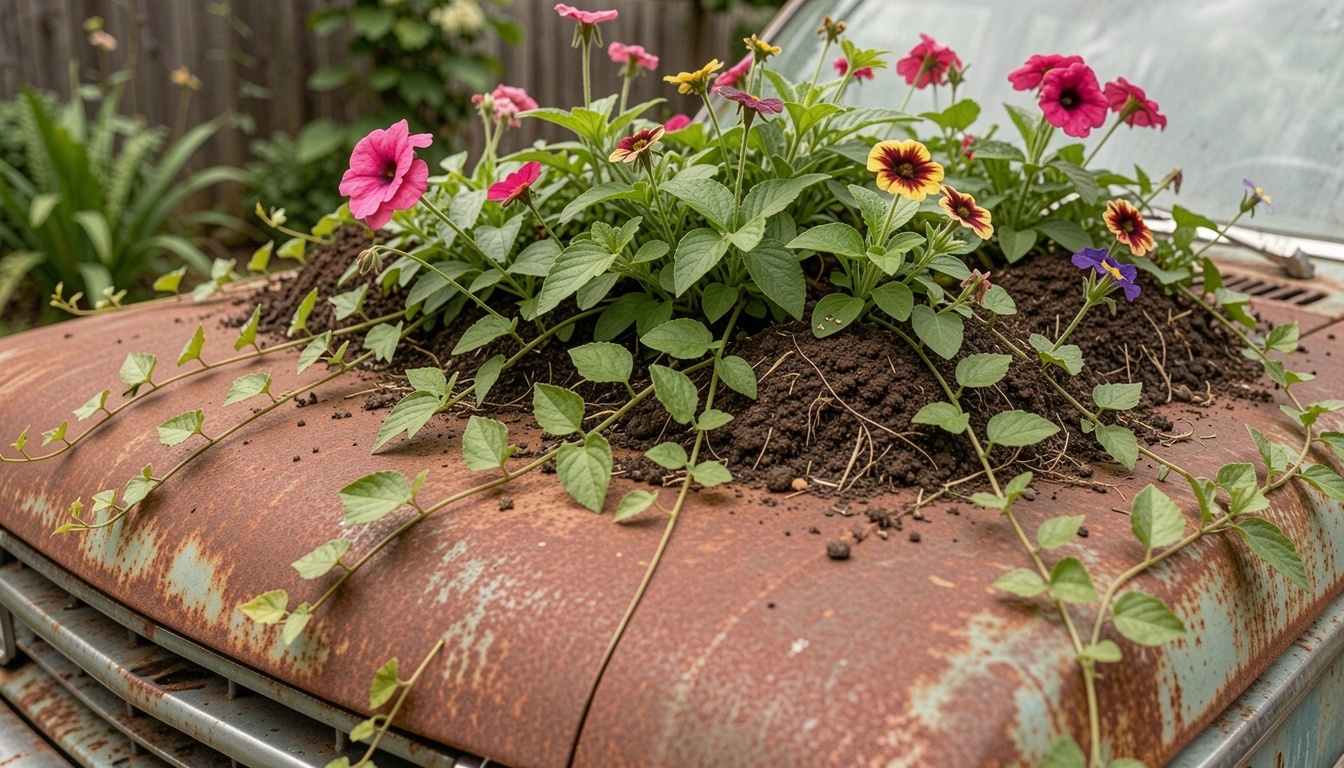
    I remember hauling home this old Chevy from a neighbor's barn. Rust flaked off everywhere, seats torn. I almost scrapped it. Then I thought, why not fill it with plants? Turned my plain side yard into something with character overnight.
    That car sits there now, spilling flowers. Bugs hum around it. Neighbors slow down to look.
    If you've got a junker lurking, these ideas will show you how to make it yours. No fancy skills needed.

    21 Creative Old Car Flower Bed Garden Ideas That Stand Out

    I've gathered 21 old car flower bed garden ideas from my own yard and friends' places. These are real setups that hold up year after year. Grab one that fits your spot—your garden will thank you.

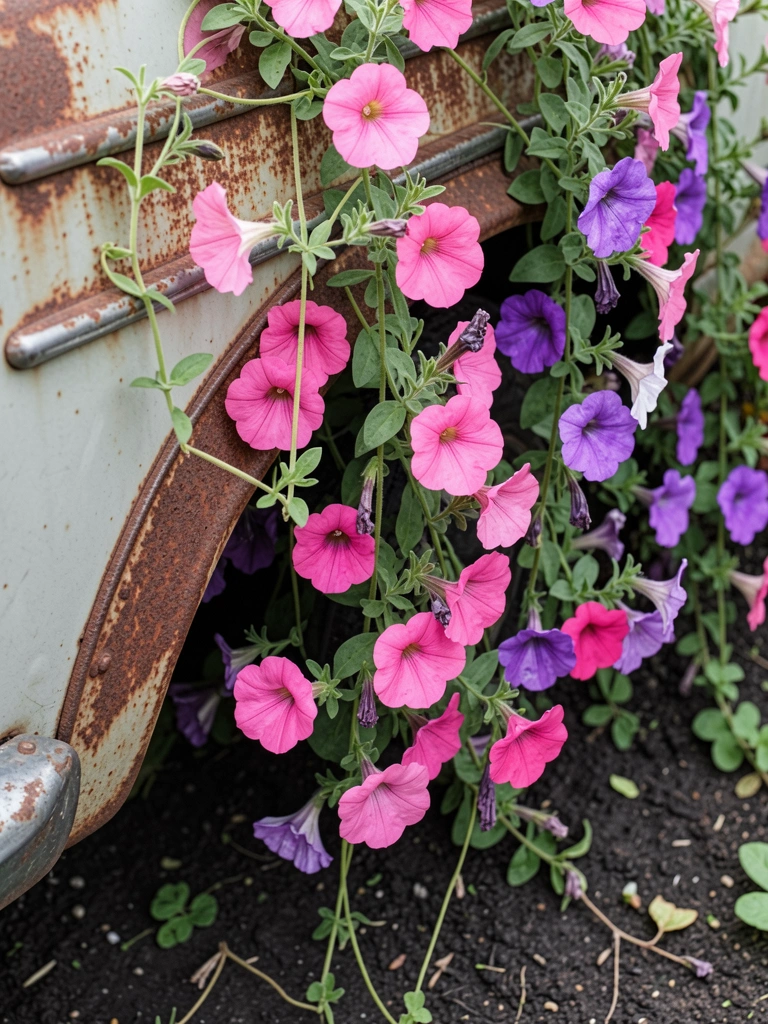
    1. Rusty Fender Trailing Petunia Cascade

    I wedged petunias into the fender wells of my '72 Plymouth. They tumbled down like a waterfall by midsummer. The rust gave a cozy frame, and the flowers softened the edges.
    Before, that corner felt sharp and empty. Now it's a soft landing spot for my eyes when I mow.
    Watch drainage—those fenders hold water. Poke holes if needed. I skipped that once, lost half the plants to rot.
    Petunias pull through heat without much fuss. Deadhead weekly, and they keep blooming till frost.

    What You’ll Need for This Look

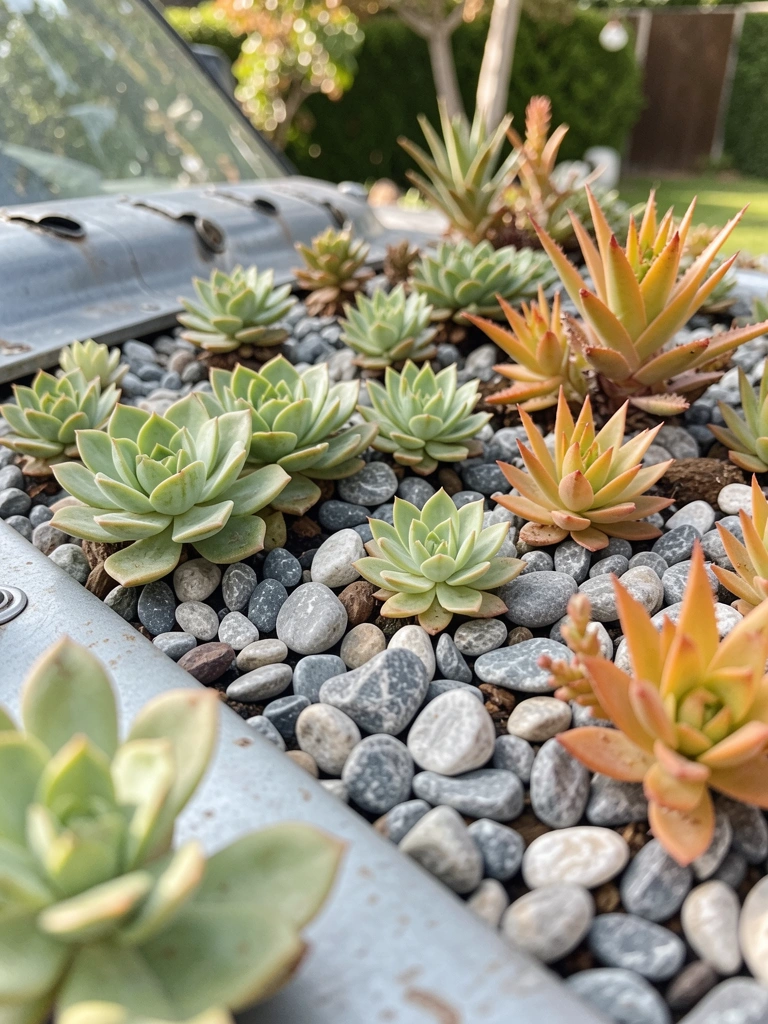
    2. Hood Succulent Rock Garden

    My old Ford hood baked in full sun, perfect for succulents. I layered gravel first, then tucked in hens-and-chicks. They spread slow but steady.
    The hood's curves made natural pockets—no extra framing. It feels clean now, like a modern rock garden.
    I overplanted at first; they crowded. Thin them yearly.
    Succulents store water, so forget them for weeks. Rain keeps them happy.

    What You’ll Need for This Look

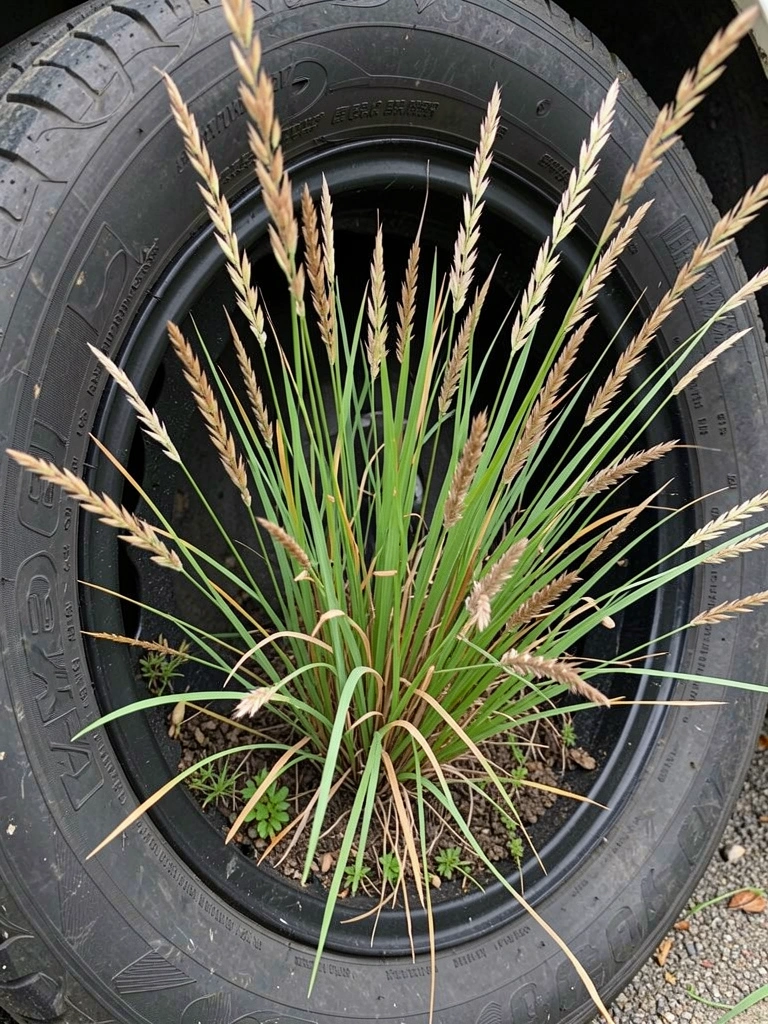
    3. Wheel Well Native Grass Meadow

    Grasses in the wheel wells of a junked truck swayed like a mini prairie. I chose natives—switchgrass and little bluestem. Low fuss.
    Wind rustles them, adds movement to the yard. Bees love it too.
    Wells trap moisture; I mulched heavy to cut weeds.
    One winter, heavy snow flattened them. They bounced back stronger. Plant deep for roots.

    What You’ll Need for This Look

    4. Convertible Top Herb Spiral

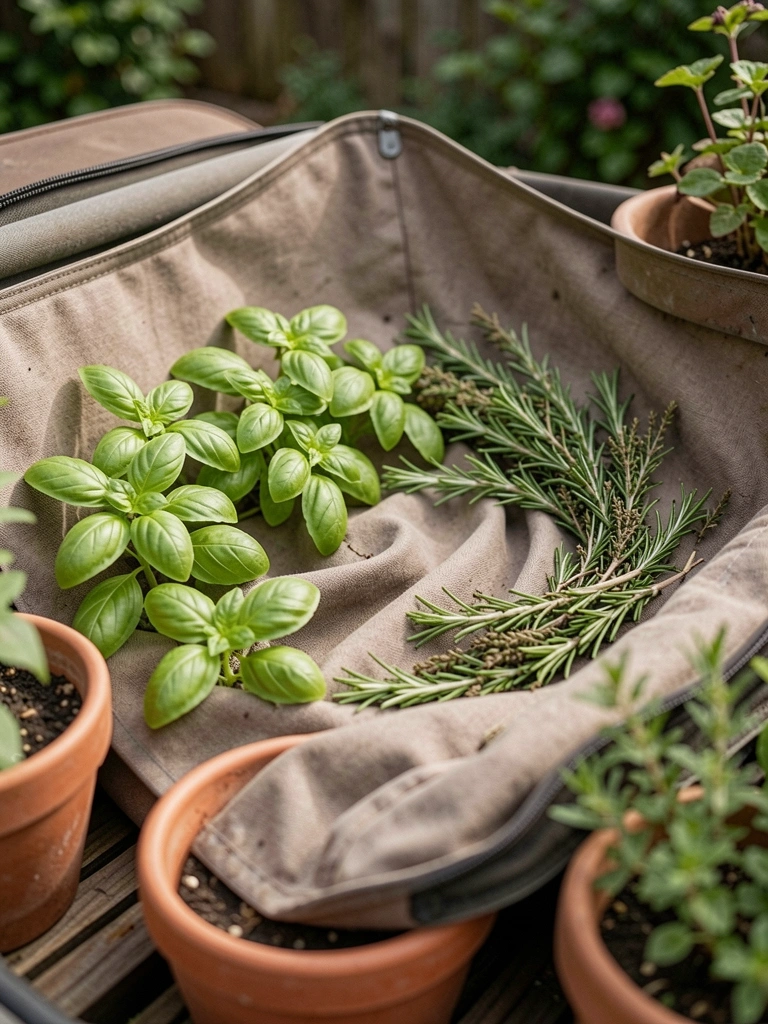
    The sagging top of my old Mustang held herbs in pots wedged along the seams. Basil, thyme, oregano—picked fresh for dinner.
    It smells amazing up close, draws pollinators. Feels useful, not just pretty.
    Top fabric rots fast; refresh pots yearly. I waited too long once, dirt everywhere.
    Sun dries them quick—water evenings.

    What You’ll Need for This Look

    5. Trunk Blooming Vine Arch

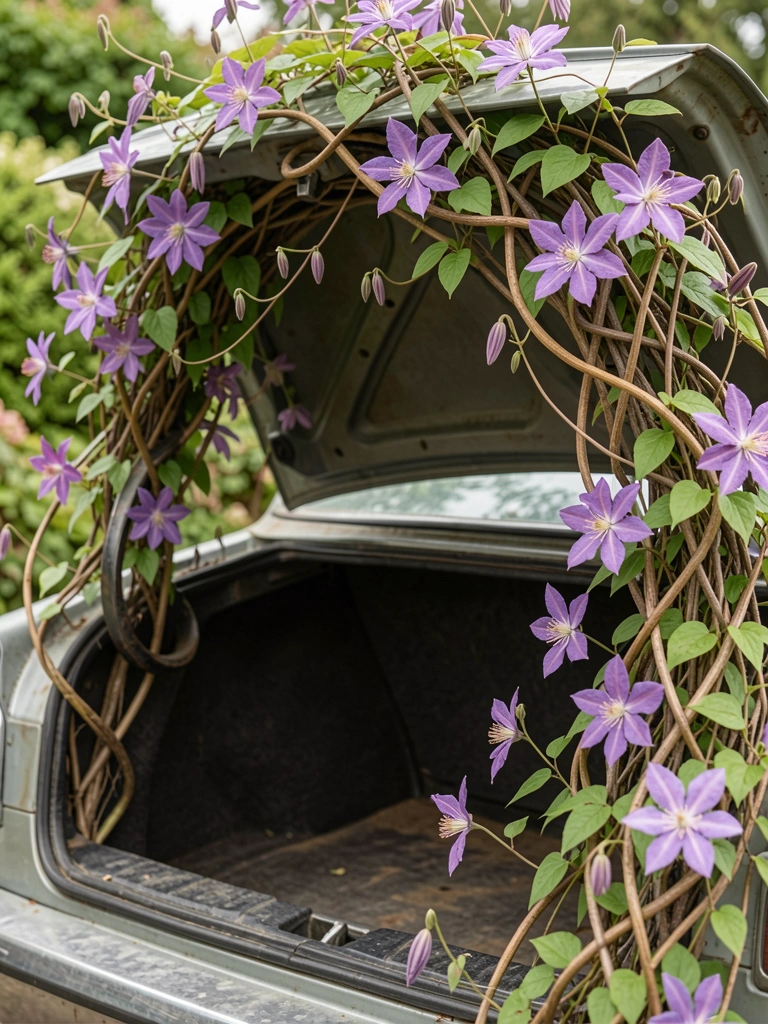
    Clematis climbed from the trunk of a station wagon, arching over the open lid. Blooms heavy in June.
    Shades my path now, feels enclosed and private.
    Prop the lid secure—mine slammed once, snapped stems.
    Vines grip rusty spots well. Prune after flowering.

    What You’ll Need for This Look

    6. Grill Fern and Moss Pocket

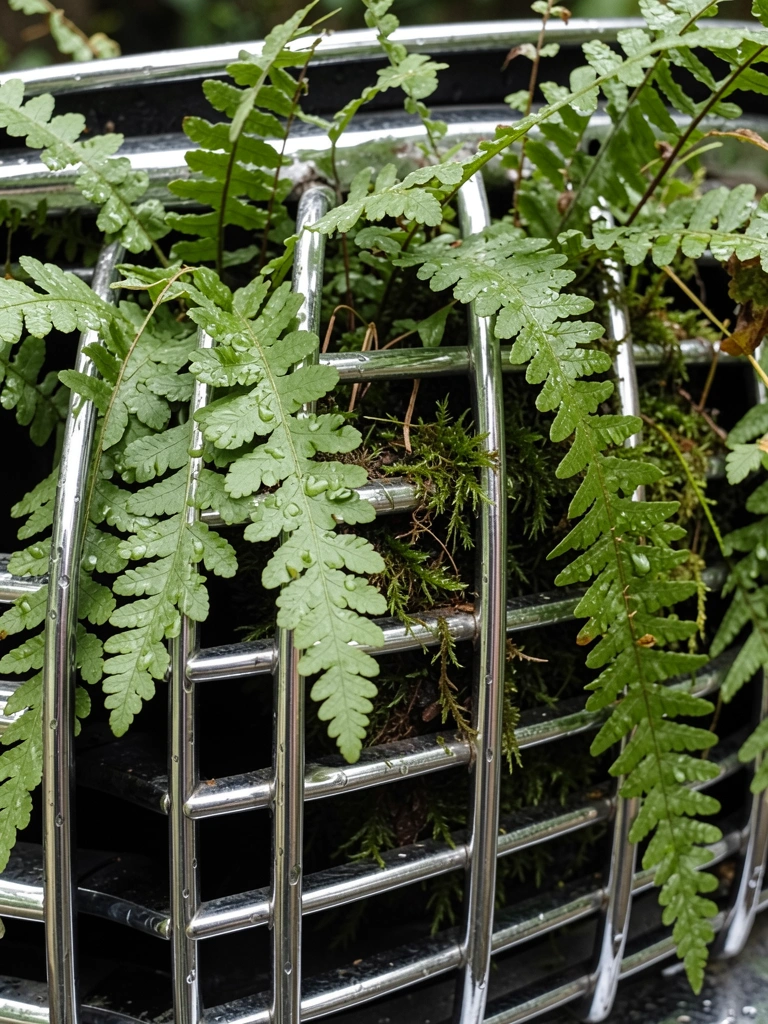
    Ferns tucked into the grill slats of a shaded sedan. Moss filled gaps. Thrives in humidity.
    Cool and green, like a woodland nook. Softens the hard lines.
    Grill rusts more here; I sealed edges first.
    Mist weekly—stays lush without sun.

    What You’ll Need for This Look

    7. Bumper Butterfly Milkweed Patch

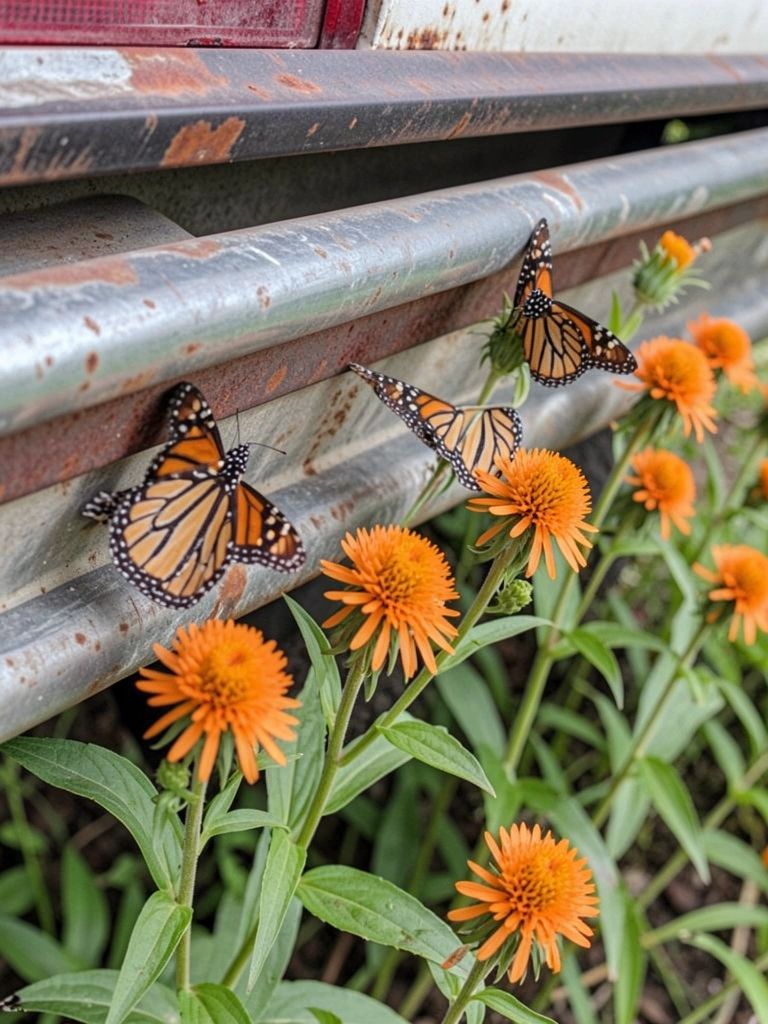
    Milkweed along the bumpers of a pickup drew monarchs nonstop. Pods rattle in fall.
    Yard buzzes now, kids watch the show. Feels alive.
    Bumpers dent easy; plant behind rubber strips.
    Spread by seed—thin to control.

    What You’ll Need for This Look

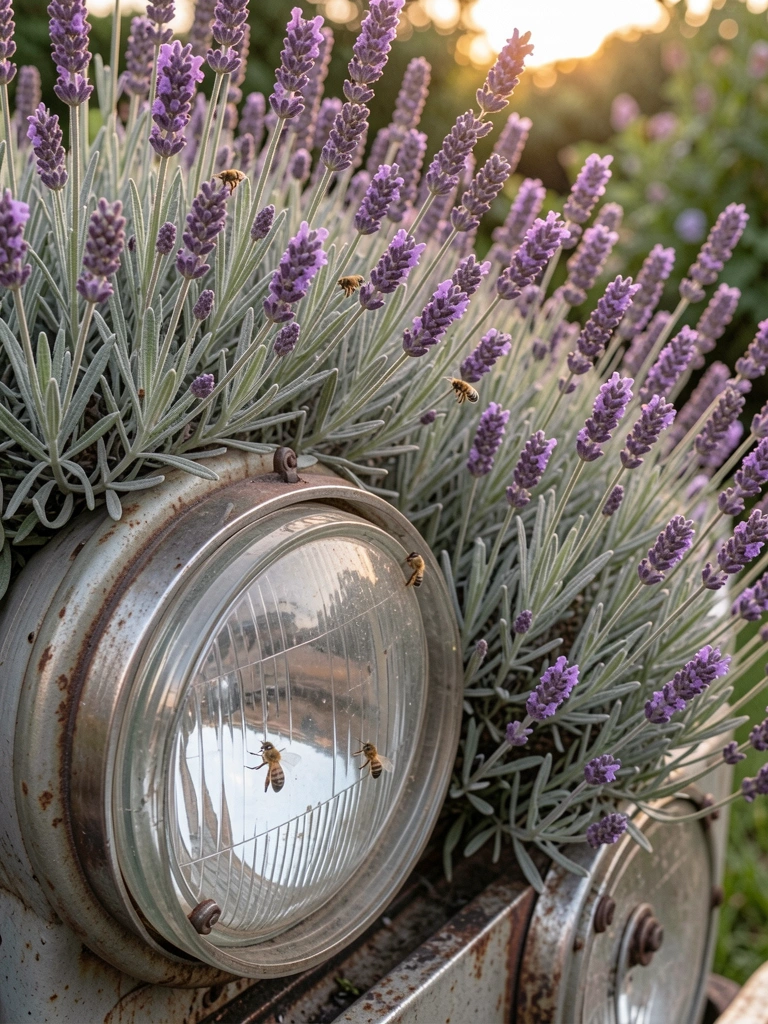
    8. Headlight Lavender Clusters

    Lavender in headlight buckets smells heaven when you walk by. Bees flock early morning.
    Lights the path softly, cozy glow.
    Bulbs crack glass; use liners. I broke one forgetting.
    Trim after bloom for shape.

    What You’ll Need for This Look

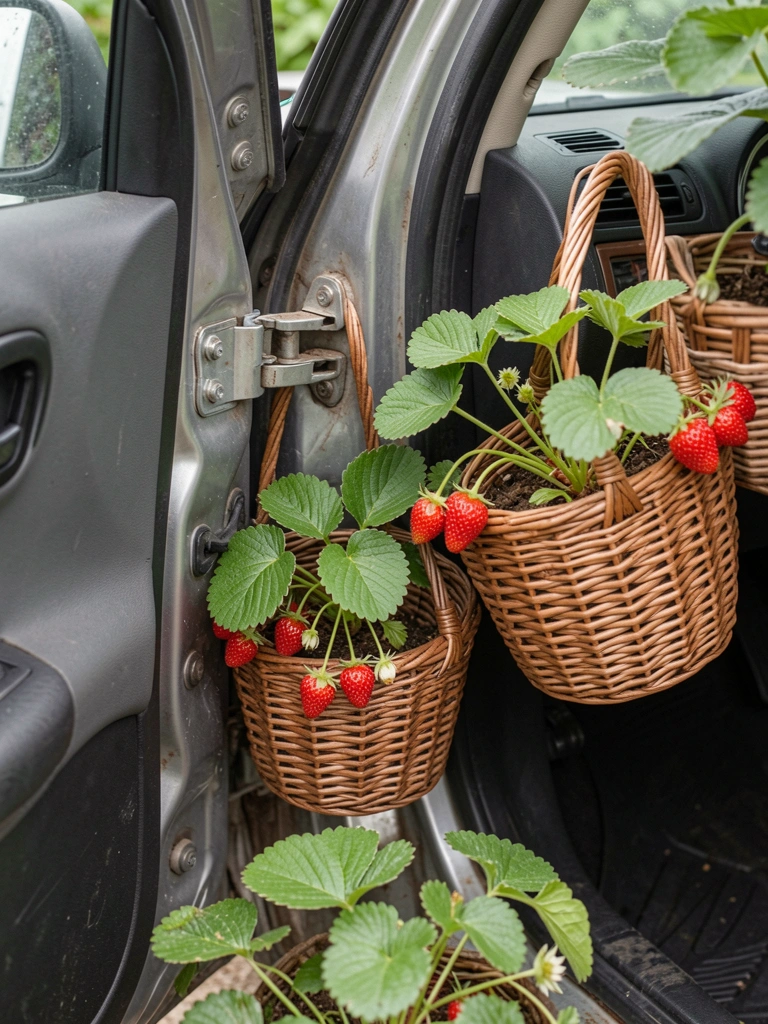
    9. Door Jamb Edible Basket

    Strawberries in baskets off door jambs—easy reach. Fruits sweet all summer.
    Kitchen close, no bending. Practical joy.
    Doors creak open; secure hooks firm.
    Net birds—they find them fast.

    What You’ll Need for This Look

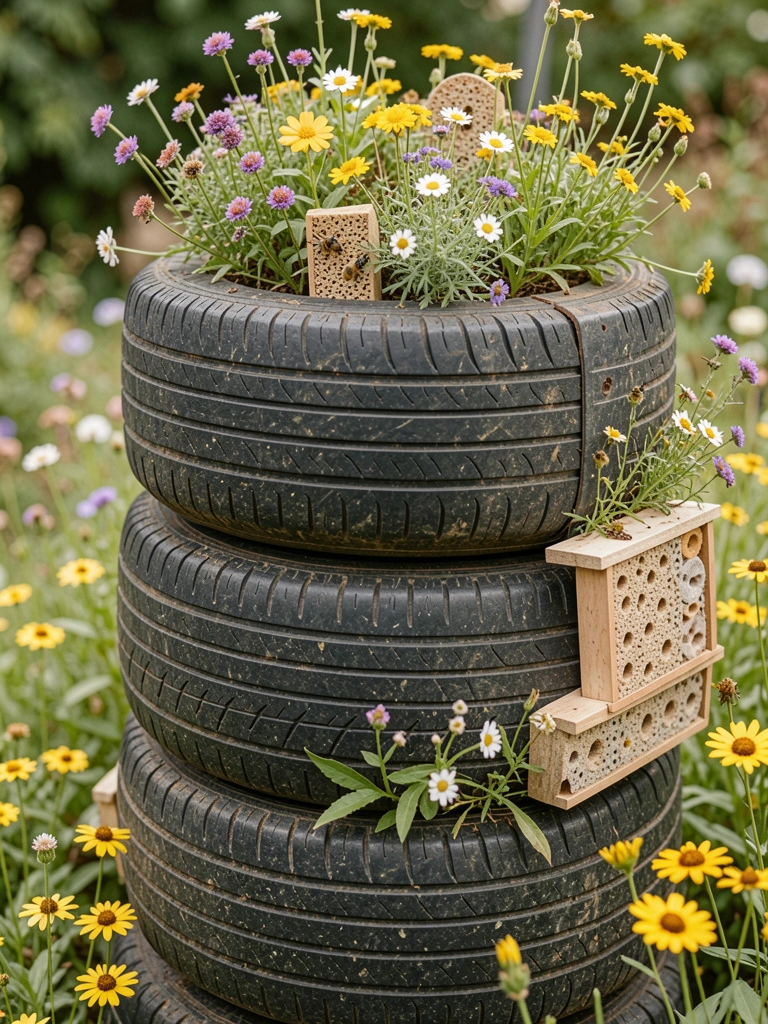
    10. Tire Stack Pollinator Tower

    Tires stacked beside the chassis, filled with bee balm and coneflowers. Pollinators swarm.
    Tower draws eyes up, fills dead space.
    Tires shed rubber; line with landscape fabric. I didn't first, messy soil.
    Water from top down.

    What You’ll Need for This Look

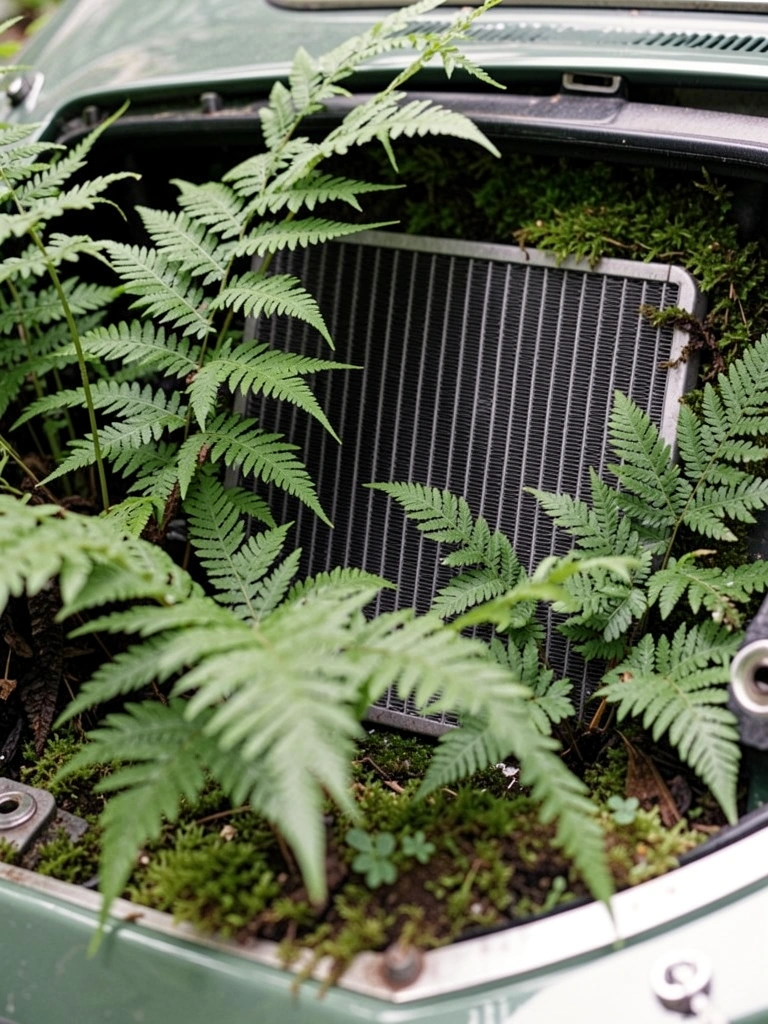
    11. Radiator Shade Fern Grotto

    Ferns behind the radiator fins made a shady hideaway. Ostrich ferns unfurl tall.
    Cool retreat, damp and quiet.
    Fins snag fronds; trim back gently.
    Humus-rich soil holds moisture.

    What You’ll Need for This Look

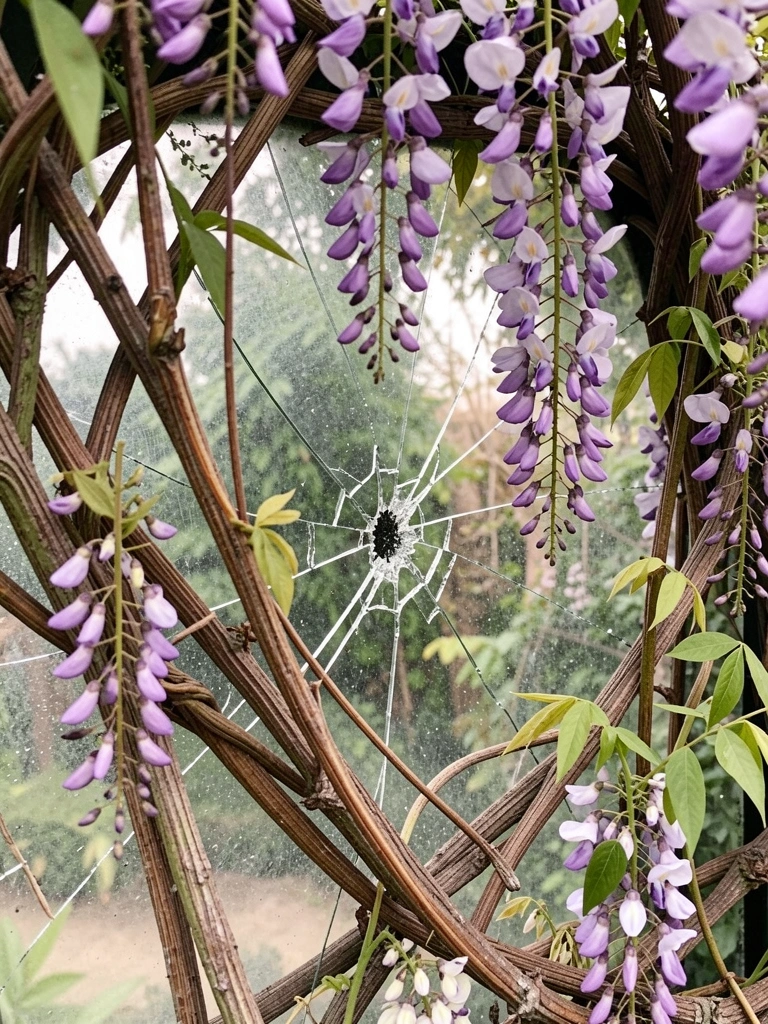
    12. Windshield Wisteria Frame

    Wisteria trained over the windshield glass—blooms drape like curtains.
    Pathway shaded, fragrant in spring. Magical without trying. Wait, no—cozy.
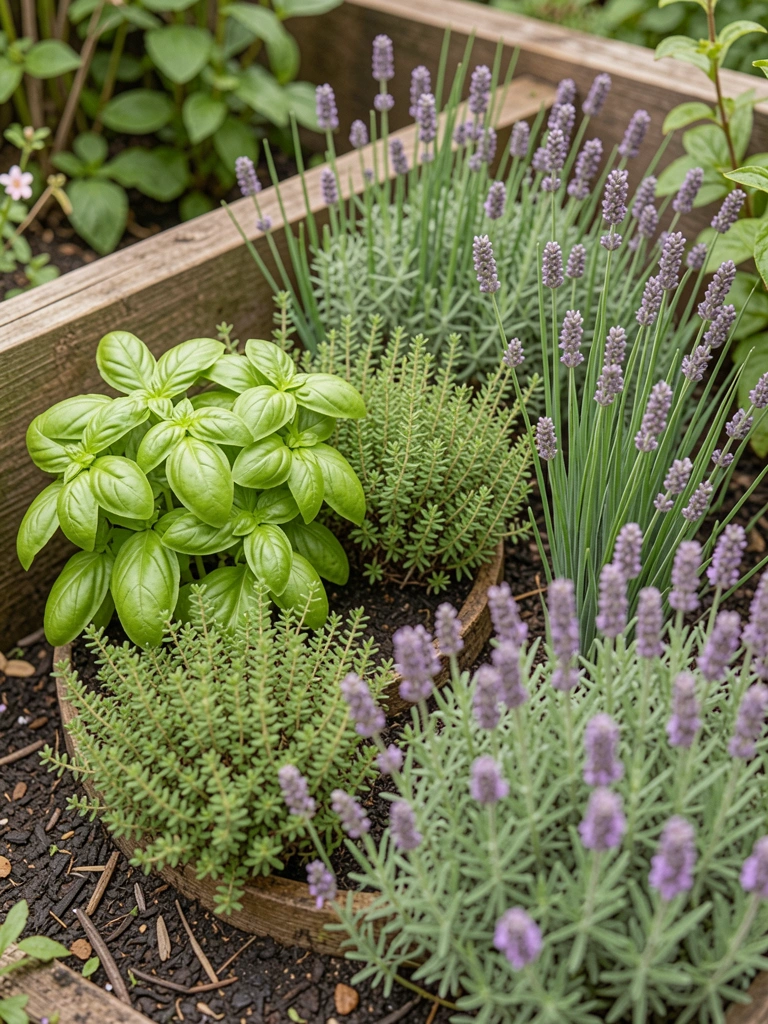
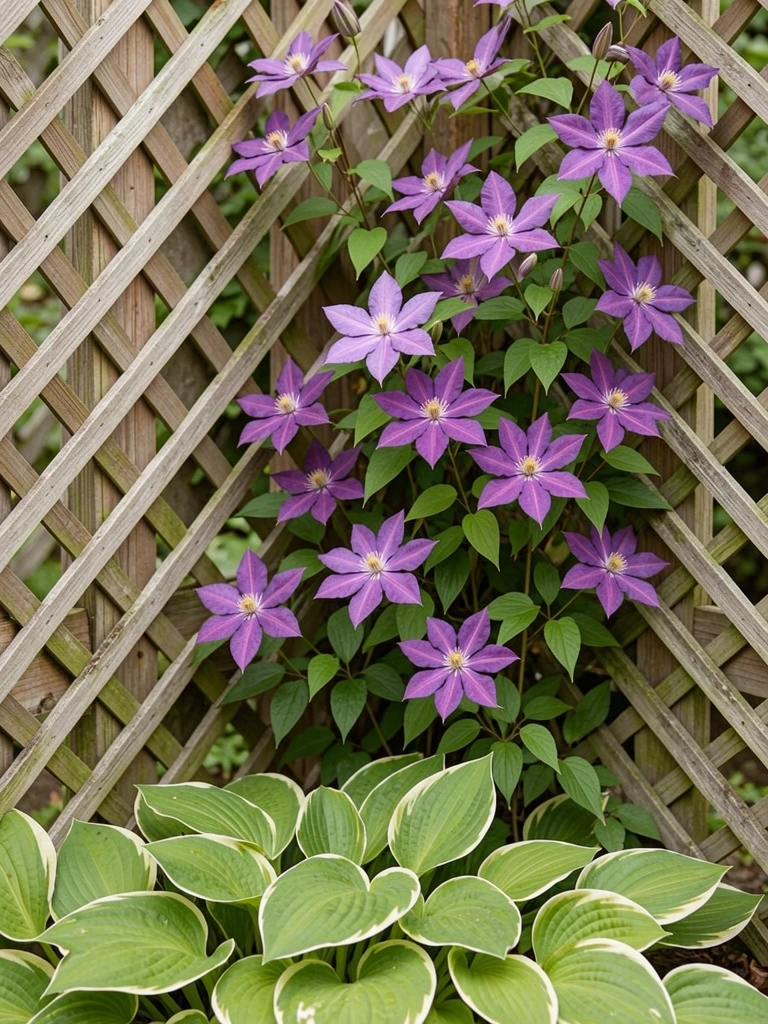
    Vines heavy; reinforce frame. Mine sagged year two.
    Prune twice yearly.

    What You’ll Need for This Look

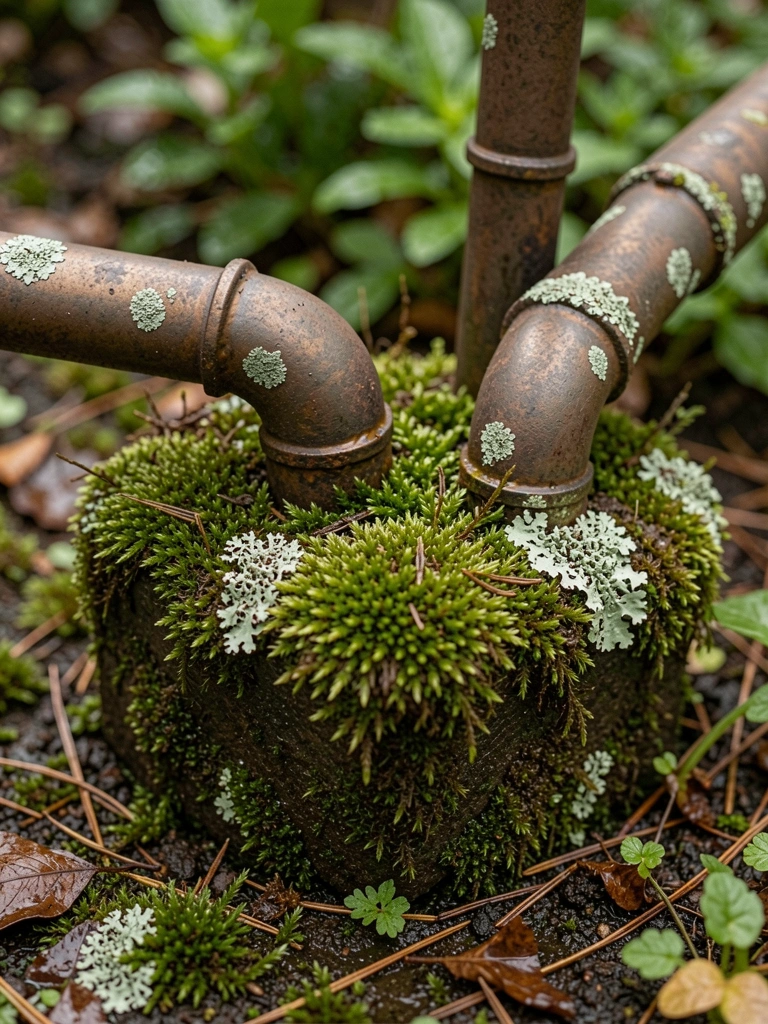
    13. Muffler Moss and Lichen Tray

    Moss in the muffler pipe—stays moist, spreads slow. Lichen dots it gray.
    Forest floor feel in a tight spot.
    Pipe rusts inside; line loose.
    Shade and mist key.

    What You’ll Need for This Look

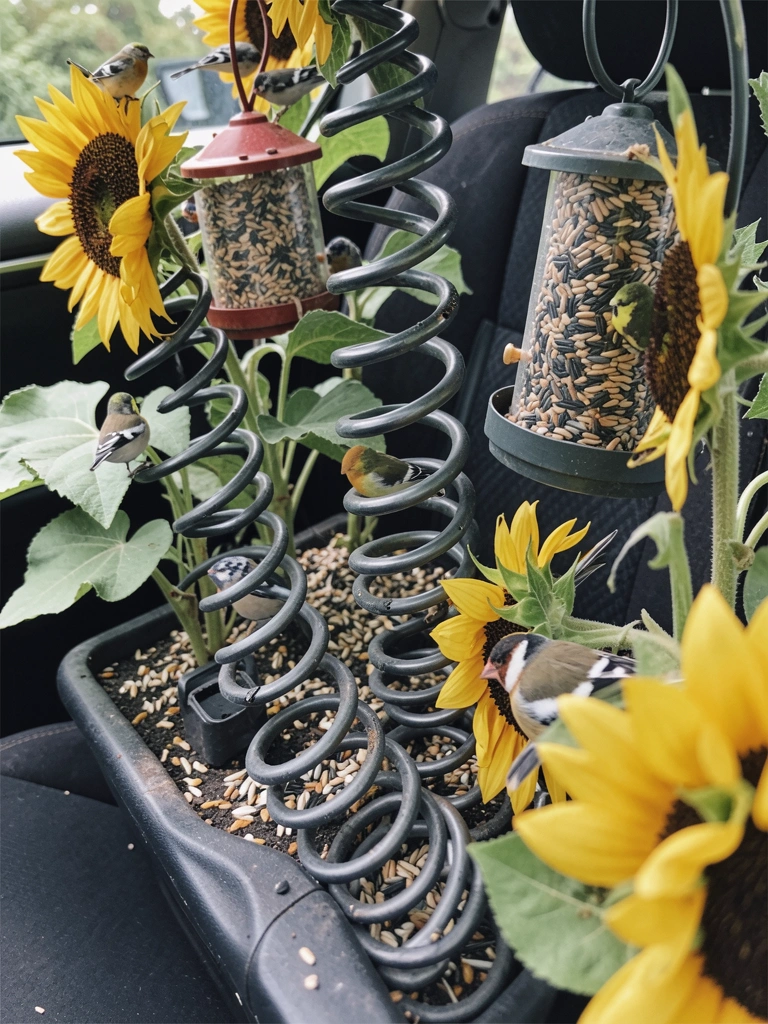
    14. Seat Spring Bird Haven

    Sunflowers from seat springs—birds perch and eat seeds.
    Yard sings mornings now. Comfortable chaos.
    Springs poke; mound soil high.
    Squirrels steal—bait elsewhere.

    What You’ll Need for This Look

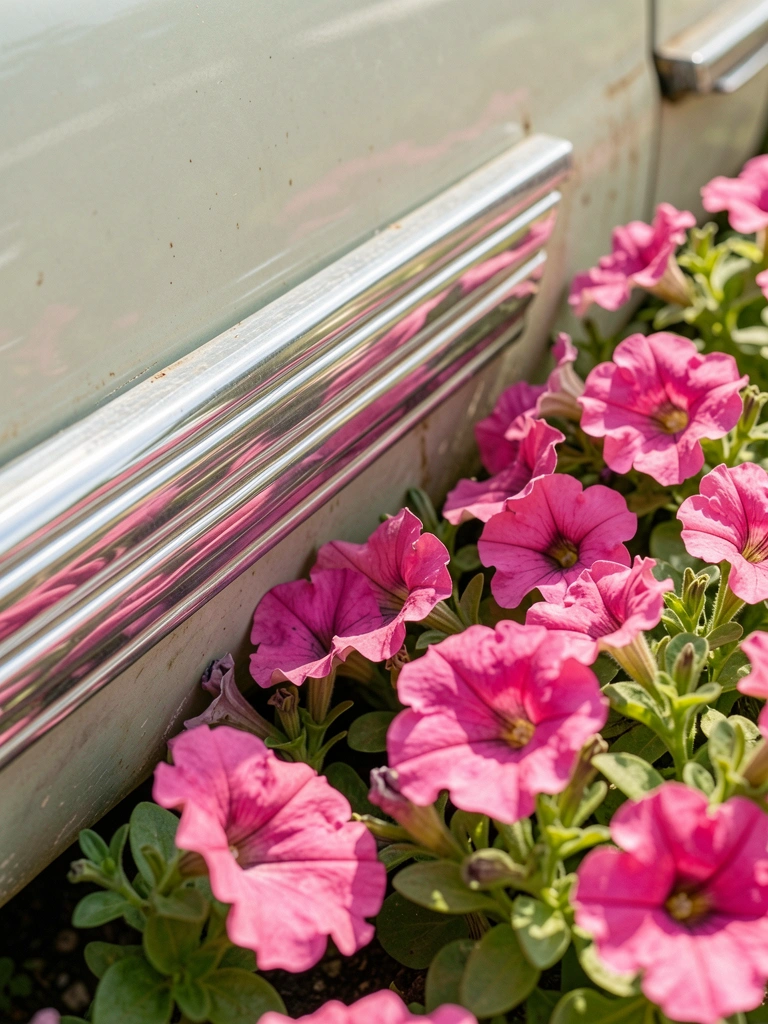
    15. Chrome Trim Petunia Ledges

    Petunias along chrome trim—bright pops against shine.
    Clean lines, cheerful without overwhelming.
    Trim heats up; shade roots. I scorched mine once.
    Feed bloom booster monthly.

    What You’ll Need for This Look

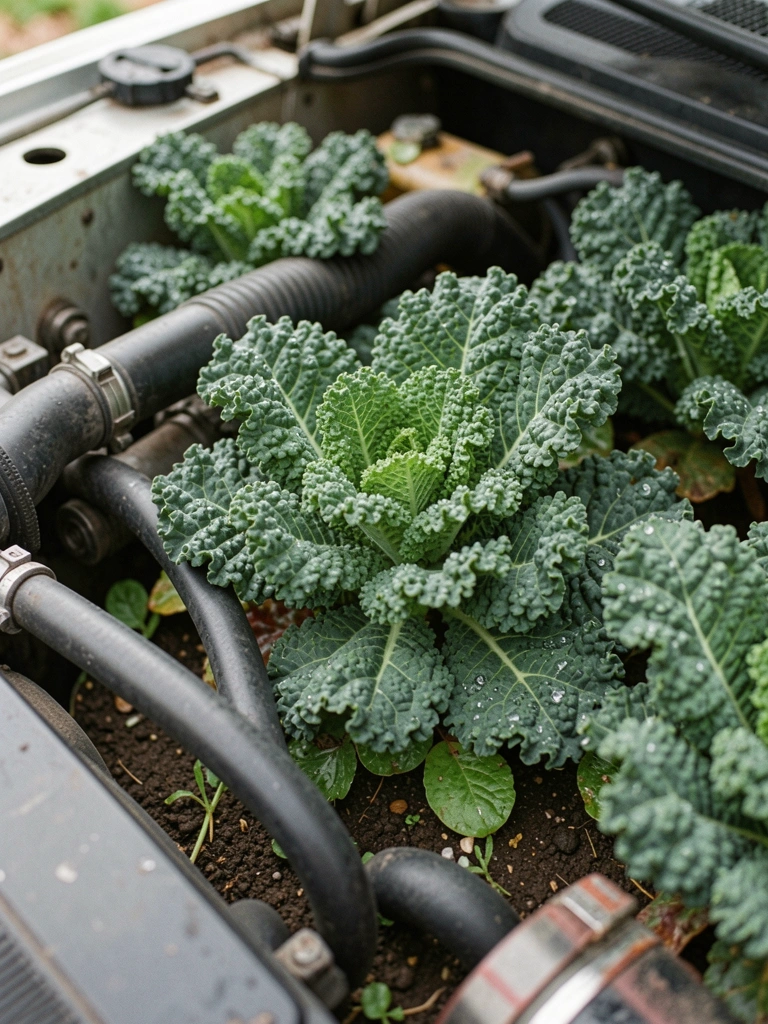
    16. Engine Bay Kale Patch

    Kale in the engine bay—sweet after frost. Harvest easy.
    Fall color, useful crop.
    Bay oily; scrub first, then plant. Slugs hid in residue for me.
    Row cover cold snaps.

    What You’ll Need for This Look

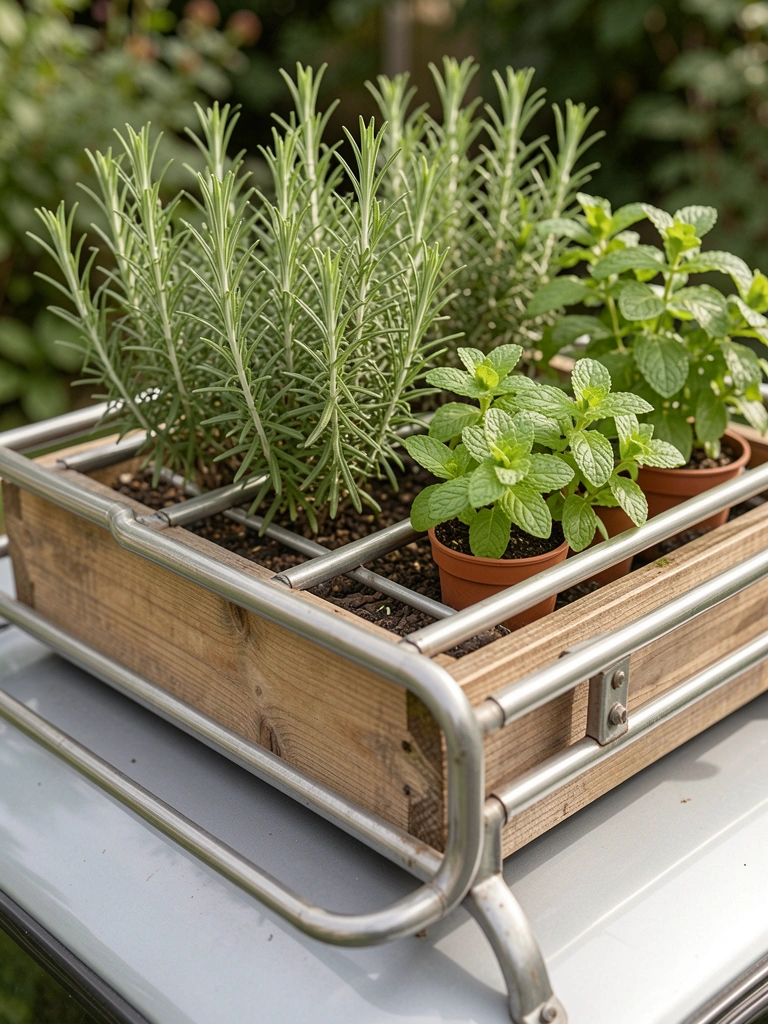
    17. Roof Rack Raised Herb Bed

    Rosemary on the roof rack—waist high, no stoop.
    Convenient for cooking, evergreen scent.
    Rack wobbles; bolt liner down.
    Drain holes prevent rot.

    What You’ll Need for This Look

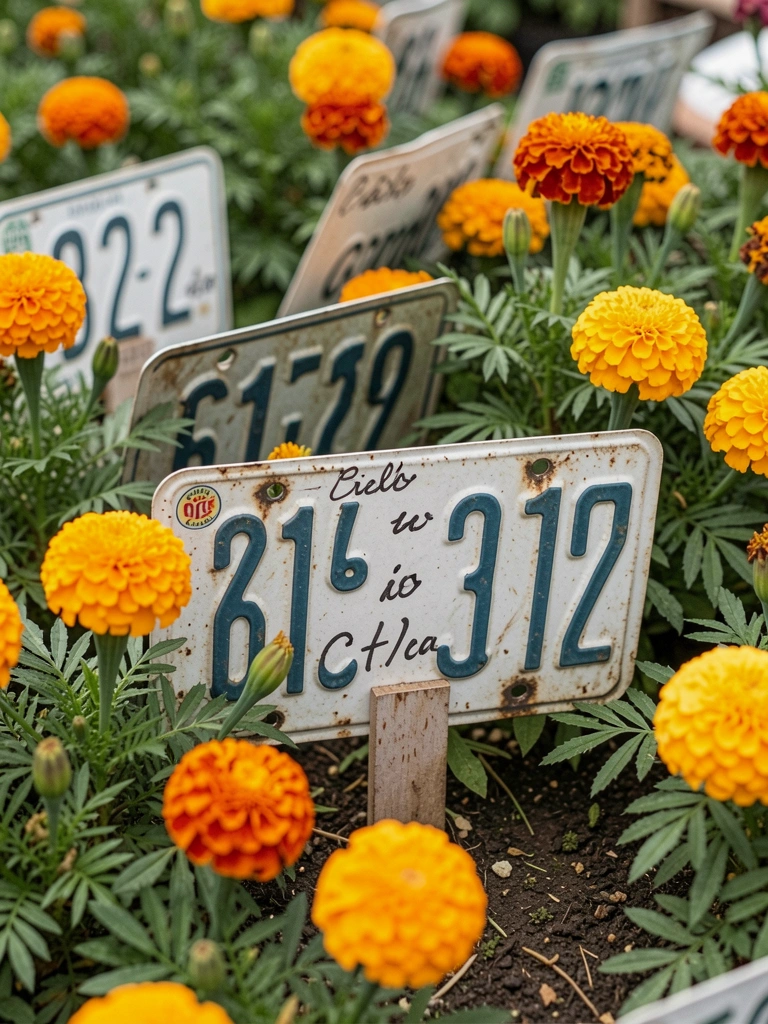
    18. License Plate Plant Labels

    Plates staked as labels in the bed around chassis—marigolds named "Sunburst."
    Organized, personal touch. Rust matches.
    Plates sharp; bend edges safe. Cut my hand ignoring that.
    Paint if fading.

    What You’ll Need for This Look

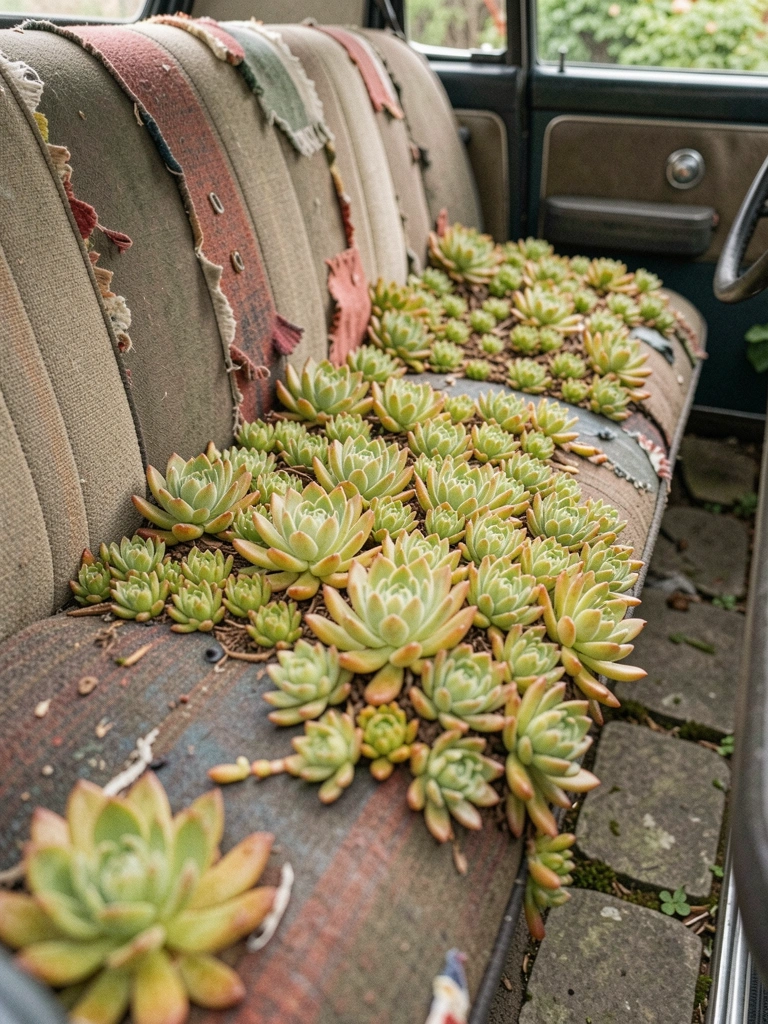
    19. Interior Bench Sedum Seating

    Sedum on the bench seat—soft landing for pots, drought tough.
    Seats guests now, green cushion.
    Foam soaks water; remove it all. Mold grew under once.
    Low water, spreads nice.

    What You’ll Need for This Look

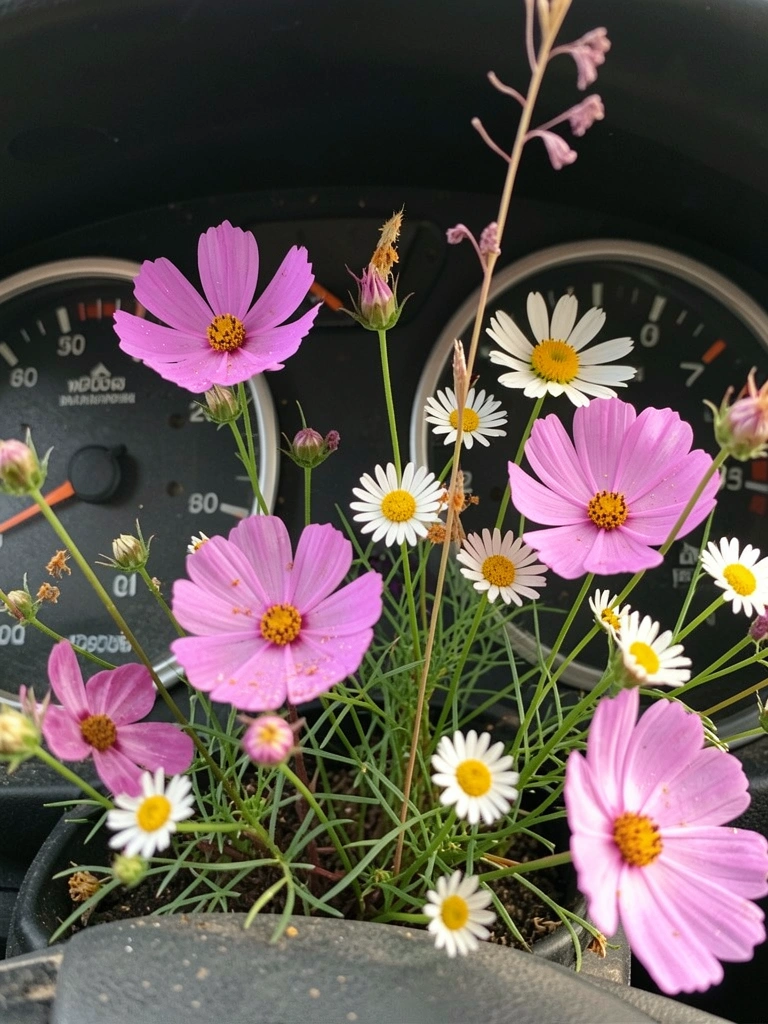
    20. Dash Cluster Annual Meadow

    Cosmos and zinnias in dash wells—wild meadow vibe.
    Butterflies land on petals near gauges. Fun detail.
    Dash cracks; fill with mesh. Seeds spilled out first try.
    Reseed yearly.

    What You’ll Need for This Look

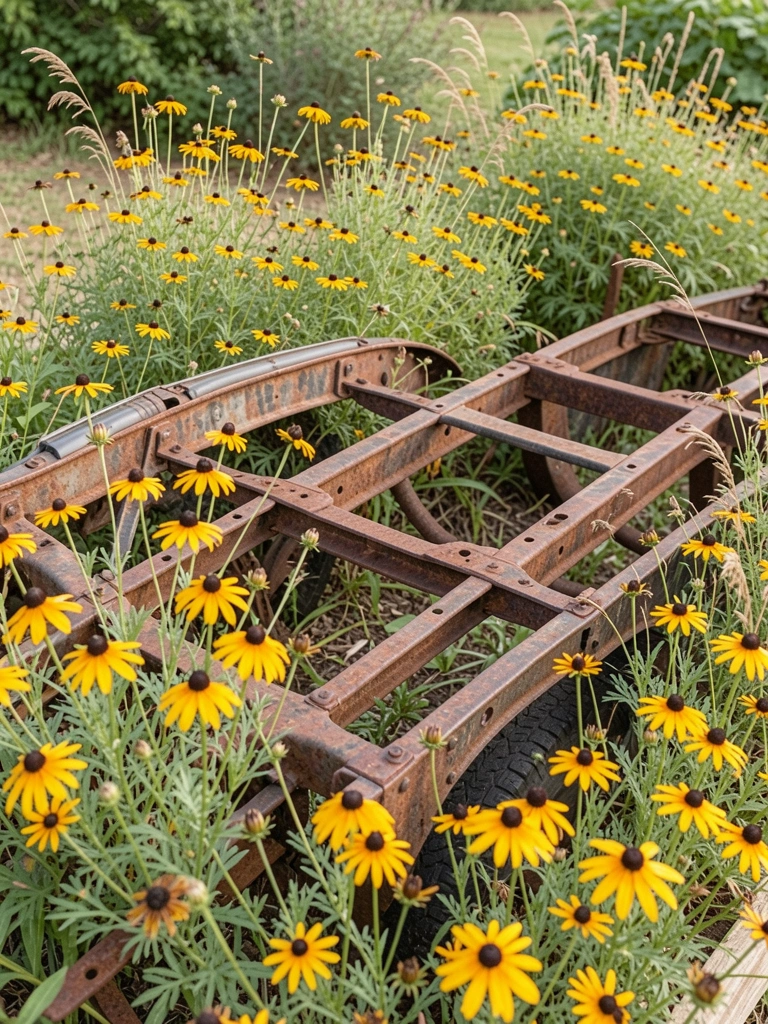
    21. Full Chassis Wildflower Submersion

    Wildflowers swallowed the whole chassis—Susans and rudbeckia everywhere.
    Meadow takeover, low care. Yard wild and right.
    Overseeded first year; thin paths.
    Mow edges spring.

    What You’ll Need for This Look

    Final Thoughts

    Pick one idea that matches your light and space. Start small—your old car will settle in.
    No need for all 21. One good spot changes everything.
    You'll look at your yard different after. It works because it's yours.

  • 11 Magical Flower Bed Fairy Garden Ideas You’ll Love

    11 Magical Flower Bed Fairy Garden Ideas You’ll Love

    I still picture that scruffy flower bed along my back fence. Weeds everywhere, nothing special. One afternoon, I buried a little clay house there, added some moss. Next morning, dew made it glow. My daughter spotted it first—pure joy. Suddenly, that bed felt alive, ours. Turns out, these touches pull you in without much work.

    It taught me: flower beds crave personality. Not perfection.

    11 Magical Flower Bed Fairy Garden Ideas You’ll Love

    These 11 flower bed fairy garden ideas come straight from my dirt-under-nails trials. Simple setups that fit real yards. You'll get exact steps and buys to make them yours.

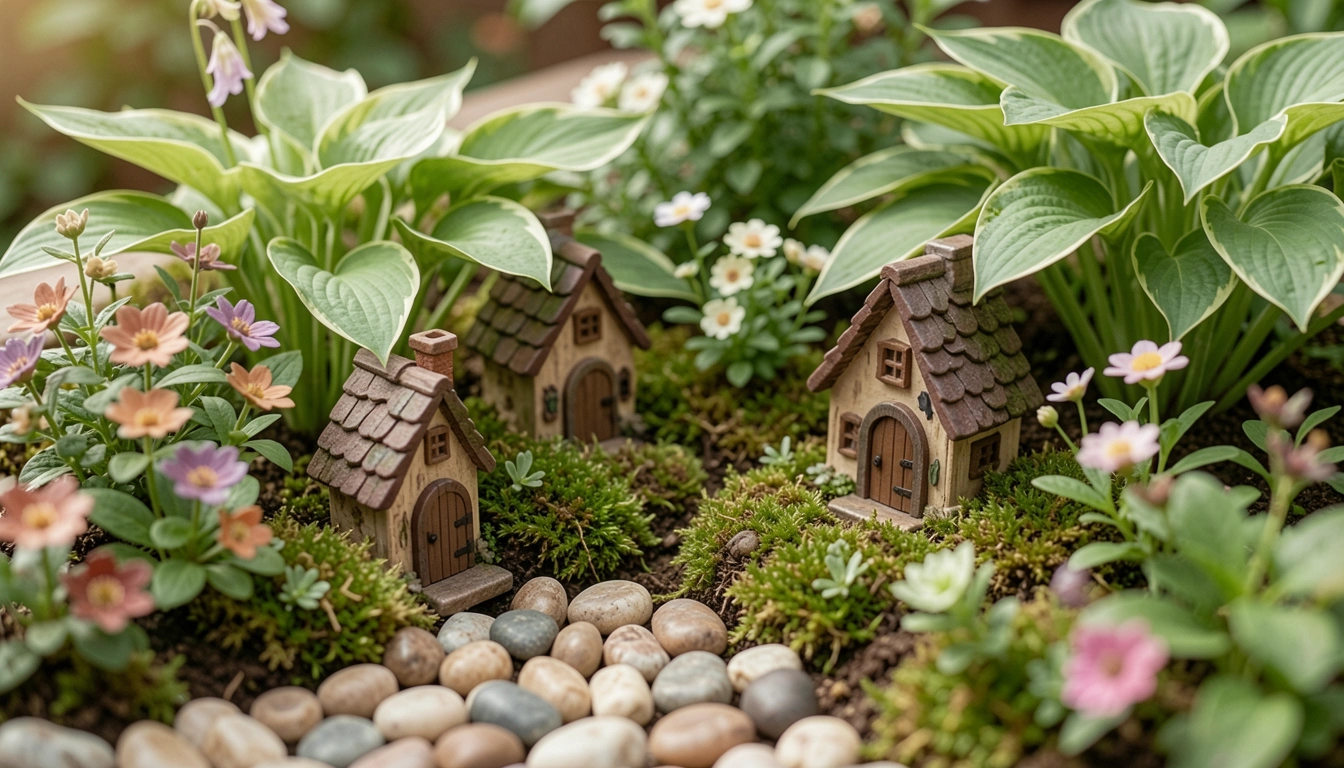
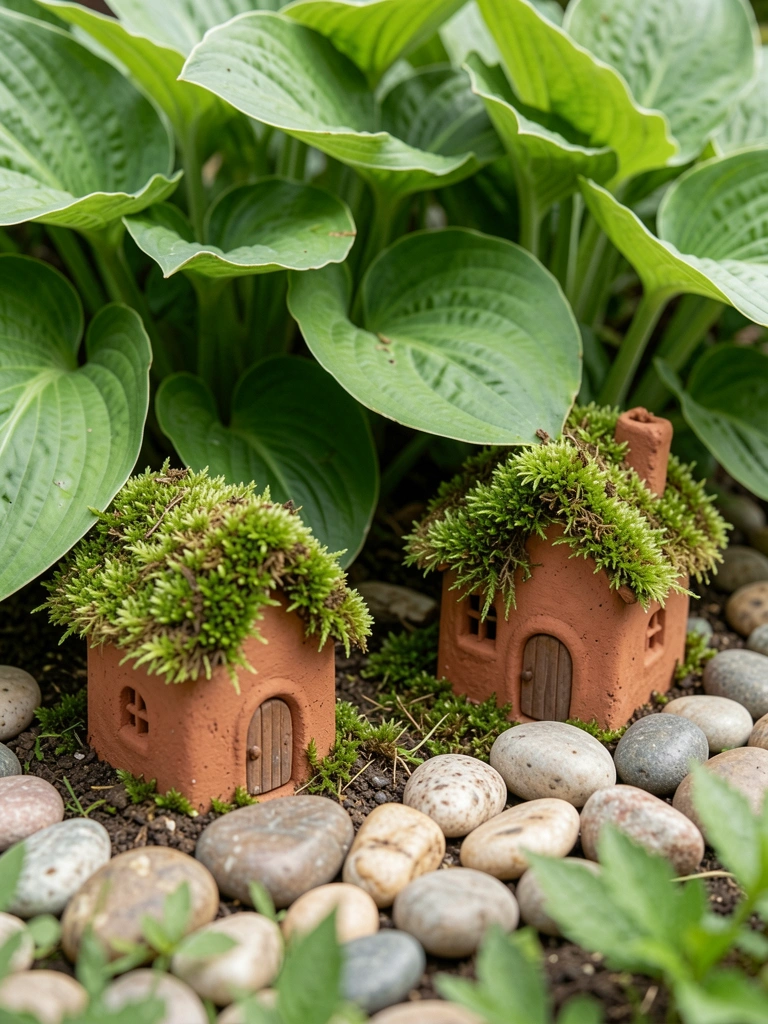
    1. Mossy Mini Houses Tucked Under Hostas

    I planted hostas along my shady bed edge last spring. They filled in thick, but left gaps. So I wedged in two tiny clay houses, piled moss around them from the woods. It looked right away—like fairies crashed a party.

    The hostas grew taller than I figured, shading the houses just enough to keep moss alive. No fuss, no daily water. Feels cozy now, especially after rain.

    Watch the scale: houses under 4 inches won't get lost. I skipped glue; they stay put in damp soil.

    What You’ll Need for This Look

    2. Pebble Path to a Buried Fairy Door

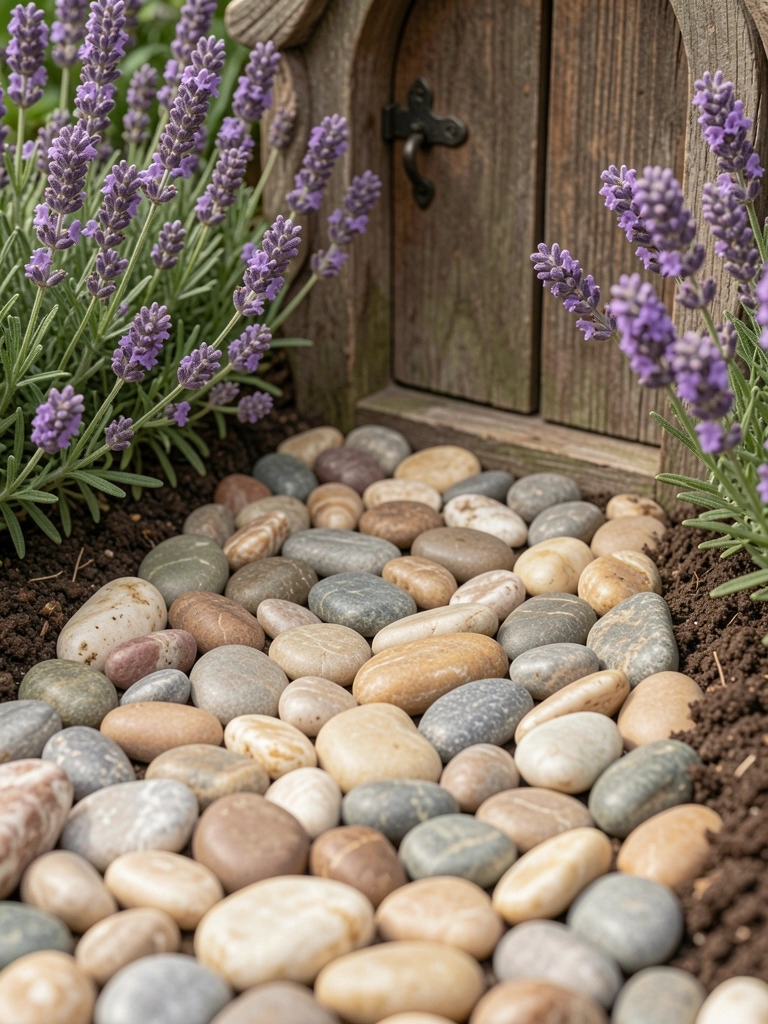
    My front bed was all lavender and bare dirt. I raked a winding pebble path, half-buried a wooden door at the end. Sprinkled in violas for color pops. Kids pretended it led underground.

    Pebbles stopped weeds cold—better than mulch. Door weathered fast, blending in. Path draws your eye right through the bed.

    Curve it gently; straight lines feel off. I overdid pebbles once; a thin layer drains best.

    What You’ll Need for This Look

    3. Succulent Clusters Hiding Tiny Benches

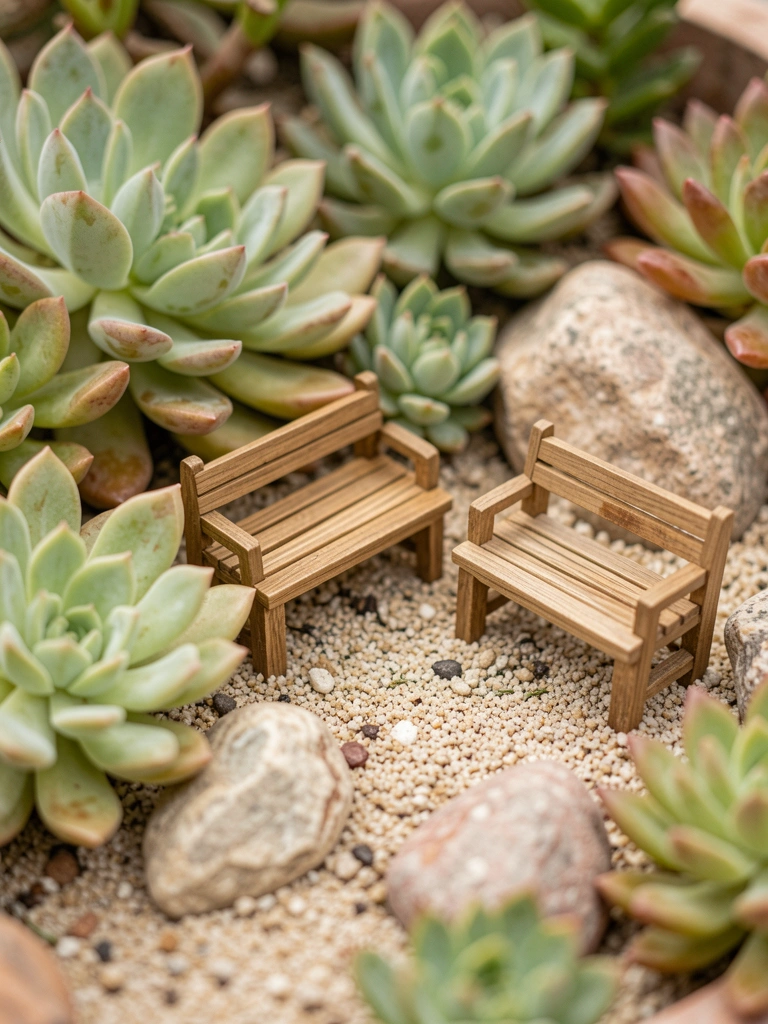
    Sun-baked side bed needed something tough. I grouped low succulents, nestled wooden benches between. Added flat rocks for steps. Drought hit; they thrived while annuals fried.

    Benches peek out, inviting close looks. Succulents spread slow, framing without overwhelming.

    Pick chunky ones—echeveria over stringy types. I bought too many once; space them 6 inches apart.

    What You’ll Need for This Look

    4. Solar Lights Lining Fern Fairy Steps

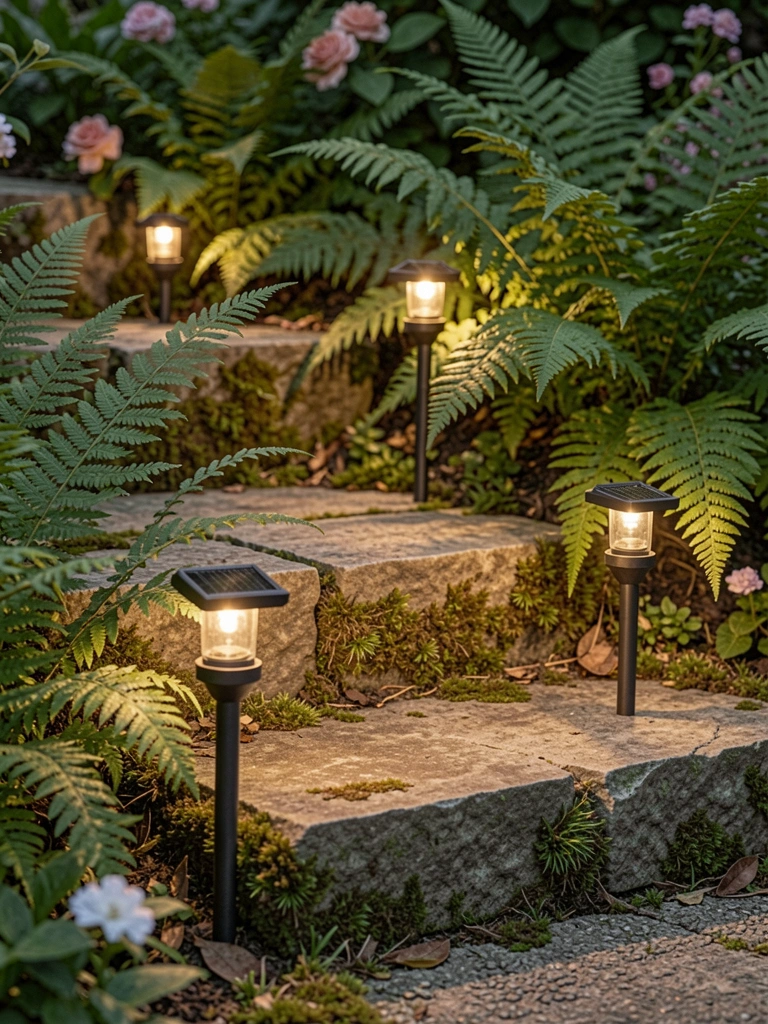
    Back bed ferns got leggy. I stacked small stones into steps, stuck solar stakes along them. Planted lady ferns tight. Nights turned that corner warm, lit soft.

    Ferns filled gaps; lights charge all day. No wiring mess.

    Stakes are short—under 6 inches—or they flop. Test spots first; shade kills charge.

    What You’ll Need for This Look

    5. Lavender Edge with Hidden Fairy Swing

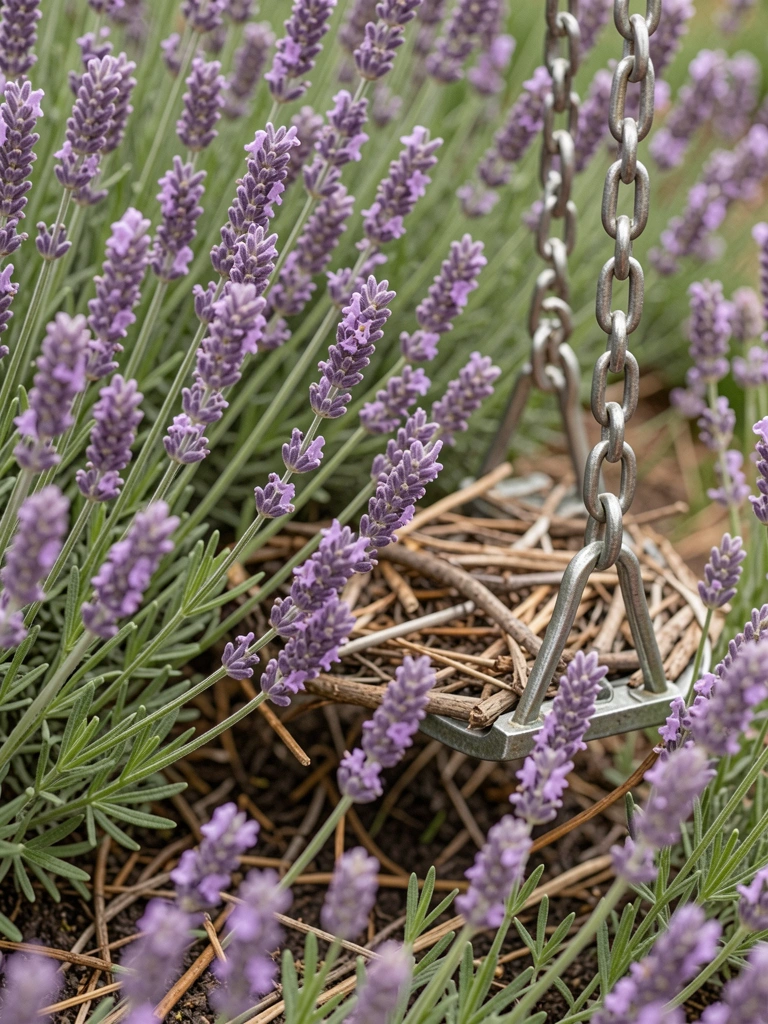
    Lavender border smelled great but looked plain. Hung a tiny metal swing from stems, added twig seats. Blooms hid the chain—perfect cover.

    Bees love it; swing sways in breeze. Low water once rooted.

    Trim lavender yearly or it bushes out, smothering the swing. Mine did first year.

    What You’ll Need for This Look

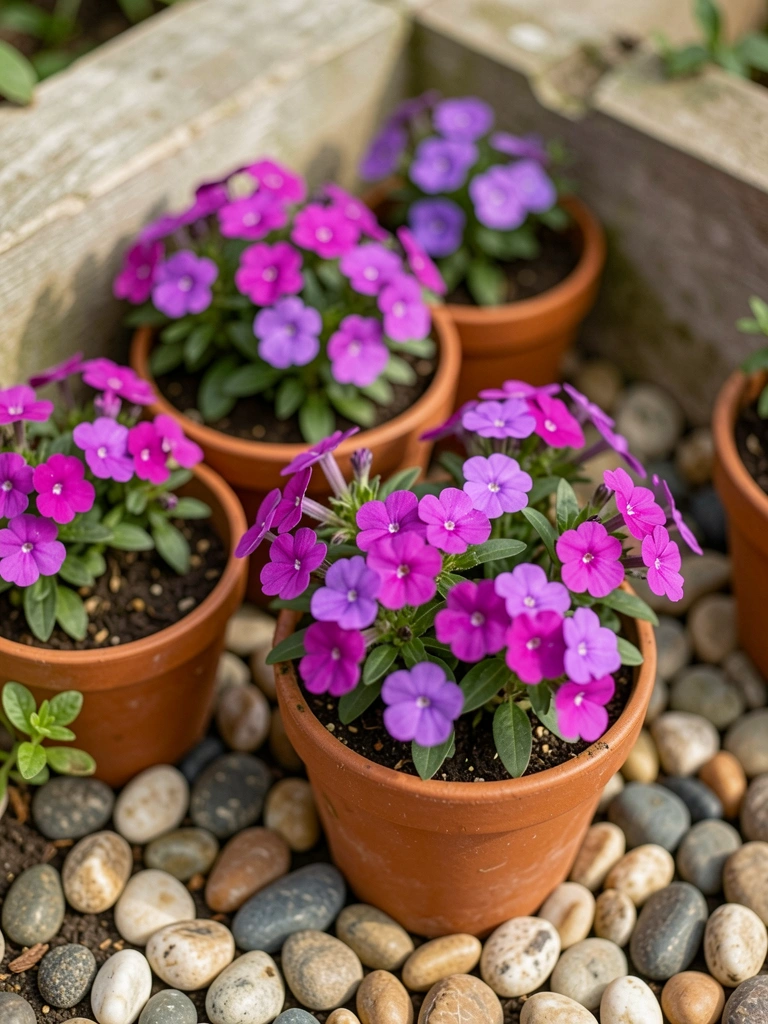
    6. Buried Bottle Village Among Creeping Phlox

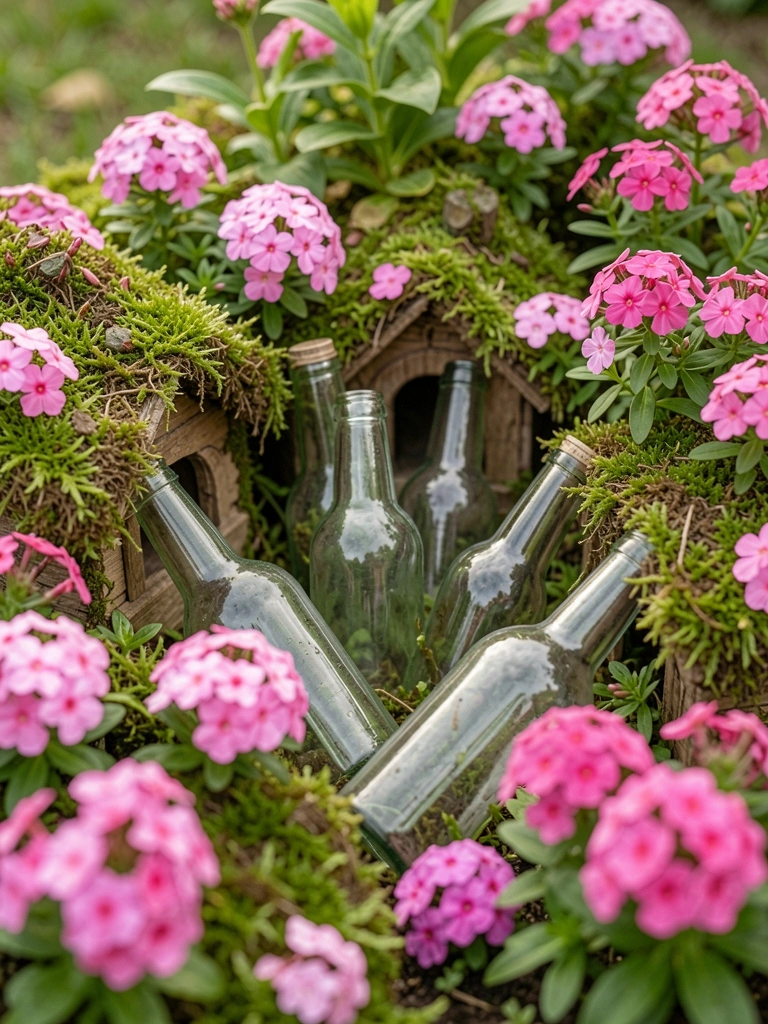
    Phlox spread wild in my bed. Buried blue glass bottles neck-down for roofs, moss on top. Made a street of "cottages."

    Phlox cushions them soft; bottles catch light. Zero cost if you save empties.

    Bury shallow—bottles crack deep. Phlox can choke if not thinned.

    What You’ll Need for This Look

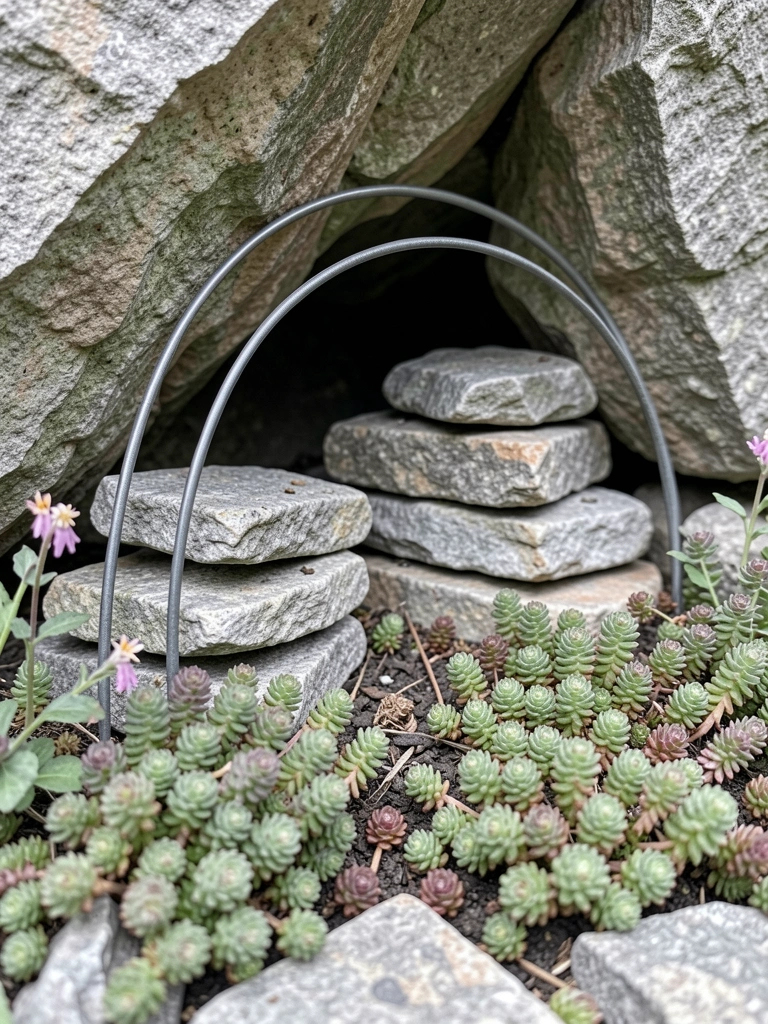
    7. Rock Grotto Sheltering a Fairy Arch

    Stacked flat rocks into a grotto, bent wire into an archway. Planted sedum trailing over. Bed's dry spot loves it.

    Rocks stay cool; arch frames a path. Sedum flowers tiny, fits scale.

    Glue rocks lightly—mine shifted in rain first go.

    What You’ll Need for This Look

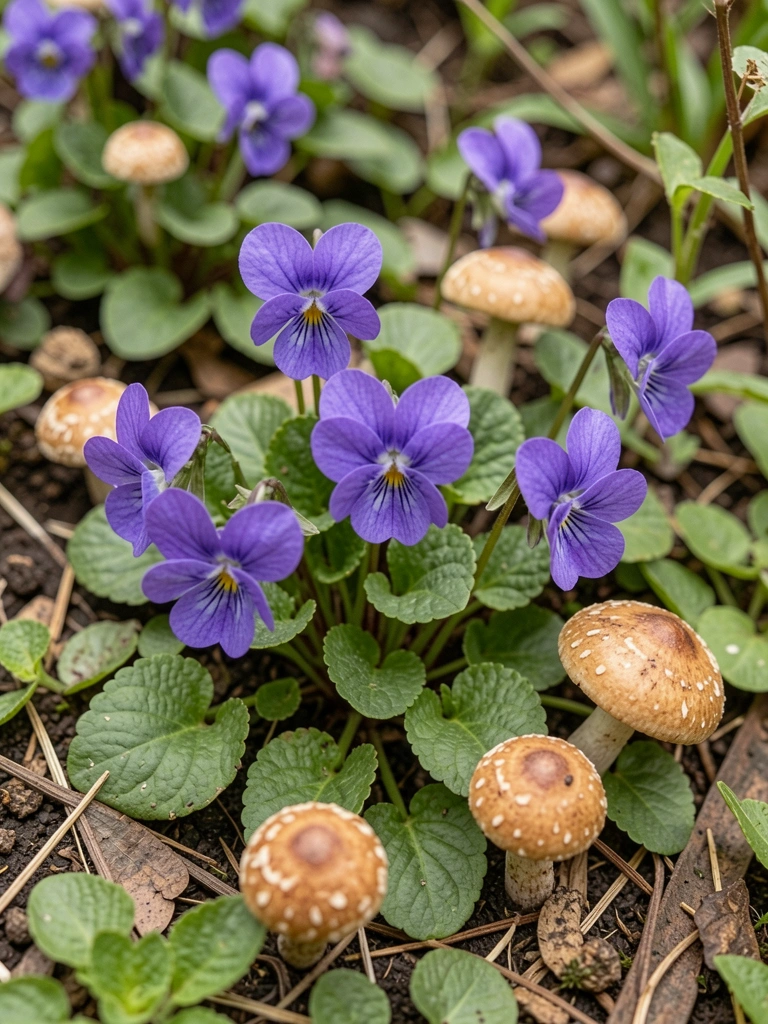
    8. Wild Violet Patch with Mushroom Caps

    Violets took over shady bed. Added resin mushroom houses half-sunk. They match real ones popping after rain.

    Violets self-seed gentle; mushrooms weather to earth tones.

    Real fungi grew once—too slimy. Resin lasts.

    What You’ll Need for This Look

    9. Container Corners Filled with Thimble Flowers

    Tucked three pots into bed corner, nemesia spilling out. Pebbles between for "lanes."

    Pots lift flowers above weeds; nemesia reblooms easy.

    Drain holes matter—soggy roots rotted mine early.

    What You’ll Need for This Look

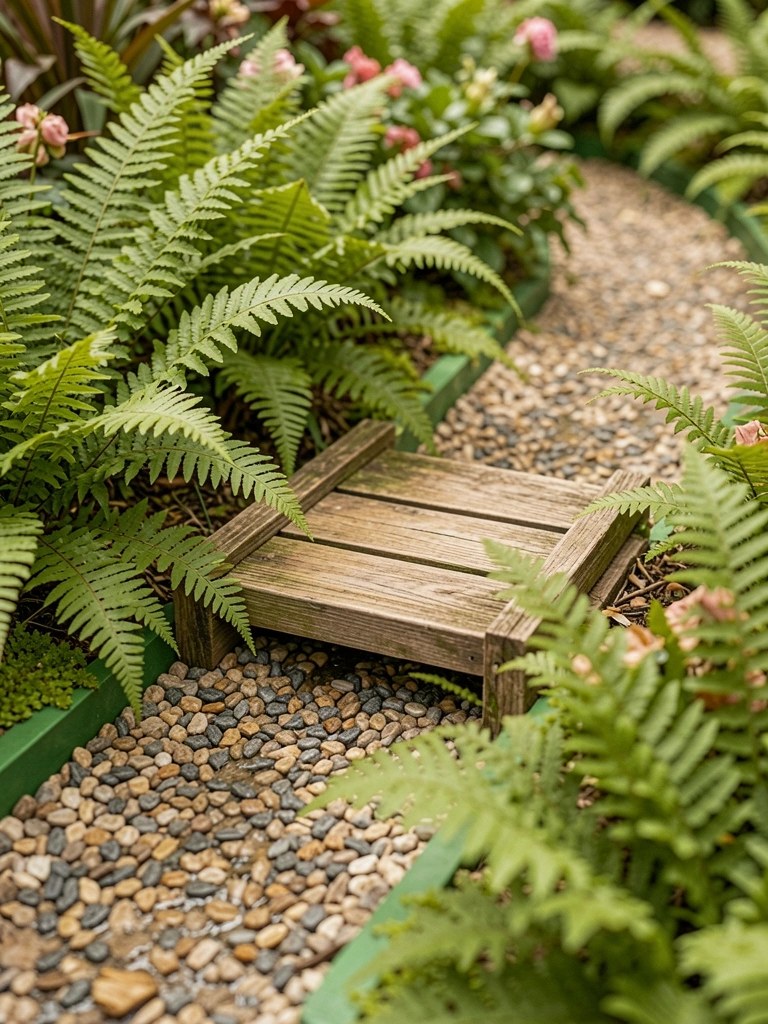
    10. Fern-Fringed Mini Bridge Over Dry Creek

    Dug a dry creek gravel trench, spanned with twig bridge. Fringed with ferns. Rain fills it sometimes—magic.

    Gravel drains fast; bridge holds up wet.

    Ferns shaded gravel weeds out.

    What You’ll Need for This Look

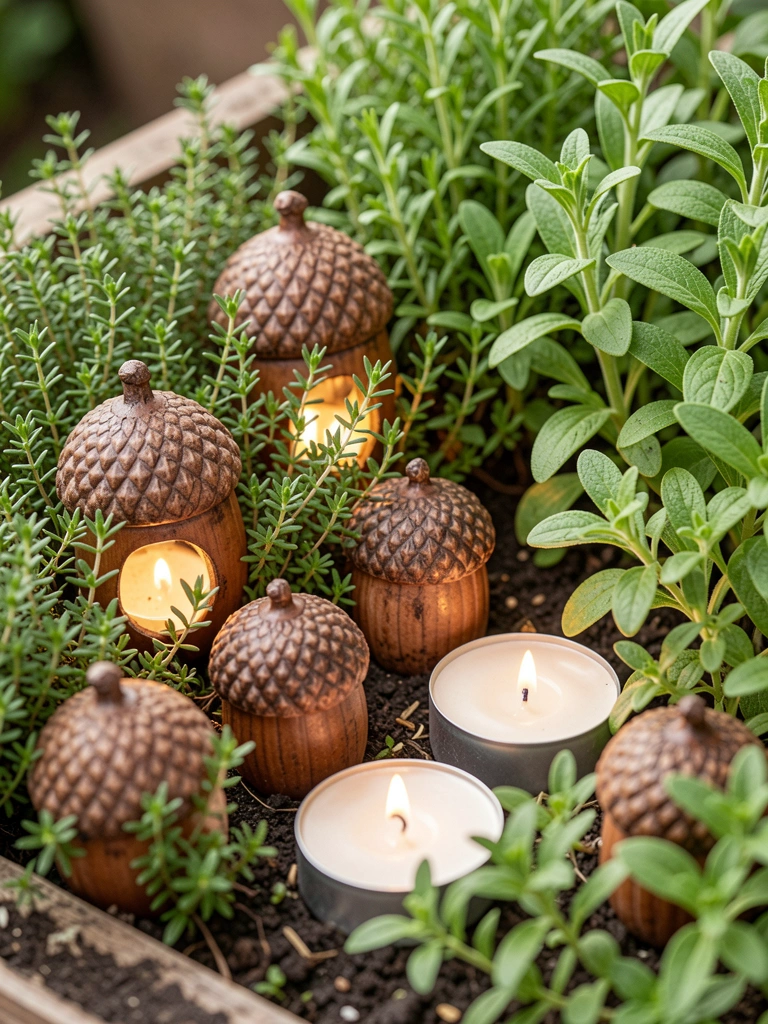
    11. Herb Bed with Acorn Cap Lanterns

    Thyme and chives in sunny bed. Glued tea lights into acorn caps for lanterns along edge.

    Herbs scent the air; lanterns glow safe, no flame.

    Chives spread too far once—divide yearly.

    What You’ll Need for This Look

    Final Thoughts

    Pick one or two ideas that match your bed's sun and soil. They build over time—no rush. Mine started small, now they're spots we linger. You've got this; your garden's ready for that lived-in charm.

  • 10 Unique Flower Bed Statues Garden Ideas For Character

    10 Unique Flower Bed Statues Garden Ideas For Character

    I stared at my front flower bed one spring. It was just dirt and a few straggly plants. Flat. No pull. Then I dropped in a small statue. The whole bed woke up. Felt like it had a story.

    Now, beds greet me with personality. Yours can too. No big budget needed.

    10 Unique Flower Bed Statues Garden Ideas For Character

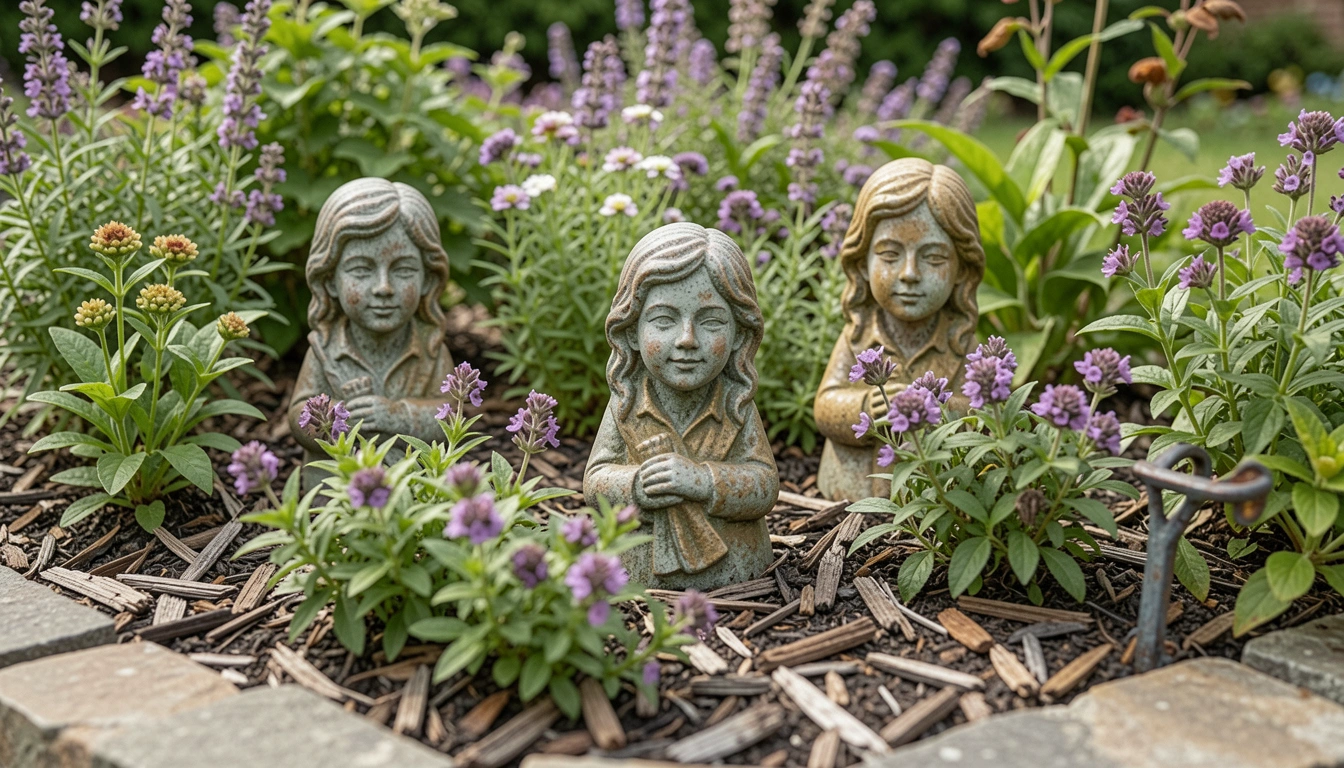
    Here are 10 unique flower bed statues garden ideas I've tested in my own yard. They add real character to plain beds. Easy to pull off, even if you're starting small.

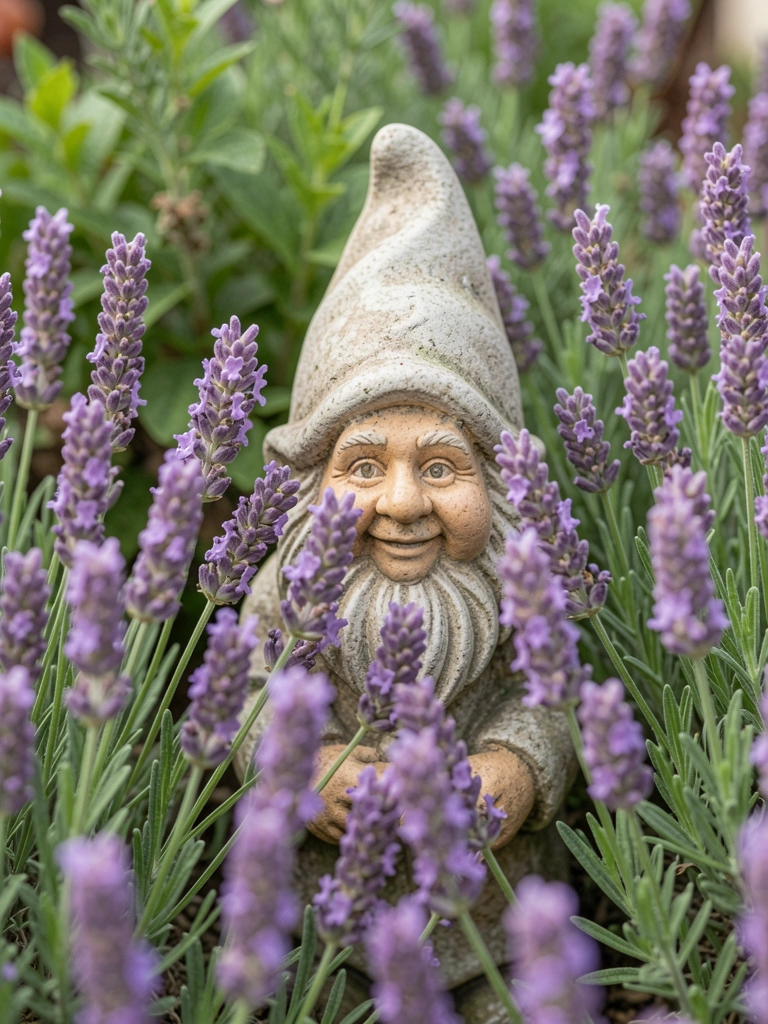
    1. Gnome Tucked Behind Lavender Waves

    I planted lavender along my walkway bed last year. It grew tall, but the bed felt empty in spots. So I wedged a gnome statue halfway behind the thickest clump. Now he peeks out like he's hiding, watching the path.

    The lavender softens his edges. Bees buzz around, making the bed alive. It draws eyes without shouting.

    Pay attention to scale—too big, and it swamps the plants. Mine's about 12 inches tall. Plant lavender first, then place him low.

    One mistake: I forgot mulch at first. Weeds popped up fast. Fixed it quick.

    What You’ll Need for This Look

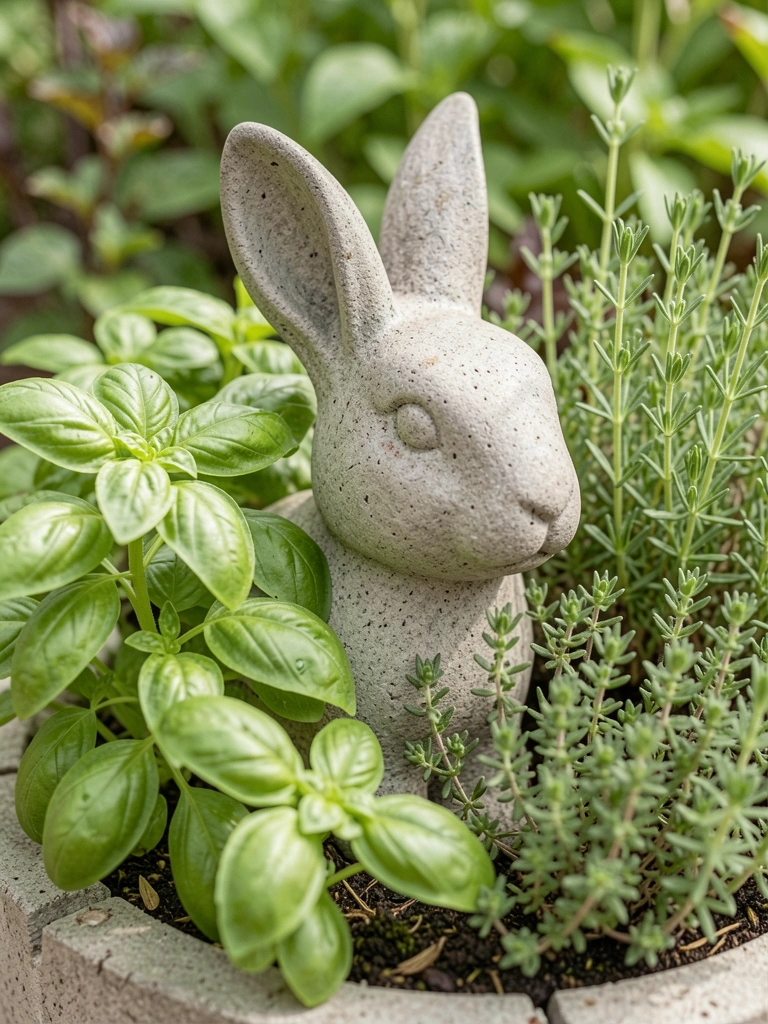
    2. Rabbit Nosing into the Herb Bed

    My herb bed by the kitchen door was practical but dull. Just rows of green. I added a concrete rabbit statue, nosing forward like he's sniffing dinner.

    Basil and thyme frame him now. He looks part of the patch. Guests smile every time—they spot him right away.

    Herbs grow fast, so position him where they won't bury him. Front edge works best.

    I overplanted thyme once. Crowded him out. Thinned it back, perfect now.

    What You’ll Need for This Look

    3. Urn Statue Spilling Petunias

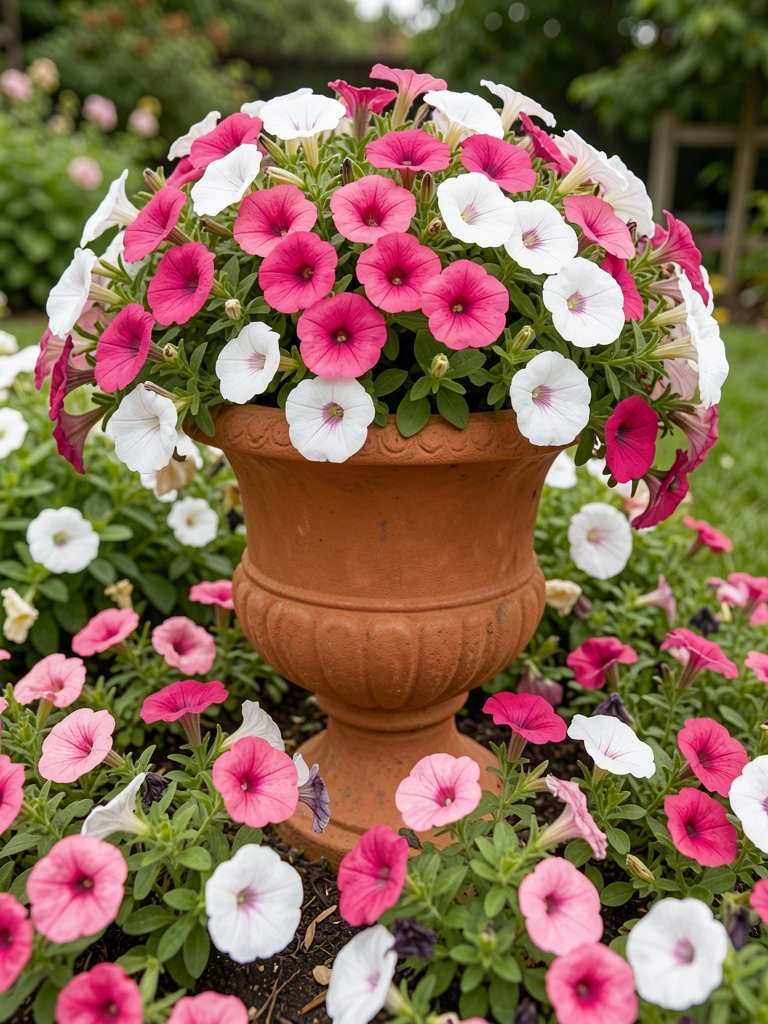
    That old side bed needed height. I set a terracotta urn statue in the center. Trailing petunias spill from the top like it's real.

    It anchors the bed. Colors pop against the weathered clay. Feels settled, like it's always been there.

    Choose petunias that trail—wave types hang best. Tuck soil in the urn for roots.

    Bought cheap urn first—cracked in frost. Got thicker one next season.

    What You’ll Need for This Look

    4. Frog Squatting by Hostas

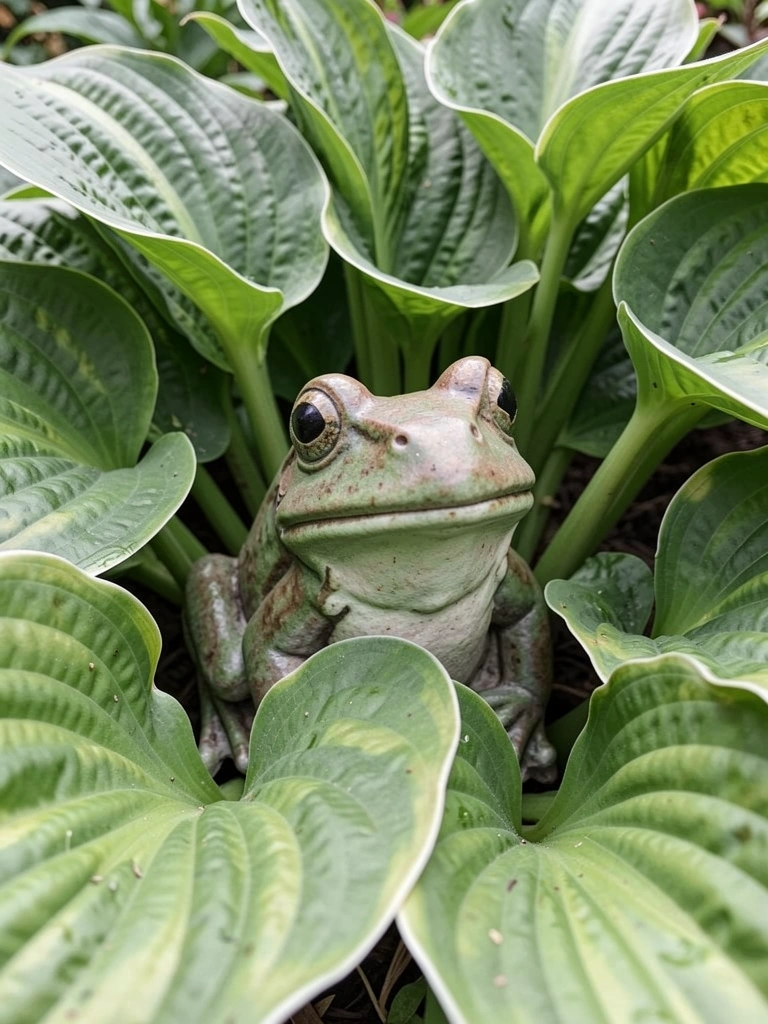
    Shade bed under the tree was dark and boring. Dropped in a frog statue, squatting low by hostas. Leaves tower over him now.

    It adds quiet life. Hostas unfurl around, hiding his base. Cool spot feels cozy.

    Hostas spread wide—plant frog off-center. Water stays wet there.

    Planted too close first. Divided hostas later.

    What You’ll Need for This Look

    5. Angel Watching Over Roses

    Roses in my back bed bloomed wild. Added a small stone angel facing them. She stands guard, soft in the thorns.

    Bed feels gentle now. Roses frame her face. Pulls you in close.

    Roses need space—set angel back a bit. Prune around her.

    Thorns scratched me placing her. Wore gloves after.

    What You’ll Need for This Look

    6. Mushroom Cluster in Fern Patch

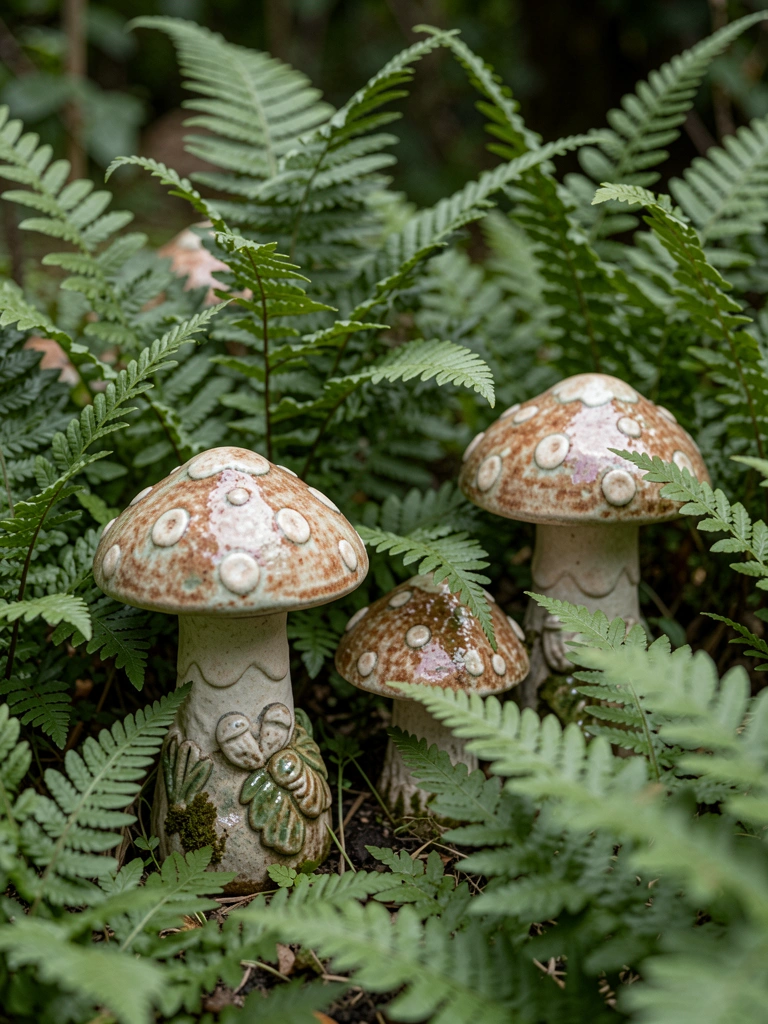
    Woodland edge bed got ferns last fall. Clustered ceramic mushrooms at the base. They blend like wild ones.

    Feels secret, tucked away. Ferns drape over, soft and deep.

    Ferns like damp—mushrooms hold mulch in place.

    Too many ferns at first. Thinned for breathing room.

    What You’ll Need for This Look

    7. Butterfly Perched on Buddleia

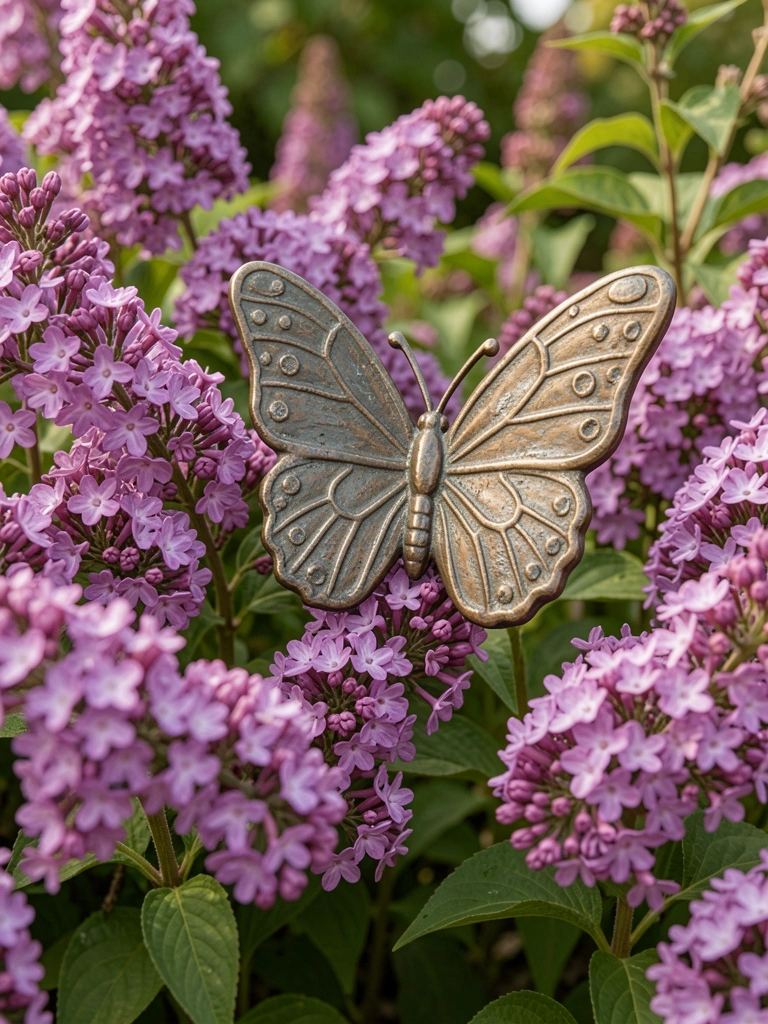
    Pollinator bed buzzed, but needed a spark. Metal butterfly statue on the buddleia branch. Real ones land nearby.

    It draws you over. Flowers and wings mix soft.

    Buddleia grows tall—stake butterfly low. Butterflies love it too.

    What You’ll Need for This Look

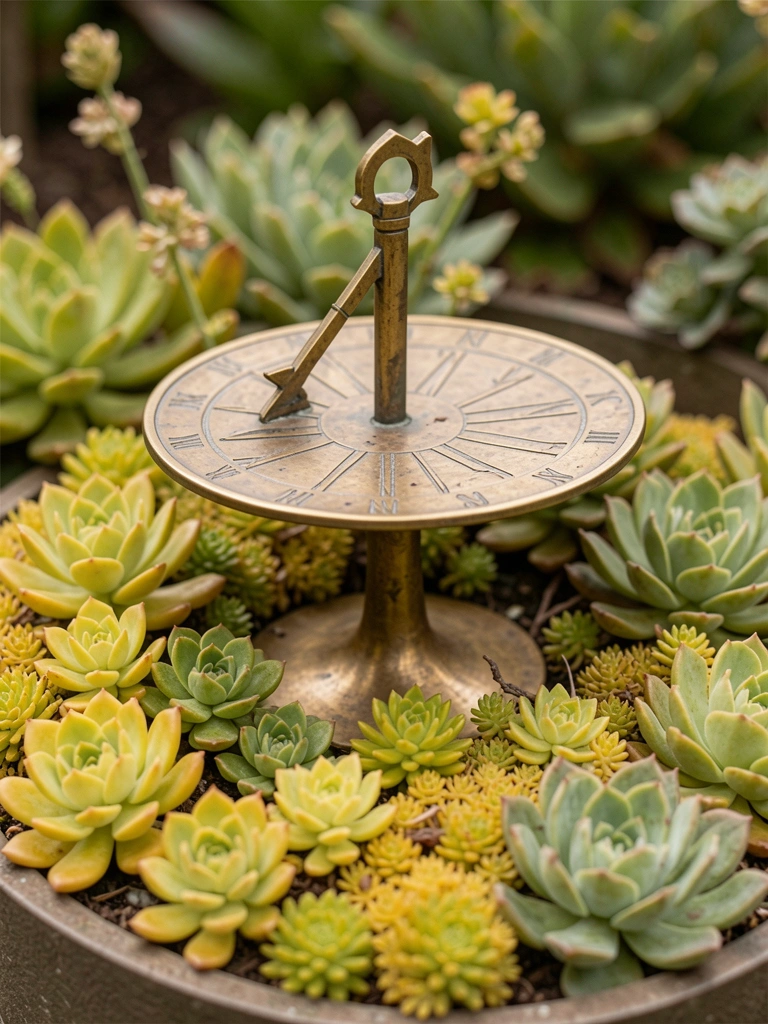
    8. Sun Dial in Sunny Sedum Border

    Front sunny border was low and flat. Brass sun dial in the middle. Sedum pads out around it.

    Catches light all day. Bed feels open, timeless.

    Sedum low-maintenance—dial stays visible. Clean lines.

    What You’ll Need for This Look

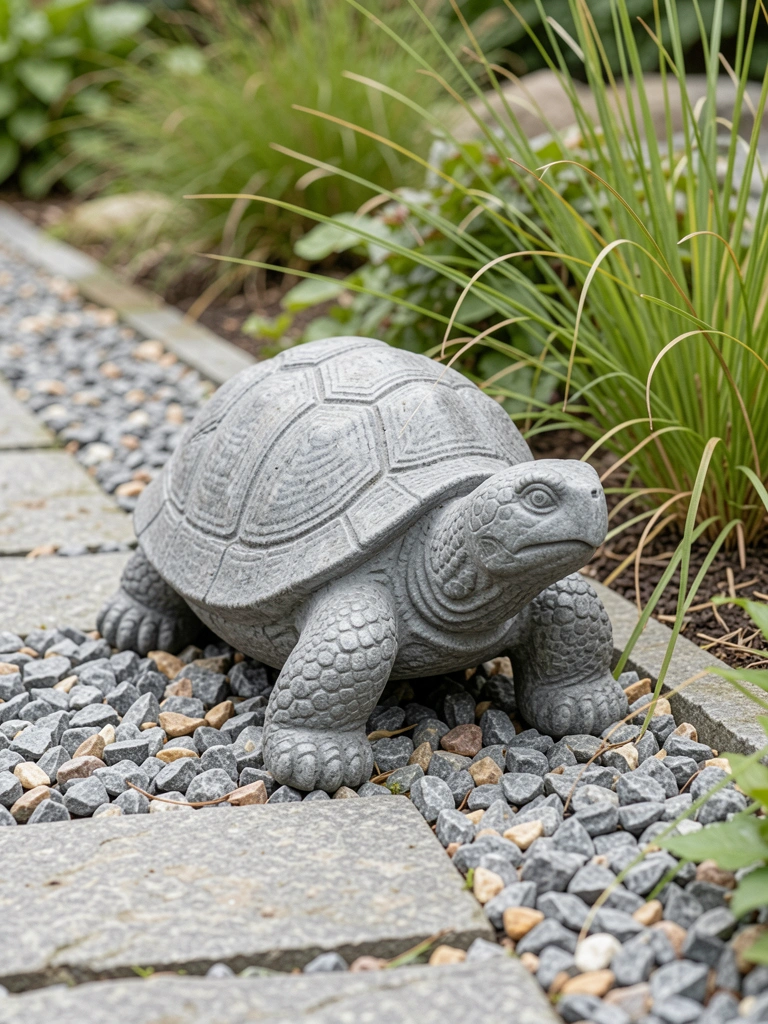
    9. Turtle Edging the Gravel Path Bed

    Pathside bed had gravel mulch. Stone turtle along the edge, head out.

    Steadies the look. Grasses sway behind. Simple path pull.

    Turtle low—matches gravel height. Grasses fill gaps.

    What You’ll Need for This Look

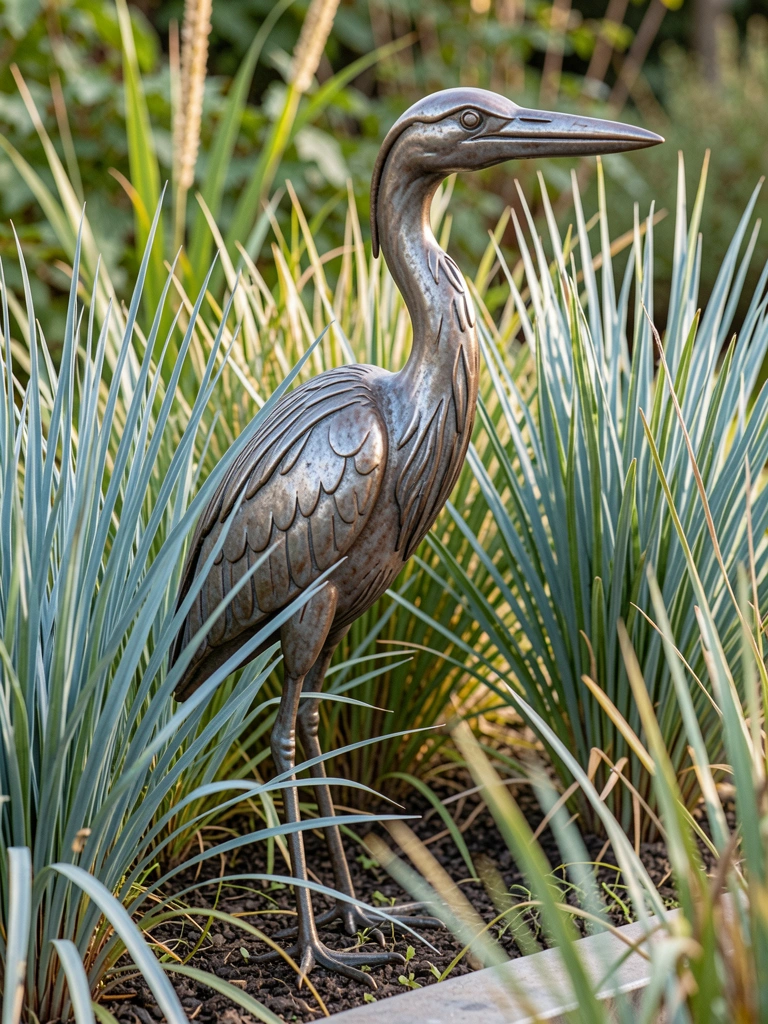
    10. Heron Standing in Modern Grasses

    Back modern bed needed poise. Tall metal heron in switchgrass. Stands quiet.

    Clean, intentional feel. Grasses move around her.

    Switchgrass sways—heron cuts through. Low water once set.

    Position after grasses grow in.

    What You’ll Need for This Look

    Final Thoughts

    Pick one idea that fits your bed's light and size. Start small—statues settle in over time.

    Your garden will feel like home. You've got this. Just plant and watch.

  • 23 Backyard Garden Flower Bed Ideas For A Private Oasis

    23 Backyard Garden Flower Bed Ideas For A Private Oasis

    I remember the first time I carved out a flower bed in my backyard. It was just a scrappy patch against the fence, overrun with grass. I planted impulsively, watched half die from bad soil. But over years, tweaking it taught me what hides a yard in quiet color. Now it's my spot to sit after work, bugs humming softly.

    That struggle? It's common. Bare dirt feels exposed. These beds pull it all in, make space yours.

    You've got this. Start small.

    23 Backyard Garden Flower Bed Ideas For A Private Oasis

    These 23 backyard garden flower bed ideas come straight from my dirt-under-the-nails trials. Each one builds a private nook without fuss. Pick one, grab basics, and watch your yard settle into something cozy.

    1. Curved Perennial Border That Softens Fence Lines

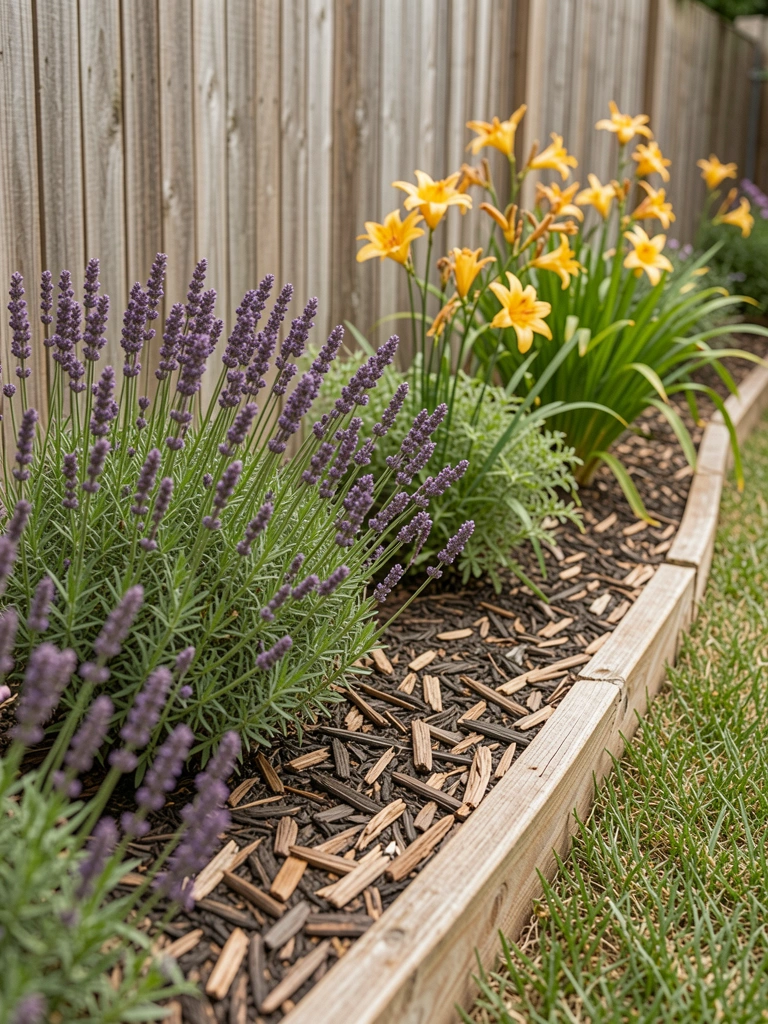
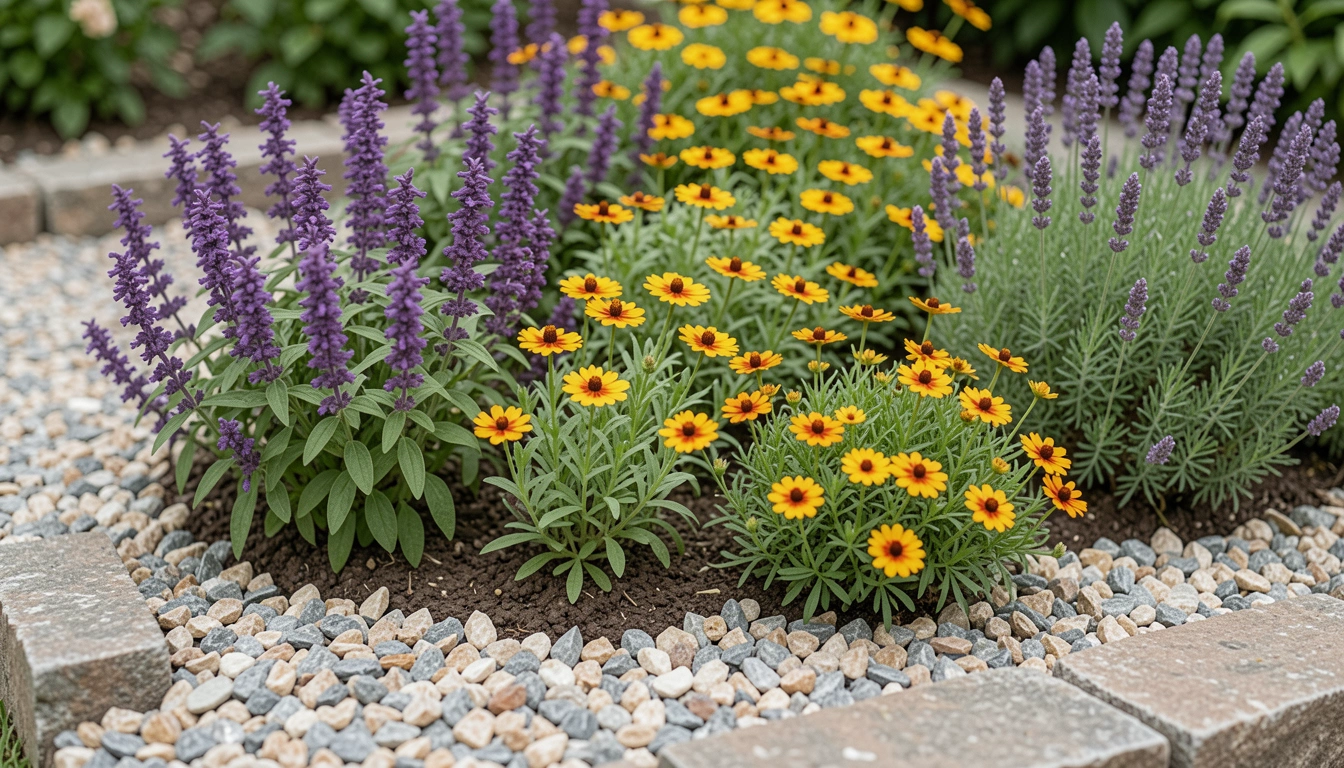
    I dug this curve along my back fence years ago to hide the neighbor's shed. Started with straight lines—looked stiff. Softened it with a gentle sweep, planted tall lavender in back, salvia mid, coreopsis front. It flows now, draws the eye around instead of staring at slats.

    Blooms hit summer, bees move in, and evenings smell sweet from the path. Changed the whole yard feel from choppy to held-together.

    Pay attention to heights—back tallest, or it gaps. Water new plants deep once a week first month.

    My tip: Mulch thick right after planting. Cuts weeding in half.

    What You’ll Need for This Look

    2. Raised Bed Layers for Easy Root Access

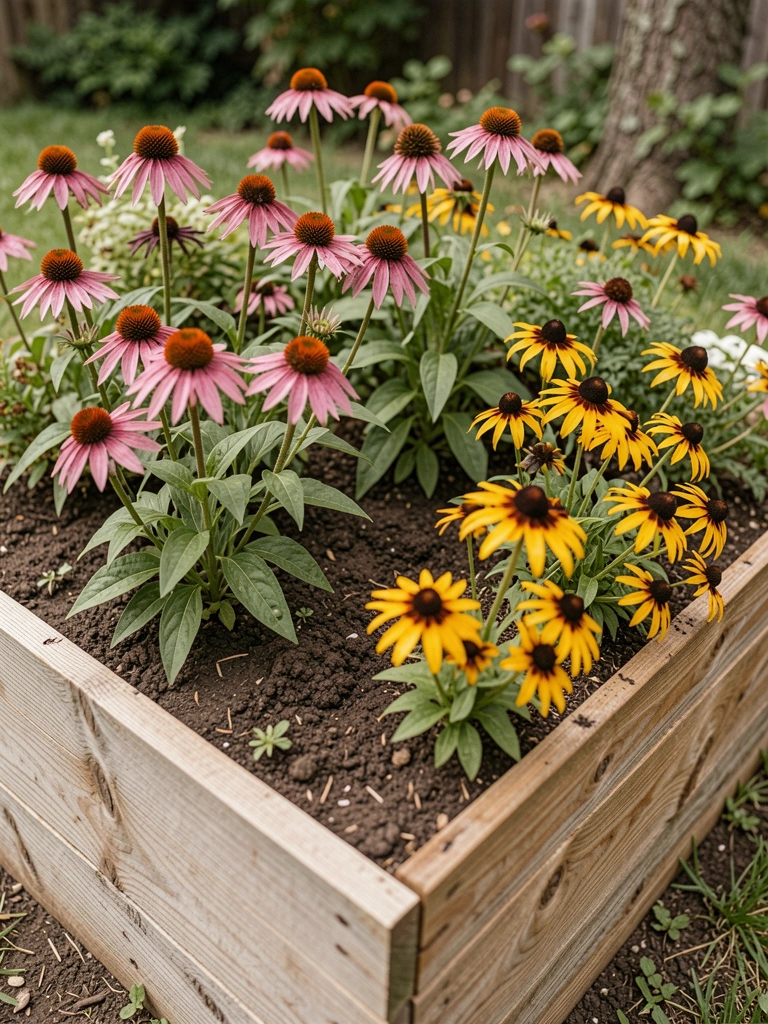
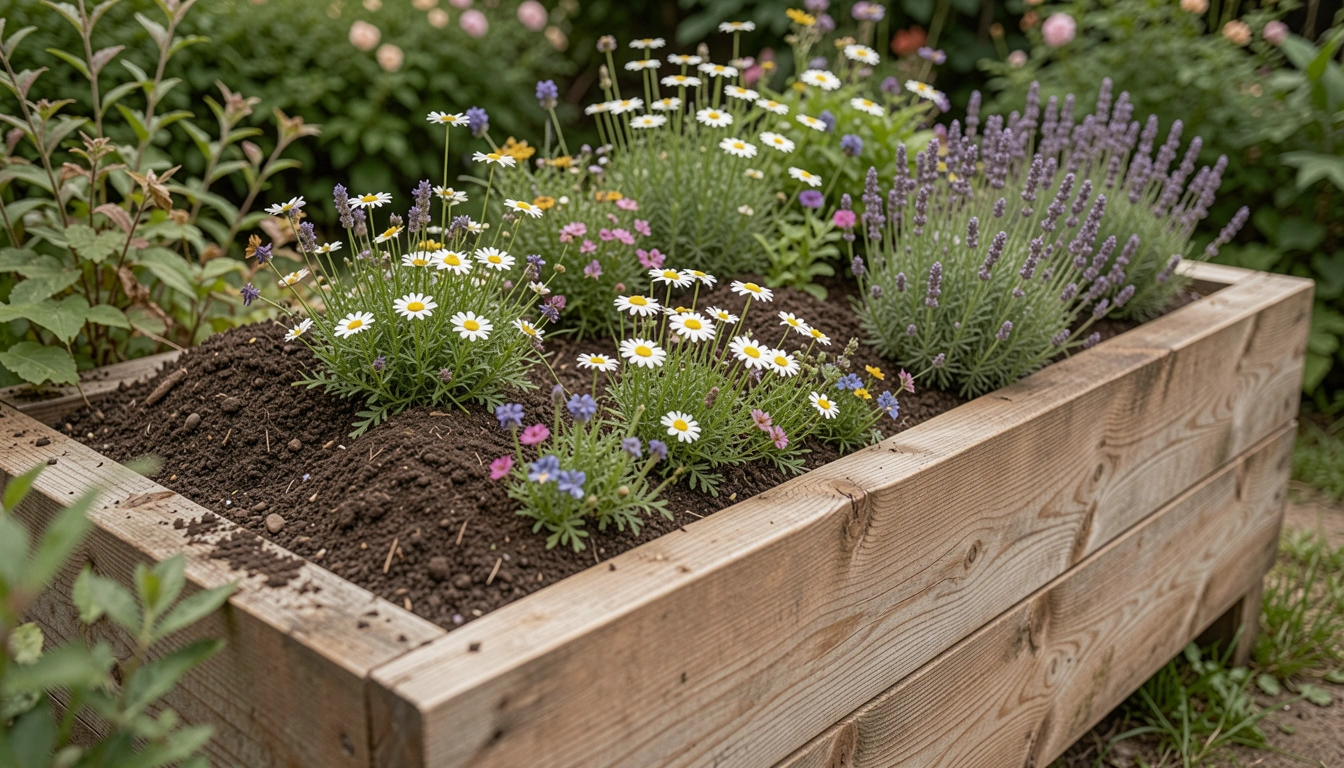
    Built this 2-foot high cedar box after clay soil drowned my first daisies. Filled bottom with compost, top with loamy mix. Planted echinacea back row, rudbeckia front—roots breathe now, no rot.

    It sits off patio, frames chairs without crowding. Flowers nod in breeze, pull you closer.

    Slope soil away from wood to last years. Mix in perlite if heavy.

    Honest tip: Skip cheap kits; they warp. Splurge on untreated cedar.

    What You’ll Need for This Look

    3. Container Cluster Mimicking Ground Beds

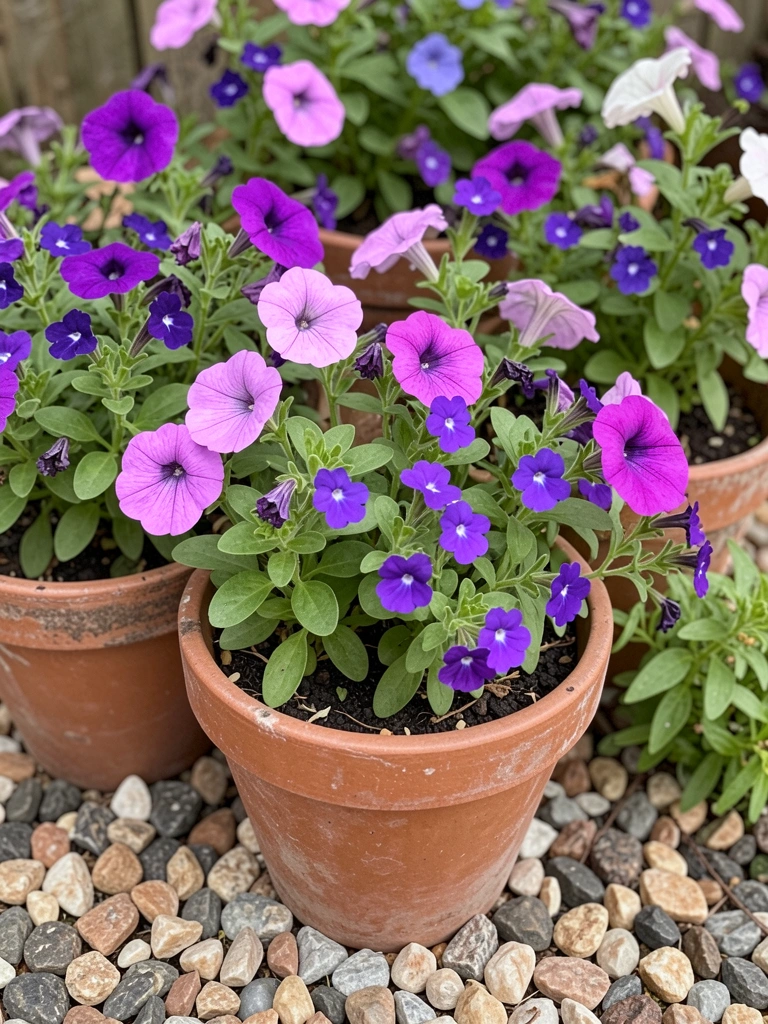
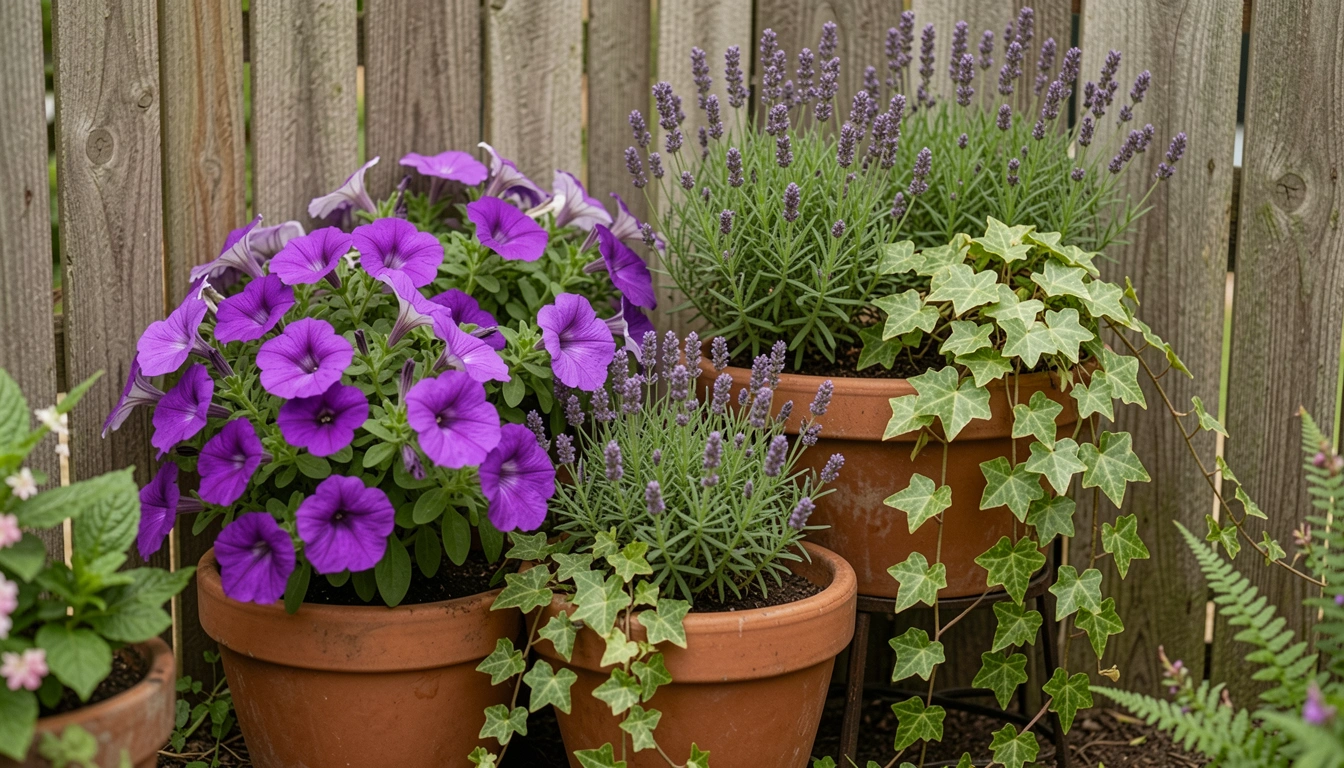
    Clumped five pots by my back door when ground flooded yearly. Petunias spill from edges, lobelia trails low—looks like one bed, moves if needed.

    Fills corner fast, adds purple-pink without digging. Sits low, cozy against wall.

    Group odd numbers, overlap slightly. Drain holes matter or roots drown.

    Tip: Turn pots monthly for even sun.

    What You’ll Need for This Look

    4. Vertical Pocket Planter for Tight Walls

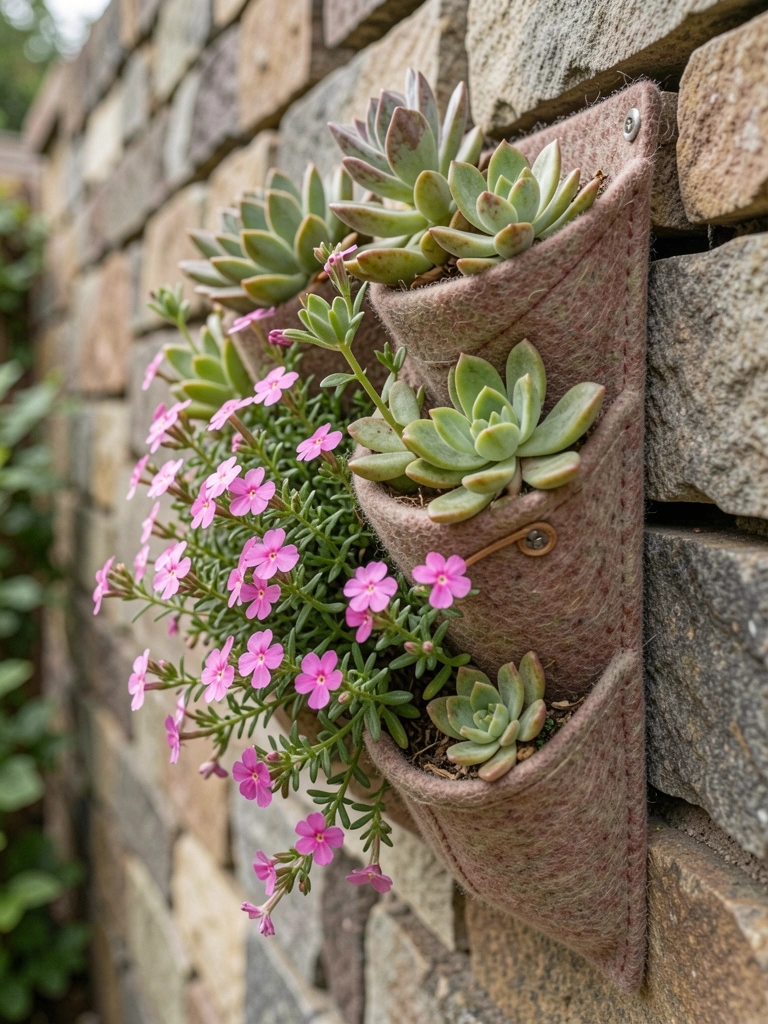
    Hung these felt pockets on my shed wall—no floor space left. Stuffed sedum top, phlox bottom; drips water right, no mess.

    Turns blank wall into green curtain, softens hard lines. Privacy boost too.

    Water from top down. Trim spent bits spring.

    Mistake I made: Overplanted first try—crowded out. Start half full.

    What You’ll Need for This Look

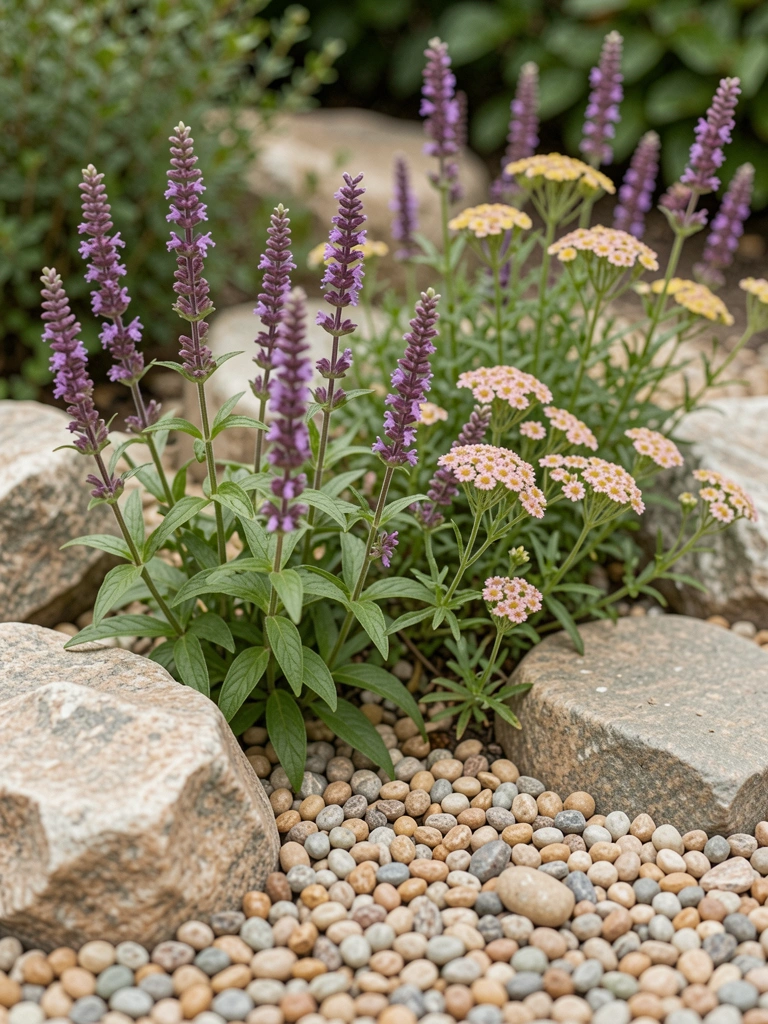
    5. Gravel and Rock Low-Water Bed

    Laid gravel over poor sand spot—no amend needed. Agastache spikes up, yarrow mats low; drains fast, drought-proof.

    Crisp underfoot, holds heat for evenings. Yard feels wider.

    Bury rocks half in for anchor. Rake gravel yearly.

    Tip: Add sand to soil pockets for extra drain.

    What You’ll Need for This Look

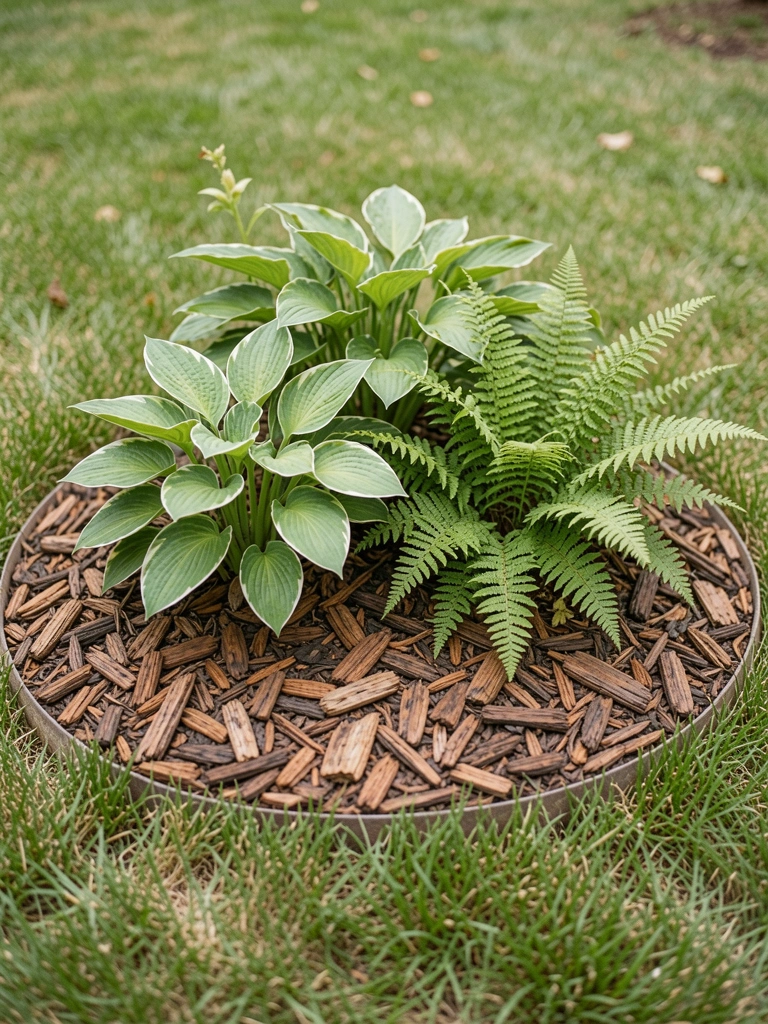
    6. Mulch Island in Lawn Center

    Cut this circle from grass, mounded soil slight. Hostas shade center, ferns edge; mulch keeps it tidy.

    Breaks lawn monotony, spot to pause. Green all season.

    Edge with hidden plastic first—weeds sneak otherwise.

    My insight: Too deep mulch smothers; 2 inches max.

    What You’ll Need for This Look

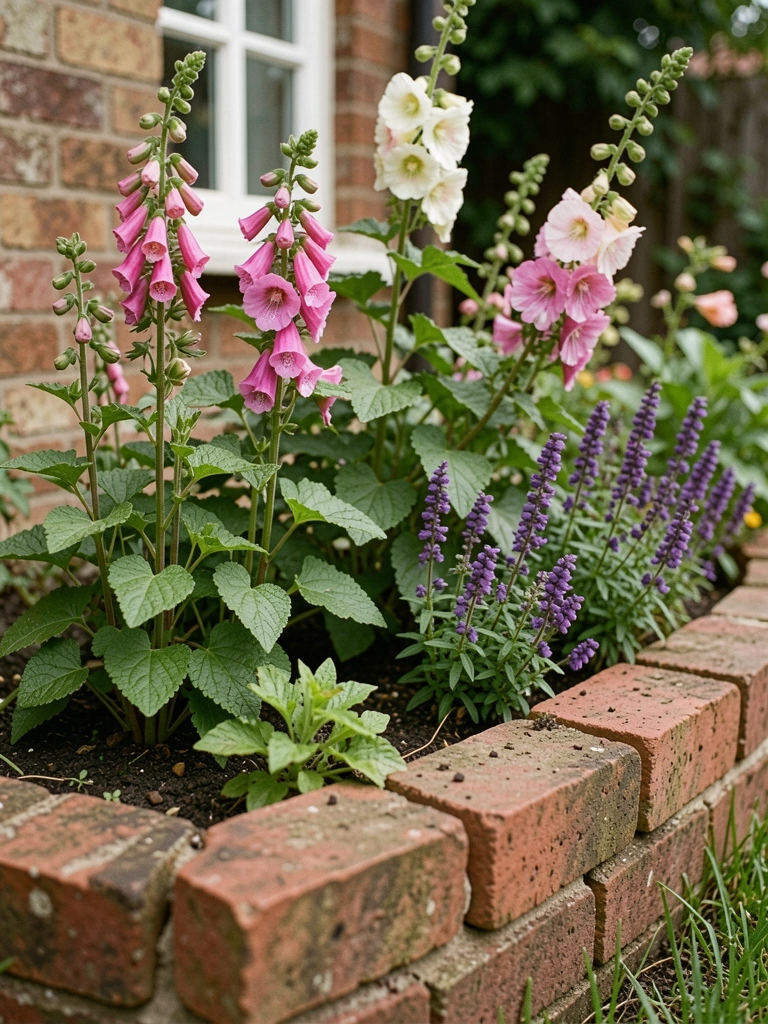
    7. Brick-Edged Cottage Mix

    Reclaimed bricks from old path for this bed. Foxgloves tower back, hollyhocks mid, salvia fills gaps—cottage without fuss.

    Blooms wave loose, invites sitting near. Feels handed-down.

    Lay bricks flat, half-bury. Deadhead to rebloom.

    Tip: Plant in fall for roots.

    What You’ll Need for This Look

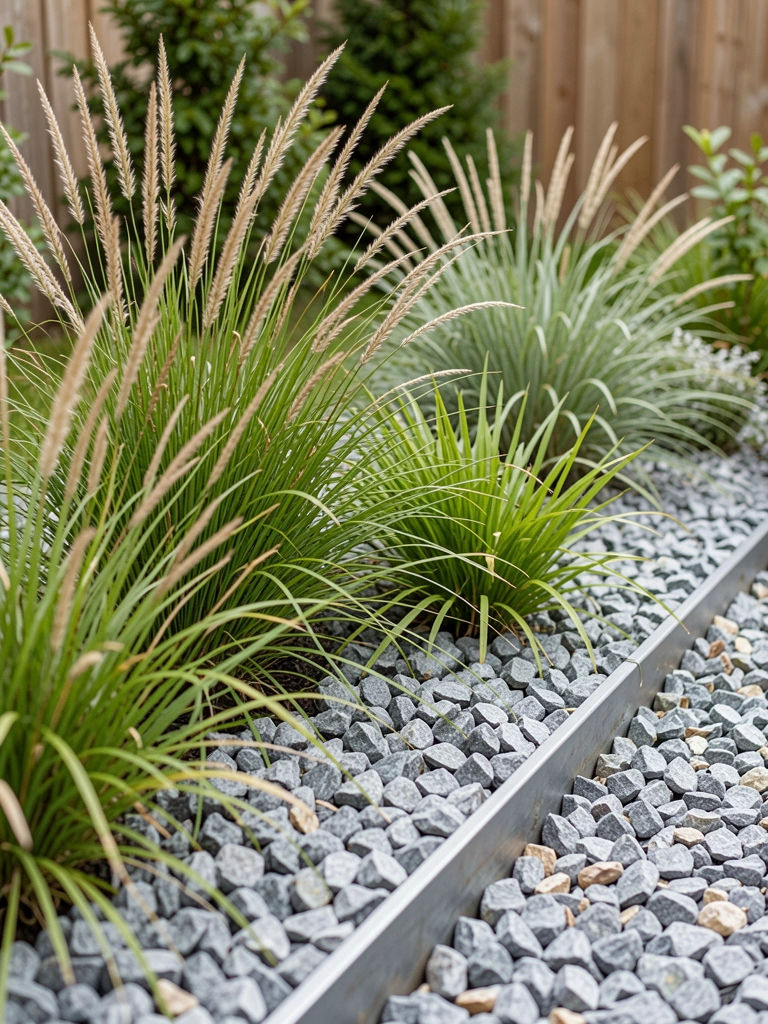
    8. Modern Line with Grasses and Grays

    Straight line bed with steel edge—clean against deck. Miscanthus sways, carex mounds low; gravel mutes color.

    Simple sway calms eyes, modern without cold.

    Trim grasses winter. Space 18 inches apart.

    Mistake: Planted too tight; thinned later.

    What You’ll Need for This Look

    9. Shade-Loving Foliage Pocket

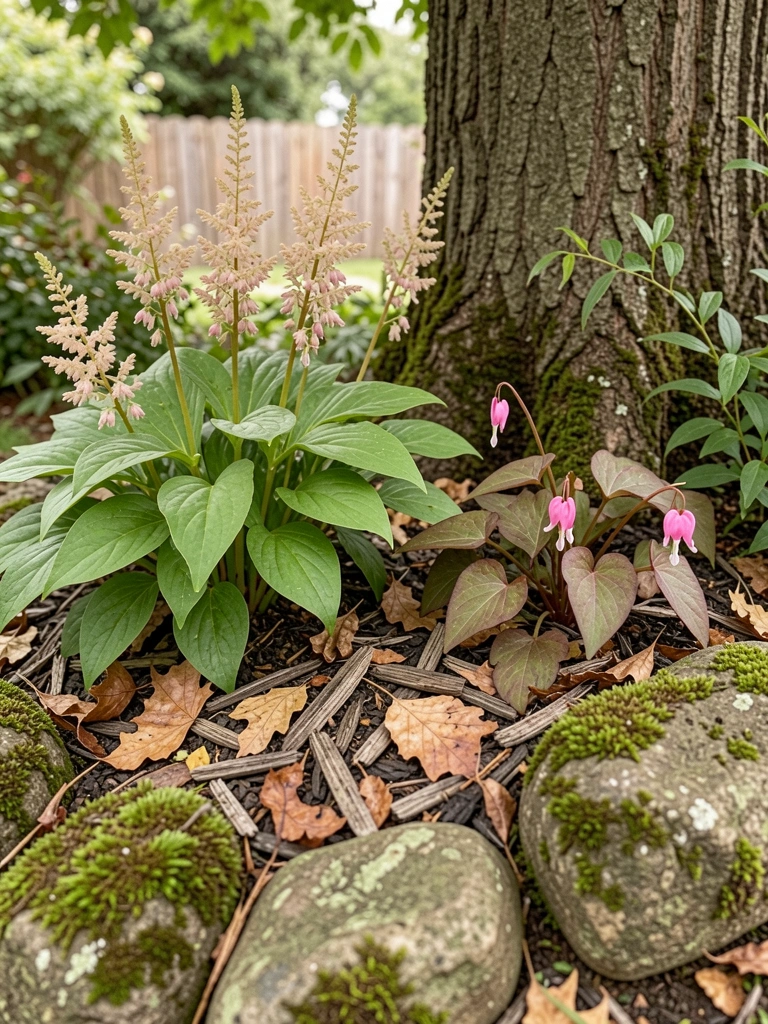
    Under oak, planted astilbe plumes, dicentra hearts—glows green, no sun fight.

    Softens tree base, quiet retreat feel. Foliage lasts.

    Moist soil key; add leaf mold.

    Tip: Mulch with leaves yearly.

    What You’ll Need for This Look

    10. Sunburst Annual Wheel

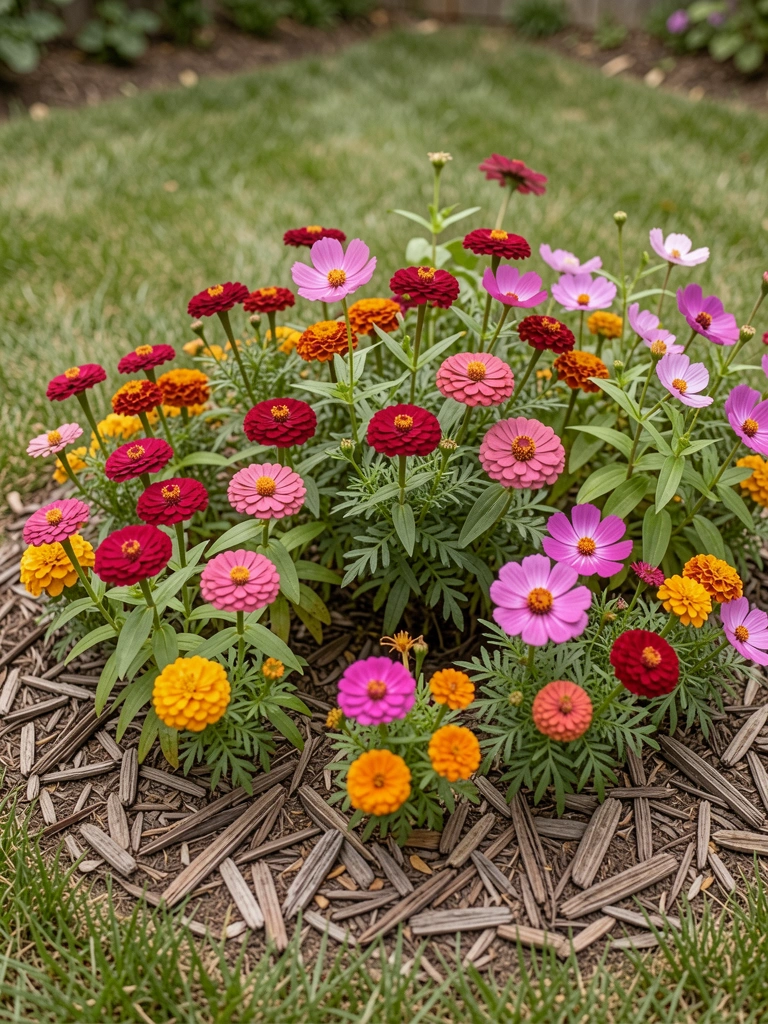
    Round bed full sun—zinnias center tall, marigolds ring, cosmos outer spill.

    Spins color wheel, draws butterflies close. Easy refresh yearly.

    Sow direct after frost. Pinch tips bushy.

    Insight: Overwatered first; now hands-off.

    What You’ll Need for This Look

    11. Pollinator Strip Along Path

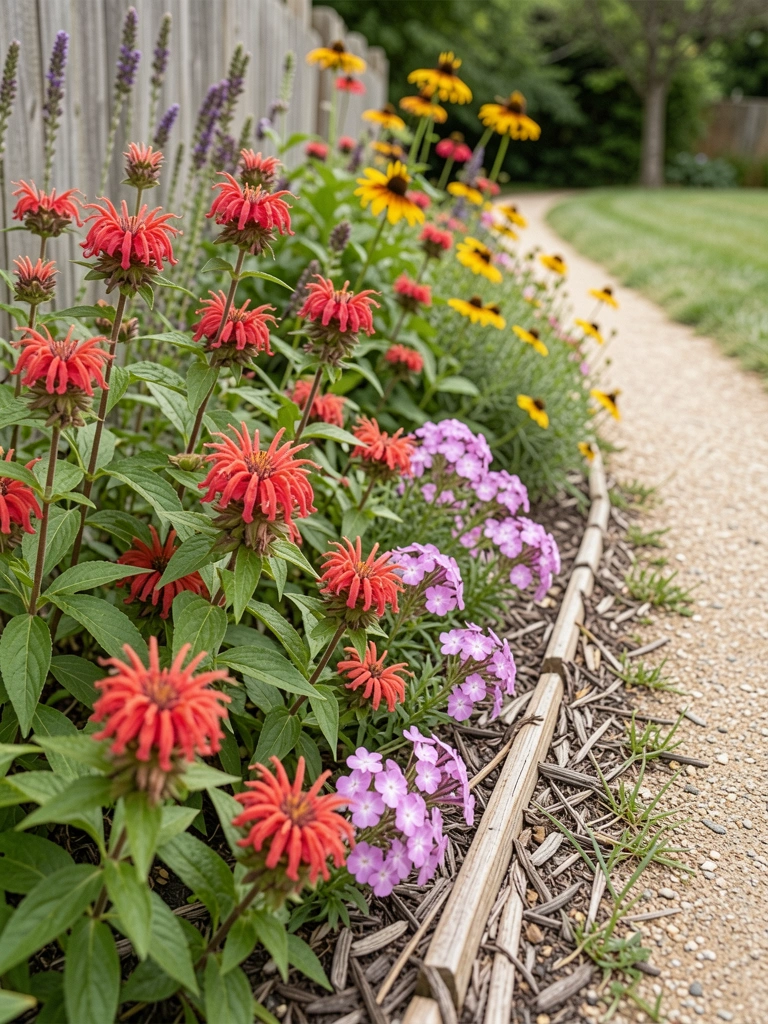
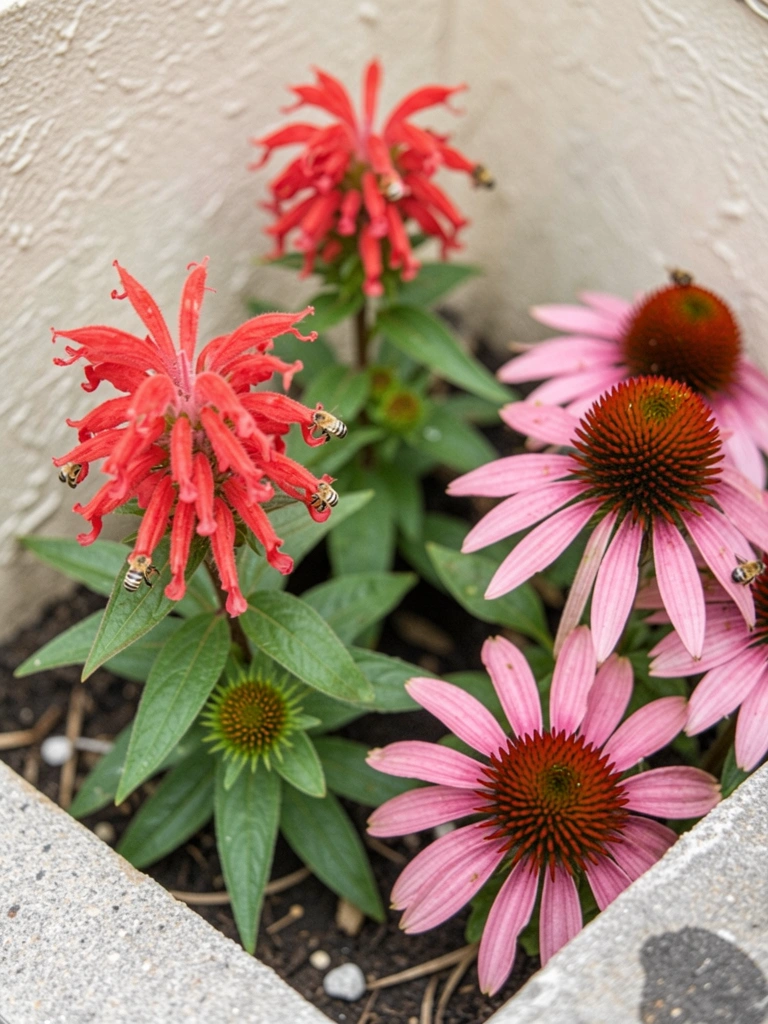
    Narrow bed by walkway—monarda reds, phlox pinks, milkweed for monarchs.

    Hums life, path feels alive. Spreads easy.

    Cut back fall. Plant natives first.

    Tip: No pesticides ever.

    What You’ll Need for This Look

    12. Drought-Tough Lavender Hedge

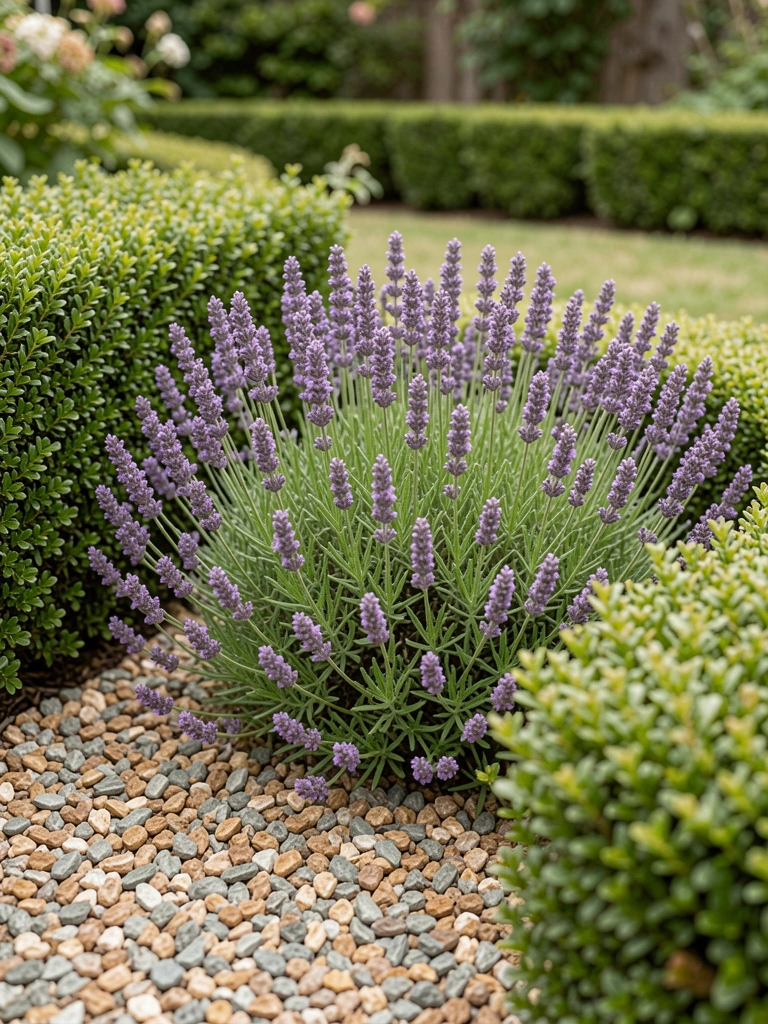
    Low hedge of lavender—dries between rains, scents air.

    Screens low fence, cozy barrier. Purple haze summer.

    Prune after bloom. Full sun only.

    Mistake: Shaded spot failed; moved.

    What You’ll Need for This Look

    13. Native Wildflower Meadow Bed

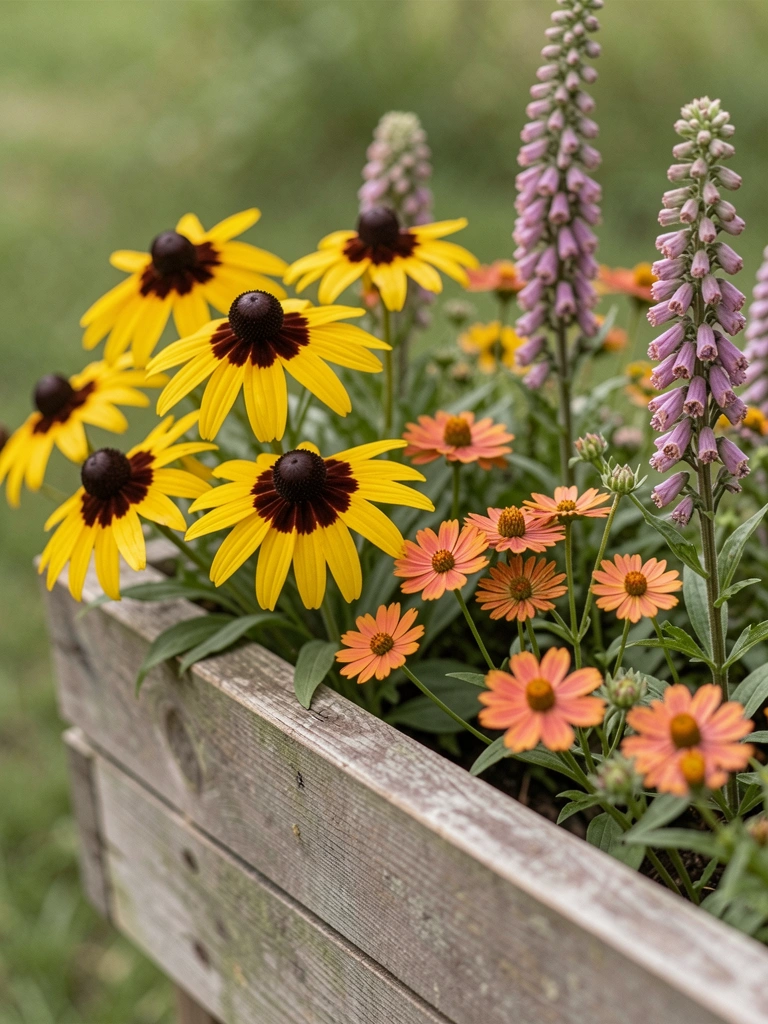
    Seeded locals—rudbeckia waves, echinacea nods; low care.

    Mimics field, wild calm. Birds seed it.

    Mow edges neat. Wait year one.

    Tip: Local nursery seeds best.

    What You’ll Need for This Look

    14. Bulb-Over-Planted Spring Burst

    Planted bulbs over hostas—daffs first, tulips follow; perennials hide dies-back.

    Early cheer, layers year-round. Multiplies free.

    Plant 6 inches deep. Mark spots.

    What You’ll Need for This Look

    15. Evergreen Backdrop with Annual Pops

    Arborvitae wall, snapdragons front—winter green, summer spike.

    Steady frame, private feel. Wind block too.

    Shear light yearly. Moist root zone.

    Tip: Space evergreens 3 feet.

    What You’ll Need for This Look

    16. Fragrant Night Border

    Nicotiana opens dusk, primrose glows—scent carries to patio.

    Evening unwind spot, moths dance. Day whites too.

    Part shade ok. Stake tall ones.

    What You’ll Need for This Look

    17. Texture-Heavy Dry Bed

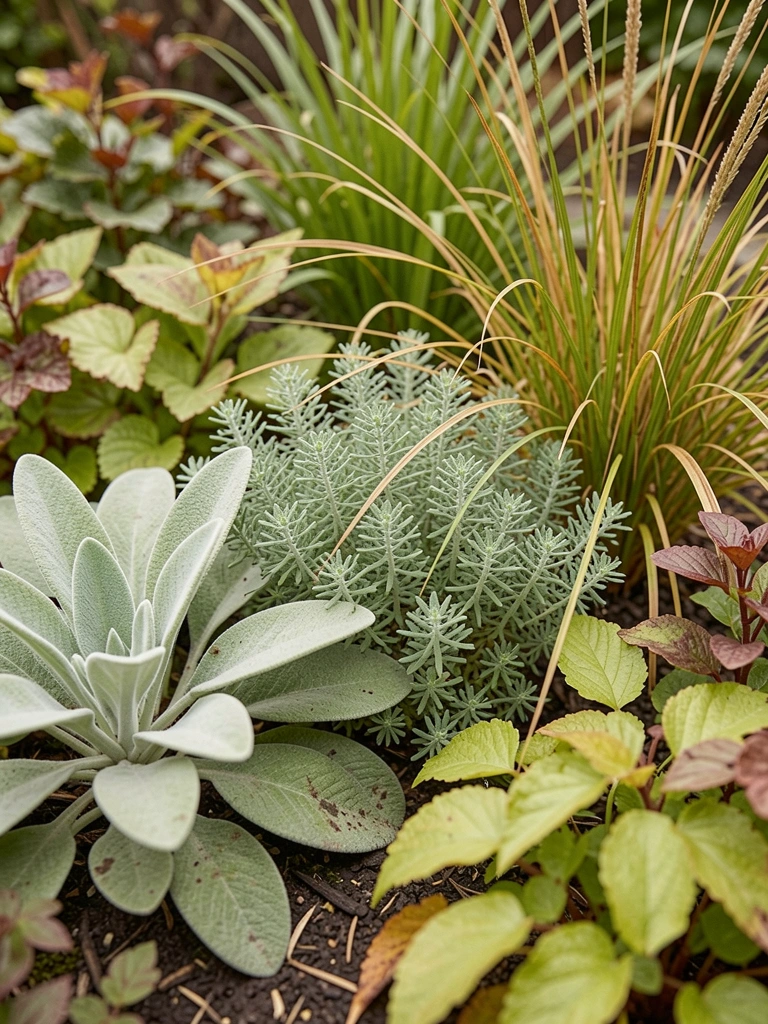
    Lamb's ear fuzz, artemisia silver—touch draws hands.

    Interest sans color, four-season. Dry tolerant.

    Cut back spring. Divide every 3 years.

    Mistake: Wet spot silvered out.

    What You’ll Need for This Look

    18. Pink-to-Blue Cool Gradient

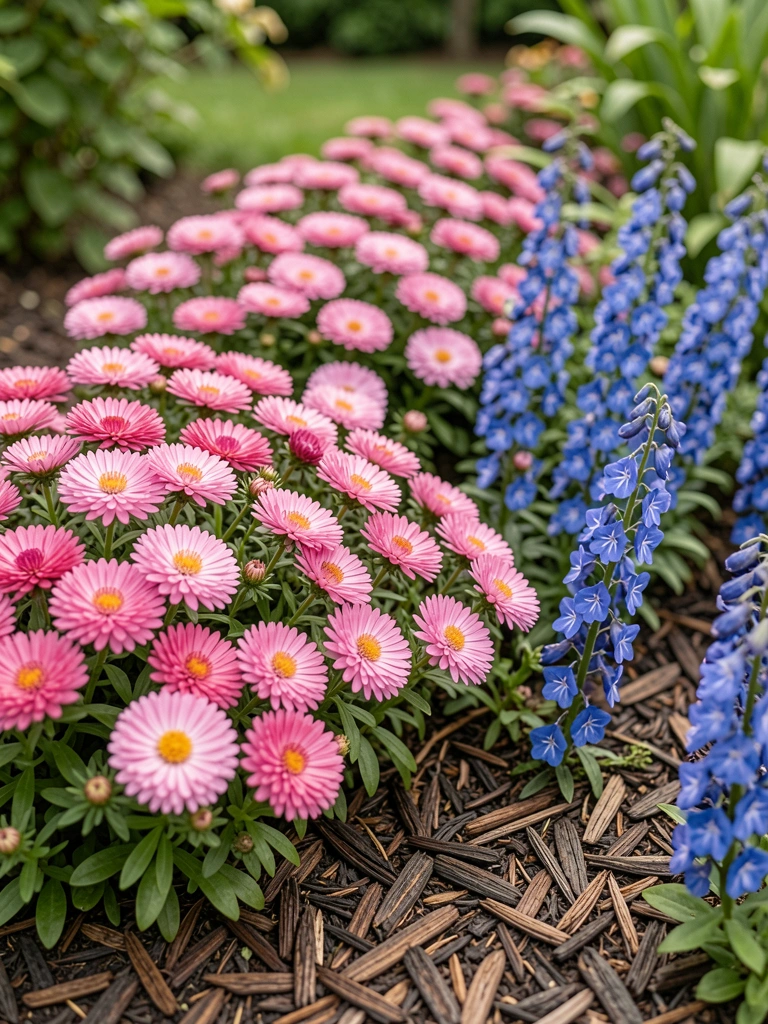
    Asters fade to delphinium—cool sweep calms hot yard.

    Eye follows natural, soothing sit. Late bloom.

    Group same colors. Stake blues.

    Tip: Fall plant asters.

    What You’ll Need for This Look

    19. Edible Flower Edge

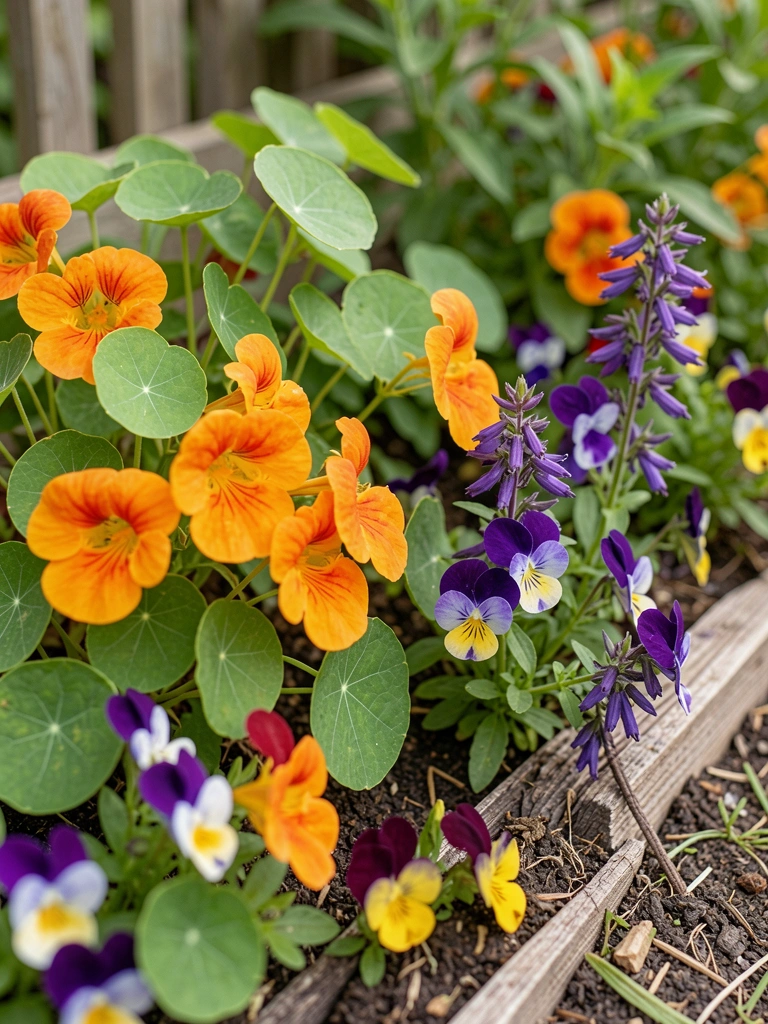
    Nasturtium trails, viola dots, borage stars—pick for salads.

    Useful pretty, kids nibble. Spreads gentle.

    Harvest often. Full sun.

    What You’ll Need for This Look

    20. Solar-Lit Pathside Glow

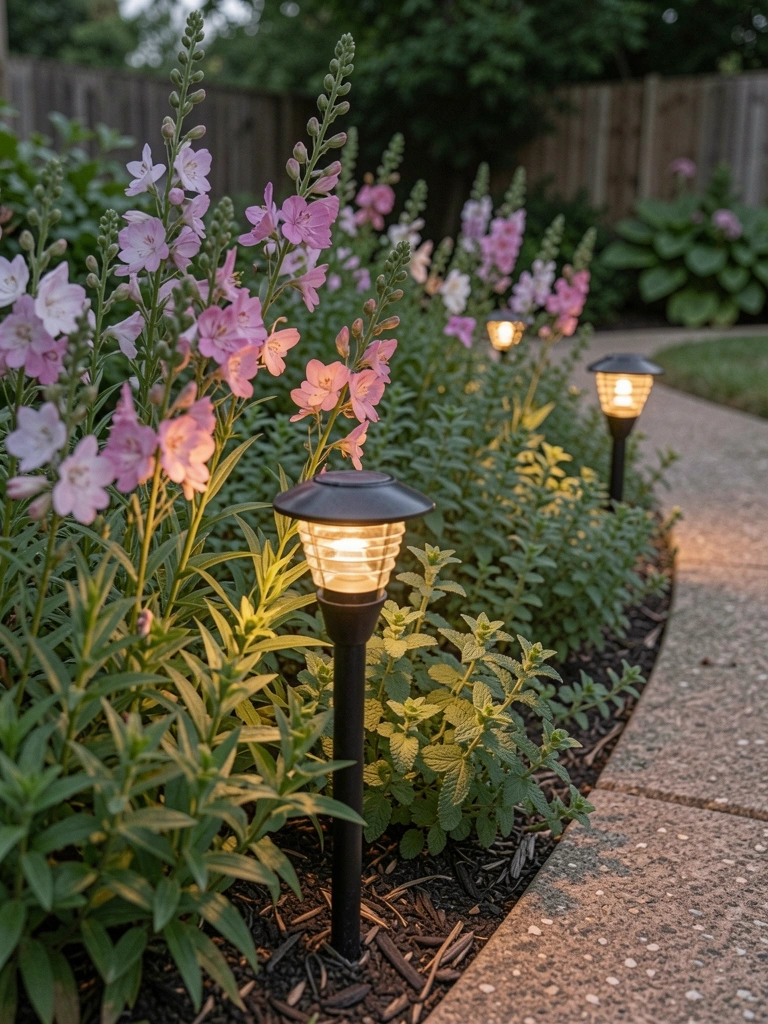
    Gaura sways by lights—path glows soft after dark.

    Extends nights out, safe steps. Flowers day too.

    Angle lights down. Clean filters yearly.

    Tip: Test batteries first.

    What You’ll Need for This Look

    21. Tiered Stone Retaining Beds

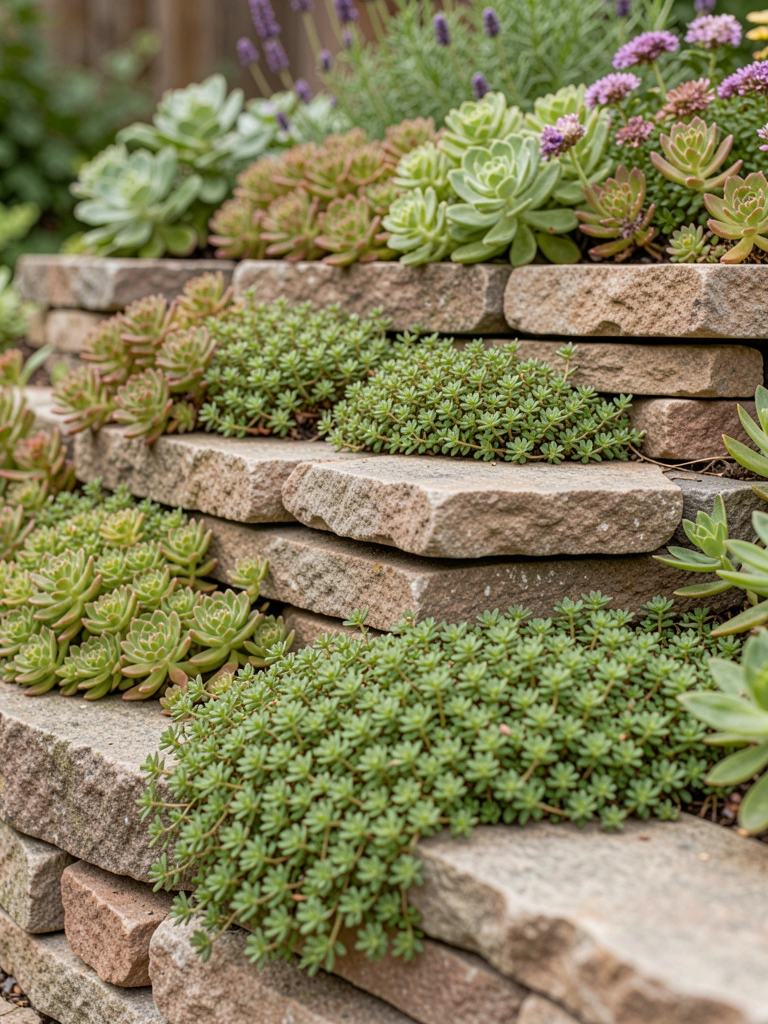
    Stacked fieldstone tiers on slope—sedum top dry, thyme spills low.

    Levels yard, adds depth. Stable now.

    Backfill soil firm. Plant shallow.

    What You’ll Need for This Look

    22. Low-Mow Grass and Bloom Blend

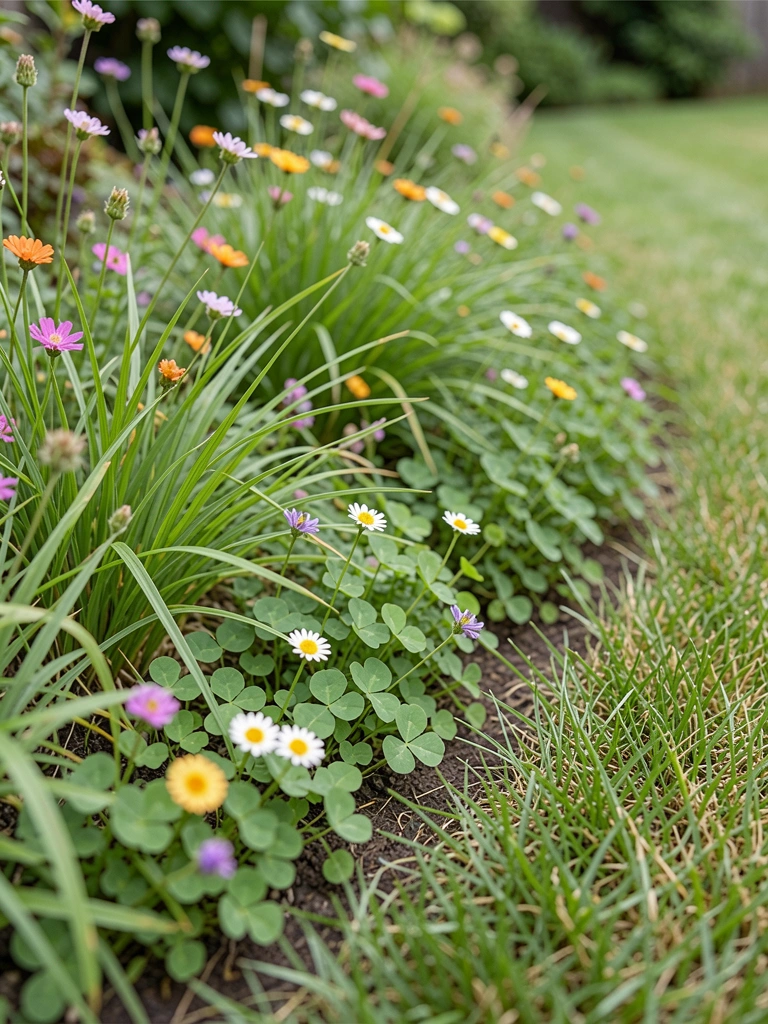
    Fine fescue with clover pops—mow monthly, blooms nod.

    Lawn-flower hybrid, less work. Soft underfoot.

    Seed thin. Water new grass.

    Insight: Too much flower seed weeds it.

    What You’ll Need for This Look

    23. Wind-Sheltered Corner Nook

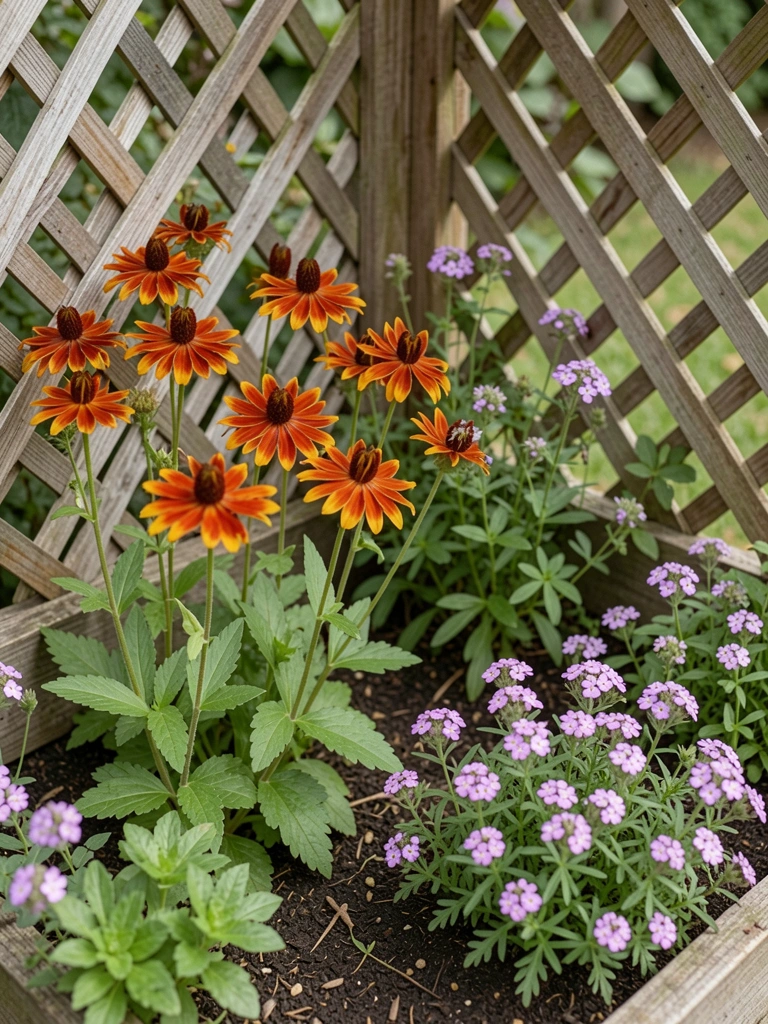
    Lattice in windy corner, helenium stands tall, speedwell blue base.

    Quiet pocket, blooms hold. Chairs fit.

    Secure lattice firm. Mulch wind side.

    Tip: Test wind before planting.

    What You’ll Need for This Look

    Final Thoughts

    These ideas grew from my own backyard stumbles—one bed at a time. You don't need all 23. Pick what fits your light, space, hands.

    Plant a couple this weekend. It'll root deep, feel right soon. Your oasis waits in the dirt.

  • 17 Creative Garden Corner Flower Bed Ideas For Small Spaces

    17 Creative Garden Corner Flower Bed Ideas For Small Spaces

    I used to walk past that bare corner by my back fence every day, and it bugged me. The yard felt lopsided, like something was missing.

    One afternoon, I grabbed some pots and dirt, just to see. Now, that spot pulls me in every evening.

    These corners aren't about perfection. They're about filling dead space with color that lasts through real weather.

    17 Creative Garden Corner Flower Bed Ideas For Small Spaces

    Here are 17 ideas I've tried or tweaked in my own small yards. Each one fits tight spots and uses what grows reliably. You'll see exactly how to make them work.

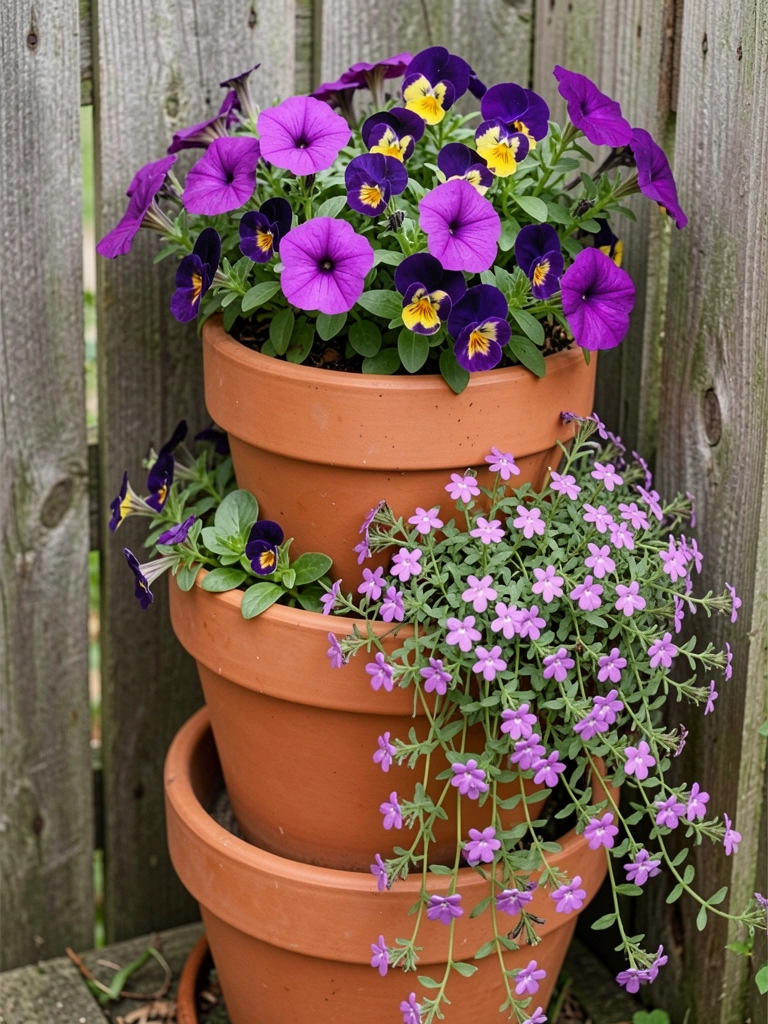
    1. Stacked Terracotta Pots Bursting with Petunias and Pansies

    I started with three old terracotta pots in that awkward fence corner. Stacked them unevenly at first—biggest at the bottom, smaller on top. Planted petunias in the top for pink pops and pansies below for purple depth. Trailing lobelia softened the edges.

    It changed the patio feel overnight. That corner went from empty to full, like it belonged there. Mornings now smell sweet when dew hits.

    Watch the weight—pots tip if soil's too wet. I learned to drill drainage holes after one rainy mess.

    What You’ll Need for This Look

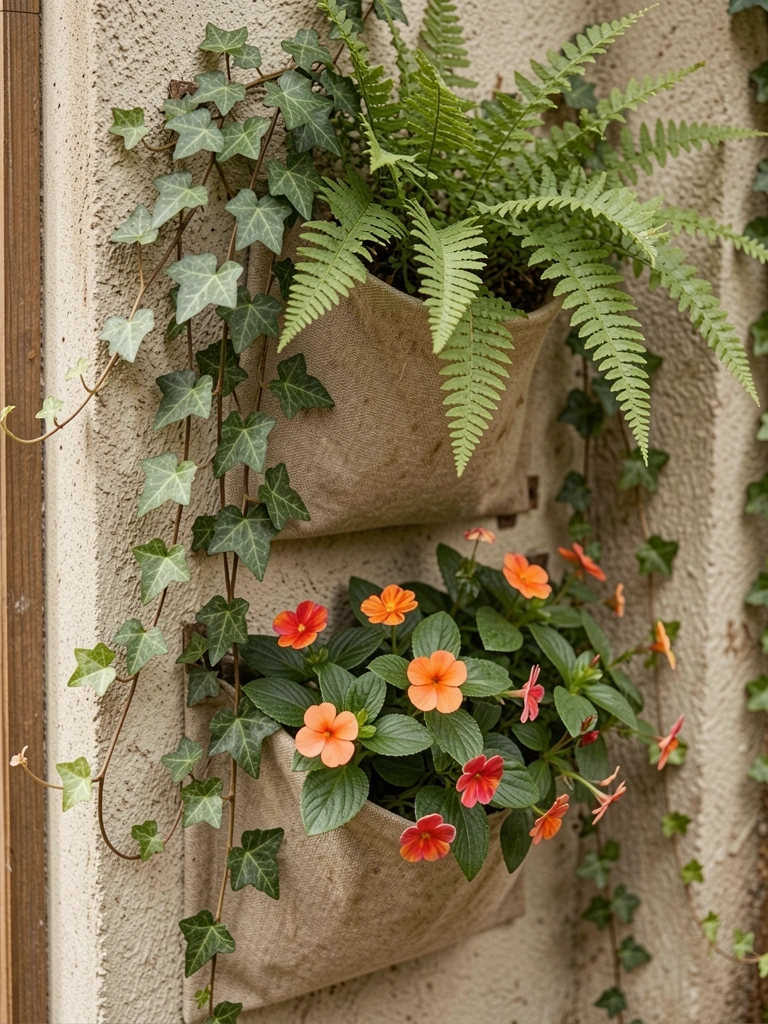
    2. Vertical Pocket Planter Dripping with Trailing Ivy

    My side yard corner was too narrow for ground beds, so I hung a fabric pocket planter flat against the fence. Filled the bottom pockets with ivy starts—they cascade like green curtains. Top ones got ferns and impatiens for color punches.

    Suddenly, that blank wall breathed. It softened the fence line and made the space feel taller, cozier.

    I overplanted once; pockets tore. Now I use one plant per pocket and water gently from the top.

    What You’ll Need for This Look

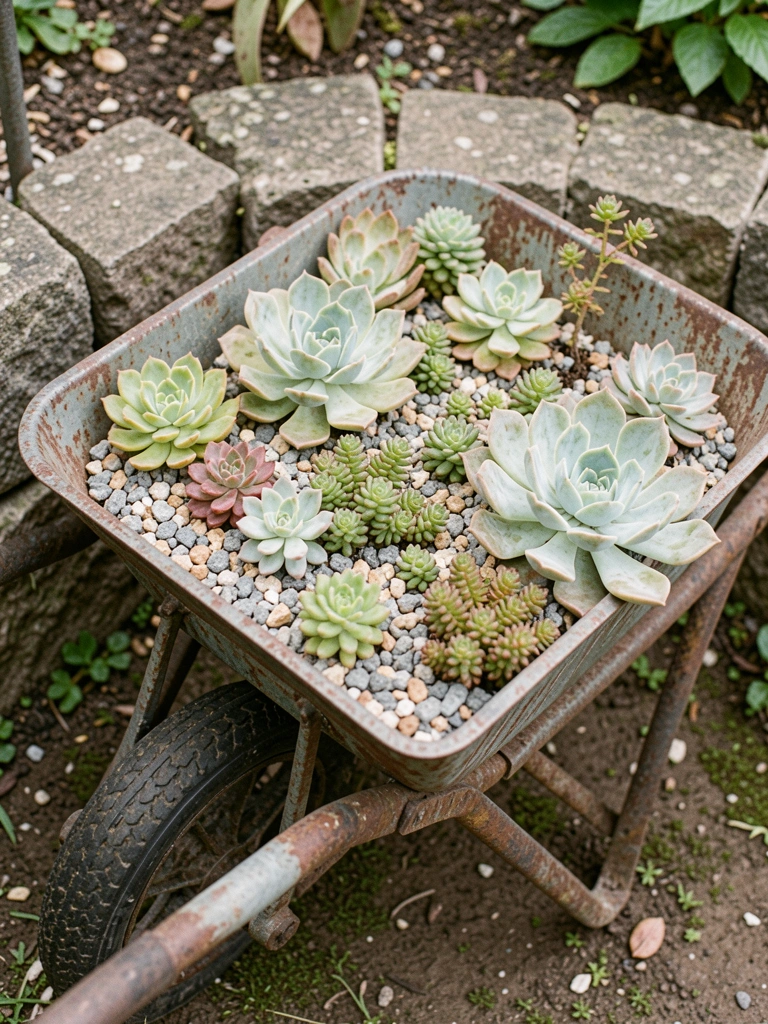
    3. Wheelbarrow Succulent Garden with Gravel Base

    I found a rusty wheelbarrow at a yard sale and parked it in my patio corner. Layered gravel bottom, then potting mix for succulents like echeveria rosettes and sedum trails. Added aloe spikes for height.

    It grounds the space now—low fuss, always green. Heat waves don't faze it; that corner stays tidy.

    Forgot sun needs once; some stretched leggy. Position for afternoon shade if your summers scorch.

    What You’ll Need for This Look

    4. Herb Spiral in a Sunny Corner Bed

    Built a simple spiral from rocks in my kitchen window corner—tight space, big yield. Thyme at the base for drainage, basil mid-way, chives on top. Lavender edges for pollinators.

    Cooking smells waft right in now. It's productive without sprawling.

    I skimped on soil depth first; roots struggled. Go 18 inches deep for spirals that last.

    What You’ll Need for This Look

    5. Corner Trellis Covered in Climbing Clematis

    Nailed a slim trellis into my fence corner for clematis vines. Planted one at the base with hostas underneath for shade. Blooms hit every spring—purple stars against green.

    That spot frames the yard now, draws eyes up. Feels private.

    Prune lightly; I hacked too much once and waited years for recovery.

    What You’ll Need for This Look

    6. Mirror-Accented Pot Cluster for Depth

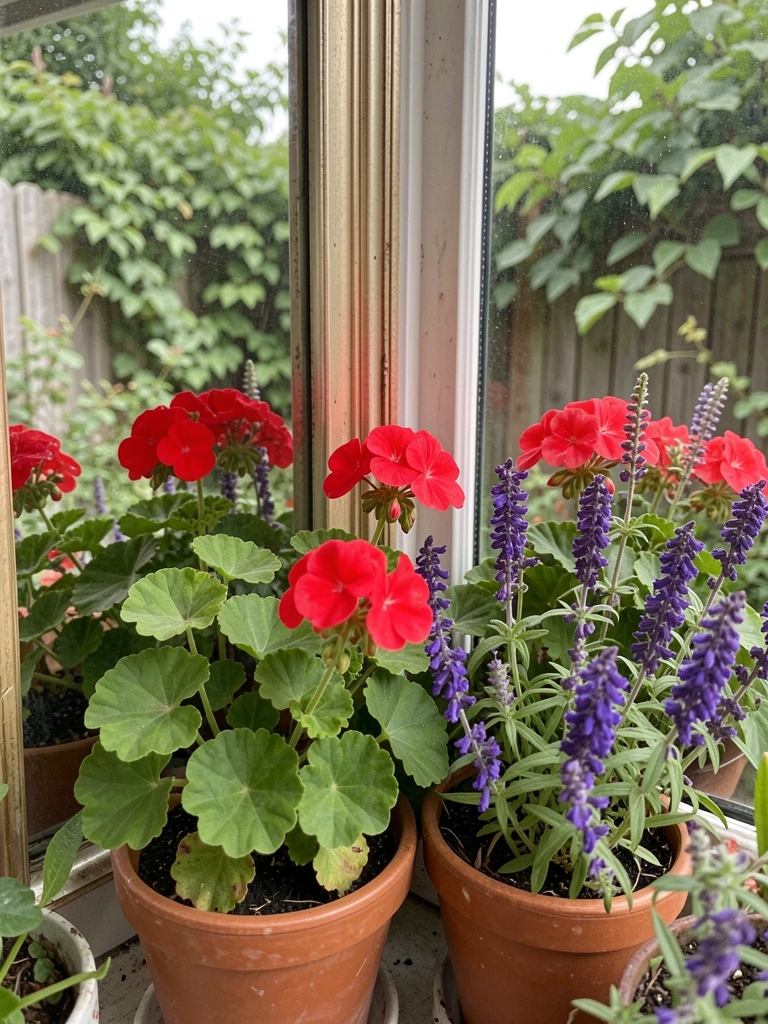
    Leaned a garden mirror behind three pots in a shady corner—geraniums red, salvia blue. It bounces light, doubles the green.

    Feels bigger, brighter. Like peeking into another yard.

    Wipe mirror often; pollen builds fast.

    What You’ll Need for This Look

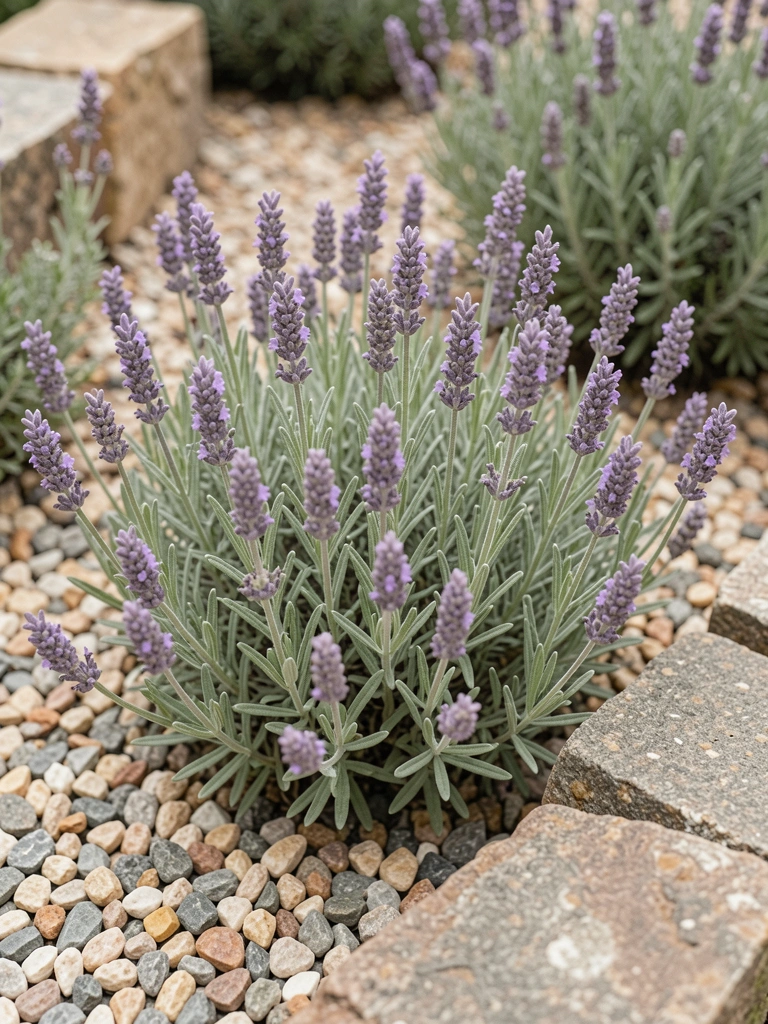
    7. Lavender and Gravel Low-Maintenance Border

    Edged my walkway corner with gravel and lavender bushes. Spikes hum with bees summer long.

    Calm scent every pass. No weeding hell.

    Overwatered young plants once; they rotted. Let dry between.

    What You’ll Need for This Look

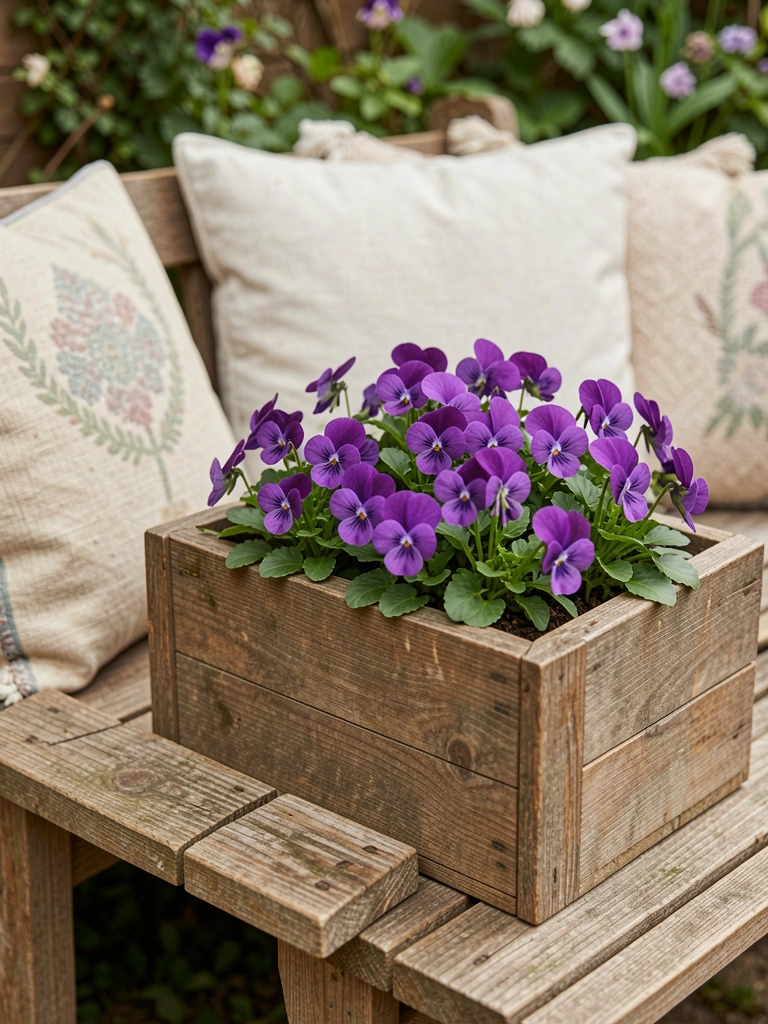
    8. Bench-Wrapped Planter with Violas

    Attached a planter box around my corner bench base. Violas tucked in—purple faces nodding.

    Sit there now with coffee. Inviting pause spot.

    What You’ll Need for This Look

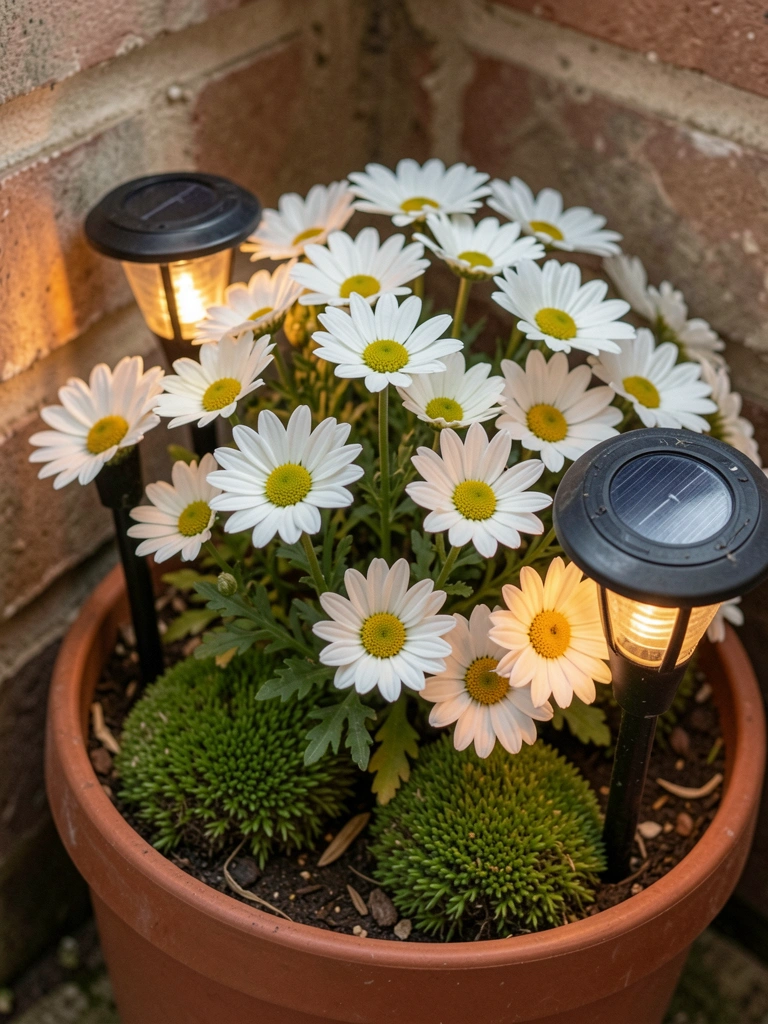
    9. Solar-Lit Daisy Patch in Pots

    Clustered daisy pots in fence corner, stuck solar stakes around. Lights flicker at dusk.

    Evening magic without wires. Daisies reseed easy.

    What You’ll Need for This Look

    10. Pollinator Corner with Bee Balm and Echinacea

    Packed bee balm and echinacea into a 2×2 corner bed. Butterflies flock all season.

    Yard alive now. Humming.

    What You’ll Need for This Look

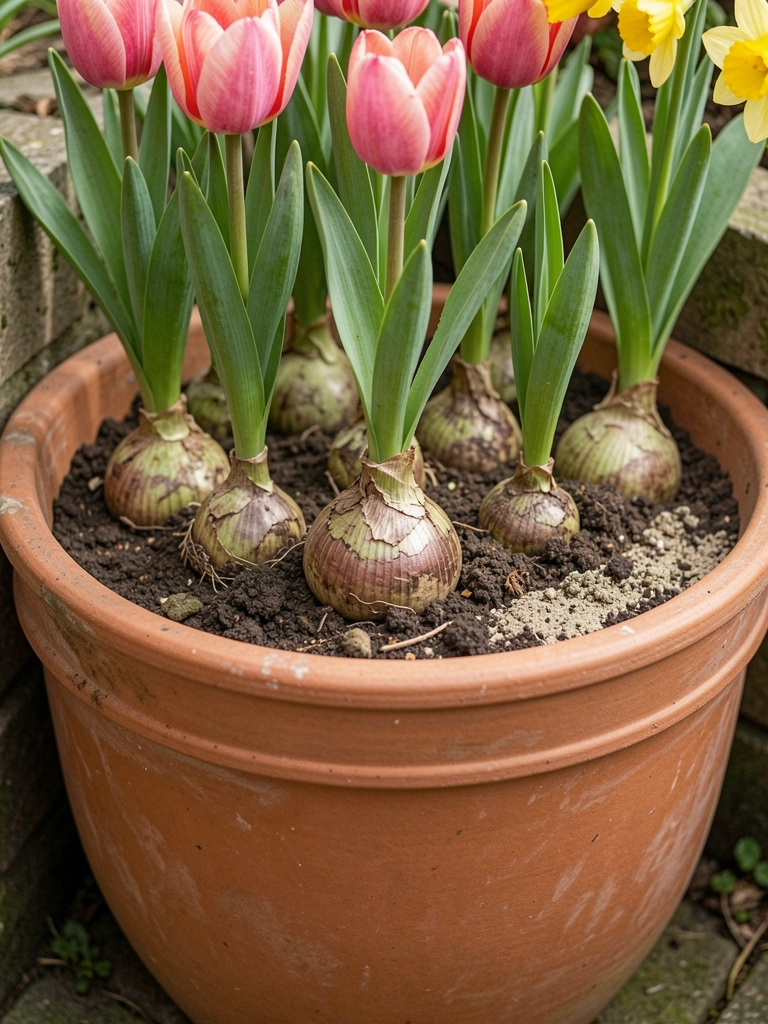
    11. Bulb Lasagna Pot for Year-Round Blooms

    Layered tulips, daffs, crocus in one big pot for corner—spring show.

    Color waves through seasons. Easy lift to store.

    What You’ll Need for This Look

    12. Native Wildflower Trough Edge

    Lined a trough with natives like black-eyed Susan. Tough, spreads right.

    Blends with yard. Low water.

    What You’ll Need for This Look

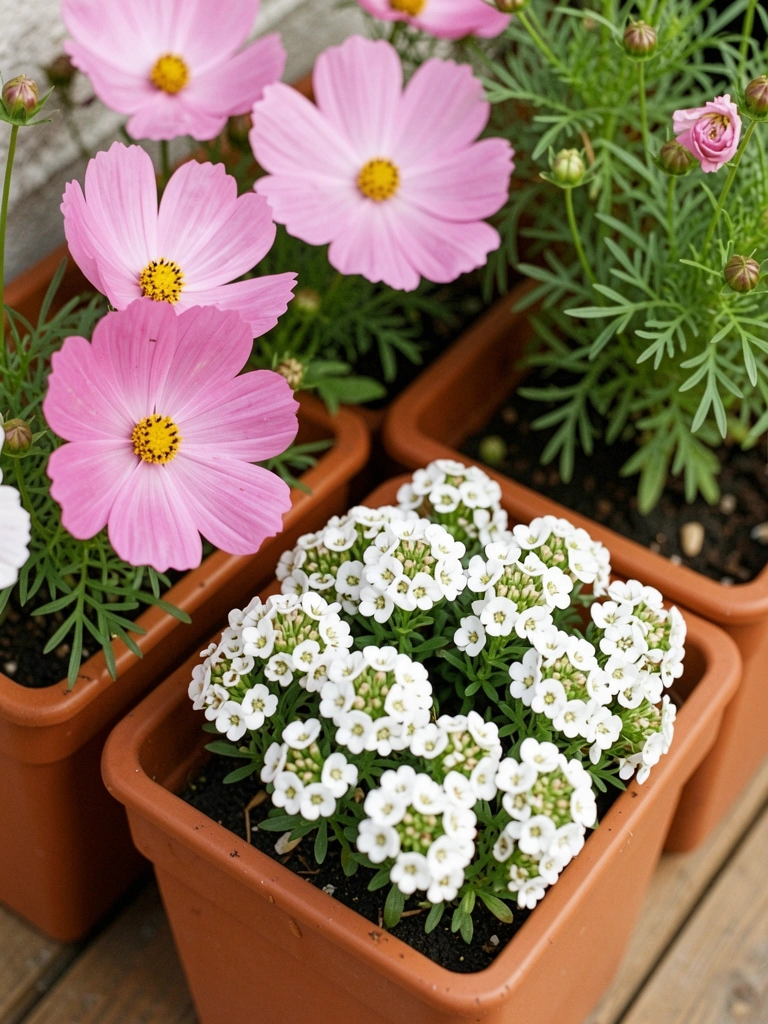
    13. Pink and White Annual Color Block

    Squared off pots: pink cosmos one side, white alyssum other.

    Clean pop. Replant yearly.

    What You’ll Need for This Look

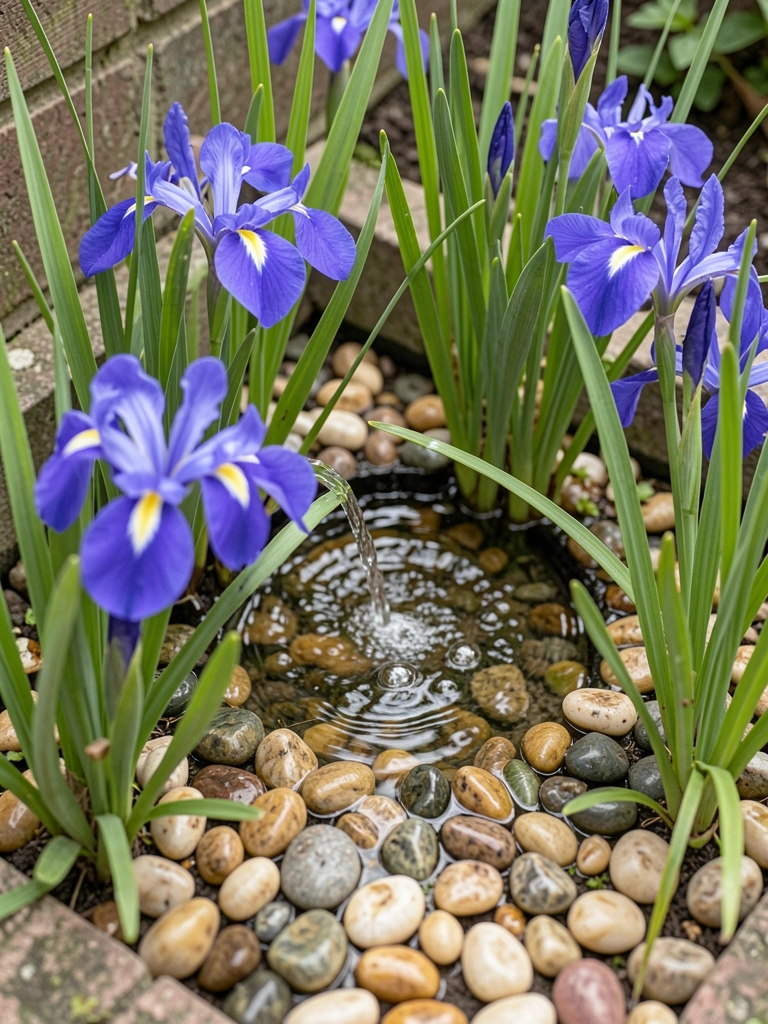
    14. Iris-Framed Mini Fountain

    Set a solar fountain amid iris. Water trickles, rhizomes spread.

    Serenity spot. Frogs visit.

    What You’ll Need for This Look

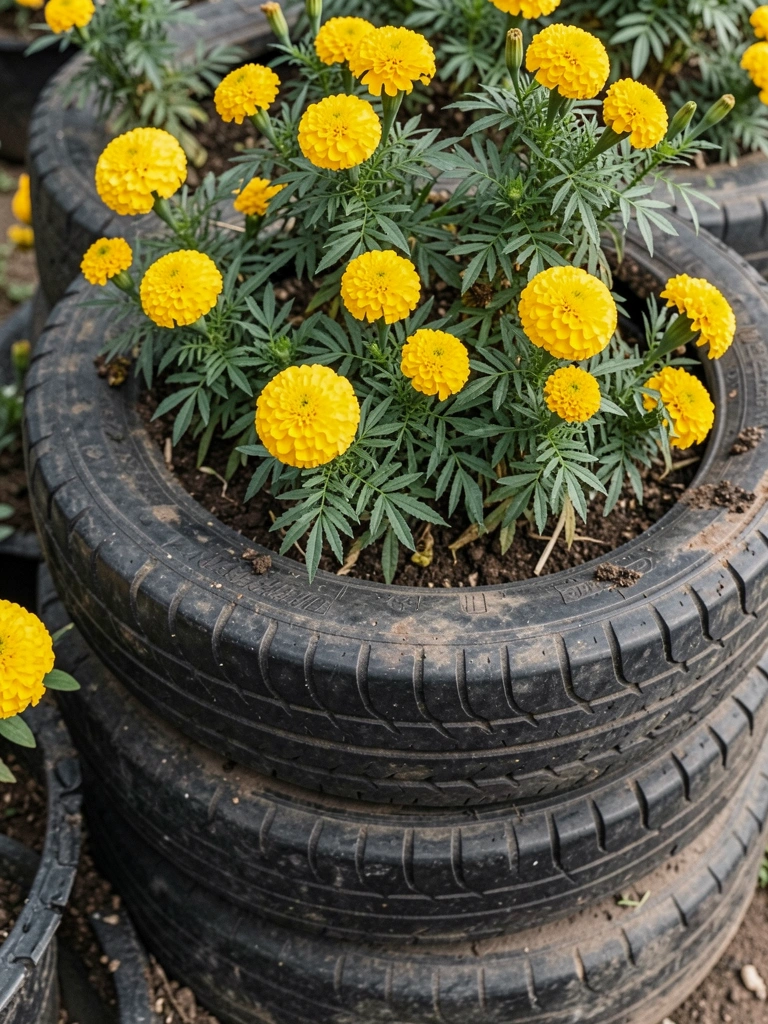
    15. Recycled Tire Stack with Marigolds

    Stacked two tires, filled with marigolds. Free, fun.

    Bright barrier. Pests shy away.

    Cut sides careful—sharp edges.

    What You’ll Need for This Look

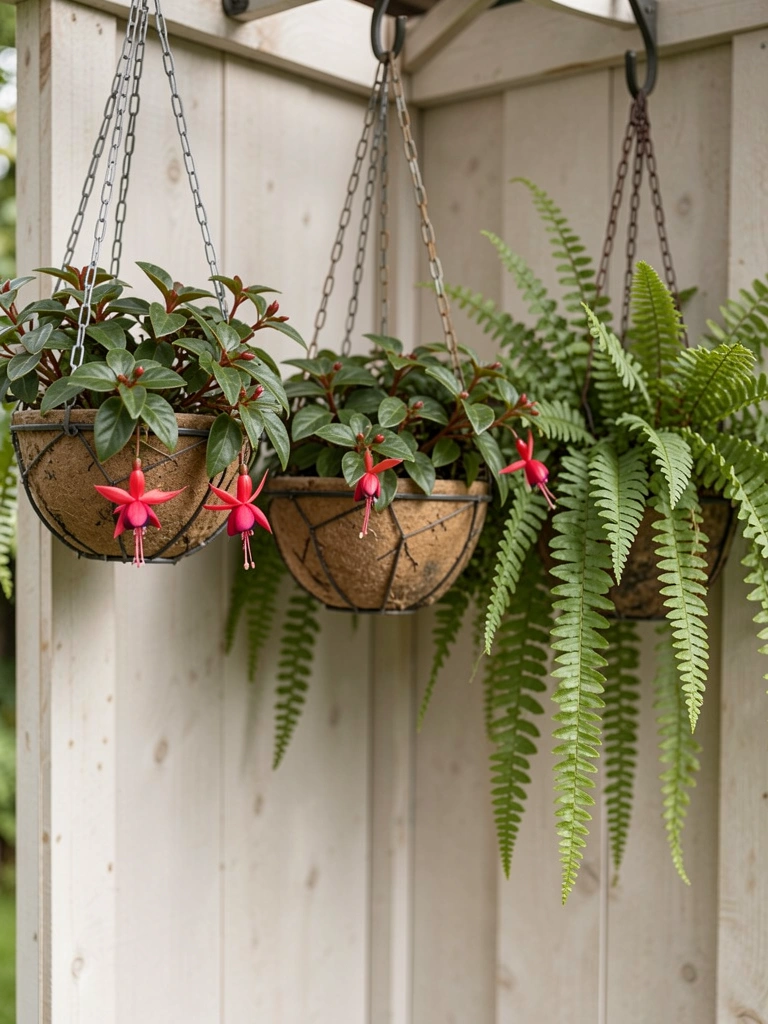
    16. Hanging Basket Trio with Fuchsia

    Hung three baskets from corner hook—fuchsia drops, ferns fill.

    Airier space. Shade lovers thrive.

    Water daily; dry fast.

    What You’ll Need for This Look

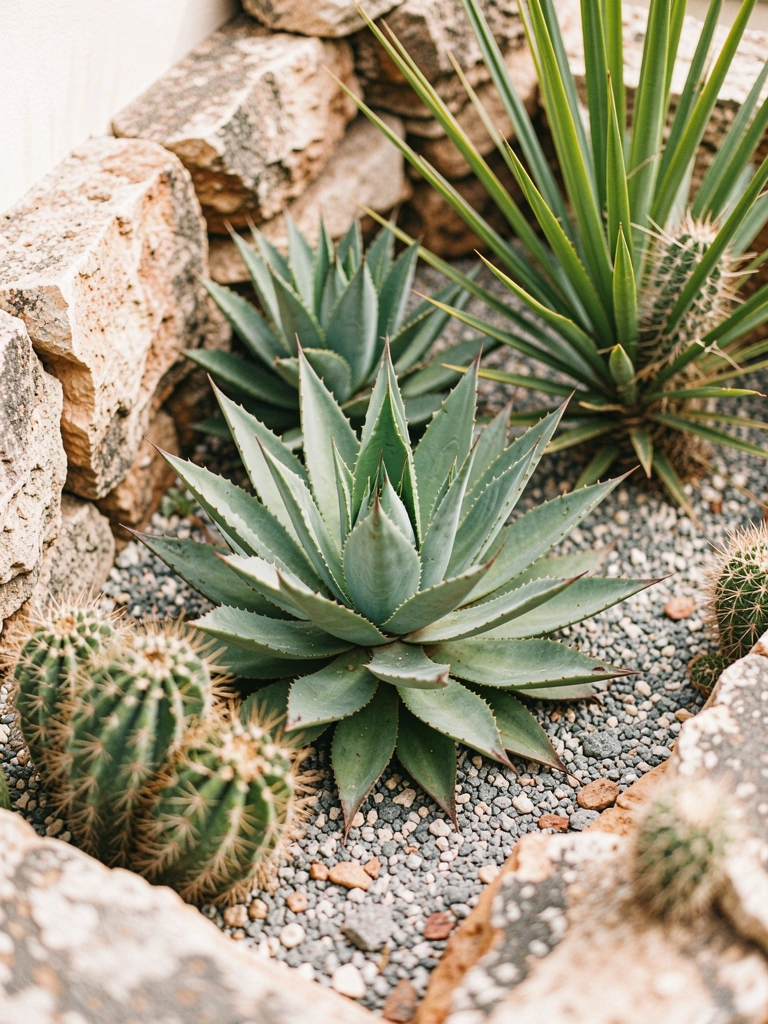
    17. Agave and Cactus Dry Corner Setup

    Rocked in agave, cactus, yucca for hot corner. Spikes sculpt space.

    Desert calm. Zero fuss.

    What You’ll Need for This Look

    Final Thoughts

    Pick one idea that fits your light and time. Start small—I've seen corners bloom from a single pot.

    They grow on you, these spots. Yours will too. Just dig in.

  • 13 Eye Catching Front Garden Flower Bed Ideas For Curb Appeal

    13 Eye Catching Front Garden Flower Bed Ideas For Curb Appeal

    I pull into my driveway most evenings and that front flower bed hits me first. It's not fancy, just plants that actually grow here without me hovering. Took years of ripping out flops like those thirsty hydrangeas that browned every summer.

    One tweak—a simple gravel layer—and suddenly neighbors slow down. Curb appeal sneaks up on you like that.

    Now my front feels welcoming, like an old friend waving hello.

    13 Eye Catching Front Garden Flower Bed Ideas For Curb Appeal

    These 13 ideas come straight from my dirt-stained hands. Real front yards, small budgets, no fuss. You'll see exactly what to plant and why it sticks. Pick one and watch your house breathe easier.

    1. Gravel and Succulent Slope That Handles Drought Like a Champ

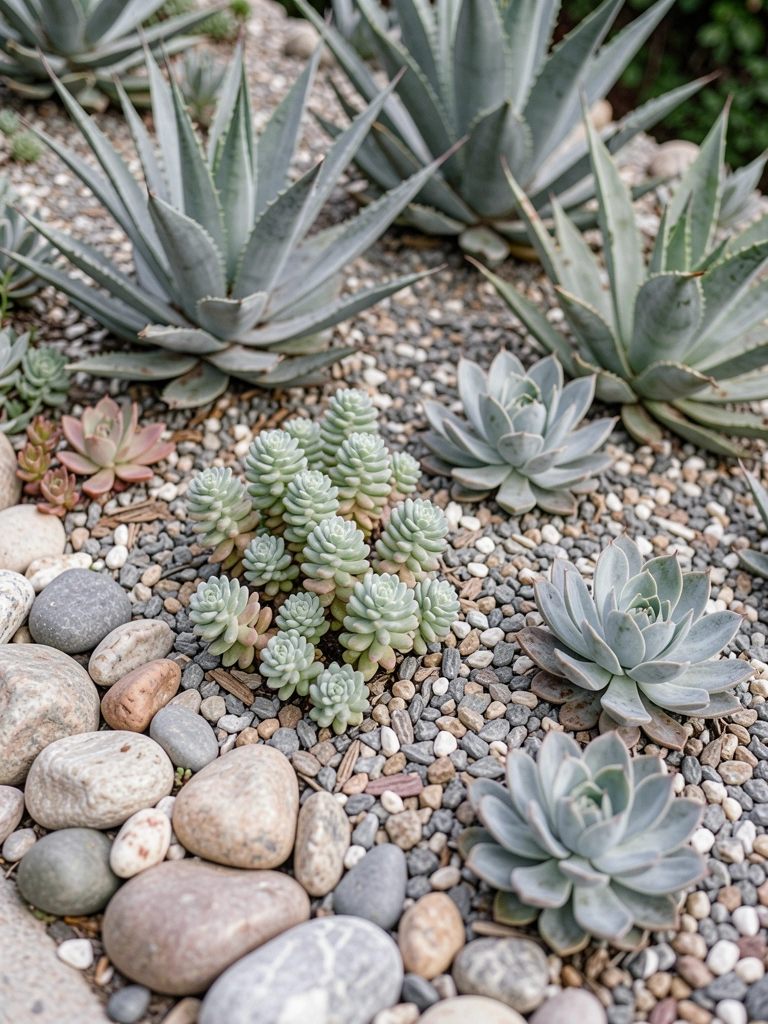
    I had a dry slope by my walkway that nothing stuck to—grass died, annuals shriveled. Switched to gravel over landscape fabric, tucked in succulents. Now it looks tidy year-round, pulls eyes right to the door.

    The low blues and silvers make the house pop without weeding every week. Rain runs off, no mud mess.

    Watch sun exposure; full blasts best for these. I lost one agave to shade at first.

    Space them 12 inches apart, let gravel show between.

    What You’ll Need for This Look

    2. Lavender Lined Path That Smells Like Summer All Season

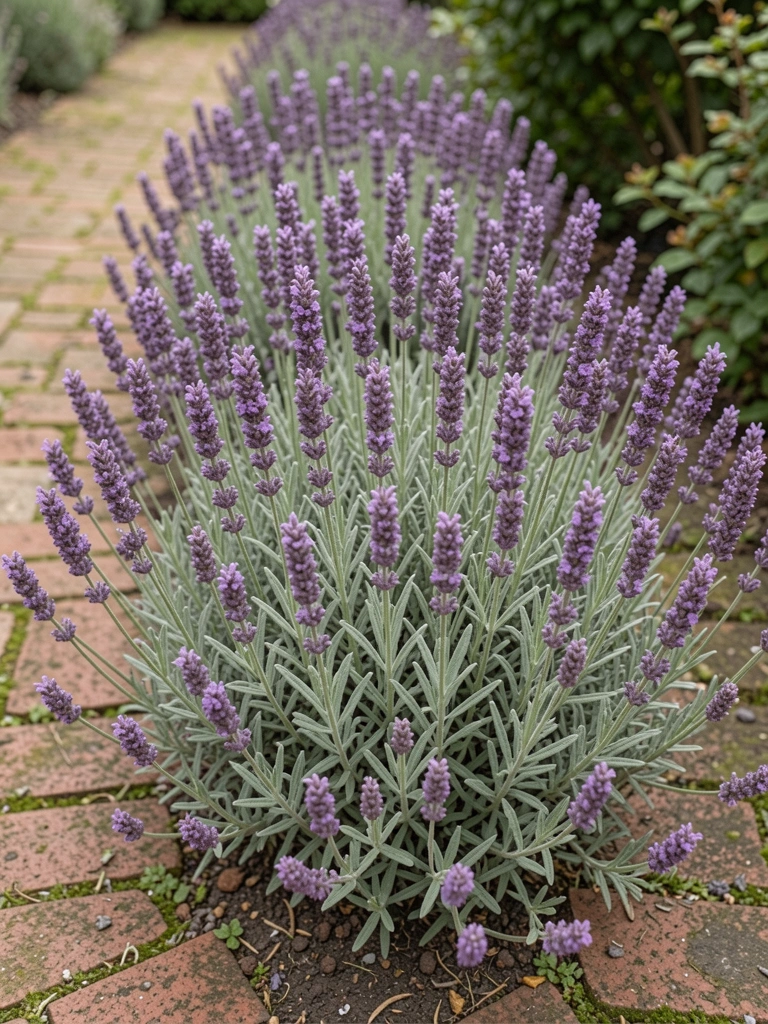
    Planted lavender along my concrete path after bees ignored the back yard. The purple spikes sway, soft scent drifts up when you walk by. Neighbors comment every pass.

    It fills out wide, softens hard edges. Blooms fade but foliage stays silver through winter.

    Needs sharp drainage—my soil was clay, so I amended with grit. No soggy roots now.

    Trim after bloom, don't shear like a hedge.

    What You’ll Need for This Look

    3. Coreopsis and Salvia Layers for Non-Stop Yellow-Purple Punch

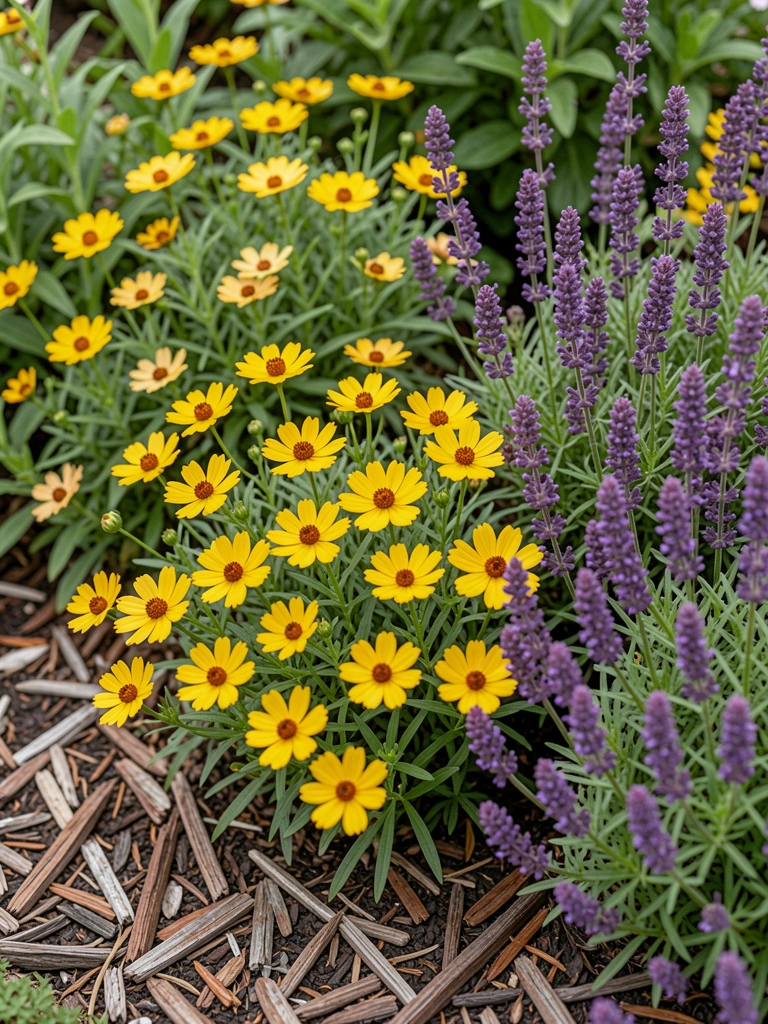
    Layered tall salvia in back, coreopsis up front in my sunny bed. Yellows and purples bounce off each other, draws butterflies close. Bloomed June to frost last year.

    Front plants hide leggy stems behind. Feels full without crowding.

    I overplanted once, they flopped—now half the number, twice the air.

    Deadhead midsummer for more flowers.

    What You’ll Need for This Look

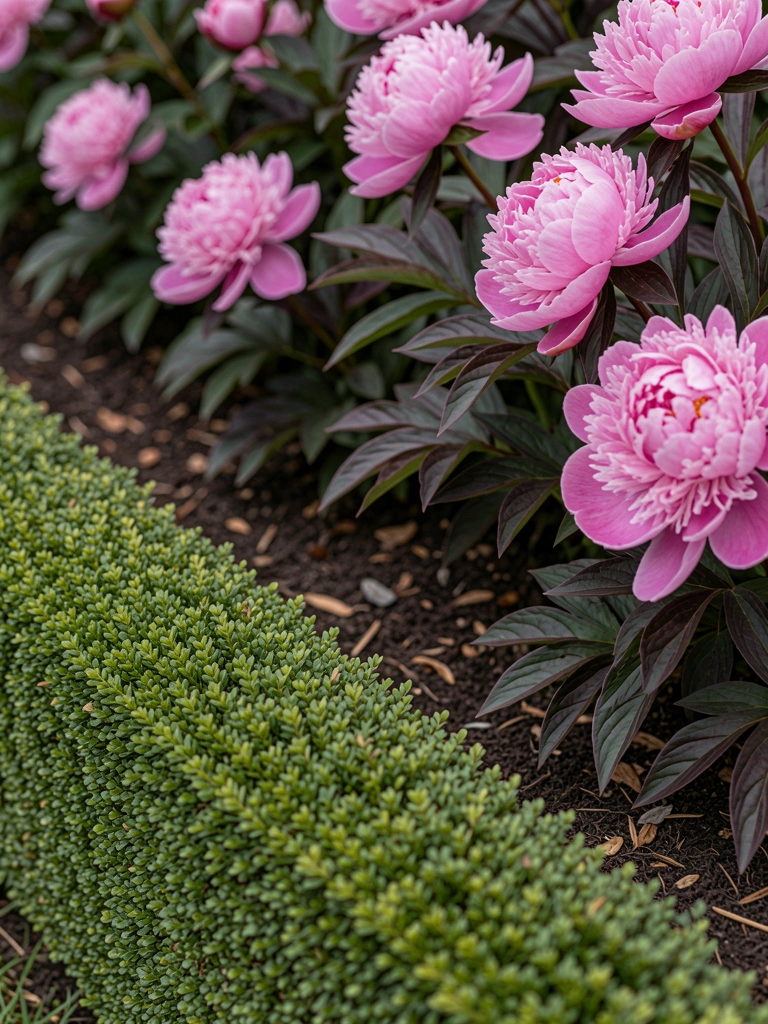
    4. Boxwood Edge with Peony Pops for Clean Cottage Vibe

    Edged my bed with dwarf boxwood, dropped in peonies. The greens frame fat pink blooms come May—path feels defined, house centered.

    Box stays neat with one spring trim. Peonies flop less anchored.

    Planted too deep first time, no flowers for two years. Now eyes at soil line.

    Divide box every few years if it yellows.

    What You’ll Need for This Look

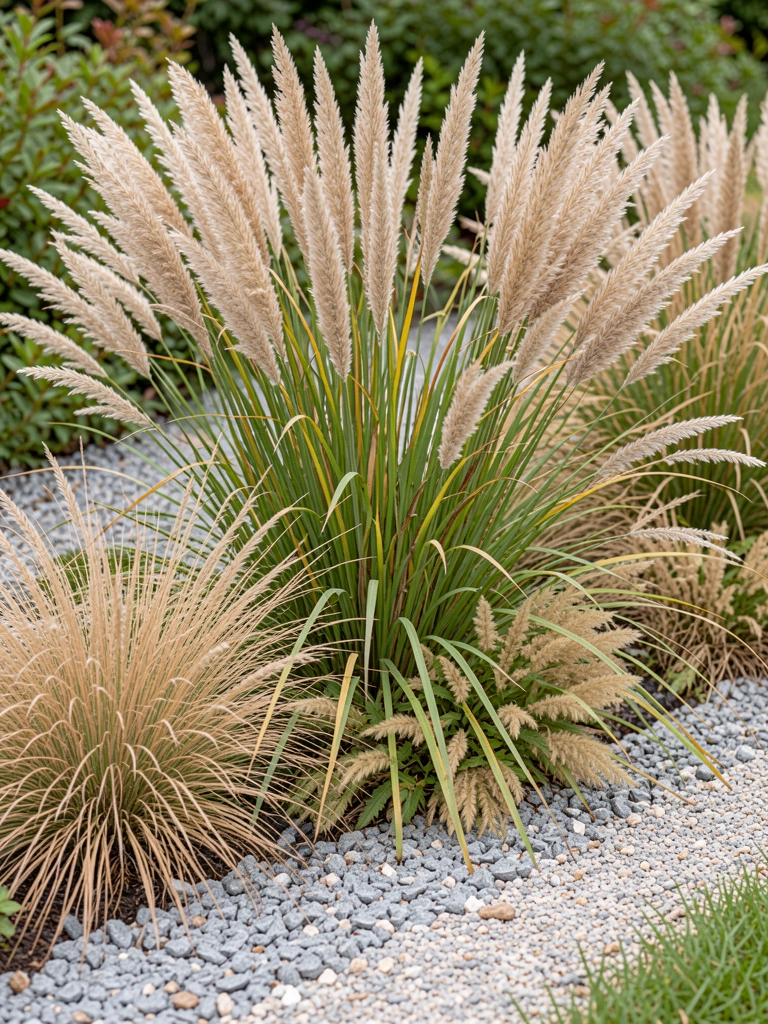
    5. Ornamental Grass Drift That Waves in the Breeze

    Clumped fountain grass along my fence line. Soft movement catches light, softens the whole front. Winter seedheads add texture.

    Grows fast, no fuss. Fills space without spreading wild.

    Cut back late winter—mine browned ugly once I forgot.

    Pair with one color flower for pop.

    What You’ll Need for This Look

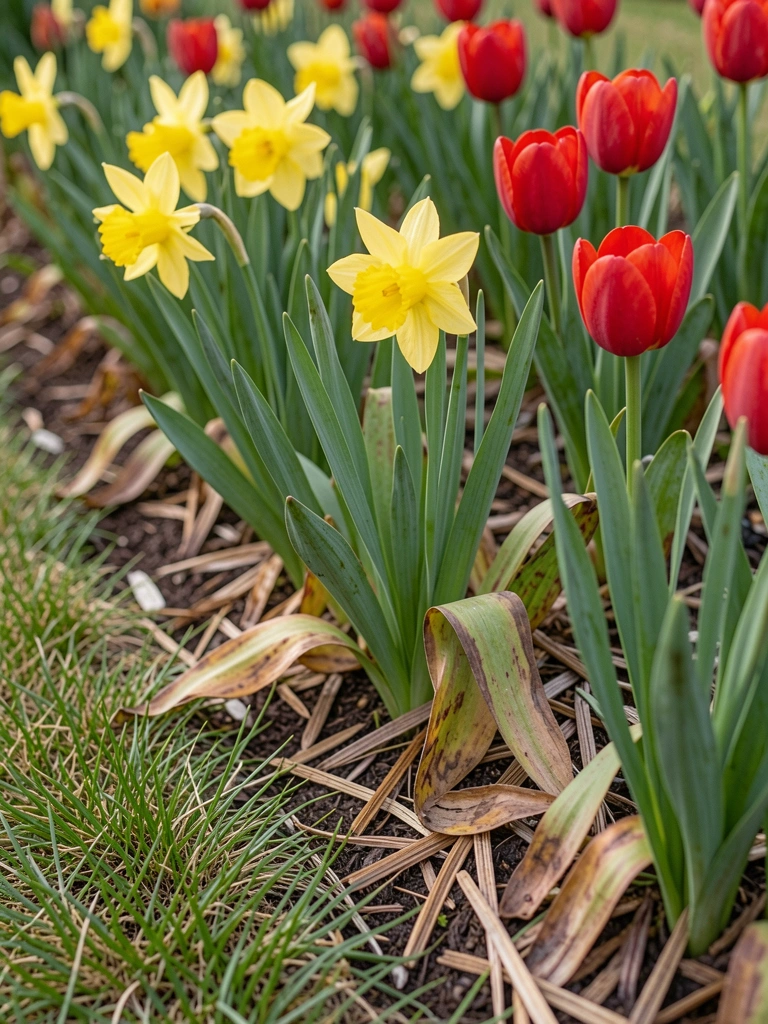
    6. Bulb Meadow Edge for Spring Surprise Burst

    Tossed daffodil and tulip bulbs along the walkway last fall. Early spring, yellows and reds explode—first warm smile of the year.

    They naturalize, come back stronger. Leaves fade into perennials.

    Planted too shallow, squirrels nabbed half. Now deeper holes.

    Let foliage die back fully.

    What You’ll Need for This Look

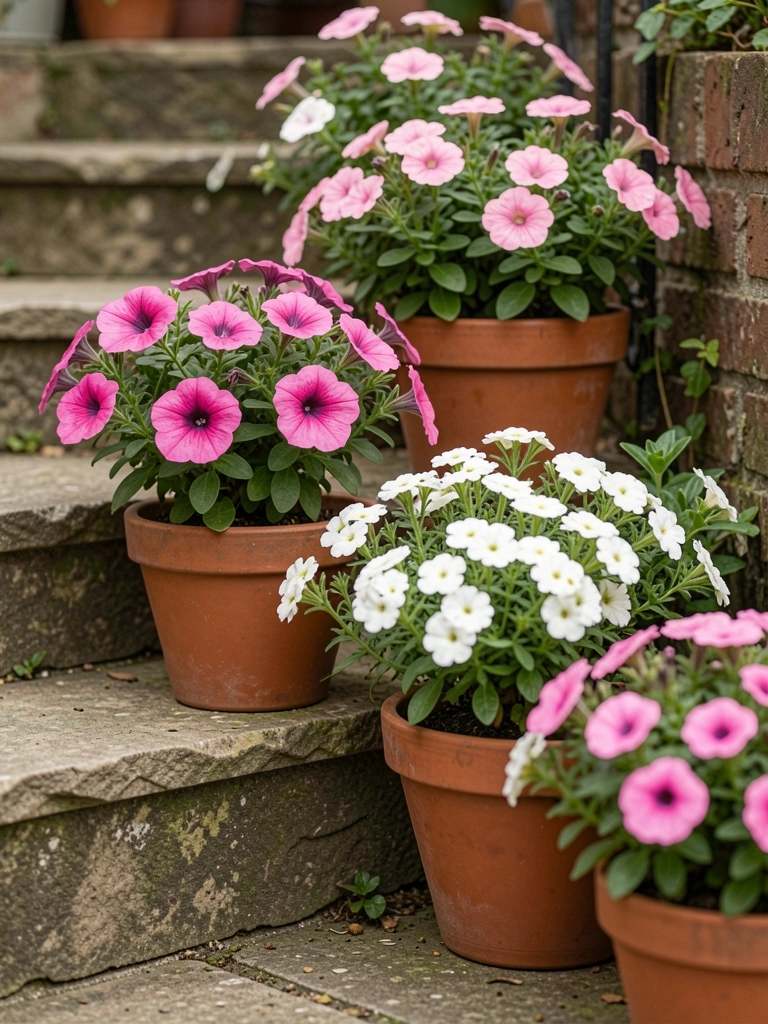
    7. Container Cluster by the Steps for Instant Fullness

    Grouped pots on my stoop—petunias trail, verbena mounds. Fills skinny bed space, swaps easy for seasons.

    Colors spill over edges, welcomes you in.

    Overwatered once, rotted roots—now check soil dry first.

    Elevate on bricks for drainage.

    What You’ll Need for This Look

    8. Native Wildflower Strip That Bees Love

    Sowed native seeds in a narrow strip—coneflowers tower, susans nod. Bees hum all summer, low water once established.

    Feels wild but contained, softens sidewalk.

    Weeds mixed in first year—pulled young.

    Thin seedlings for air.

    What You’ll Need for This Look

    9. Raised Bed Against the House with Herbs and Flowers

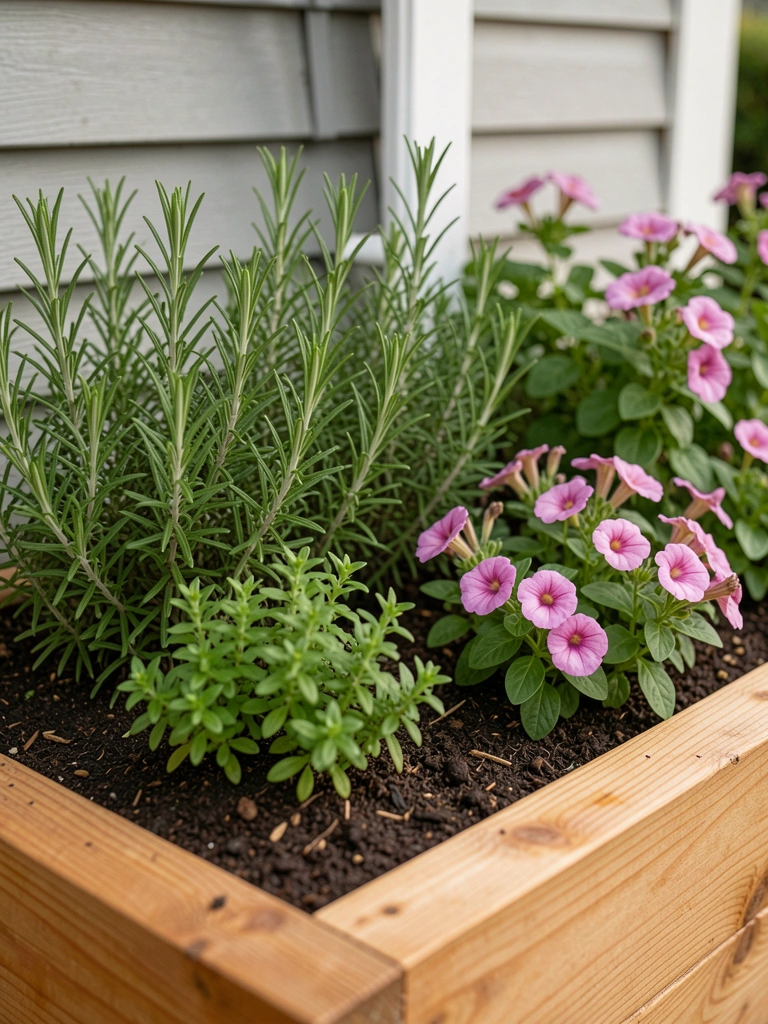
    Built a low cedar raised bed hugging the foundation—rosemary bushes, calibrachoa spill. Herbs scent the air, hides peeling paint.

    Warm microclimate speeds growth.

    Wood warped first rain—sealed it next time.

    Fill with light soil mix.

    What You’ll Need for This Look

    10. Color Block Zones in Red and White for Bold Impact

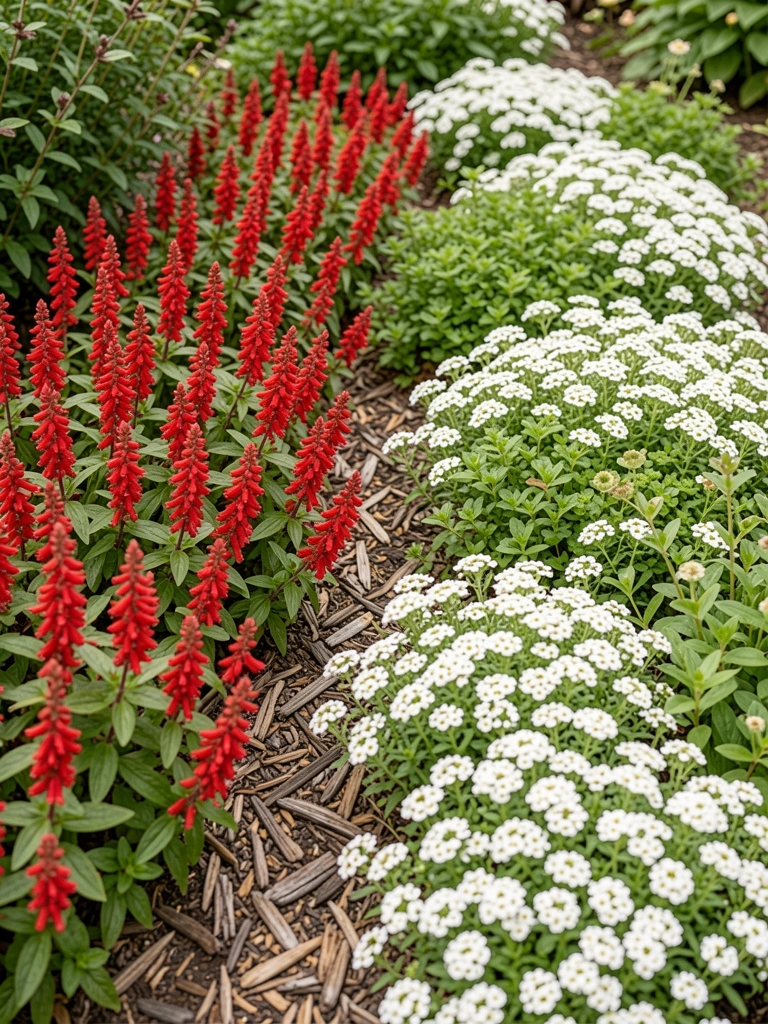
    Blocked red salvia and white alyssum squares. Crisp contrast pops from the street, modern feel without hard lines.

    Blooms sync midsummer.

    Faded fast in heat—added mulch shade.

    Repeat every other year.

    What You’ll Need for This Look

    11. Solar Lit Border That Glows at Dusk

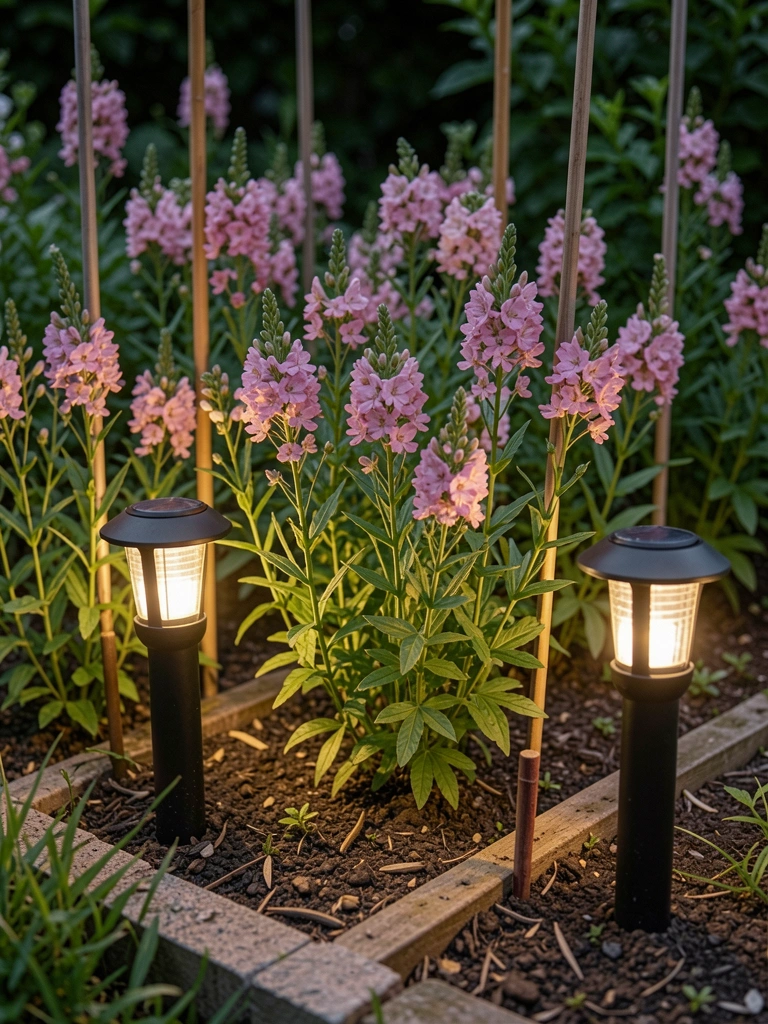
    Stuck solar stakes amid gaura. Daytime wispy pinks, evening warm glow outlines the bed—safe path, magic hour feel.

    No wiring hassle.

    Batteries dimmed year two—clean panels monthly.

    Angle toward sun.

    What You’ll Need for This Look

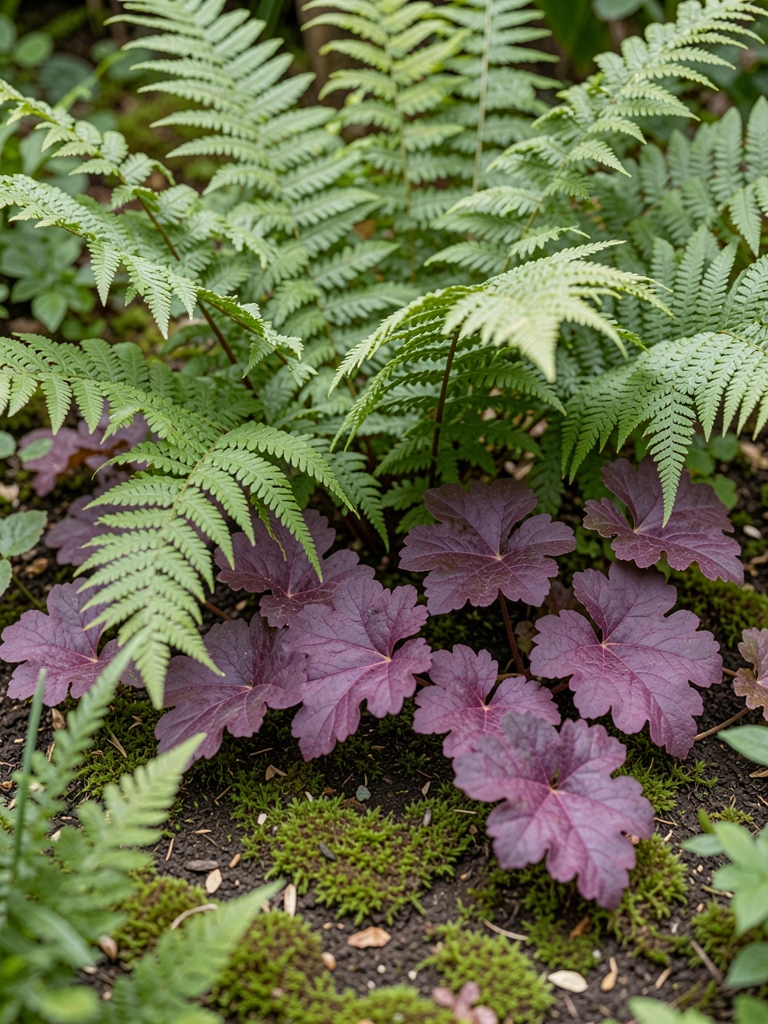
    12. Fern and Heuchera Shade Pocket Under Trees

    Tucked ferns and heuchera in tree shade bed. Lush greens and plums layer deep, cools the hot front.

    Fills without sun fight.

    Hostas melted there first—shade lovers only.

    Moist soil key.

    What You’ll Need for This Look

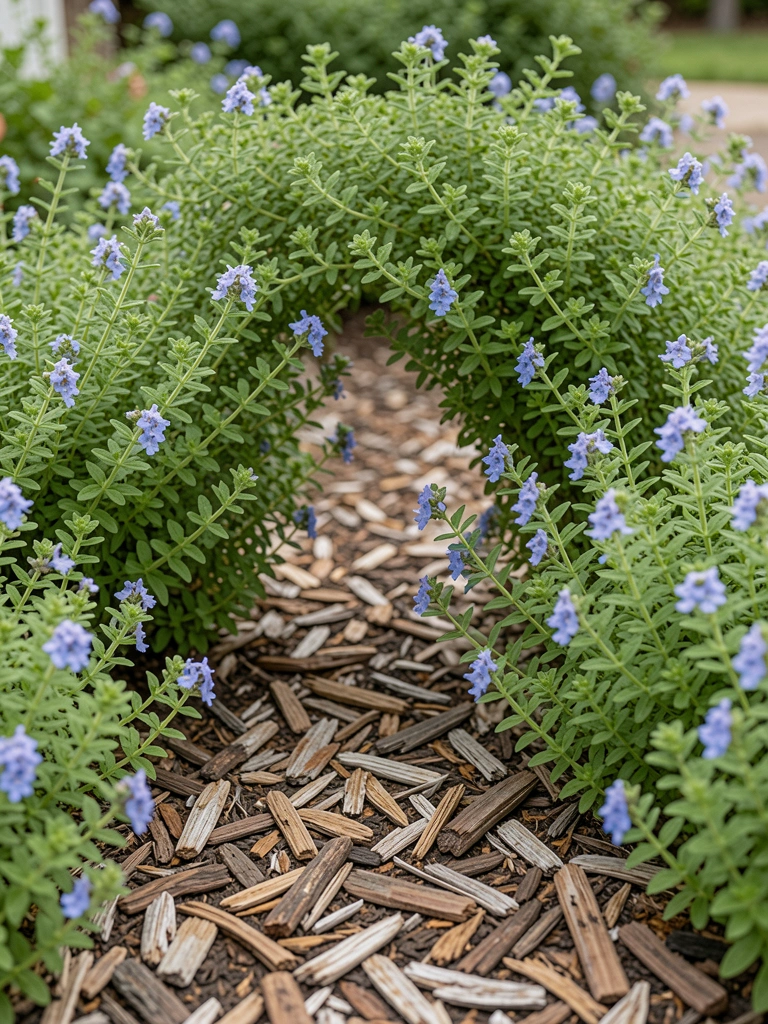
    13. Mulch Path with Overhanging Catmint for Cozy Tunnel

    Flanked path with catmint, soft mulch base. Blues overhang, brushes your shoulder walking up—cozy entry.

    Spreads gentle, bees swarm.

    Cut back post-bloom or it woody.

    Gray catkins winter interest.

    What You’ll Need for This Look

    Final Thoughts

    Start with one idea that fits your sun and space. Mine evolved slow—rip out, try again. Yours will too.

    No need for all 13. That first change pulls everything together.

    You'll walk up smiling soon. Dirt under nails worth it.

  • 15 Rustic Garden Flower Wood Bed Ideas For A Natural Look

    15 Rustic Garden Flower Wood Bed Ideas For A Natural Look

    Last spring, I stared at my scraggly flower patch, dirt everywhere, nothing holding shape. I hauled in some logs and built a simple bed. Flowers rooted deep, edges stayed put.

    The yard went from mess to quiet spot. Bees hummed. I sat there evenings.

    Tried pressure-treated wood once—rotted fast. Cedar lasts. These beds changed how my garden breathes.

    15 Rustic Garden Flower Wood Bed Ideas For A Natural Look

    These 15 rustic garden flower wood bed ideas come straight from my yard trials. They're straightforward builds that settle into the landscape. Grab wood scraps or kits, plant flowers that thrive, and watch it feel right.

    1. Stacked Log Slices Edging a Poppy Meadow

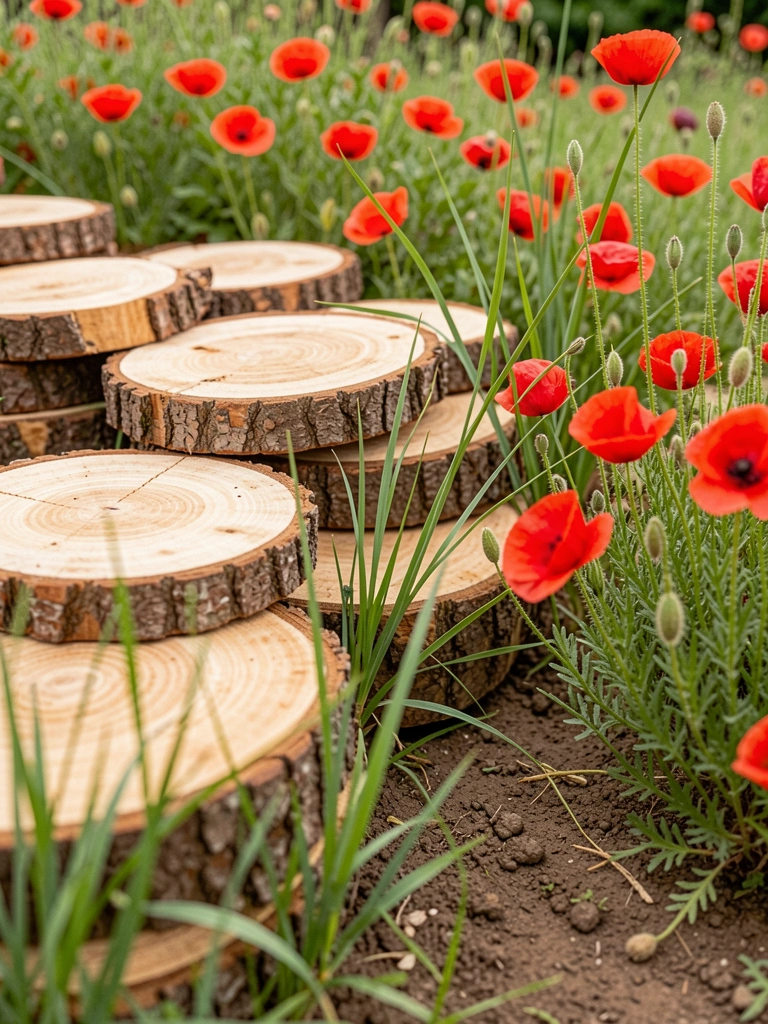
    I sliced up fallen birch logs in my backyard for this. Stacked them low around poppies—easy sow-and-forget seeds. The circles hold soil without fuss, let roots spread wide.

    Poppies nod in wind, spilling soft red over log tops. Feels wild, not planned. Rain soaks in, no puddles.

    Watch log height—too tall tips over. Bury bases half-deep. Lasts years if dry spot.

    What You’ll Need for This Look

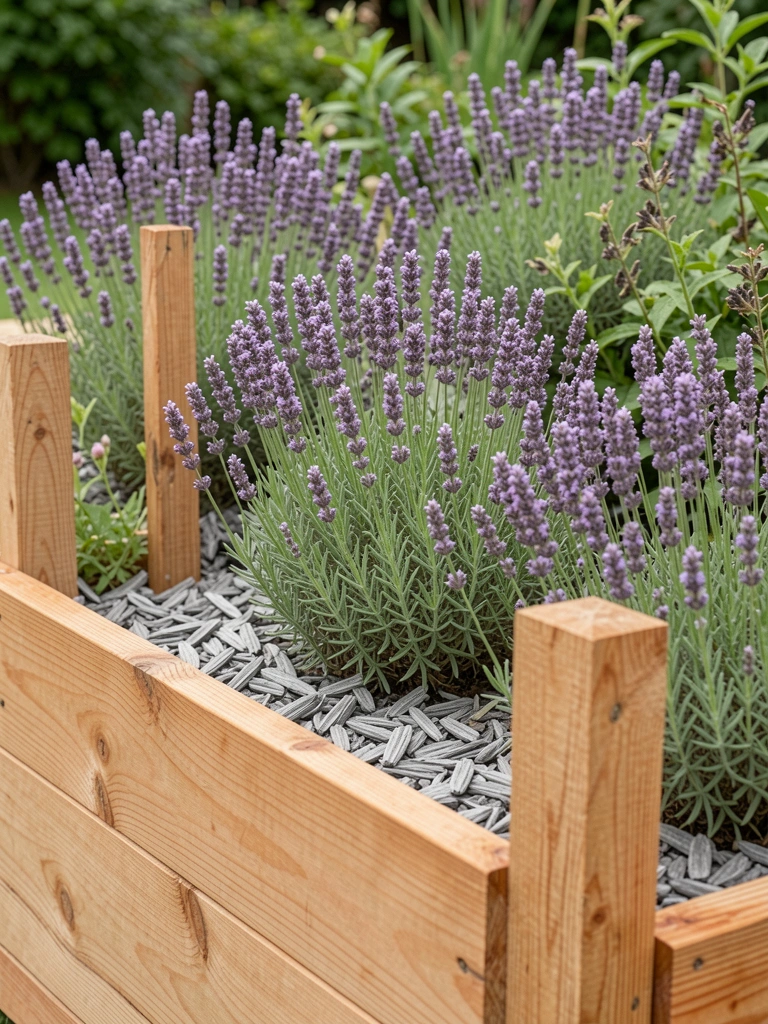
    2. Cedar Plank Raised Bed Layered with Lavender

    My front bed started with cedar raised garden bed kit—screwed together in an hour. Planted lavender rows, back tall, front short.

    Smell hits walking by, calms the air. Silver leaves catch light, wood weathers silver too. Matches.

    Overwatered first year—roots drowned. Now, soak deep weekly. Drought-tough combo.

    What You’ll Need for This Look

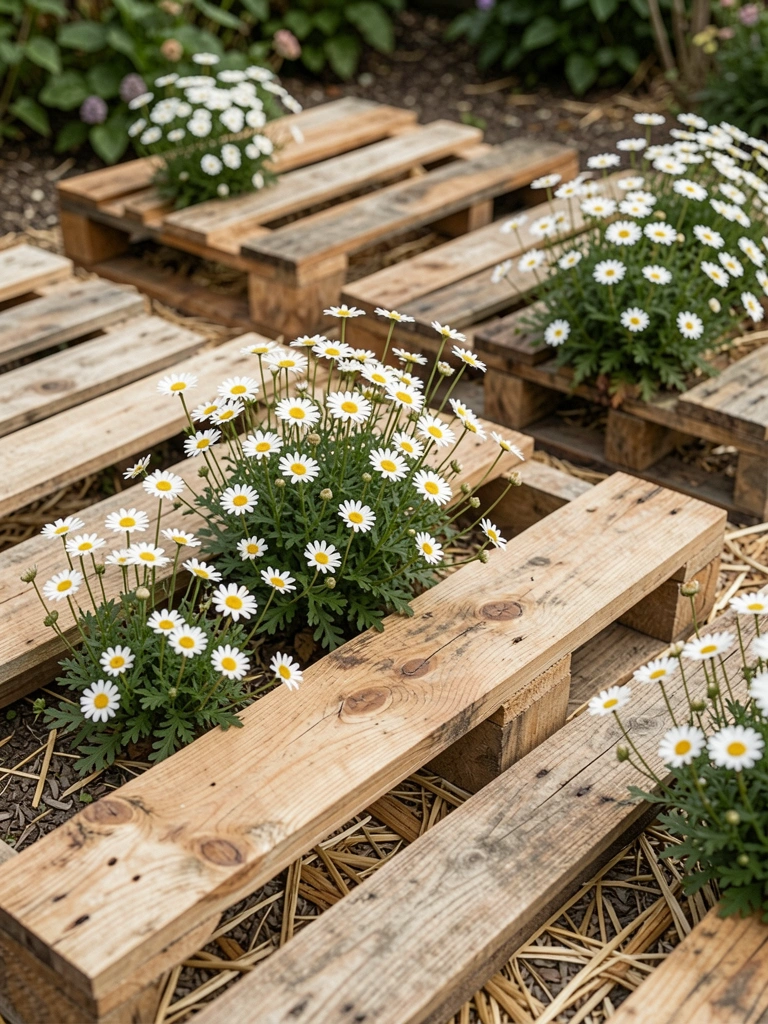
    3. Reclaimed Pallet Wood Beds for Sun Daisies

    Tore apart old pallets for flat beds along my fence. Nailed slats into low walls, filled with daisy seeds. They fluff up summer, yellow centers glow.

    Daisies reseed, fill gaps. Wood blends faded brown. Yard feels bigger.

    Splinters hurt first build—sand edges. Sunny spot key, or they flop.

    What You’ll Need for This Look

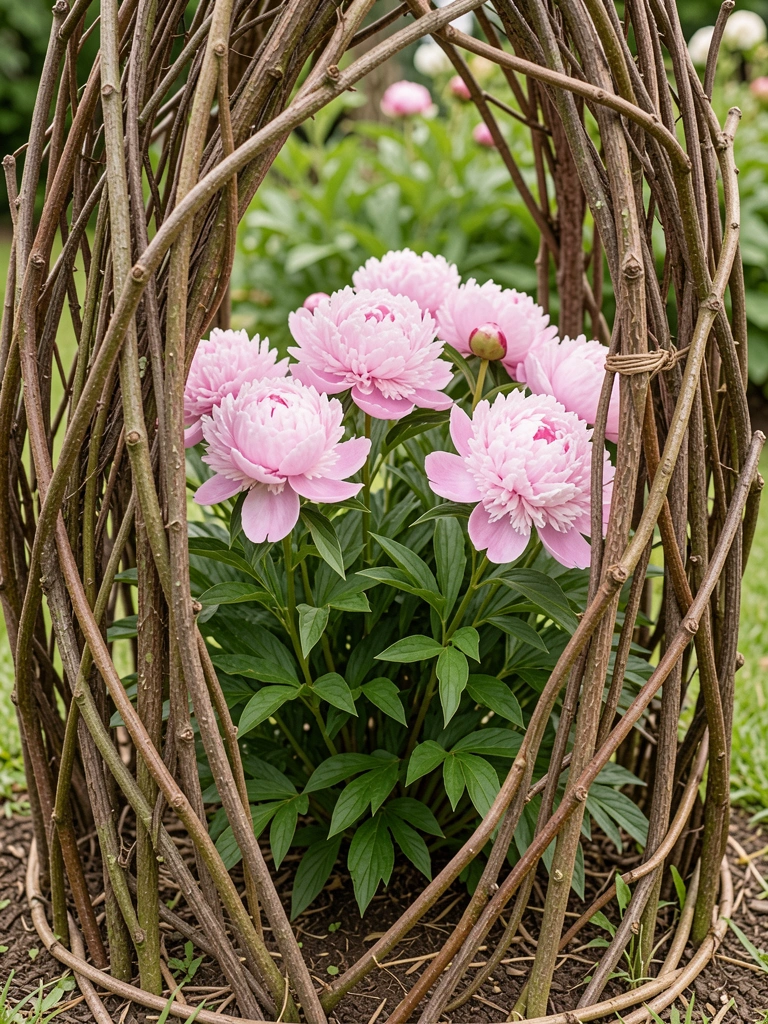
    4. Natural Branch Frames Around Peony Clusters

    Bent willow branches into loose frames for peonies dug from neighbor's yard. Tied with twine, no nails. Flowers burst huge, frame holds heavy heads.

    Pink balls sway, branches arch soft. Path feels framed cozy.

    Branches dry brittle fast—use fresh-cut green. Mulch heavy.

    What You’ll Need for This Look

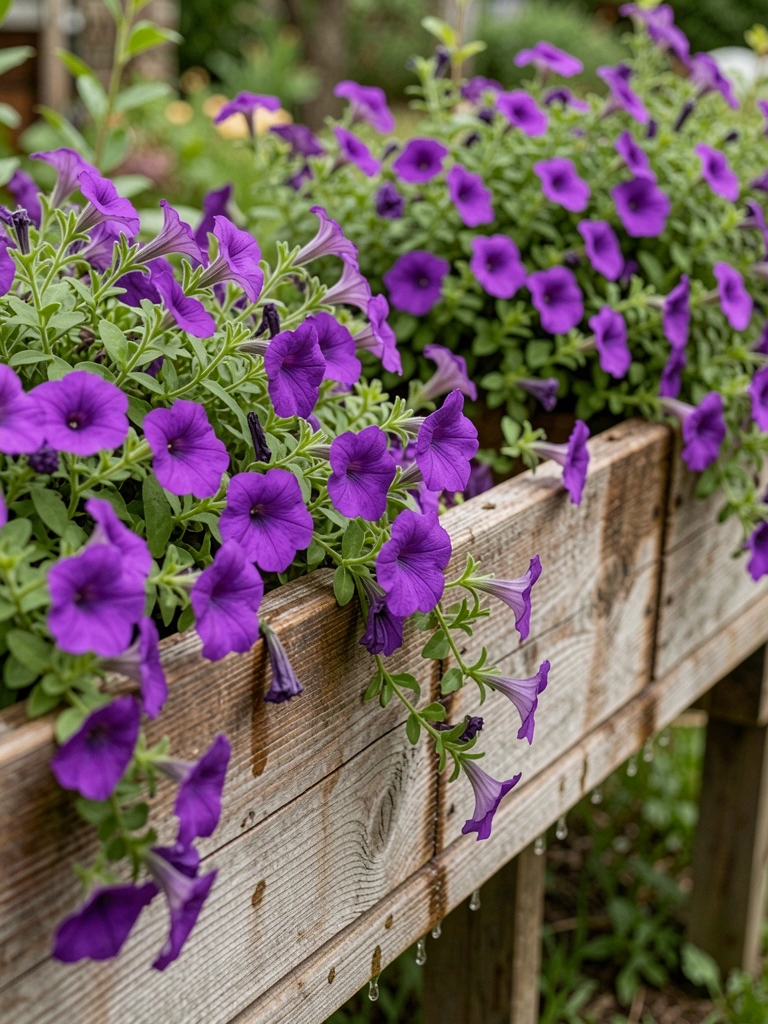
    5. Rustic Barn Wood Troughs for Trailing Petunias

    Lined old barn planks into long troughs on legs. Petunia starts trail over sides, purple waves down.

    Softens patio edge, pulls eye low. Wood patina deepens yearly.

    Legs wobble first rain—brace underneath. Full sun or leggy.

    What You’ll Need for This Look

    6. Weathered Fence Picket Borders for Spring Bulbs

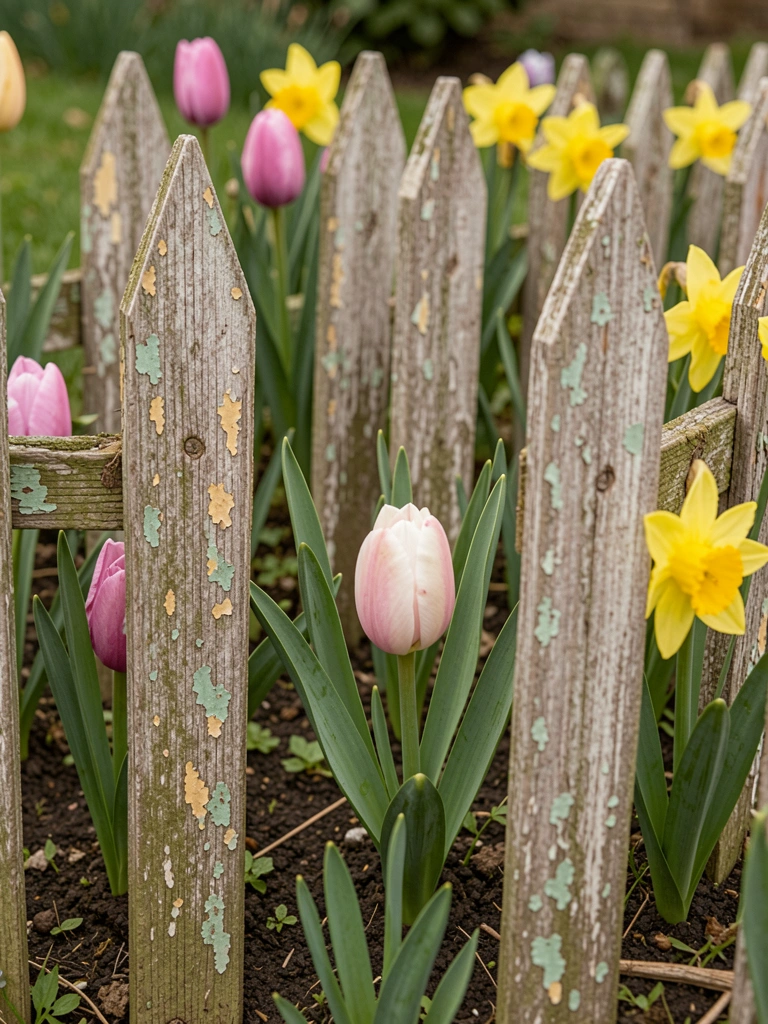
    Pounded fence pickets point-down for bulb borders. Tulips and daffodils poke through, color pops early.

    Wakes yard from winter, pickets lean casual. Low upkeep.

    Bought treated pickets—chemical smell. Go untreated pine now.

    What You’ll Need for This Look

    7. Curved Log Outlines for Climbing Roses

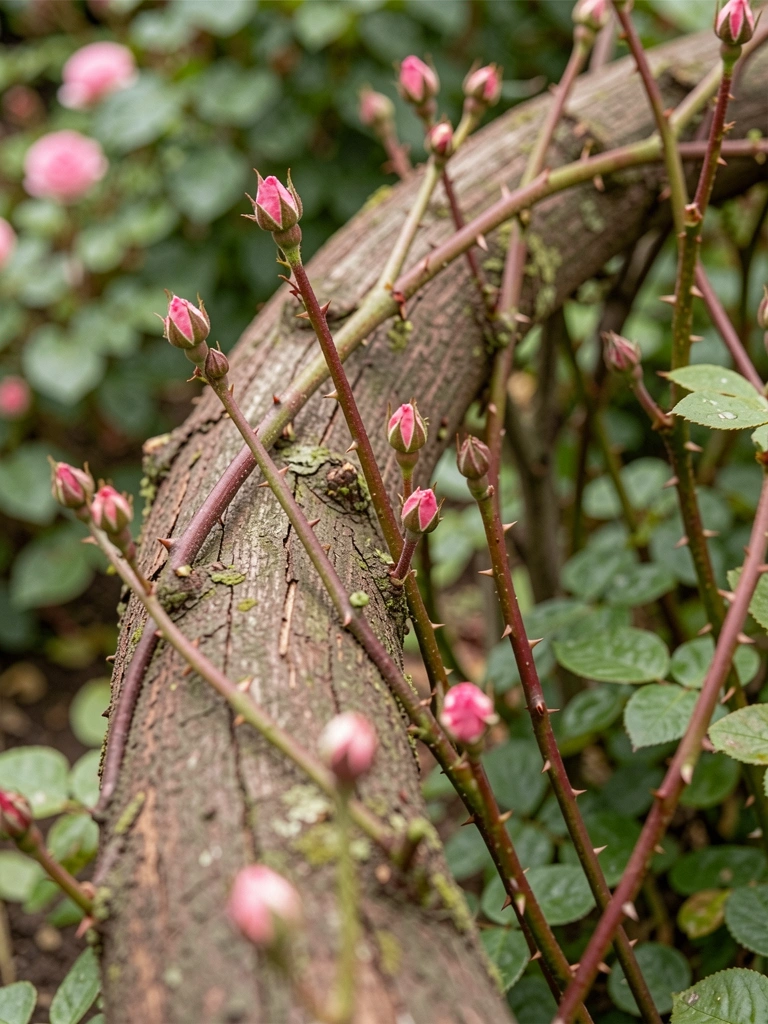
    Halved logs in gentle curve for rose base. Canes climb wire behind, flowers drape forward.

    Rose scent heavy, logs root roses stable. Corner turns lush.

    Too-shady spot—roses sulked. Full sun shifts everything.

    What You’ll Need for This Look

    8. Timber Frame Beds with Native Wildflowers

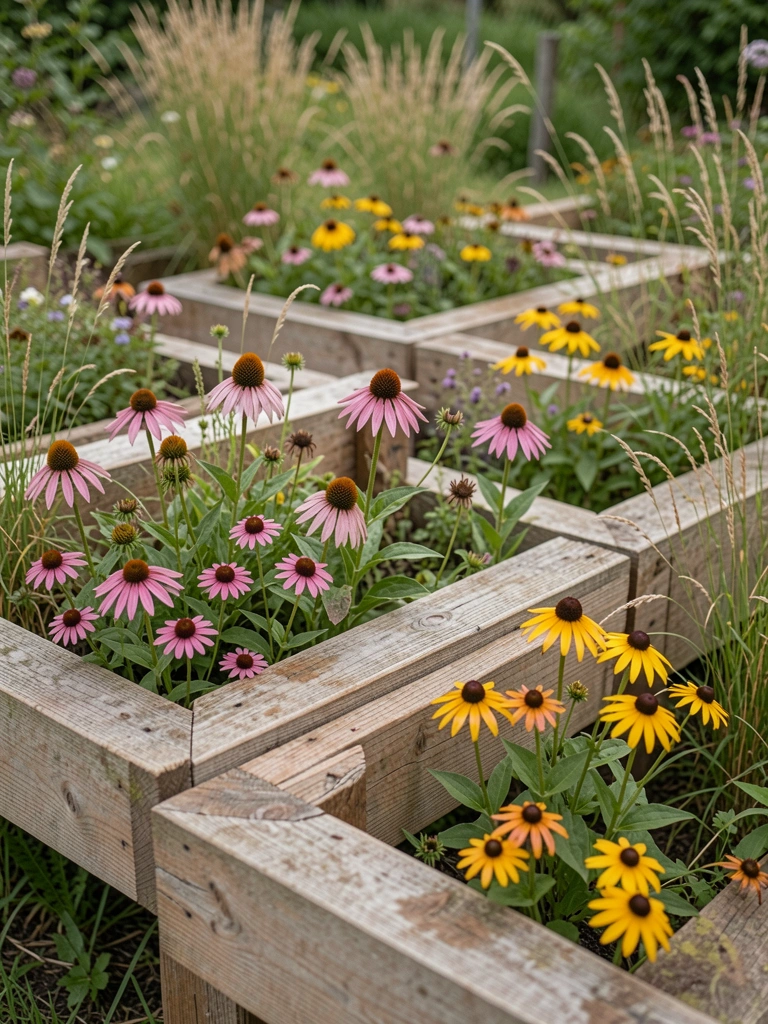
    Framed with 4×4 timbers for wildflower natives. Seeds scatter, black-eyed susans dominate.

    Mimics field edge, birds seed more. Timbers sink sturdy.

    Over-mulched—stifled sprouts. Light layer only.

    What You’ll Need for This Look

    9. Vertical Wood Slat Planters for Shade Impatiens

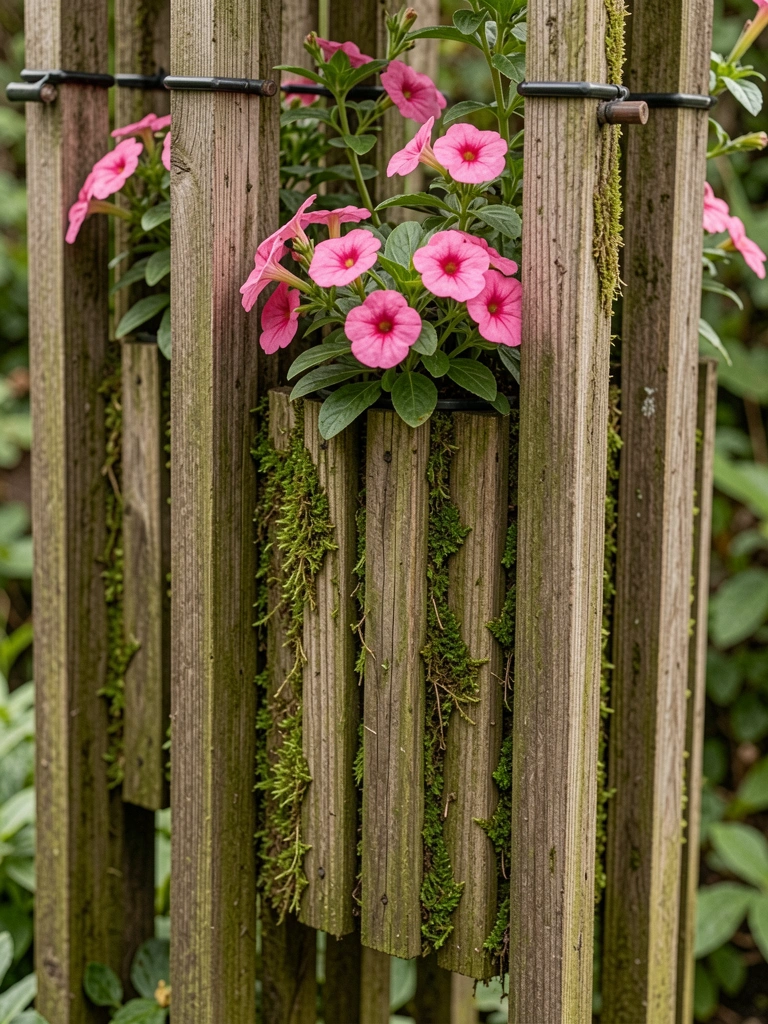
    Nailed slats into wall pockets for impatiens under trees. Flowers stack color in shade.

    Fills blank fence, softens hard lines. Water trickles down.

    Slats warped wet—space them. Morning water routine.

    What You’ll Need for This Look

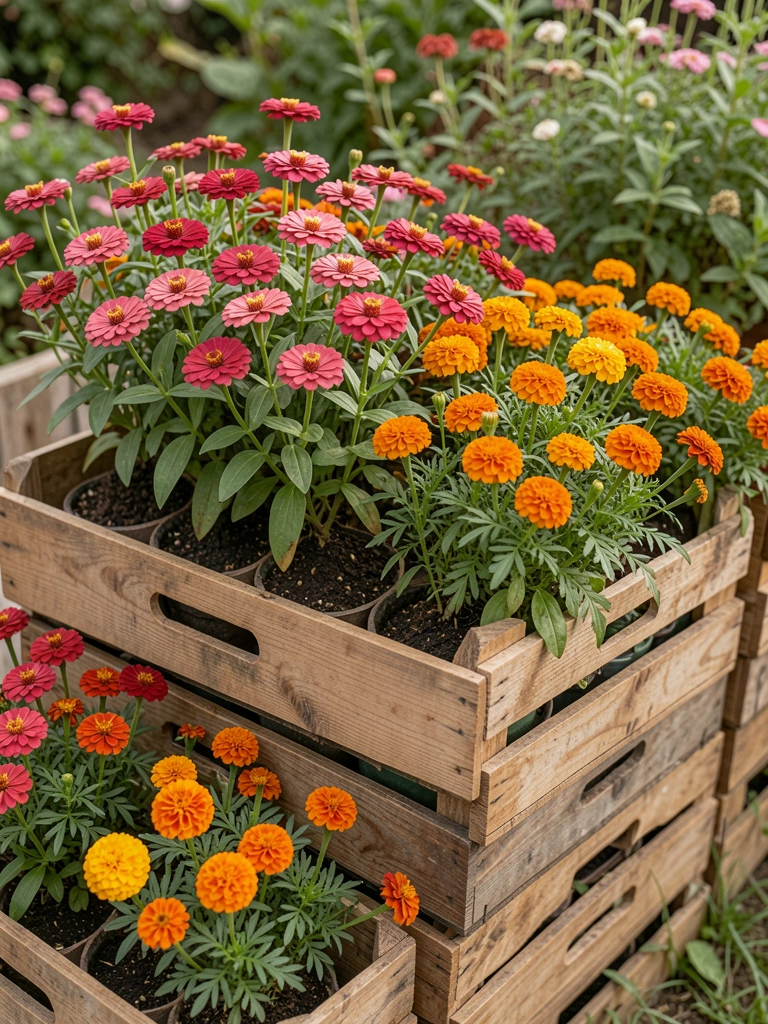
    10. Wood Crate Stacks for Mixed Annual Blooms

    Stacked old crates, lined bottoms loose. Annuals like zinnias fill tiers bright.

    Portable color blocks, move for sun. Crates age charming.

    Forgot drainage—soggy mess. Drill holes always.

    What You’ll Need for This Look

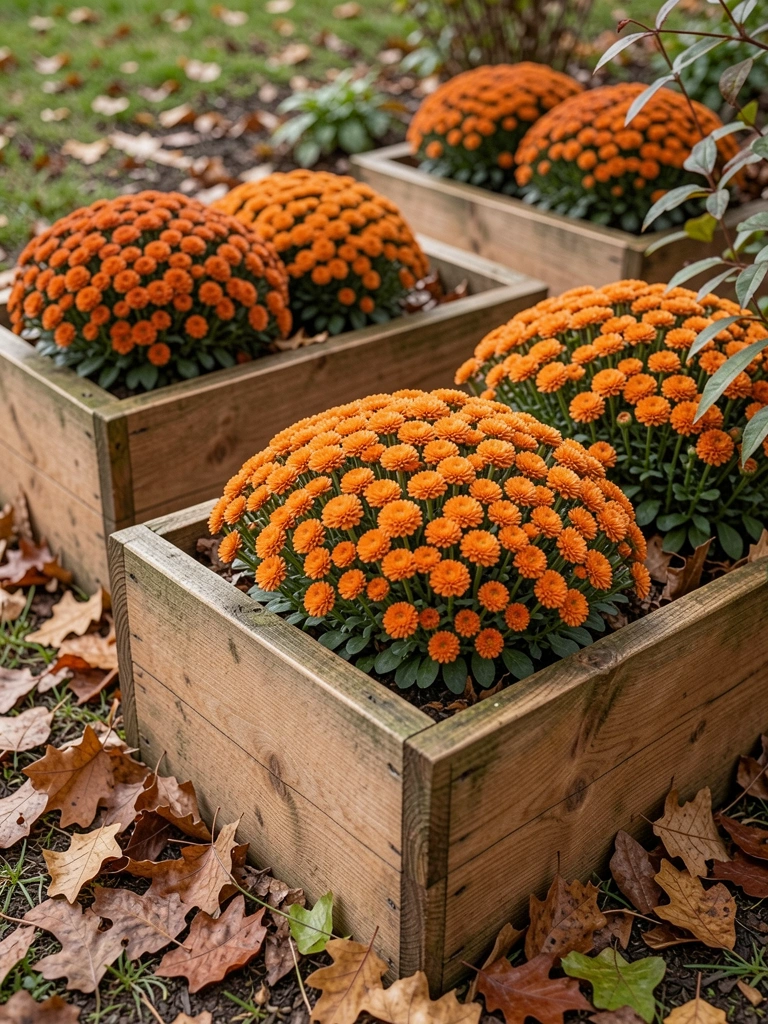
    11. Low Cedar Box Beds for Fall Mums

    Built knee-high cedar boxes for mums. Blooms mound full, edge path warm.

    Fall shifts garden gold, boxes tuck neat. Easy reach weed.

    Mums crowded first—space 18 inches. Divide yearly.

    What You’ll Need for This Look

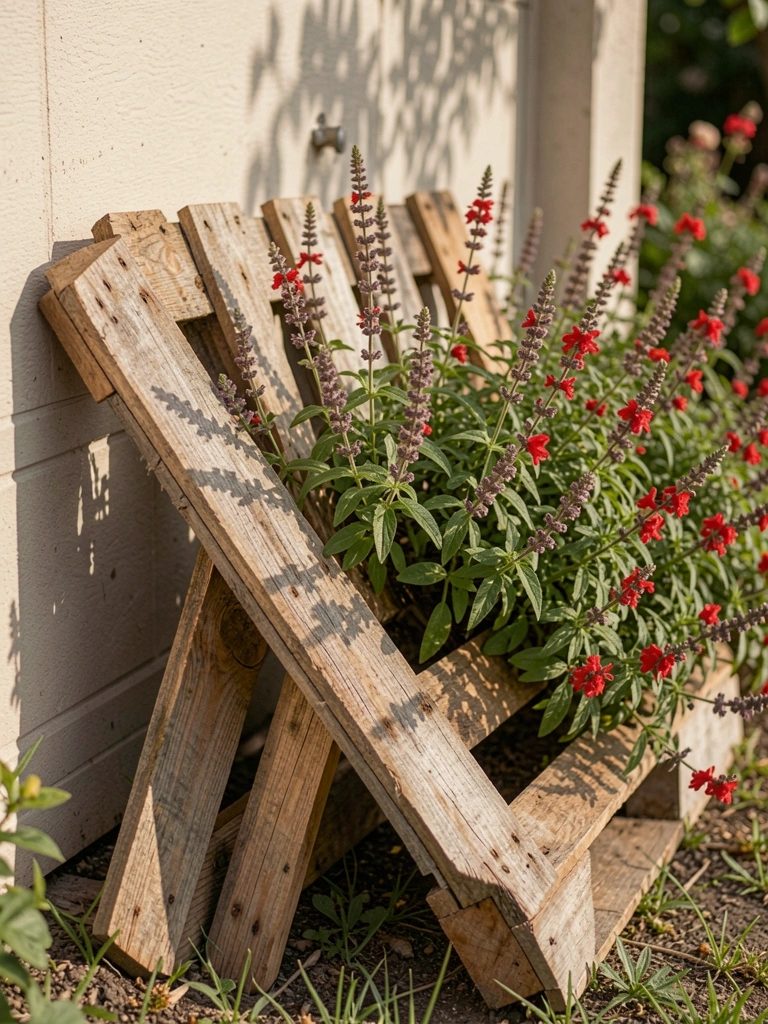
    12. Pallet Lean-To Beds Against Garage Wall

    Leaned whole pallets against garage, soil in slats for salvia. Vertical heat rises, plants stretch tall.

    Uses dead space, salvia reds punch. Reflective wall boosts.

    Pallets chemical-treated—scrubbed hard. Check stamps.

    What You’ll Need for This Look

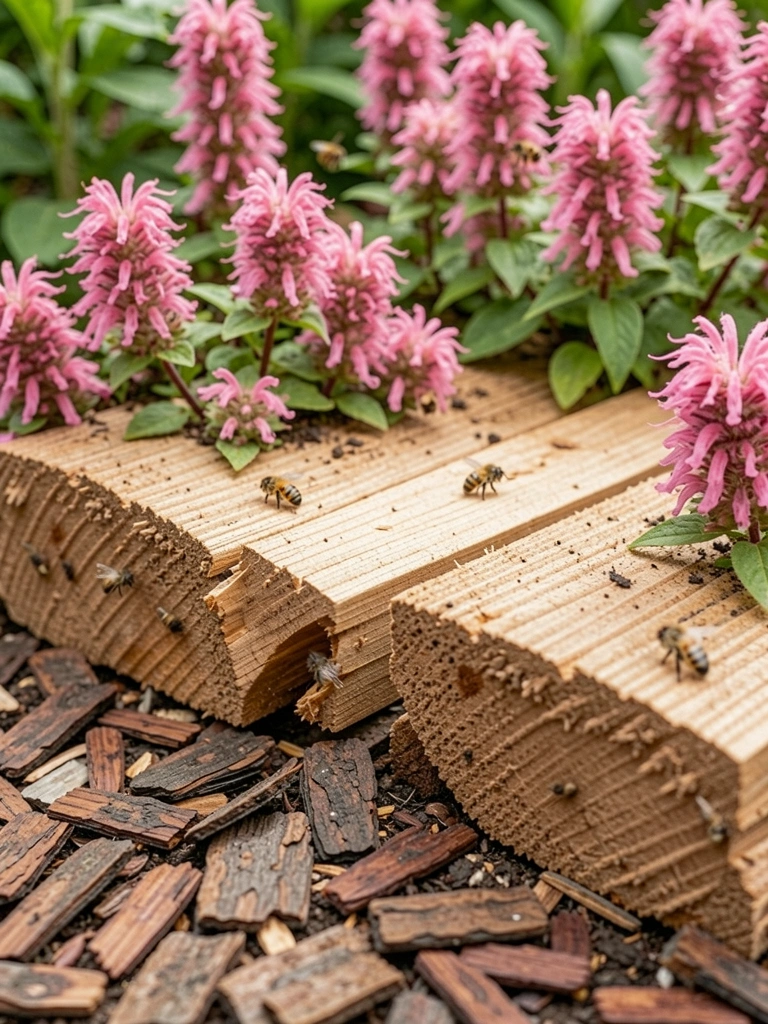
    13. Rough-Sawn Lumber Edges for Bee Balm Patches

    Edged with rough-sawn pine for bee balm. Flowers fluff fuzzy, hums with bees.

    Draws pollinators, wood texture matches stems. Meadow pocket.

    Spreads wild—mow edges yearly. Contain early.

    What You’ll Need for This Look

    14. Multi-Level Wood Tiered Beds for Color Blocks

    Tiered 2x6s into steps, phlox tall back, salvia low front. Blocks color sharp.

    Path accent, levels guide eye up. Sturdy sit-spot.

    Levels uneven settle—level base gravel.

    What You’ll Need for This Look

    15. Elevated Wood Platform Beds for Root Veggies and Flowers

    Raised platform on legs for deep soil—carrots below, cosmos above. Waist-high easy pick.

    No bending, flowers sway over greens. Platform stable.

    Legs short first—sag. 30-inch minimum.

    What You’ll Need for This Look

    Final Thoughts

    Pick a couple ideas that match your dirt and sun. Wood beds ground flowers natural—no rush for all 15.

    They settle over time, like old friends. Yours will too. Dig in.